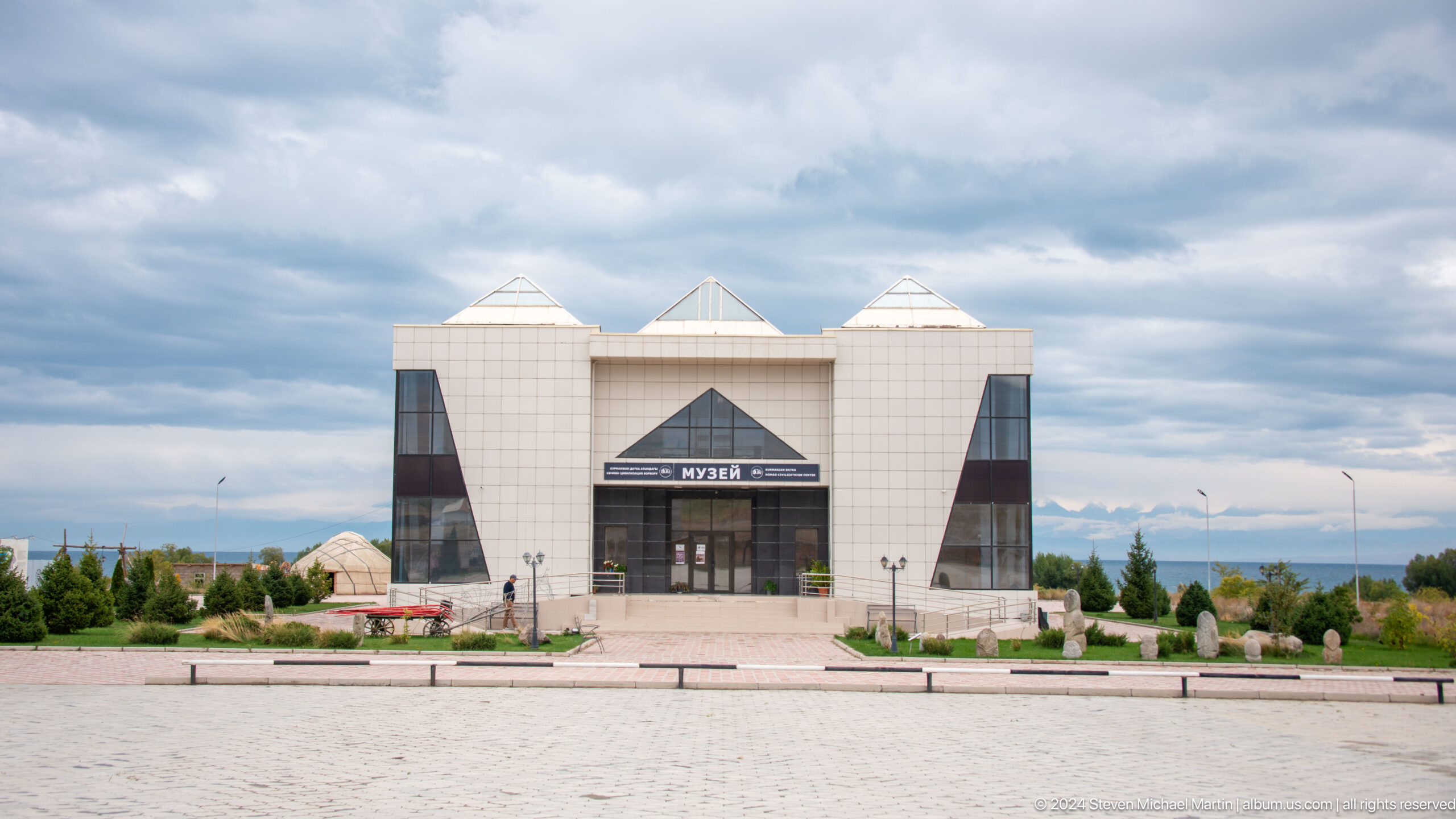
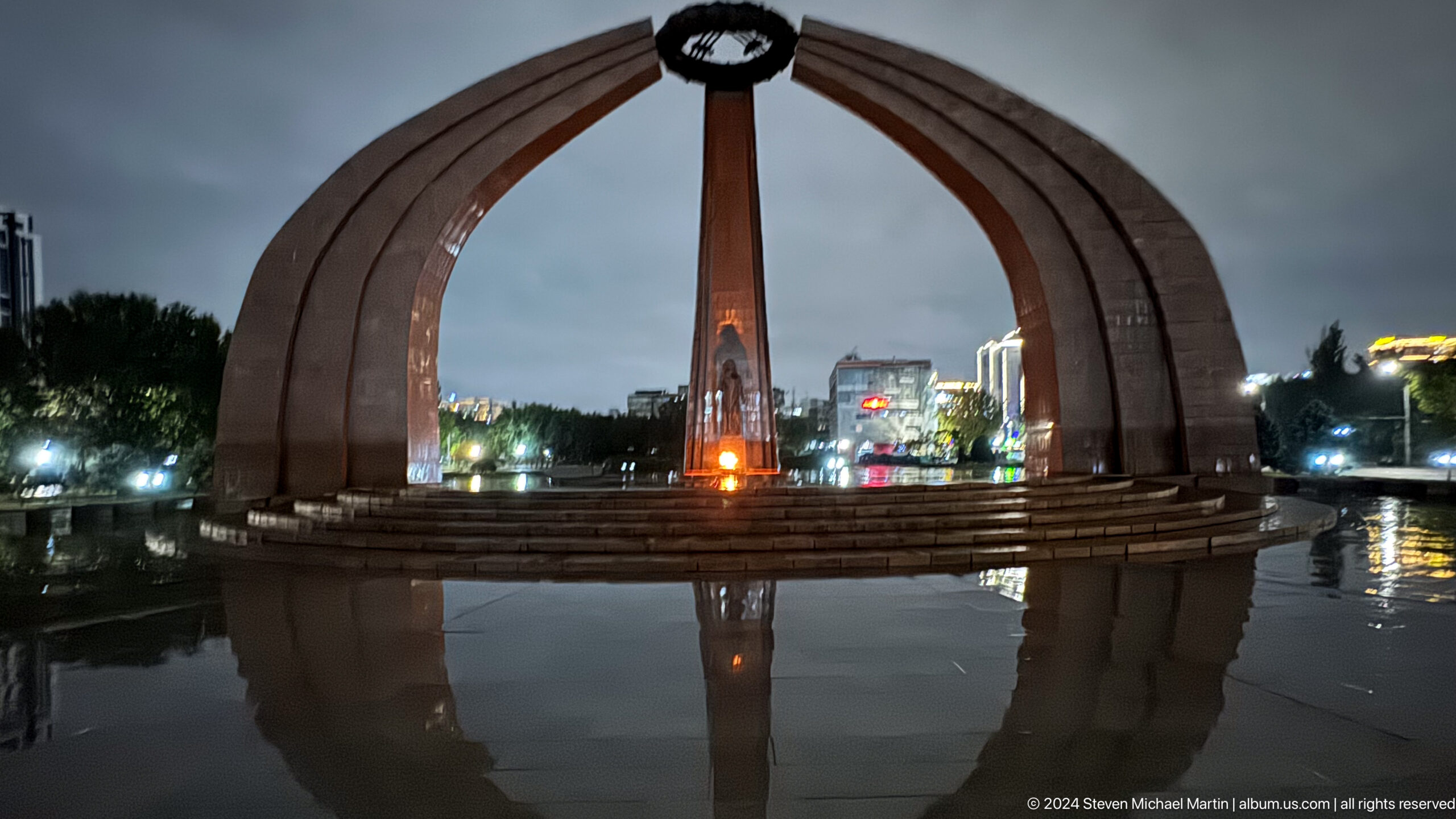
Bishkek State History Museum The Bishkek State History Museum presents historical material illustrating the cultural development of Kyrgyzstan and the broader Central Asian region. Exhibits reflect the traditions of nomadic societies whose mobility contributed to exchange along Silk Road routes. Artifacts provide insight into the social and economic structures that shaped life across the Eurasian […]
Kok-Moinok Canyon Kok-Moinok Canyon is located in Kyrgyzstan and illustrates the rugged terrain characteristic of Central Asia’s mountainous landscapes. Geographic features such as canyons, valleys, and high mountain passes shaped the routes used by merchants traveling between China and western regions. Natural corridors influenced the development of pathways linking settlements across the Silk Road network. […]
Issyk-Kul Region Issyk-Kul is one of the largest alpine lakes in the world and is located in eastern Kyrgyzstan along routes historically used by merchants traveling between China and Central Asia. The lake’s location within the Tian Shan mountain range provided access to key mountain passes connecting trade networks across Eurasia. Its natural environment illustrates […]
Burana Tower Burana Tower is a minaret dating to the eleventh century and represents one of the most important surviving structures from the city of Balasagun, an early Silk Road settlement in present-day Kyrgyzstan. The tower reflects the influence of Islamic architecture introduced through trade and cultural exchange across Central Asia. Its construction demonstrates the […]
Bishkek Bishkek, the capital of Kyrgyzstan, is located near historic Silk Road corridors connecting Central Asia with China and the Middle East. The surrounding region historically supported caravan routes passing through mountain passes linking oasis settlements and steppe communities. Its location illustrates the geographic diversity encountered by travelers moving across Eurasia. The city reflects the […]