Beng Mealea Beng Mealea is a largely unrestored twelfth-century temple constructed during the reign of King Suryavarman II, the same ruler associated with Angkor Wat. The temple’s design reflects the architectural principles of the Angkorian period, including symbolic layouts representing Hindu cosmology. Its remote location contributed to its preservation within a heavily forested environment. Collapsed […]
Banteay Srei Banteay Srei is a tenth-century Khmer temple dedicated to the Hindu god Shiva and is known for its exceptionally detailed decorative carvings. Constructed from pink sandstone, the temple’s intricate reliefs demonstrate a high level of artistic refinement associated with early Angkorian craftsmanship. Its relatively small scale allows for particularly elaborate ornamental detail. Carvings […]
Preah Ang Thom Preah Ang Thom is an important Buddhist pilgrimage site located on Phnom Kulen, associated with the early development of Khmer religious tradition. The site is known for its large reclining Buddha carved directly into natural stone, illustrating the adaptation of sacred imagery to the surrounding landscape. Its elevated setting reinforces the spiritual […]
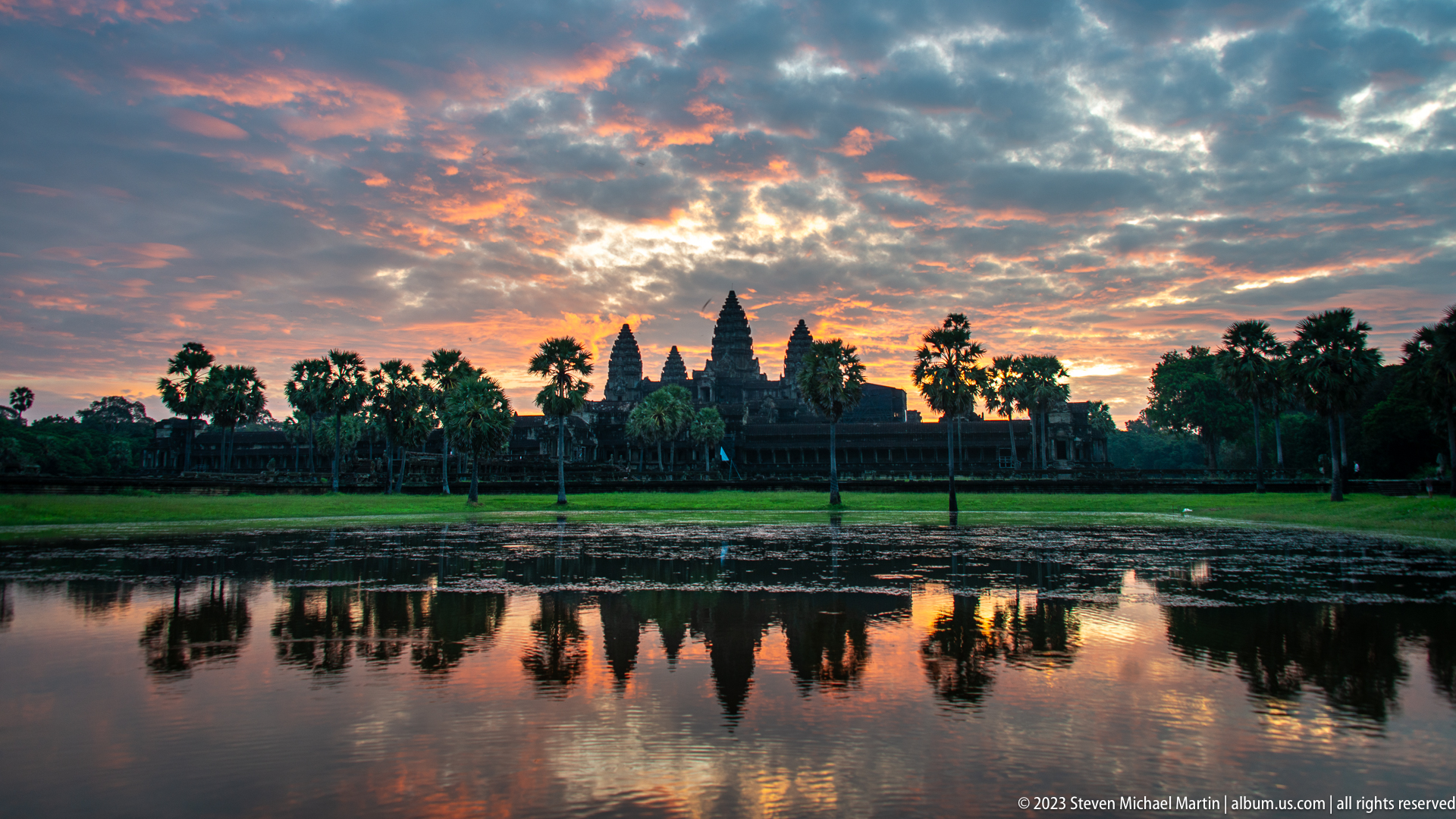
Angkor Wat Angkor Wat is one of the largest and most significant temple complexes in the world, constructed in the twelfth century during the reign of King Suryavarman II. Originally dedicated to the Hindu god Vishnu, the temple later became an important Buddhist religious site. Its architectural design reflects advanced engineering and symbolic cosmology associated […]
Siem Reap Siem Reap developed as the principal gateway to the Angkor archaeological region, one of the most significant cultural landscapes in Southeast Asia. The city’s growth reflects its role in supporting exploration of Khmer temple complexes constructed between the ninth and fifteenth centuries. Its location near the Tonle Sap basin contributed to the development […]
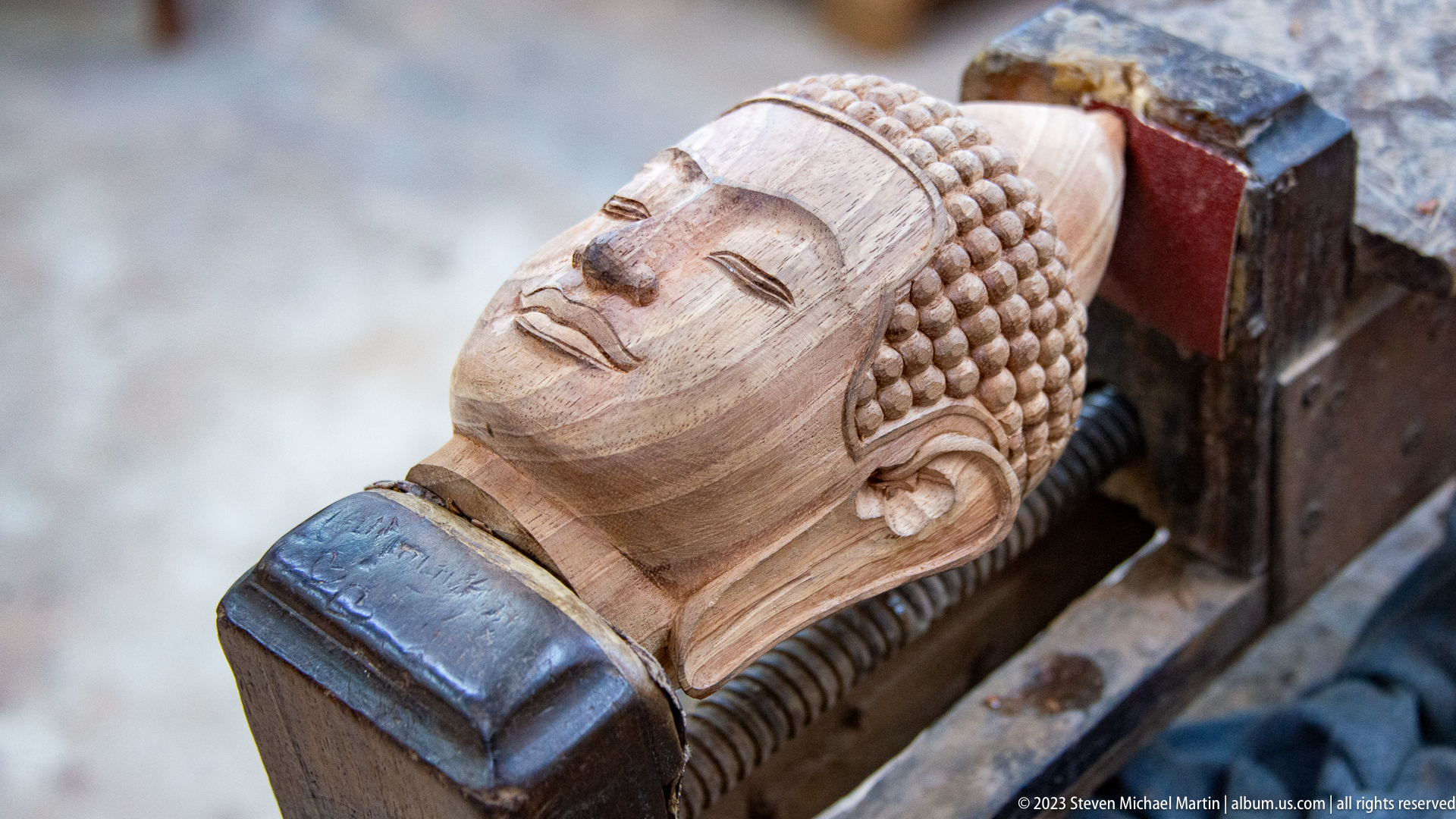
Artisans Angkor Artisans Angkor preserves traditional Khmer artistic techniques that have been practiced for centuries in Cambodia. The workshops focus on stone carving, wood sculpture, silk weaving, and lacquer work, reflecting craftsmanship associated with the Angkorian artistic tradition. These skills represent a continuation of cultural practices that flourished during the height of the Khmer Empire. […]
Phnom Kulen Phnom Kulen is a mountain region in Cambodia associated with early Khmer civilization and the establishment of Angkorian political authority. Archaeological remains in the area illustrate the development of religious and ceremonial practices associated with early Hindu and later Buddhist traditions. The site reflects the importance of geography in shaping early Southeast Asian […]
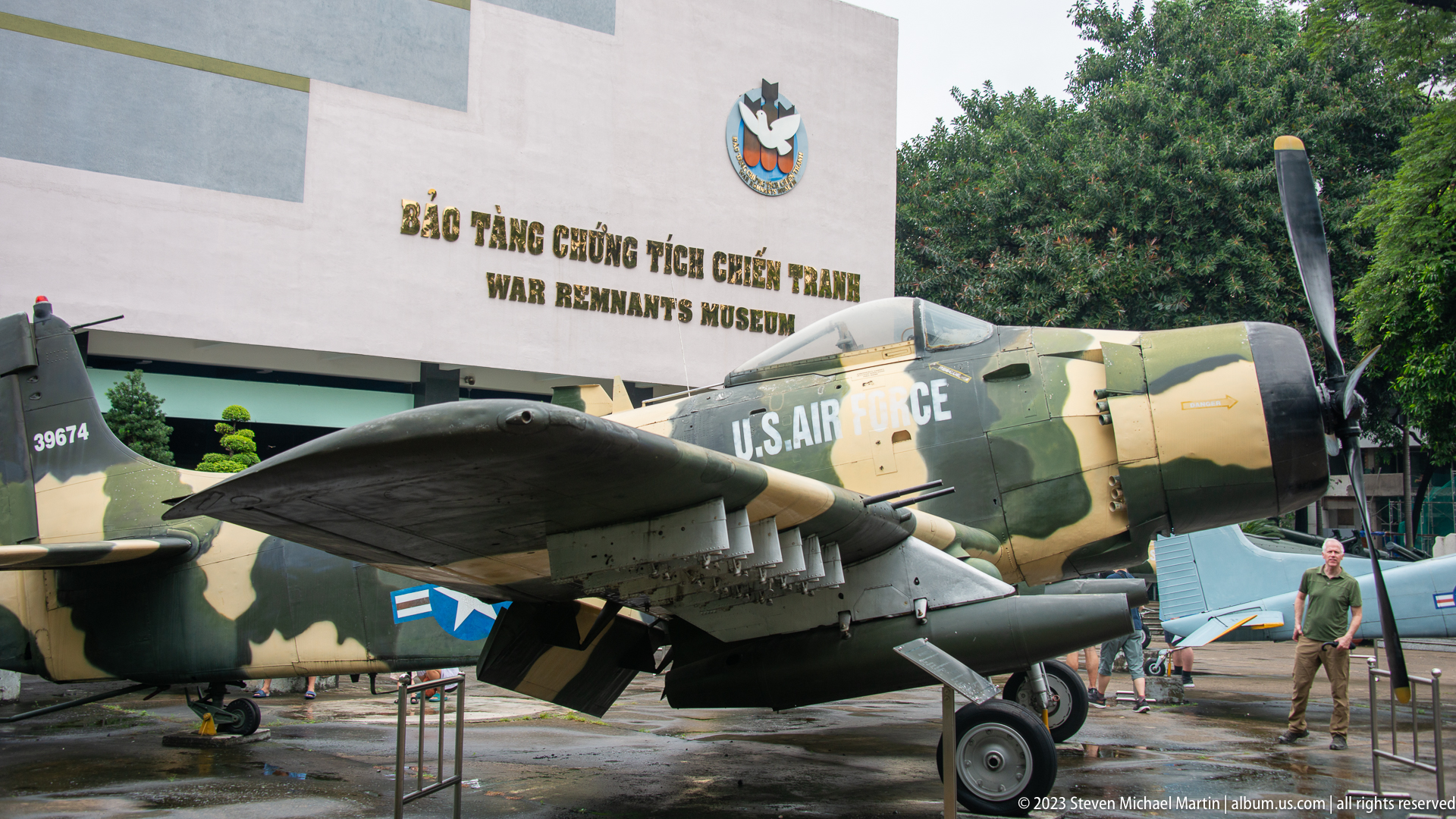
War Remnants Museum The War Remnants Museum in Ho Chi Minh City documents the historical events associated with the Vietnam War and its impact on Vietnamese society. Exhibits present photographic, historical, and military materials illustrating the effects of twentieth-century conflict in Southeast Asia. The museum reflects the importance of preserving historical memory related to political […]
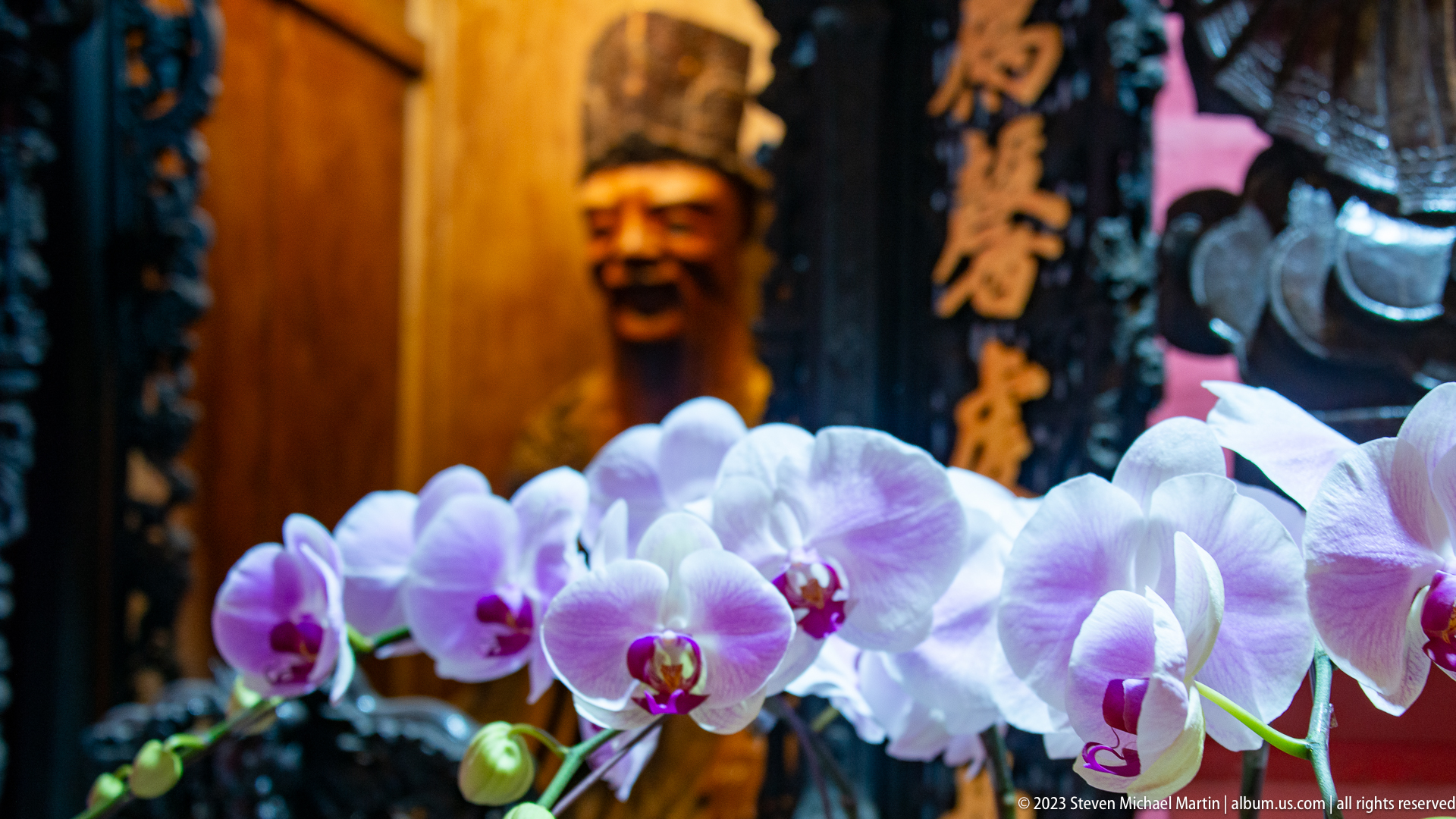
Jade Emperor Pagoda The Jade Emperor Pagoda in Ho Chi Minh City reflects religious traditions influenced by Chinese spiritual practices introduced through migration and trade networks. Constructed in the early twentieth century, the temple illustrates the continuation of Taoist and Buddhist devotional architecture in Southeast Asia. Decorative carvings and symbolic imagery reflect religious beliefs associated […]
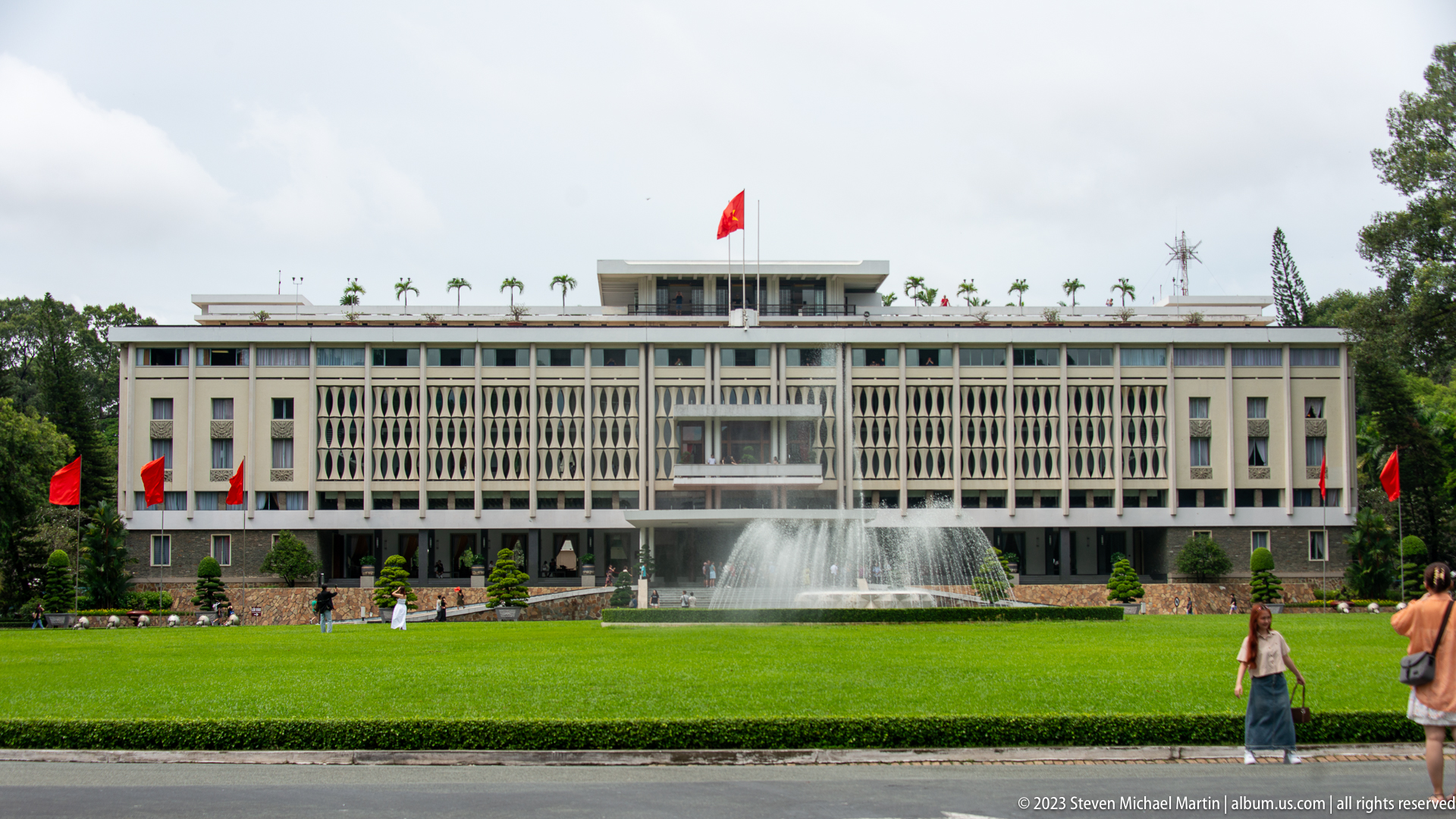
Independence Palace The Independence Palace in Ho Chi Minh City served as the presidential residence of South Vietnam during the twentieth century. The building became associated with major historical events marking the conclusion of the Vietnam War in 1975. Its architecture reflects modernist design principles influenced by mid-twentieth-century planning. Interior spaces illustrate the administrative functions […]