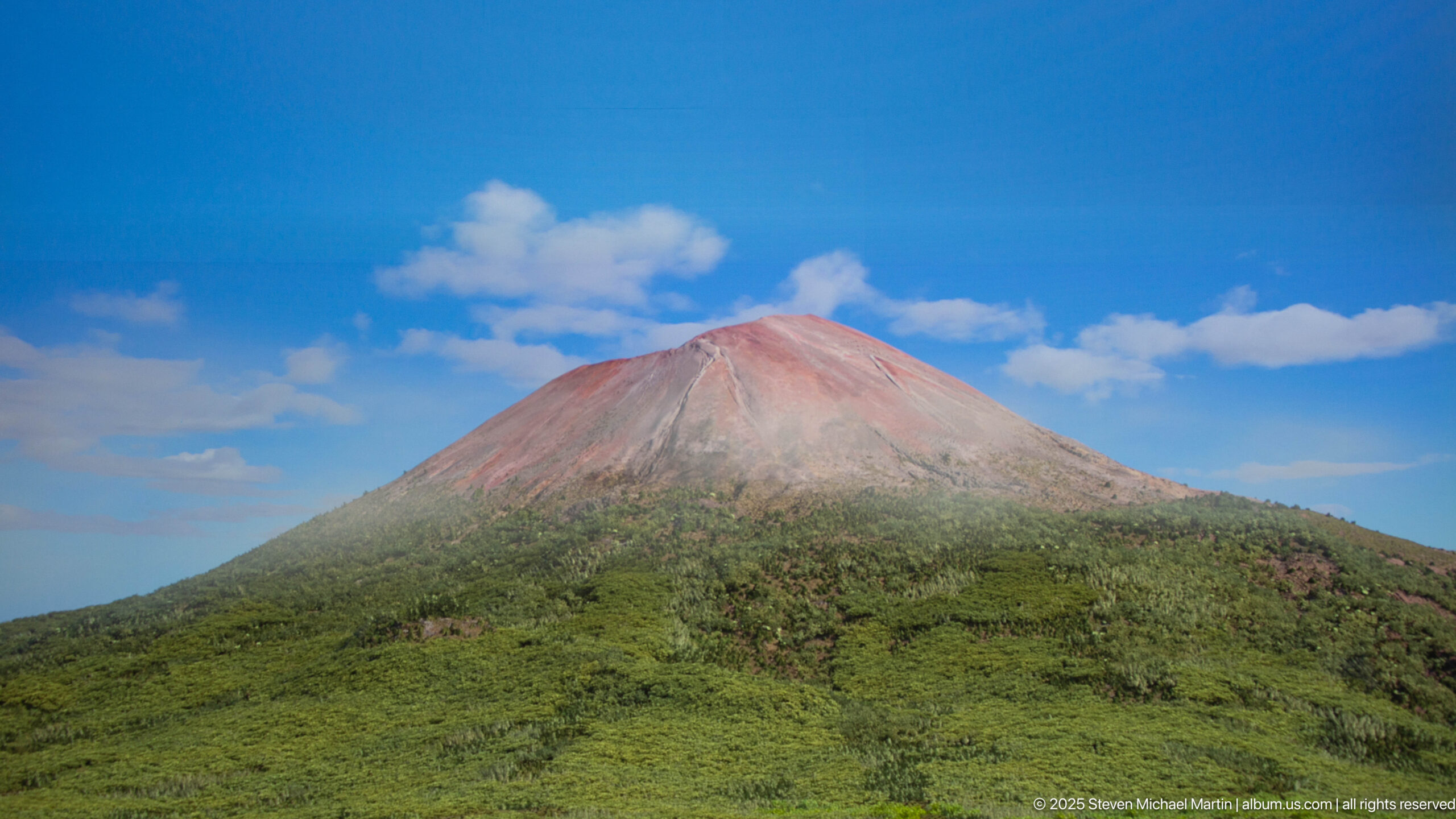
Issyk-Kul Region Issyk-Kul is one of the largest alpine lakes in the world and is located in eastern Kyrgyzstan along routes historically used by merchants traveling between China and Central Asia. The lake’s location within the Tian Shan mountain range provided access to key mountain passes connecting trade networks across Eurasia. Its natural environment illustrates […]
Burana Tower Burana Tower is a minaret dating to the eleventh century and represents one of the most important surviving structures from the city of Balasagun, an early Silk Road settlement in present-day Kyrgyzstan. The tower reflects the influence of Islamic architecture introduced through trade and cultural exchange across Central Asia. Its construction demonstrates the […]
Bishkek Bishkek, the capital of Kyrgyzstan, is located near historic Silk Road corridors connecting Central Asia with China and the Middle East. The surrounding region historically supported caravan routes passing through mountain passes linking oasis settlements and steppe communities. Its location illustrates the geographic diversity encountered by travelers moving across Eurasia. The city reflects the […]
Almaty Central State Museum The Central State Museum of Kazakhstan presents historical artifacts documenting the development of Central Asian civilizations from ancient nomadic societies through modern national history. Exhibits illustrate the cultural traditions of steppe communities whose mobility contributed to exchange along Silk Road routes. The museum provides context for understanding the historical development of […]
Kasteev State Art Museum The Kasteev State Museum of Arts in Almaty is the largest art museum in Kazakhstan and preserves collections reflecting the cultural heritage of Central Asia. The museum includes works illustrating artistic traditions influenced by nomadic culture, Islamic design, and later Russian artistic movements. Its collections provide insight into the diverse cultural […]
Kok Tobe Kok Tobe is a hill overlooking Almaty that provides panoramic views of the surrounding city and mountains of southeastern Kazakhstan. Elevated observation points historically played a role in navigation and orientation for travelers moving through Central Asian landscapes. The location highlights the geographic context that influenced movement along Silk Road routes. The surrounding […]
Almaty Almaty developed as an important administrative and commercial center in southeastern Kazakhstan, located near historic routes linking Central Asia with China and the broader Silk Road network. Its geographic position near mountain passes contributed to its strategic importance as a regional settlement. The city reflects layers of cultural influence shaped by nomadic traditions, Russian […]
Zenkov Cathedral Zenkov Cathedral, located in Almaty, Kazakhstan, is one of the tallest wooden Orthodox churches in the world and was constructed in the early twentieth century during the Russian Imperial period. The cathedral reflects architectural traditions associated with Russian Orthodox religious design adapted to Central Asian conditions. Its wooden structure demonstrates engineering techniques developed […]
Sheikh Zayed Grand Mosque The Sheikh Zayed Grand Mosque is one of the largest mosques in the world and reflects architectural traditions drawn from multiple regions of the Islamic world. Completed in the early twenty-first century, the mosque incorporates design influences from Persian, Mughal, and Moorish architectural styles. Its construction demonstrates the continuation of religious […]
Qasr Al Watan Qasr Al Watan is a presidential palace in Abu Dhabi that reflects architectural traditions inspired by classical Islamic design. The structure incorporates decorative elements emphasizing symmetry, geometric ornamentation, and formal spatial organization. Its design illustrates the continuation of architectural forms associated with cultural heritage in the Middle East. Interior spaces include ceremonial […]