Lunenburg
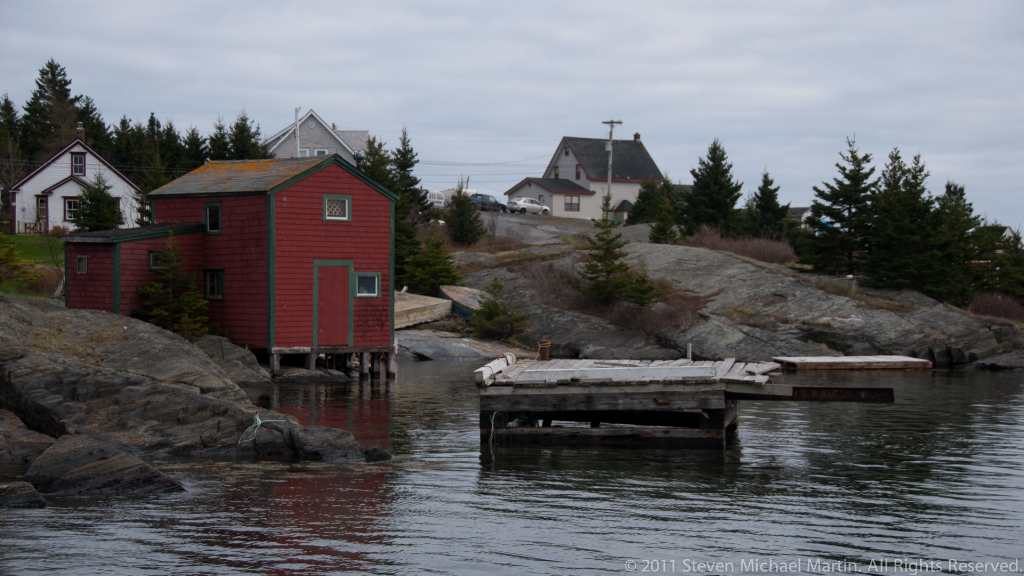
Lunenburg is one of the best-preserved colonial towns in North America and reflects the complex cultural landscape that developed in Nova Scotia following the period of early Acadian settlement. Founded in 1753 by the British, the town was populated largely by German and Swiss Protestants as part of an effort to strengthen British presence in the region after the displacement of many Acadian communities. The orderly street plan and brightly painted wooden buildings illustrate British colonial urban design during the mid-18th century.
Although not originally an Acadian settlement, Lunenburg provides important historical context for understanding how political and cultural change reshaped Nova Scotia after the Great Deportation. The establishment of new communities by British authorities altered the demographic landscape of the region and contributed to the transformation of Acadian territory into a more diverse colonial society. The town’s architecture and harbor setting reflect the maritime economy that became central to life in Atlantic Canada.
Today, Lunenburg is recognized as a UNESCO World Heritage Site for its remarkable state of preservation and its representation of British colonial planning traditions. Its historic waterfront, churches, and civic buildings illustrate the evolving cultural identity of Nova Scotia during the period when Acadian communities were rebuilding and redefining their place within the region.