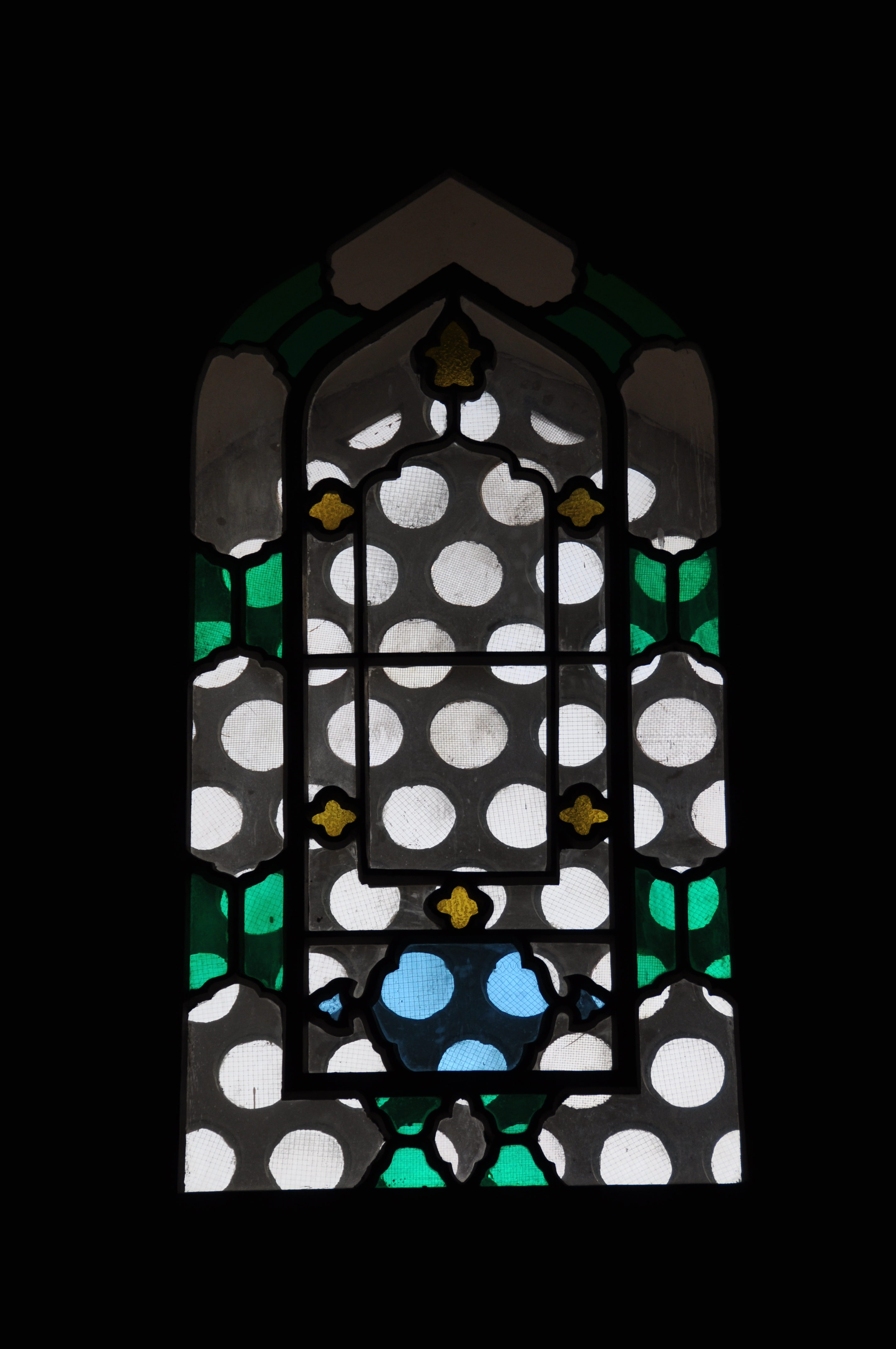
Suleymaniye Mosque
The Suleymaniye Mosque is one of the most important architectural achievements of the Ottoman Empire and was designed by the renowned imperial architect Mimar Sinan in the 16th century. Commissioned by Sultan Suleiman the Magnificent, the mosque reflects the political and cultural strength of the Ottoman state during its period of greatest expansion. Its commanding position overlooking the Golden Horn emphasizes the importance of religious architecture in shaping the urban identity of Istanbul.
The design demonstrates a refined interpretation of Byzantine architectural principles, particularly the use of a central dome supported by semi-domes to create a balanced interior space. Sinan’s approach emphasized structural clarity, natural light, and harmonious proportions. Decorative elements include calligraphy, stained glass, and geometric ornamentation characteristic of Ottoman artistic traditions.
The Suleymaniye Mosque illustrates the culmination of architectural developments influenced by earlier Byzantine and Islamic structures. It represents the maturity of Ottoman design and the continued evolution of monumental religious architecture across centuries.