This journey explores the historical development of northern Europe through sites shaped by medieval trade, imperial expansion, and twentieth-century conflict. Cities of Finland and the Baltic region reflect the influence of Swedish, Russian, and German political authority over several centuries. Architectural landmarks and historic centers illustrate the cultural diversity that developed along important northern trade routes.
During the twentieth century, the region experienced major political transformation as the Russian Empire collapsed and independent Baltic states emerged. The Second World War brought renewed conflict as Soviet forces advanced across the region, shaping national borders and political identities. Historic sites provide insight into how these events influenced the cultural and political landscape of northern Europe.
Travel across Finland, Estonia, Latvia, and Lithuania reveals the interaction between medieval commerce, imperial governance, and modern national identity. The preserved historic environments illustrate the continuity of cultural traditions shaped by both cooperation and conflict across northern Europe.
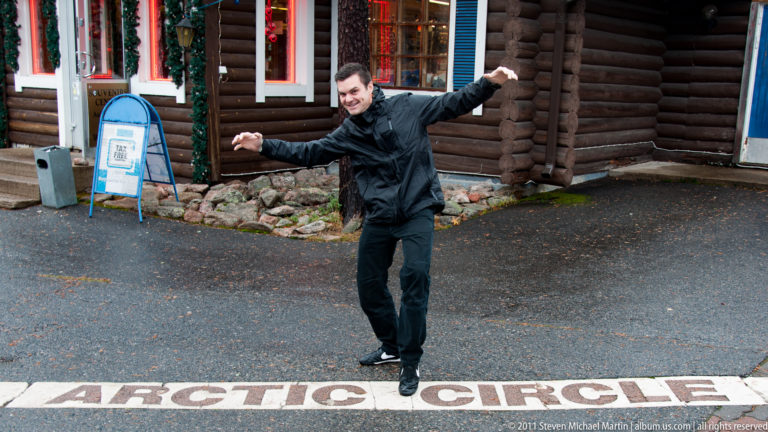
Lapland Lapland is a northern region of Finland characterized by expansive forests, tundra landscapes, and Arctic environmental conditions. The region […]
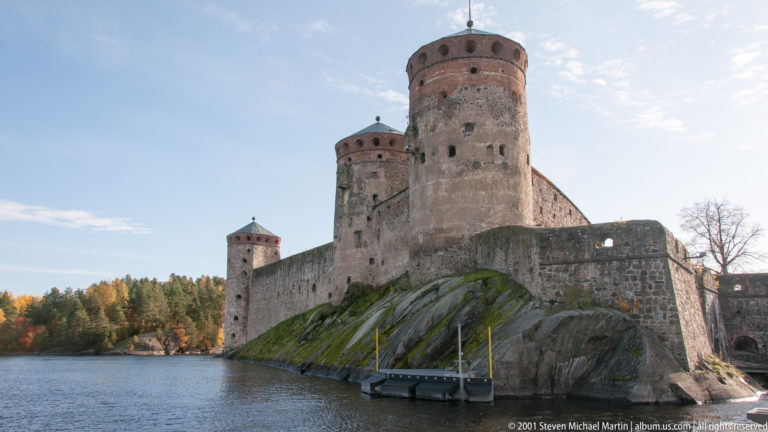
Olavinlinna Olavinlinna Castle is a medieval fortress located in Savonlinna, Finland, constructed during the fifteenth century to secure regional borders […]
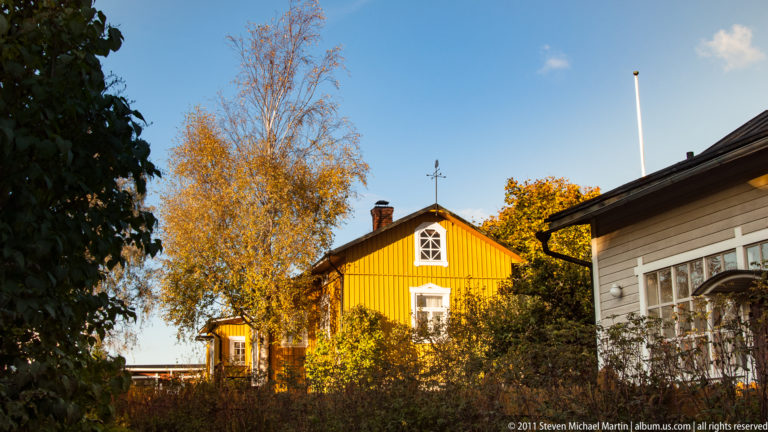
Rauma Rauma preserves one of the most extensive collections of wooden buildings in northern Europe, reflecting traditional construction techniques associated […]
The itinerary connects historic cities and cultural landmarks associated with the Hanseatic League, Swedish and Russian rule, and twentieth-century political change. Medieval town centers, churches, and civic buildings illustrate the evolution of northern European society shaped by trade networks and shifting political authority.