Khiva
Khiva is a historic oasis city in Uzbekistan that served as an important stop along Silk Road trade routes linking Central Asia with Persia and the Caspian region. Surrounded by defensive walls, the city reflects urban planning designed to protect merchants and travelers moving across desert landscapes. Its preserved inner city, known as Itchan Kala, provides insight into life within fortified trading centers.
Mosques, madrasas, and minarets illustrate architectural traditions associated with Islamic culture in Central Asia. Decorative tilework and carved wooden elements demonstrate the craftsmanship that flourished in Silk Road cities. Khiva’s layout reflects the importance of security and infrastructure in supporting caravan trade.
Khiva represents the architectural and cultural heritage of Silk Road oasis settlements. Its preserved historic center illustrates the organization of commerce and religious life in Central Asia.
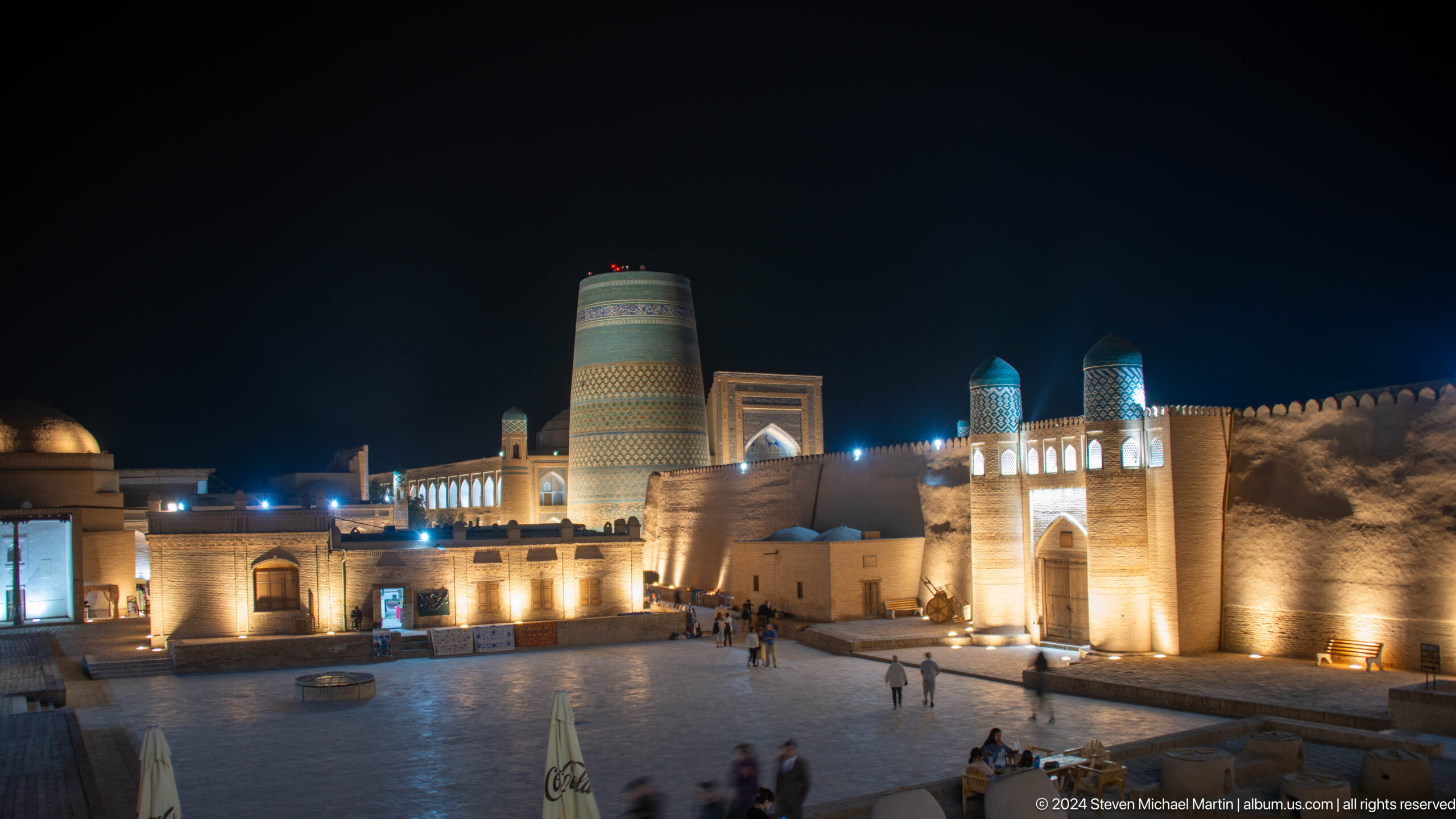
Khiva night skyline is documented within Khiva’s walled historic center. The photograph emphasizes its visible form, materials, ornament, and relationship to the surrounding urban fabric, preserving a focused record of the architecture, craft tradition, daily life, or travel experience represented in this view.
Caption
Khiva night skyline is documented within Khiva’s walled historic center. The photograph emphasizes its visible form, materials, ornament, and relationship to the surrounding urban fabric, preserving a focused record of the architecture, craft tradition, daily life, or travel experience represented in this view.
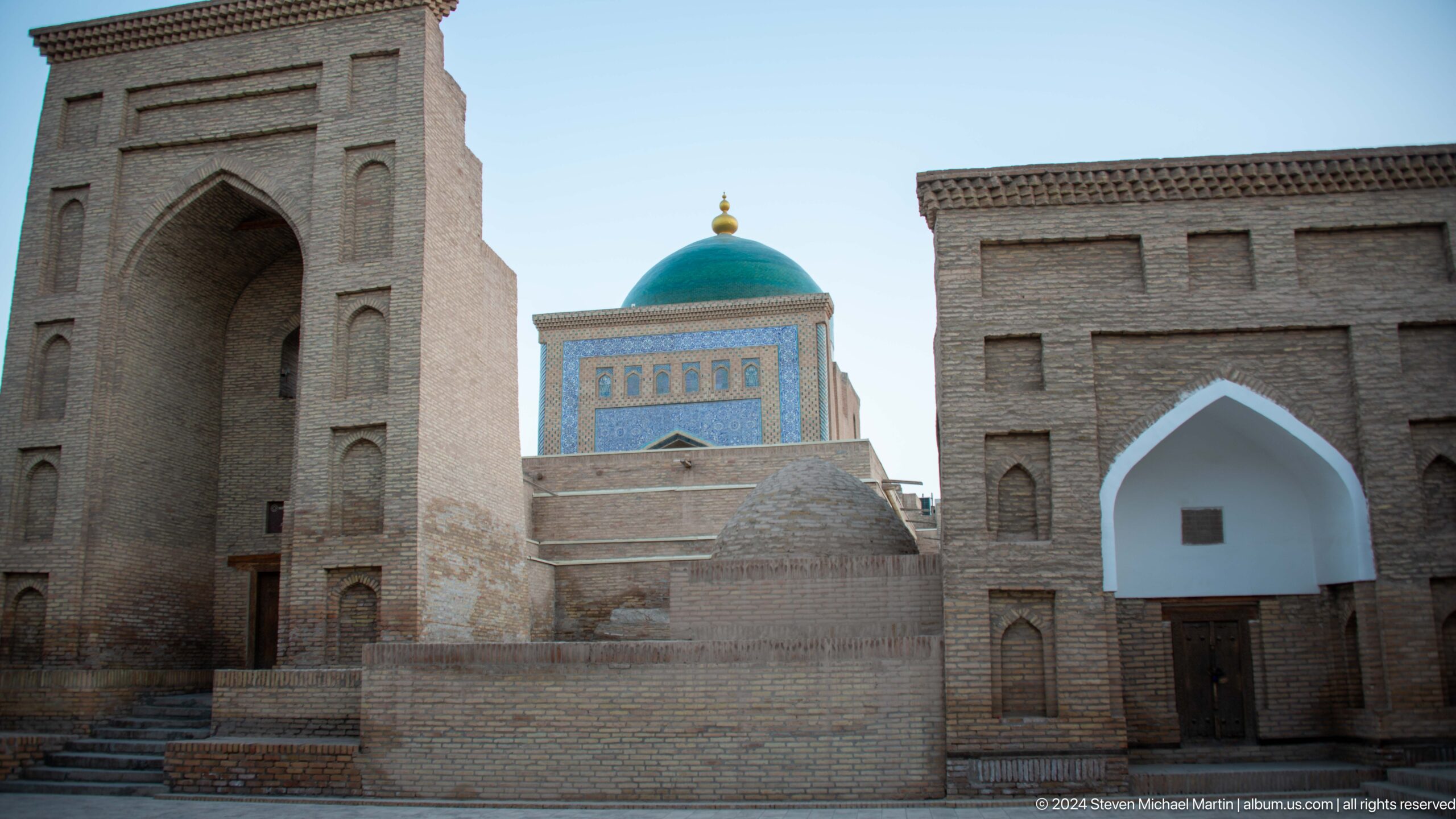
Khiva mausoleum dome is documented within Khiva’s walled historic center. The photograph emphasizes its visible form, materials, ornament, and relationship to the surrounding urban fabric, preserving a focused record of the architecture, craft tradition, daily life, or travel experience represented in this view.
Caption
Khiva mausoleum dome is documented within Khiva’s walled historic center. The photograph emphasizes its visible form, materials, ornament, and relationship to the surrounding urban fabric, preserving a focused record of the architecture, craft tradition, daily life, or travel experience represented in this view.
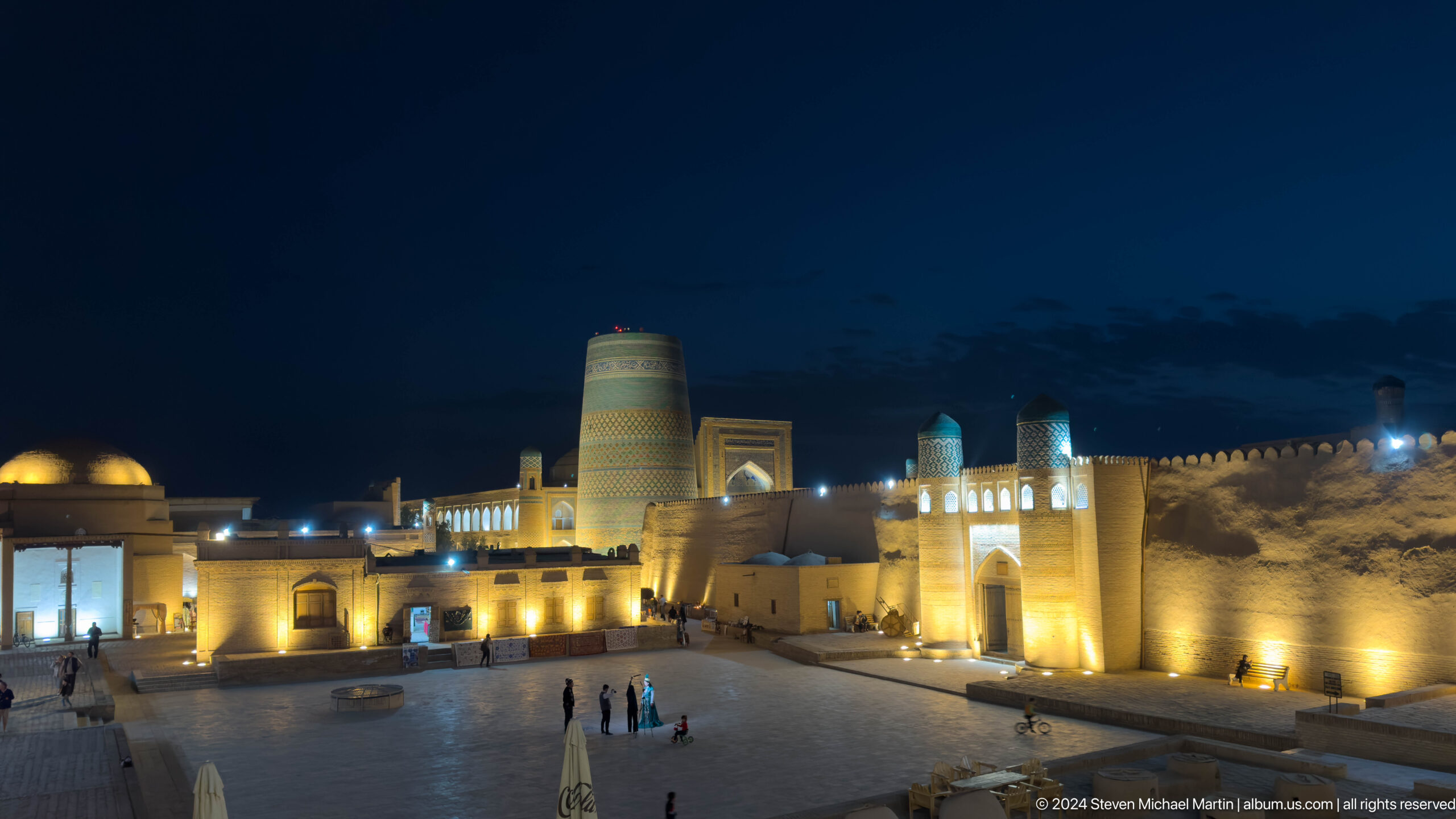
Khiva night panorama is documented within Khiva’s walled historic center. The photograph emphasizes its visible form, materials, ornament, and relationship to the surrounding urban fabric, preserving a focused record of the architecture, craft tradition, daily life, or travel experience represented in this view.
Caption
Khiva night panorama is documented within Khiva’s walled historic center. The photograph emphasizes its visible form, materials, ornament, and relationship to the surrounding urban fabric, preserving a focused record of the architecture, craft tradition, daily life, or travel experience represented in this view.
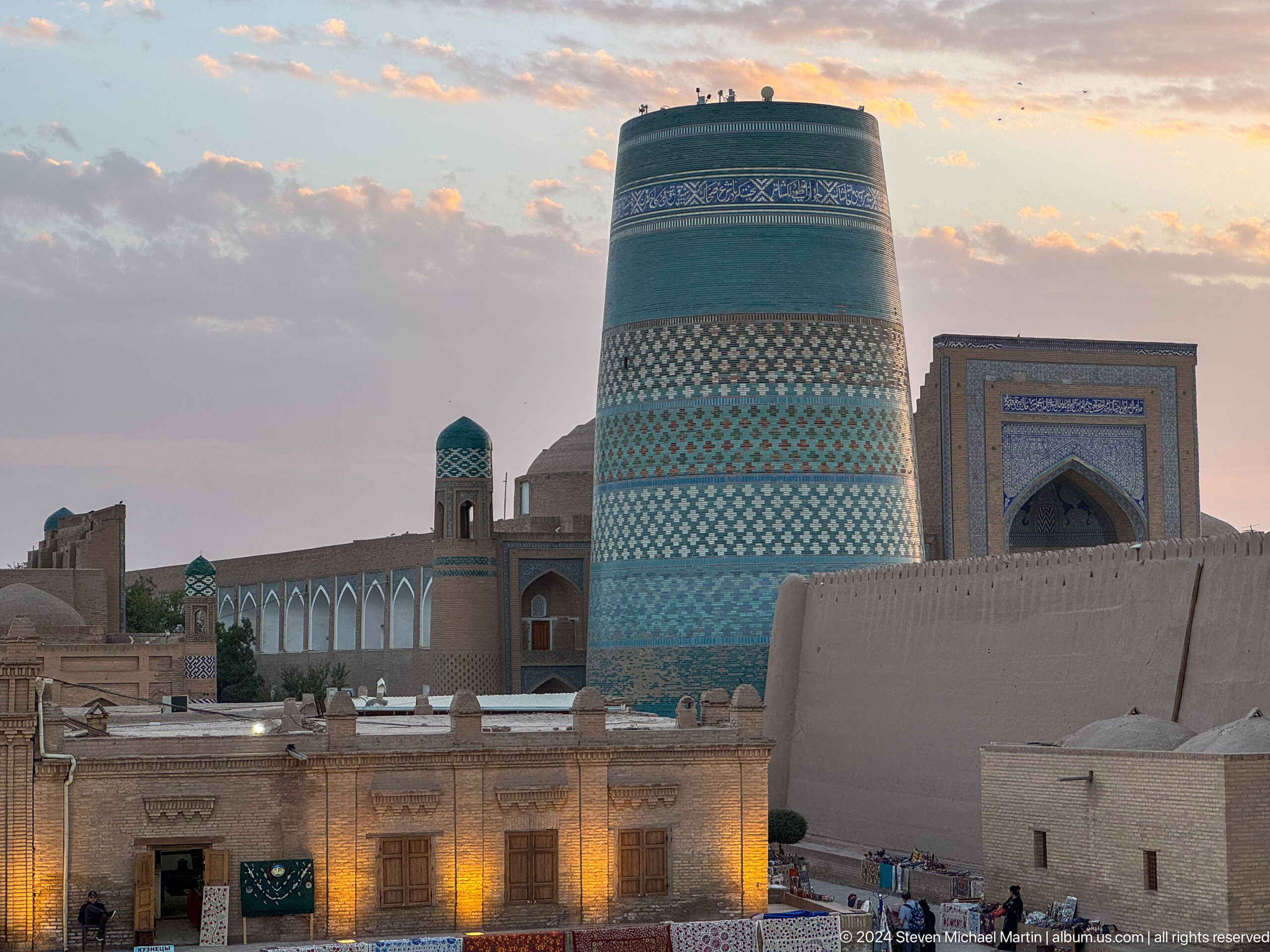
Khiva skyline at dusk is documented within Khiva’s walled historic center. The photograph emphasizes its visible form, materials, ornament, and relationship to the surrounding urban fabric, preserving a focused record of the architecture, craft tradition, daily life, or travel experience represented in this view.
Caption
Khiva skyline at dusk is documented within Khiva’s walled historic center. The photograph emphasizes its visible form, materials, ornament, and relationship to the surrounding urban fabric, preserving a focused record of the architecture, craft tradition, daily life, or travel experience represented in this view.
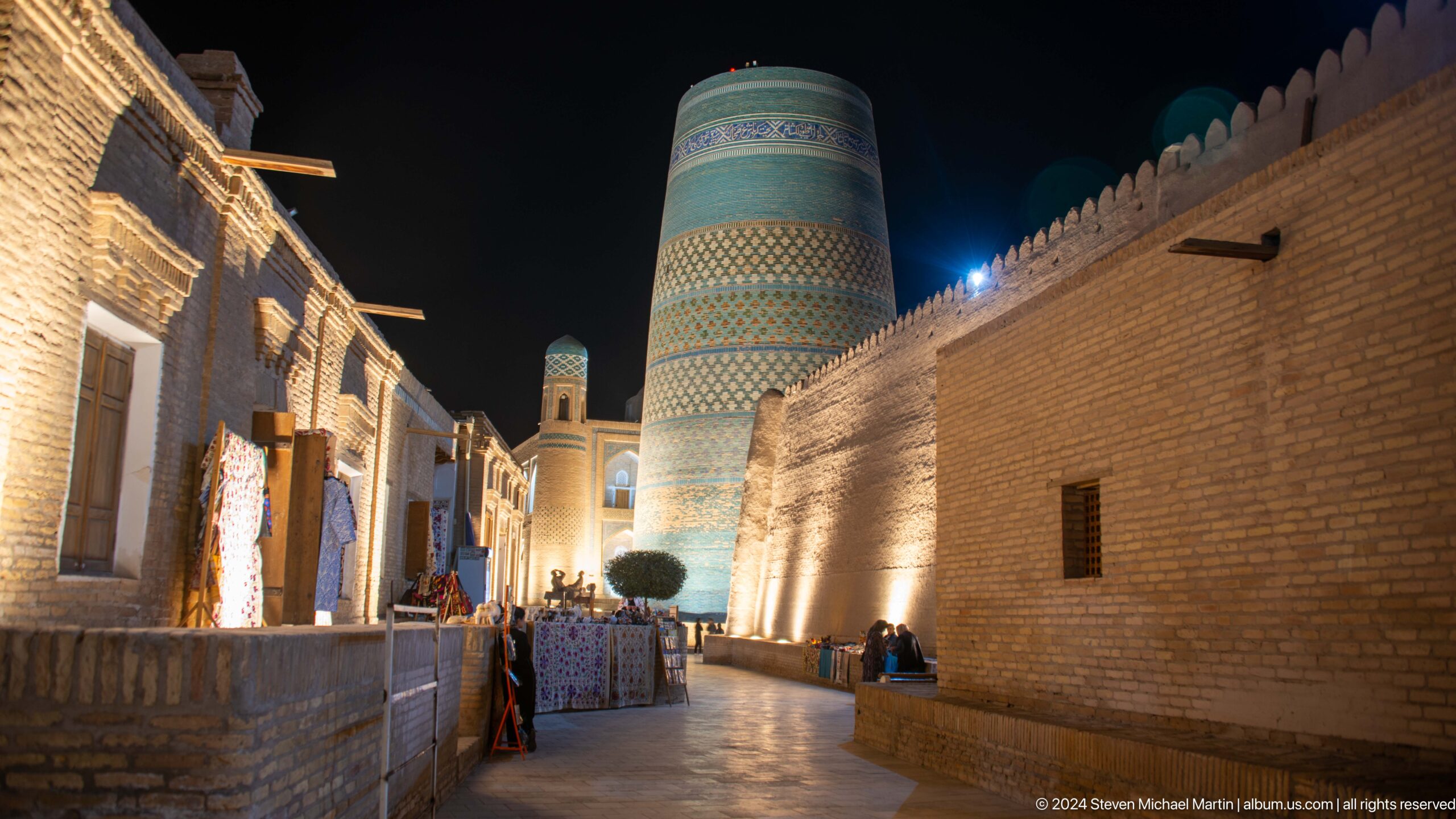
Khiva night street is documented within Khiva’s walled historic center. The photograph emphasizes its visible form, materials, ornament, and relationship to the surrounding urban fabric, preserving a focused record of the architecture, craft tradition, daily life, or travel experience represented in this view.
Caption
Khiva night street is documented within Khiva’s walled historic center. The photograph emphasizes its visible form, materials, ornament, and relationship to the surrounding urban fabric, preserving a focused record of the architecture, craft tradition, daily life, or travel experience represented in this view.
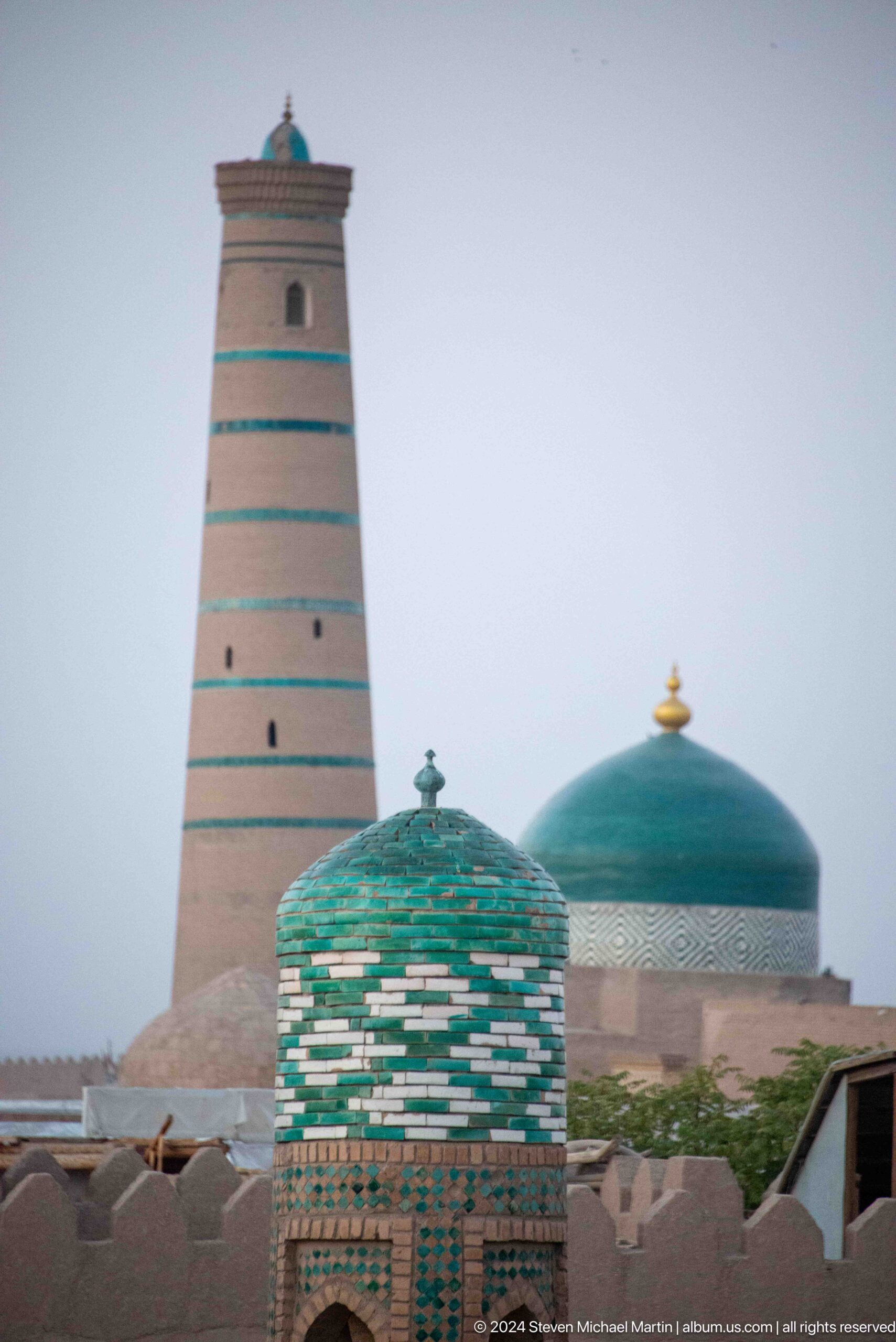
Khiva domes and minaret is documented within Khiva’s walled historic center. The photograph emphasizes its visible form, materials, ornament, and relationship to the surrounding urban fabric, preserving a focused record of the architecture, craft tradition, daily life, or travel experience represented in this view.
Caption
Khiva domes and minaret is documented within Khiva’s walled historic center. The photograph emphasizes its visible form, materials, ornament, and relationship to the surrounding urban fabric, preserving a focused record of the architecture, craft tradition, daily life, or travel experience represented in this view.
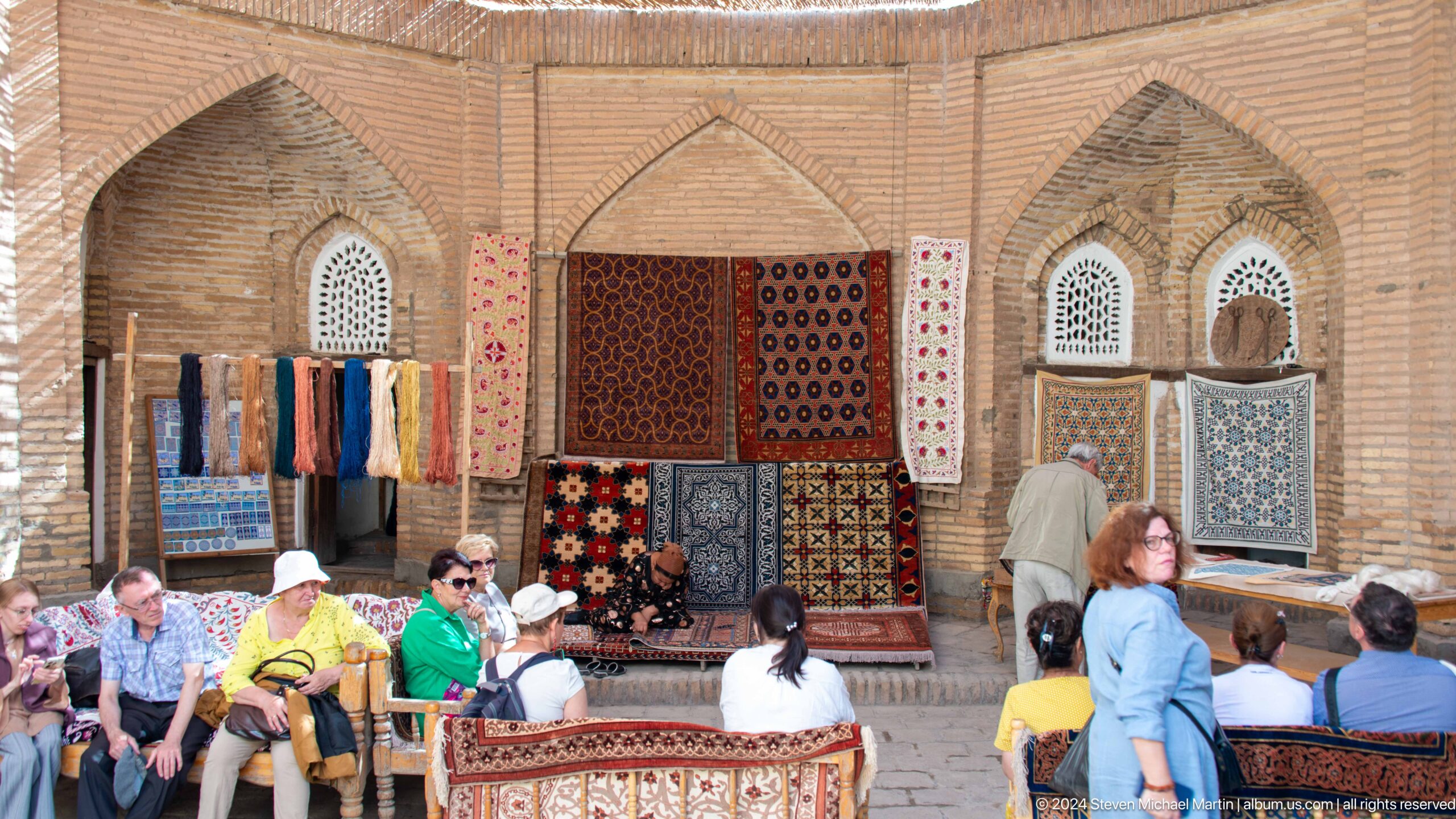
Khiva craft market is documented within Khiva’s walled historic center. The photograph emphasizes its visible form, materials, ornament, and relationship to the surrounding urban fabric, preserving a focused record of the architecture, craft tradition, daily life, or travel experience represented in this view.
Caption
Khiva craft market is documented within Khiva’s walled historic center. The photograph emphasizes its visible form, materials, ornament, and relationship to the surrounding urban fabric, preserving a focused record of the architecture, craft tradition, daily life, or travel experience represented in this view.
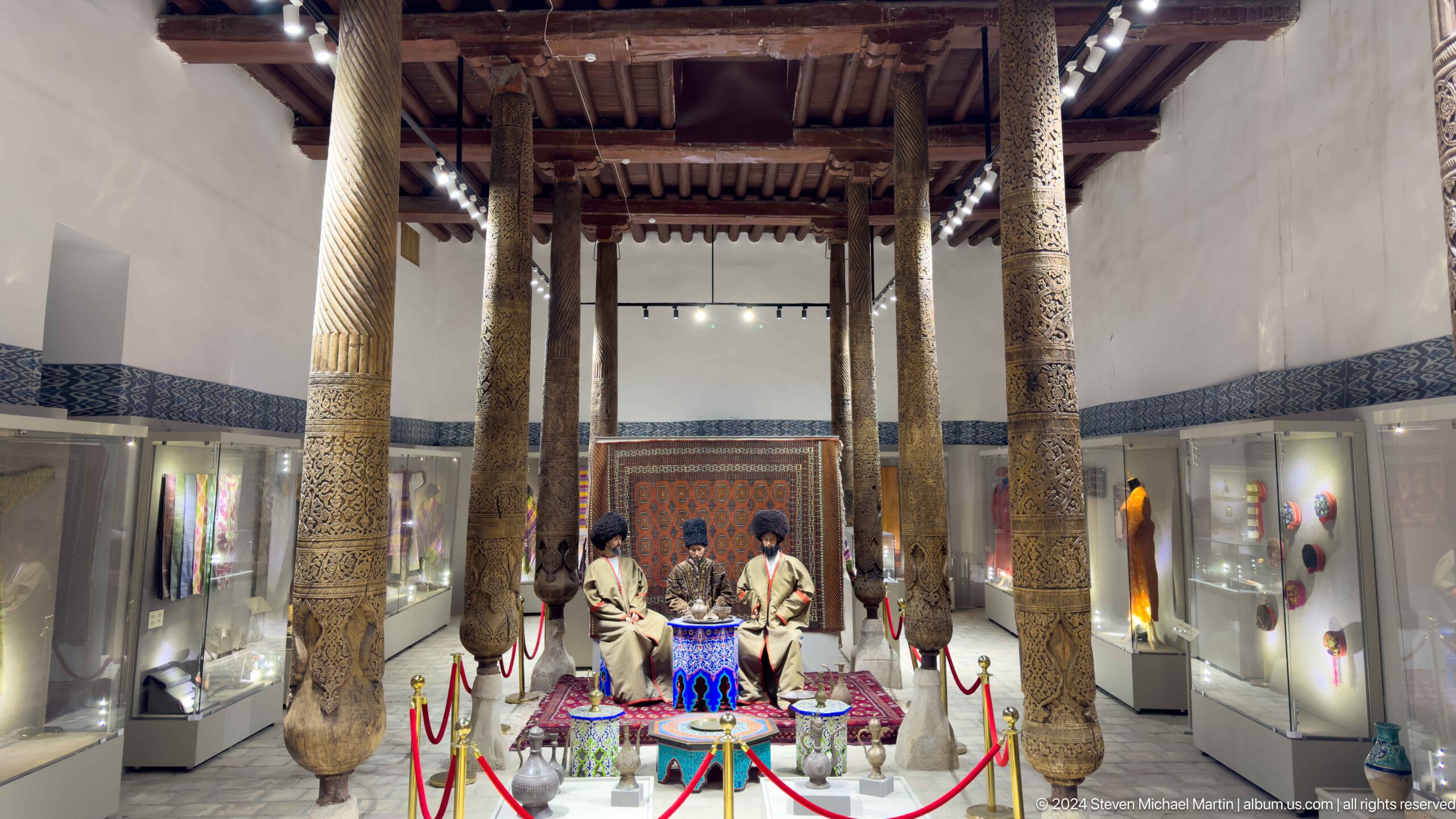
Khiva museum gallery is documented within Khiva’s walled historic center. The photograph emphasizes its visible form, materials, ornament, and relationship to the surrounding urban fabric, preserving a focused record of the architecture, craft tradition, daily life, or travel experience represented in this view.
Caption
Khiva museum gallery is documented within Khiva’s walled historic center. The photograph emphasizes its visible form, materials, ornament, and relationship to the surrounding urban fabric, preserving a focused record of the architecture, craft tradition, daily life, or travel experience represented in this view.
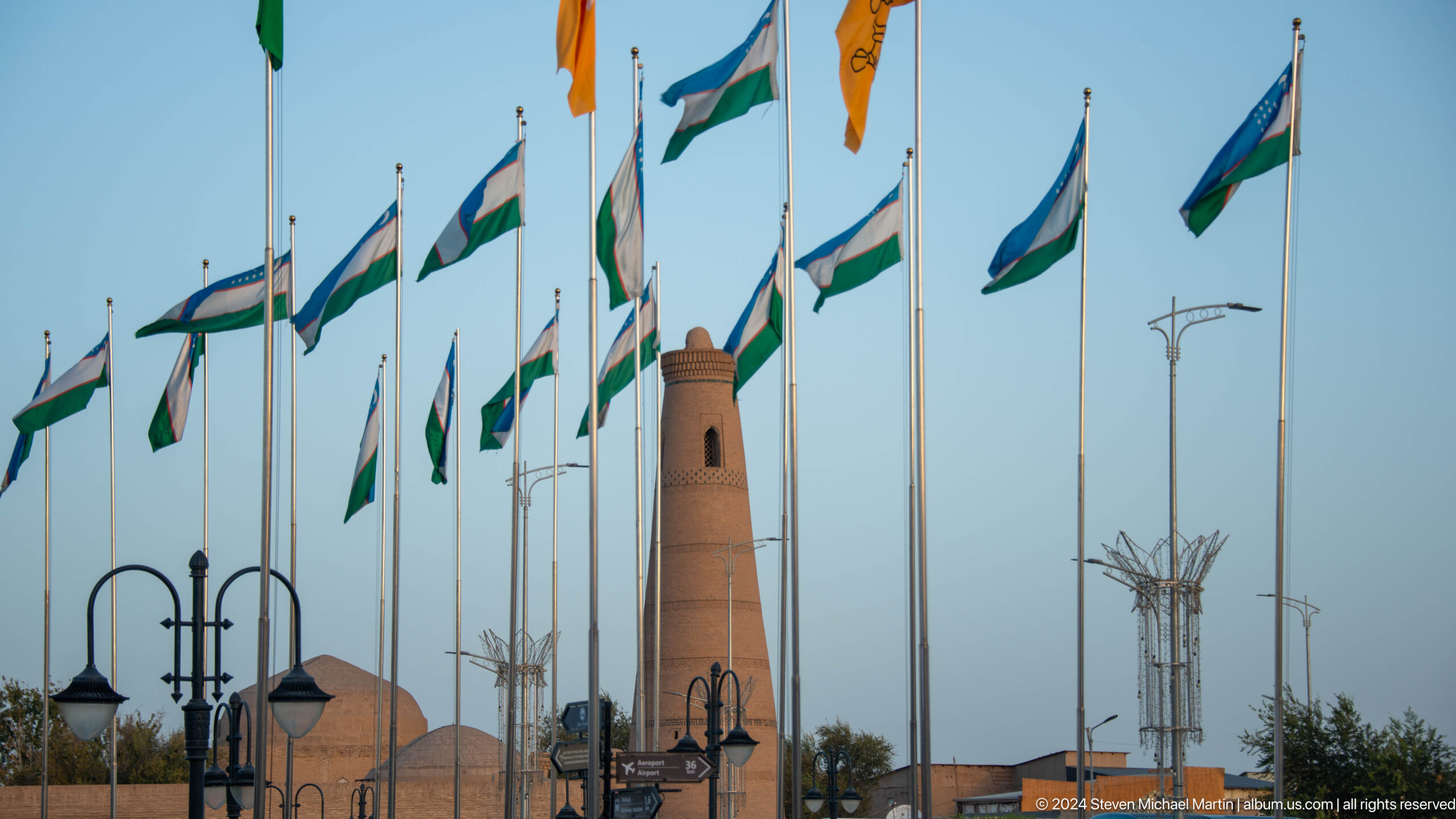
National flags in khiva is documented within Khiva’s walled historic center. The photograph emphasizes its visible form, materials, ornament, and relationship to the surrounding urban fabric, preserving a focused record of the architecture, craft tradition, daily life, or travel experience represented in this view.
Caption
National flags in khiva is documented within Khiva’s walled historic center. The photograph emphasizes its visible form, materials, ornament, and relationship to the surrounding urban fabric, preserving a focused record of the architecture, craft tradition, daily life, or travel experience represented in this view.
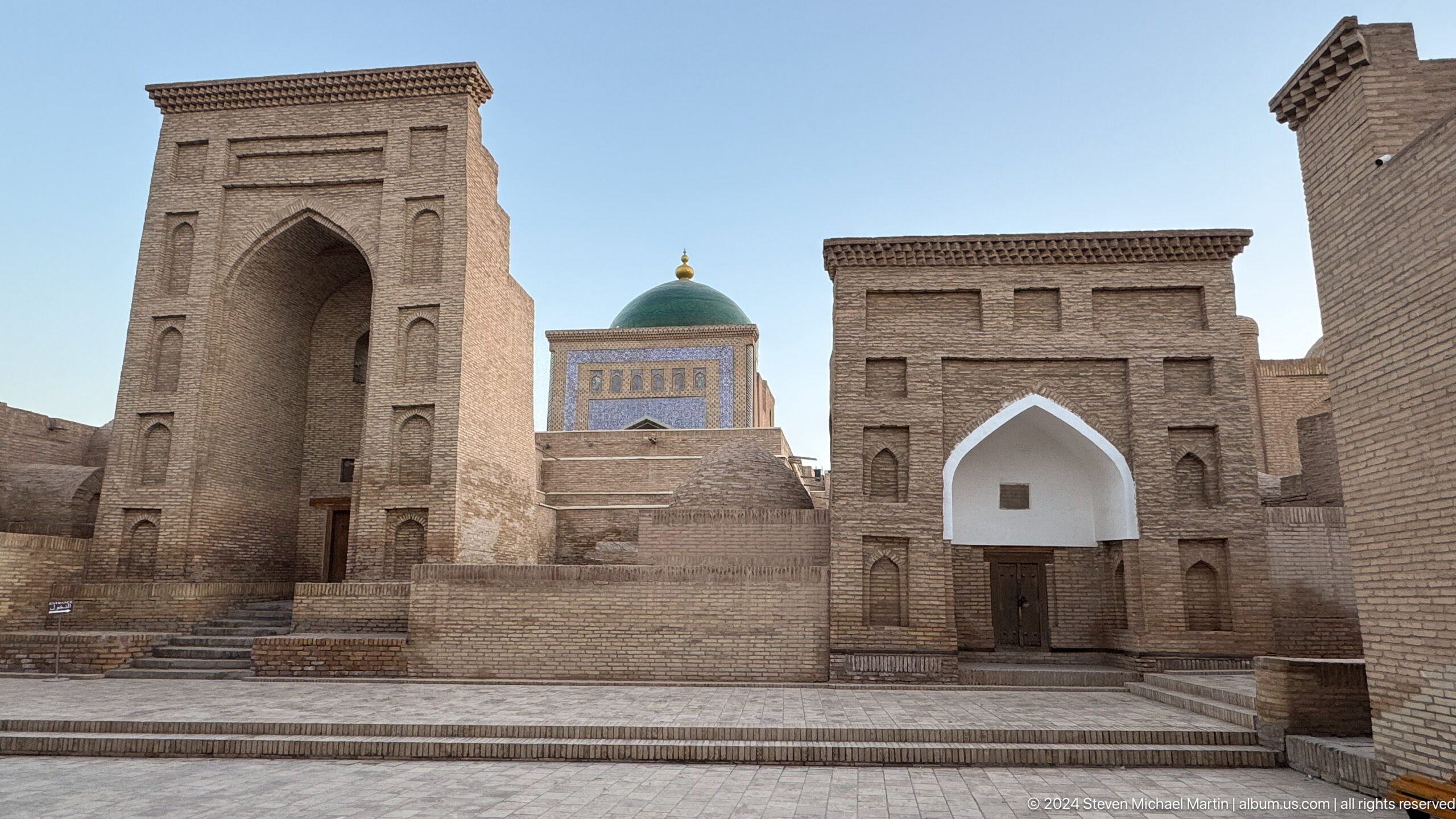
Khiva sacred architecture is documented within Khiva’s walled historic center. The photograph emphasizes its visible form, materials, ornament, and relationship to the surrounding urban fabric, preserving a focused record of the architecture, craft tradition, daily life, or travel experience represented in this view.
Caption
Khiva sacred architecture is documented within Khiva’s walled historic center. The photograph emphasizes its visible form, materials, ornament, and relationship to the surrounding urban fabric, preserving a focused record of the architecture, craft tradition, daily life, or travel experience represented in this view.
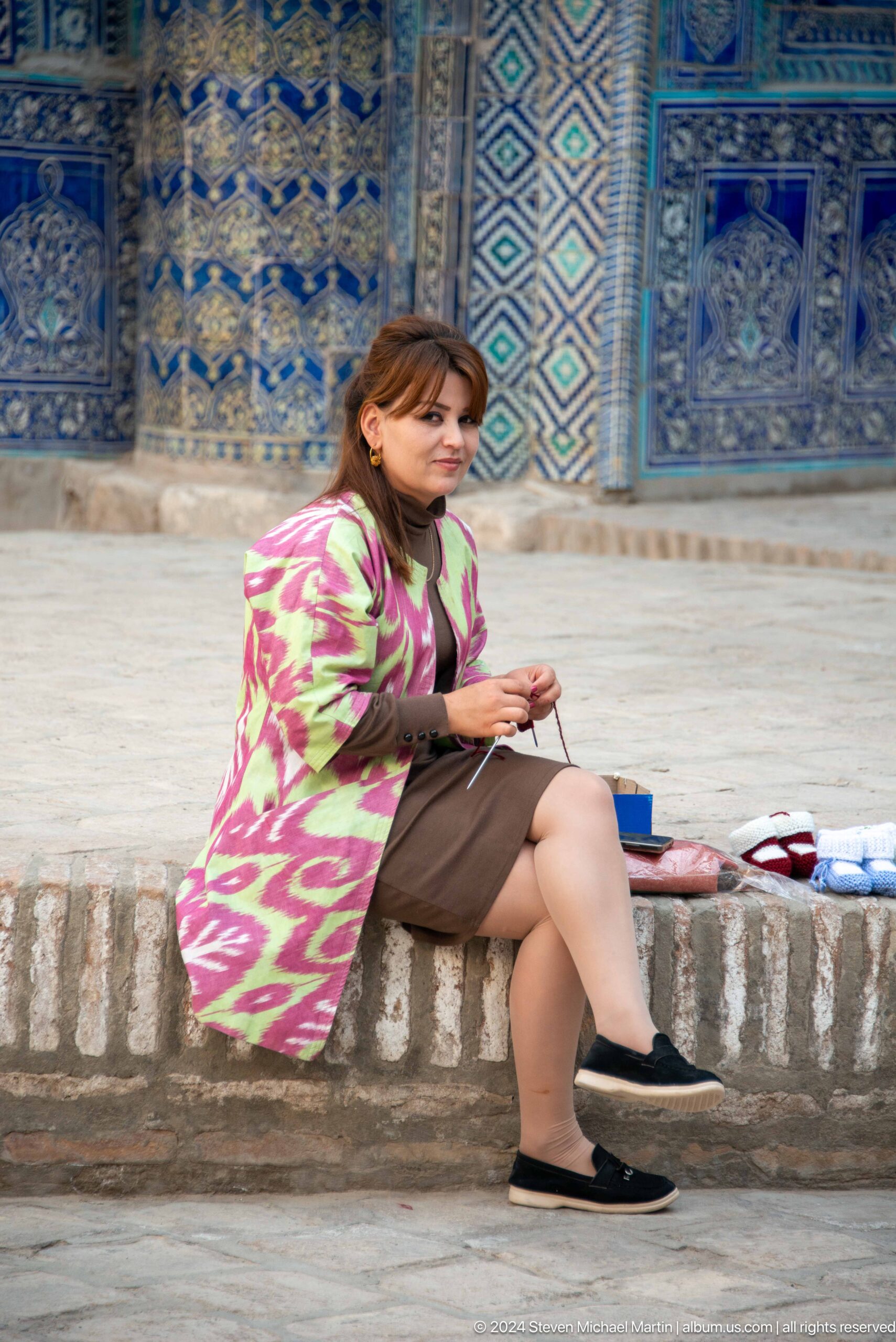
Khiva artisan or vendor is documented within Khiva’s walled historic center. The photograph emphasizes its visible form, materials, ornament, and relationship to the surrounding urban fabric, preserving a focused record of the architecture, craft tradition, daily life, or travel experience represented in this view.
Caption
Khiva artisan or vendor is documented within Khiva’s walled historic center. The photograph emphasizes its visible form, materials, ornament, and relationship to the surrounding urban fabric, preserving a focused record of the architecture, craft tradition, daily life, or travel experience represented in this view.
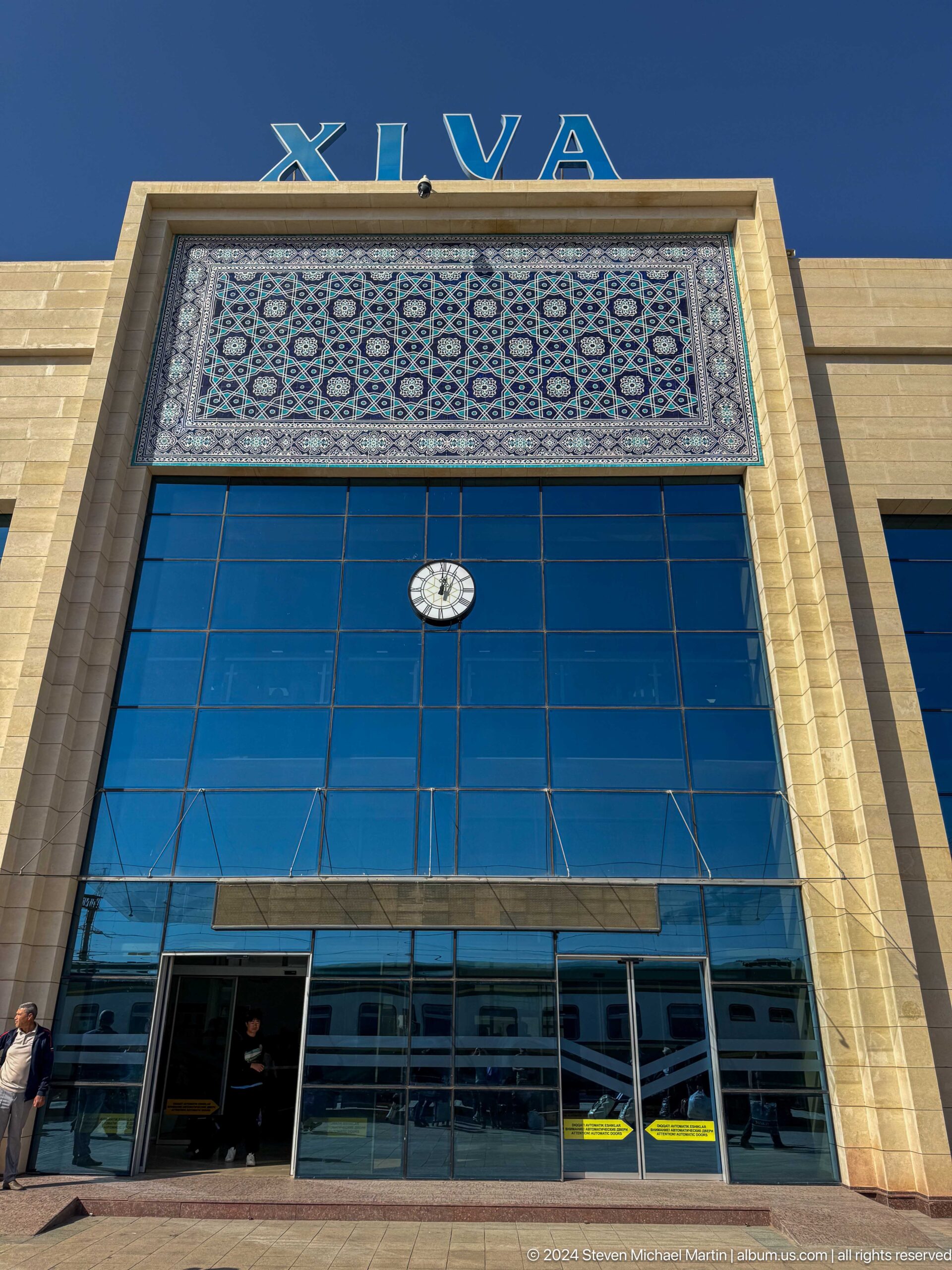
Contemporary khiva architecture is documented within Khiva’s walled historic center. The photograph emphasizes its visible form, materials, ornament, and relationship to the surrounding urban fabric, preserving a focused record of the architecture, craft tradition, daily life, or travel experience represented in this view.
Caption
Contemporary khiva architecture is documented within Khiva’s walled historic center. The photograph emphasizes its visible form, materials, ornament, and relationship to the surrounding urban fabric, preserving a focused record of the architecture, craft tradition, daily life, or travel experience represented in this view.

Modern traveler resting during rail journey is documented within Khiva’s walled historic center. The photograph emphasizes its visible form, materials, ornament, and relationship to the surrounding urban fabric, preserving a focused record of the architecture, craft tradition, daily life, or travel experience represented in this view.
Caption
Modern traveler resting during rail journey is documented within Khiva’s walled historic center. The photograph emphasizes its visible form, materials, ornament, and relationship to the surrounding urban fabric, preserving a focused record of the architecture, craft tradition, daily life, or travel experience represented in this view.
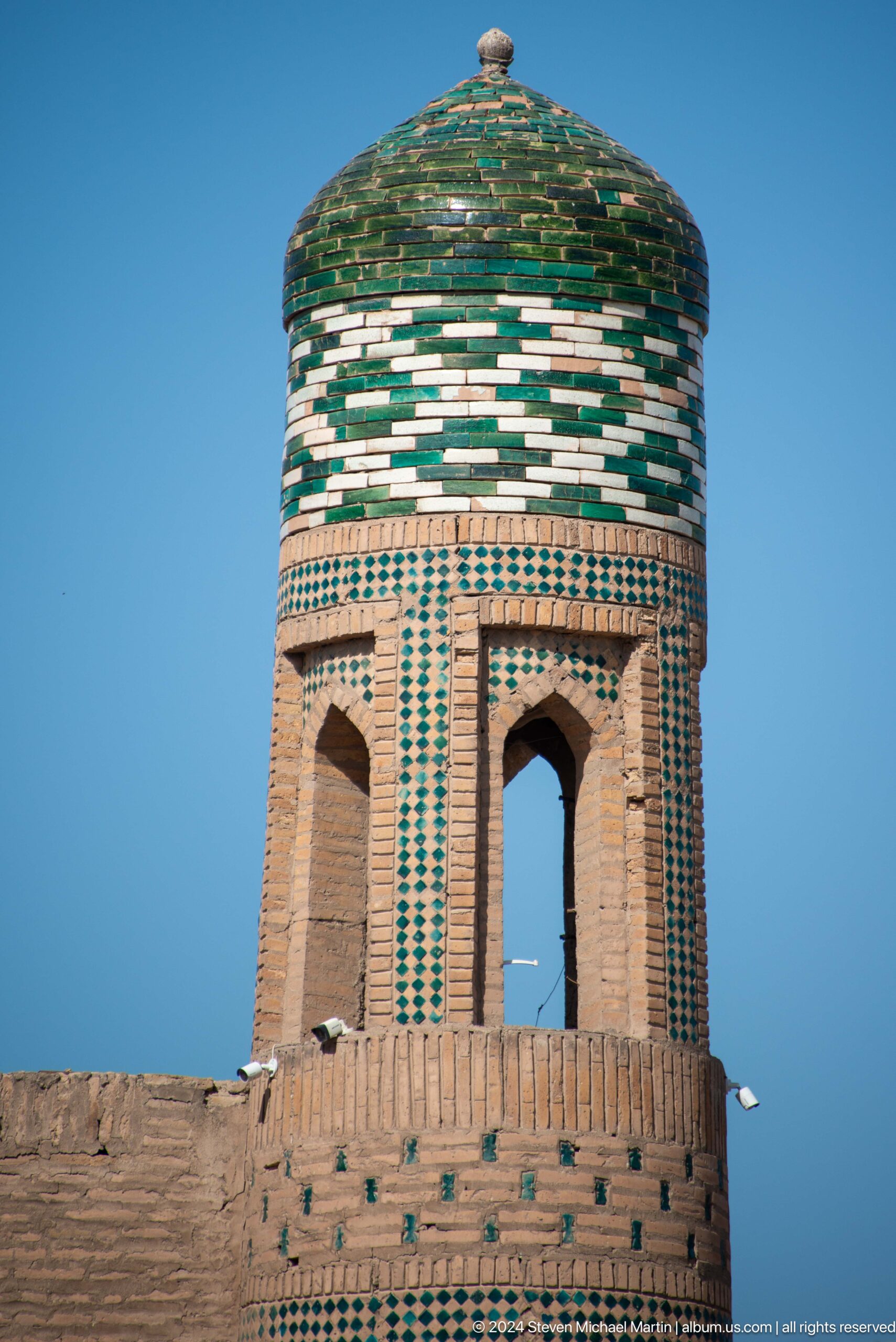
Decorated minaret shaft is documented within Khiva’s walled historic center. The photograph emphasizes its visible form, materials, ornament, and relationship to the surrounding urban fabric, preserving a focused record of the architecture, craft tradition, daily life, or travel experience represented in this view.
Caption
Decorated minaret shaft is documented within Khiva’s walled historic center. The photograph emphasizes its visible form, materials, ornament, and relationship to the surrounding urban fabric, preserving a focused record of the architecture, craft tradition, daily life, or travel experience represented in this view.
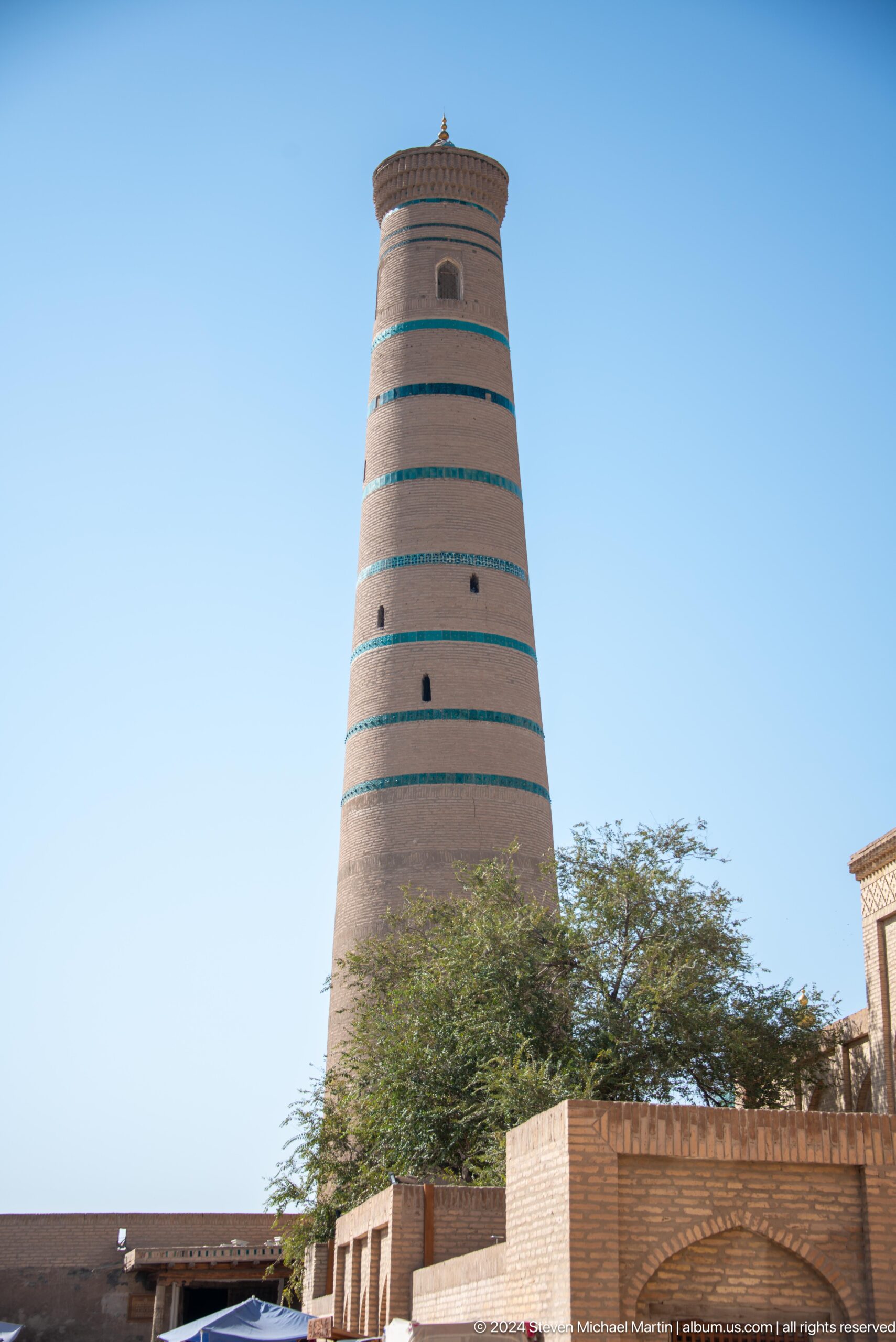
Islam khoja minaret is documented within Khiva’s walled historic center. The photograph emphasizes its visible form, materials, ornament, and relationship to the surrounding urban fabric, preserving a focused record of the architecture, craft tradition, daily life, or travel experience represented in this view.
Caption
Islam khoja minaret is documented within Khiva’s walled historic center. The photograph emphasizes its visible form, materials, ornament, and relationship to the surrounding urban fabric, preserving a focused record of the architecture, craft tradition, daily life, or travel experience represented in this view.
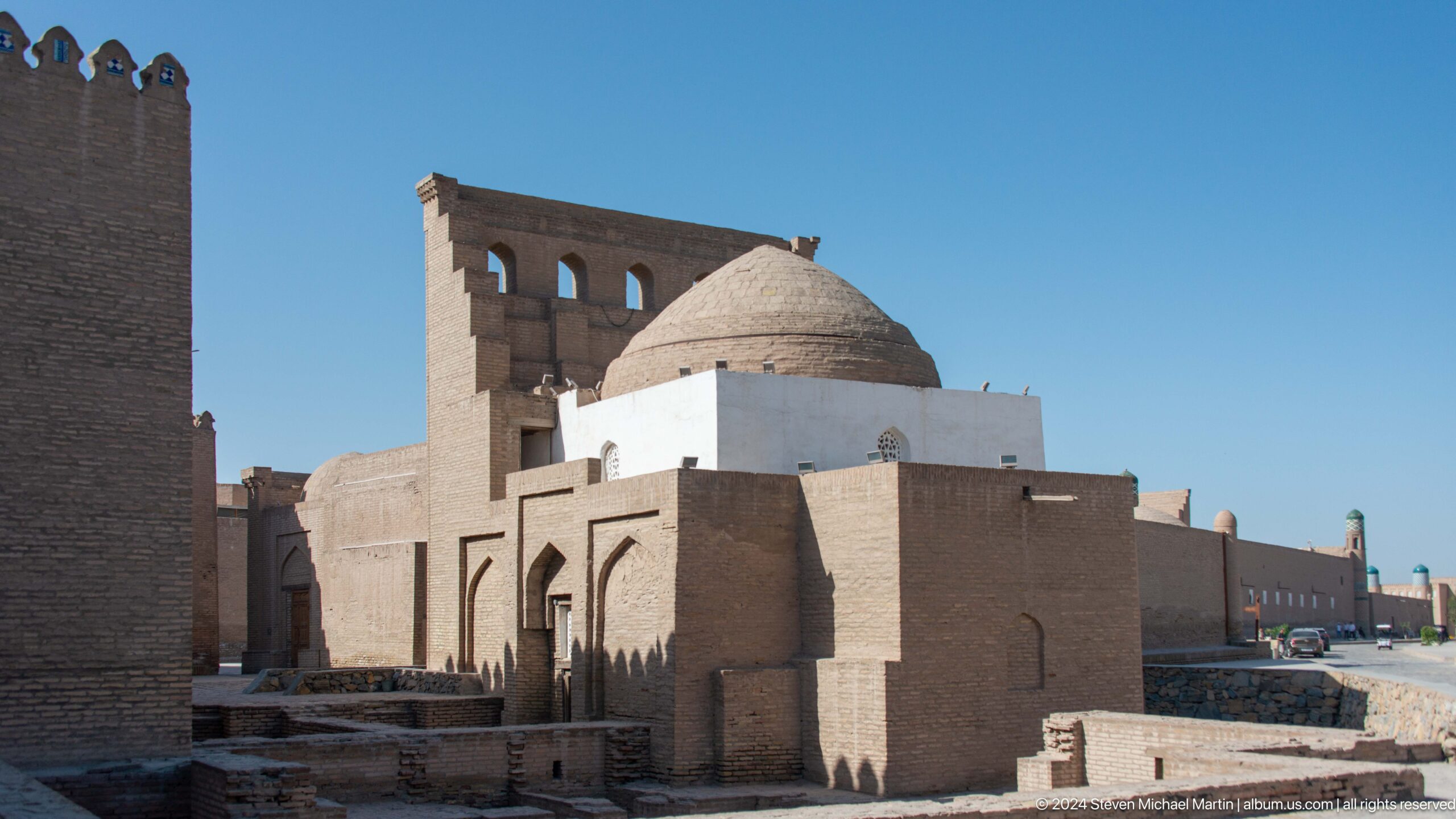
Historic domed shrine or mosque is documented within Khiva’s walled historic center. The photograph emphasizes its visible form, materials, ornament, and relationship to the surrounding urban fabric, preserving a focused record of the architecture, craft tradition, daily life, or travel experience represented in this view.
Caption
Historic domed shrine or mosque is documented within Khiva’s walled historic center. The photograph emphasizes its visible form, materials, ornament, and relationship to the surrounding urban fabric, preserving a focused record of the architecture, craft tradition, daily life, or travel experience represented in this view.
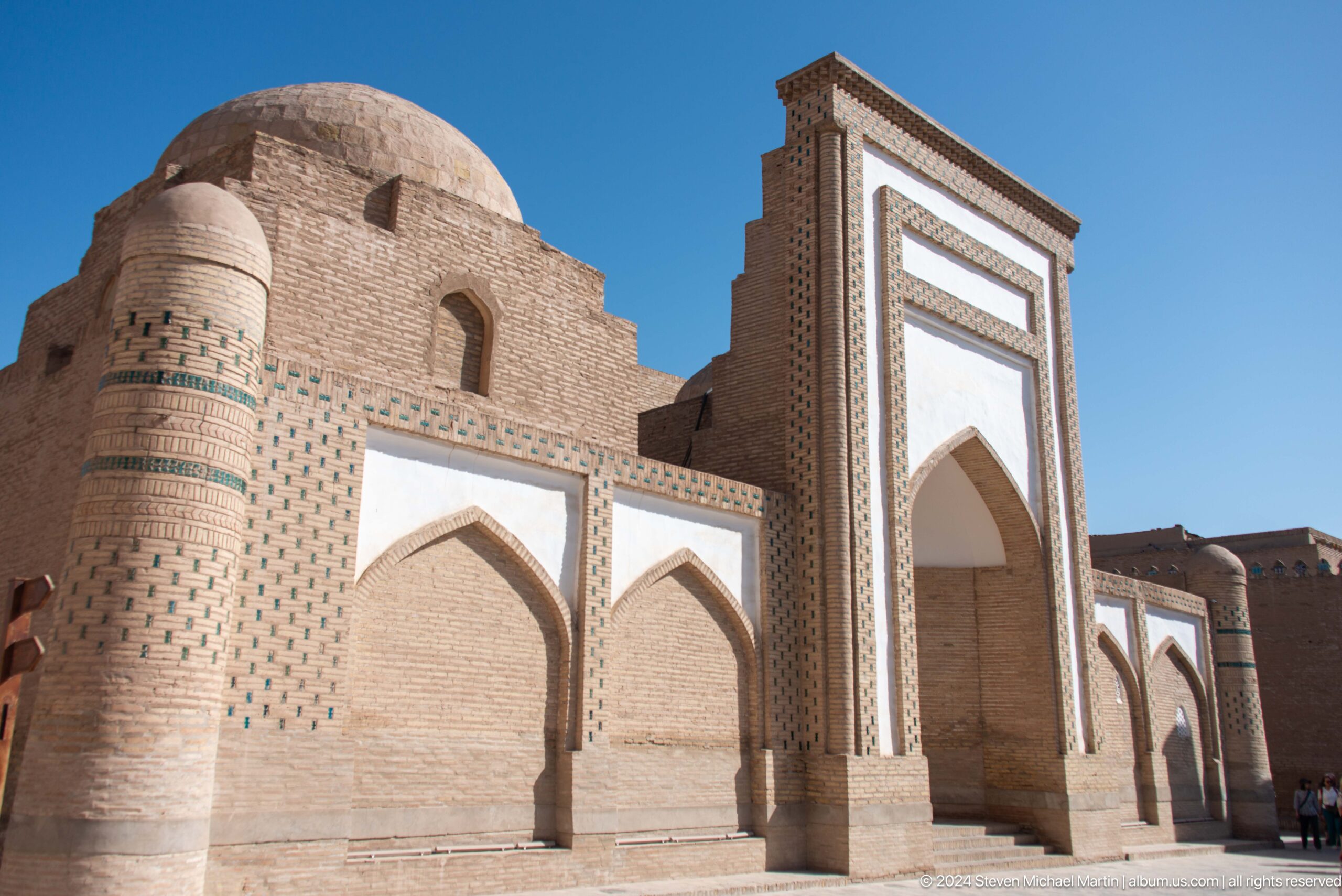
Madrasa or mosque entrance portal is documented within Khiva’s walled historic center. The photograph emphasizes its visible form, materials, ornament, and relationship to the surrounding urban fabric, preserving a focused record of the architecture, craft tradition, daily life, or travel experience represented in this view.
Caption
Madrasa or mosque entrance portal is documented within Khiva’s walled historic center. The photograph emphasizes its visible form, materials, ornament, and relationship to the surrounding urban fabric, preserving a focused record of the architecture, craft tradition, daily life, or travel experience represented in this view.
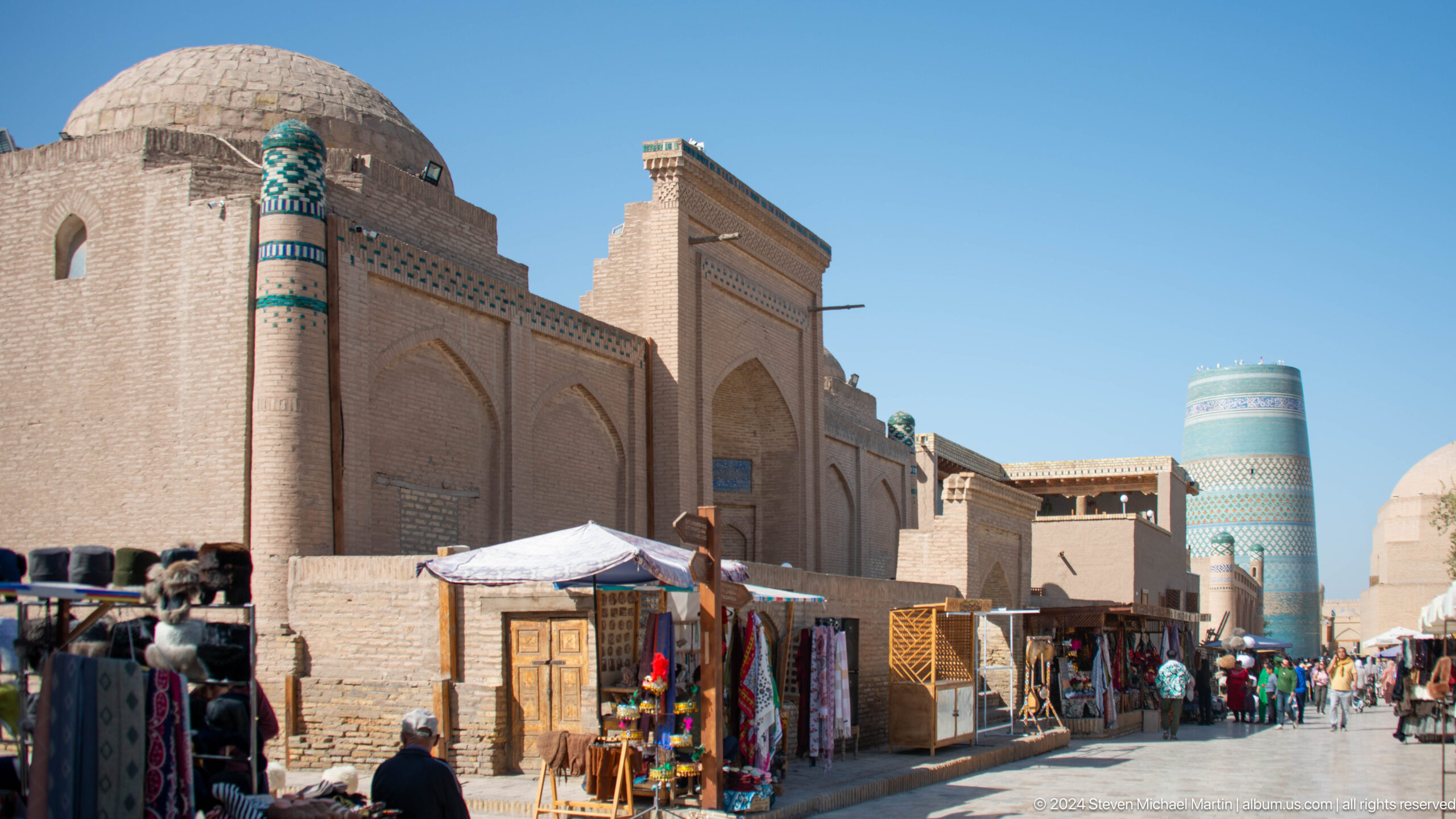
Street market in itchan kala is documented within Khiva’s walled historic center. The photograph emphasizes its visible form, materials, ornament, and relationship to the surrounding urban fabric, preserving a focused record of the architecture, craft tradition, daily life, or travel experience represented in this view.
Caption
Street market in itchan kala is documented within Khiva’s walled historic center. The photograph emphasizes its visible form, materials, ornament, and relationship to the surrounding urban fabric, preserving a focused record of the architecture, craft tradition, daily life, or travel experience represented in this view.
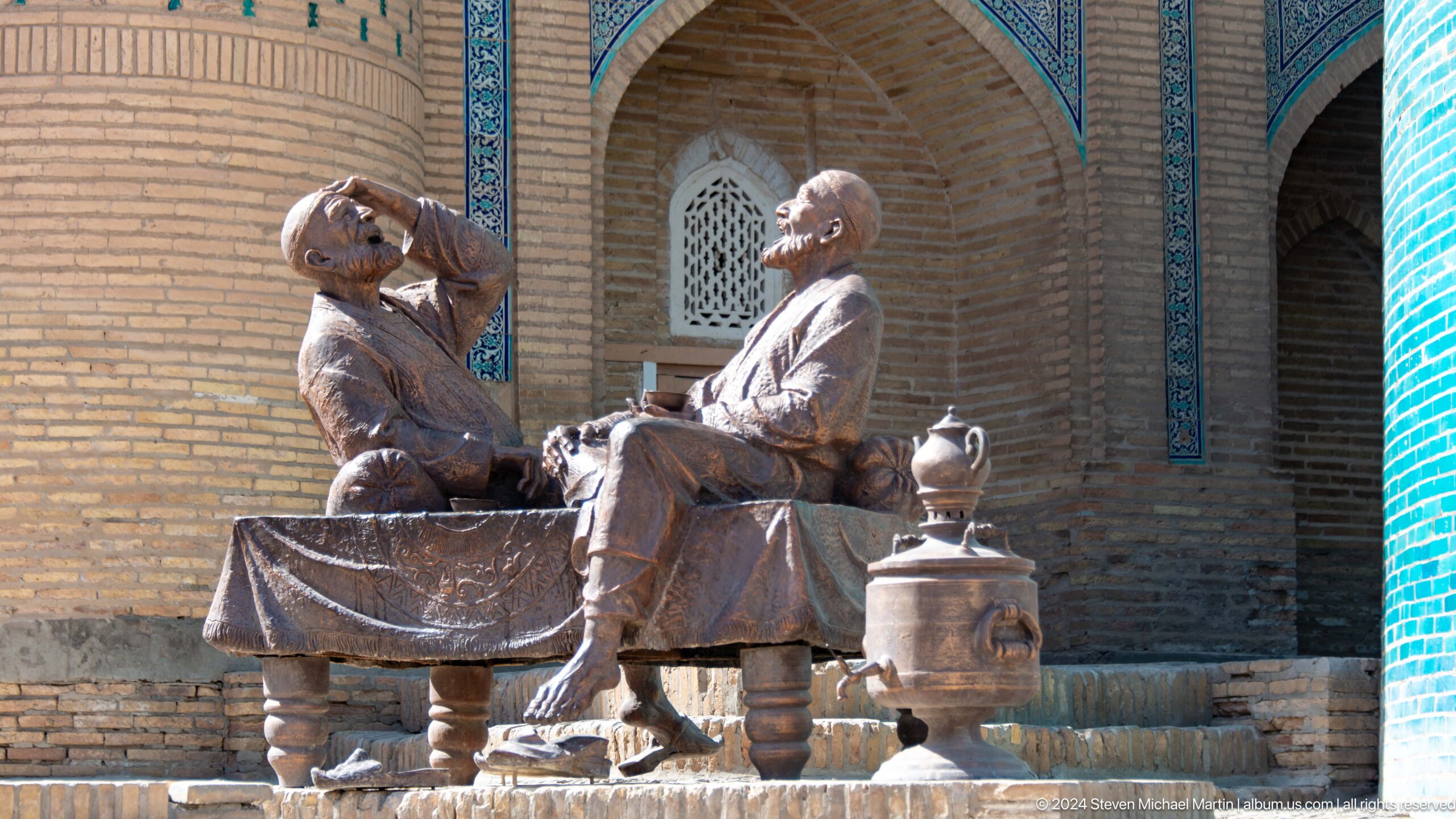
Public sculpture of traditional social life is documented within Khiva’s walled historic center. The photograph emphasizes its visible form, materials, ornament, and relationship to the surrounding urban fabric, preserving a focused record of the architecture, craft tradition, daily life, or travel experience represented in this view.
Caption
Public sculpture of traditional social life is documented within Khiva’s walled historic center. The photograph emphasizes its visible form, materials, ornament, and relationship to the surrounding urban fabric, preserving a focused record of the architecture, craft tradition, daily life, or travel experience represented in this view.
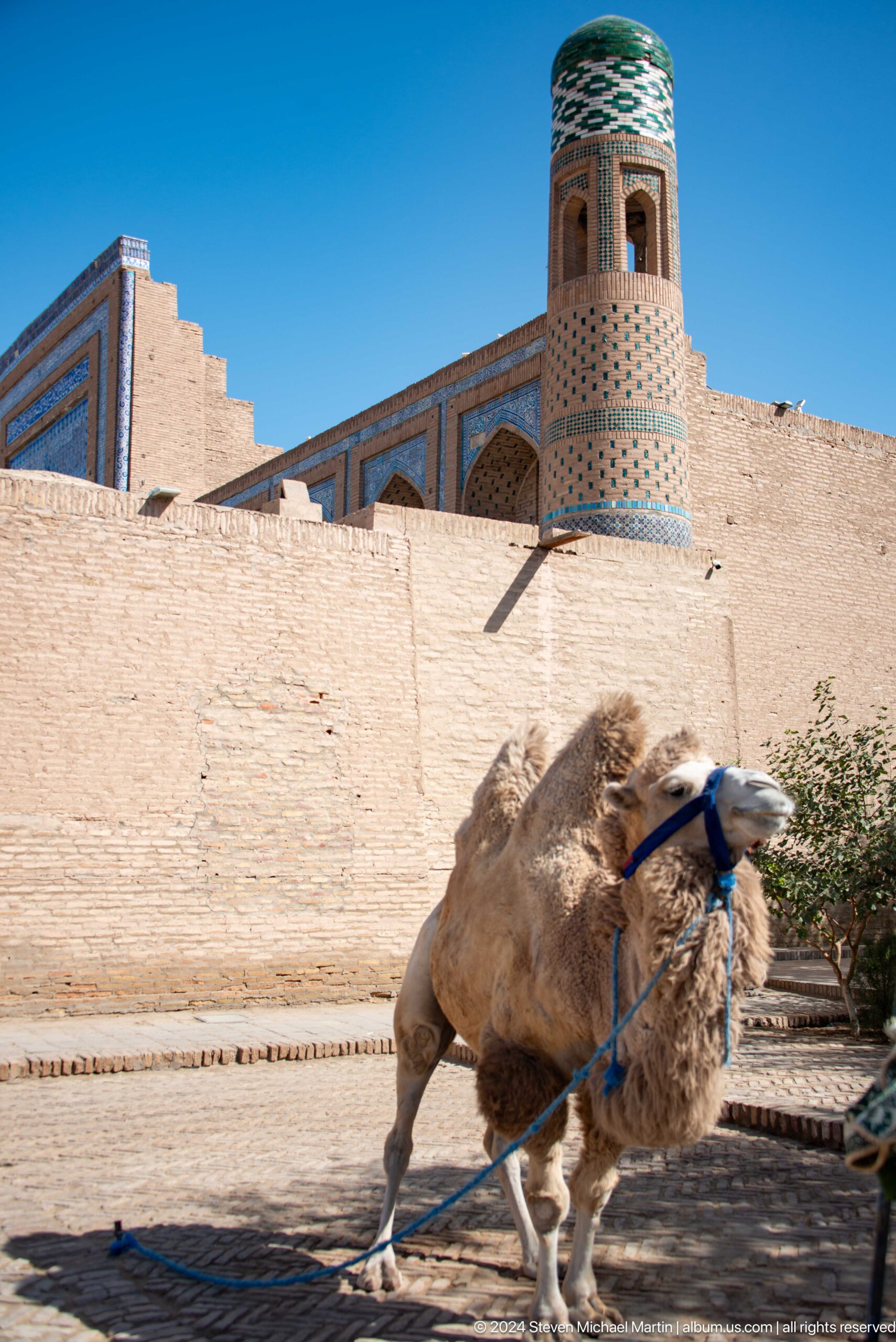
Tourist camel in itchan kala is documented within Khiva’s walled historic center. The photograph emphasizes its visible form, materials, ornament, and relationship to the surrounding urban fabric, preserving a focused record of the architecture, craft tradition, daily life, or travel experience represented in this view.
Caption
Tourist camel in itchan kala is documented within Khiva’s walled historic center. The photograph emphasizes its visible form, materials, ornament, and relationship to the surrounding urban fabric, preserving a focused record of the architecture, craft tradition, daily life, or travel experience represented in this view.
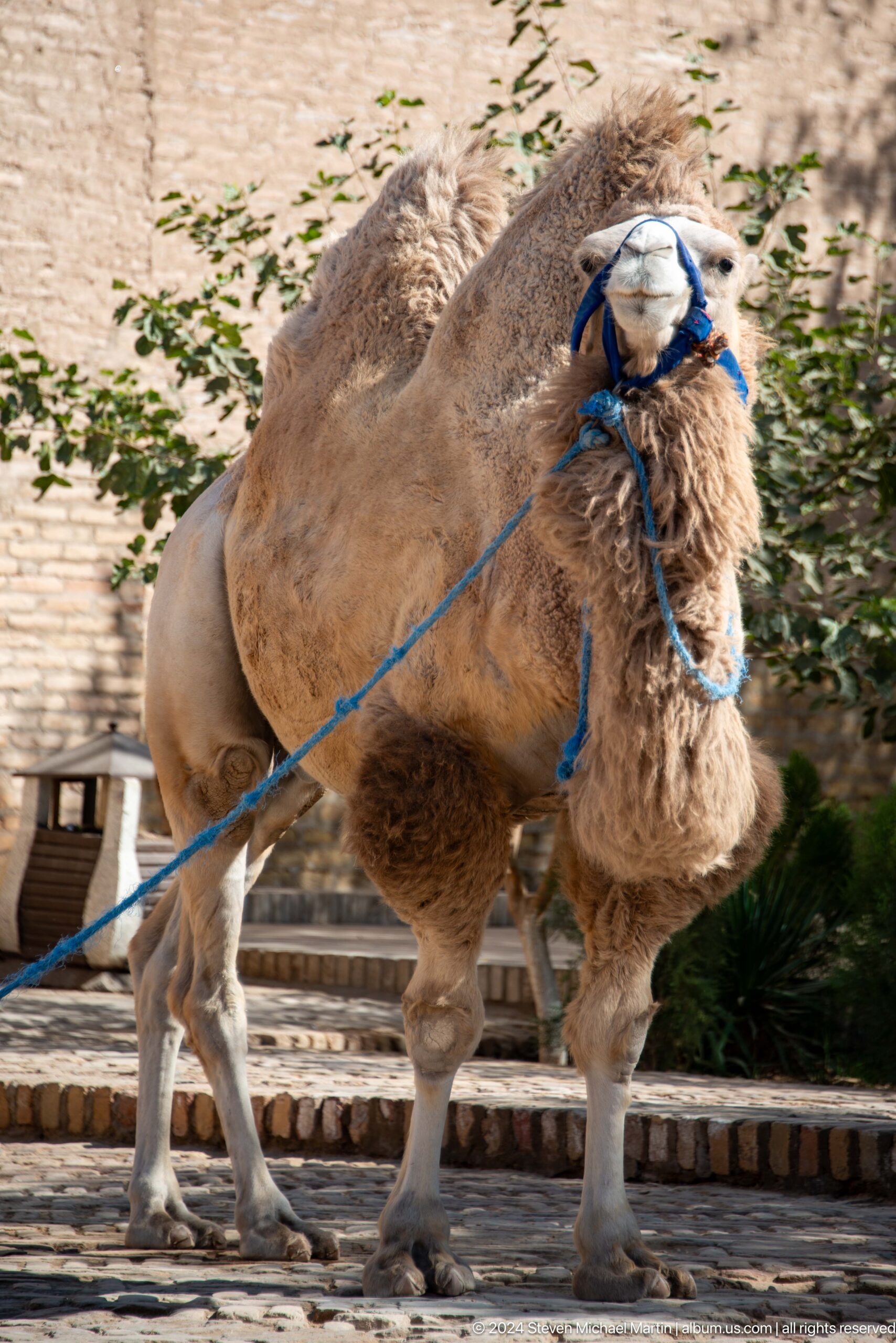
Camel portrait is documented within Khiva’s walled historic center. The photograph emphasizes its visible form, materials, ornament, and relationship to the surrounding urban fabric, preserving a focused record of the architecture, craft tradition, daily life, or travel experience represented in this view.
Caption
Camel portrait is documented within Khiva’s walled historic center. The photograph emphasizes its visible form, materials, ornament, and relationship to the surrounding urban fabric, preserving a focused record of the architecture, craft tradition, daily life, or travel experience represented in this view.
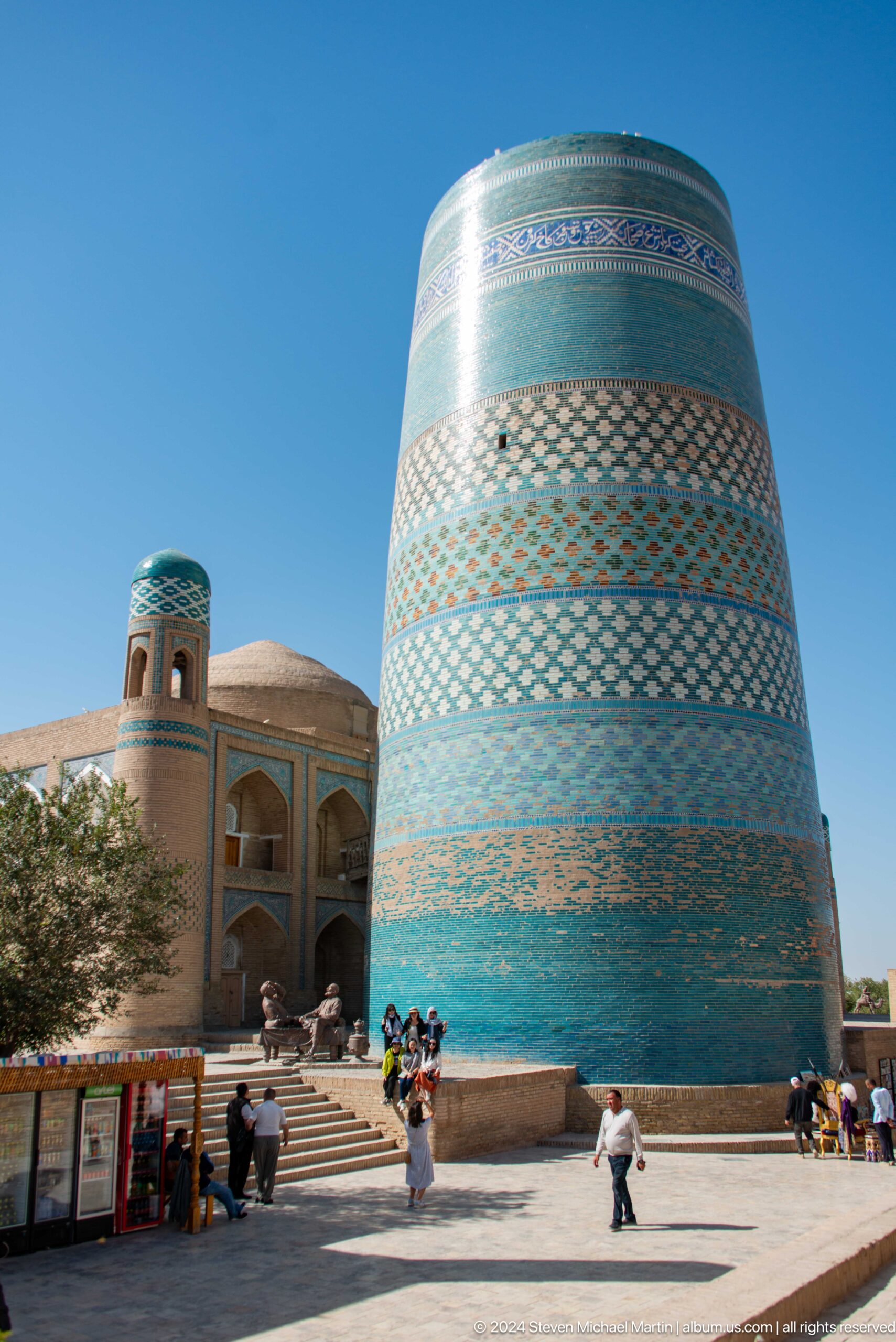
Kalta minor ensemble is documented within Khiva’s walled historic center. The photograph emphasizes its visible form, materials, ornament, and relationship to the surrounding urban fabric, preserving a focused record of the architecture, craft tradition, daily life, or travel experience represented in this view.
Caption
Kalta minor ensemble is documented within Khiva’s walled historic center. The photograph emphasizes its visible form, materials, ornament, and relationship to the surrounding urban fabric, preserving a focused record of the architecture, craft tradition, daily life, or travel experience represented in this view.

Decorative gate towers is documented within Khiva’s walled historic center. The photograph emphasizes its visible form, materials, ornament, and relationship to the surrounding urban fabric, preserving a focused record of the architecture, craft tradition, daily life, or travel experience represented in this view.
Caption
Decorative gate towers is documented within Khiva’s walled historic center. The photograph emphasizes its visible form, materials, ornament, and relationship to the surrounding urban fabric, preserving a focused record of the architecture, craft tradition, daily life, or travel experience represented in this view.
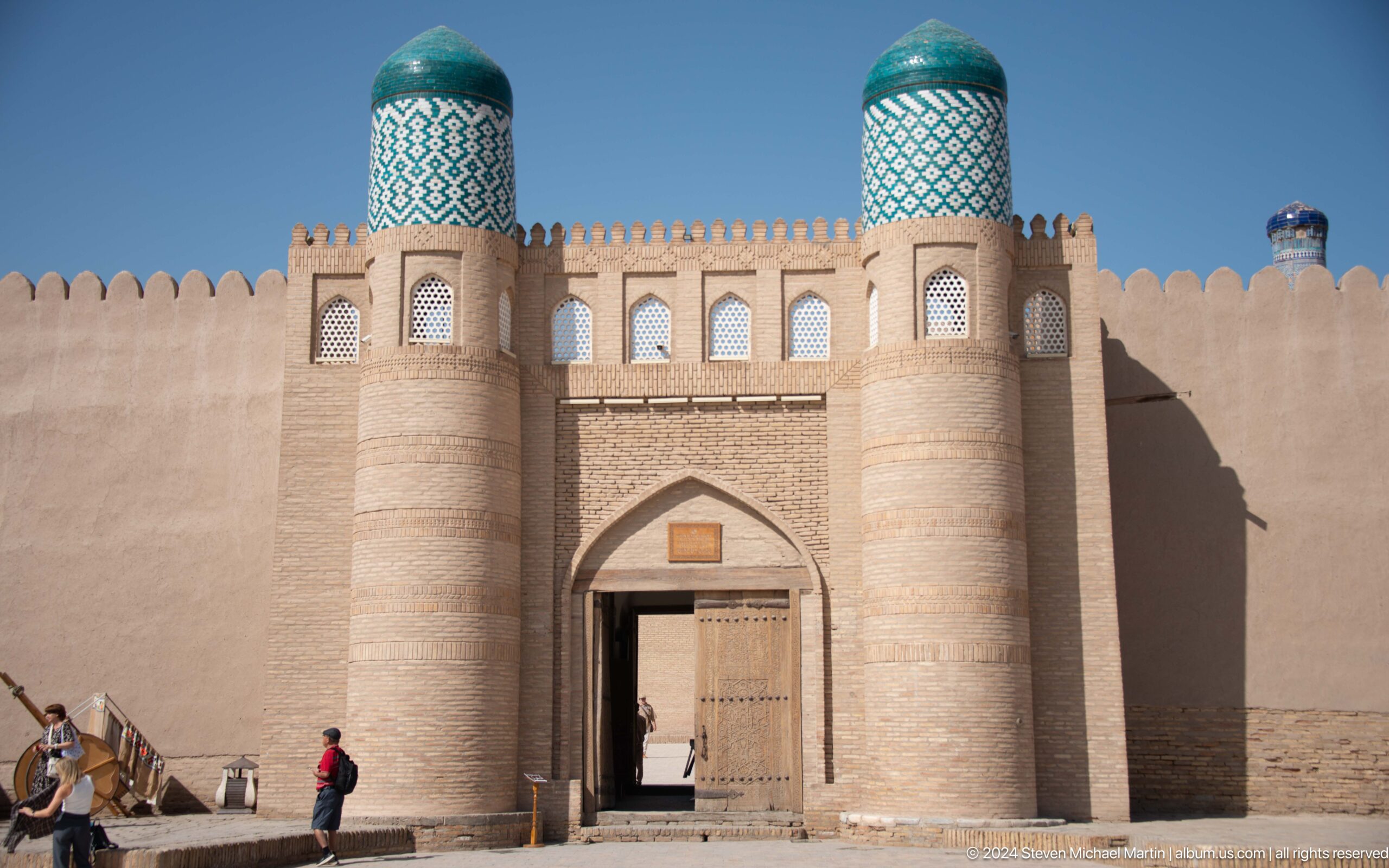
Historic city gate is documented within Khiva’s walled historic center. The photograph emphasizes its visible form, materials, ornament, and relationship to the surrounding urban fabric, preserving a focused record of the architecture, craft tradition, daily life, or travel experience represented in this view.
Caption
Historic city gate is documented within Khiva’s walled historic center. The photograph emphasizes its visible form, materials, ornament, and relationship to the surrounding urban fabric, preserving a focused record of the architecture, craft tradition, daily life, or travel experience represented in this view.
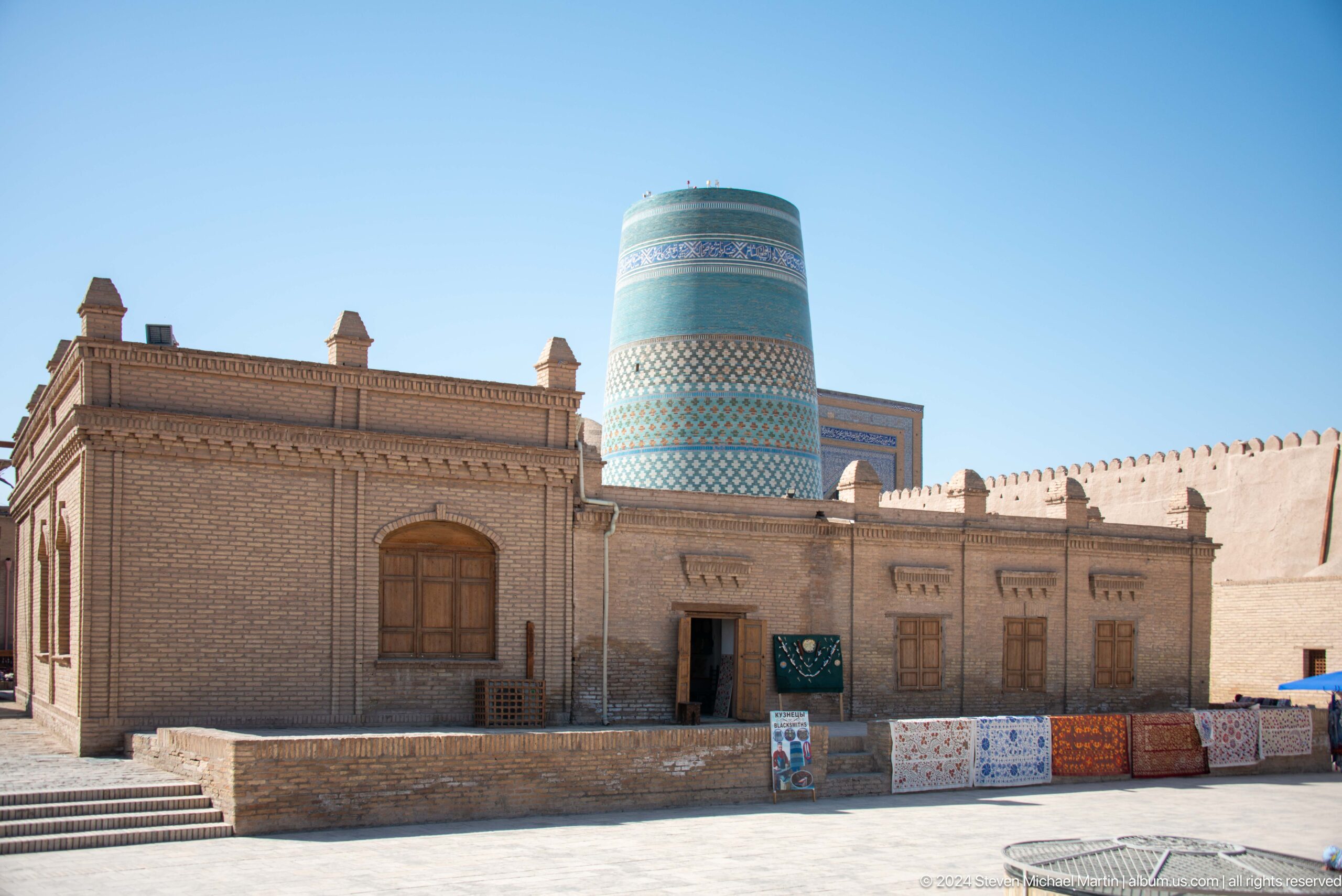
Urban view near kalta minor is documented within Khiva’s walled historic center. The photograph emphasizes its visible form, materials, ornament, and relationship to the surrounding urban fabric, preserving a focused record of the architecture, craft tradition, daily life, or travel experience represented in this view.
Caption
Urban view near kalta minor is documented within Khiva’s walled historic center. The photograph emphasizes its visible form, materials, ornament, and relationship to the surrounding urban fabric, preserving a focused record of the architecture, craft tradition, daily life, or travel experience represented in this view.
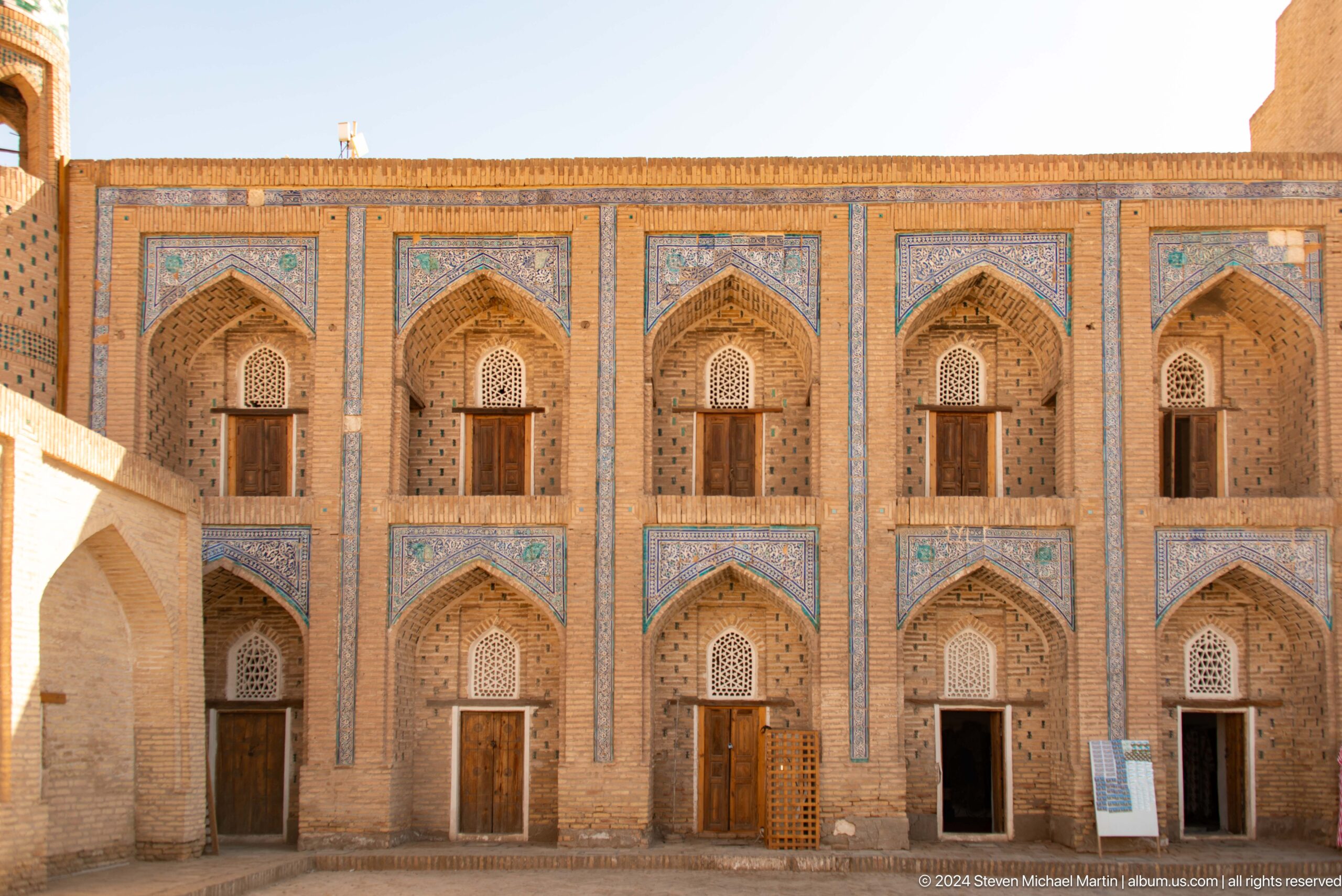
Madrasa courtyard is documented within Khiva’s walled historic center. The photograph emphasizes its visible form, materials, ornament, and relationship to the surrounding urban fabric, preserving a focused record of the architecture, craft tradition, daily life, or travel experience represented in this view.
Caption
Madrasa courtyard is documented within Khiva’s walled historic center. The photograph emphasizes its visible form, materials, ornament, and relationship to the surrounding urban fabric, preserving a focused record of the architecture, craft tradition, daily life, or travel experience represented in this view.
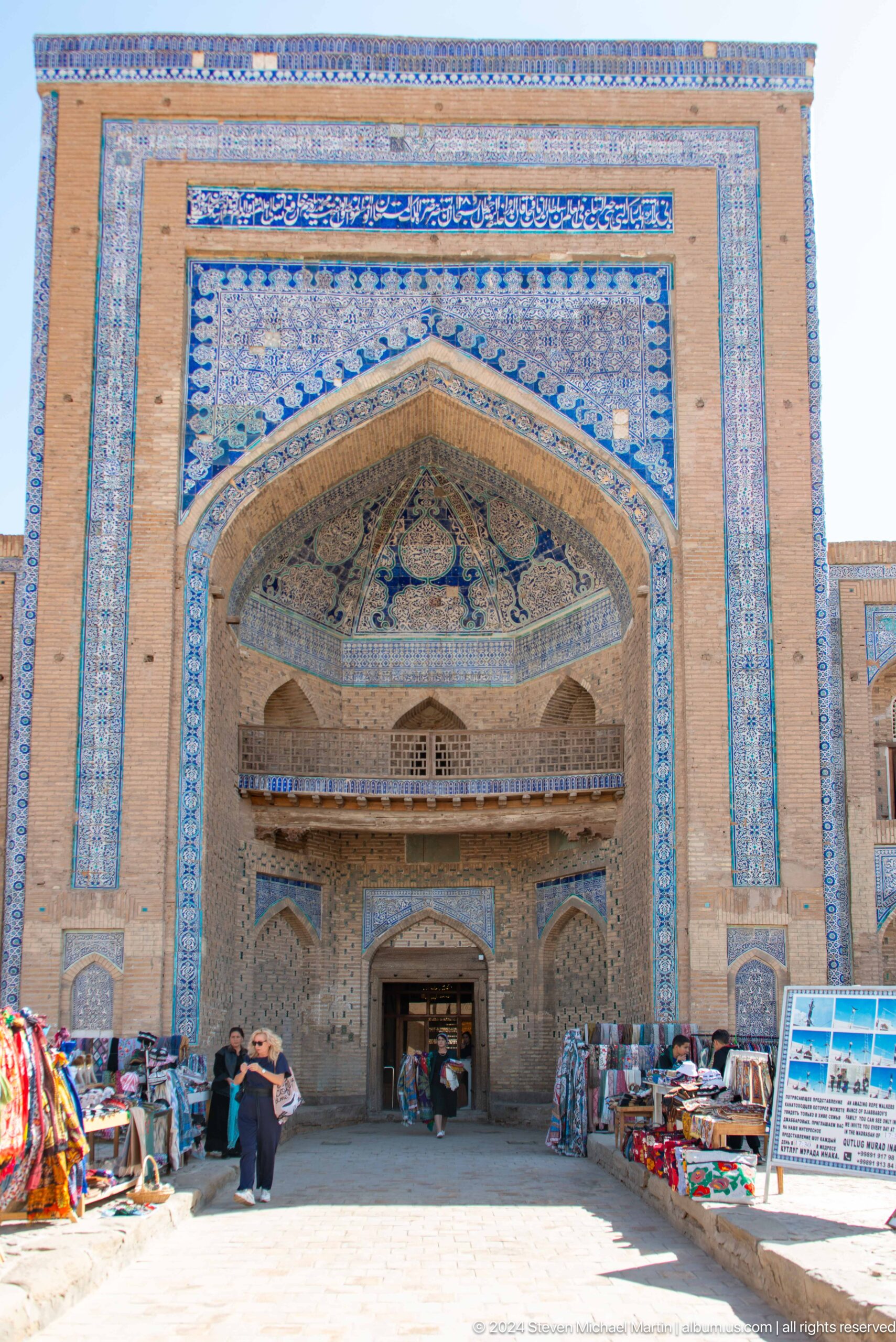
Ornamented madrasa iwan is documented within Khiva’s walled historic center. The photograph emphasizes its visible form, materials, ornament, and relationship to the surrounding urban fabric, preserving a focused record of the architecture, craft tradition, daily life, or travel experience represented in this view.
Caption
Ornamented madrasa iwan is documented within Khiva’s walled historic center. The photograph emphasizes its visible form, materials, ornament, and relationship to the surrounding urban fabric, preserving a focused record of the architecture, craft tradition, daily life, or travel experience represented in this view.
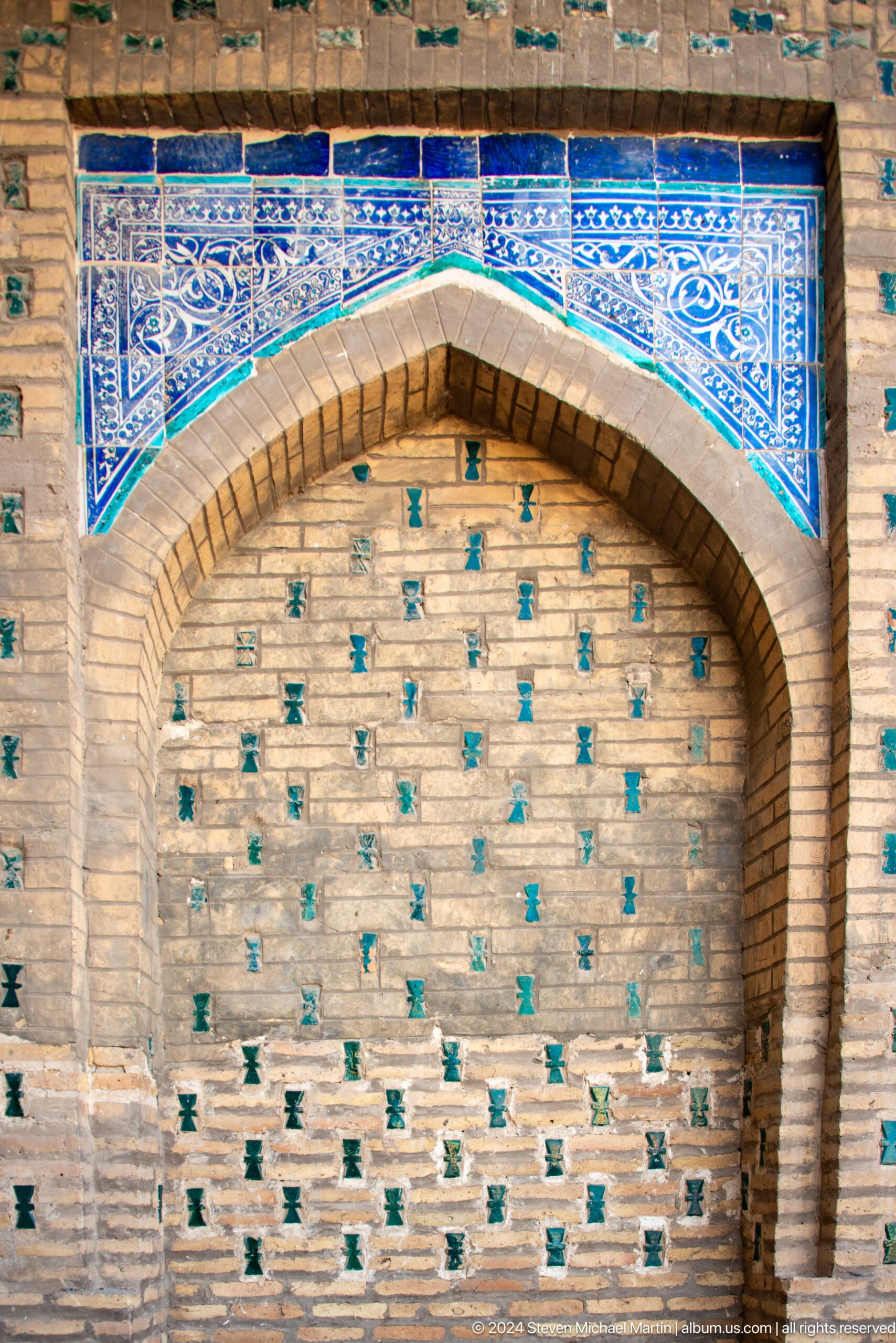
Decorative brick-and-tile detail is documented within Khiva’s walled historic center. The photograph emphasizes its visible form, materials, ornament, and relationship to the surrounding urban fabric, preserving a focused record of the architecture, craft tradition, daily life, or travel experience represented in this view.
Caption
Decorative brick-and-tile detail is documented within Khiva’s walled historic center. The photograph emphasizes its visible form, materials, ornament, and relationship to the surrounding urban fabric, preserving a focused record of the architecture, craft tradition, daily life, or travel experience represented in this view.
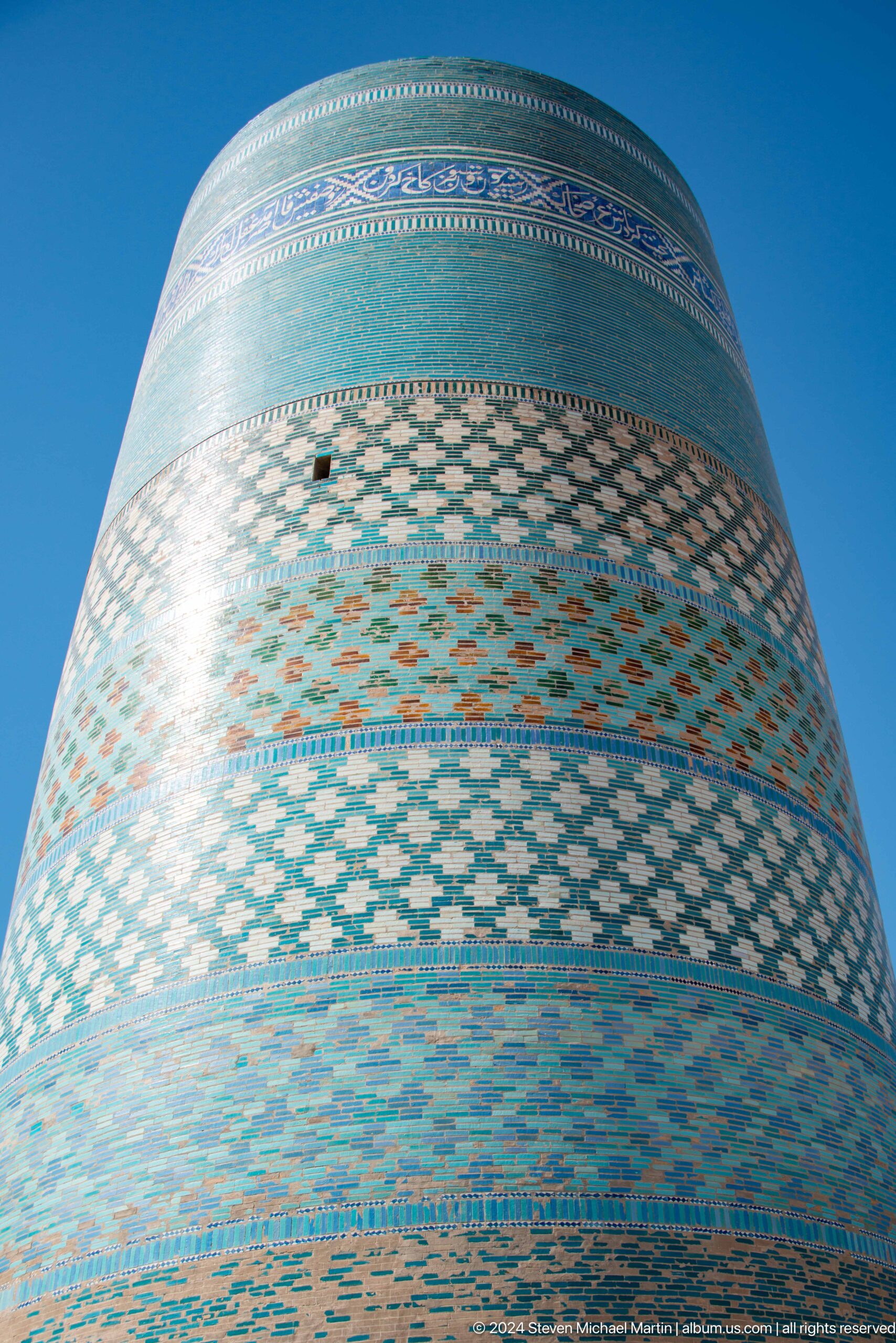
Kalta minor tilework is documented within Khiva’s walled historic center. The photograph emphasizes its visible form, materials, ornament, and relationship to the surrounding urban fabric, preserving a focused record of the architecture, craft tradition, daily life, or travel experience represented in this view.
Caption
Kalta minor tilework is documented within Khiva’s walled historic center. The photograph emphasizes its visible form, materials, ornament, and relationship to the surrounding urban fabric, preserving a focused record of the architecture, craft tradition, daily life, or travel experience represented in this view.
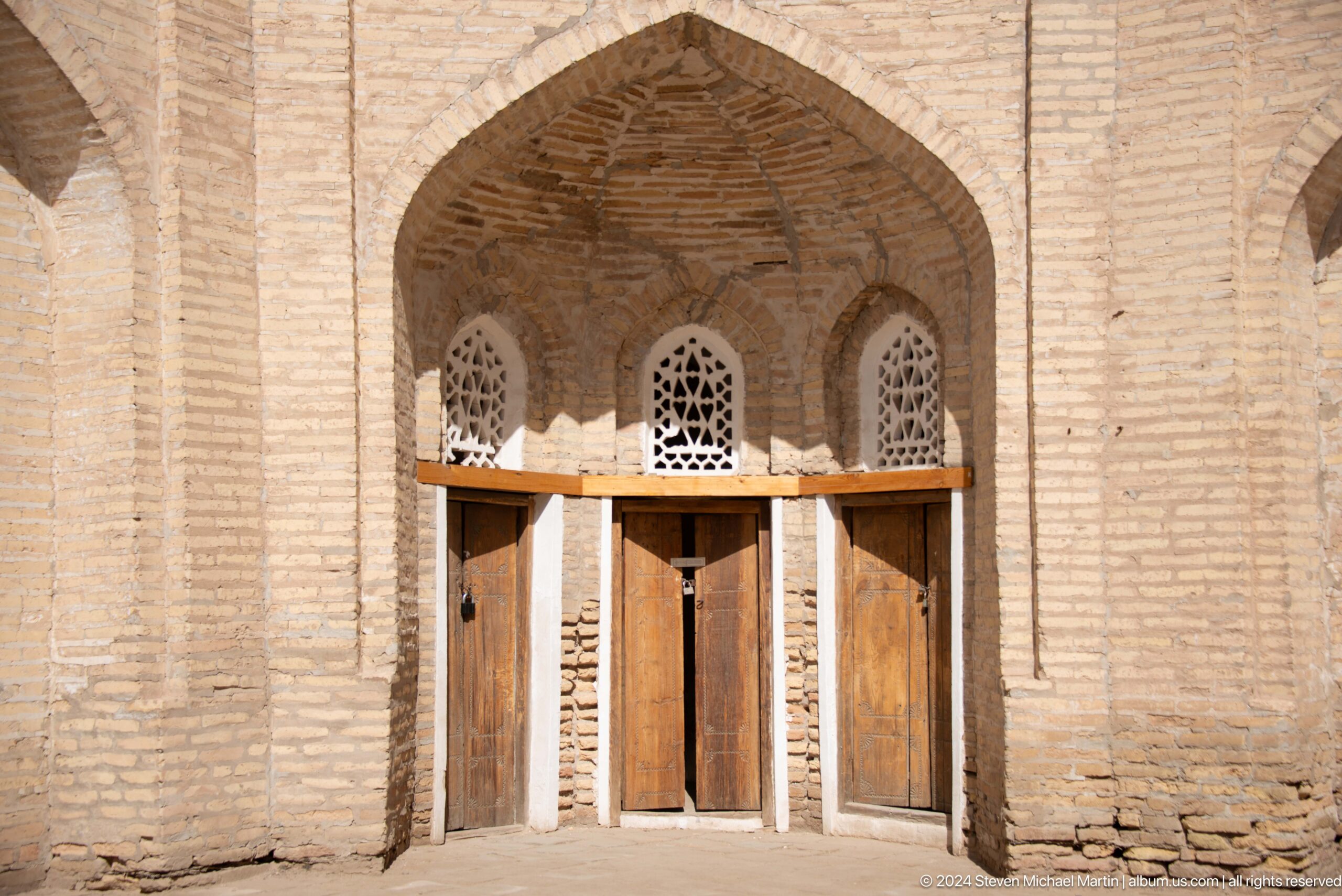
Historic doorway is documented within Khiva’s walled historic center. The photograph emphasizes its visible form, materials, ornament, and relationship to the surrounding urban fabric, preserving a focused record of the architecture, craft tradition, daily life, or travel experience represented in this view.
Caption
Historic doorway is documented within Khiva’s walled historic center. The photograph emphasizes its visible form, materials, ornament, and relationship to the surrounding urban fabric, preserving a focused record of the architecture, craft tradition, daily life, or travel experience represented in this view.
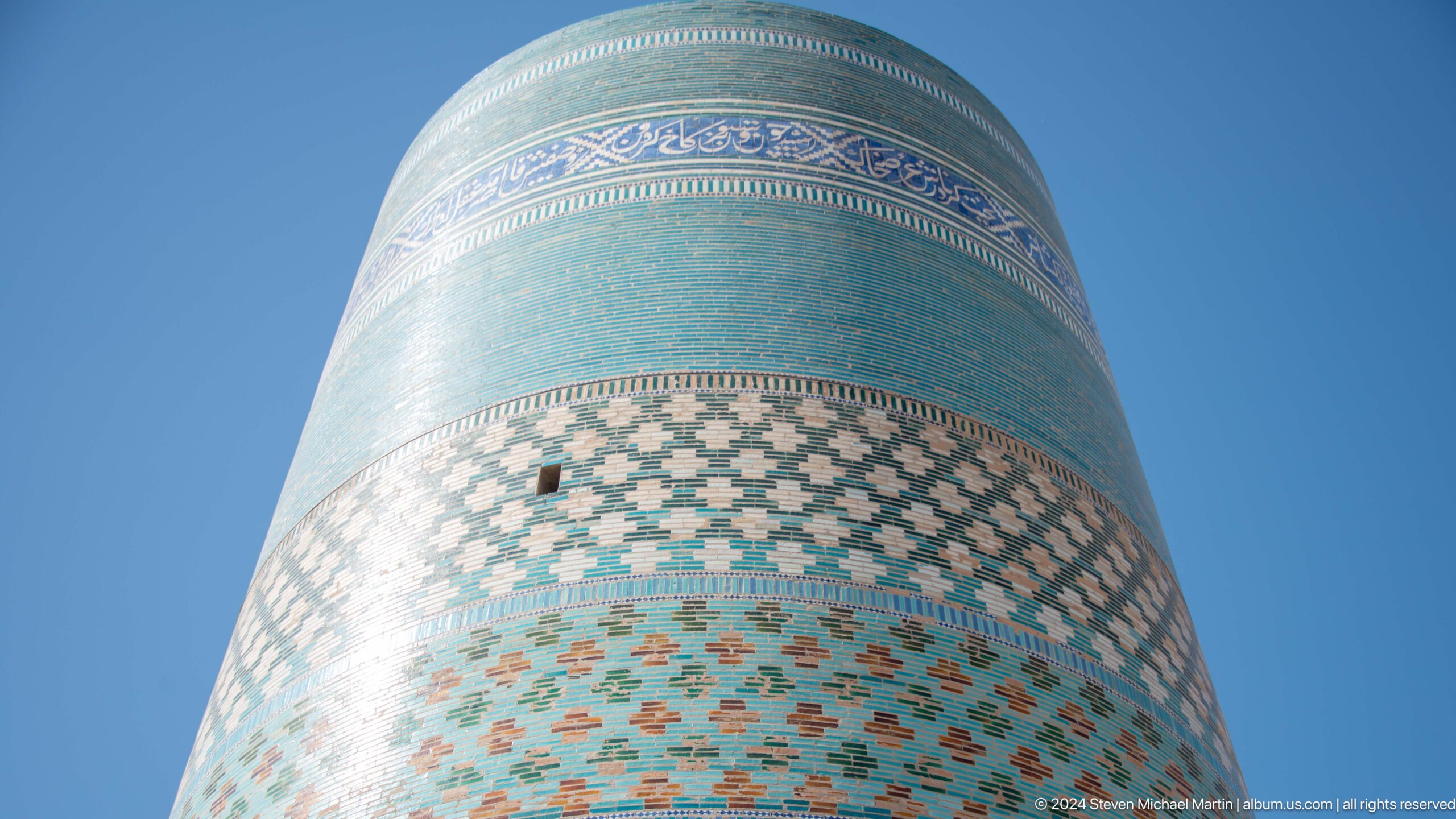
Kalta minor upper tilework is documented within Khiva’s walled historic center. The photograph emphasizes its visible form, materials, ornament, and relationship to the surrounding urban fabric, preserving a focused record of the architecture, craft tradition, daily life, or travel experience represented in this view.
Caption
Kalta minor upper tilework is documented within Khiva’s walled historic center. The photograph emphasizes its visible form, materials, ornament, and relationship to the surrounding urban fabric, preserving a focused record of the architecture, craft tradition, daily life, or travel experience represented in this view.

Uzbek railway locomotive is documented within Khiva’s walled historic center. The photograph emphasizes its visible form, materials, ornament, and relationship to the surrounding urban fabric, preserving a focused record of the architecture, craft tradition, daily life, or travel experience represented in this view.
Caption
Uzbek railway locomotive is documented within Khiva’s walled historic center. The photograph emphasizes its visible form, materials, ornament, and relationship to the surrounding urban fabric, preserving a focused record of the architecture, craft tradition, daily life, or travel experience represented in this view.
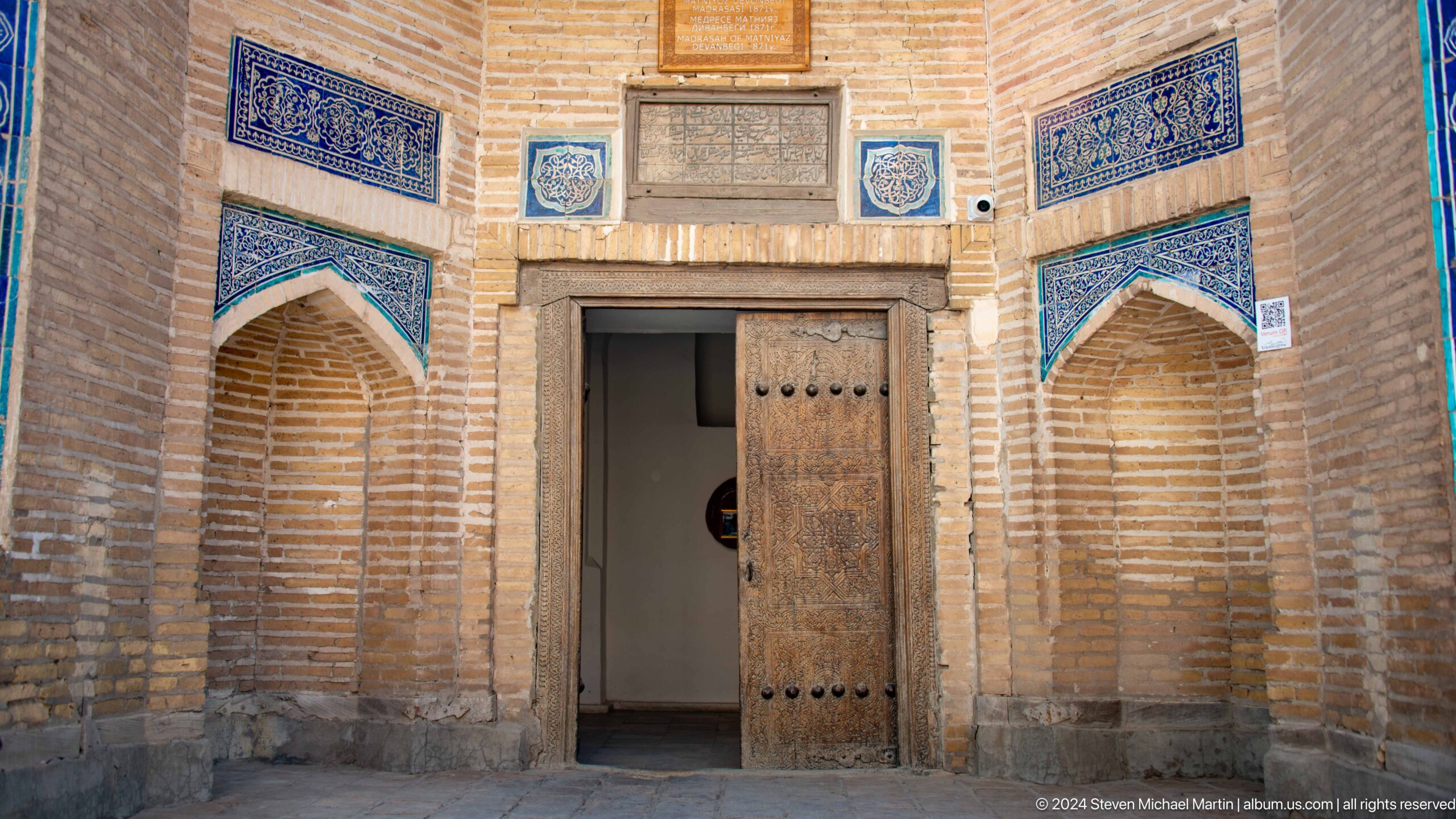
Tiled entrance doorway is documented within Khiva’s walled historic center. The photograph emphasizes its visible form, materials, ornament, and relationship to the surrounding urban fabric, preserving a focused record of the architecture, craft tradition, daily life, or travel experience represented in this view.
Caption
Tiled entrance doorway is documented within Khiva’s walled historic center. The photograph emphasizes its visible form, materials, ornament, and relationship to the surrounding urban fabric, preserving a focused record of the architecture, craft tradition, daily life, or travel experience represented in this view.
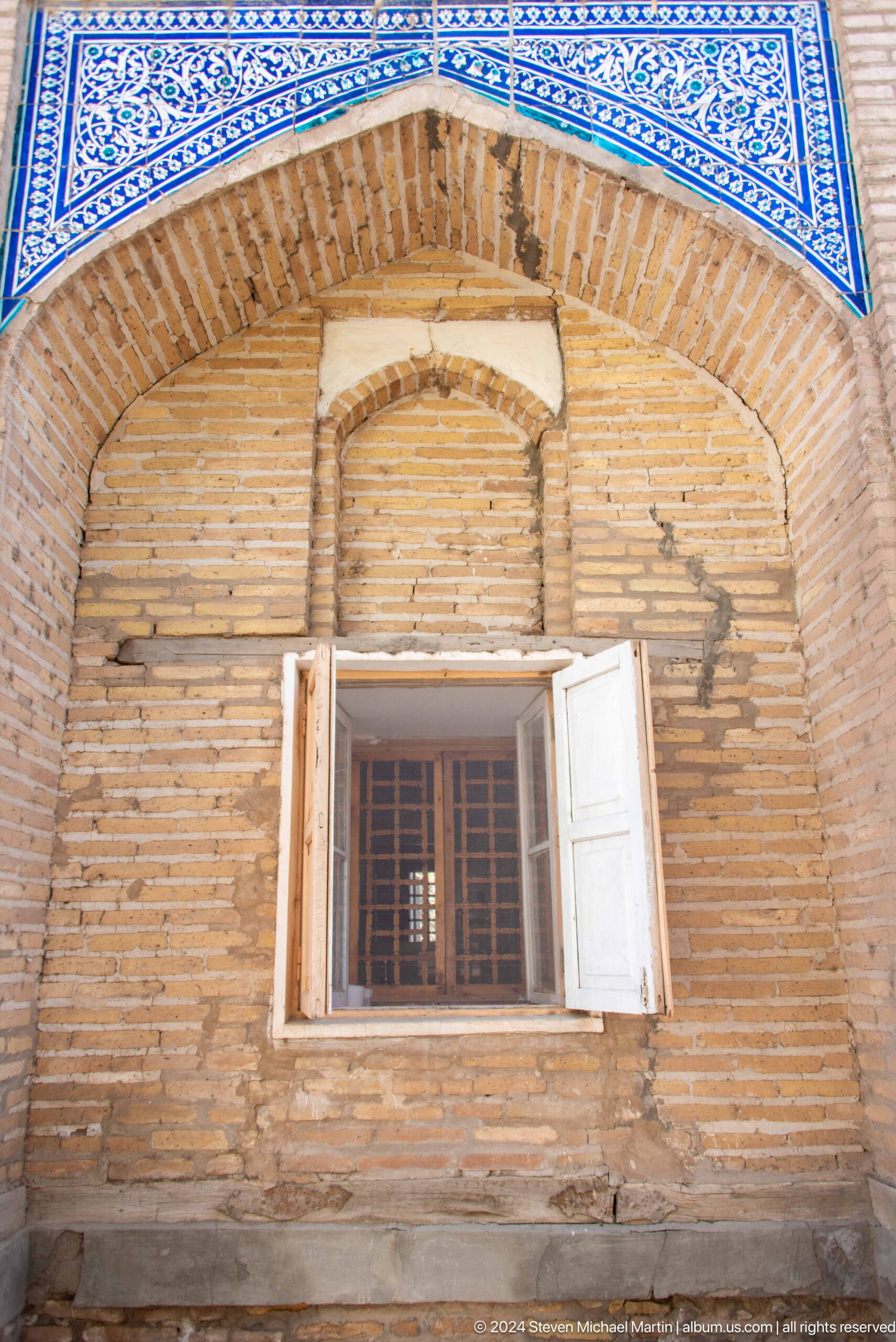
Historic brick facade detail is documented within Khiva’s walled historic center. The photograph emphasizes its visible form, materials, ornament, and relationship to the surrounding urban fabric, preserving a focused record of the architecture, craft tradition, daily life, or travel experience represented in this view.
Caption
Historic brick facade detail is documented within Khiva’s walled historic center. The photograph emphasizes its visible form, materials, ornament, and relationship to the surrounding urban fabric, preserving a focused record of the architecture, craft tradition, daily life, or travel experience represented in this view.
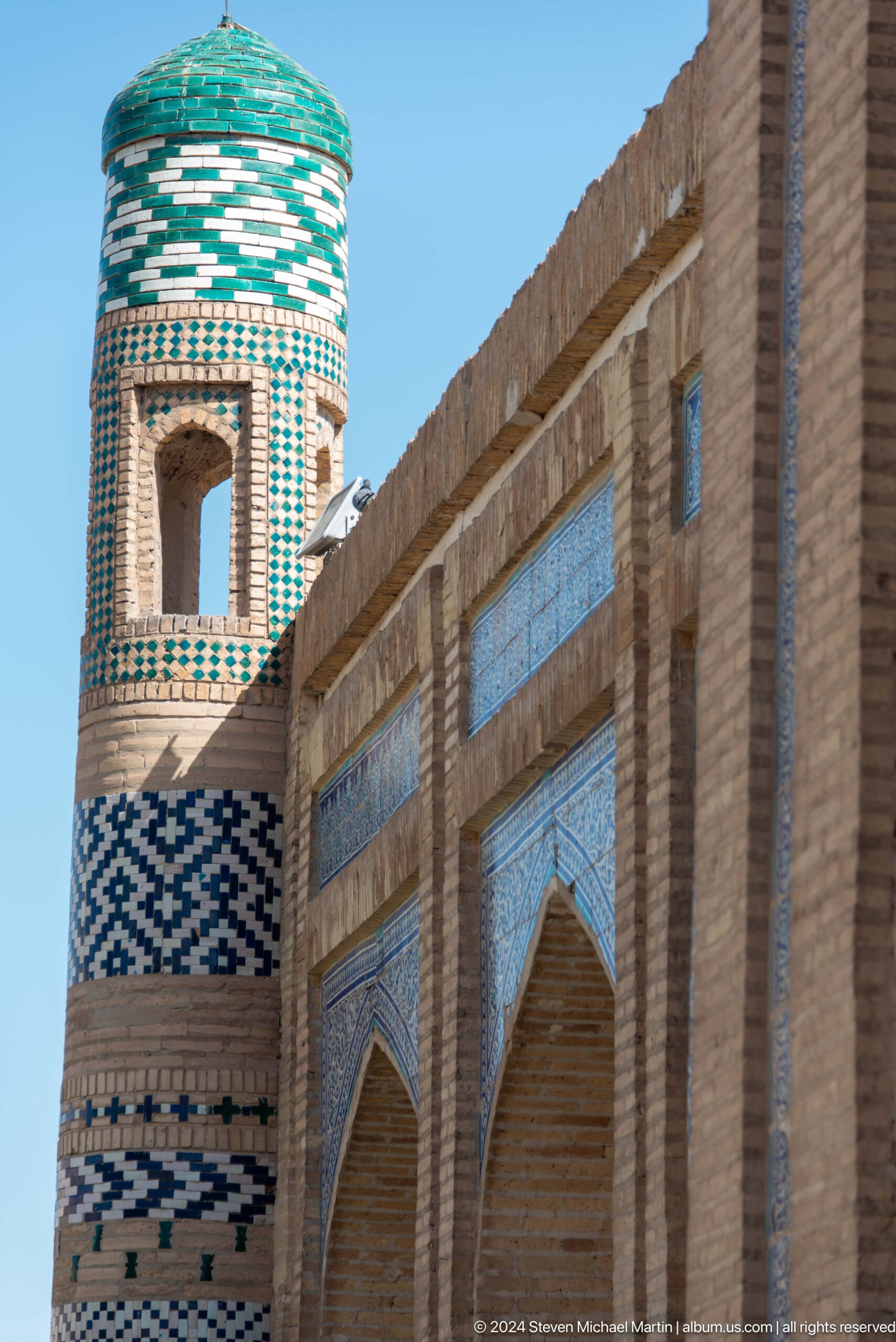
Islamic architectural tilework is documented within Khiva’s walled historic center. The photograph emphasizes its visible form, materials, ornament, and relationship to the surrounding urban fabric, preserving a focused record of the architecture, craft tradition, daily life, or travel experience represented in this view.
Caption
Islamic architectural tilework is documented within Khiva’s walled historic center. The photograph emphasizes its visible form, materials, ornament, and relationship to the surrounding urban fabric, preserving a focused record of the architecture, craft tradition, daily life, or travel experience represented in this view.
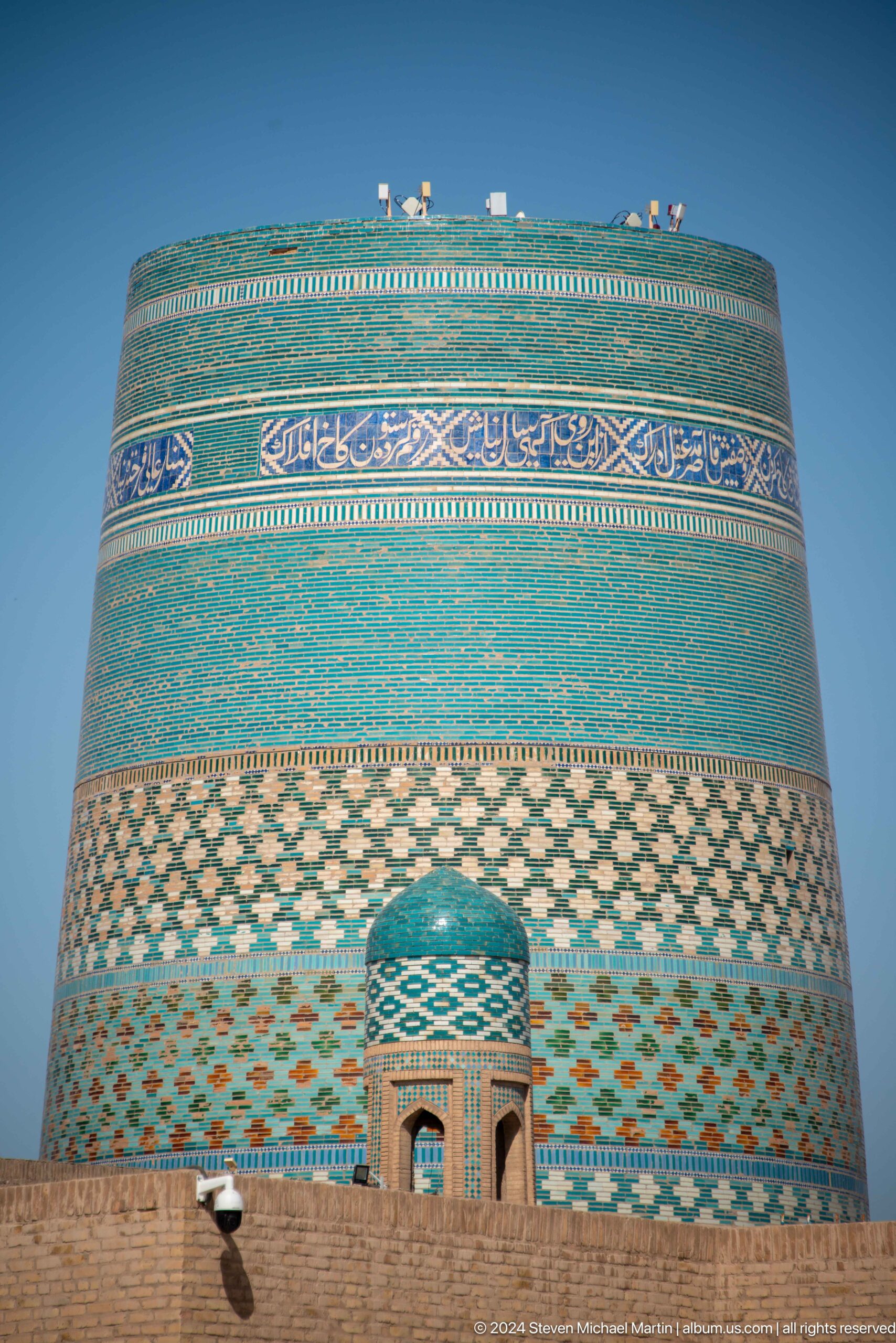
Kalta minor decorative surface is documented within Khiva’s walled historic center. The photograph emphasizes its visible form, materials, ornament, and relationship to the surrounding urban fabric, preserving a focused record of the architecture, craft tradition, daily life, or travel experience represented in this view.
Caption
Kalta minor decorative surface is documented within Khiva’s walled historic center. The photograph emphasizes its visible form, materials, ornament, and relationship to the surrounding urban fabric, preserving a focused record of the architecture, craft tradition, daily life, or travel experience represented in this view.
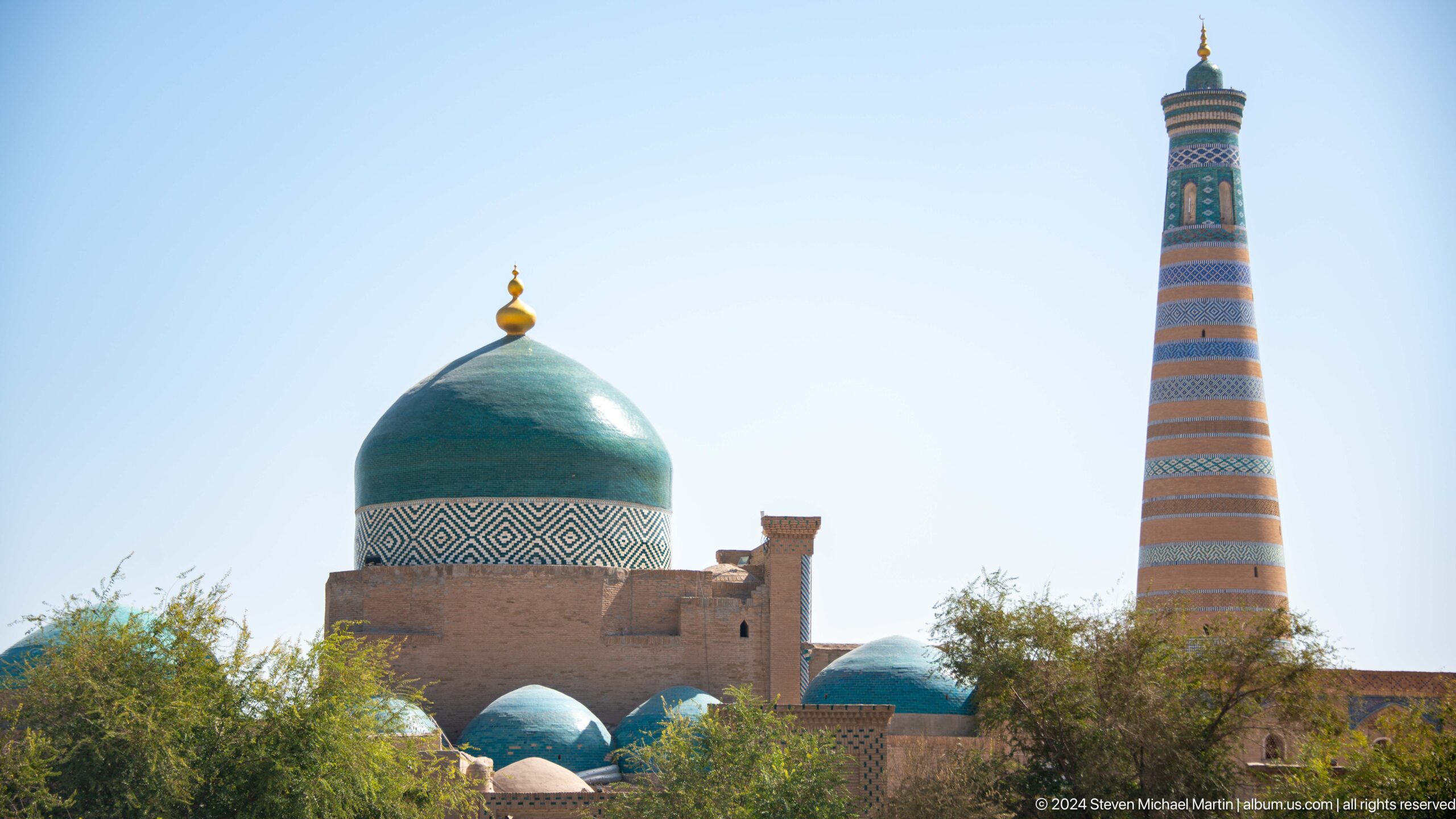
Pakhlavan mahmud mausoleum skyline is documented within Khiva’s walled historic center. The photograph emphasizes its visible form, materials, ornament, and relationship to the surrounding urban fabric, preserving a focused record of the architecture, craft tradition, daily life, or travel experience represented in this view.
Caption
Pakhlavan mahmud mausoleum skyline is documented within Khiva’s walled historic center. The photograph emphasizes its visible form, materials, ornament, and relationship to the surrounding urban fabric, preserving a focused record of the architecture, craft tradition, daily life, or travel experience represented in this view.
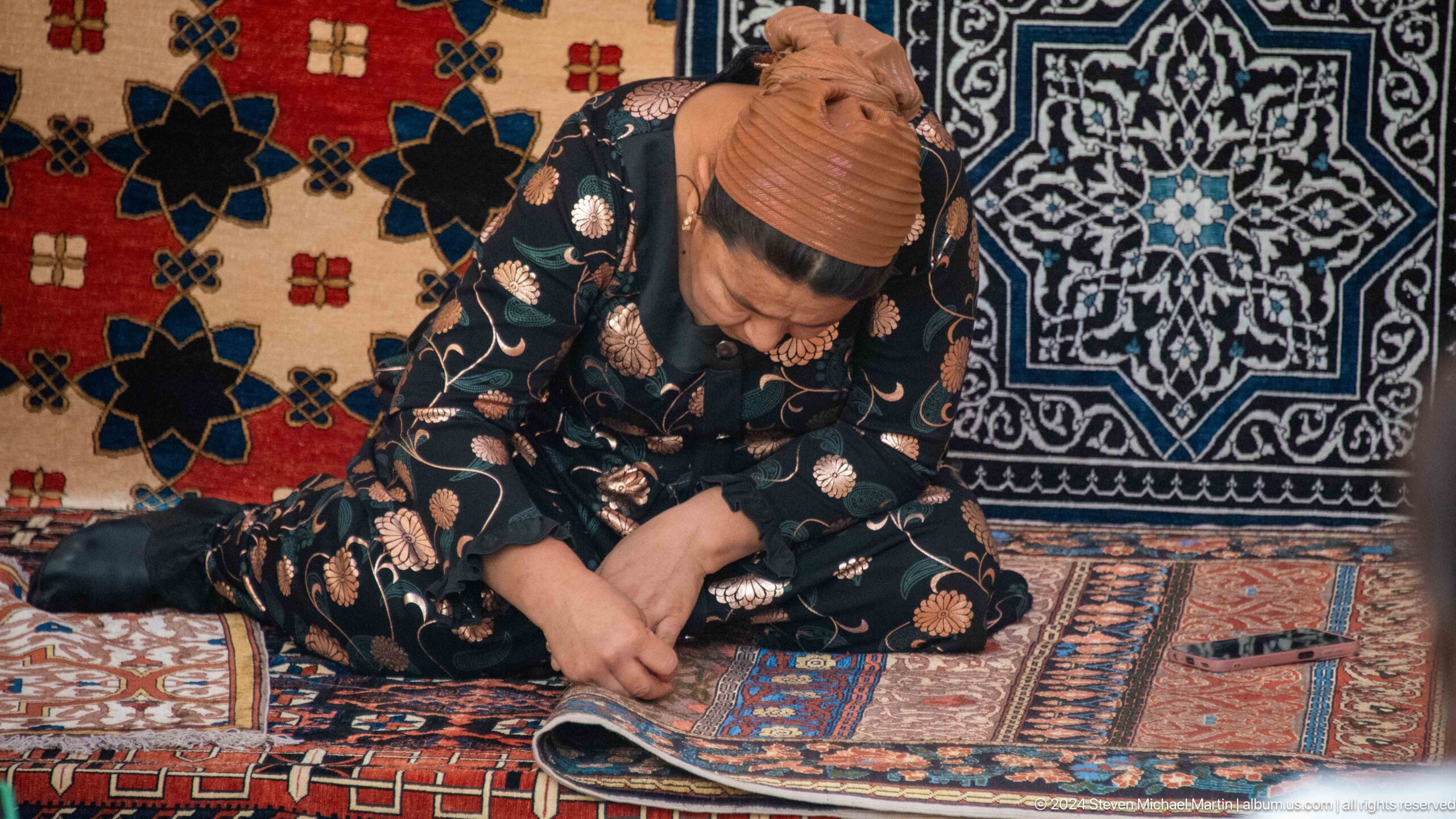
Uzbek textile artisan is documented within Khiva’s walled historic center. The photograph emphasizes its visible form, materials, ornament, and relationship to the surrounding urban fabric, preserving a focused record of the architecture, craft tradition, daily life, or travel experience represented in this view.
Caption
Uzbek textile artisan is documented within Khiva’s walled historic center. The photograph emphasizes its visible form, materials, ornament, and relationship to the surrounding urban fabric, preserving a focused record of the architecture, craft tradition, daily life, or travel experience represented in this view.
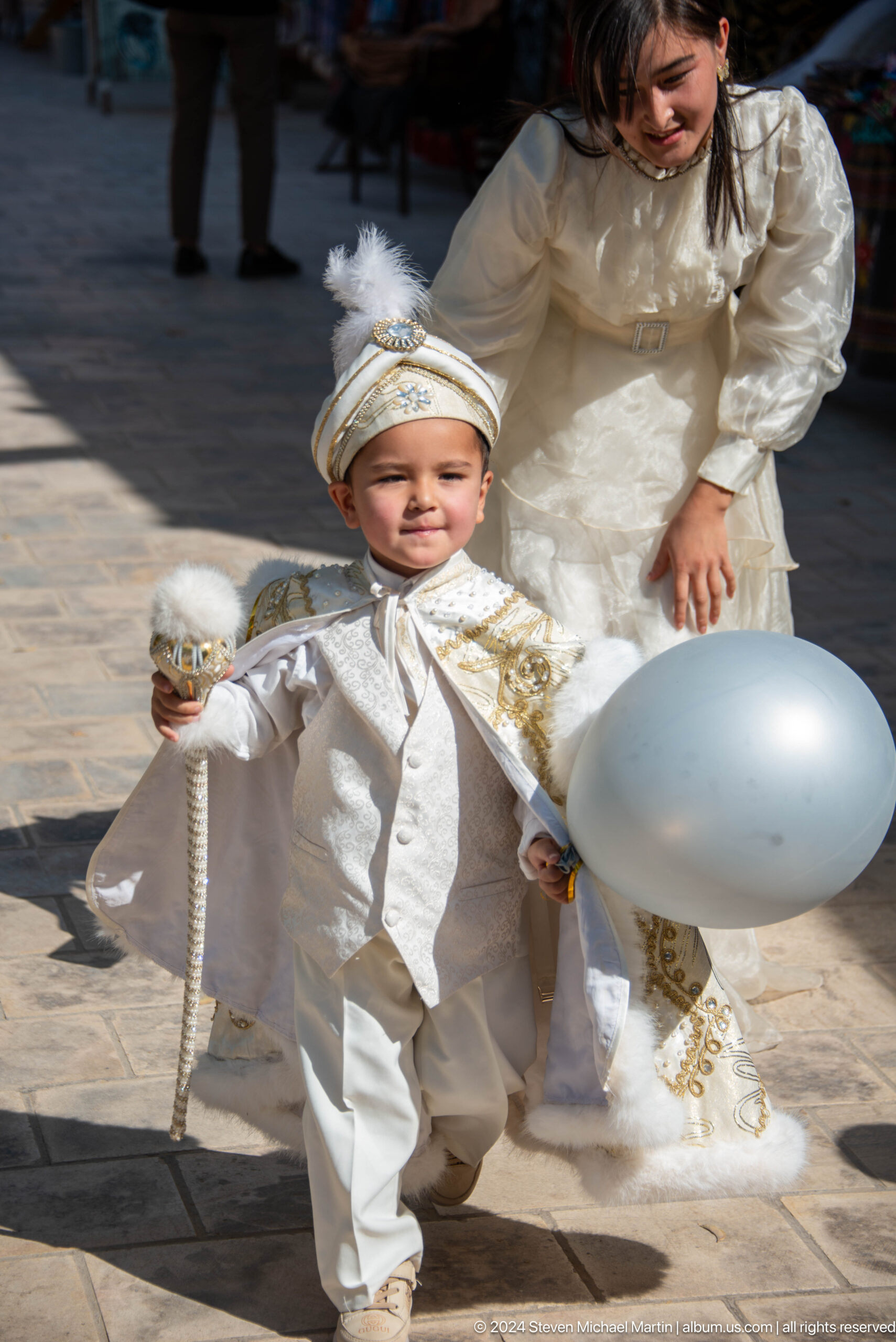
Child in festive dress is documented within Khiva’s walled historic center. The photograph emphasizes its visible form, materials, ornament, and relationship to the surrounding urban fabric, preserving a focused record of the architecture, craft tradition, daily life, or travel experience represented in this view.
Caption
Child in festive dress is documented within Khiva’s walled historic center. The photograph emphasizes its visible form, materials, ornament, and relationship to the surrounding urban fabric, preserving a focused record of the architecture, craft tradition, daily life, or travel experience represented in this view.

Khivan wood carving is documented within Khiva’s walled historic center. The photograph emphasizes its visible form, materials, ornament, and relationship to the surrounding urban fabric, preserving a focused record of the architecture, craft tradition, daily life, or travel experience represented in this view.
Caption
Khivan wood carving is documented within Khiva’s walled historic center. The photograph emphasizes its visible form, materials, ornament, and relationship to the surrounding urban fabric, preserving a focused record of the architecture, craft tradition, daily life, or travel experience represented in this view.
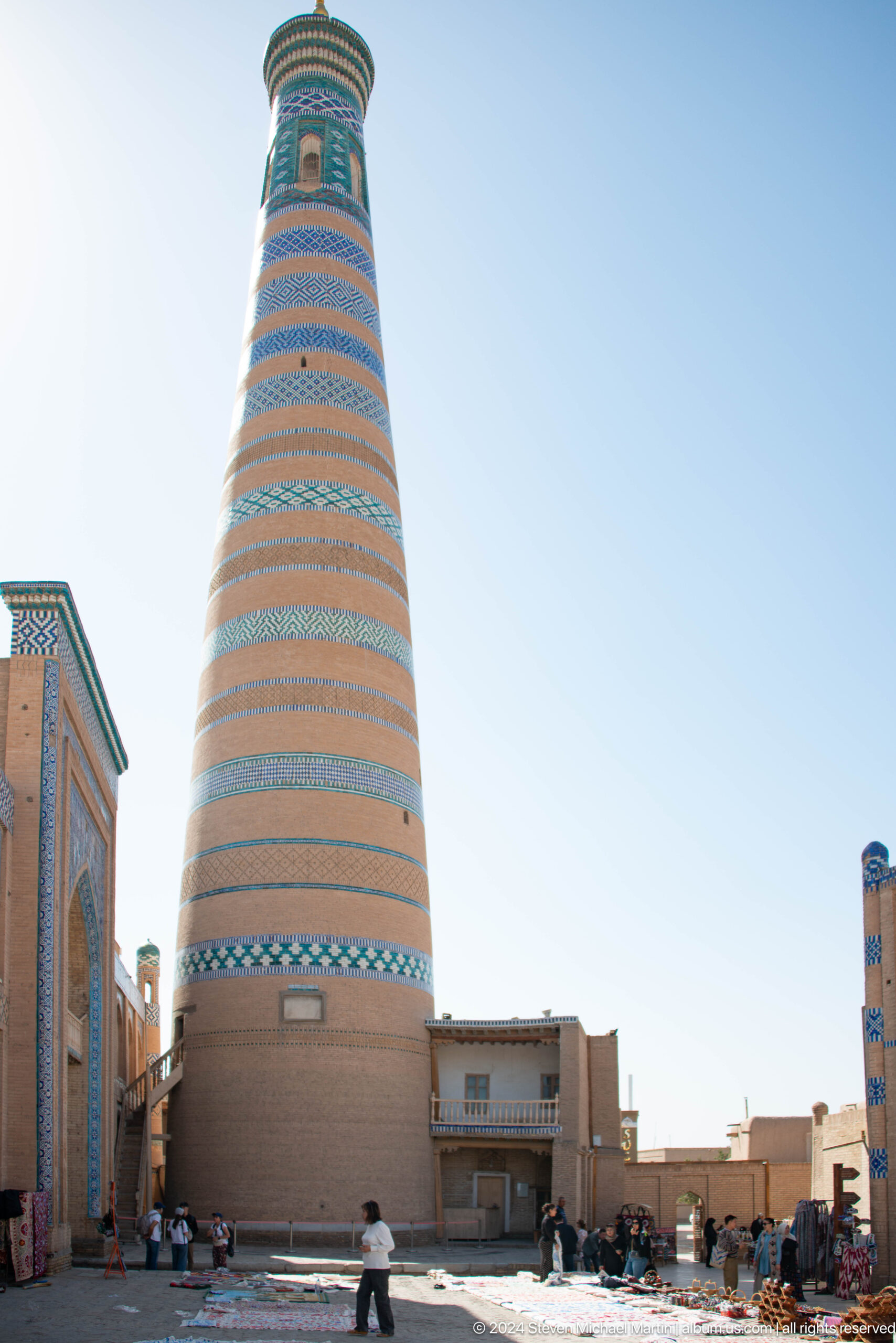
Islam khoja minaret is documented within Khiva’s walled historic center. The photograph emphasizes its visible form, materials, ornament, and relationship to the surrounding urban fabric, preserving a focused record of the architecture, craft tradition, daily life, or travel experience represented in this view.
Caption
Islam khoja minaret is documented within Khiva’s walled historic center. The photograph emphasizes its visible form, materials, ornament, and relationship to the surrounding urban fabric, preserving a focused record of the architecture, craft tradition, daily life, or travel experience represented in this view.
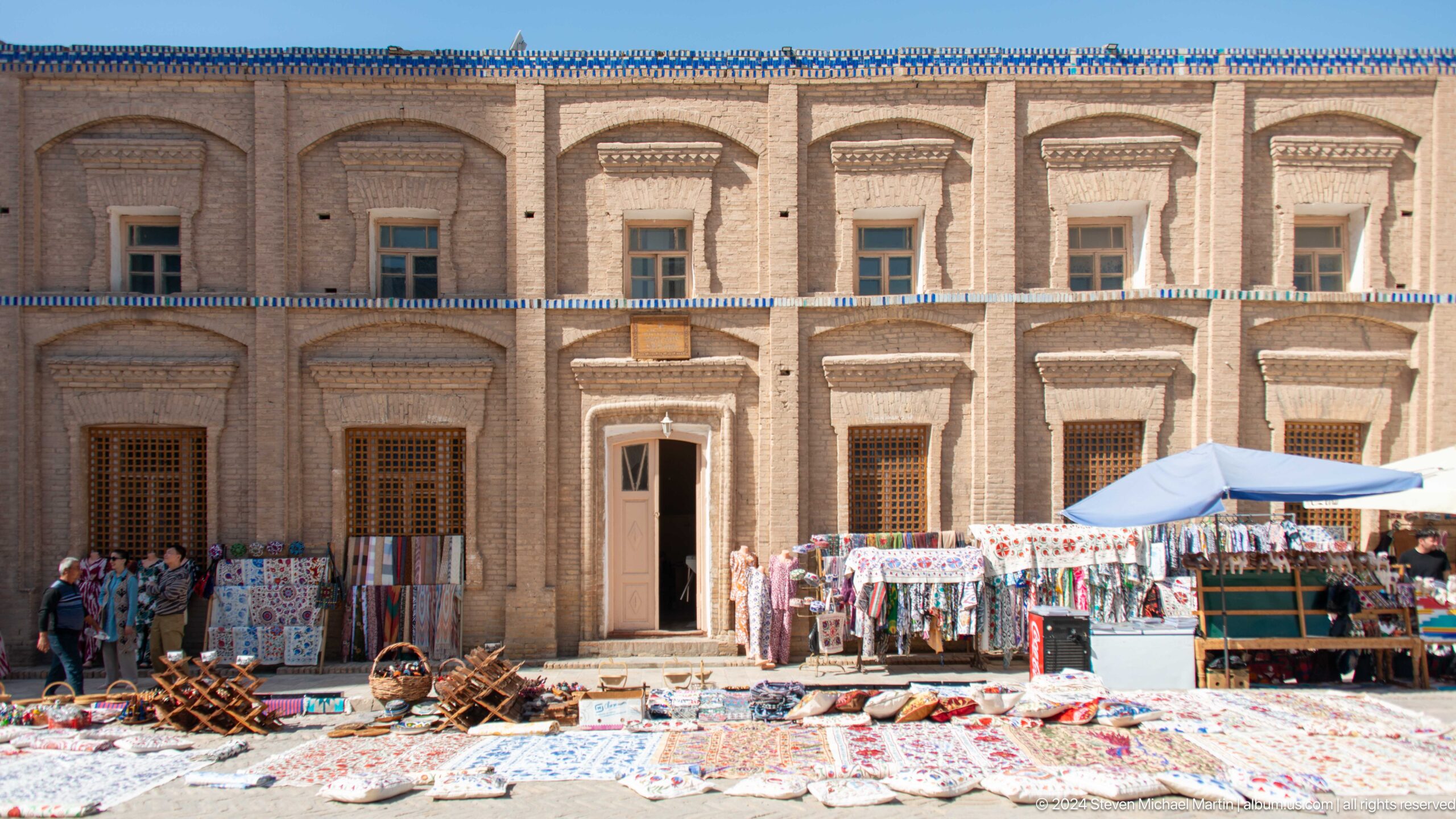
Outdoor craft market is documented within Khiva’s walled historic center. The photograph emphasizes its visible form, materials, ornament, and relationship to the surrounding urban fabric, preserving a focused record of the architecture, craft tradition, daily life, or travel experience represented in this view.
Caption
Outdoor craft market is documented within Khiva’s walled historic center. The photograph emphasizes its visible form, materials, ornament, and relationship to the surrounding urban fabric, preserving a focused record of the architecture, craft tradition, daily life, or travel experience represented in this view.
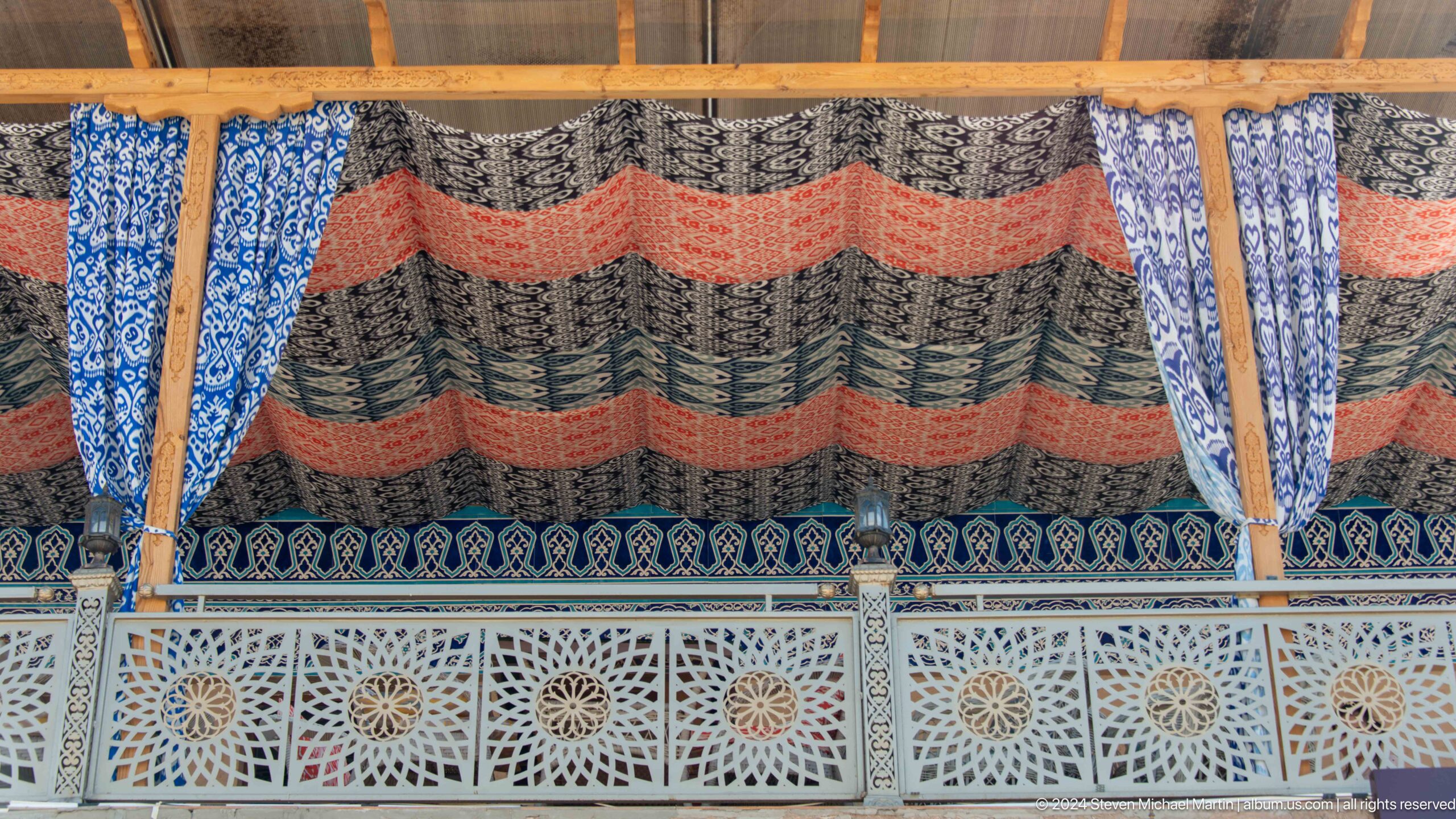
Traditional textile display is documented within Khiva’s walled historic center. The photograph emphasizes its visible form, materials, ornament, and relationship to the surrounding urban fabric, preserving a focused record of the architecture, craft tradition, daily life, or travel experience represented in this view.
Caption
Traditional textile display is documented within Khiva’s walled historic center. The photograph emphasizes its visible form, materials, ornament, and relationship to the surrounding urban fabric, preserving a focused record of the architecture, craft tradition, daily life, or travel experience represented in this view.
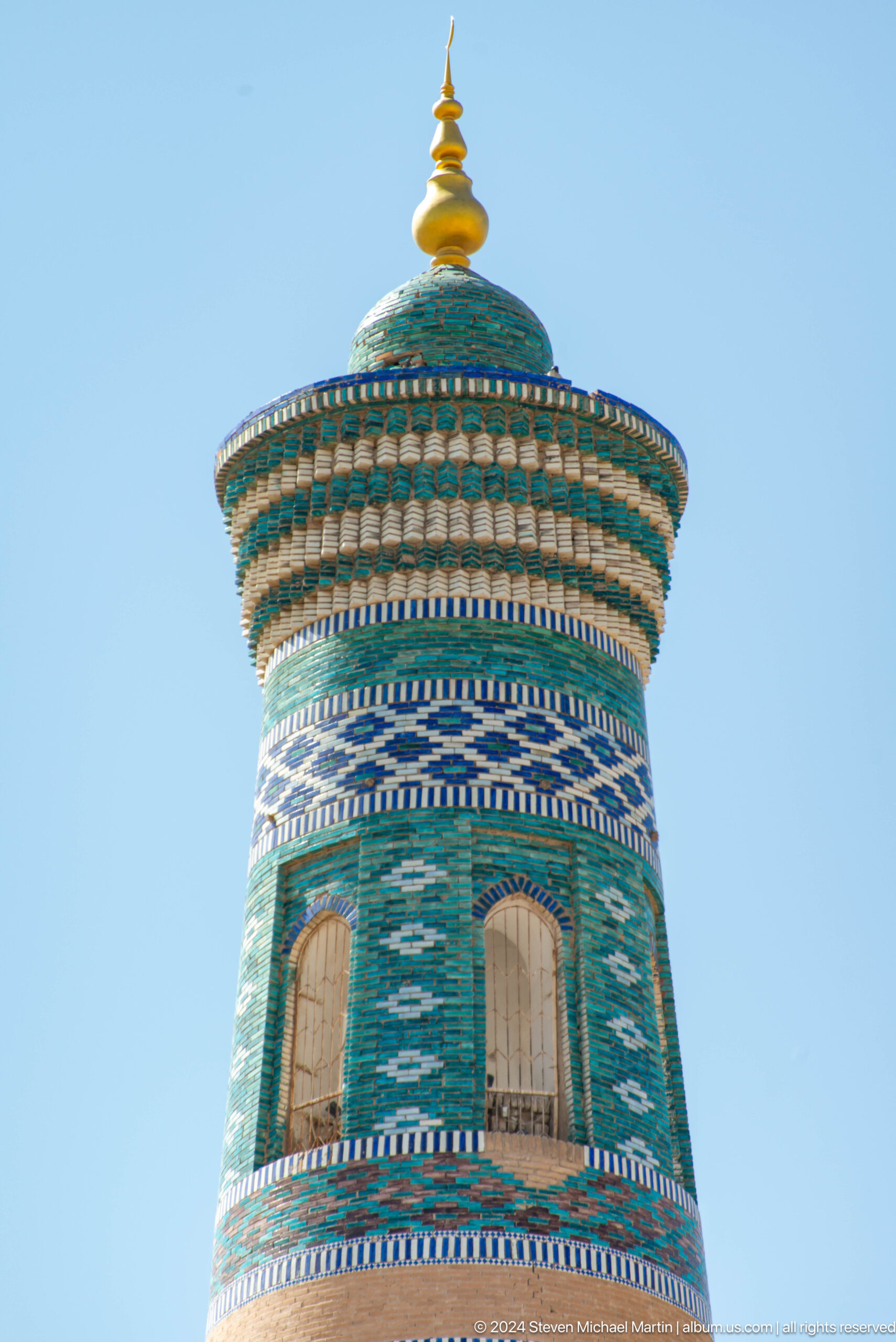
Decorated minaret top is documented within Khiva’s walled historic center. The photograph emphasizes its visible form, materials, ornament, and relationship to the surrounding urban fabric, preserving a focused record of the architecture, craft tradition, daily life, or travel experience represented in this view.
Caption
Decorated minaret top is documented within Khiva’s walled historic center. The photograph emphasizes its visible form, materials, ornament, and relationship to the surrounding urban fabric, preserving a focused record of the architecture, craft tradition, daily life, or travel experience represented in this view.
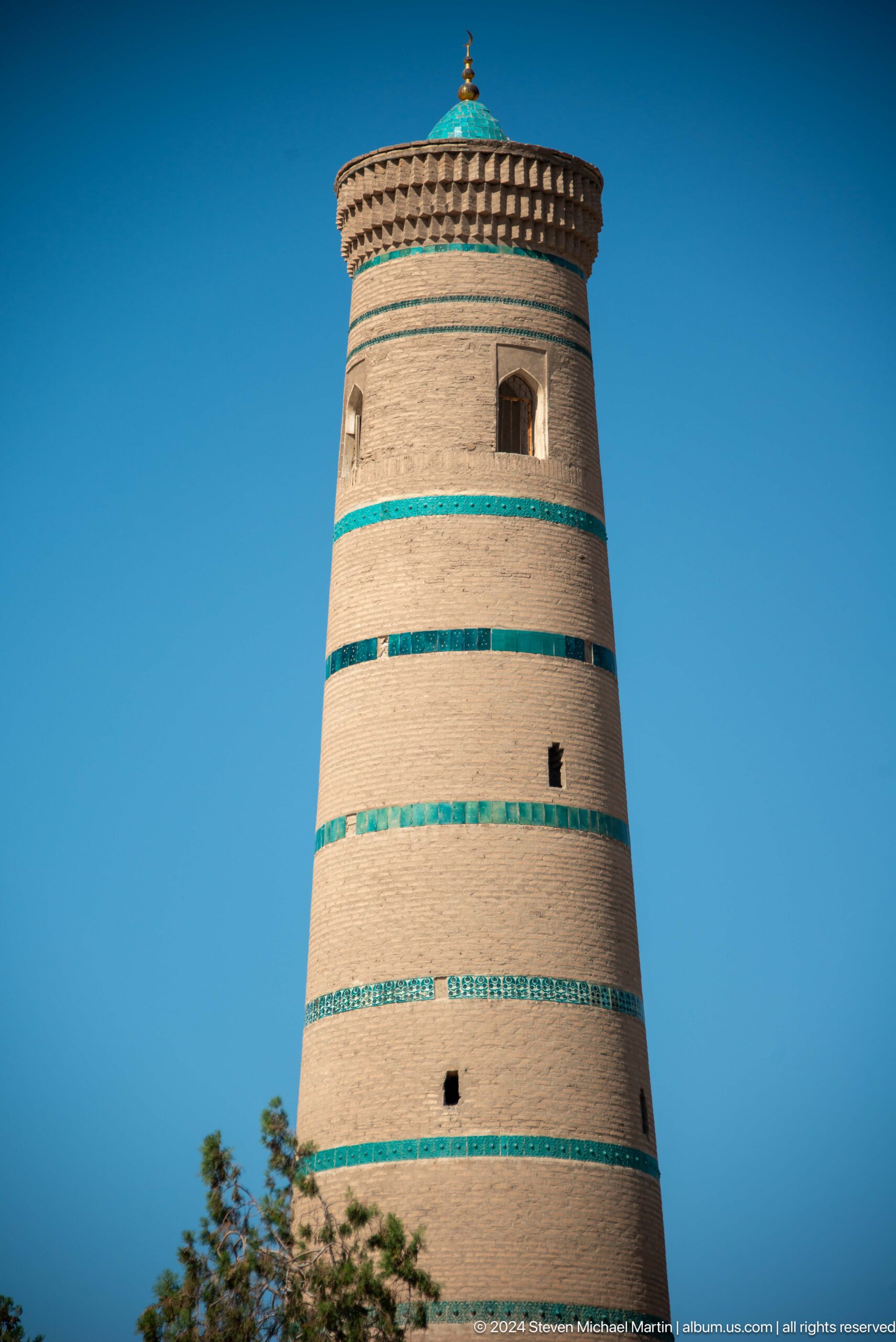
Historic minaret is documented within Khiva’s walled historic center. The photograph emphasizes its visible form, materials, ornament, and relationship to the surrounding urban fabric, preserving a focused record of the architecture, craft tradition, daily life, or travel experience represented in this view.
Caption
Historic minaret is documented within Khiva’s walled historic center. The photograph emphasizes its visible form, materials, ornament, and relationship to the surrounding urban fabric, preserving a focused record of the architecture, craft tradition, daily life, or travel experience represented in this view.
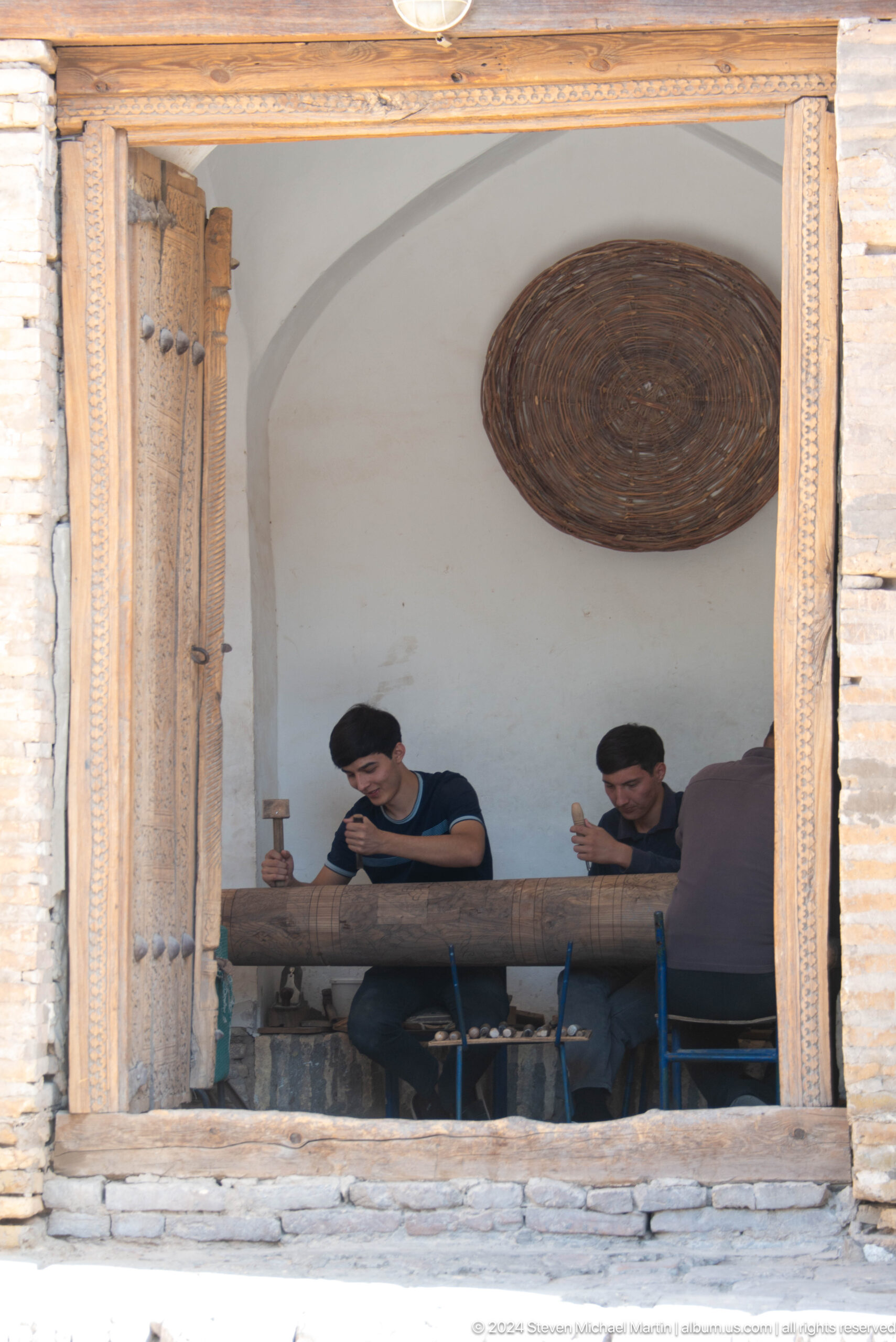
Local residents at doorway is documented within Khiva’s walled historic center. The photograph emphasizes its visible form, materials, ornament, and relationship to the surrounding urban fabric, preserving a focused record of the architecture, craft tradition, daily life, or travel experience represented in this view.
Caption
Local residents at doorway is documented within Khiva’s walled historic center. The photograph emphasizes its visible form, materials, ornament, and relationship to the surrounding urban fabric, preserving a focused record of the architecture, craft tradition, daily life, or travel experience represented in this view.
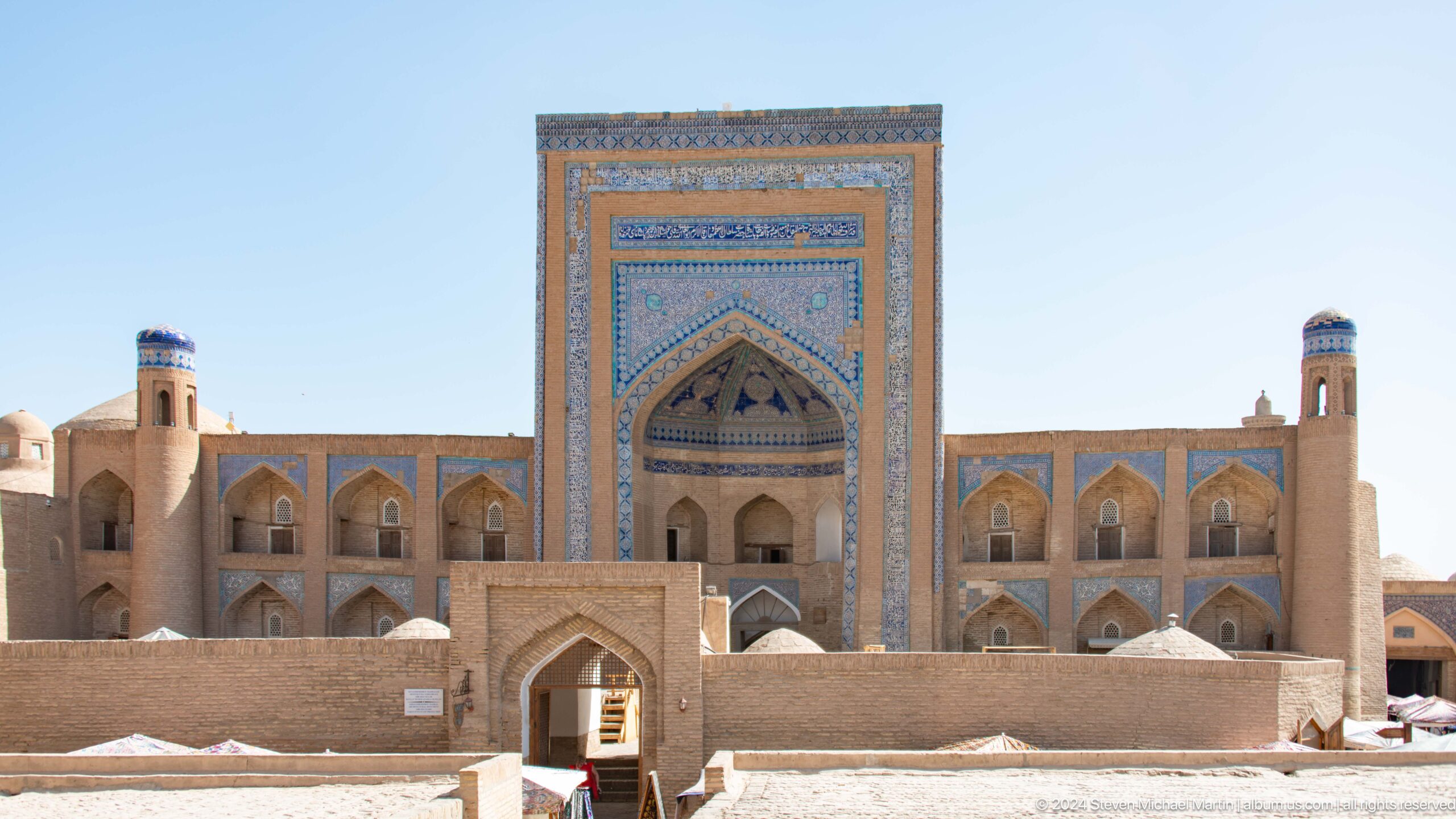
Madrasa entrance is documented within Khiva’s walled historic center. The photograph emphasizes its visible form, materials, ornament, and relationship to the surrounding urban fabric, preserving a focused record of the architecture, craft tradition, daily life, or travel experience represented in this view.
Caption
Madrasa entrance is documented within Khiva’s walled historic center. The photograph emphasizes its visible form, materials, ornament, and relationship to the surrounding urban fabric, preserving a focused record of the architecture, craft tradition, daily life, or travel experience represented in this view.
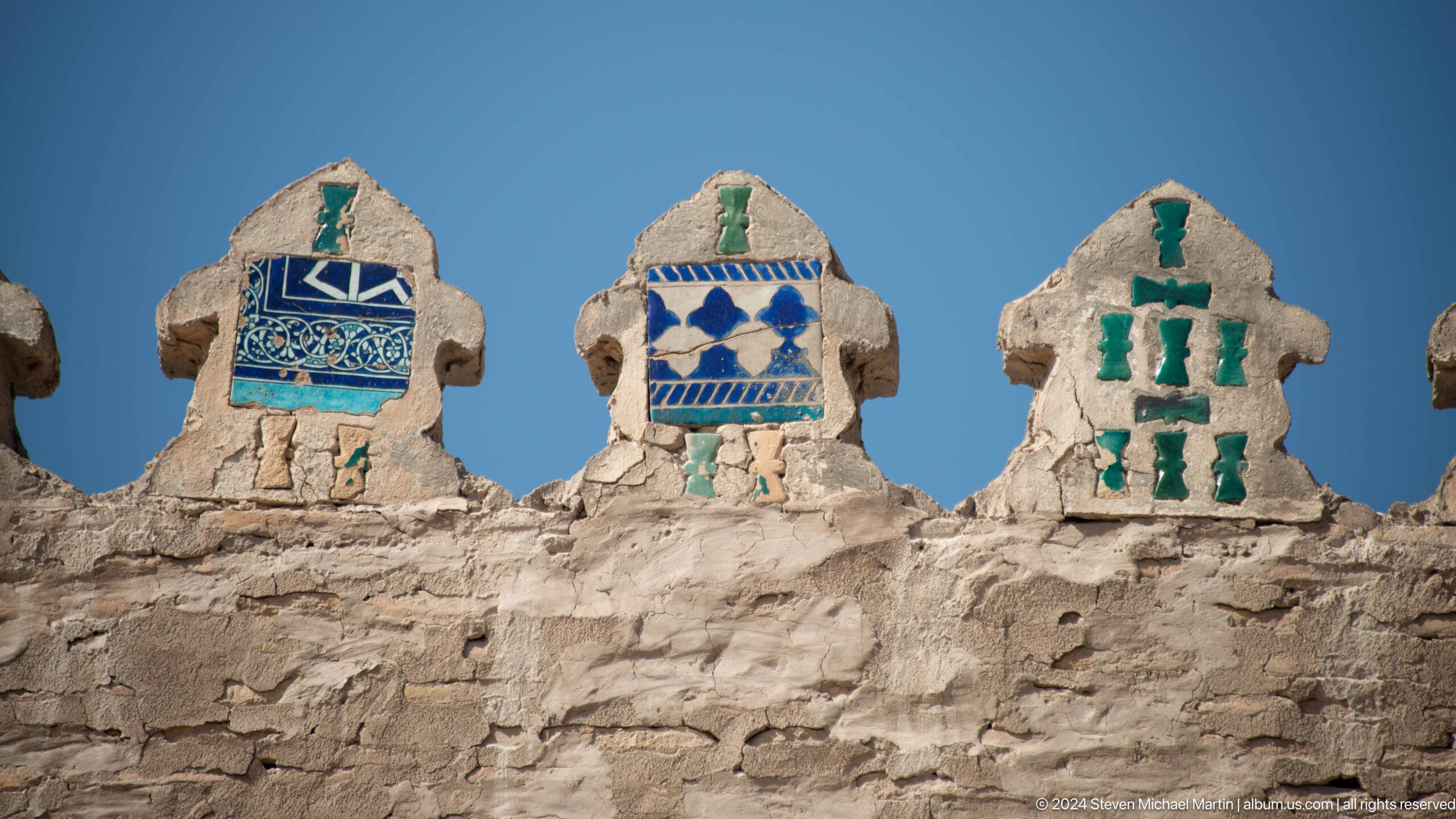
Glazed architectural finials is documented within Khiva’s walled historic center. The photograph emphasizes its visible form, materials, ornament, and relationship to the surrounding urban fabric, preserving a focused record of the architecture, craft tradition, daily life, or travel experience represented in this view.
Caption
Glazed architectural finials is documented within Khiva’s walled historic center. The photograph emphasizes its visible form, materials, ornament, and relationship to the surrounding urban fabric, preserving a focused record of the architecture, craft tradition, daily life, or travel experience represented in this view.
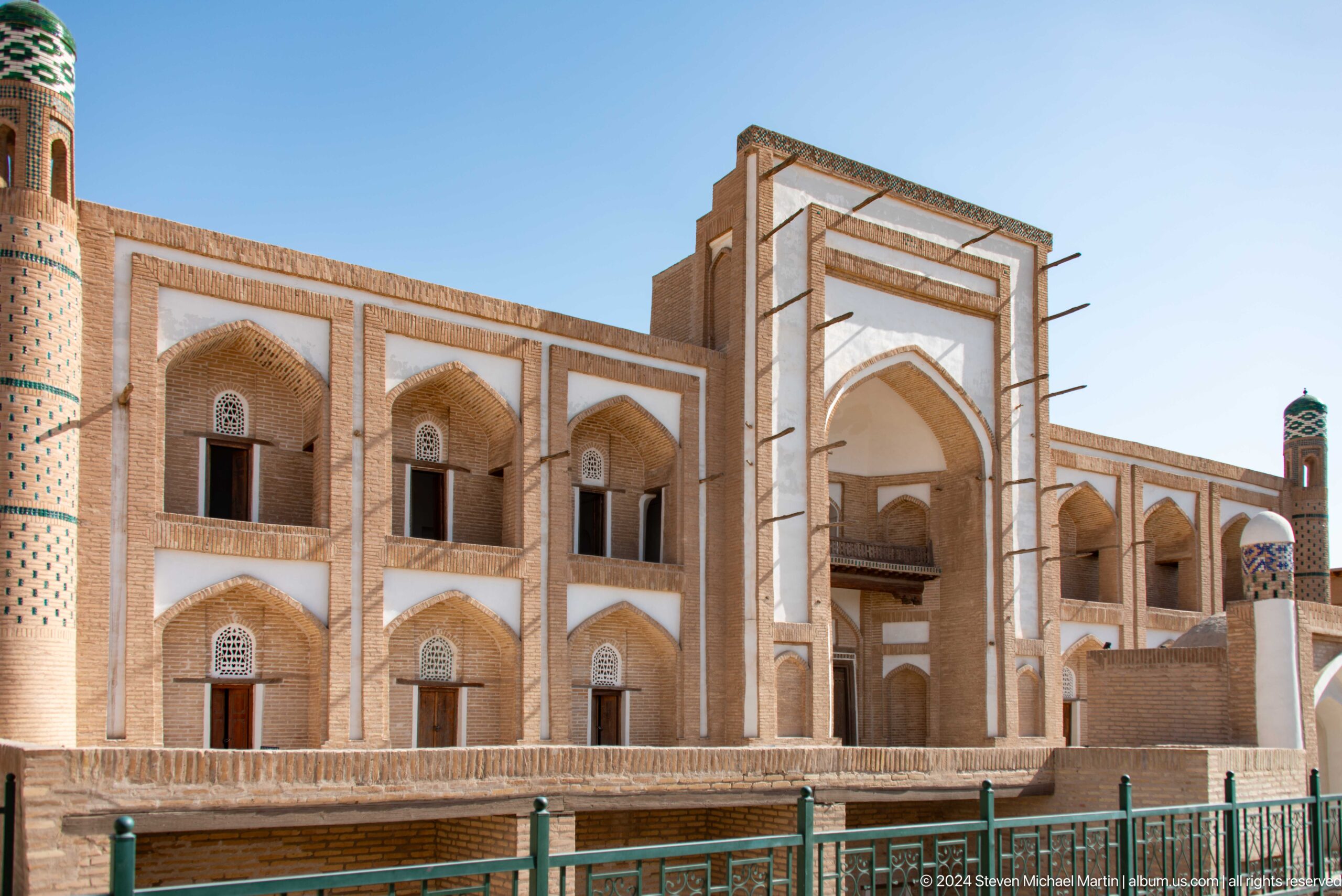
Madrasa courtyard exterior is documented within Khiva’s walled historic center. The photograph emphasizes its visible form, materials, ornament, and relationship to the surrounding urban fabric, preserving a focused record of the architecture, craft tradition, daily life, or travel experience represented in this view.
Caption
Madrasa courtyard exterior is documented within Khiva’s walled historic center. The photograph emphasizes its visible form, materials, ornament, and relationship to the surrounding urban fabric, preserving a focused record of the architecture, craft tradition, daily life, or travel experience represented in this view.
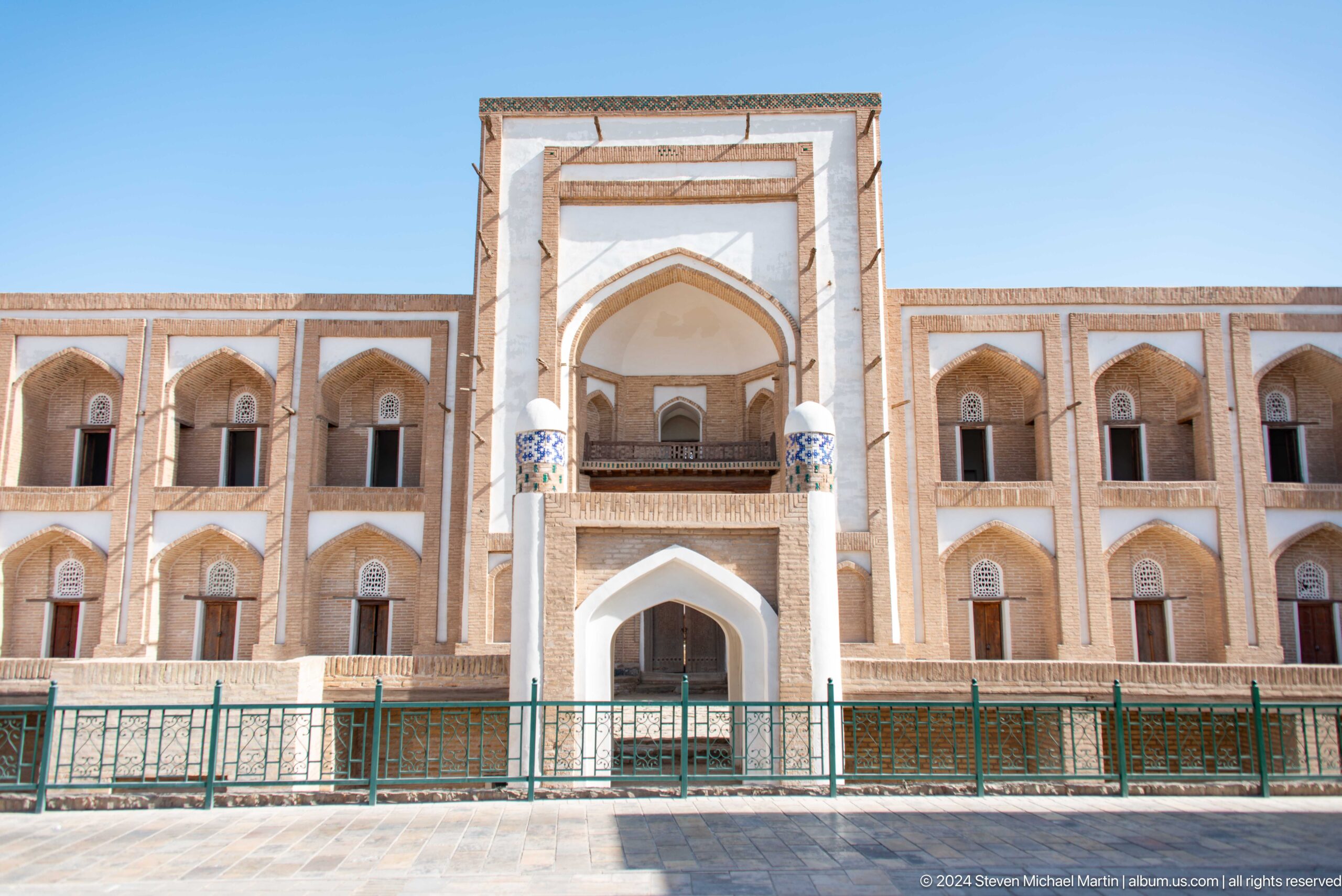
Historic madrasa facade is documented within Khiva’s walled historic center. The photograph emphasizes its visible form, materials, ornament, and relationship to the surrounding urban fabric, preserving a focused record of the architecture, craft tradition, daily life, or travel experience represented in this view.
Caption
Historic madrasa facade is documented within Khiva’s walled historic center. The photograph emphasizes its visible form, materials, ornament, and relationship to the surrounding urban fabric, preserving a focused record of the architecture, craft tradition, daily life, or travel experience represented in this view.
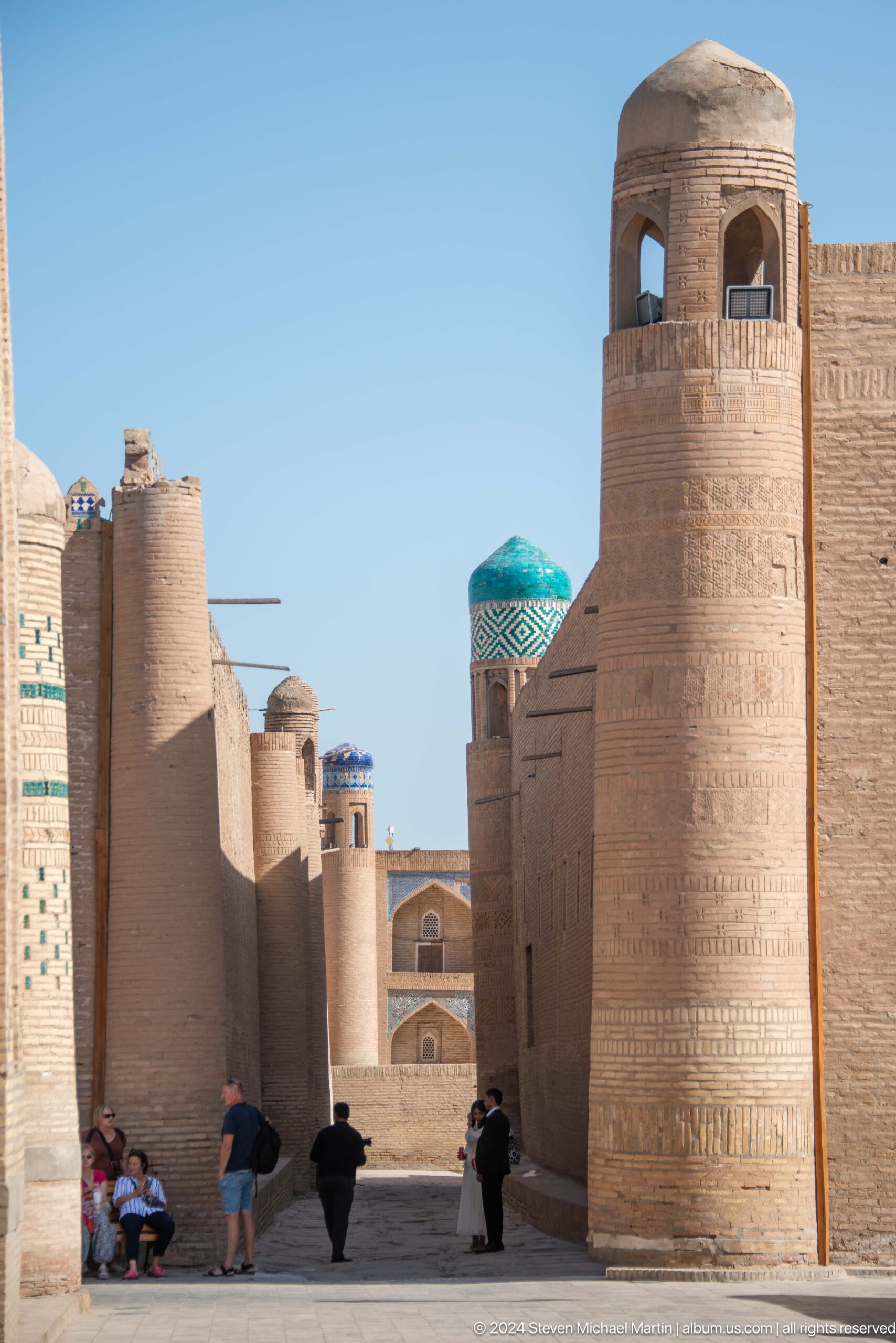
Itchan kala street view is documented within Khiva’s walled historic center. The photograph emphasizes its visible form, materials, ornament, and relationship to the surrounding urban fabric, preserving a focused record of the architecture, craft tradition, daily life, or travel experience represented in this view.
Caption
Itchan kala street view is documented within Khiva’s walled historic center. The photograph emphasizes its visible form, materials, ornament, and relationship to the surrounding urban fabric, preserving a focused record of the architecture, craft tradition, daily life, or travel experience represented in this view.
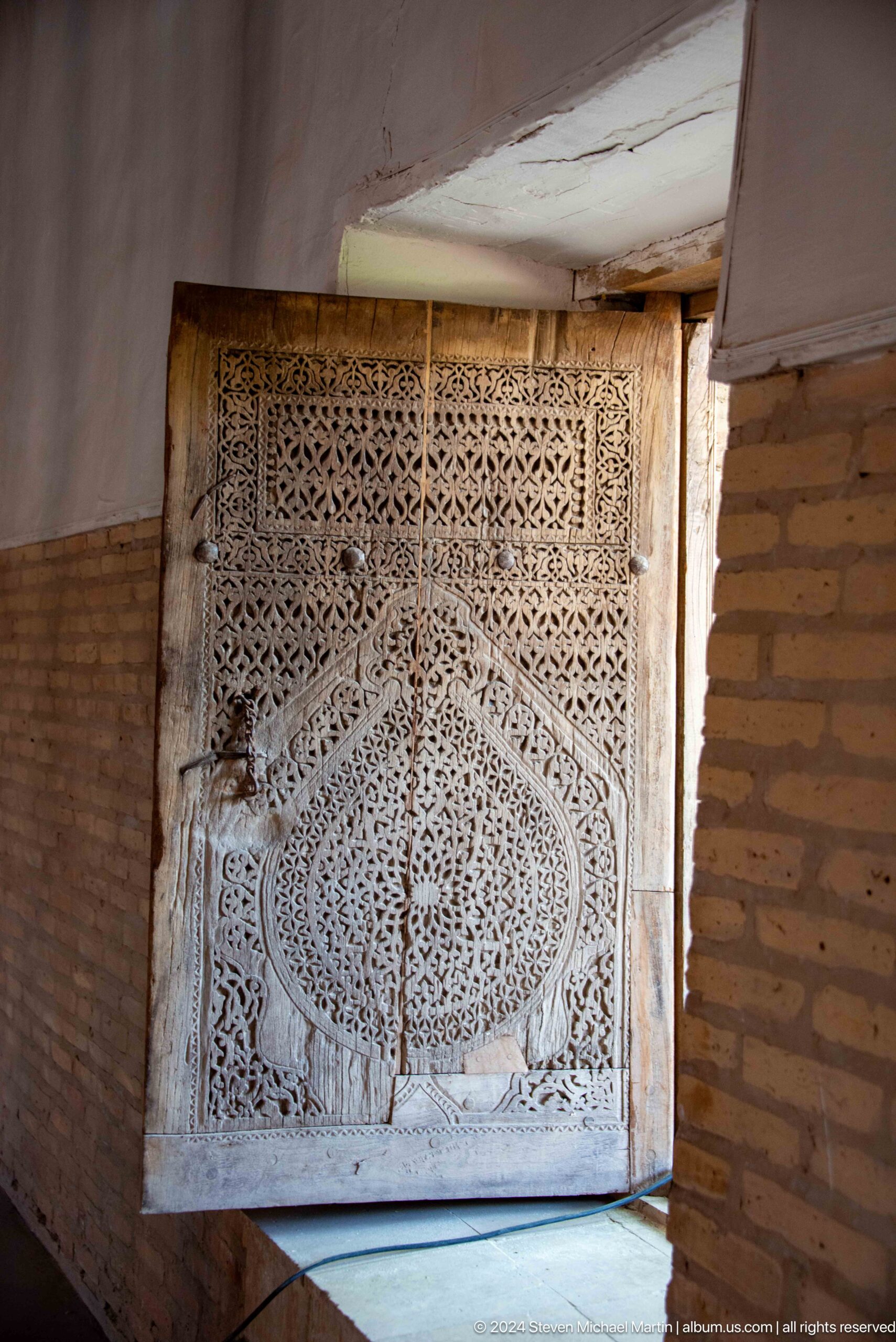
Carved mosque door is documented within Khiva’s walled historic center. The photograph emphasizes its visible form, materials, ornament, and relationship to the surrounding urban fabric, preserving a focused record of the architecture, craft tradition, daily life, or travel experience represented in this view.
Caption
Carved mosque door is documented within Khiva’s walled historic center. The photograph emphasizes its visible form, materials, ornament, and relationship to the surrounding urban fabric, preserving a focused record of the architecture, craft tradition, daily life, or travel experience represented in this view.
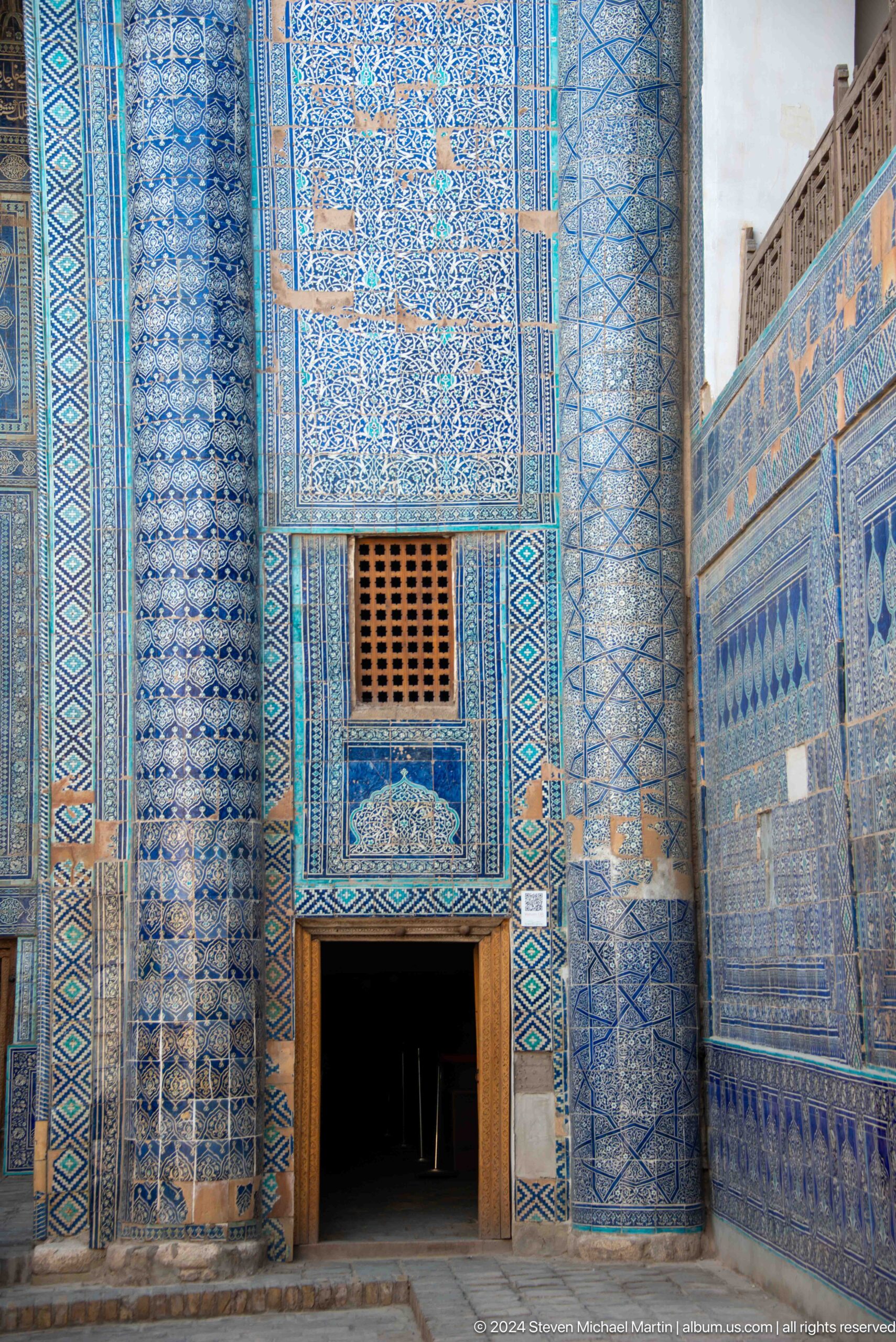
Palace tilework is documented within Khiva’s walled historic center. The photograph emphasizes its visible form, materials, ornament, and relationship to the surrounding urban fabric, preserving a focused record of the architecture, craft tradition, daily life, or travel experience represented in this view.
Caption
Palace tilework is documented within Khiva’s walled historic center. The photograph emphasizes its visible form, materials, ornament, and relationship to the surrounding urban fabric, preserving a focused record of the architecture, craft tradition, daily life, or travel experience represented in this view.
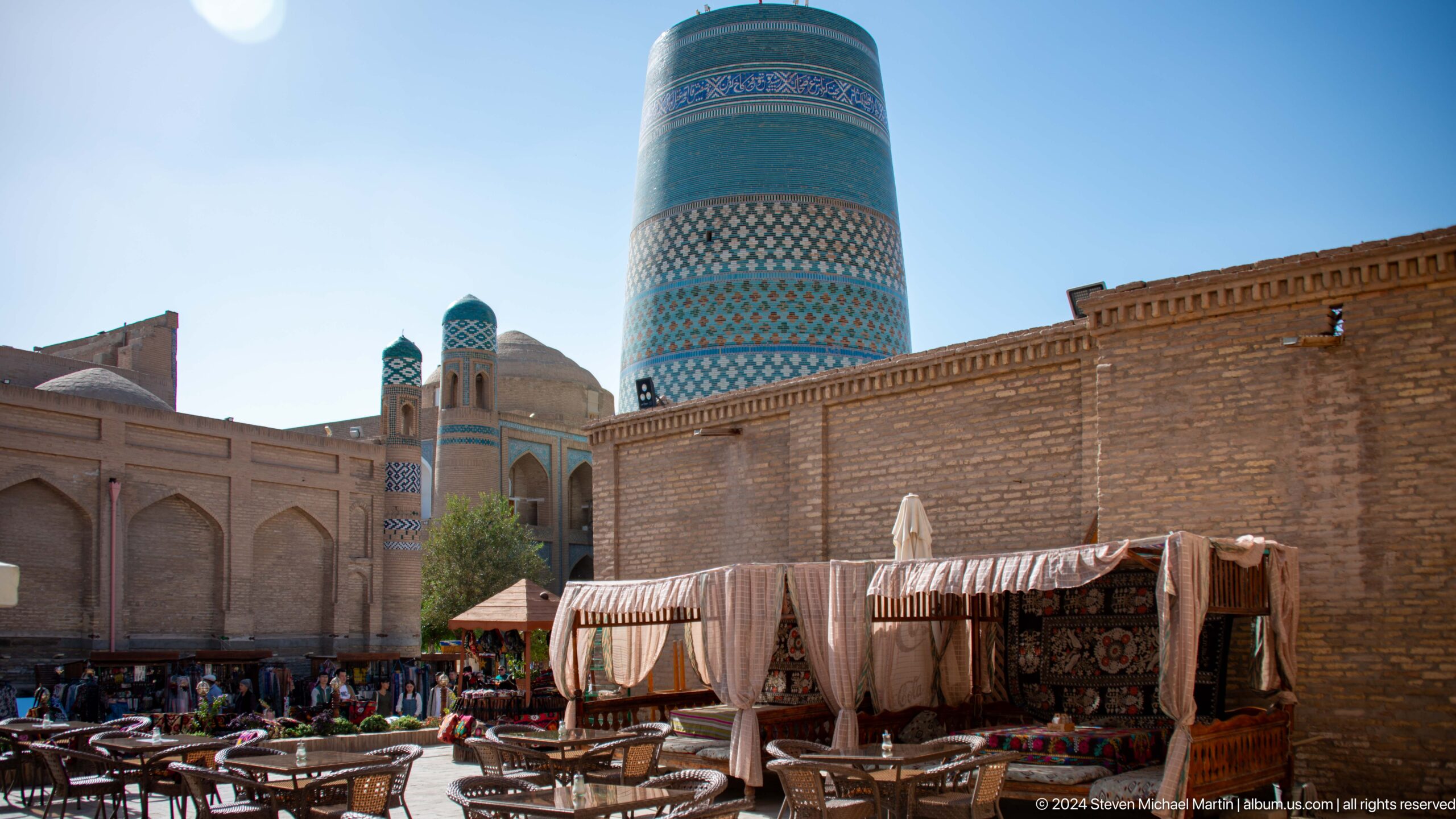
Market below kalta minor is documented within Khiva’s walled historic center. The photograph emphasizes its visible form, materials, ornament, and relationship to the surrounding urban fabric, preserving a focused record of the architecture, craft tradition, daily life, or travel experience represented in this view.
Caption
Market below kalta minor is documented within Khiva’s walled historic center. The photograph emphasizes its visible form, materials, ornament, and relationship to the surrounding urban fabric, preserving a focused record of the architecture, craft tradition, daily life, or travel experience represented in this view.

Khiva historic-center map is documented within Khiva’s walled historic center. The photograph emphasizes its visible form, materials, ornament, and relationship to the surrounding urban fabric, preserving a focused record of the architecture, craft tradition, daily life, or travel experience represented in this view.
Caption
Khiva historic-center map is documented within Khiva’s walled historic center. The photograph emphasizes its visible form, materials, ornament, and relationship to the surrounding urban fabric, preserving a focused record of the architecture, craft tradition, daily life, or travel experience represented in this view.
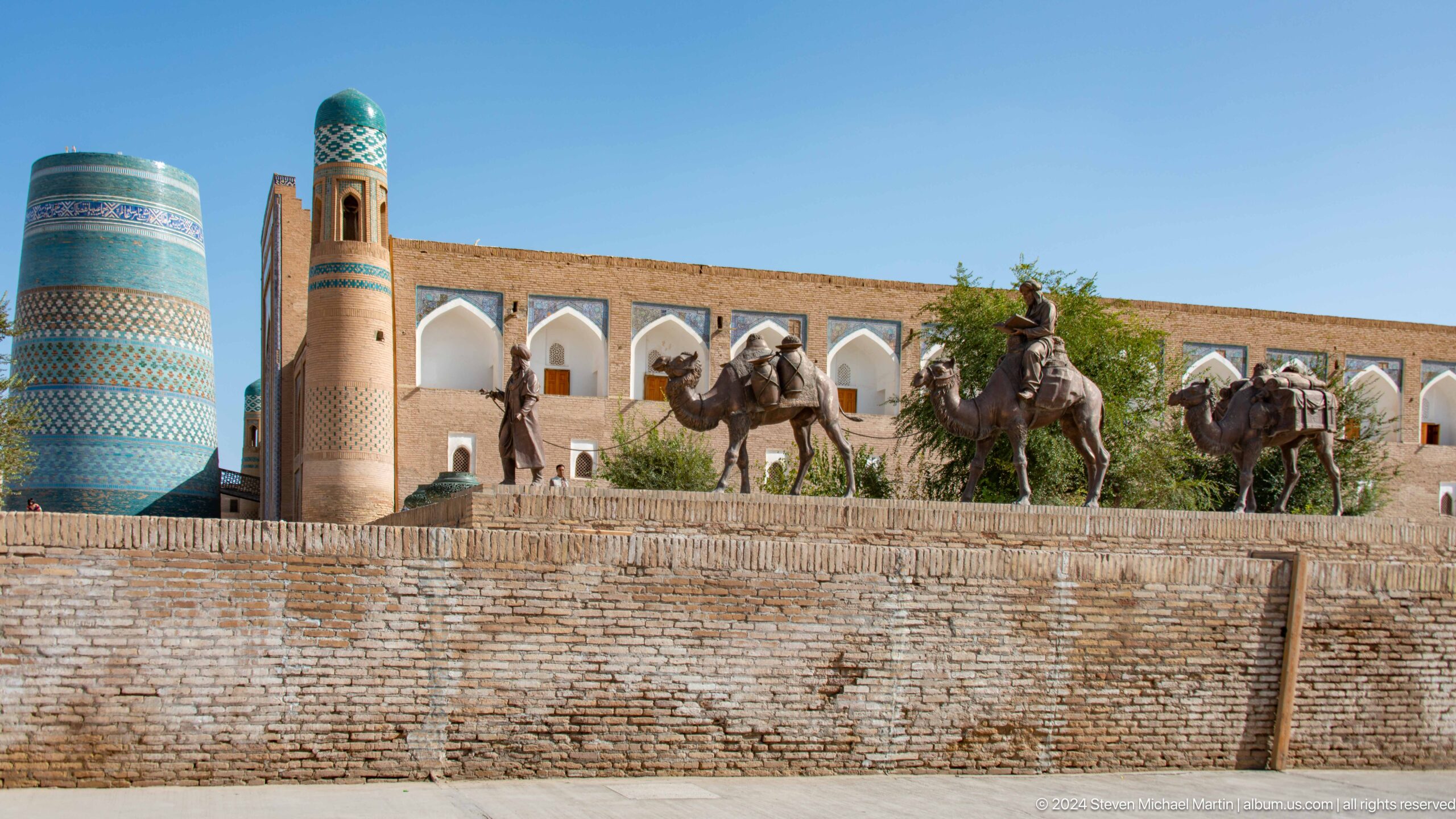
Camel caravan scene is documented within Khiva’s walled historic center. The photograph emphasizes its visible form, materials, ornament, and relationship to the surrounding urban fabric, preserving a focused record of the architecture, craft tradition, daily life, or travel experience represented in this view.
Caption
Camel caravan scene is documented within Khiva’s walled historic center. The photograph emphasizes its visible form, materials, ornament, and relationship to the surrounding urban fabric, preserving a focused record of the architecture, craft tradition, daily life, or travel experience represented in this view.
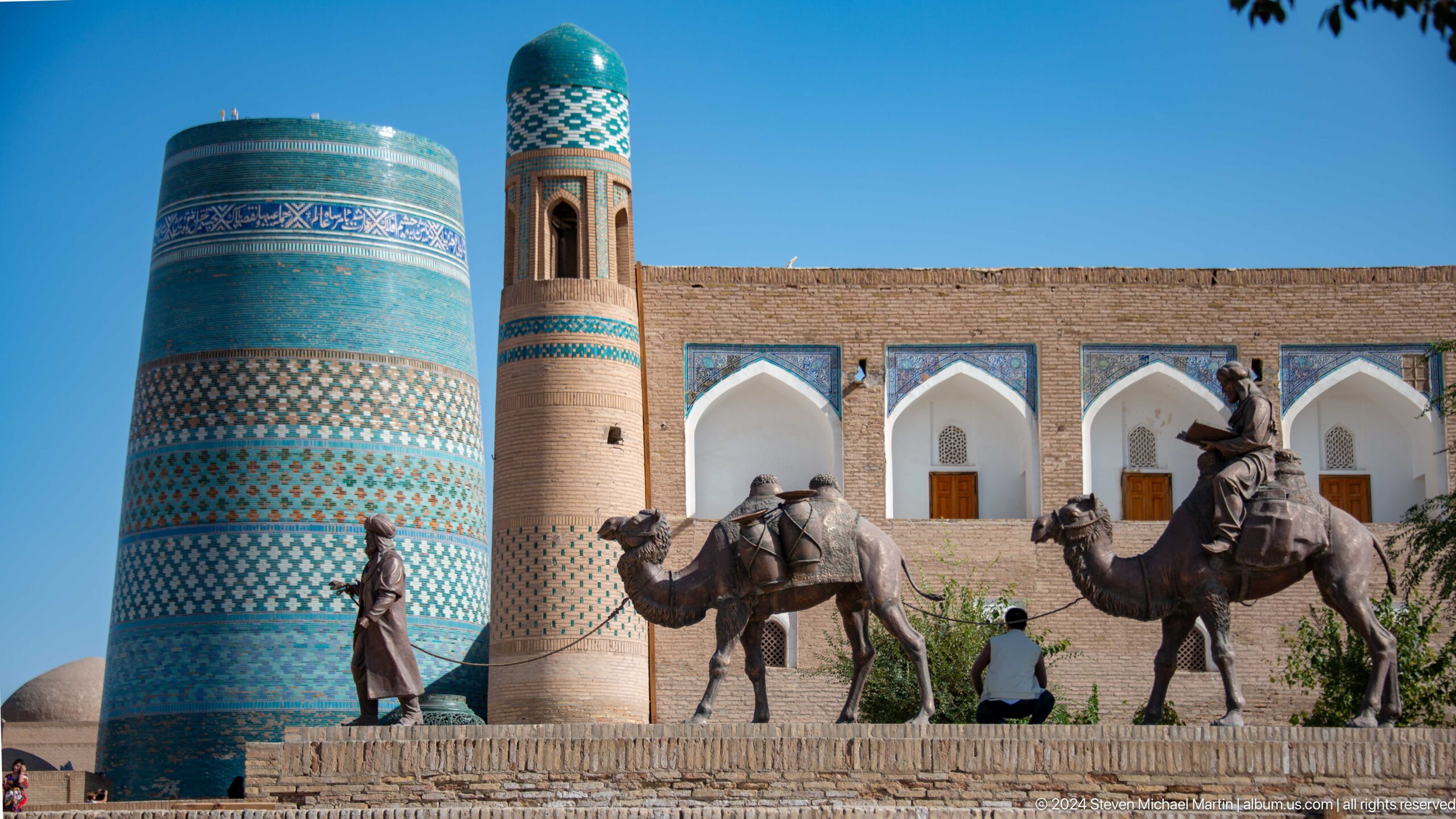
Tourist camel procession is documented within Khiva’s walled historic center. The photograph emphasizes its visible form, materials, ornament, and relationship to the surrounding urban fabric, preserving a focused record of the architecture, craft tradition, daily life, or travel experience represented in this view.
Caption
Tourist camel procession is documented within Khiva’s walled historic center. The photograph emphasizes its visible form, materials, ornament, and relationship to the surrounding urban fabric, preserving a focused record of the architecture, craft tradition, daily life, or travel experience represented in this view.
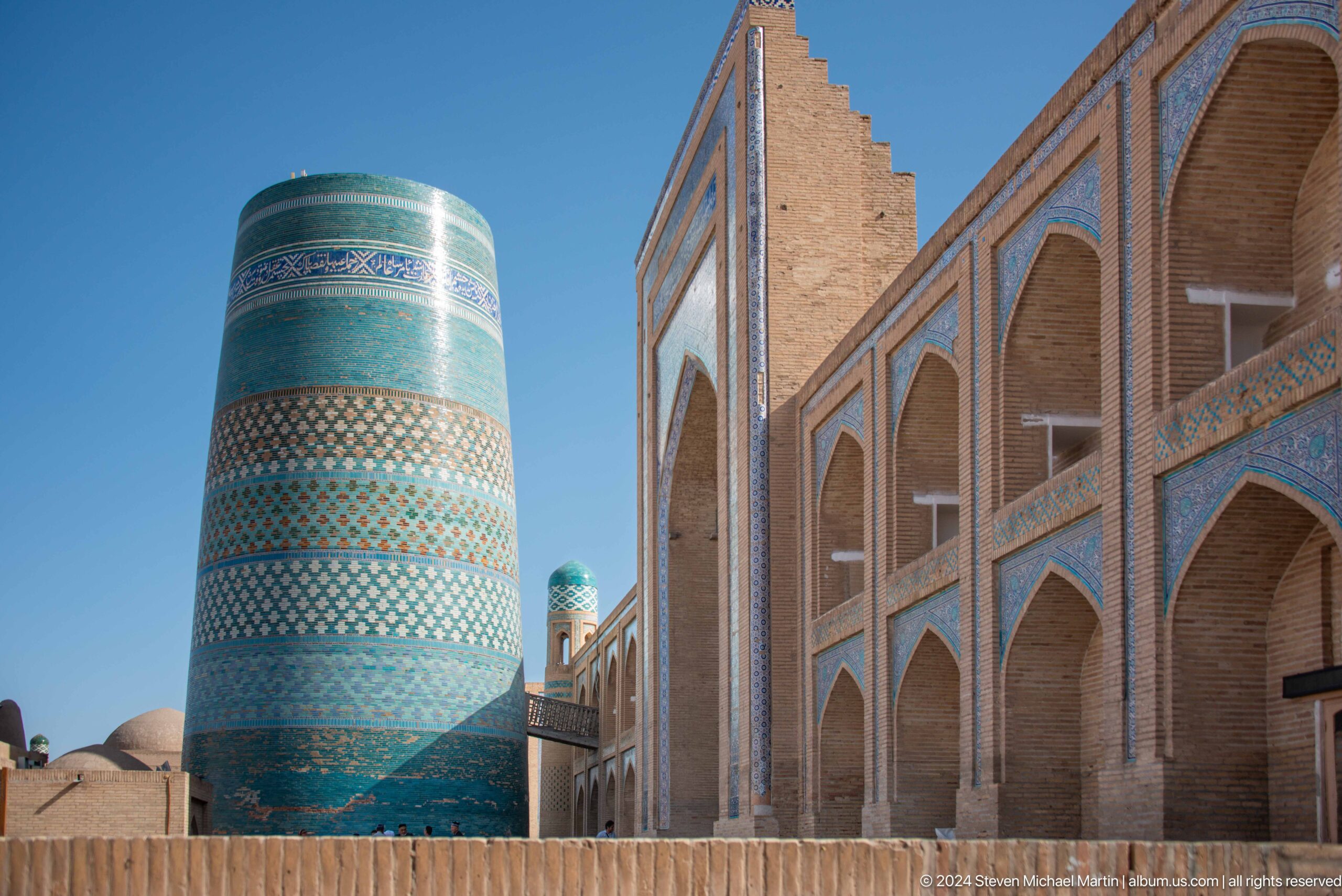
Muhammad amin khan madrasa and kalta minor is documented within Khiva’s walled historic center. The photograph emphasizes its visible form, materials, ornament, and relationship to the surrounding urban fabric, preserving a focused record of the architecture, craft tradition, daily life, or travel experience represented in this view.
Caption
Muhammad amin khan madrasa and kalta minor is documented within Khiva’s walled historic center. The photograph emphasizes its visible form, materials, ornament, and relationship to the surrounding urban fabric, preserving a focused record of the architecture, craft tradition, daily life, or travel experience represented in this view.

Juma mosque hypostyle hall is documented within Khiva’s walled historic center. The photograph emphasizes its visible form, materials, ornament, and relationship to the surrounding urban fabric, preserving a focused record of the architecture, craft tradition, daily life, or travel experience represented in this view.
Caption
Juma mosque hypostyle hall is documented within Khiva’s walled historic center. The photograph emphasizes its visible form, materials, ornament, and relationship to the surrounding urban fabric, preserving a focused record of the architecture, craft tradition, daily life, or travel experience represented in this view.
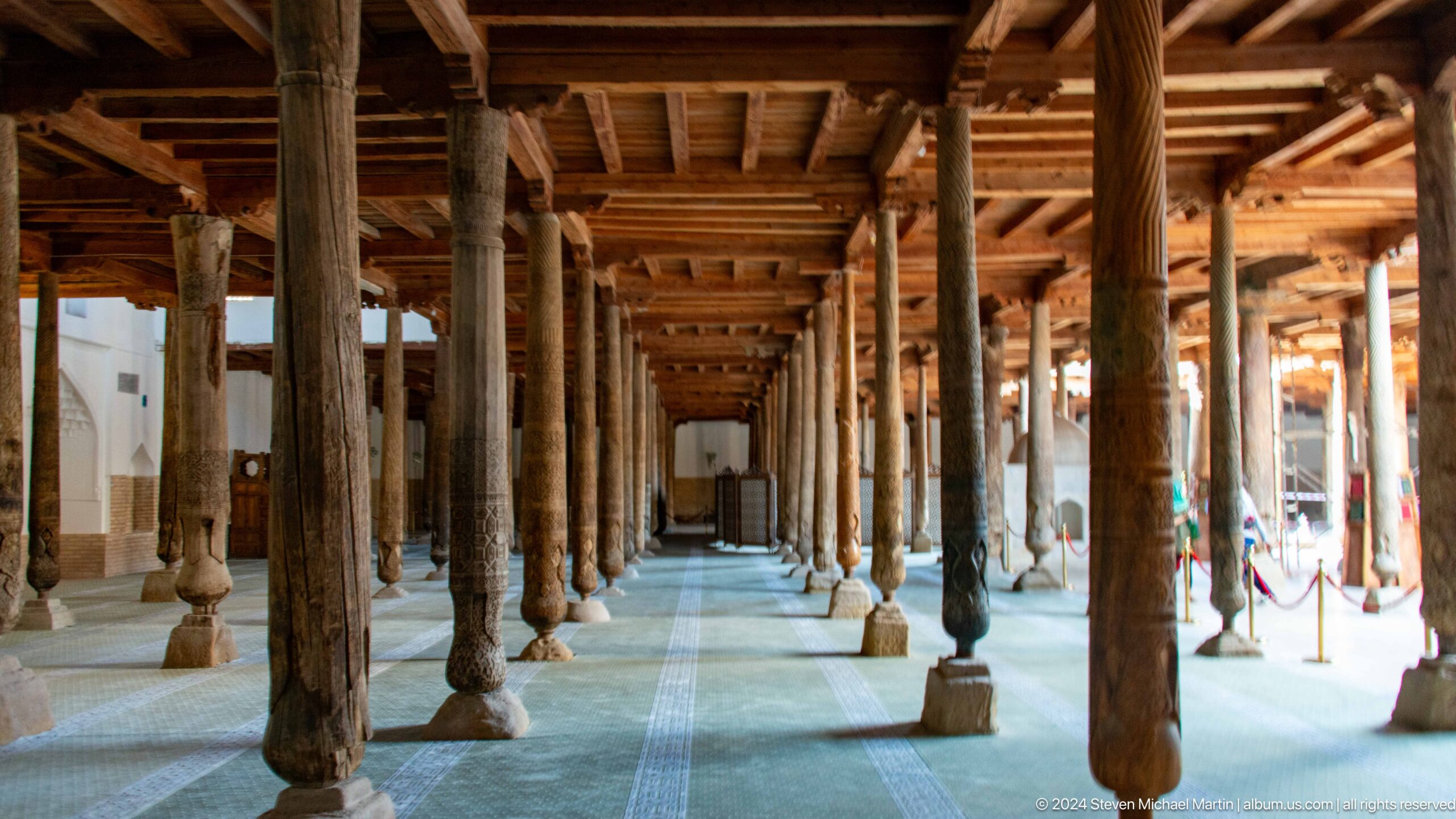
Juma mosque interior is documented within Khiva’s walled historic center. The photograph emphasizes its visible form, materials, ornament, and relationship to the surrounding urban fabric, preserving a focused record of the architecture, craft tradition, daily life, or travel experience represented in this view.
Caption
Juma mosque interior is documented within Khiva’s walled historic center. The photograph emphasizes its visible form, materials, ornament, and relationship to the surrounding urban fabric, preserving a focused record of the architecture, craft tradition, daily life, or travel experience represented in this view.
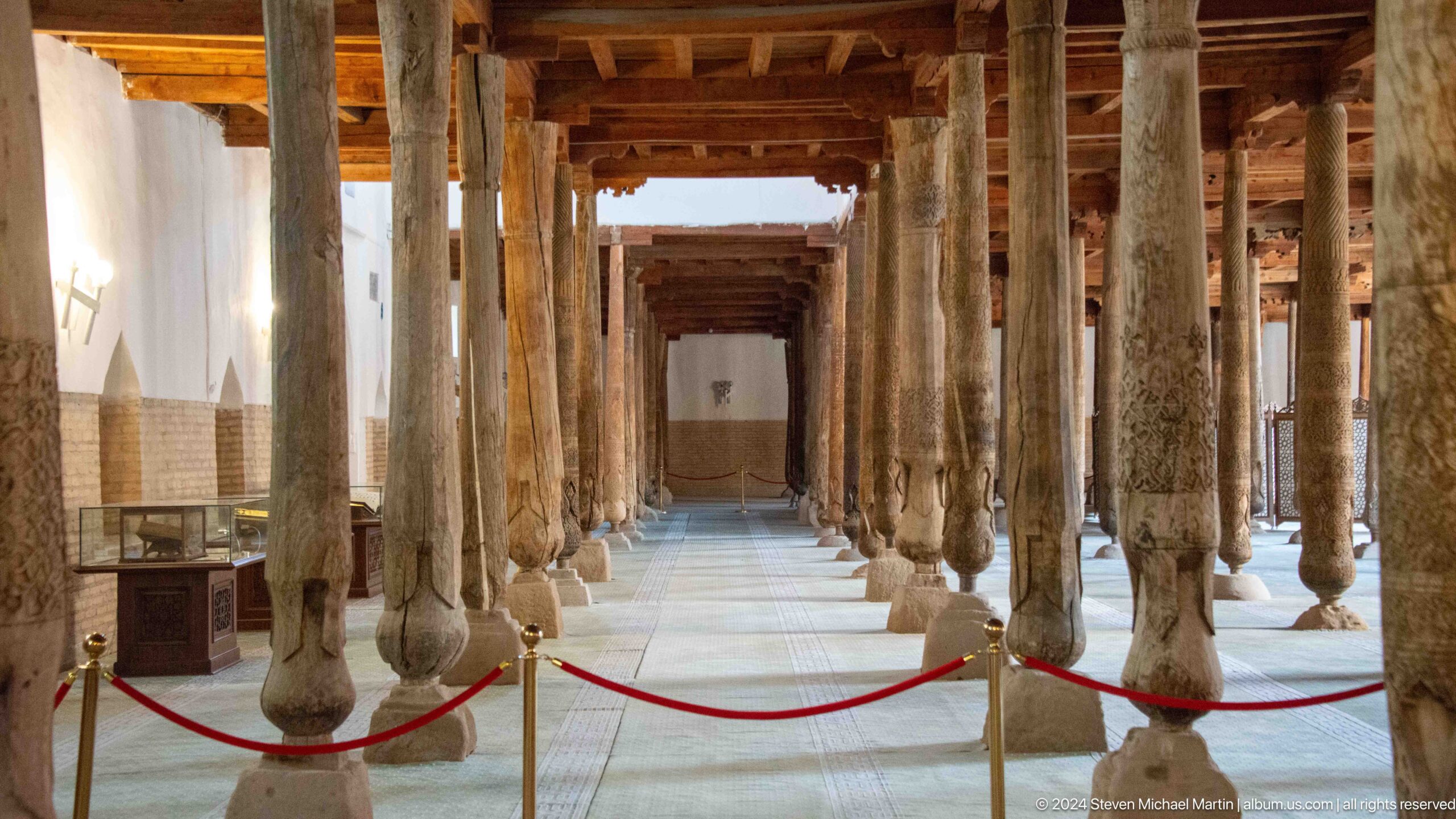
Juma mosque visitor route is documented within Khiva’s walled historic center. The photograph emphasizes its visible form, materials, ornament, and relationship to the surrounding urban fabric, preserving a focused record of the architecture, craft tradition, daily life, or travel experience represented in this view.
Caption
Juma mosque visitor route is documented within Khiva’s walled historic center. The photograph emphasizes its visible form, materials, ornament, and relationship to the surrounding urban fabric, preserving a focused record of the architecture, craft tradition, daily life, or travel experience represented in this view.
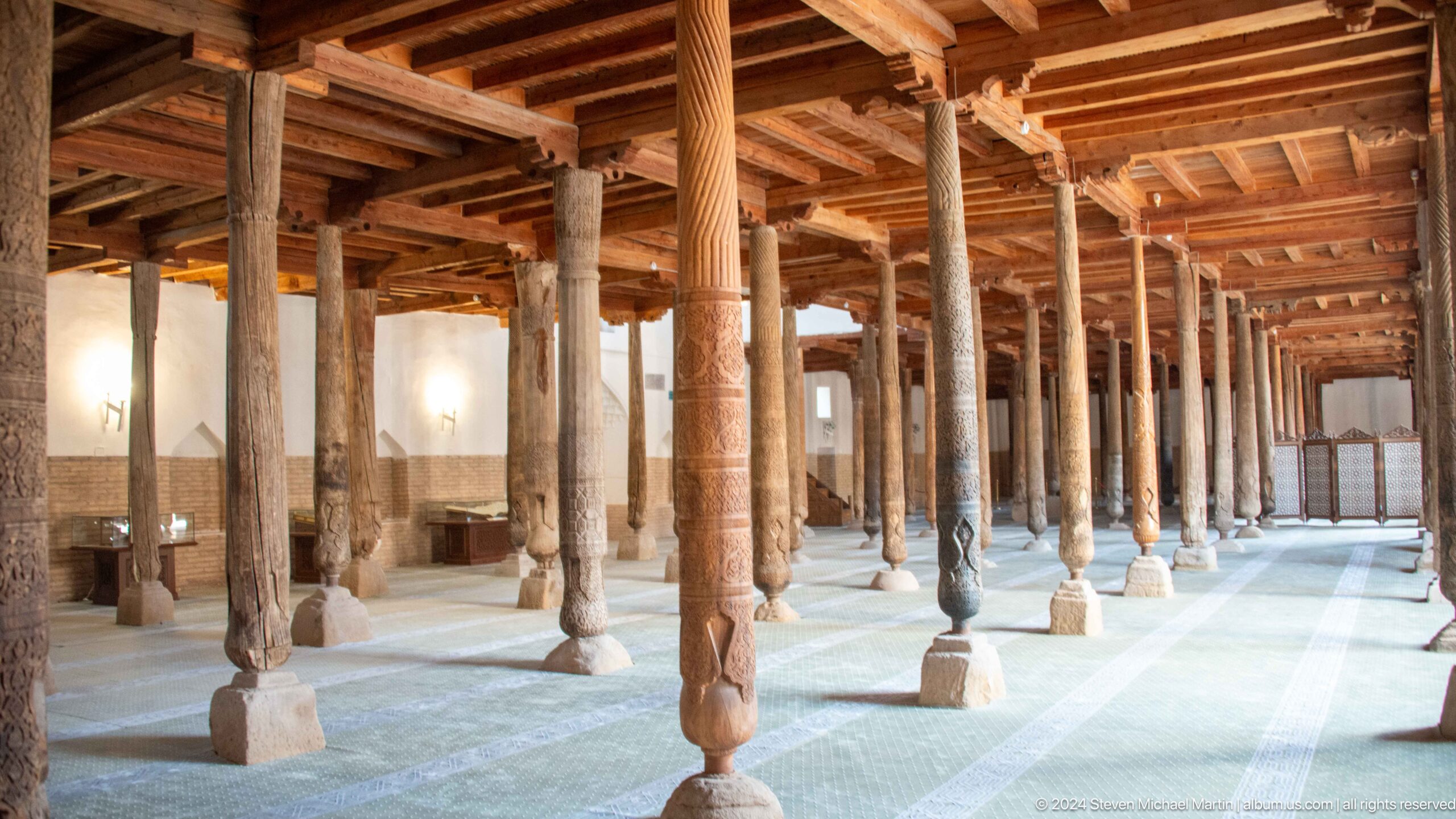
Juma mosque interior is documented within Khiva’s walled historic center. The photograph emphasizes its visible form, materials, ornament, and relationship to the surrounding urban fabric, preserving a focused record of the architecture, craft tradition, daily life, or travel experience represented in this view.
Caption
Juma mosque interior is documented within Khiva’s walled historic center. The photograph emphasizes its visible form, materials, ornament, and relationship to the surrounding urban fabric, preserving a focused record of the architecture, craft tradition, daily life, or travel experience represented in this view.
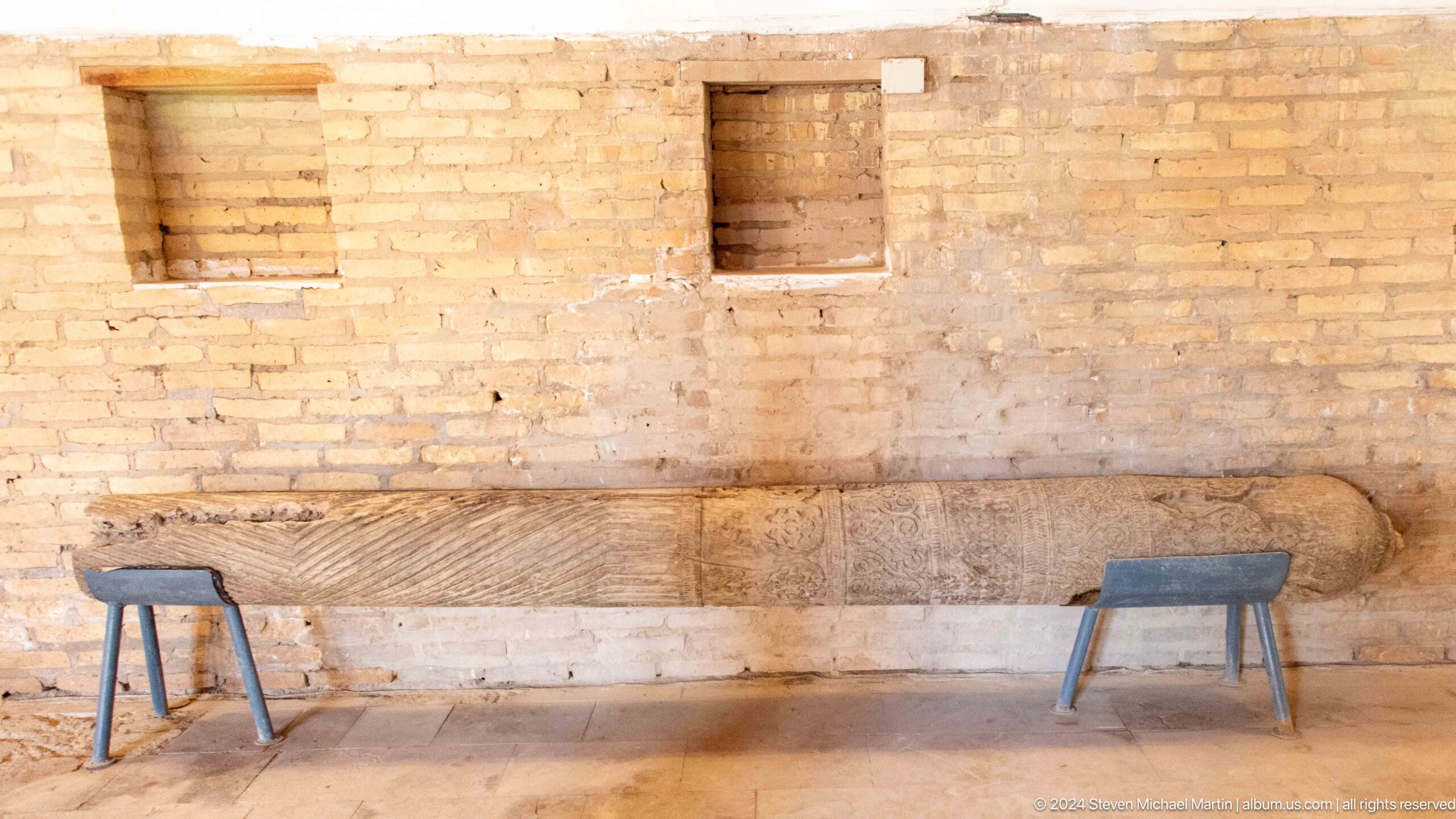
Juma mosque side wall is documented within Khiva’s walled historic center. The photograph emphasizes its visible form, materials, ornament, and relationship to the surrounding urban fabric, preserving a focused record of the architecture, craft tradition, daily life, or travel experience represented in this view.
Caption
Juma mosque side wall is documented within Khiva’s walled historic center. The photograph emphasizes its visible form, materials, ornament, and relationship to the surrounding urban fabric, preserving a focused record of the architecture, craft tradition, daily life, or travel experience represented in this view.
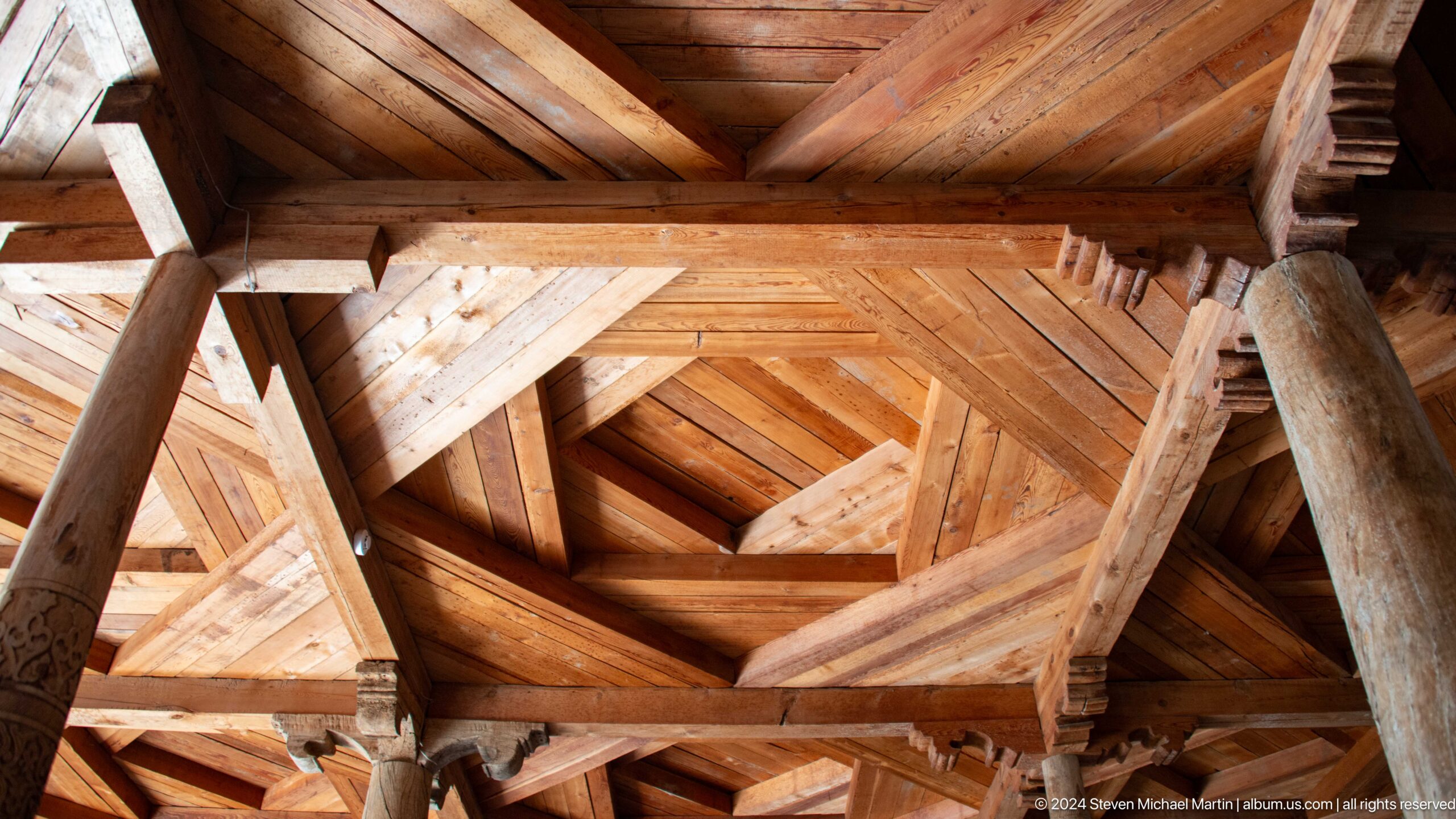
Juma mosque roof structure is documented within Khiva’s walled historic center. The photograph emphasizes its visible form, materials, ornament, and relationship to the surrounding urban fabric, preserving a focused record of the architecture, craft tradition, daily life, or travel experience represented in this view.
Caption
Juma mosque roof structure is documented within Khiva’s walled historic center. The photograph emphasizes its visible form, materials, ornament, and relationship to the surrounding urban fabric, preserving a focused record of the architecture, craft tradition, daily life, or travel experience represented in this view.
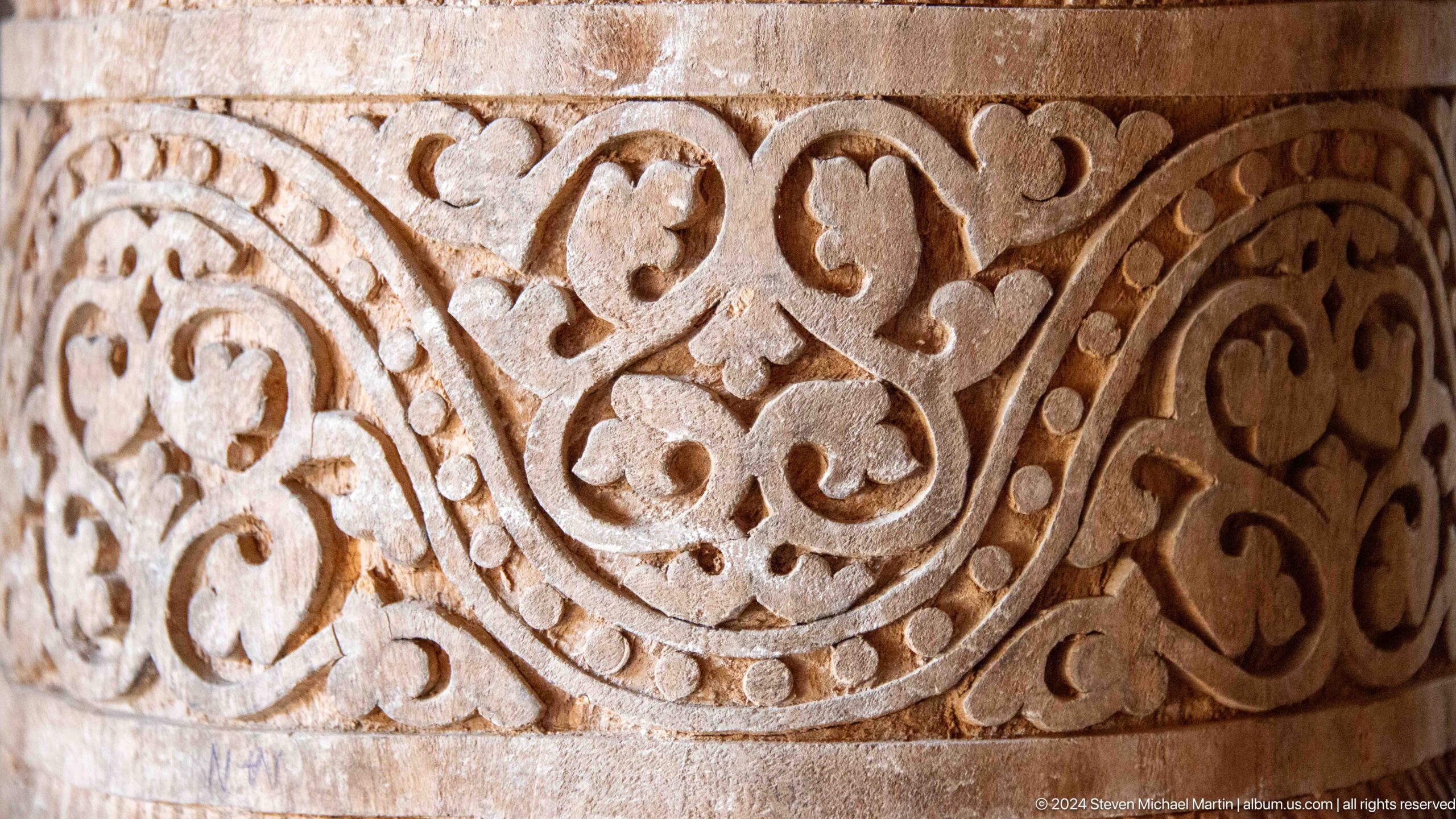
Woodcarving detail is documented within Khiva’s walled historic center. The photograph emphasizes its visible form, materials, ornament, and relationship to the surrounding urban fabric, preserving a focused record of the architecture, craft tradition, daily life, or travel experience represented in this view.
Caption
Woodcarving detail is documented within Khiva’s walled historic center. The photograph emphasizes its visible form, materials, ornament, and relationship to the surrounding urban fabric, preserving a focused record of the architecture, craft tradition, daily life, or travel experience represented in this view.
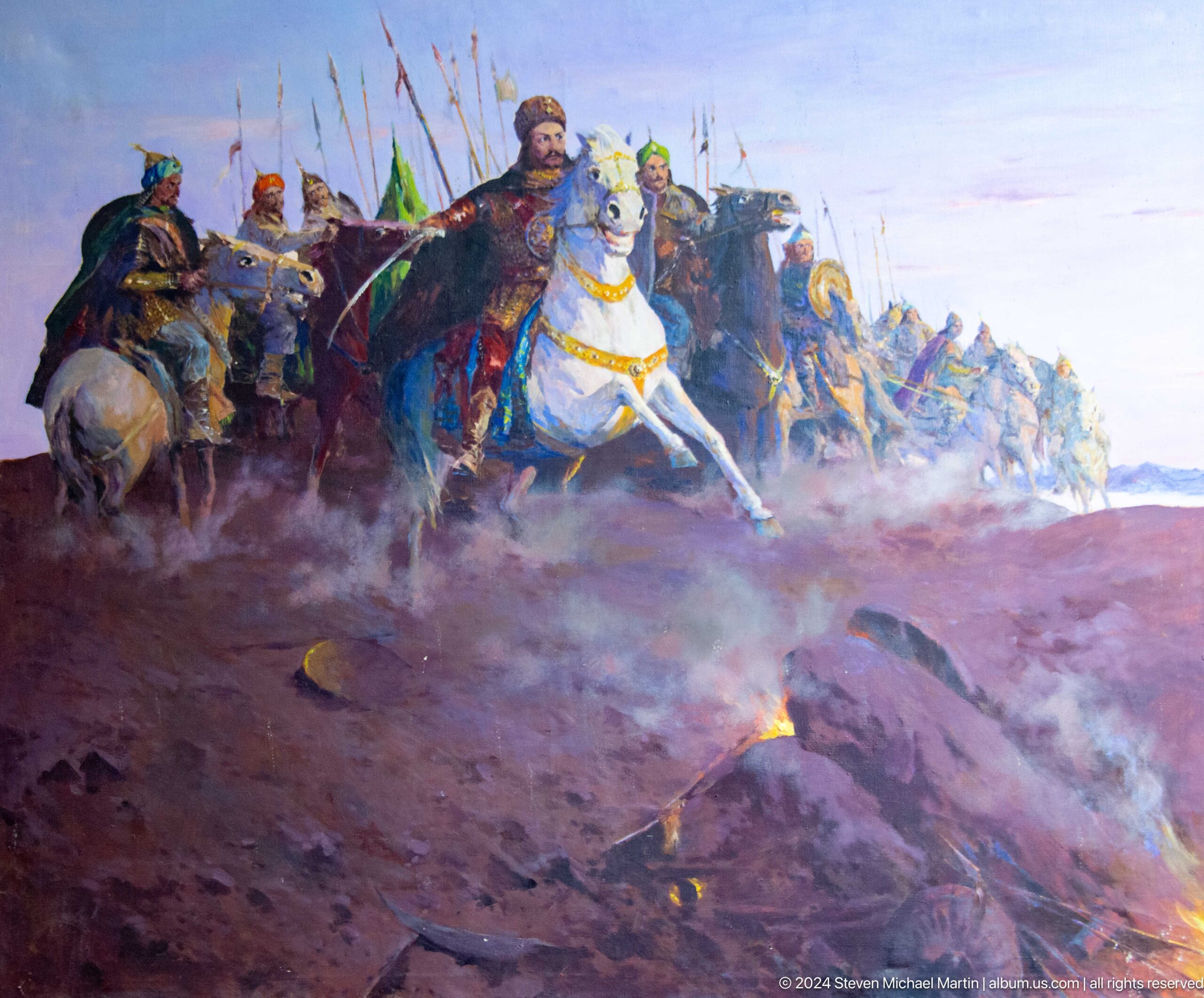
Historical battle painting is documented within Khiva’s walled historic center. The photograph emphasizes its visible form, materials, ornament, and relationship to the surrounding urban fabric, preserving a focused record of the architecture, craft tradition, daily life, or travel experience represented in this view.
Caption
Historical battle painting is documented within Khiva’s walled historic center. The photograph emphasizes its visible form, materials, ornament, and relationship to the surrounding urban fabric, preserving a focused record of the architecture, craft tradition, daily life, or travel experience represented in this view.
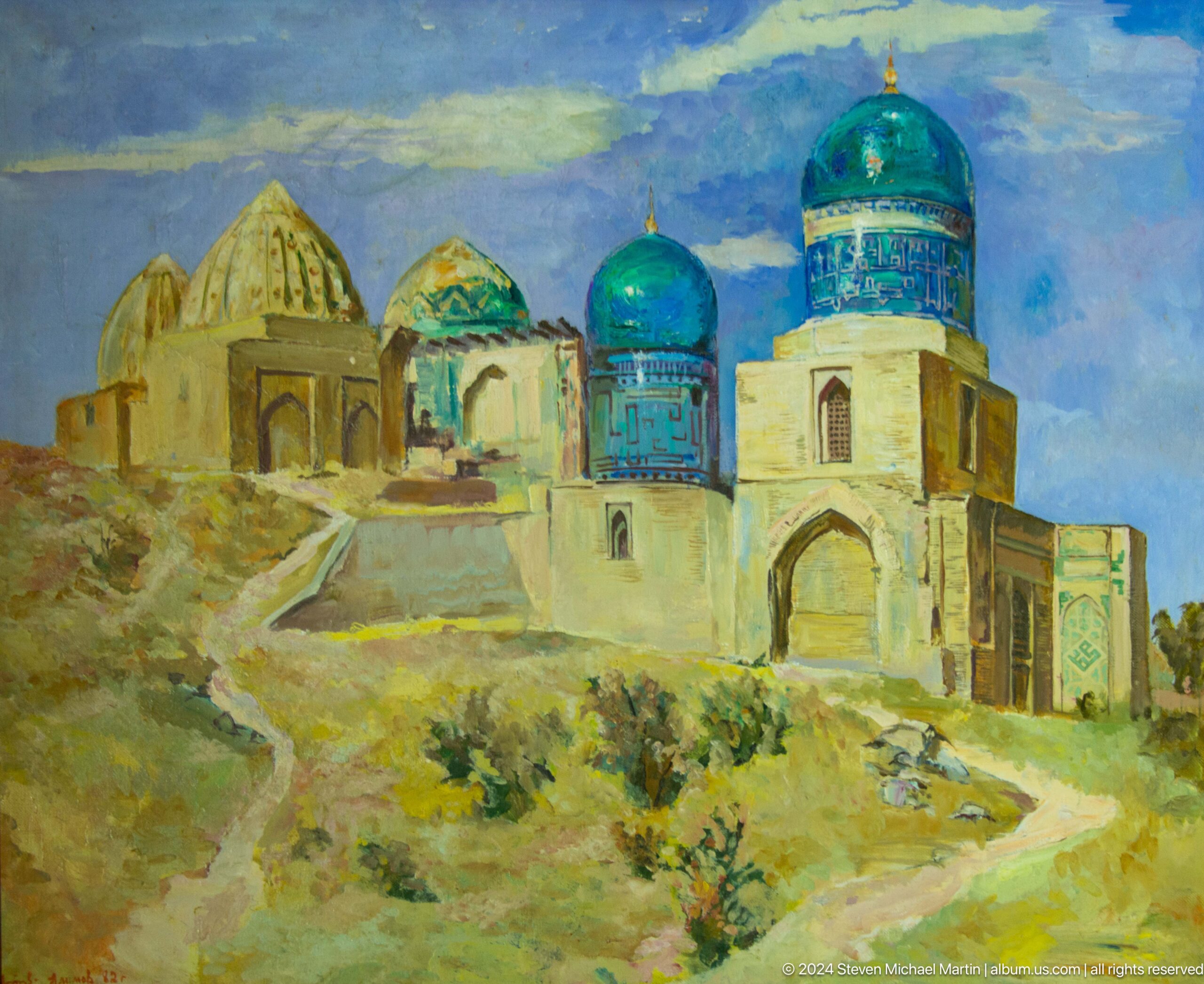
Cityscape painting is documented within Khiva’s walled historic center. The photograph emphasizes its visible form, materials, ornament, and relationship to the surrounding urban fabric, preserving a focused record of the architecture, craft tradition, daily life, or travel experience represented in this view.
Caption
Cityscape painting is documented within Khiva’s walled historic center. The photograph emphasizes its visible form, materials, ornament, and relationship to the surrounding urban fabric, preserving a focused record of the architecture, craft tradition, daily life, or travel experience represented in this view.
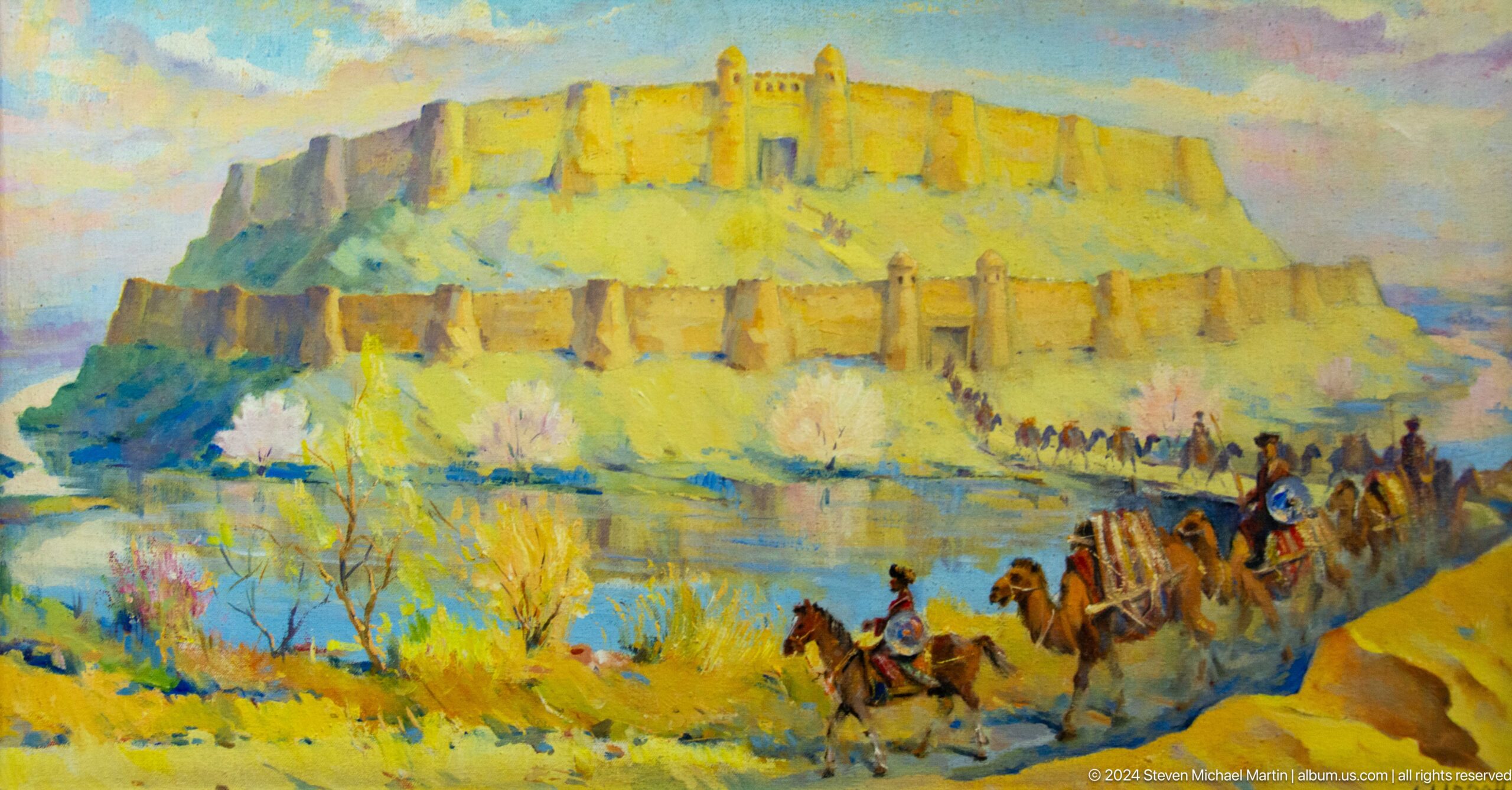
Silk road caravan painting is documented within Khiva’s walled historic center. The photograph emphasizes its visible form, materials, ornament, and relationship to the surrounding urban fabric, preserving a focused record of the architecture, craft tradition, daily life, or travel experience represented in this view.
Caption
Silk road caravan painting is documented within Khiva’s walled historic center. The photograph emphasizes its visible form, materials, ornament, and relationship to the surrounding urban fabric, preserving a focused record of the architecture, craft tradition, daily life, or travel experience represented in this view.
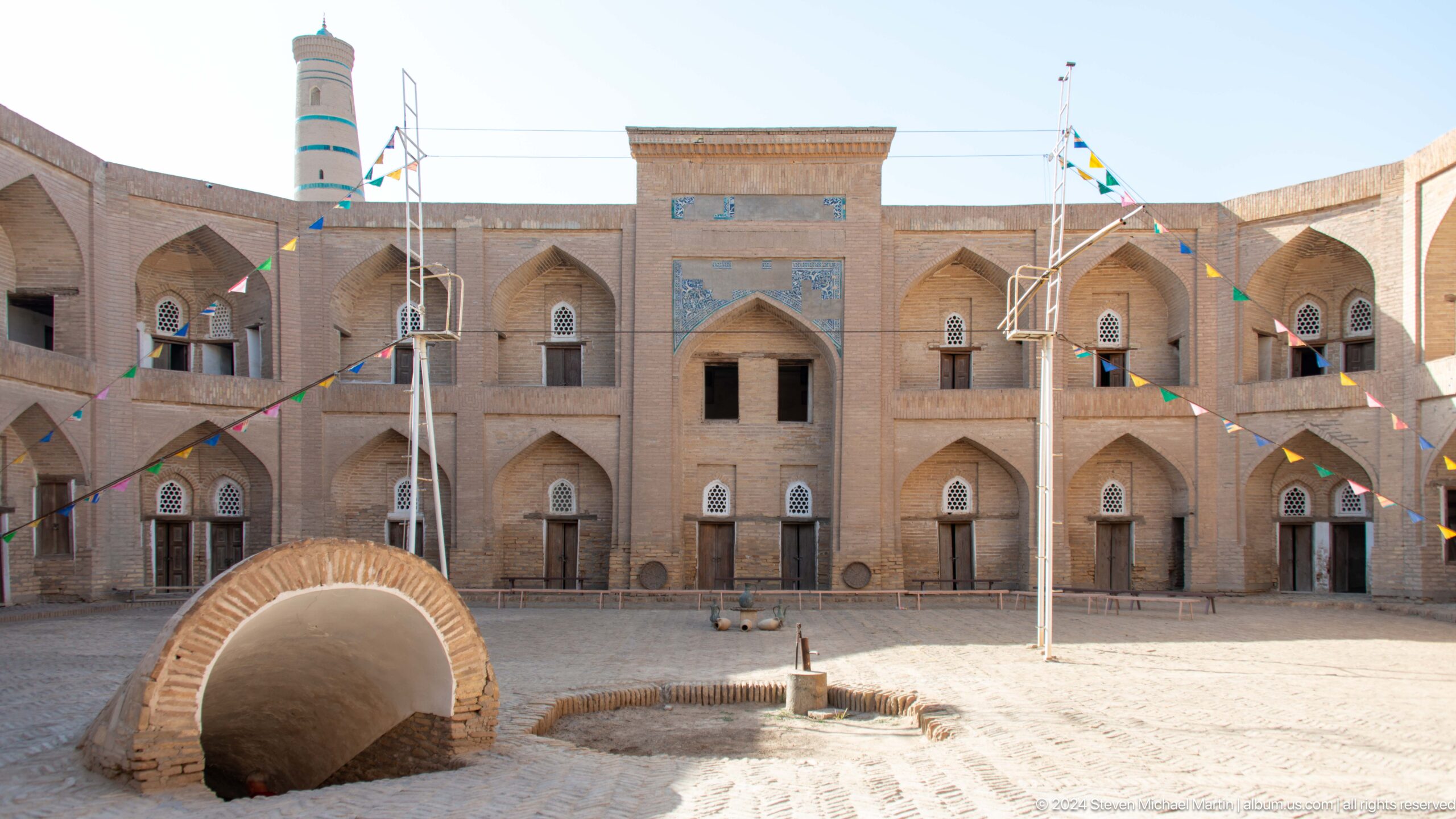
Historic madrasa courtyard is documented within Khiva’s walled historic center. The photograph emphasizes its visible form, materials, ornament, and relationship to the surrounding urban fabric, preserving a focused record of the architecture, craft tradition, daily life, or travel experience represented in this view.
Caption
Historic madrasa courtyard is documented within Khiva’s walled historic center. The photograph emphasizes its visible form, materials, ornament, and relationship to the surrounding urban fabric, preserving a focused record of the architecture, craft tradition, daily life, or travel experience represented in this view.
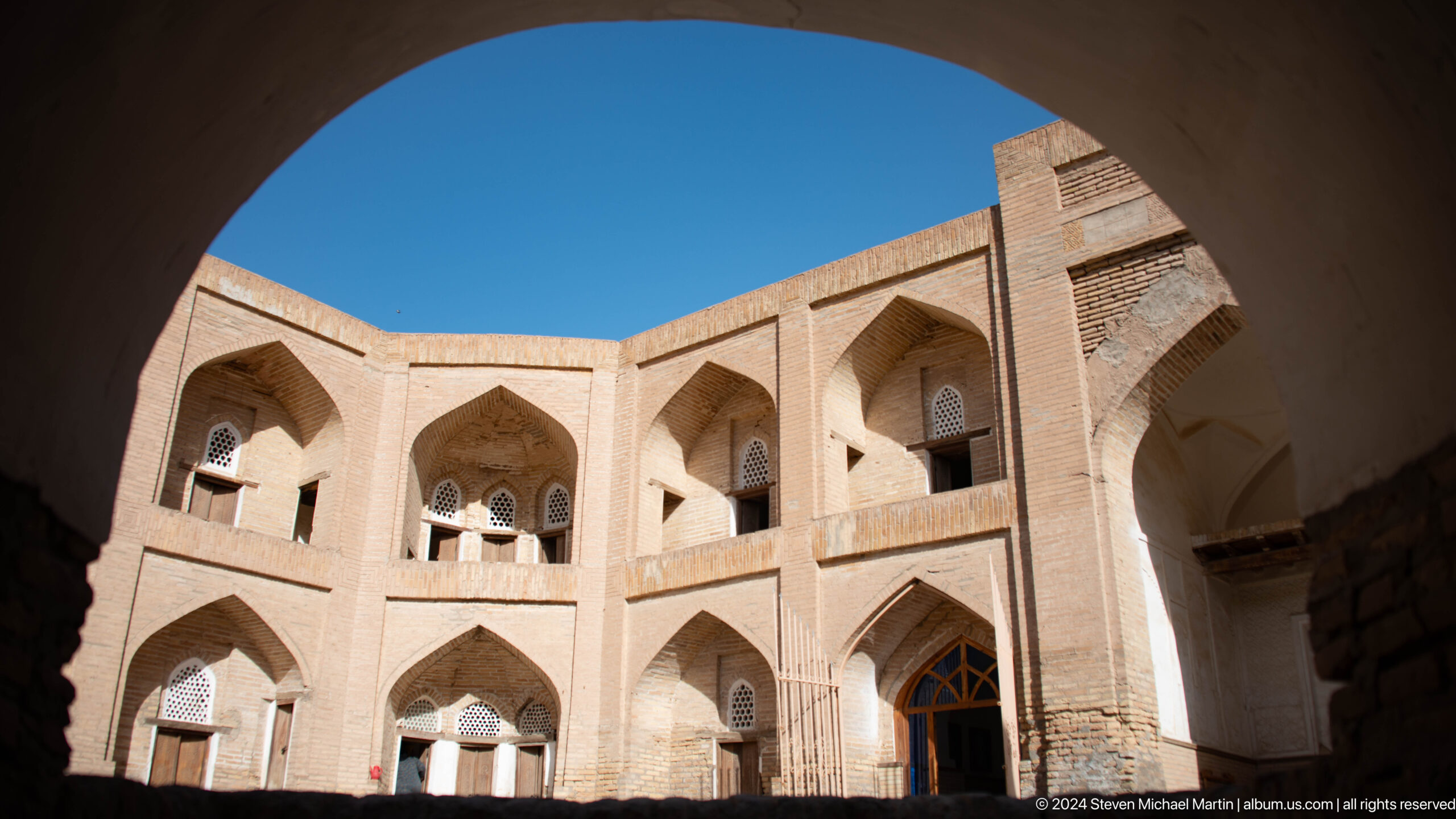
Madrasa student cells is documented within Khiva’s walled historic center. The photograph emphasizes its visible form, materials, ornament, and relationship to the surrounding urban fabric, preserving a focused record of the architecture, craft tradition, daily life, or travel experience represented in this view.
Caption
Madrasa student cells is documented within Khiva’s walled historic center. The photograph emphasizes its visible form, materials, ornament, and relationship to the surrounding urban fabric, preserving a focused record of the architecture, craft tradition, daily life, or travel experience represented in this view.
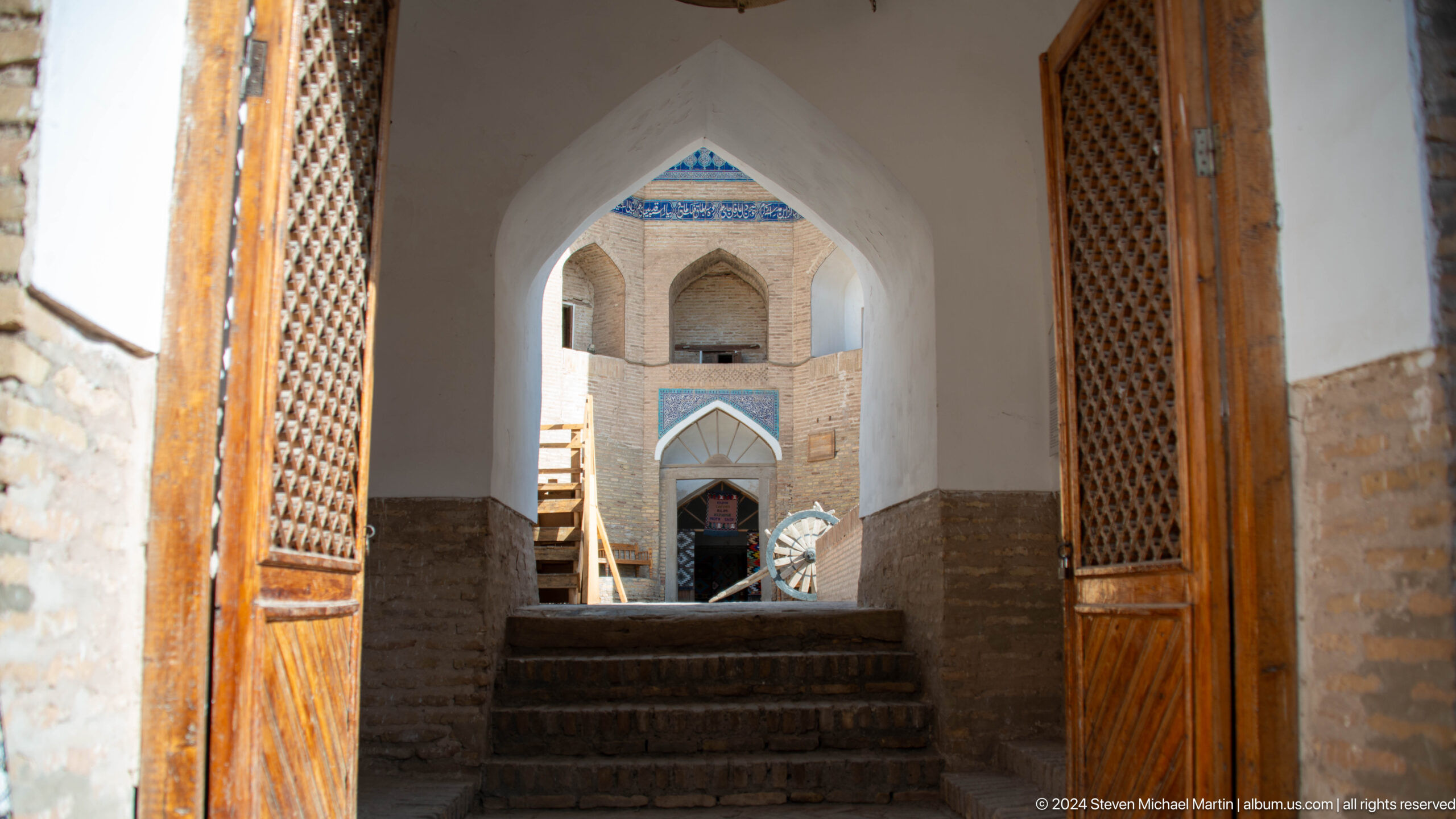
Madrasa passage is documented within Khiva’s walled historic center. The photograph emphasizes its visible form, materials, ornament, and relationship to the surrounding urban fabric, preserving a focused record of the architecture, craft tradition, daily life, or travel experience represented in this view.
Caption
Madrasa passage is documented within Khiva’s walled historic center. The photograph emphasizes its visible form, materials, ornament, and relationship to the surrounding urban fabric, preserving a focused record of the architecture, craft tradition, daily life, or travel experience represented in this view.

Tosh-hovli palace facade is documented within Khiva’s walled historic center. The photograph emphasizes its visible form, materials, ornament, and relationship to the surrounding urban fabric, preserving a focused record of the architecture, craft tradition, daily life, or travel experience represented in this view.
Caption
Tosh-hovli palace facade is documented within Khiva’s walled historic center. The photograph emphasizes its visible form, materials, ornament, and relationship to the surrounding urban fabric, preserving a focused record of the architecture, craft tradition, daily life, or travel experience represented in this view.
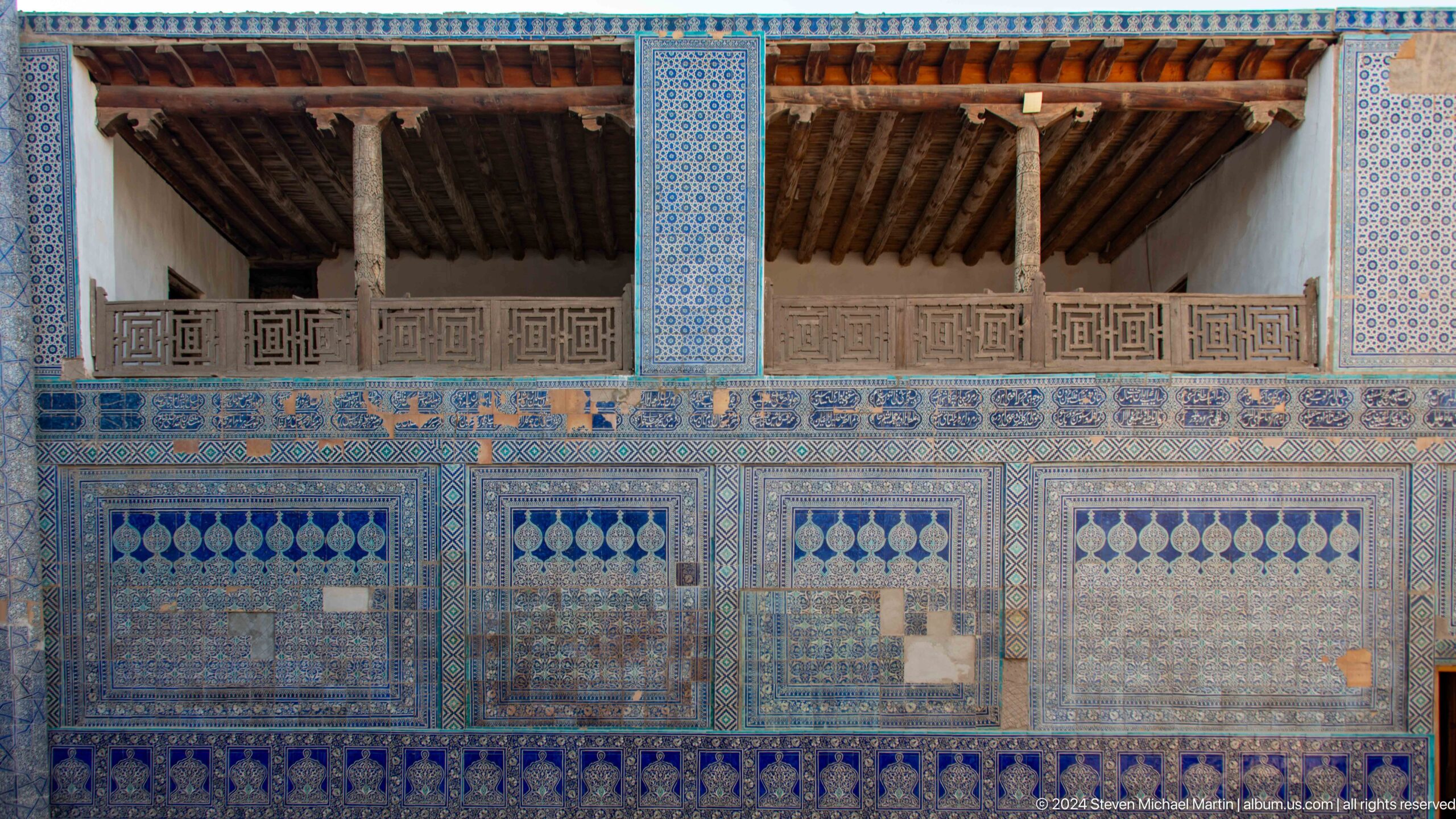
Tosh-hovli palace courtyard is documented within Khiva’s walled historic center. The photograph emphasizes its visible form, materials, ornament, and relationship to the surrounding urban fabric, preserving a focused record of the architecture, craft tradition, daily life, or travel experience represented in this view.
Caption
Tosh-hovli palace courtyard is documented within Khiva’s walled historic center. The photograph emphasizes its visible form, materials, ornament, and relationship to the surrounding urban fabric, preserving a focused record of the architecture, craft tradition, daily life, or travel experience represented in this view.
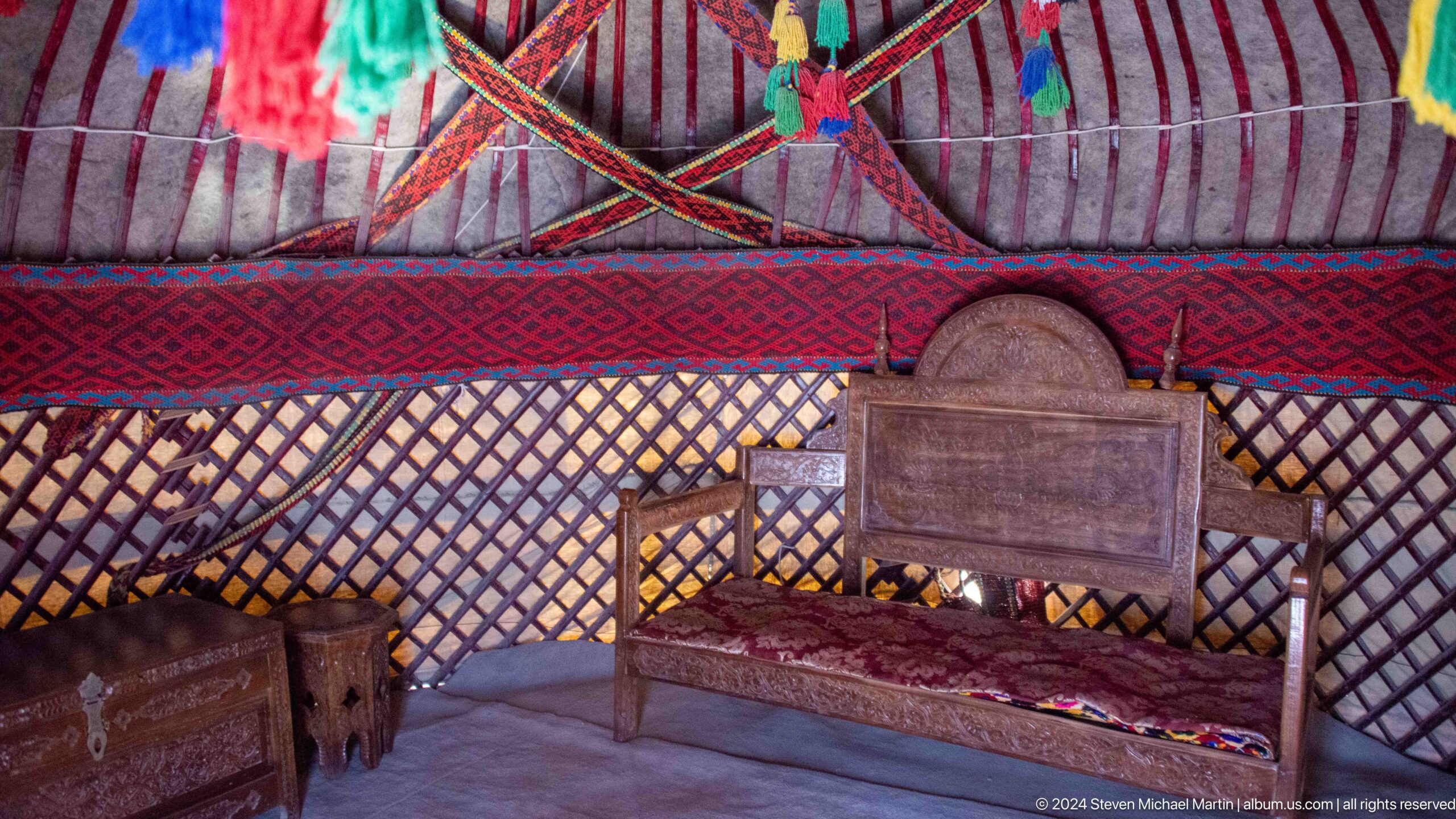
Nomadic domestic display is documented within Khiva’s walled historic center. The photograph emphasizes its visible form, materials, ornament, and relationship to the surrounding urban fabric, preserving a focused record of the architecture, craft tradition, daily life, or travel experience represented in this view.
Caption
Nomadic domestic display is documented within Khiva’s walled historic center. The photograph emphasizes its visible form, materials, ornament, and relationship to the surrounding urban fabric, preserving a focused record of the architecture, craft tradition, daily life, or travel experience represented in this view.
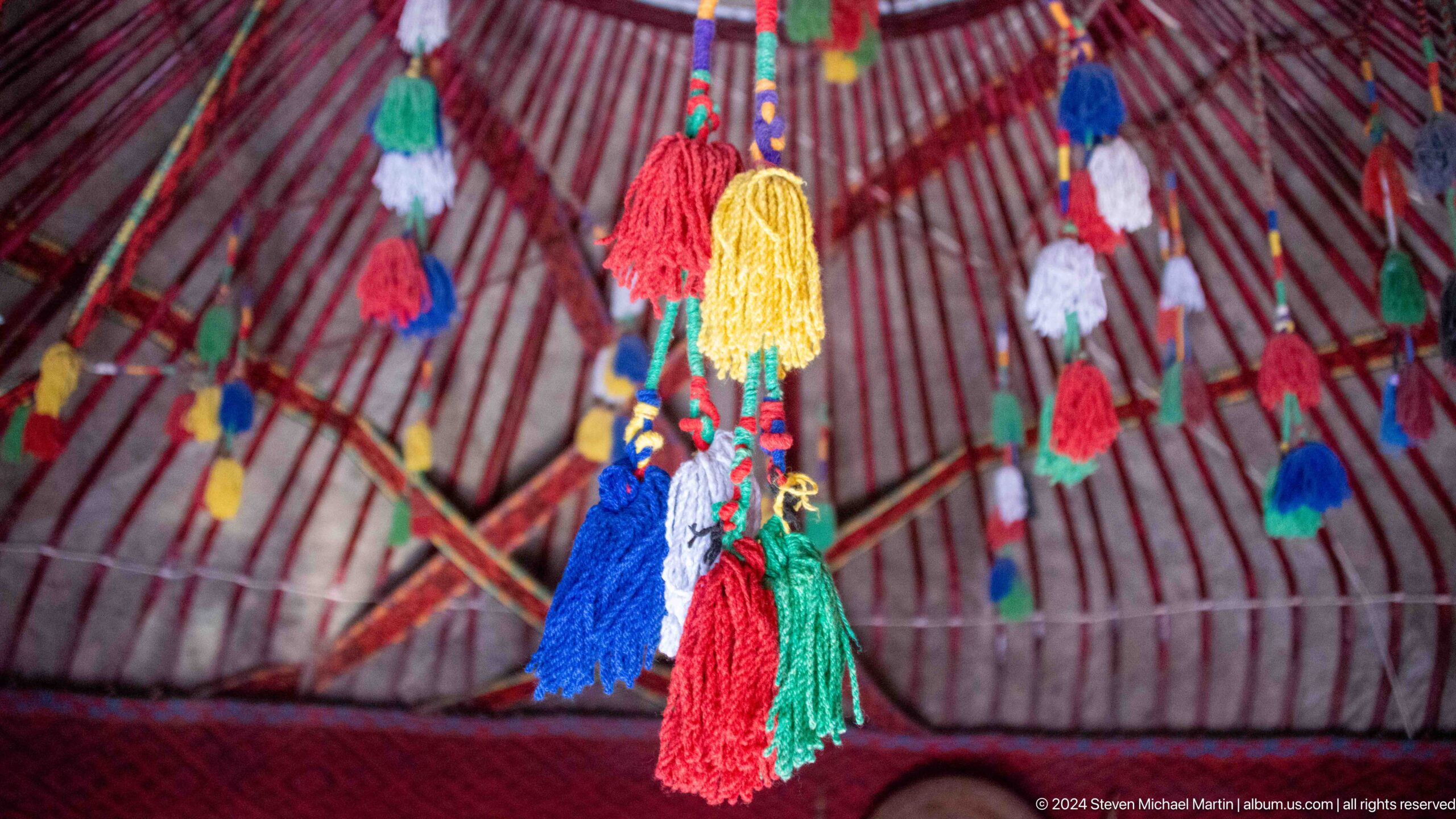
Yurt decoration is documented within Khiva’s walled historic center. The photograph emphasizes its visible form, materials, ornament, and relationship to the surrounding urban fabric, preserving a focused record of the architecture, craft tradition, daily life, or travel experience represented in this view.
Caption
Yurt decoration is documented within Khiva’s walled historic center. The photograph emphasizes its visible form, materials, ornament, and relationship to the surrounding urban fabric, preserving a focused record of the architecture, craft tradition, daily life, or travel experience represented in this view.
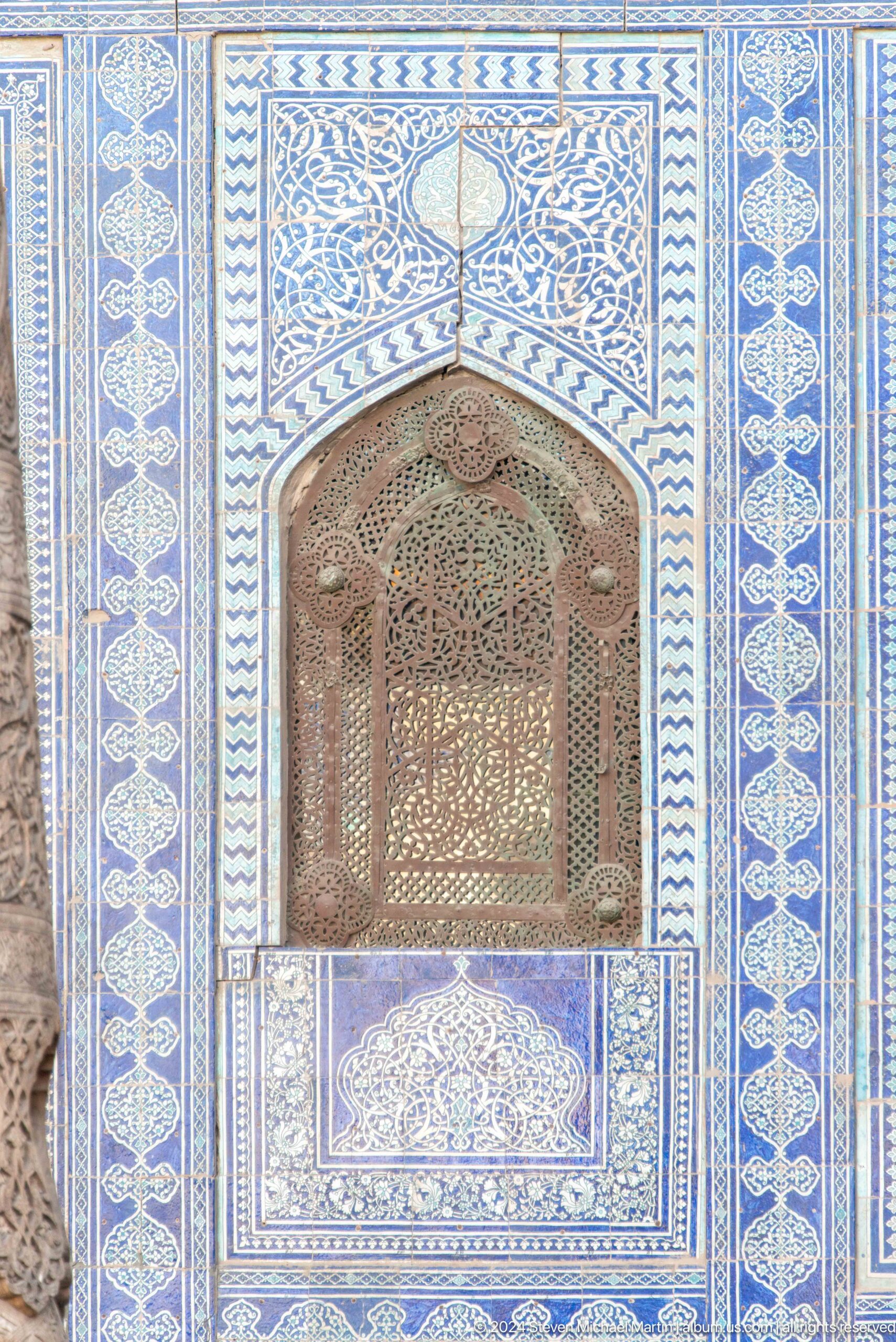
Palace entrance detail is documented within Khiva’s walled historic center. The photograph emphasizes its visible form, materials, ornament, and relationship to the surrounding urban fabric, preserving a focused record of the architecture, craft tradition, daily life, or travel experience represented in this view.
Caption
Palace entrance detail is documented within Khiva’s walled historic center. The photograph emphasizes its visible form, materials, ornament, and relationship to the surrounding urban fabric, preserving a focused record of the architecture, craft tradition, daily life, or travel experience represented in this view.
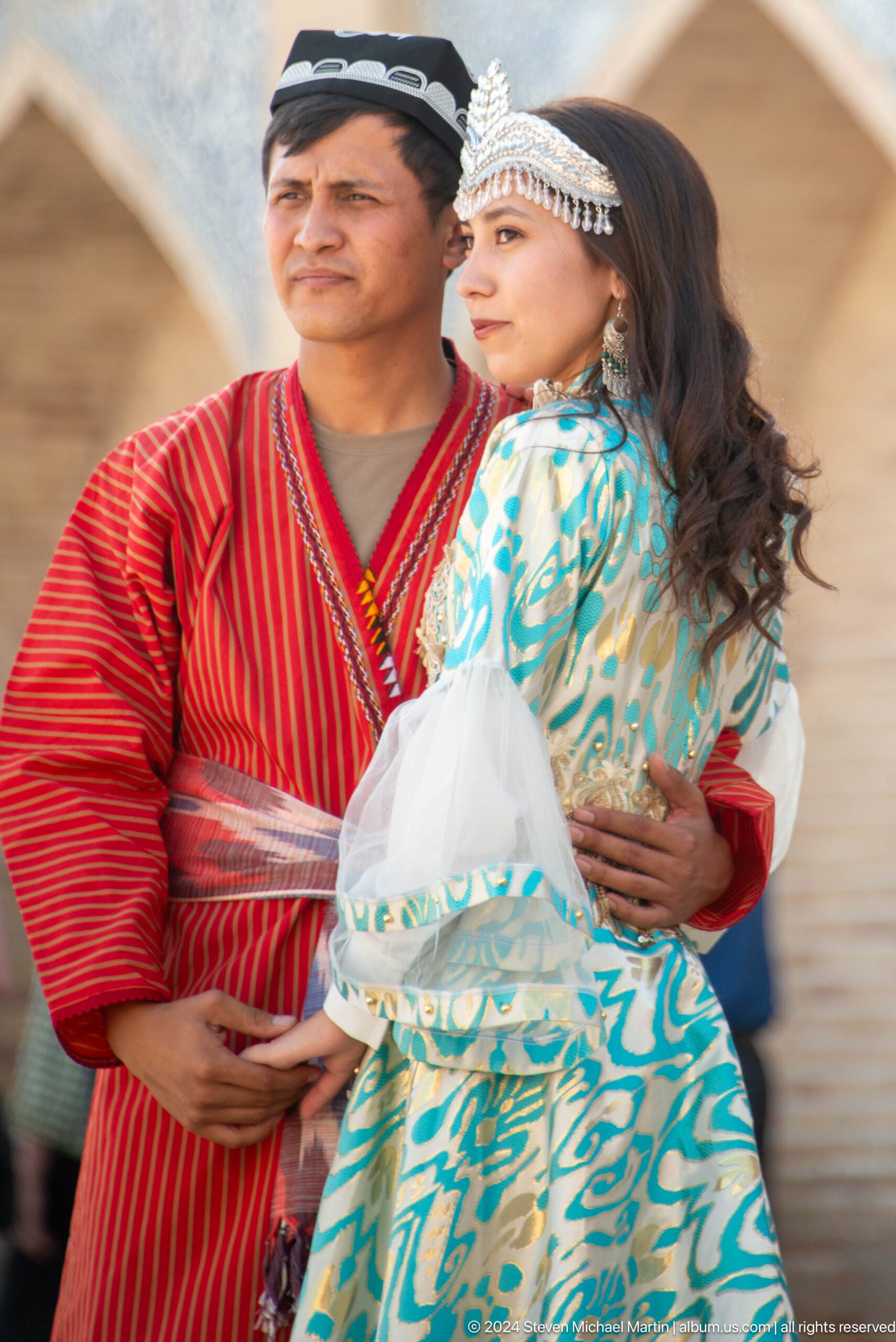
Visitor portrait detail is documented within Khiva’s walled historic center. The photograph emphasizes its visible form, materials, ornament, and relationship to the surrounding urban fabric, preserving a focused record of the architecture, craft tradition, daily life, or travel experience represented in this view.
Caption
Visitor portrait detail is documented within Khiva’s walled historic center. The photograph emphasizes its visible form, materials, ornament, and relationship to the surrounding urban fabric, preserving a focused record of the architecture, craft tradition, daily life, or travel experience represented in this view.
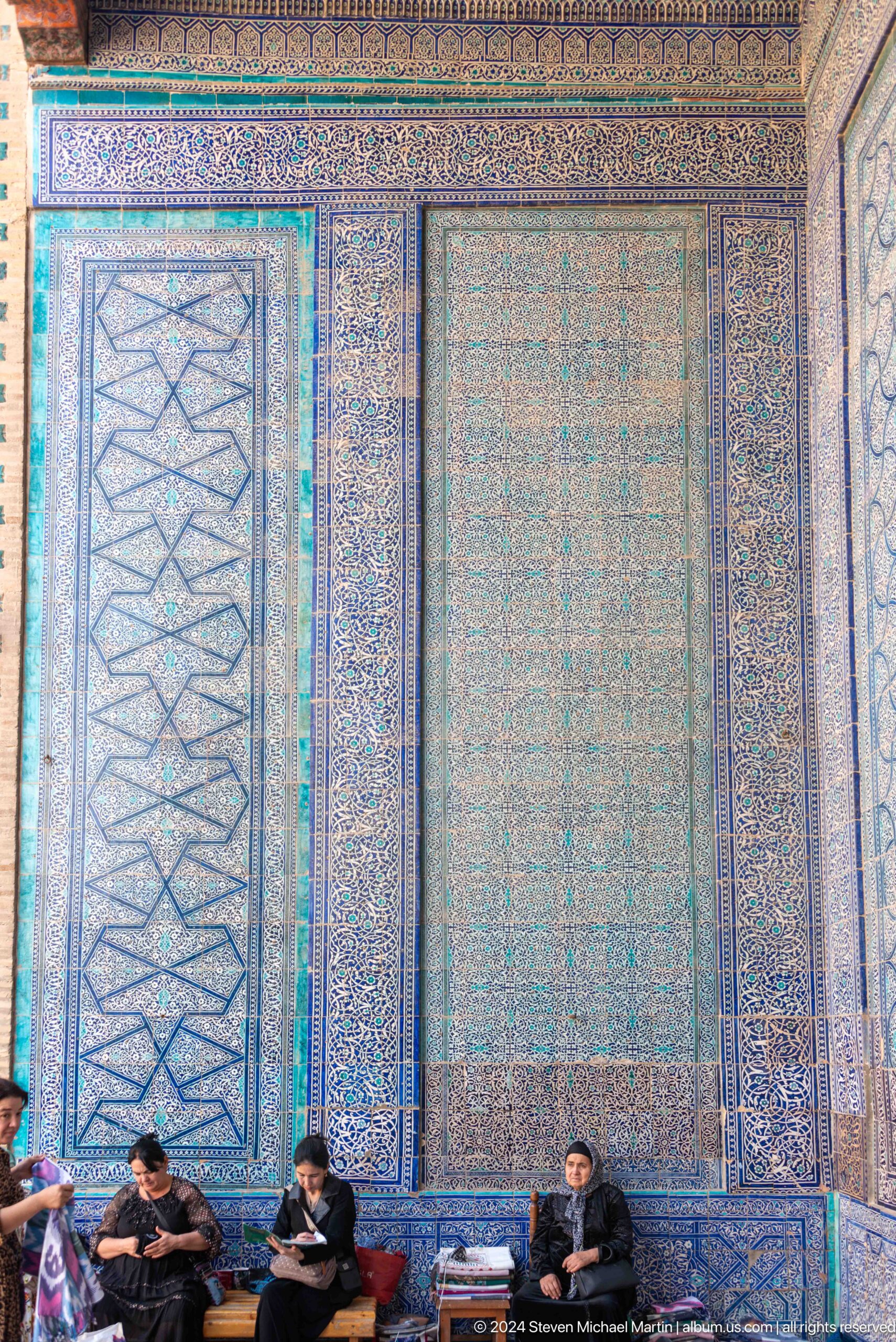
Historic tile panel is documented within Khiva’s walled historic center. The photograph emphasizes its visible form, materials, ornament, and relationship to the surrounding urban fabric, preserving a focused record of the architecture, craft tradition, daily life, or travel experience represented in this view.
Caption
Historic tile panel is documented within Khiva’s walled historic center. The photograph emphasizes its visible form, materials, ornament, and relationship to the surrounding urban fabric, preserving a focused record of the architecture, craft tradition, daily life, or travel experience represented in this view.
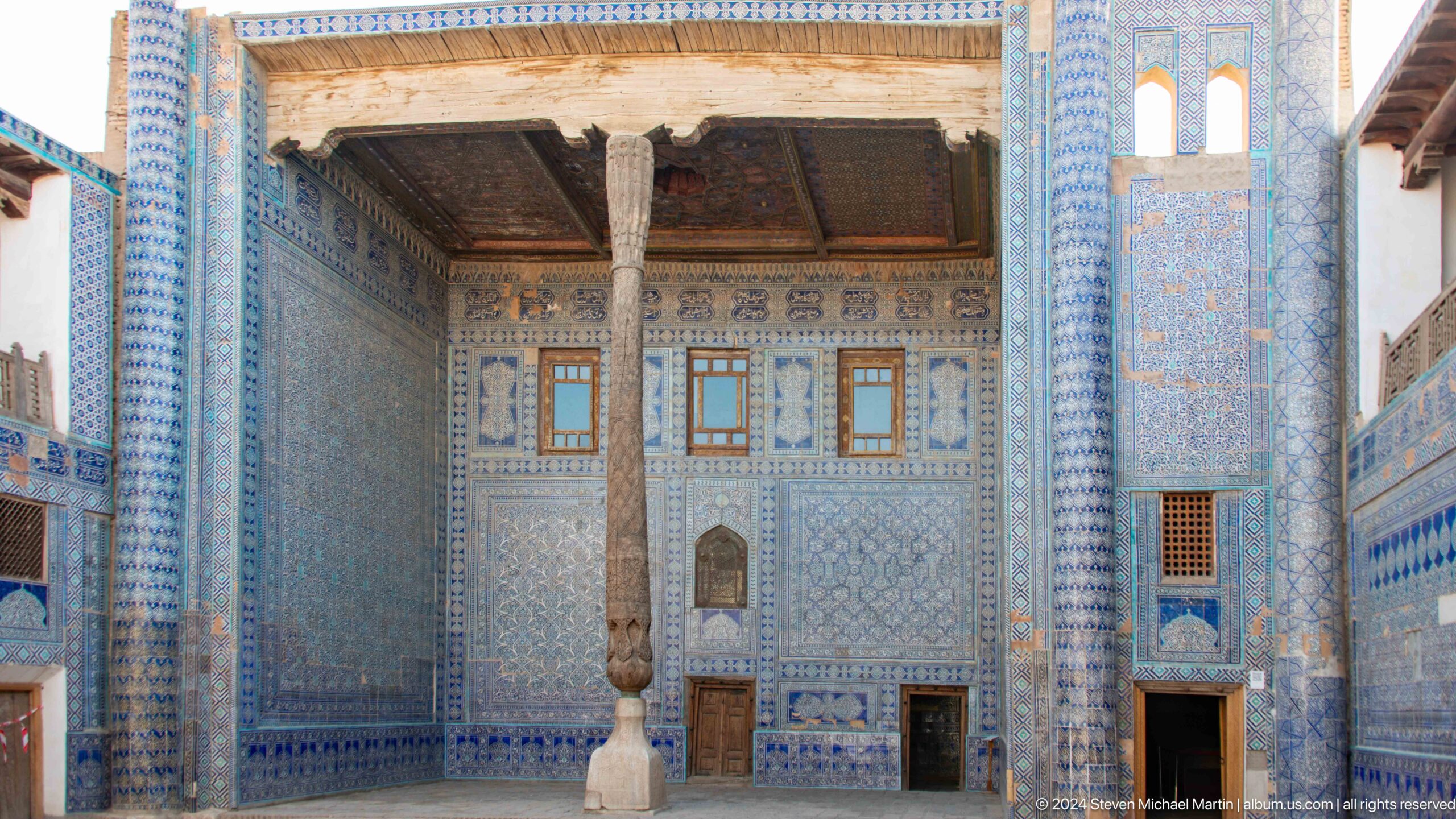
Tosh-hovli reception courtyard is documented within Khiva’s walled historic center. The photograph emphasizes its visible form, materials, ornament, and relationship to the surrounding urban fabric, preserving a focused record of the architecture, craft tradition, daily life, or travel experience represented in this view.
Caption
Tosh-hovli reception courtyard is documented within Khiva’s walled historic center. The photograph emphasizes its visible form, materials, ornament, and relationship to the surrounding urban fabric, preserving a focused record of the architecture, craft tradition, daily life, or travel experience represented in this view.
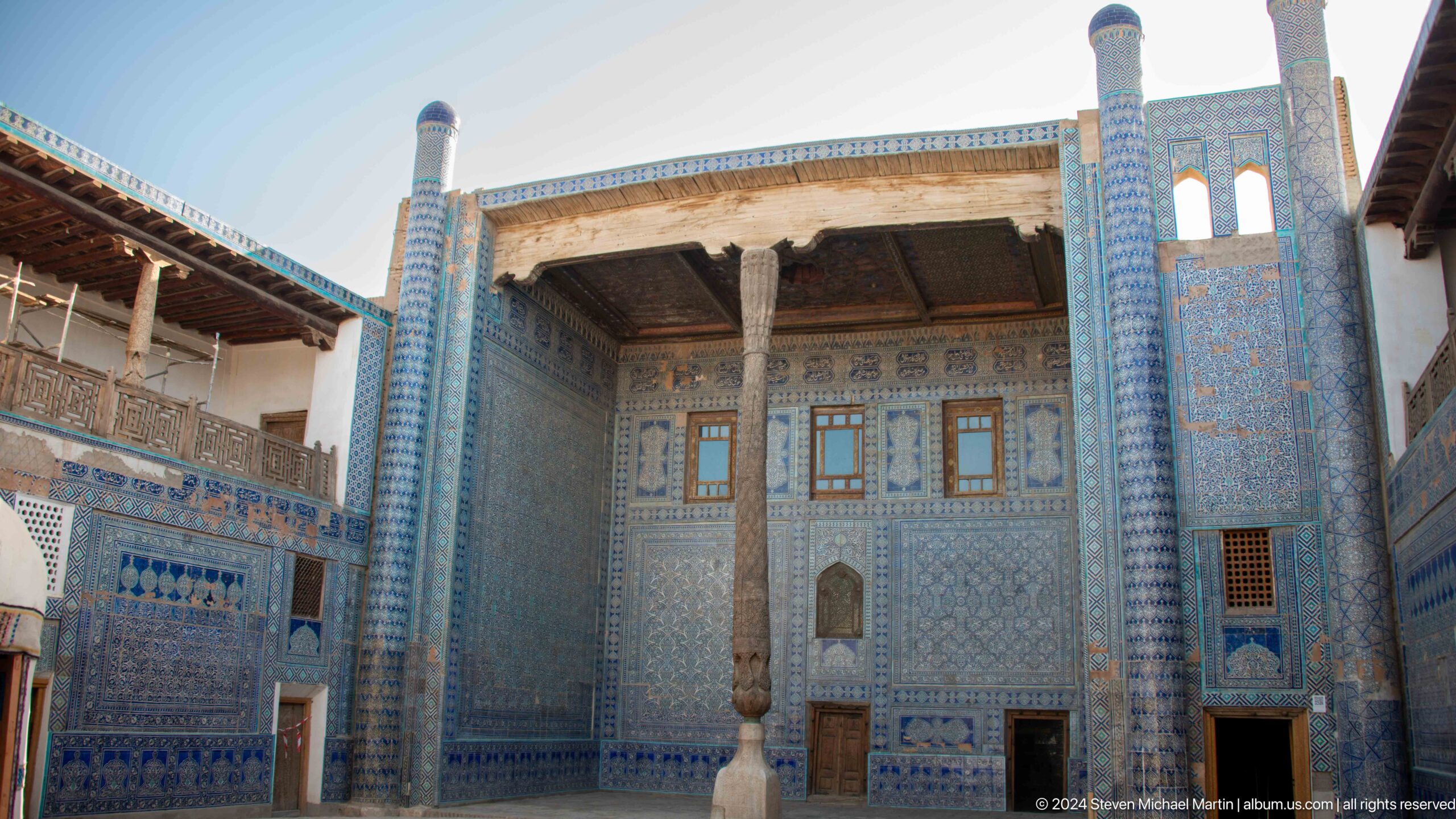
Tosh-hovli palace iwan is documented within Khiva’s walled historic center. The photograph emphasizes its visible form, materials, ornament, and relationship to the surrounding urban fabric, preserving a focused record of the architecture, craft tradition, daily life, or travel experience represented in this view.
Caption
Tosh-hovli palace iwan is documented within Khiva’s walled historic center. The photograph emphasizes its visible form, materials, ornament, and relationship to the surrounding urban fabric, preserving a focused record of the architecture, craft tradition, daily life, or travel experience represented in this view.

Traditional yurt display is documented within Khiva’s walled historic center. The photograph emphasizes its visible form, materials, ornament, and relationship to the surrounding urban fabric, preserving a focused record of the architecture, craft tradition, daily life, or travel experience represented in this view.
Caption
Traditional yurt display is documented within Khiva’s walled historic center. The photograph emphasizes its visible form, materials, ornament, and relationship to the surrounding urban fabric, preserving a focused record of the architecture, craft tradition, daily life, or travel experience represented in this view.
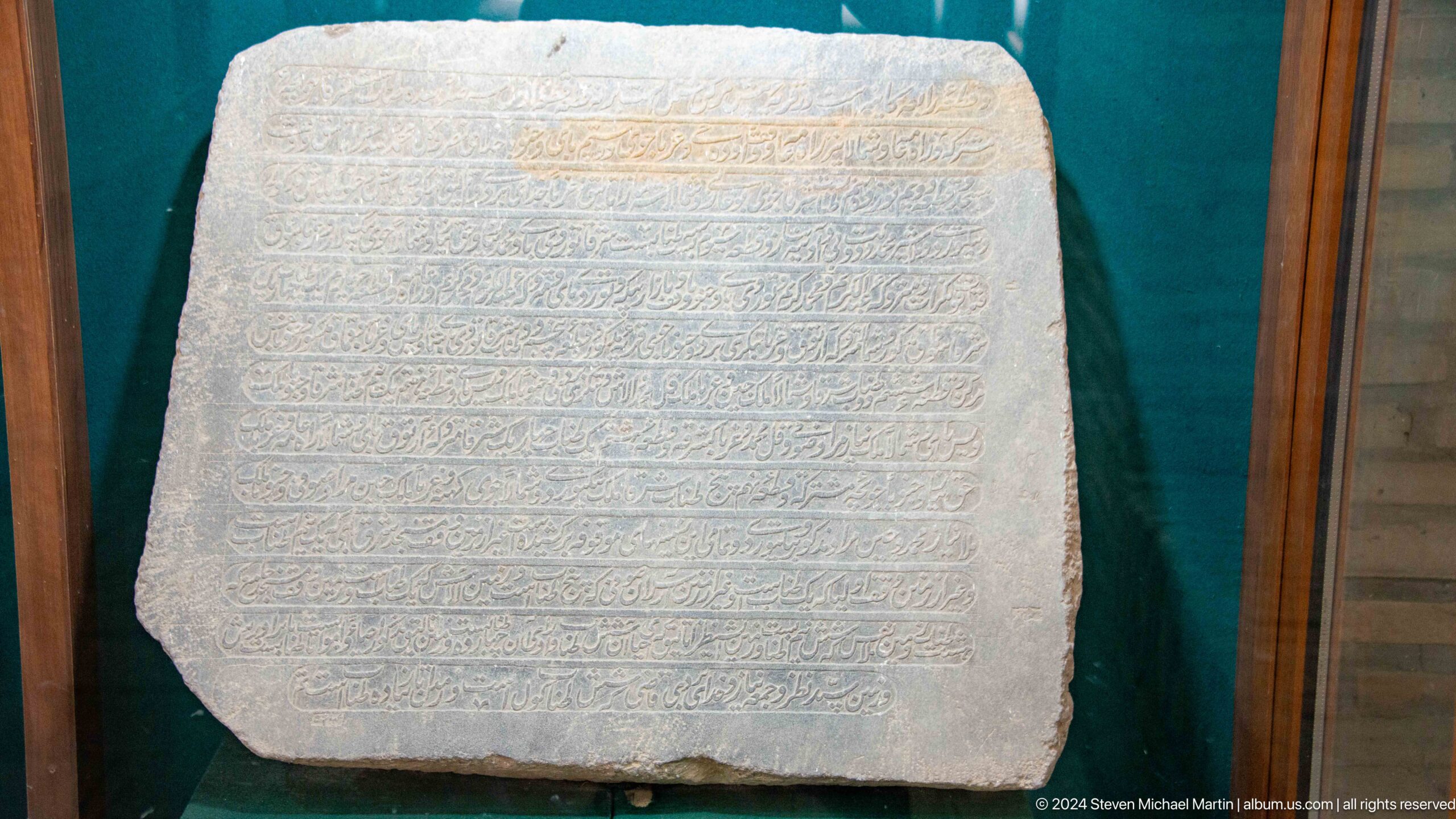
Historic inscription stone is documented within Khiva’s walled historic center. The photograph emphasizes its visible form, materials, ornament, and relationship to the surrounding urban fabric, preserving a focused record of the architecture, craft tradition, daily life, or travel experience represented in this view.
Caption
Historic inscription stone is documented within Khiva’s walled historic center. The photograph emphasizes its visible form, materials, ornament, and relationship to the surrounding urban fabric, preserving a focused record of the architecture, craft tradition, daily life, or travel experience represented in this view.

Palace column and ceiling is documented within Khiva’s walled historic center. The photograph emphasizes its visible form, materials, ornament, and relationship to the surrounding urban fabric, preserving a focused record of the architecture, craft tradition, daily life, or travel experience represented in this view.
Caption
Palace column and ceiling is documented within Khiva’s walled historic center. The photograph emphasizes its visible form, materials, ornament, and relationship to the surrounding urban fabric, preserving a focused record of the architecture, craft tradition, daily life, or travel experience represented in this view.
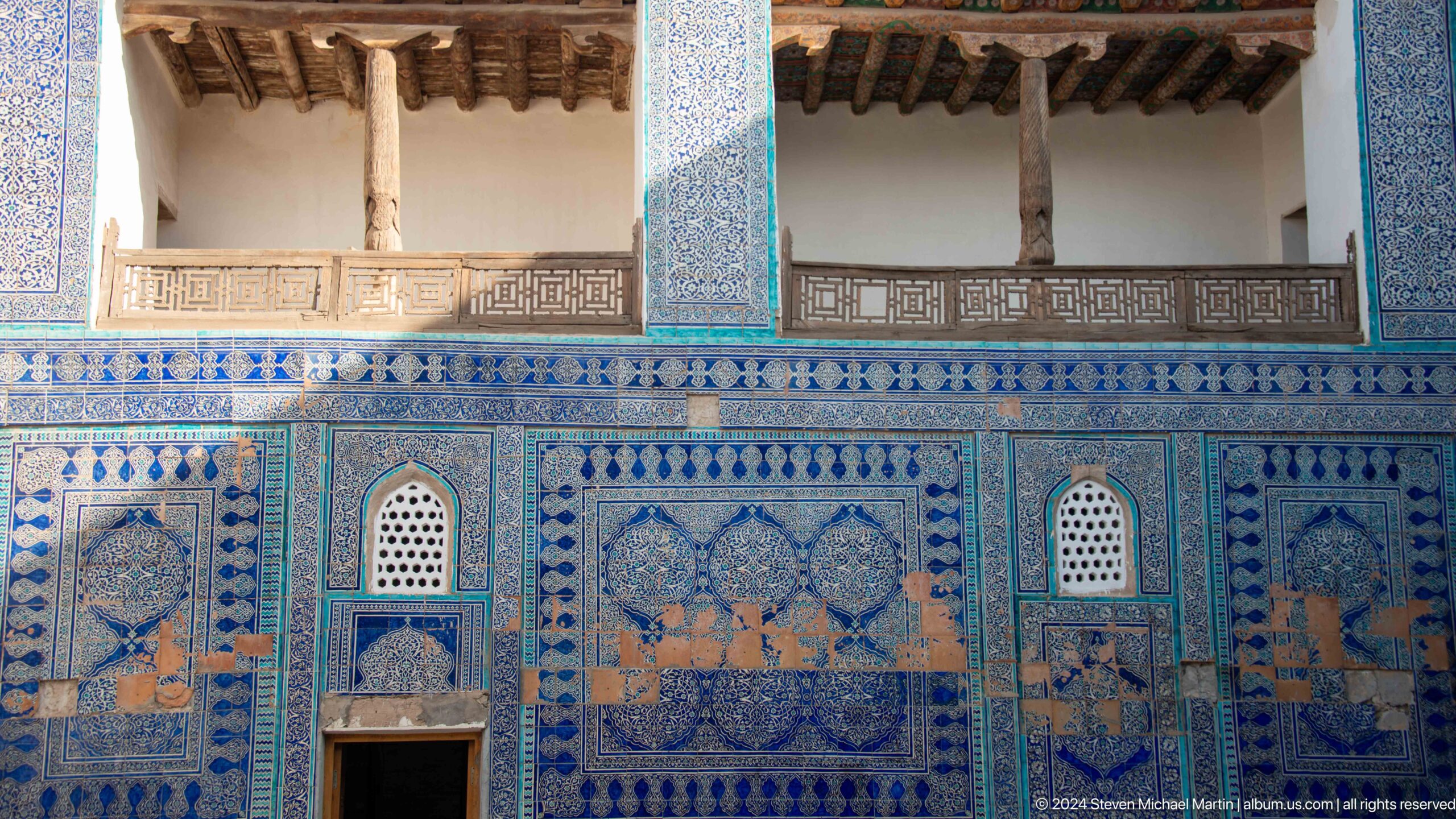
Palace decorative facade is documented within Khiva’s walled historic center. The photograph emphasizes its visible form, materials, ornament, and relationship to the surrounding urban fabric, preserving a focused record of the architecture, craft tradition, daily life, or travel experience represented in this view.
Caption
Palace decorative facade is documented within Khiva’s walled historic center. The photograph emphasizes its visible form, materials, ornament, and relationship to the surrounding urban fabric, preserving a focused record of the architecture, craft tradition, daily life, or travel experience represented in this view.
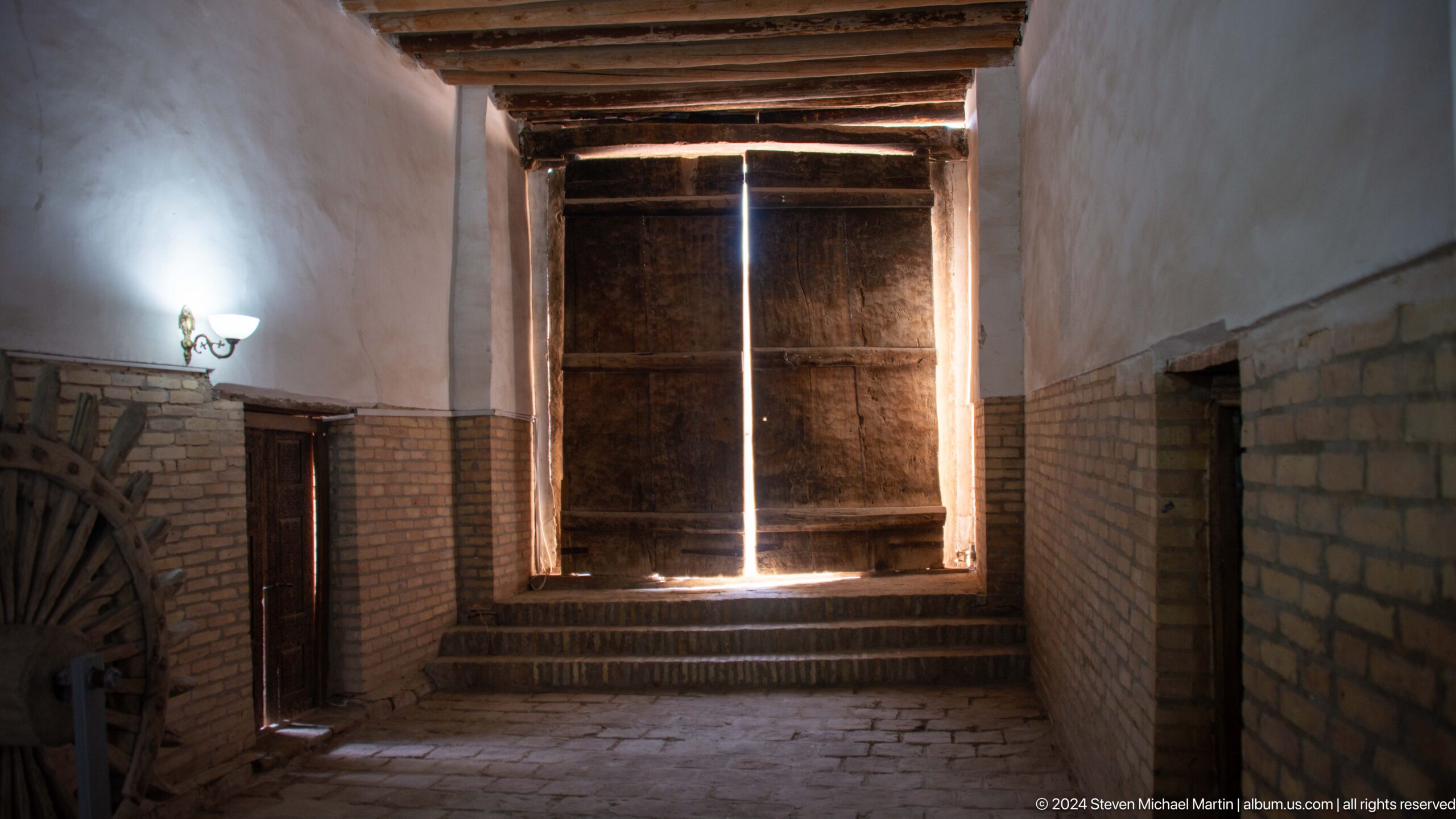
Historic palace interior is documented within Khiva’s walled historic center. The photograph emphasizes its visible form, materials, ornament, and relationship to the surrounding urban fabric, preserving a focused record of the architecture, craft tradition, daily life, or travel experience represented in this view.
Caption
Historic palace interior is documented within Khiva’s walled historic center. The photograph emphasizes its visible form, materials, ornament, and relationship to the surrounding urban fabric, preserving a focused record of the architecture, craft tradition, daily life, or travel experience represented in this view.
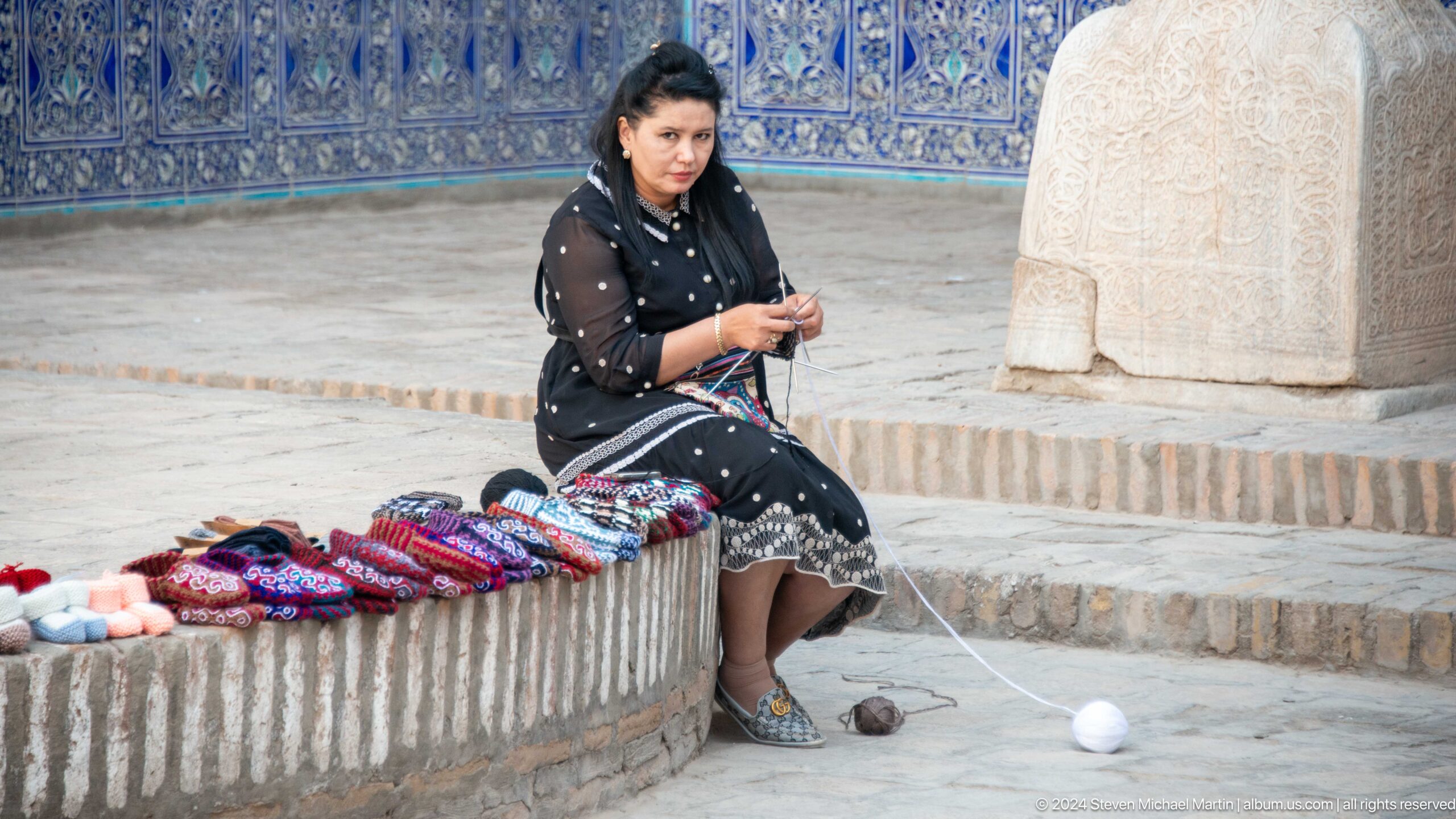
Market vendor is documented within Khiva’s walled historic center. The photograph emphasizes its visible form, materials, ornament, and relationship to the surrounding urban fabric, preserving a focused record of the architecture, craft tradition, daily life, or travel experience represented in this view.
Caption
Market vendor is documented within Khiva’s walled historic center. The photograph emphasizes its visible form, materials, ornament, and relationship to the surrounding urban fabric, preserving a focused record of the architecture, craft tradition, daily life, or travel experience represented in this view.
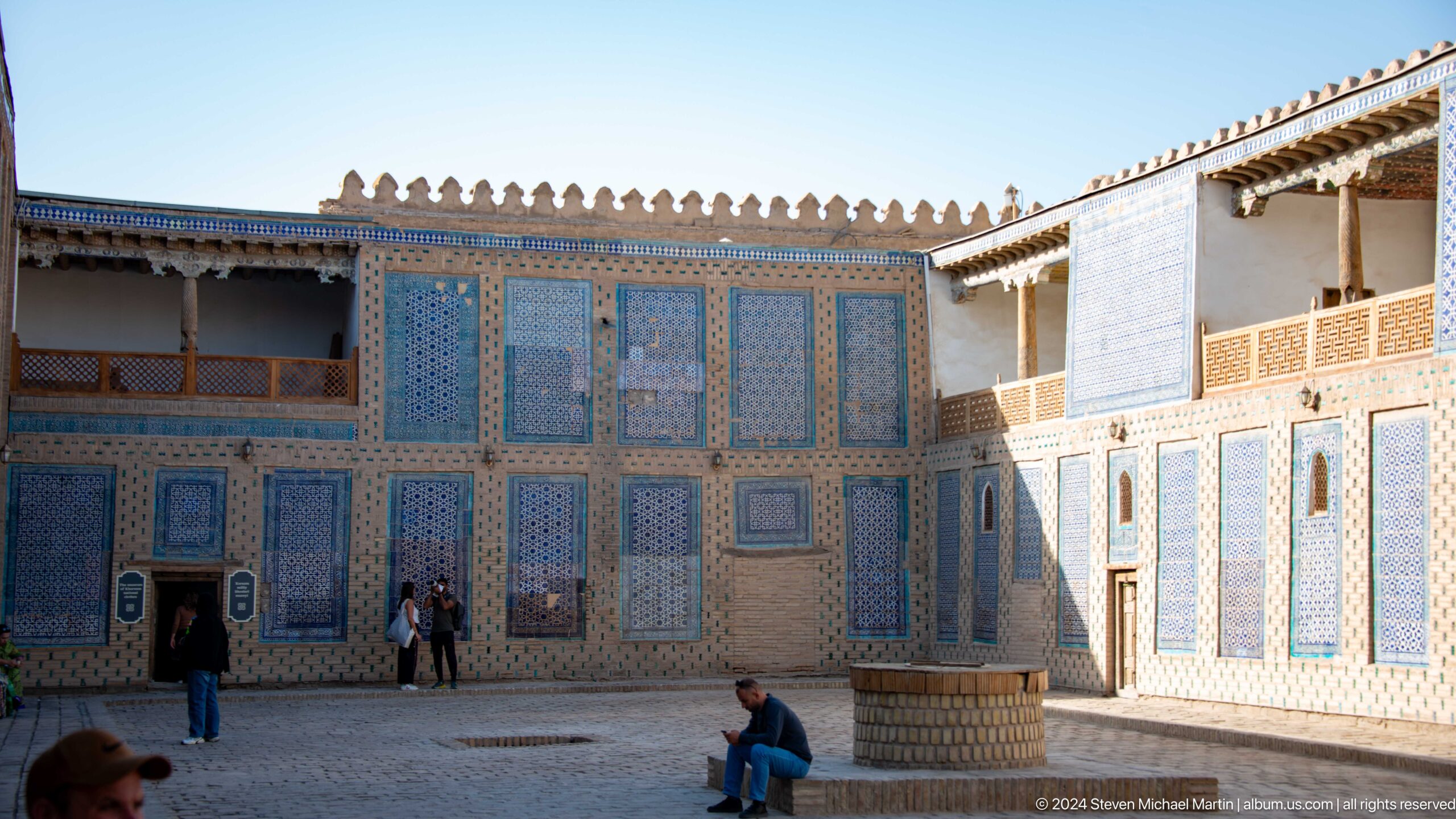
Tosh-hovli palace courtyard is documented within Khiva’s walled historic center. The photograph emphasizes its visible form, materials, ornament, and relationship to the surrounding urban fabric, preserving a focused record of the architecture, craft tradition, daily life, or travel experience represented in this view.
Caption
Tosh-hovli palace courtyard is documented within Khiva’s walled historic center. The photograph emphasizes its visible form, materials, ornament, and relationship to the surrounding urban fabric, preserving a focused record of the architecture, craft tradition, daily life, or travel experience represented in this view.

Decorative palace ceiling is documented within Khiva’s walled historic center. The photograph emphasizes its visible form, materials, ornament, and relationship to the surrounding urban fabric, preserving a focused record of the architecture, craft tradition, daily life, or travel experience represented in this view.
Caption
Decorative palace ceiling is documented within Khiva’s walled historic center. The photograph emphasizes its visible form, materials, ornament, and relationship to the surrounding urban fabric, preserving a focused record of the architecture, craft tradition, daily life, or travel experience represented in this view.

Architectural tile detail is documented within Khiva’s walled historic center. The photograph emphasizes its visible form, materials, ornament, and relationship to the surrounding urban fabric, preserving a focused record of the architecture, craft tradition, daily life, or travel experience represented in this view.
Caption
Architectural tile detail is documented within Khiva’s walled historic center. The photograph emphasizes its visible form, materials, ornament, and relationship to the surrounding urban fabric, preserving a focused record of the architecture, craft tradition, daily life, or travel experience represented in this view.
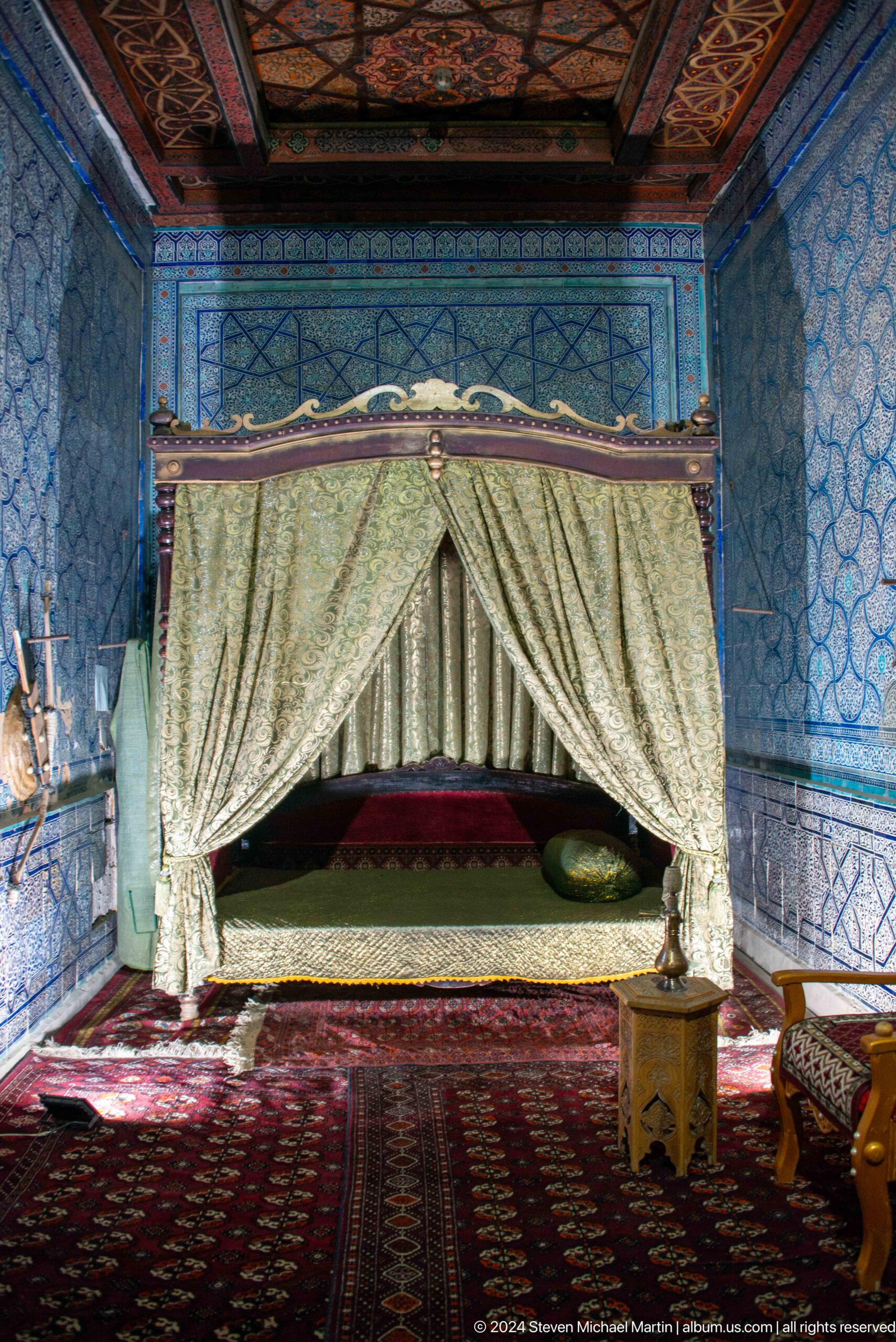
Palace bed display is documented within Khiva’s walled historic center. The photograph emphasizes its visible form, materials, ornament, and relationship to the surrounding urban fabric, preserving a focused record of the architecture, craft tradition, daily life, or travel experience represented in this view.
Caption
Palace bed display is documented within Khiva’s walled historic center. The photograph emphasizes its visible form, materials, ornament, and relationship to the surrounding urban fabric, preserving a focused record of the architecture, craft tradition, daily life, or travel experience represented in this view.
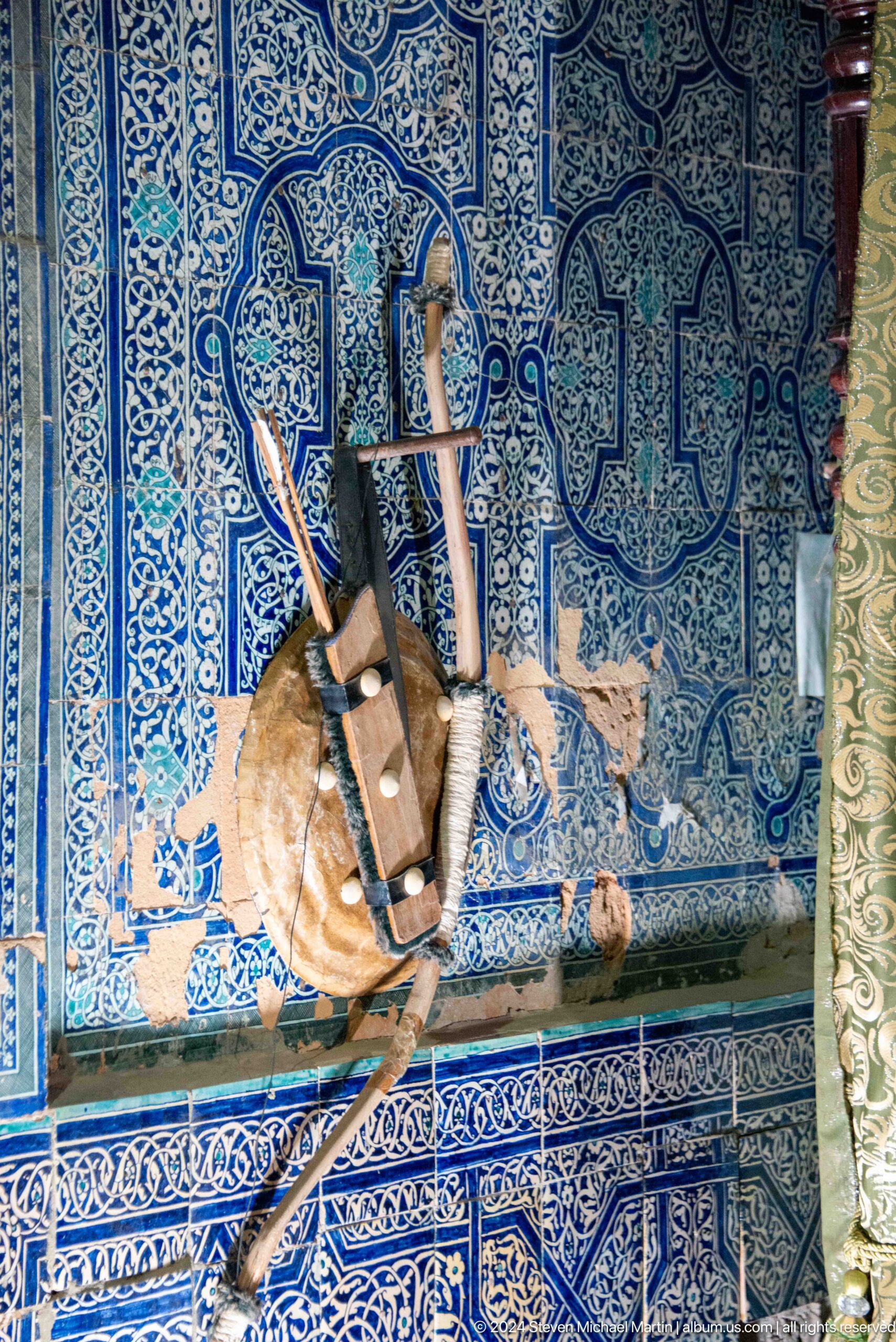
Weapons display is documented within Khiva’s walled historic center. The photograph emphasizes its visible form, materials, ornament, and relationship to the surrounding urban fabric, preserving a focused record of the architecture, craft tradition, daily life, or travel experience represented in this view.
Caption
Weapons display is documented within Khiva’s walled historic center. The photograph emphasizes its visible form, materials, ornament, and relationship to the surrounding urban fabric, preserving a focused record of the architecture, craft tradition, daily life, or travel experience represented in this view.
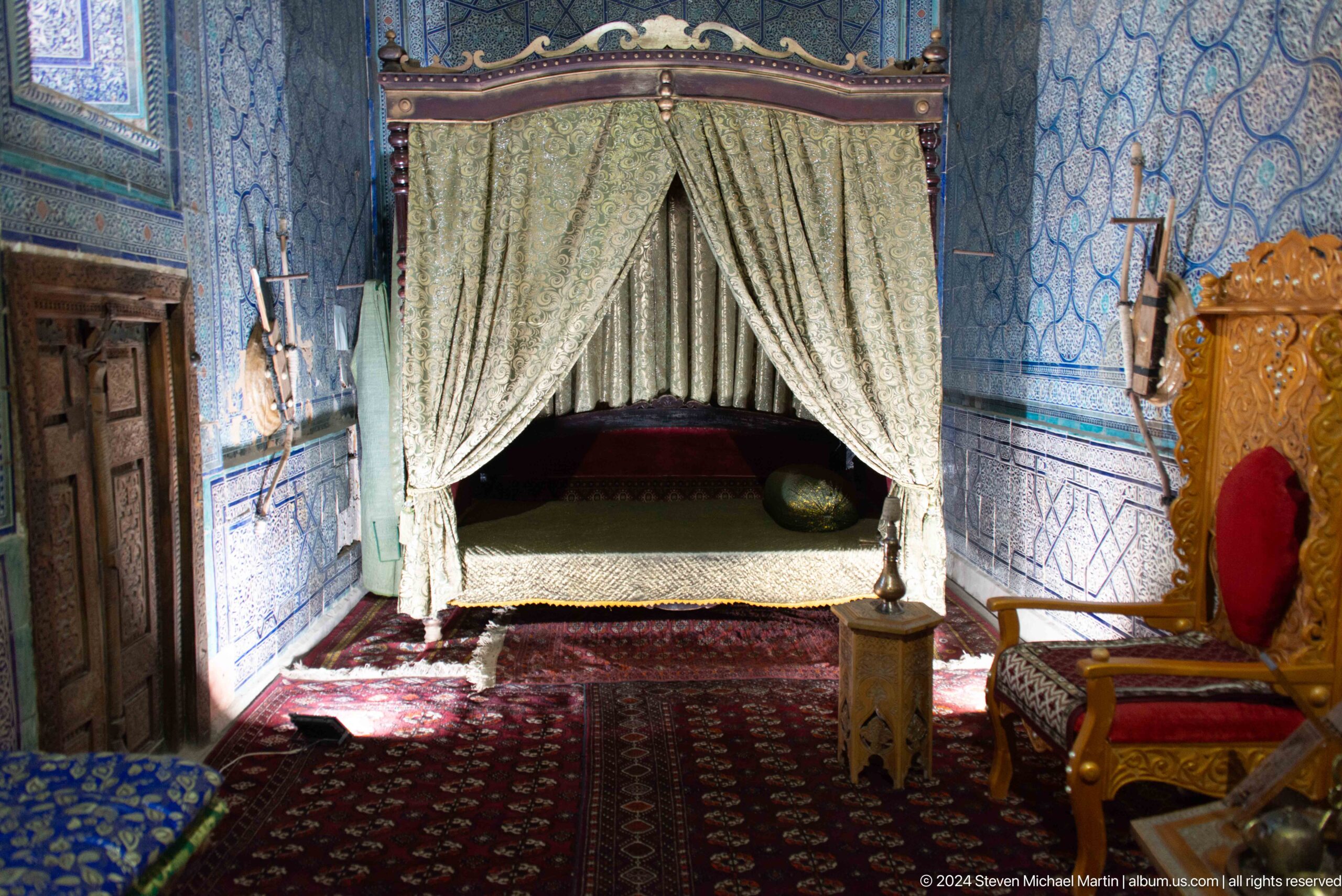
Historic palace bedroom is documented within Khiva’s walled historic center. The photograph emphasizes its visible form, materials, ornament, and relationship to the surrounding urban fabric, preserving a focused record of the architecture, craft tradition, daily life, or travel experience represented in this view.
Caption
Historic palace bedroom is documented within Khiva’s walled historic center. The photograph emphasizes its visible form, materials, ornament, and relationship to the surrounding urban fabric, preserving a focused record of the architecture, craft tradition, daily life, or travel experience represented in this view.
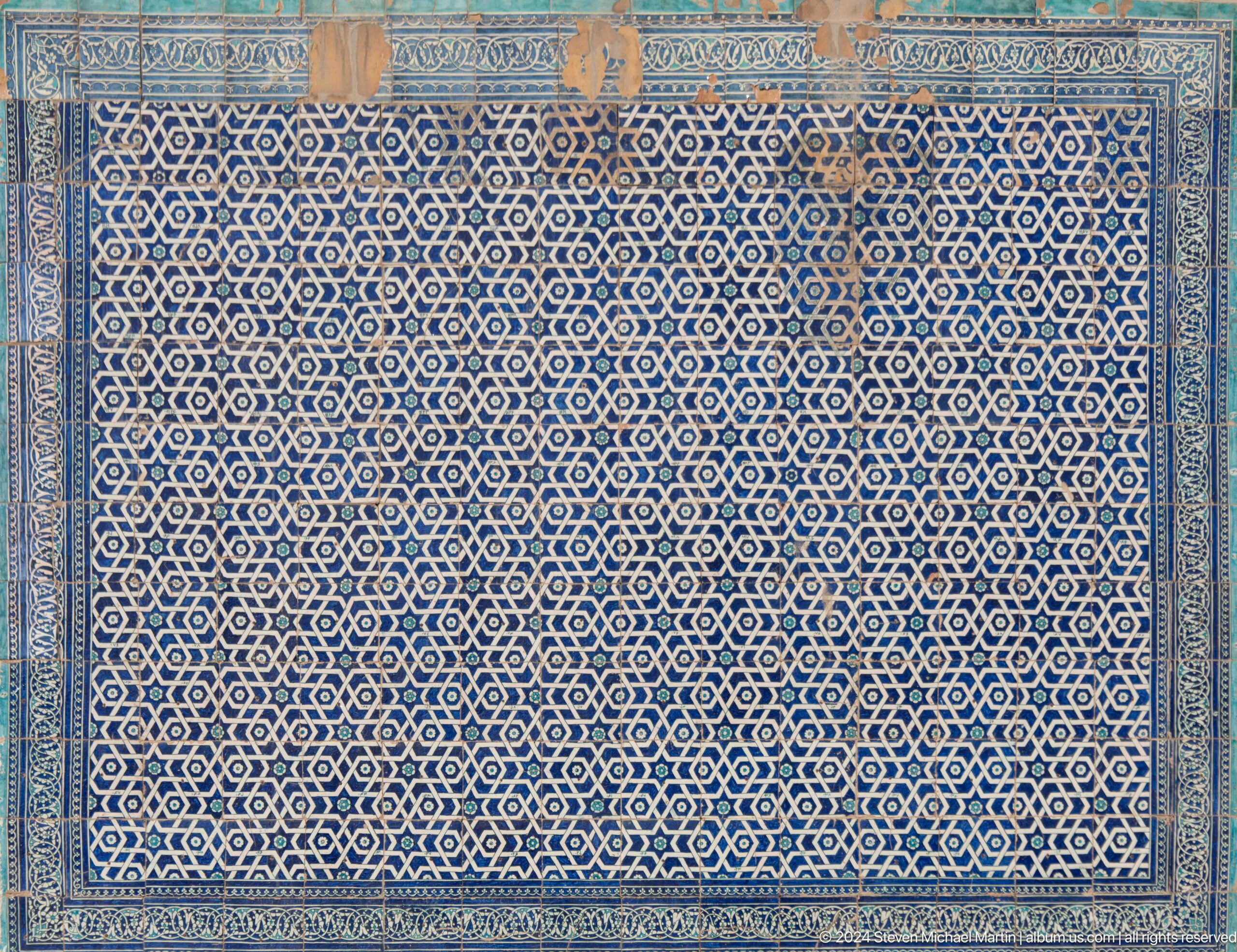
Islamic geometric tilework is documented within Khiva’s walled historic center. The photograph emphasizes its visible form, materials, ornament, and relationship to the surrounding urban fabric, preserving a focused record of the architecture, craft tradition, daily life, or travel experience represented in this view.
Caption
Islamic geometric tilework is documented within Khiva’s walled historic center. The photograph emphasizes its visible form, materials, ornament, and relationship to the surrounding urban fabric, preserving a focused record of the architecture, craft tradition, daily life, or travel experience represented in this view.
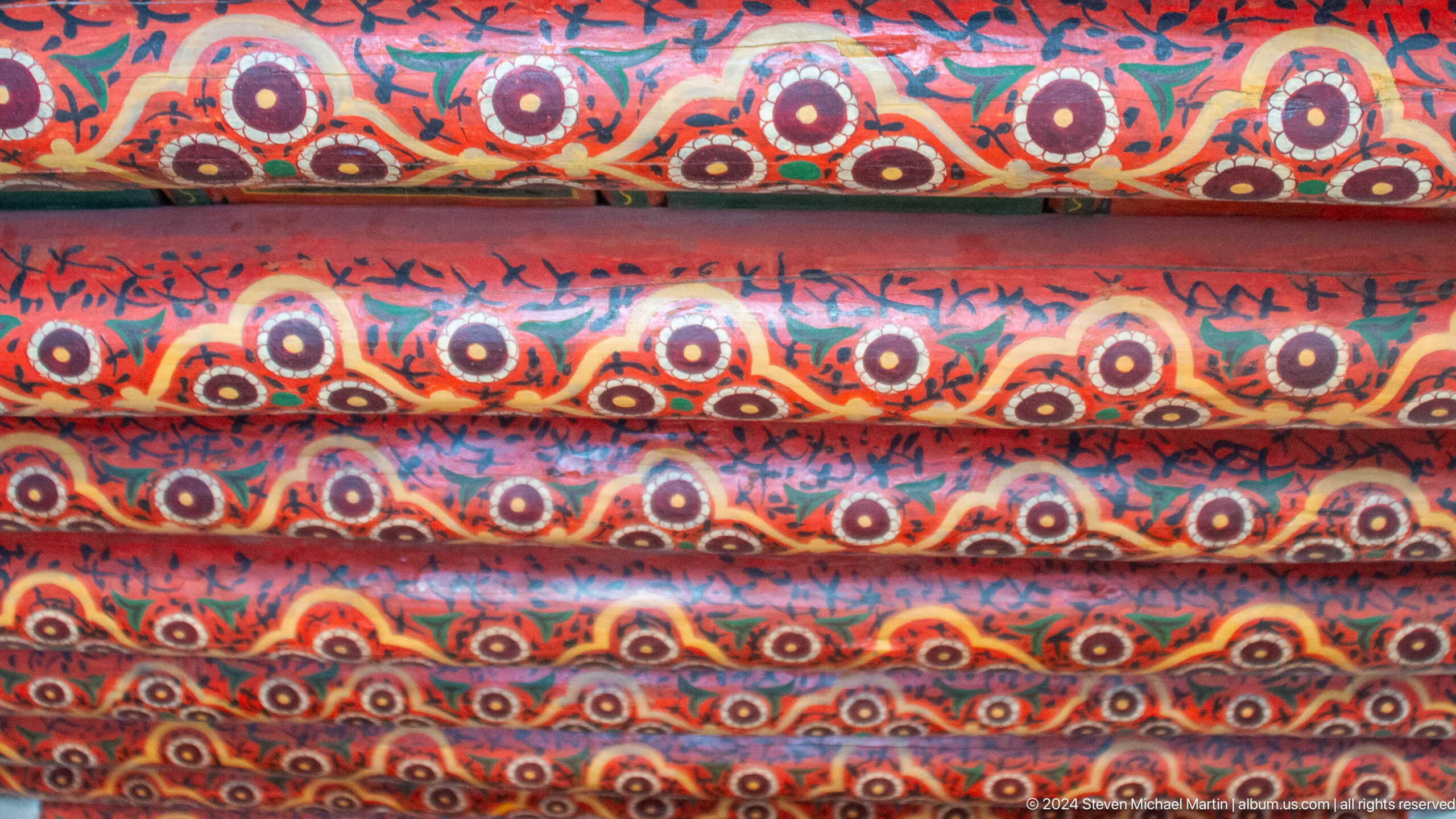
Traditional ikat or woven textile is documented within Khiva’s walled historic center. The photograph emphasizes its visible form, materials, ornament, and relationship to the surrounding urban fabric, preserving a focused record of the architecture, craft tradition, daily life, or travel experience represented in this view.
Caption
Traditional ikat or woven textile is documented within Khiva’s walled historic center. The photograph emphasizes its visible form, materials, ornament, and relationship to the surrounding urban fabric, preserving a focused record of the architecture, craft tradition, daily life, or travel experience represented in this view.
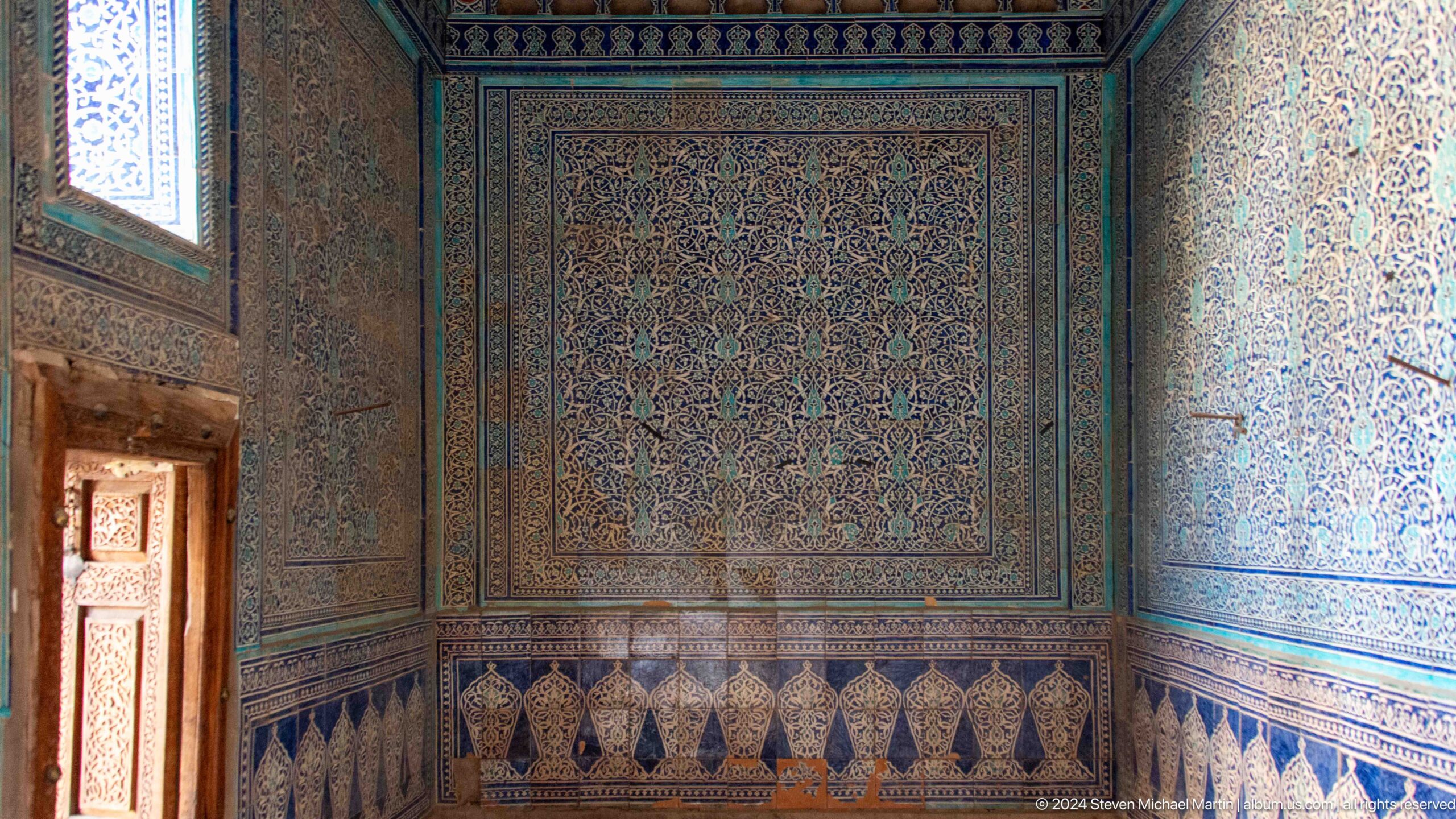
Palace interior decoration is documented within Khiva’s walled historic center. The photograph emphasizes its visible form, materials, ornament, and relationship to the surrounding urban fabric, preserving a focused record of the architecture, craft tradition, daily life, or travel experience represented in this view.
Caption
Palace interior decoration is documented within Khiva’s walled historic center. The photograph emphasizes its visible form, materials, ornament, and relationship to the surrounding urban fabric, preserving a focused record of the architecture, craft tradition, daily life, or travel experience represented in this view.
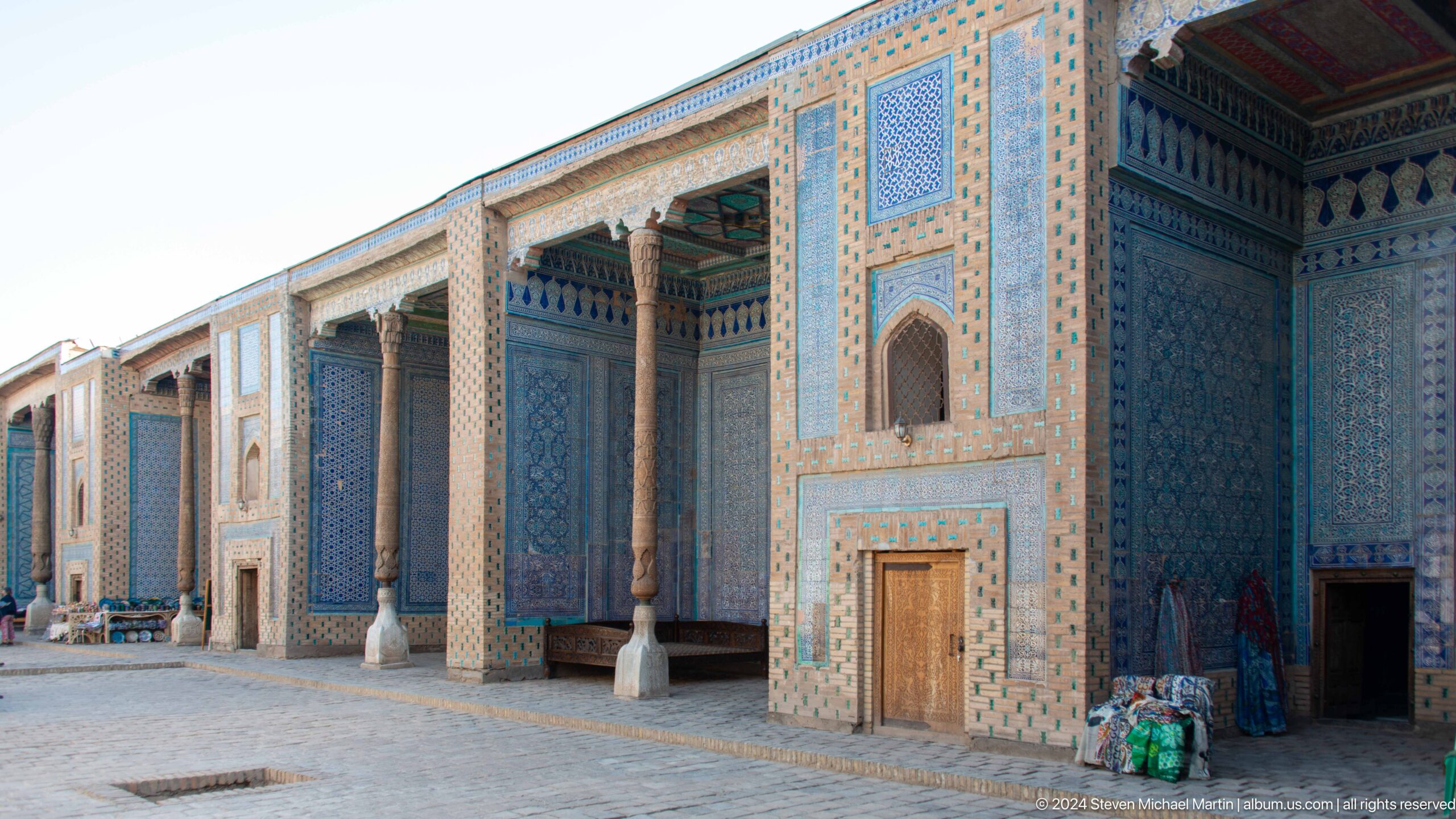
Tosh-hovli palace exterior is documented within Khiva’s walled historic center. The photograph emphasizes its visible form, materials, ornament, and relationship to the surrounding urban fabric, preserving a focused record of the architecture, craft tradition, daily life, or travel experience represented in this view.
Caption
Tosh-hovli palace exterior is documented within Khiva’s walled historic center. The photograph emphasizes its visible form, materials, ornament, and relationship to the surrounding urban fabric, preserving a focused record of the architecture, craft tradition, daily life, or travel experience represented in this view.
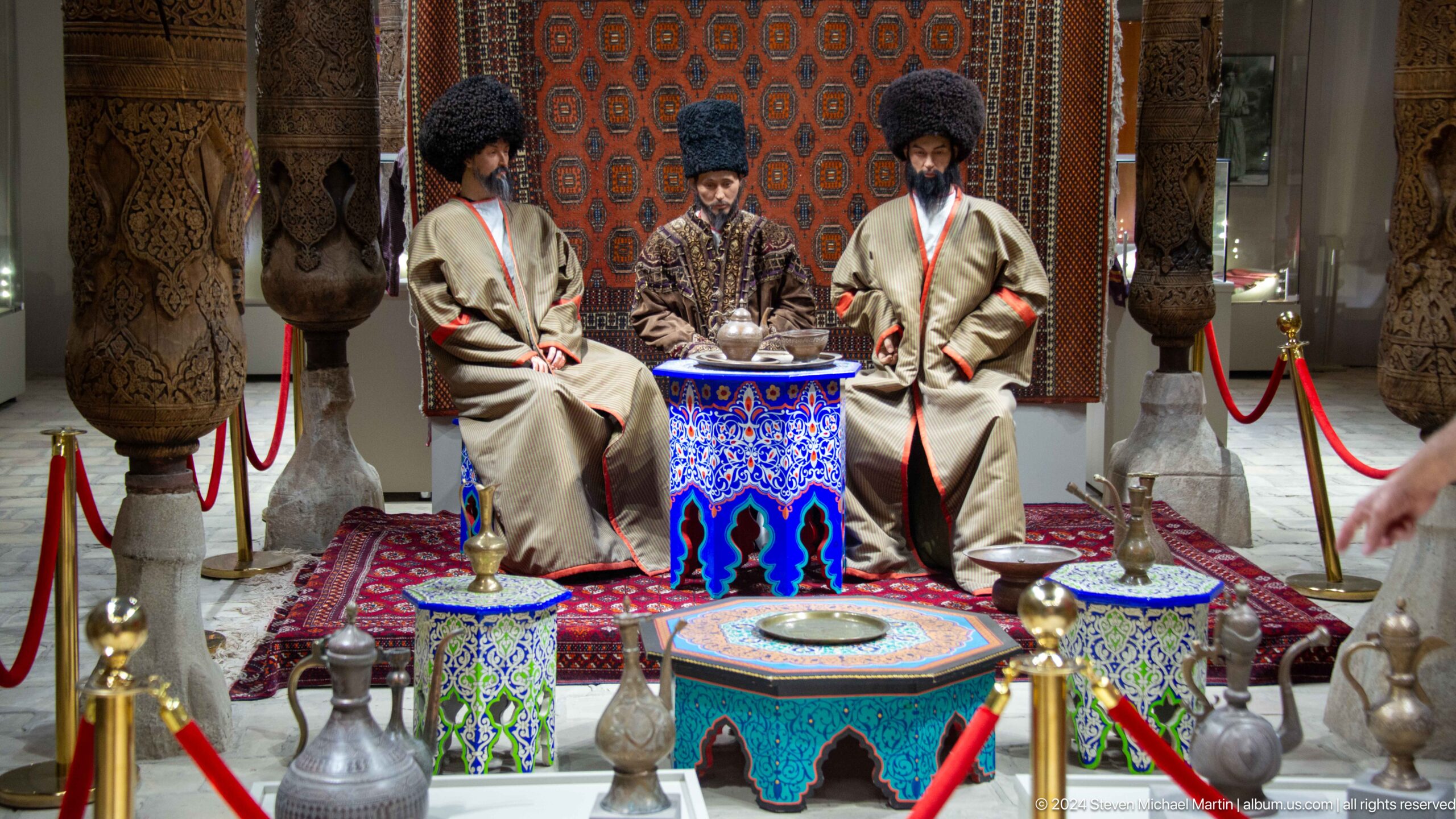
Museum diorama of court life is documented within Khiva’s walled historic center. The photograph emphasizes its visible form, materials, ornament, and relationship to the surrounding urban fabric, preserving a focused record of the architecture, craft tradition, daily life, or travel experience represented in this view.
Caption
Museum diorama of court life is documented within Khiva’s walled historic center. The photograph emphasizes its visible form, materials, ornament, and relationship to the surrounding urban fabric, preserving a focused record of the architecture, craft tradition, daily life, or travel experience represented in this view.
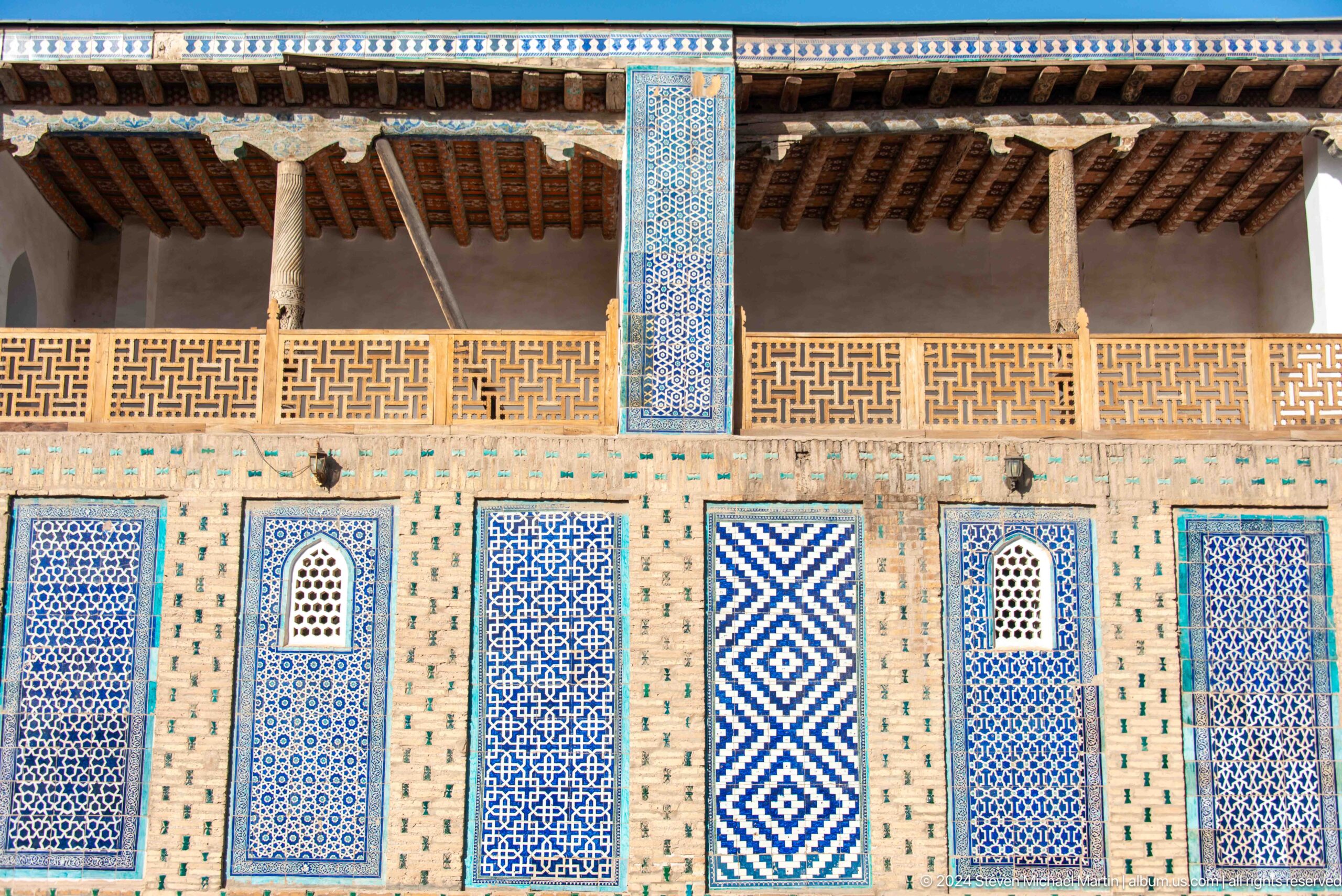
Palace courtyard wall is documented within Khiva’s walled historic center. The photograph emphasizes its visible form, materials, ornament, and relationship to the surrounding urban fabric, preserving a focused record of the architecture, craft tradition, daily life, or travel experience represented in this view.
Caption
Palace courtyard wall is documented within Khiva’s walled historic center. The photograph emphasizes its visible form, materials, ornament, and relationship to the surrounding urban fabric, preserving a focused record of the architecture, craft tradition, daily life, or travel experience represented in this view.

Palace balcony structure is documented within Khiva’s walled historic center. The photograph emphasizes its visible form, materials, ornament, and relationship to the surrounding urban fabric, preserving a focused record of the architecture, craft tradition, daily life, or travel experience represented in this view.
Caption
Palace balcony structure is documented within Khiva’s walled historic center. The photograph emphasizes its visible form, materials, ornament, and relationship to the surrounding urban fabric, preserving a focused record of the architecture, craft tradition, daily life, or travel experience represented in this view.
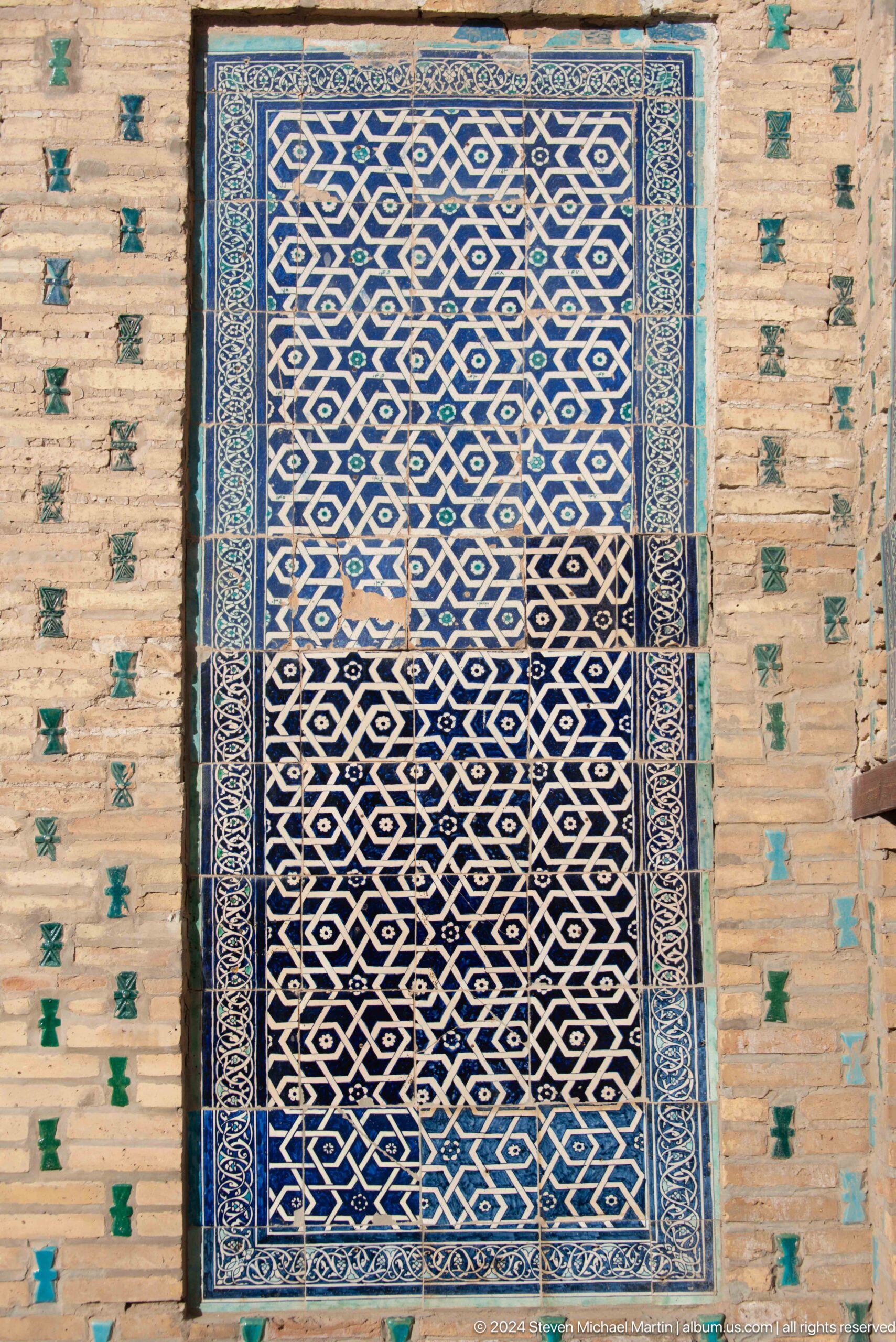
Tilework detail is documented within Khiva’s walled historic center. The photograph emphasizes its visible form, materials, ornament, and relationship to the surrounding urban fabric, preserving a focused record of the architecture, craft tradition, daily life, or travel experience represented in this view.
Caption
Tilework detail is documented within Khiva’s walled historic center. The photograph emphasizes its visible form, materials, ornament, and relationship to the surrounding urban fabric, preserving a focused record of the architecture, craft tradition, daily life, or travel experience represented in this view.
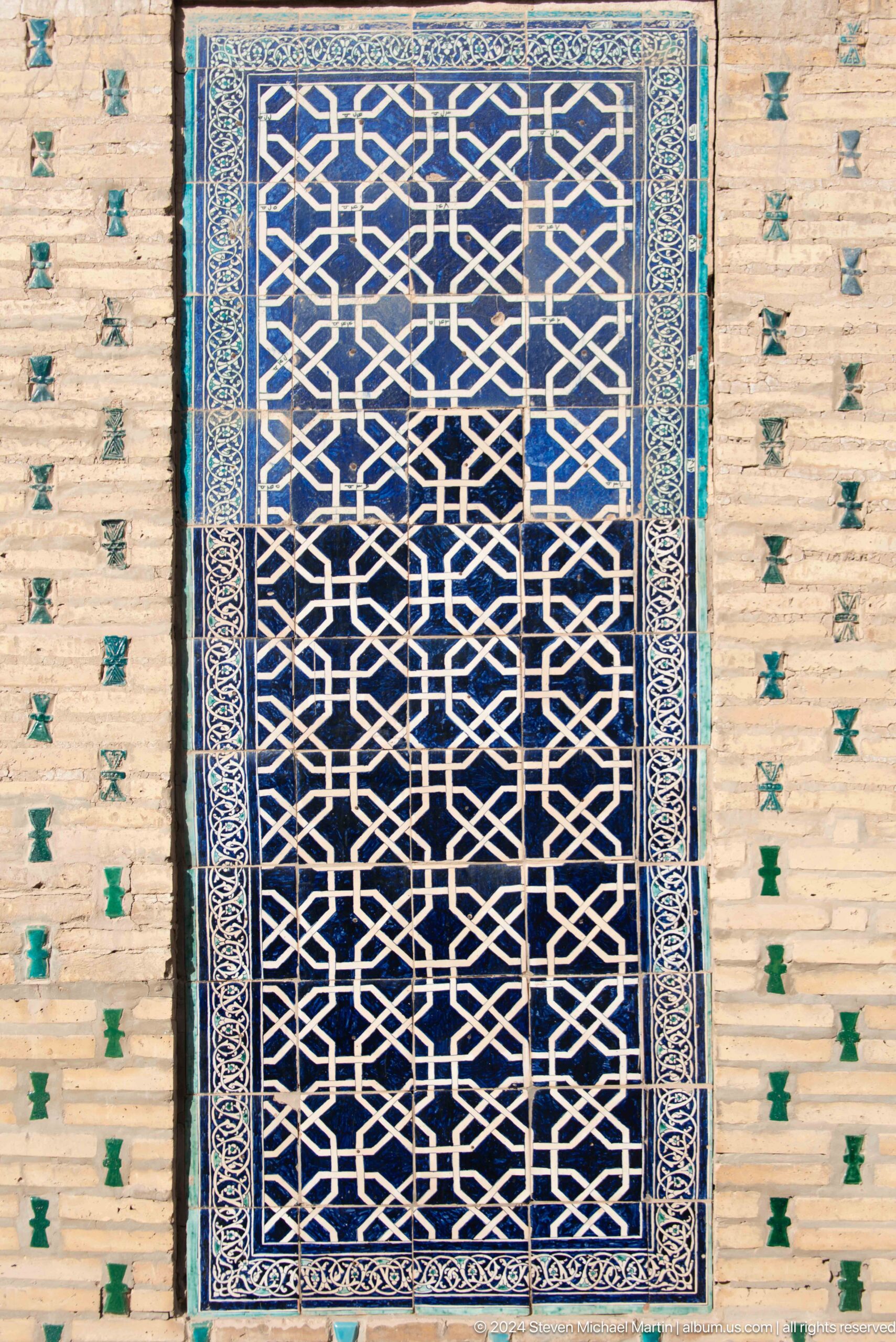
Tilework detail is documented within Khiva’s walled historic center. The photograph emphasizes its visible form, materials, ornament, and relationship to the surrounding urban fabric, preserving a focused record of the architecture, craft tradition, daily life, or travel experience represented in this view.
Caption
Tilework detail is documented within Khiva’s walled historic center. The photograph emphasizes its visible form, materials, ornament, and relationship to the surrounding urban fabric, preserving a focused record of the architecture, craft tradition, daily life, or travel experience represented in this view.
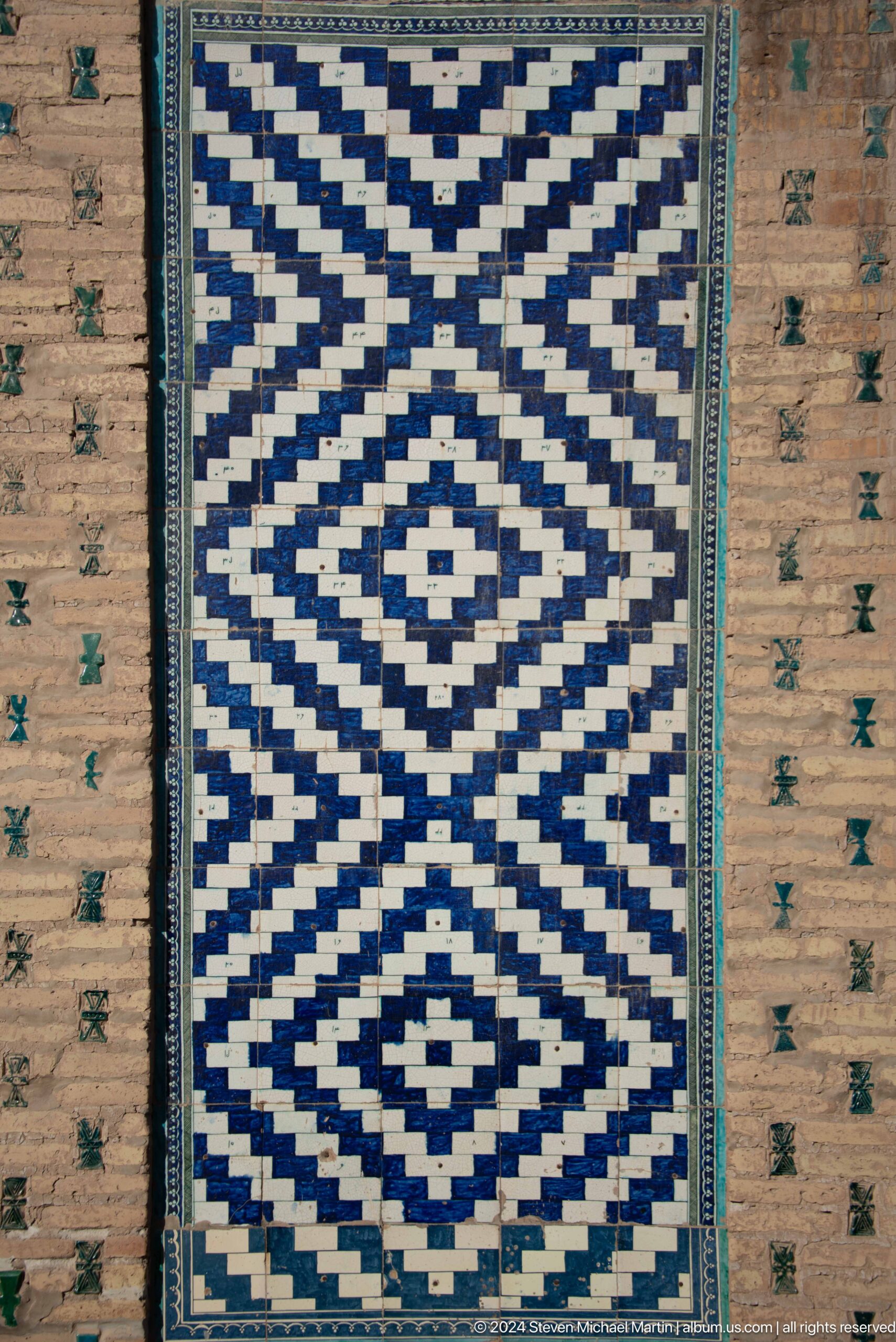
Geometric tile panel is documented within Khiva’s walled historic center. The photograph emphasizes its visible form, materials, ornament, and relationship to the surrounding urban fabric, preserving a focused record of the architecture, craft tradition, daily life, or travel experience represented in this view.
Caption
Geometric tile panel is documented within Khiva’s walled historic center. The photograph emphasizes its visible form, materials, ornament, and relationship to the surrounding urban fabric, preserving a focused record of the architecture, craft tradition, daily life, or travel experience represented in this view.
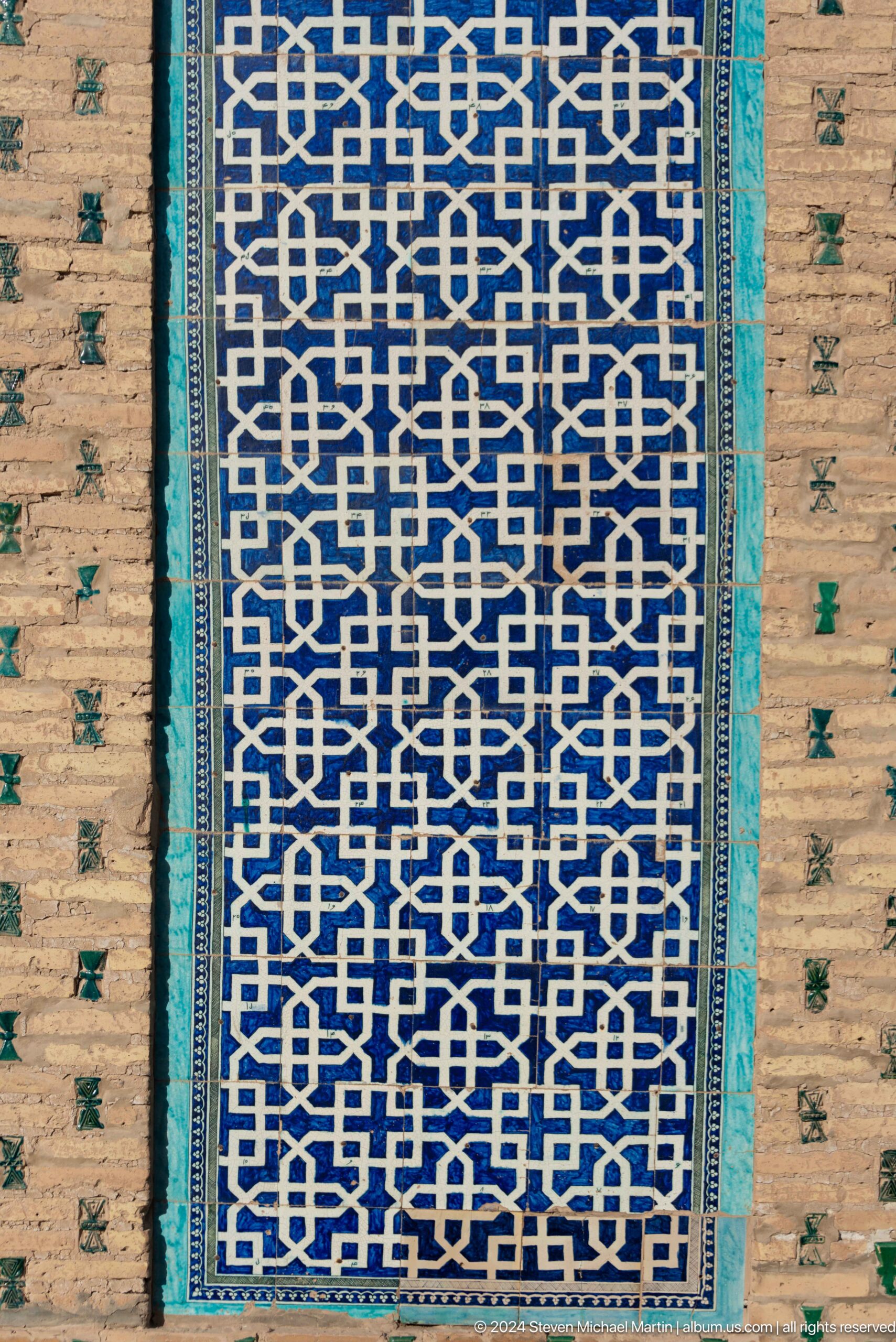
Geometric tile panel is documented within Khiva’s walled historic center. The photograph emphasizes its visible form, materials, ornament, and relationship to the surrounding urban fabric, preserving a focused record of the architecture, craft tradition, daily life, or travel experience represented in this view.
Caption
Geometric tile panel is documented within Khiva’s walled historic center. The photograph emphasizes its visible form, materials, ornament, and relationship to the surrounding urban fabric, preserving a focused record of the architecture, craft tradition, daily life, or travel experience represented in this view.
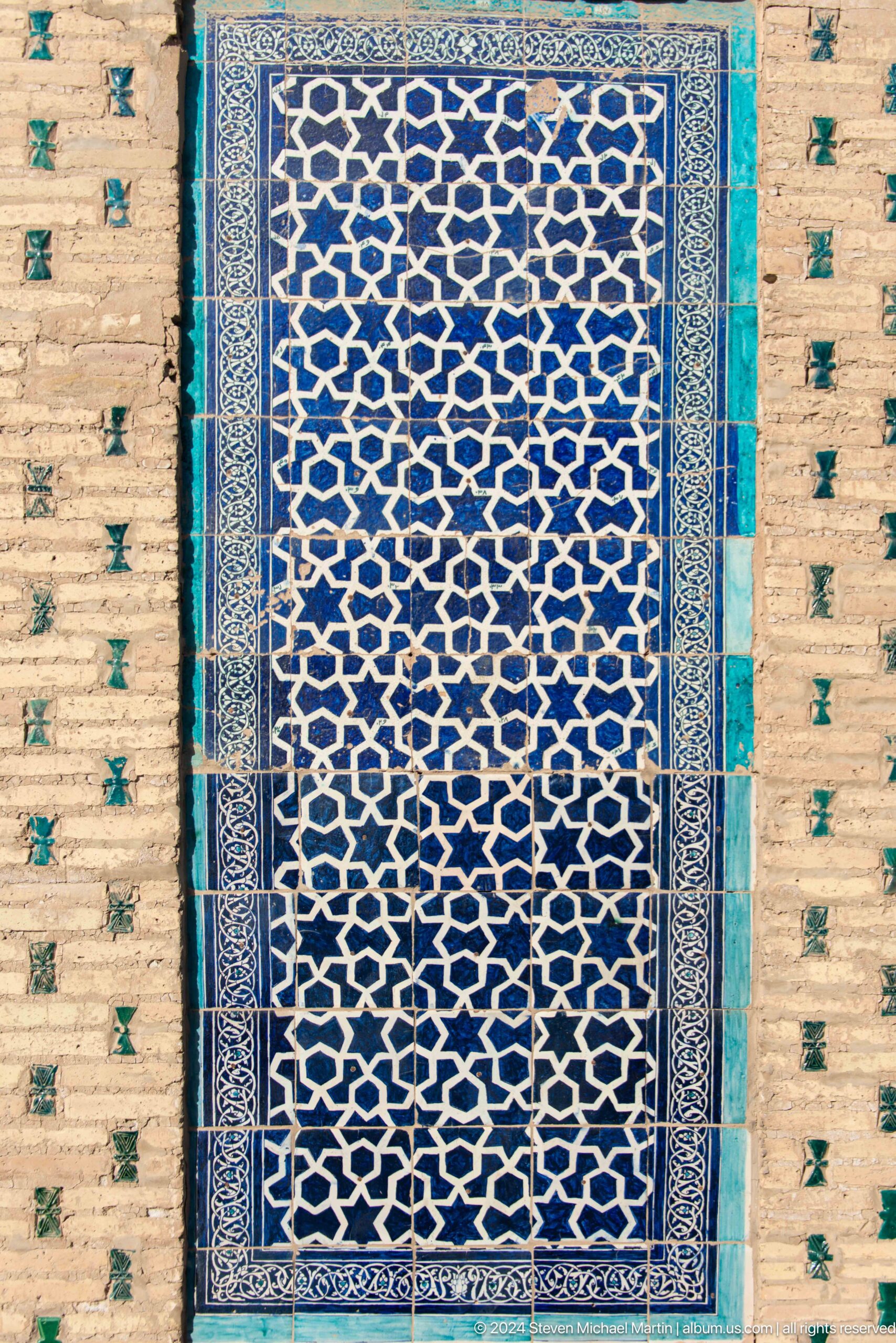
Geometric tile panel is documented within Khiva’s walled historic center. The photograph emphasizes its visible form, materials, ornament, and relationship to the surrounding urban fabric, preserving a focused record of the architecture, craft tradition, daily life, or travel experience represented in this view.
Caption
Geometric tile panel is documented within Khiva’s walled historic center. The photograph emphasizes its visible form, materials, ornament, and relationship to the surrounding urban fabric, preserving a focused record of the architecture, craft tradition, daily life, or travel experience represented in this view.
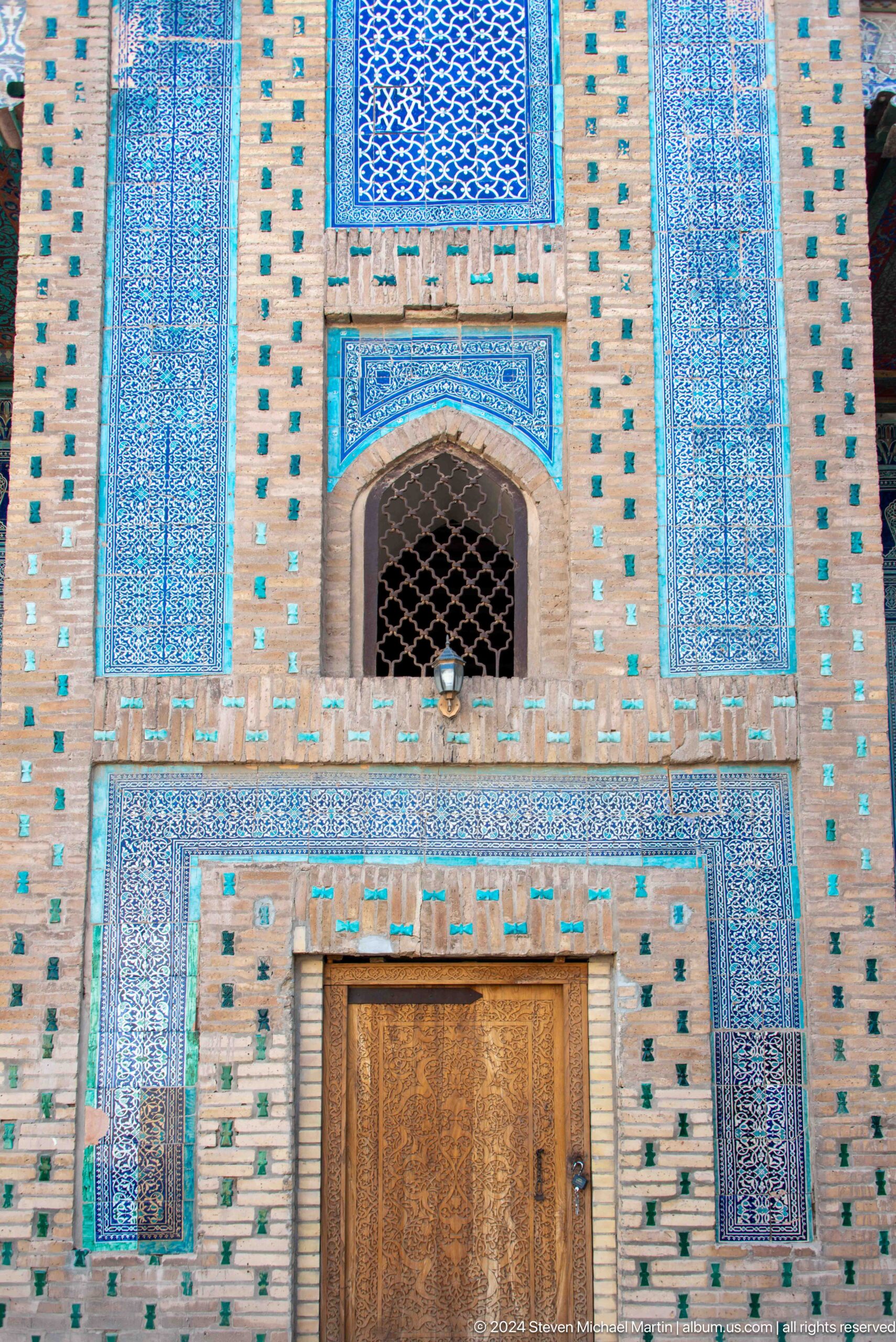
Historic tiled facade is documented within Khiva’s walled historic center. The photograph emphasizes its visible form, materials, ornament, and relationship to the surrounding urban fabric, preserving a focused record of the architecture, craft tradition, daily life, or travel experience represented in this view.
Caption
Historic tiled facade is documented within Khiva’s walled historic center. The photograph emphasizes its visible form, materials, ornament, and relationship to the surrounding urban fabric, preserving a focused record of the architecture, craft tradition, daily life, or travel experience represented in this view.
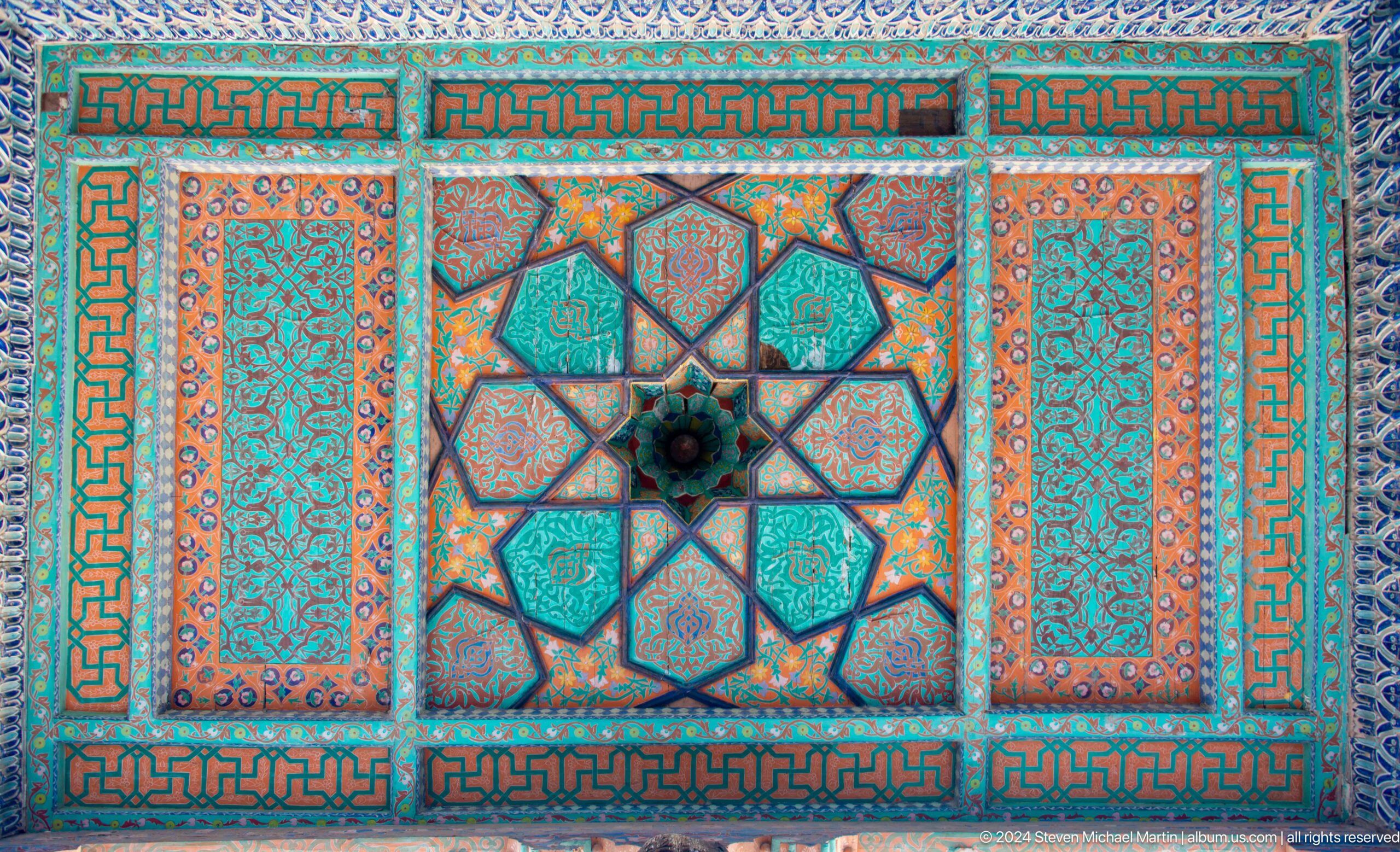
Decorative ceiling is documented within Khiva’s walled historic center. The photograph emphasizes its visible form, materials, ornament, and relationship to the surrounding urban fabric, preserving a focused record of the architecture, craft tradition, daily life, or travel experience represented in this view.
Caption
Decorative ceiling is documented within Khiva’s walled historic center. The photograph emphasizes its visible form, materials, ornament, and relationship to the surrounding urban fabric, preserving a focused record of the architecture, craft tradition, daily life, or travel experience represented in this view.
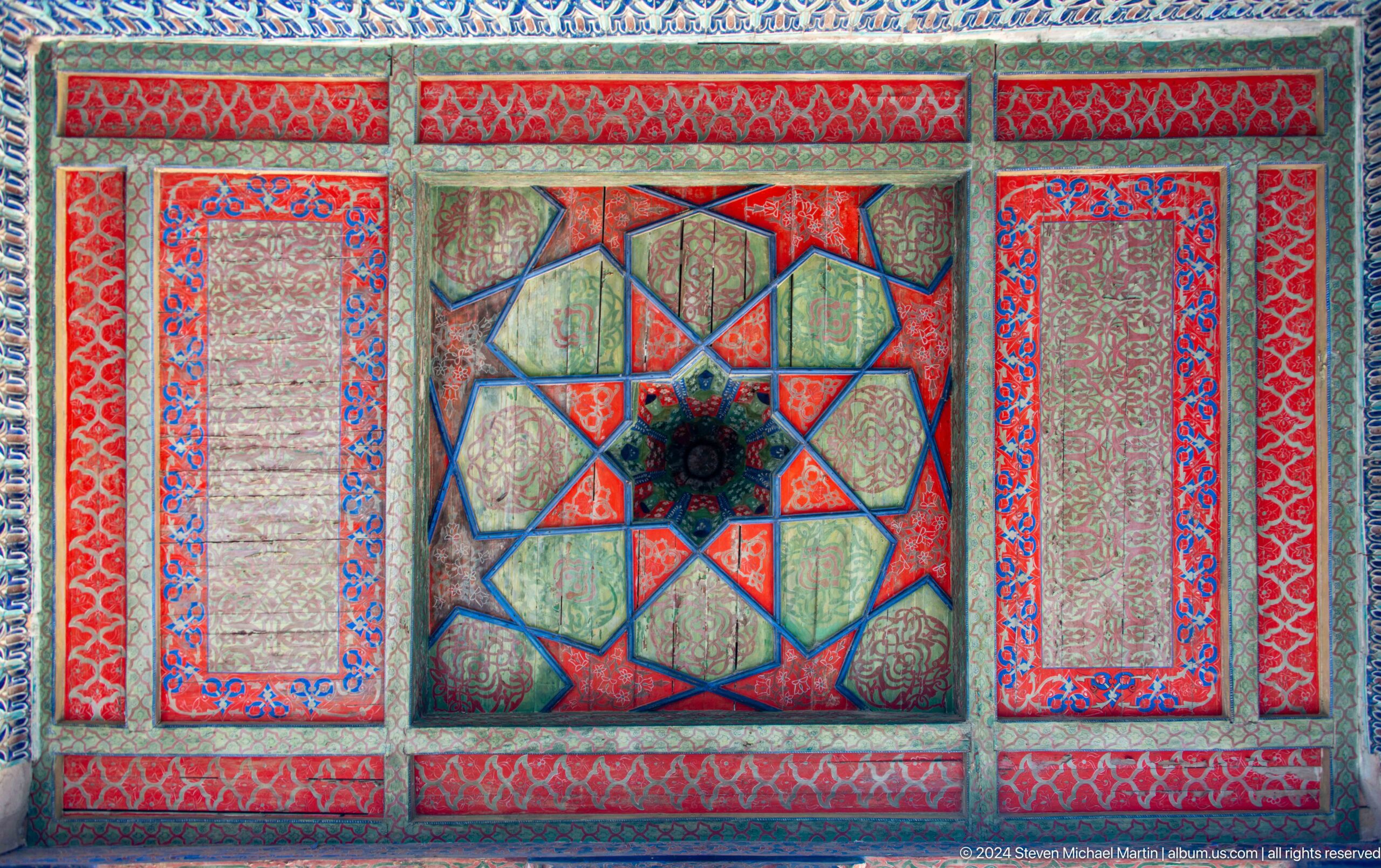
Painted wooden ceiling is documented within Khiva’s walled historic center. The photograph emphasizes its visible form, materials, ornament, and relationship to the surrounding urban fabric, preserving a focused record of the architecture, craft tradition, daily life, or travel experience represented in this view.
Caption
Painted wooden ceiling is documented within Khiva’s walled historic center. The photograph emphasizes its visible form, materials, ornament, and relationship to the surrounding urban fabric, preserving a focused record of the architecture, craft tradition, daily life, or travel experience represented in this view.
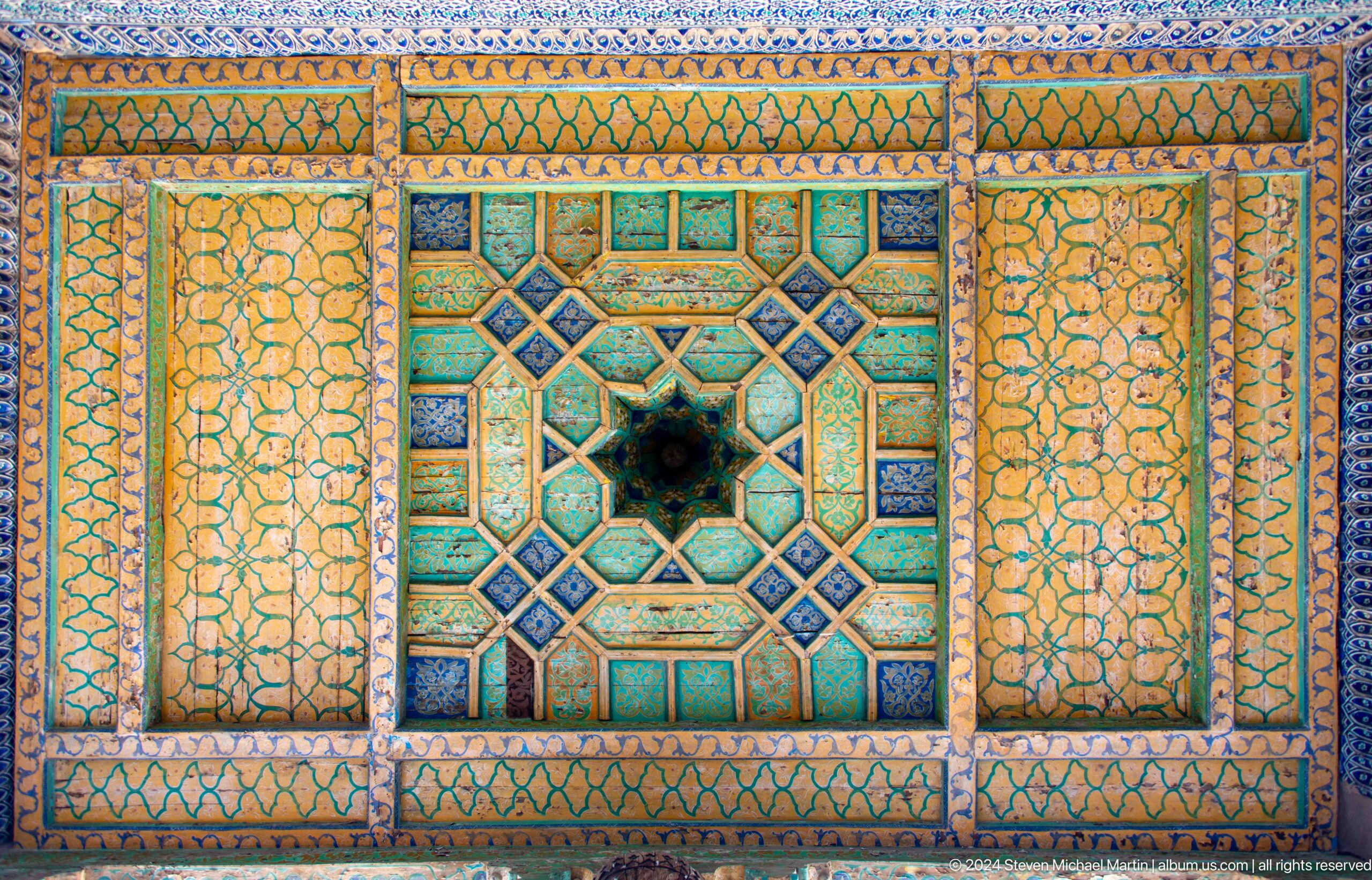
Painted wooden ceiling is documented within Khiva’s walled historic center. The photograph emphasizes its visible form, materials, ornament, and relationship to the surrounding urban fabric, preserving a focused record of the architecture, craft tradition, daily life, or travel experience represented in this view.
Caption
Painted wooden ceiling is documented within Khiva’s walled historic center. The photograph emphasizes its visible form, materials, ornament, and relationship to the surrounding urban fabric, preserving a focused record of the architecture, craft tradition, daily life, or travel experience represented in this view.
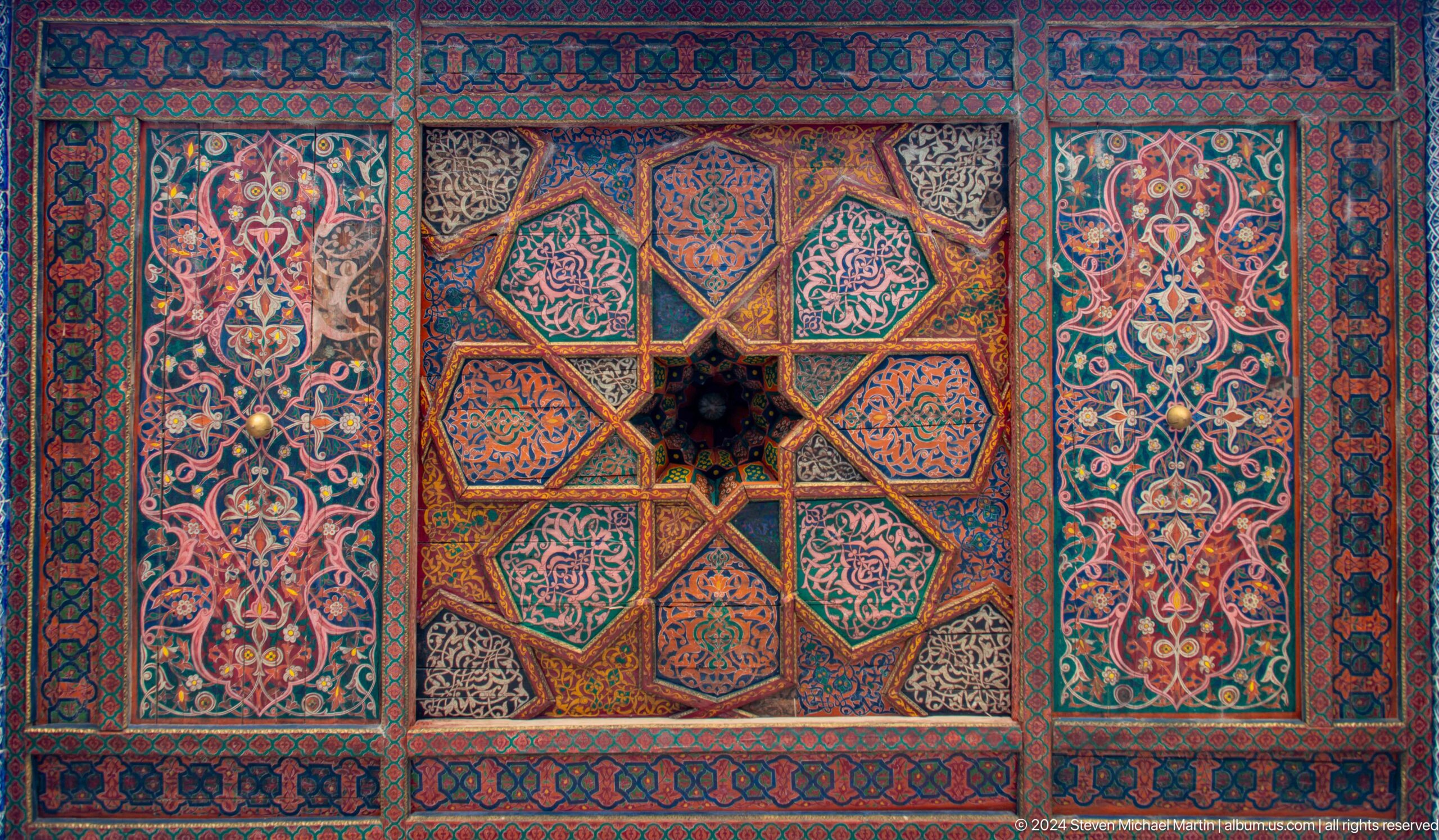
Painted wooden ceiling is documented within Khiva’s walled historic center. The photograph emphasizes its visible form, materials, ornament, and relationship to the surrounding urban fabric, preserving a focused record of the architecture, craft tradition, daily life, or travel experience represented in this view.
Caption
Painted wooden ceiling is documented within Khiva’s walled historic center. The photograph emphasizes its visible form, materials, ornament, and relationship to the surrounding urban fabric, preserving a focused record of the architecture, craft tradition, daily life, or travel experience represented in this view.

Traditional textile is documented within Khiva’s walled historic center. The photograph emphasizes its visible form, materials, ornament, and relationship to the surrounding urban fabric, preserving a focused record of the architecture, craft tradition, daily life, or travel experience represented in this view.
Caption
Traditional textile is documented within Khiva’s walled historic center. The photograph emphasizes its visible form, materials, ornament, and relationship to the surrounding urban fabric, preserving a focused record of the architecture, craft tradition, daily life, or travel experience represented in this view.
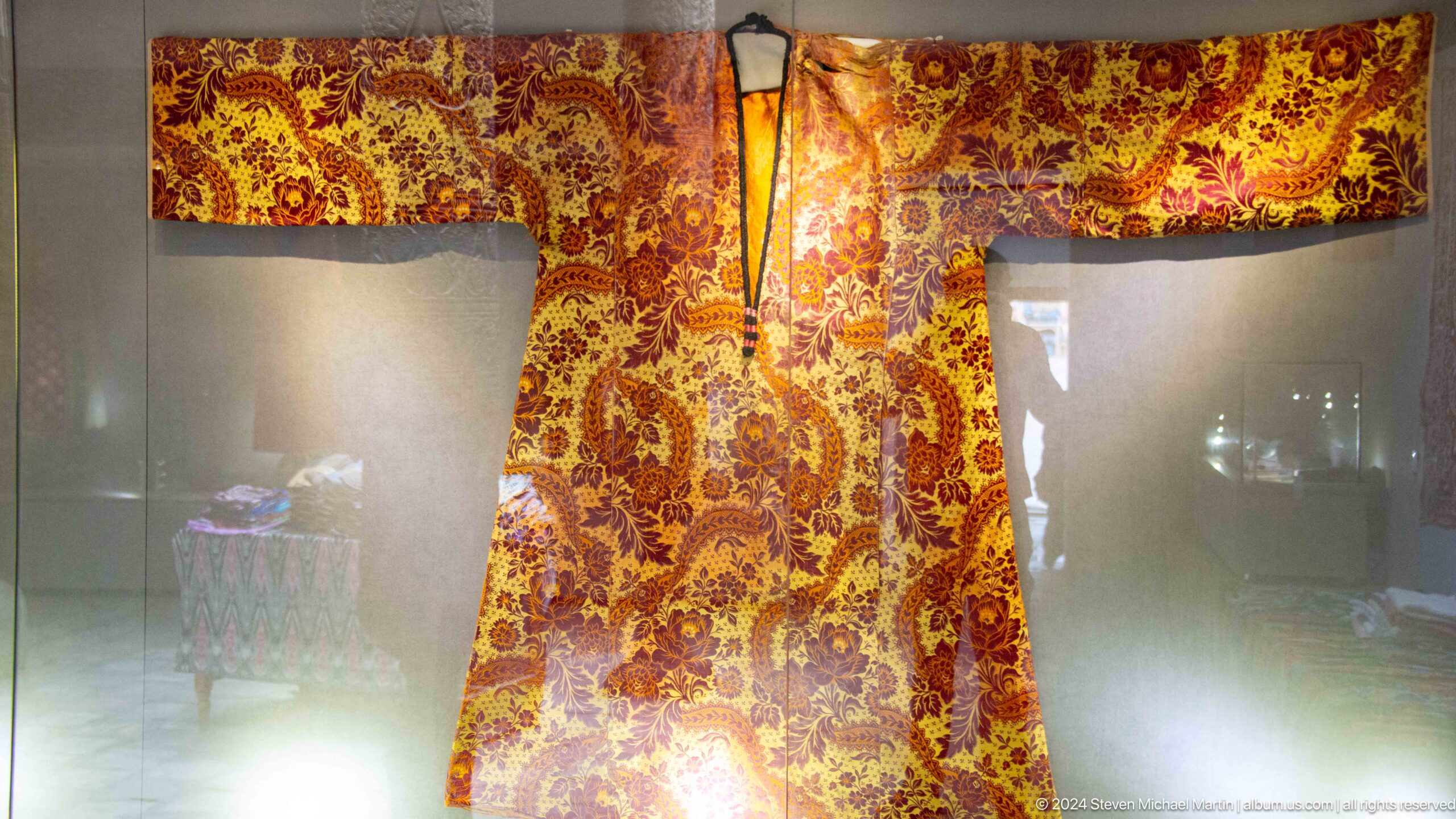
Historic costume display is documented within Khiva’s walled historic center. The photograph emphasizes its visible form, materials, ornament, and relationship to the surrounding urban fabric, preserving a focused record of the architecture, craft tradition, daily life, or travel experience represented in this view.
Caption
Historic costume display is documented within Khiva’s walled historic center. The photograph emphasizes its visible form, materials, ornament, and relationship to the surrounding urban fabric, preserving a focused record of the architecture, craft tradition, daily life, or travel experience represented in this view.
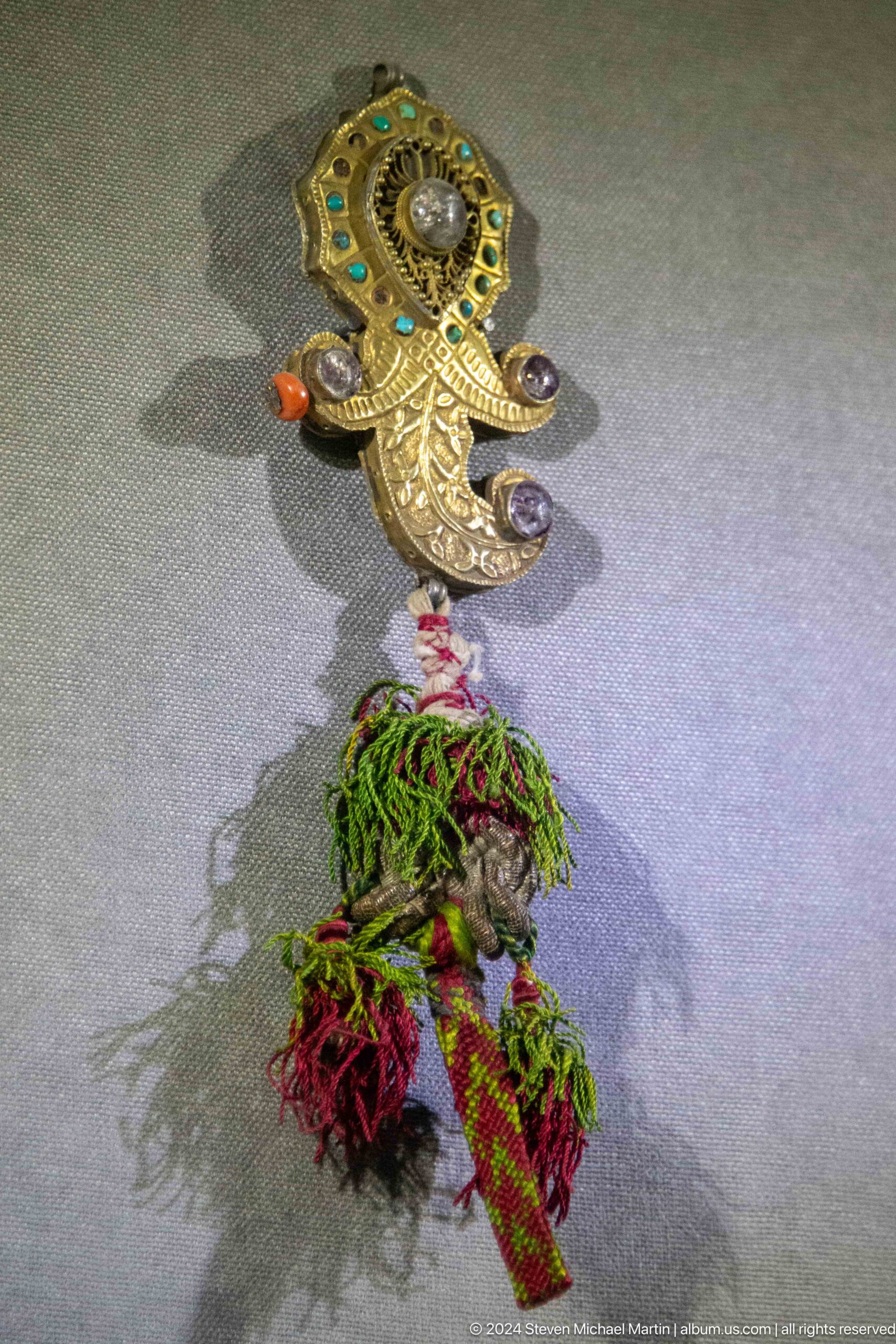
Decorative horse or costume fitting is documented within Khiva’s walled historic center. The photograph emphasizes its visible form, materials, ornament, and relationship to the surrounding urban fabric, preserving a focused record of the architecture, craft tradition, daily life, or travel experience represented in this view.
Caption
Decorative horse or costume fitting is documented within Khiva’s walled historic center. The photograph emphasizes its visible form, materials, ornament, and relationship to the surrounding urban fabric, preserving a focused record of the architecture, craft tradition, daily life, or travel experience represented in this view.
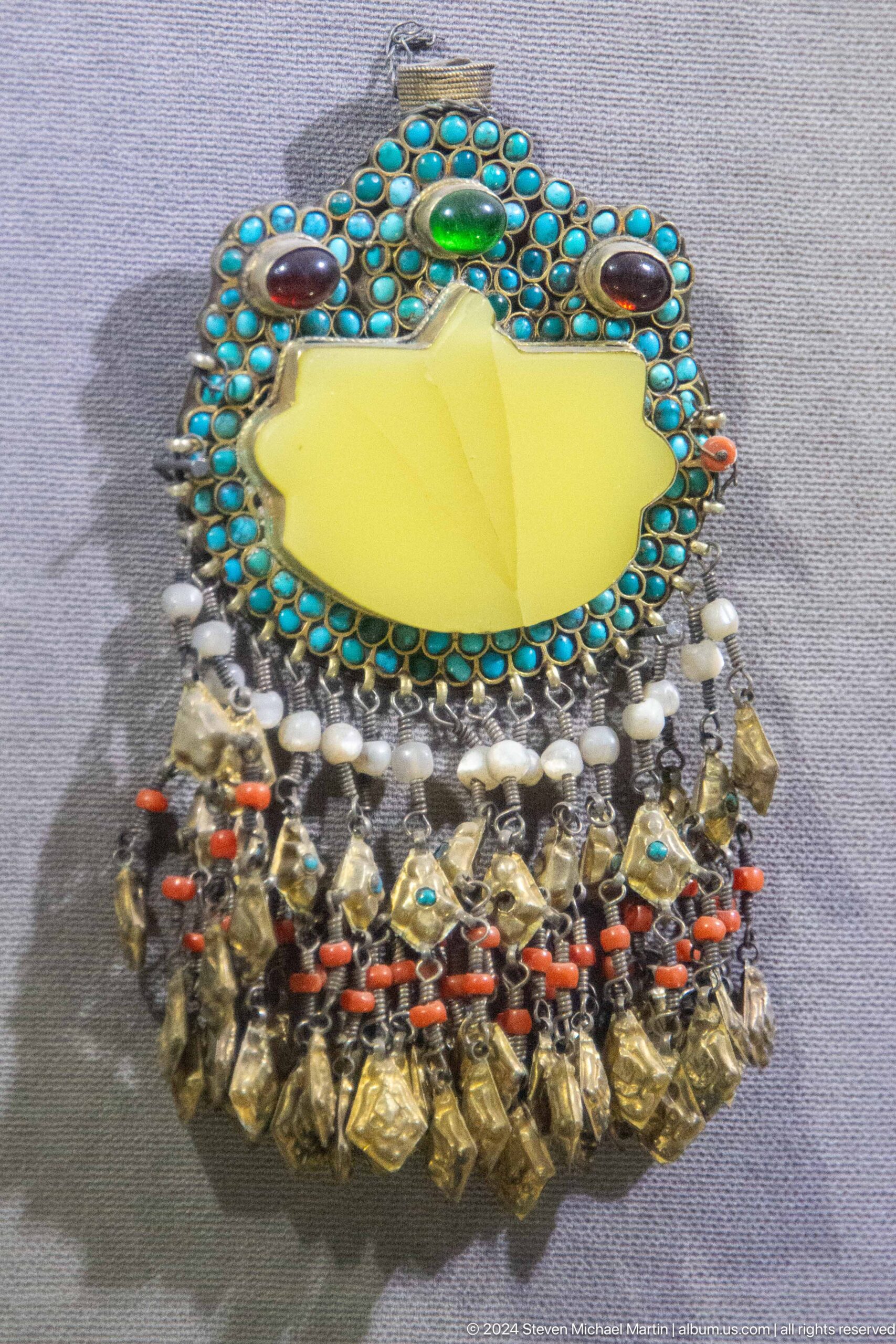
Traditional jewelry is documented within Khiva’s walled historic center. The photograph emphasizes its visible form, materials, ornament, and relationship to the surrounding urban fabric, preserving a focused record of the architecture, craft tradition, daily life, or travel experience represented in this view.
Caption
Traditional jewelry is documented within Khiva’s walled historic center. The photograph emphasizes its visible form, materials, ornament, and relationship to the surrounding urban fabric, preserving a focused record of the architecture, craft tradition, daily life, or travel experience represented in this view.
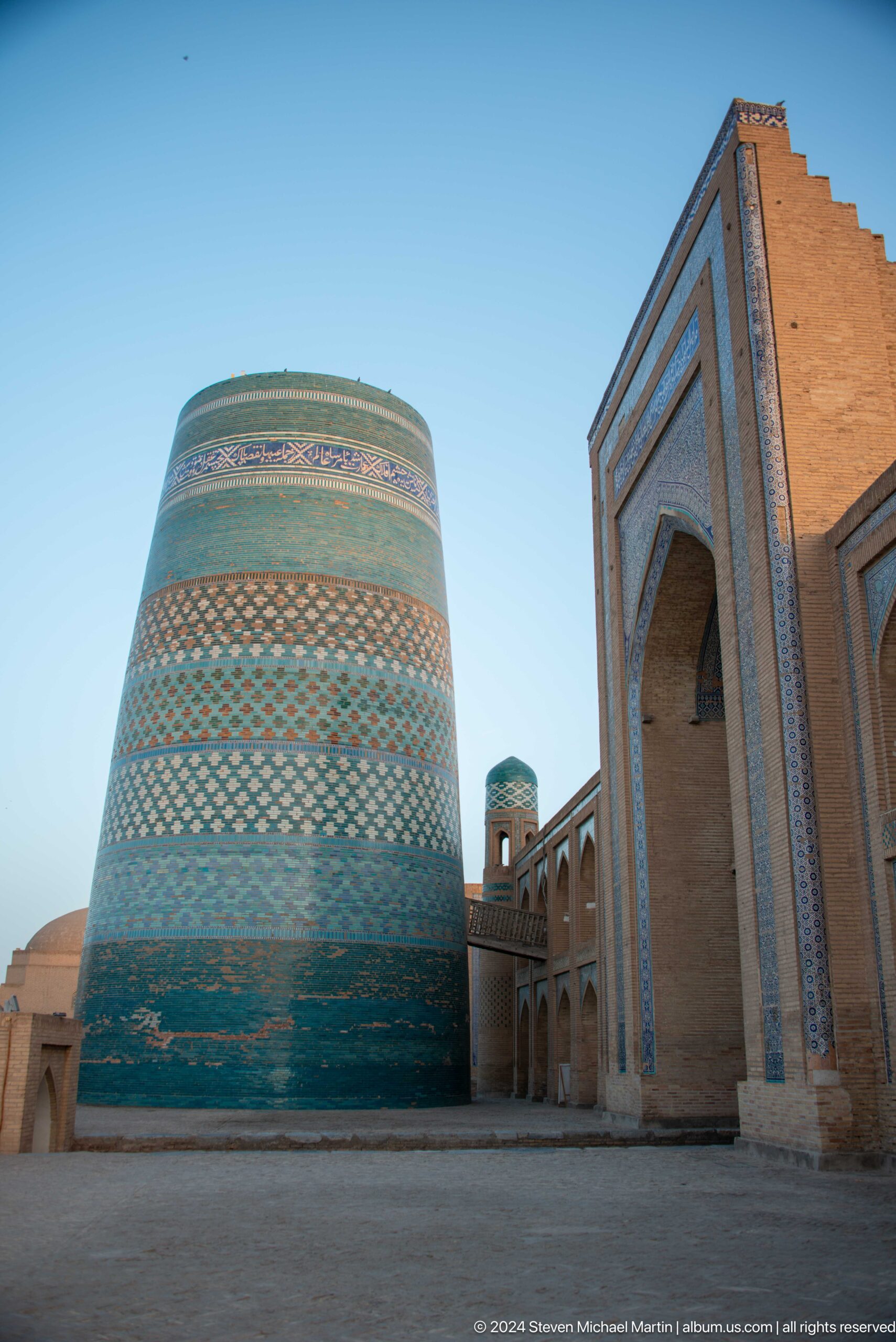
Kalta minor is documented within Khiva’s walled historic center. The photograph emphasizes its visible form, materials, ornament, and relationship to the surrounding urban fabric, preserving a focused record of the architecture, craft tradition, daily life, or travel experience represented in this view.
Caption
Kalta minor is documented within Khiva’s walled historic center. The photograph emphasizes its visible form, materials, ornament, and relationship to the surrounding urban fabric, preserving a focused record of the architecture, craft tradition, daily life, or travel experience represented in this view.
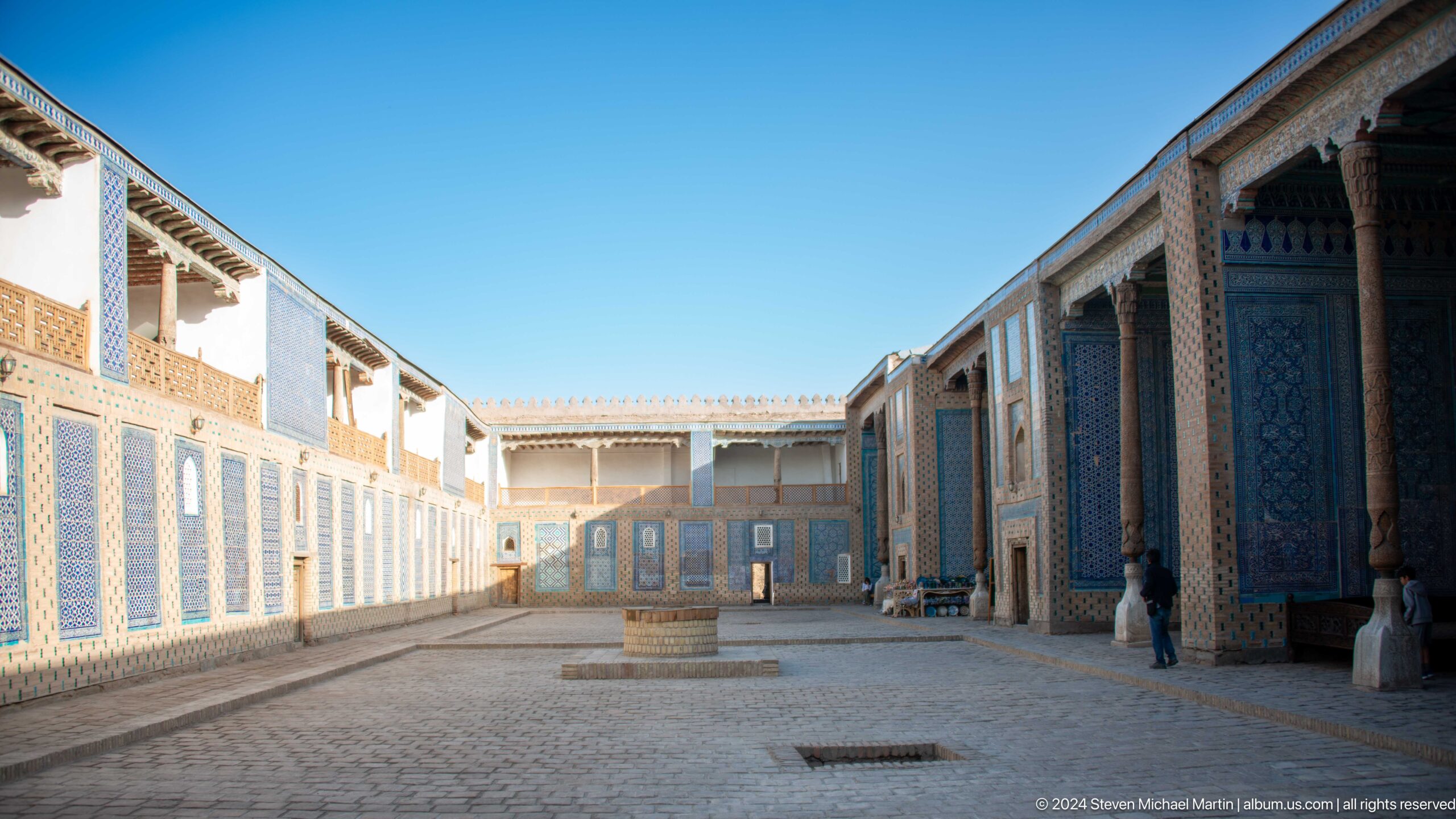
Tosh-hovli palace courtyard is documented within Khiva’s walled historic center. The photograph emphasizes its visible form, materials, ornament, and relationship to the surrounding urban fabric, preserving a focused record of the architecture, craft tradition, daily life, or travel experience represented in this view.
Caption
Tosh-hovli palace courtyard is documented within Khiva’s walled historic center. The photograph emphasizes its visible form, materials, ornament, and relationship to the surrounding urban fabric, preserving a focused record of the architecture, craft tradition, daily life, or travel experience represented in this view.
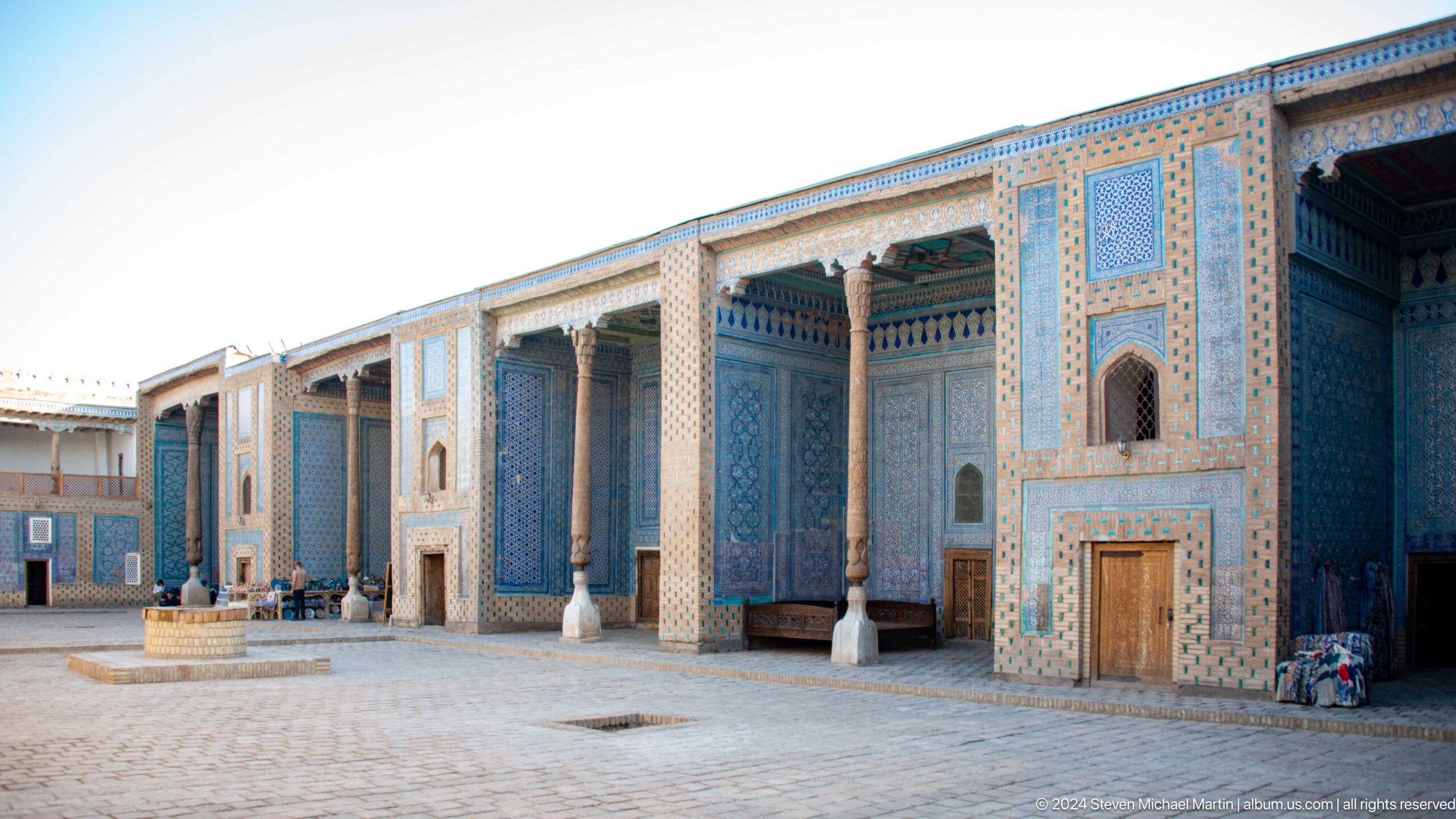
Palace courtyard facade is documented within Khiva’s walled historic center. The photograph emphasizes its visible form, materials, ornament, and relationship to the surrounding urban fabric, preserving a focused record of the architecture, craft tradition, daily life, or travel experience represented in this view.
Caption
Palace courtyard facade is documented within Khiva’s walled historic center. The photograph emphasizes its visible form, materials, ornament, and relationship to the surrounding urban fabric, preserving a focused record of the architecture, craft tradition, daily life, or travel experience represented in this view.
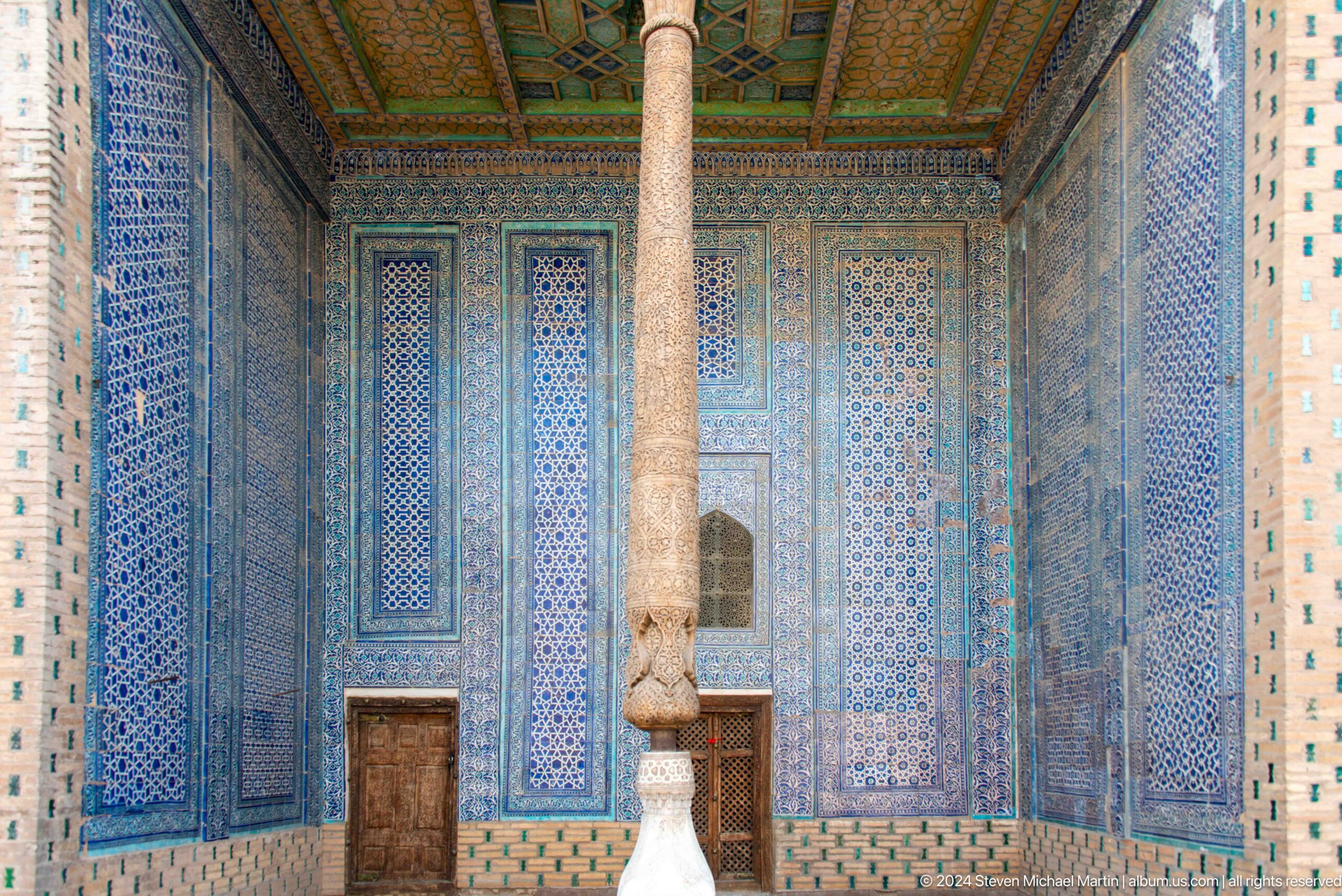
Tosh-hovli reception iwan is documented within Khiva’s walled historic center. The photograph emphasizes its visible form, materials, ornament, and relationship to the surrounding urban fabric, preserving a focused record of the architecture, craft tradition, daily life, or travel experience represented in this view.
Caption
Tosh-hovli reception iwan is documented within Khiva’s walled historic center. The photograph emphasizes its visible form, materials, ornament, and relationship to the surrounding urban fabric, preserving a focused record of the architecture, craft tradition, daily life, or travel experience represented in this view.
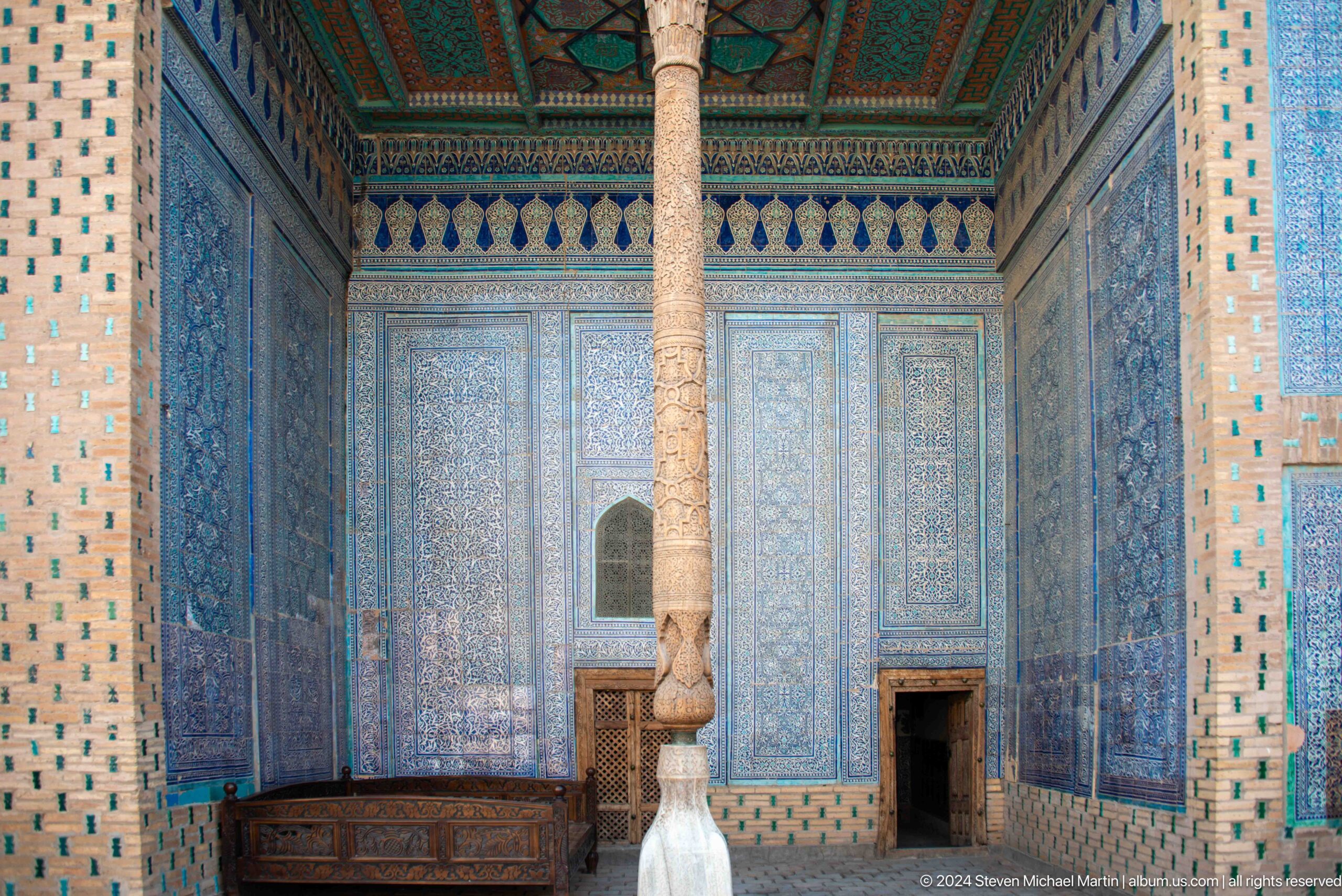
Palace architectural detail is documented within Khiva’s walled historic center. The photograph emphasizes its visible form, materials, ornament, and relationship to the surrounding urban fabric, preserving a focused record of the architecture, craft tradition, daily life, or travel experience represented in this view.
Caption
Palace architectural detail is documented within Khiva’s walled historic center. The photograph emphasizes its visible form, materials, ornament, and relationship to the surrounding urban fabric, preserving a focused record of the architecture, craft tradition, daily life, or travel experience represented in this view.
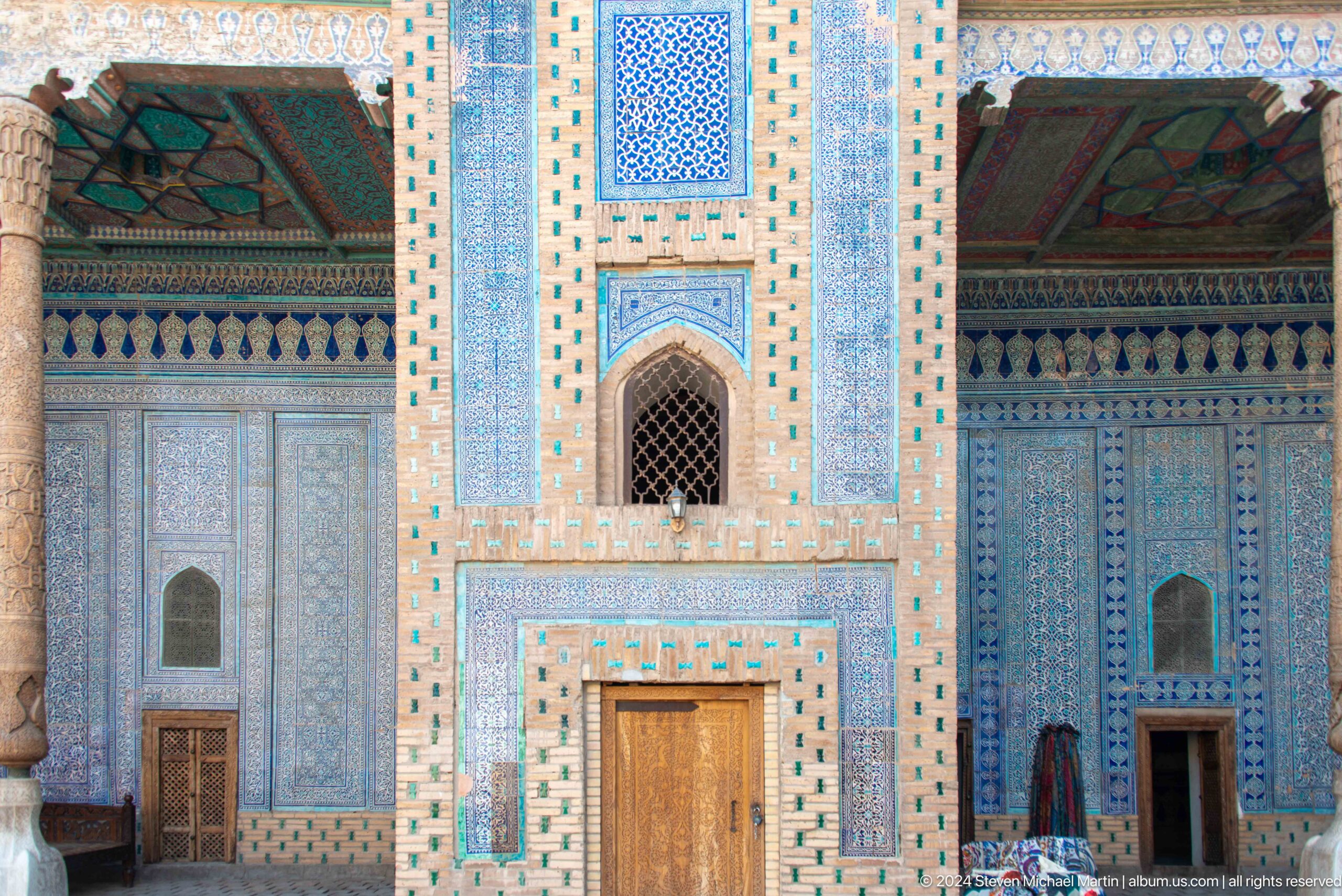
Palace courtyard wall is documented within Khiva’s walled historic center. The photograph emphasizes its visible form, materials, ornament, and relationship to the surrounding urban fabric, preserving a focused record of the architecture, craft tradition, daily life, or travel experience represented in this view.
Caption
Palace courtyard wall is documented within Khiva’s walled historic center. The photograph emphasizes its visible form, materials, ornament, and relationship to the surrounding urban fabric, preserving a focused record of the architecture, craft tradition, daily life, or travel experience represented in this view.
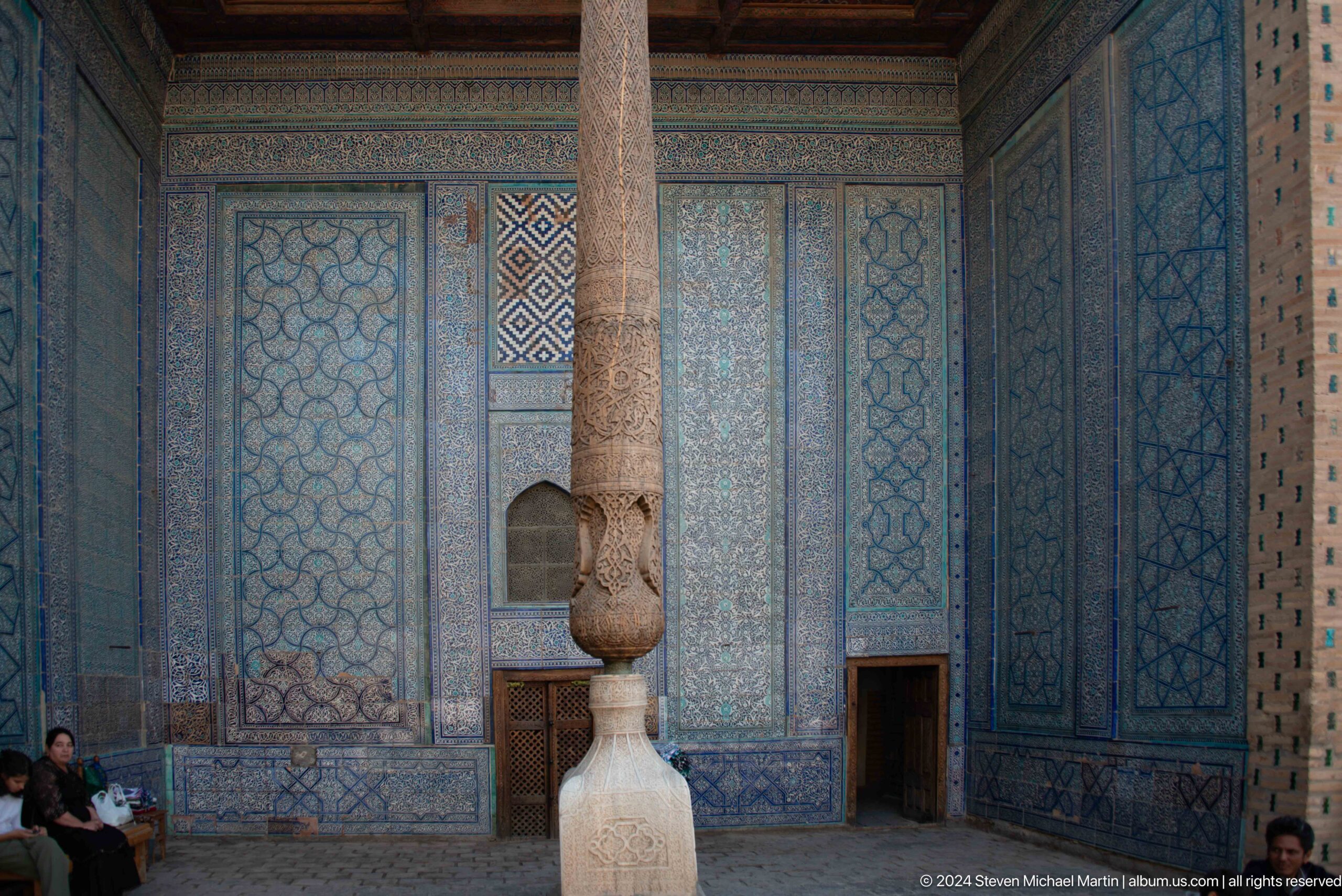
Palace column detail is documented within Khiva’s walled historic center. The photograph emphasizes its visible form, materials, ornament, and relationship to the surrounding urban fabric, preserving a focused record of the architecture, craft tradition, daily life, or travel experience represented in this view.
Caption
Palace column detail is documented within Khiva’s walled historic center. The photograph emphasizes its visible form, materials, ornament, and relationship to the surrounding urban fabric, preserving a focused record of the architecture, craft tradition, daily life, or travel experience represented in this view.
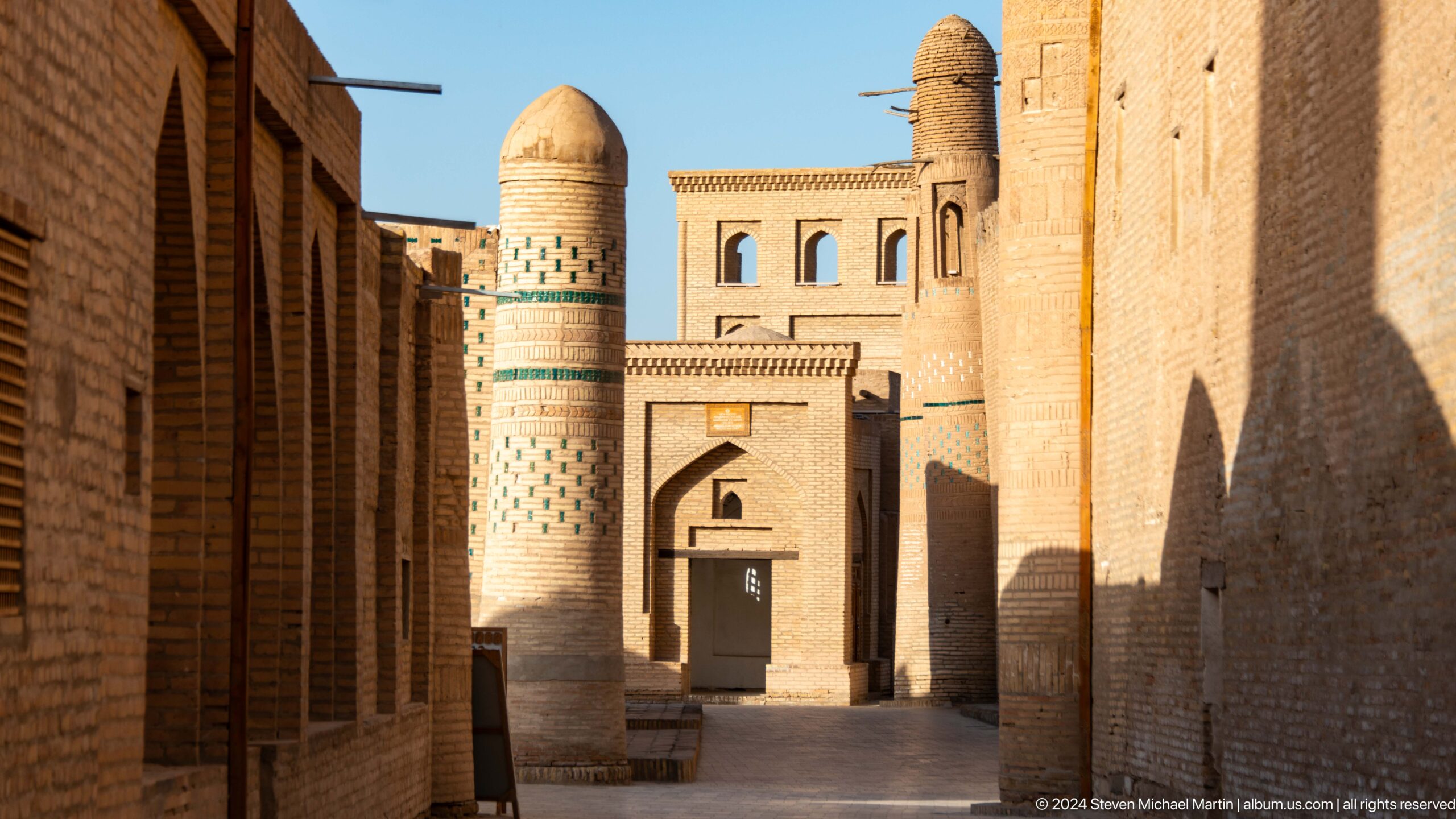
Itchan kala alley is documented within Khiva’s walled historic center. The photograph emphasizes its visible form, materials, ornament, and relationship to the surrounding urban fabric, preserving a focused record of the architecture, craft tradition, daily life, or travel experience represented in this view.
Caption
Itchan kala alley is documented within Khiva’s walled historic center. The photograph emphasizes its visible form, materials, ornament, and relationship to the surrounding urban fabric, preserving a focused record of the architecture, craft tradition, daily life, or travel experience represented in this view.
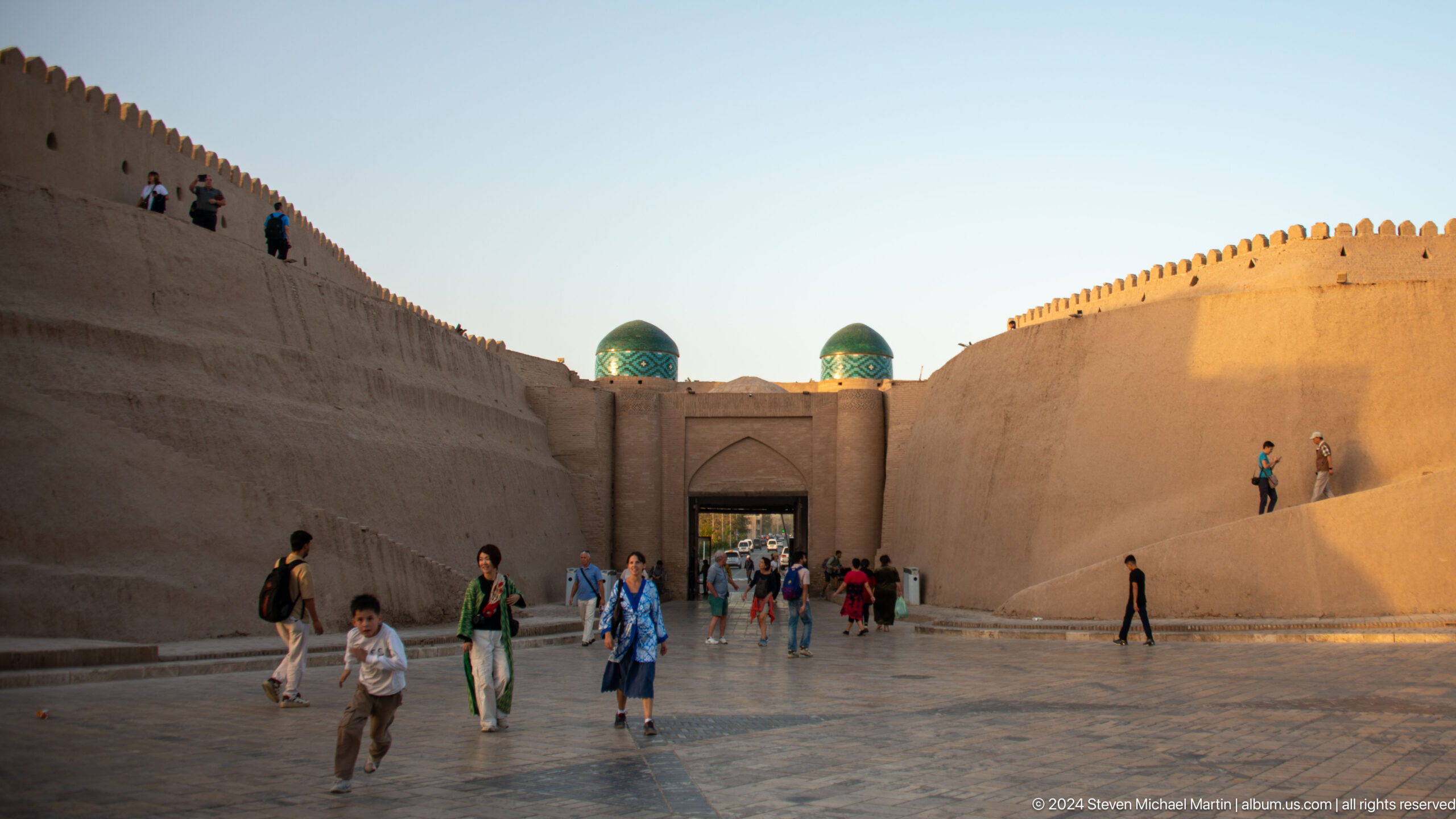
Kunya ark courtyard is documented within Khiva’s walled historic center. The photograph emphasizes its visible form, materials, ornament, and relationship to the surrounding urban fabric, preserving a focused record of the architecture, craft tradition, daily life, or travel experience represented in this view.
Caption
Kunya ark courtyard is documented within Khiva’s walled historic center. The photograph emphasizes its visible form, materials, ornament, and relationship to the surrounding urban fabric, preserving a focused record of the architecture, craft tradition, daily life, or travel experience represented in this view.
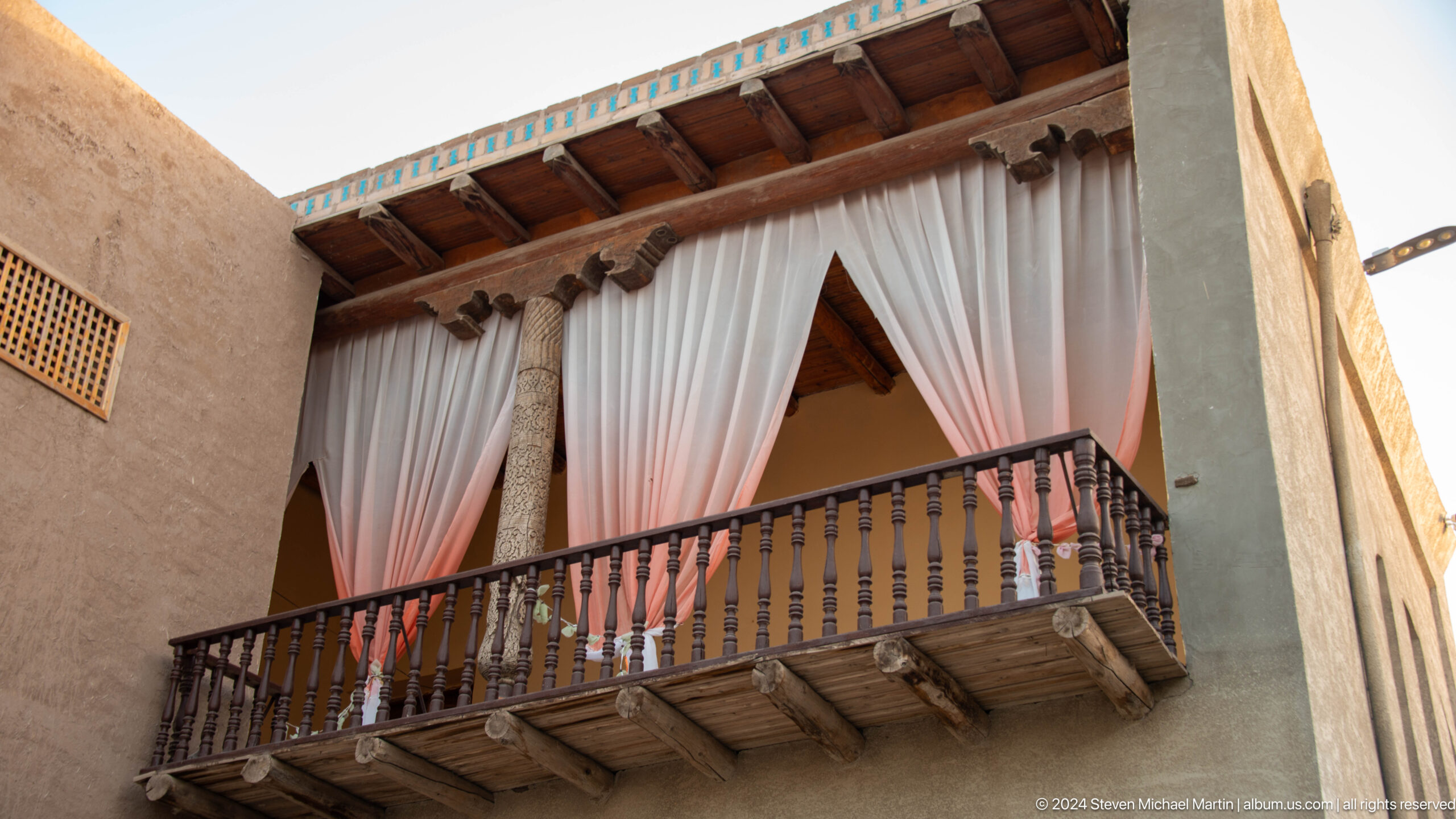
Traditional balcony is documented within Khiva’s walled historic center. The photograph emphasizes its visible form, materials, ornament, and relationship to the surrounding urban fabric, preserving a focused record of the architecture, craft tradition, daily life, or travel experience represented in this view.
Caption
Traditional balcony is documented within Khiva’s walled historic center. The photograph emphasizes its visible form, materials, ornament, and relationship to the surrounding urban fabric, preserving a focused record of the architecture, craft tradition, daily life, or travel experience represented in this view.
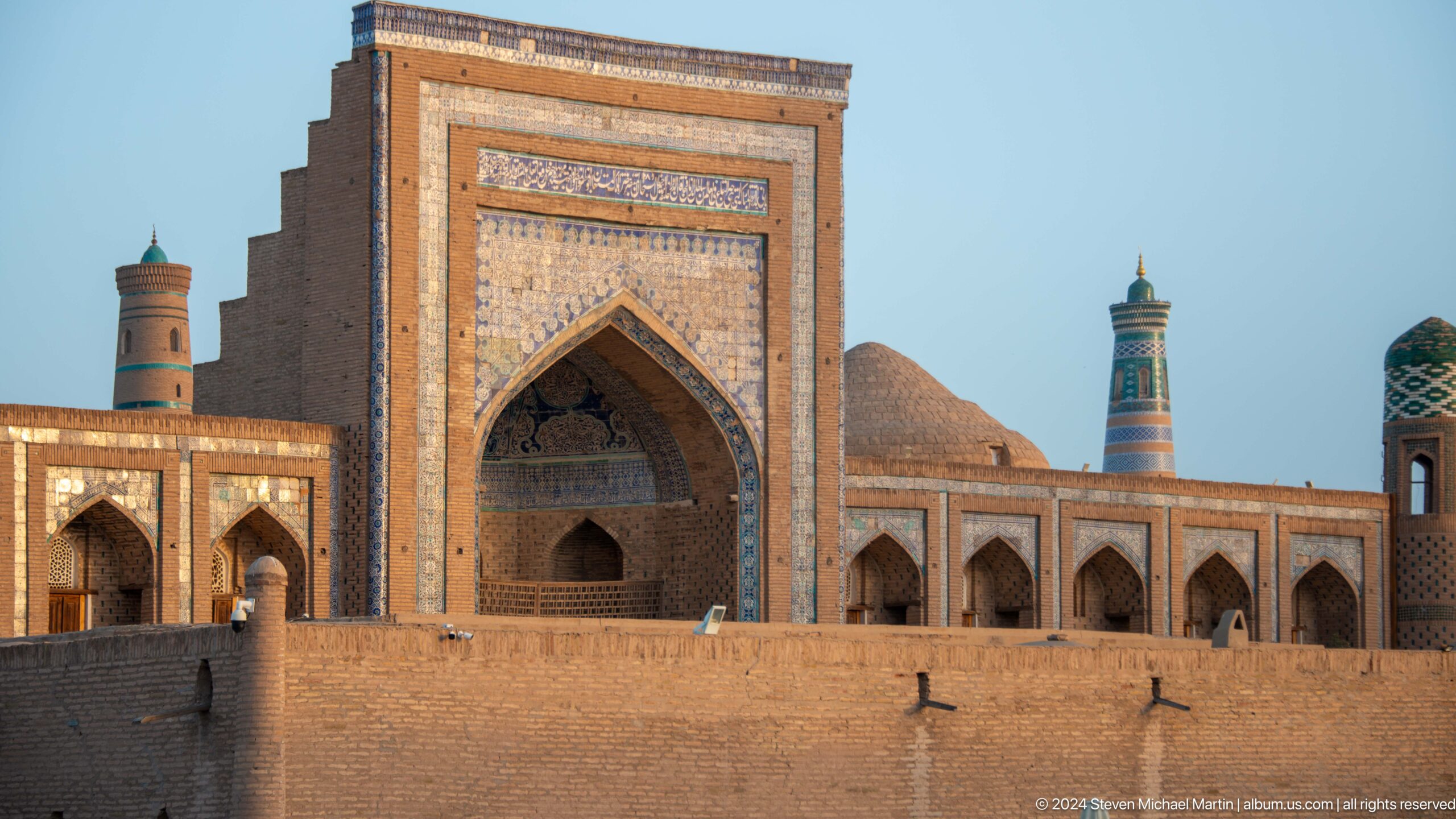
Madrasa portal is documented within Khiva’s walled historic center. The photograph emphasizes its visible form, materials, ornament, and relationship to the surrounding urban fabric, preserving a focused record of the architecture, craft tradition, daily life, or travel experience represented in this view.
Caption
Madrasa portal is documented within Khiva’s walled historic center. The photograph emphasizes its visible form, materials, ornament, and relationship to the surrounding urban fabric, preserving a focused record of the architecture, craft tradition, daily life, or travel experience represented in this view.
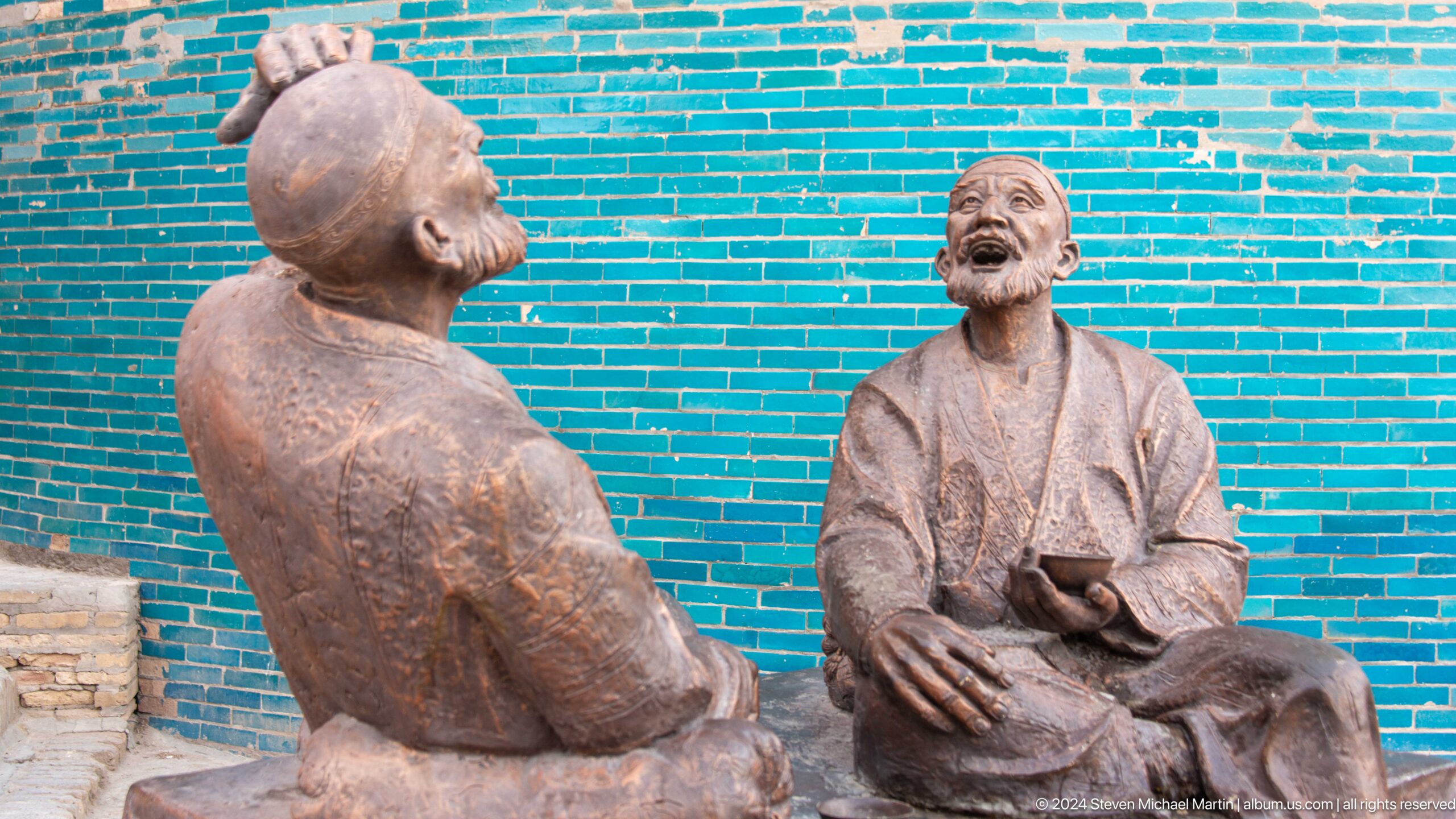
Public sculpture group is documented within Khiva’s walled historic center. The photograph emphasizes its visible form, materials, ornament, and relationship to the surrounding urban fabric, preserving a focused record of the architecture, craft tradition, daily life, or travel experience represented in this view.
Caption
Public sculpture group is documented within Khiva’s walled historic center. The photograph emphasizes its visible form, materials, ornament, and relationship to the surrounding urban fabric, preserving a focused record of the architecture, craft tradition, daily life, or travel experience represented in this view.
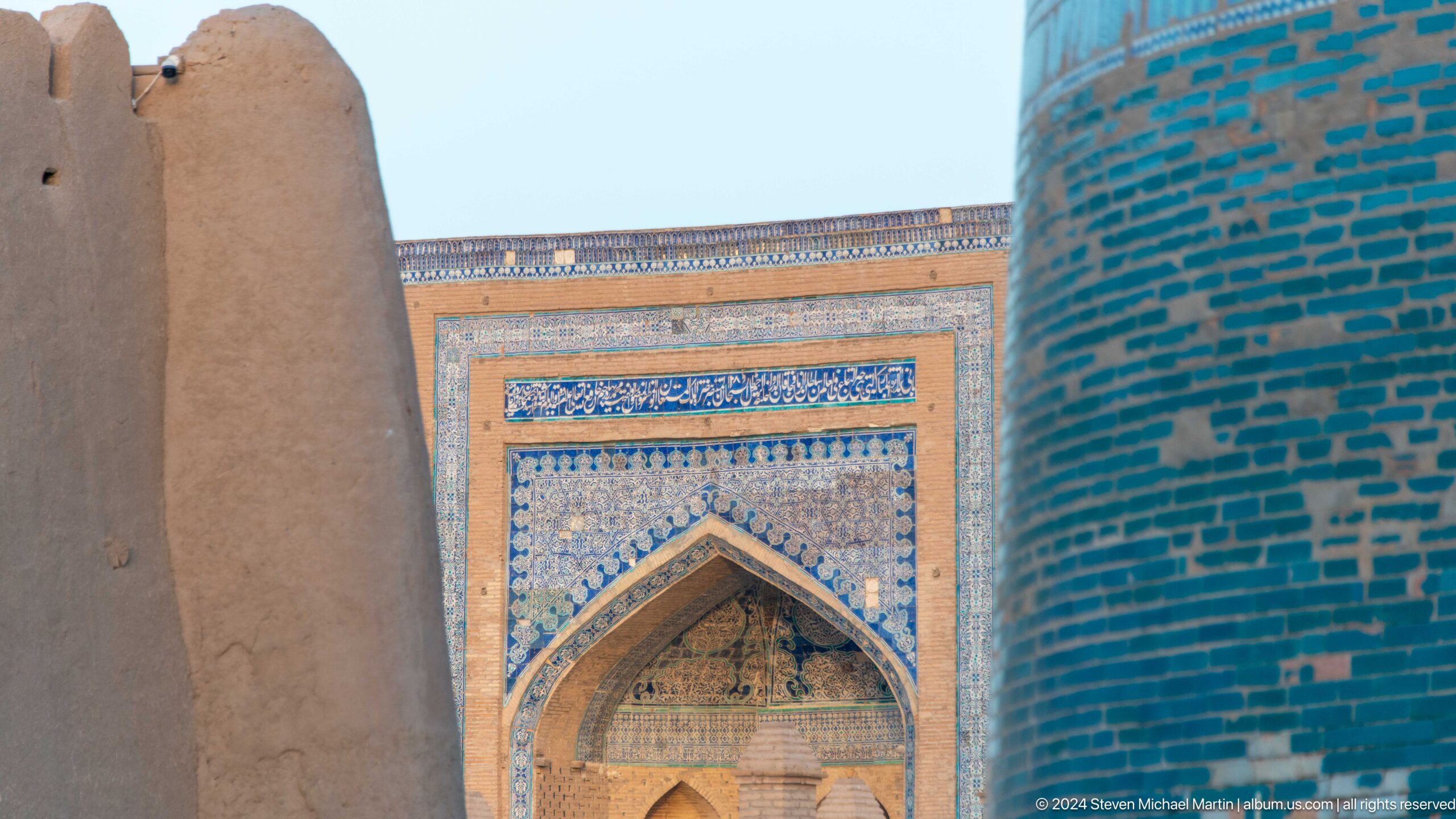
Madrasa entrance detail is documented within Khiva’s walled historic center. The photograph emphasizes its visible form, materials, ornament, and relationship to the surrounding urban fabric, preserving a focused record of the architecture, craft tradition, daily life, or travel experience represented in this view.
Caption
Madrasa entrance detail is documented within Khiva’s walled historic center. The photograph emphasizes its visible form, materials, ornament, and relationship to the surrounding urban fabric, preserving a focused record of the architecture, craft tradition, daily life, or travel experience represented in this view.
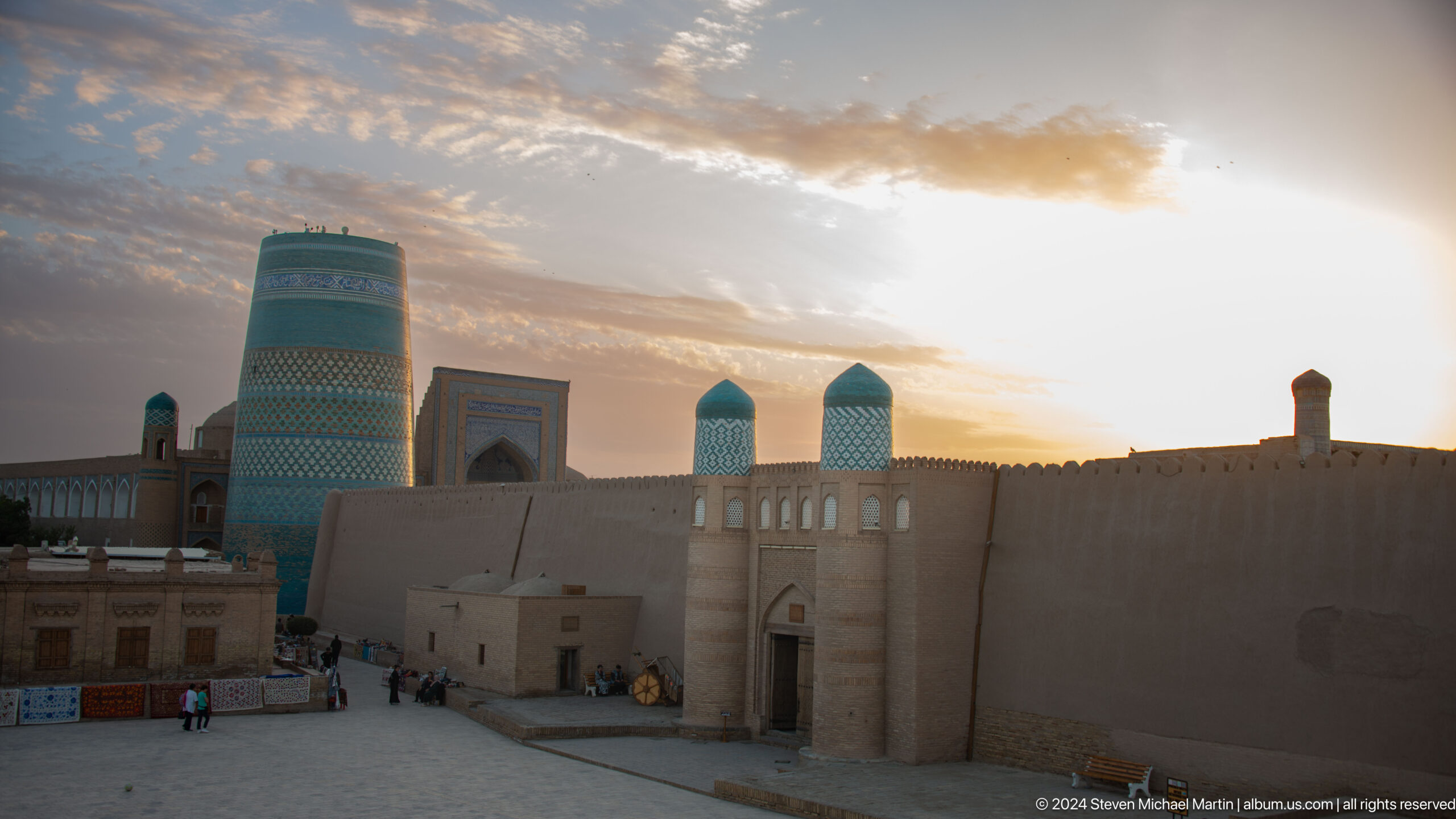
Itchan kala sunset is documented within Khiva’s walled historic center. The photograph emphasizes its visible form, materials, ornament, and relationship to the surrounding urban fabric, preserving a focused record of the architecture, craft tradition, daily life, or travel experience represented in this view.
Caption
Itchan kala sunset is documented within Khiva’s walled historic center. The photograph emphasizes its visible form, materials, ornament, and relationship to the surrounding urban fabric, preserving a focused record of the architecture, craft tradition, daily life, or travel experience represented in this view.
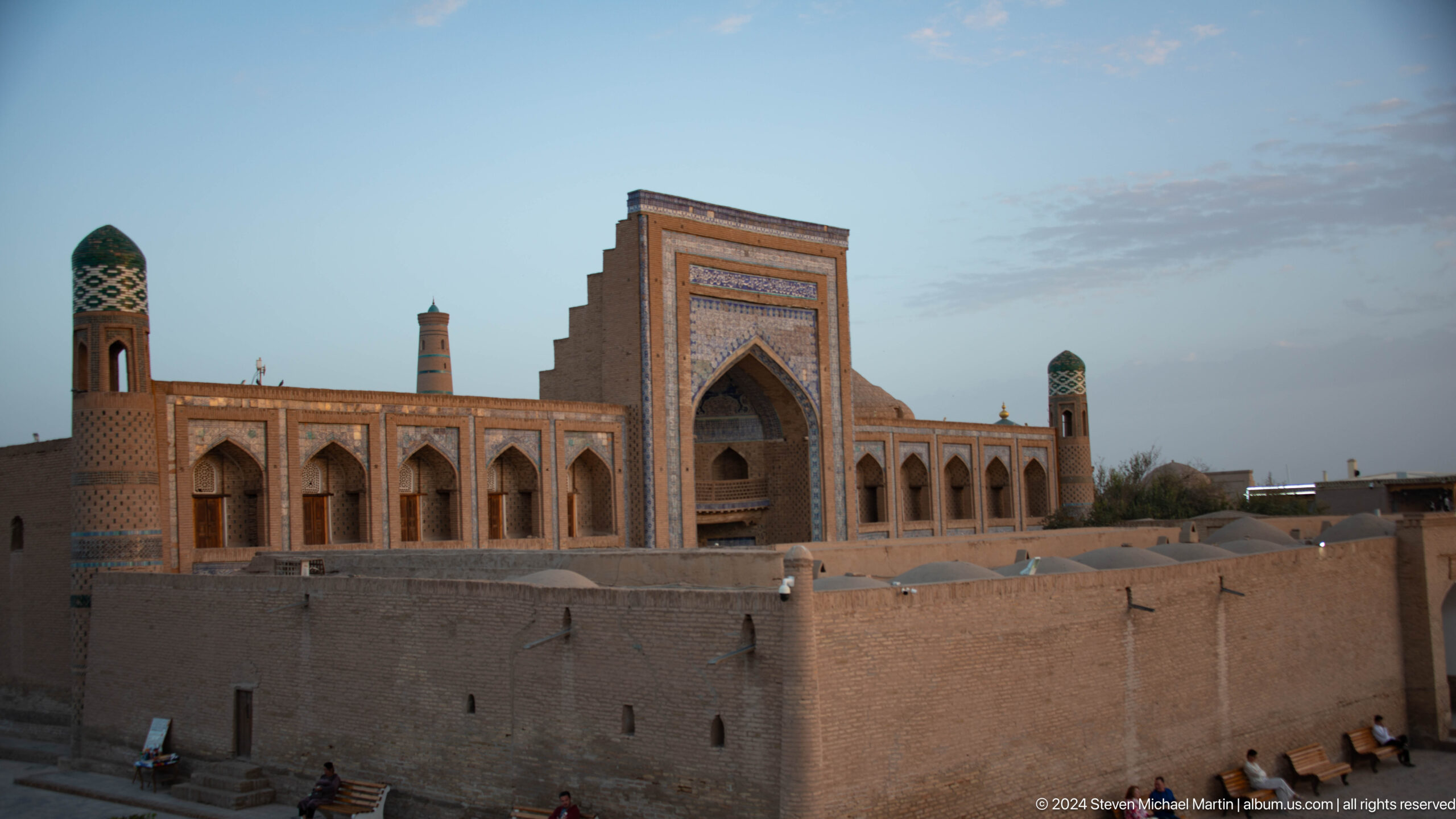
Historic madrasa at dusk is documented within Khiva’s walled historic center. The photograph emphasizes its visible form, materials, ornament, and relationship to the surrounding urban fabric, preserving a focused record of the architecture, craft tradition, daily life, or travel experience represented in this view.
Caption
Historic madrasa at dusk is documented within Khiva’s walled historic center. The photograph emphasizes its visible form, materials, ornament, and relationship to the surrounding urban fabric, preserving a focused record of the architecture, craft tradition, daily life, or travel experience represented in this view.
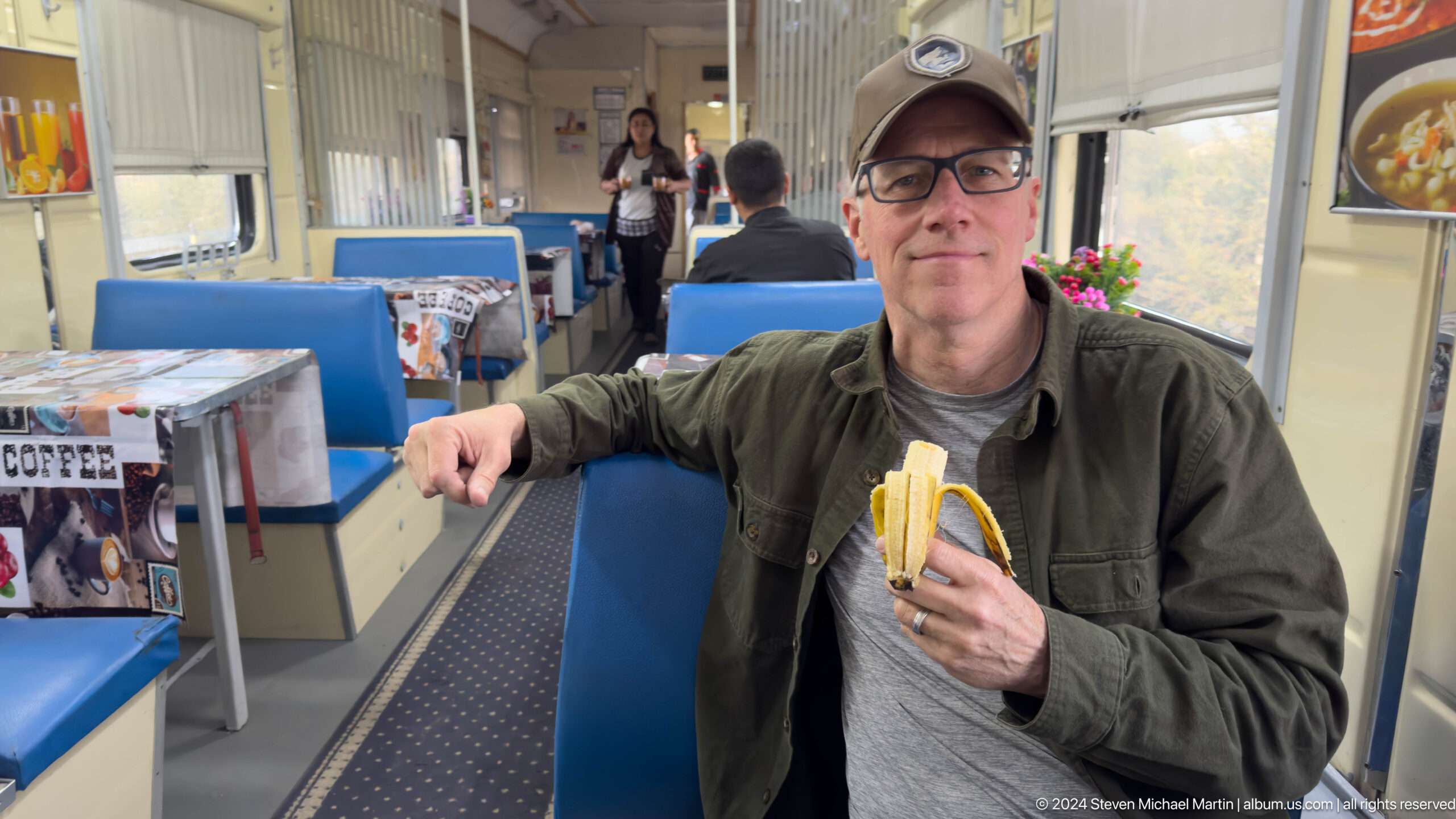
Traveler portrait is documented within Khiva’s walled historic center. The photograph emphasizes its visible form, materials, ornament, and relationship to the surrounding urban fabric, preserving a focused record of the architecture, craft tradition, daily life, or travel experience represented in this view.
Caption
Traveler portrait is documented within Khiva’s walled historic center. The photograph emphasizes its visible form, materials, ornament, and relationship to the surrounding urban fabric, preserving a focused record of the architecture, craft tradition, daily life, or travel experience represented in this view.
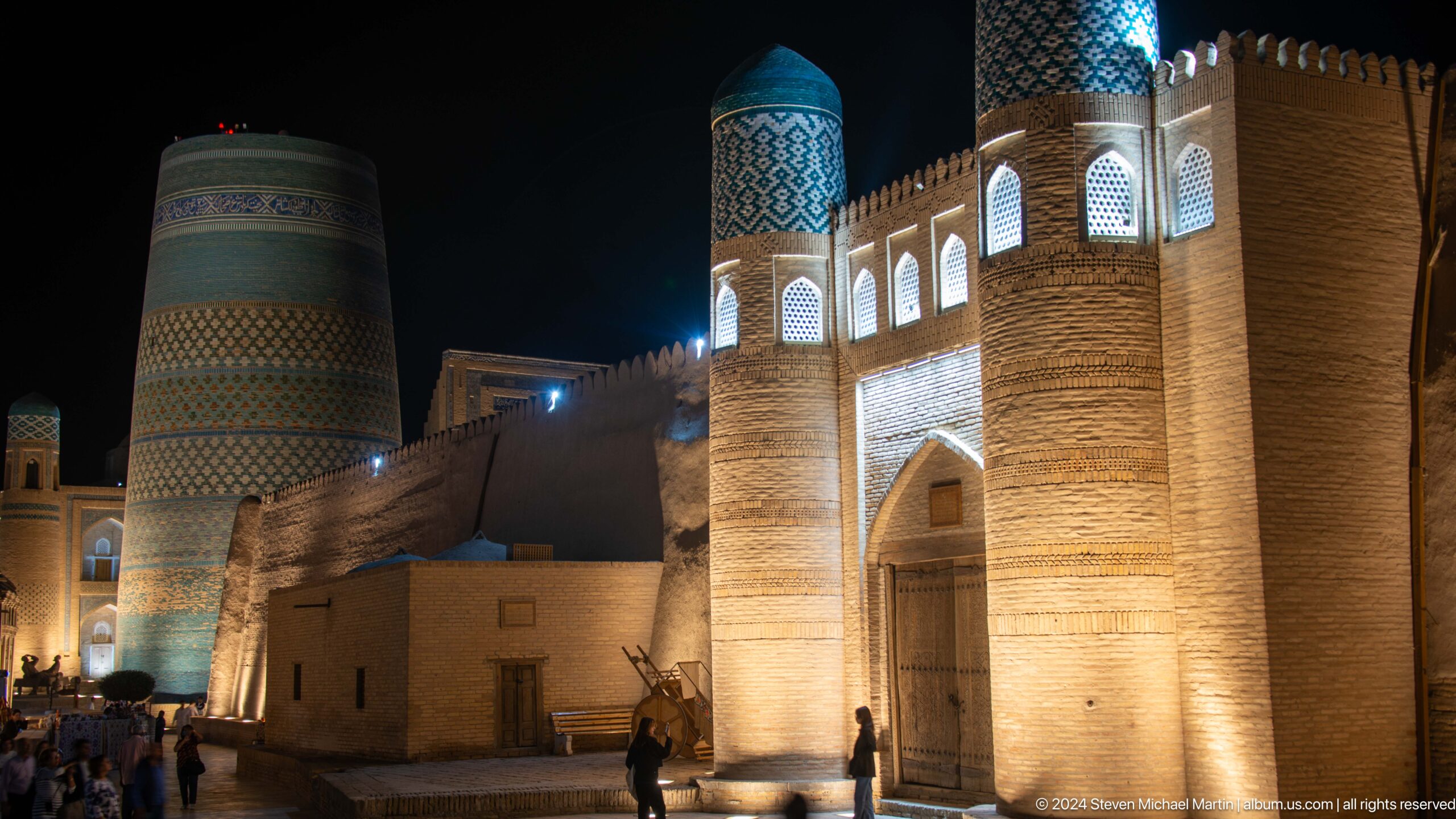
Itchan kala night architecture is documented within Khiva’s walled historic center. The photograph emphasizes its visible form, materials, ornament, and relationship to the surrounding urban fabric, preserving a focused record of the architecture, craft tradition, daily life, or travel experience represented in this view.
Caption
Itchan kala night architecture is documented within Khiva’s walled historic center. The photograph emphasizes its visible form, materials, ornament, and relationship to the surrounding urban fabric, preserving a focused record of the architecture, craft tradition, daily life, or travel experience represented in this view.
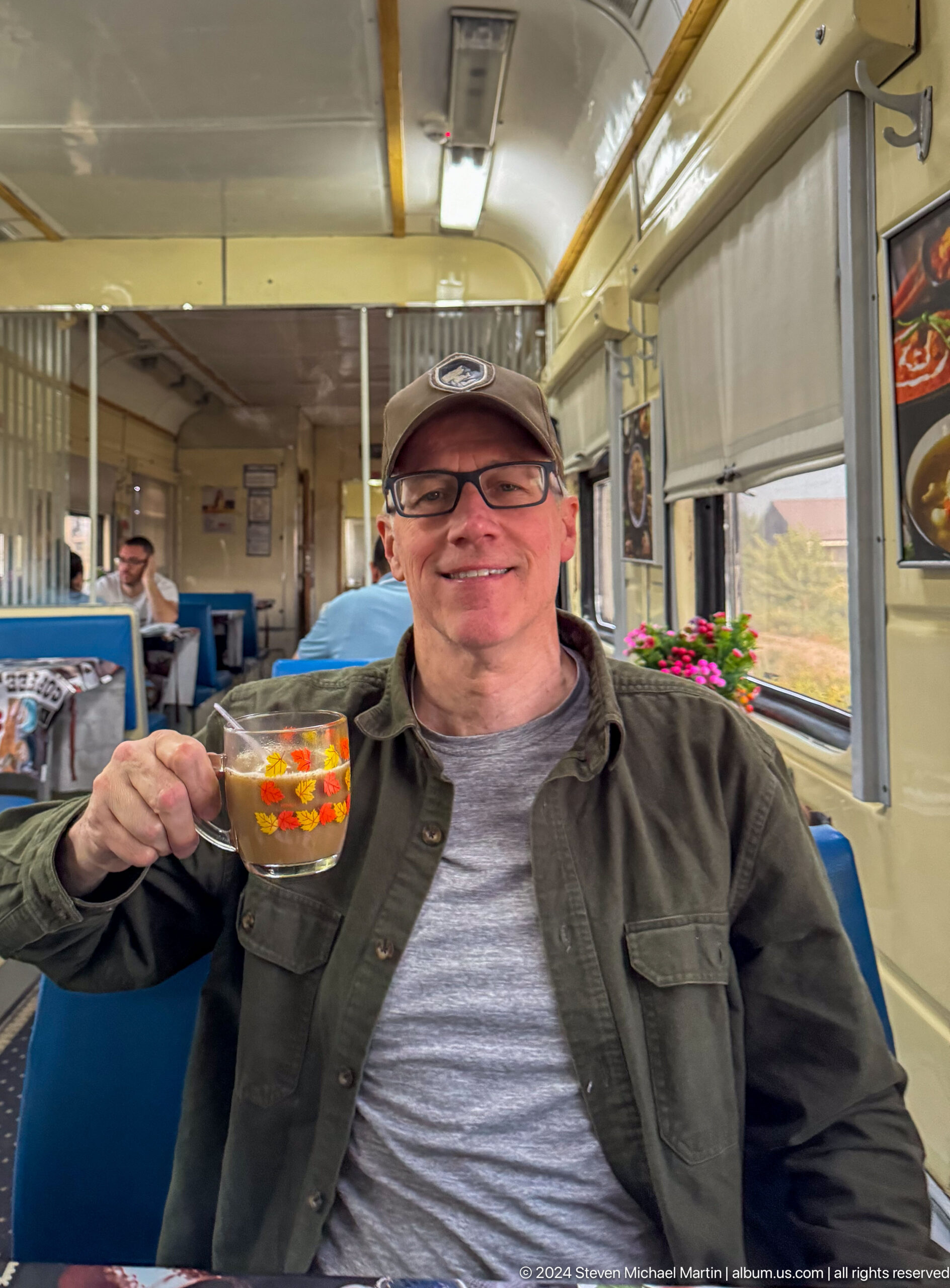
Traveler portrait is documented within Khiva’s walled historic center. The photograph emphasizes its visible form, materials, ornament, and relationship to the surrounding urban fabric, preserving a focused record of the architecture, craft tradition, daily life, or travel experience represented in this view.
Caption
Traveler portrait is documented within Khiva’s walled historic center. The photograph emphasizes its visible form, materials, ornament, and relationship to the surrounding urban fabric, preserving a focused record of the architecture, craft tradition, daily life, or travel experience represented in this view.
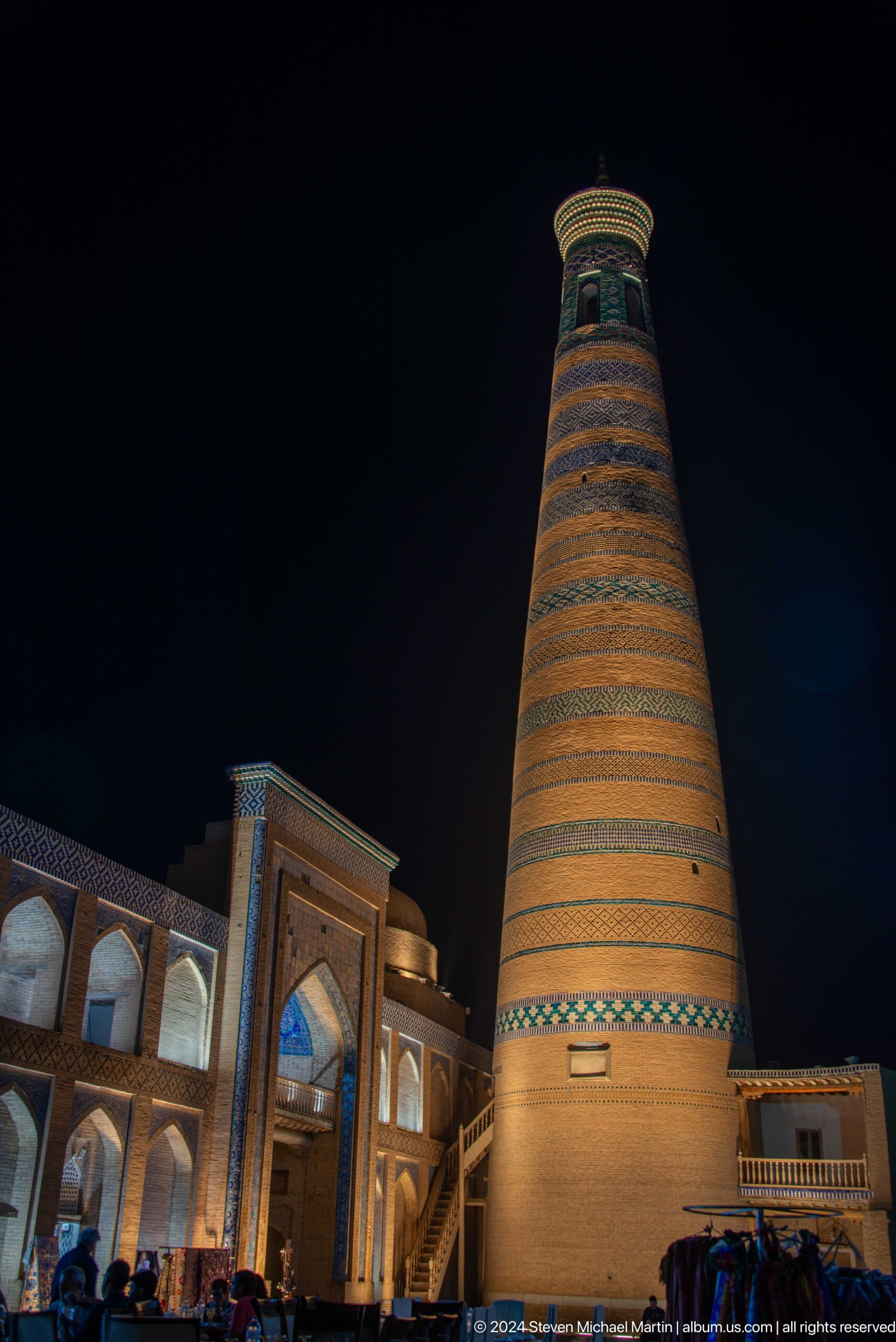
Islam khoja minaret at night is documented within Khiva’s walled historic center. The photograph emphasizes its visible form, materials, ornament, and relationship to the surrounding urban fabric, preserving a focused record of the architecture, craft tradition, daily life, or travel experience represented in this view.
Caption
Islam khoja minaret at night is documented within Khiva’s walled historic center. The photograph emphasizes its visible form, materials, ornament, and relationship to the surrounding urban fabric, preserving a focused record of the architecture, craft tradition, daily life, or travel experience represented in this view.
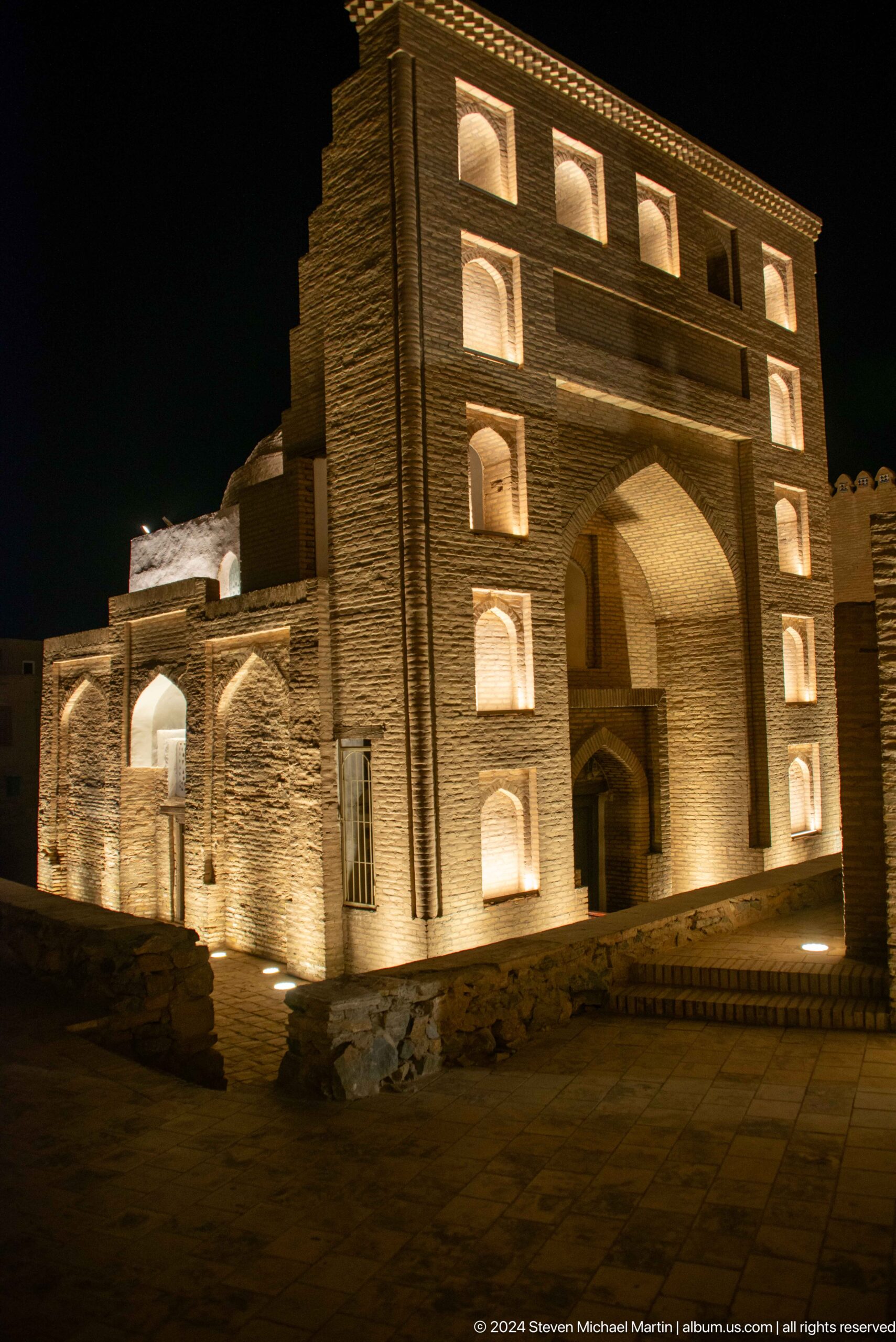
Historic architecture at night is documented within Khiva’s walled historic center. The photograph emphasizes its visible form, materials, ornament, and relationship to the surrounding urban fabric, preserving a focused record of the architecture, craft tradition, daily life, or travel experience represented in this view.
Caption
Historic architecture at night is documented within Khiva’s walled historic center. The photograph emphasizes its visible form, materials, ornament, and relationship to the surrounding urban fabric, preserving a focused record of the architecture, craft tradition, daily life, or travel experience represented in this view.
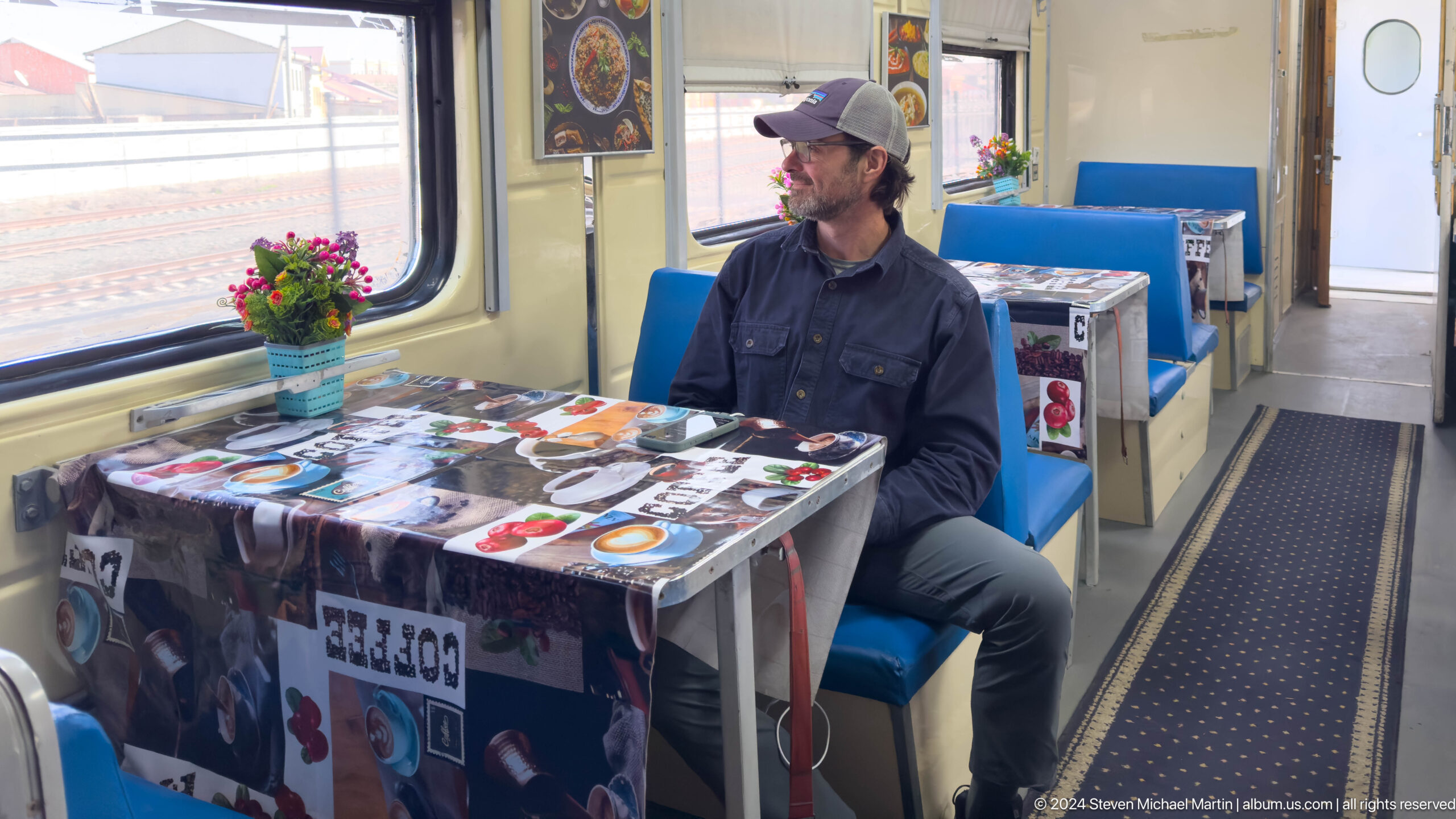
Train journey portrait is documented within Khiva’s walled historic center. The photograph emphasizes its visible form, materials, ornament, and relationship to the surrounding urban fabric, preserving a focused record of the architecture, craft tradition, daily life, or travel experience represented in this view.
Caption
Train journey portrait is documented within Khiva’s walled historic center. The photograph emphasizes its visible form, materials, ornament, and relationship to the surrounding urban fabric, preserving a focused record of the architecture, craft tradition, daily life, or travel experience represented in this view.
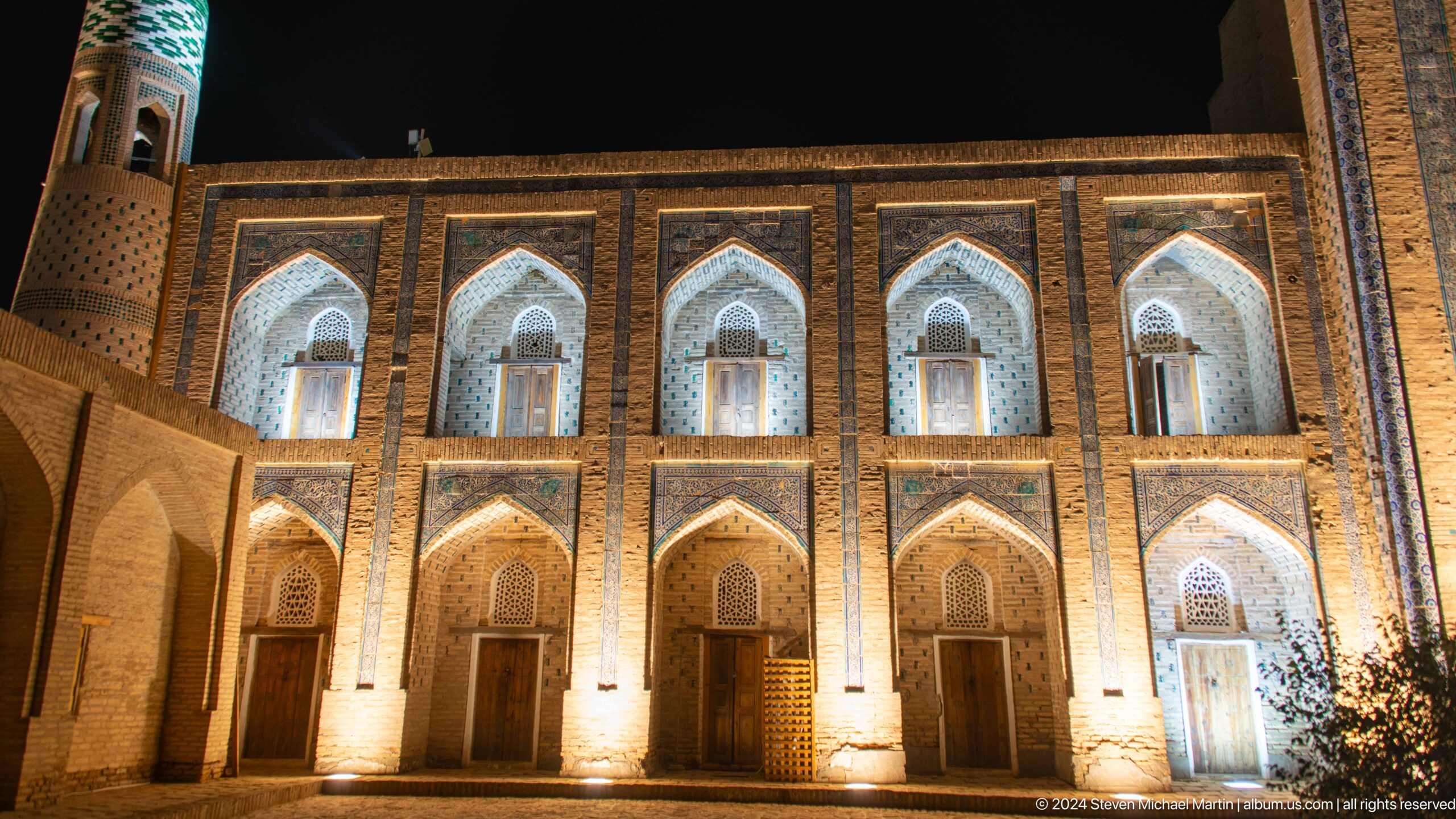
Madrasa night view is documented within Khiva’s walled historic center. The photograph emphasizes its visible form, materials, ornament, and relationship to the surrounding urban fabric, preserving a focused record of the architecture, craft tradition, daily life, or travel experience represented in this view.
Caption
Madrasa night view is documented within Khiva’s walled historic center. The photograph emphasizes its visible form, materials, ornament, and relationship to the surrounding urban fabric, preserving a focused record of the architecture, craft tradition, daily life, or travel experience represented in this view.
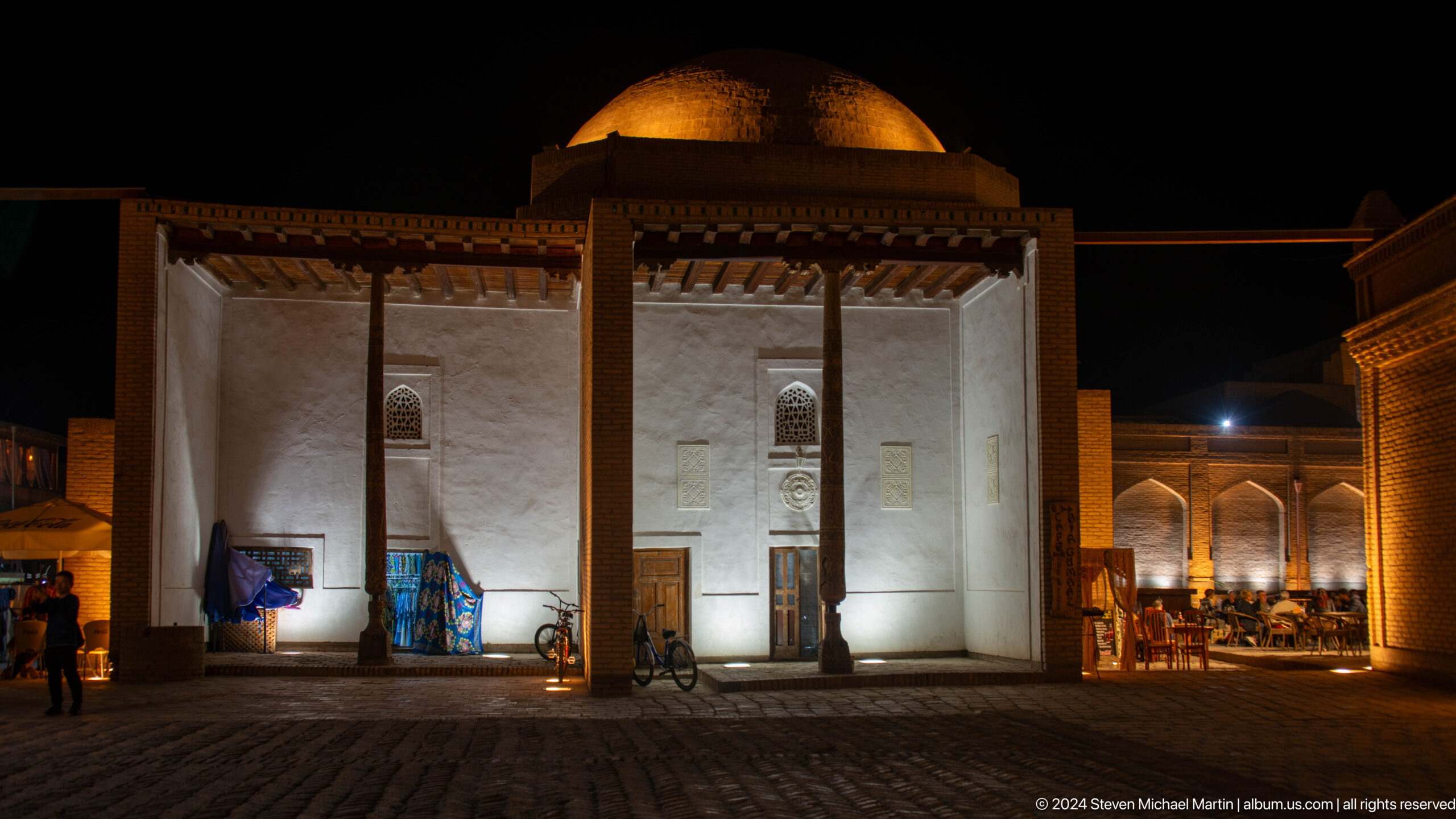
Historic pavilion is documented within Khiva’s walled historic center. The photograph emphasizes its visible form, materials, ornament, and relationship to the surrounding urban fabric, preserving a focused record of the architecture, craft tradition, daily life, or travel experience represented in this view.
Caption
Historic pavilion is documented within Khiva’s walled historic center. The photograph emphasizes its visible form, materials, ornament, and relationship to the surrounding urban fabric, preserving a focused record of the architecture, craft tradition, daily life, or travel experience represented in this view.
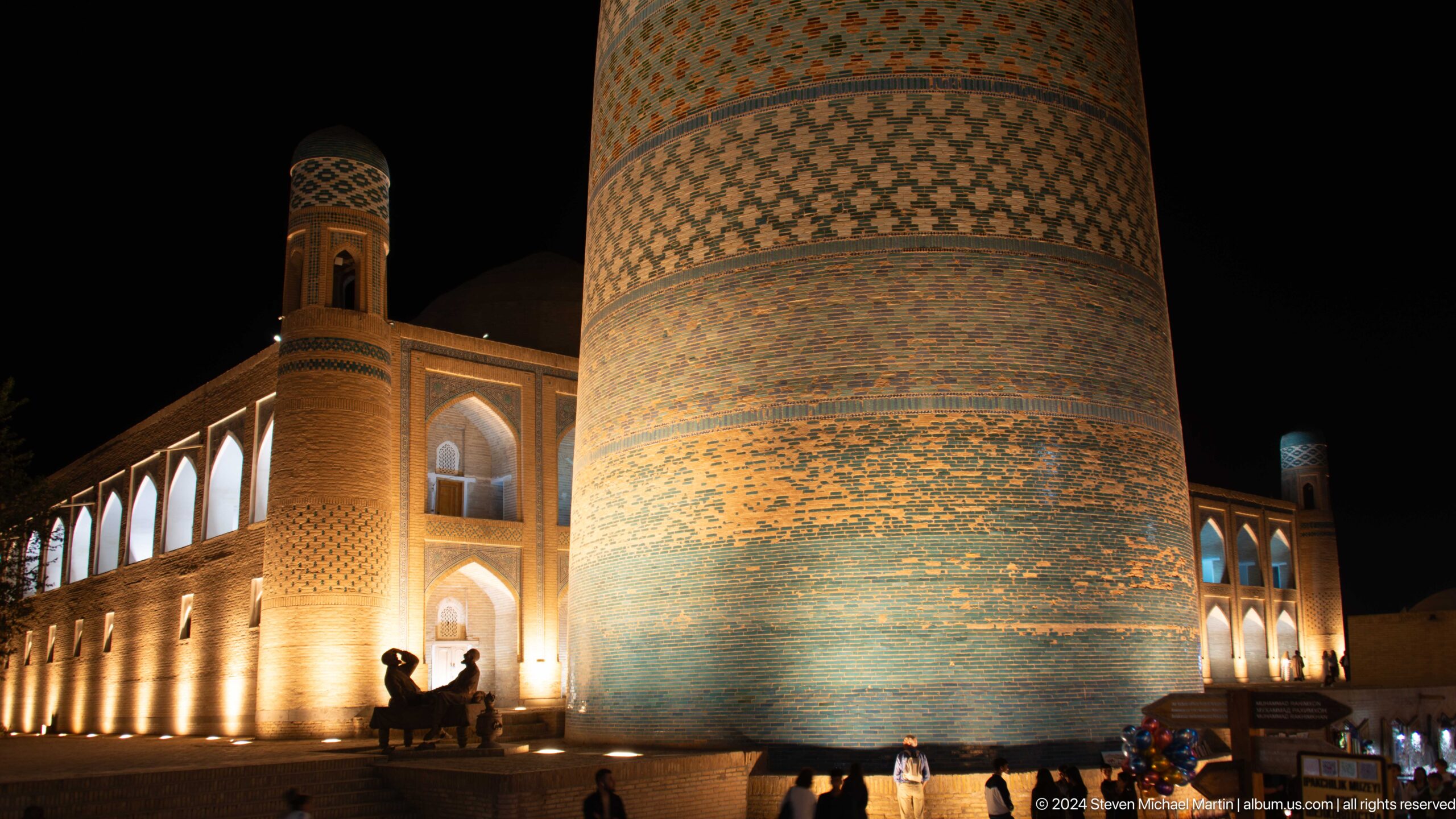
Kalta minor night view is documented within Khiva’s walled historic center. The photograph emphasizes its visible form, materials, ornament, and relationship to the surrounding urban fabric, preserving a focused record of the architecture, craft tradition, daily life, or travel experience represented in this view.
Caption
Kalta minor night view is documented within Khiva’s walled historic center. The photograph emphasizes its visible form, materials, ornament, and relationship to the surrounding urban fabric, preserving a focused record of the architecture, craft tradition, daily life, or travel experience represented in this view.
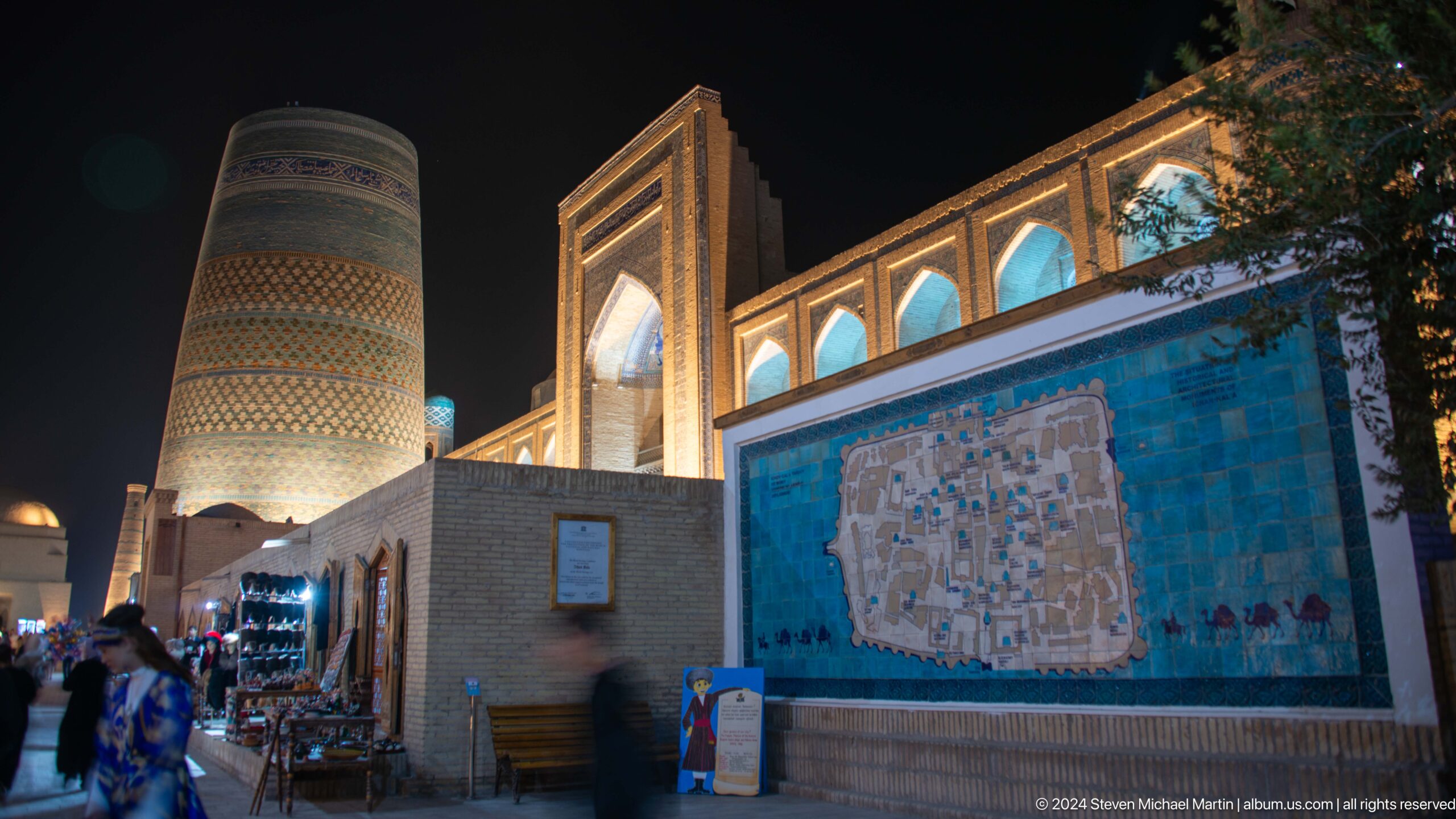
Khiva visitor area at night is documented within Khiva’s walled historic center. The photograph emphasizes its visible form, materials, ornament, and relationship to the surrounding urban fabric, preserving a focused record of the architecture, craft tradition, daily life, or travel experience represented in this view.
Caption
Khiva visitor area at night is documented within Khiva’s walled historic center. The photograph emphasizes its visible form, materials, ornament, and relationship to the surrounding urban fabric, preserving a focused record of the architecture, craft tradition, daily life, or travel experience represented in this view.
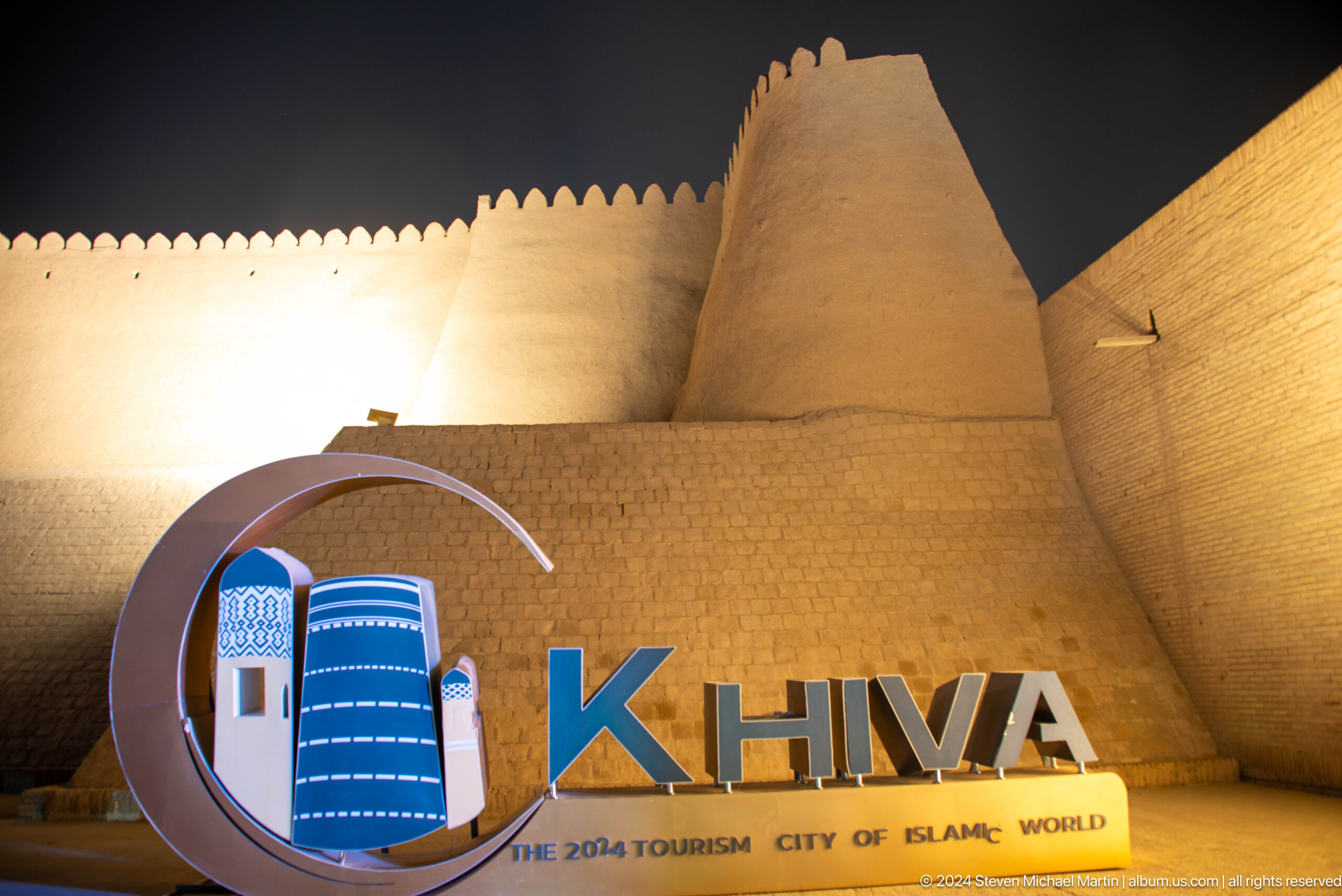
Khiva tourism sign is documented within Khiva’s walled historic center. The photograph emphasizes its visible form, materials, ornament, and relationship to the surrounding urban fabric, preserving a focused record of the architecture, craft tradition, daily life, or travel experience represented in this view.
Caption
Khiva tourism sign is documented within Khiva’s walled historic center. The photograph emphasizes its visible form, materials, ornament, and relationship to the surrounding urban fabric, preserving a focused record of the architecture, craft tradition, daily life, or travel experience represented in this view.
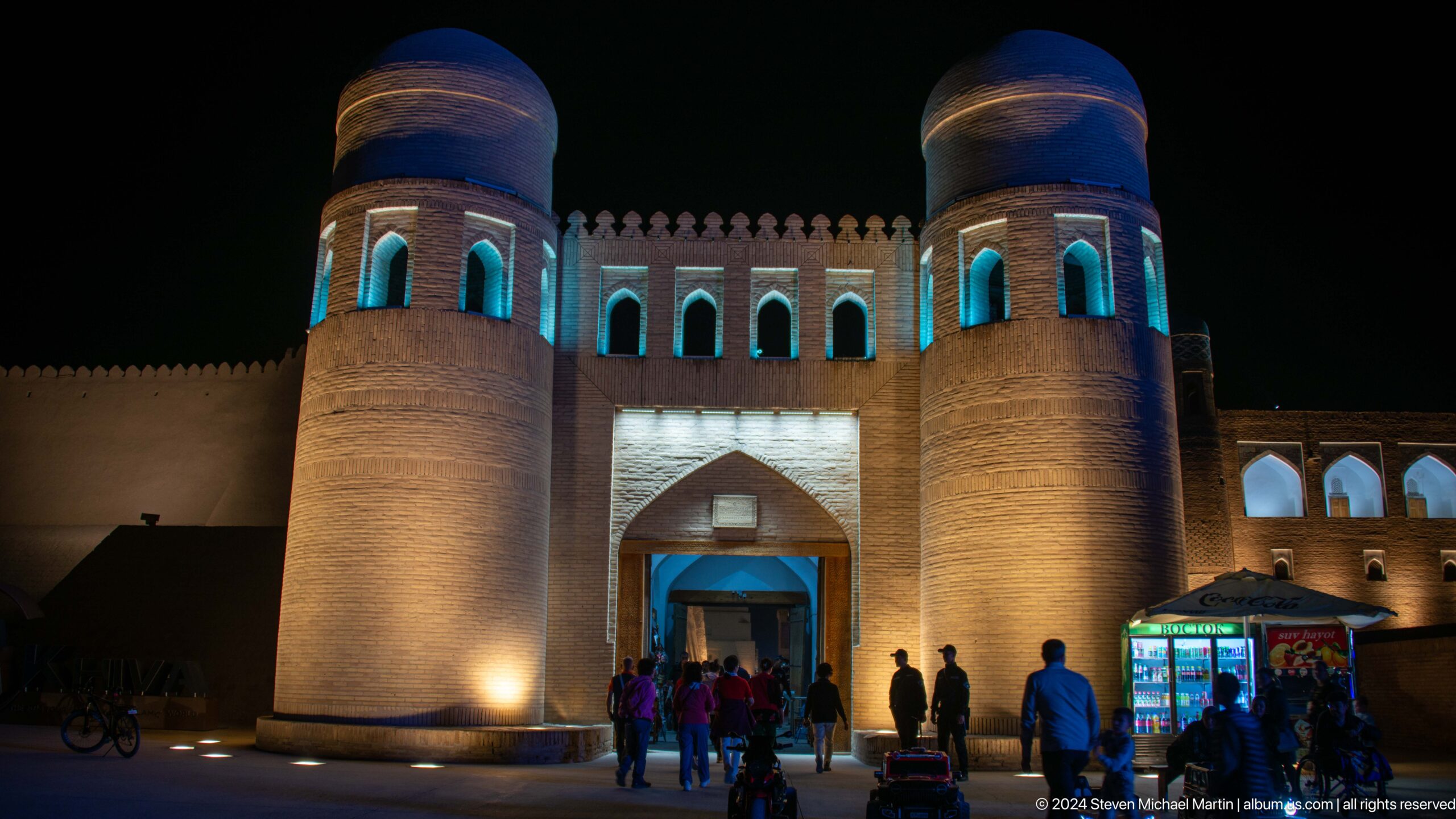
Ata darvaza at night is documented within Khiva’s walled historic center. The photograph emphasizes its visible form, materials, ornament, and relationship to the surrounding urban fabric, preserving a focused record of the architecture, craft tradition, daily life, or travel experience represented in this view.
Caption
Ata darvaza at night is documented within Khiva’s walled historic center. The photograph emphasizes its visible form, materials, ornament, and relationship to the surrounding urban fabric, preserving a focused record of the architecture, craft tradition, daily life, or travel experience represented in this view.
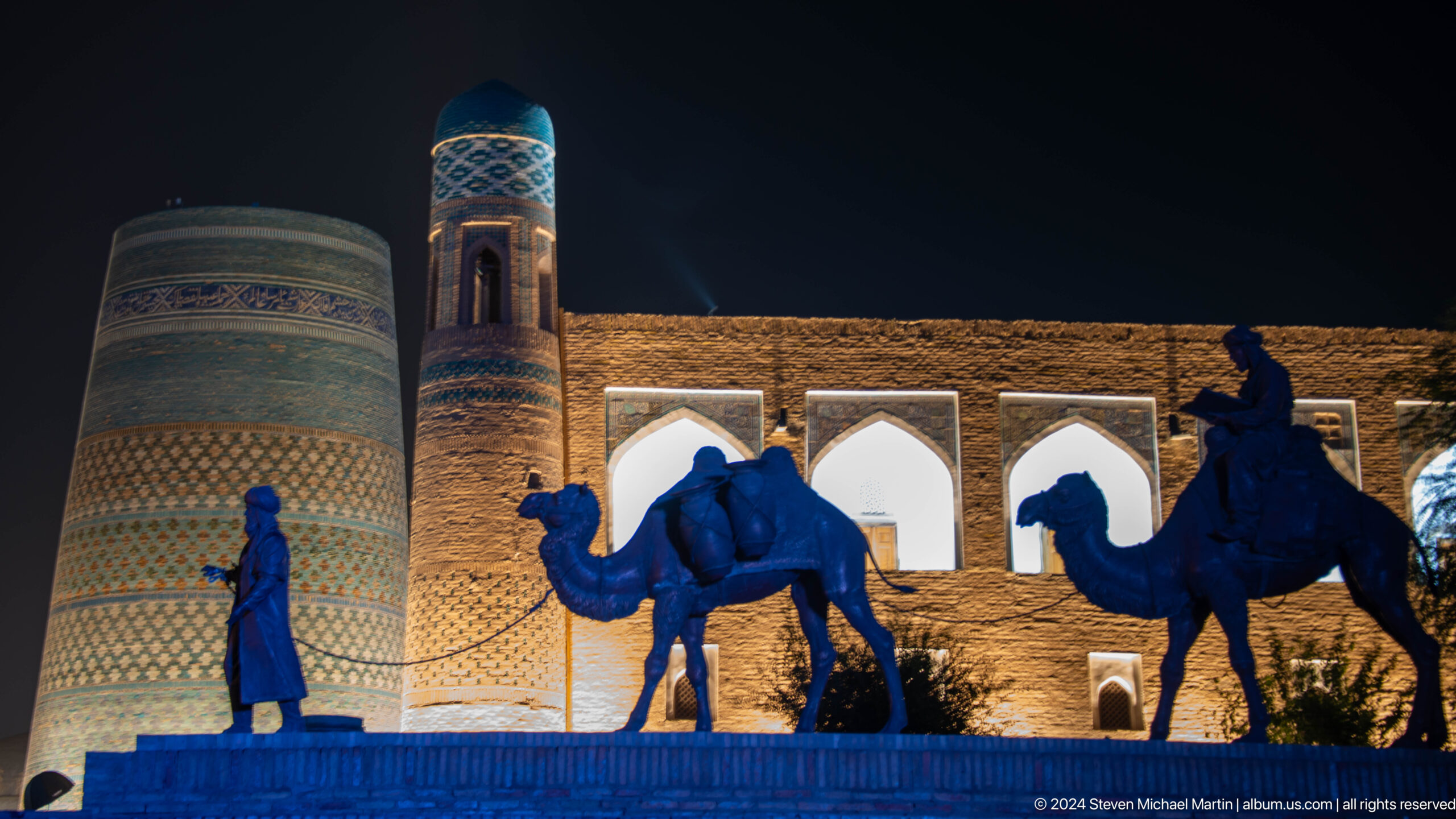
Decorative camel installation is documented within Khiva’s walled historic center. The photograph emphasizes its visible form, materials, ornament, and relationship to the surrounding urban fabric, preserving a focused record of the architecture, craft tradition, daily life, or travel experience represented in this view.
Caption
Decorative camel installation is documented within Khiva’s walled historic center. The photograph emphasizes its visible form, materials, ornament, and relationship to the surrounding urban fabric, preserving a focused record of the architecture, craft tradition, daily life, or travel experience represented in this view.
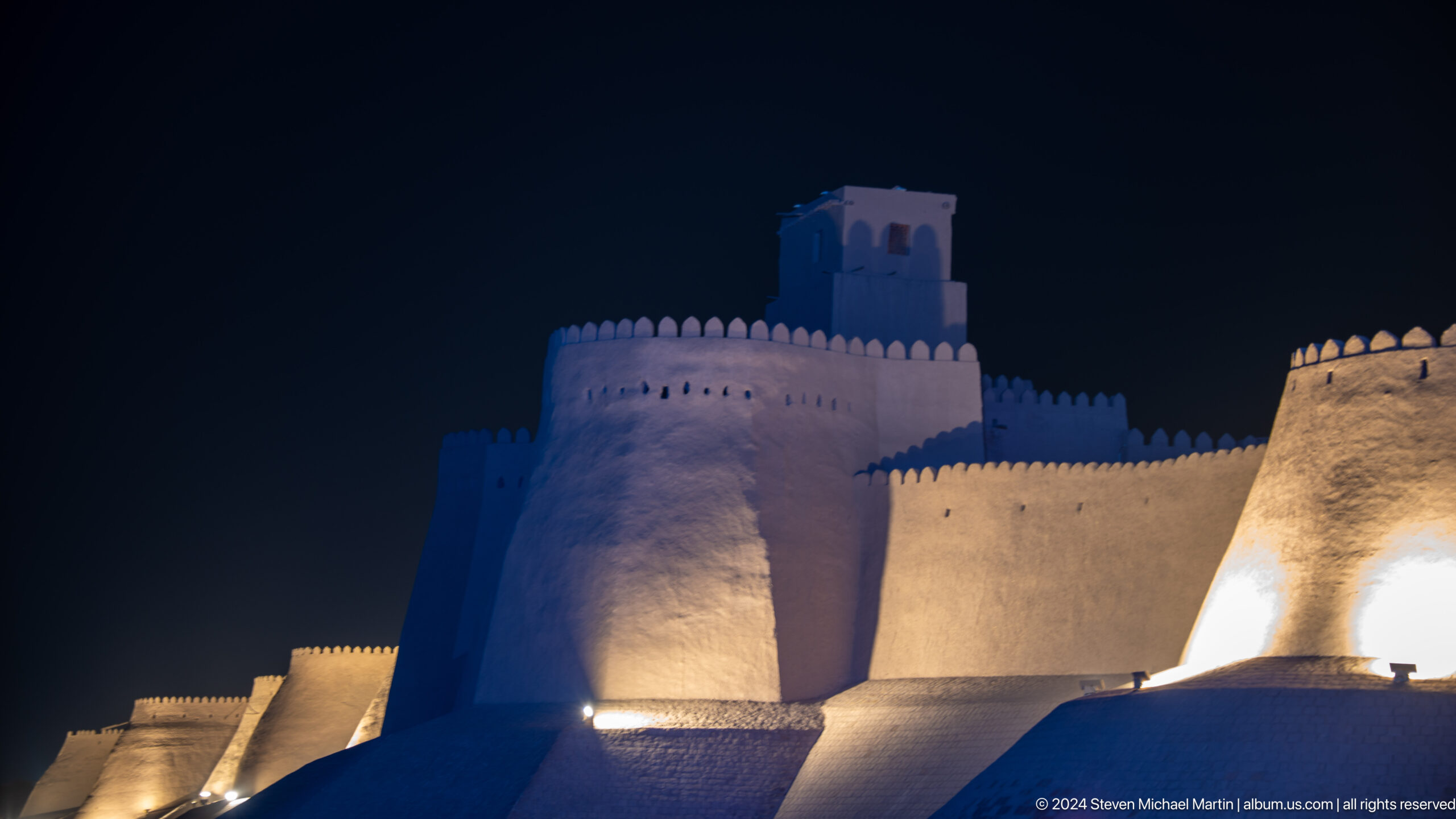
Kunya ark at night is documented within Khiva’s walled historic center. The photograph emphasizes its visible form, materials, ornament, and relationship to the surrounding urban fabric, preserving a focused record of the architecture, craft tradition, daily life, or travel experience represented in this view.
Caption
Kunya ark at night is documented within Khiva’s walled historic center. The photograph emphasizes its visible form, materials, ornament, and relationship to the surrounding urban fabric, preserving a focused record of the architecture, craft tradition, daily life, or travel experience represented in this view.
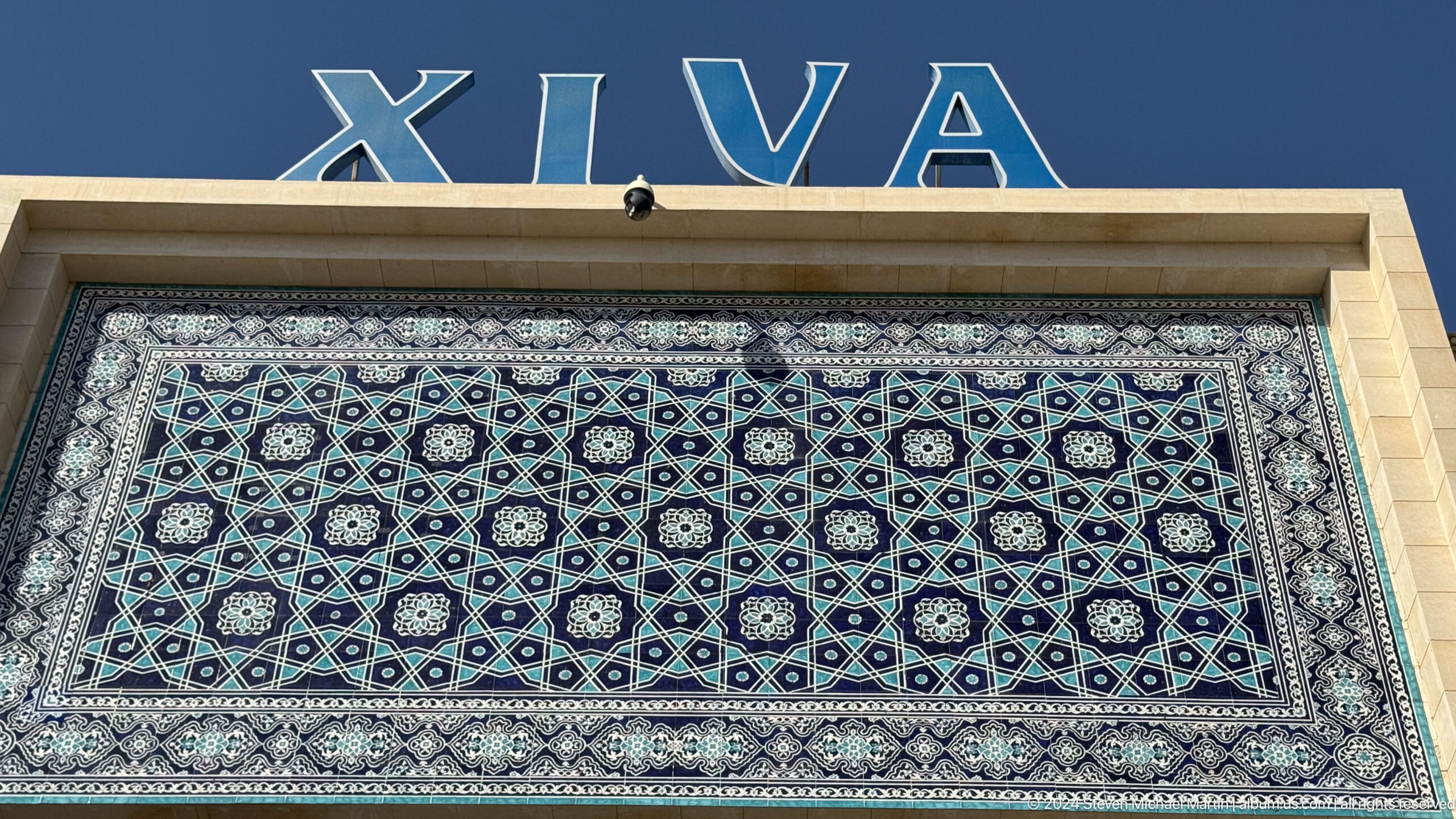
Modern ornamental facade is documented within Khiva’s walled historic center. The photograph emphasizes its visible form, materials, ornament, and relationship to the surrounding urban fabric, preserving a focused record of the architecture, craft tradition, daily life, or travel experience represented in this view.
Caption
Modern ornamental facade is documented within Khiva’s walled historic center. The photograph emphasizes its visible form, materials, ornament, and relationship to the surrounding urban fabric, preserving a focused record of the architecture, craft tradition, daily life, or travel experience represented in this view.
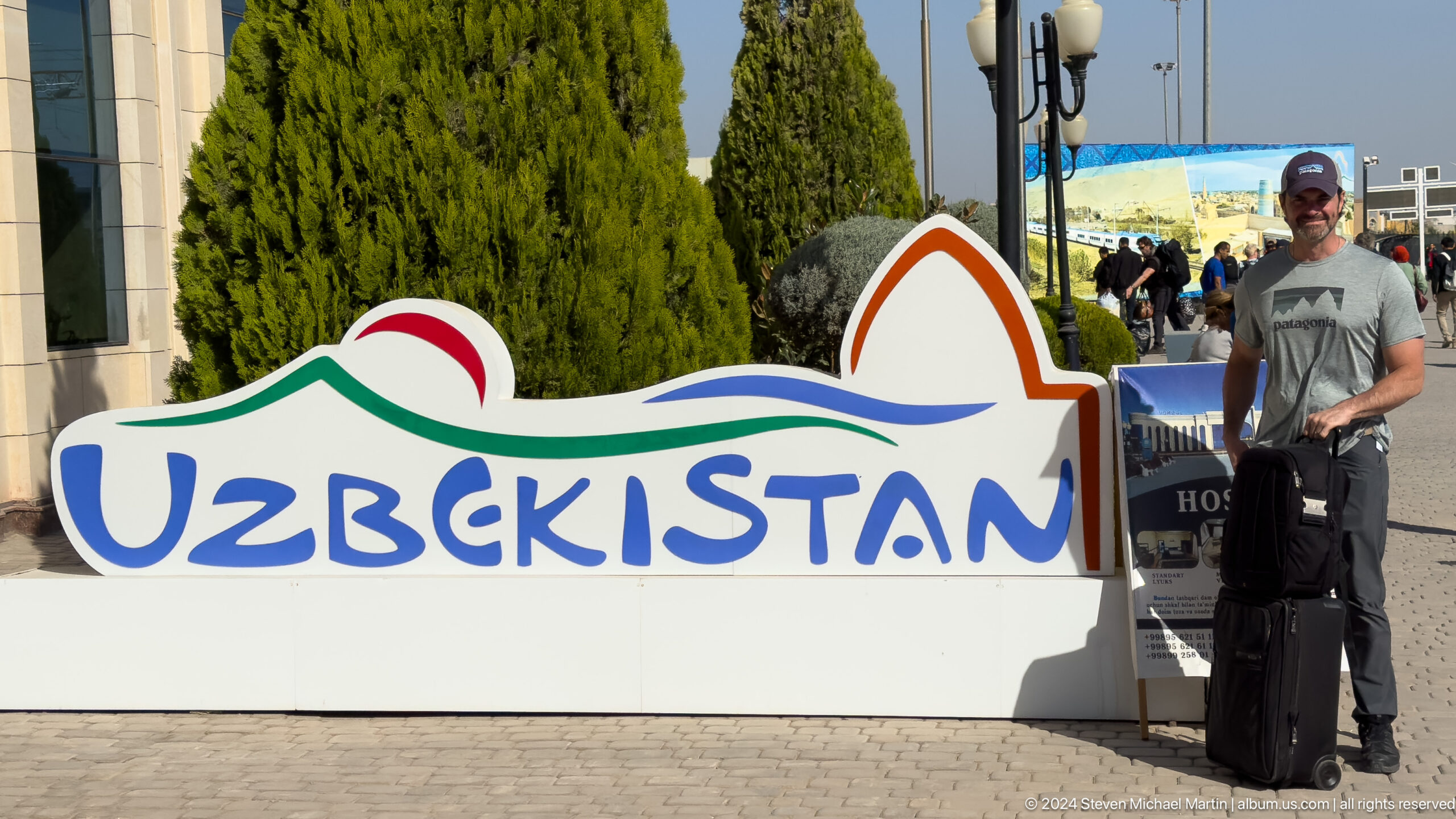
Uzbekistan sign is documented within Khiva’s walled historic center. The photograph emphasizes its visible form, materials, ornament, and relationship to the surrounding urban fabric, preserving a focused record of the architecture, craft tradition, daily life, or travel experience represented in this view.
Caption
Uzbekistan sign is documented within Khiva’s walled historic center. The photograph emphasizes its visible form, materials, ornament, and relationship to the surrounding urban fabric, preserving a focused record of the architecture, craft tradition, daily life, or travel experience represented in this view.
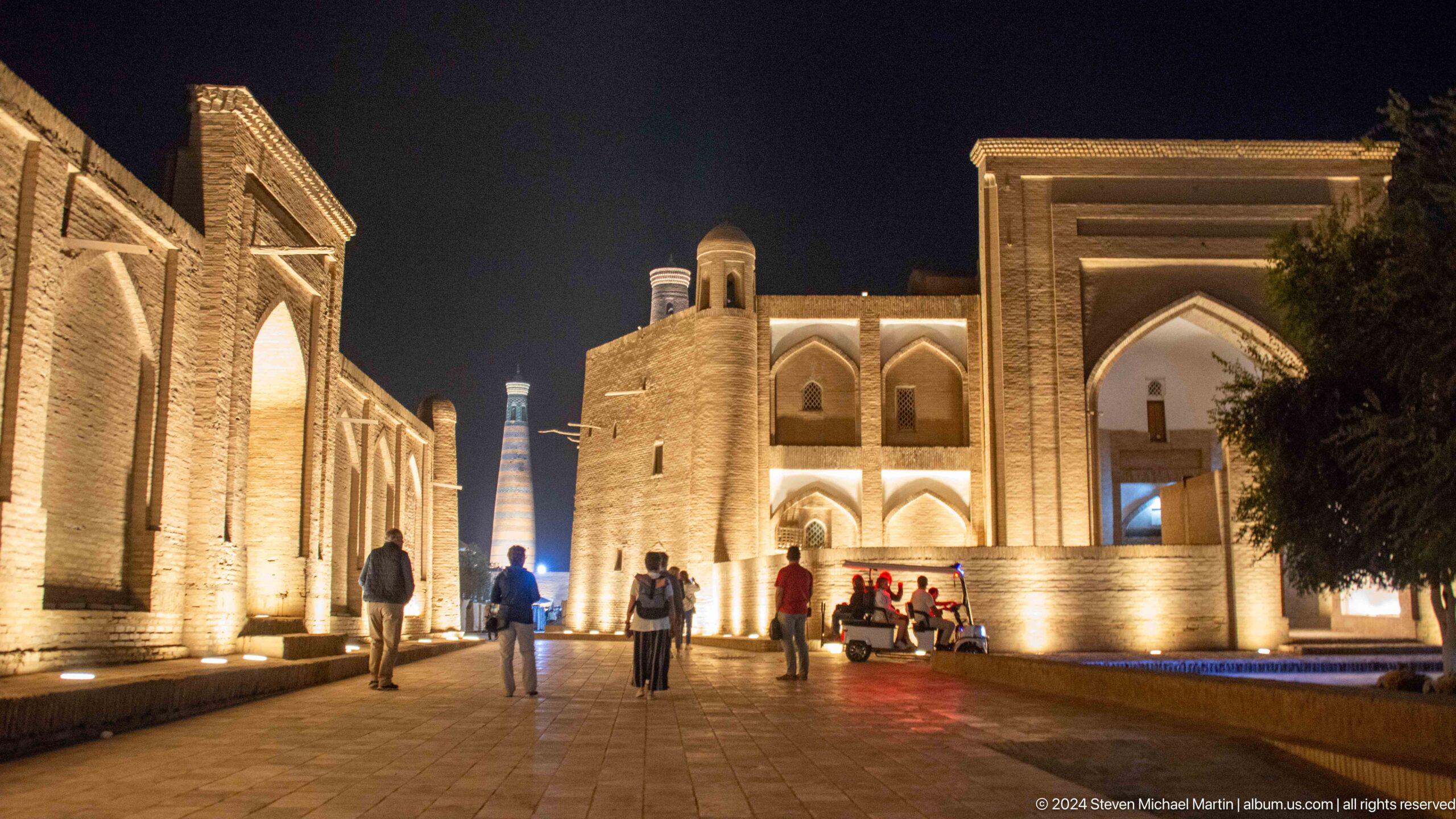
Khiva night street is documented within Khiva’s walled historic center. The photograph emphasizes its visible form, materials, ornament, and relationship to the surrounding urban fabric, preserving a focused record of the architecture, craft tradition, daily life, or travel experience represented in this view.
Caption
Khiva night street is documented within Khiva’s walled historic center. The photograph emphasizes its visible form, materials, ornament, and relationship to the surrounding urban fabric, preserving a focused record of the architecture, craft tradition, daily life, or travel experience represented in this view.
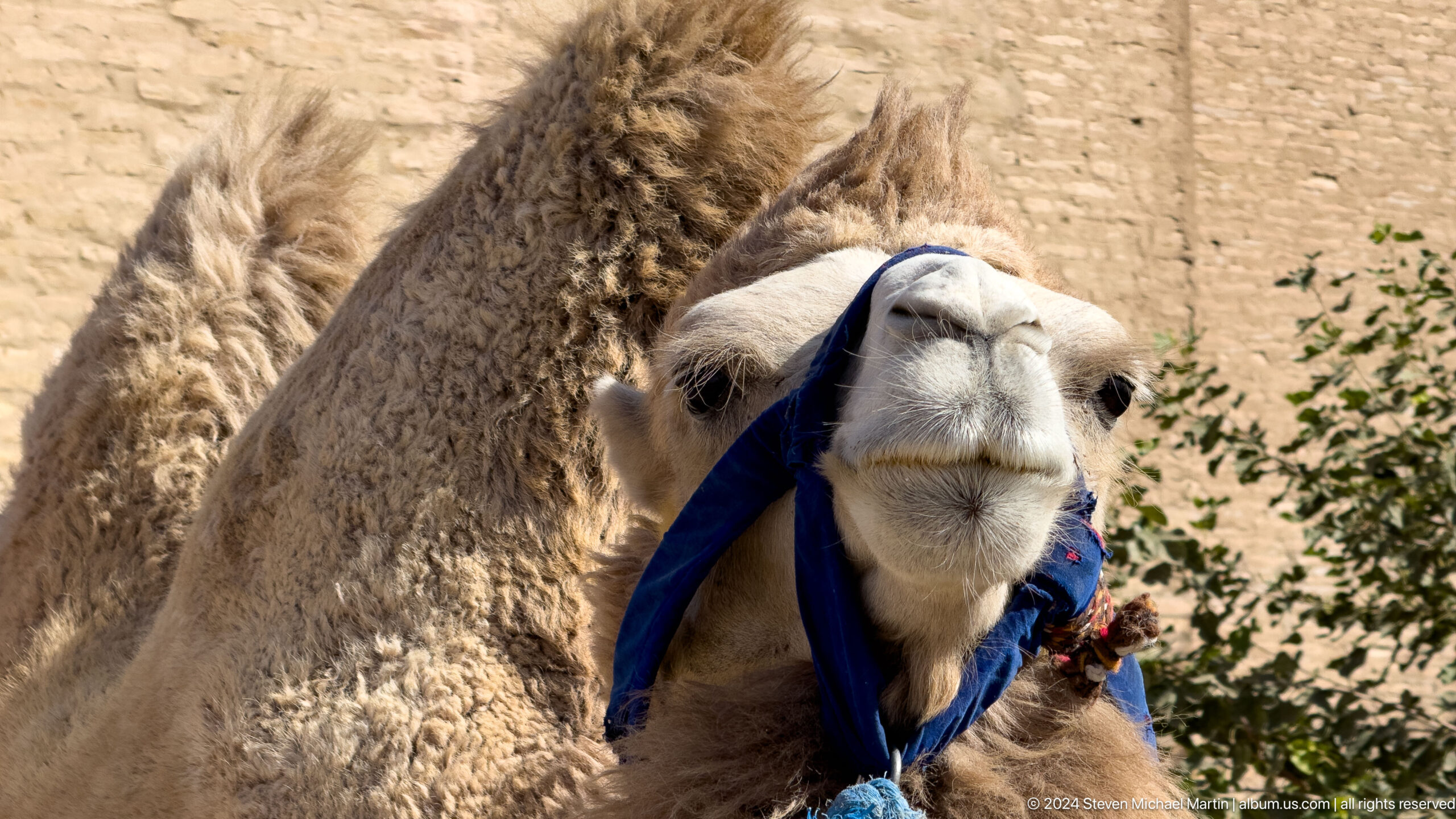
Camel portrait is documented within Khiva’s walled historic center. The photograph emphasizes its visible form, materials, ornament, and relationship to the surrounding urban fabric, preserving a focused record of the architecture, craft tradition, daily life, or travel experience represented in this view.
Caption
Camel portrait is documented within Khiva’s walled historic center. The photograph emphasizes its visible form, materials, ornament, and relationship to the surrounding urban fabric, preserving a focused record of the architecture, craft tradition, daily life, or travel experience represented in this view.
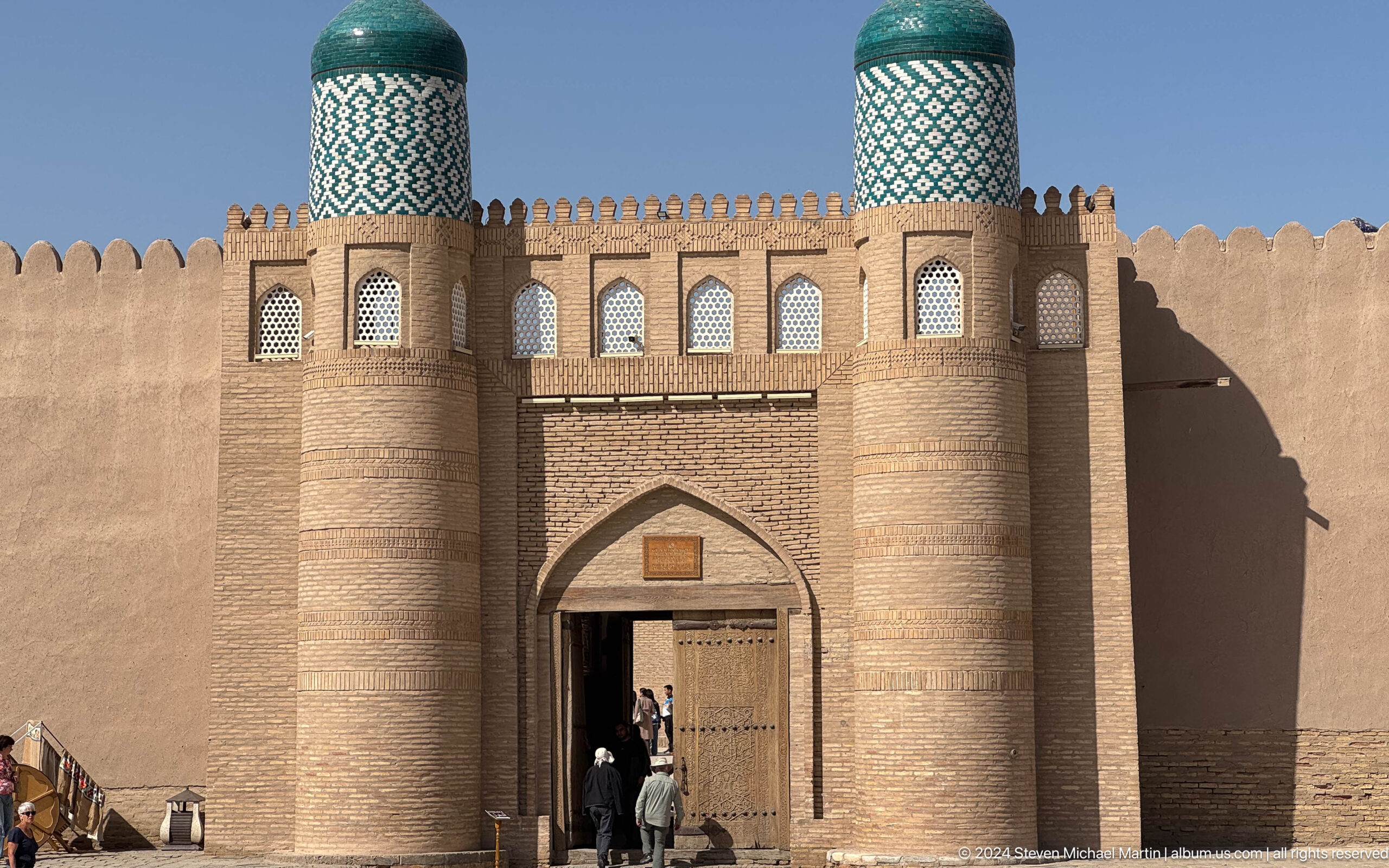
Fortified city gate is documented within Khiva’s walled historic center. The photograph emphasizes its visible form, materials, ornament, and relationship to the surrounding urban fabric, preserving a focused record of the architecture, craft tradition, daily life, or travel experience represented in this view.
Caption
Fortified city gate is documented within Khiva’s walled historic center. The photograph emphasizes its visible form, materials, ornament, and relationship to the surrounding urban fabric, preserving a focused record of the architecture, craft tradition, daily life, or travel experience represented in this view.
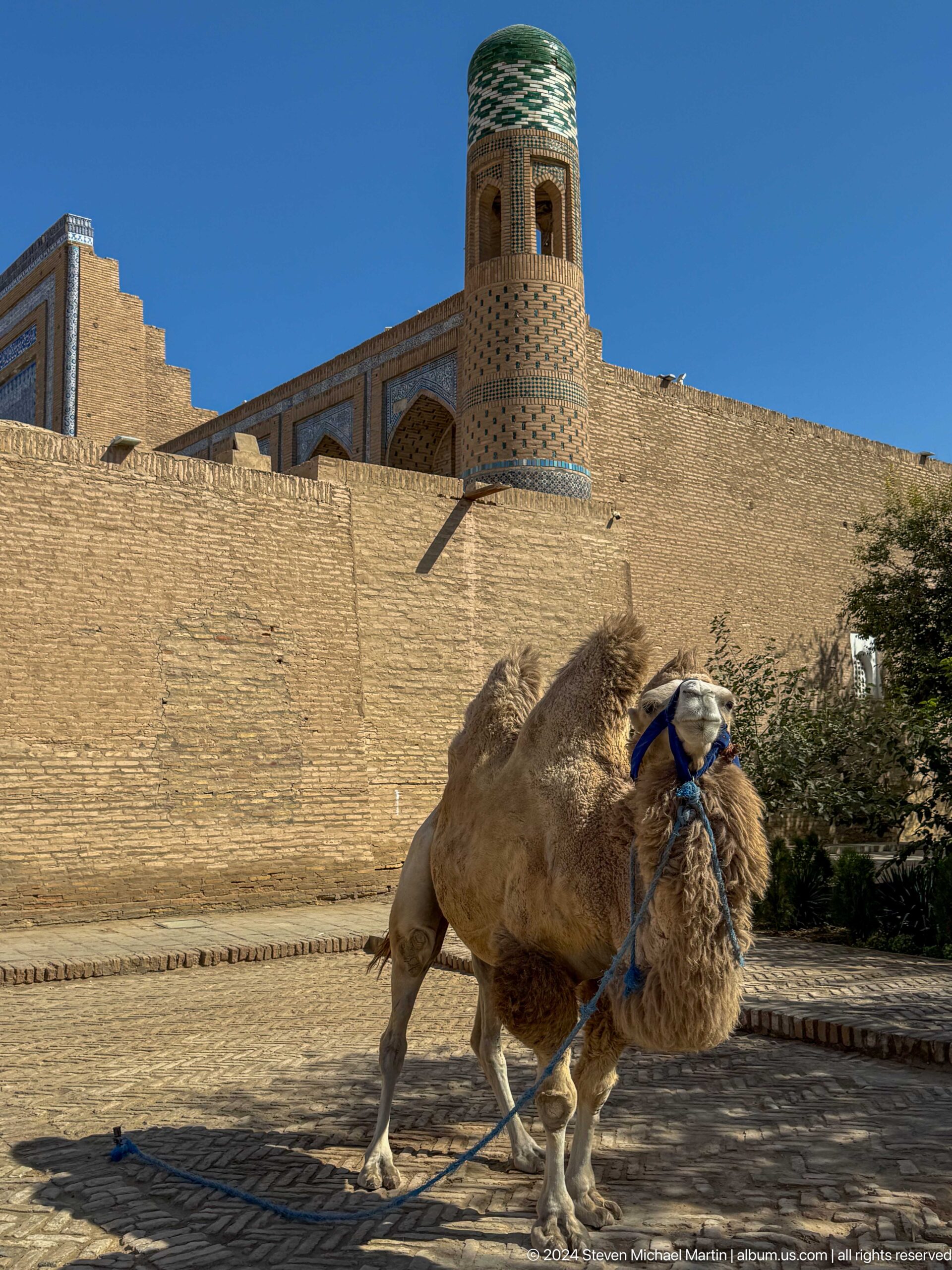
Camel beside itchan kala wall is documented within Khiva’s walled historic center. The photograph emphasizes its visible form, materials, ornament, and relationship to the surrounding urban fabric, preserving a focused record of the architecture, craft tradition, daily life, or travel experience represented in this view.
Caption
Camel beside itchan kala wall is documented within Khiva’s walled historic center. The photograph emphasizes its visible form, materials, ornament, and relationship to the surrounding urban fabric, preserving a focused record of the architecture, craft tradition, daily life, or travel experience represented in this view.
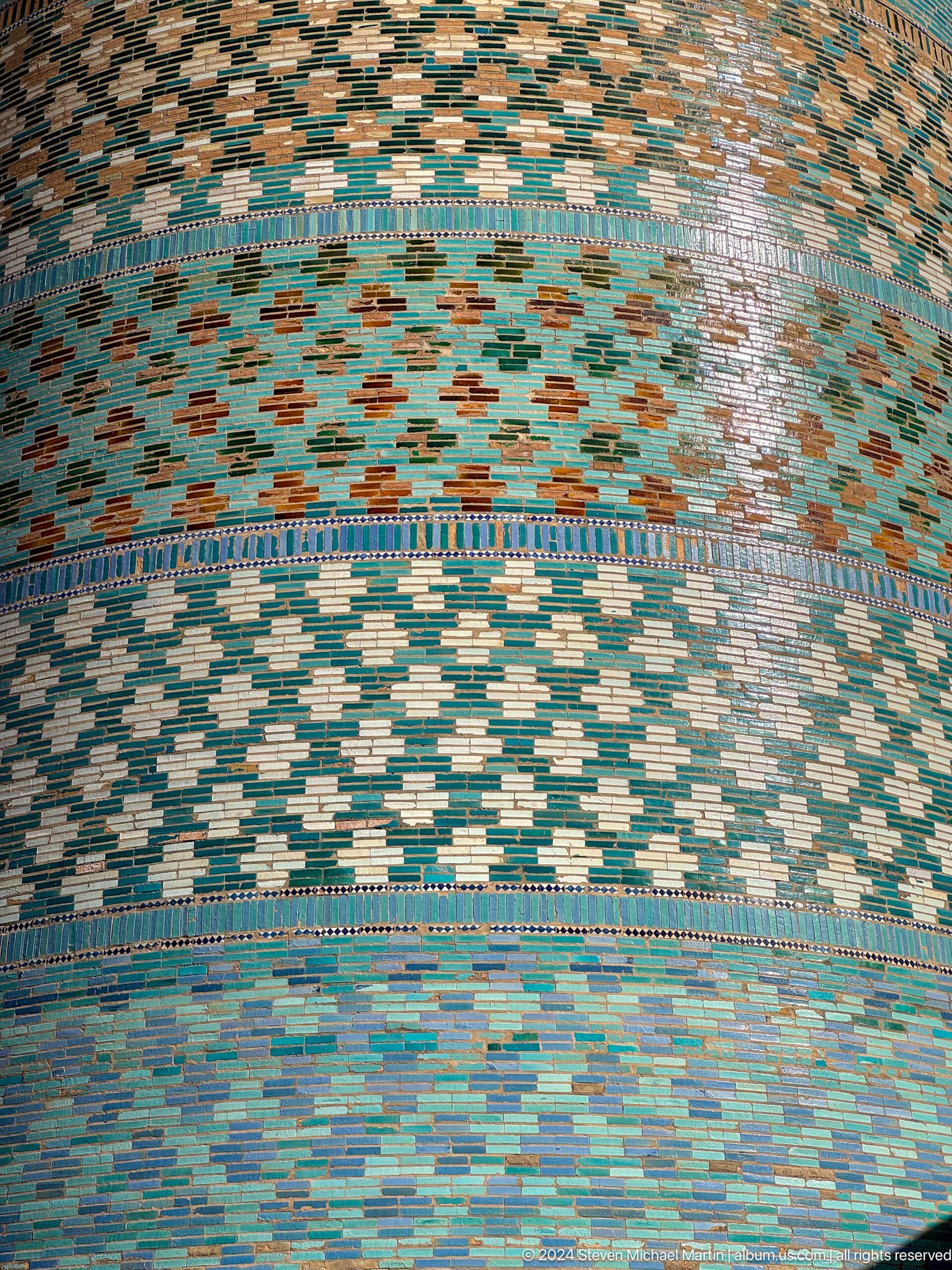
Kalta minor tilework is documented within Khiva’s walled historic center. The photograph emphasizes its visible form, materials, ornament, and relationship to the surrounding urban fabric, preserving a focused record of the architecture, craft tradition, daily life, or travel experience represented in this view.
Caption
Kalta minor tilework is documented within Khiva’s walled historic center. The photograph emphasizes its visible form, materials, ornament, and relationship to the surrounding urban fabric, preserving a focused record of the architecture, craft tradition, daily life, or travel experience represented in this view.
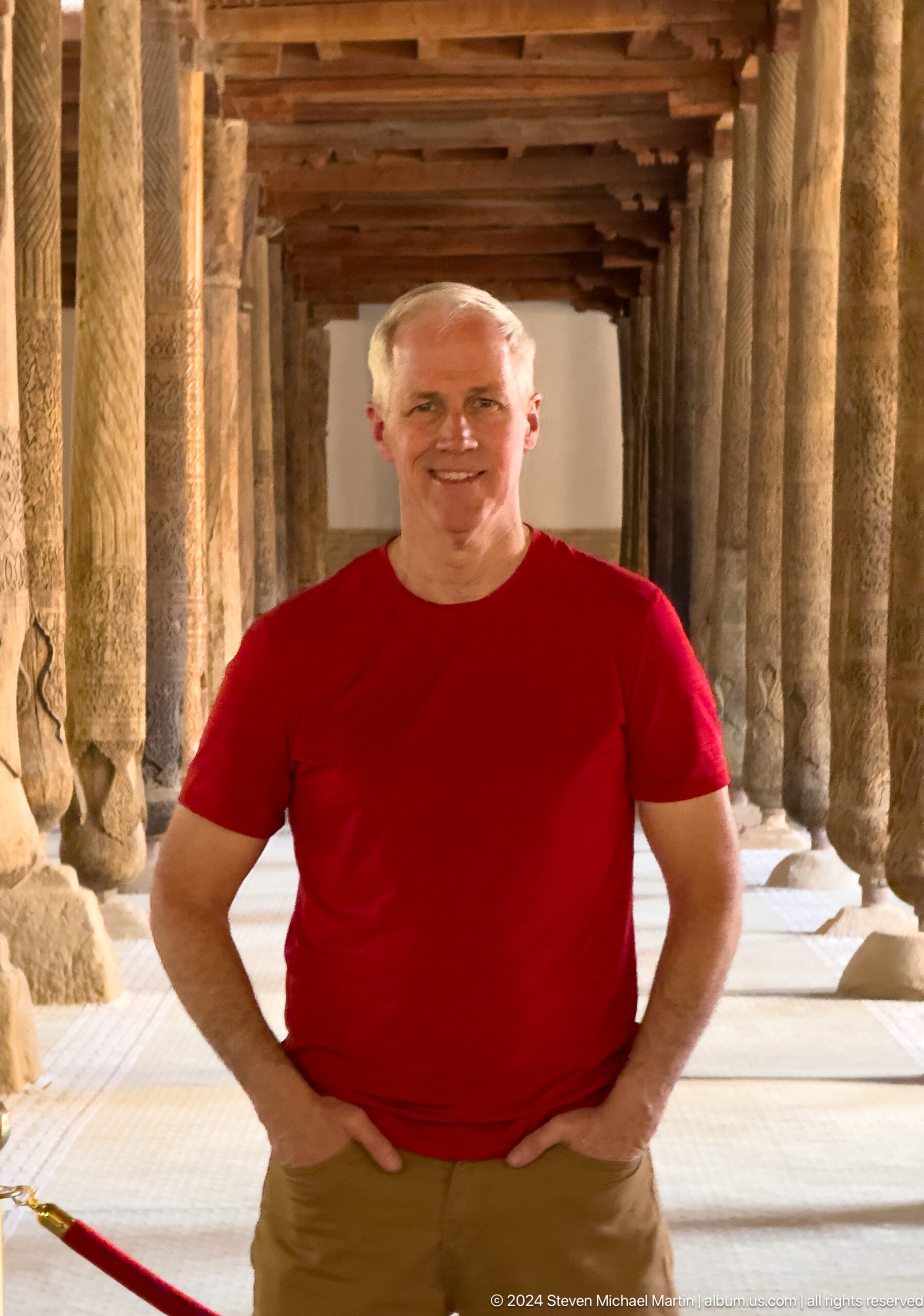
Visitor portrait in juma mosque is documented within Khiva’s walled historic center. The photograph emphasizes its visible form, materials, ornament, and relationship to the surrounding urban fabric, preserving a focused record of the architecture, craft tradition, daily life, or travel experience represented in this view.
Caption
Visitor portrait in juma mosque is documented within Khiva’s walled historic center. The photograph emphasizes its visible form, materials, ornament, and relationship to the surrounding urban fabric, preserving a focused record of the architecture, craft tradition, daily life, or travel experience represented in this view.
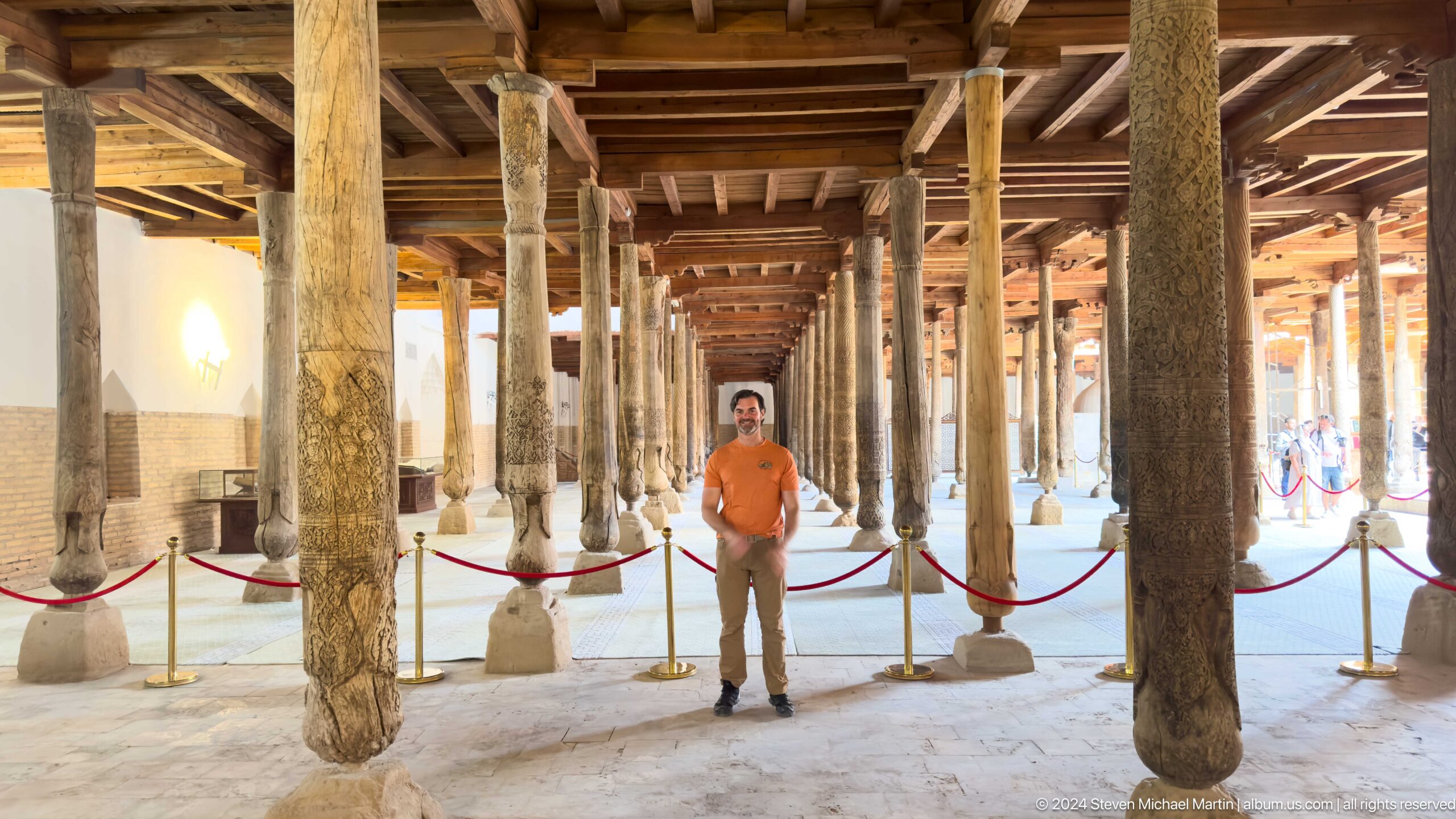
Juma mosque interior is documented within Khiva’s walled historic center. The photograph emphasizes its visible form, materials, ornament, and relationship to the surrounding urban fabric, preserving a focused record of the architecture, craft tradition, daily life, or travel experience represented in this view.
Caption
Juma mosque interior is documented within Khiva’s walled historic center. The photograph emphasizes its visible form, materials, ornament, and relationship to the surrounding urban fabric, preserving a focused record of the architecture, craft tradition, daily life, or travel experience represented in this view.

Visitor portrait is documented within Khiva’s walled historic center. The photograph emphasizes its visible form, materials, ornament, and relationship to the surrounding urban fabric, preserving a focused record of the architecture, craft tradition, daily life, or travel experience represented in this view.
Caption
Visitor portrait is documented within Khiva’s walled historic center. The photograph emphasizes its visible form, materials, ornament, and relationship to the surrounding urban fabric, preserving a focused record of the architecture, craft tradition, daily life, or travel experience represented in this view.
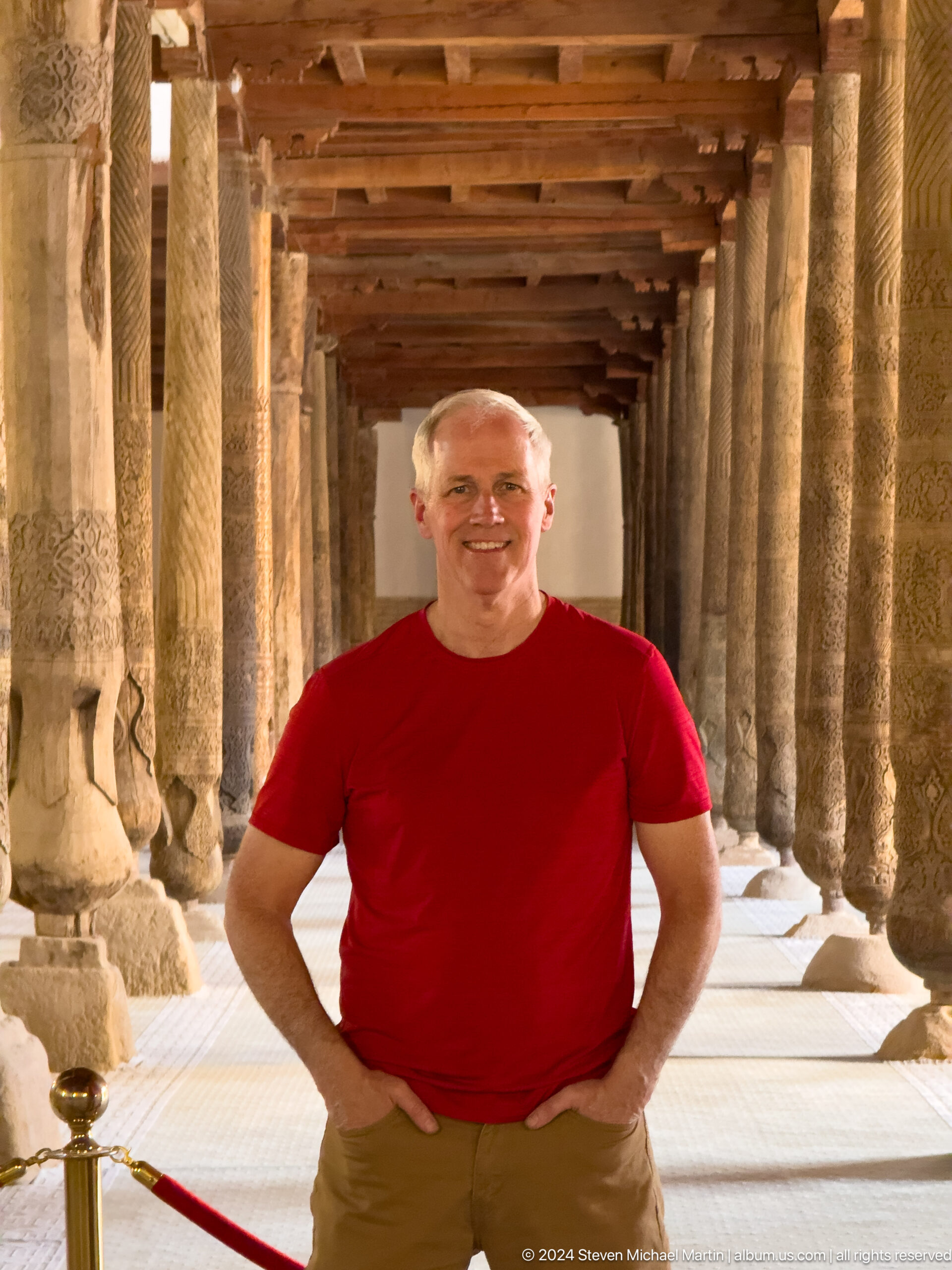
Visitor portrait is documented within Khiva’s walled historic center. The photograph emphasizes its visible form, materials, ornament, and relationship to the surrounding urban fabric, preserving a focused record of the architecture, craft tradition, daily life, or travel experience represented in this view.
Caption
Visitor portrait is documented within Khiva’s walled historic center. The photograph emphasizes its visible form, materials, ornament, and relationship to the surrounding urban fabric, preserving a focused record of the architecture, craft tradition, daily life, or travel experience represented in this view.
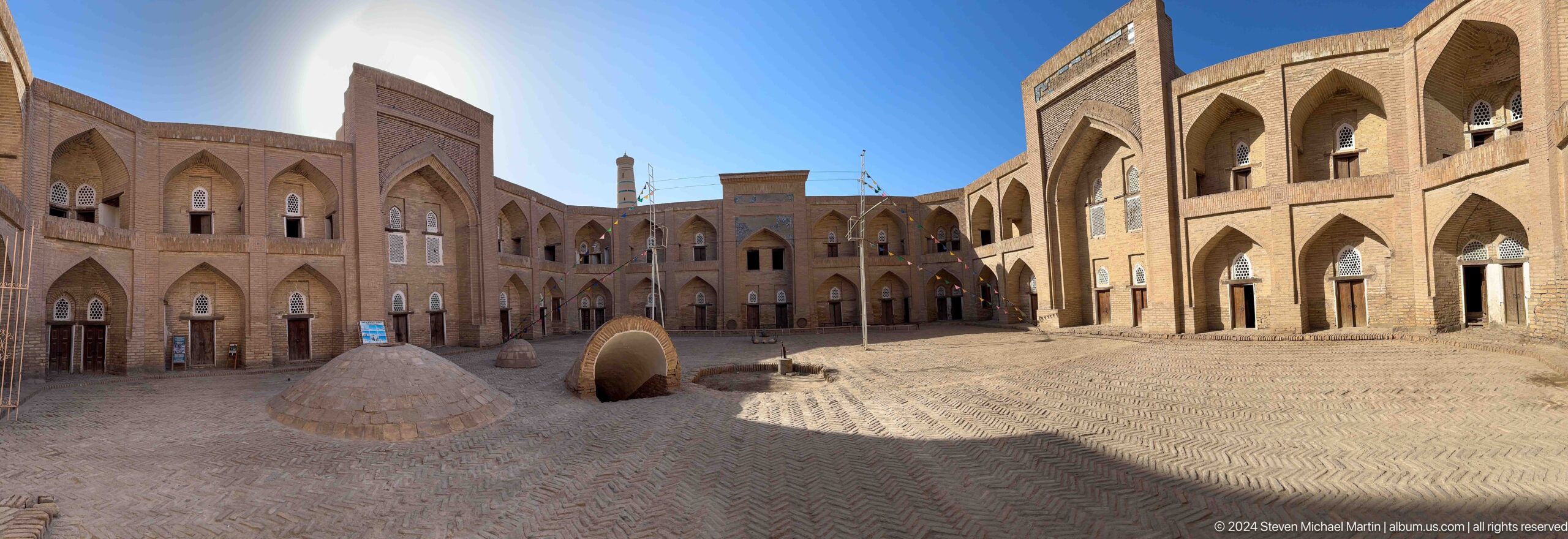
Madrasa courtyard is documented within Khiva’s walled historic center. The photograph emphasizes its visible form, materials, ornament, and relationship to the surrounding urban fabric, preserving a focused record of the architecture, craft tradition, daily life, or travel experience represented in this view.
Caption
Madrasa courtyard is documented within Khiva’s walled historic center. The photograph emphasizes its visible form, materials, ornament, and relationship to the surrounding urban fabric, preserving a focused record of the architecture, craft tradition, daily life, or travel experience represented in this view.
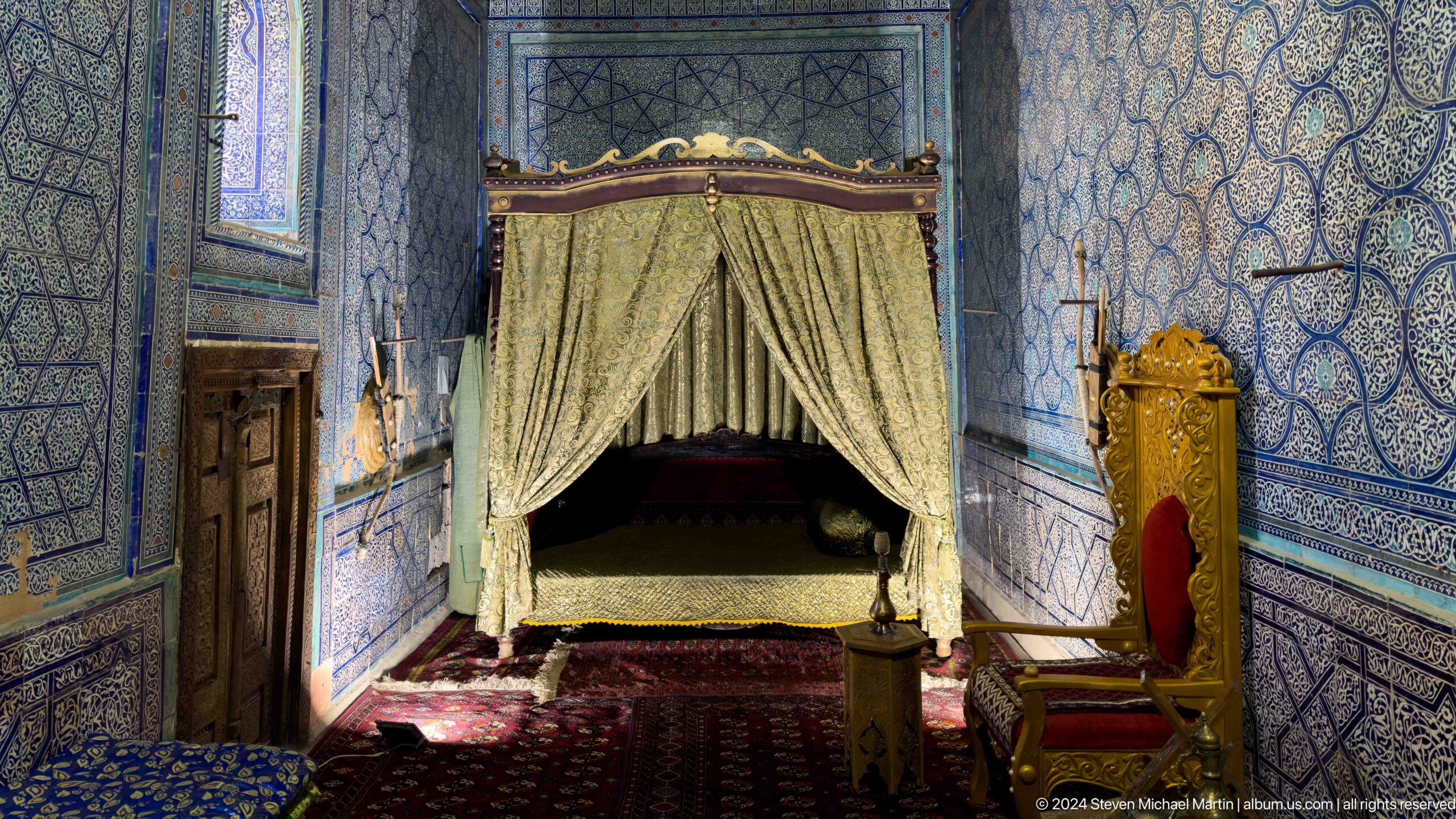
Palace bedroom is documented within Khiva’s walled historic center. The photograph emphasizes its visible form, materials, ornament, and relationship to the surrounding urban fabric, preserving a focused record of the architecture, craft tradition, daily life, or travel experience represented in this view.
Caption
Palace bedroom is documented within Khiva’s walled historic center. The photograph emphasizes its visible form, materials, ornament, and relationship to the surrounding urban fabric, preserving a focused record of the architecture, craft tradition, daily life, or travel experience represented in this view.
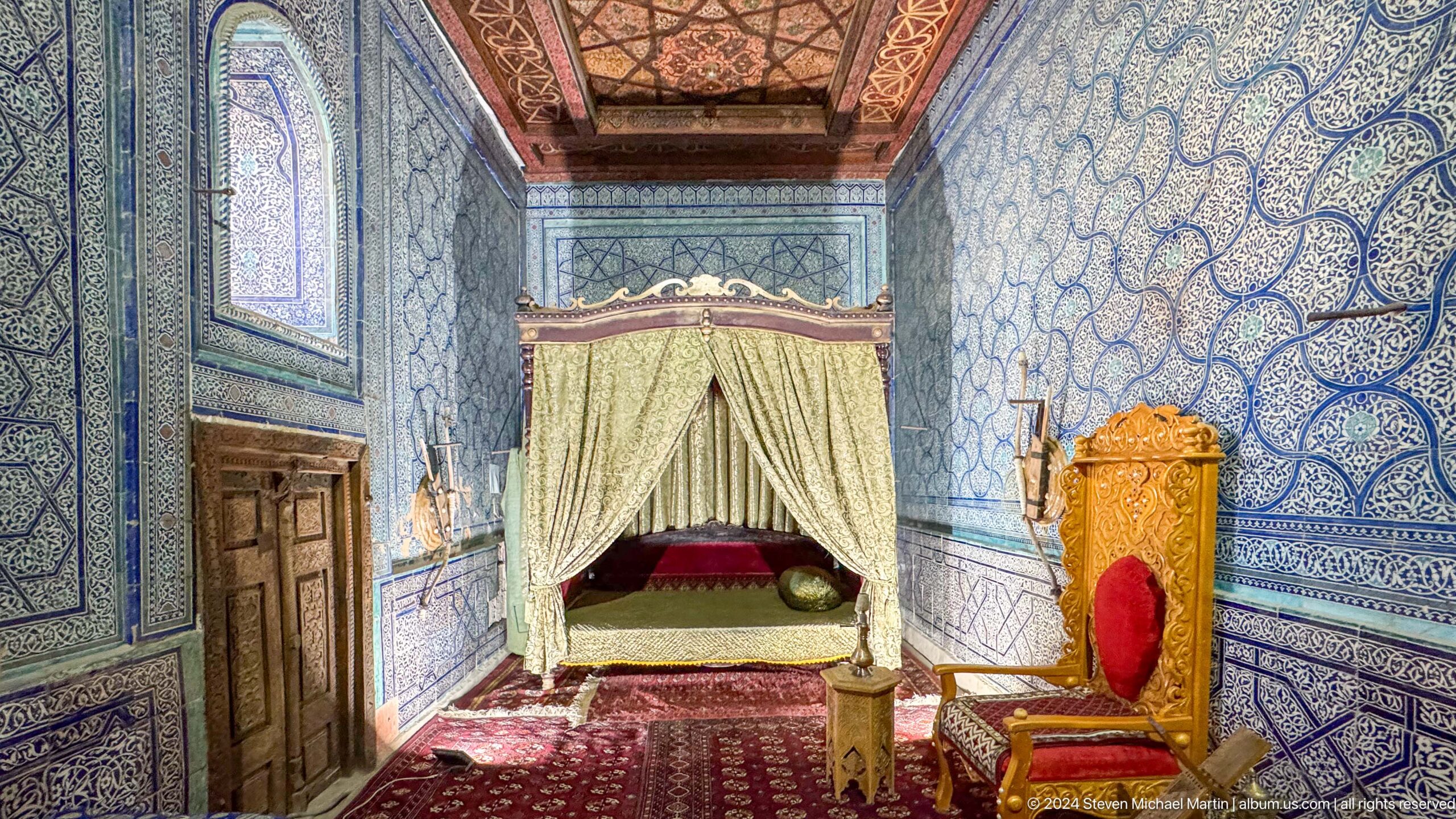
Historic royal chamber is documented within Khiva’s walled historic center. The photograph emphasizes its visible form, materials, ornament, and relationship to the surrounding urban fabric, preserving a focused record of the architecture, craft tradition, daily life, or travel experience represented in this view.
Caption
Historic royal chamber is documented within Khiva’s walled historic center. The photograph emphasizes its visible form, materials, ornament, and relationship to the surrounding urban fabric, preserving a focused record of the architecture, craft tradition, daily life, or travel experience represented in this view.
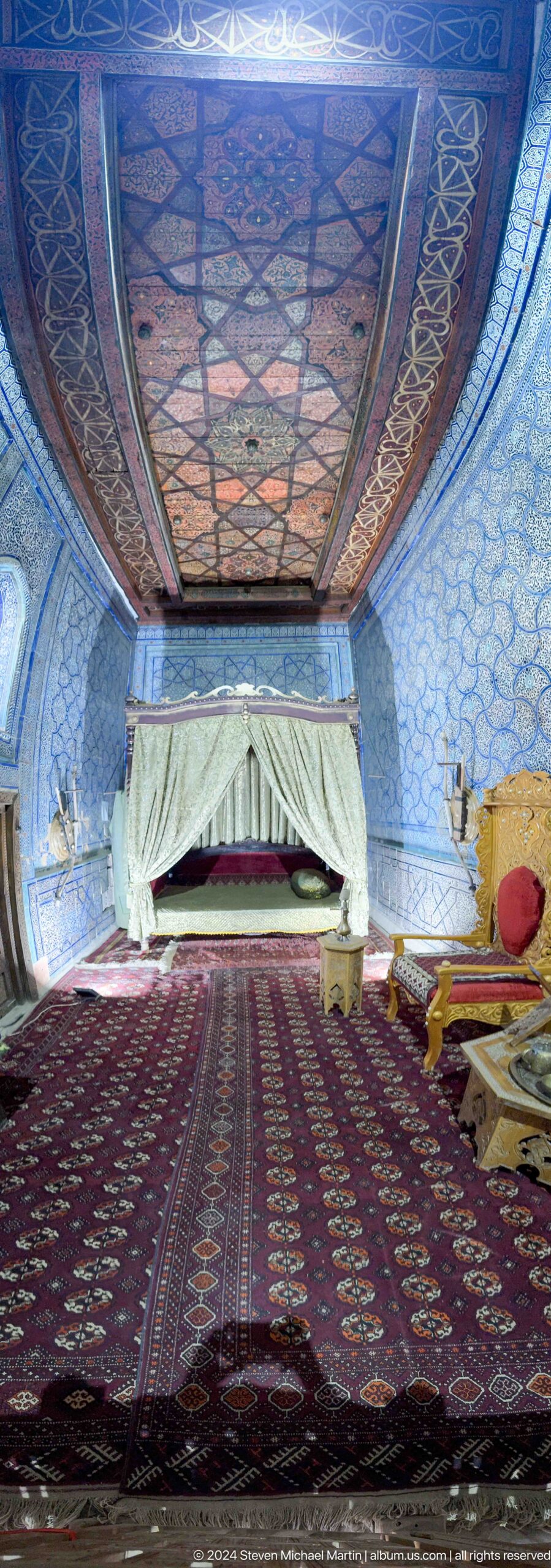
Palace bed display is documented within Khiva’s walled historic center. The photograph emphasizes its visible form, materials, ornament, and relationship to the surrounding urban fabric, preserving a focused record of the architecture, craft tradition, daily life, or travel experience represented in this view.
Caption
Palace bed display is documented within Khiva’s walled historic center. The photograph emphasizes its visible form, materials, ornament, and relationship to the surrounding urban fabric, preserving a focused record of the architecture, craft tradition, daily life, or travel experience represented in this view.
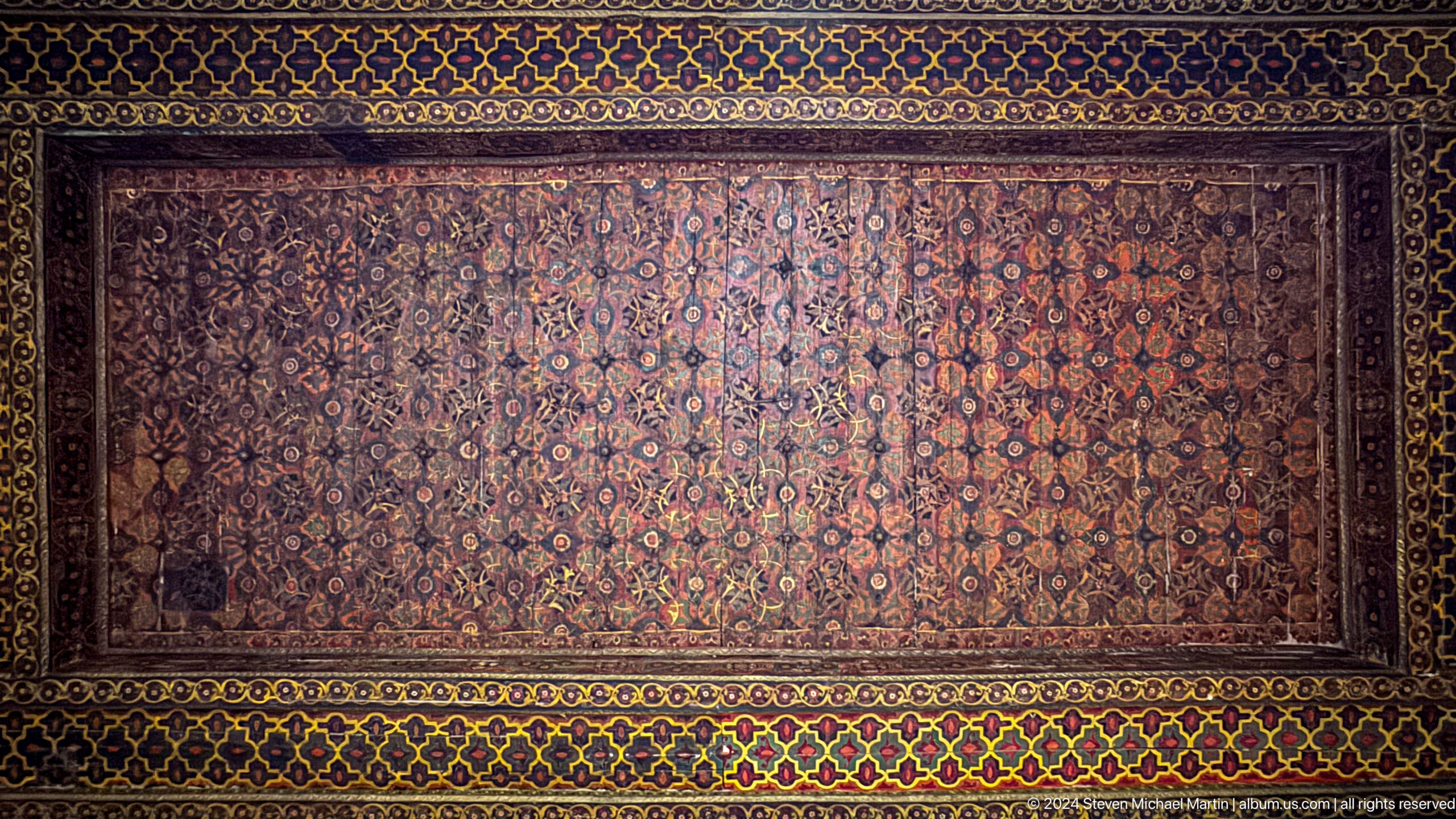
Central asian carpet is documented within Khiva’s walled historic center. The photograph emphasizes its visible form, materials, ornament, and relationship to the surrounding urban fabric, preserving a focused record of the architecture, craft tradition, daily life, or travel experience represented in this view.
Caption
Central asian carpet is documented within Khiva’s walled historic center. The photograph emphasizes its visible form, materials, ornament, and relationship to the surrounding urban fabric, preserving a focused record of the architecture, craft tradition, daily life, or travel experience represented in this view.
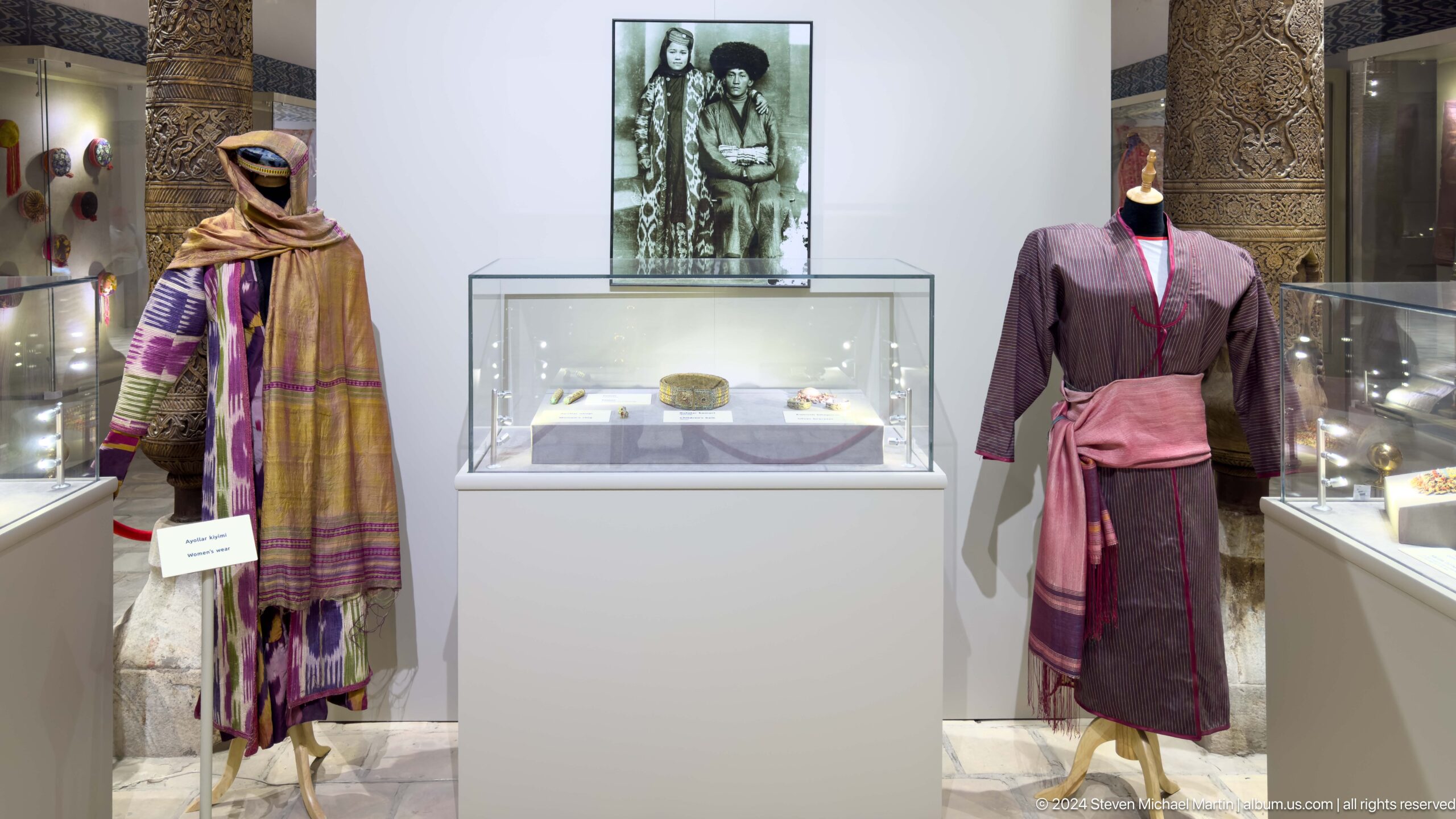
Traditional costume display is documented within Khiva’s walled historic center. The photograph emphasizes its visible form, materials, ornament, and relationship to the surrounding urban fabric, preserving a focused record of the architecture, craft tradition, daily life, or travel experience represented in this view.
Caption
Traditional costume display is documented within Khiva’s walled historic center. The photograph emphasizes its visible form, materials, ornament, and relationship to the surrounding urban fabric, preserving a focused record of the architecture, craft tradition, daily life, or travel experience represented in this view.
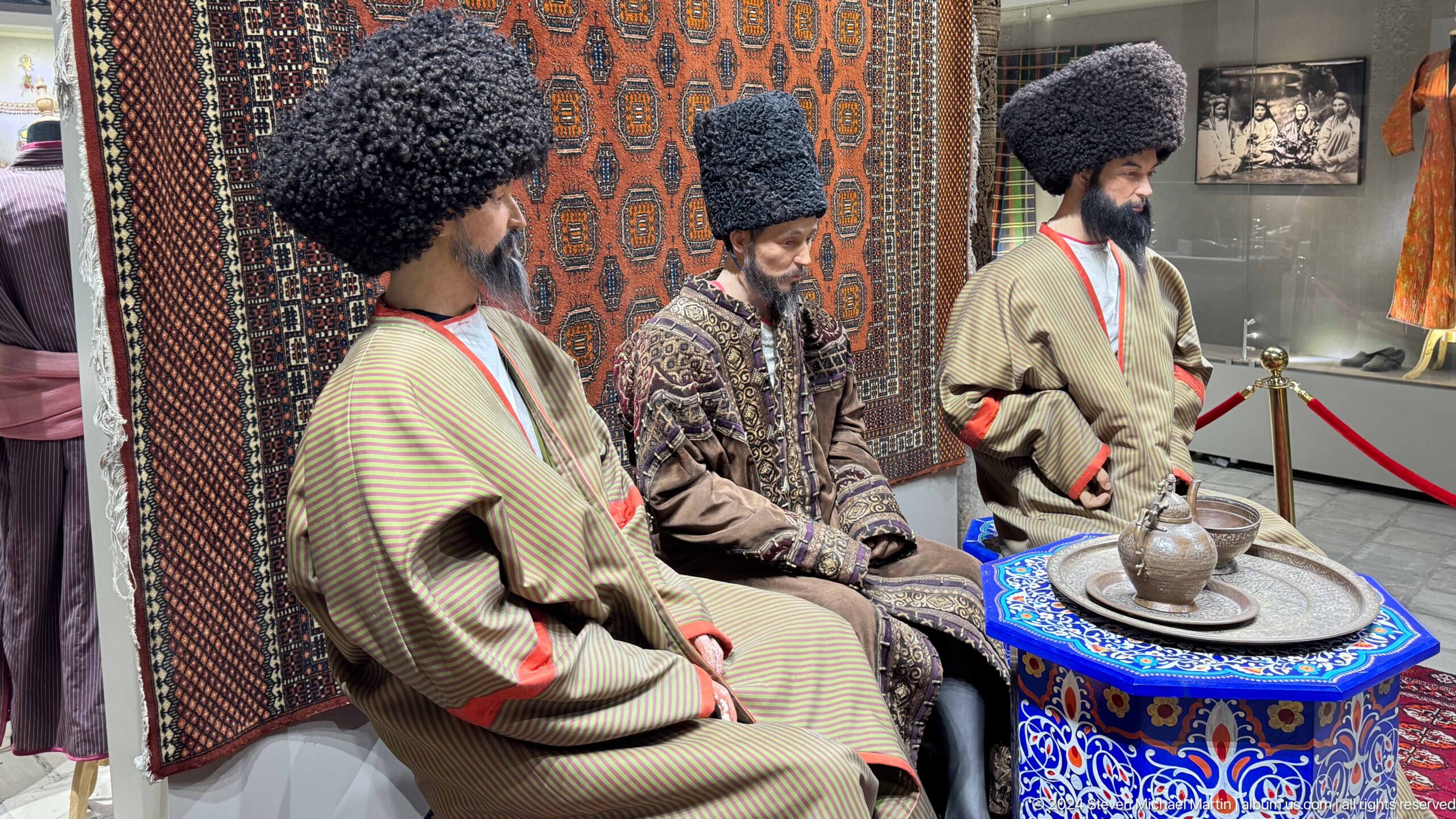
Court-life diorama is documented within Khiva’s walled historic center. The photograph emphasizes its visible form, materials, ornament, and relationship to the surrounding urban fabric, preserving a focused record of the architecture, craft tradition, daily life, or travel experience represented in this view.
Caption
Court-life diorama is documented within Khiva’s walled historic center. The photograph emphasizes its visible form, materials, ornament, and relationship to the surrounding urban fabric, preserving a focused record of the architecture, craft tradition, daily life, or travel experience represented in this view.
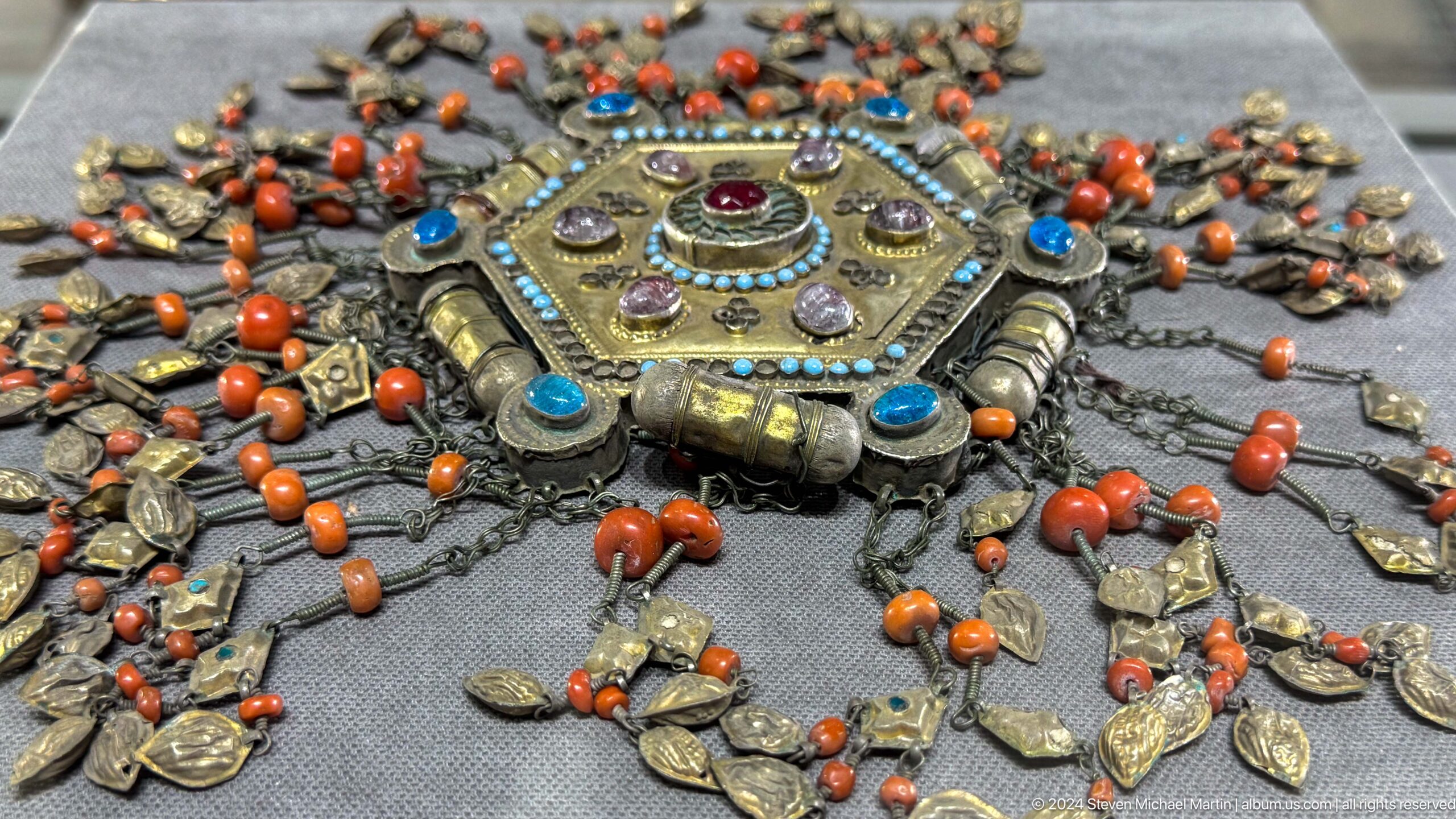
Traditional jewelry is documented within Khiva’s walled historic center. The photograph emphasizes its visible form, materials, ornament, and relationship to the surrounding urban fabric, preserving a focused record of the architecture, craft tradition, daily life, or travel experience represented in this view.
Caption
Traditional jewelry is documented within Khiva’s walled historic center. The photograph emphasizes its visible form, materials, ornament, and relationship to the surrounding urban fabric, preserving a focused record of the architecture, craft tradition, daily life, or travel experience represented in this view.
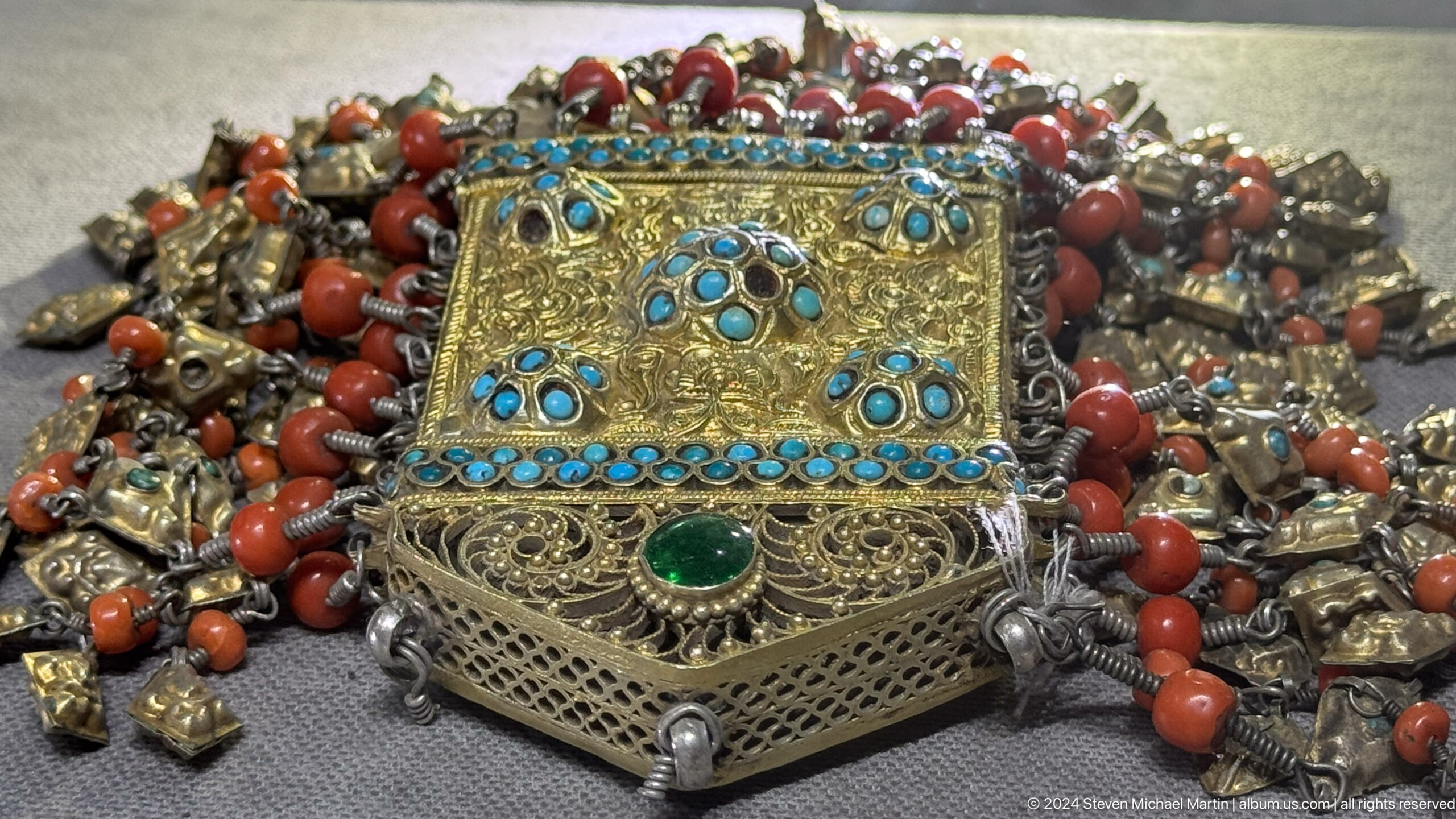
Metalwork ornament is documented within Khiva’s walled historic center. The photograph emphasizes its visible form, materials, ornament, and relationship to the surrounding urban fabric, preserving a focused record of the architecture, craft tradition, daily life, or travel experience represented in this view.
Caption
Metalwork ornament is documented within Khiva’s walled historic center. The photograph emphasizes its visible form, materials, ornament, and relationship to the surrounding urban fabric, preserving a focused record of the architecture, craft tradition, daily life, or travel experience represented in this view.
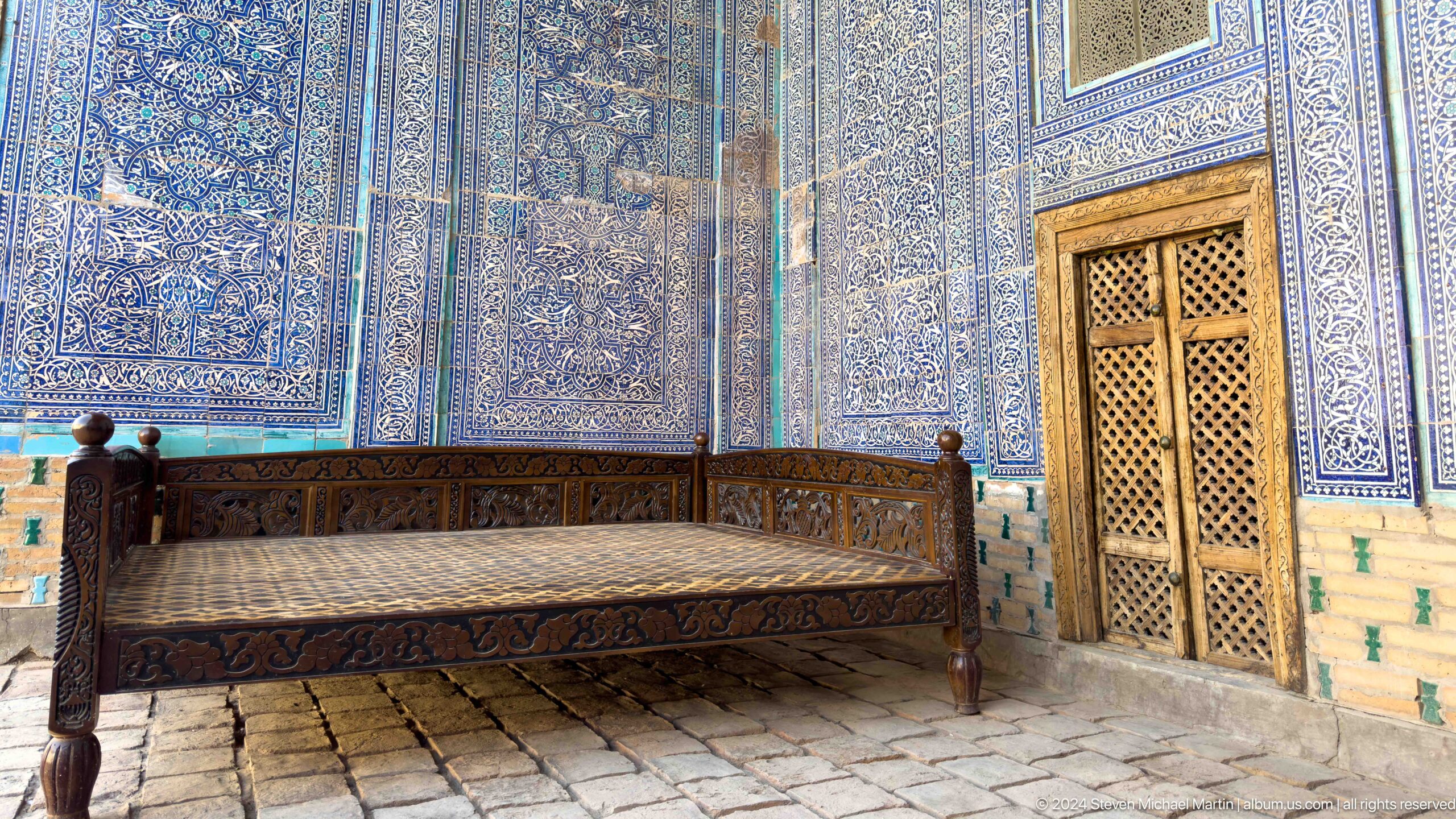
Palace interior detail is documented within Khiva’s walled historic center. The photograph emphasizes its visible form, materials, ornament, and relationship to the surrounding urban fabric, preserving a focused record of the architecture, craft tradition, daily life, or travel experience represented in this view.
Caption
Palace interior detail is documented within Khiva’s walled historic center. The photograph emphasizes its visible form, materials, ornament, and relationship to the surrounding urban fabric, preserving a focused record of the architecture, craft tradition, daily life, or travel experience represented in this view.
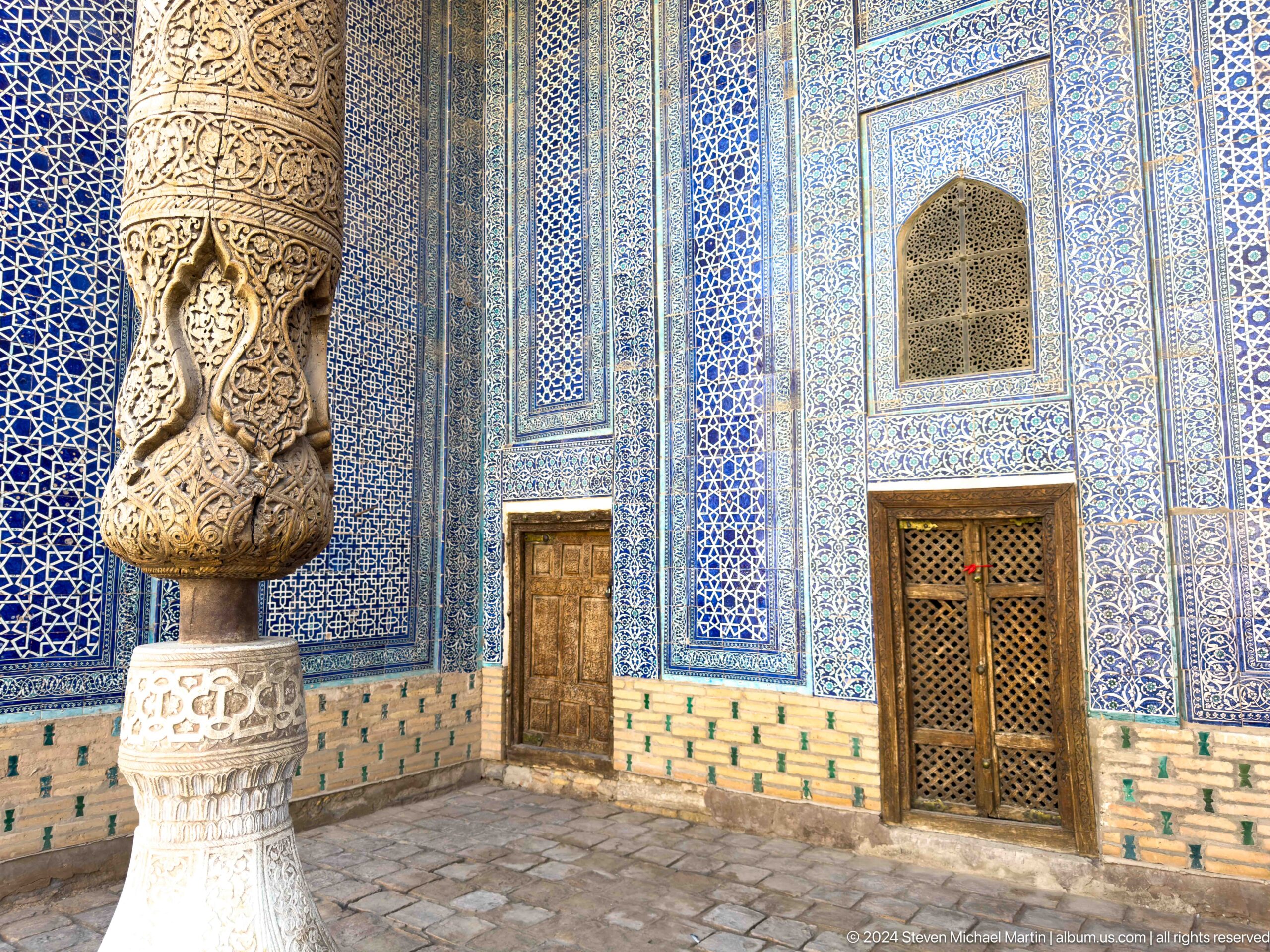
Architectural fragment is documented within Khiva’s walled historic center. The photograph emphasizes its visible form, materials, ornament, and relationship to the surrounding urban fabric, preserving a focused record of the architecture, craft tradition, daily life, or travel experience represented in this view.
Caption
Architectural fragment is documented within Khiva’s walled historic center. The photograph emphasizes its visible form, materials, ornament, and relationship to the surrounding urban fabric, preserving a focused record of the architecture, craft tradition, daily life, or travel experience represented in this view.
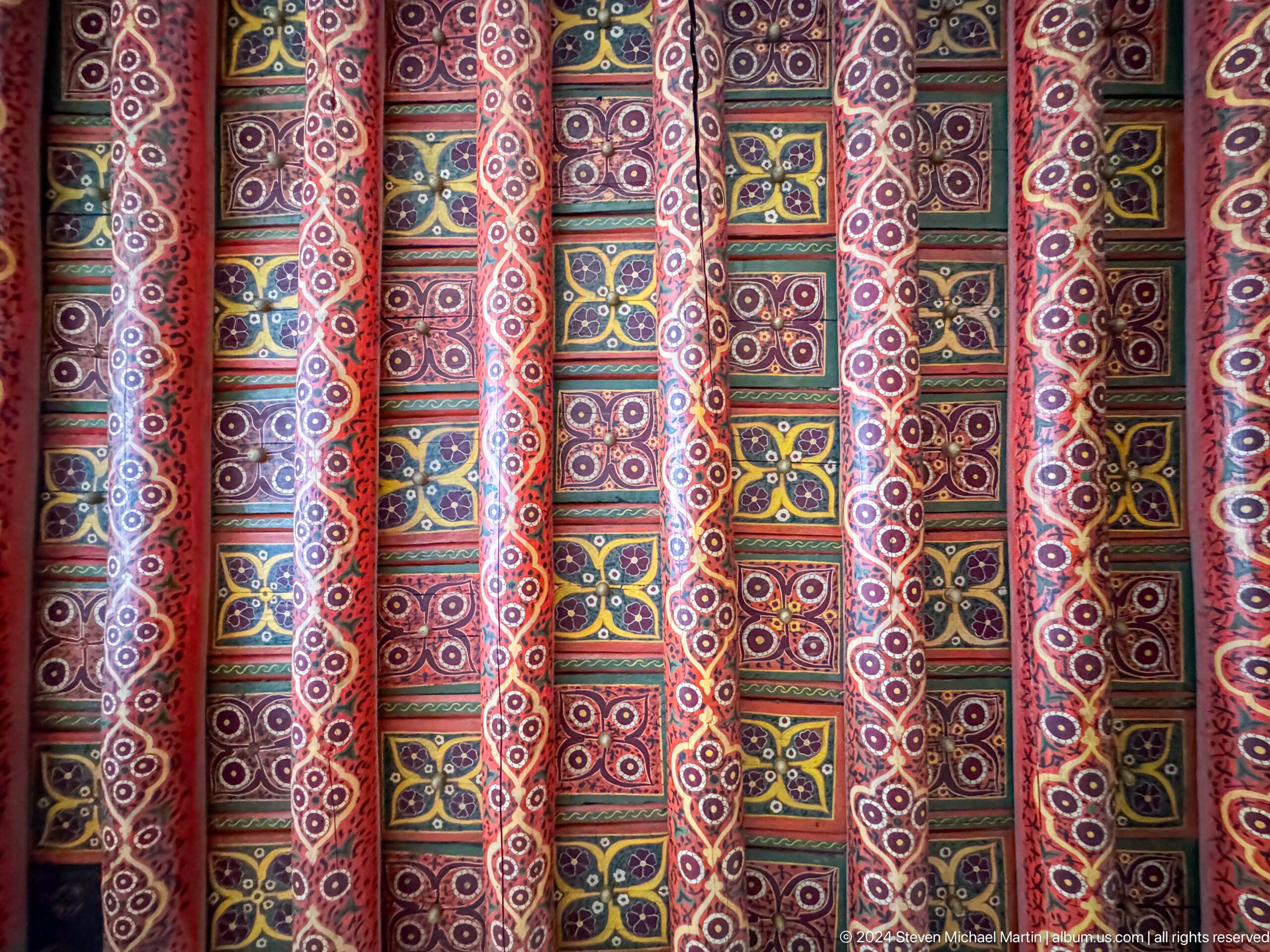
Uzbek textile display is documented within Khiva’s walled historic center. The photograph emphasizes its visible form, materials, ornament, and relationship to the surrounding urban fabric, preserving a focused record of the architecture, craft tradition, daily life, or travel experience represented in this view.
Caption
Uzbek textile display is documented within Khiva’s walled historic center. The photograph emphasizes its visible form, materials, ornament, and relationship to the surrounding urban fabric, preserving a focused record of the architecture, craft tradition, daily life, or travel experience represented in this view.
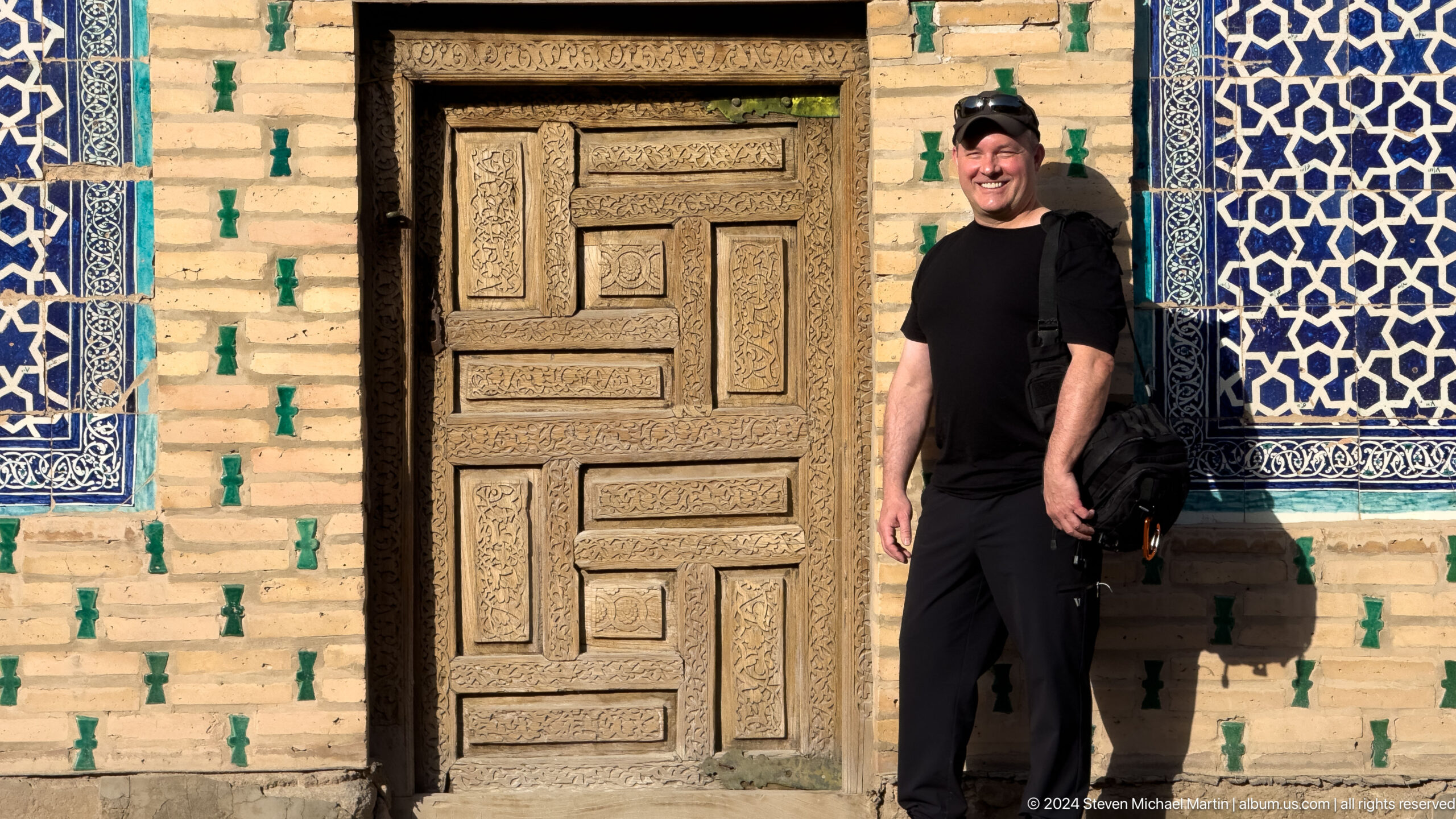
Visitor portrait is documented within Khiva’s walled historic center. The photograph emphasizes its visible form, materials, ornament, and relationship to the surrounding urban fabric, preserving a focused record of the architecture, craft tradition, daily life, or travel experience represented in this view.
Caption
Visitor portrait is documented within Khiva’s walled historic center. The photograph emphasizes its visible form, materials, ornament, and relationship to the surrounding urban fabric, preserving a focused record of the architecture, craft tradition, daily life, or travel experience represented in this view.
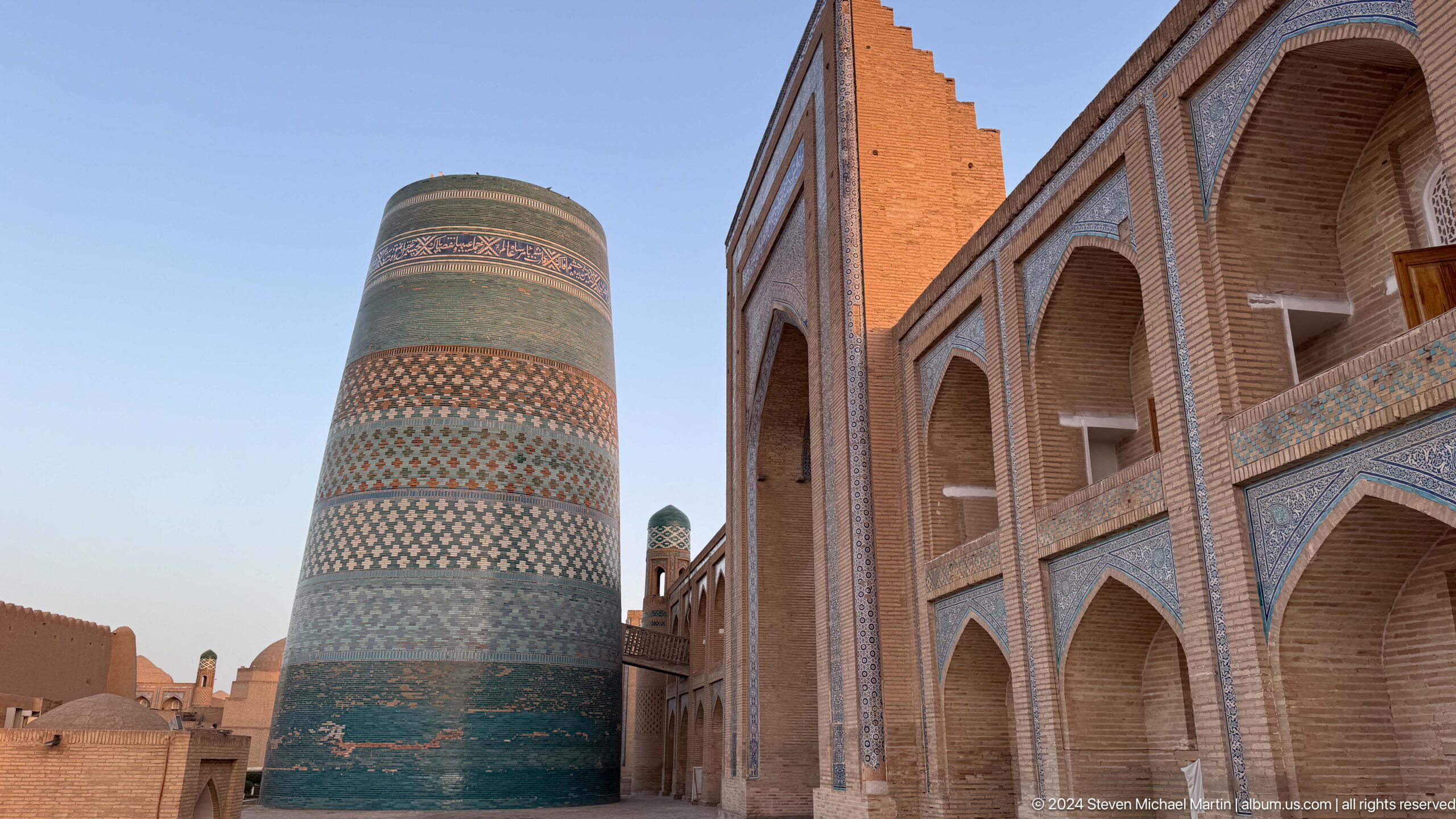
Kalta minor ensemble is documented within Khiva’s walled historic center. The photograph emphasizes its visible form, materials, ornament, and relationship to the surrounding urban fabric, preserving a focused record of the architecture, craft tradition, daily life, or travel experience represented in this view.
Caption
Kalta minor ensemble is documented within Khiva’s walled historic center. The photograph emphasizes its visible form, materials, ornament, and relationship to the surrounding urban fabric, preserving a focused record of the architecture, craft tradition, daily life, or travel experience represented in this view.
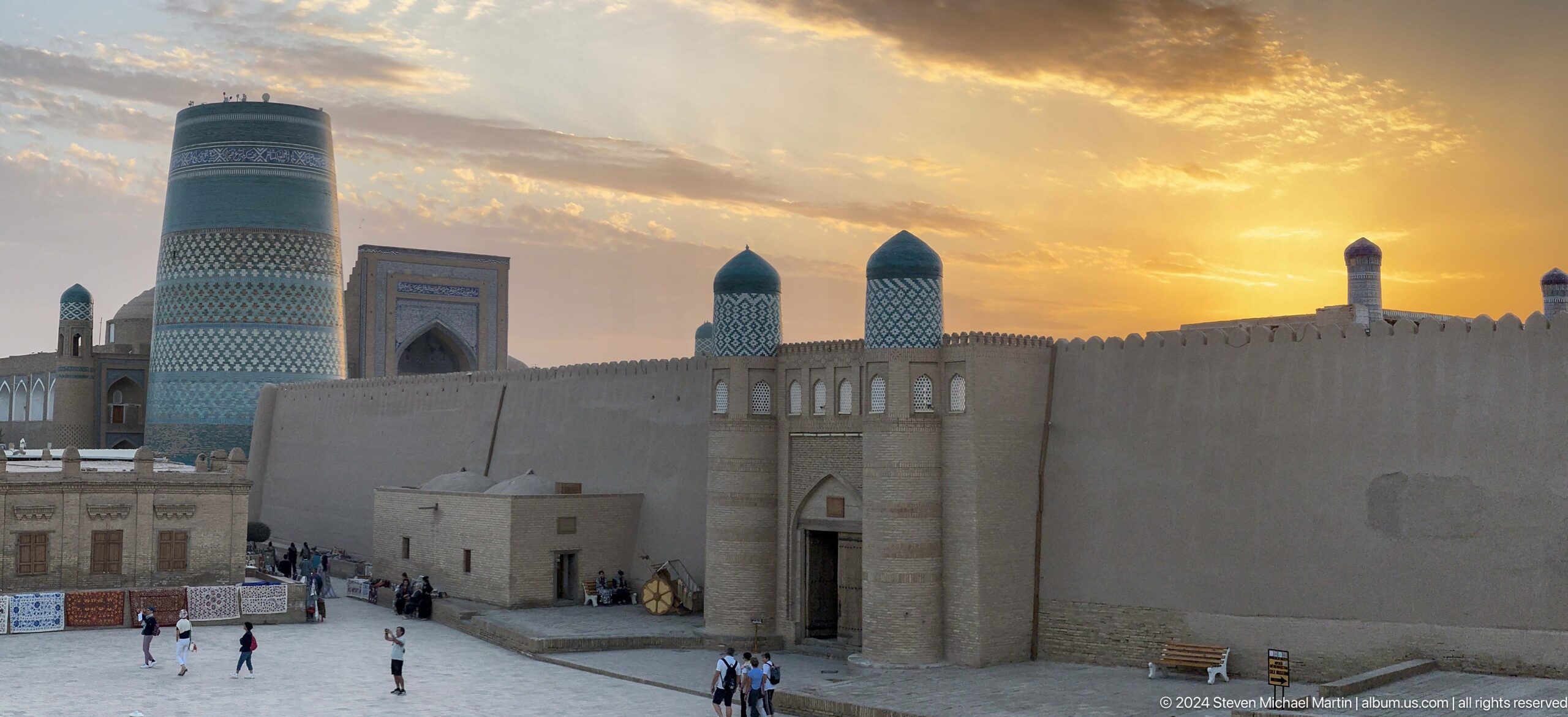
Itchan kala sunset is documented within Khiva’s walled historic center. The photograph emphasizes its visible form, materials, ornament, and relationship to the surrounding urban fabric, preserving a focused record of the architecture, craft tradition, daily life, or travel experience represented in this view.
Caption
Itchan kala sunset is documented within Khiva’s walled historic center. The photograph emphasizes its visible form, materials, ornament, and relationship to the surrounding urban fabric, preserving a focused record of the architecture, craft tradition, daily life, or travel experience represented in this view.
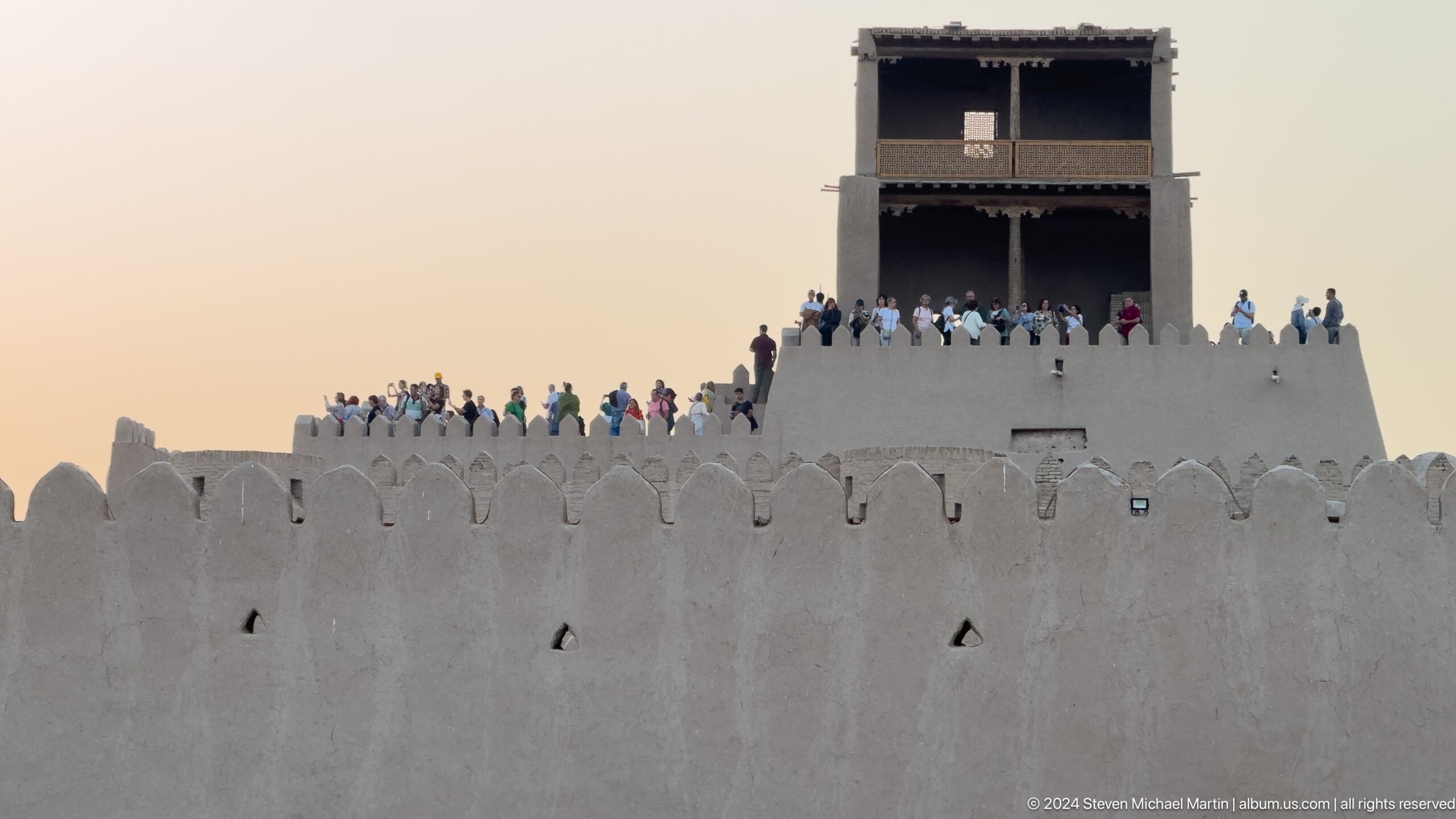
Kunya ark viewpoint is documented within Khiva’s walled historic center. The photograph emphasizes its visible form, materials, ornament, and relationship to the surrounding urban fabric, preserving a focused record of the architecture, craft tradition, daily life, or travel experience represented in this view.
Caption
Kunya ark viewpoint is documented within Khiva’s walled historic center. The photograph emphasizes its visible form, materials, ornament, and relationship to the surrounding urban fabric, preserving a focused record of the architecture, craft tradition, daily life, or travel experience represented in this view.

Travel couple portrait is documented within Khiva’s walled historic center. The photograph emphasizes its visible form, materials, ornament, and relationship to the surrounding urban fabric, preserving a focused record of the architecture, craft tradition, daily life, or travel experience represented in this view.
Caption
Travel couple portrait is documented within Khiva’s walled historic center. The photograph emphasizes its visible form, materials, ornament, and relationship to the surrounding urban fabric, preserving a focused record of the architecture, craft tradition, daily life, or travel experience represented in this view.
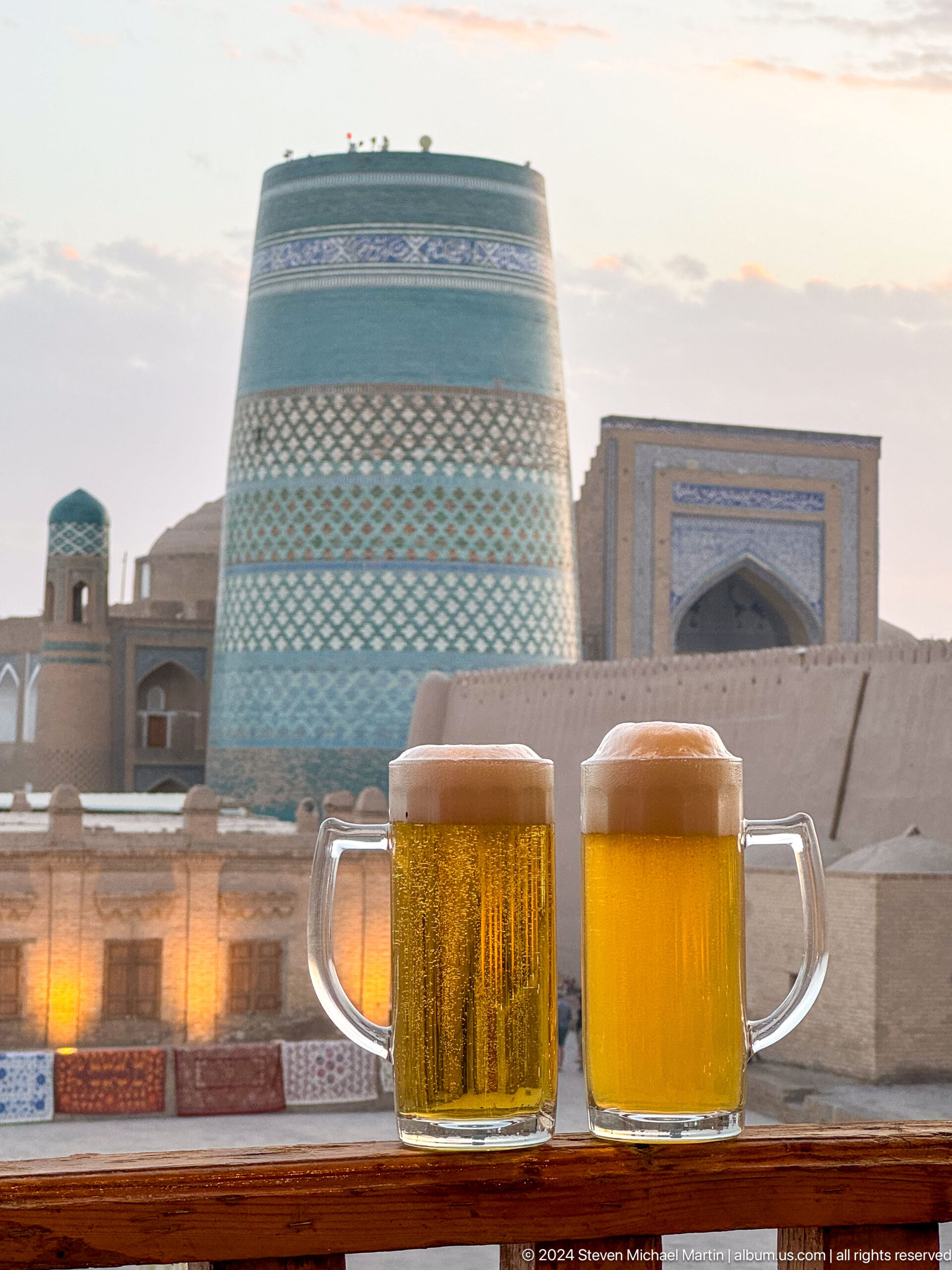
Refreshment with khiva view is documented within Khiva’s walled historic center. The photograph emphasizes its visible form, materials, ornament, and relationship to the surrounding urban fabric, preserving a focused record of the architecture, craft tradition, daily life, or travel experience represented in this view.
Caption
Refreshment with khiva view is documented within Khiva’s walled historic center. The photograph emphasizes its visible form, materials, ornament, and relationship to the surrounding urban fabric, preserving a focused record of the architecture, craft tradition, daily life, or travel experience represented in this view.
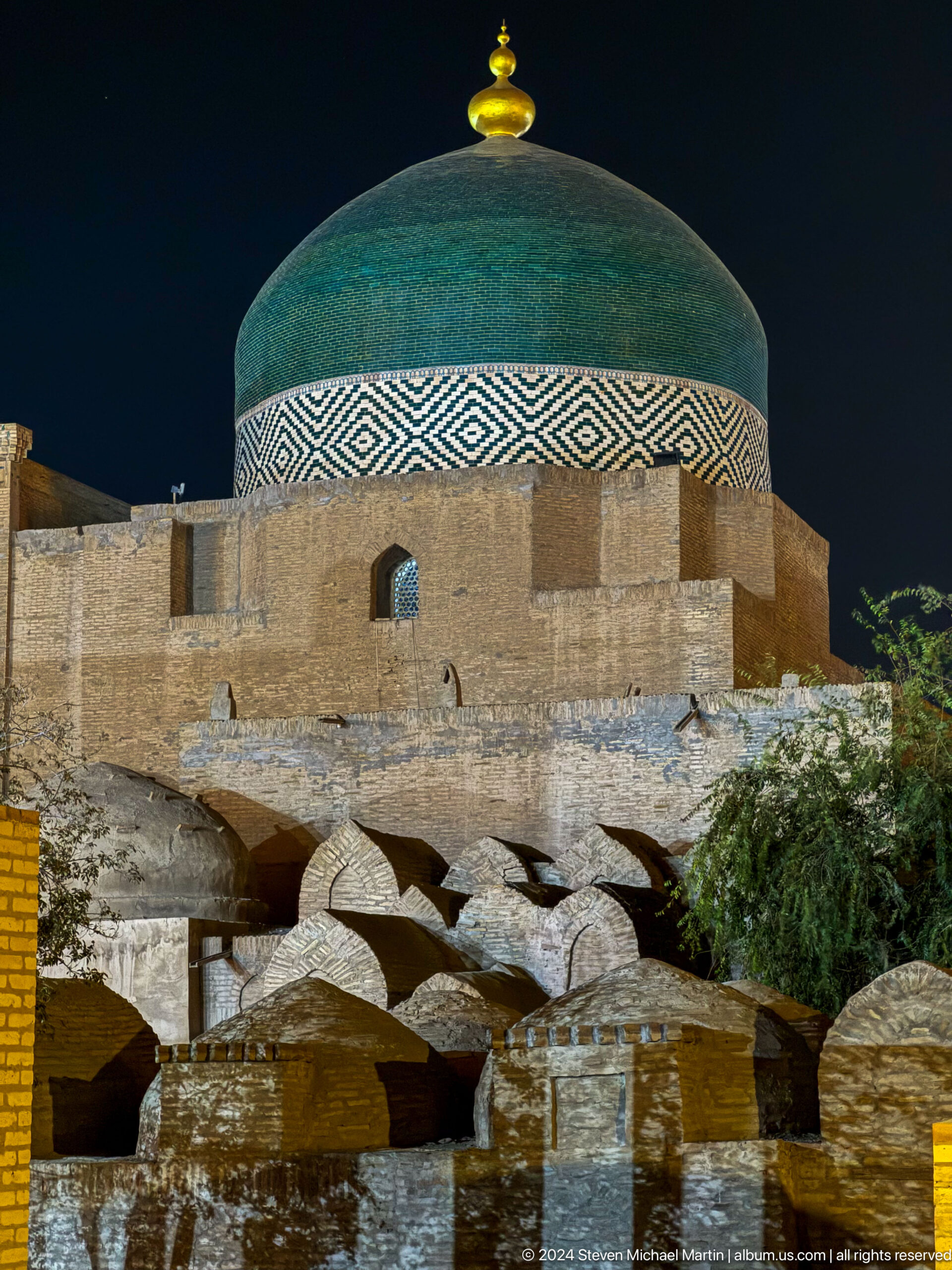
Kalta minor and city wall is documented within Khiva’s walled historic center. The photograph emphasizes its visible form, materials, ornament, and relationship to the surrounding urban fabric, preserving a focused record of the architecture, craft tradition, daily life, or travel experience represented in this view.
Caption
Kalta minor and city wall is documented within Khiva’s walled historic center. The photograph emphasizes its visible form, materials, ornament, and relationship to the surrounding urban fabric, preserving a focused record of the architecture, craft tradition, daily life, or travel experience represented in this view.
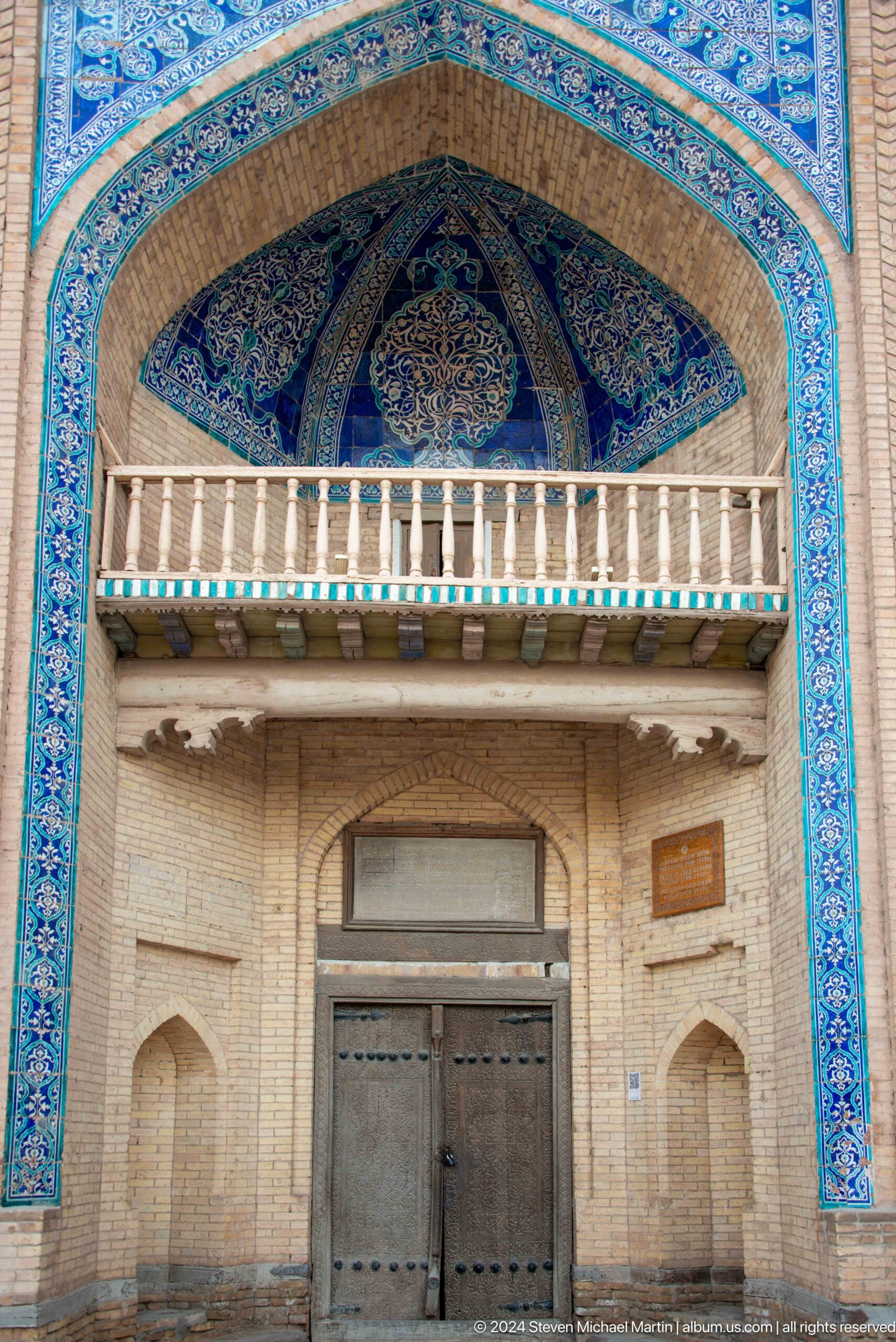
Historic balcony detail is documented within Khiva’s walled historic center. The photograph emphasizes its visible form, materials, ornament, and relationship to the surrounding urban fabric, preserving a focused record of the architecture, craft tradition, daily life, or travel experience represented in this view.
Caption
Historic balcony detail is documented within Khiva’s walled historic center. The photograph emphasizes its visible form, materials, ornament, and relationship to the surrounding urban fabric, preserving a focused record of the architecture, craft tradition, daily life, or travel experience represented in this view.
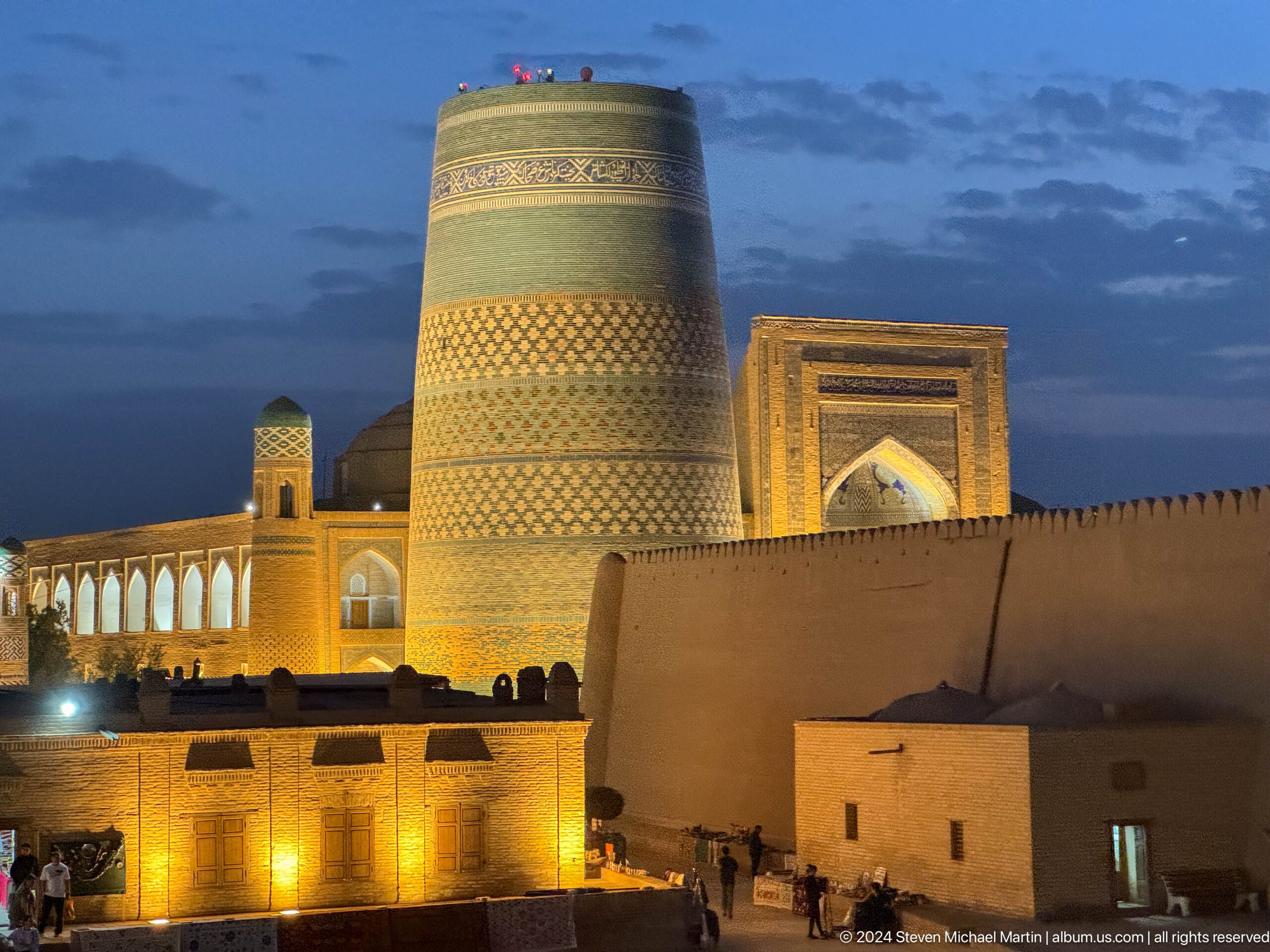
Kalta minor at blue hour is documented within Khiva’s walled historic center. The photograph emphasizes its visible form, materials, ornament, and relationship to the surrounding urban fabric, preserving a focused record of the architecture, craft tradition, daily life, or travel experience represented in this view.
Caption
Kalta minor at blue hour is documented within Khiva’s walled historic center. The photograph emphasizes its visible form, materials, ornament, and relationship to the surrounding urban fabric, preserving a focused record of the architecture, craft tradition, daily life, or travel experience represented in this view.
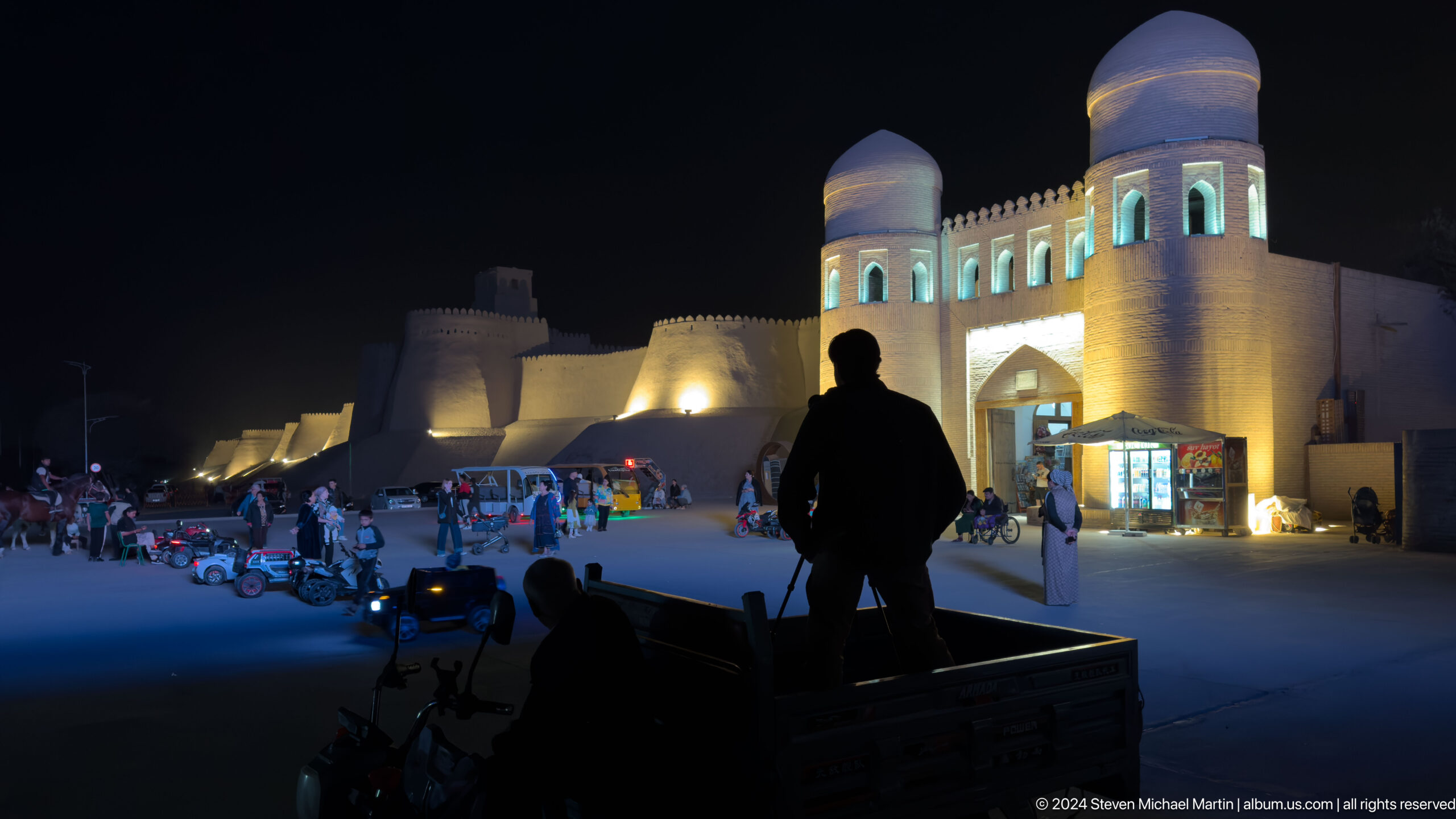
Ata darvaza at night is documented within Khiva’s walled historic center. The photograph emphasizes its visible form, materials, ornament, and relationship to the surrounding urban fabric, preserving a focused record of the architecture, craft tradition, daily life, or travel experience represented in this view.
Caption
Ata darvaza at night is documented within Khiva’s walled historic center. The photograph emphasizes its visible form, materials, ornament, and relationship to the surrounding urban fabric, preserving a focused record of the architecture, craft tradition, daily life, or travel experience represented in this view.
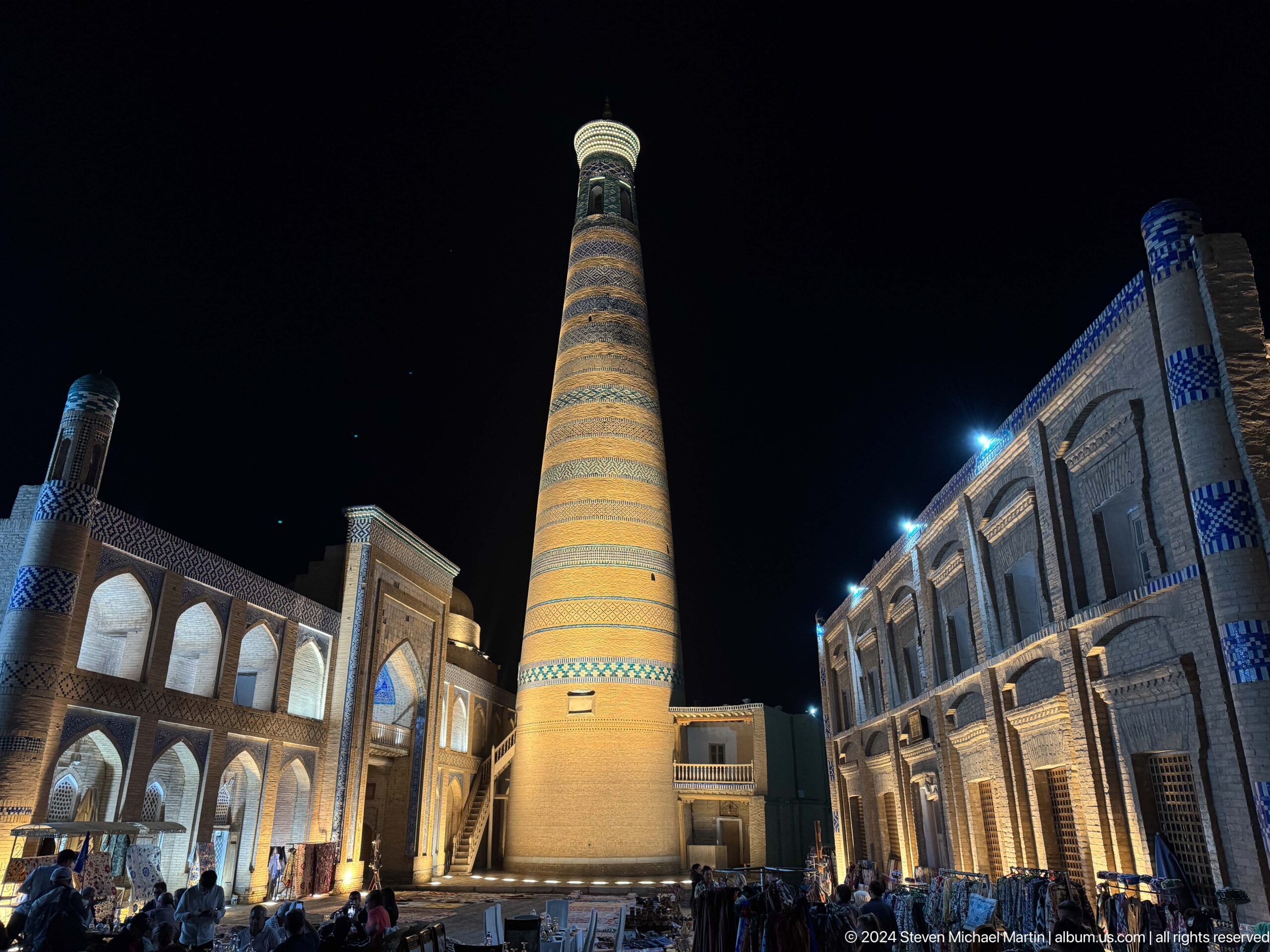
Islam khoja complex at night is documented within Khiva’s walled historic center. The photograph emphasizes its visible form, materials, ornament, and relationship to the surrounding urban fabric, preserving a focused record of the architecture, craft tradition, daily life, or travel experience represented in this view.
Caption
Islam khoja complex at night is documented within Khiva’s walled historic center. The photograph emphasizes its visible form, materials, ornament, and relationship to the surrounding urban fabric, preserving a focused record of the architecture, craft tradition, daily life, or travel experience represented in this view.
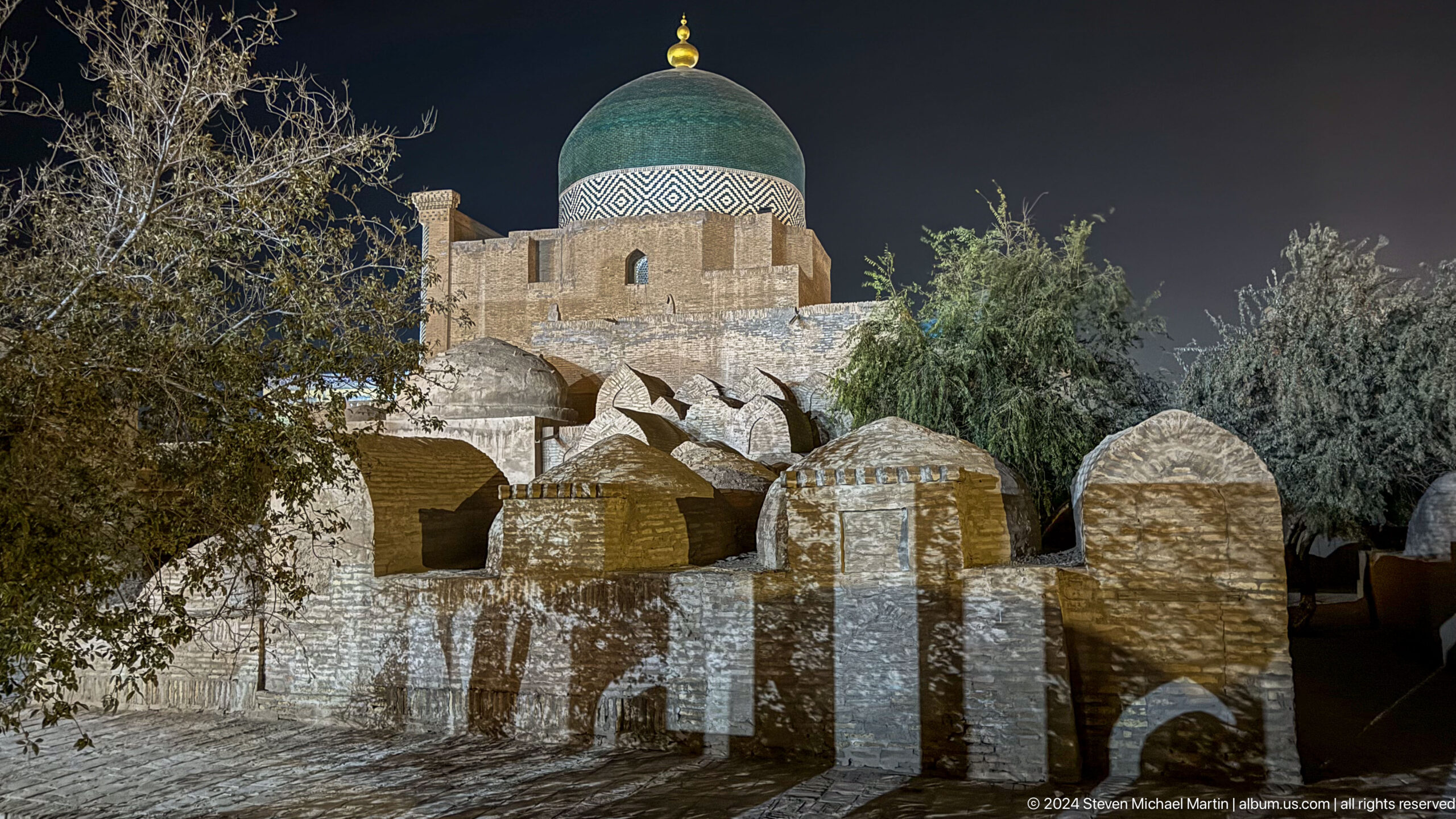
Pakhlavan mahmud mausoleum and cemetery is documented within Khiva’s walled historic center. The photograph emphasizes its visible form, materials, ornament, and relationship to the surrounding urban fabric, preserving a focused record of the architecture, craft tradition, daily life, or travel experience represented in this view.
Caption
Pakhlavan mahmud mausoleum and cemetery is documented within Khiva’s walled historic center. The photograph emphasizes its visible form, materials, ornament, and relationship to the surrounding urban fabric, preserving a focused record of the architecture, craft tradition, daily life, or travel experience represented in this view.
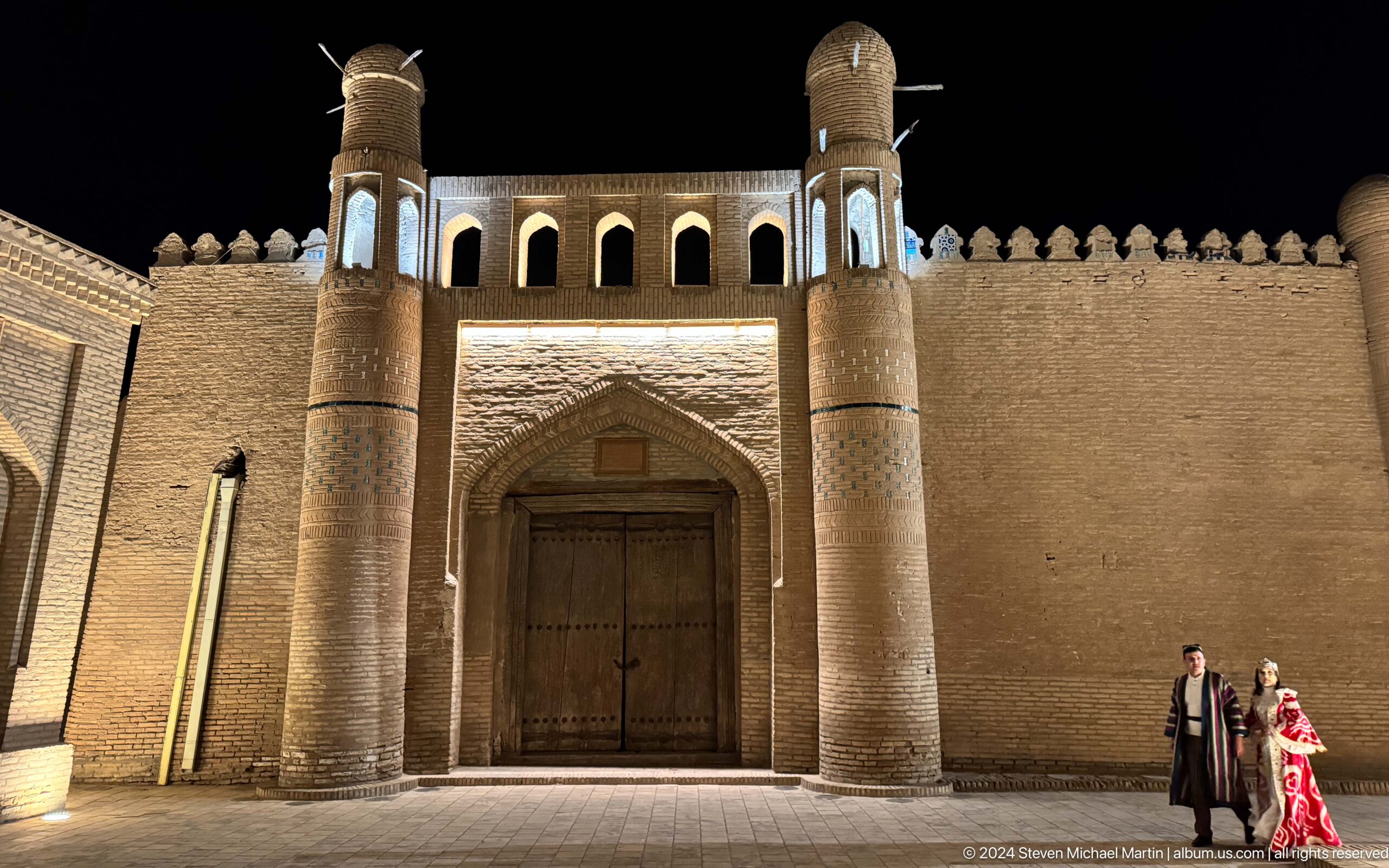
Historic city gate is documented within Khiva’s walled historic center. The photograph emphasizes its visible form, materials, ornament, and relationship to the surrounding urban fabric, preserving a focused record of the architecture, craft tradition, daily life, or travel experience represented in this view.
Caption
Historic city gate is documented within Khiva’s walled historic center. The photograph emphasizes its visible form, materials, ornament, and relationship to the surrounding urban fabric, preserving a focused record of the architecture, craft tradition, daily life, or travel experience represented in this view.
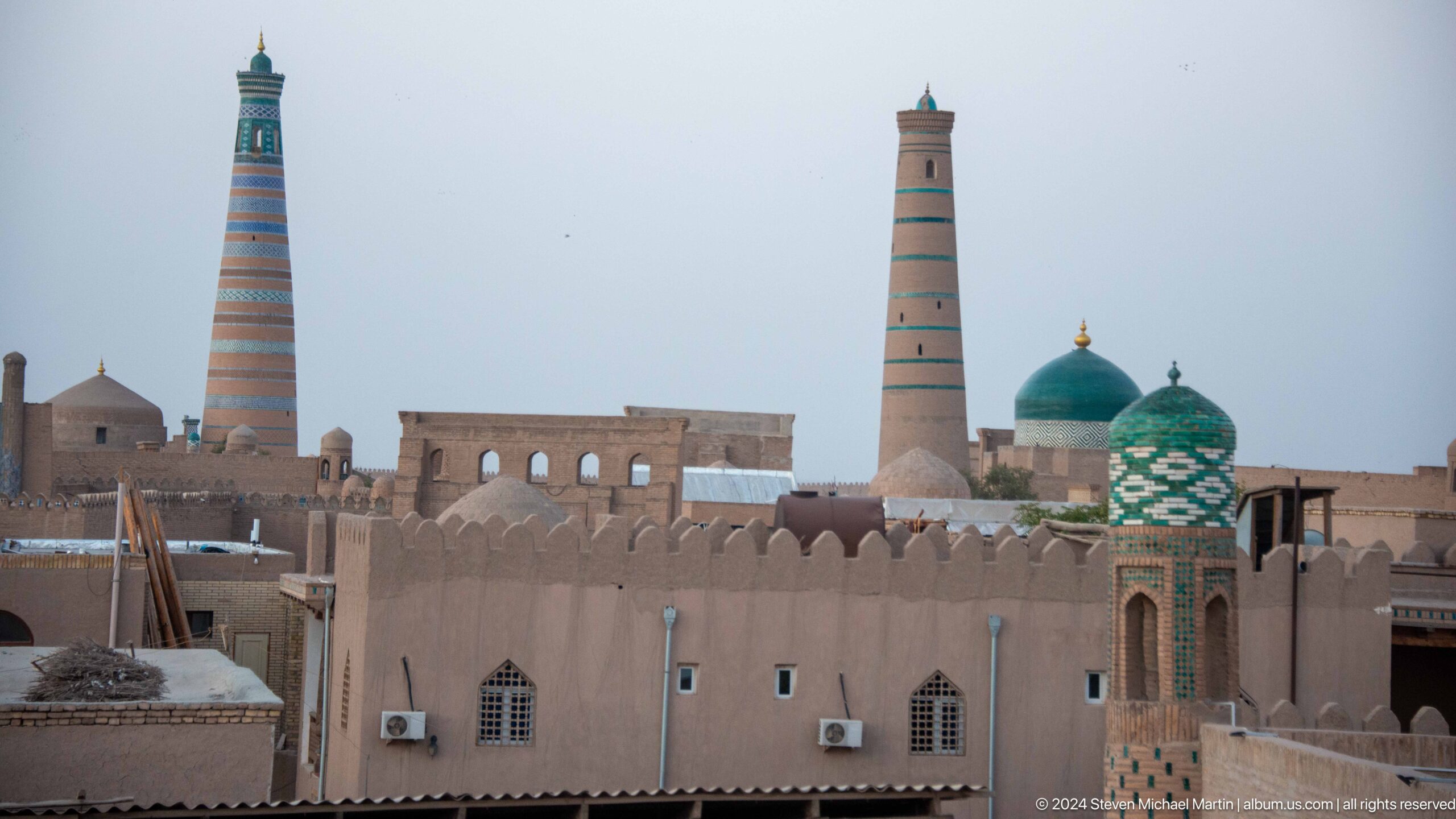
Itchan kala skyline is documented within Khiva’s walled historic center. The photograph emphasizes its visible form, materials, ornament, and relationship to the surrounding urban fabric, preserving a focused record of the architecture, craft tradition, daily life, or travel experience represented in this view.
Caption
Itchan kala skyline is documented within Khiva’s walled historic center. The photograph emphasizes its visible form, materials, ornament, and relationship to the surrounding urban fabric, preserving a focused record of the architecture, craft tradition, daily life, or travel experience represented in this view.
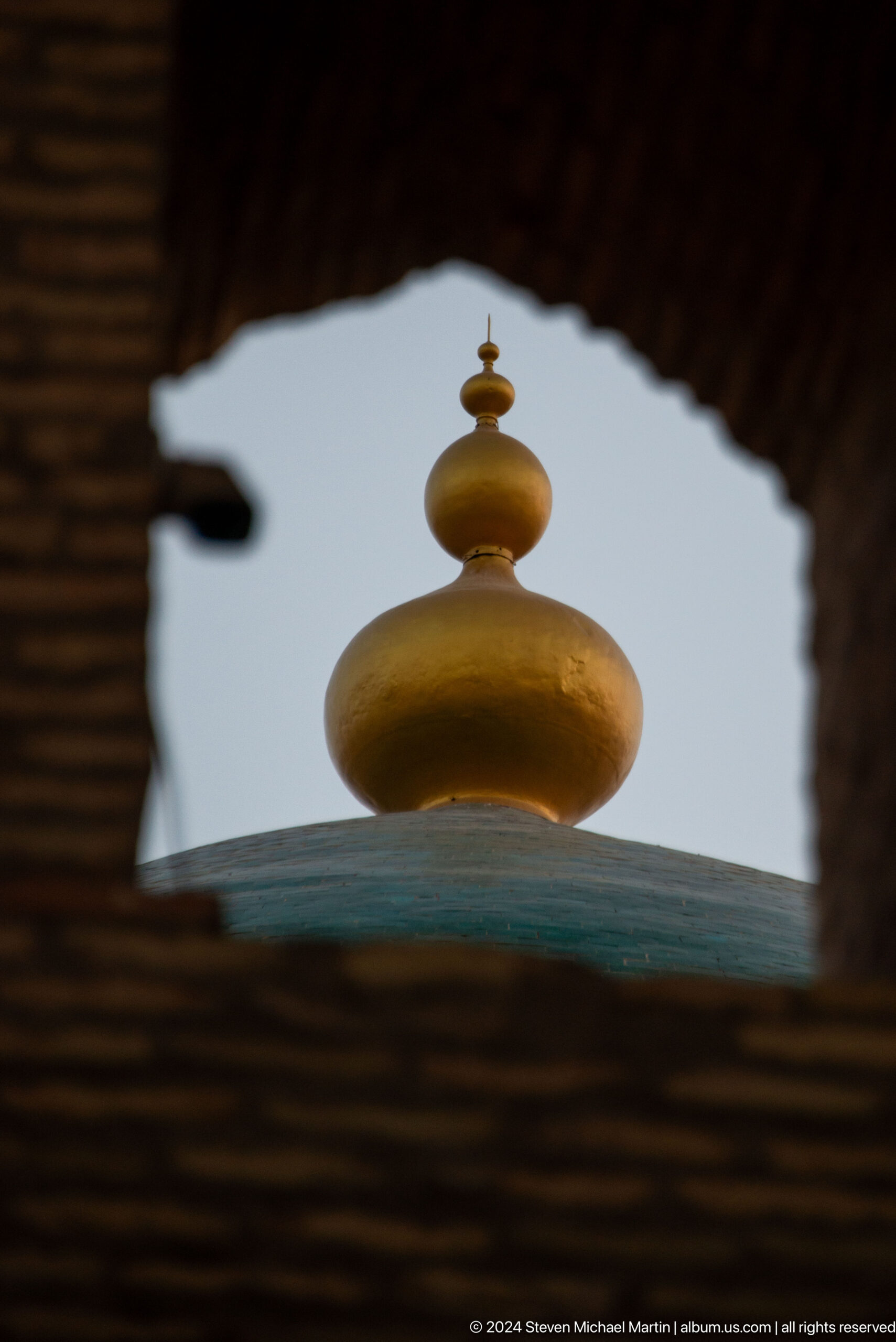
Dome finial detail is documented within Khiva’s walled historic center. The photograph emphasizes its visible form, materials, ornament, and relationship to the surrounding urban fabric, preserving a focused record of the architecture, craft tradition, daily life, or travel experience represented in this view.
Caption
Dome finial detail is documented within Khiva’s walled historic center. The photograph emphasizes its visible form, materials, ornament, and relationship to the surrounding urban fabric, preserving a focused record of the architecture, craft tradition, daily life, or travel experience represented in this view.
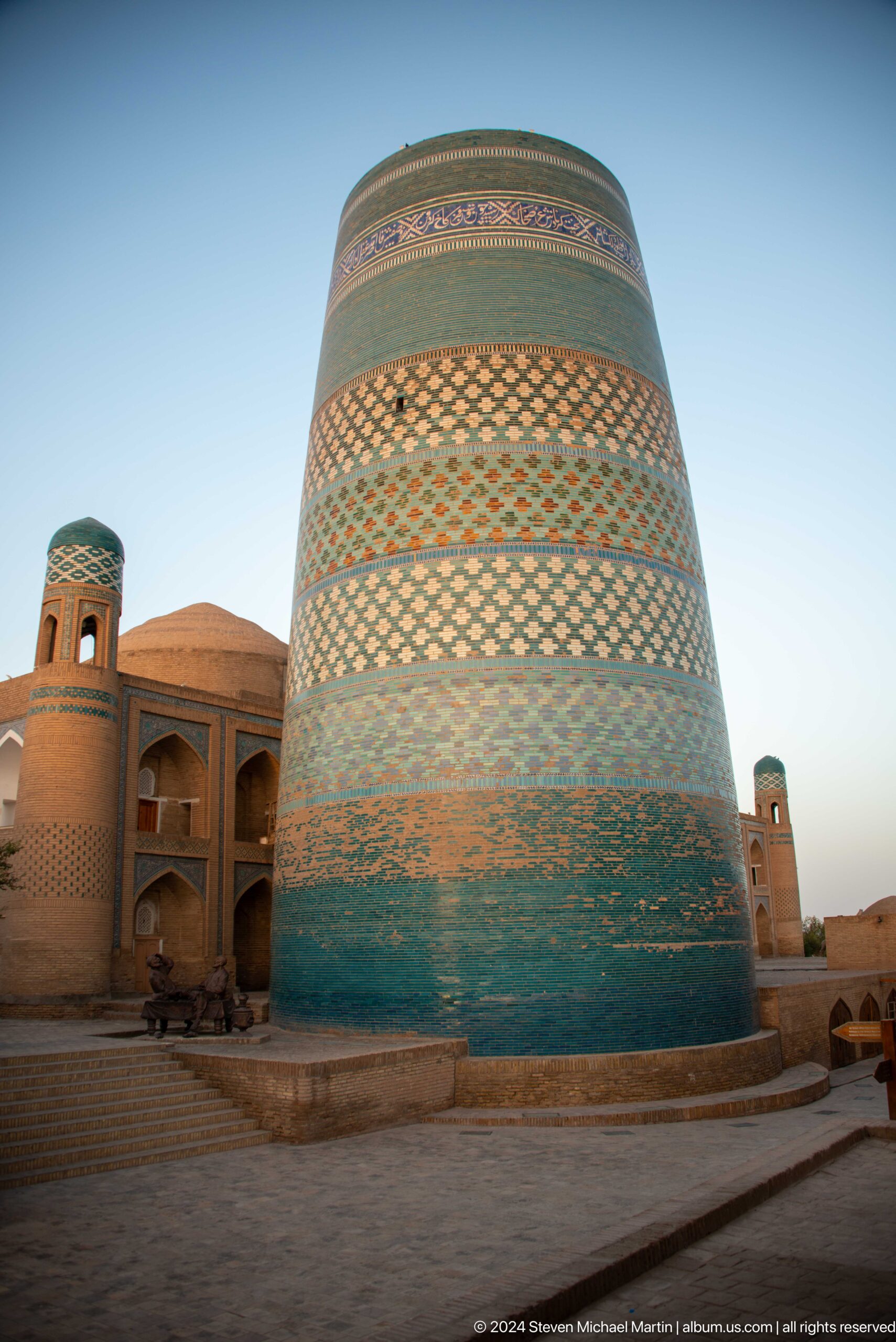
Kalta minor is documented within Khiva’s walled historic center. The photograph emphasizes its visible form, materials, ornament, and relationship to the surrounding urban fabric, preserving a focused record of the architecture, craft tradition, daily life, or travel experience represented in this view.
Caption
Kalta minor is documented within Khiva’s walled historic center. The photograph emphasizes its visible form, materials, ornament, and relationship to the surrounding urban fabric, preserving a focused record of the architecture, craft tradition, daily life, or travel experience represented in this view.
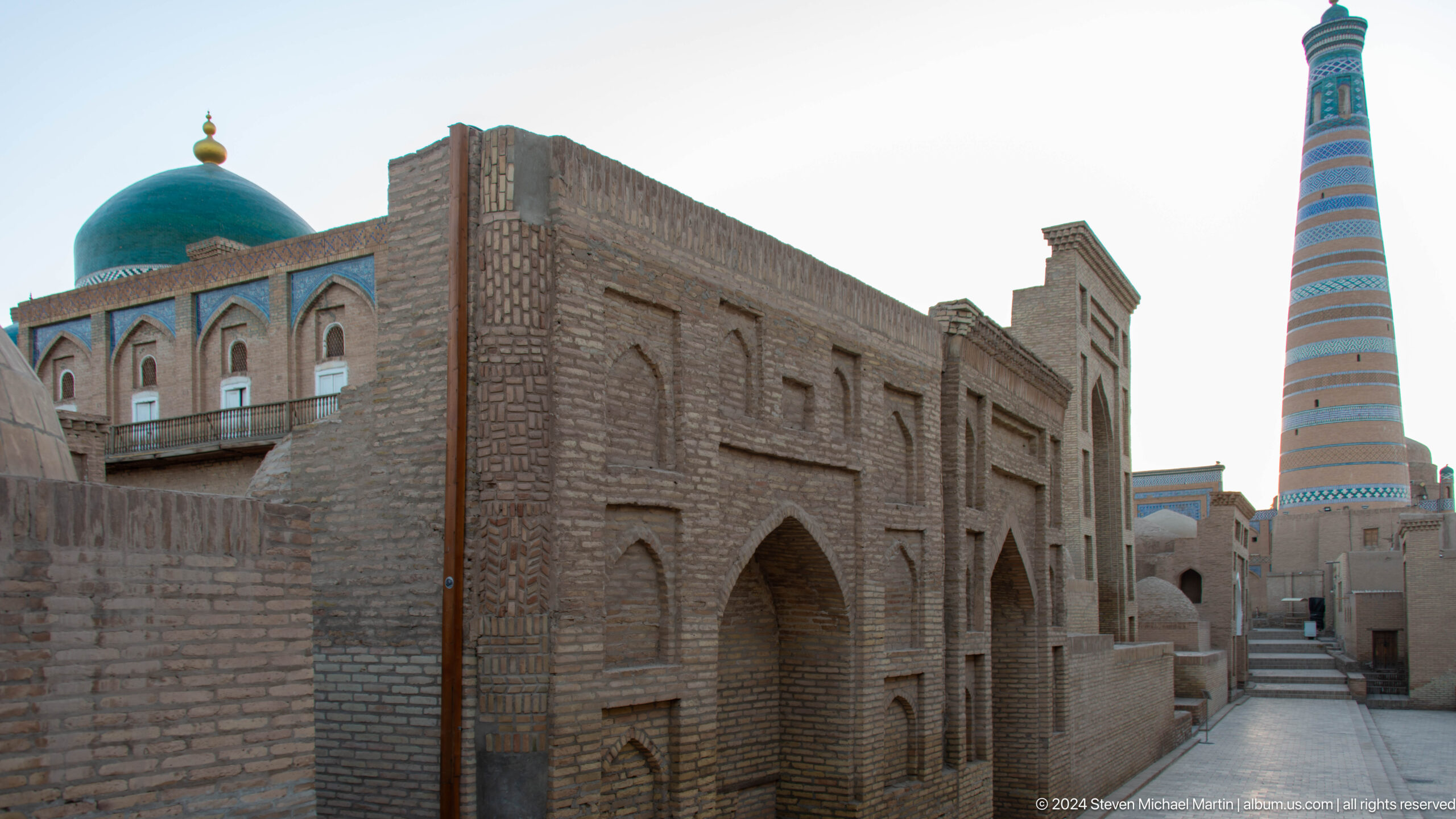
Itchan kala street is documented within Khiva’s walled historic center. The photograph emphasizes its visible form, materials, ornament, and relationship to the surrounding urban fabric, preserving a focused record of the architecture, craft tradition, daily life, or travel experience represented in this view.
Caption
Itchan kala street is documented within Khiva’s walled historic center. The photograph emphasizes its visible form, materials, ornament, and relationship to the surrounding urban fabric, preserving a focused record of the architecture, craft tradition, daily life, or travel experience represented in this view.
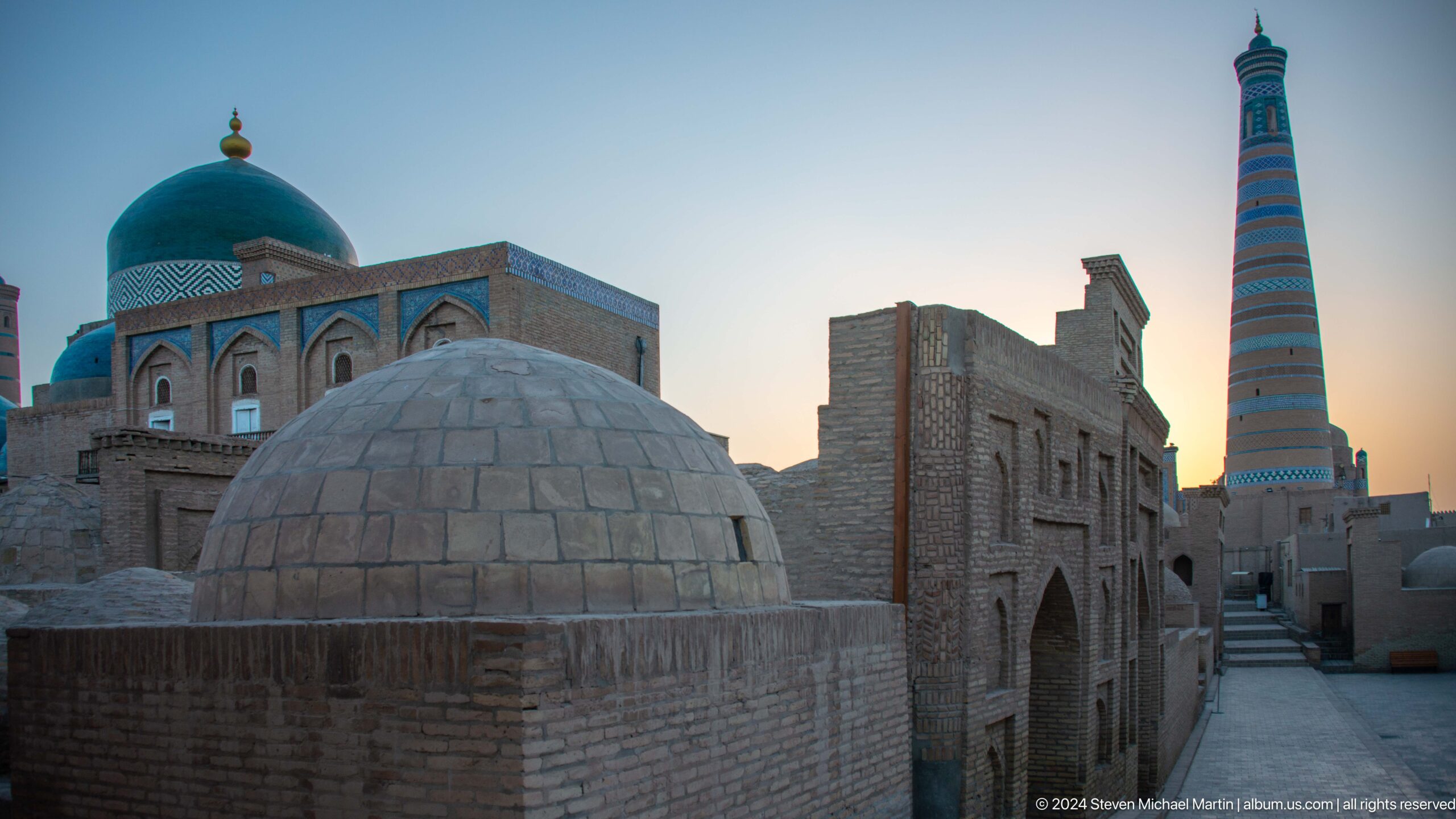
Historic urban architecture is documented within Khiva’s walled historic center. The photograph emphasizes its visible form, materials, ornament, and relationship to the surrounding urban fabric, preserving a focused record of the architecture, craft tradition, daily life, or travel experience represented in this view.
Caption
Historic urban architecture is documented within Khiva’s walled historic center. The photograph emphasizes its visible form, materials, ornament, and relationship to the surrounding urban fabric, preserving a focused record of the architecture, craft tradition, daily life, or travel experience represented in this view.
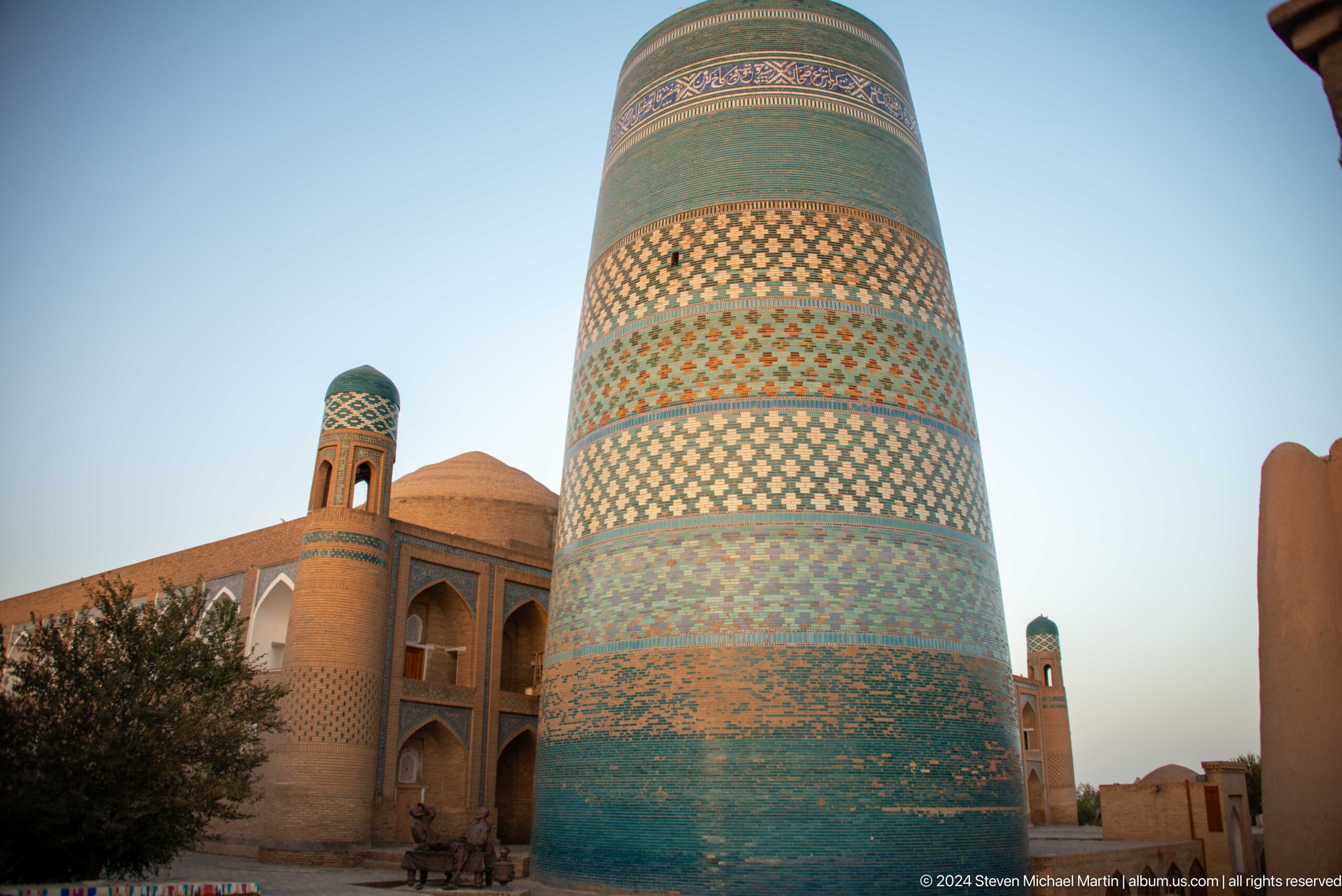
Kalta minor ensemble is documented within Khiva’s walled historic center. The photograph emphasizes its visible form, materials, ornament, and relationship to the surrounding urban fabric, preserving a focused record of the architecture, craft tradition, daily life, or travel experience represented in this view.
Caption
Kalta minor ensemble is documented within Khiva’s walled historic center. The photograph emphasizes its visible form, materials, ornament, and relationship to the surrounding urban fabric, preserving a focused record of the architecture, craft tradition, daily life, or travel experience represented in this view.
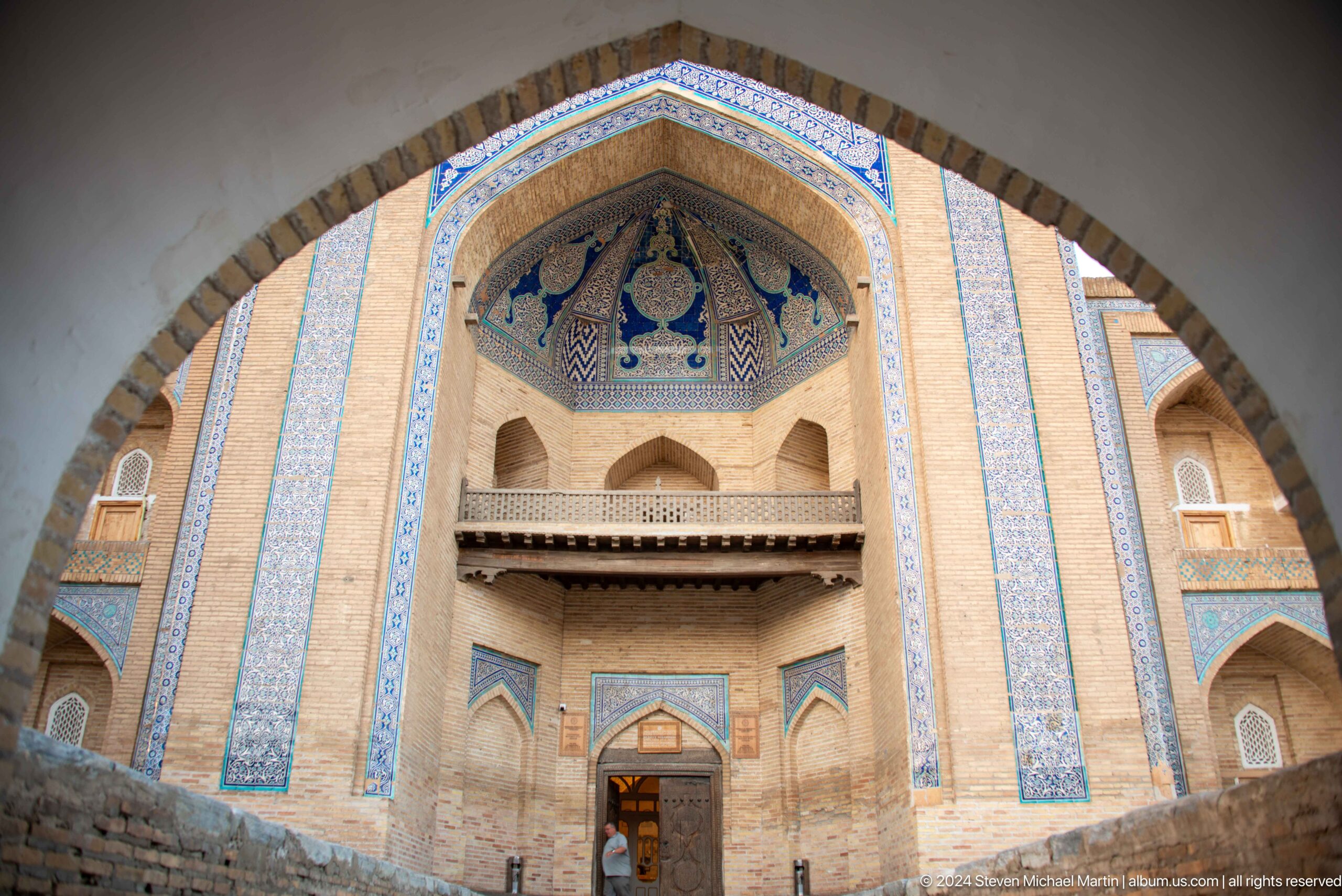
Madrasa iwan is documented within Khiva’s walled historic center. The photograph emphasizes its visible form, materials, ornament, and relationship to the surrounding urban fabric, preserving a focused record of the architecture, craft tradition, daily life, or travel experience represented in this view.
Caption
Madrasa iwan is documented within Khiva’s walled historic center. The photograph emphasizes its visible form, materials, ornament, and relationship to the surrounding urban fabric, preserving a focused record of the architecture, craft tradition, daily life, or travel experience represented in this view.
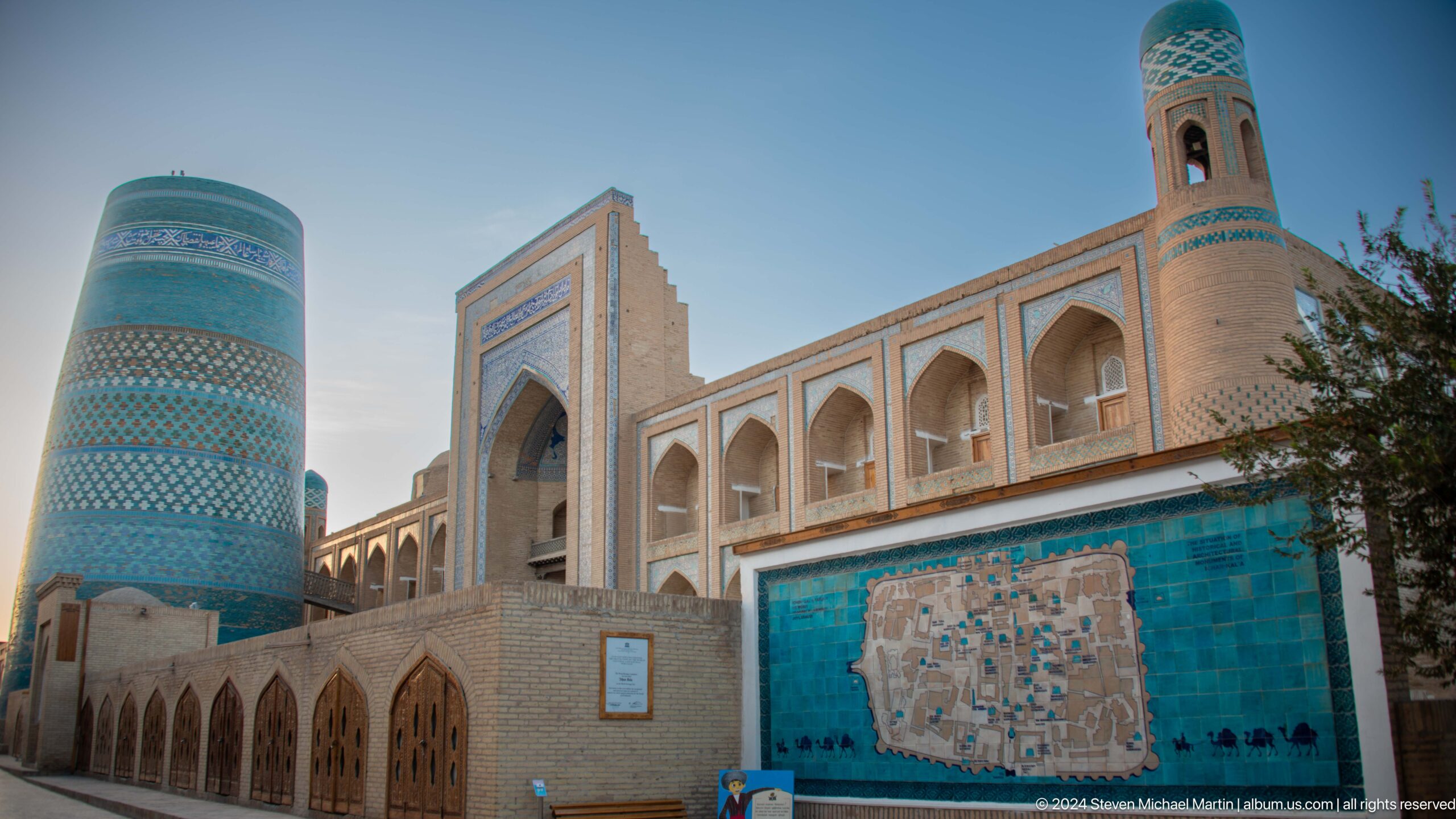
Muhammad amin khan madrasa is documented within Khiva’s walled historic center. The photograph emphasizes its visible form, materials, ornament, and relationship to the surrounding urban fabric, preserving a focused record of the architecture, craft tradition, daily life, or travel experience represented in this view.
Caption
Muhammad amin khan madrasa is documented within Khiva’s walled historic center. The photograph emphasizes its visible form, materials, ornament, and relationship to the surrounding urban fabric, preserving a focused record of the architecture, craft tradition, daily life, or travel experience represented in this view.
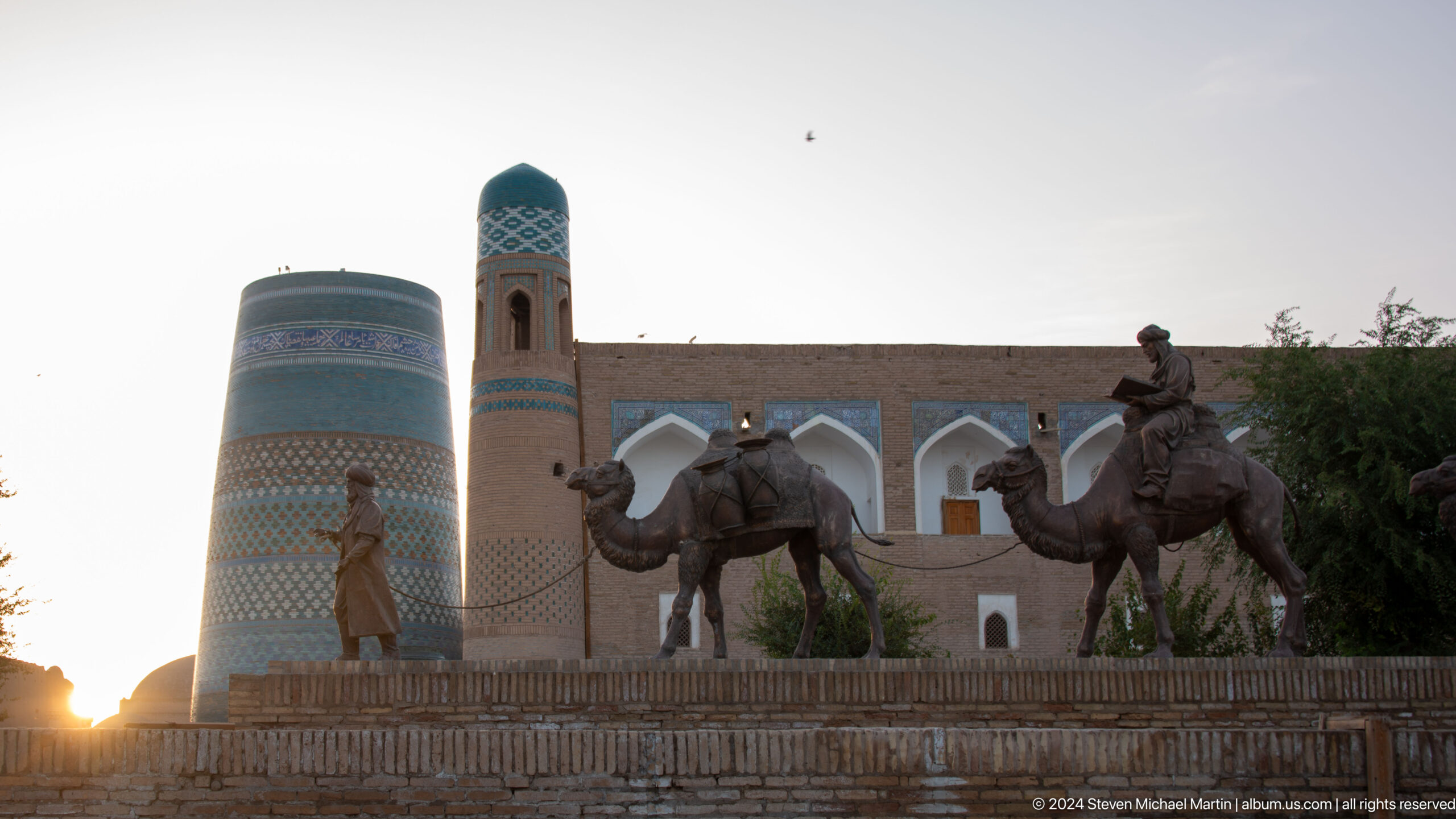
Decorative camel sculptures is documented within Khiva’s walled historic center. The photograph emphasizes its visible form, materials, ornament, and relationship to the surrounding urban fabric, preserving a focused record of the architecture, craft tradition, daily life, or travel experience represented in this view.
Caption
Decorative camel sculptures is documented within Khiva’s walled historic center. The photograph emphasizes its visible form, materials, ornament, and relationship to the surrounding urban fabric, preserving a focused record of the architecture, craft tradition, daily life, or travel experience represented in this view.
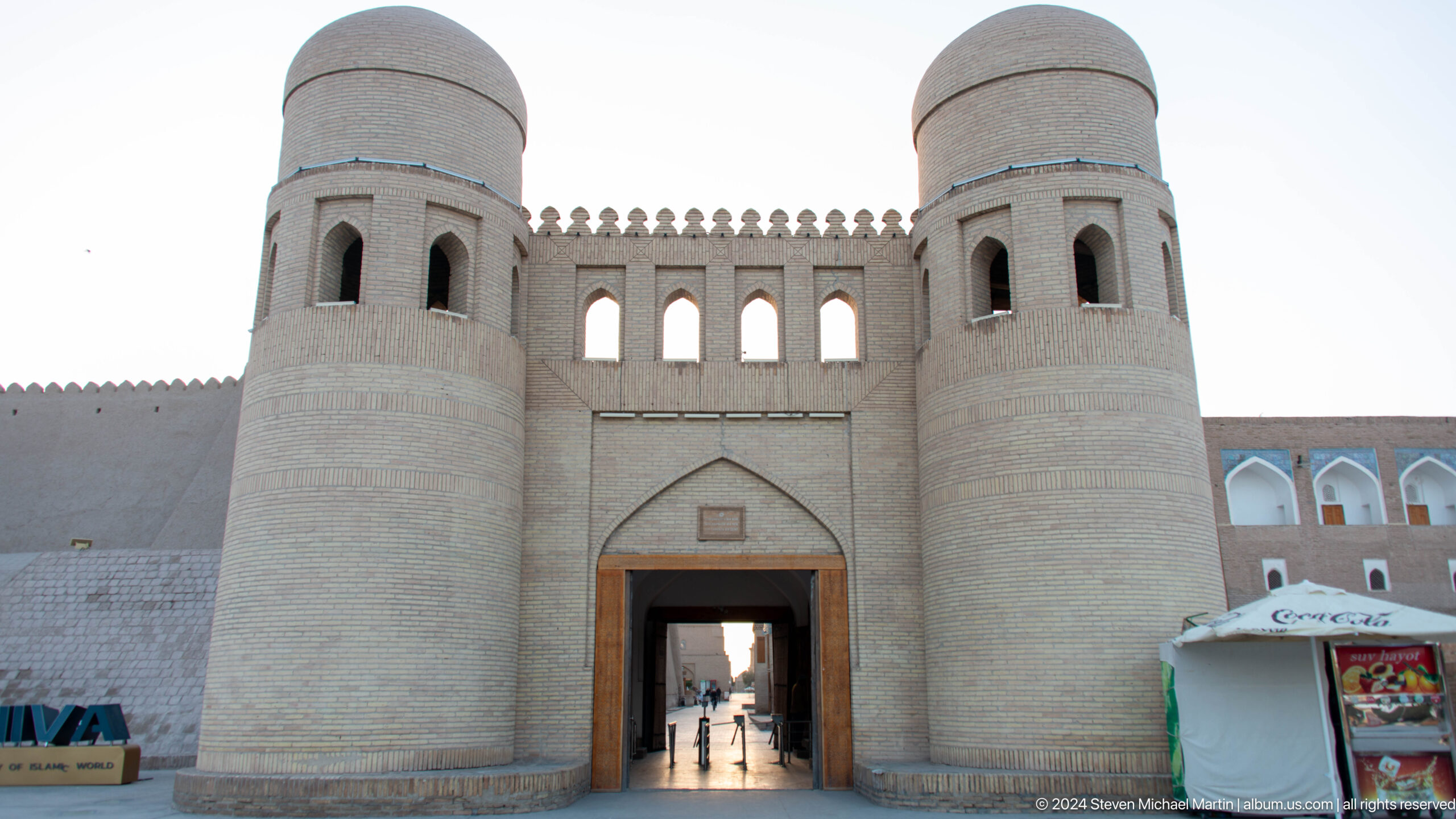
Ata darvaza gate is documented within Khiva’s walled historic center. The photograph emphasizes its visible form, materials, ornament, and relationship to the surrounding urban fabric, preserving a focused record of the architecture, craft tradition, daily life, or travel experience represented in this view.
Caption
Ata darvaza gate is documented within Khiva’s walled historic center. The photograph emphasizes its visible form, materials, ornament, and relationship to the surrounding urban fabric, preserving a focused record of the architecture, craft tradition, daily life, or travel experience represented in this view.
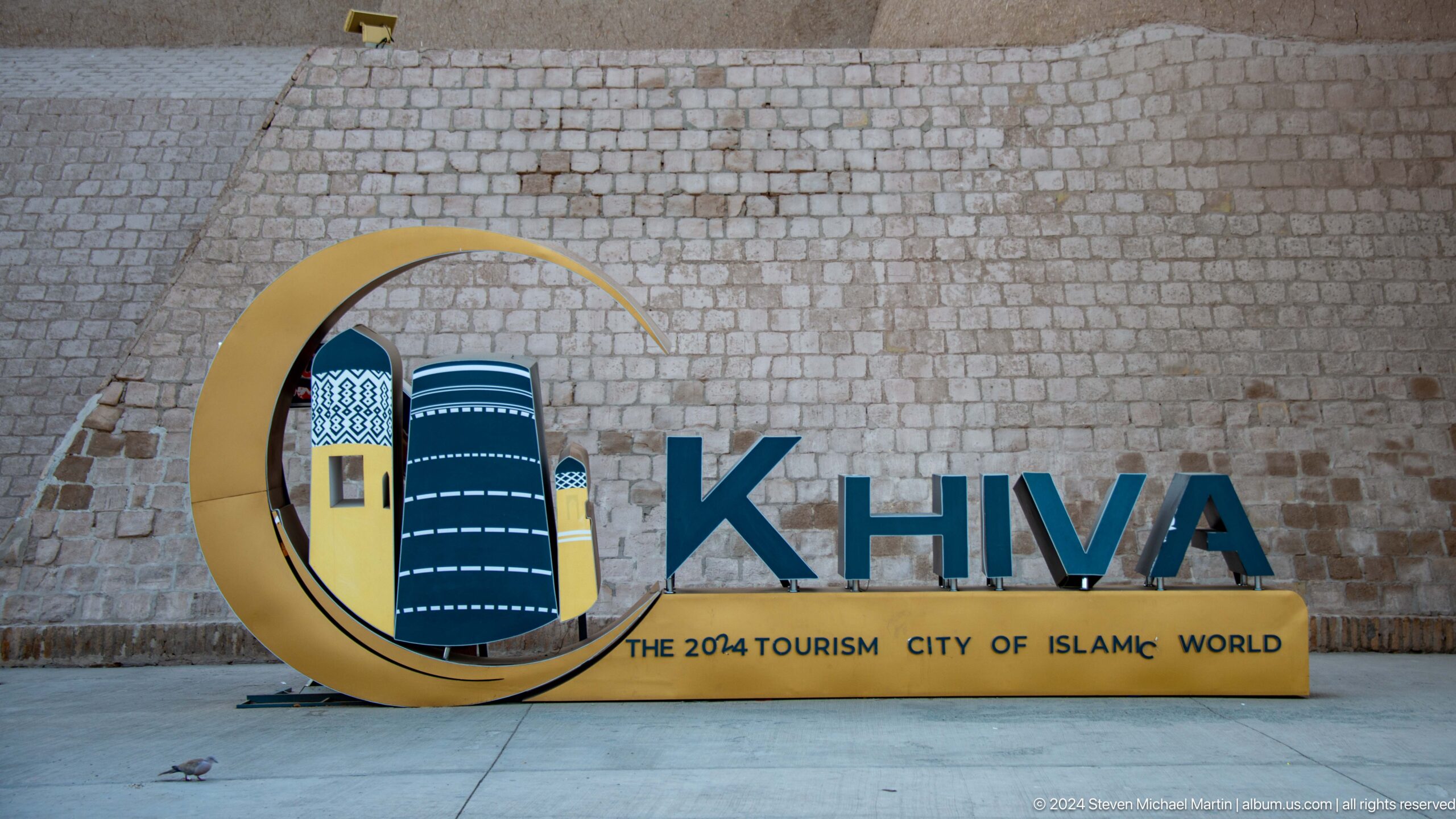
Khiva city sign is documented within Khiva’s walled historic center. The photograph emphasizes its visible form, materials, ornament, and relationship to the surrounding urban fabric, preserving a focused record of the architecture, craft tradition, daily life, or travel experience represented in this view.
Caption
Khiva city sign is documented within Khiva’s walled historic center. The photograph emphasizes its visible form, materials, ornament, and relationship to the surrounding urban fabric, preserving a focused record of the architecture, craft tradition, daily life, or travel experience represented in this view.
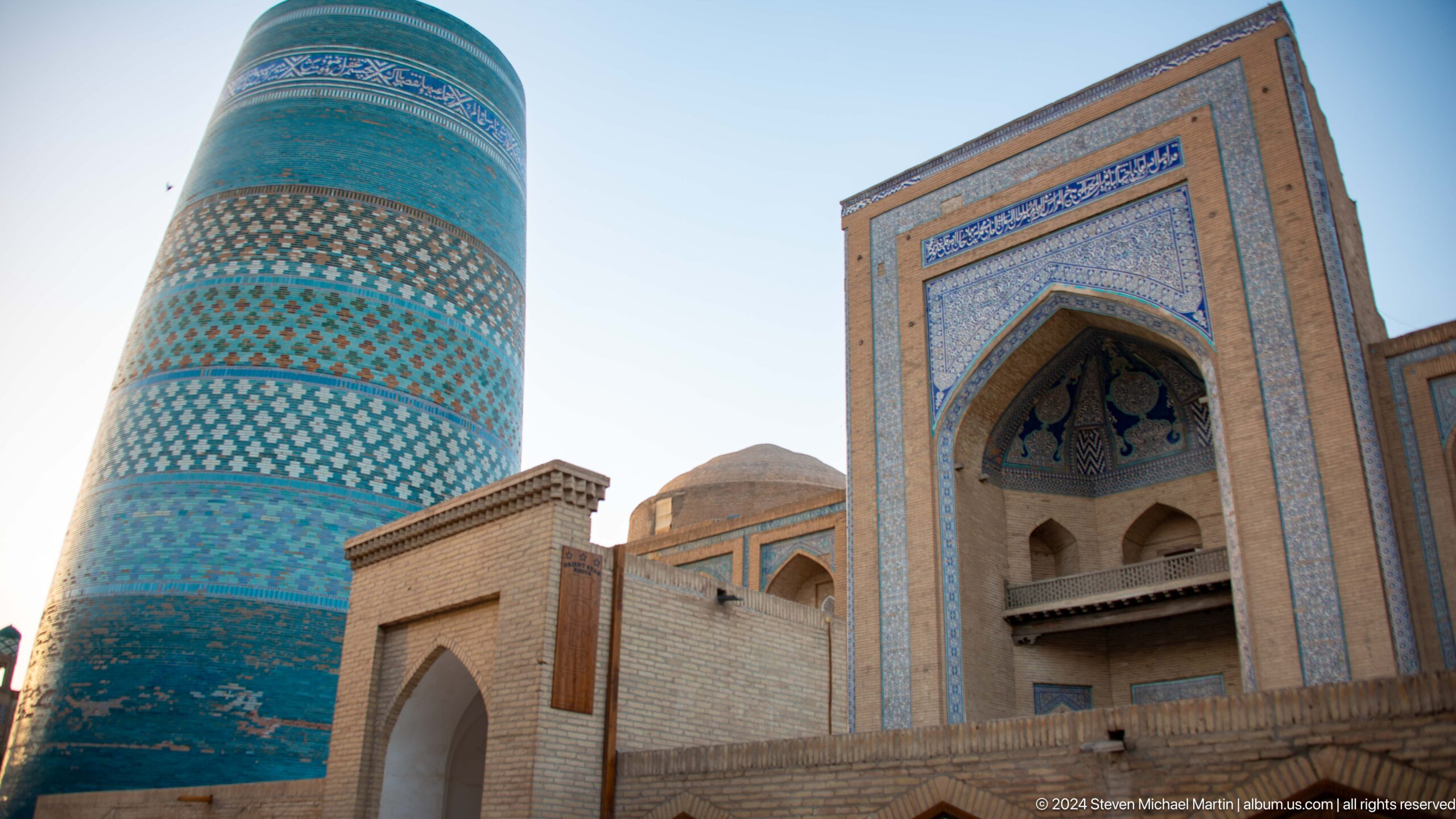
Kalta minor ensemble is documented within Khiva’s walled historic center. The photograph emphasizes its visible form, materials, ornament, and relationship to the surrounding urban fabric, preserving a focused record of the architecture, craft tradition, daily life, or travel experience represented in this view.
Caption
Kalta minor ensemble is documented within Khiva’s walled historic center. The photograph emphasizes its visible form, materials, ornament, and relationship to the surrounding urban fabric, preserving a focused record of the architecture, craft tradition, daily life, or travel experience represented in this view.
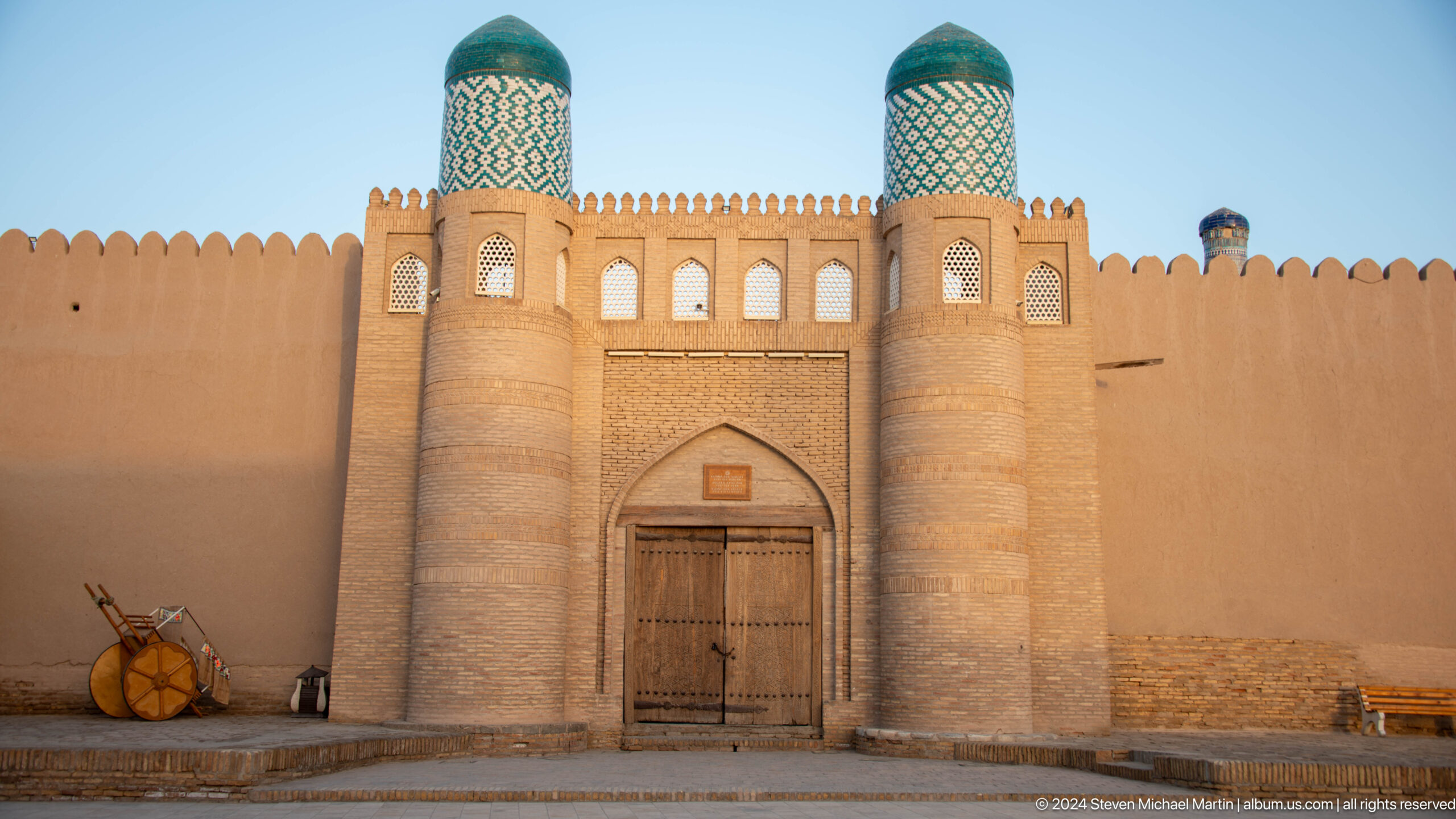
Fortified gate is documented within Khiva’s walled historic center. The photograph emphasizes its visible form, materials, ornament, and relationship to the surrounding urban fabric, preserving a focused record of the architecture, craft tradition, daily life, or travel experience represented in this view.
Caption
Fortified gate is documented within Khiva’s walled historic center. The photograph emphasizes its visible form, materials, ornament, and relationship to the surrounding urban fabric, preserving a focused record of the architecture, craft tradition, daily life, or travel experience represented in this view.
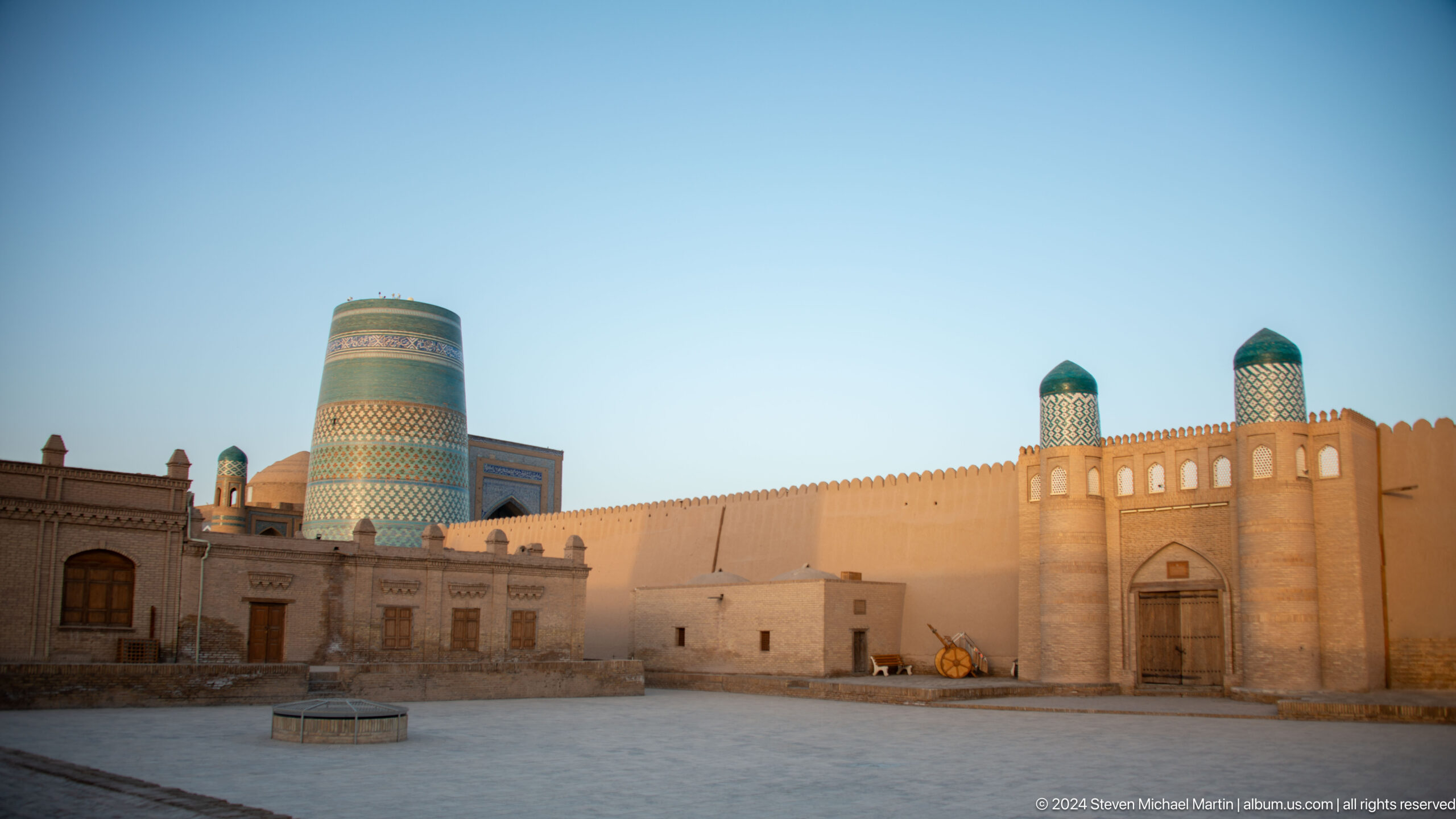
Itchan kala open space is documented within Khiva’s walled historic center. The photograph emphasizes its visible form, materials, ornament, and relationship to the surrounding urban fabric, preserving a focused record of the architecture, craft tradition, daily life, or travel experience represented in this view.
Caption
Itchan kala open space is documented within Khiva’s walled historic center. The photograph emphasizes its visible form, materials, ornament, and relationship to the surrounding urban fabric, preserving a focused record of the architecture, craft tradition, daily life, or travel experience represented in this view.
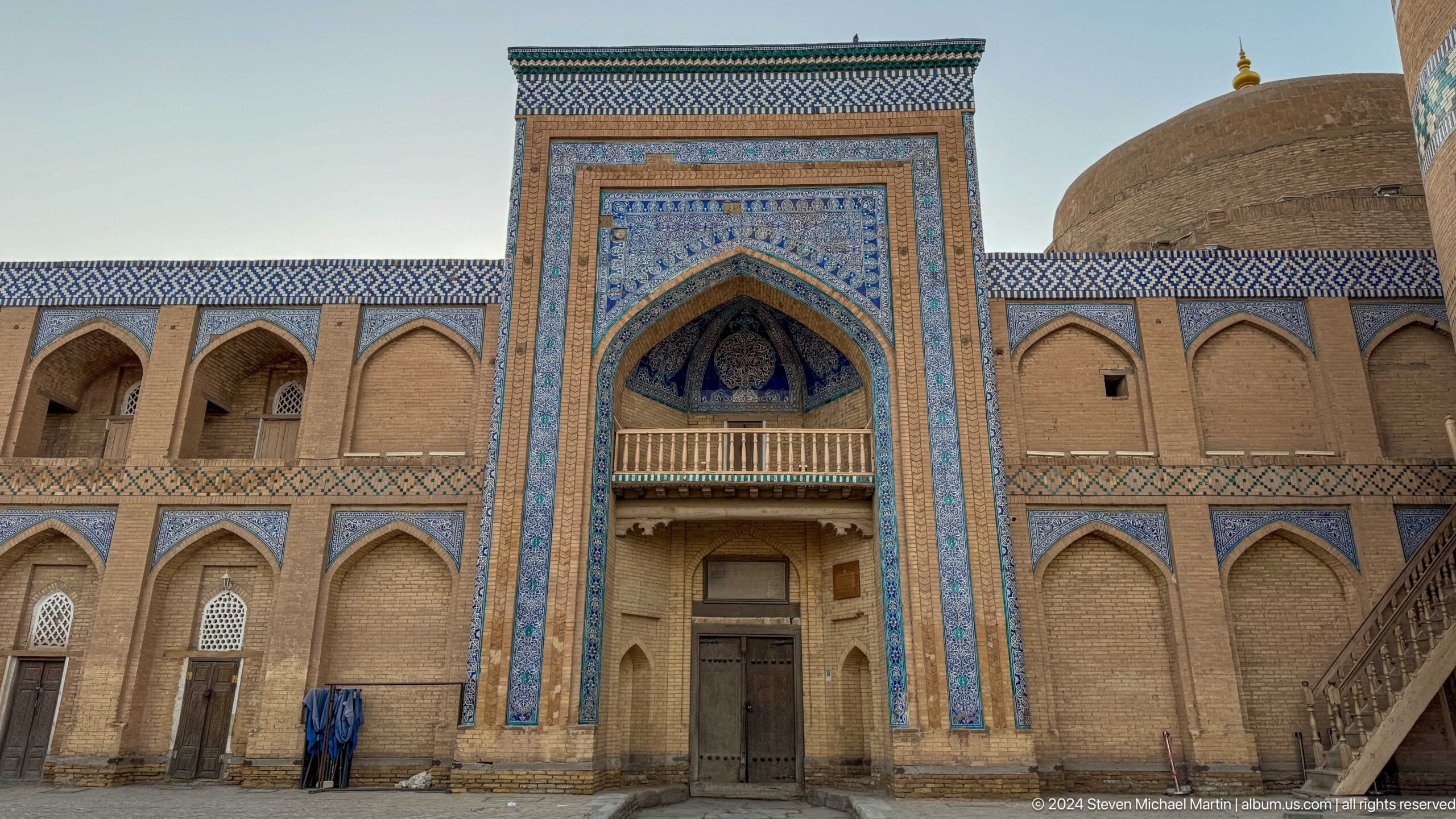
Historic madrasa is documented within Khiva’s walled historic center. The photograph emphasizes its visible form, materials, ornament, and relationship to the surrounding urban fabric, preserving a focused record of the architecture, craft tradition, daily life, or travel experience represented in this view.
Caption
Historic madrasa is documented within Khiva’s walled historic center. The photograph emphasizes its visible form, materials, ornament, and relationship to the surrounding urban fabric, preserving a focused record of the architecture, craft tradition, daily life, or travel experience represented in this view.
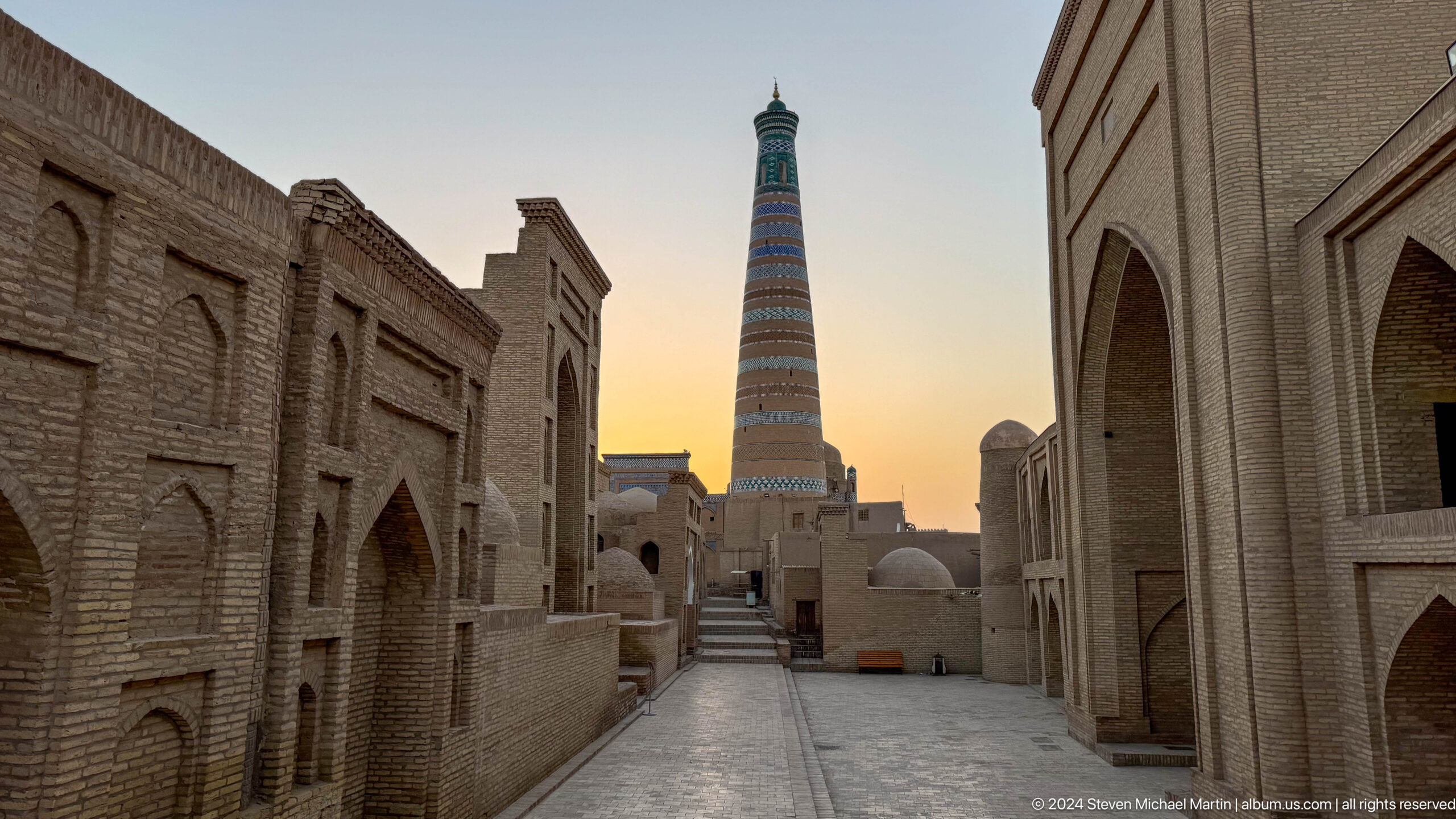
Itchan kala street is documented within Khiva’s walled historic center. The photograph emphasizes its visible form, materials, ornament, and relationship to the surrounding urban fabric, preserving a focused record of the architecture, craft tradition, daily life, or travel experience represented in this view.
Caption
Itchan kala street is documented within Khiva’s walled historic center. The photograph emphasizes its visible form, materials, ornament, and relationship to the surrounding urban fabric, preserving a focused record of the architecture, craft tradition, daily life, or travel experience represented in this view.
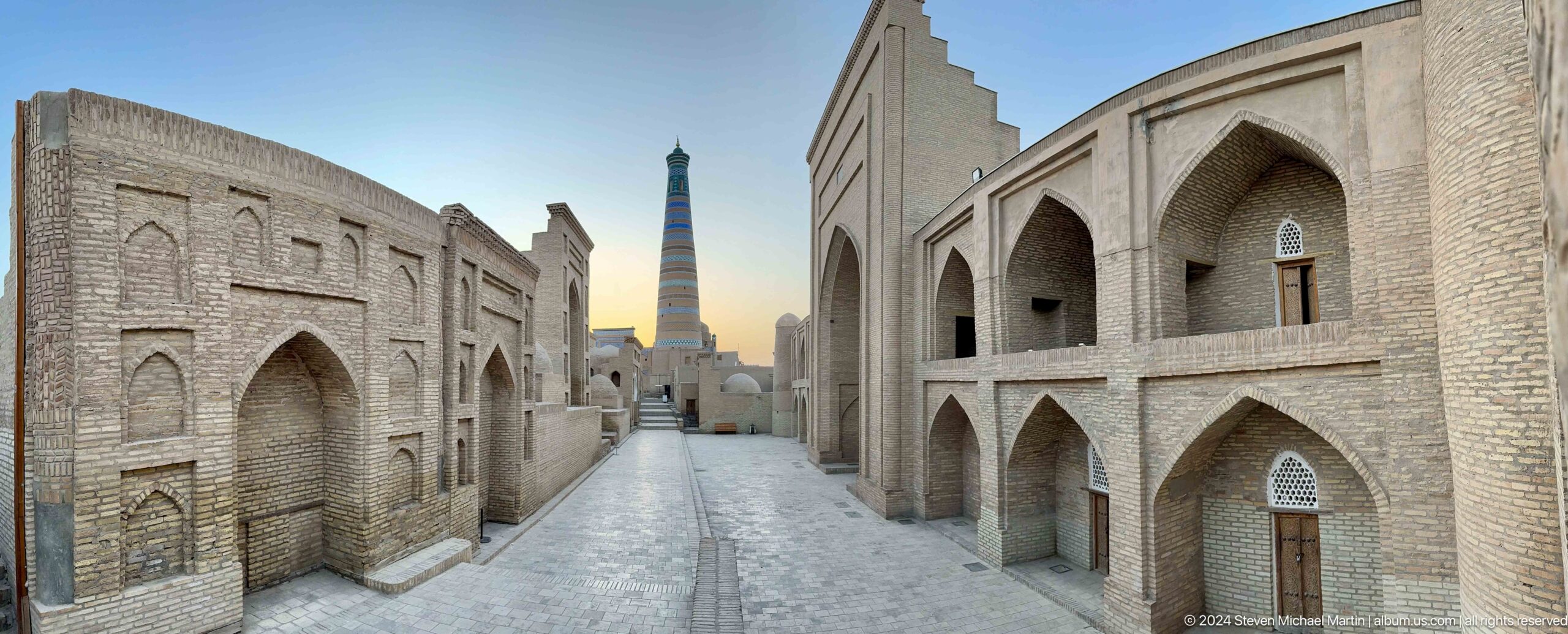
Historic urban street is documented within Khiva’s walled historic center. The photograph emphasizes its visible form, materials, ornament, and relationship to the surrounding urban fabric, preserving a focused record of the architecture, craft tradition, daily life, or travel experience represented in this view.
Caption
Historic urban street is documented within Khiva’s walled historic center. The photograph emphasizes its visible form, materials, ornament, and relationship to the surrounding urban fabric, preserving a focused record of the architecture, craft tradition, daily life, or travel experience represented in this view.
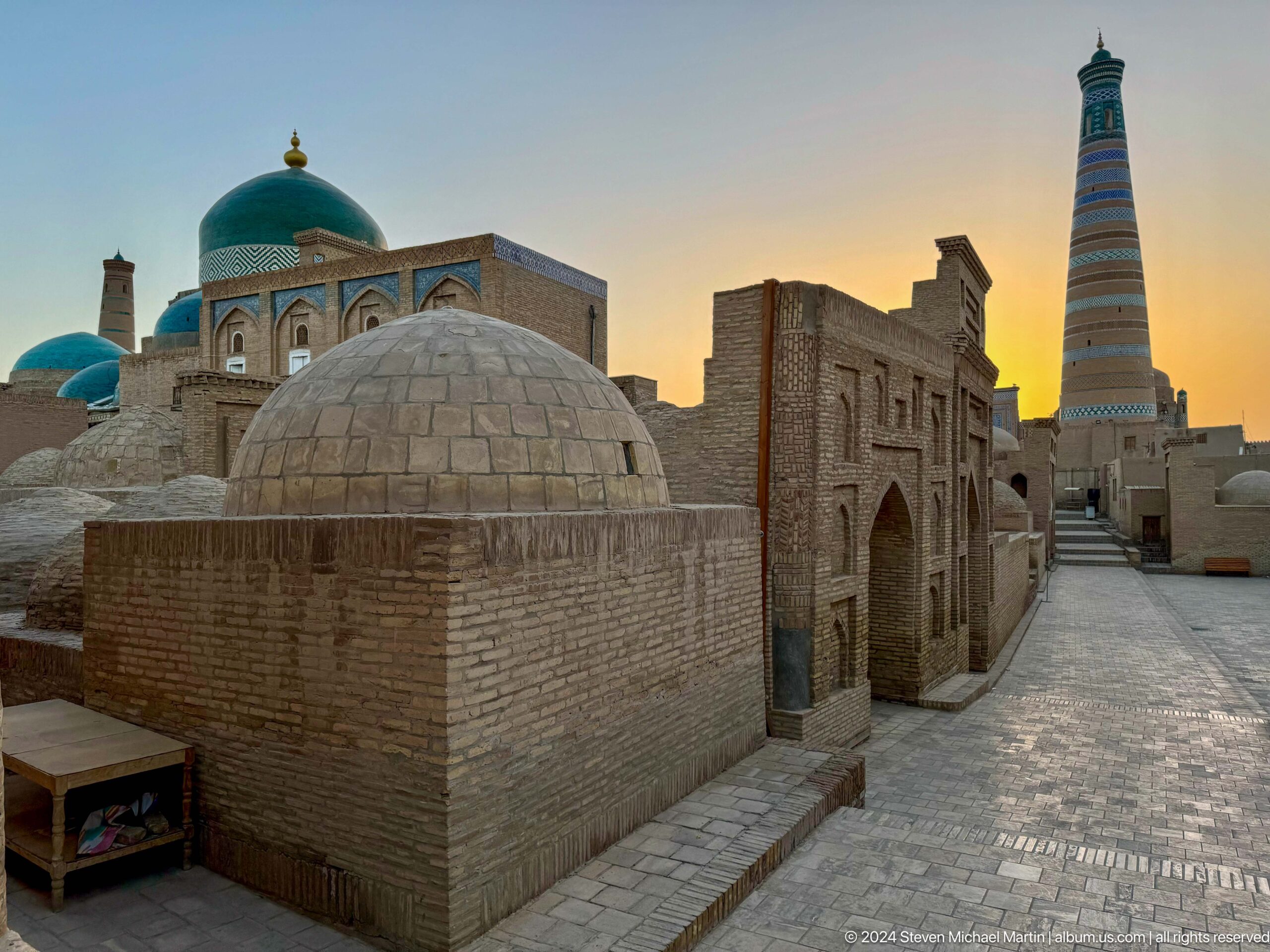
Mausoleum and street is documented within Khiva’s walled historic center. The photograph emphasizes its visible form, materials, ornament, and relationship to the surrounding urban fabric, preserving a focused record of the architecture, craft tradition, daily life, or travel experience represented in this view.
Caption
Mausoleum and street is documented within Khiva’s walled historic center. The photograph emphasizes its visible form, materials, ornament, and relationship to the surrounding urban fabric, preserving a focused record of the architecture, craft tradition, daily life, or travel experience represented in this view.
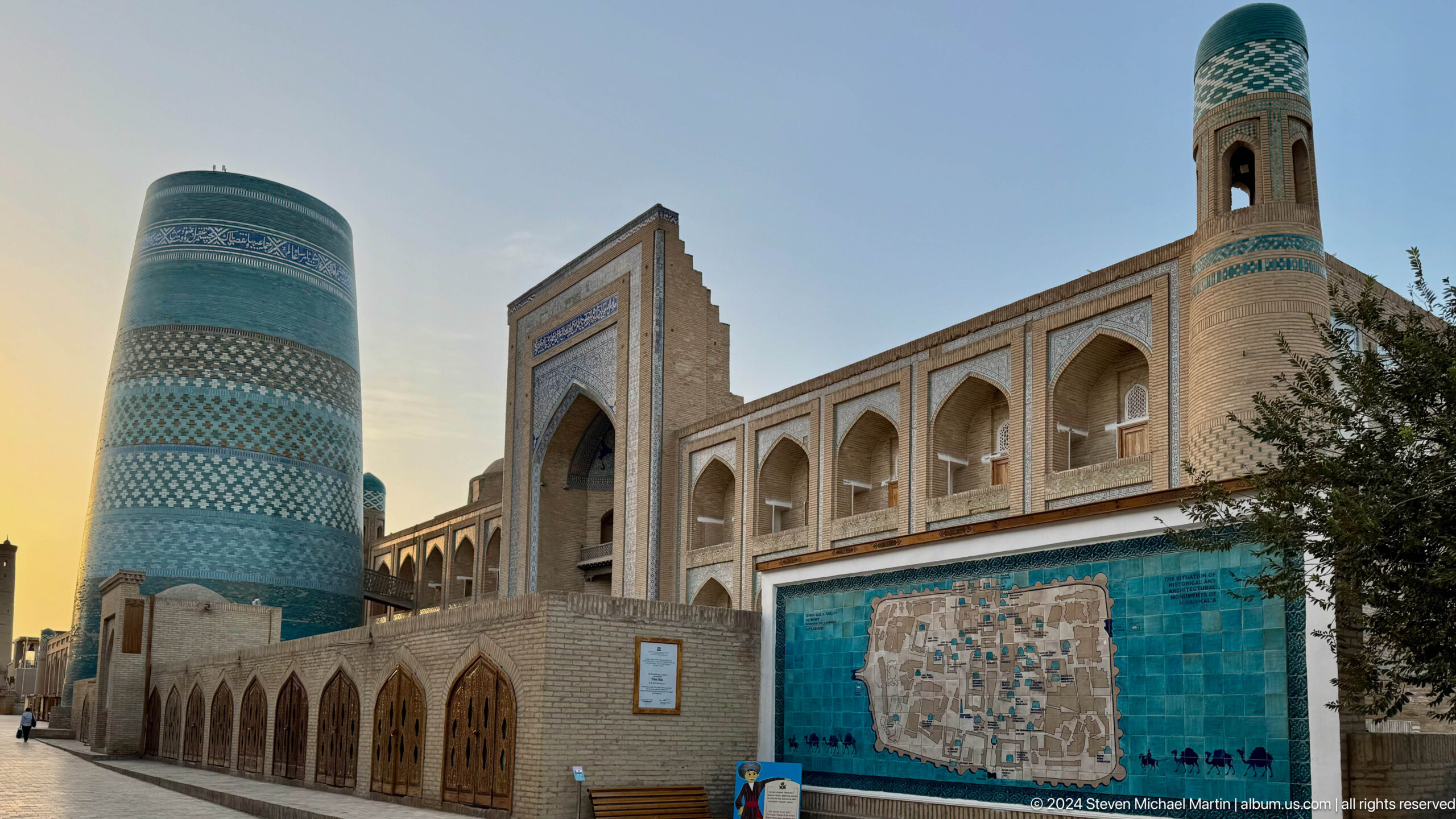
Muhammad amin khan madrasa is documented within Khiva’s walled historic center. The photograph emphasizes its visible form, materials, ornament, and relationship to the surrounding urban fabric, preserving a focused record of the architecture, craft tradition, daily life, or travel experience represented in this view.
Caption
Muhammad amin khan madrasa is documented within Khiva’s walled historic center. The photograph emphasizes its visible form, materials, ornament, and relationship to the surrounding urban fabric, preserving a focused record of the architecture, craft tradition, daily life, or travel experience represented in this view.
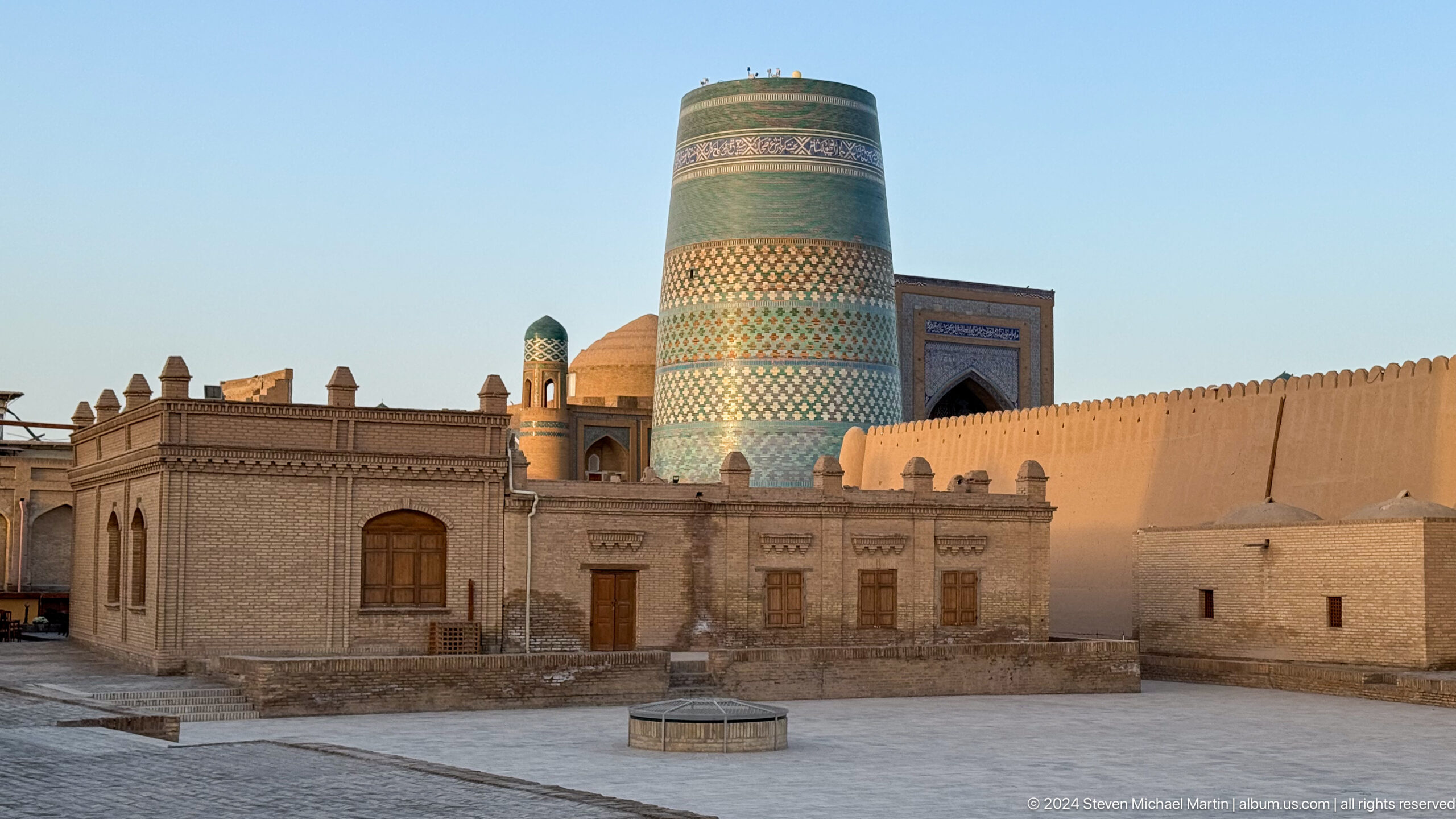
Urban view near kalta minor is documented within Khiva’s walled historic center. The photograph emphasizes its visible form, materials, ornament, and relationship to the surrounding urban fabric, preserving a focused record of the architecture, craft tradition, daily life, or travel experience represented in this view.
Caption
Urban view near kalta minor is documented within Khiva’s walled historic center. The photograph emphasizes its visible form, materials, ornament, and relationship to the surrounding urban fabric, preserving a focused record of the architecture, craft tradition, daily life, or travel experience represented in this view.

Resting cat is documented within Khiva’s walled historic center. The photograph emphasizes its visible form, materials, ornament, and relationship to the surrounding urban fabric, preserving a focused record of the architecture, craft tradition, daily life, or travel experience represented in this view.
Caption
Resting cat is documented within Khiva’s walled historic center. The photograph emphasizes its visible form, materials, ornament, and relationship to the surrounding urban fabric, preserving a focused record of the architecture, craft tradition, daily life, or travel experience represented in this view.
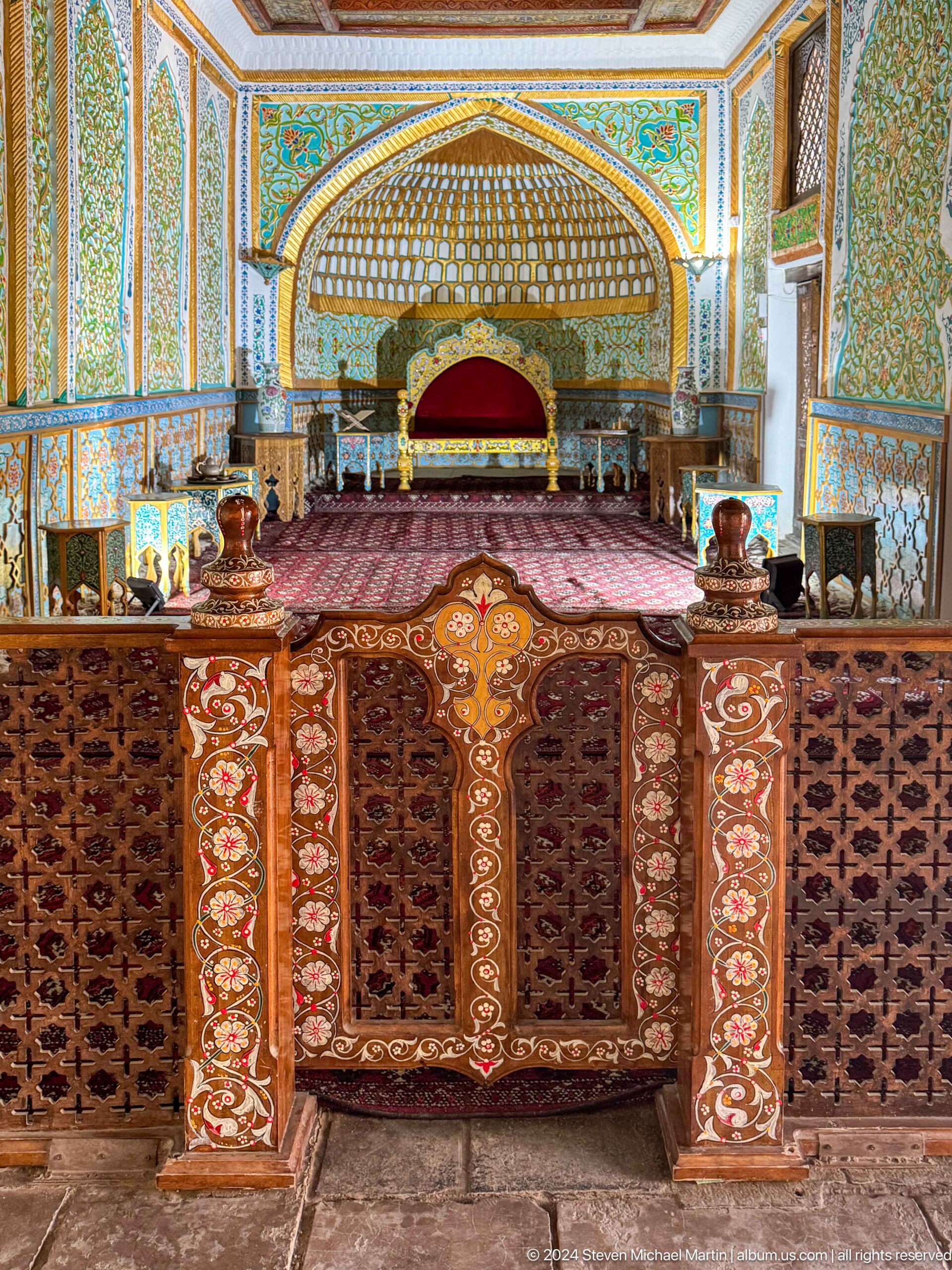
Palace throne room is documented within Khiva’s walled historic center. The photograph emphasizes its visible form, materials, ornament, and relationship to the surrounding urban fabric, preserving a focused record of the architecture, craft tradition, daily life, or travel experience represented in this view.
Caption
Palace throne room is documented within Khiva’s walled historic center. The photograph emphasizes its visible form, materials, ornament, and relationship to the surrounding urban fabric, preserving a focused record of the architecture, craft tradition, daily life, or travel experience represented in this view.
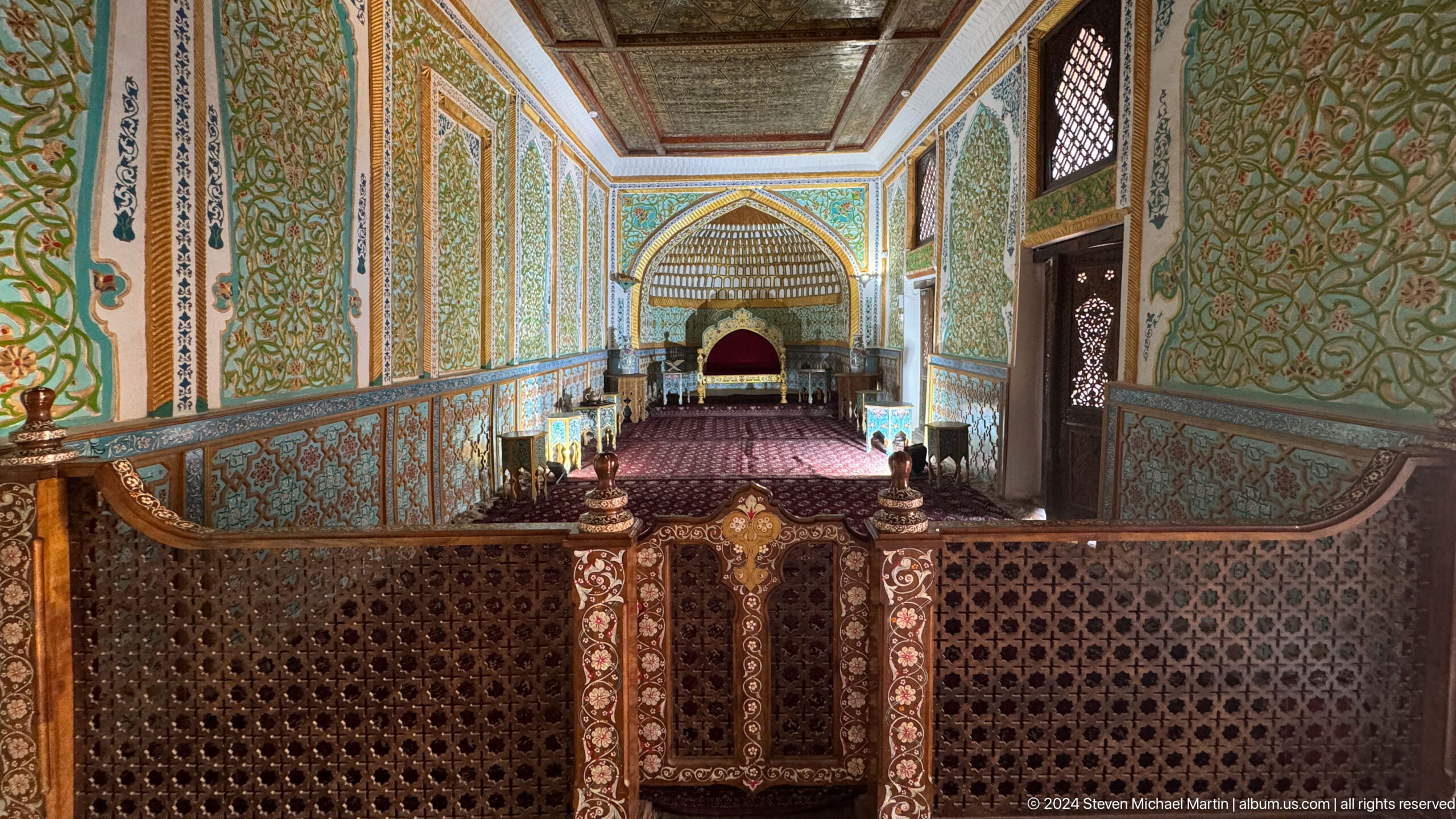
Historic palace audience hall is documented within Khiva’s walled historic center. The photograph emphasizes its visible form, materials, ornament, and relationship to the surrounding urban fabric, preserving a focused record of the architecture, craft tradition, daily life, or travel experience represented in this view.
Caption
Historic palace audience hall is documented within Khiva’s walled historic center. The photograph emphasizes its visible form, materials, ornament, and relationship to the surrounding urban fabric, preserving a focused record of the architecture, craft tradition, daily life, or travel experience represented in this view.
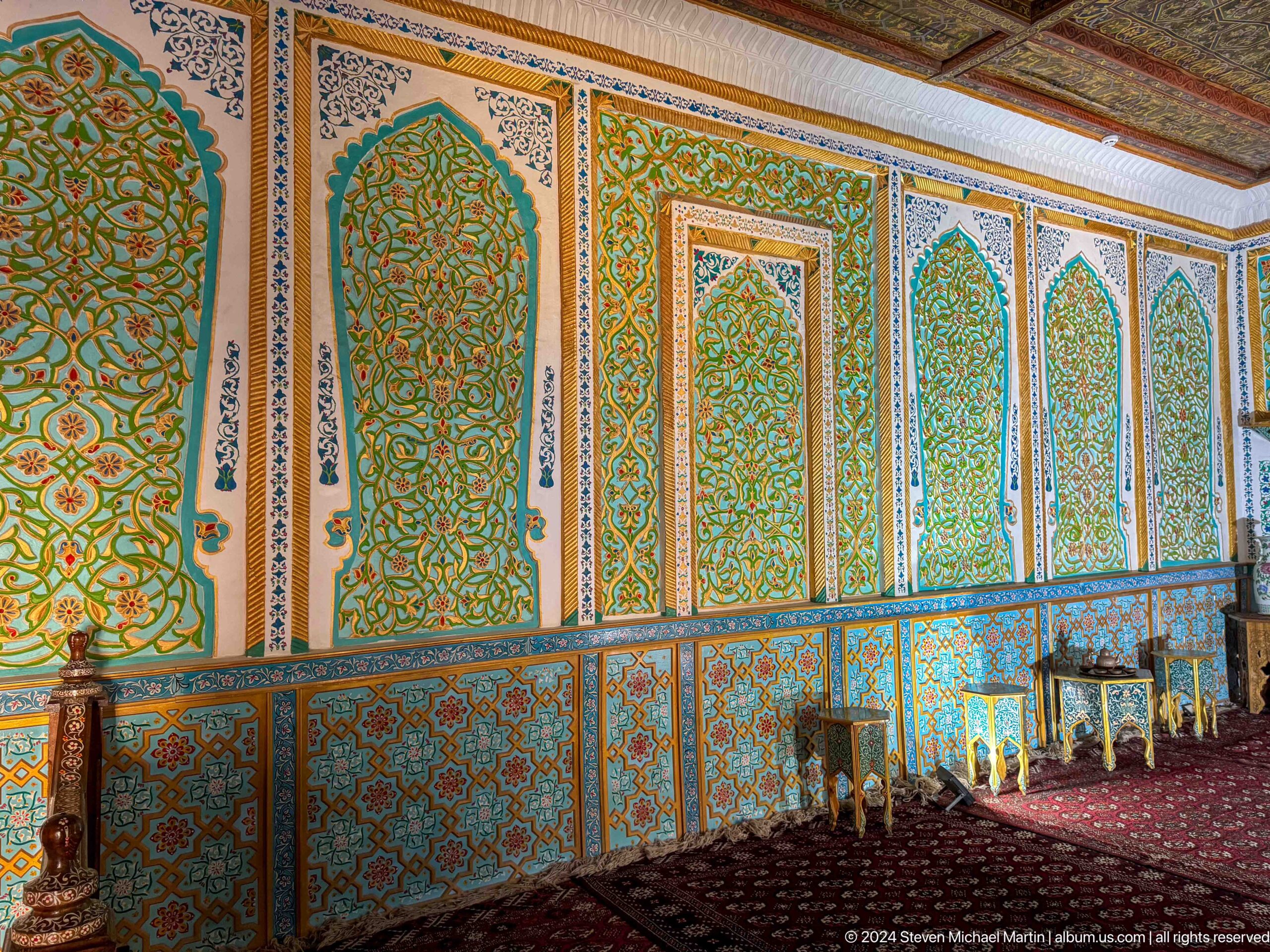
Palace wall decoration is documented within Khiva’s walled historic center. The photograph emphasizes its visible form, materials, ornament, and relationship to the surrounding urban fabric, preserving a focused record of the architecture, craft tradition, daily life, or travel experience represented in this view.
Caption
Palace wall decoration is documented within Khiva’s walled historic center. The photograph emphasizes its visible form, materials, ornament, and relationship to the surrounding urban fabric, preserving a focused record of the architecture, craft tradition, daily life, or travel experience represented in this view.
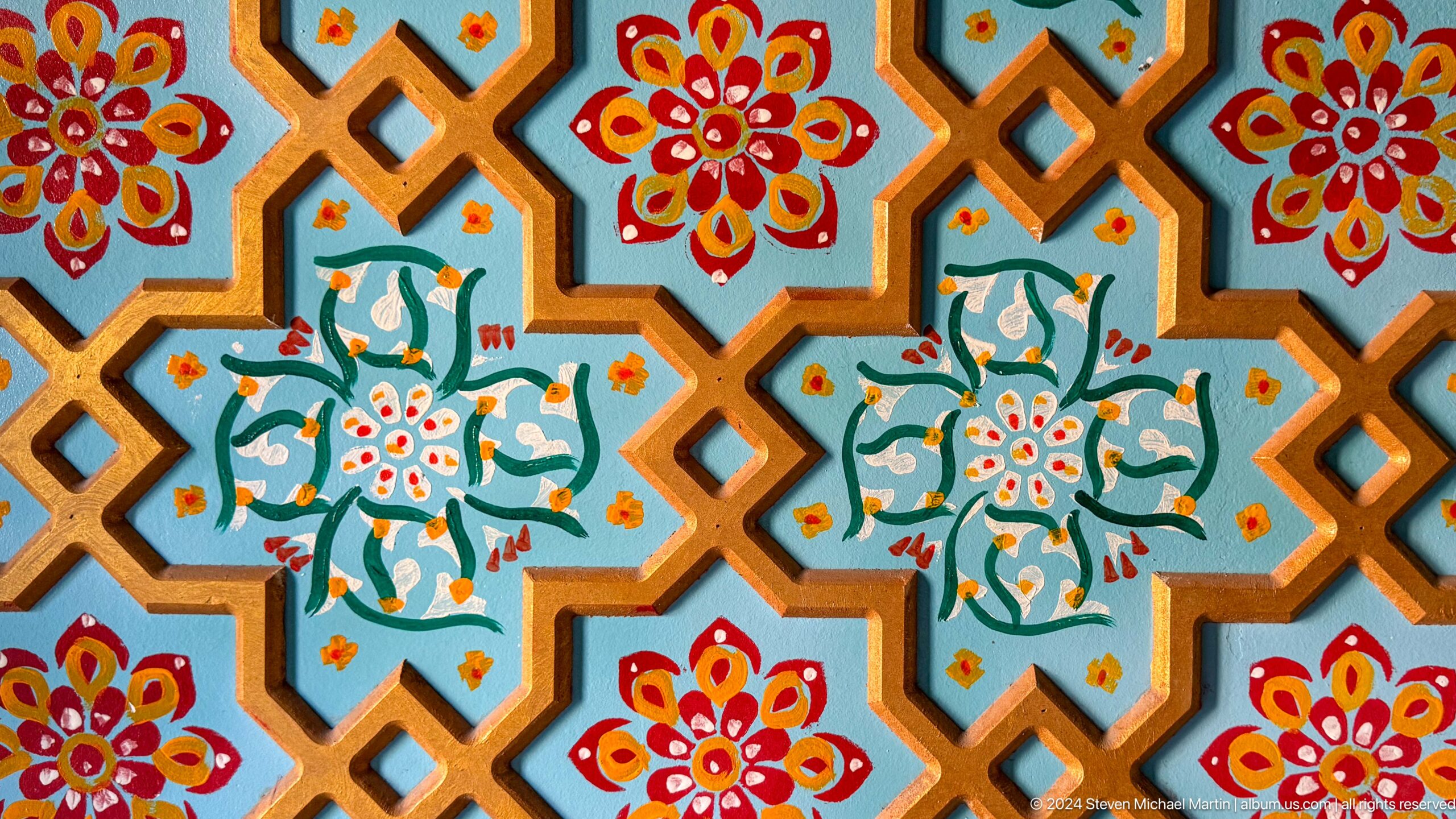
Decorative tilework is documented within Khiva’s walled historic center. The photograph emphasizes its visible form, materials, ornament, and relationship to the surrounding urban fabric, preserving a focused record of the architecture, craft tradition, daily life, or travel experience represented in this view.
Caption
Decorative tilework is documented within Khiva’s walled historic center. The photograph emphasizes its visible form, materials, ornament, and relationship to the surrounding urban fabric, preserving a focused record of the architecture, craft tradition, daily life, or travel experience represented in this view.
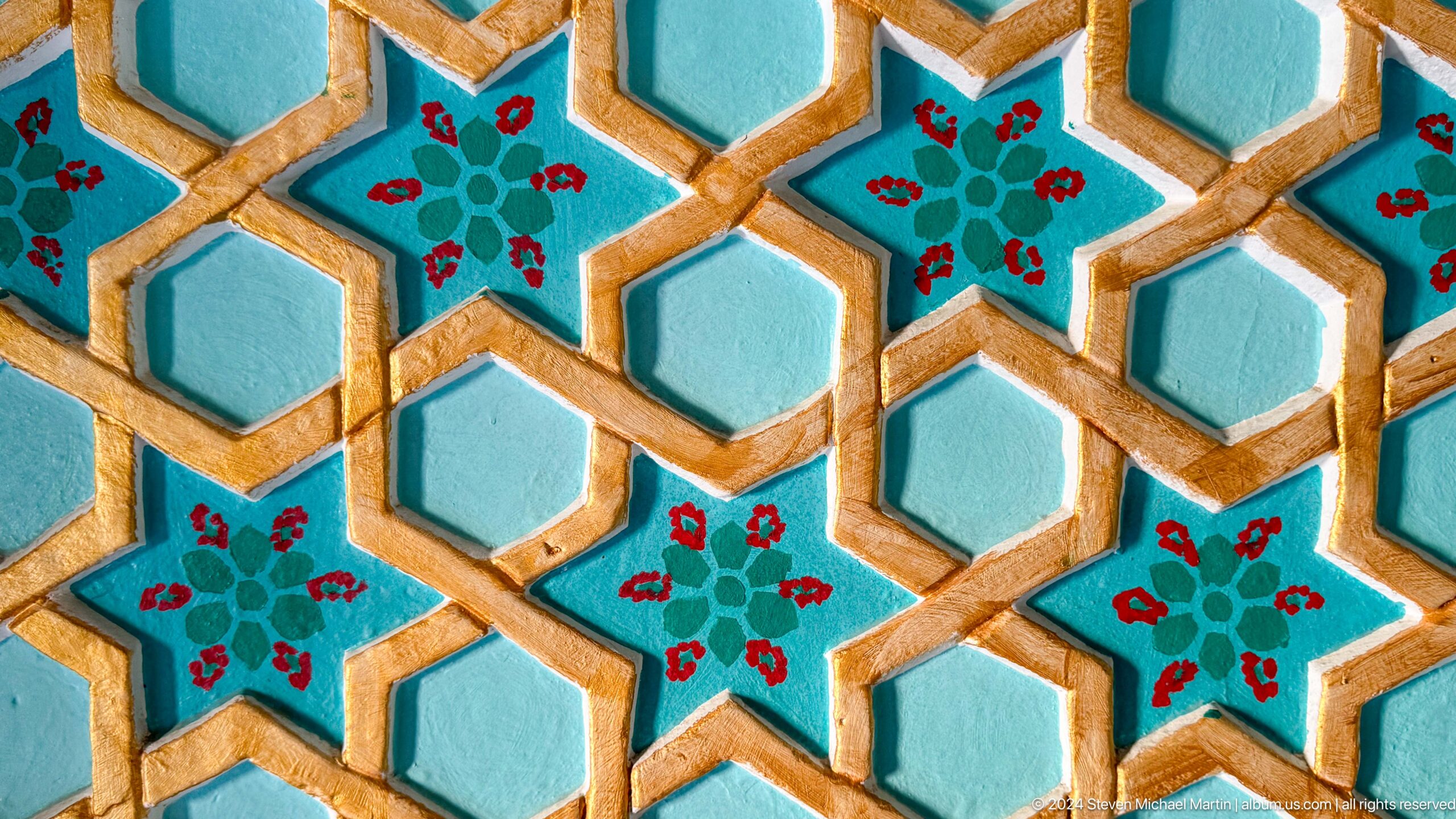
Decorative tilework is documented within Khiva’s walled historic center. The photograph emphasizes its visible form, materials, ornament, and relationship to the surrounding urban fabric, preserving a focused record of the architecture, craft tradition, daily life, or travel experience represented in this view.
Caption
Decorative tilework is documented within Khiva’s walled historic center. The photograph emphasizes its visible form, materials, ornament, and relationship to the surrounding urban fabric, preserving a focused record of the architecture, craft tradition, daily life, or travel experience represented in this view.
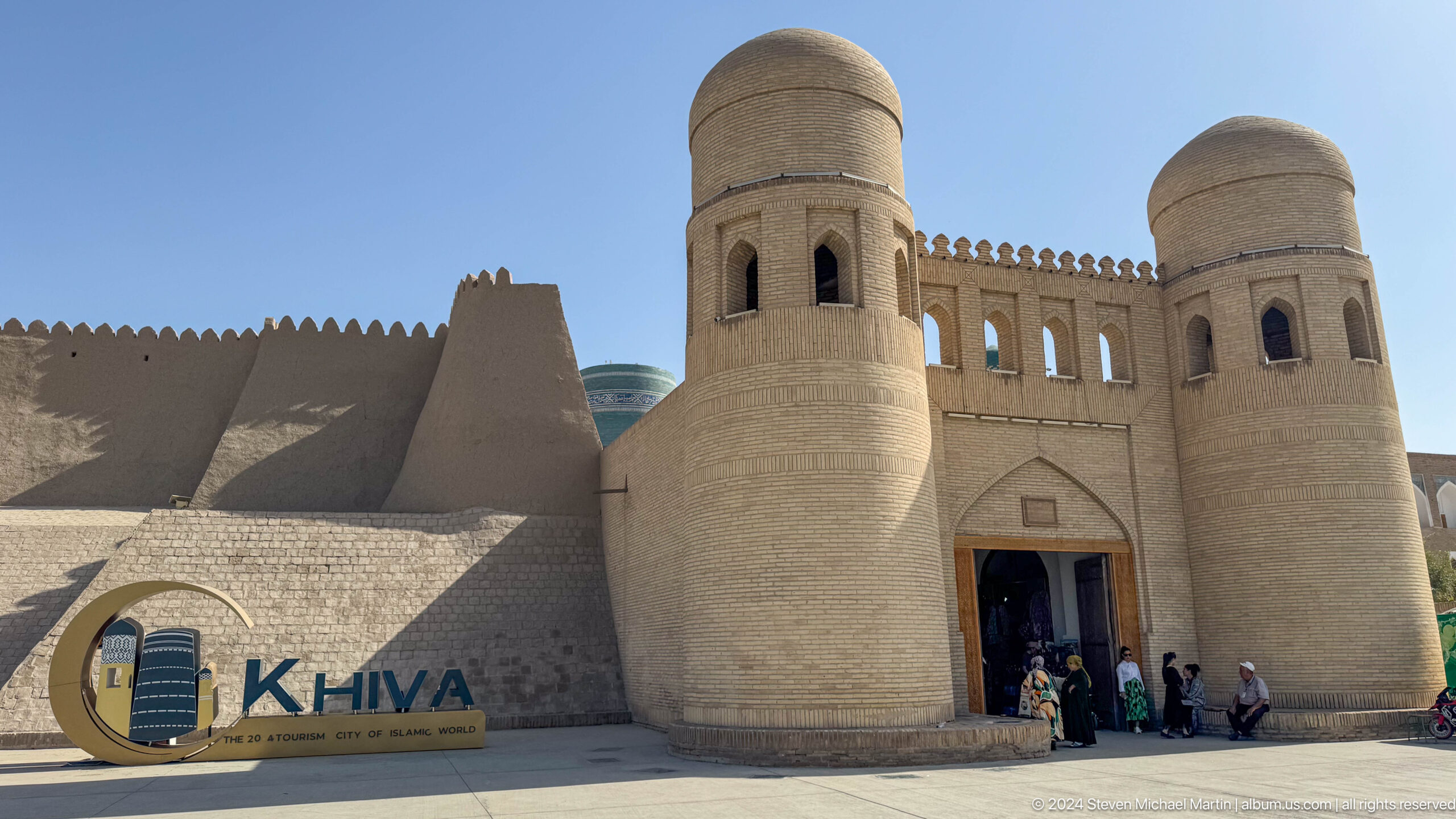
Ata darvaza gate is documented within Khiva’s walled historic center. The photograph emphasizes its visible form, materials, ornament, and relationship to the surrounding urban fabric, preserving a focused record of the architecture, craft tradition, daily life, or travel experience represented in this view.
Caption
Ata darvaza gate is documented within Khiva’s walled historic center. The photograph emphasizes its visible form, materials, ornament, and relationship to the surrounding urban fabric, preserving a focused record of the architecture, craft tradition, daily life, or travel experience represented in this view.
Field Guide
📍 Overview
Khiva is one of the most intact historic cities along the Silk Road and provides a rare glimpse into the urban form of a fortified caravan oasis. Located in present-day Uzbekistan, the walled inner city known as Itchan Kala preserves mosques, madrasas, minarets, and traditional dwellings that illustrate the organization of trade and religious life in Central Asia. The city served as an important stop for merchants traveling between Persia, Central Asia, and the Caspian region.
🏛 Historical Significance
Khiva developed as a regional center of commerce and scholarship between the 16th and 19th centuries under the Khivan Khanate. Its defensive walls protected residents and merchants from raids across surrounding desert landscapes. The city’s preserved monuments reflect the importance of fortified urban centers in supporting Silk Road caravan routes.
🧱 Architectural Features
Khiva’s skyline is characterized by distinctive minarets, domed mosques, and madrasa courtyards constructed primarily of mud brick and glazed tile. The Kalta Minor Minaret, notable for its turquoise tile covering, is one of the most recognizable landmarks in Central Asia. Narrow streets and enclosed courtyards demonstrate how architecture adapted to climate, security needs, and urban density.
Carved wooden columns and doors illustrate craftsmanship traditions associated with Islamic decorative arts. The consistent use of earth-toned materials creates a unified architectural environment reflecting centuries of development.
🌍 Cultural Importance
Khiva represents the interconnected cultural traditions of Central Asia shaped by trade, religion, and regional political authority. Educational institutions and mosques supported intellectual exchange, while markets facilitated commerce in textiles, ceramics, and metalwork. The city reflects the social and economic structures that sustained Silk Road communities.
🧭 Why It Matters on the Silk Road
Khiva illustrates how fortified oasis settlements enabled long-distance travel across desert regions. Caravan routes relied on cities such as Khiva for protection, commerce, and religious life. The preserved urban environment demonstrates the architectural and cultural continuity of Silk Road civilization.
⭐ Highlights
- Extensively preserved walled Silk Road city
- Distinctive turquoise-tiled Kalta Minor Minaret
- Traditional madrasa courtyards and mosque complexes
- Carved wooden architectural elements
- Clear example of fortified oasis urban planning
📷 Photography Notes
- Elevated viewpoints capture the compact walled city layout
- Turquoise tile contrasts strongly with earth-toned walls
- Doorway and column details highlight carved wood craftsmanship
- Late afternoon light enhances texture of mud brick structures
- Wide-angle compositions emphasize narrow street perspectives