Santiago – Chile
The city of Santiago lies in a broad valley surrounded by the snow-capped peaks of the Andes Mountains in central Chile. Founded in 1541 by the Spanish conquistador Pedro de Valdivia, Santiago developed into the political and cultural center of the country.
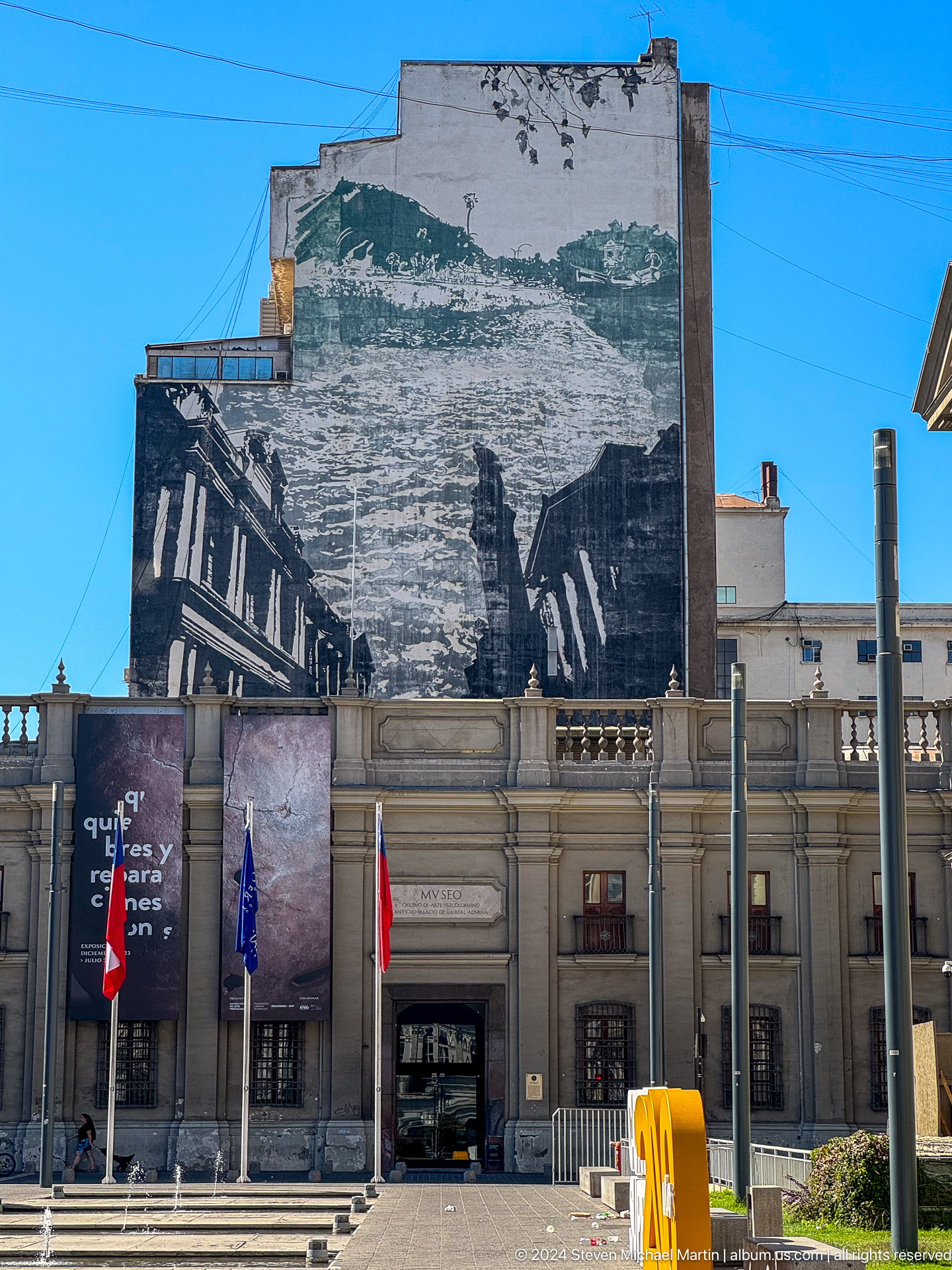
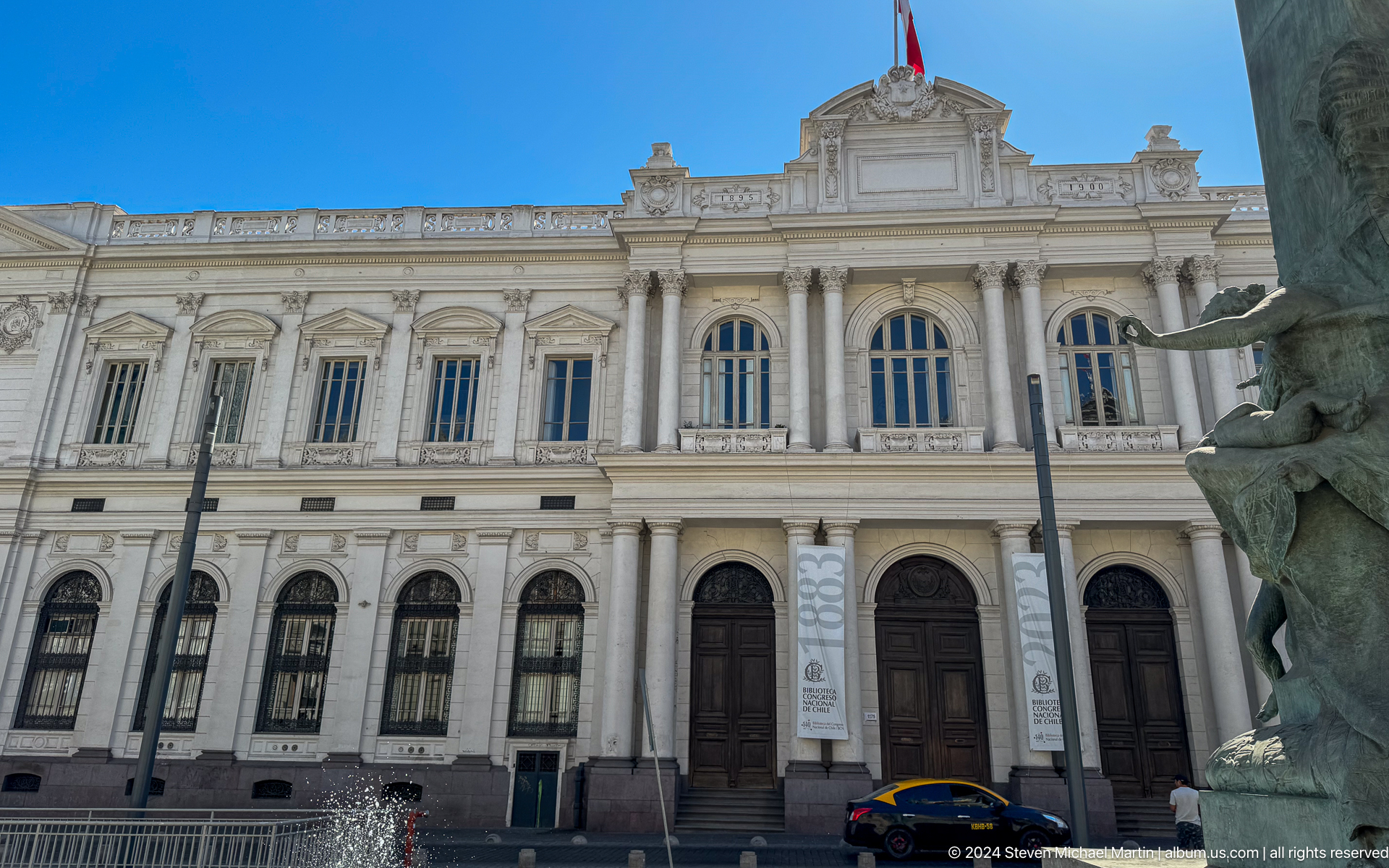
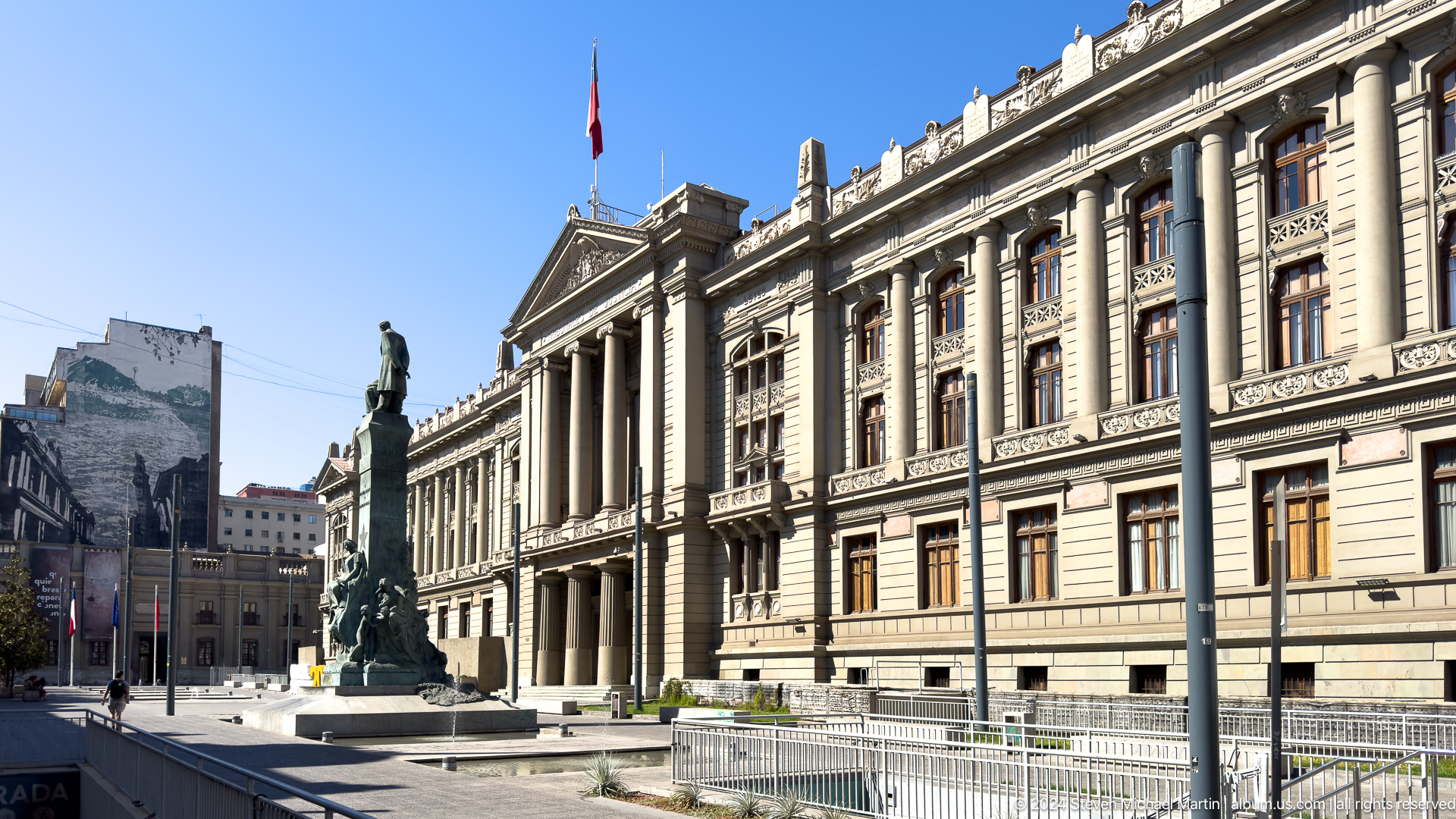
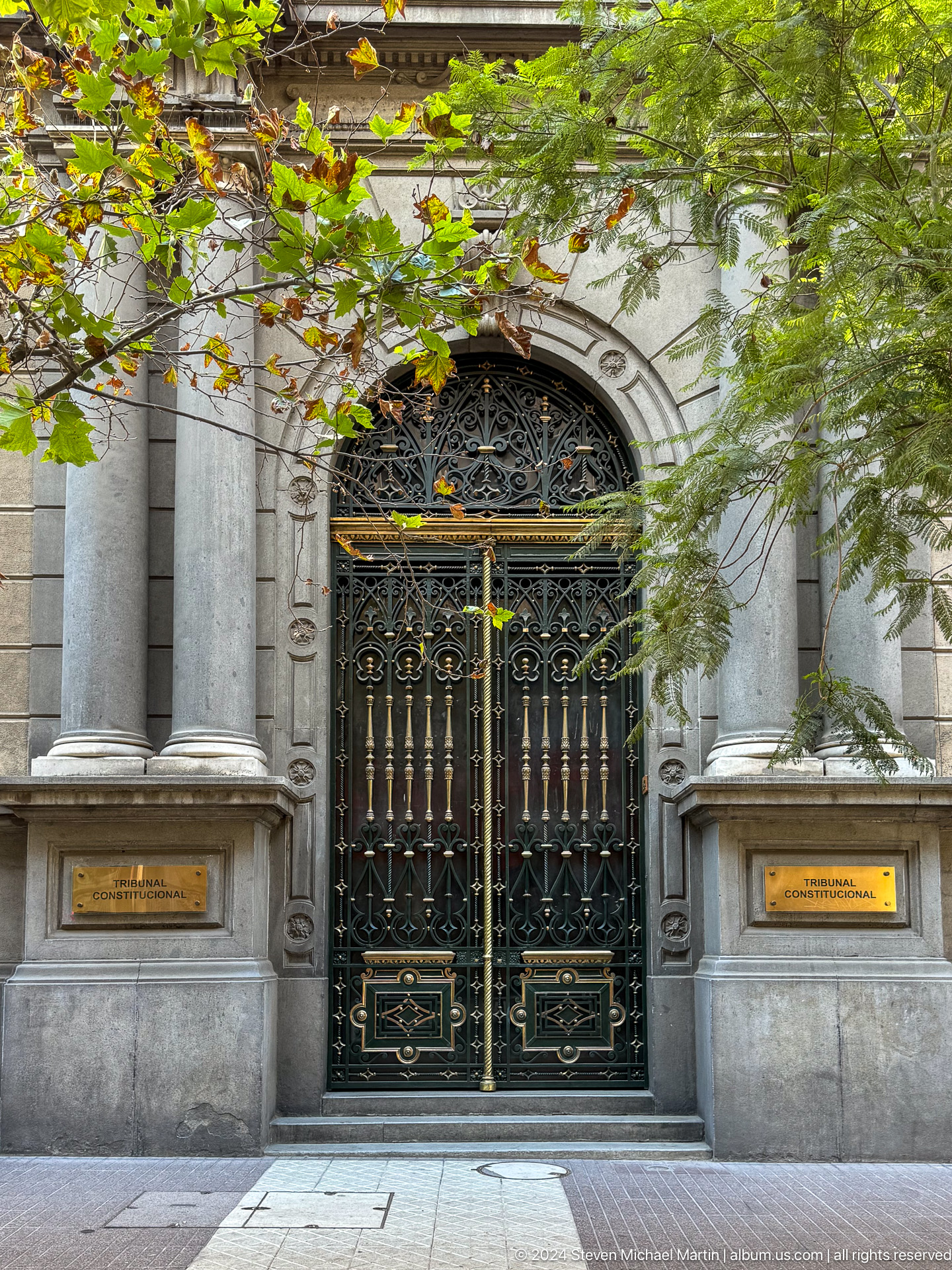
The city blends colonial landmarks, modern architecture, and lively public squares that reflect centuries of Chilean history. Historic districts around the central plaza preserve important churches, government buildings, and museums that illustrate the city’s role in the development of the nation.
Today Santiago serves as Chile’s capital and largest city, linking the cultural traditions of the country with its modern economic and political life.




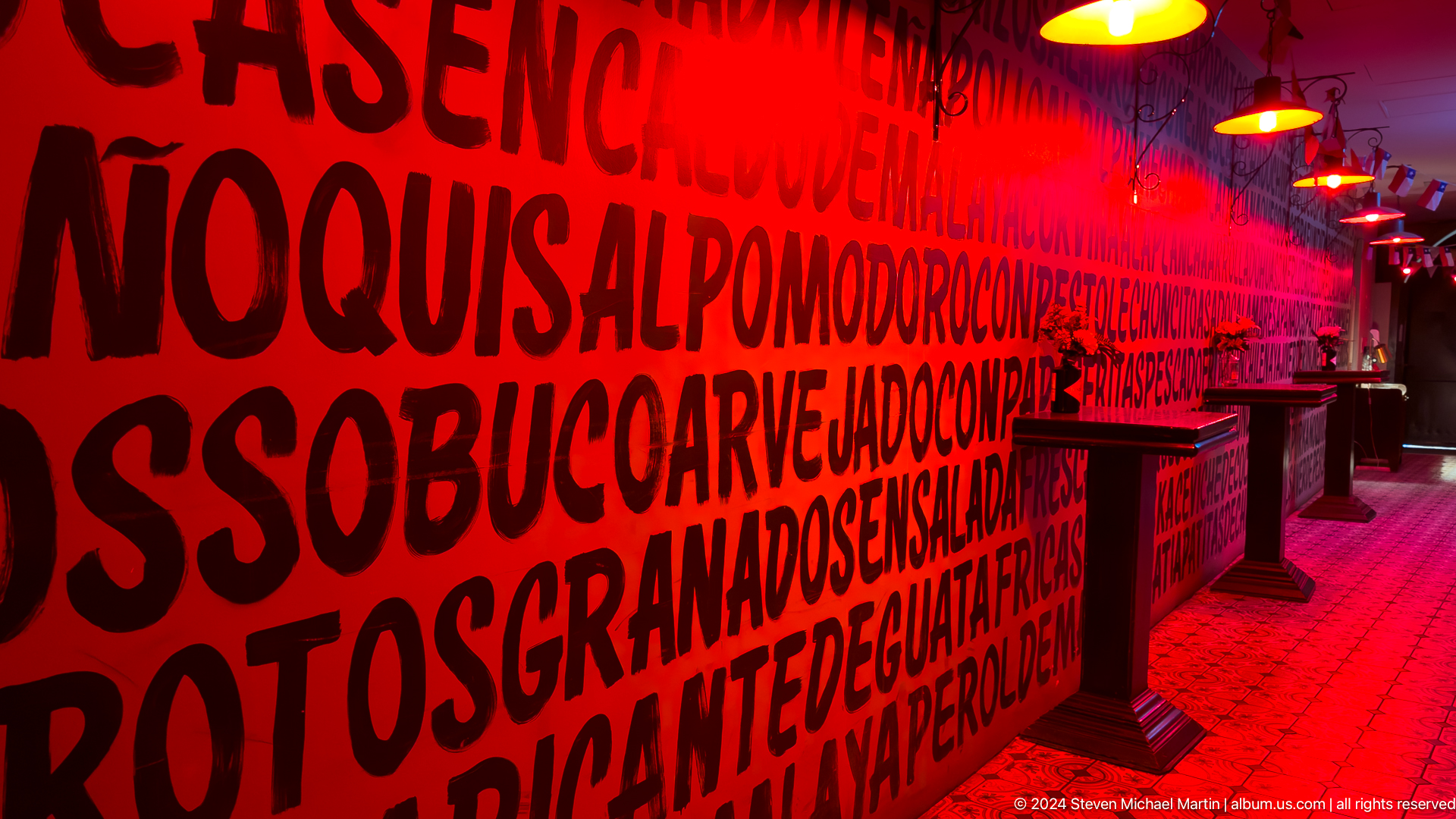

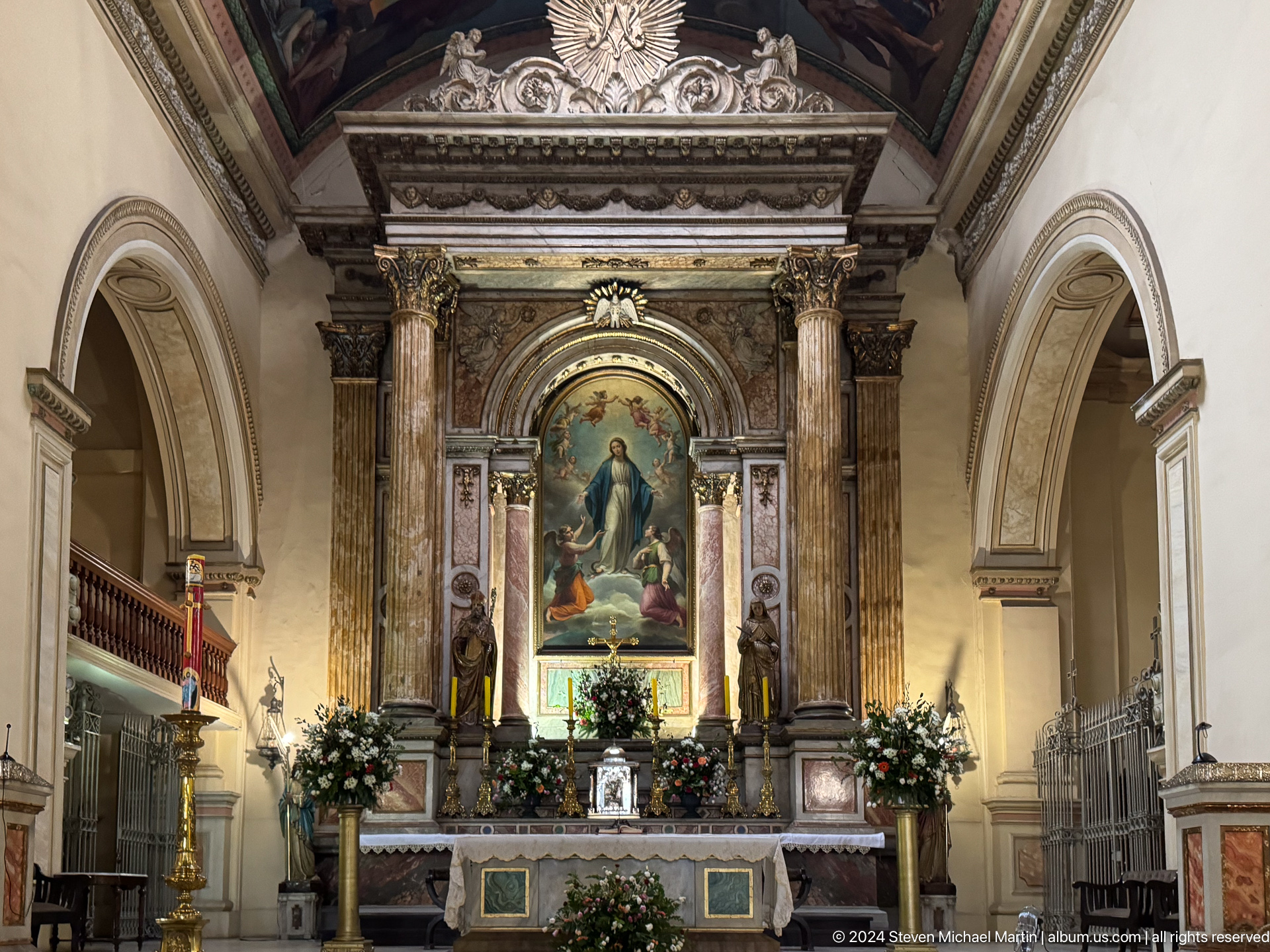
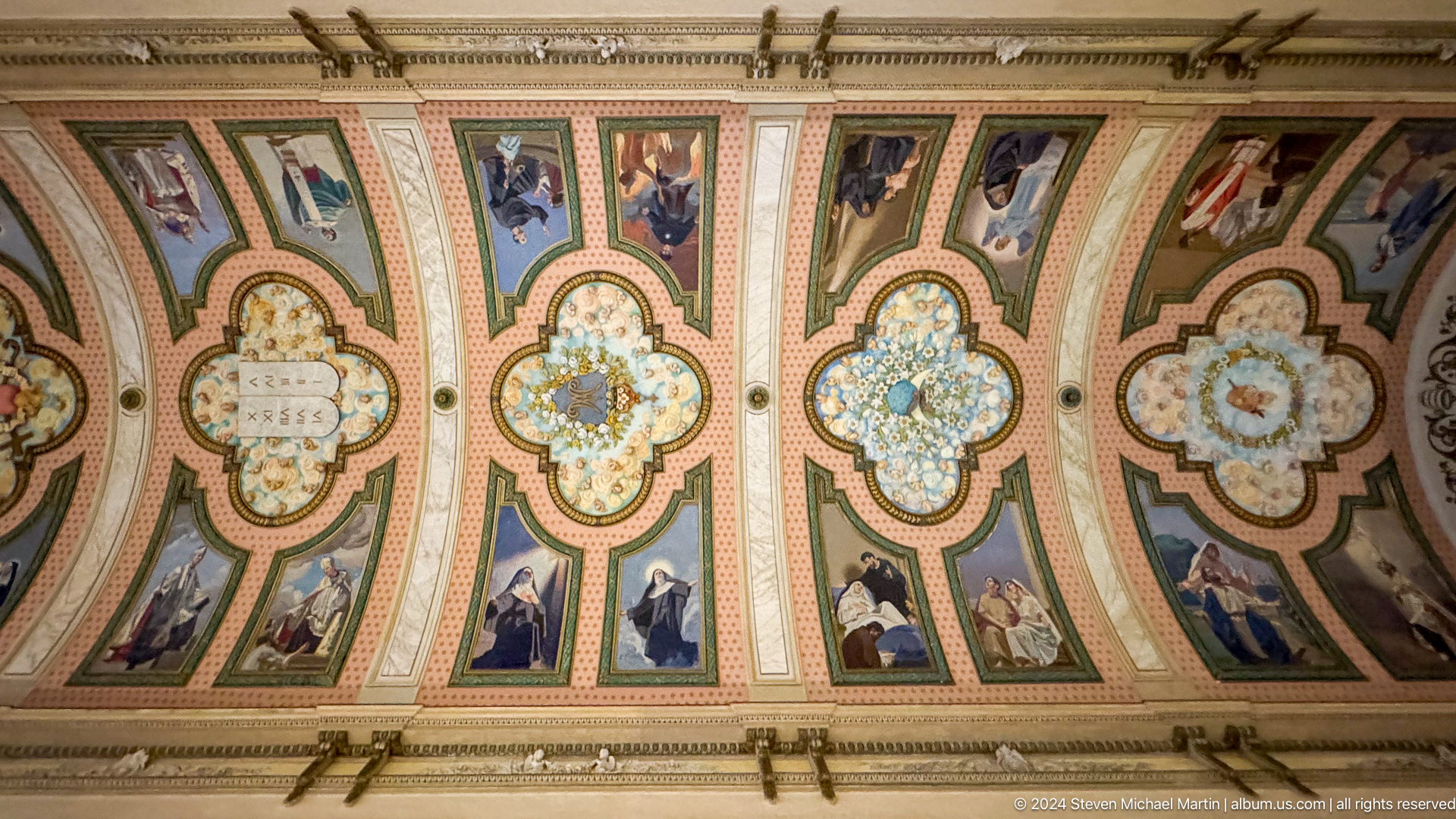


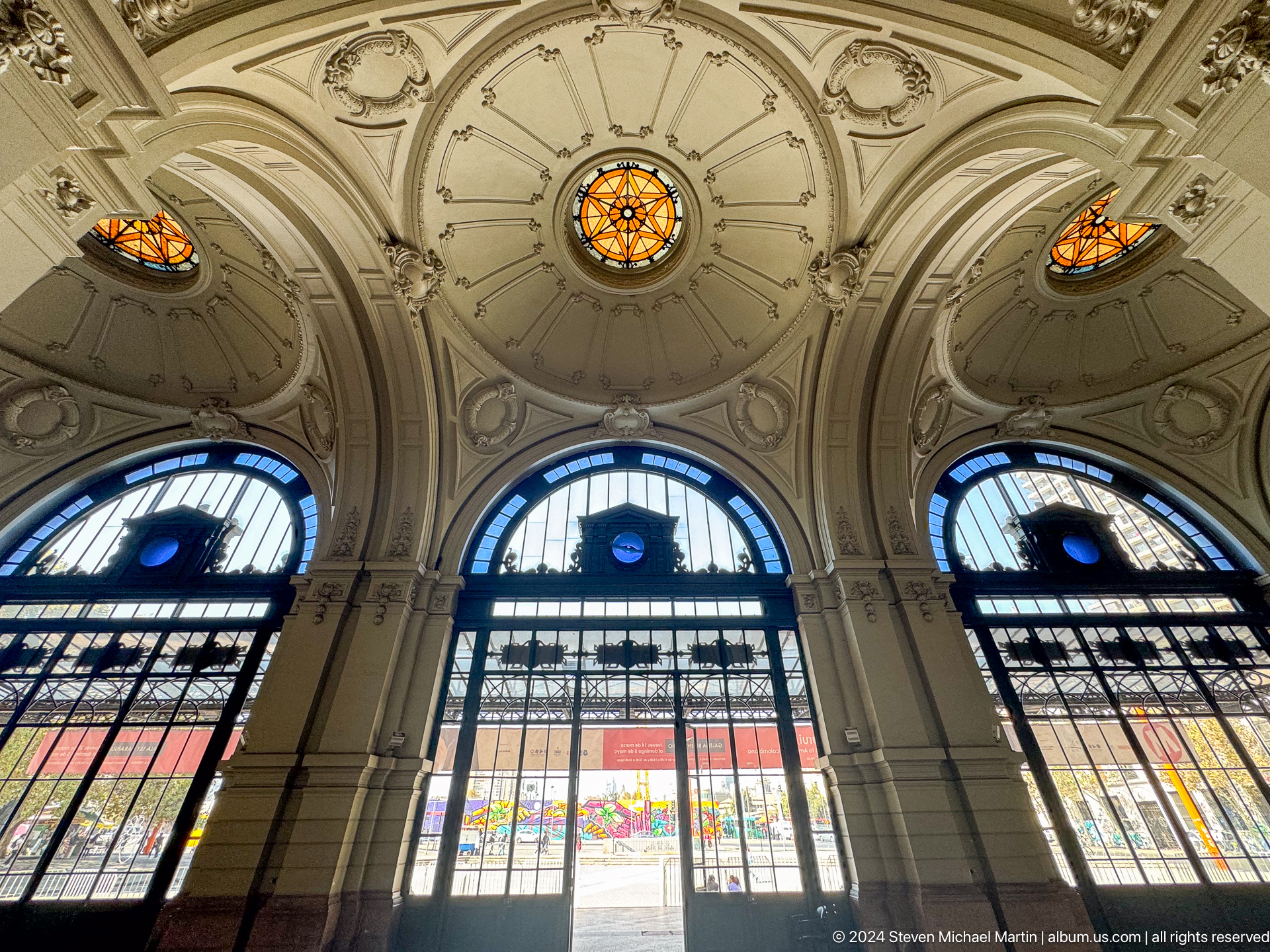

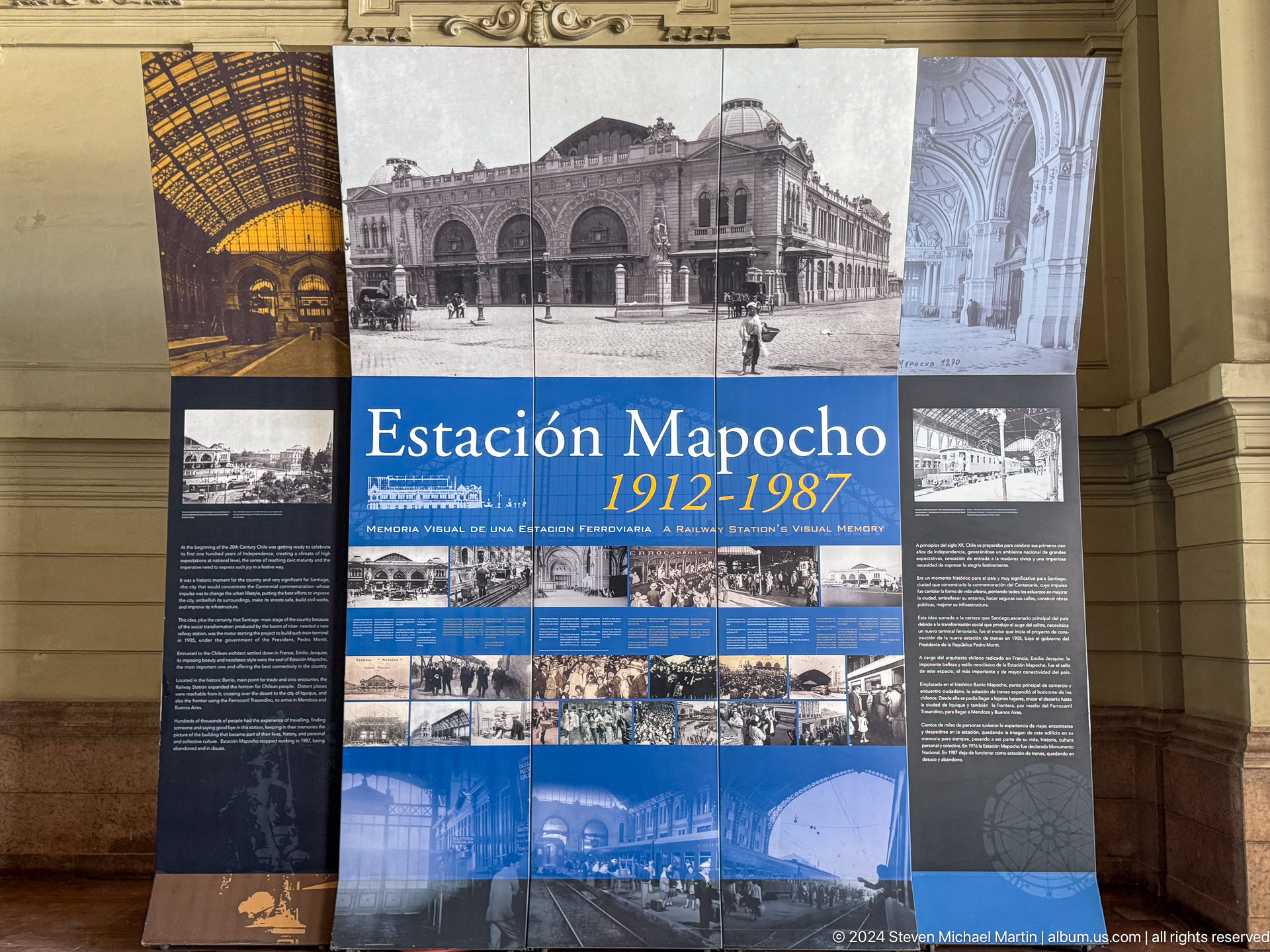

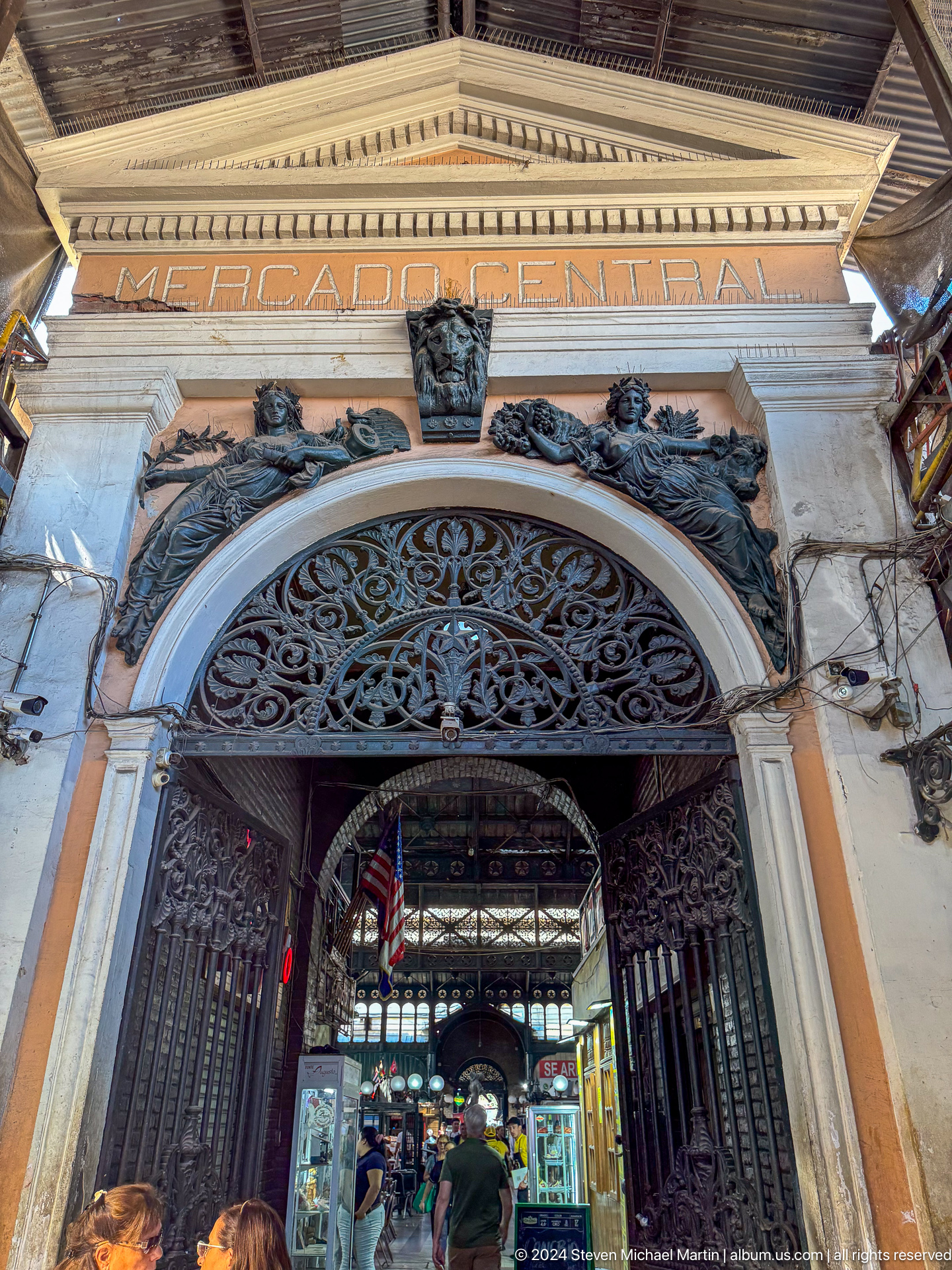


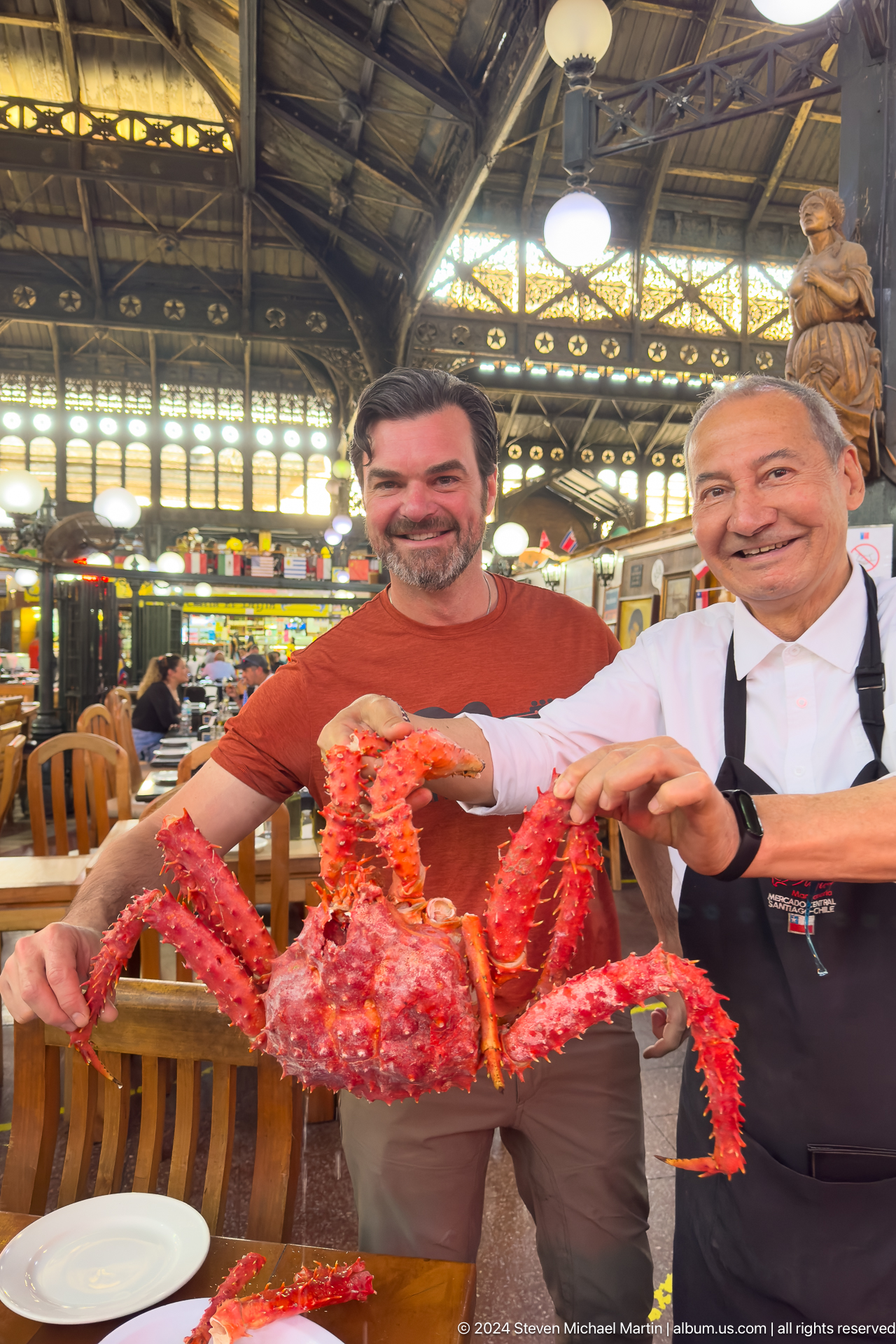


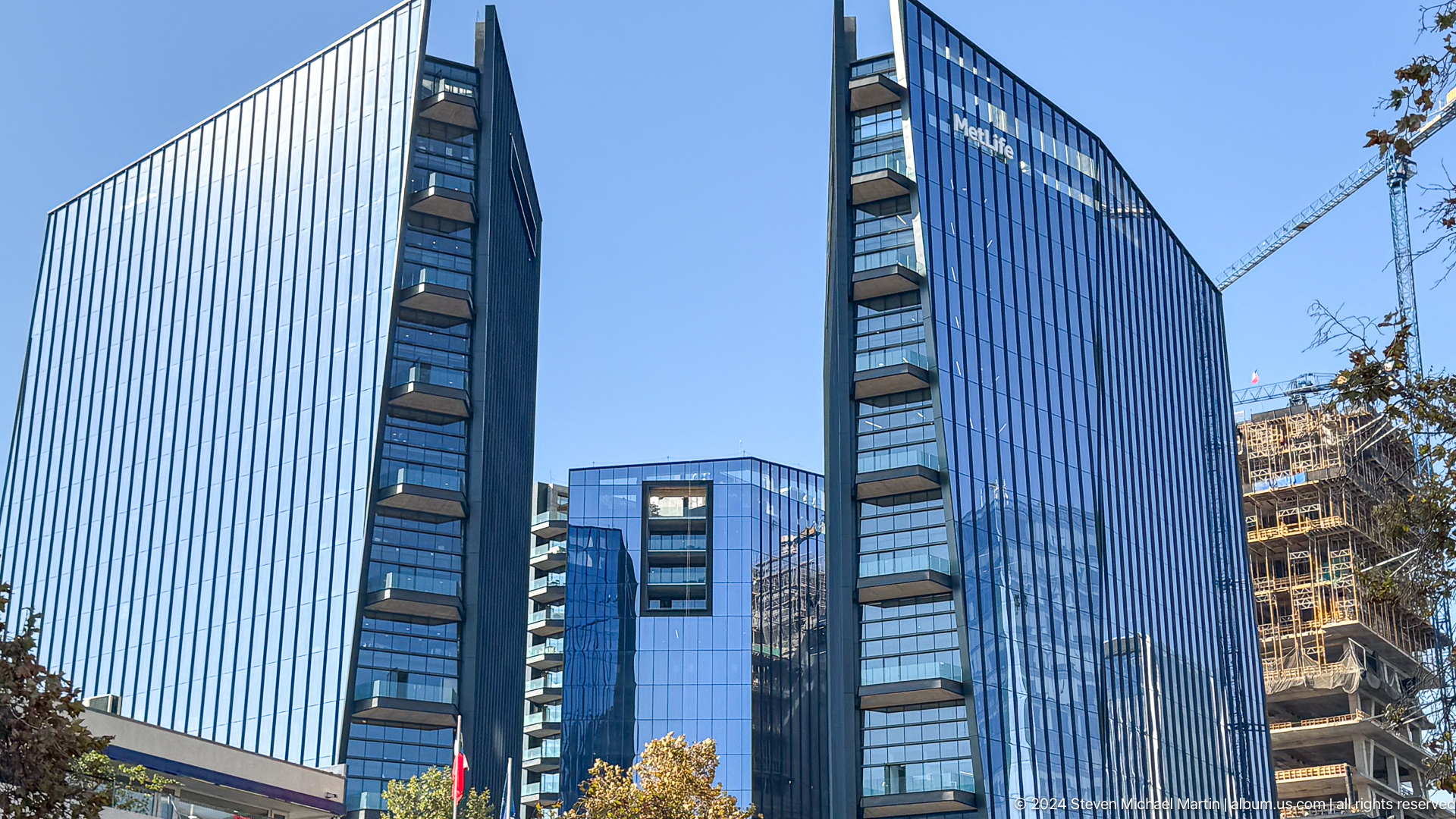


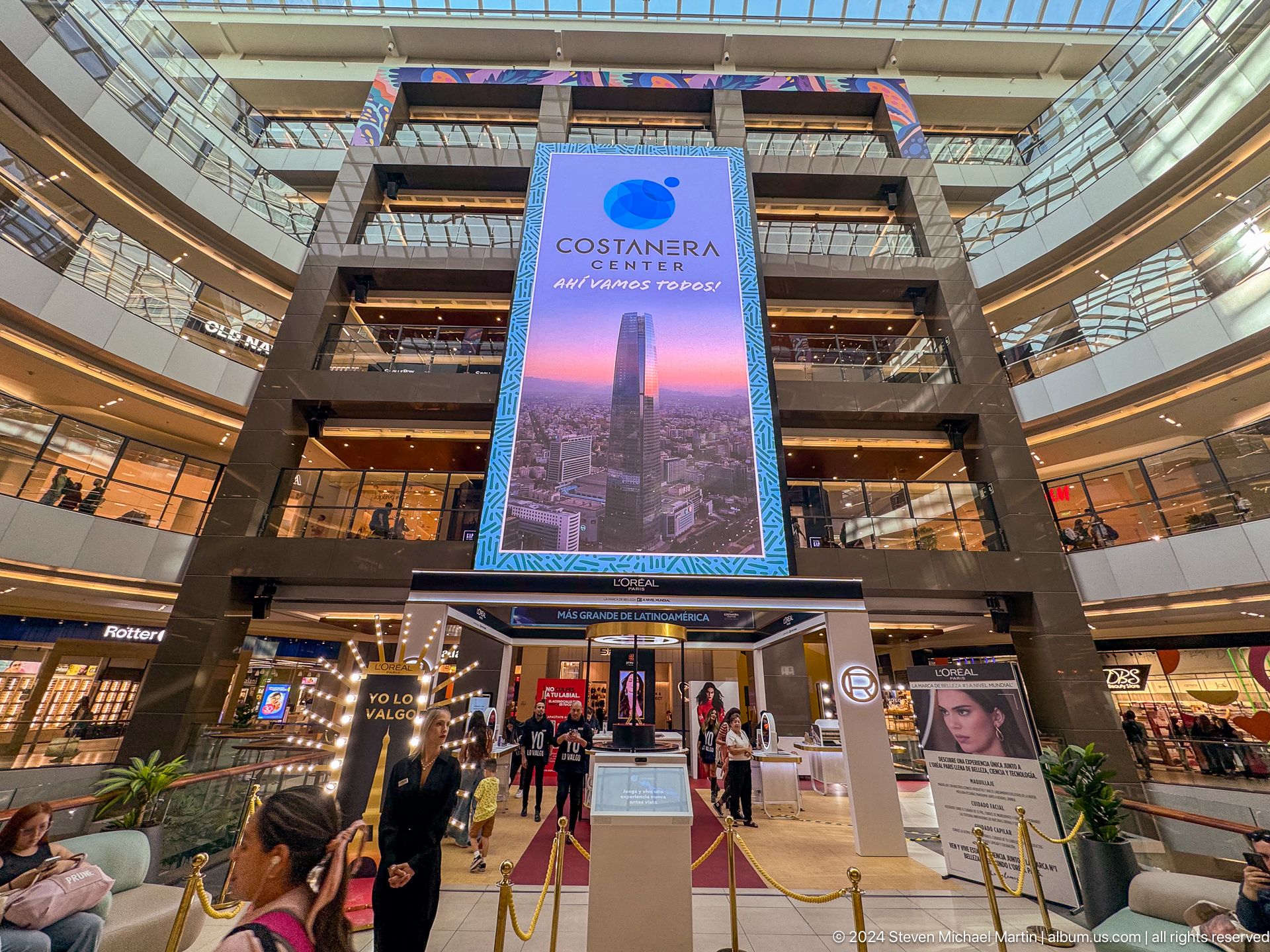

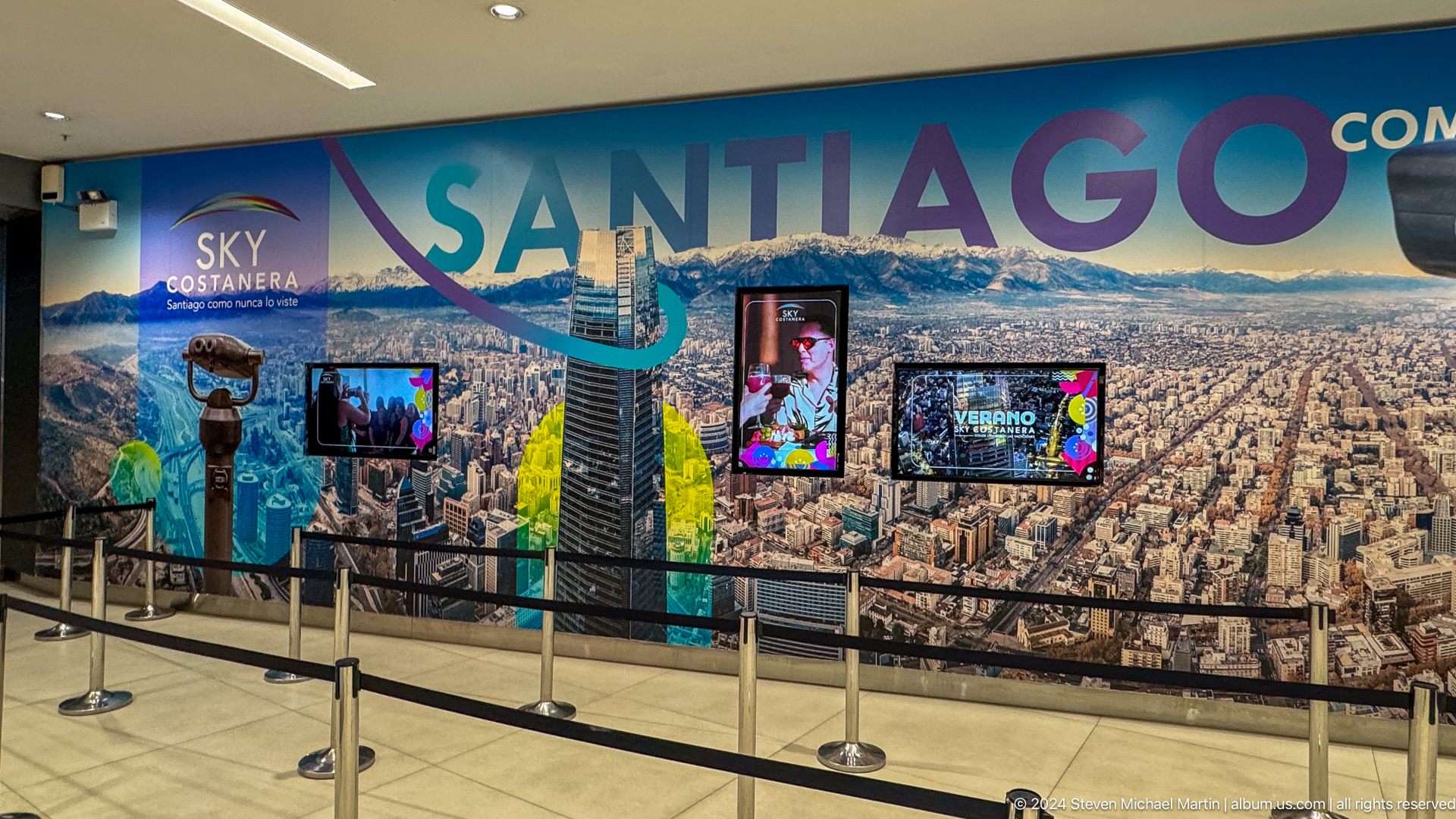


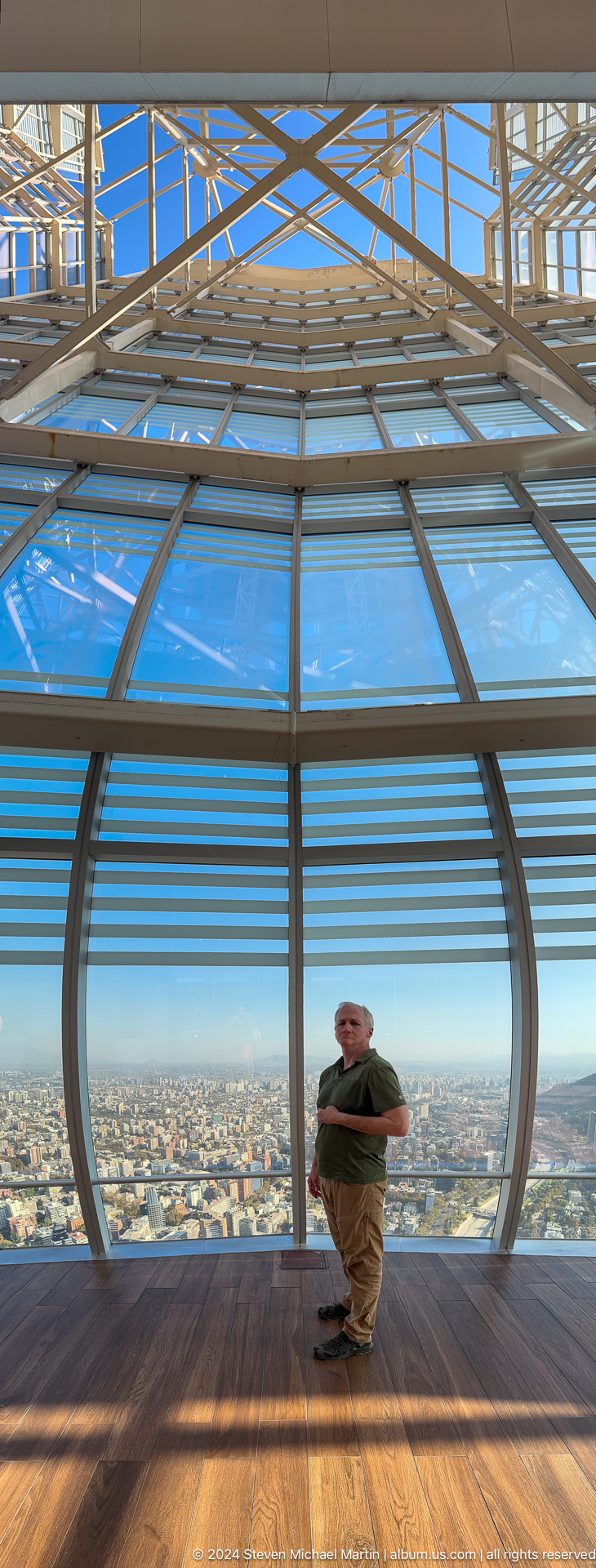





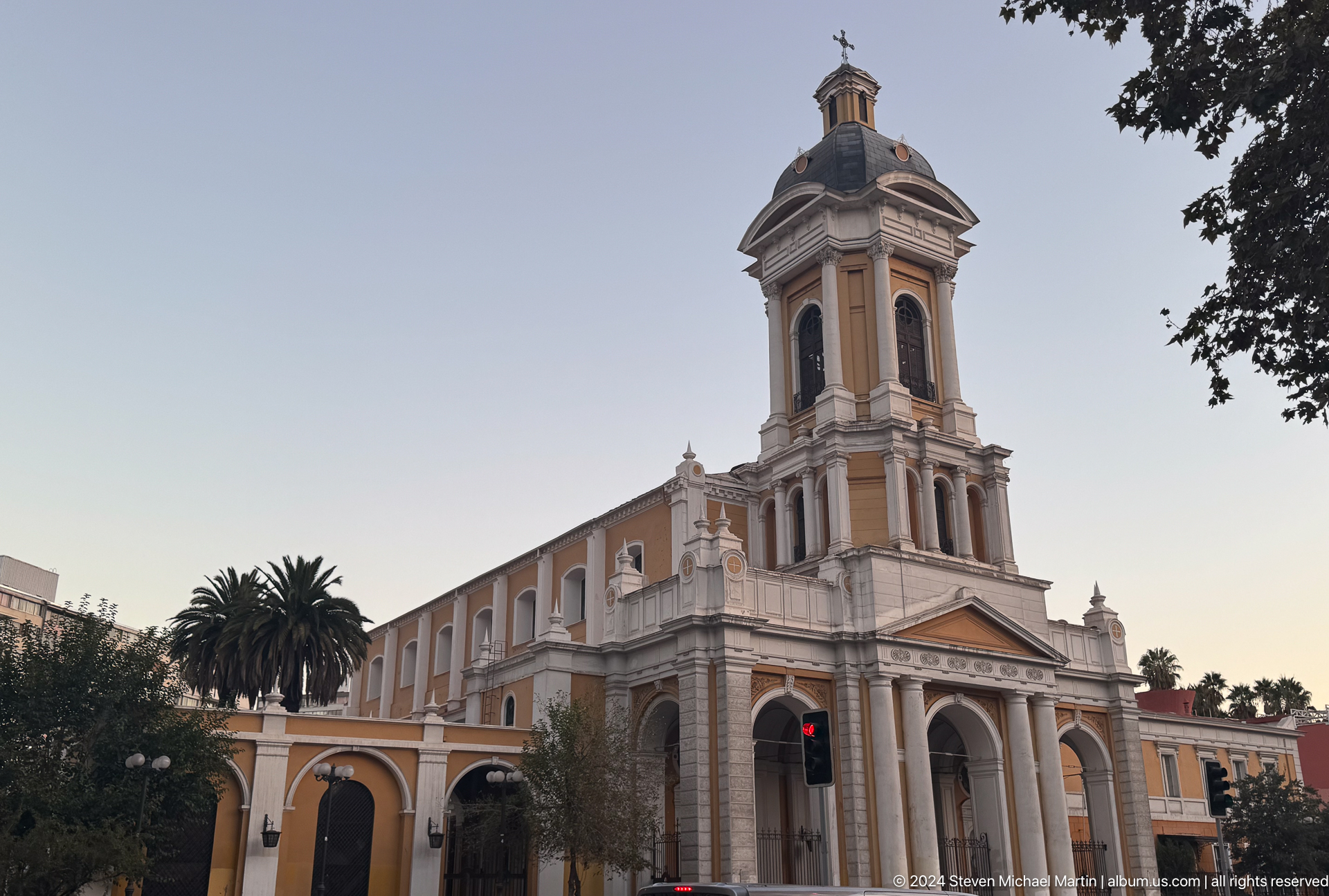


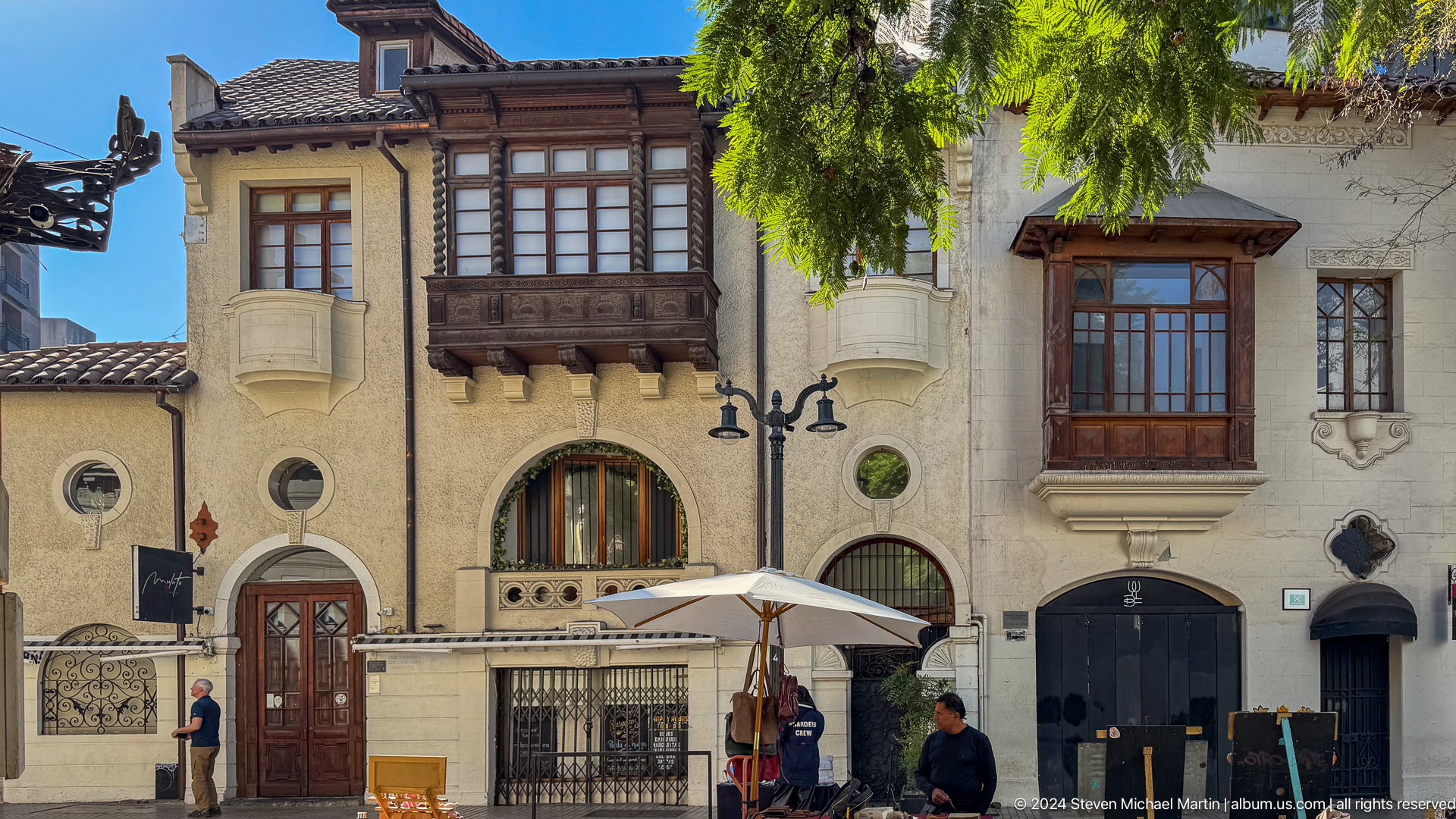


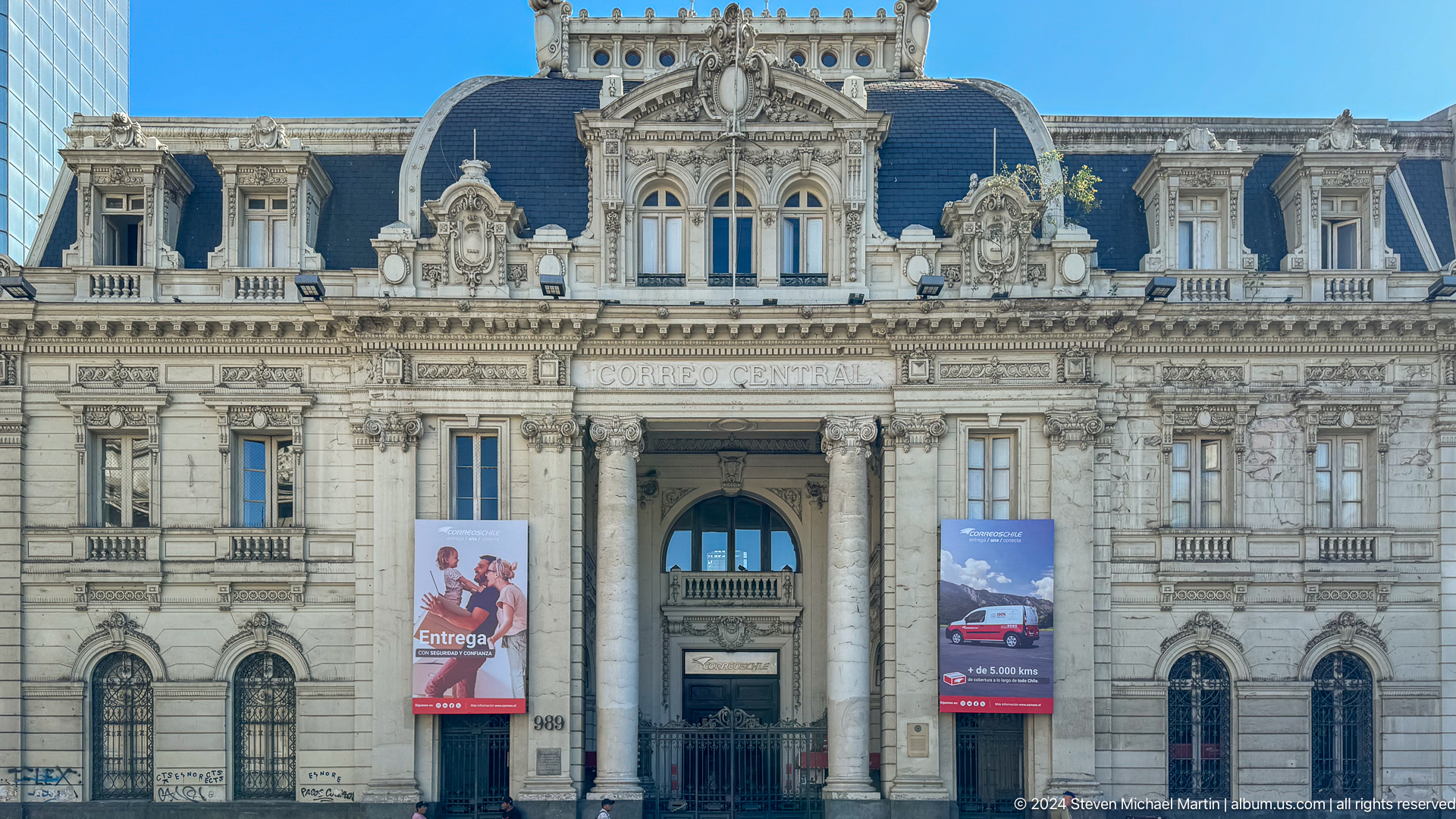


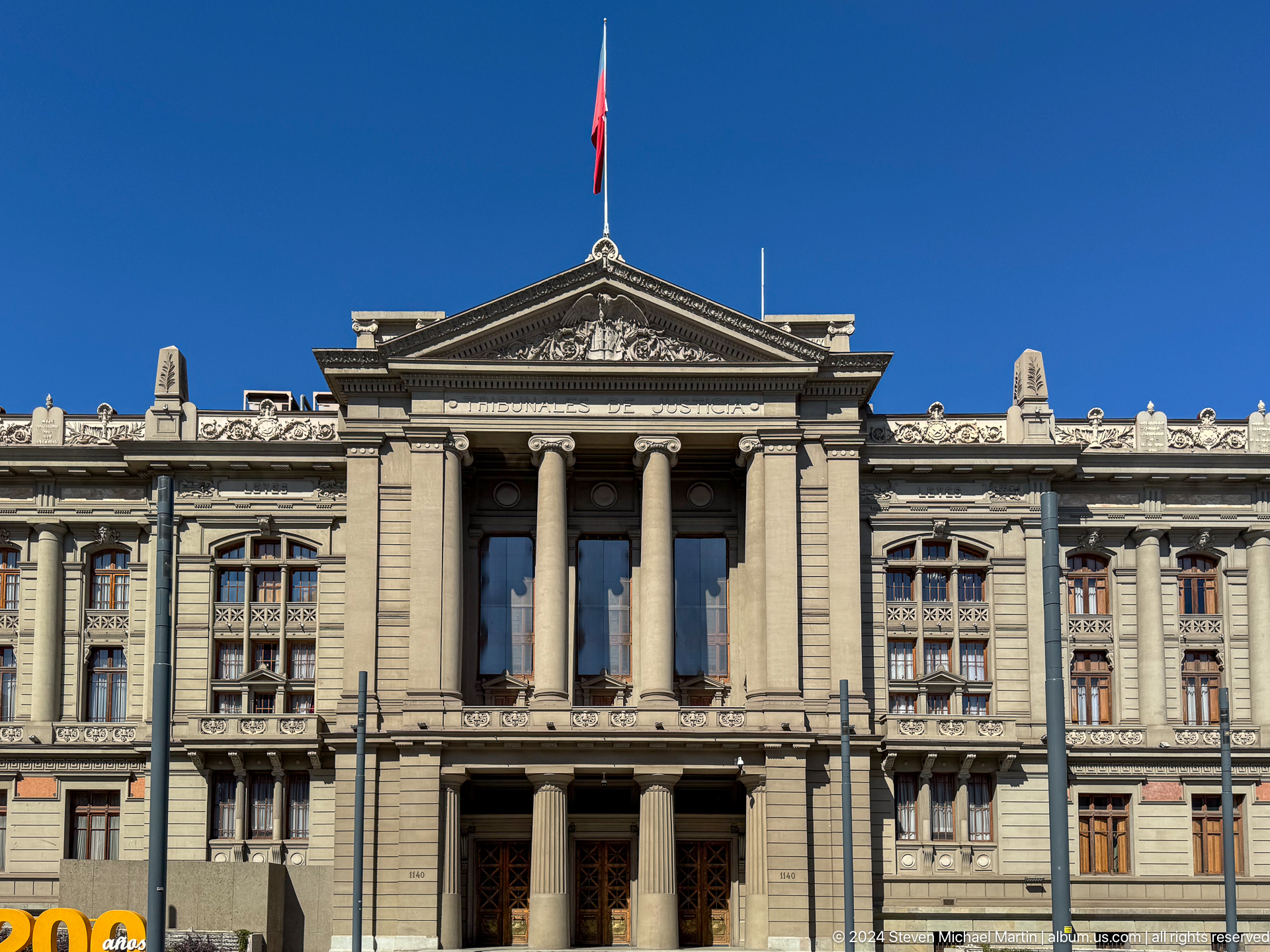
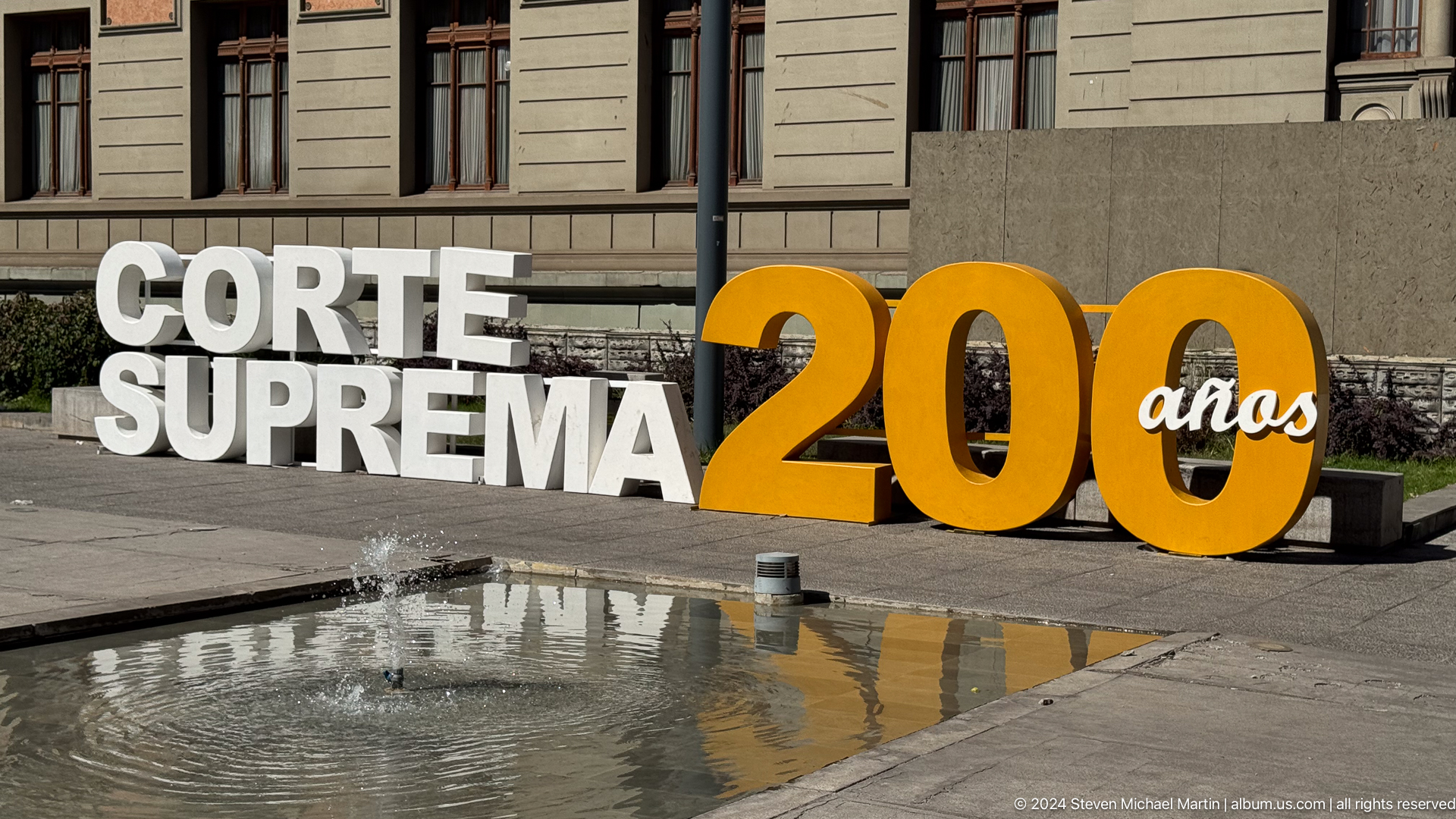













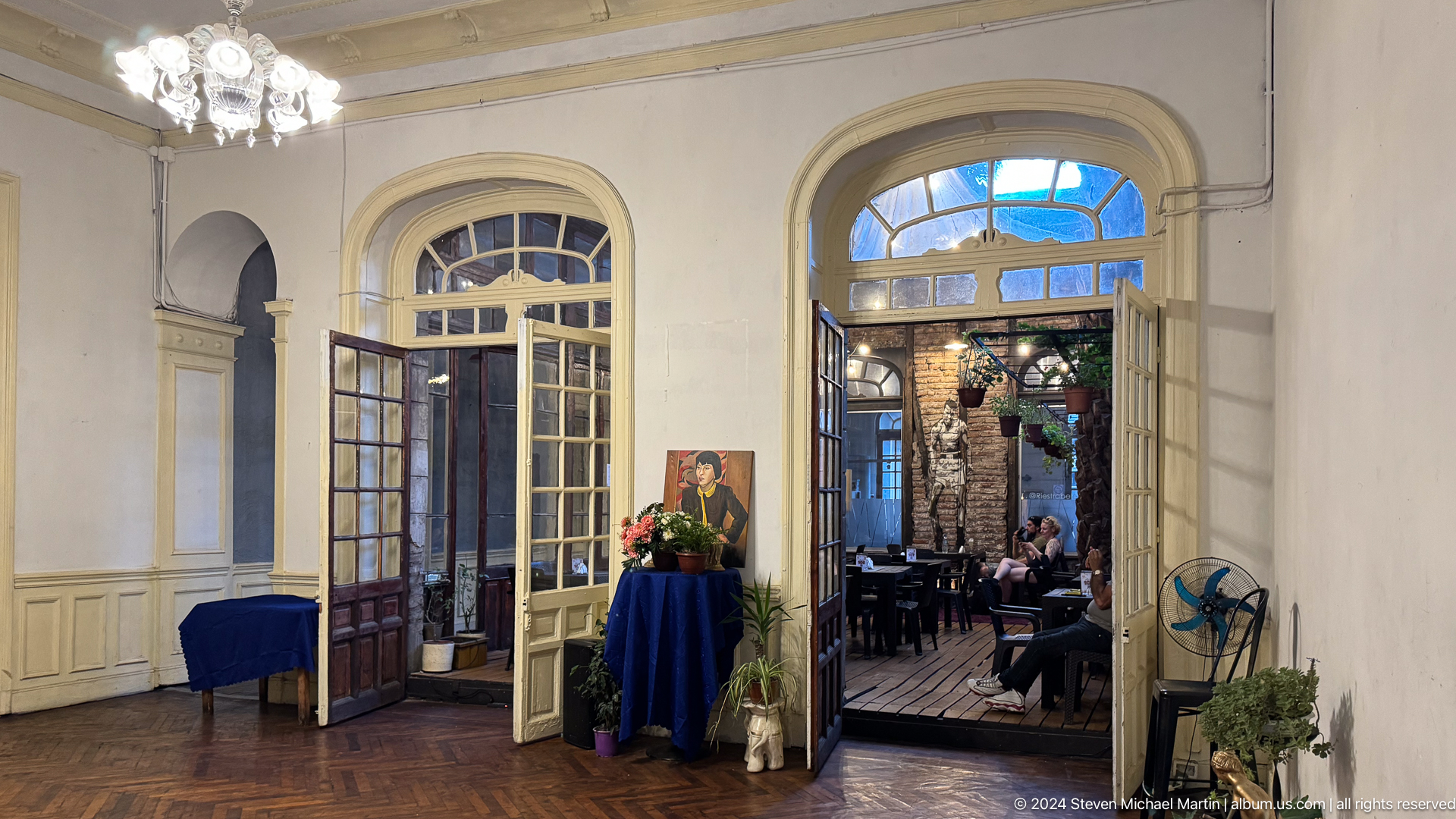

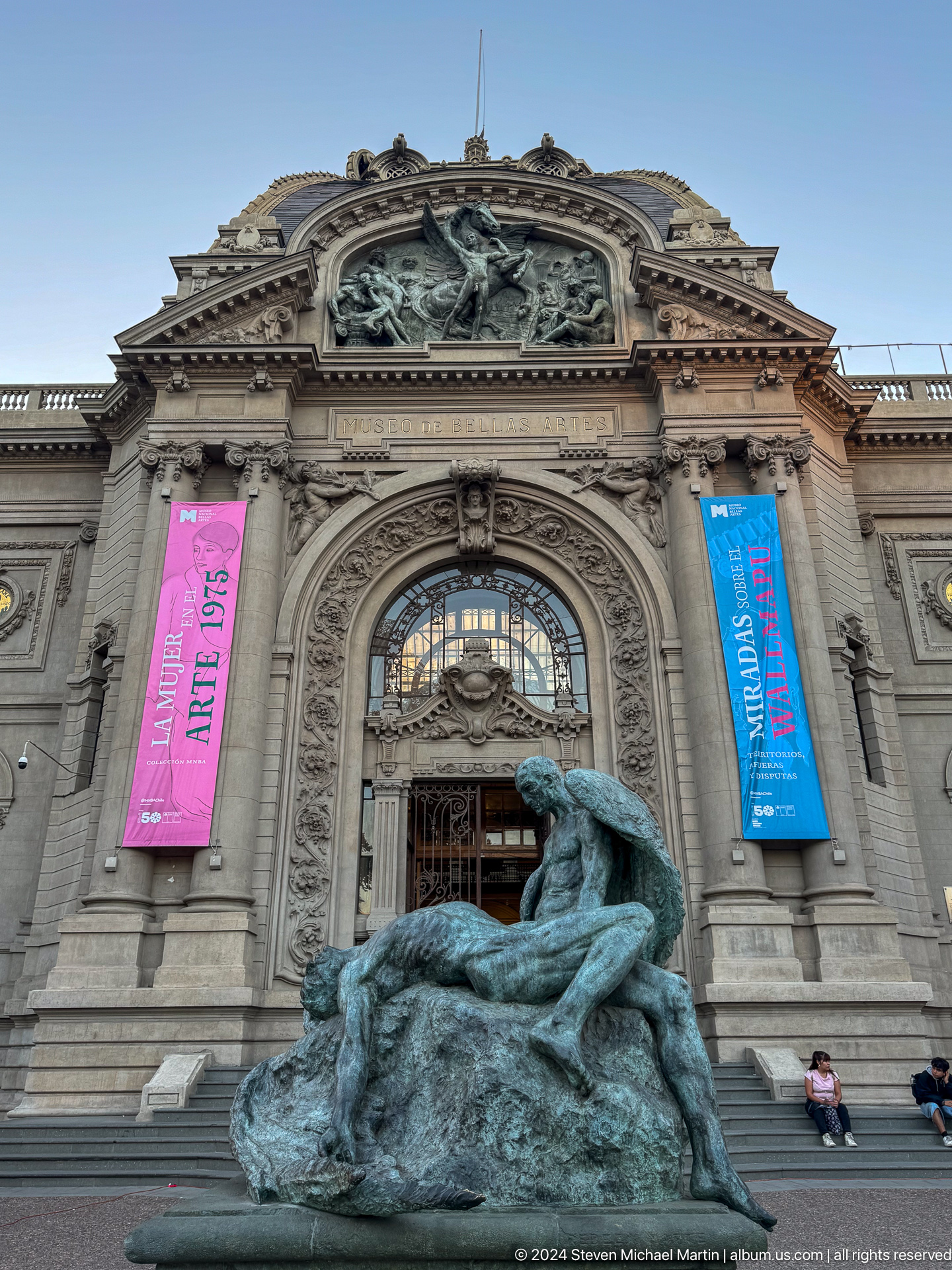

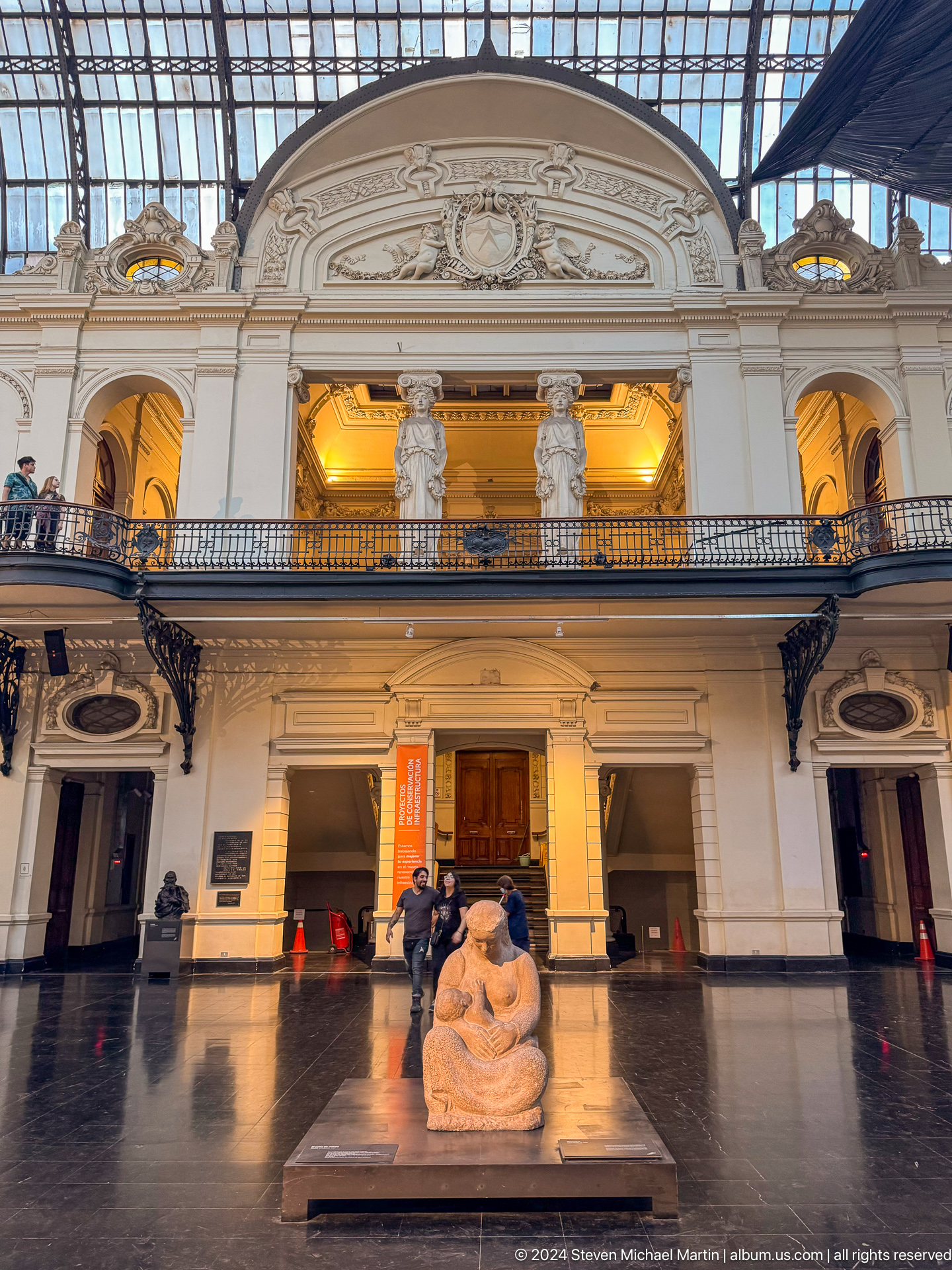


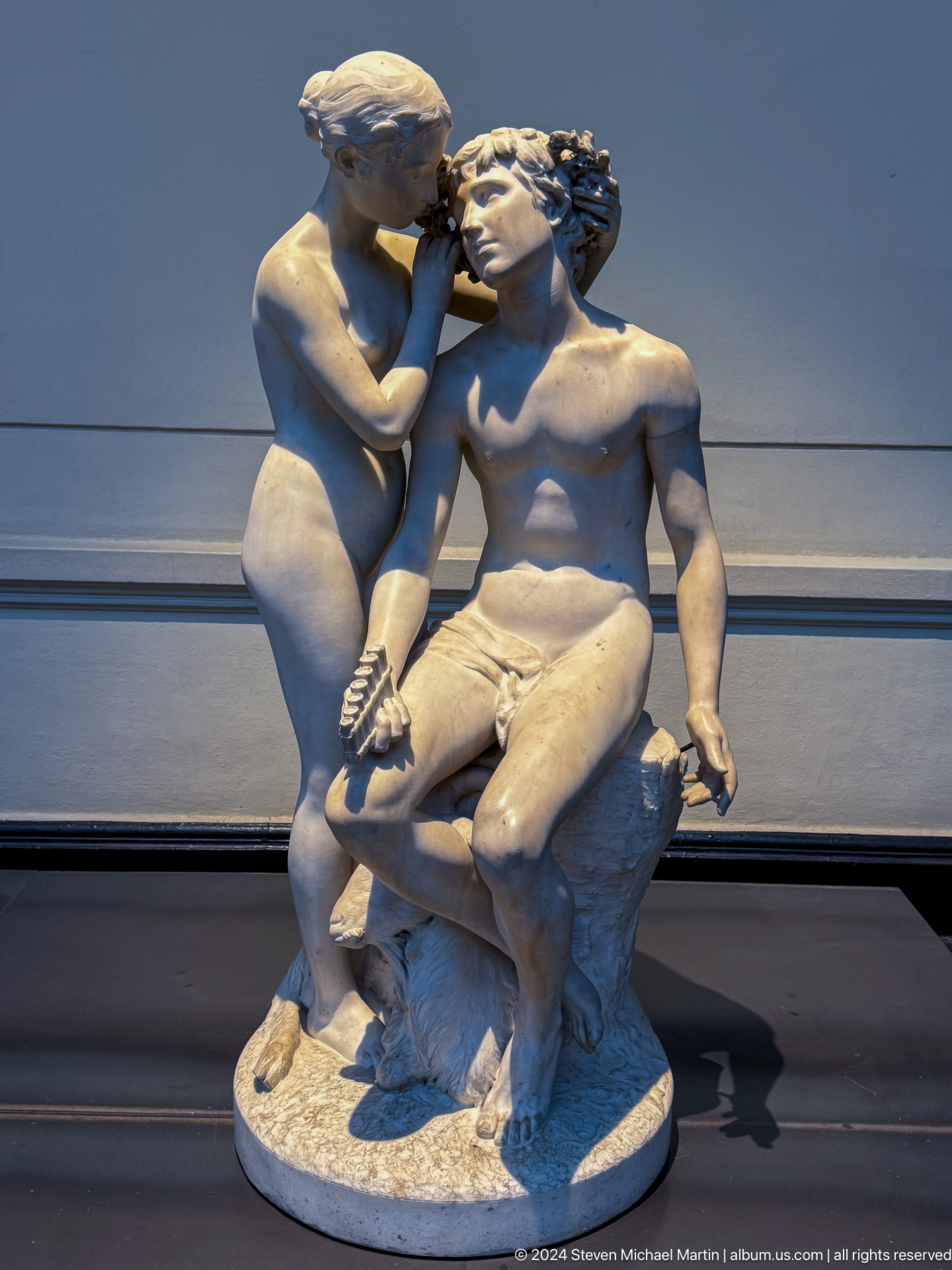

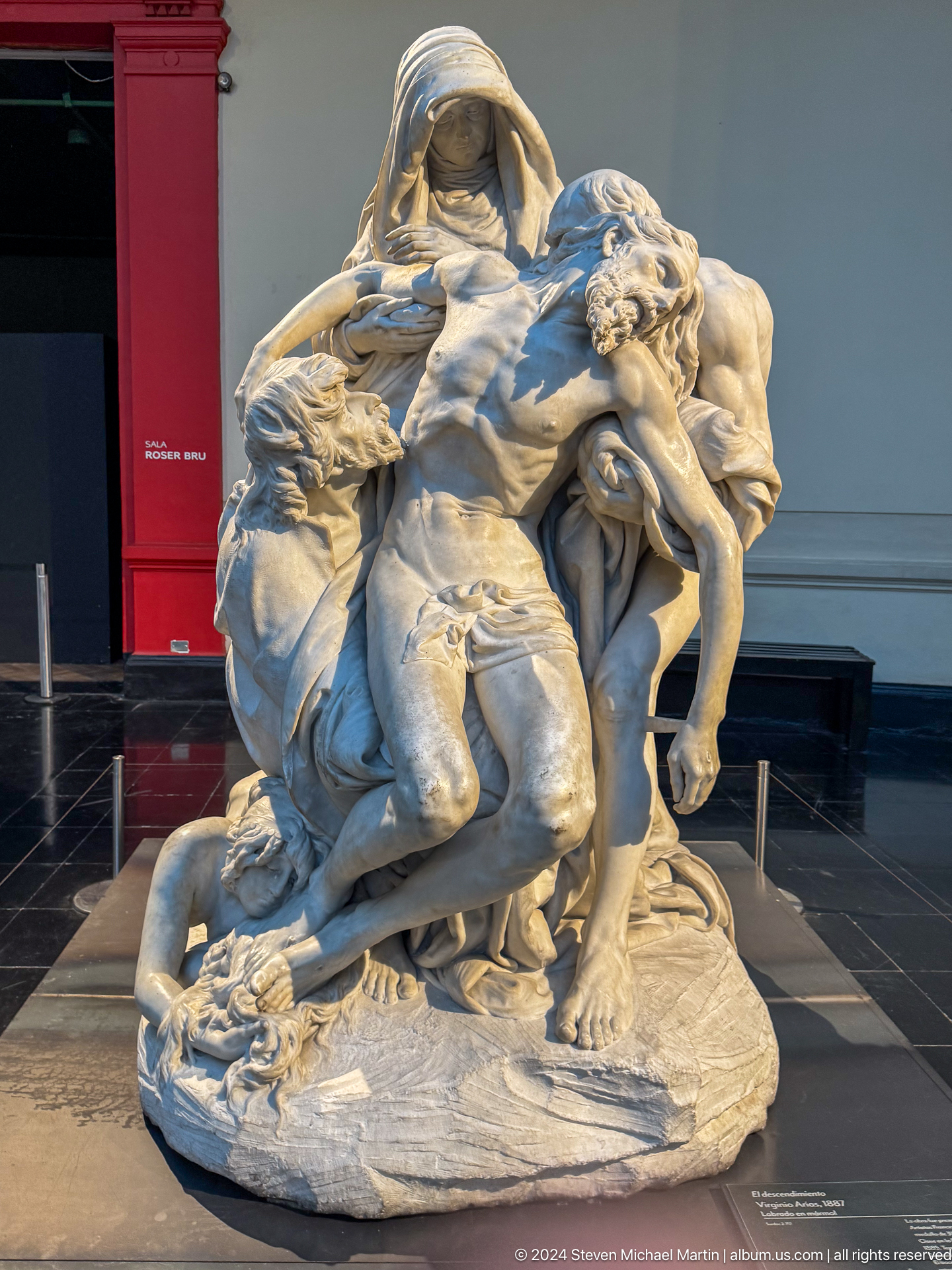
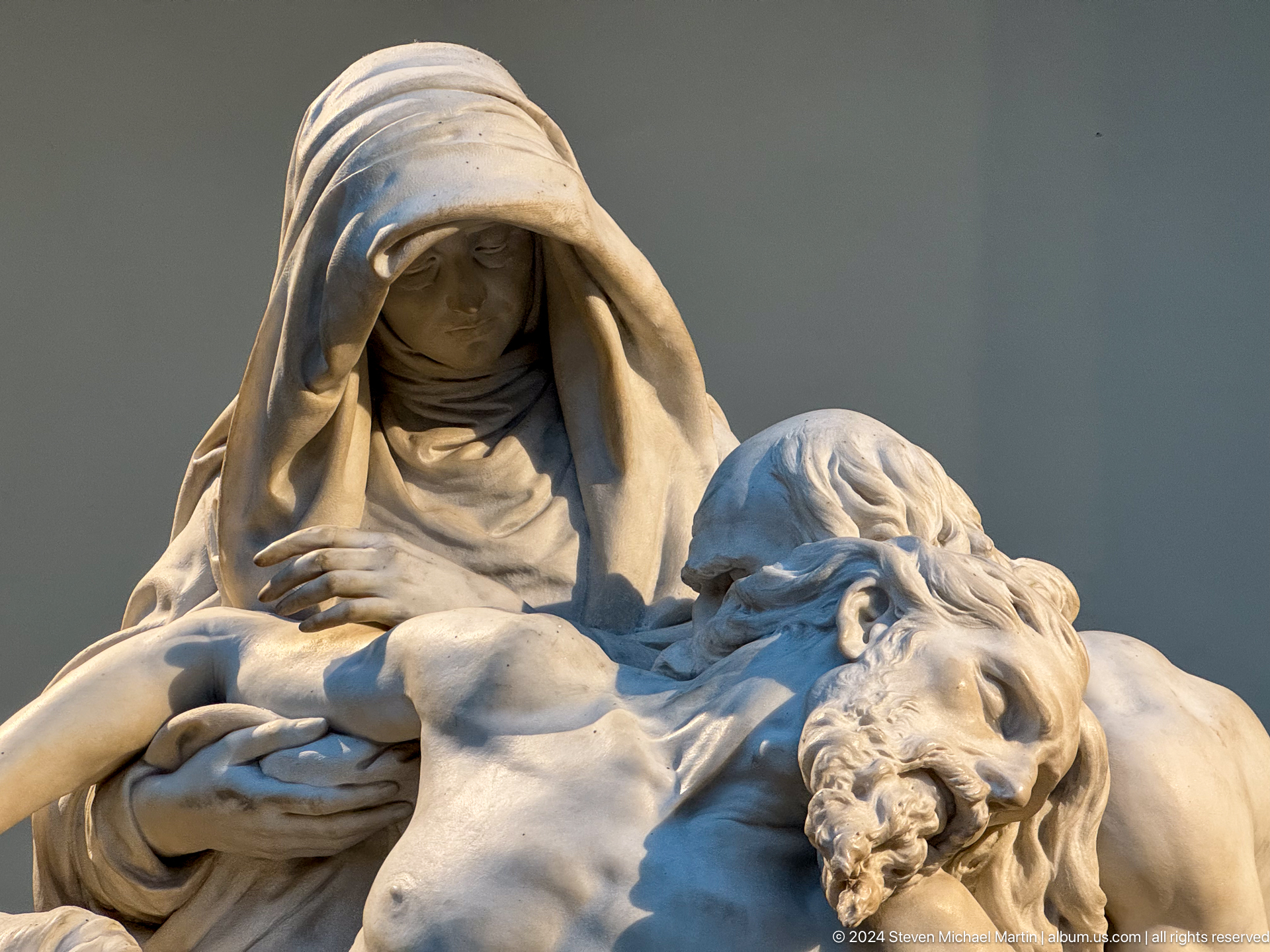

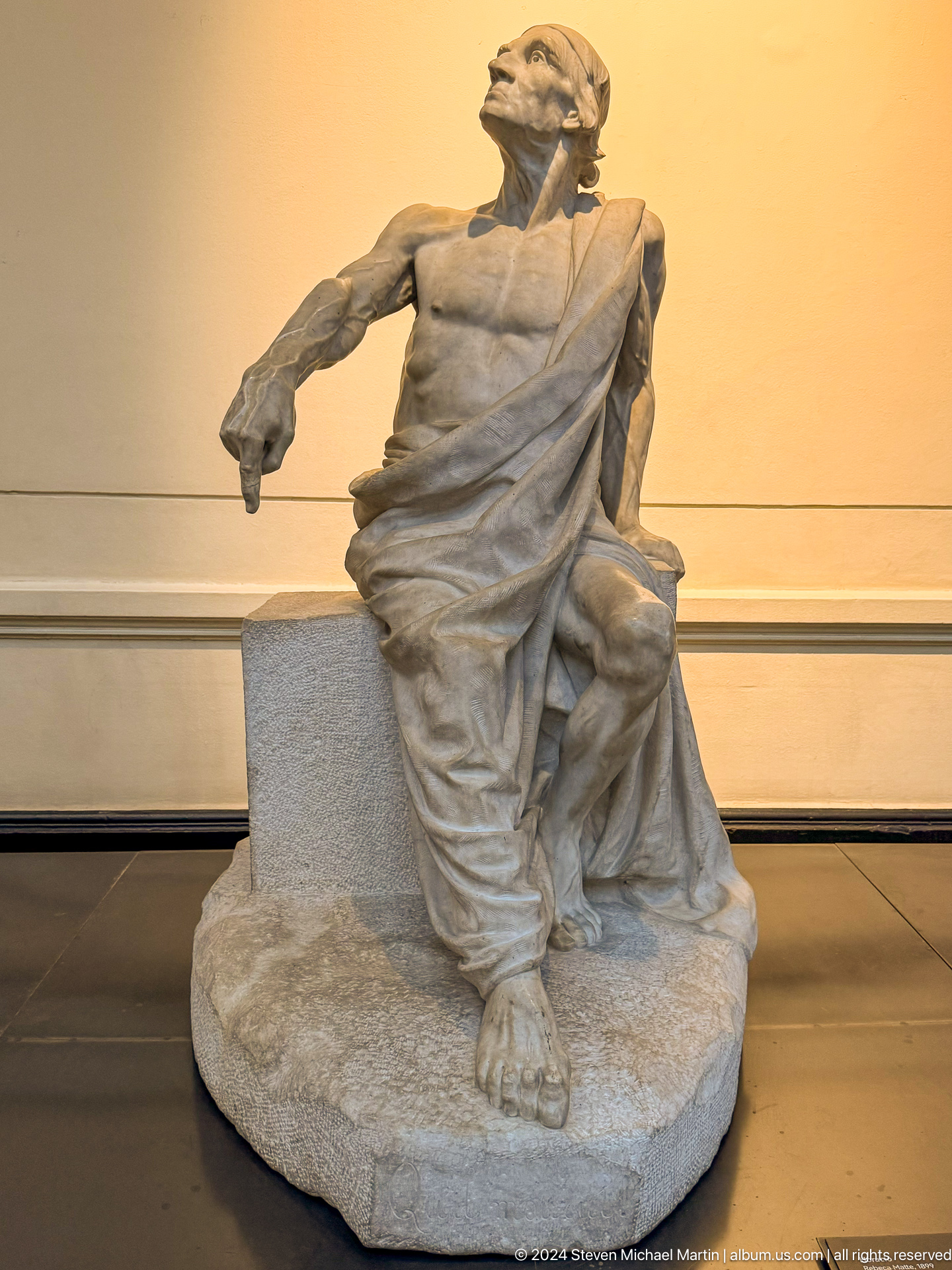


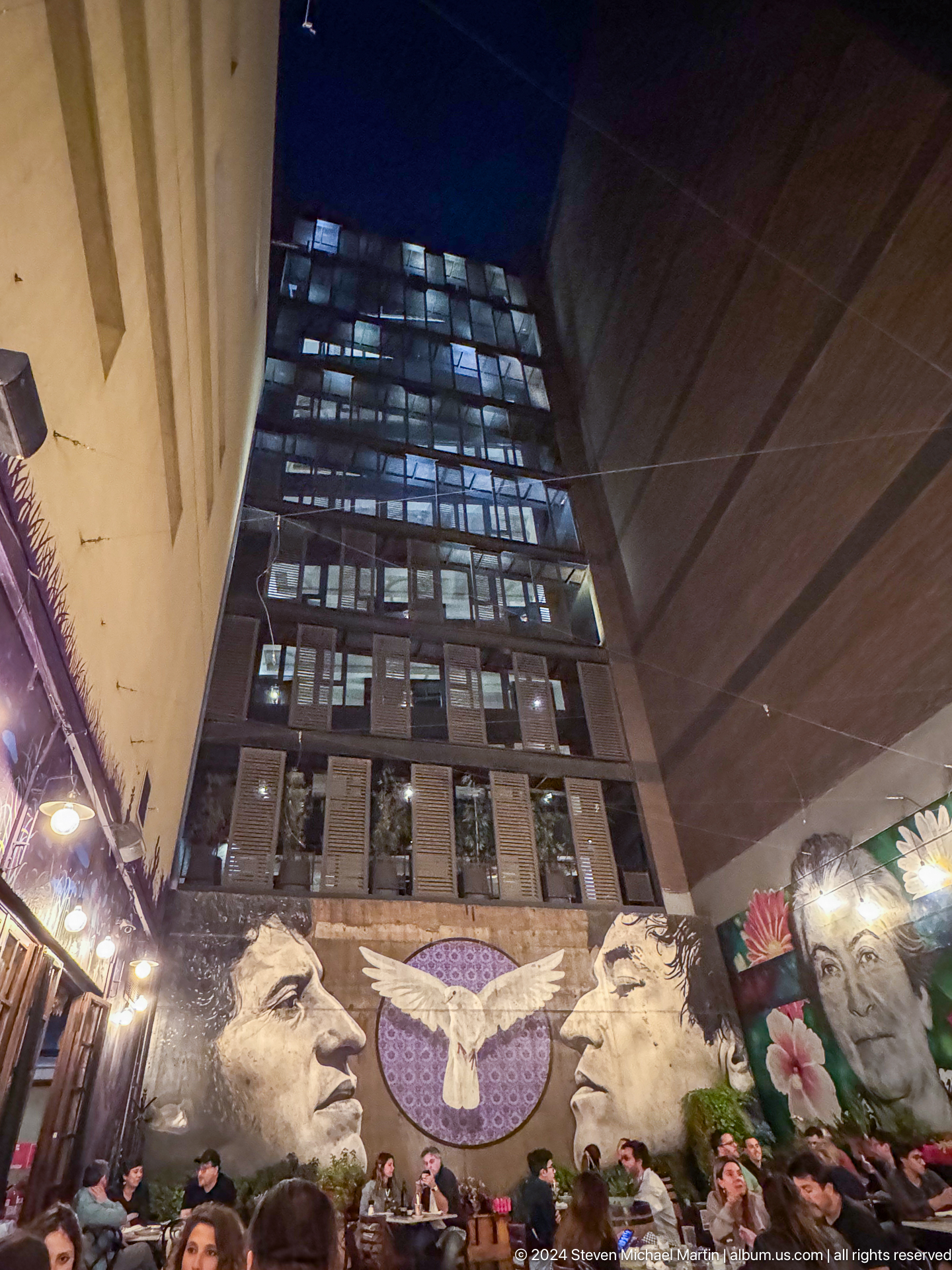


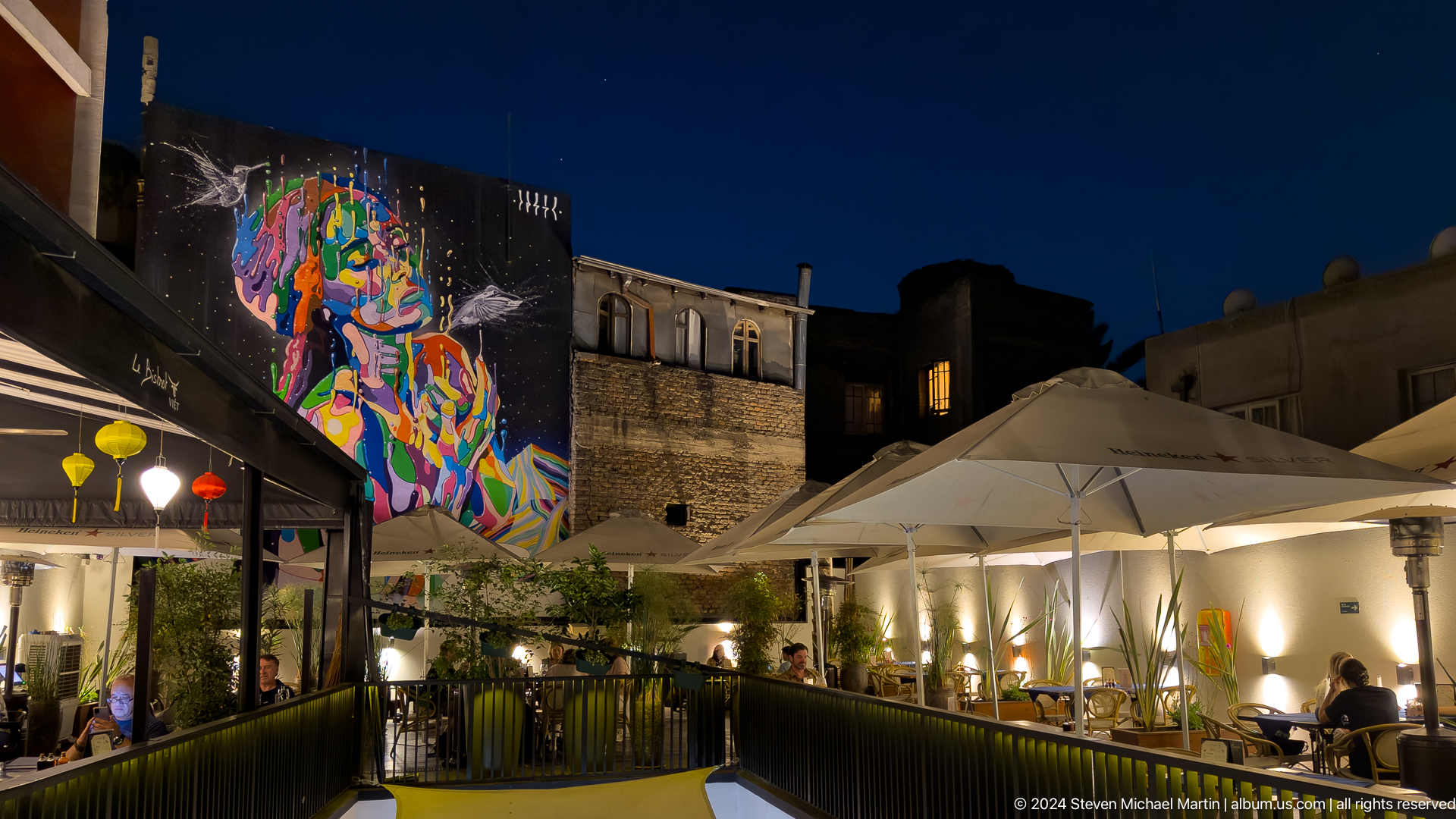
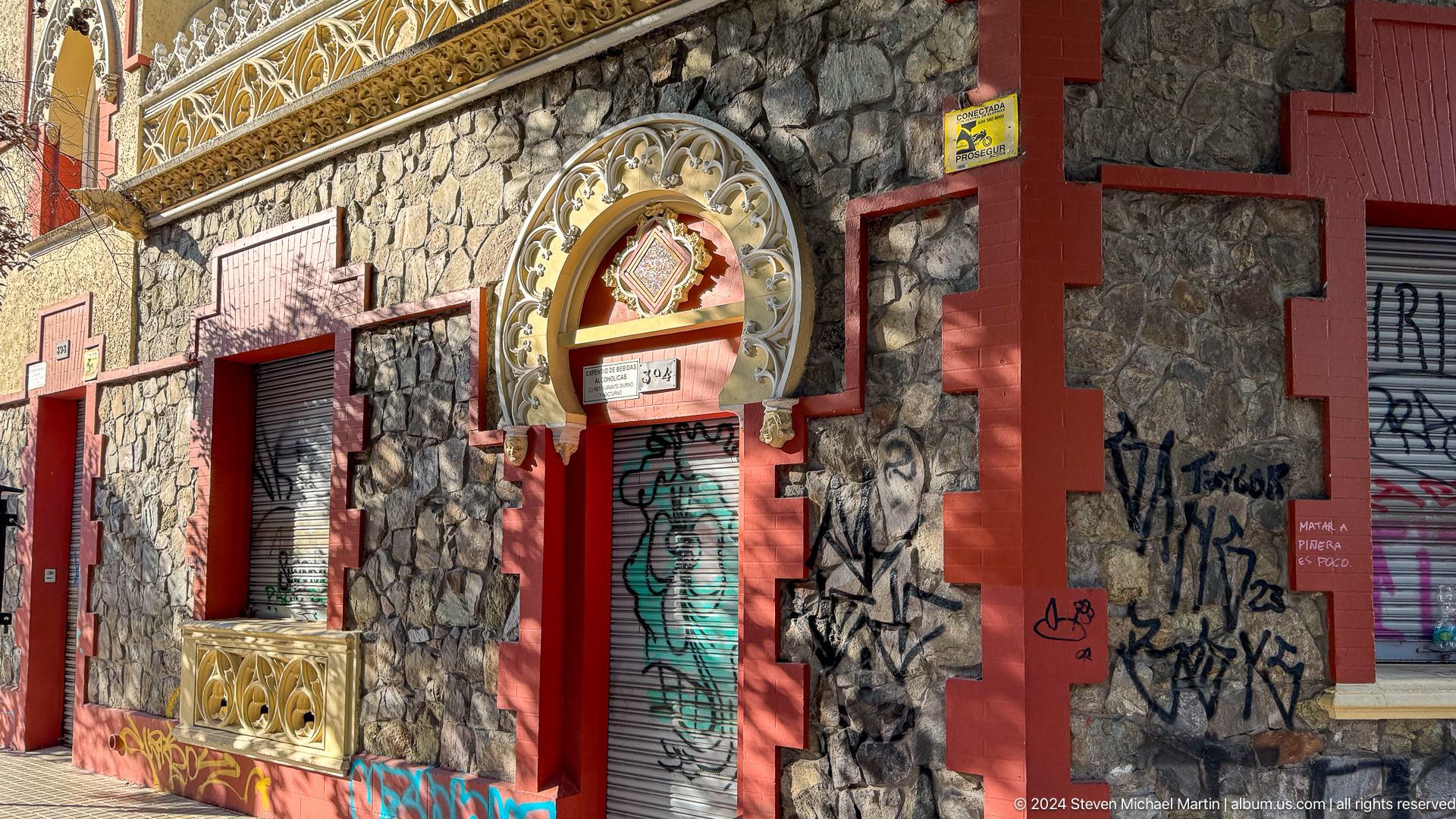
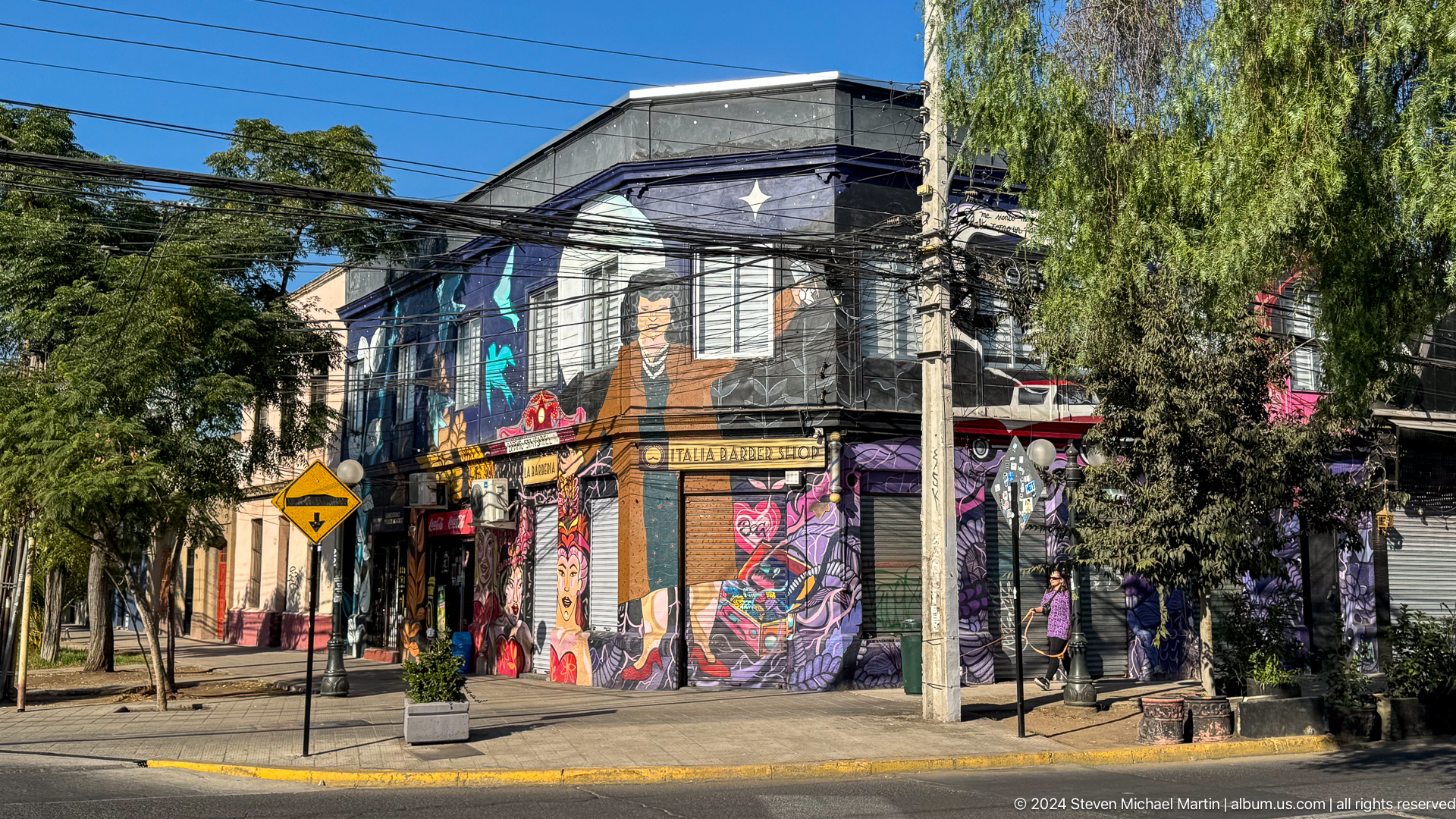

⭐ Highlights
- Andes Mountain Setting: The city sits in a valley surrounded by the Andes, creating a dramatic natural backdrop.
- Colonial Foundation: Established in 1541 as a Spanish colonial capital.
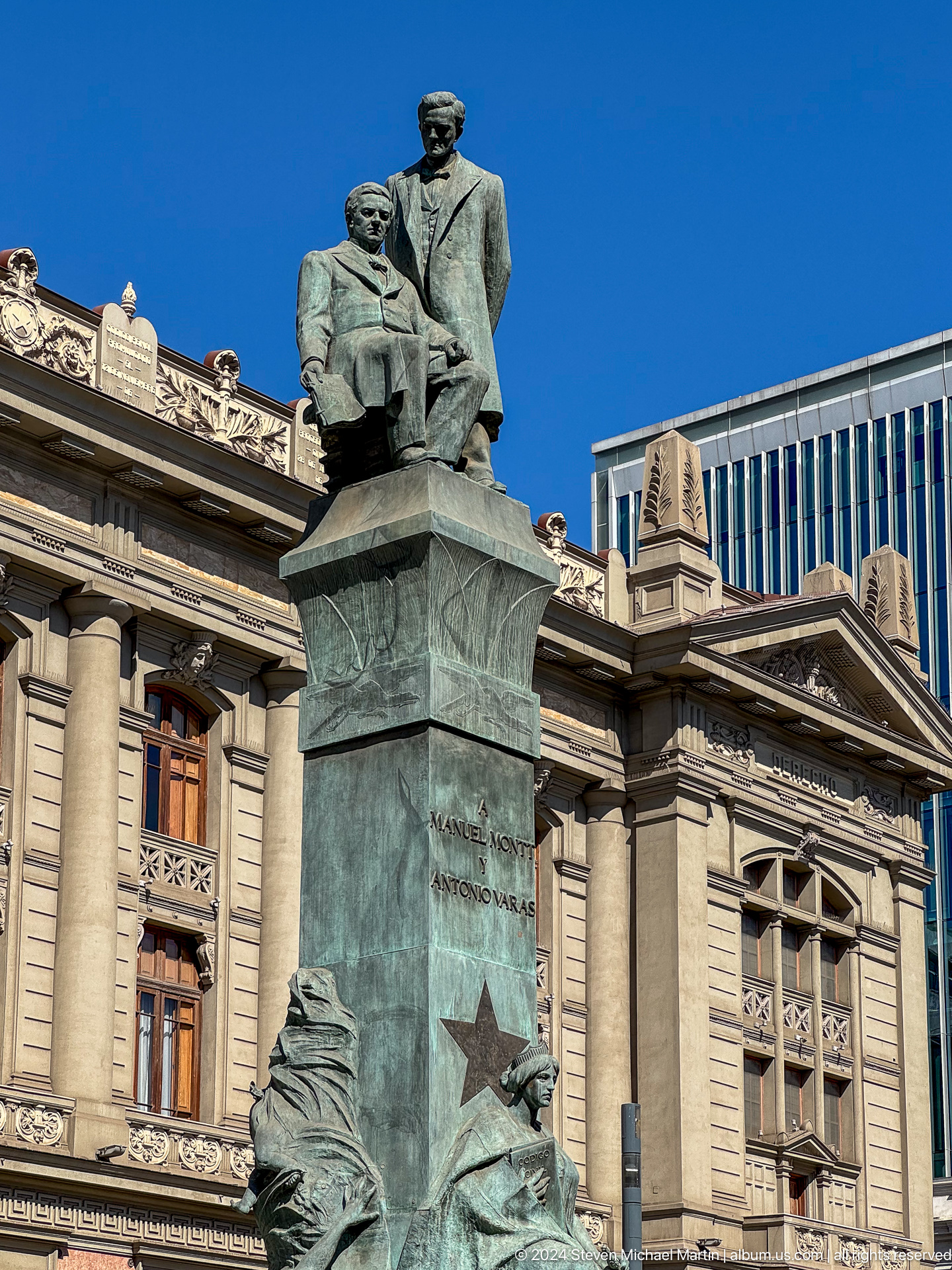
- Plaza de Armas: The historic center and original heart of the city.
- Metropolitan Cathedral: A major religious landmark reflecting centuries of architectural change.
- Modern Capital: Chile’s political, economic, and cultural center.
- Urban Parks and Hills: Cerro Santa Lucía and Cerro San Cristóbal provide elevated views across the city.
🏙️ Santiago Field Guide
Major features observed during this visit:
Santiago is the capital of Chile and one of the most important cities in South America, located in a broad valley between the Andes Mountains and coastal ranges. Founded in 1541 by Spanish conquistador Pedro de Valdivia, the city was laid out according to a grid plan typical of colonial settlements and quickly became the administrative center of the region.
Over centuries, Santiago has evolved from a colonial outpost into a modern metropolitan city, while still preserving elements of its historic core. Today, it combines government institutions, cultural landmarks, and expanding urban districts within a setting defined by its surrounding mountains.
🏛️ Signature Landmarks
- Plaza de Armas – The central square and historic heart of the city.
- Metropolitan Cathedral – A major religious and architectural landmark.
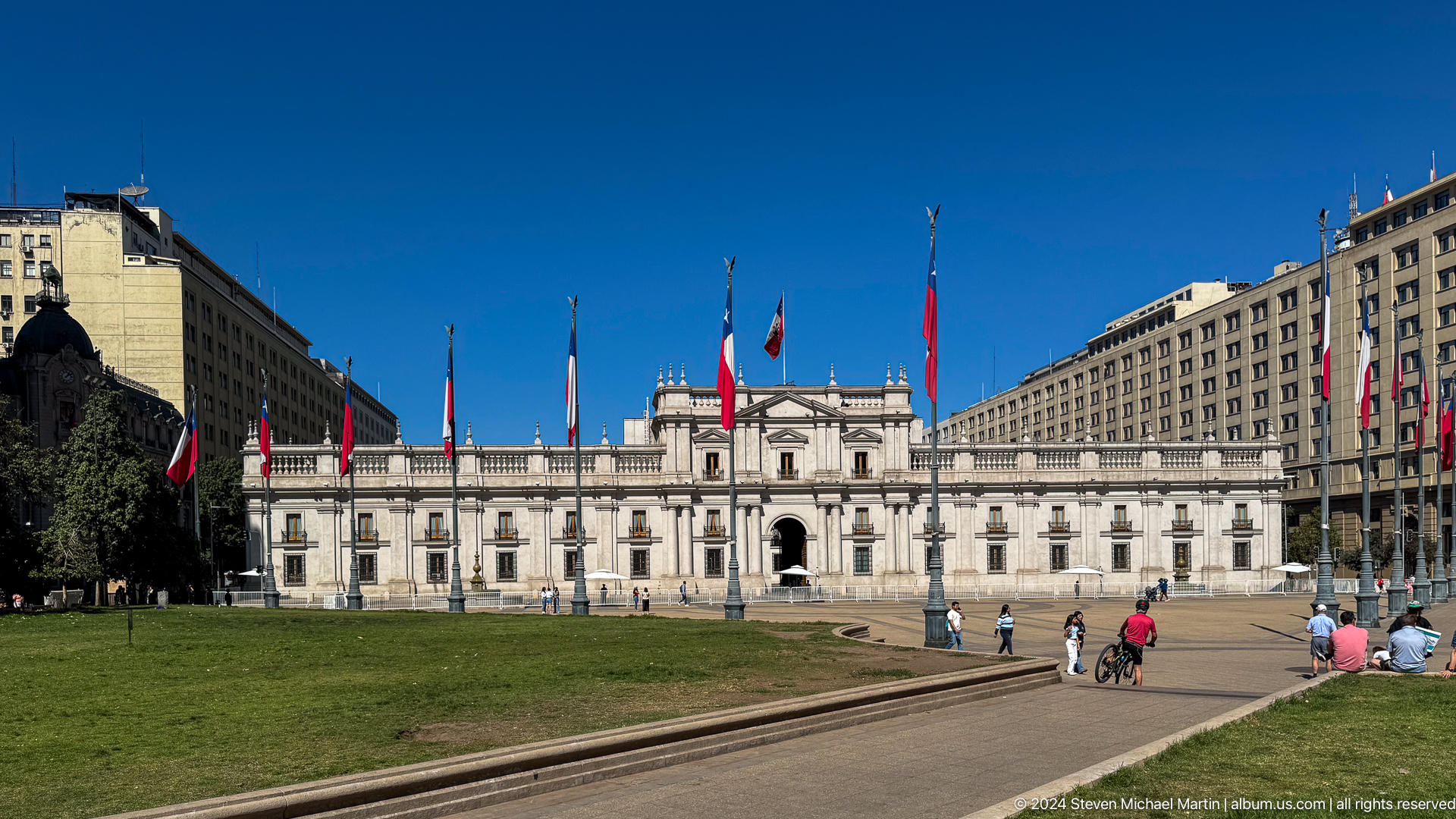
- La Moneda Palace – The presidential palace and seat of government.
- Cerro Santa Lucía – The hill where the city was originally founded.
- Cerro San Cristóbal – A large hill offering panoramic views of Santiago.
🧠 Historical Significance
- Spanish Colonial Capital – Santiago served as the center of Spanish rule in Chile.
- Independence Era – Played a central role in Chile’s independence in the early 19th century.
- Urban Expansion – Grew significantly during the 19th and 20th centuries.
- Modern Political Center – Today it remains the core of Chile’s government and economy.
🌄 Landscape & Setting
- Andes Mountains – Snow-capped peaks form a dramatic backdrop to the city.
- Central Valley – The city lies in a fertile basin that supported early settlement.
- Mapocho River – A defining geographic feature running through the city.
- Urban and Natural Contrast – Modern development exists alongside strong natural surroundings.