Cirta Museum – Constantine, Algeria
The Cirta Museum preserves artifacts that illustrate the long history of Constantine, known in ancient times as Cirta. The city served as an important center of the Numidian Kingdom and later became a significant Roman settlement in North Africa.
The museum’s collections include archaeological discoveries such as Roman mosaics, statues, inscriptions, and objects from earlier Numidian and Punic periods. These artifacts help trace the development of civilization in the region over many centuries.
Together the exhibits reveal the cultural influences that shaped Constantine from antiquity through the Roman era.


⭐ Highlights
- Archaeological Museum: One of Algeria’s most important museums dedicated to ancient history.
- Cirta Heritage: Named after the ancient city of Cirta, the predecessor of modern Constantine.
- Roman Mosaics: Well-preserved mosaics illustrating daily life and mythology.
- Numidian Artifacts: Objects from the period when Cirta was the capital of the Numidian kingdom.
- Multi-Period Collection: Exhibits spanning prehistoric, Punic, Roman, Byzantine, and Islamic eras.
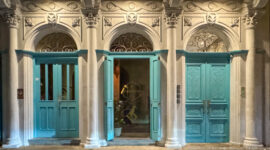
- Historic Building: A purpose-built museum from the early 20th century.
🏺 Cirta Museum Field Guide
Major features observed during this visit:
The Cirta Museum in Constantine is one of the most important cultural institutions in Algeria, dedicated to preserving and presenting the history of the region across multiple civilizations. Established in the early 20th century and opened in 1931, the museum was designed to house archaeological discoveries from Constantine and nearby sites.
The collections trace the development of the region from prehistoric times through the Numidian kingdom, Roman rule, and later Islamic and colonial periods. The museum provides essential context for understanding the city of Constantine—known in antiquity as Cirta—and its role as a major political and cultural center in North Africa.
🏛️ Signature Features
- Roman Mosaics – Detailed mosaics depicting mythology, nature, and daily life.
- Numidian Relics – Artifacts from the early kingdom that made Cirta its capital.
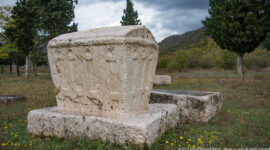
- Punic and Stelae Collections – Stone inscriptions and funerary markers reflecting ancient beliefs.
- Sculpture and Statues – Marble and bronze works from Roman North Africa.
- Coins and Small Objects – Numismatic collections illustrating trade and governance.
🧠 Historical & Cultural Significance
- Ancient Cirta – The museum preserves the legacy of one of North Africa’s most important ancient cities.
- Crossroads of Civilizations – Reflects the overlap of Numidian, Roman, and later cultures.
- Archaeological Repository – Houses finds from Constantine and surrounding historic sites.
- National Heritage – Serves as a key institution for preserving Algeria’s historical identity.
🌄 Setting & Experience
- City Context – Located within Constantine, closely tied to the sites it interprets.
- Interior Exploration – Focused on artifacts rather than landscape or architecture.
- Chronological Journey – Exhibits move through time from prehistoric to later periods.
- Complement to Ruins – Provides context for sites such as Timgad, Djemila, and the city itself.