Venice, Italy
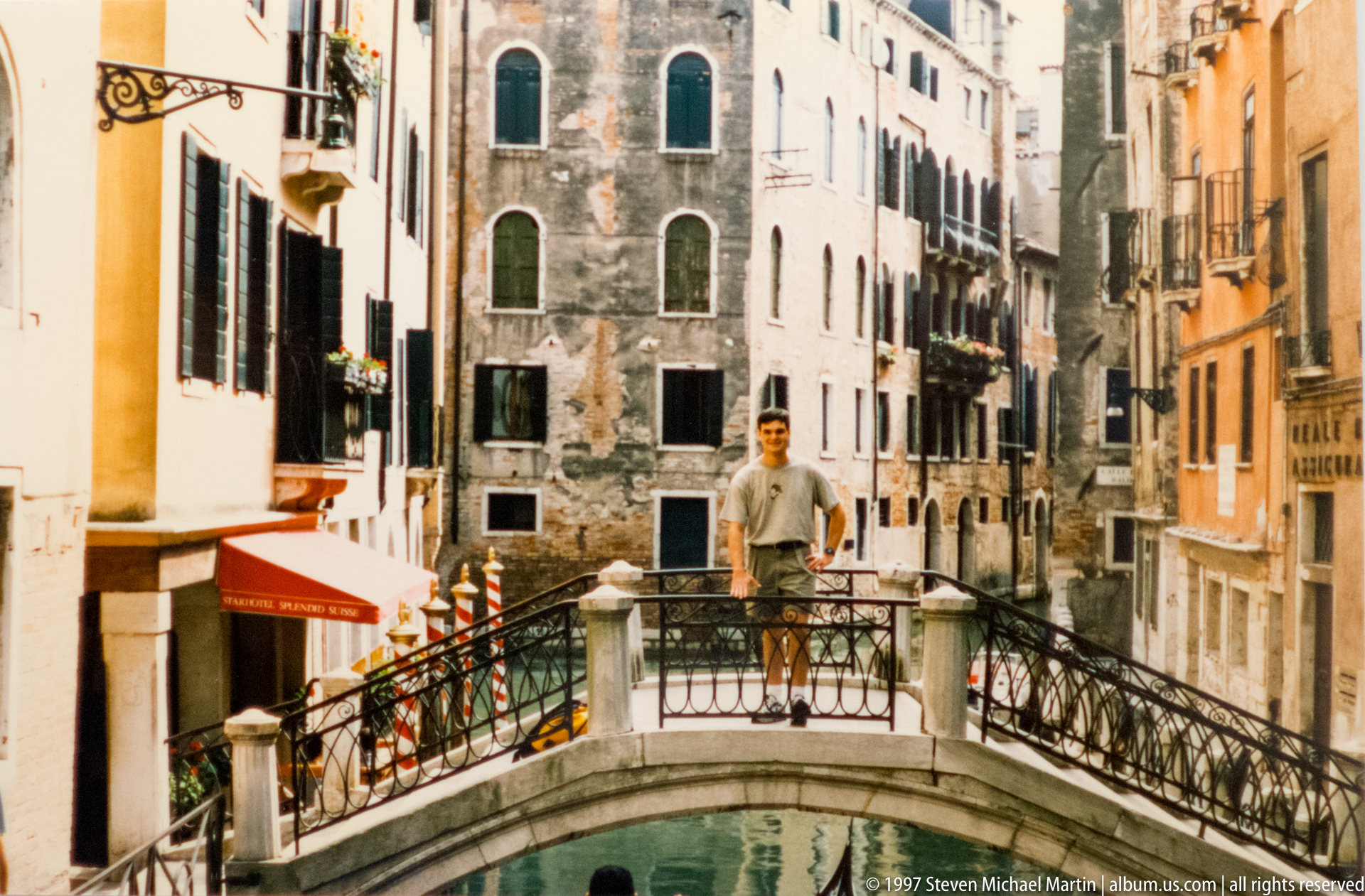
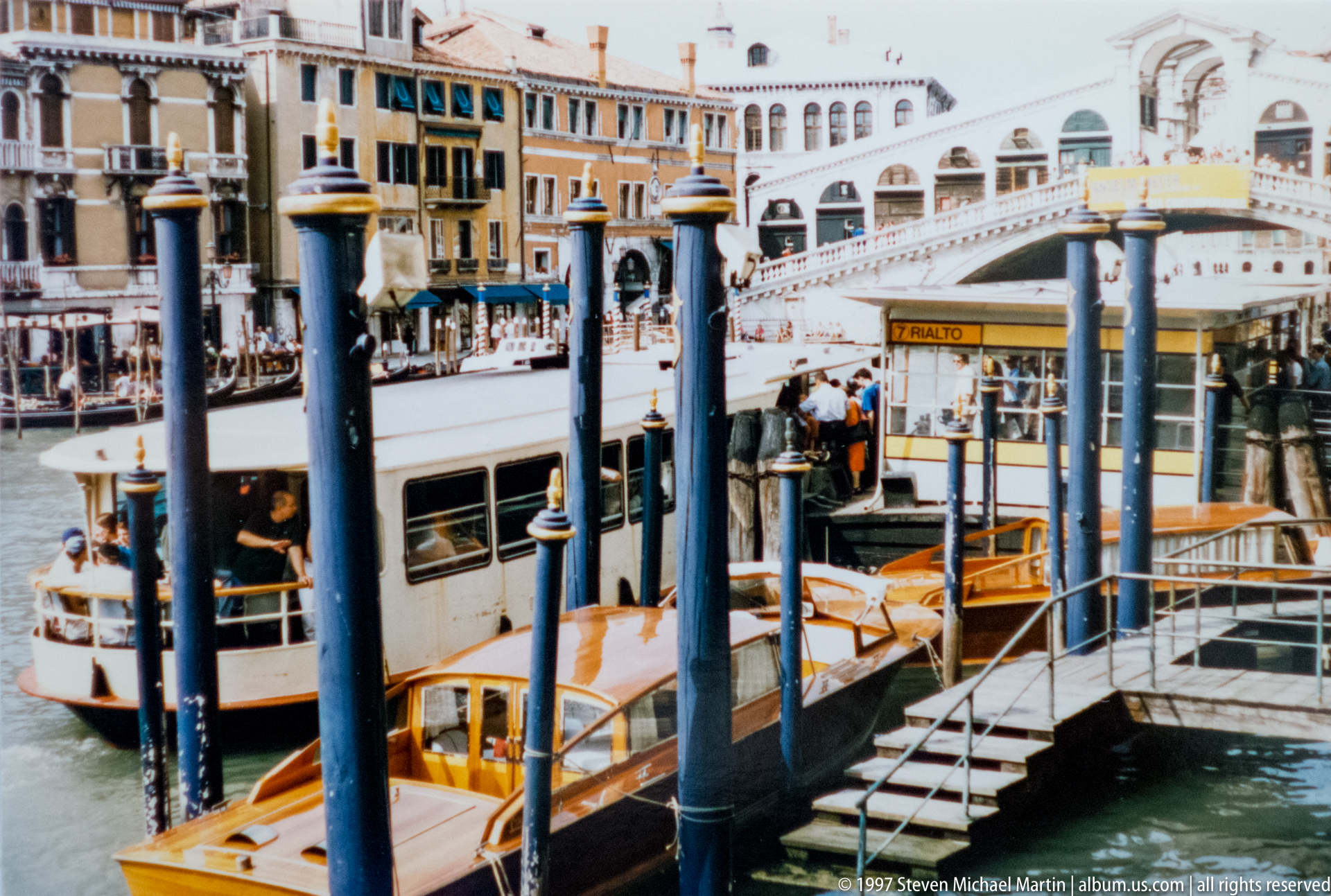
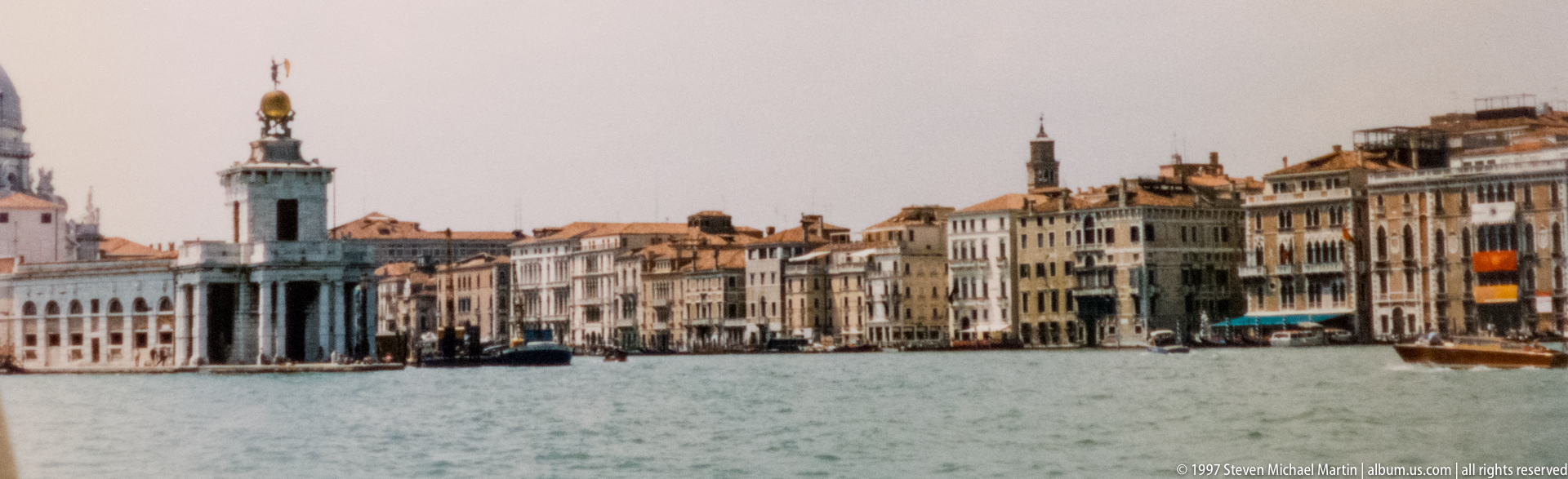
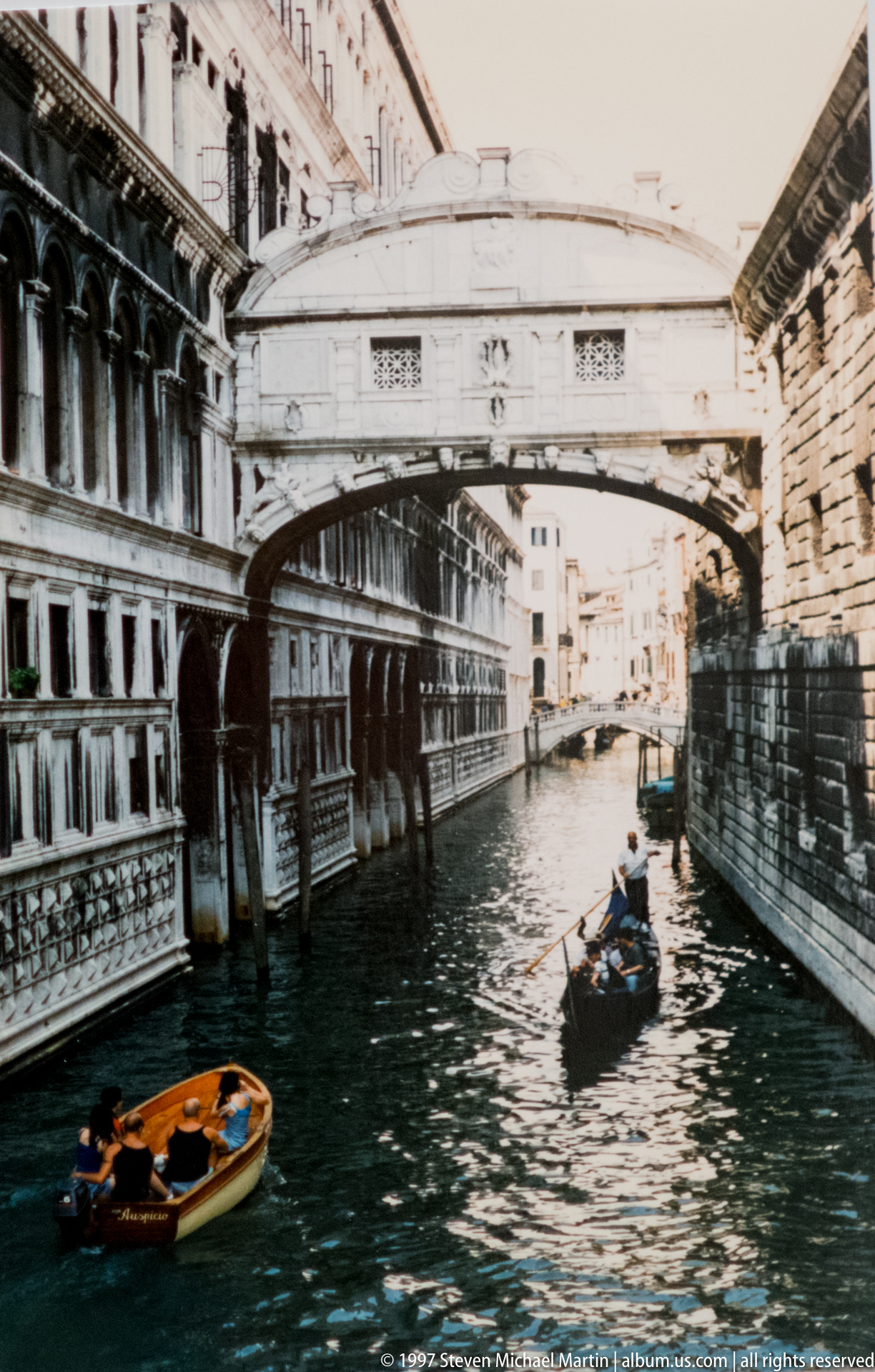
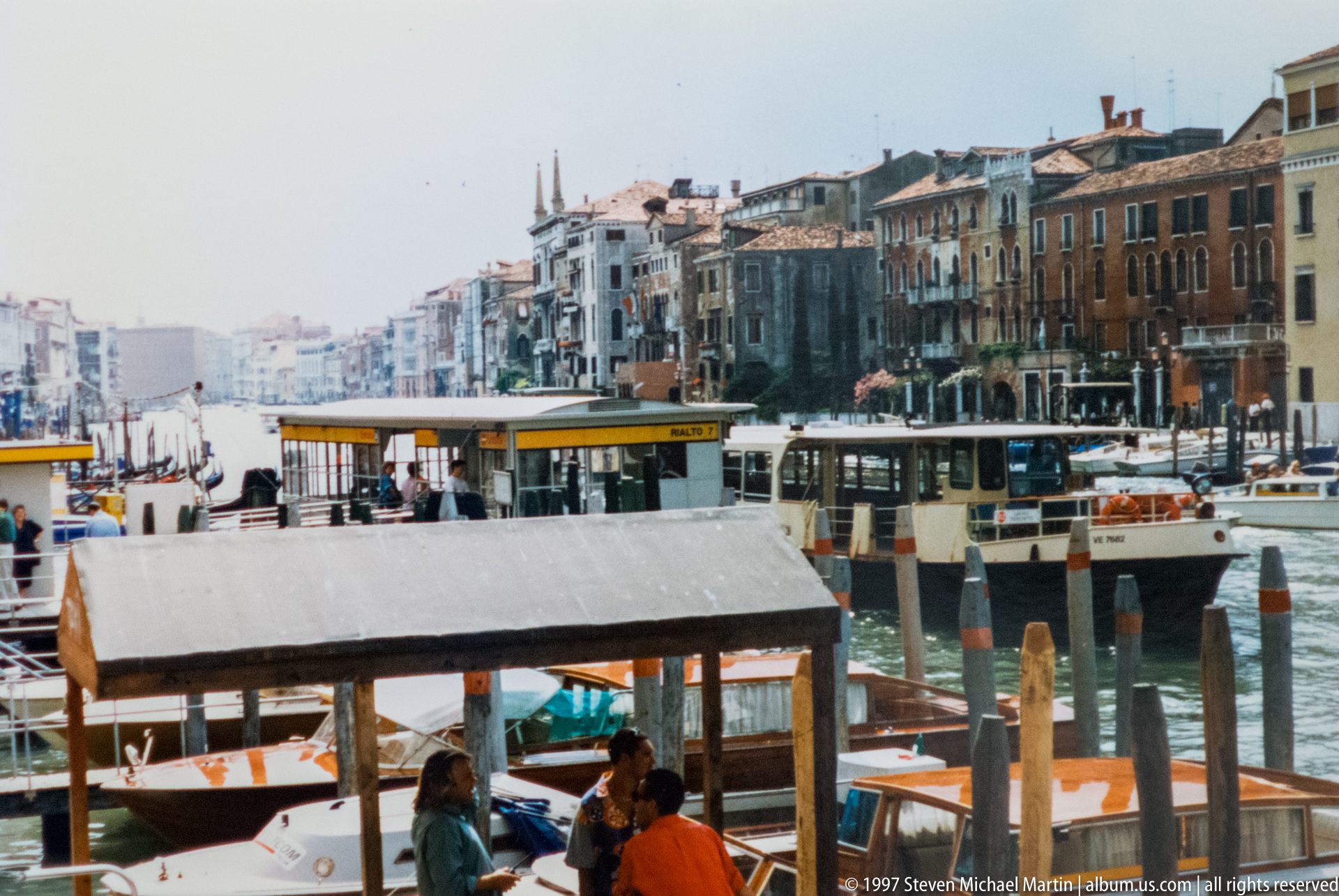
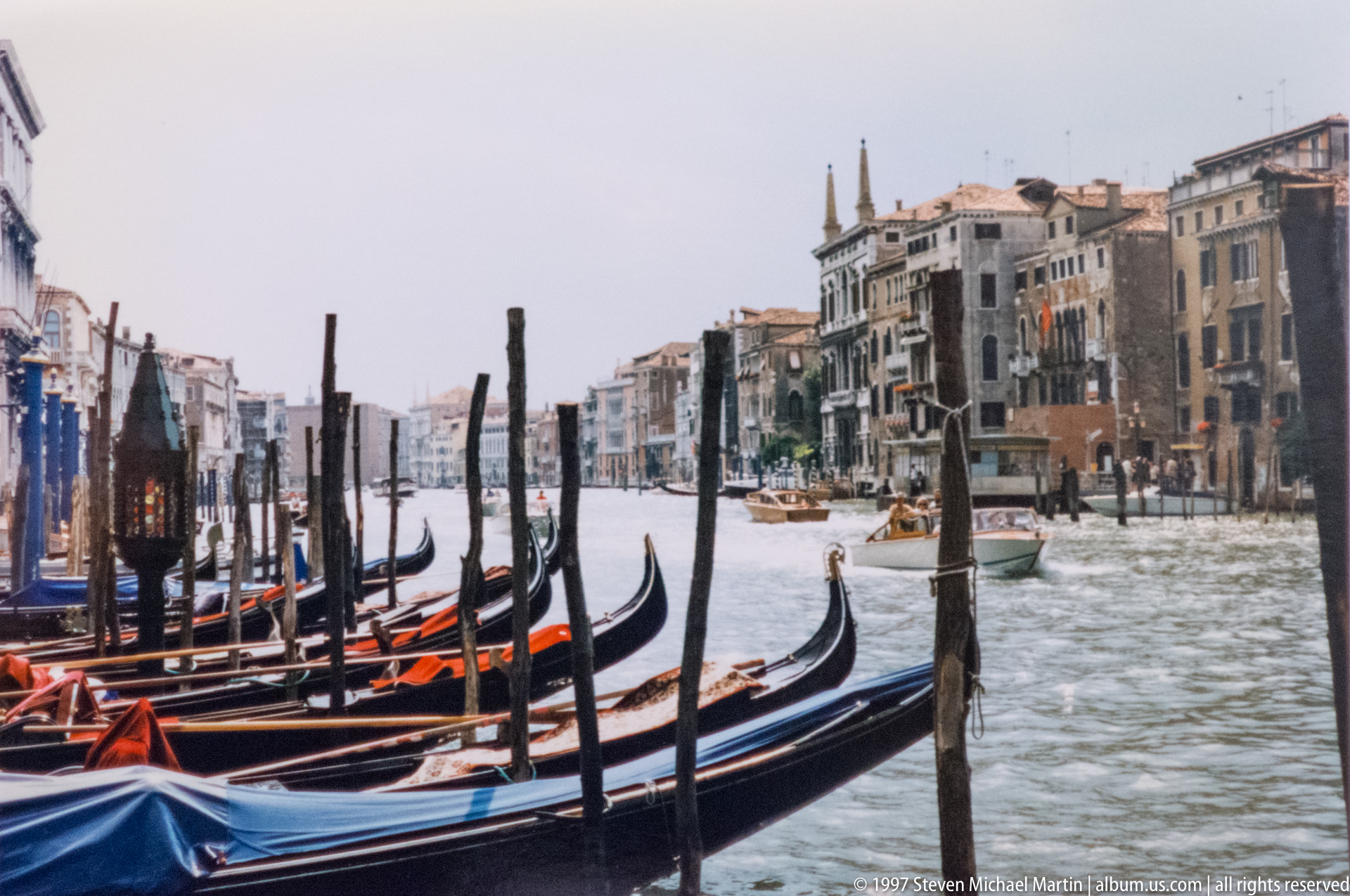
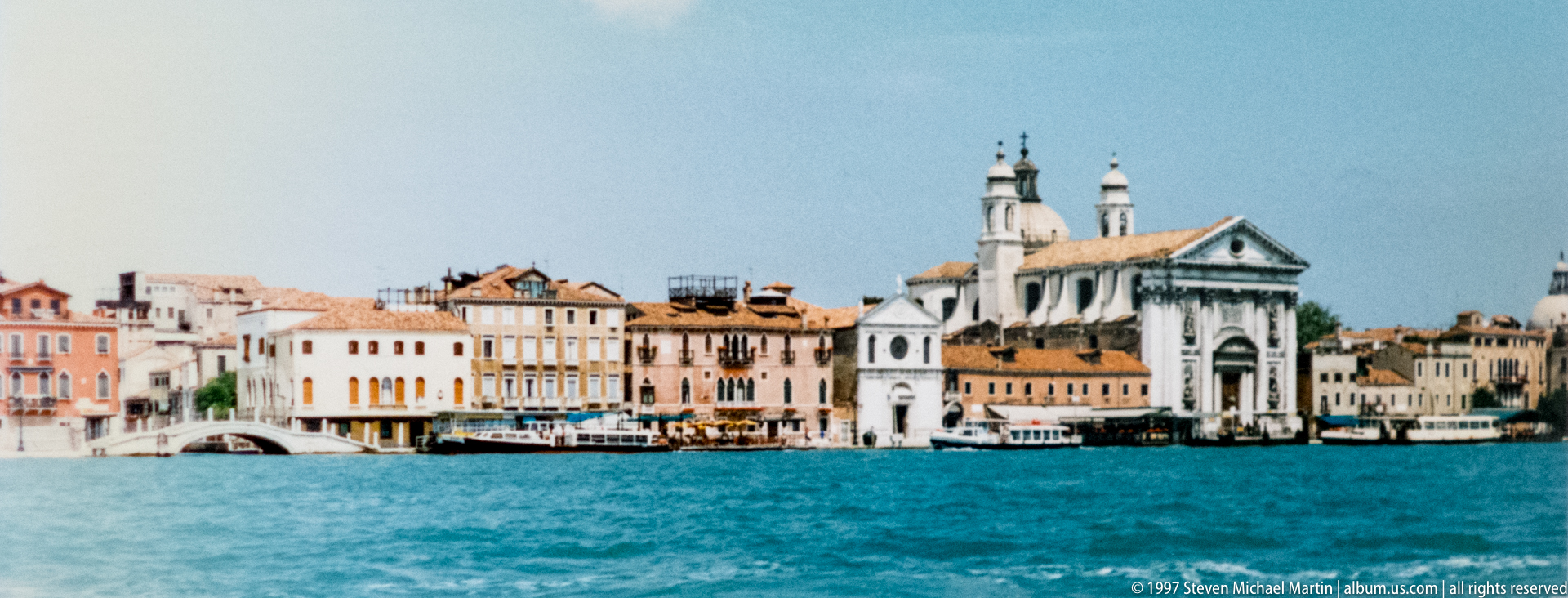
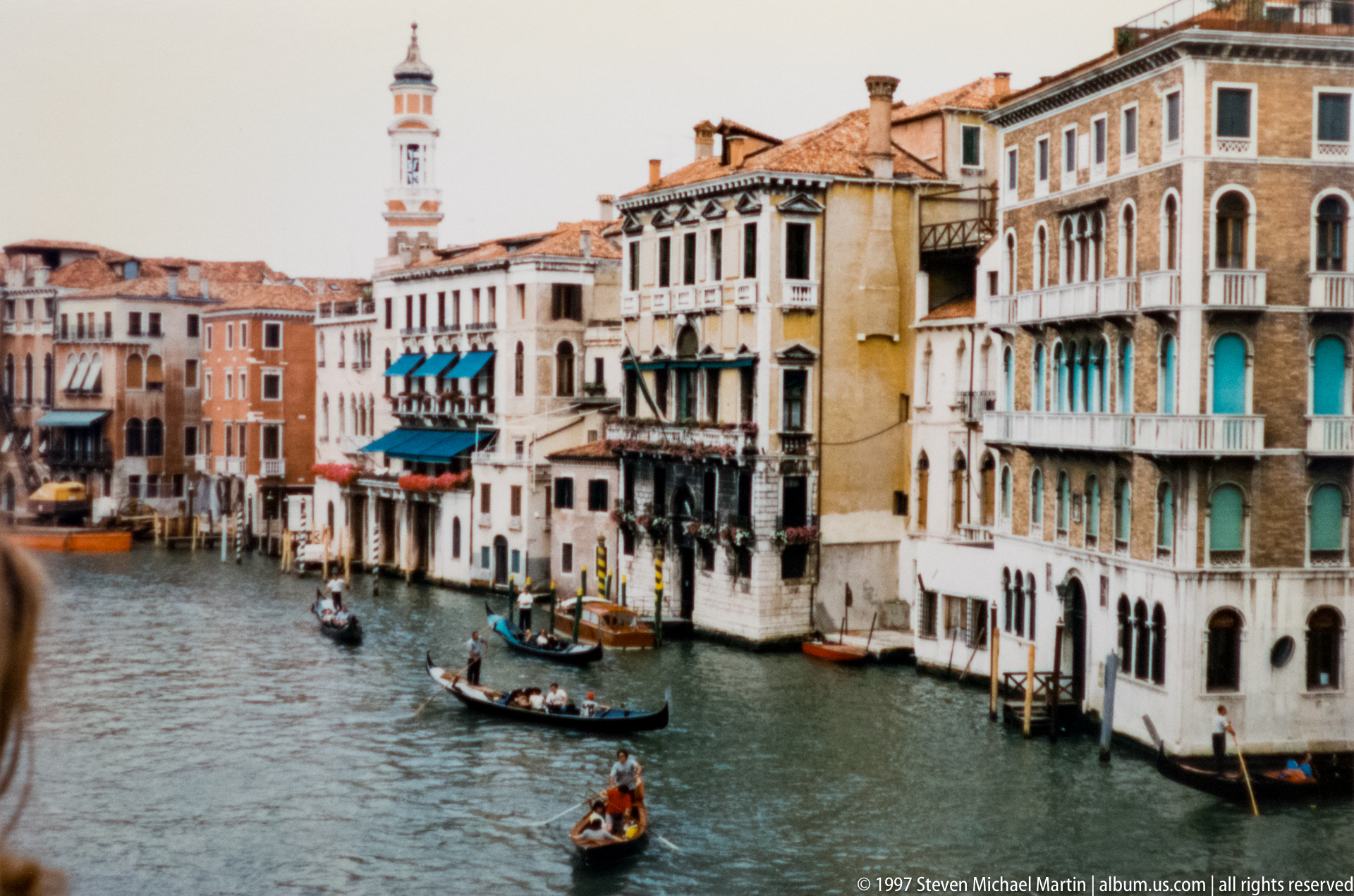
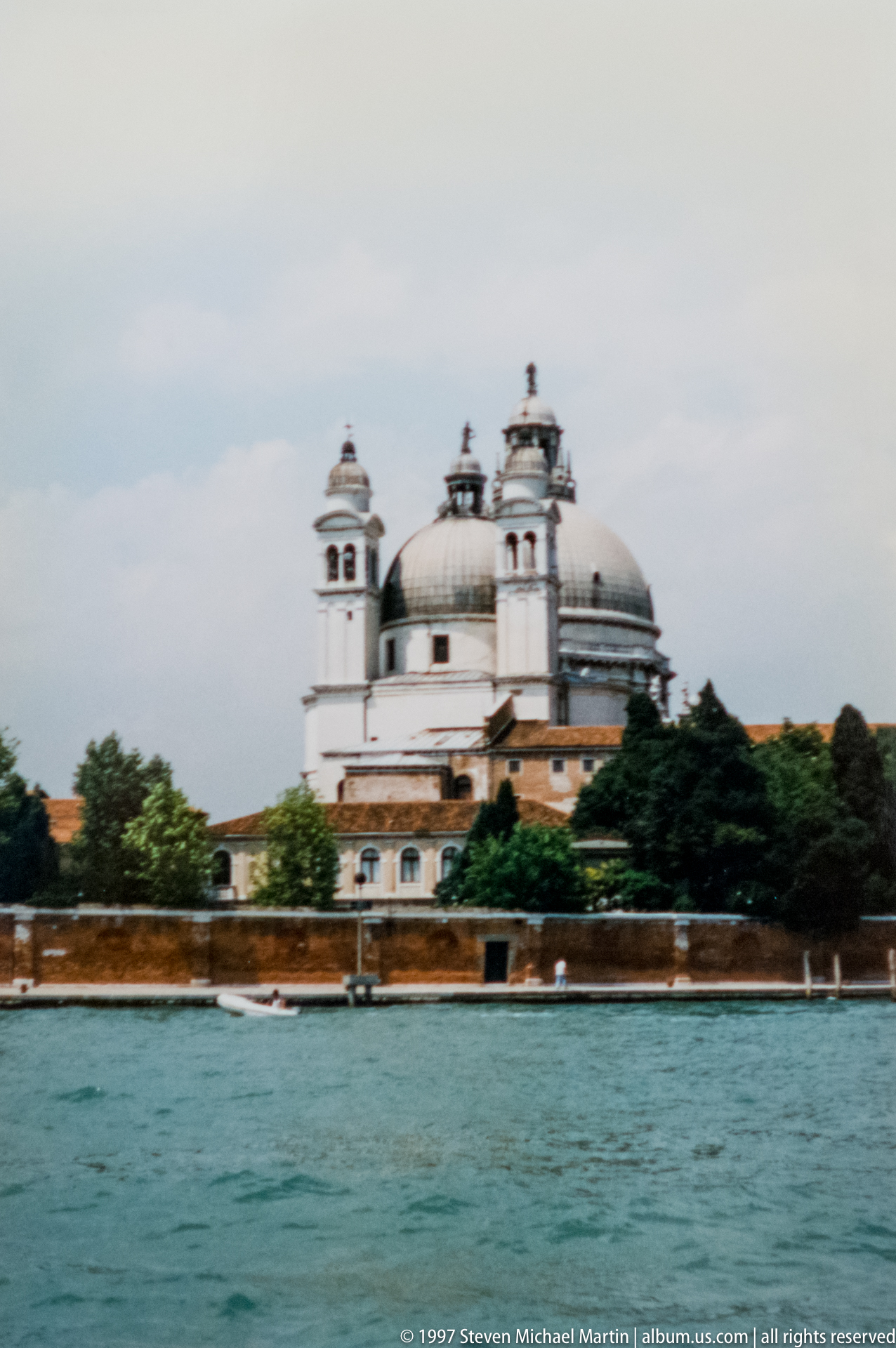
Few places in the world feel as instantly recognizable—or as improbable—as Venice. Rising from a shallow lagoon in the Adriatic, the city spreads across more than a hundred small islands connected by bridges and threaded with canals, creating an urban landscape unlike anywhere else on earth. Built without roads and shaped entirely by water, Venice is not just a destination but an experience defined by movement, light, and reflection.
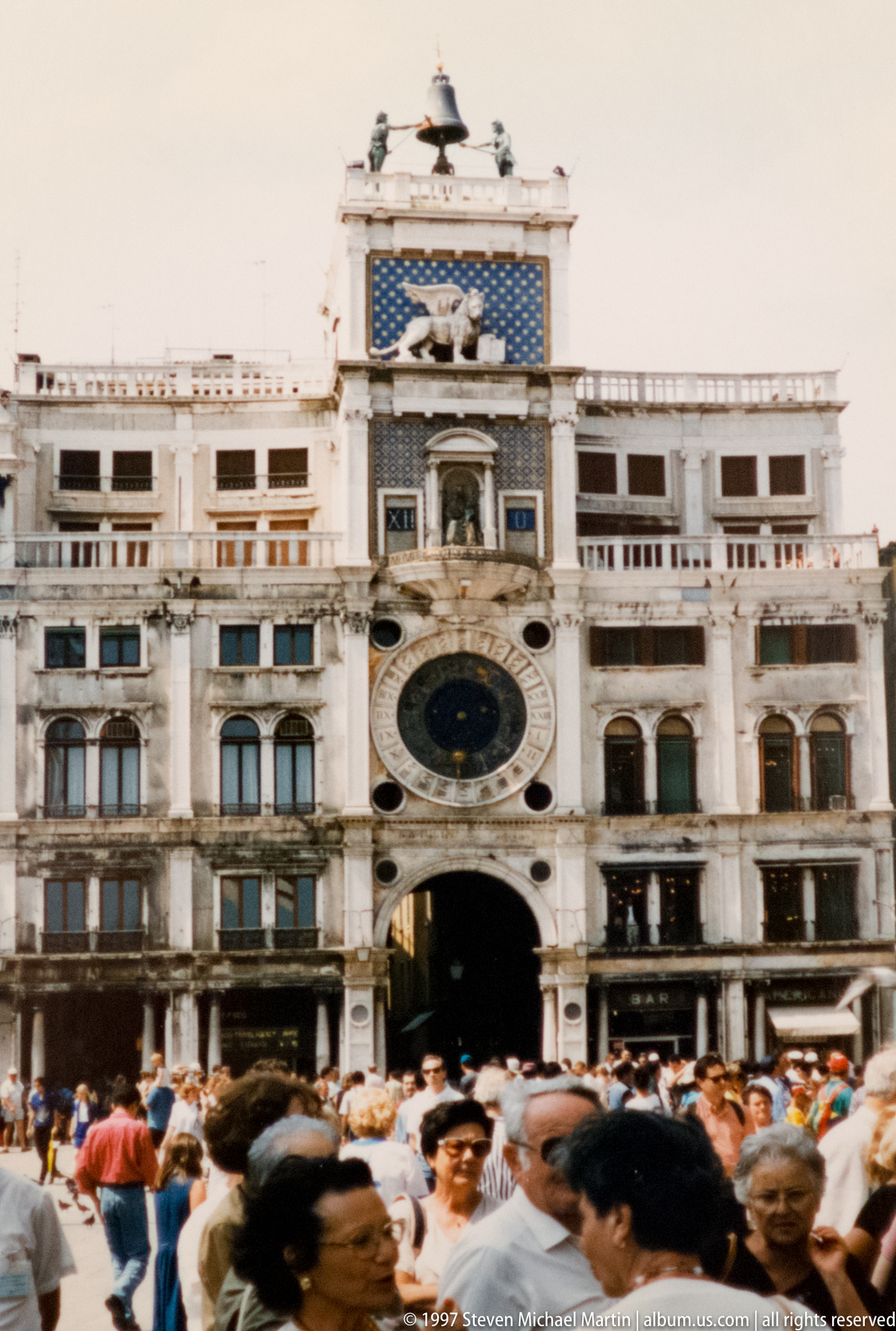
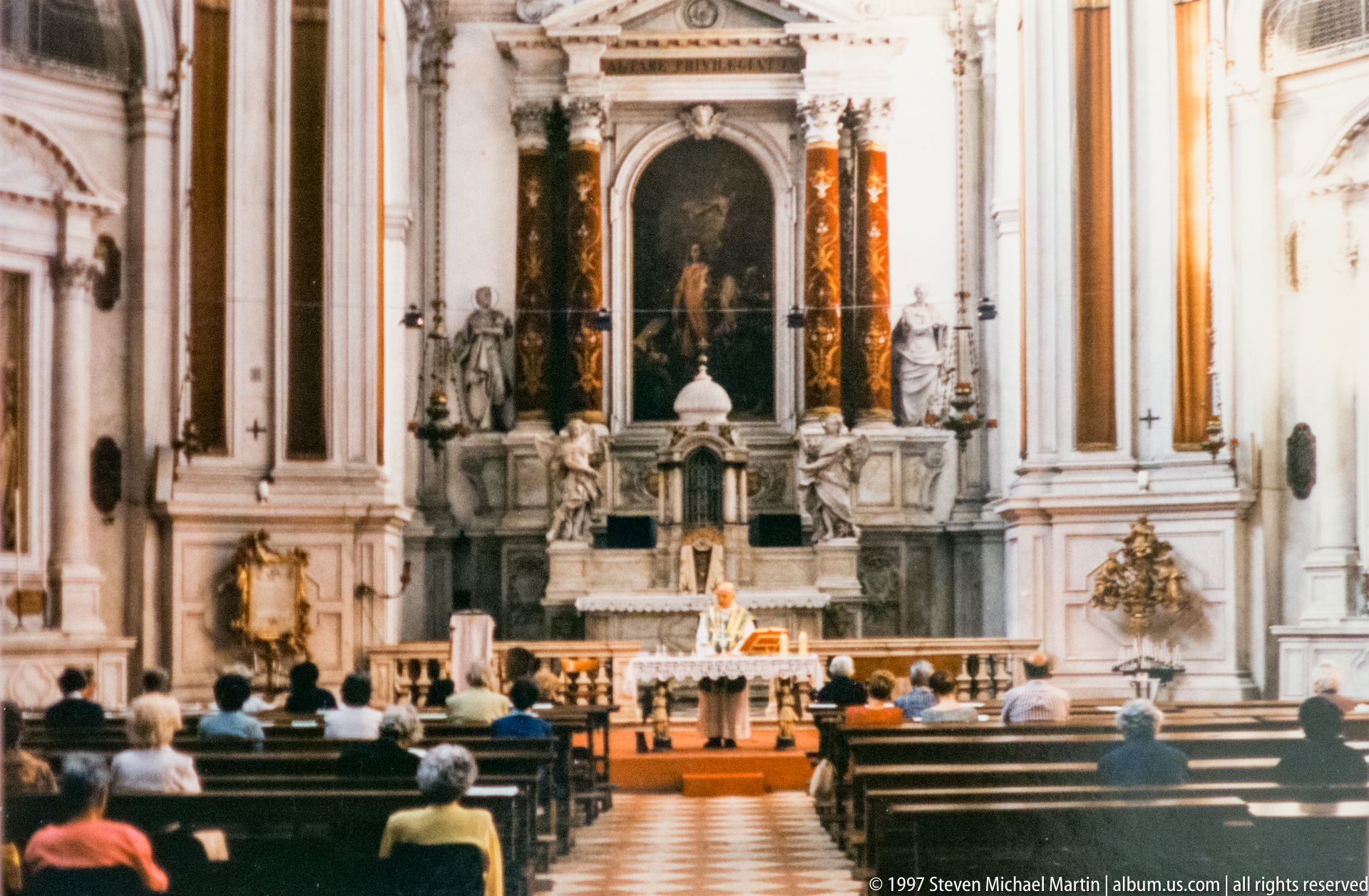
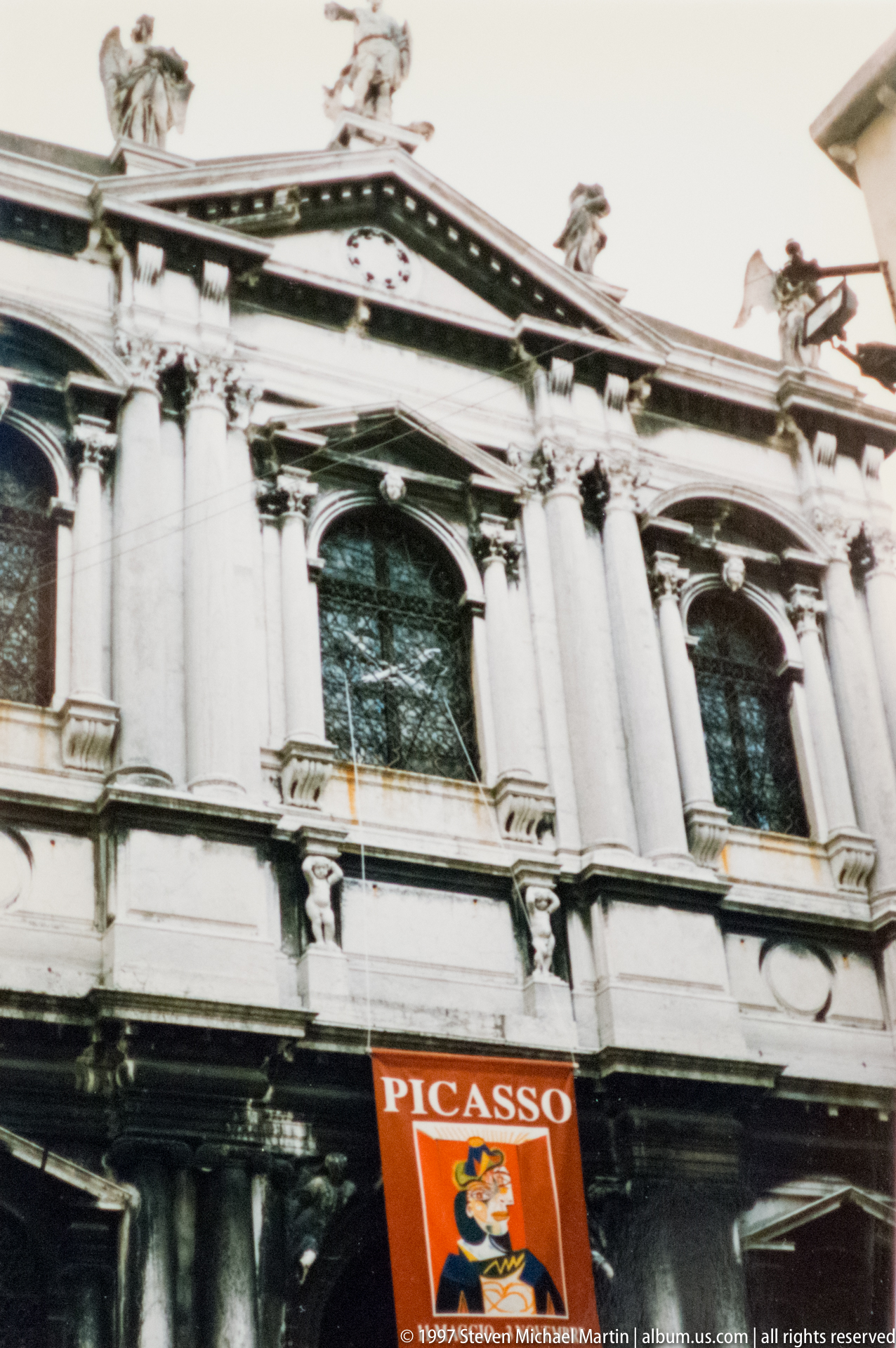
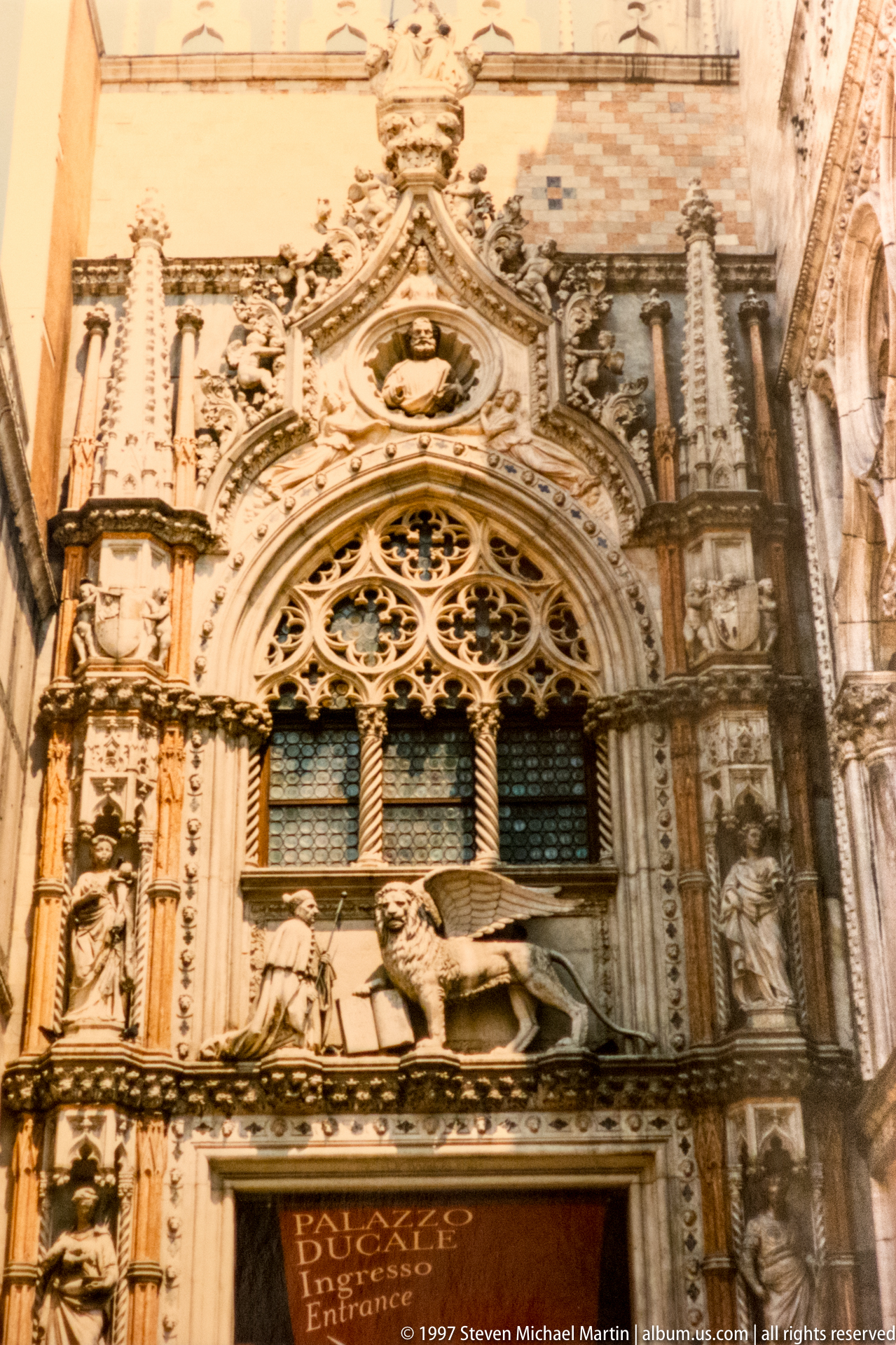
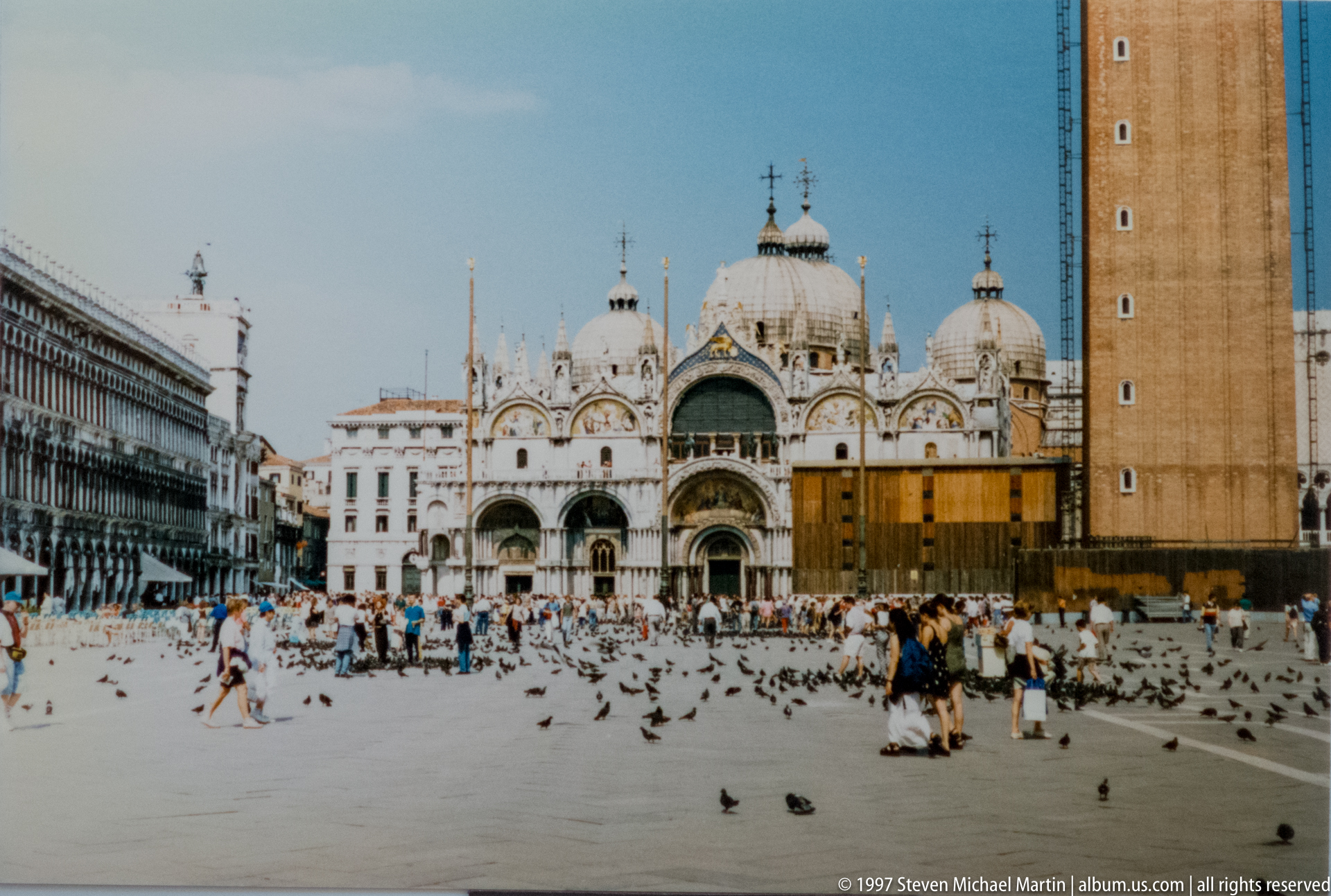
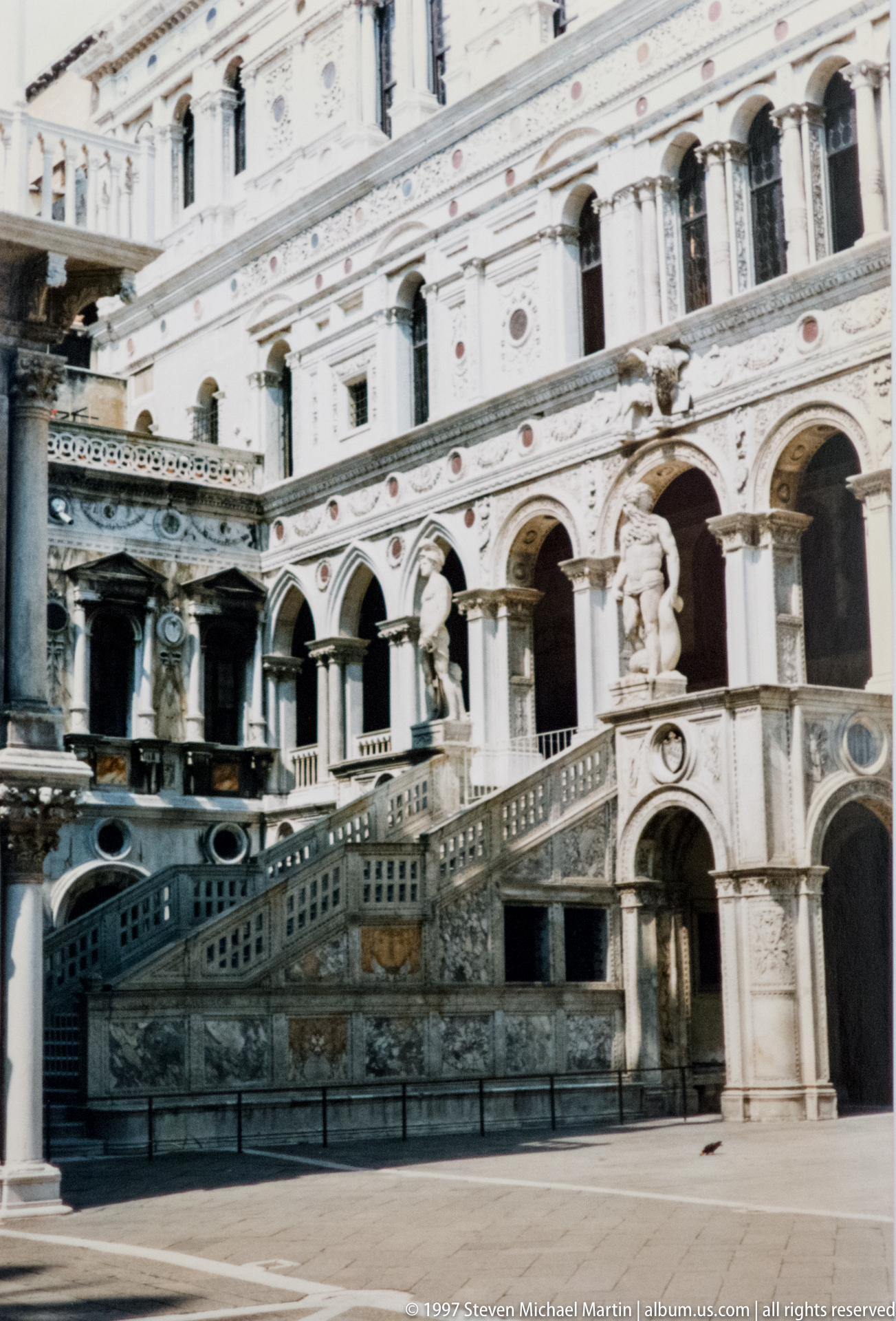
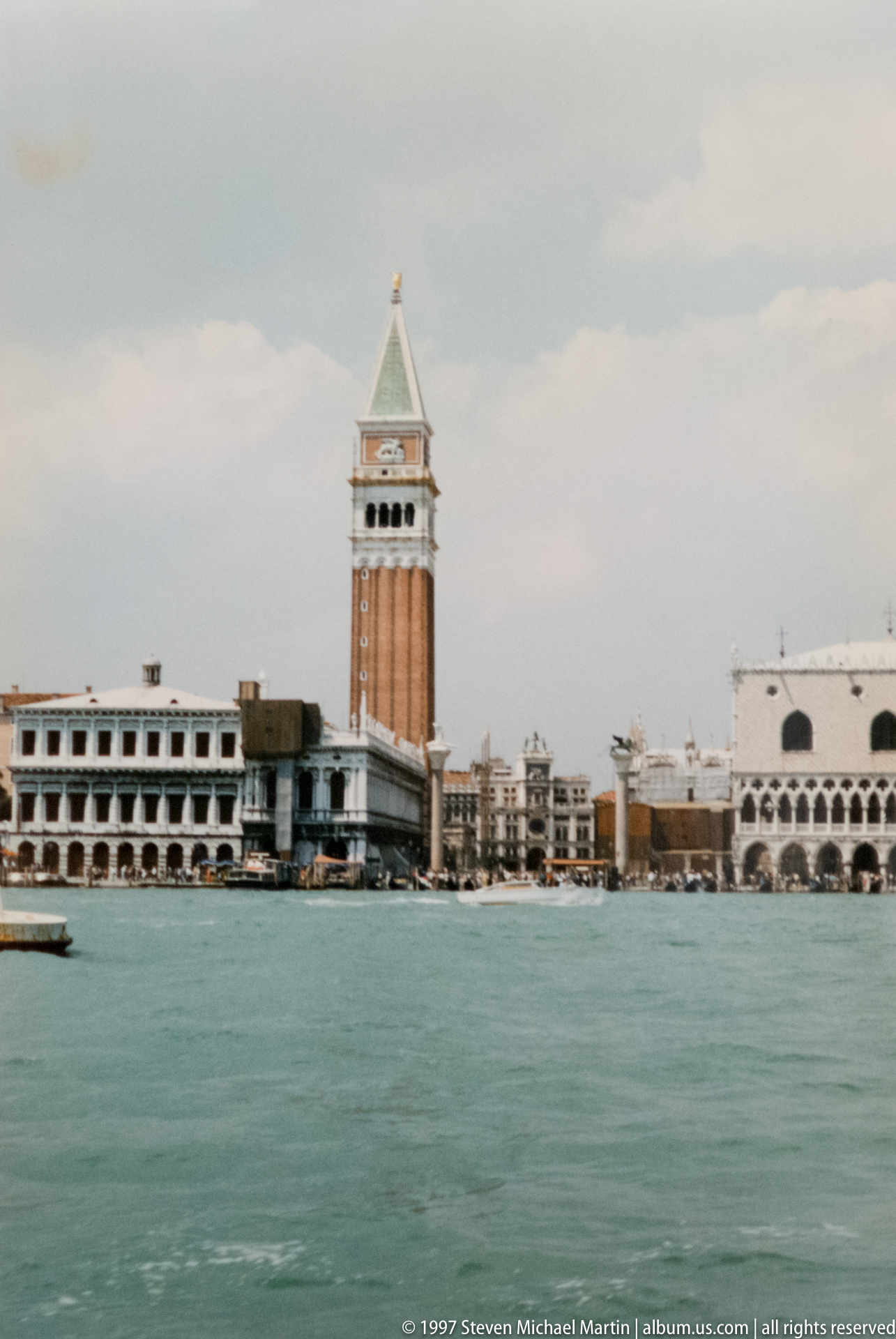
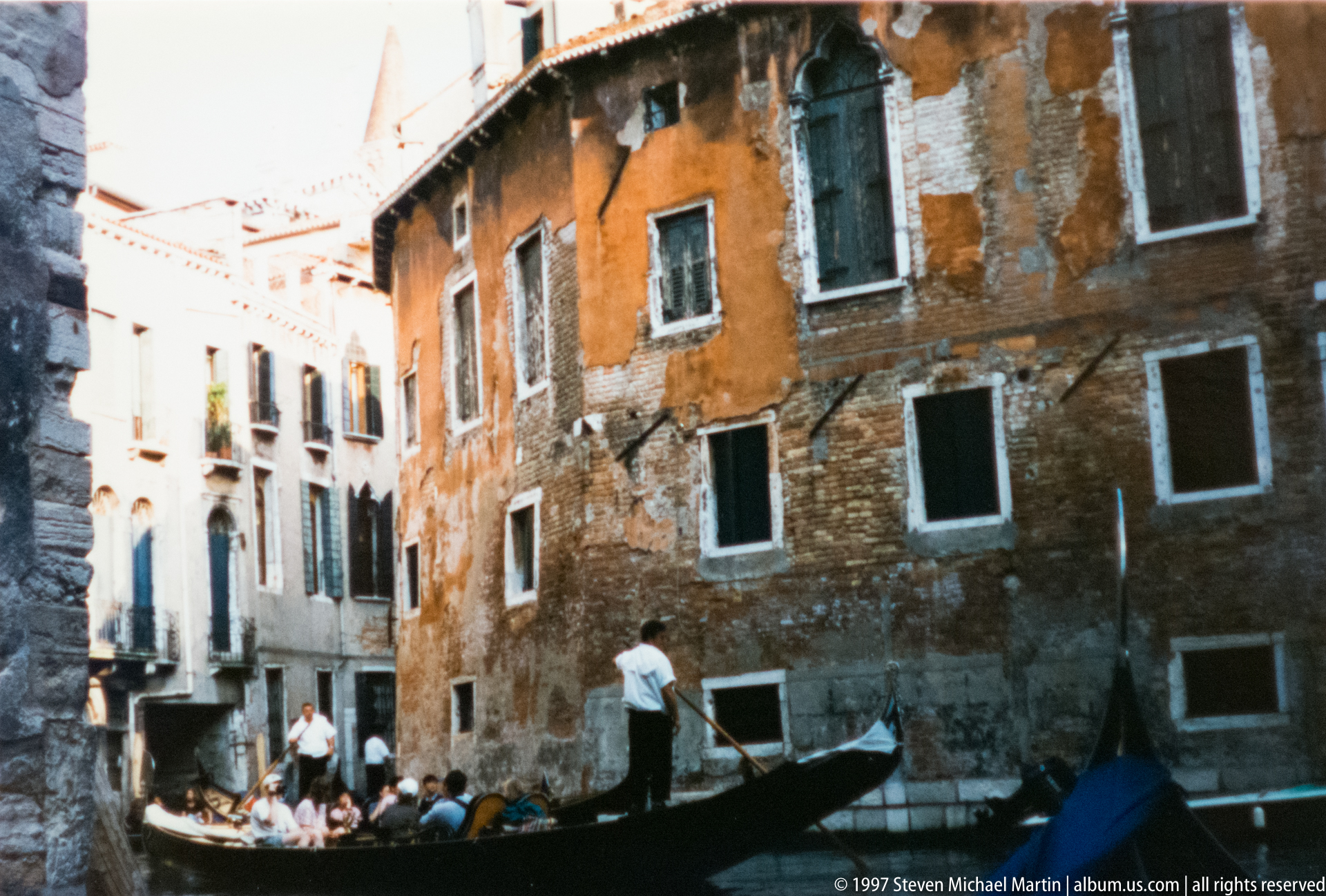
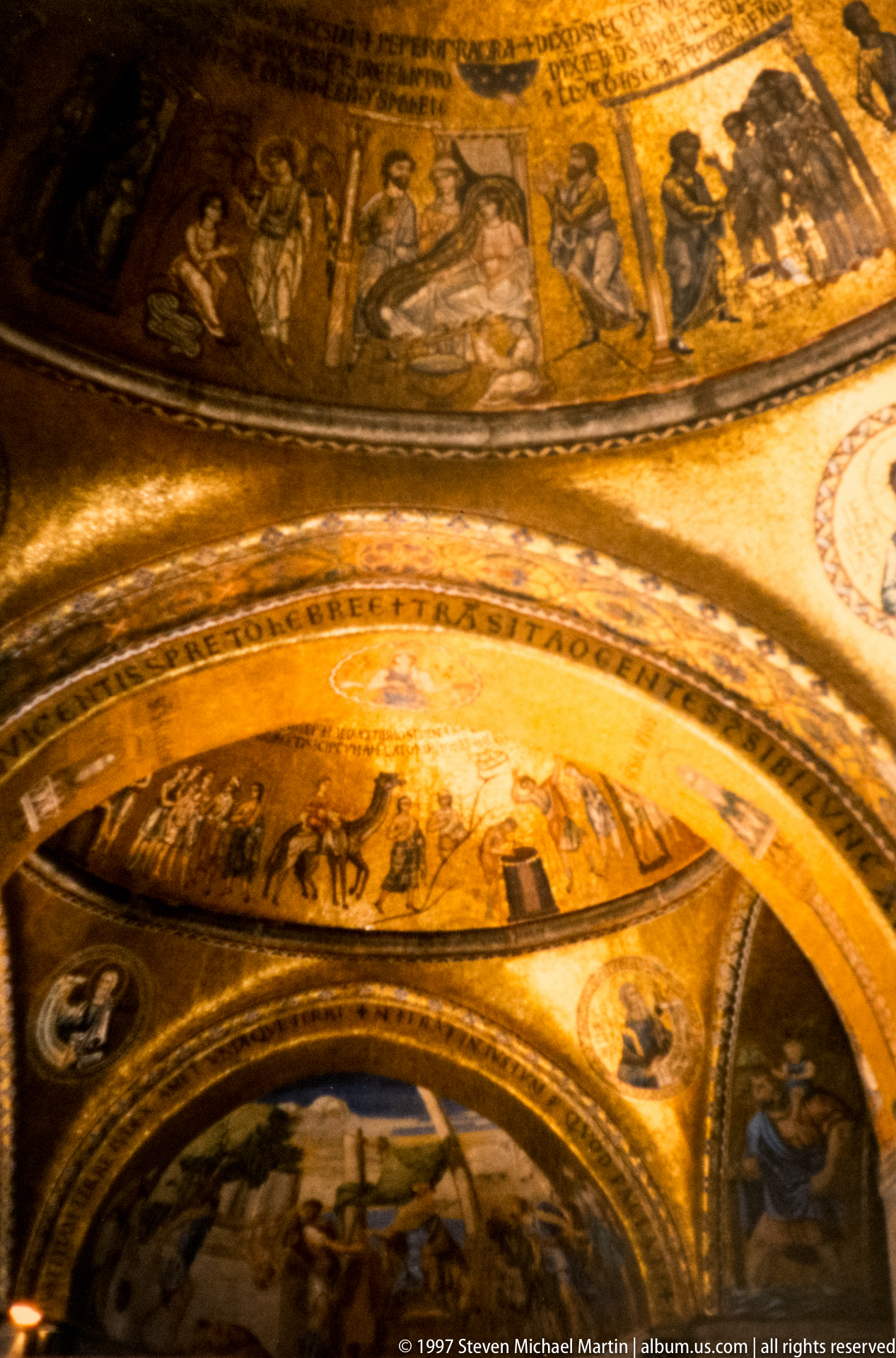
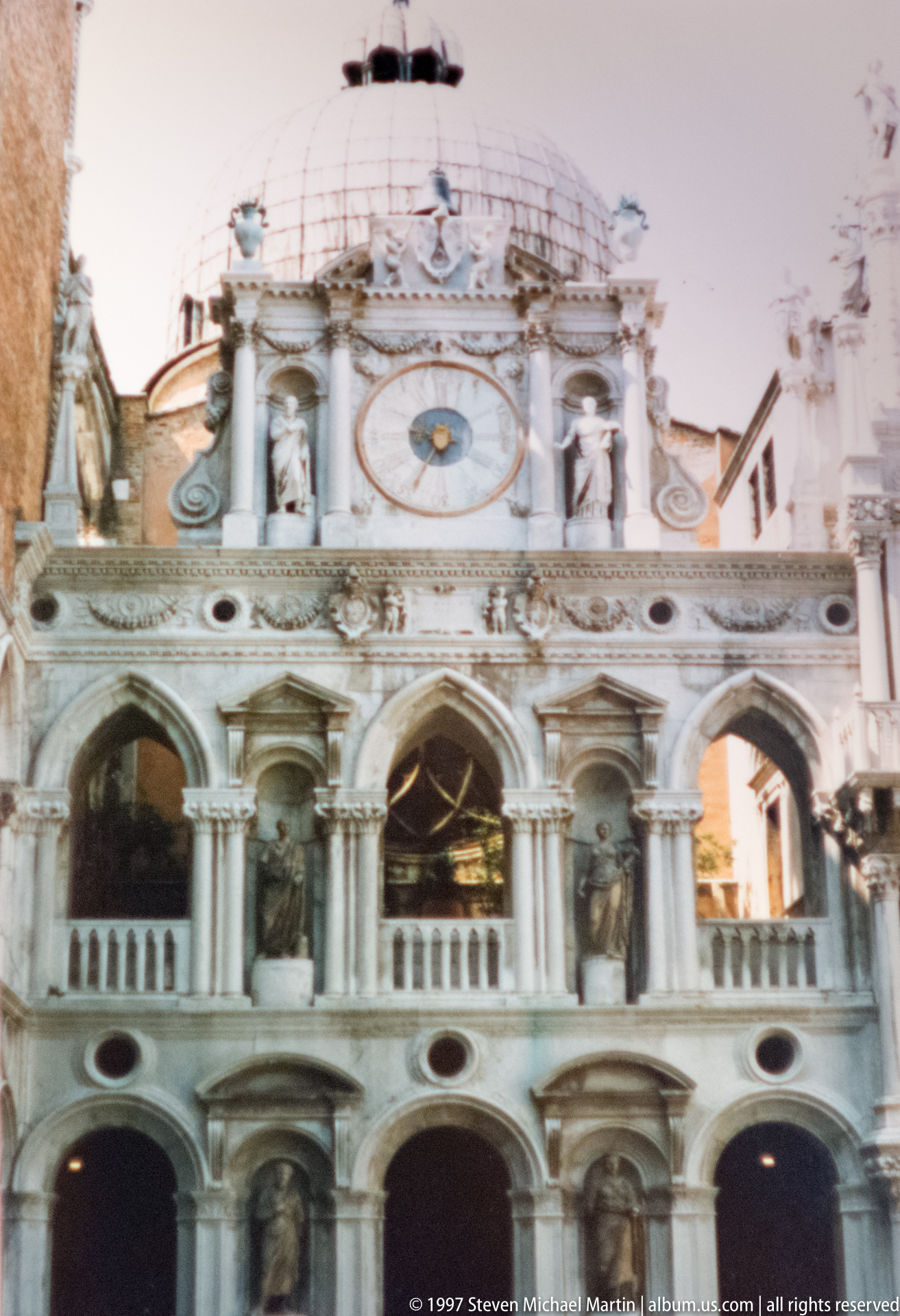
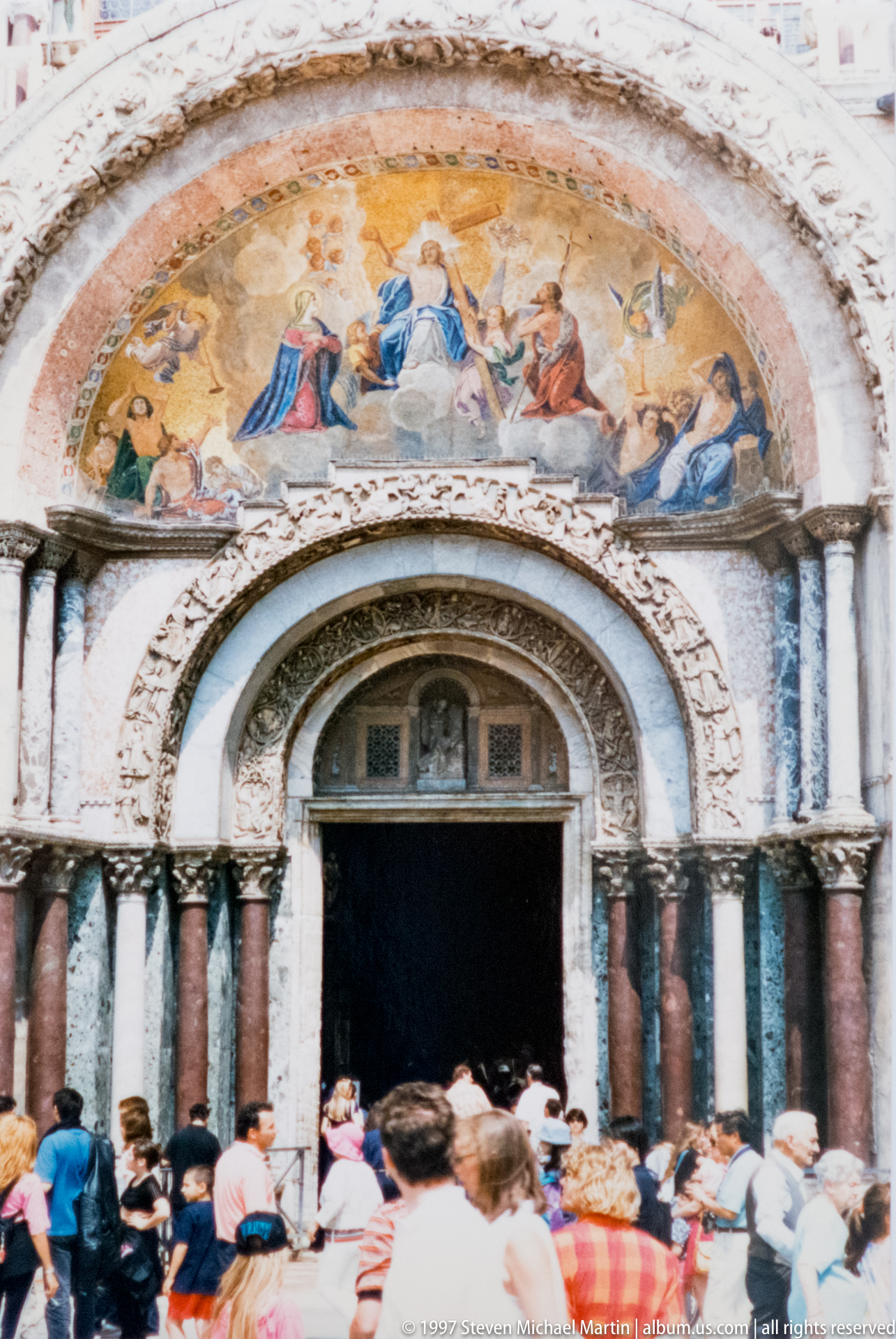
Founded over 1,500 years ago as a refuge from invasion, Venice grew into one of the great maritime powers of the Mediterranean, leaving behind a legacy of art, architecture, and global influence that still defines the city today . From the grandeur of St. Mark’s Square and the Doge’s Palace to the quiet beauty of its lesser-known canals, Venice is an architectural masterpiece where even the smallest details carry centuries of history and craftsmanship.
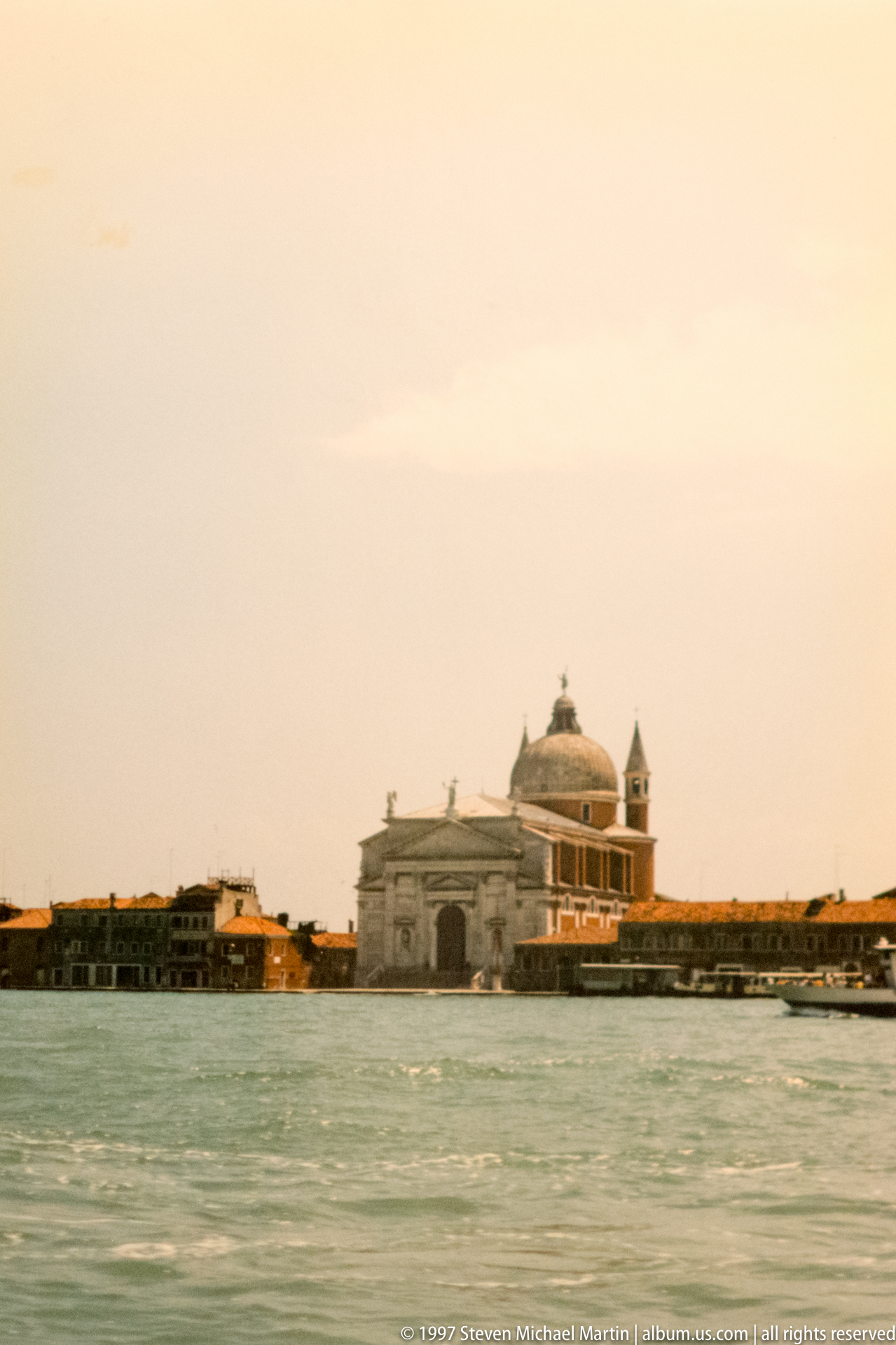
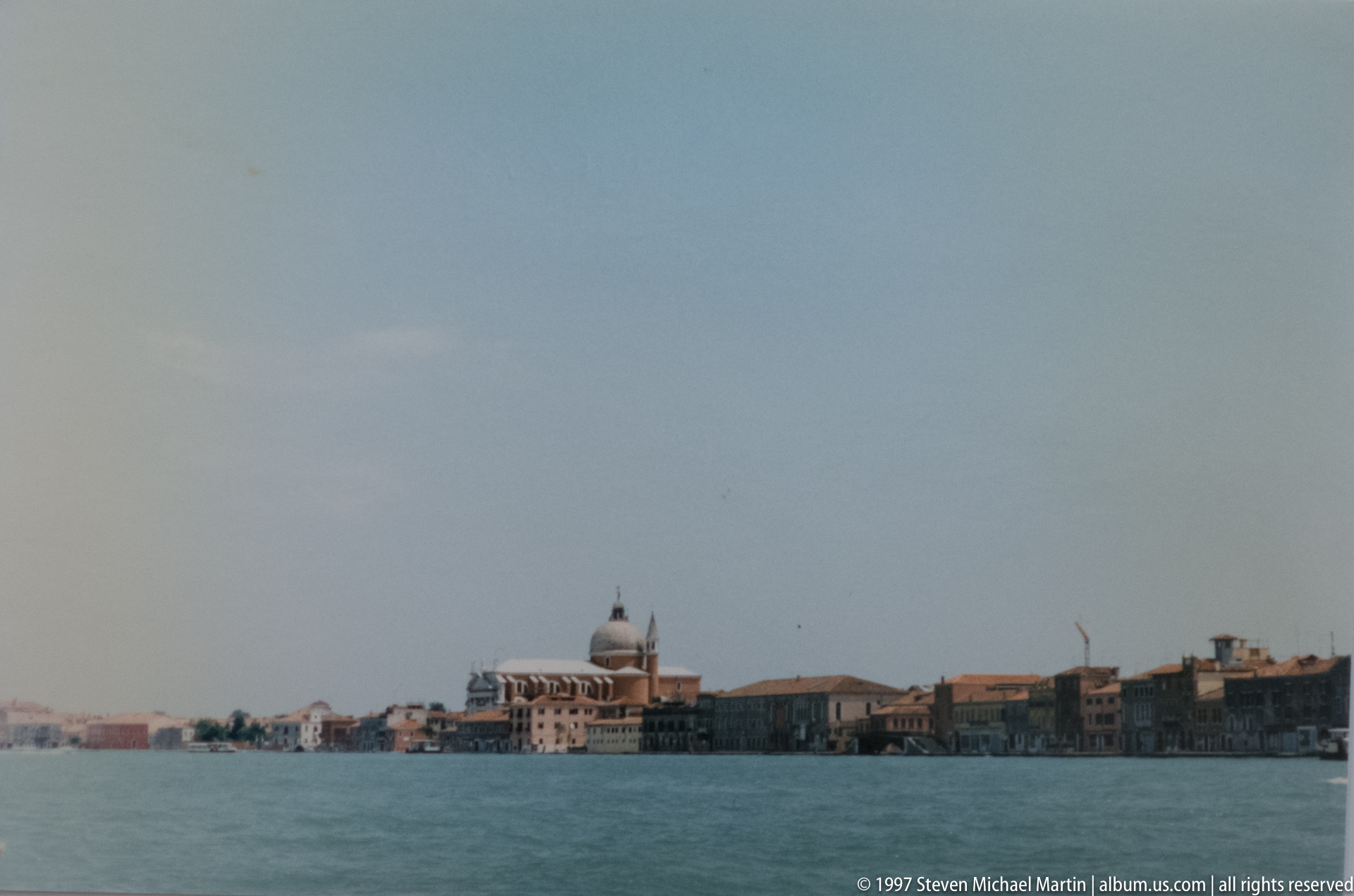
Designated as the UNESCO World Heritage Site “Venice and its Lagoon”, the city represents a rare and fragile balance between human ingenuity and the natural environment . The lagoon itself is inseparable from the city—both a protective barrier and a living ecosystem—shaping Venice’s identity as much as its palaces and churches. Together, they form one of the world’s most extraordinary cultural landscapes, where history, art, and water exist in constant dialogue.