Venice, Italy
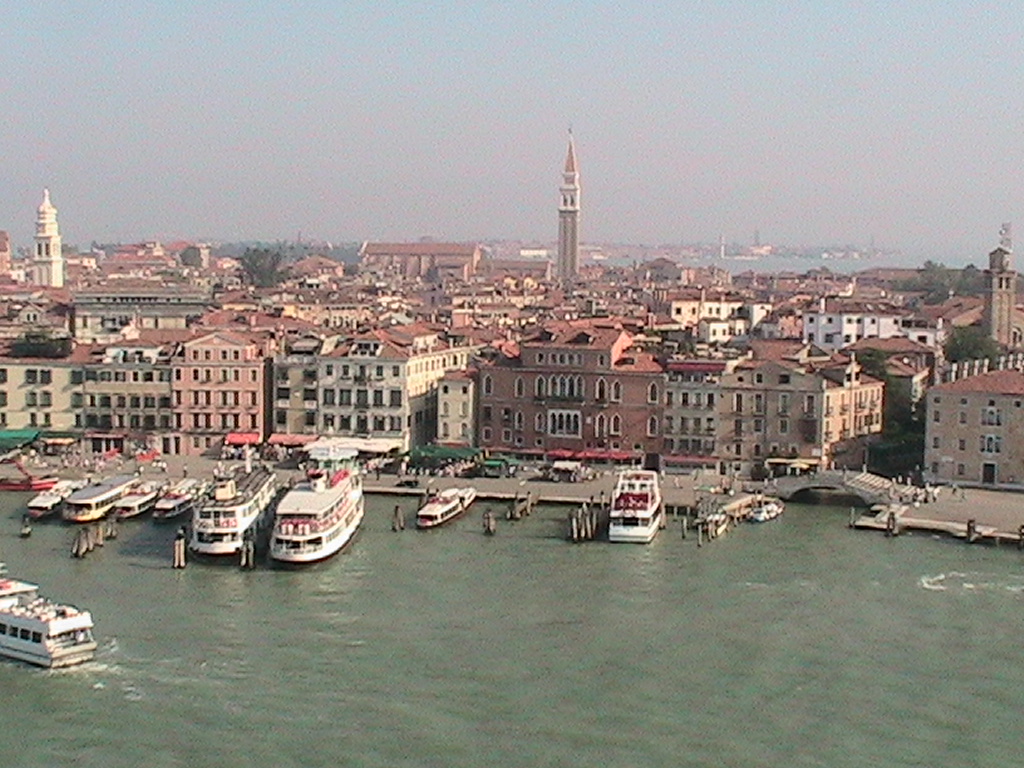
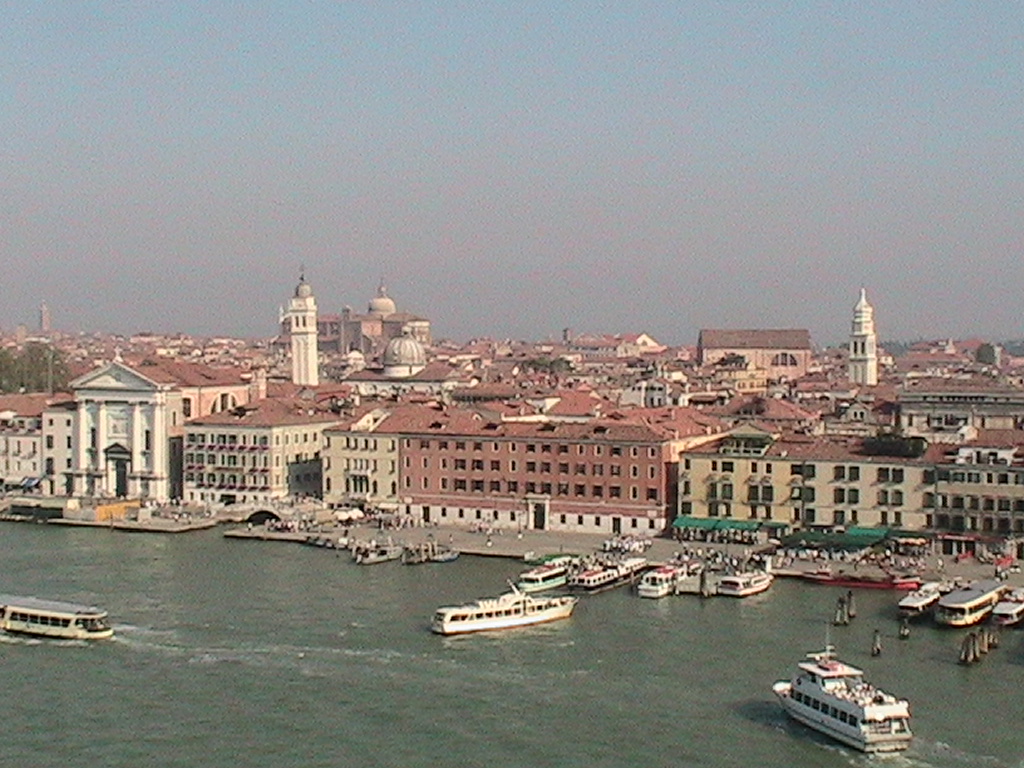
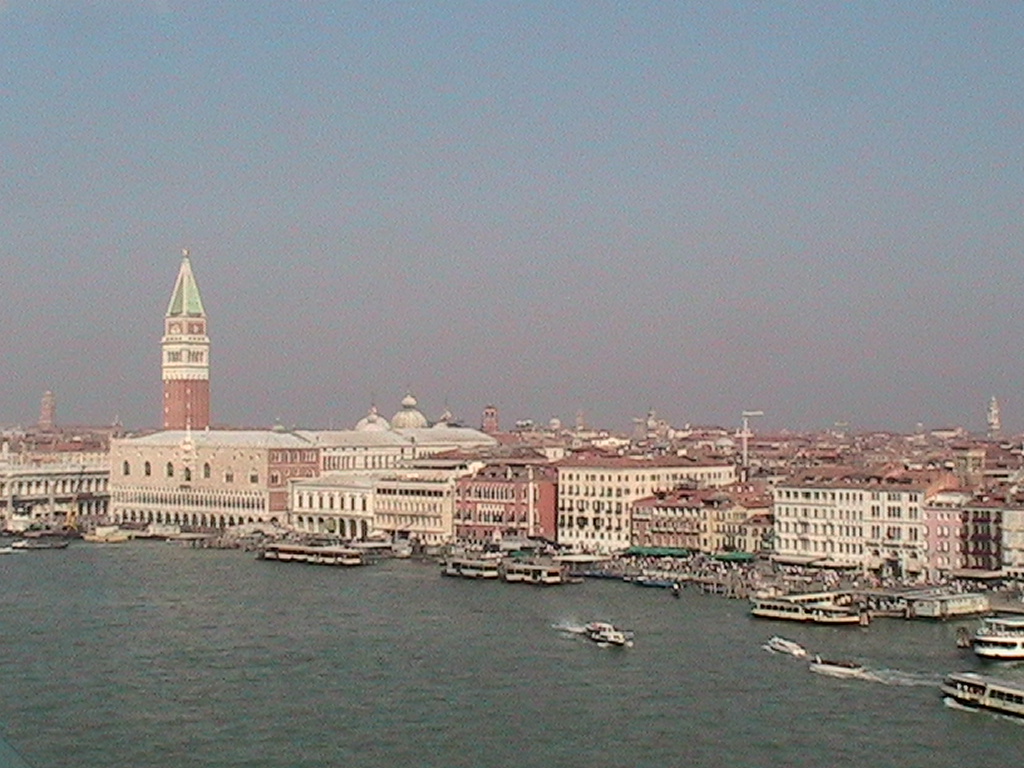
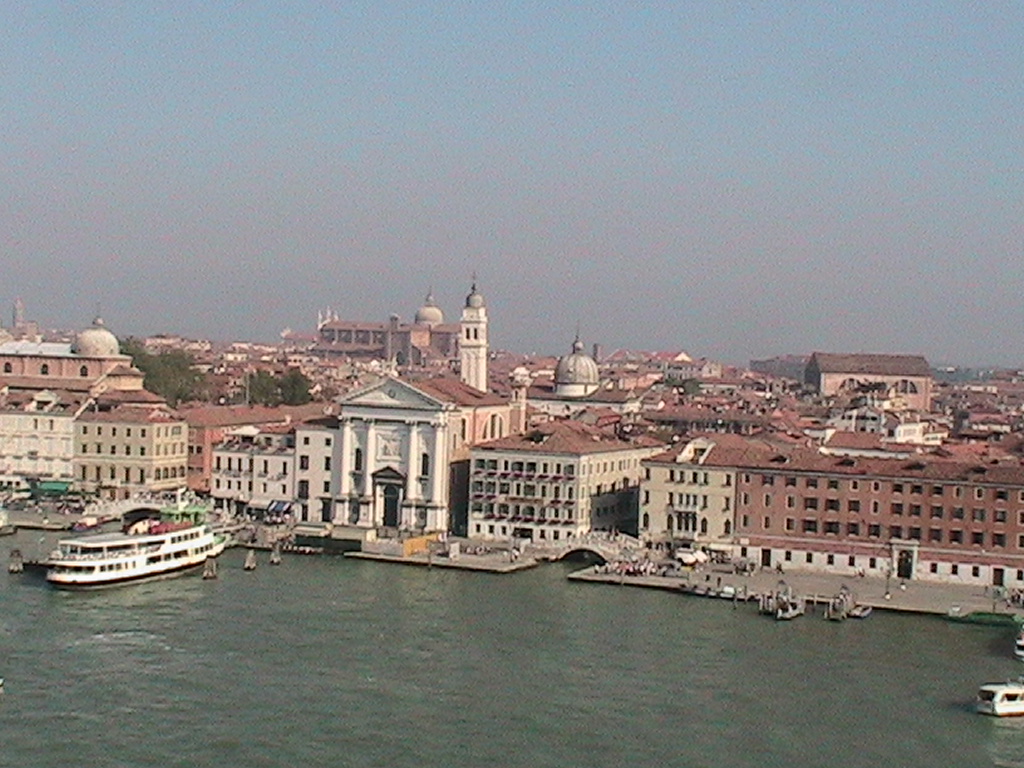
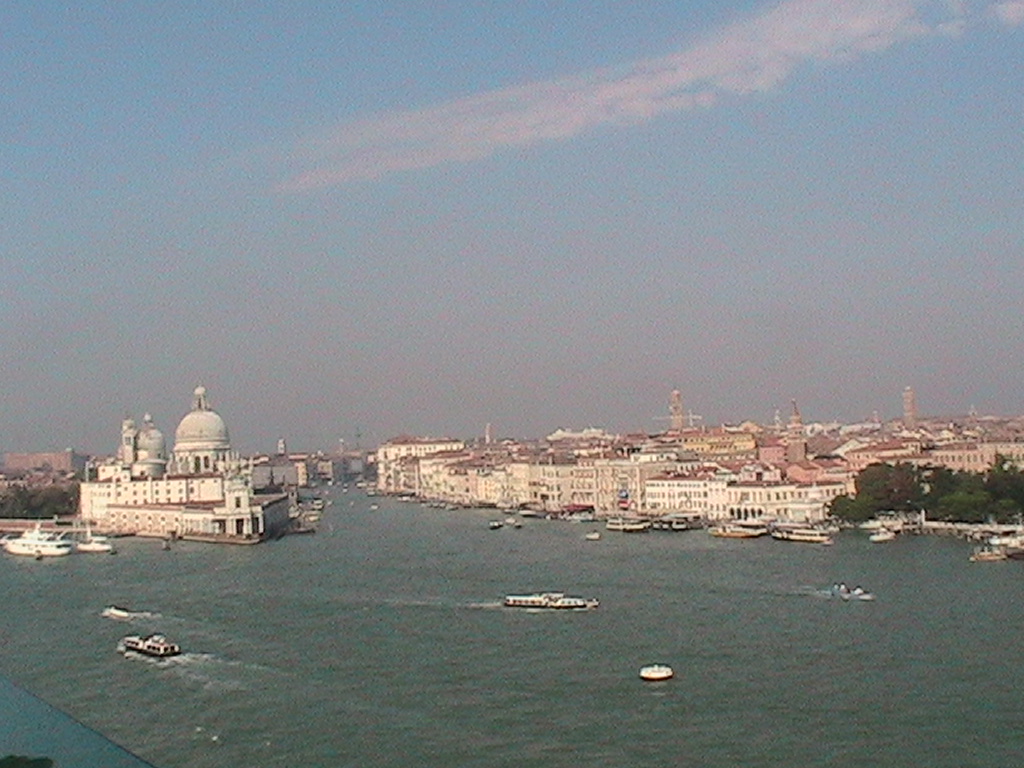
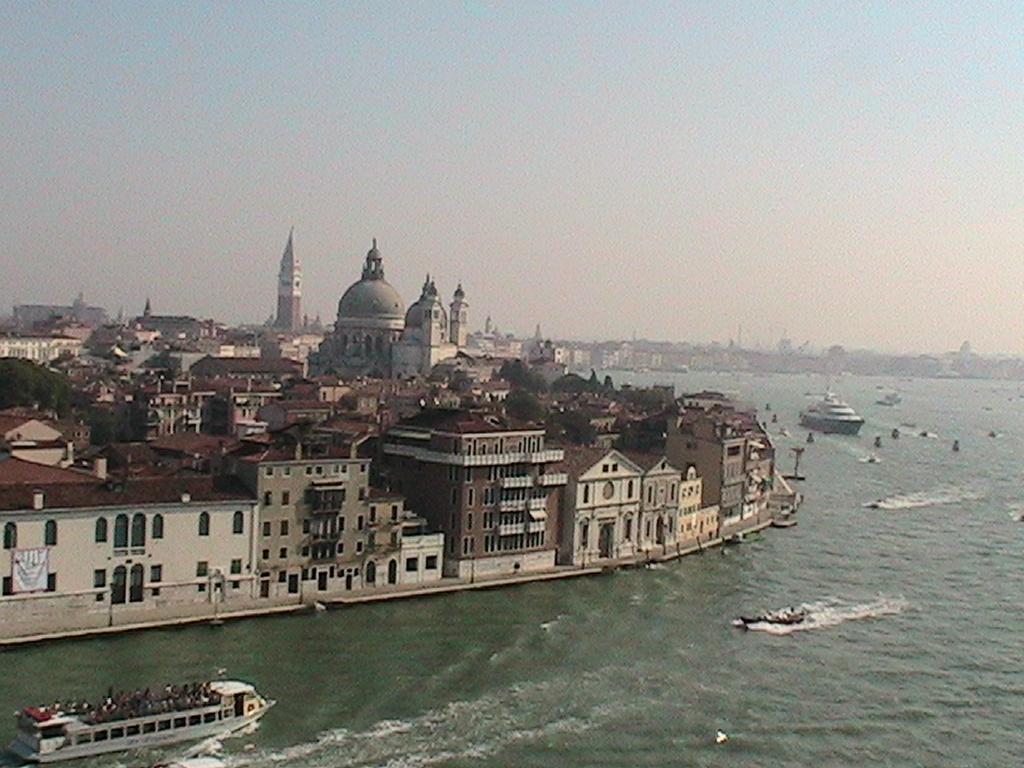
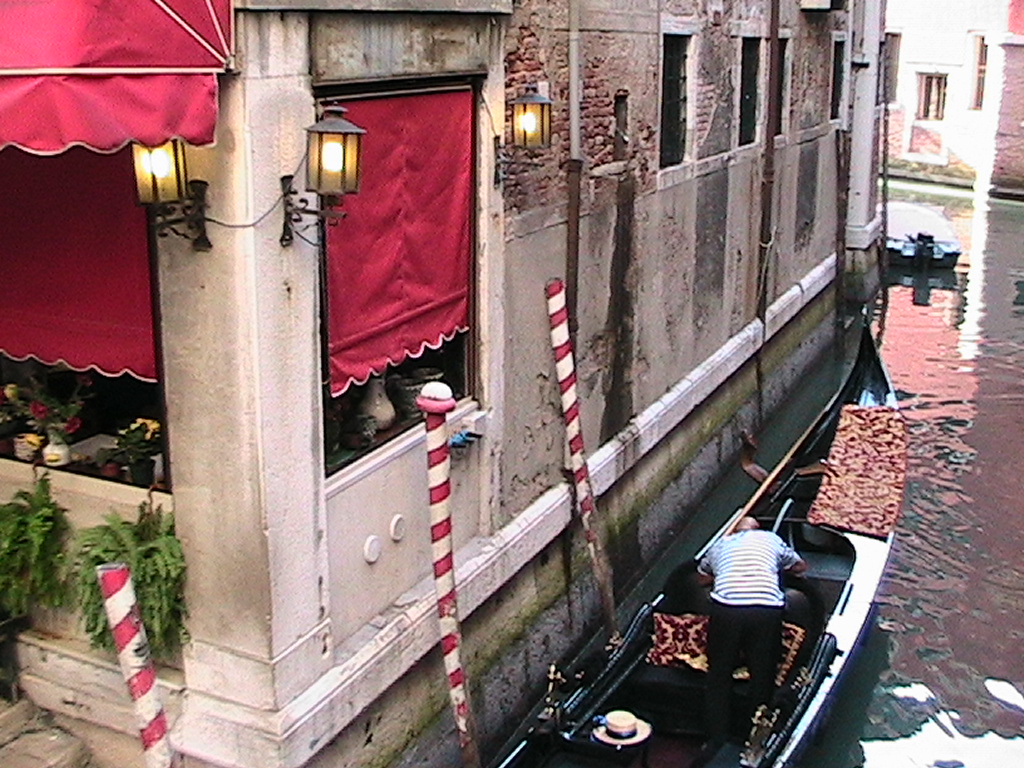
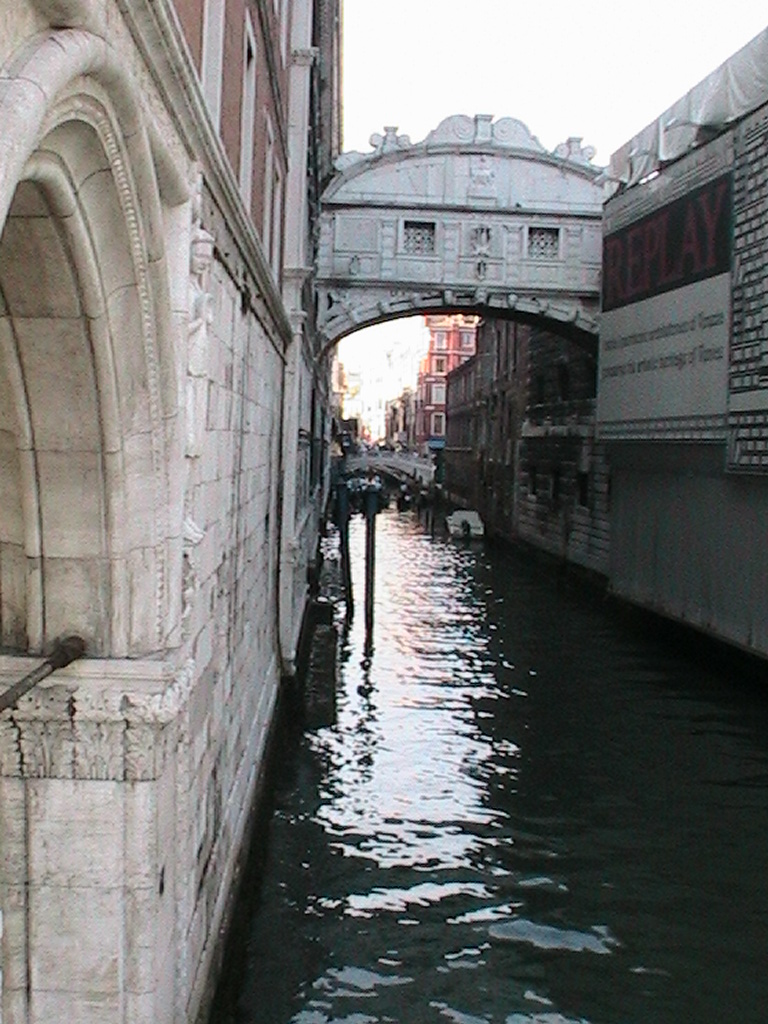
Venice emerges from the lagoon as a city shaped as much by water and light as by stone and history. Spread across a network of islands and canals, its architecture rises directly from the water’s edge, creating a landscape where reflections, movement, and atmosphere define the experience as much as its celebrated landmarks. From the sweeping curve of the Grand Canal to the quiet passageways between lesser-known canals, Venice is a place where the visual experience is constantly shifting—never static, always responsive to the light and tides.
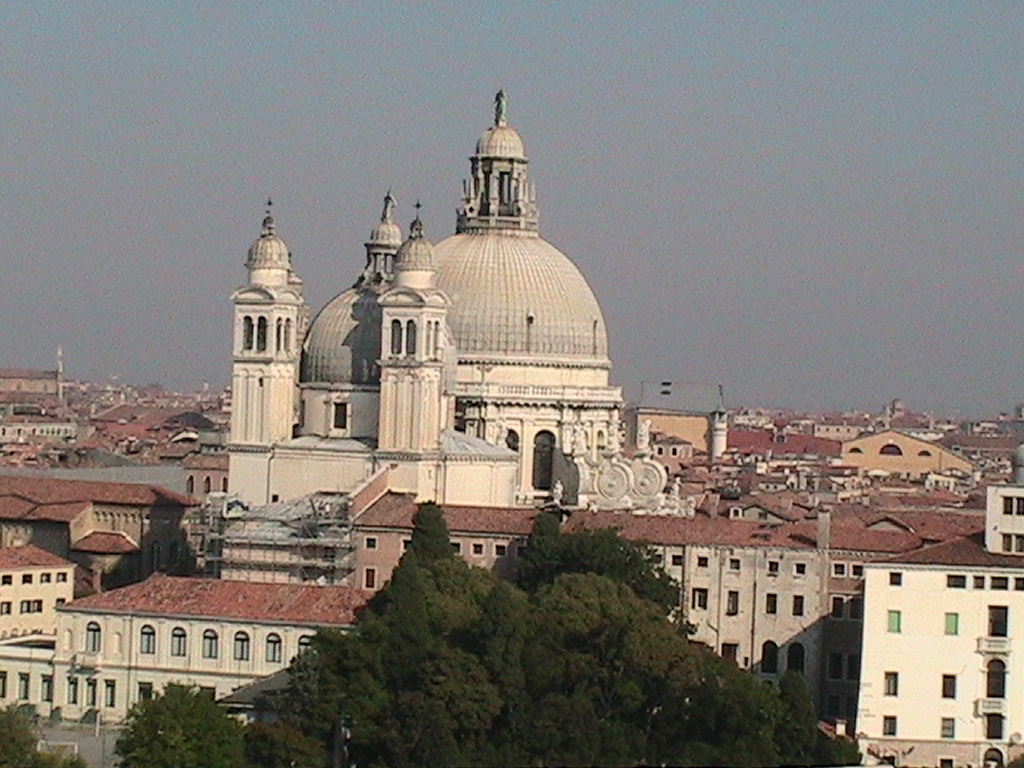
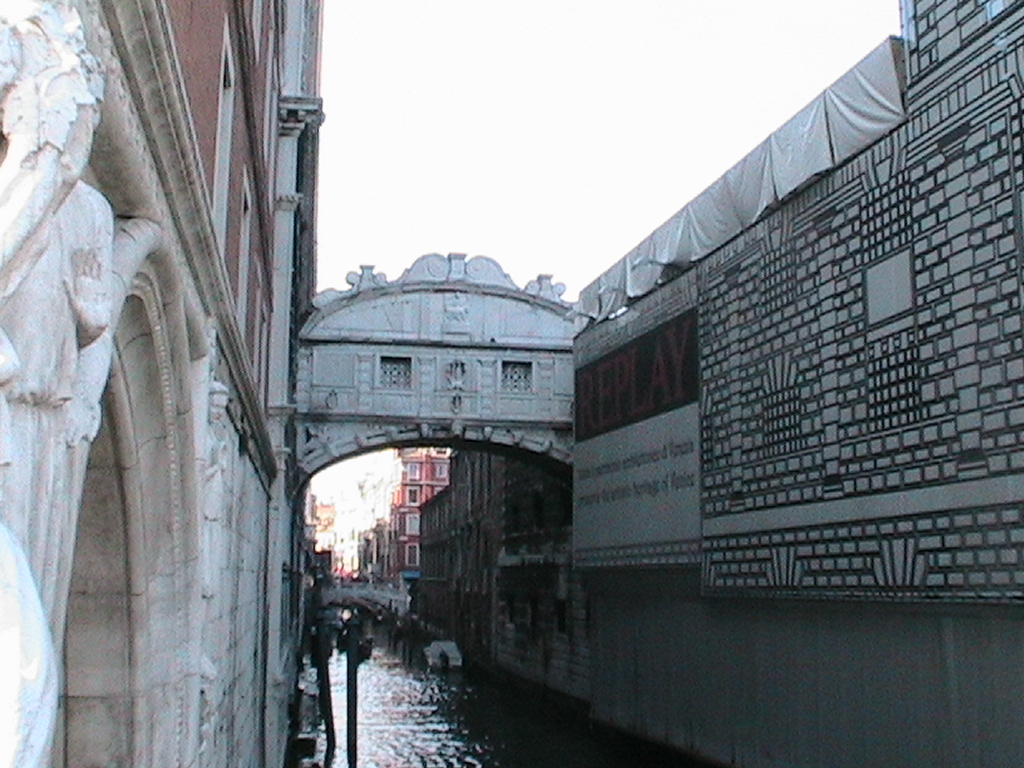
Founded as a refuge and later transformed into a powerful maritime republic, Venice developed into one of the most influential cultural and commercial centers of the Mediterranean. Its legacy is preserved in the remarkable continuity of its urban fabric, where Gothic palaces, Byzantine influences, and Renaissance additions coexist within a unified setting. Recognized as the UNESCO World Heritage Site “Venice and its Lagoon,” the city represents an extraordinary balance between human construction and the fragile natural environment that sustains it.
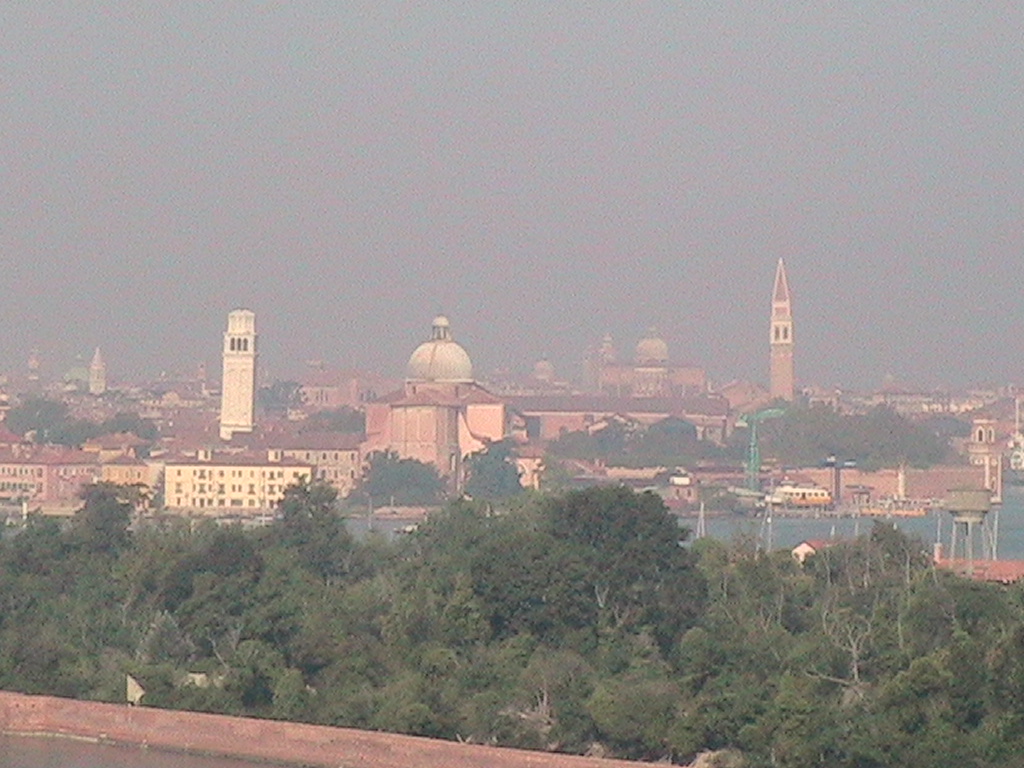
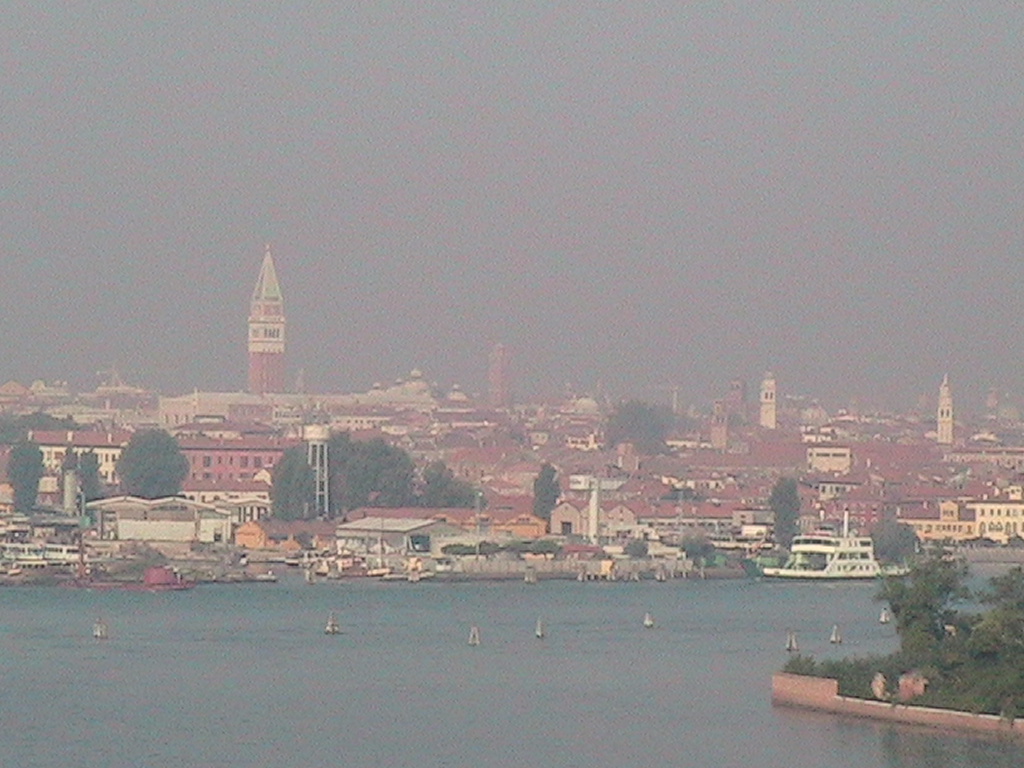
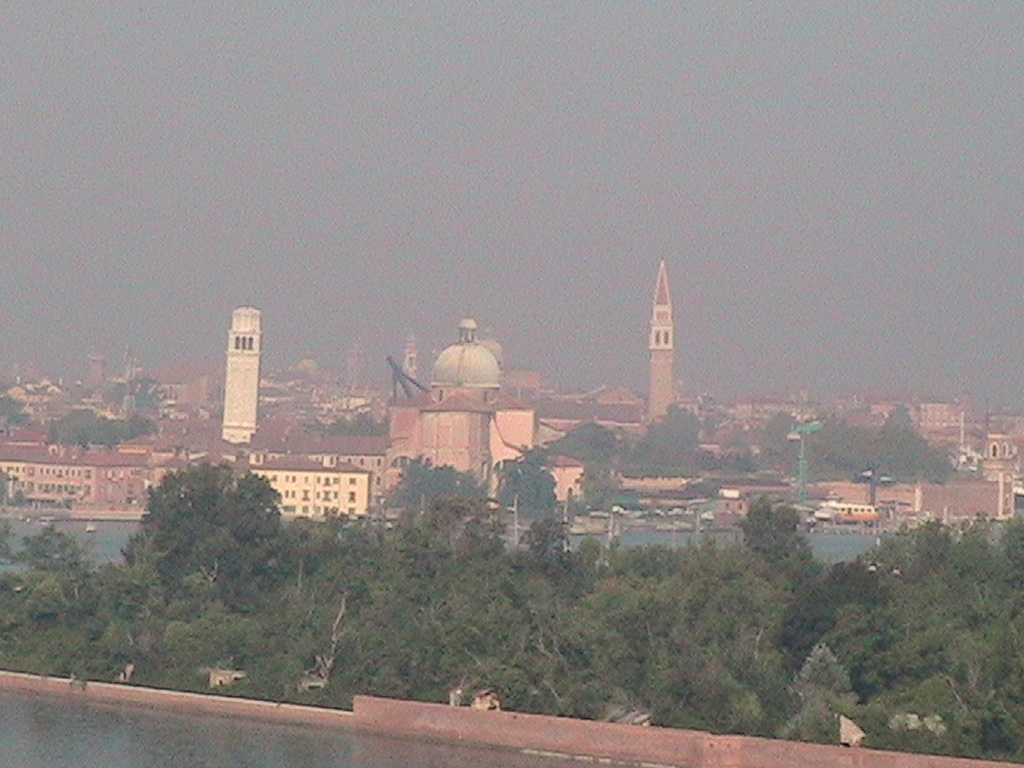
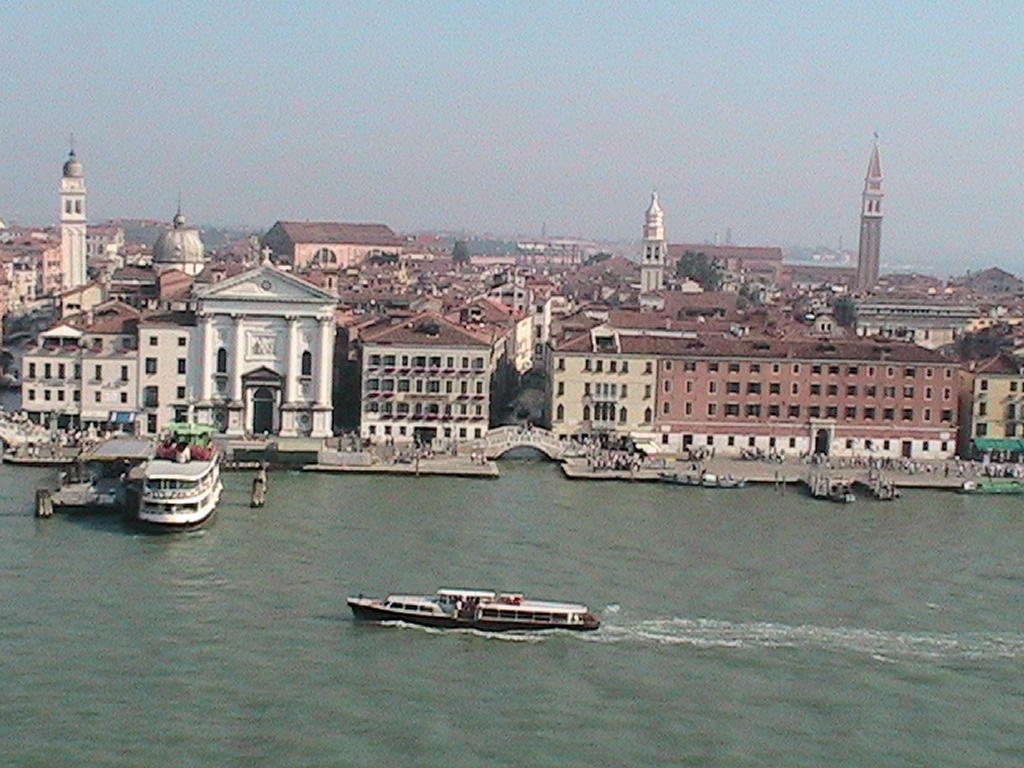
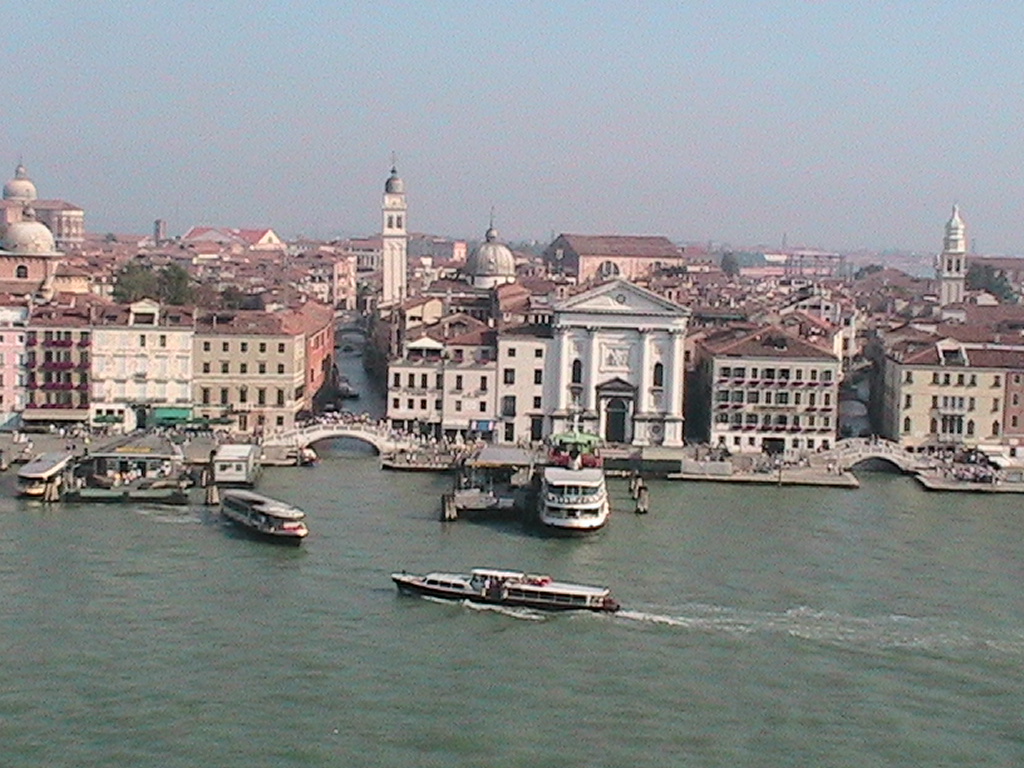
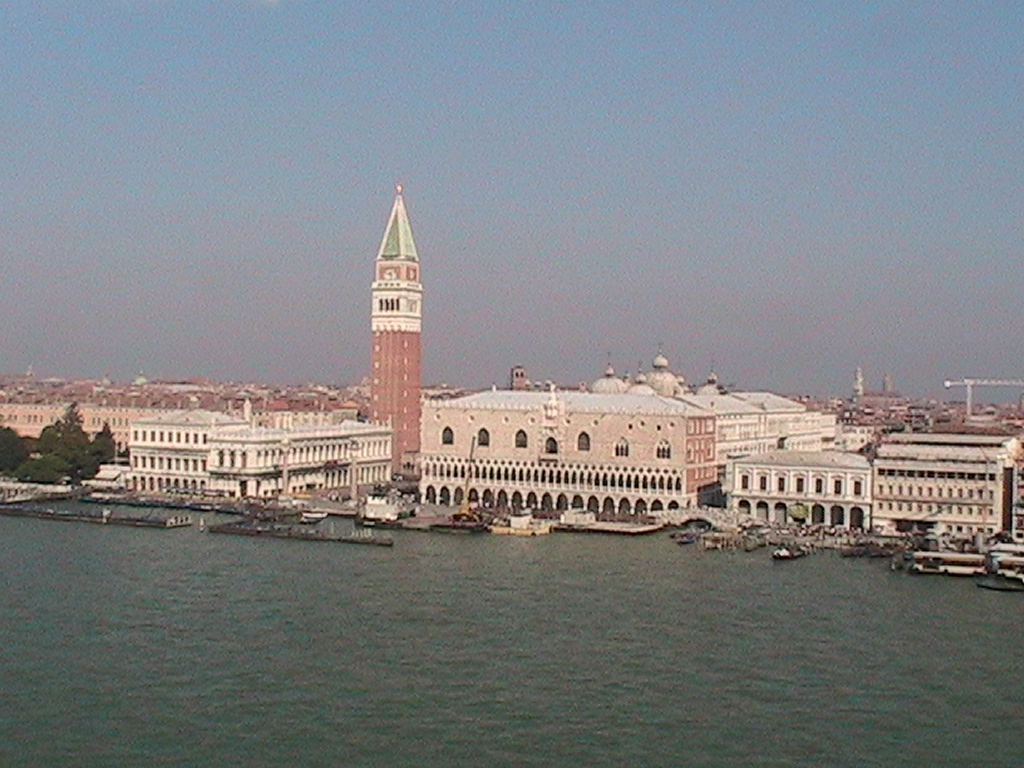
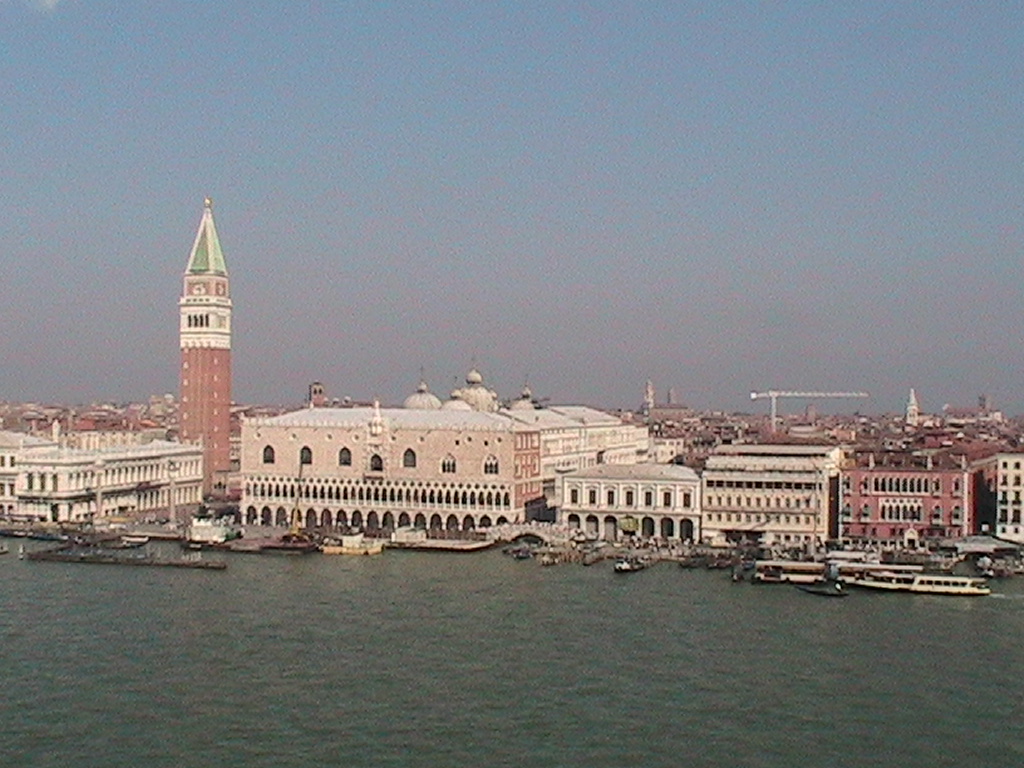
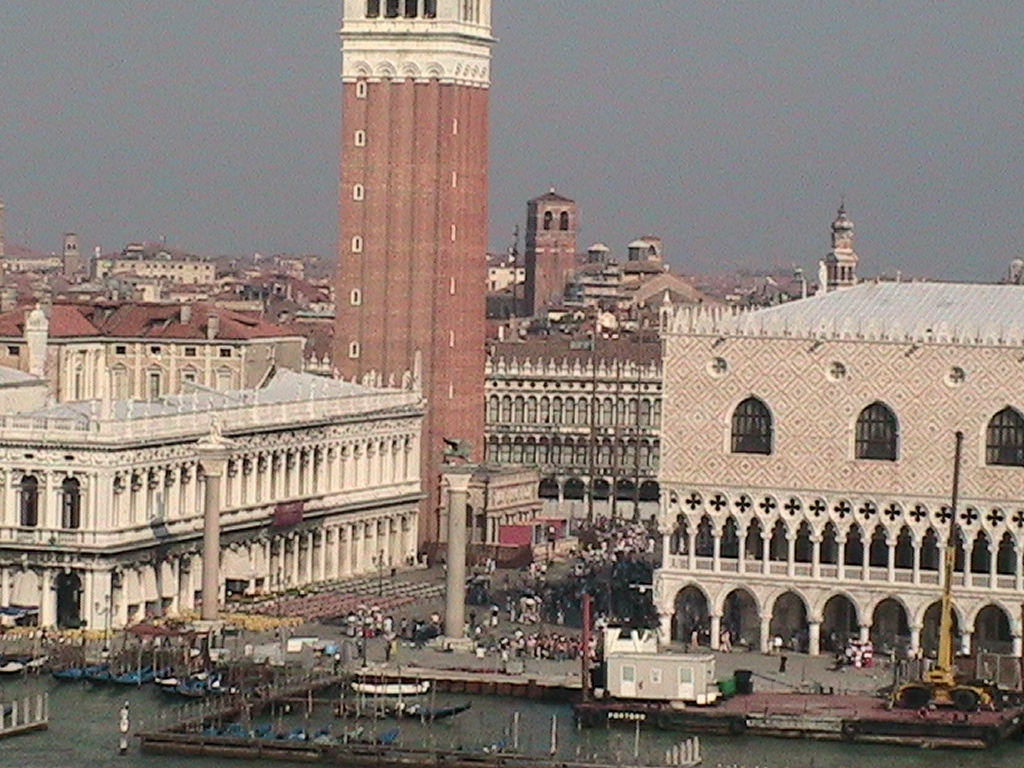
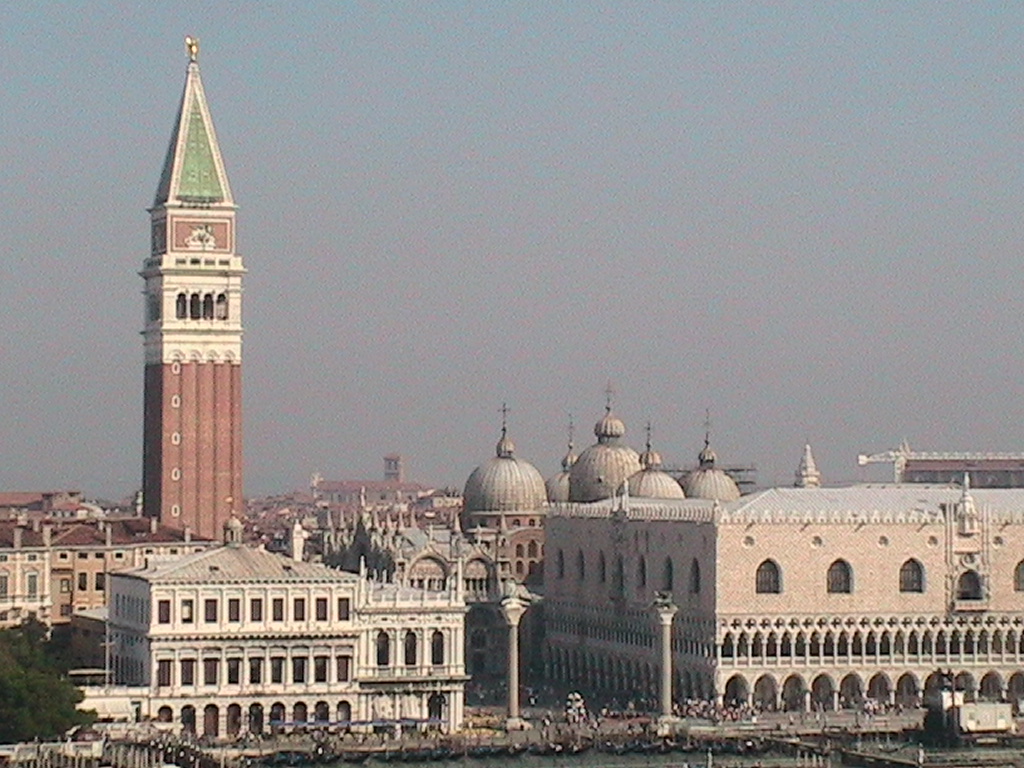
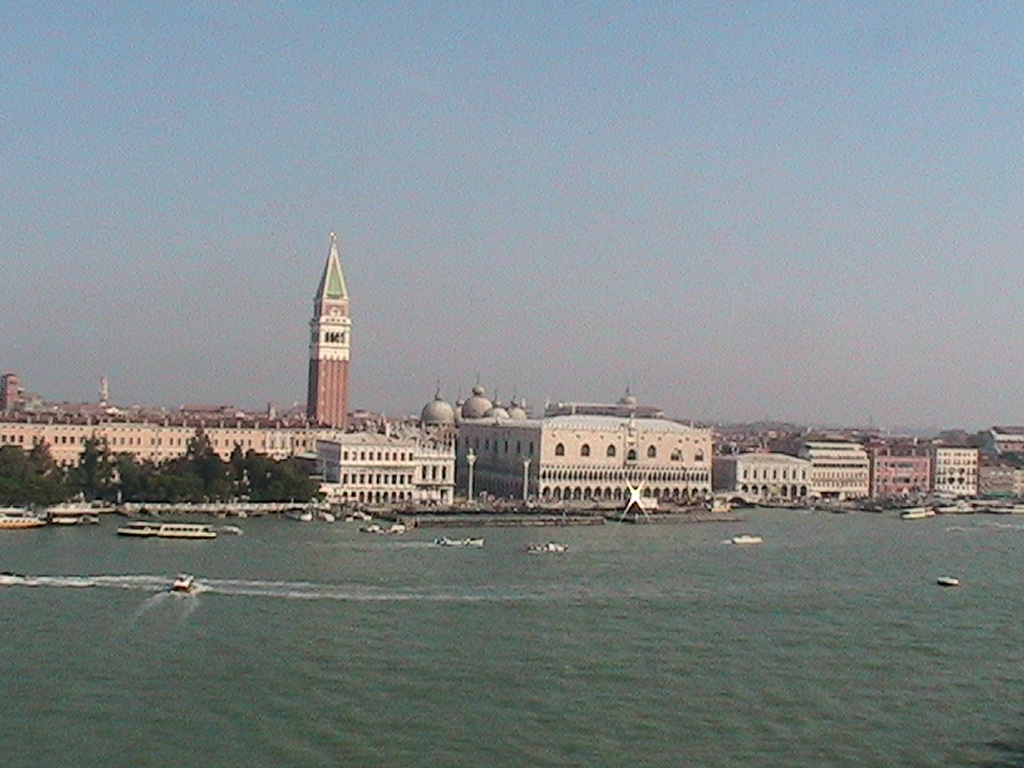
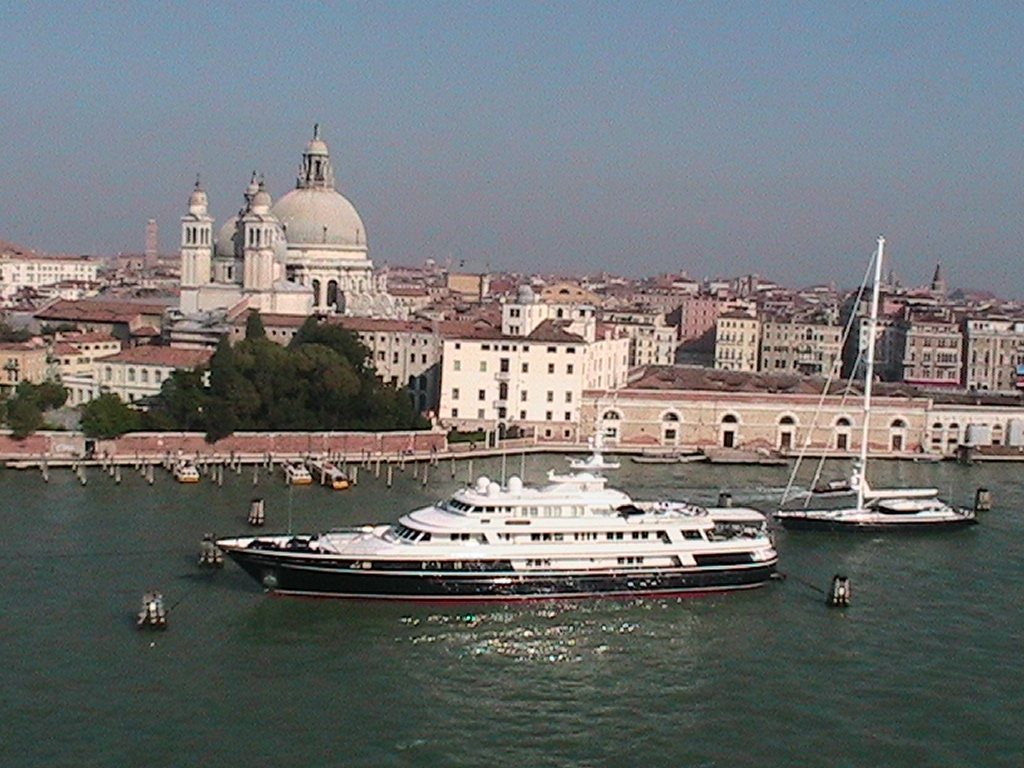
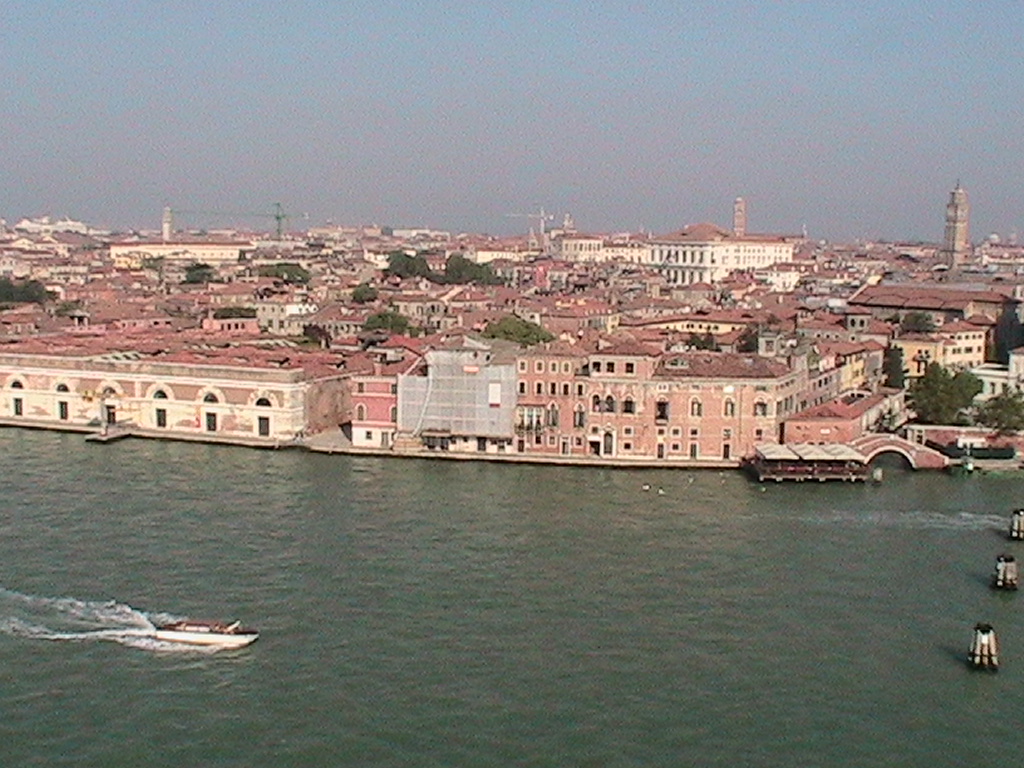
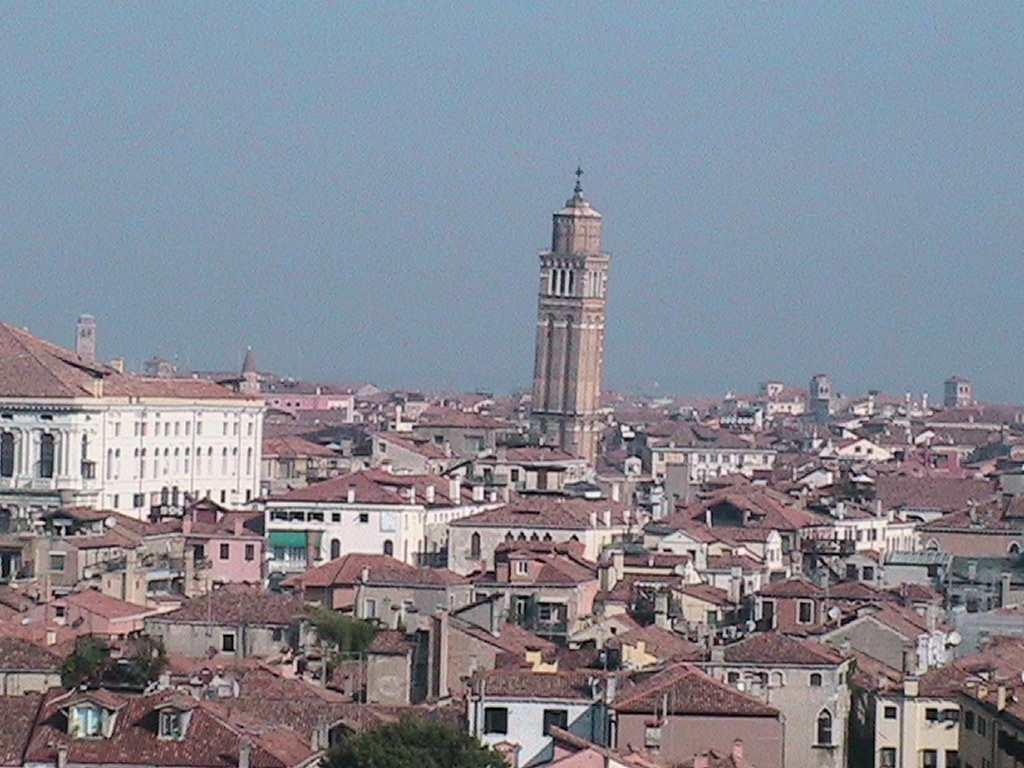
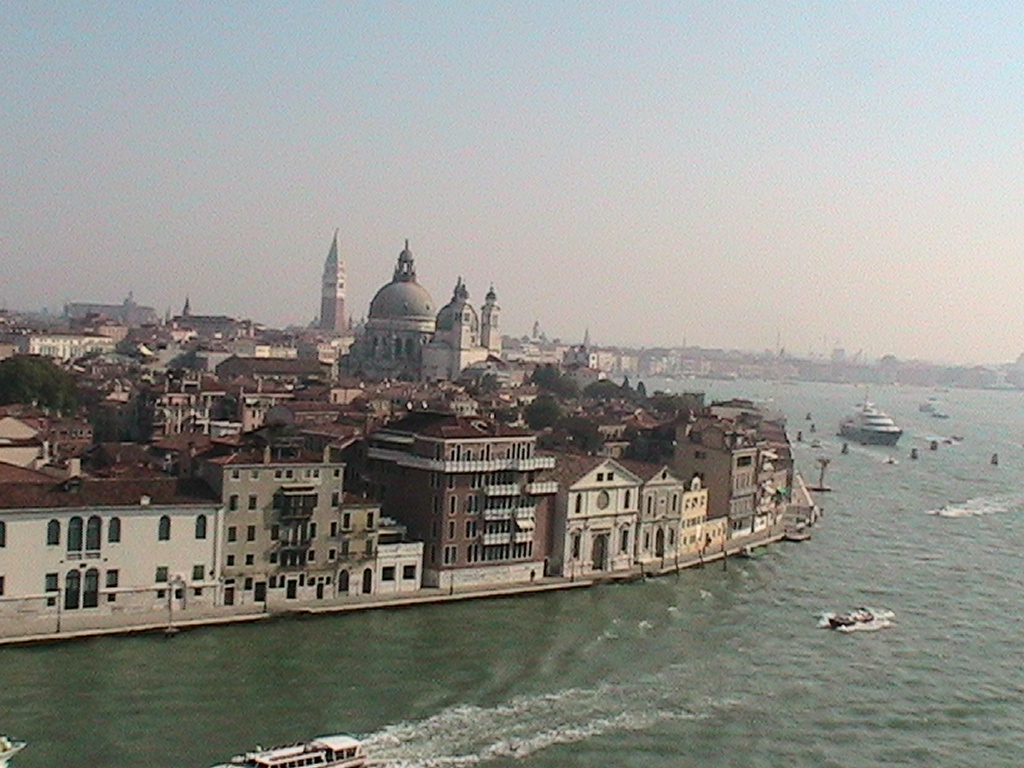
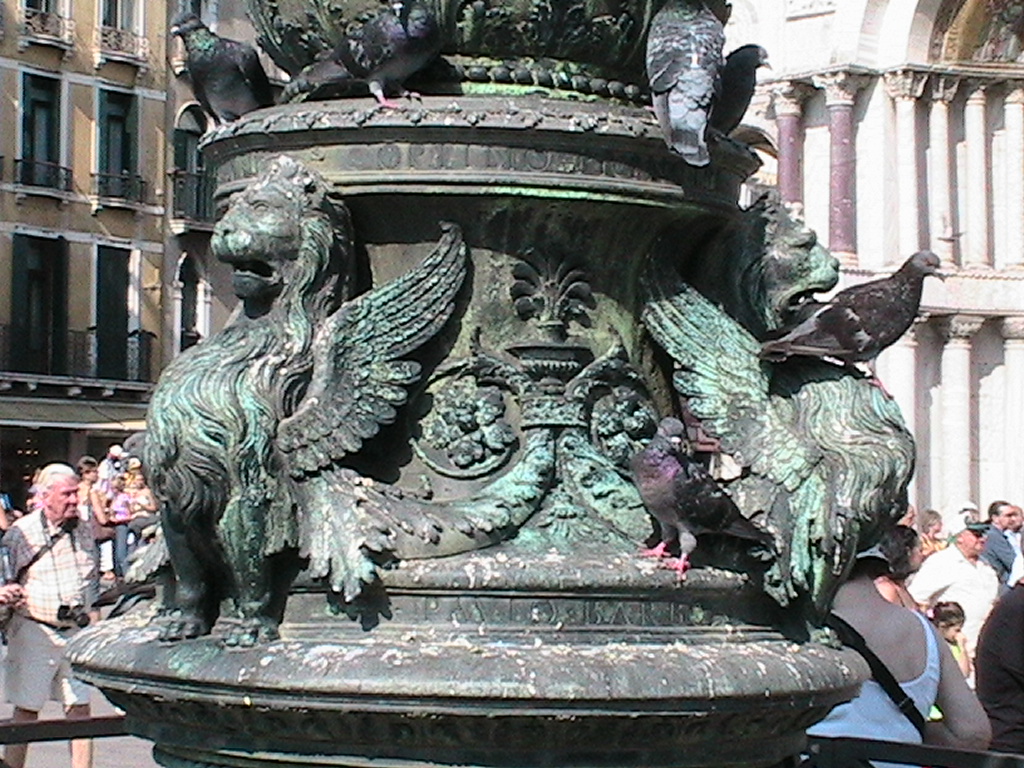
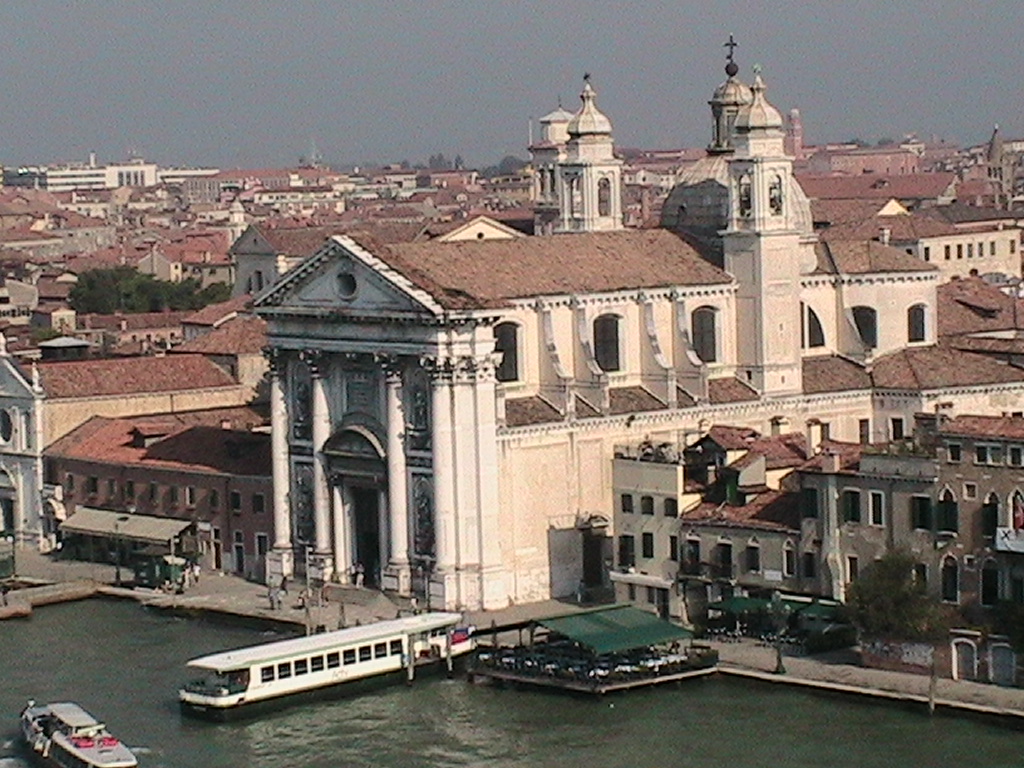
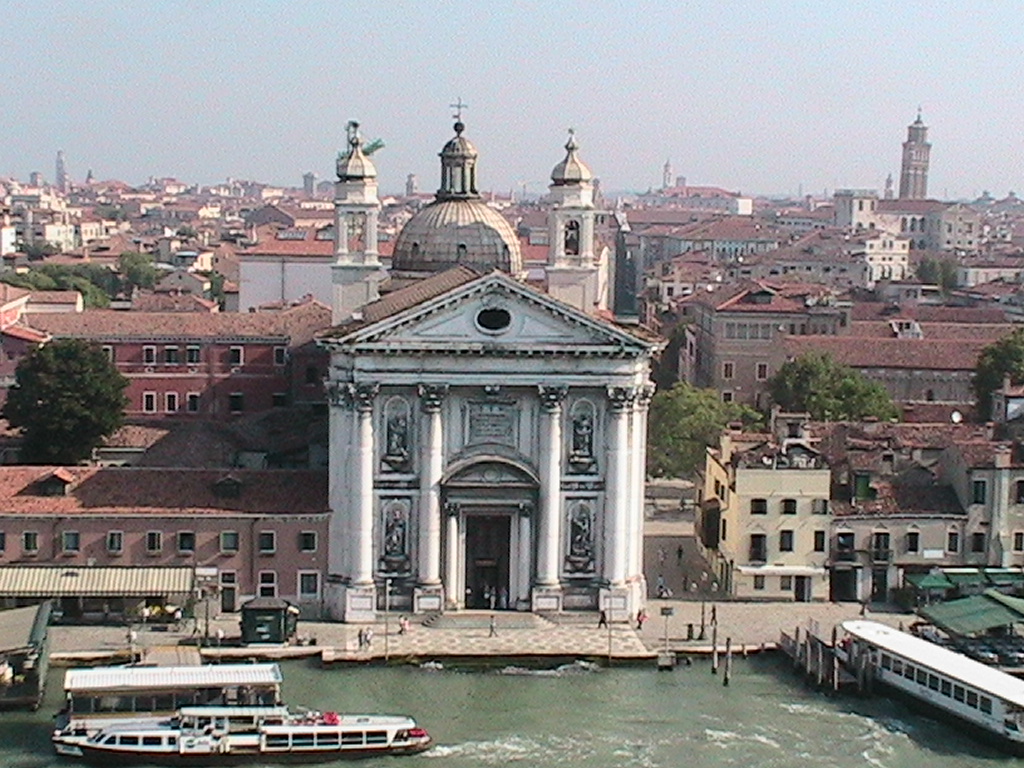
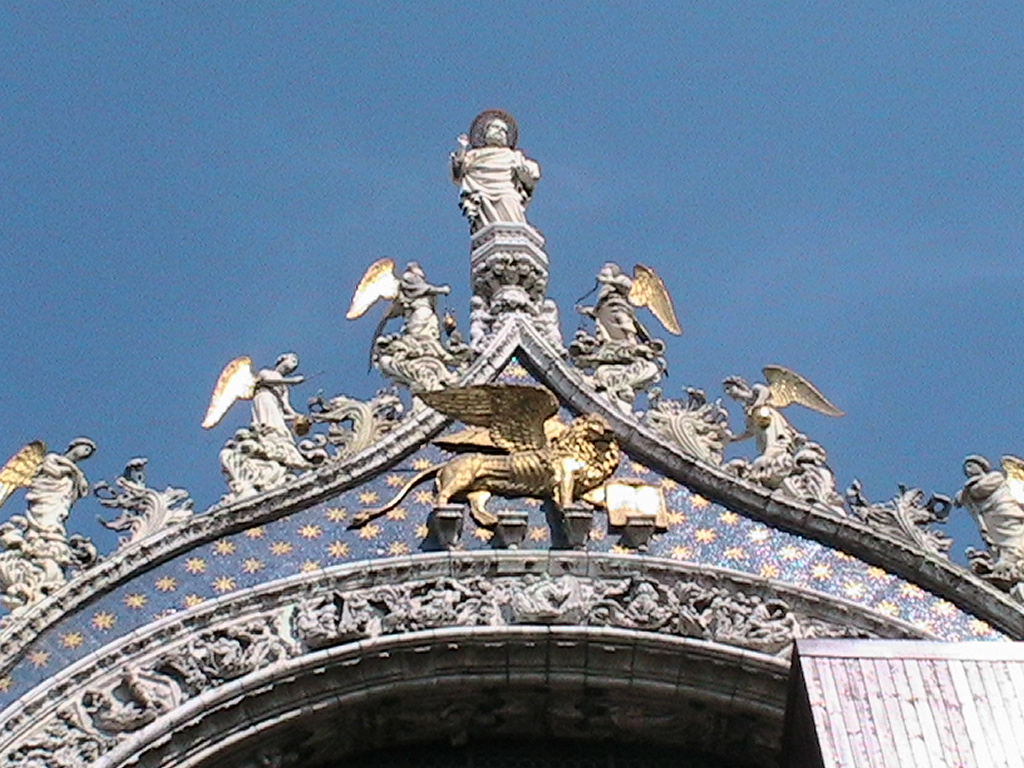
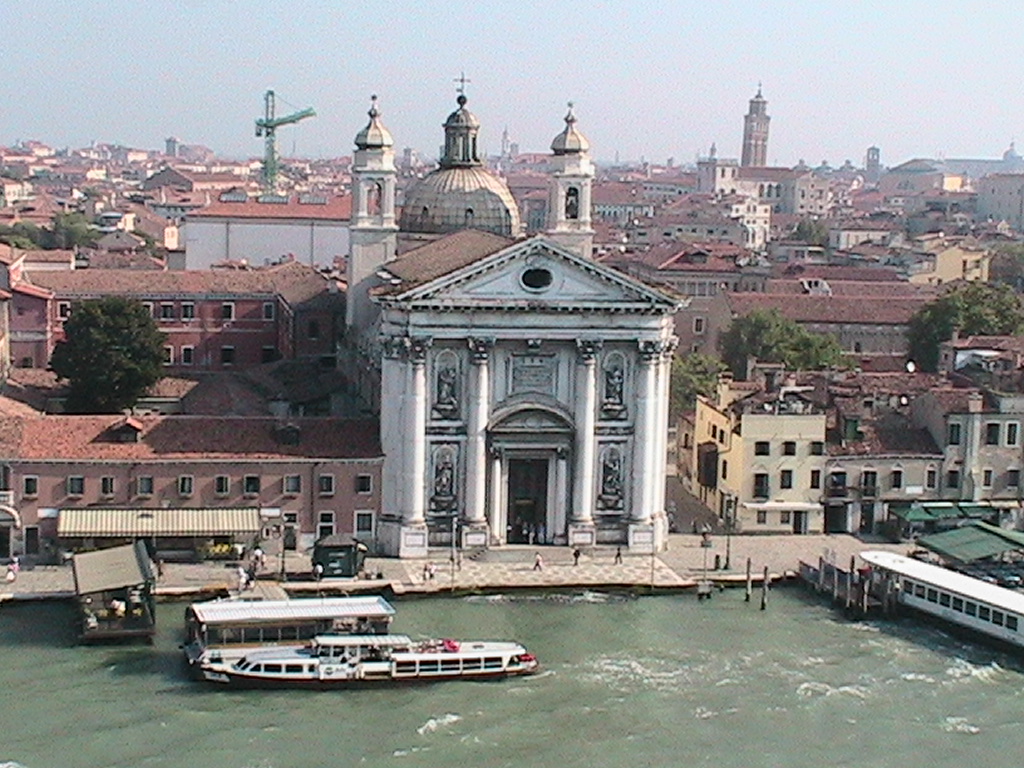
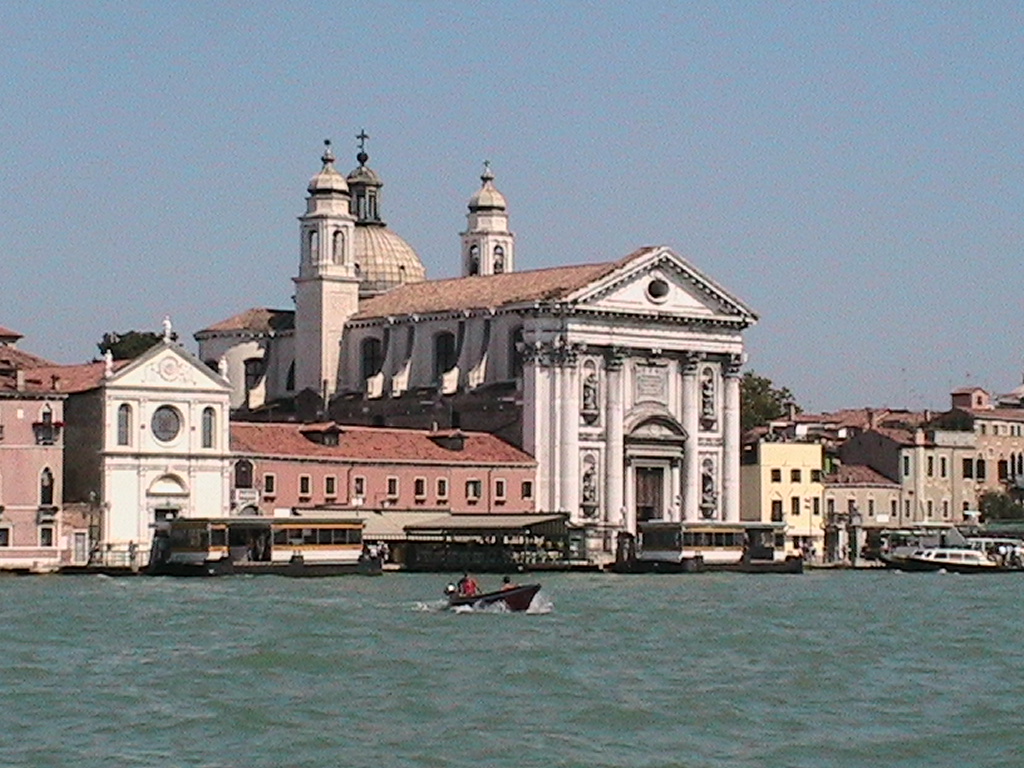
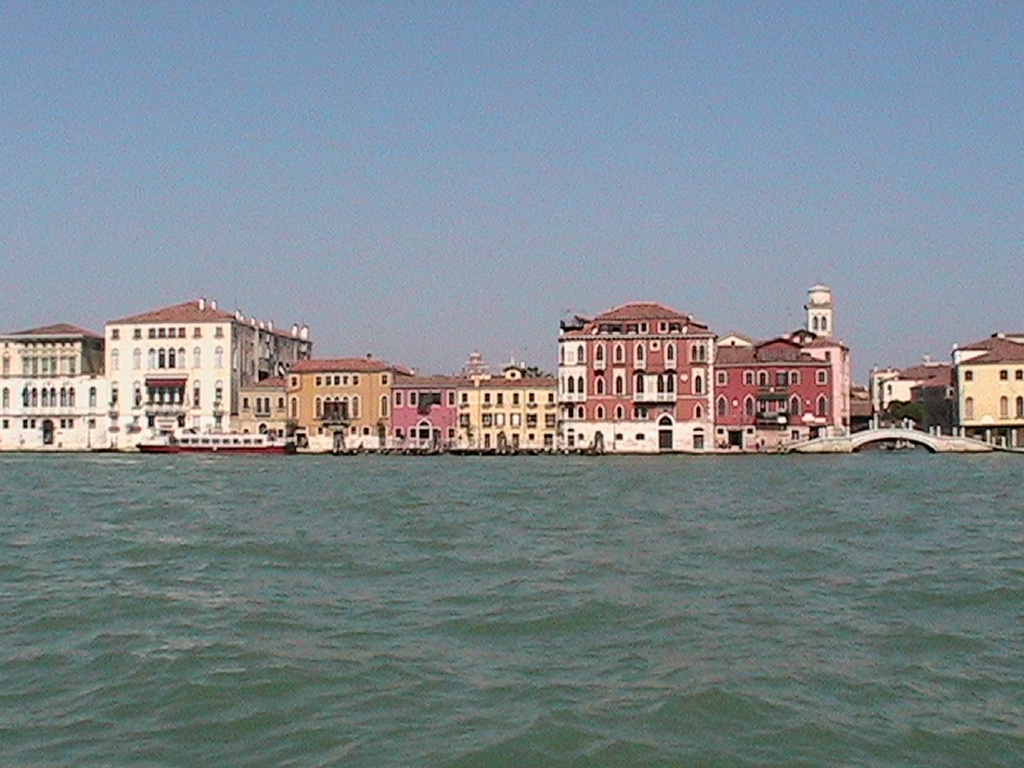
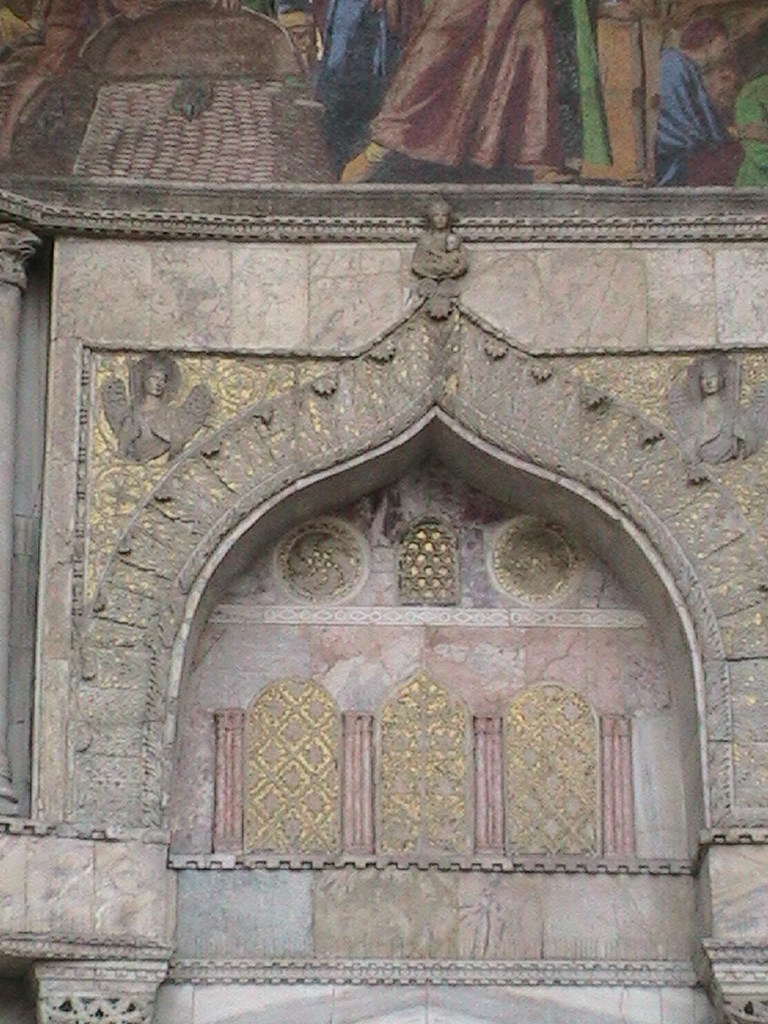
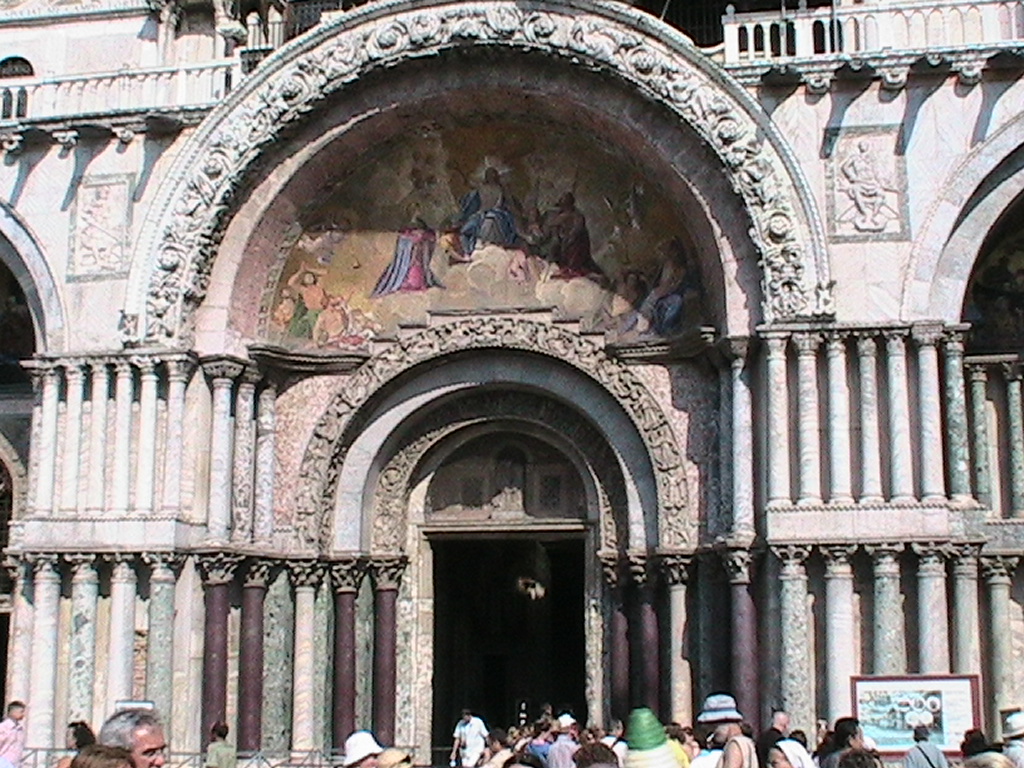
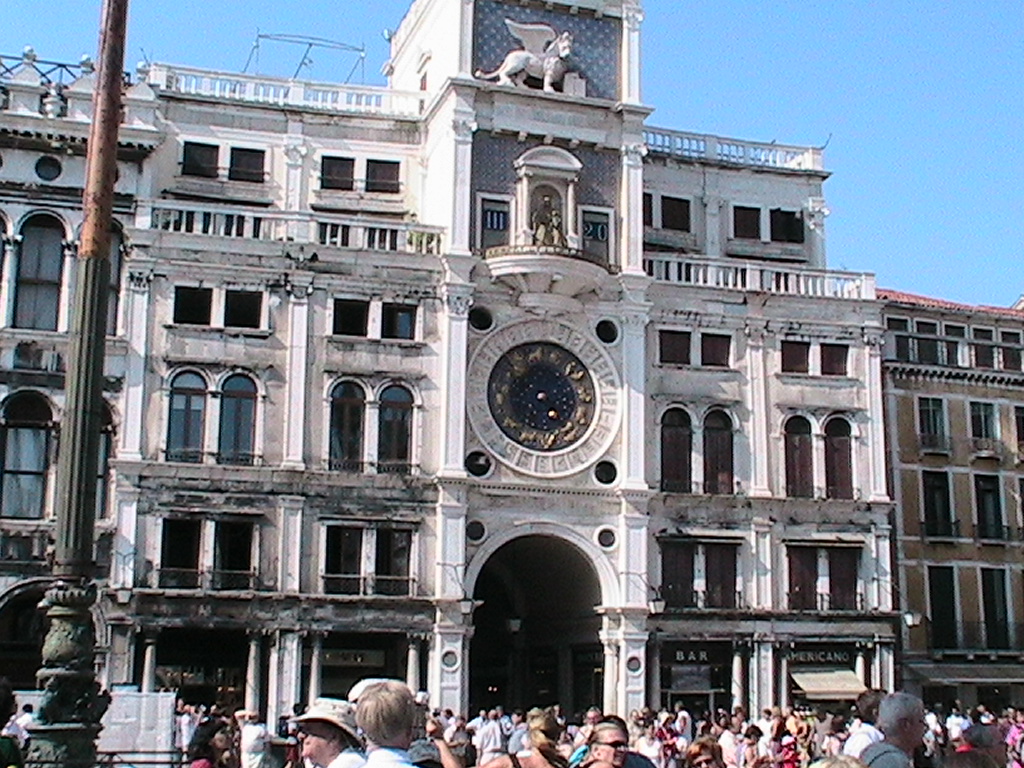
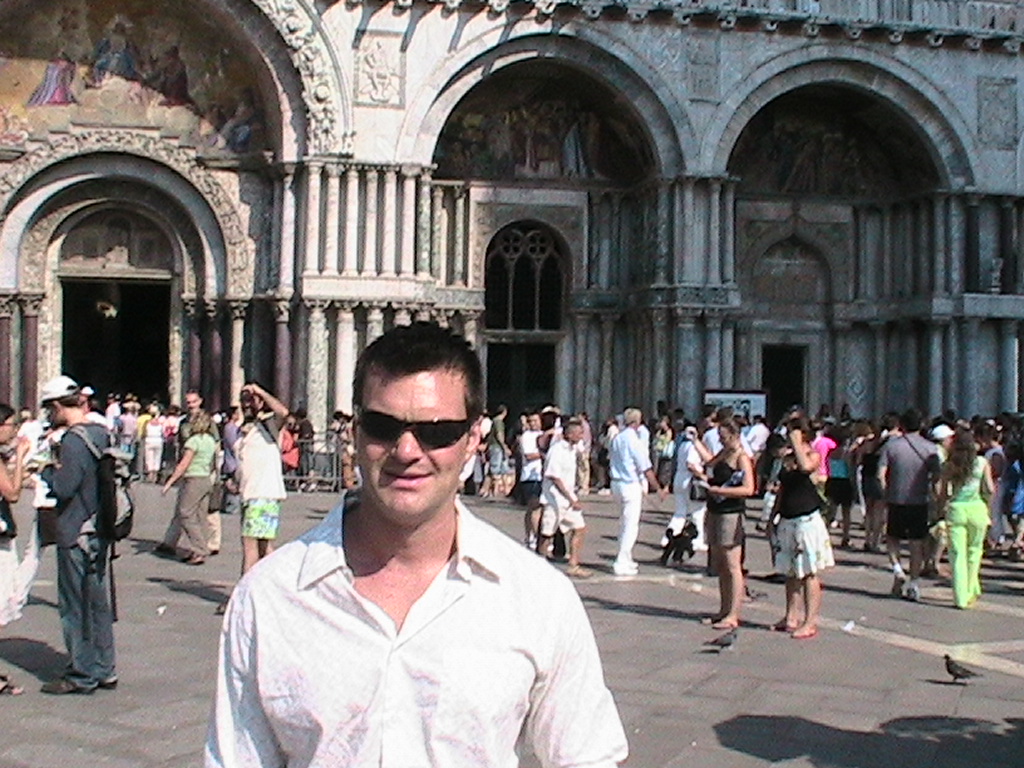
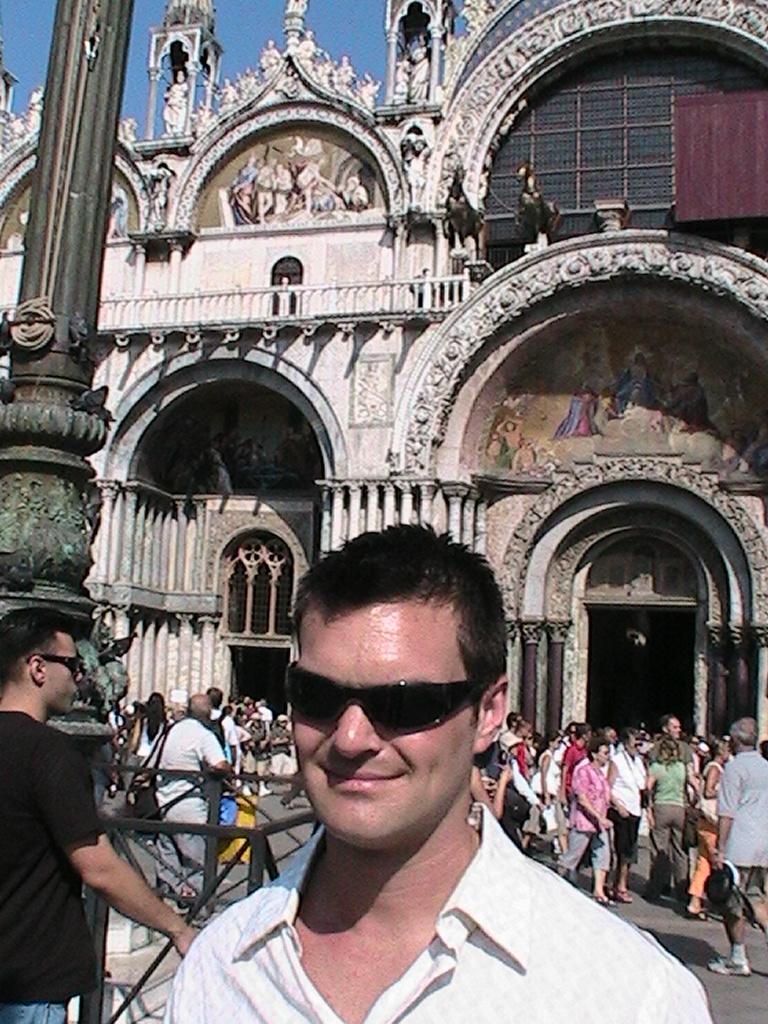
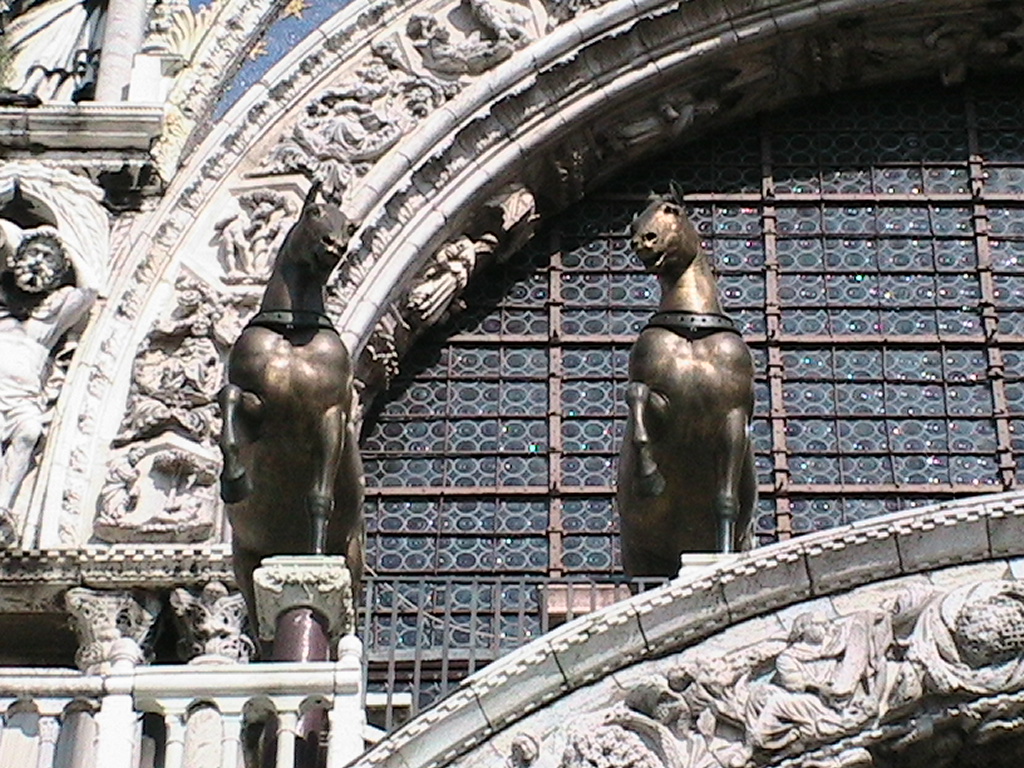
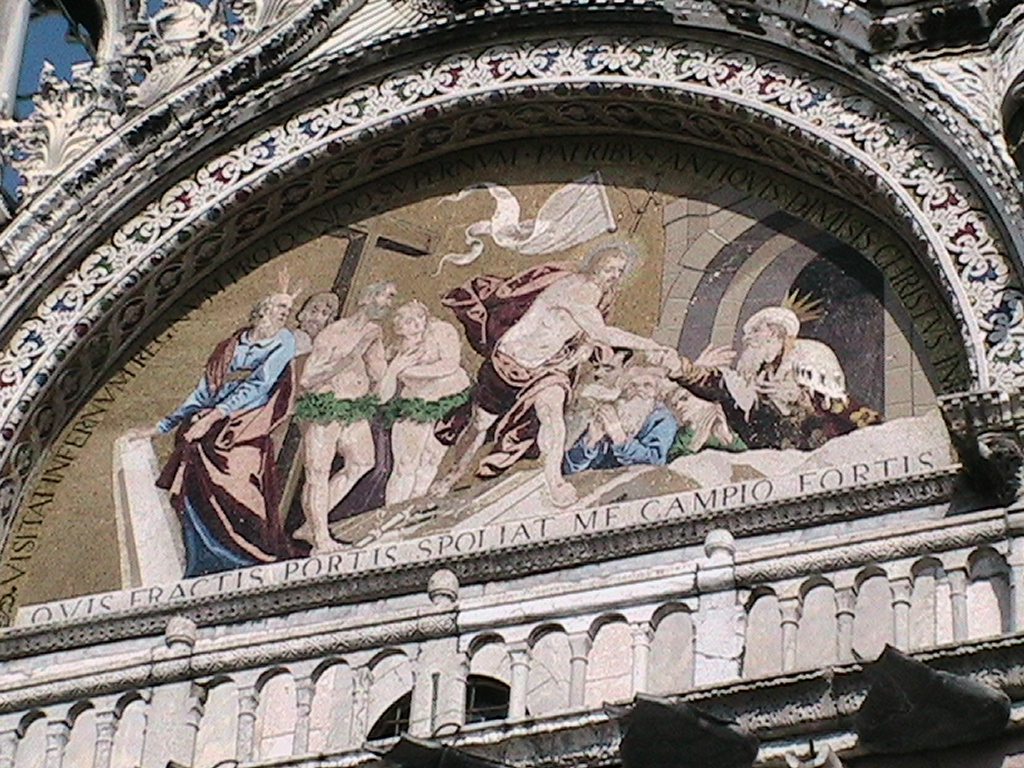
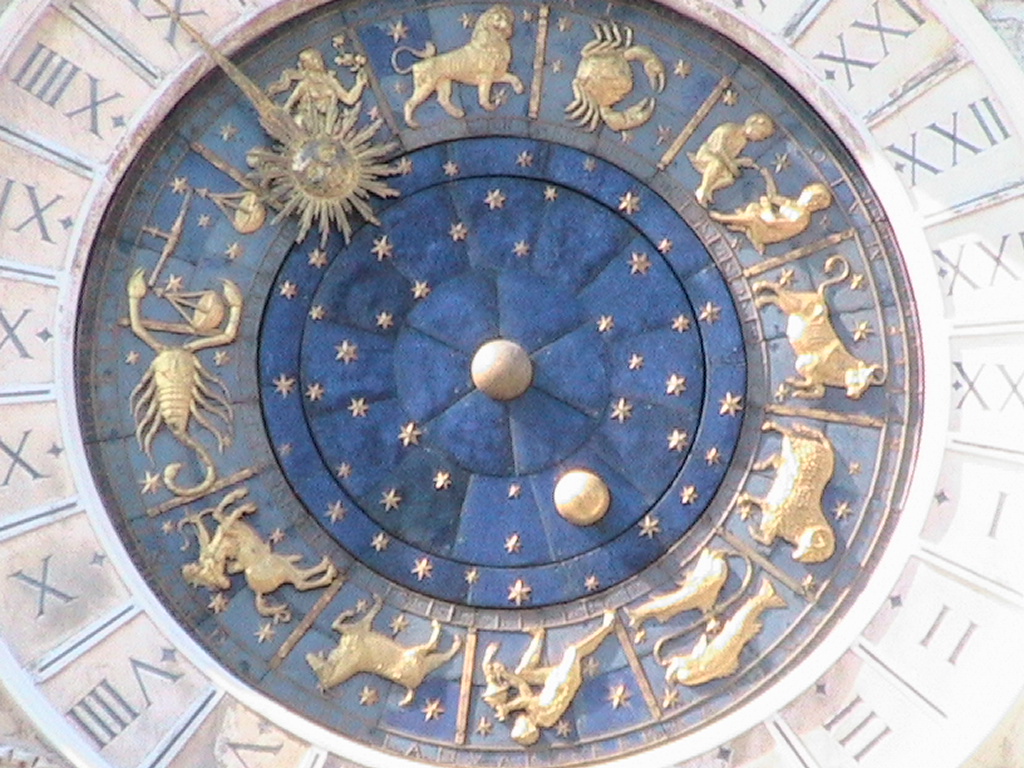
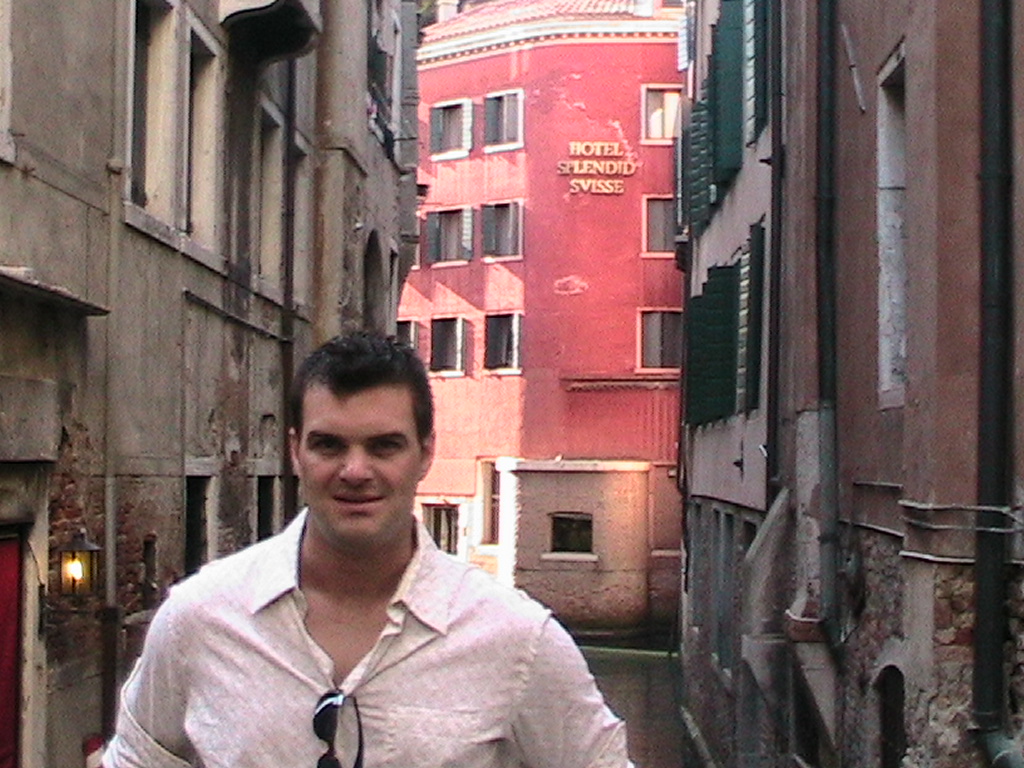
These photographs were taken before the digital era, and they carry the character of early film—softer focus, visible grain, and a more subdued tonal range. While they may lack the sharp clarity of modern images, they reflect the way Venice often feels in memory: slightly muted, atmospheric, and timeless. In a city defined by water, reflection, and the passage of time, the qualities of film photography seem especially appropriate, preserving not just the appearance of Venice, but its mood and sense of place.