Santiago de Compostela Cathedral
Santiago de Compostela Cathedral marks the traditional burial place of Saint James and became one of the most important pilgrimage destinations in medieval Europe. Pilgrims traveled across the continent along the Camino de Santiago, contributing to the exchange of artistic, cultural, and religious traditions. The cathedral reflects the importance of pilgrimage routes in shaping European spiritual life.
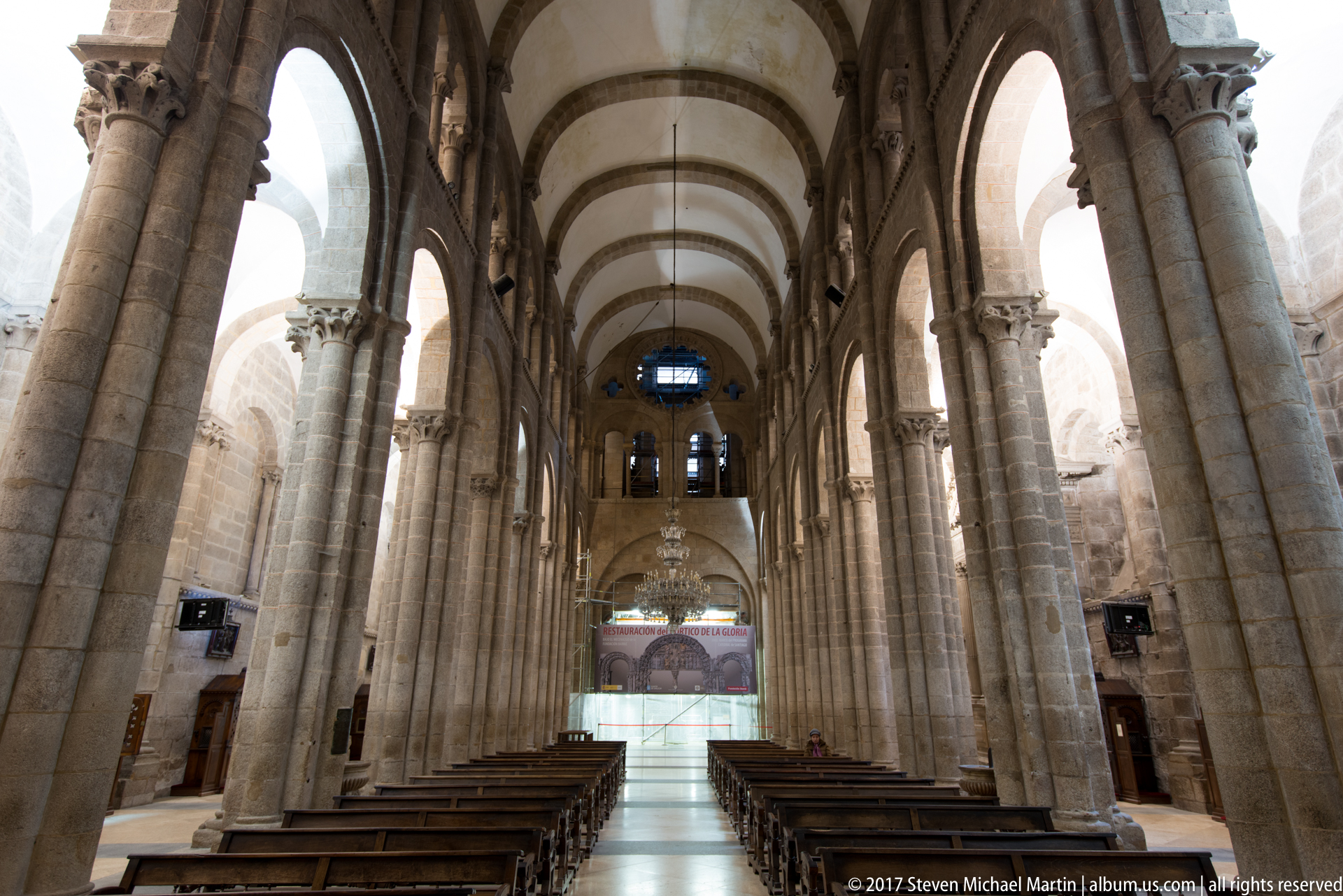
The structure incorporates Romanesque foundations with later Gothic and Baroque additions that illustrate evolving architectural styles over several centuries. Sculptural decoration on the façade and interior spaces demonstrates the craftsmanship associated with religious construction during the medieval period. The cathedral served as both a spiritual destination and a symbol of Christian identity.
Santiago de Compostela Cathedral illustrates the significance of pilgrimage in connecting distant regions of Europe. Its architectural development reflects the cultural influence of religious traditions during the medieval period.