
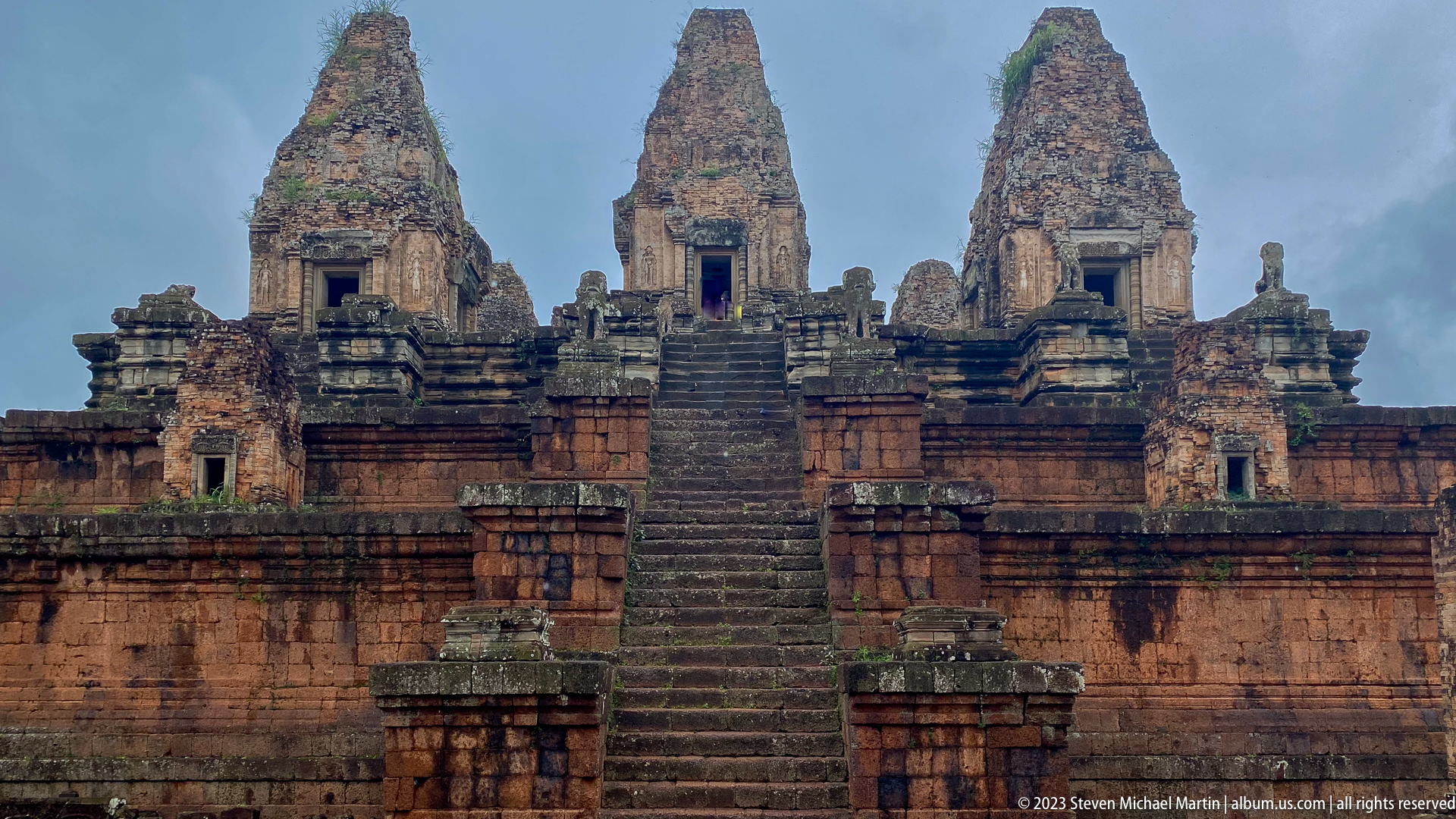
Pre Rup, which means “turn the body”, is a Hindu temple at Angkor, Cambodia, built as the state temple of Khmer king Rajendravarman and dedicated in 961 or early 962. It is a temple mountain of combined brick, laterite and sandstone construction. The name reflects the common belief among Cambodians that funerals were conducted at the […]
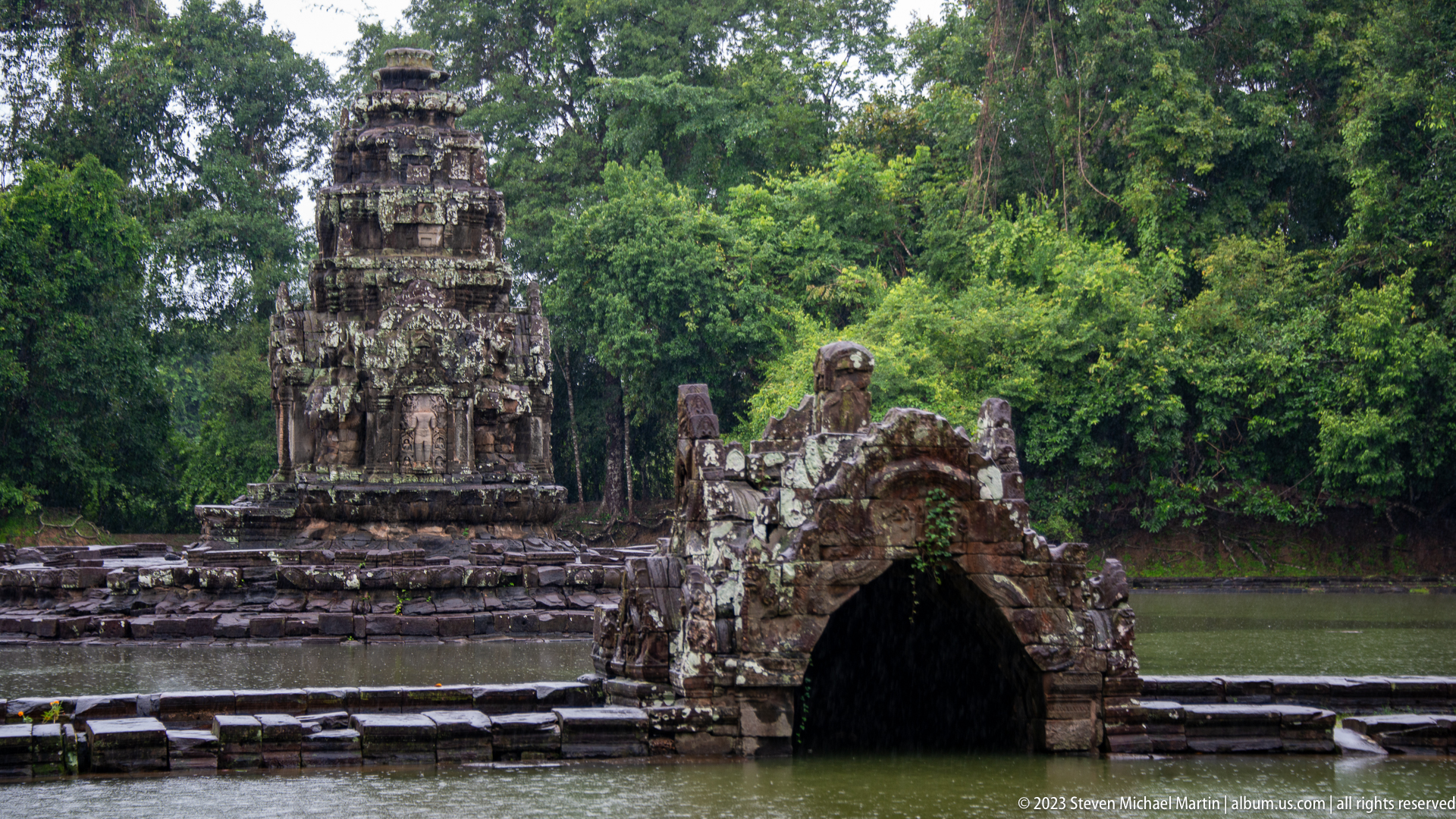
Neak Poan, or “the entwined serpents”), at Angkor, Cambodia is an artificial island with a Hindu temple on a circular island in Jayatataka Baray. It was associated with Preah Khan temple, built during the reign of King Jayavarman VII. It is the “Mebon” of the Preah Khan baray.
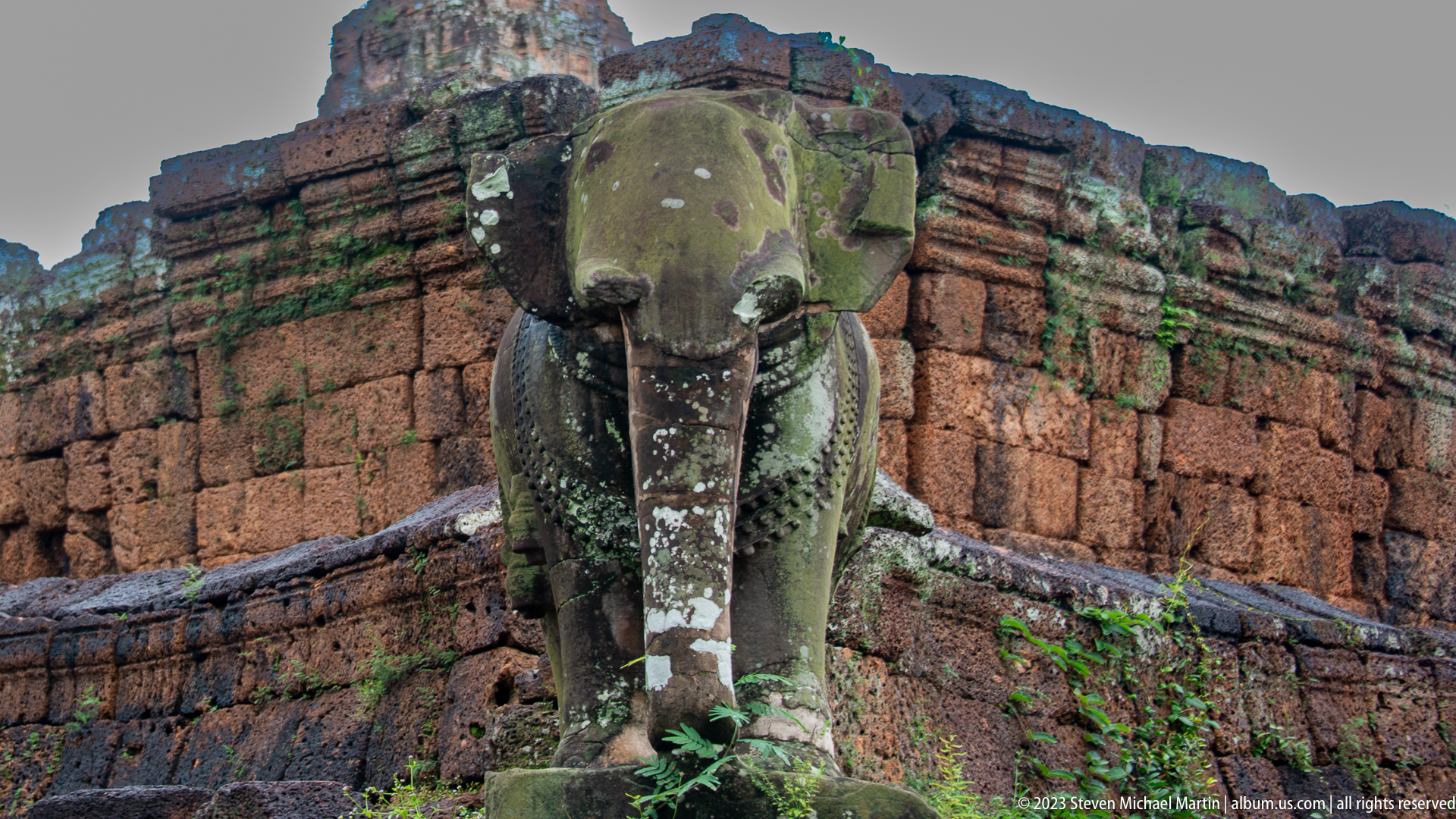
The East Mebon is a 10th Century temple at Angkor, Cambodia. Built during the reign of King Rajendravarman, it stands on what was an artificial island at the center of the now dry East Baray reservoir. The East Mebon was dedicated to the Hindu god Shiva and honors the parents of the king. The East […]
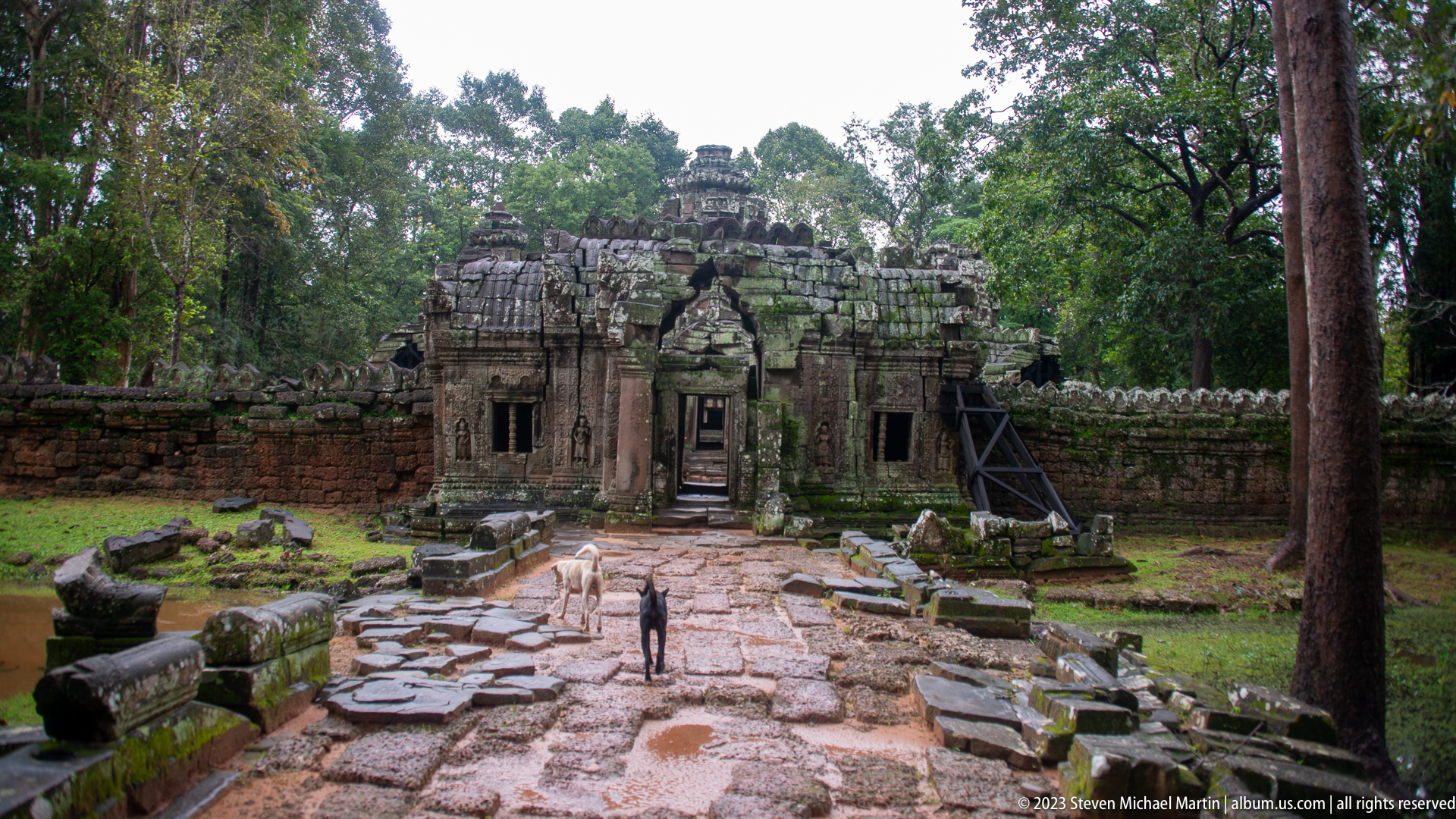
Ta Som is a small temple at Angkor, Cambodia, built at the end of the 12th century for King Jayavarman VII. It is located north east of Angkor Thom and just east of Neak Pean. The King dedicated the temple to his father Dharanindravarman II (Paramanishkalapada) who was King of the Khmer Empire from 1150 […]
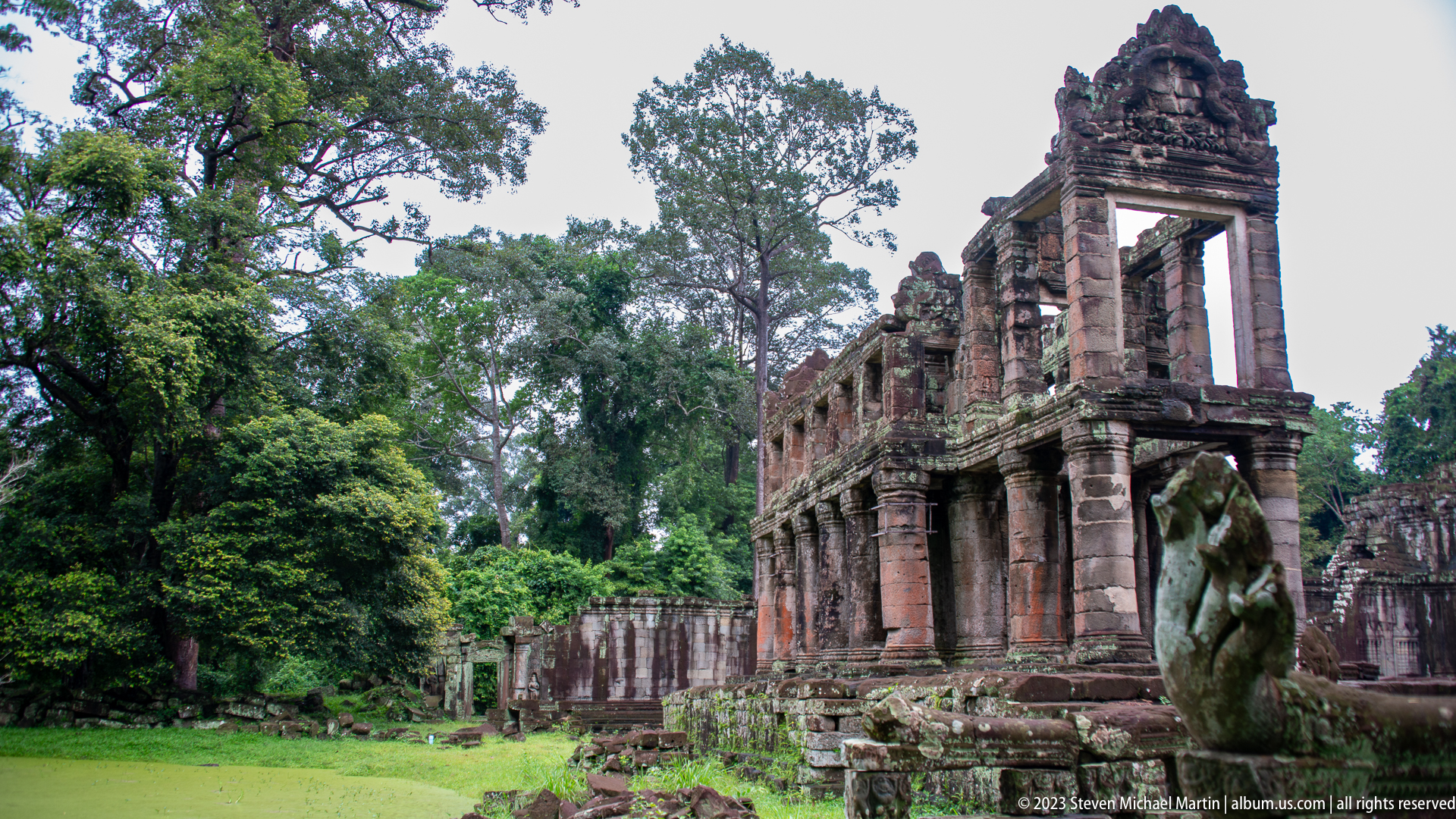
Preah Khan is a temple at Angkor, Cambodia, built in the 12th century for King Jayavarman VII to honor his father. It is located northeast of Angkor Thom. It was the centre of a substantial organisation, with almost 100,000 officials and servants. The temple is flat with successive rectangular galleries around a Buddhist sanctuary complicated […]
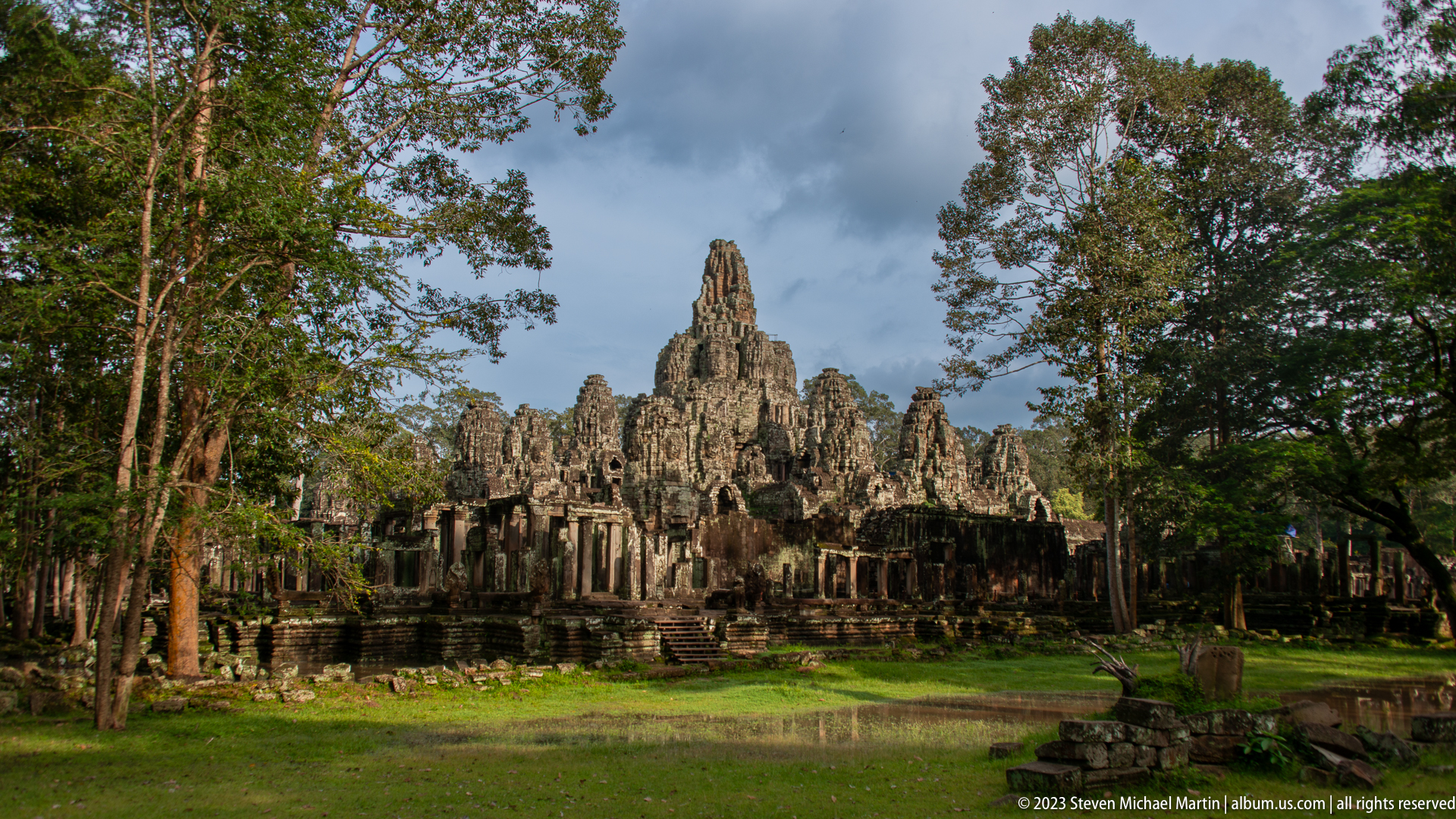
The Bayon is a richly decorated Khmer temple related to Buddhism at Angkor in Cambodia. Built in the late 12th or early 13th century as the state temple of the King Jayavarman VII, the Bayon stands at the centre of Jayavarman’s capital, Angkor Thom. The Bayon’s most distinctive feature is the multitude of serene and […]

Angkor Thom (or the “Great City”) was the last and most enduring capital city of the Khmer Empire. It was established in the late twelfth century by King Jayavarman VII and covered an area of 9 km², within which are located several monuments from earlier eras as well as those established by Jayavarman and his […]