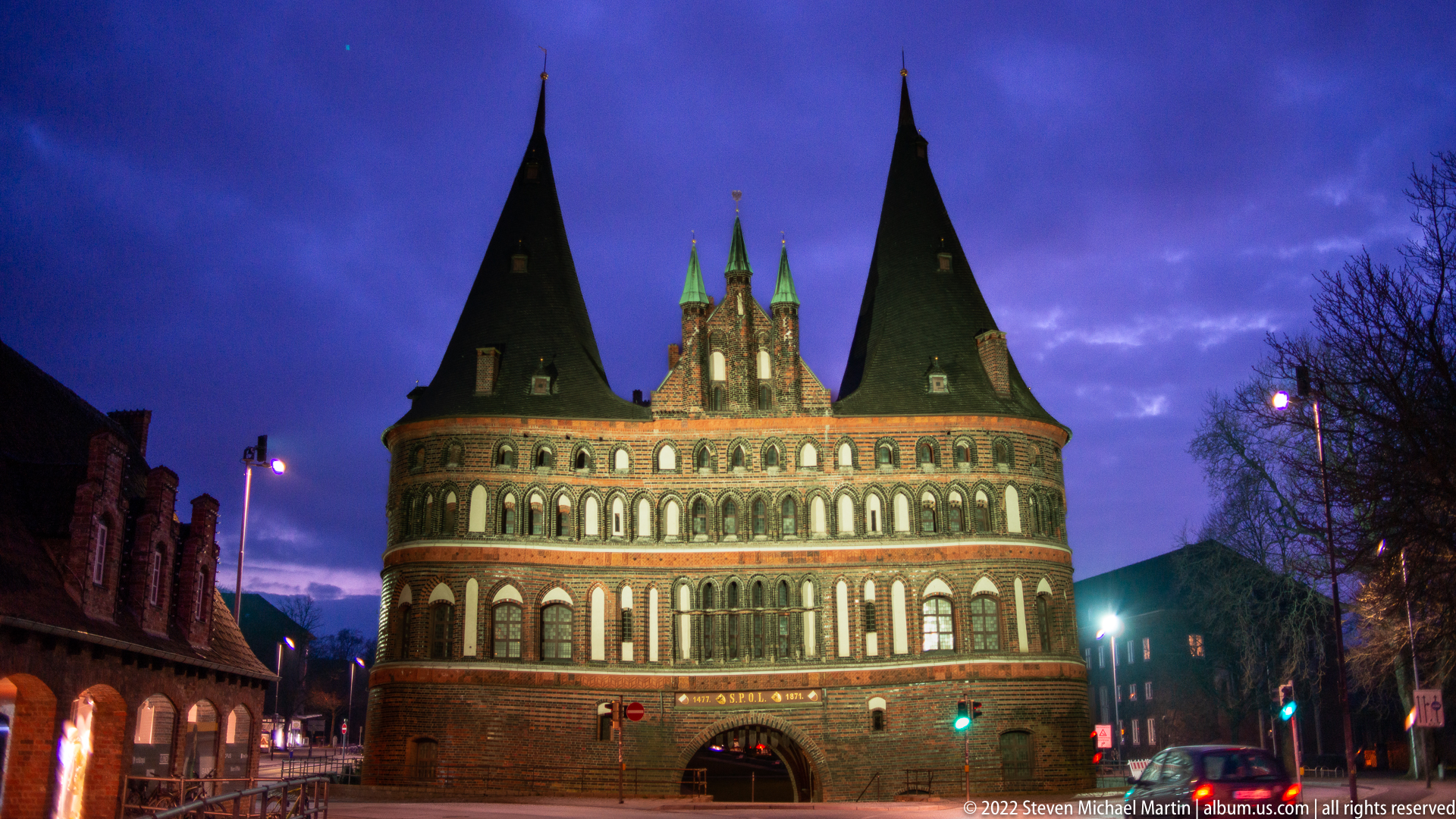
Lübeck – Germany Lübeck stands along the Trave River near the Baltic coast and was one of the most powerful and influential cities of the Hanseatic League. Often referred to as the “Queen of the Hanseatic League,” the city served as a central hub for trade throughout northern Europe during the medieval period. The historic […]
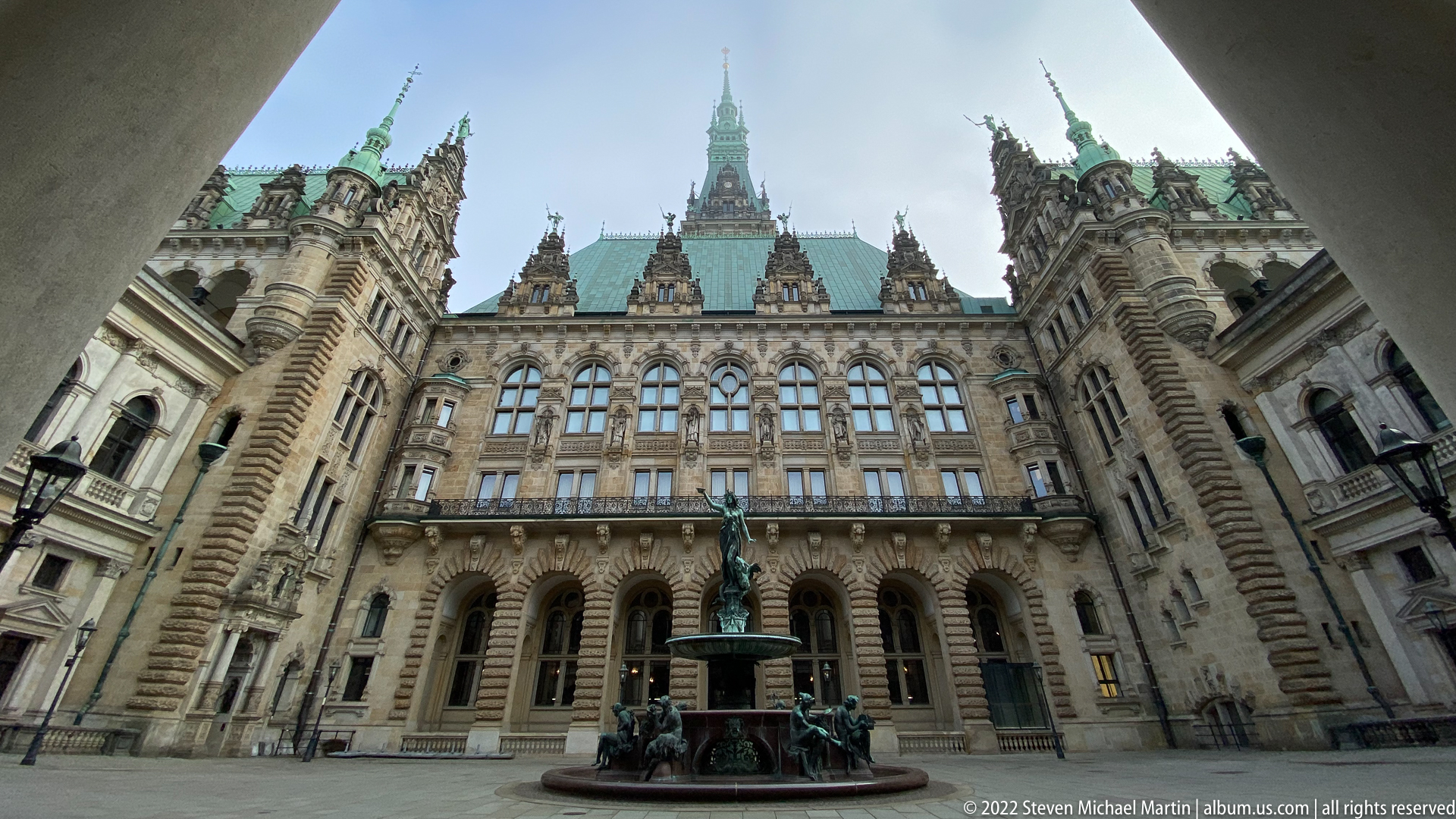
Hamburg – Germany Hamburg lies along the Elbe River near its broad estuary into the North Sea, making it one of the most important port cities in northern Europe. During the Middle Ages the city became a major member of the Hanseatic League, the powerful trading alliance that linked merchant cities across the Baltic and […]
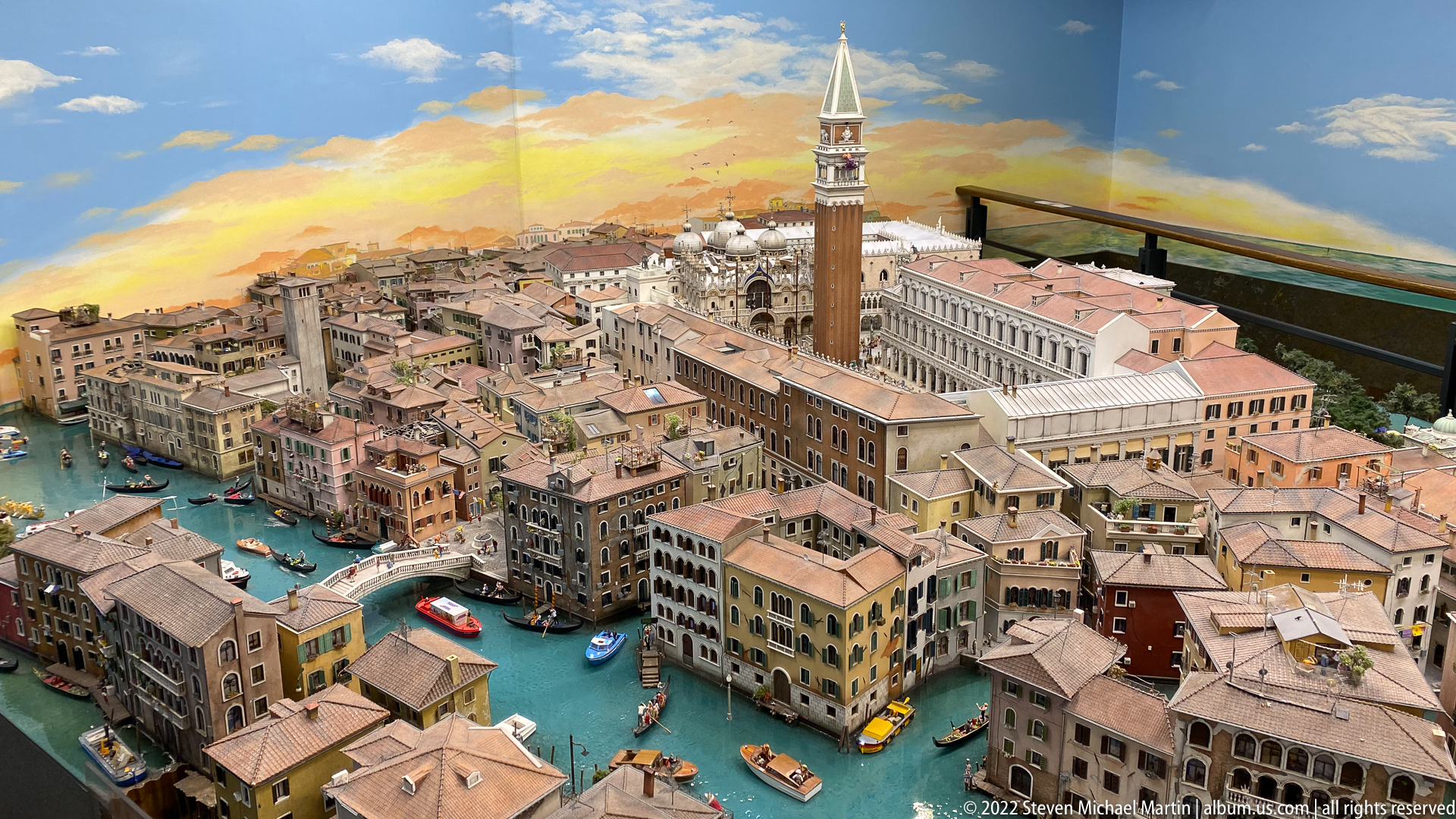
Miniatur Wunderland – Hamburg, Germany Miniatur Wunderland is one of the most popular attractions in Hamburg, located within the historic warehouse district known as Speicherstadt, itself a UNESCO World Heritage Site. The museum features the world’s largest model railway system, displaying miniature landscapes from many regions of the world. The detailed exhibits recreate cities, mountains, […]
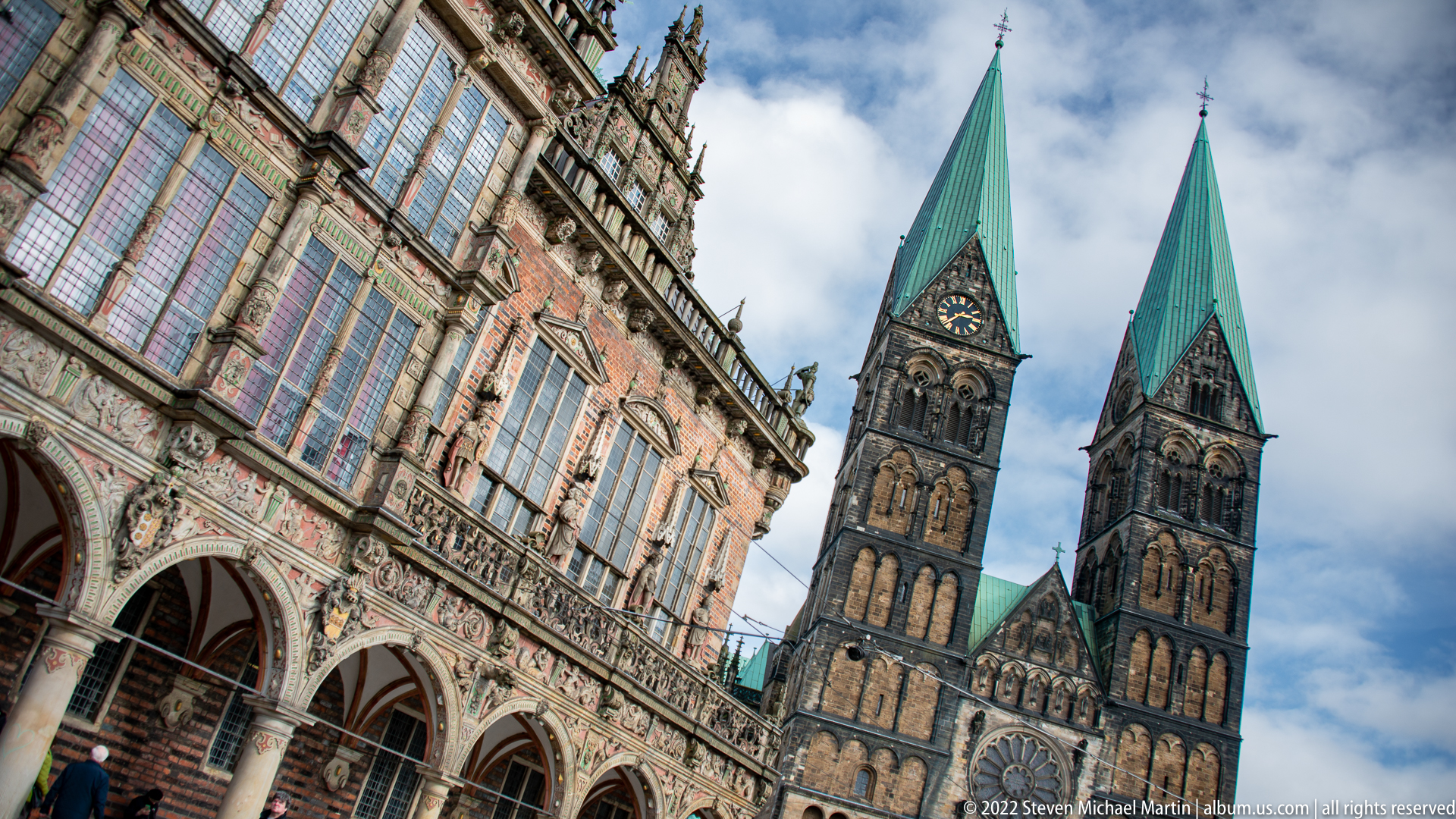
Bremen – Germany The city of Bremen lies along the Weser River in northern Germany and was one of the important members of the Hanseatic League, the powerful alliance of merchant cities that dominated trade across the Baltic and North Seas during the Middle Ages. The historic center of Bremen contains one of the most […]
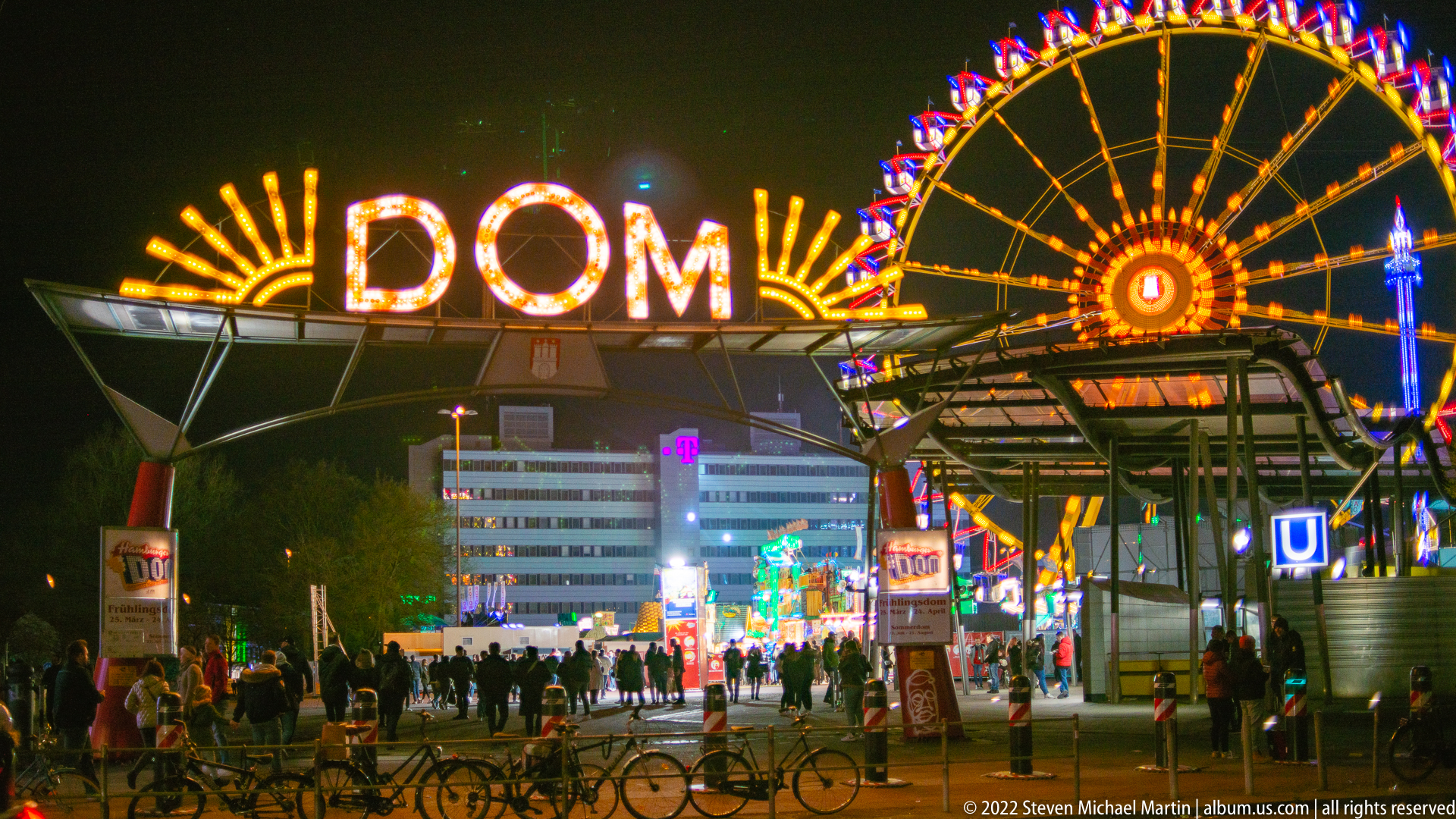
Hamburger Dom – Hamburg, Germany The Hamburger Dom is one of the largest and most famous public fairs in northern Germany, held several times each year in the city of Hamburg. Despite its name, the event is not connected to a cathedral but instead traces its origins to medieval markets that once took place near […]
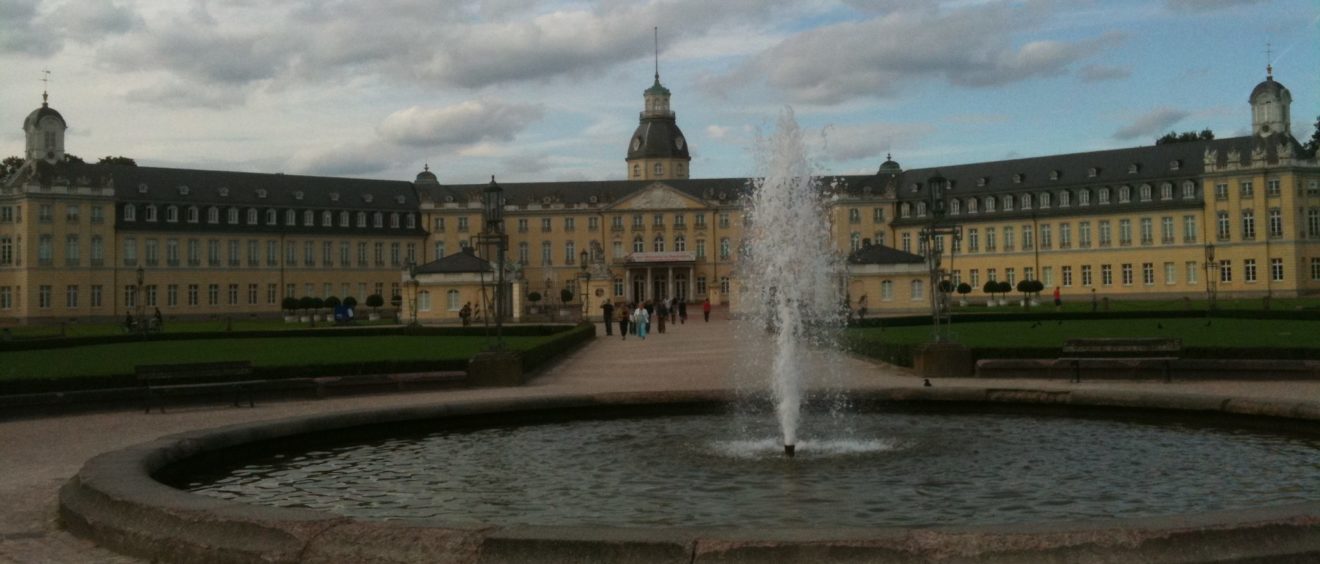
Karlruhe Karlsruhe is known for its distinctive urban design, developed in the eighteenth century as a planned city organized around a radial layout centered on Karlsruhe Palace. The city’s structured street pattern reflects Enlightenment-era planning principles emphasizing symmetry, visibility, and civic order. The city’s location near the Rhine River and the modern French border contributed […]
Berlin Berlin reflects the political and cultural transformation of Germany across the twentieth century, serving as both the historic capital of Prussia and later the focal point of Cold War division between East and West. The city’s urban landscape preserves architectural and memorial sites associated with major historical events that shaped modern European political development. […]
Cologne Cologne developed as an important Roman settlement and later became a major religious center within the Holy Roman Empire. The city’s most recognizable landmark, Cologne Cathedral, represents one of the most significant examples of Gothic architecture in Europe and reflects centuries of ecclesiastical influence within the region. Located along the Rhine River, Cologne’s position […]
Germany Driving Tour A driving tour through Germany provides an opportunity to experience the country’s regional diversity, where historic towns, rural landscapes, and modern transportation infrastructure connect locations shaped by centuries of political and cultural development. Germany’s central geographic position within Europe has contributed to its role as a crossroads of trade, intellectual exchange, and […]
Munich Munich developed as the historic capital of Bavaria and remains one of Germany’s most culturally significant cities, known for its architectural heritage, public squares, and long tradition of artistic patronage. The city’s historic center reflects centuries of political influence associated with Bavarian rulers, whose support for architecture, music, and visual arts shaped Munich’s identity […]