Beijing Hutongs Beijing’s hutongs are narrow lanes that preserve traditional residential patterns developed over many centuries. The arrangement of courtyard houses reflects principles of spatial organization associated with family structure and social hierarchy. These neighborhoods provide insight into daily life within historic sections of the imperial capital. The layout of hutongs demonstrates urban planning practices […]
Beijing Downtown Downtown Beijing reflects the long-standing role of the city as an administrative and cultural center shaped by imperial planning principles. Major avenues follow axial alignments originally associated with palace complexes and ceremonial spaces. The urban environment illustrates how historic city planning continues to influence modern development. Contemporary buildings stand alongside traditional architectural forms, […]
Beijing at Night Beijing presents a distinctive visual environment after sunset, when historic monuments and modern structures are illuminated throughout the city. Carefully designed lighting emphasizes architectural details of imperial buildings, ceremonial avenues, and contemporary developments. The contrast between illuminated structures and the evening sky highlights the scale of the capital’s urban design. Nighttime views […]
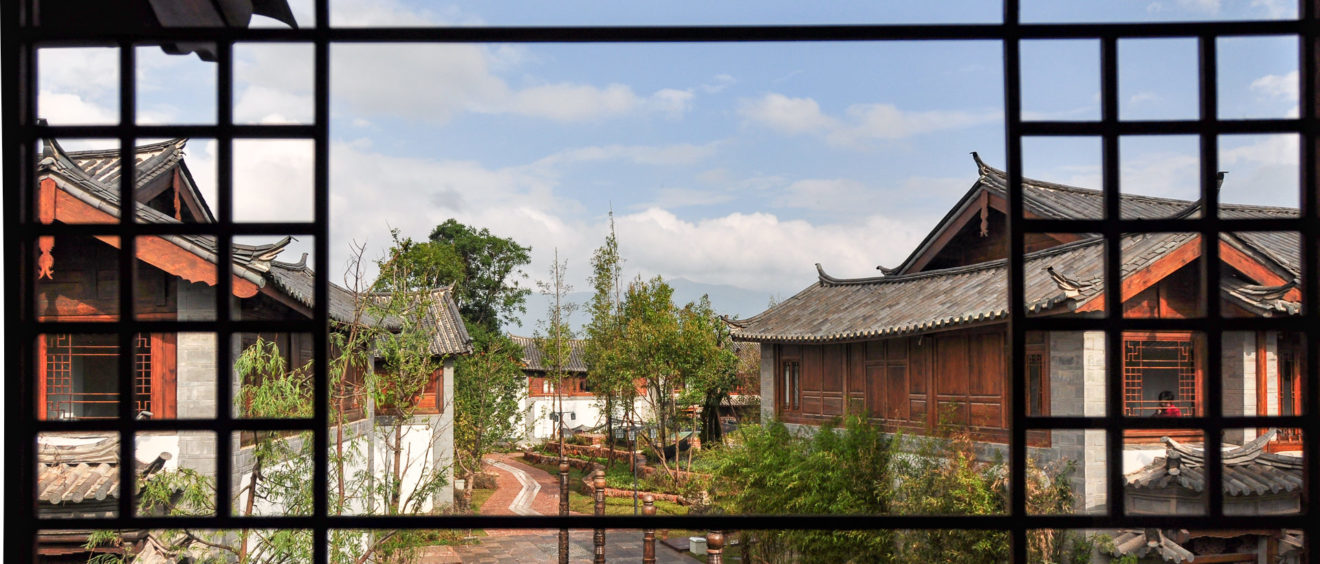
Lijiang Lijiang is a historic town located in Yunnan Province known for its preserved traditional architecture and network of canals and narrow streets. The urban layout reflects centuries of development influenced by regional trade routes connecting southwestern China with neighboring cultural regions. Timber-framed buildings and stone bridges illustrate traditional construction techniques adapted to the mountain […]
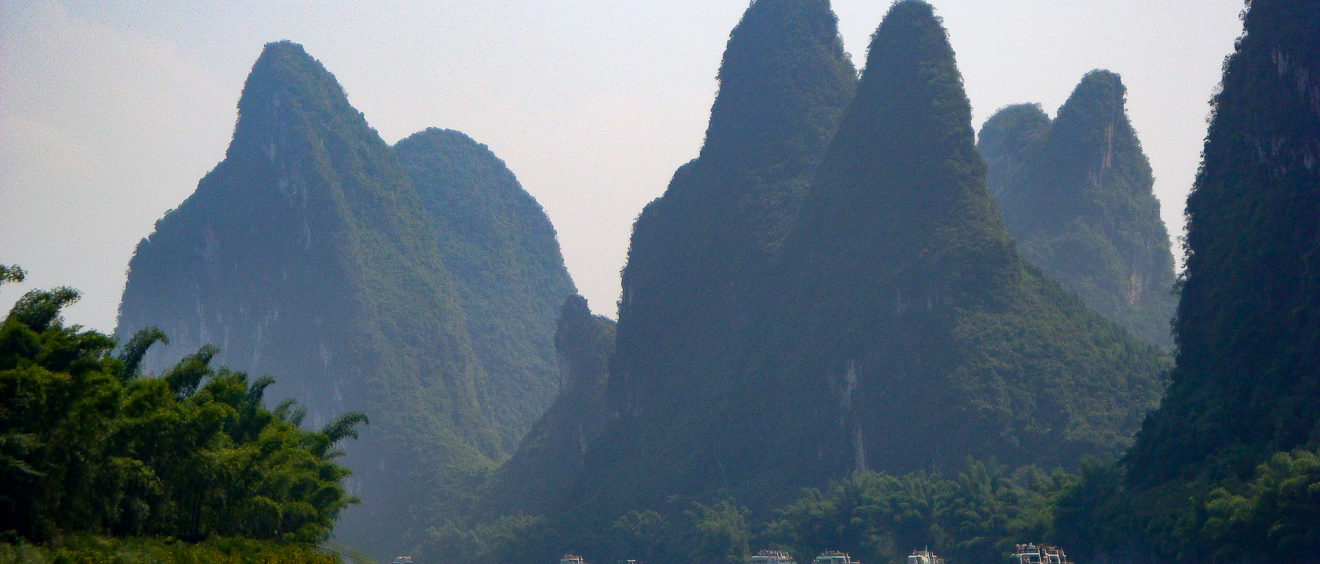
Guilin Guilin is known for its distinctive karst landscape, characterized by steep limestone peaks rising above river valleys and agricultural plains. The region’s natural scenery has influenced artistic traditions in Chinese painting and poetry for centuries. Its landscape demonstrates the interaction between geology and cultural expression in Chinese history. The Li River flows through the […]
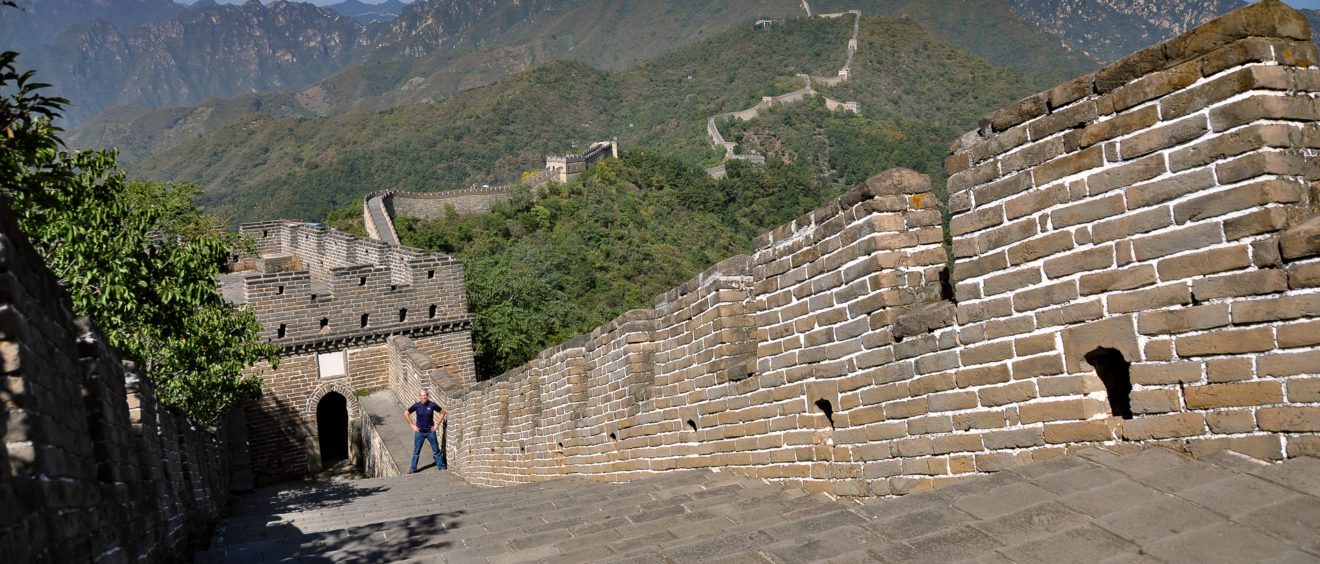
Great Wall The Great Wall of China consists of a series of defensive fortifications constructed over many centuries to protect imperial territories from incursions across the northern frontier. Built using stone, brick, and compacted earth, the wall extends across mountain ridges and valleys, demonstrating large-scale engineering capabilities. Watchtowers and fortified passes illustrate the strategic planning […]
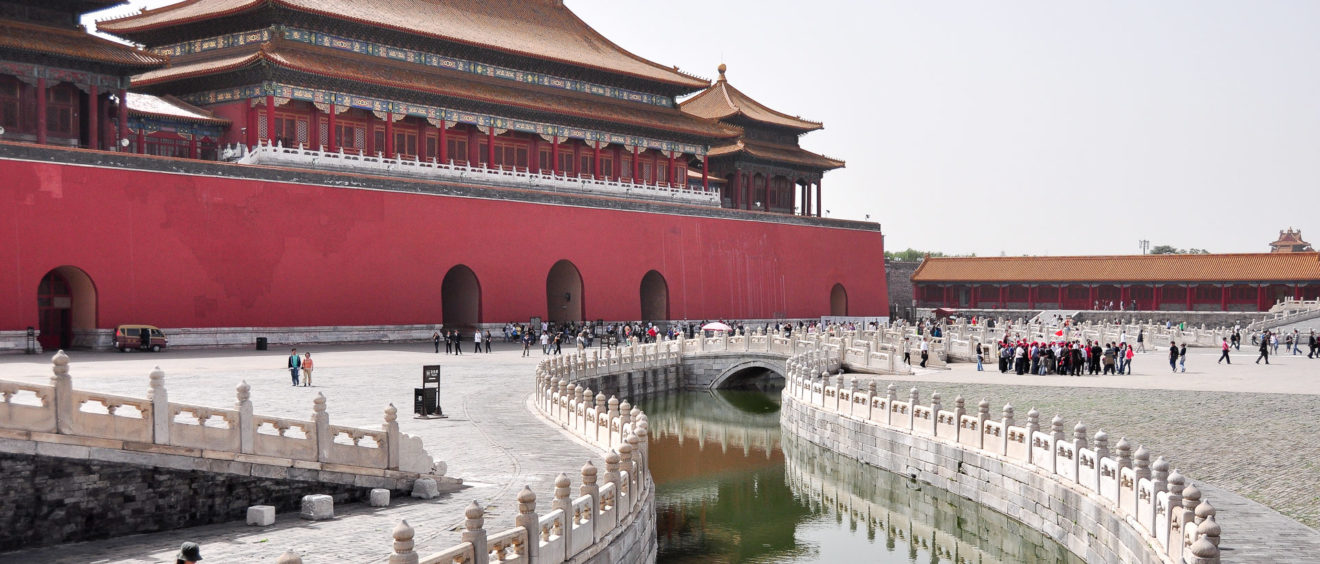
Forbidden City The Forbidden City served as the imperial palace for Ming and Qing dynasty emperors for nearly five centuries. The vast complex consists of ceremonial halls, residential quarters, and administrative buildings arranged along a central north–south axis. The layout reflects principles of symmetry and hierarchy that were fundamental to imperial Chinese architecture. High defensive […]
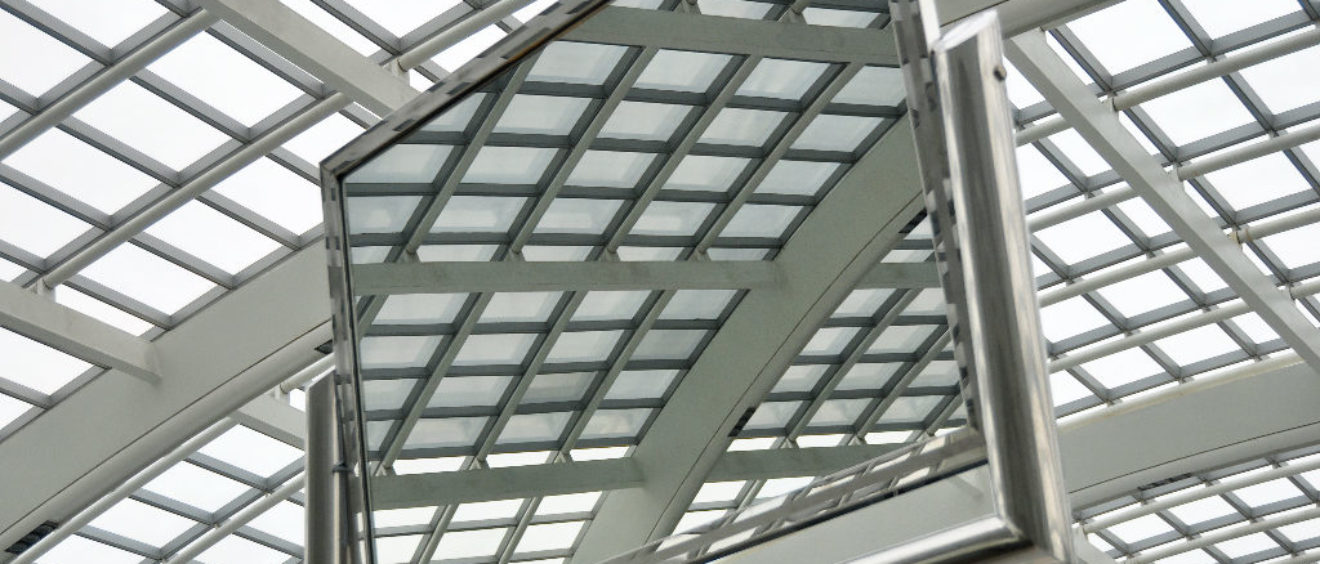
Beijing Airport Beijing serves as one of the primary gateways to China’s historic capital, a city that has functioned as the political and cultural center of multiple imperial dynasties. Modern transportation infrastructure provides access to sites associated with the Ming and Qing emperors, whose architectural projects shaped the layout of the city. The contrast between […]