Chinese Empires

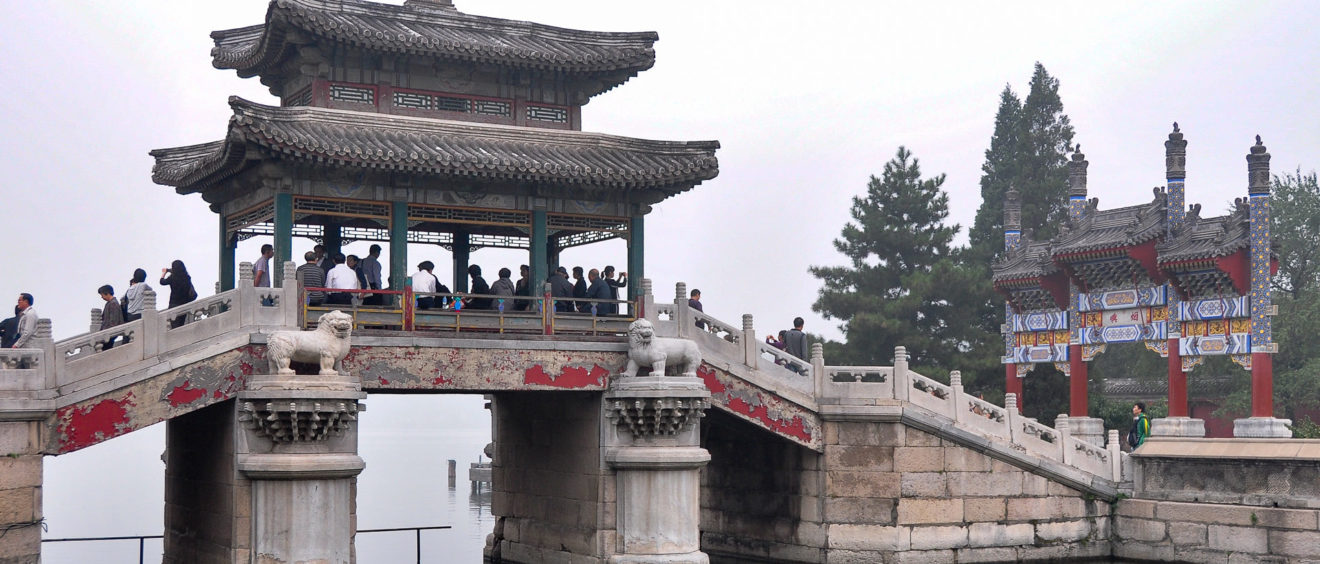
Summer Palace, Beijing, China

Summer Palace The Summer Palace served as an imperial retreat during the Qing dynasty and reflects principles of traditional Chinese garden design. The complex includes pavilions, bridges, and landscaped areas arranged around Kunming Lake. Architectural features were designed to harmonize with the natural environment, emphasizing balance between built form and landscape. Structures such as covered […]
Read More

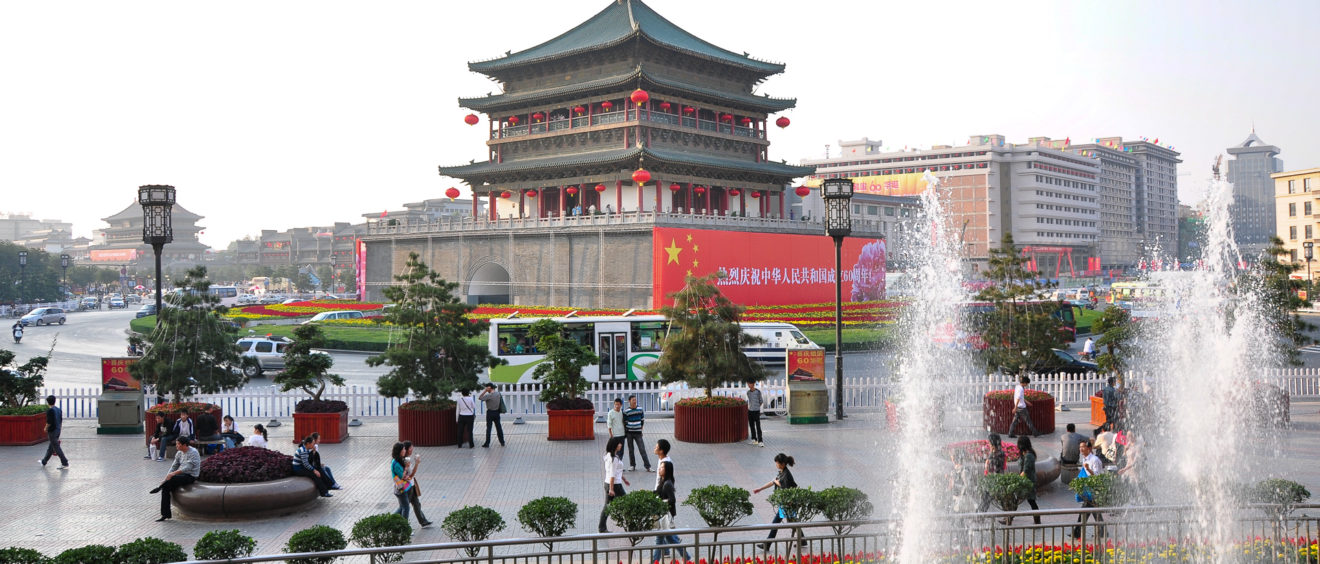
Xi-An

Xi’an Xi’an served as the capital for several important Chinese dynasties, including the Qin, Han, and Tang, making it one of the most historically significant cities in China. Its position at the eastern end of the Silk Road connected the imperial capital with trade routes extending across Central Asia and beyond. The city’s long history […]

Read More

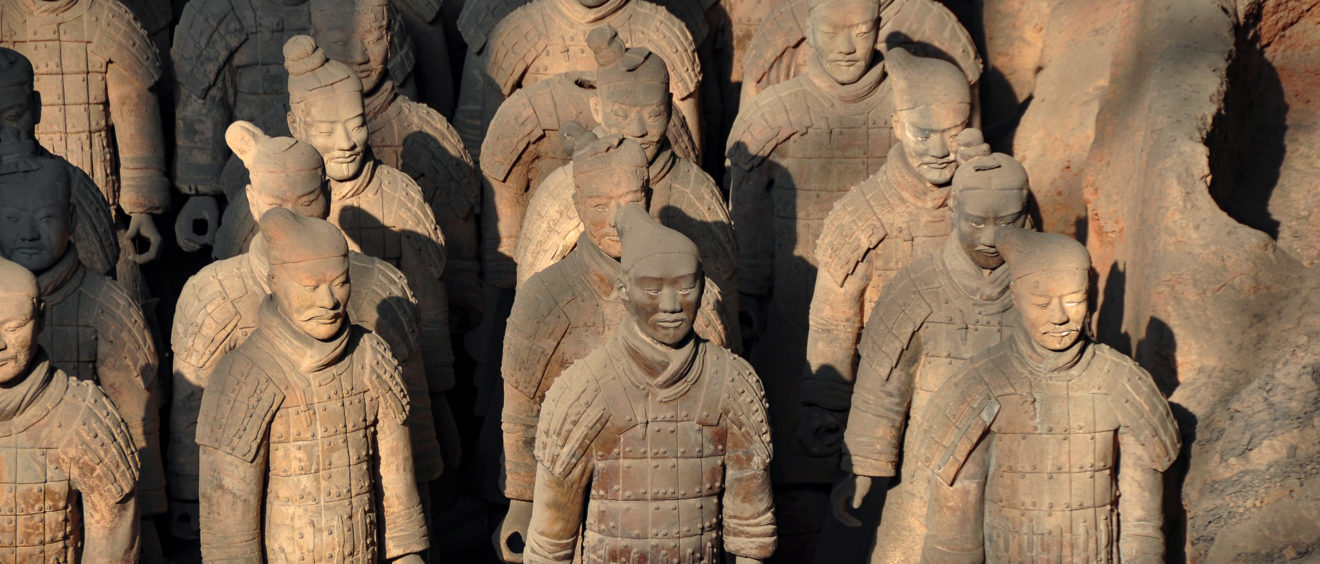
Terra Cotta Warriors

Terracotta Warriors The Terracotta Army was created during the Qin dynasty to accompany the first emperor of unified China, Qin Shi Huang, in the afterlife. Thousands of life-sized figures representing soldiers, horses, and chariots were arranged in military formation within large underground burial pits. The scale of the complex reflects the administrative and artistic capabilities […]

Read More

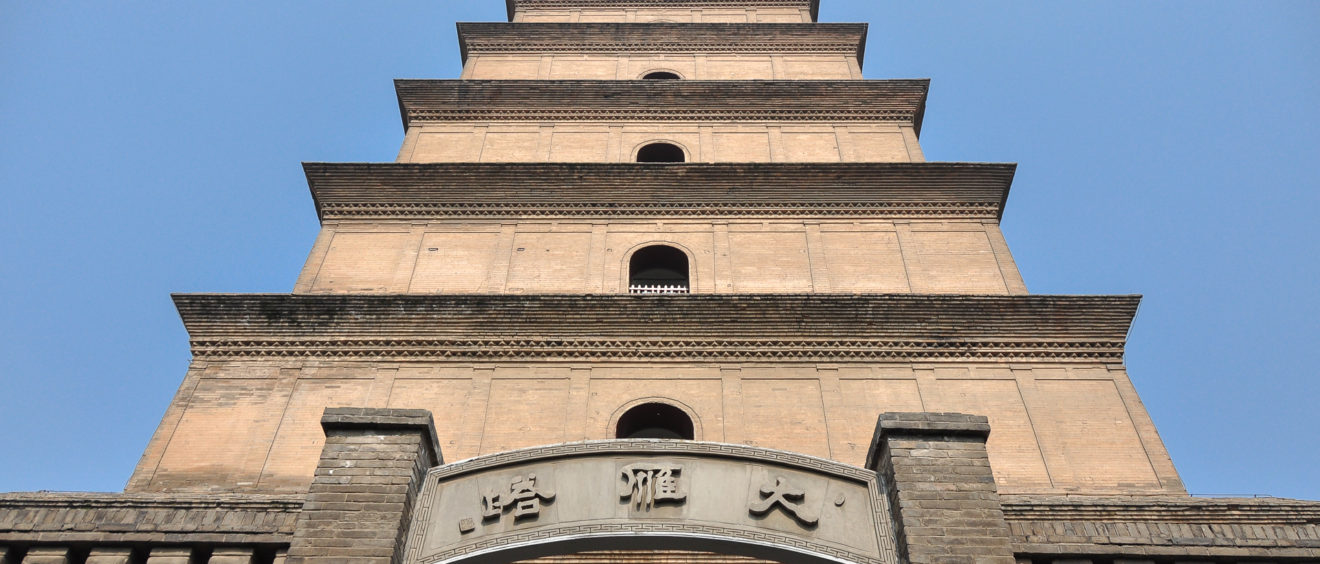
Giant Wild Goose Pagoda, Xi’an, China

Giant Wild Goose Pagoda The Giant Wild Goose Pagoda was constructed during the Tang dynasty and is associated with the introduction of Buddhist texts brought from India to China. The structure was originally built to house sacred scriptures translated by the monk Xuanzang, whose travels contributed to the spread of Buddhist teachings. The pagoda reflects […]

Read More

Tiananmen Square

Tiananmen Square Tiananmen Square is one of the largest public squares in the world and forms part of the ceremonial axis associated with the historic center of Beijing. The square is located near the entrance to the Forbidden City, emphasizing the relationship between public space and imperial authority. Its scale reflects the importance of ceremonial […]

Read More

Beijing Hutongs

Beijing Hutongs Beijing’s hutongs are narrow lanes that preserve traditional residential patterns developed over many centuries. The arrangement of courtyard houses reflects principles of spatial organization associated with family structure and social hierarchy. These neighborhoods provide insight into daily life within historic sections of the imperial capital. The layout of hutongs demonstrates urban planning practices […]

Read More

Beijing Downtown

Beijing Downtown Downtown Beijing reflects the long-standing role of the city as an administrative and cultural center shaped by imperial planning principles. Major avenues follow axial alignments originally associated with palace complexes and ceremonial spaces. The urban environment illustrates how historic city planning continues to influence modern development. Contemporary buildings stand alongside traditional architectural forms, […]

Read More

Beijing at Night

Beijing at Night Beijing presents a distinctive visual environment after sunset, when historic monuments and modern structures are illuminated throughout the city. Carefully designed lighting emphasizes architectural details of imperial buildings, ceremonial avenues, and contemporary developments. The contrast between illuminated structures and the evening sky highlights the scale of the capital’s urban design. Nighttime views […]

Read More

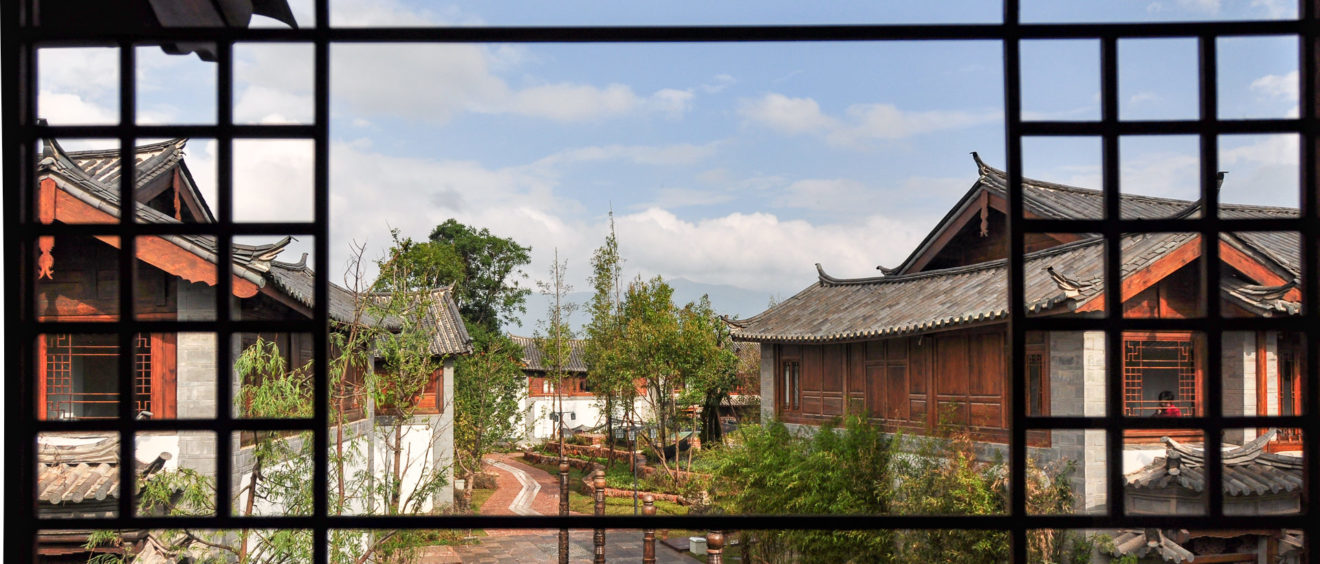
Lijiang, China

Lijiang Lijiang is a historic town located in Yunnan Province known for its preserved traditional architecture and network of canals and narrow streets. The urban layout reflects centuries of development influenced by regional trade routes connecting southwestern China with neighboring cultural regions. Timber-framed buildings and stone bridges illustrate traditional construction techniques adapted to the mountain […]

Read More

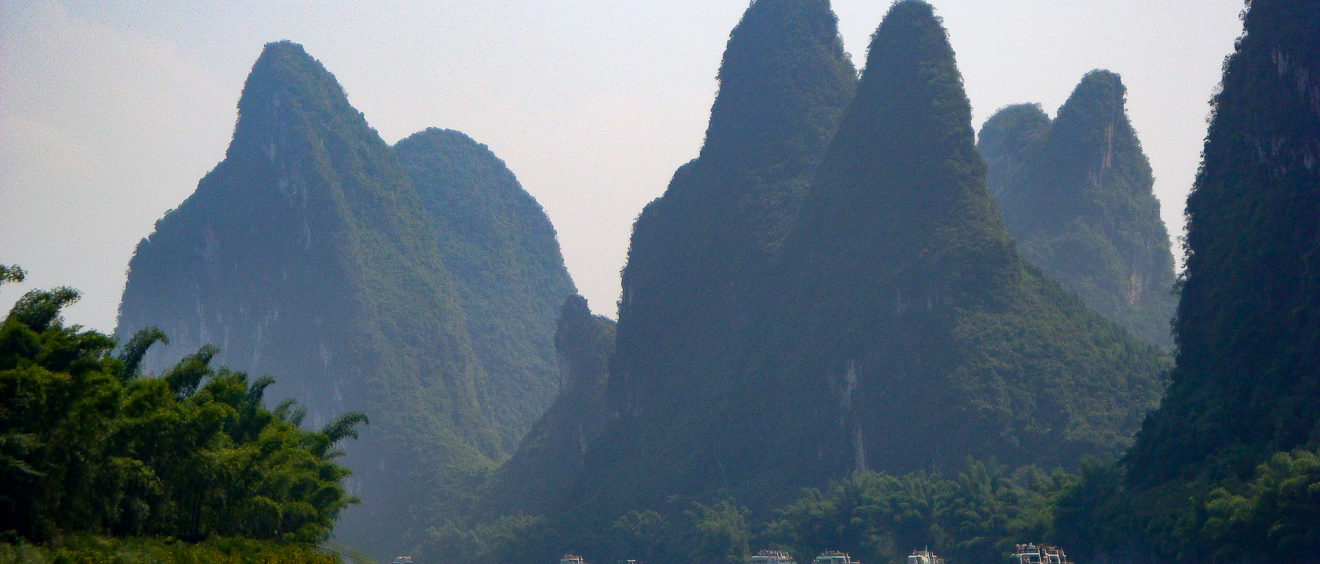
Guilin, China

Guilin Guilin is known for its distinctive karst landscape, characterized by steep limestone peaks rising above river valleys and agricultural plains. The region’s natural scenery has influenced artistic traditions in Chinese painting and poetry for centuries. Its landscape demonstrates the interaction between geology and cultural expression in Chinese history. The Li River flows through the […]

Read More