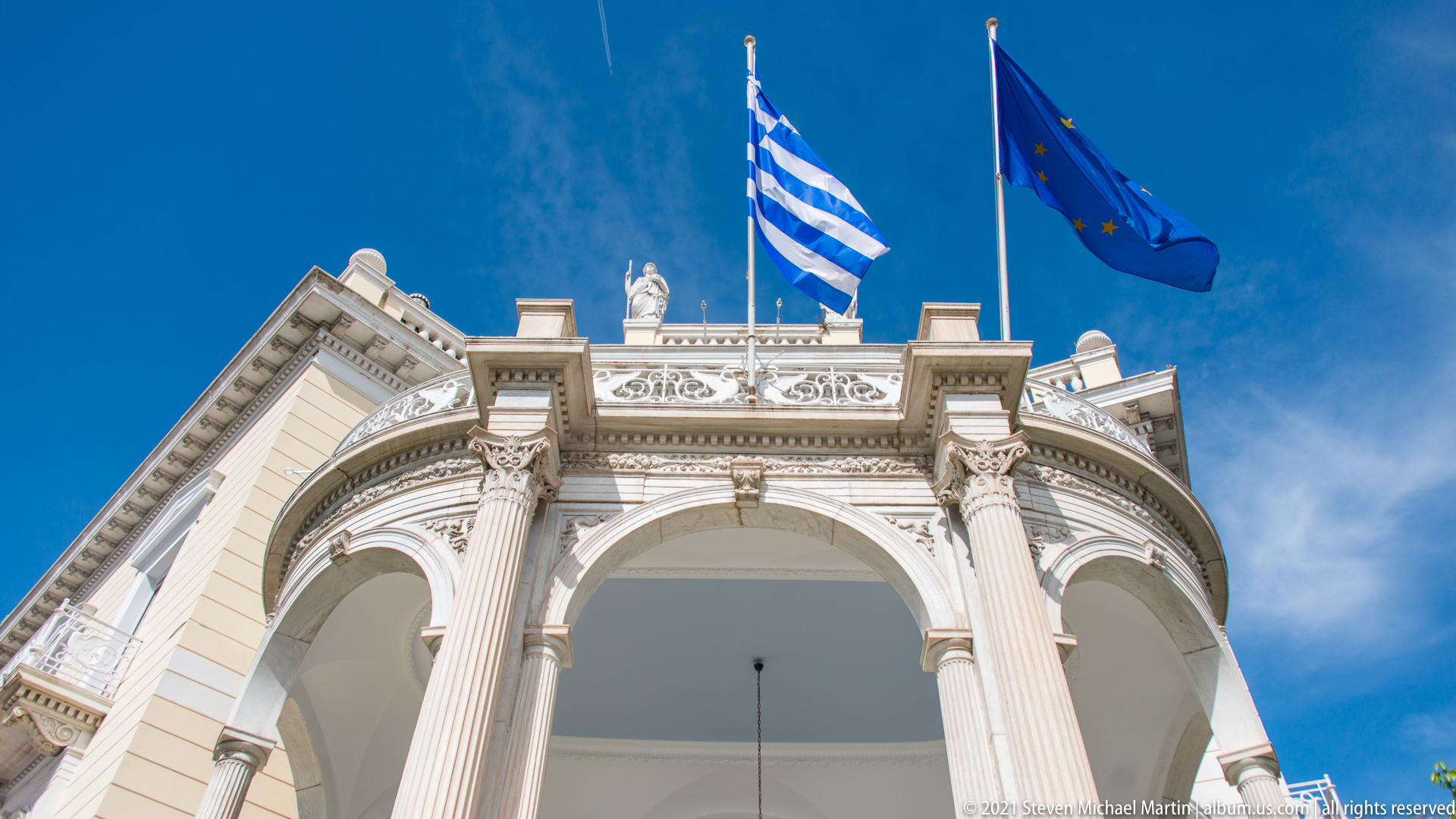
Museum of Cycladic Art The Museum of Cycladic Art preserves important examples of early Aegean civilization, particularly the distinctive marble figurines produced in the Cycladic islands during the Bronze Age. These simplified human forms are recognized for their balanced proportions and minimal detail, reflecting artistic traditions that emphasized harmony and abstraction. The collection illustrates the […]
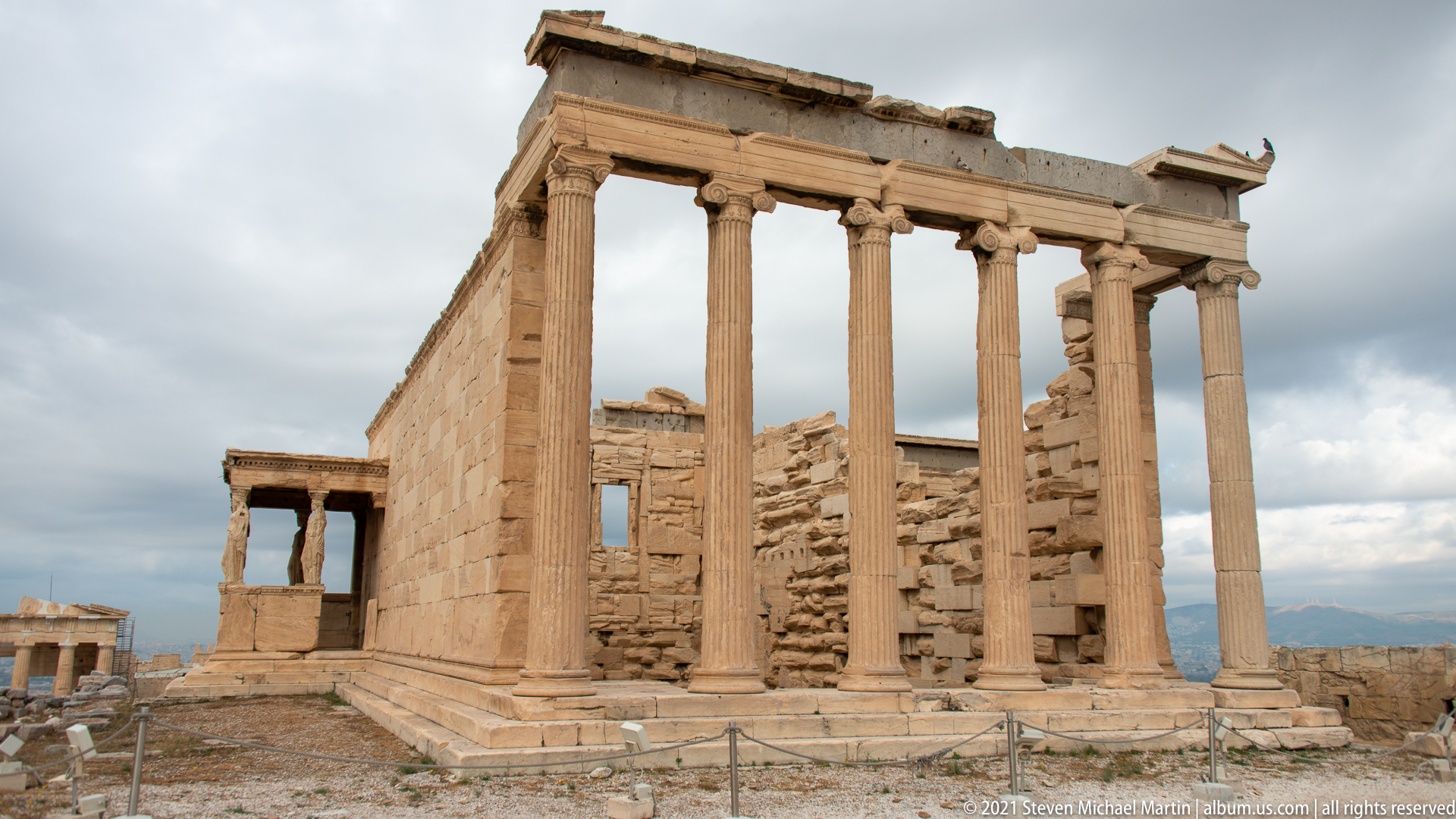
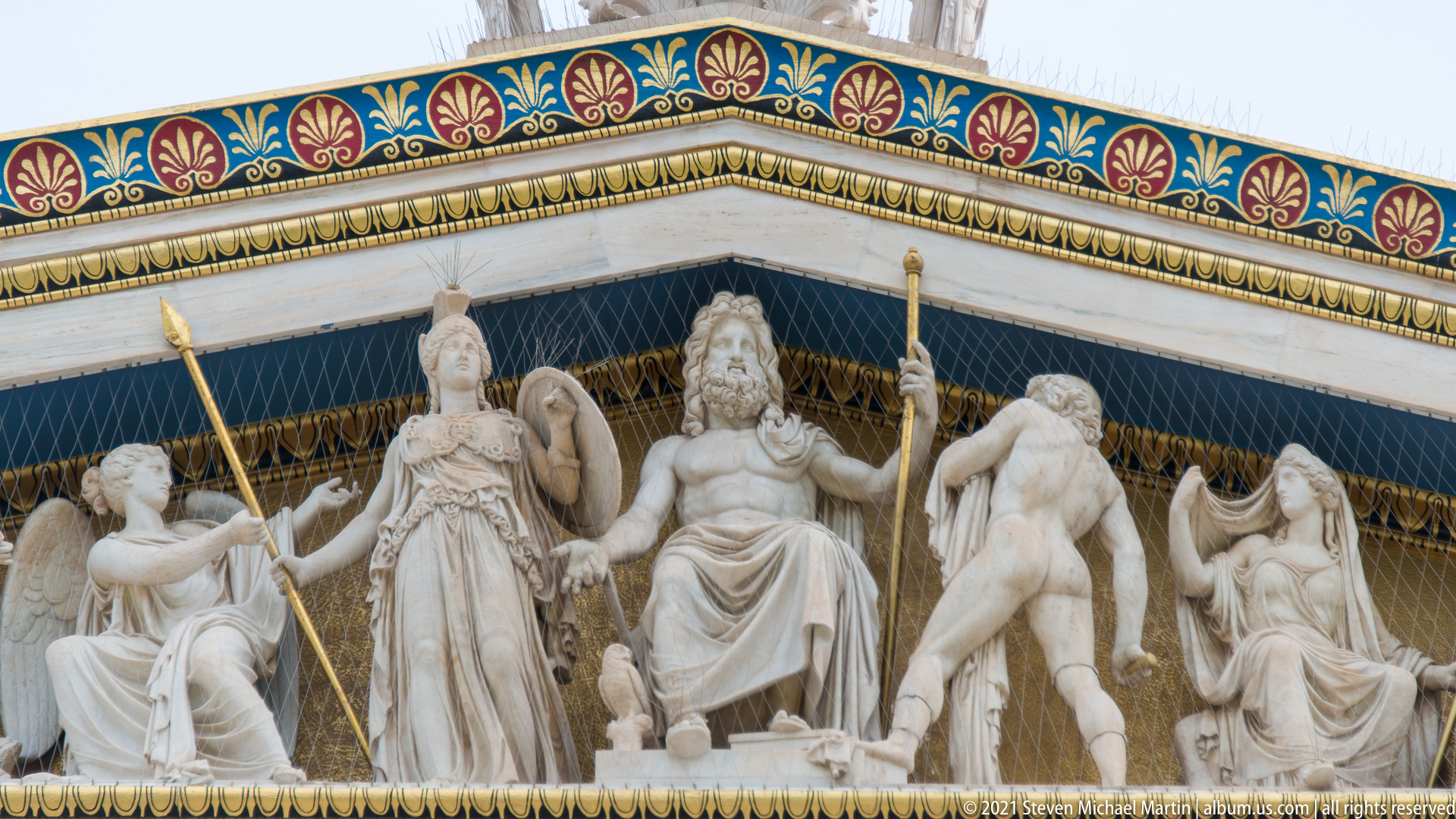
Acropolis of Athens The Acropolis of Athens stands as one of the most recognizable archaeological sites in the world, representing the political and cultural achievements of classical Greece. Rising above the city, the elevated complex includes monumental structures constructed during the fifth century BCE. The site reflects the artistic and architectural ambitions of Athens during […]
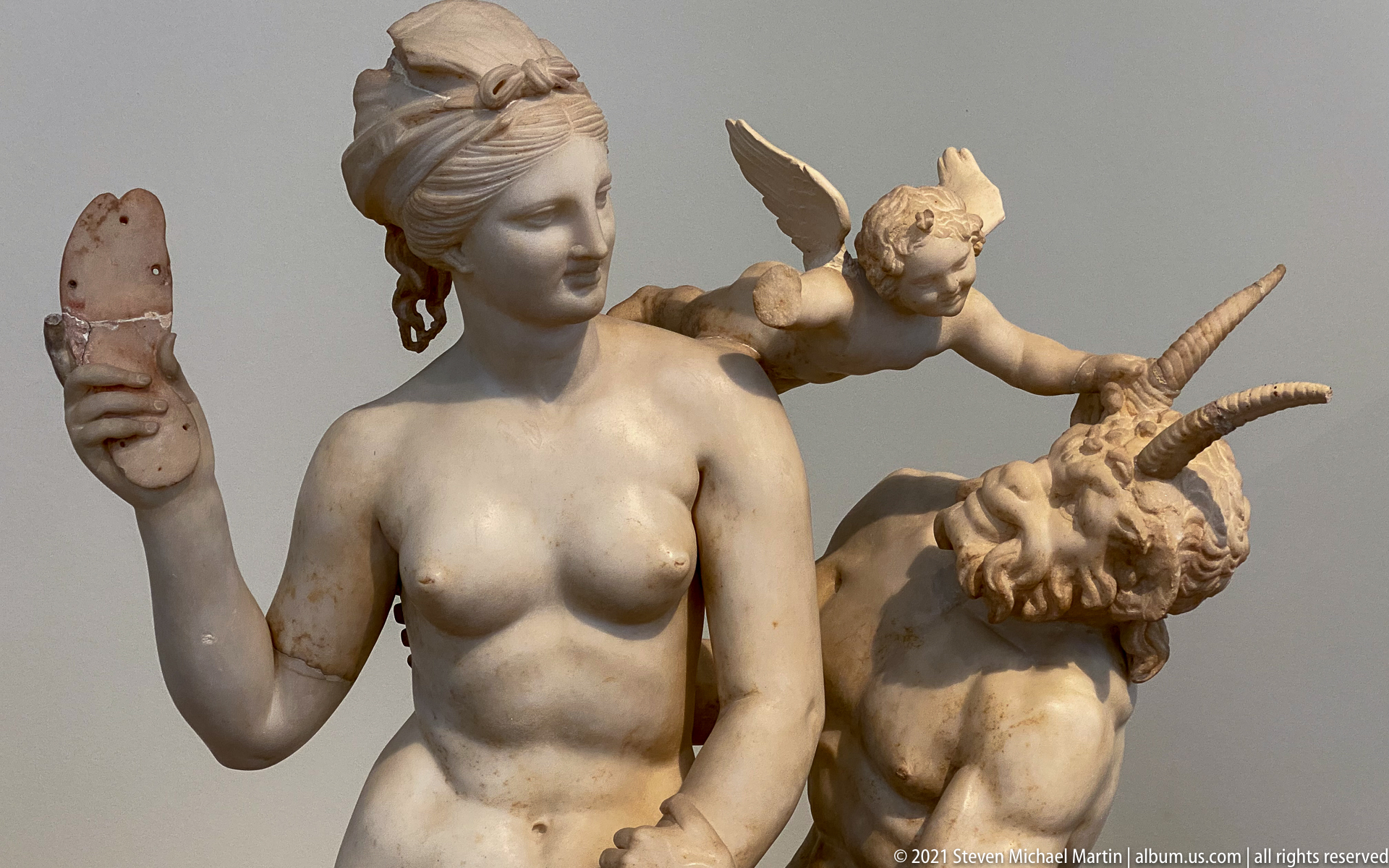
National Archaeological Museum of Athens The National Archaeological Museum of Athens contains one of the most comprehensive collections of ancient Greek artifacts, spanning prehistoric, classical, and Hellenistic periods. Sculptures, bronze works, ceramics, and funerary objects illustrate the artistic development of Greek civilization across many centuries. The museum provides context for archaeological sites located throughout the […]
Athens Epigraphical Museum The Athens Epigraphical Museum preserves one of the largest collections of ancient Greek inscriptions in the world. Stone slabs, statues, and fragments display texts carved in Greek that document laws, public decrees, treaties, and dedications. These inscriptions provide direct evidence of how language and communication functioned within ancient civic life. Many of […]
Athens Athens is one of the most historically significant cities of the ancient world and is widely recognized as the birthplace of democracy, philosophy, and classical art. Its monuments reflect the political and cultural achievements of the city-state during the fifth century BCE. The Acropolis rises above the modern city as a reminder of Athens’ […]
Heraklion Archaeological Museum The Heraklion Archaeological Museum houses one of the most important collections of Minoan artifacts in the world. Sculptures, frescoes, ceramics, and everyday objects illustrate the artistic and technological achievements of Bronze Age Crete. Many of the exhibits originate from Knossos and other major archaeological sites on the island. Decorative frescoes depicting natural […]
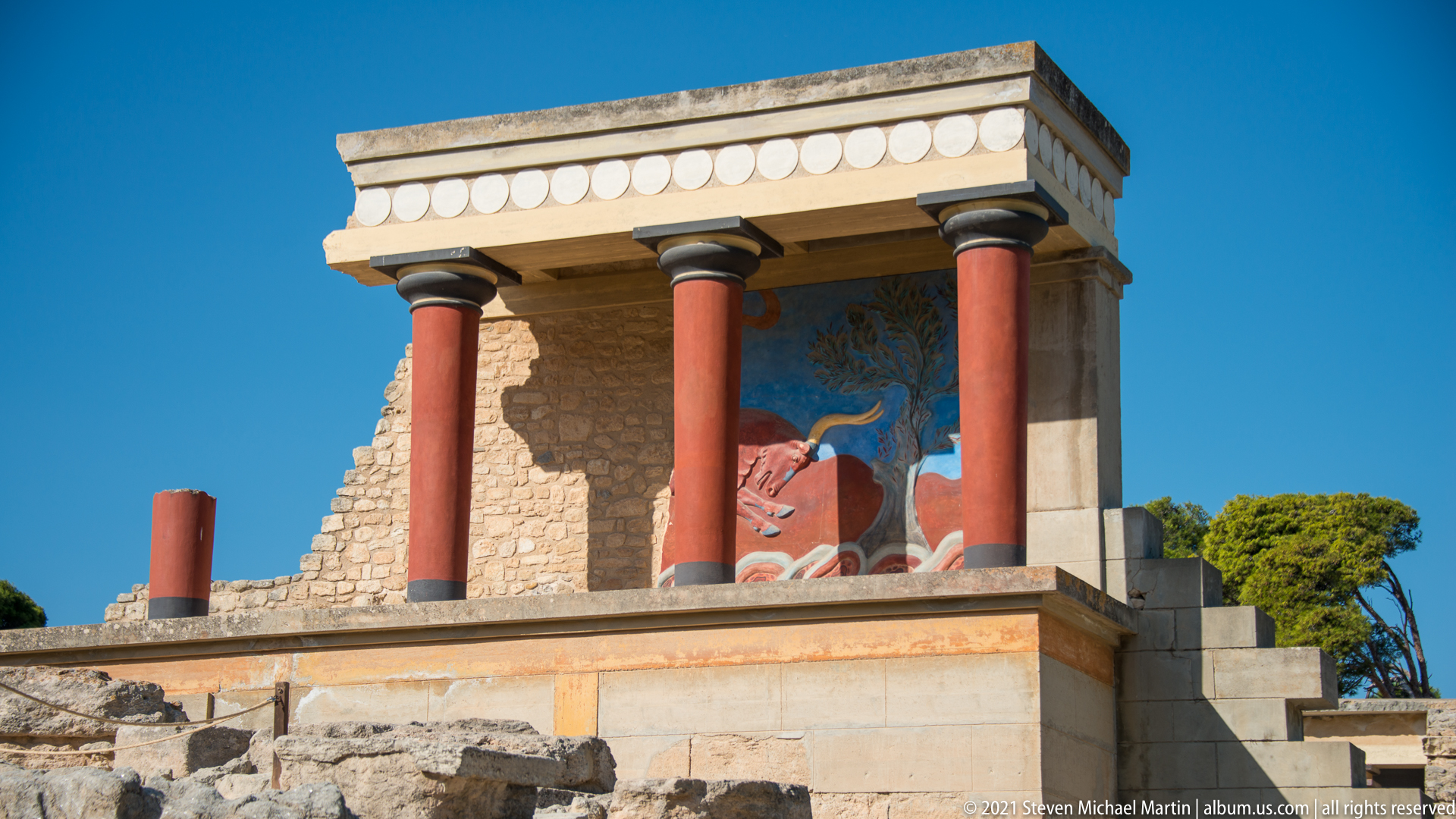
Minoan Palace of Knossos The Minoan Palace of Knossos is one of the most significant archaeological sites associated with the Bronze Age civilization of Crete. The complex includes courtyards, ceremonial spaces, storage rooms, and administrative areas that demonstrate a highly organized society. Its scale and complexity indicate the importance of Knossos as a political and […]
Crete Crete is the largest island in Greece and has played a central role in the development of early Mediterranean civilization. Its varied landscape includes coastal plains, rugged mountains, and fertile valleys that supported human settlement for thousands of years. The island’s strategic position between mainland Greece, Asia Minor, and North Africa encouraged cultural exchange […]
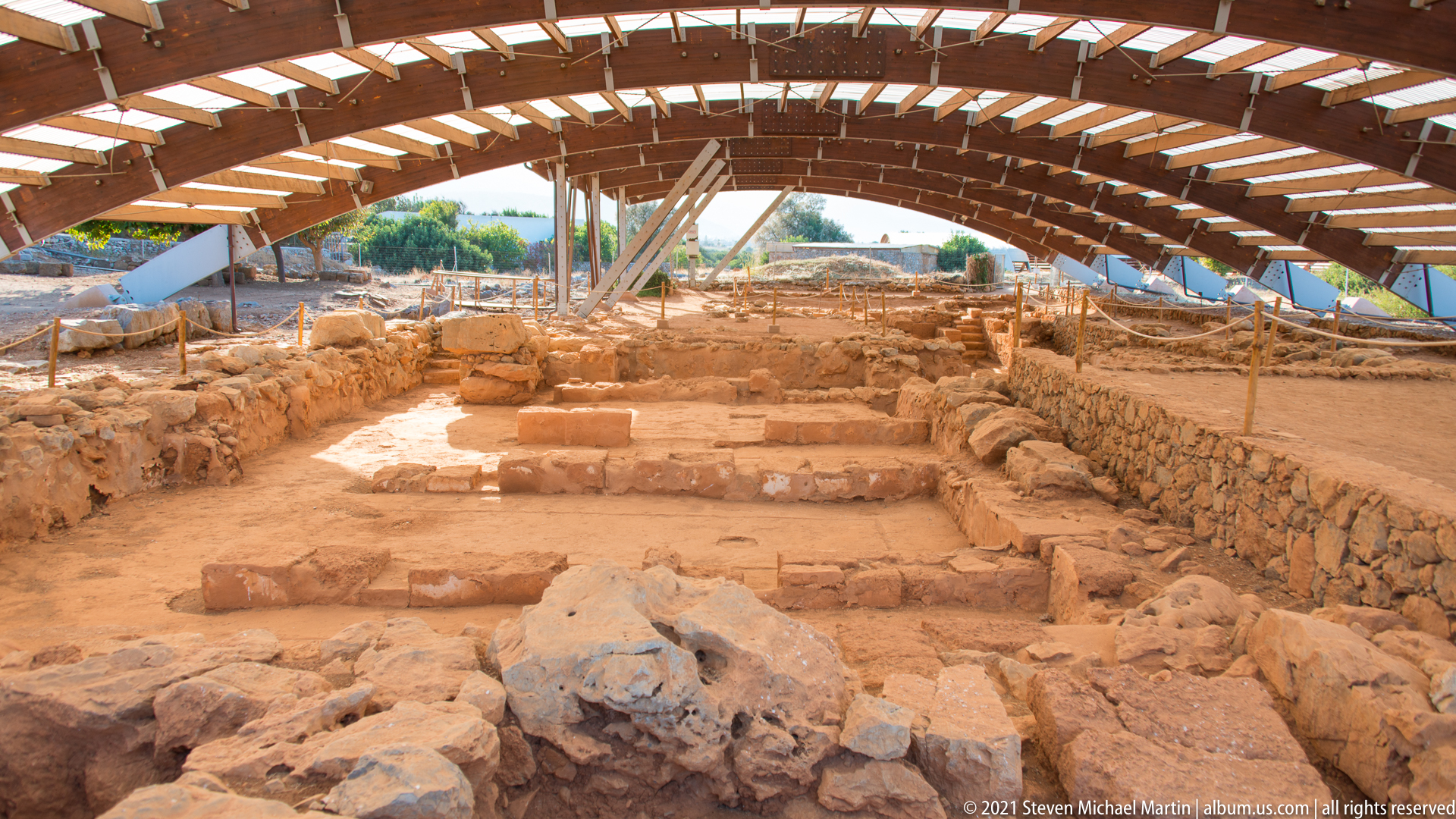
Malia (Minoan Palace) The Malia Minoan Palace represents one of the principal centers of the Minoan civilization on the island of Crete. Constructed during the Bronze Age, the complex reveals evidence of administrative organization, storage facilities, and ceremonial spaces that reflect the sophistication of early Aegean societies. Its layout demonstrates the importance of centralized planning […]
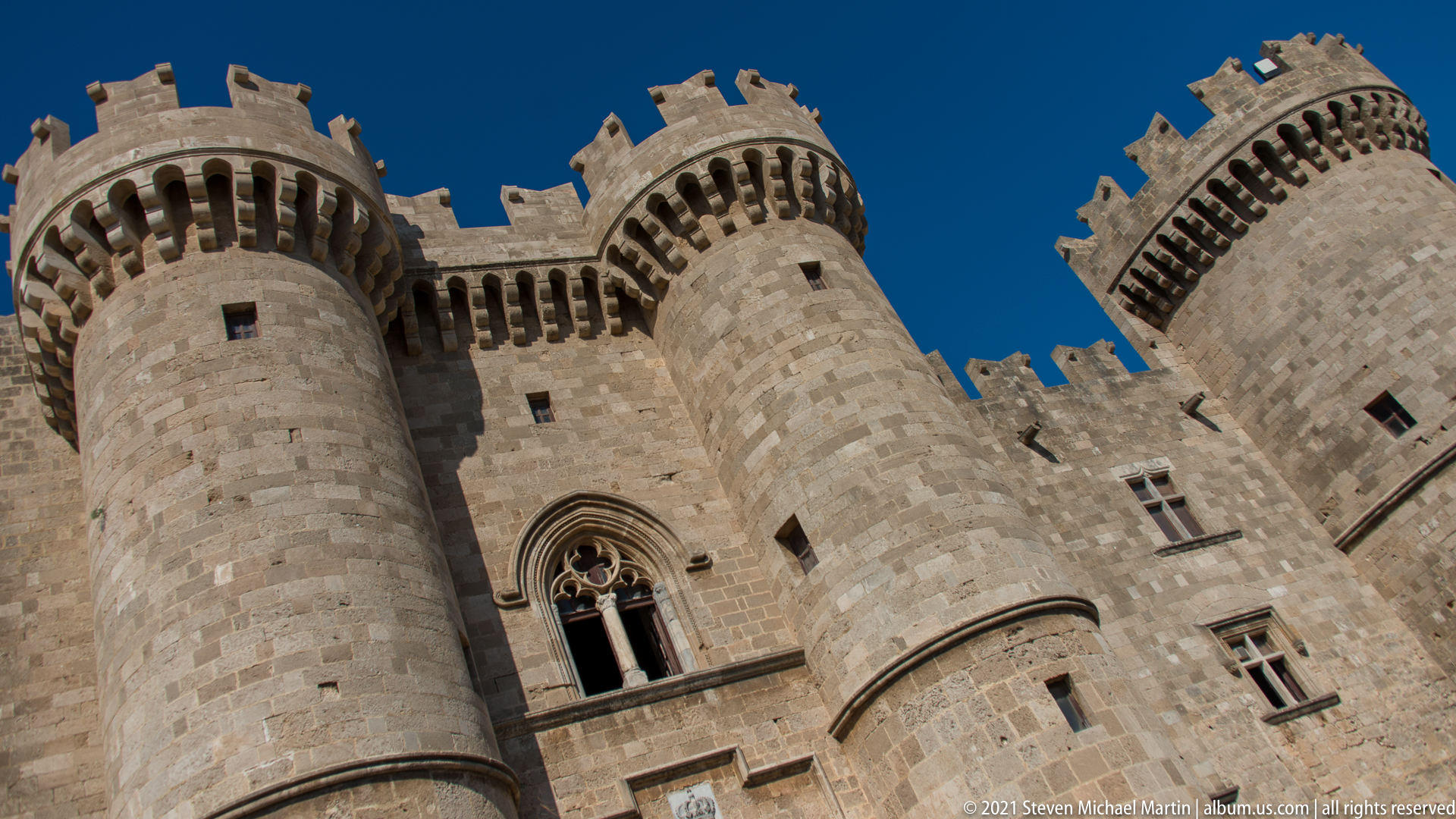
Palace of the Grand Master The Palace of the Grand Master stands as one of the most prominent structures in Rhodes Old Town, reflecting the influence of the Knights of Saint John during the medieval period. Built upon earlier foundations, the fortified complex demonstrates the strategic importance of Rhodes as a center of military administration […]