Bardo Museum – Tunis, Tunisia
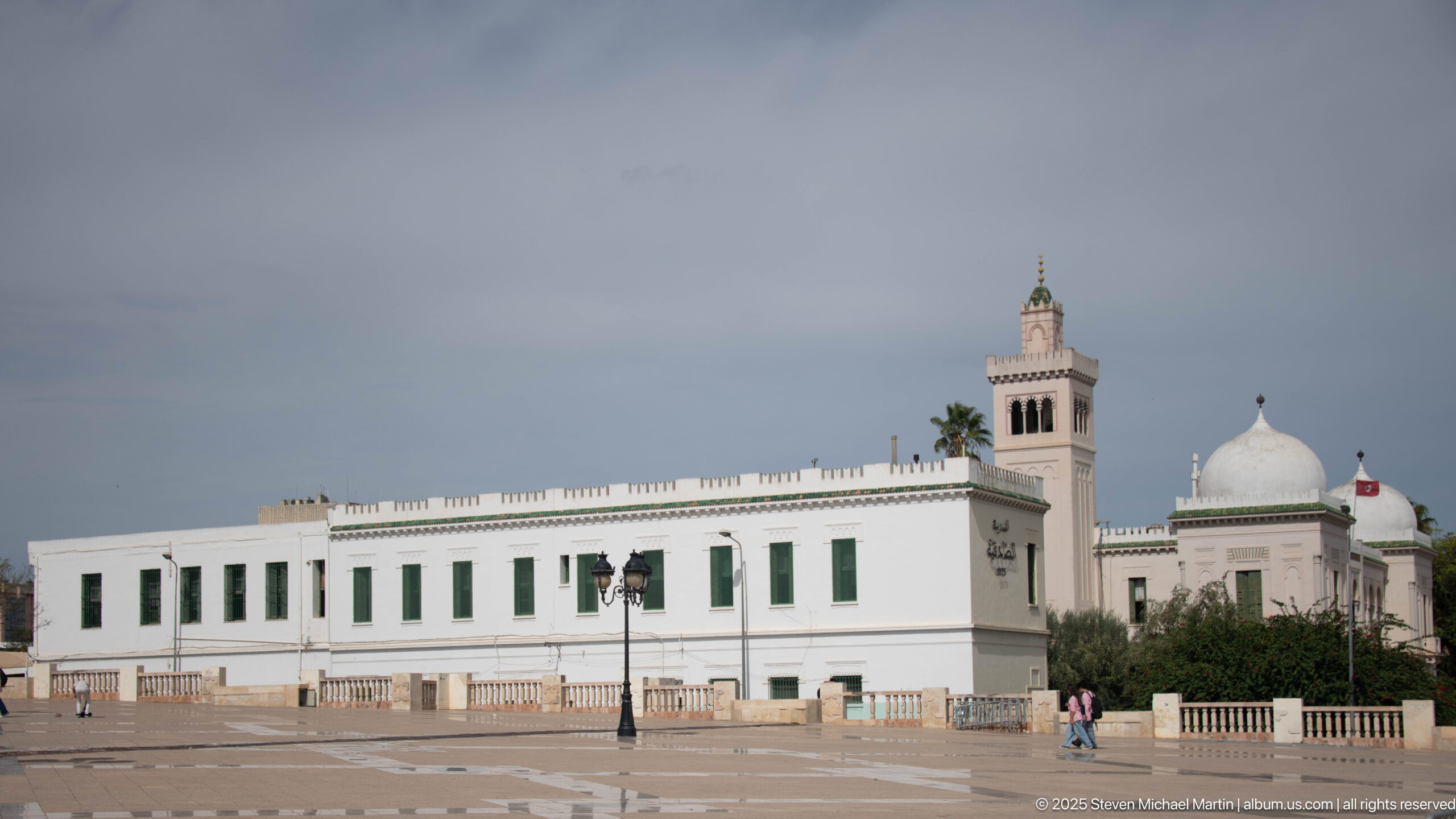
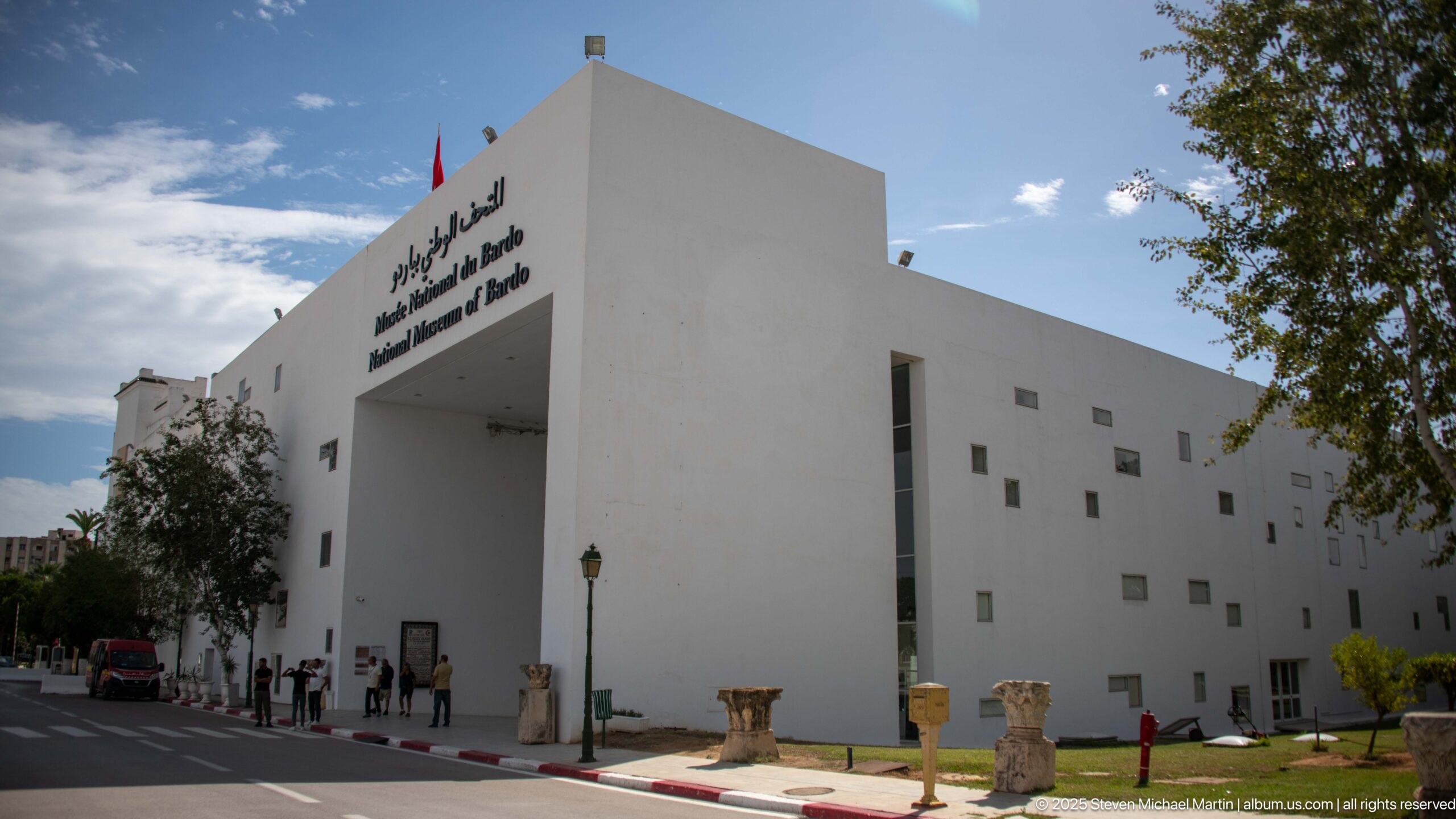
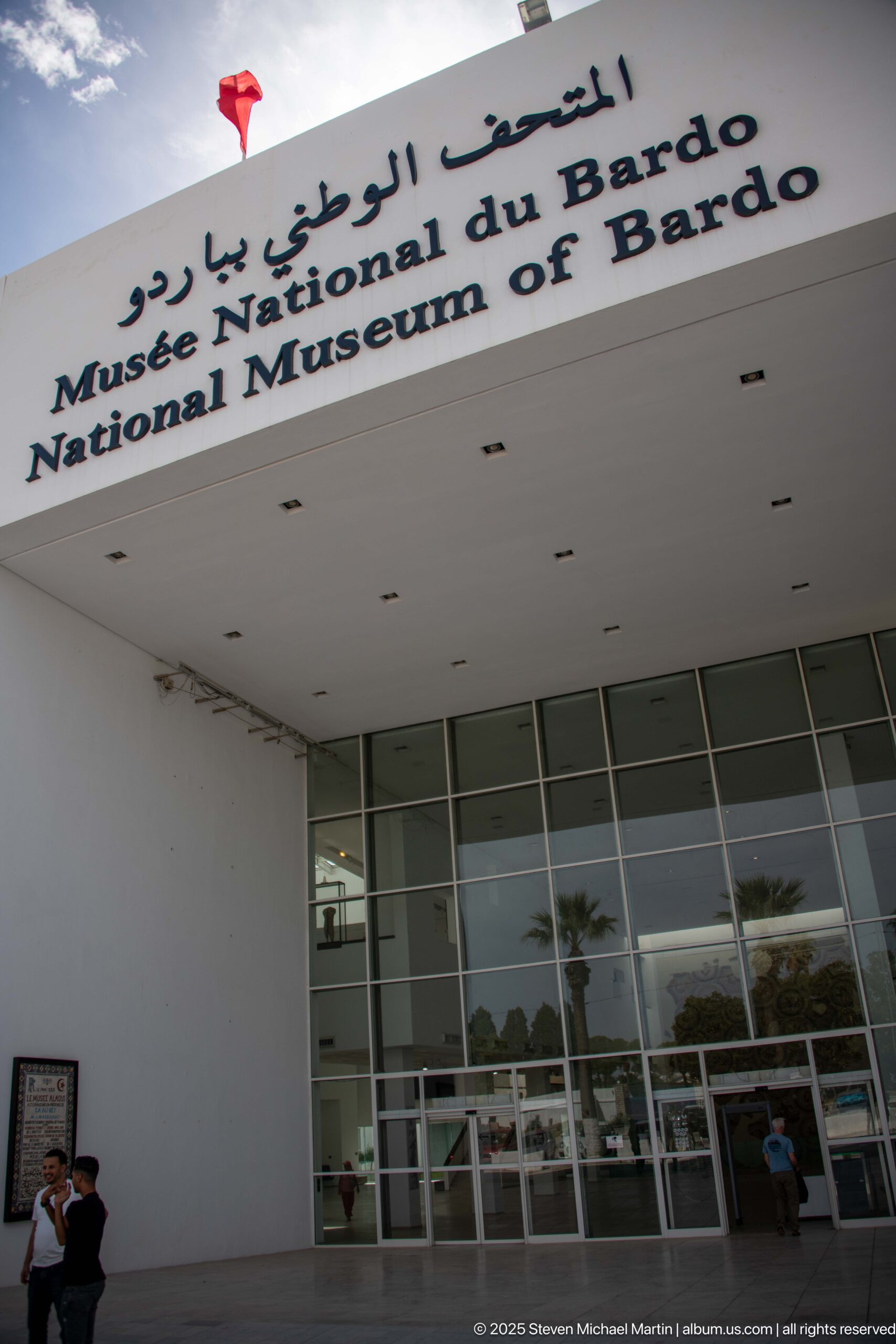
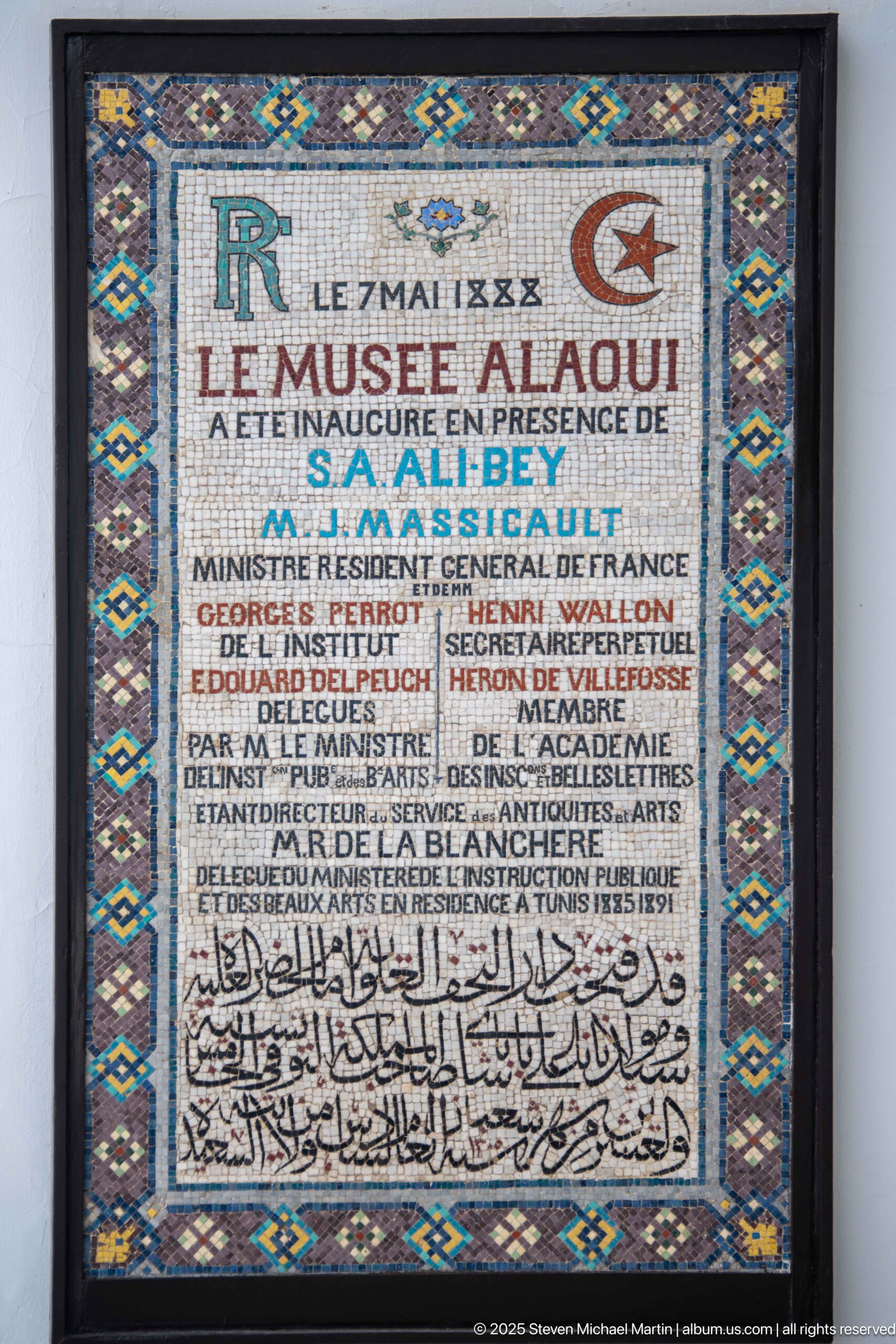
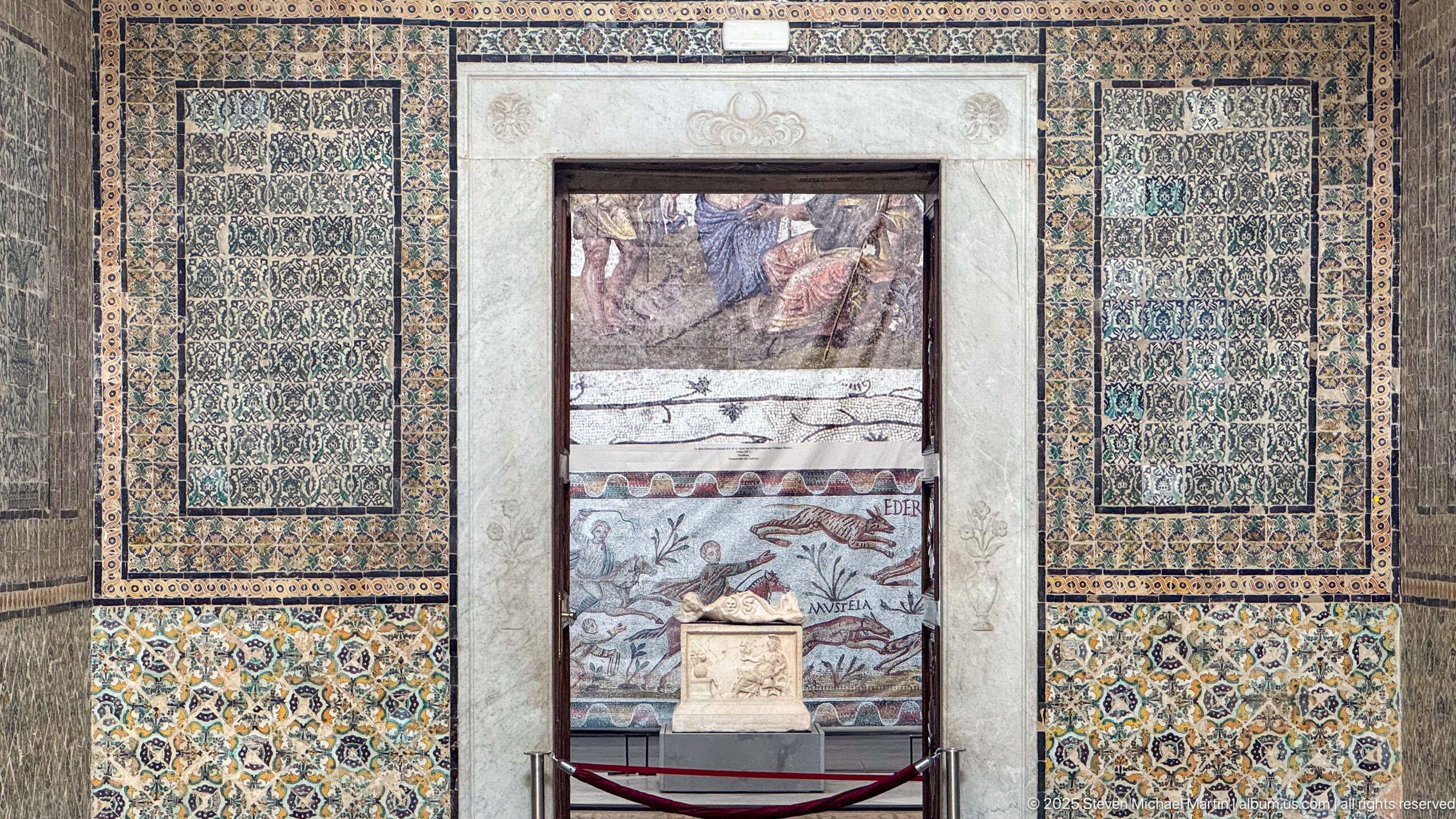
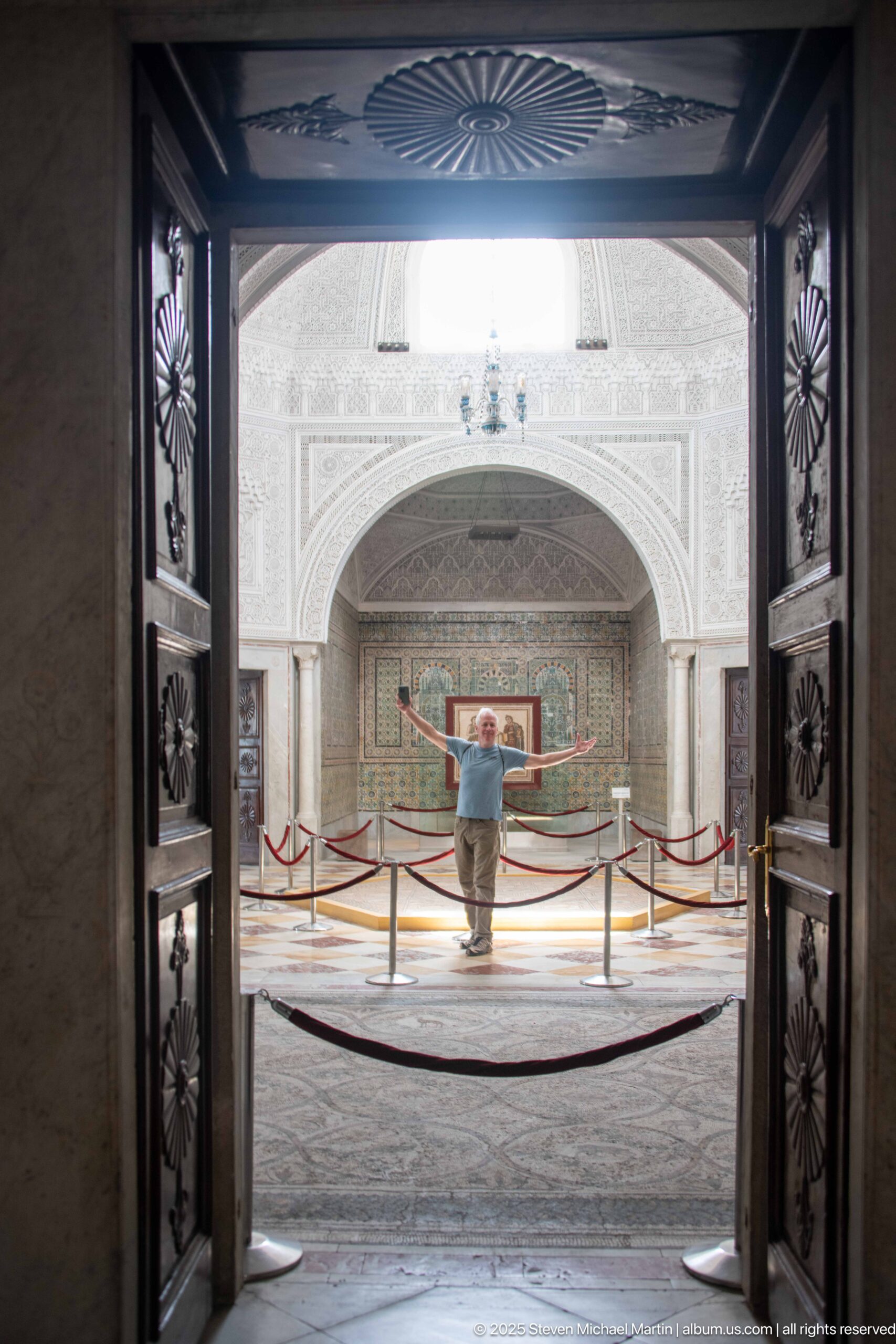
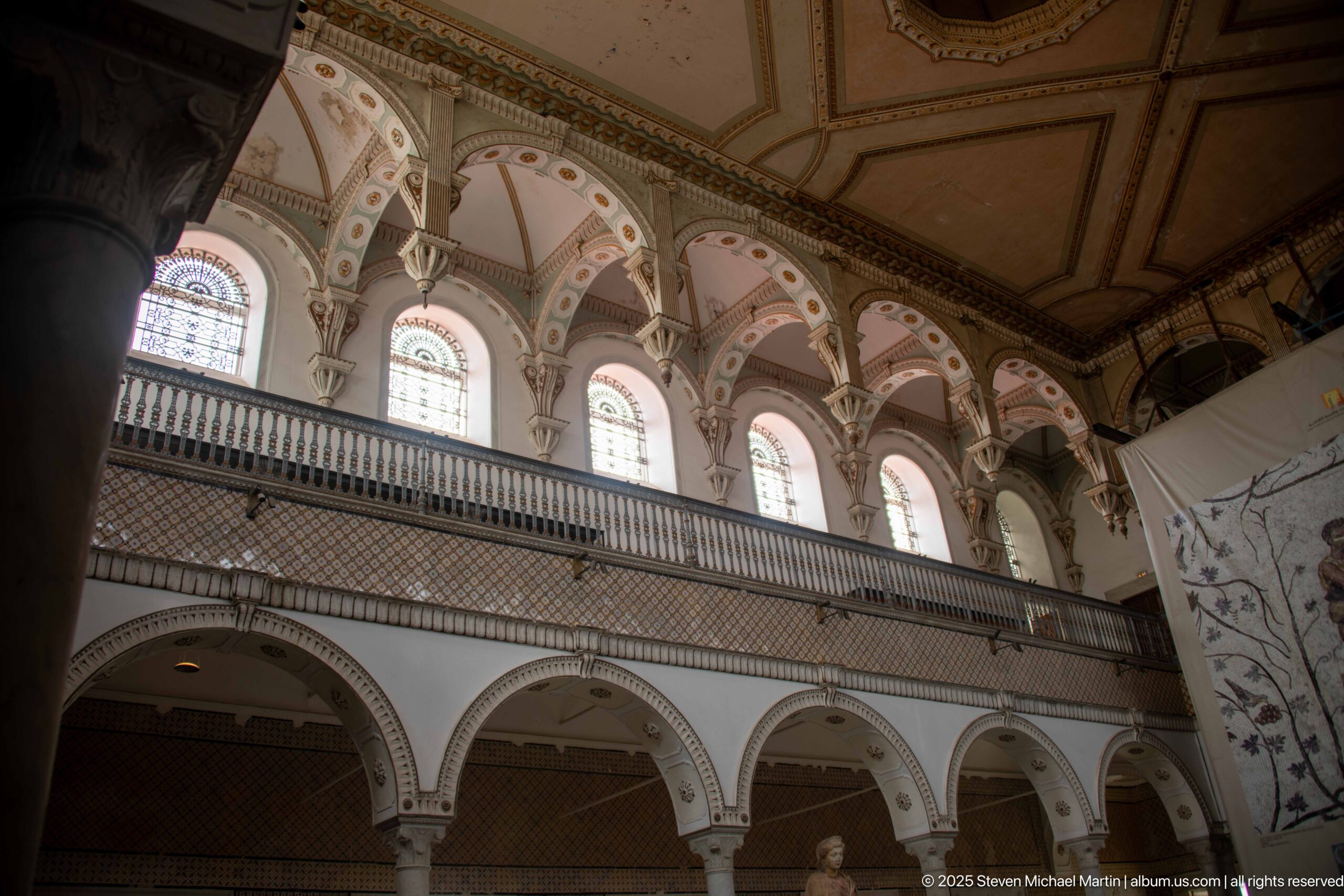
The Bardo National Museum is one of the most important museums in Tunis and among the finest archaeological museums in North Africa. Housed within a former Ottoman palace, the museum contains an extensive collection of artifacts that illustrate the long history of Tunisia, from ancient Phoenician settlements to the Roman and Islamic periods.
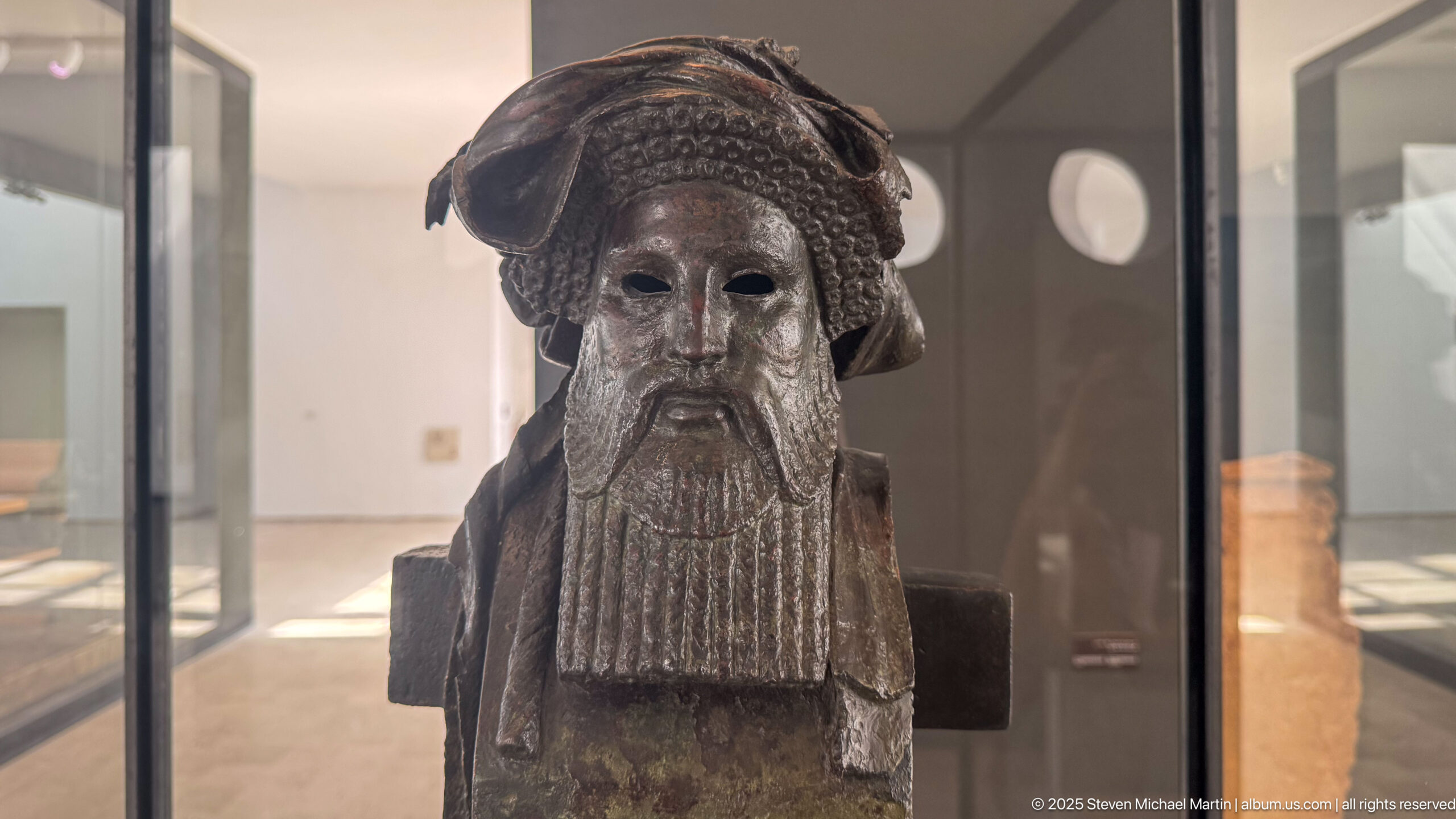
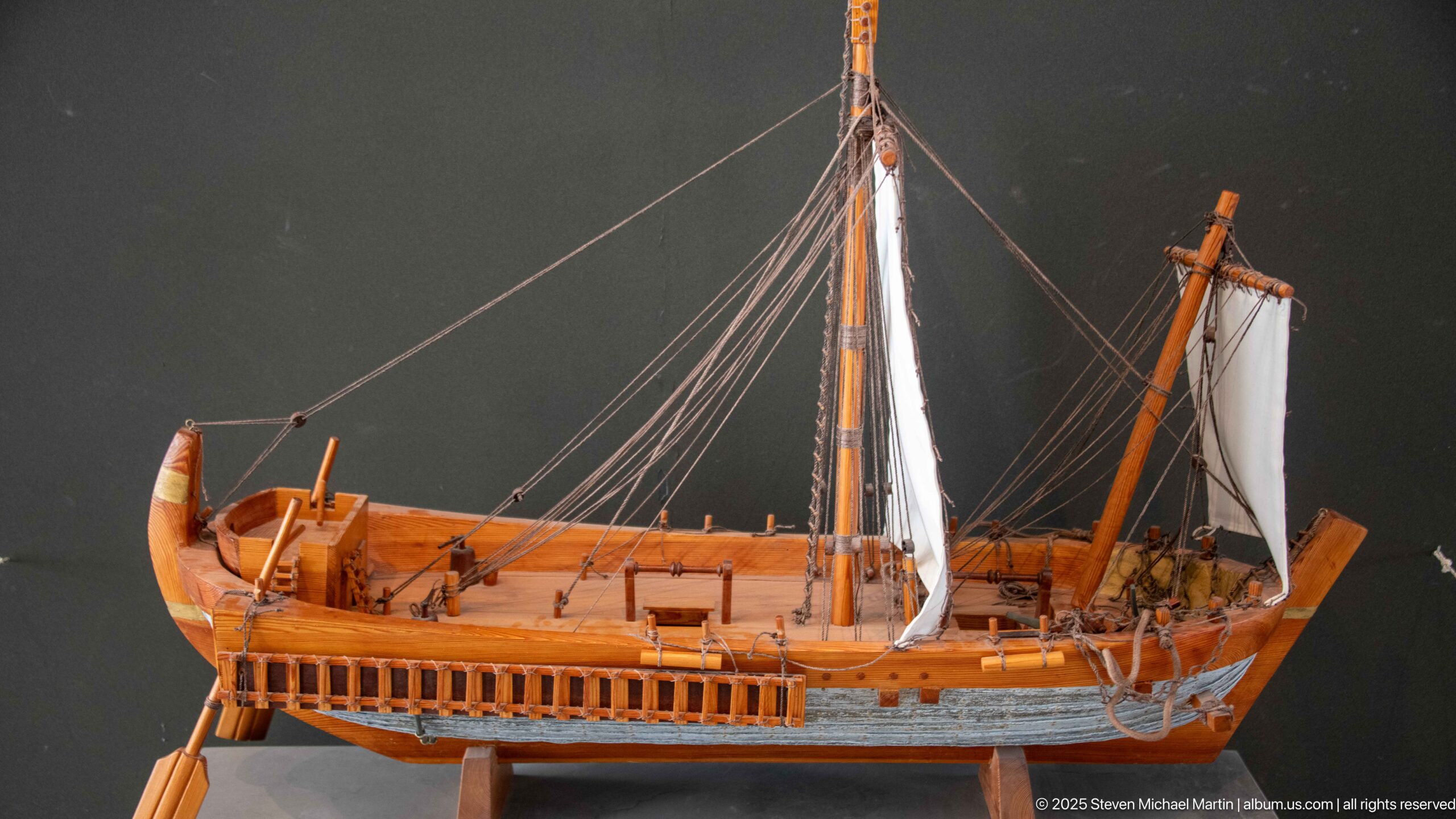
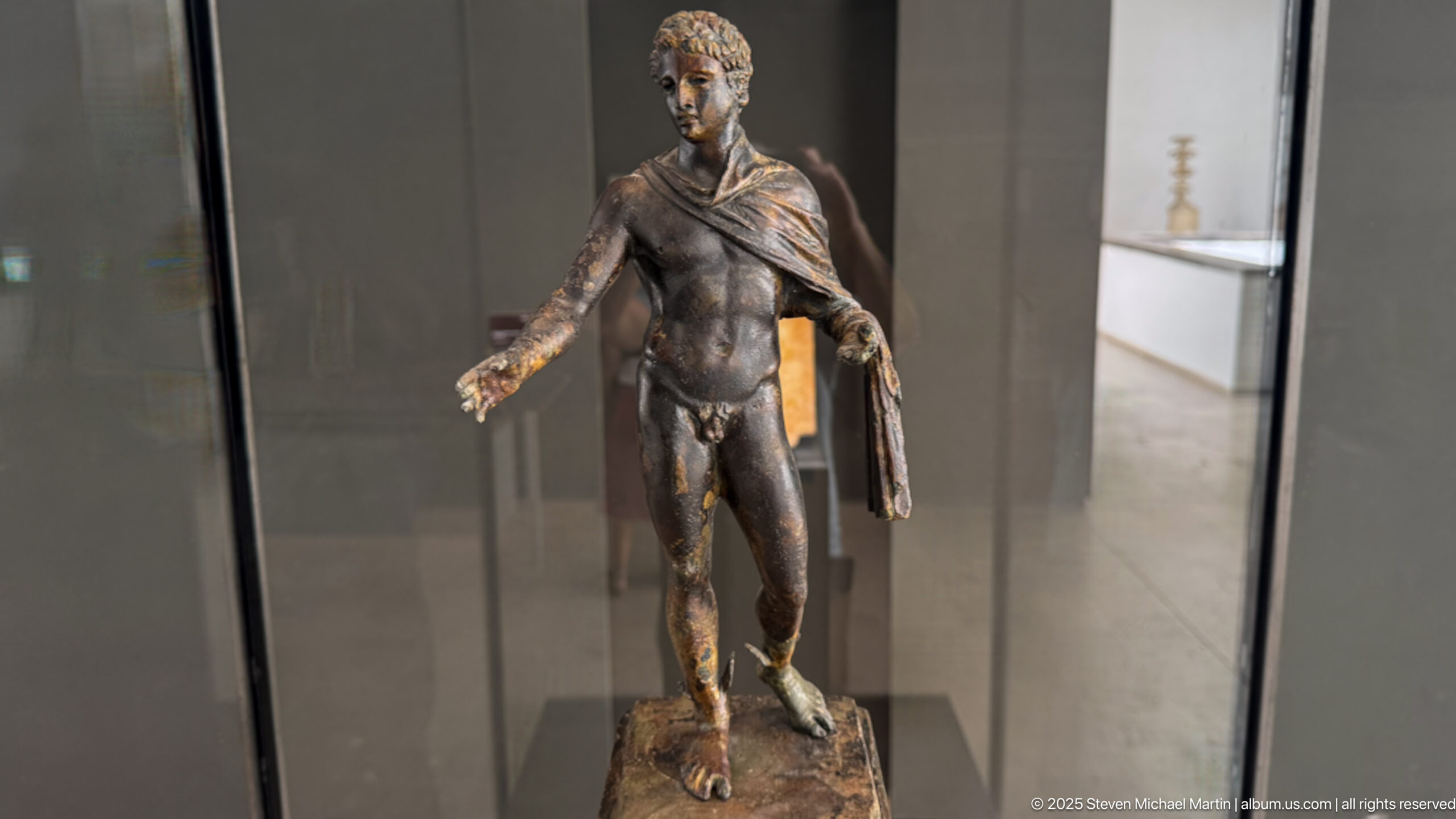
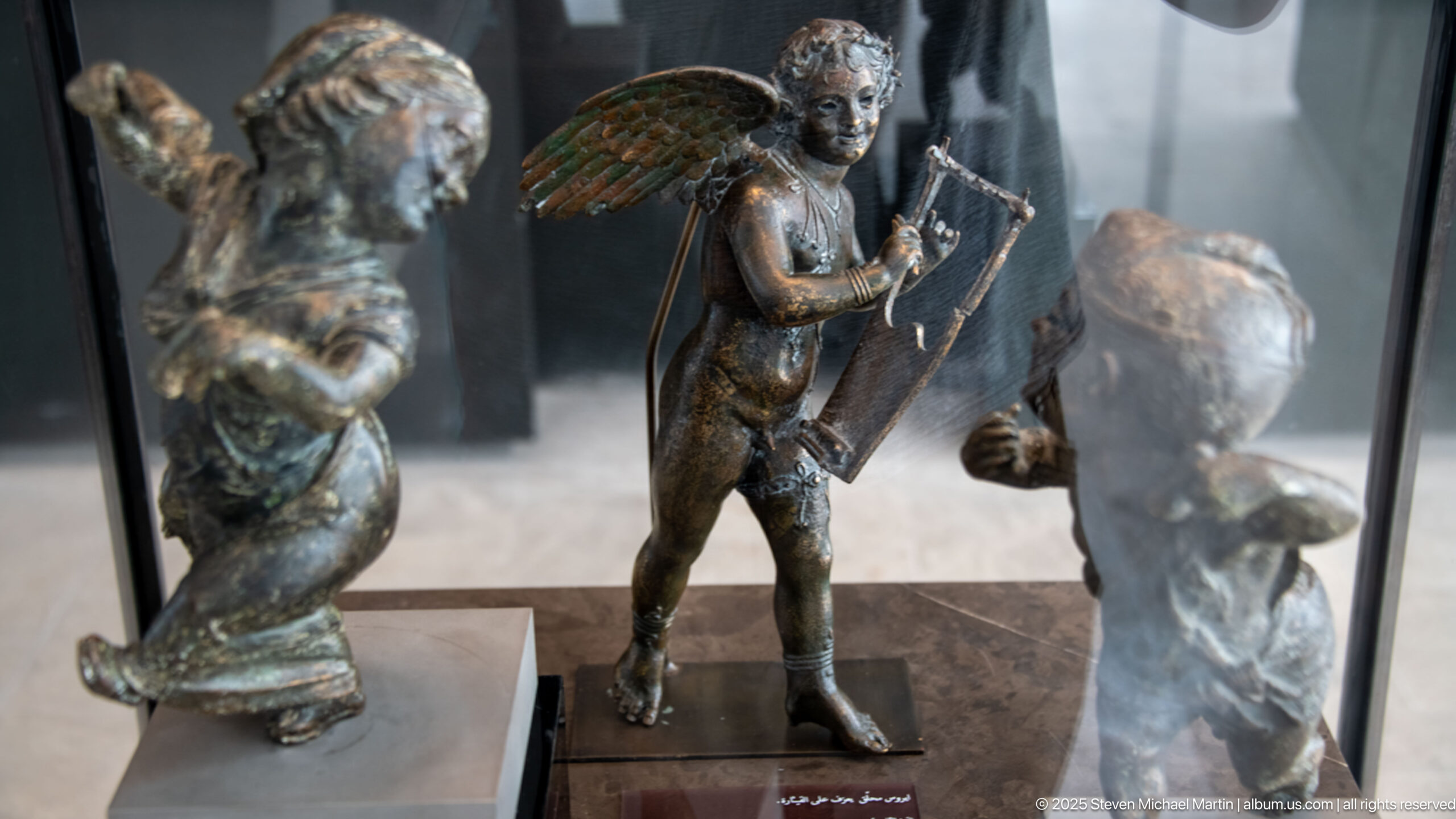
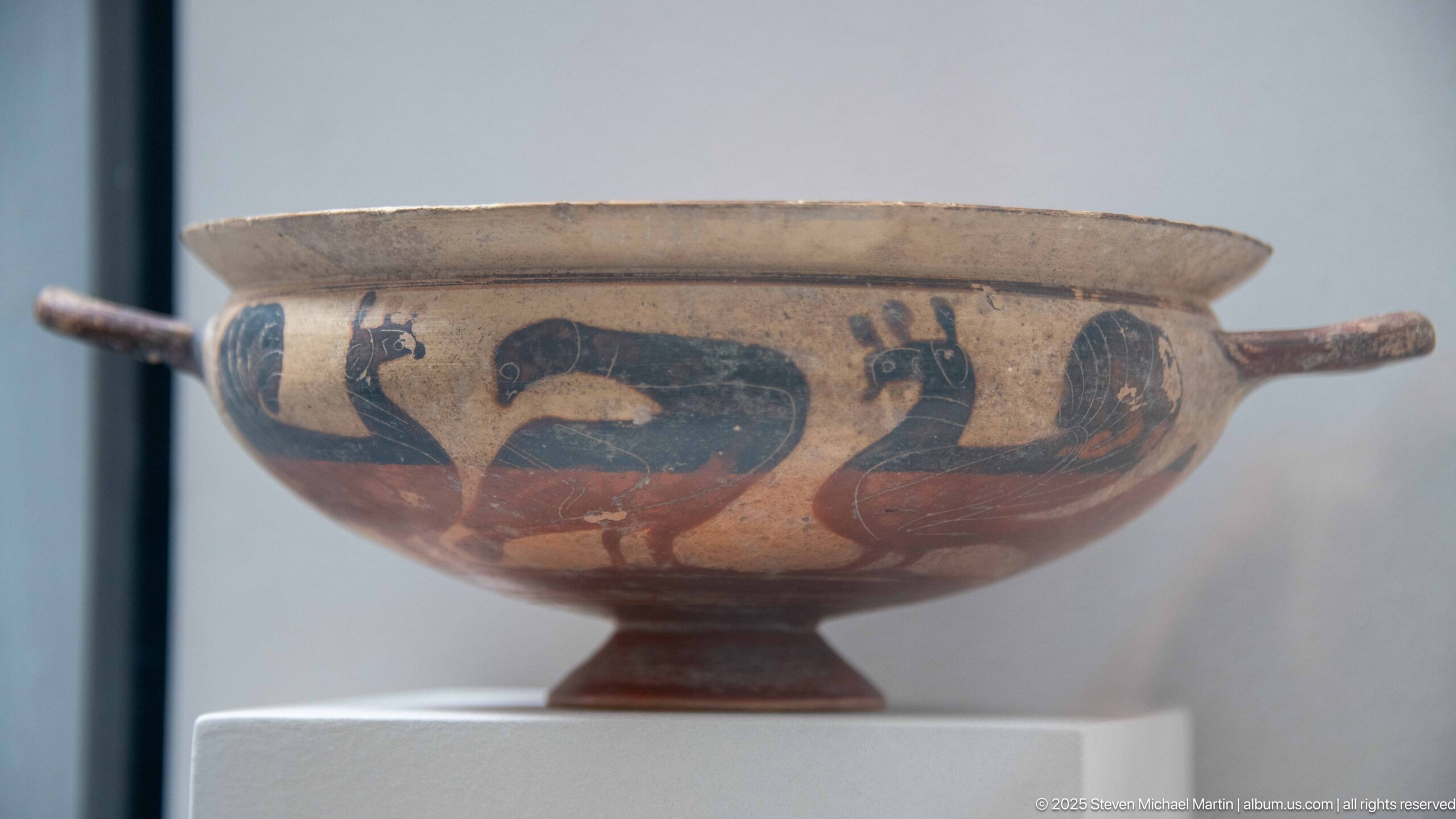
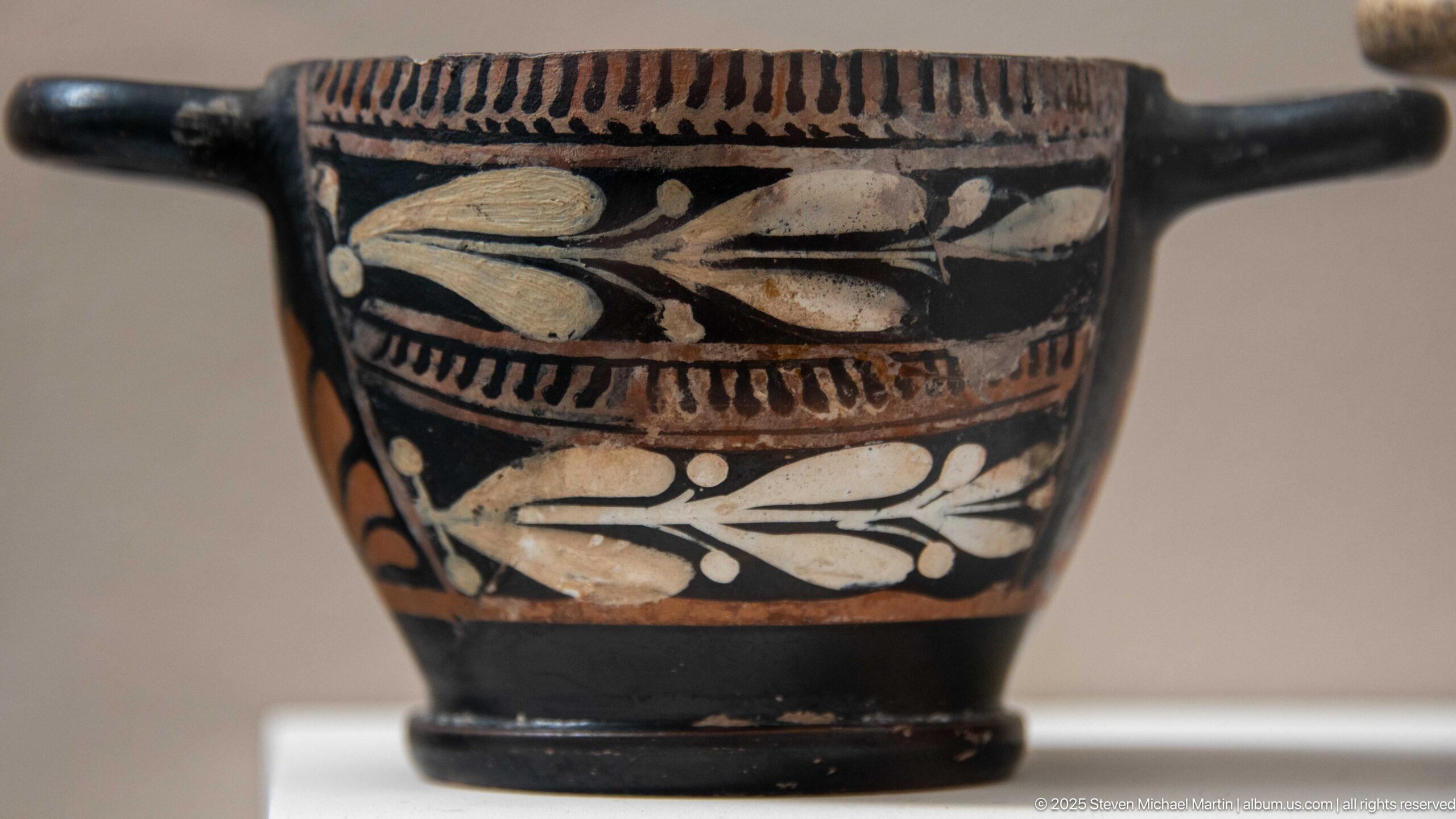
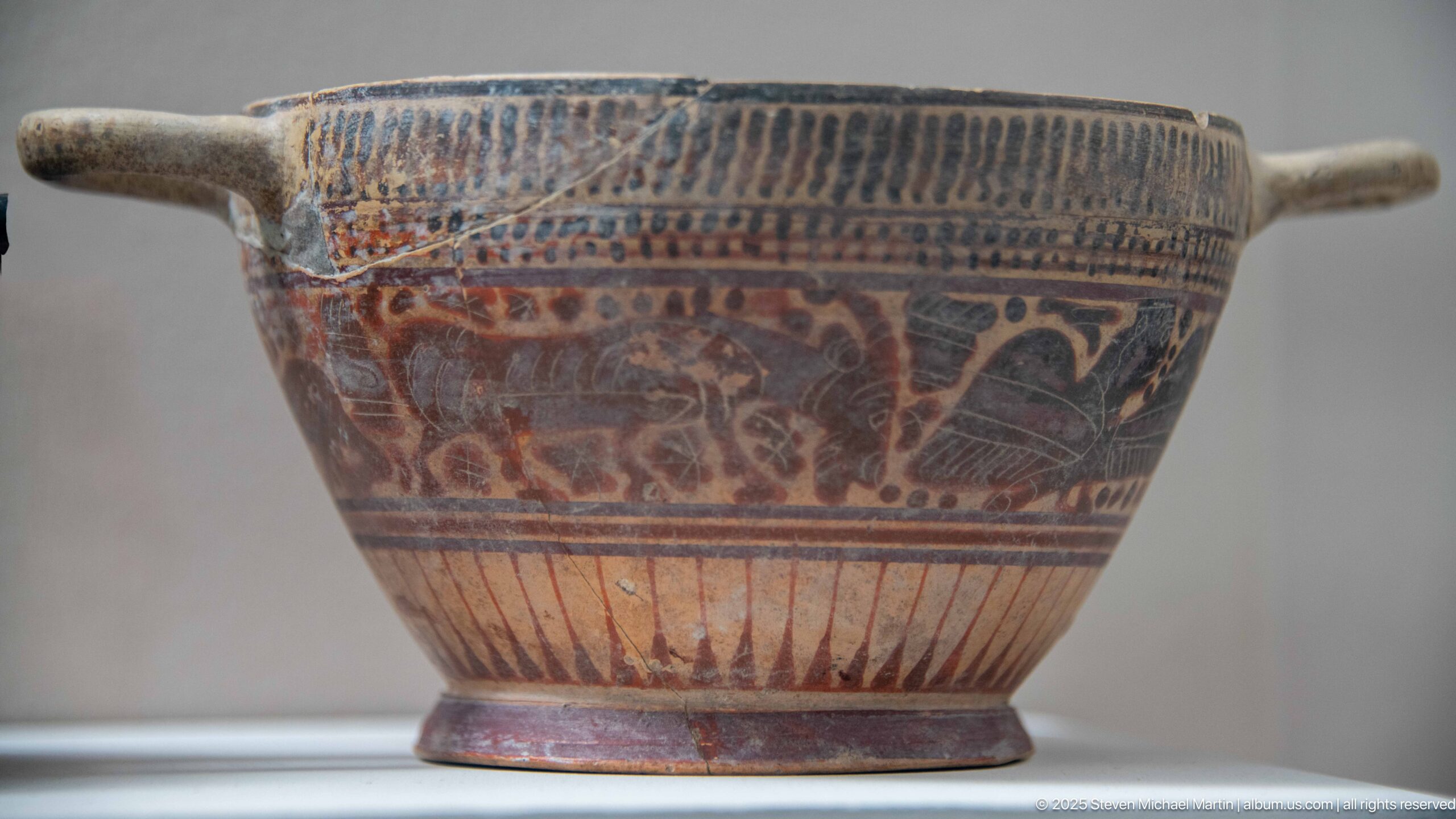
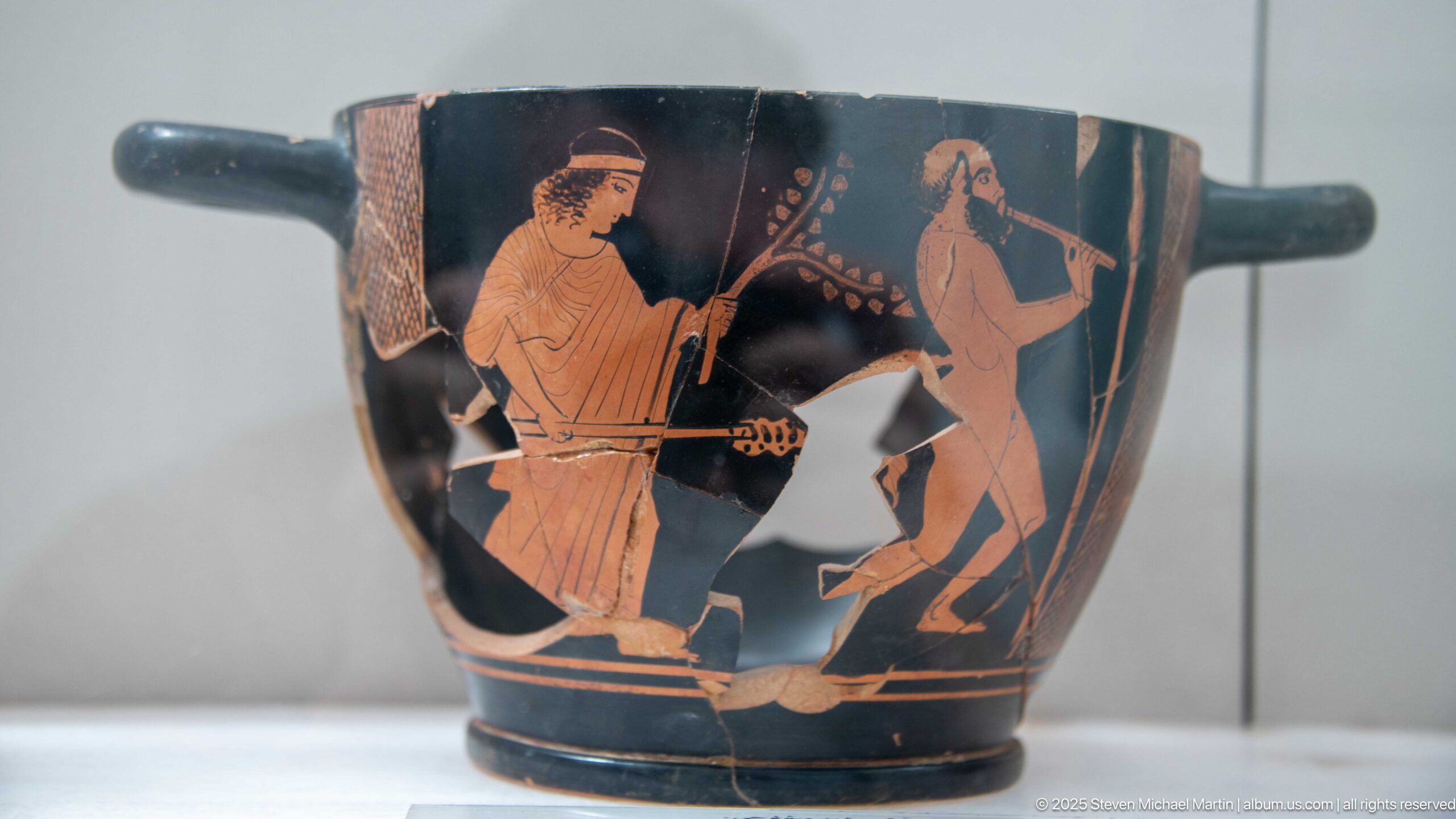
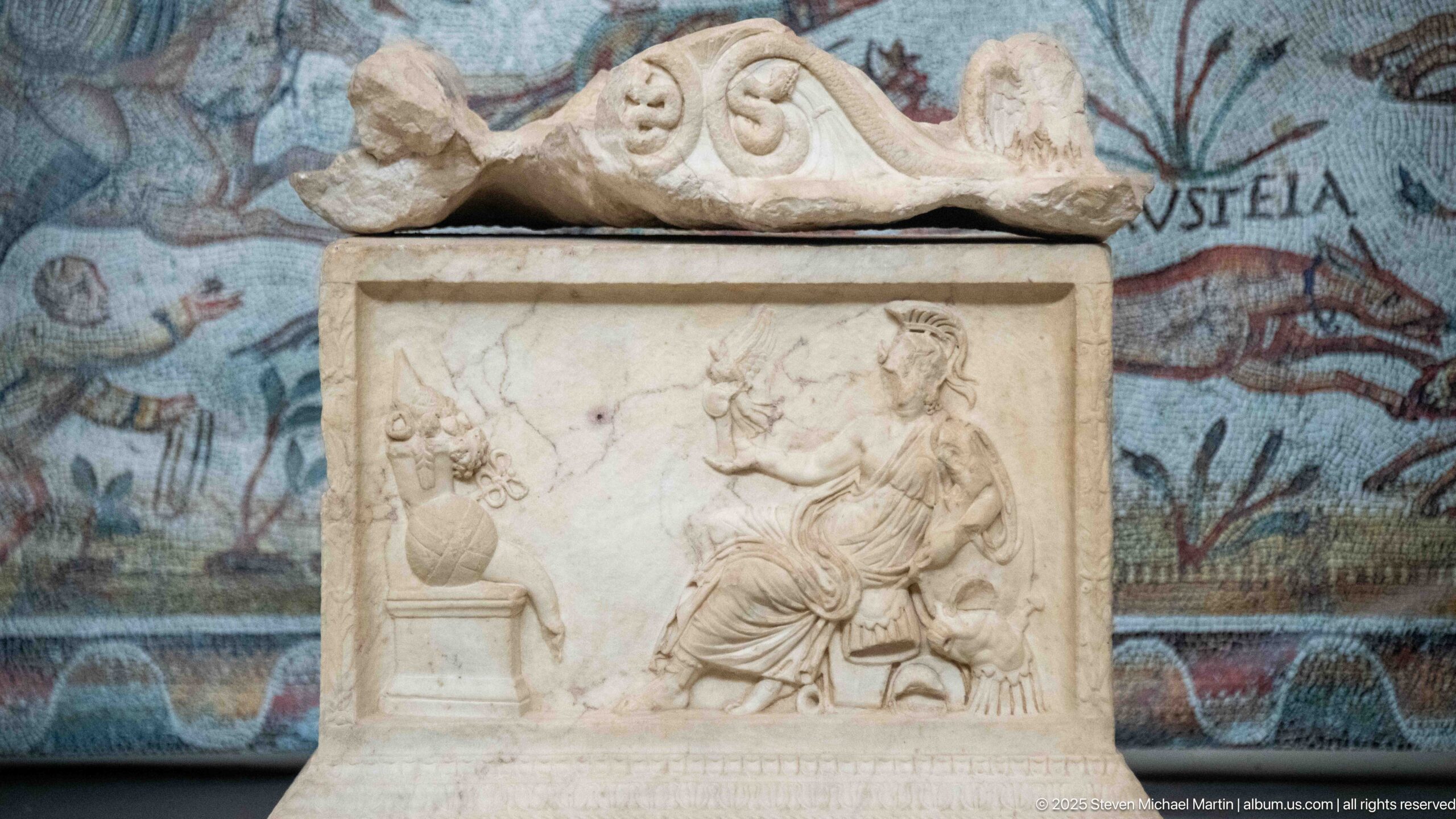
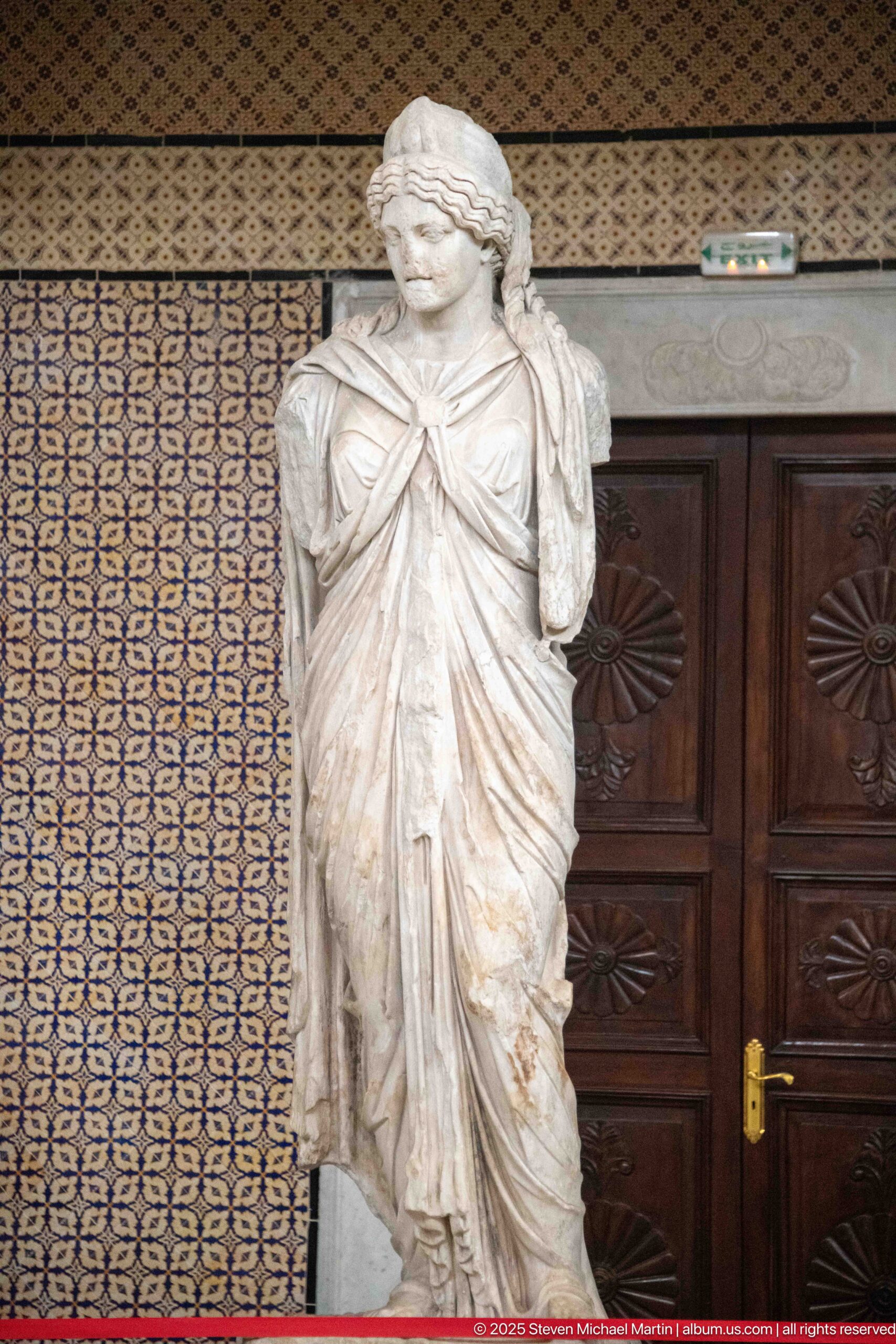
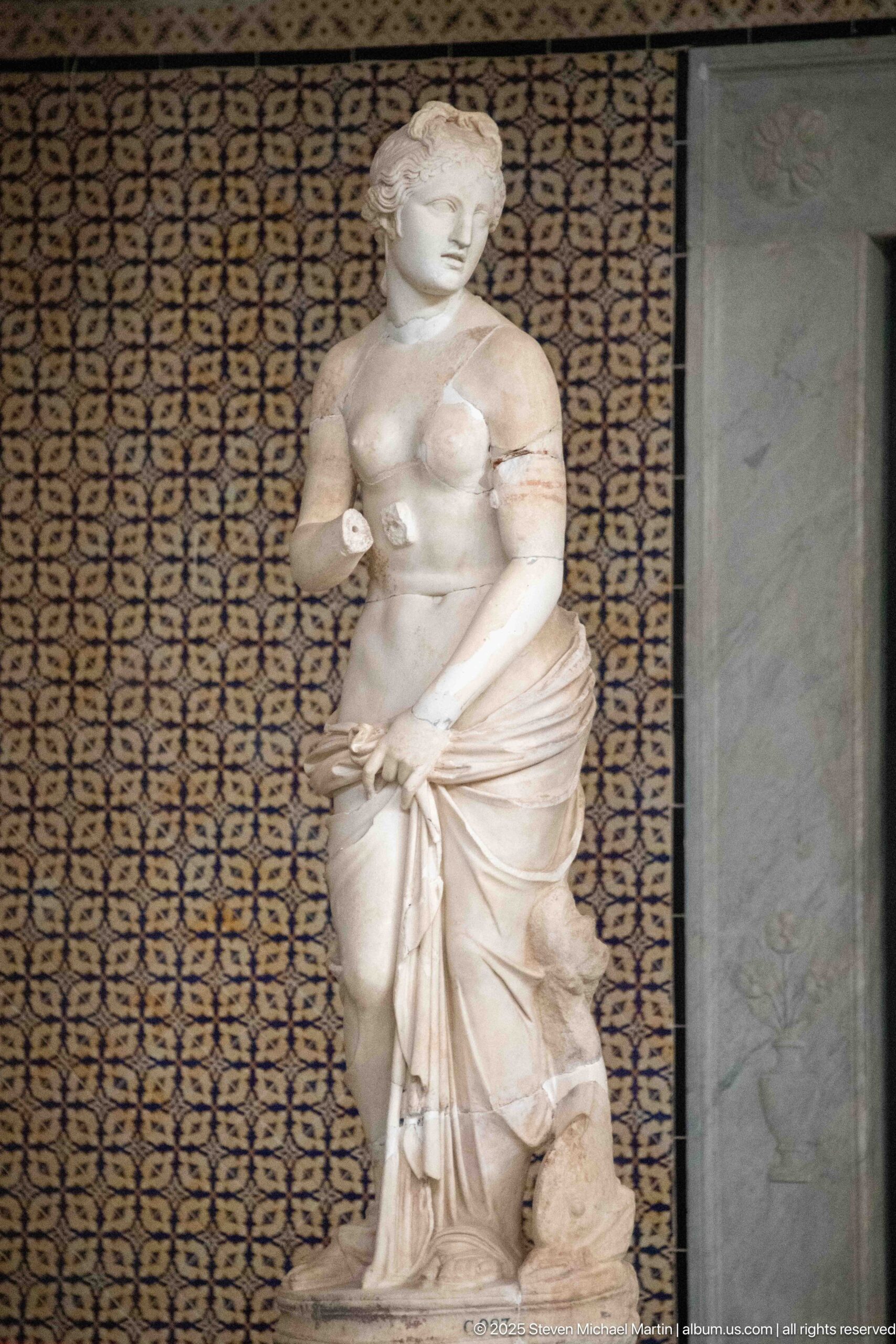
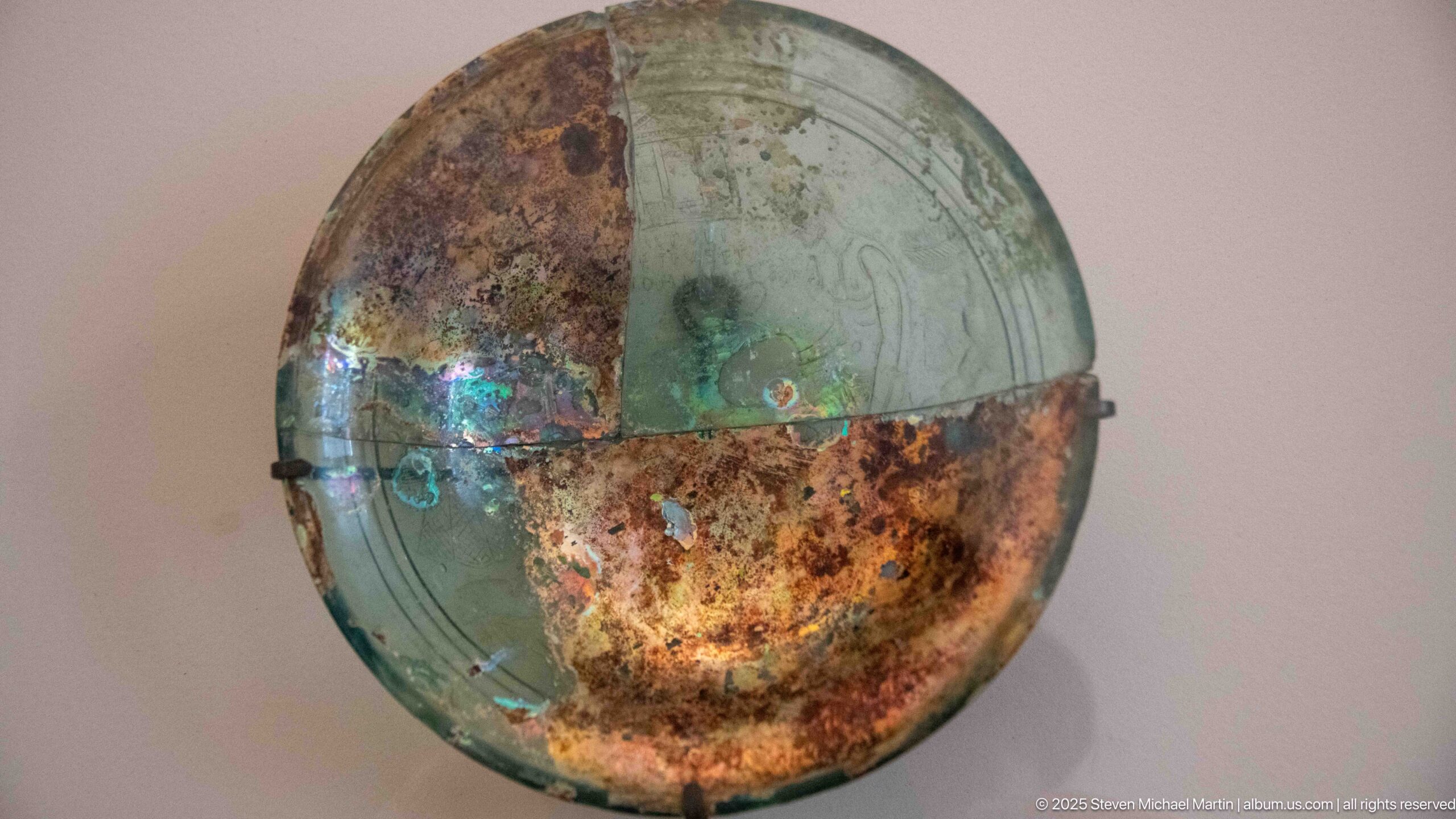
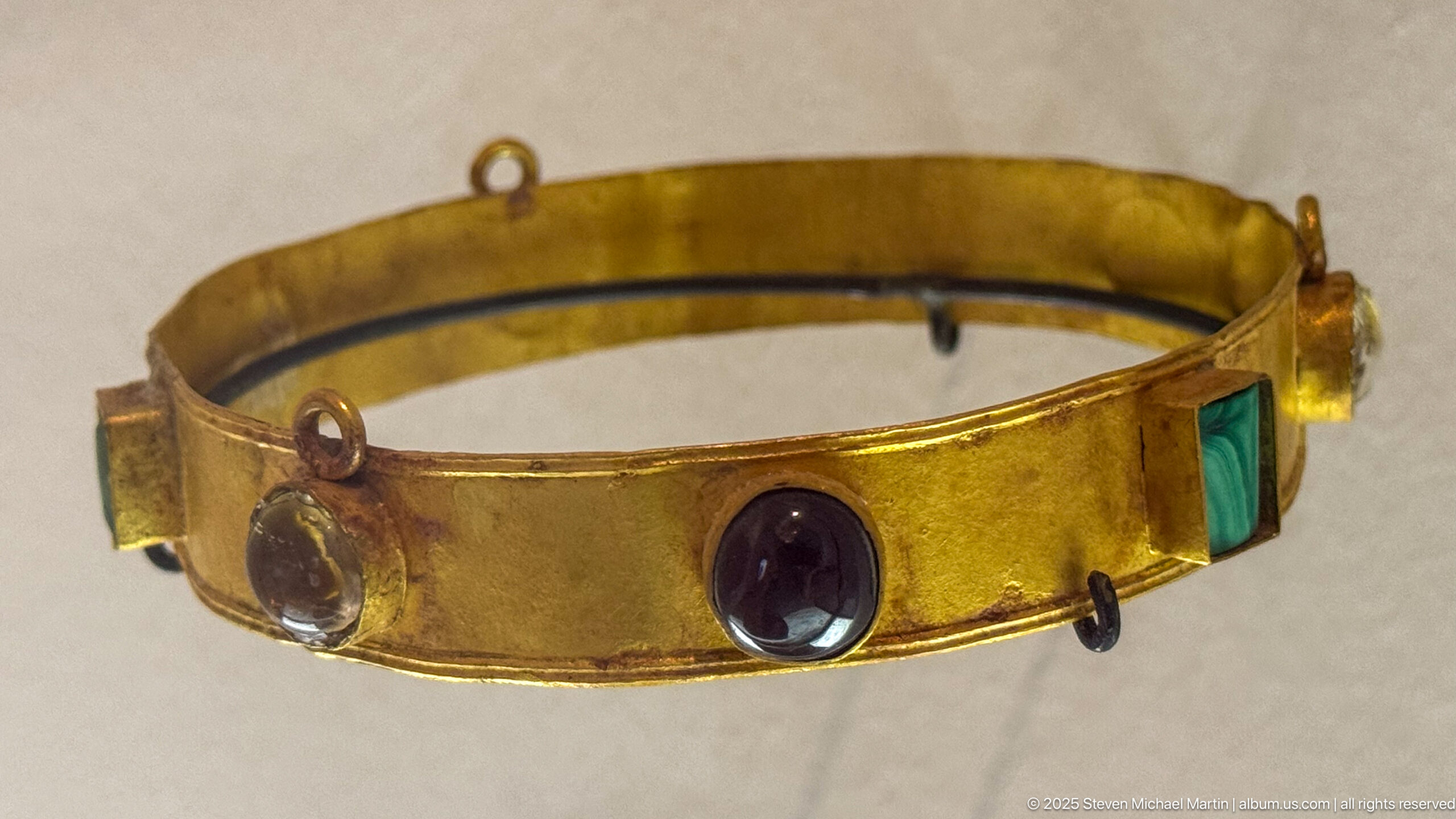
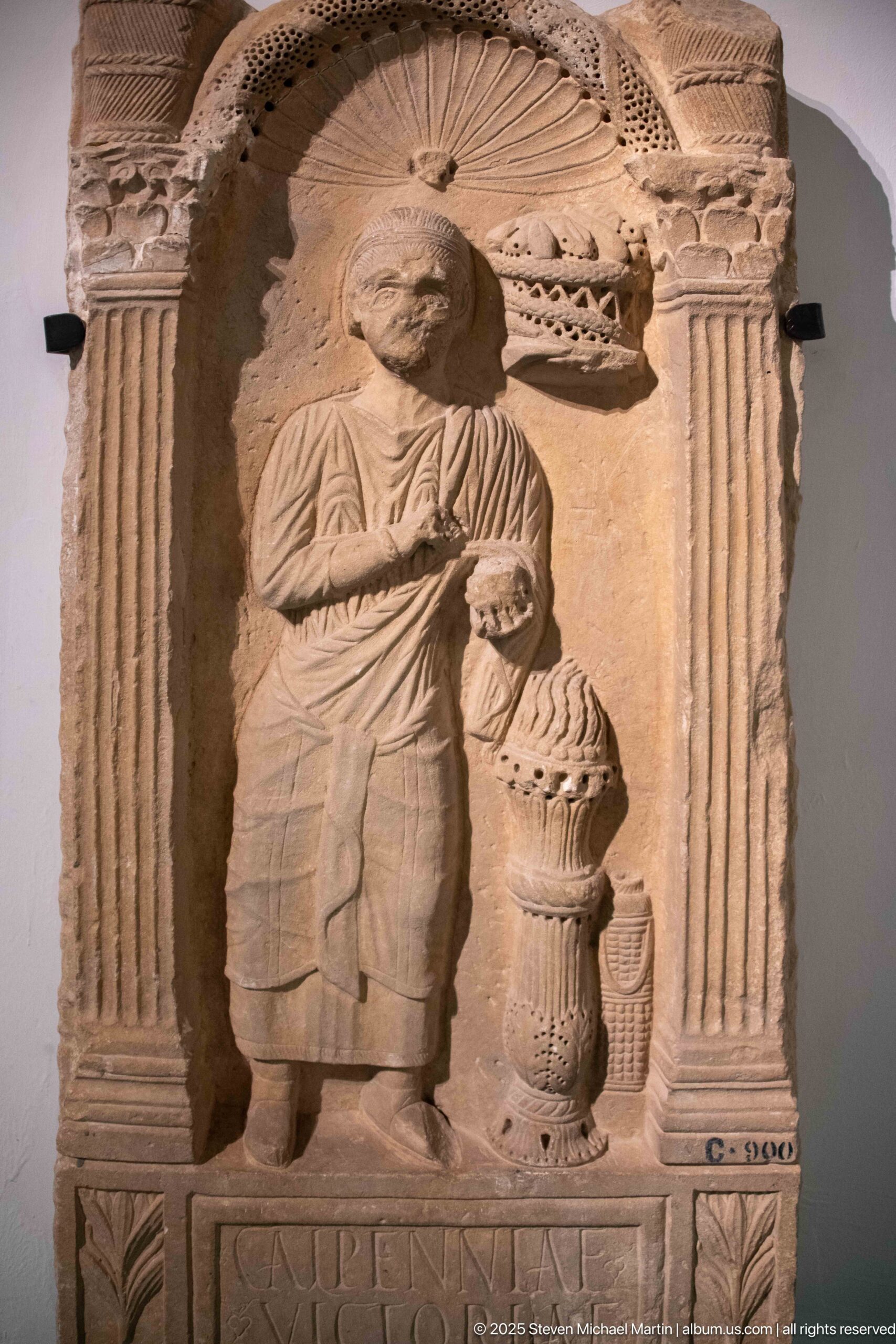
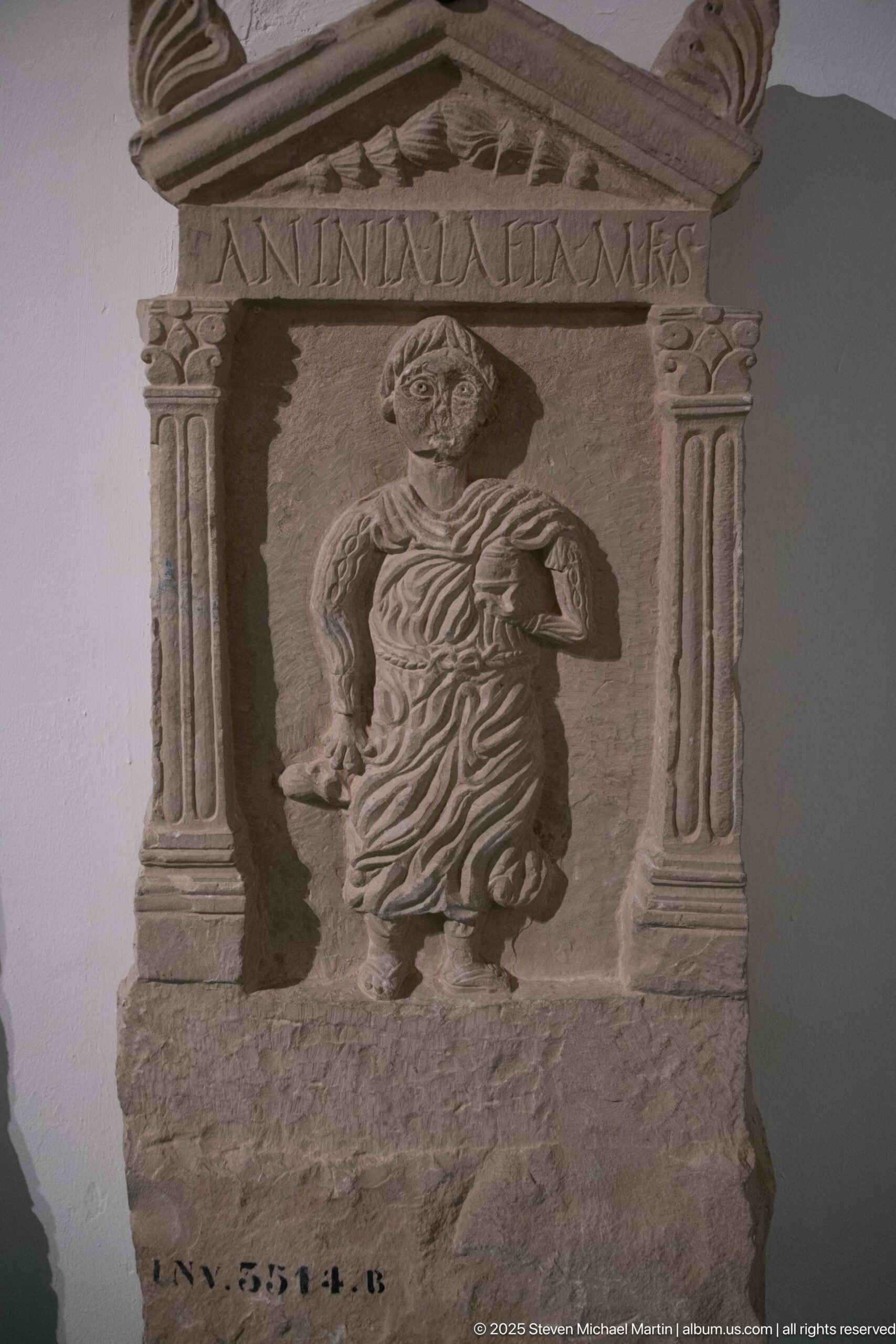
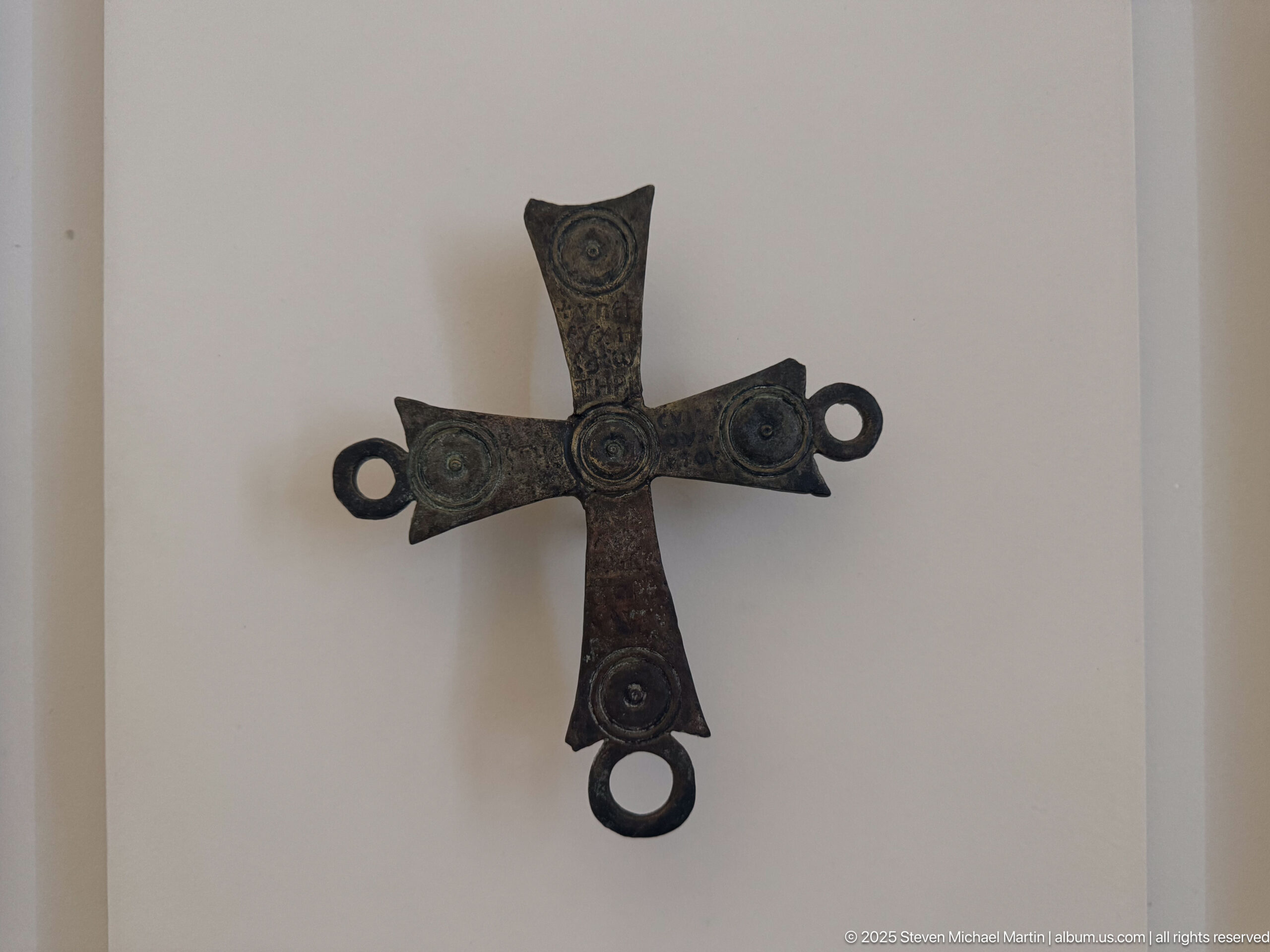
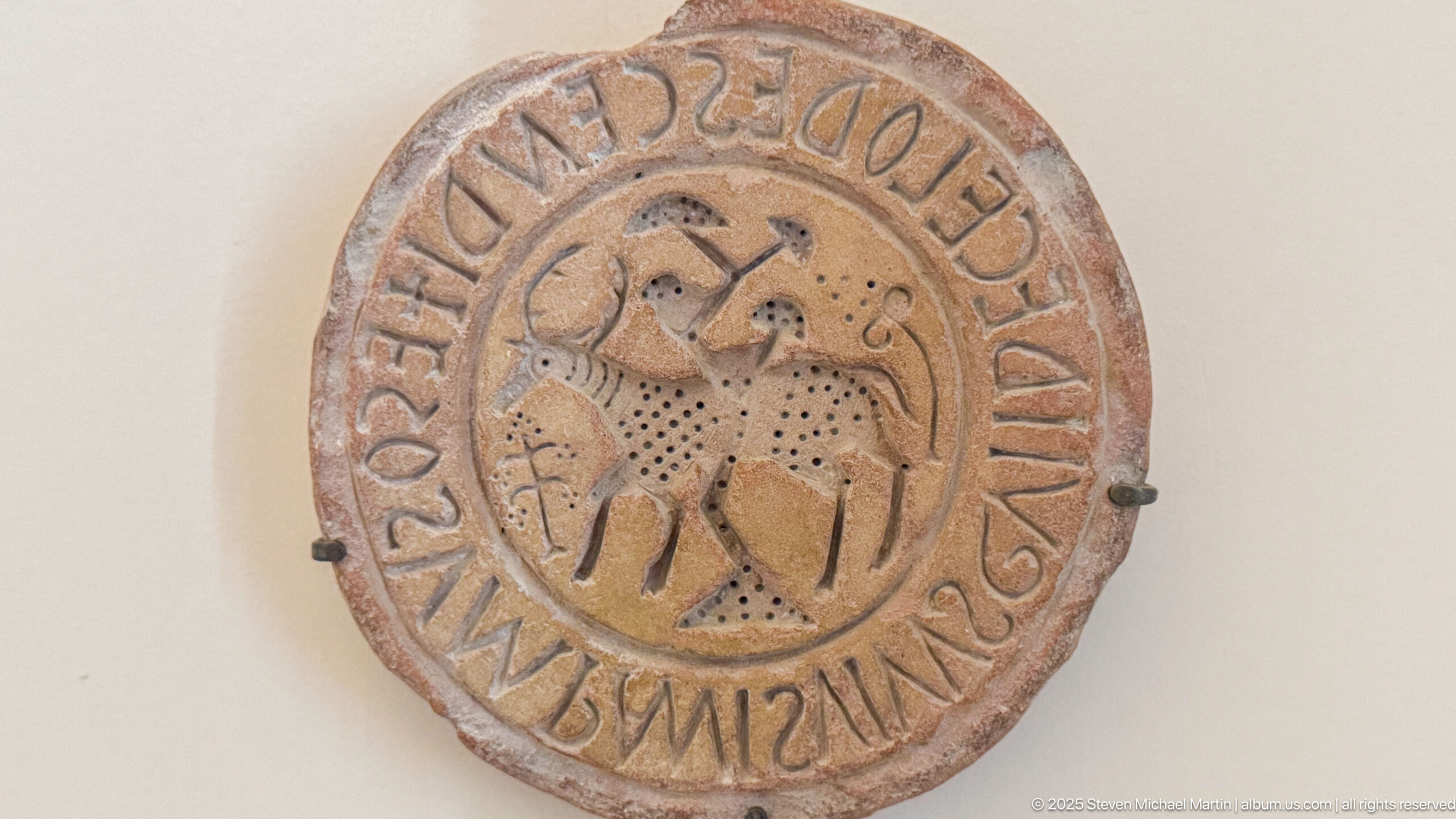
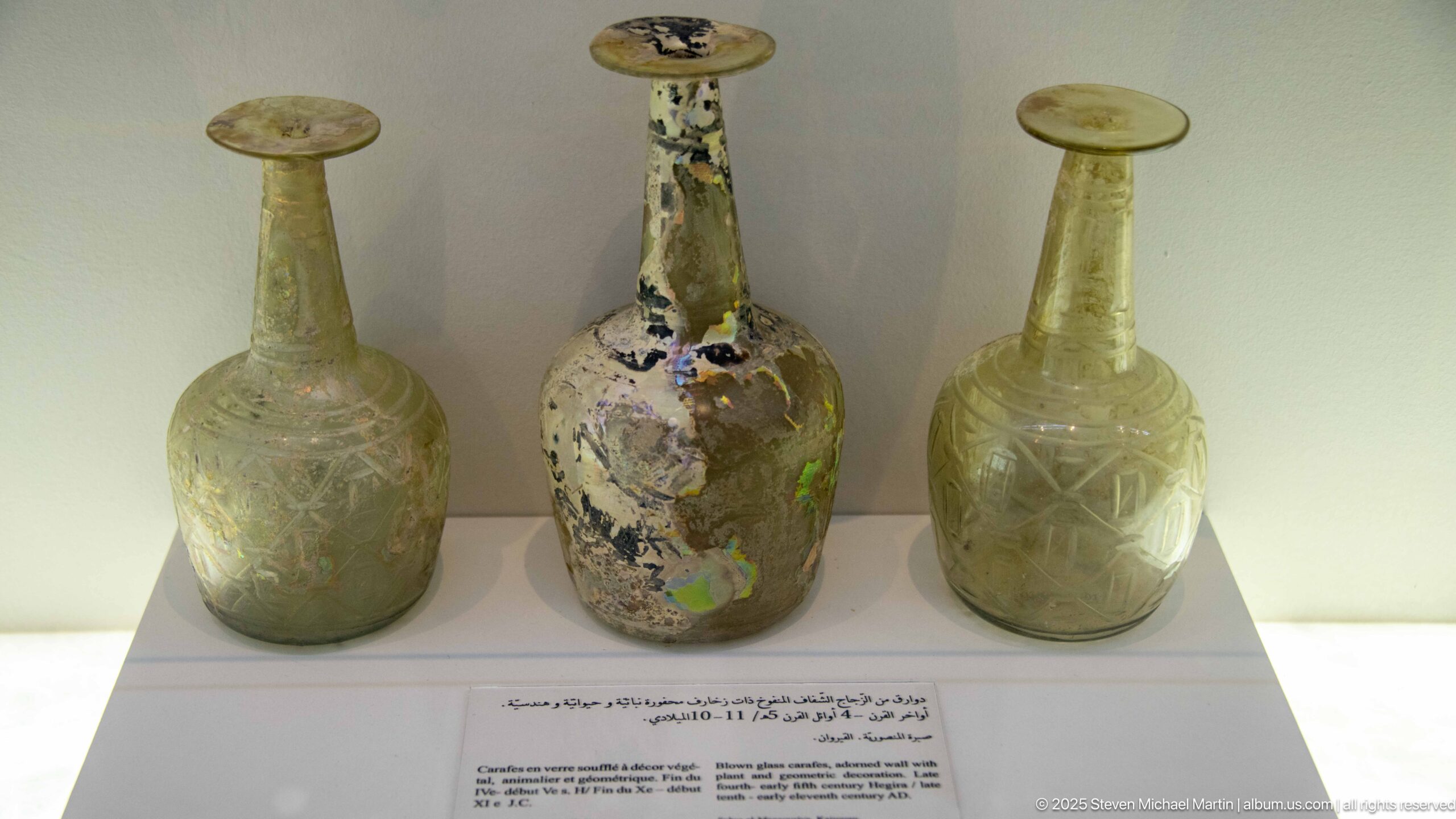
The museum’s galleries display sculptures, ceramics, inscriptions, and everyday objects recovered from archaeological sites across the country. These collections provide valuable insight into the civilizations that flourished along the Mediterranean coast of North Africa.
Today the Bardo Museum remains one of the most significant cultural institutions in Tunisia.
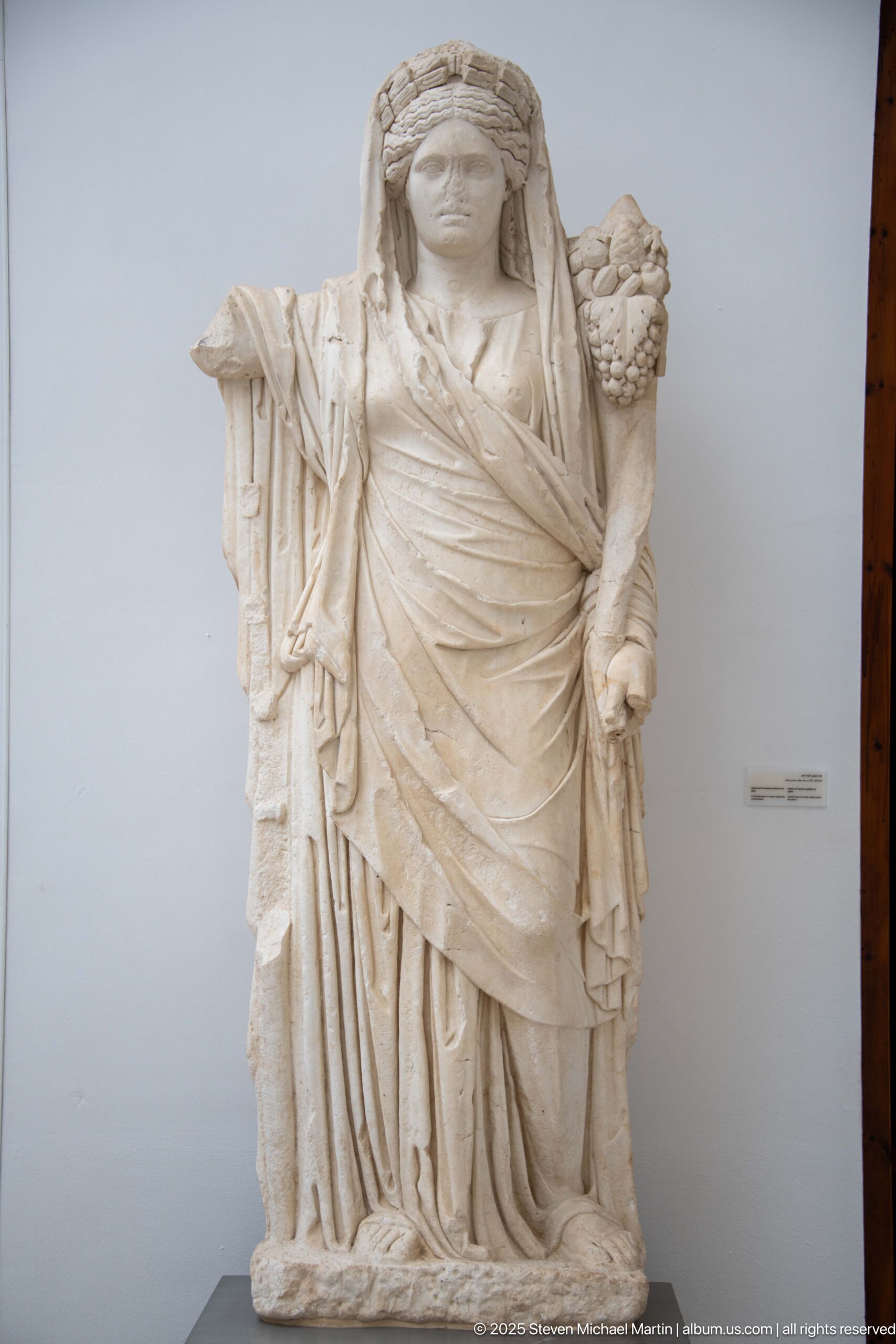
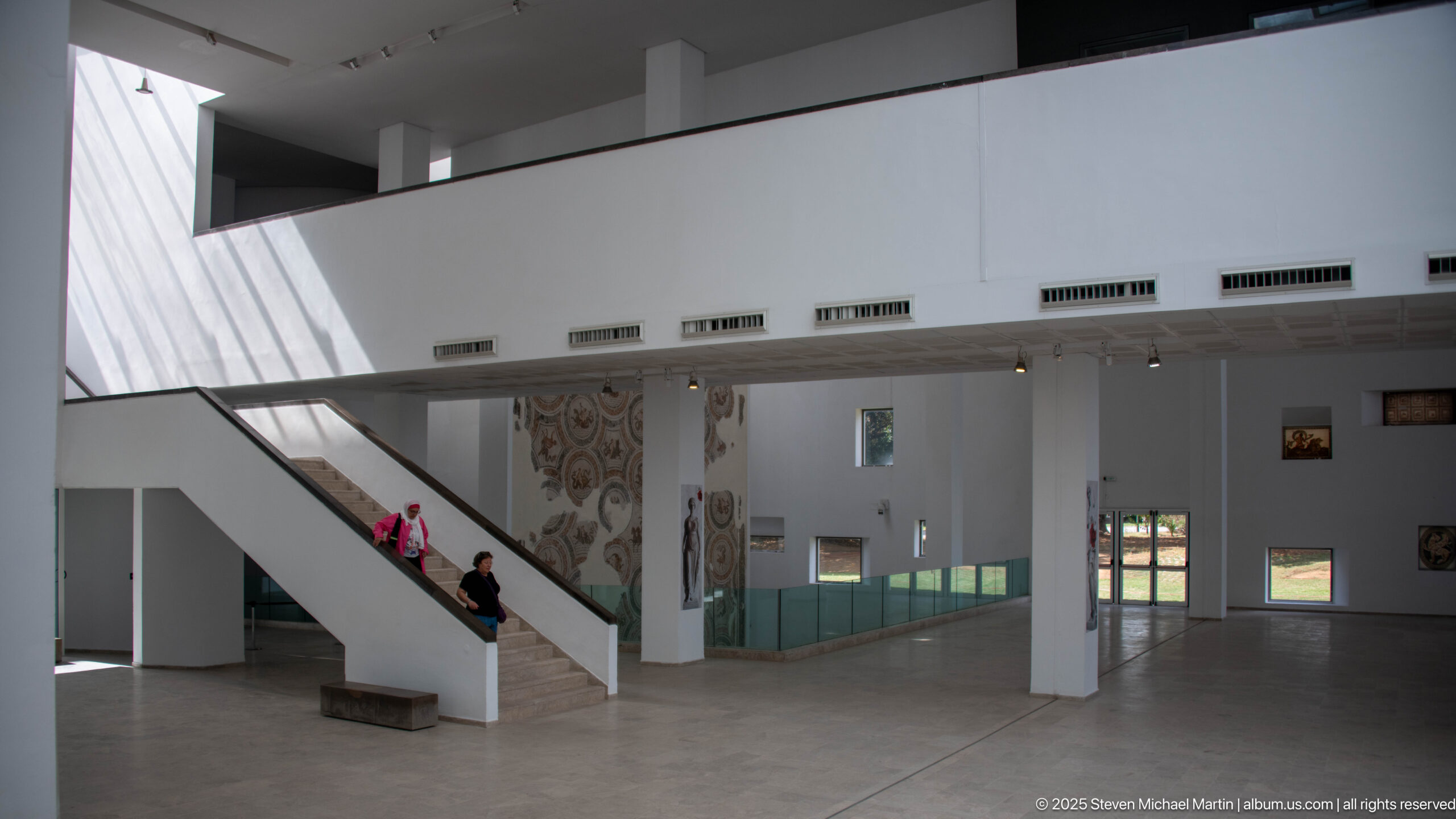
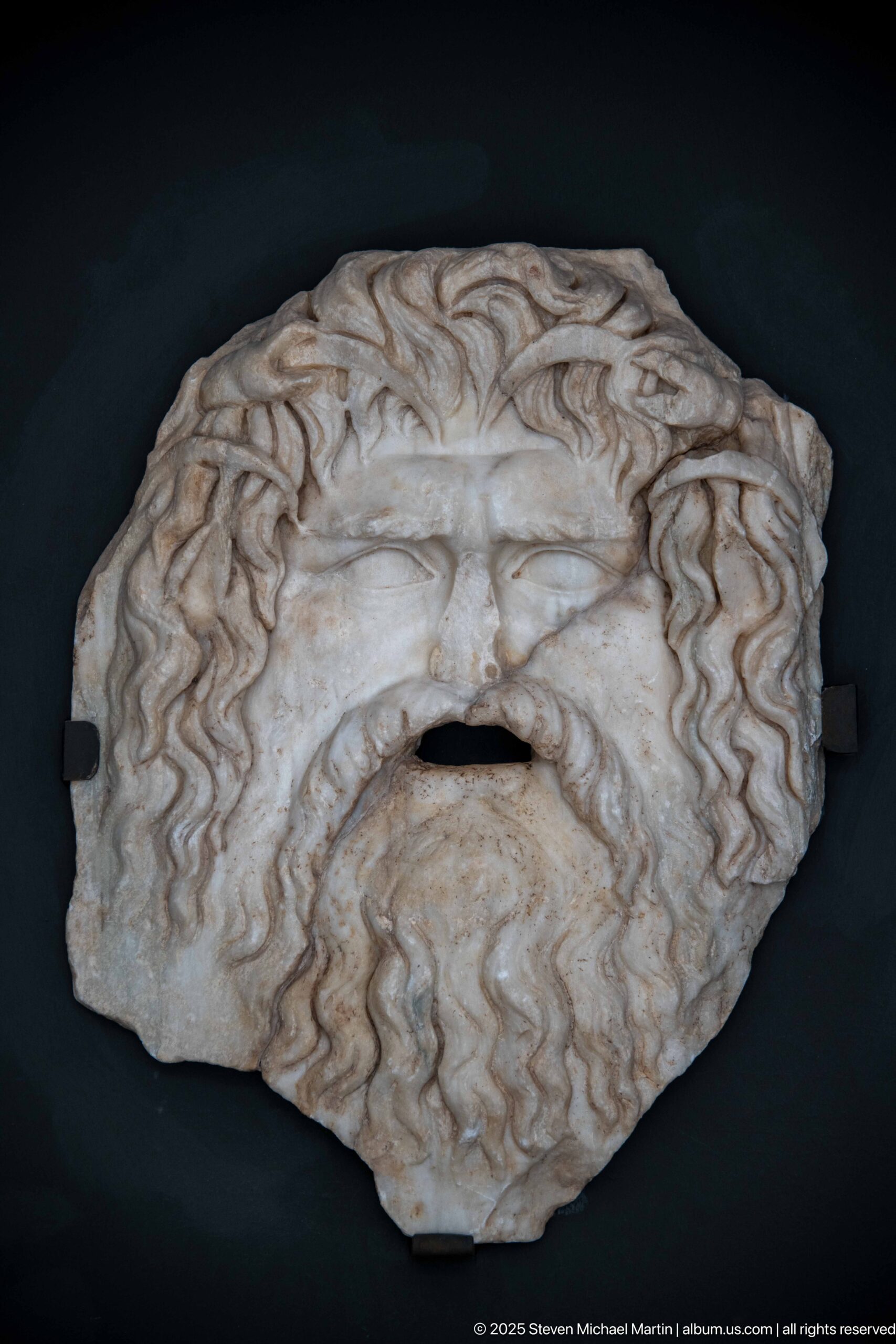
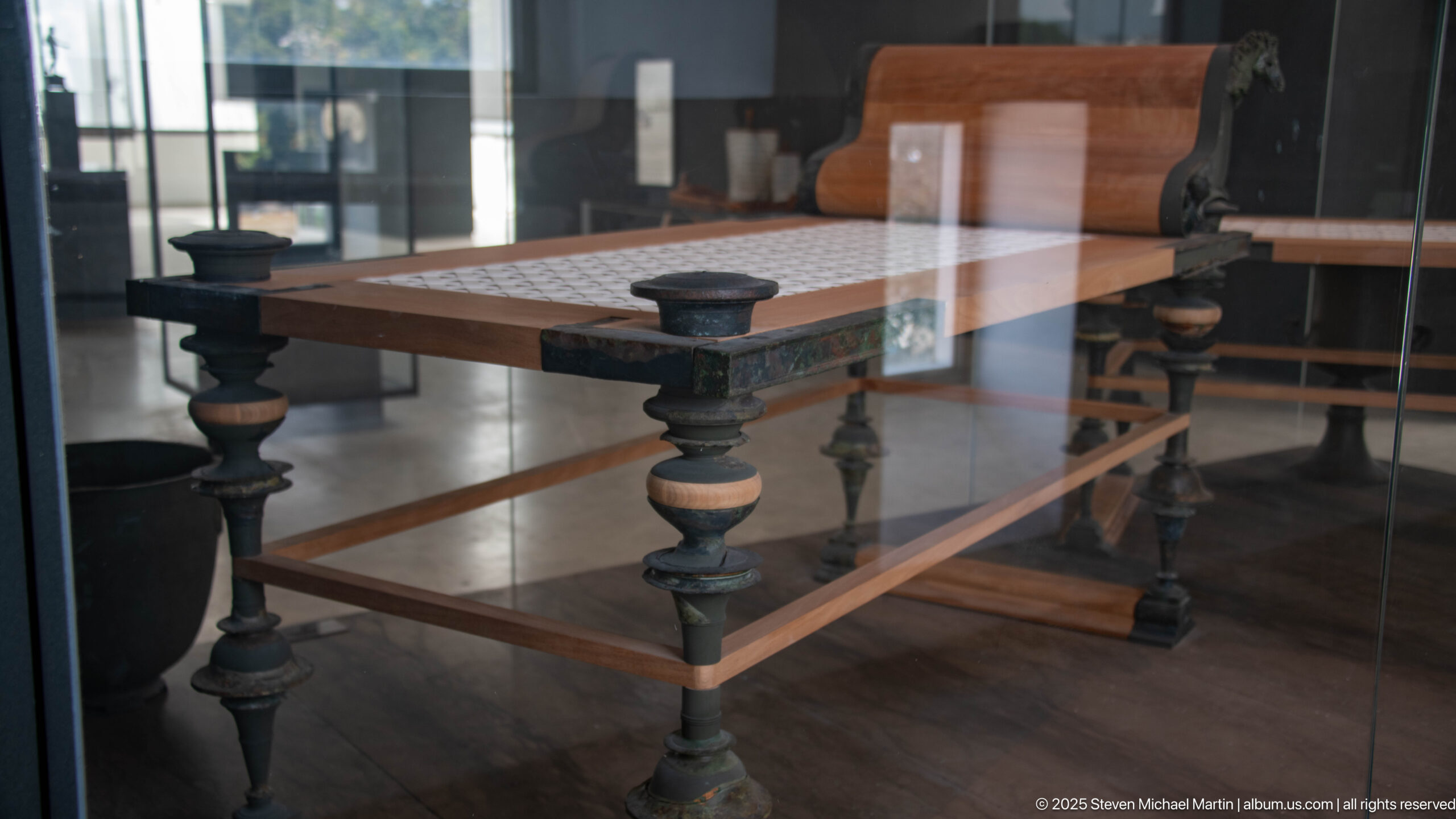
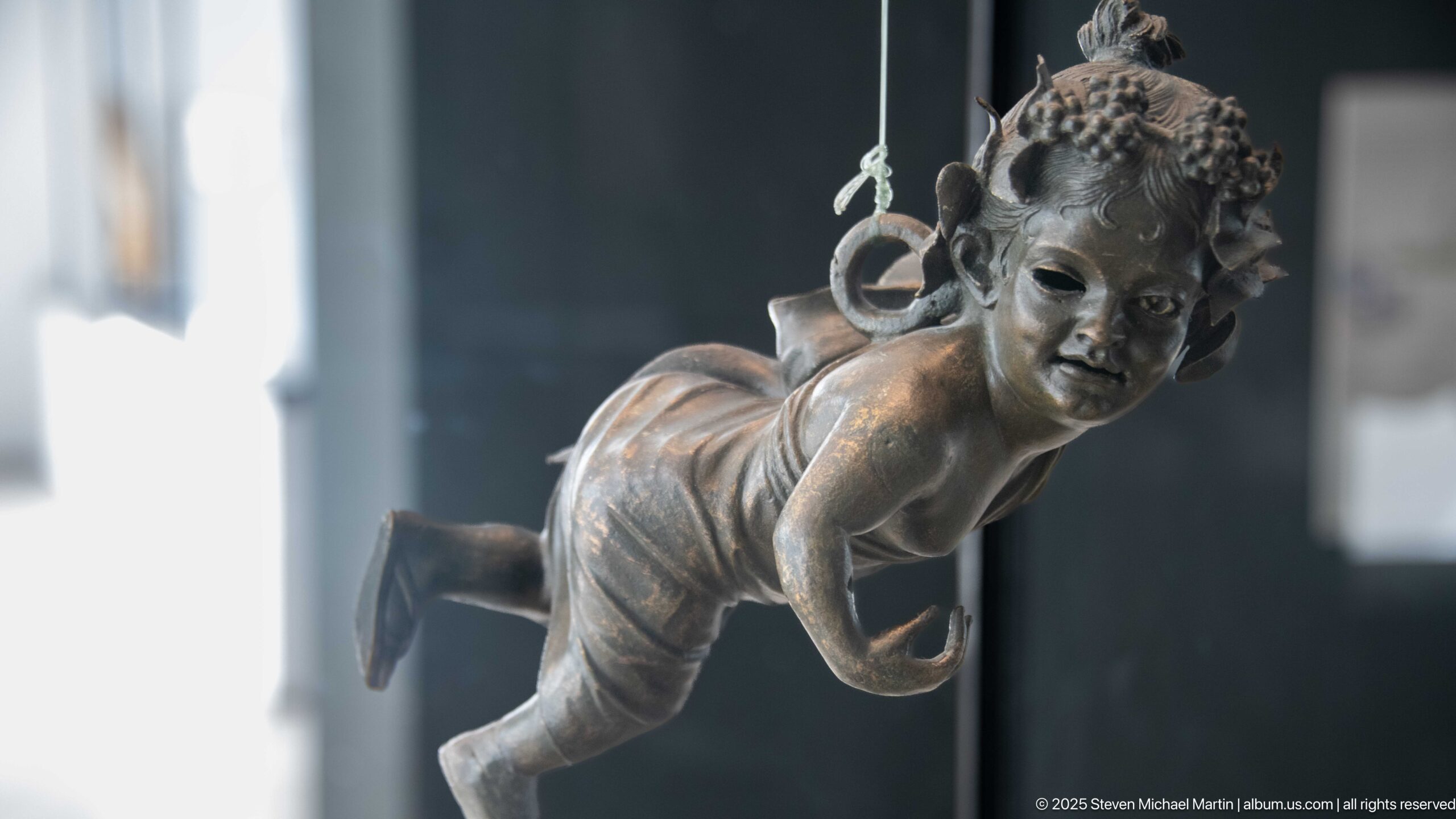
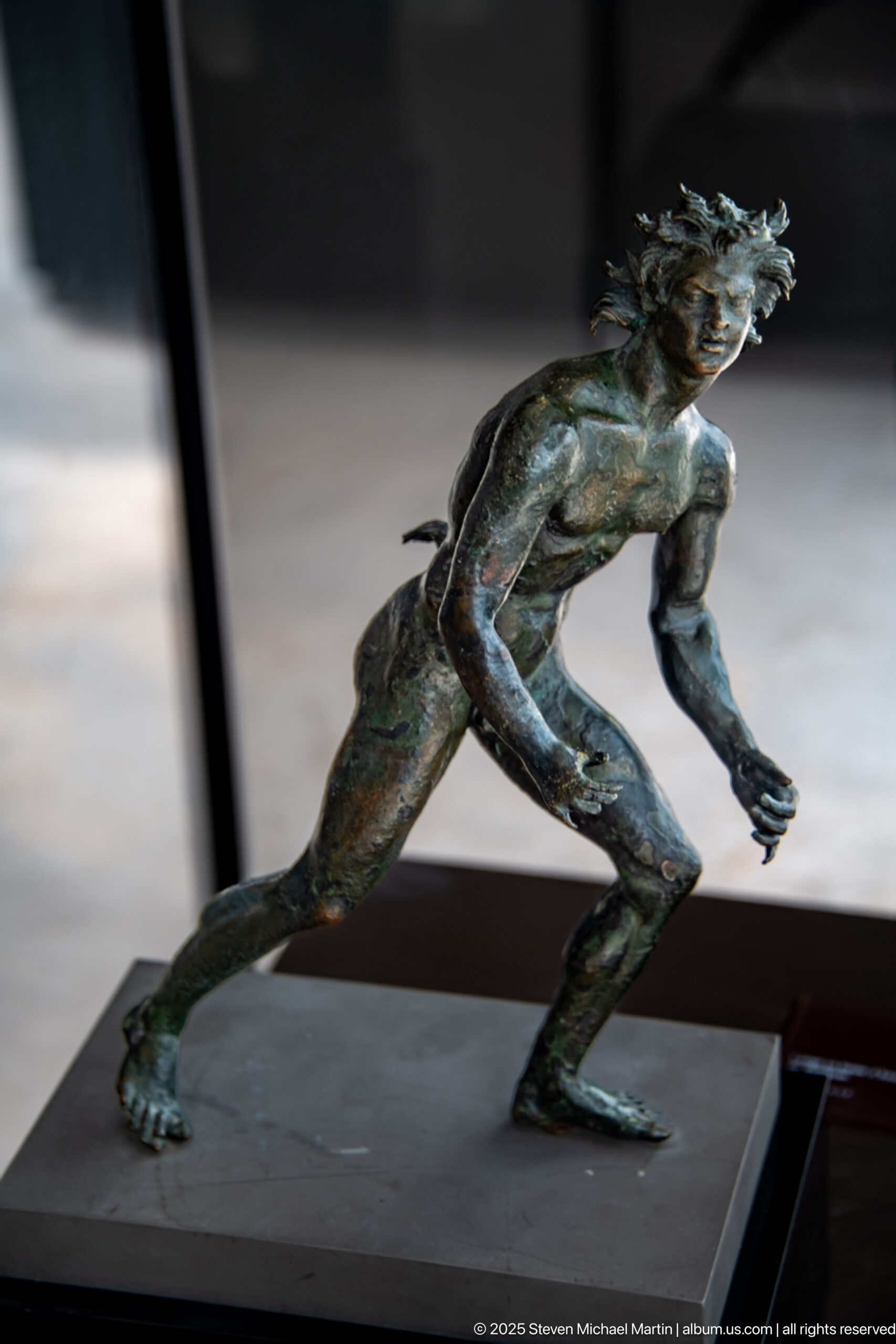
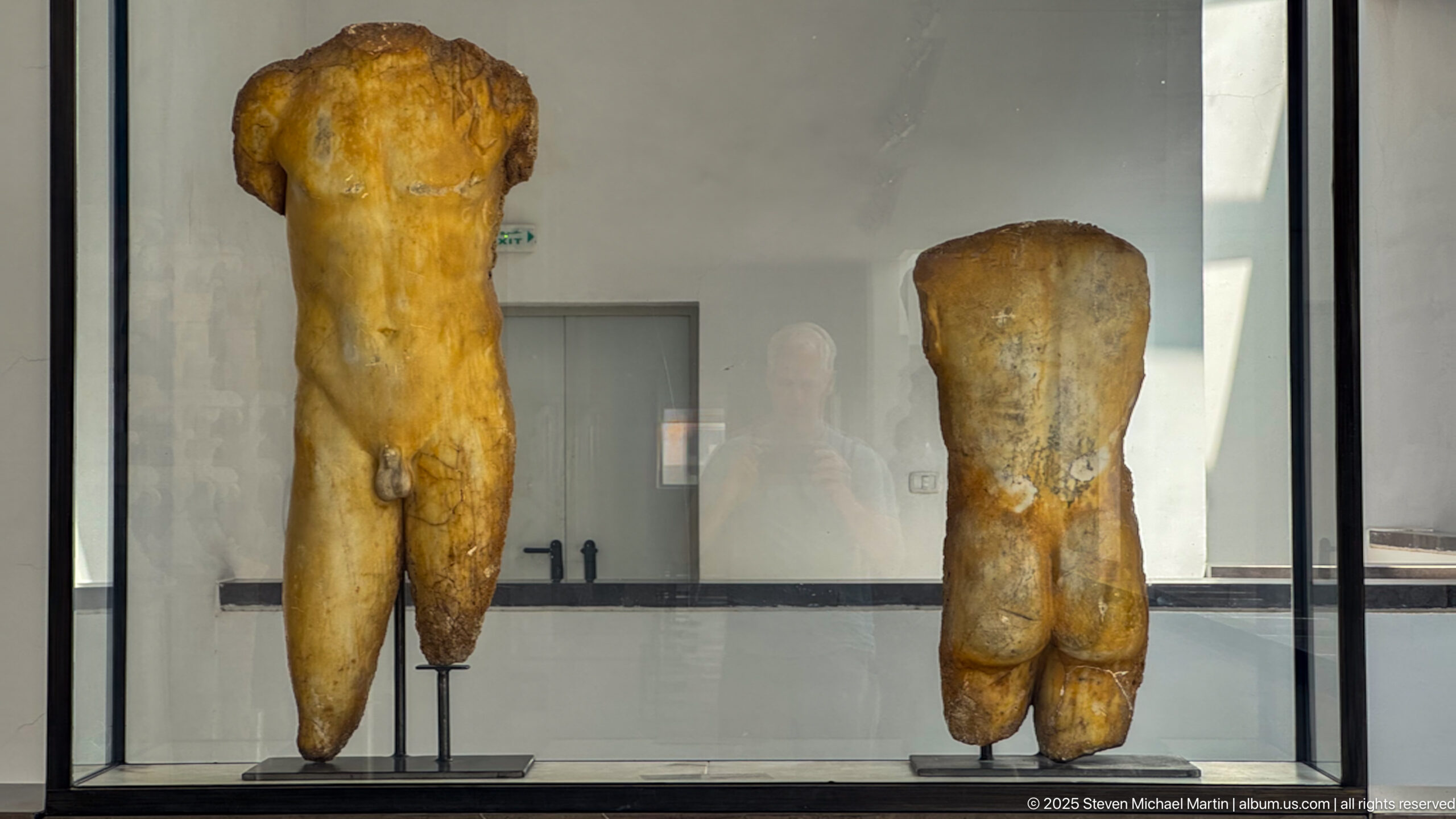
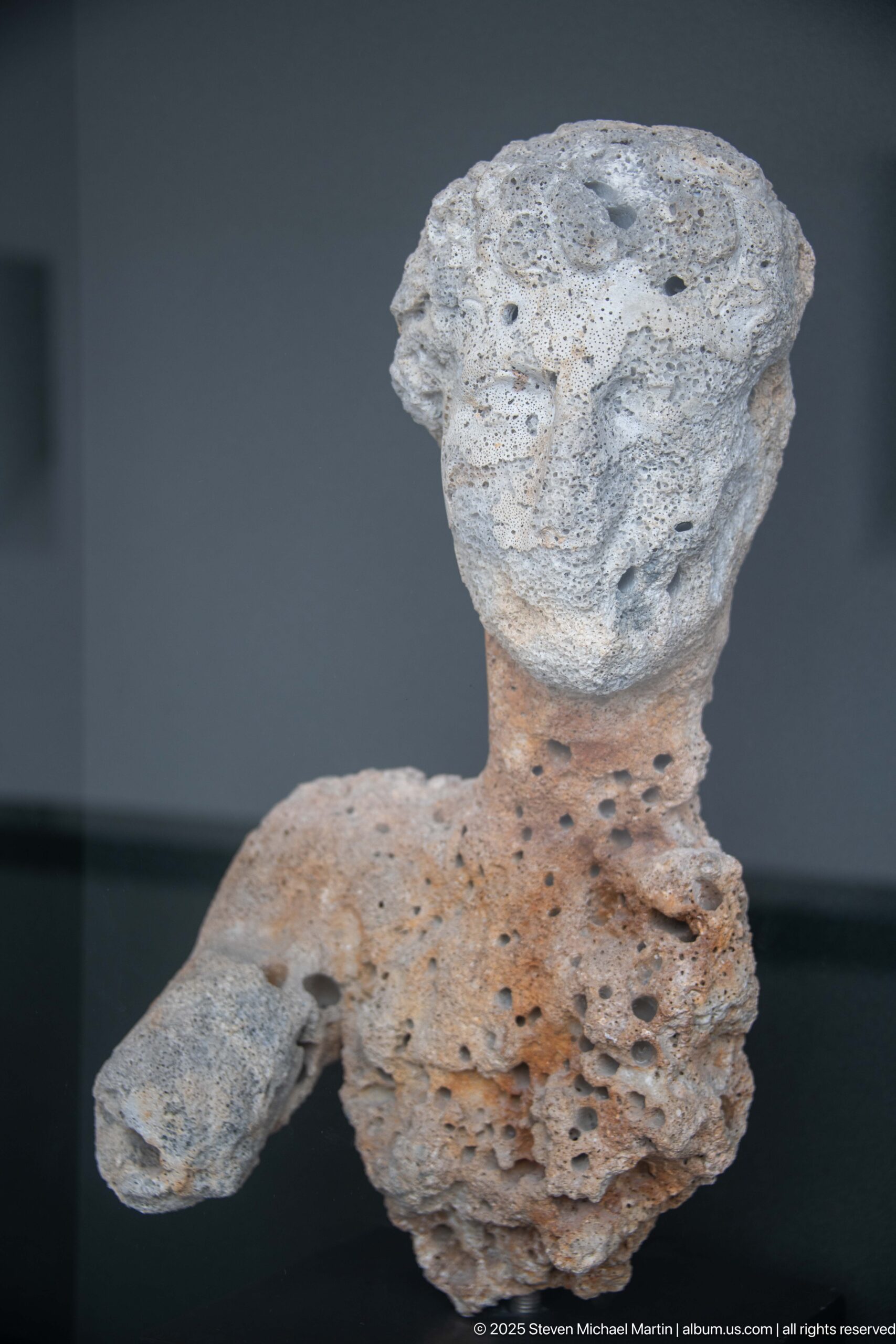
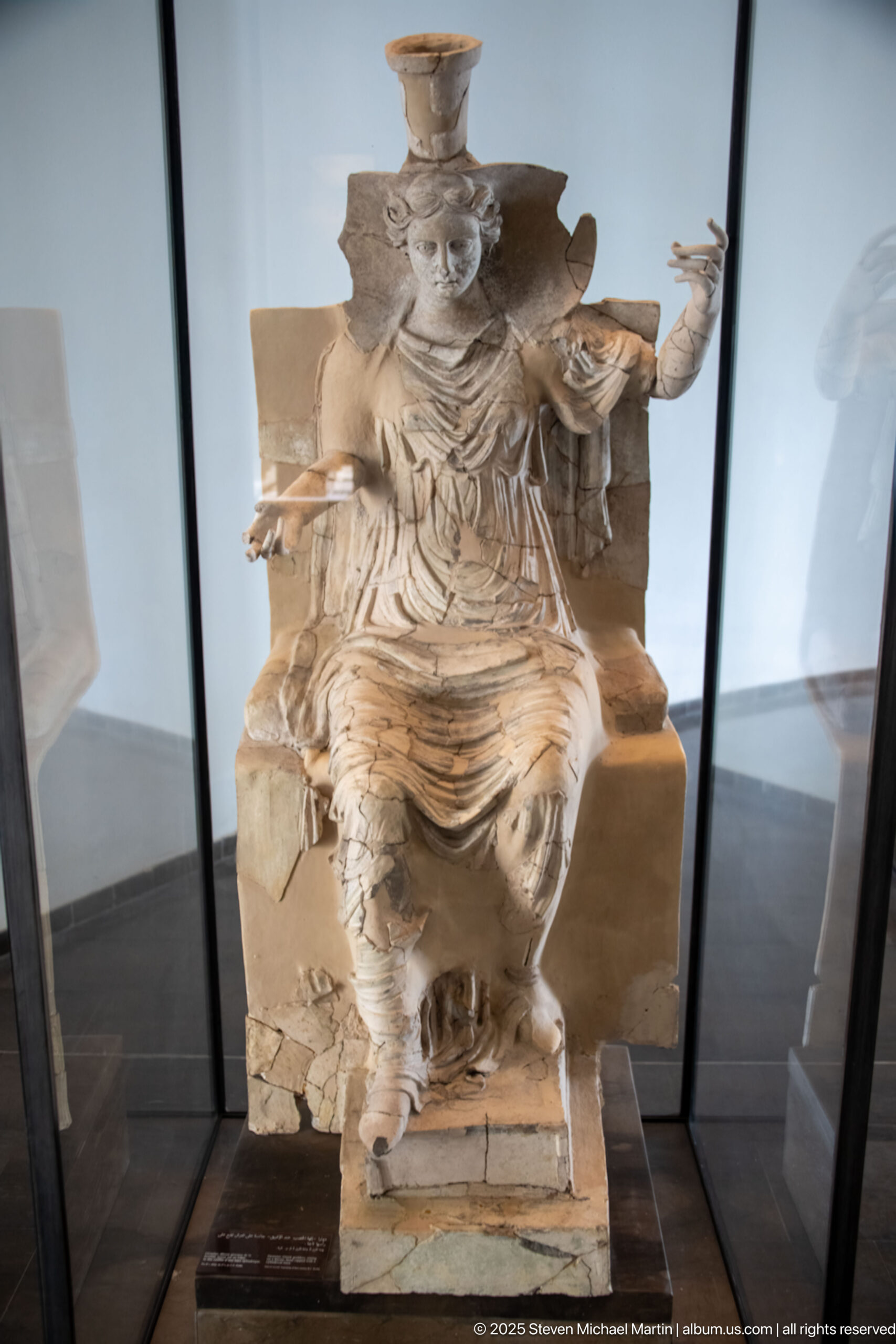
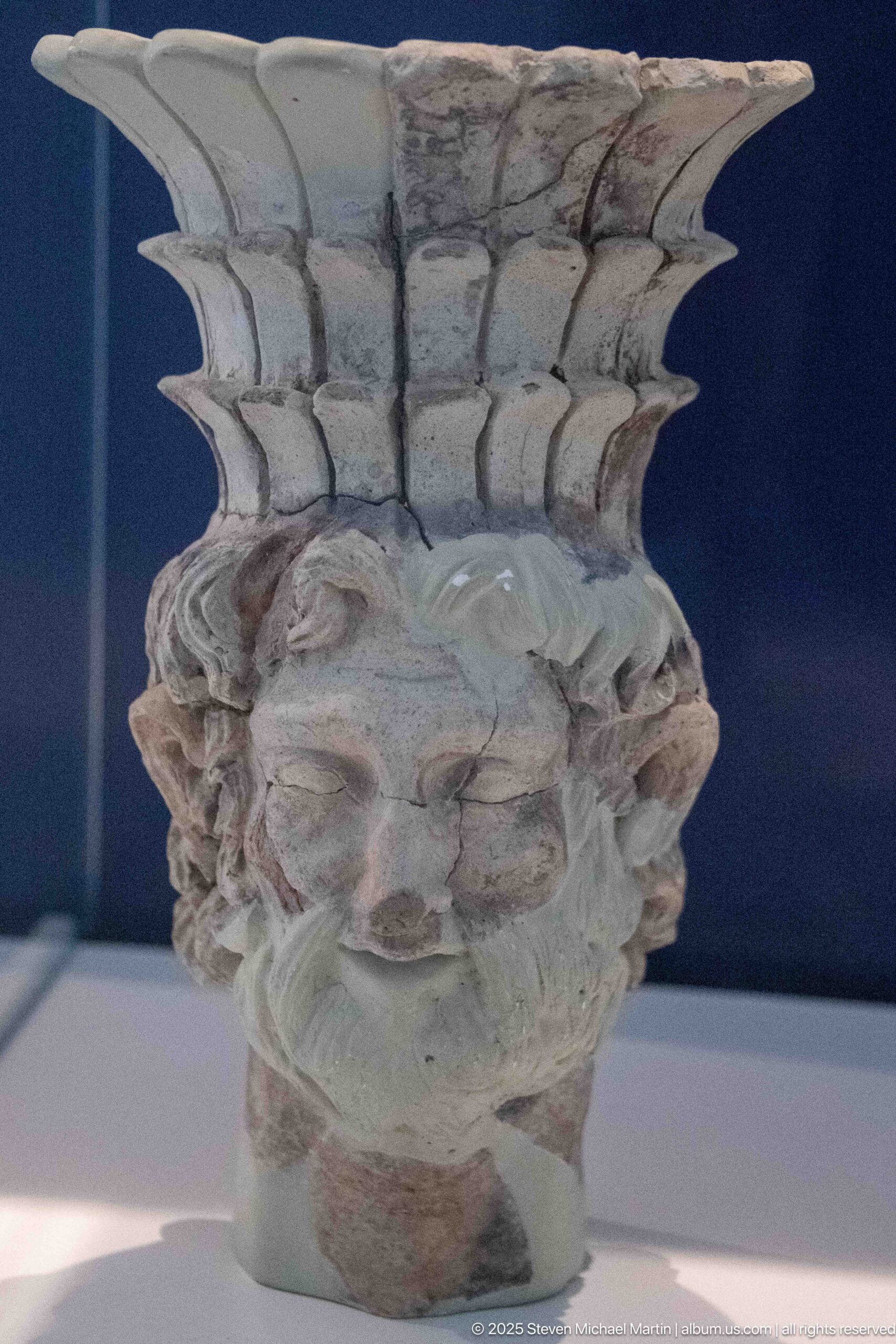
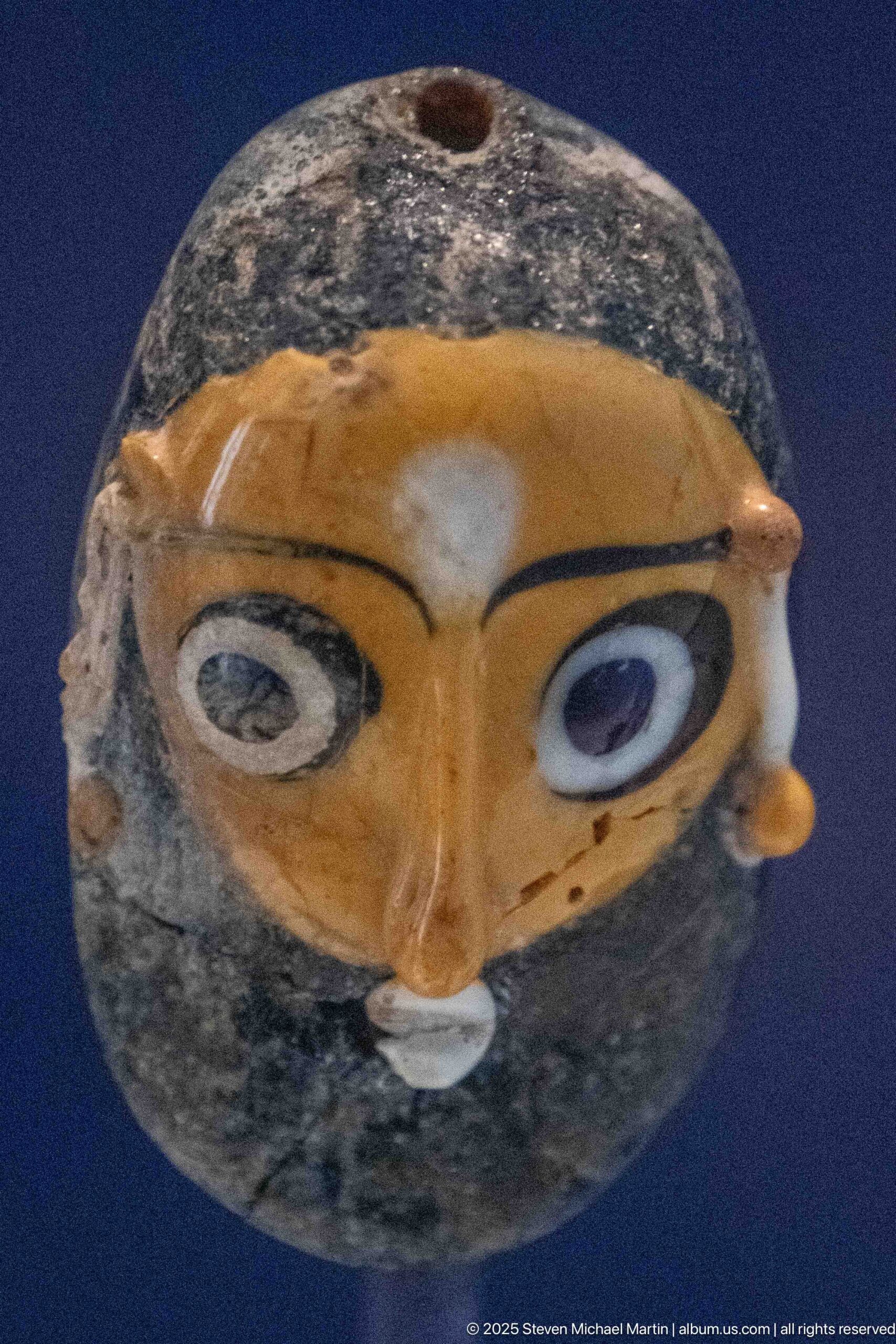
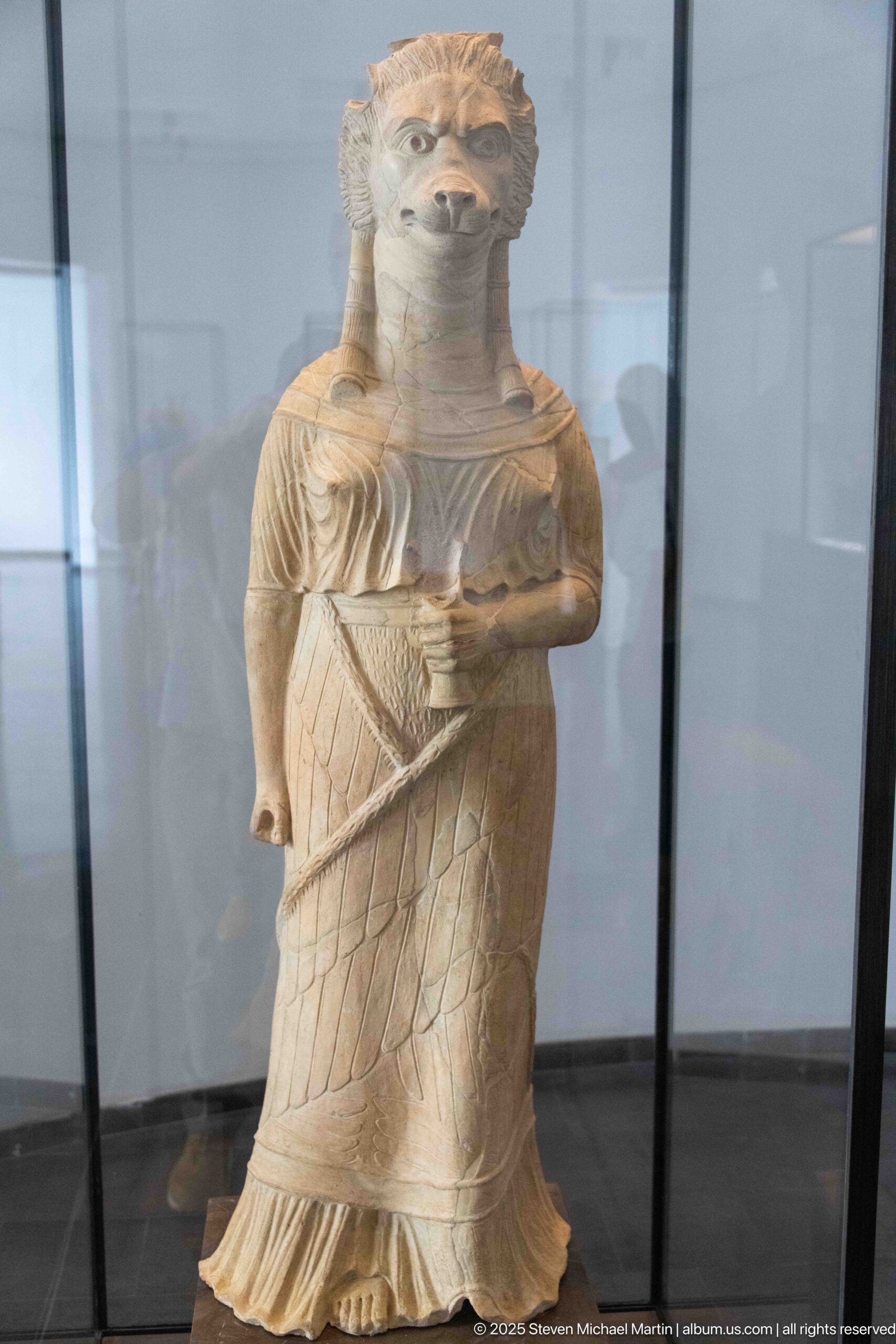
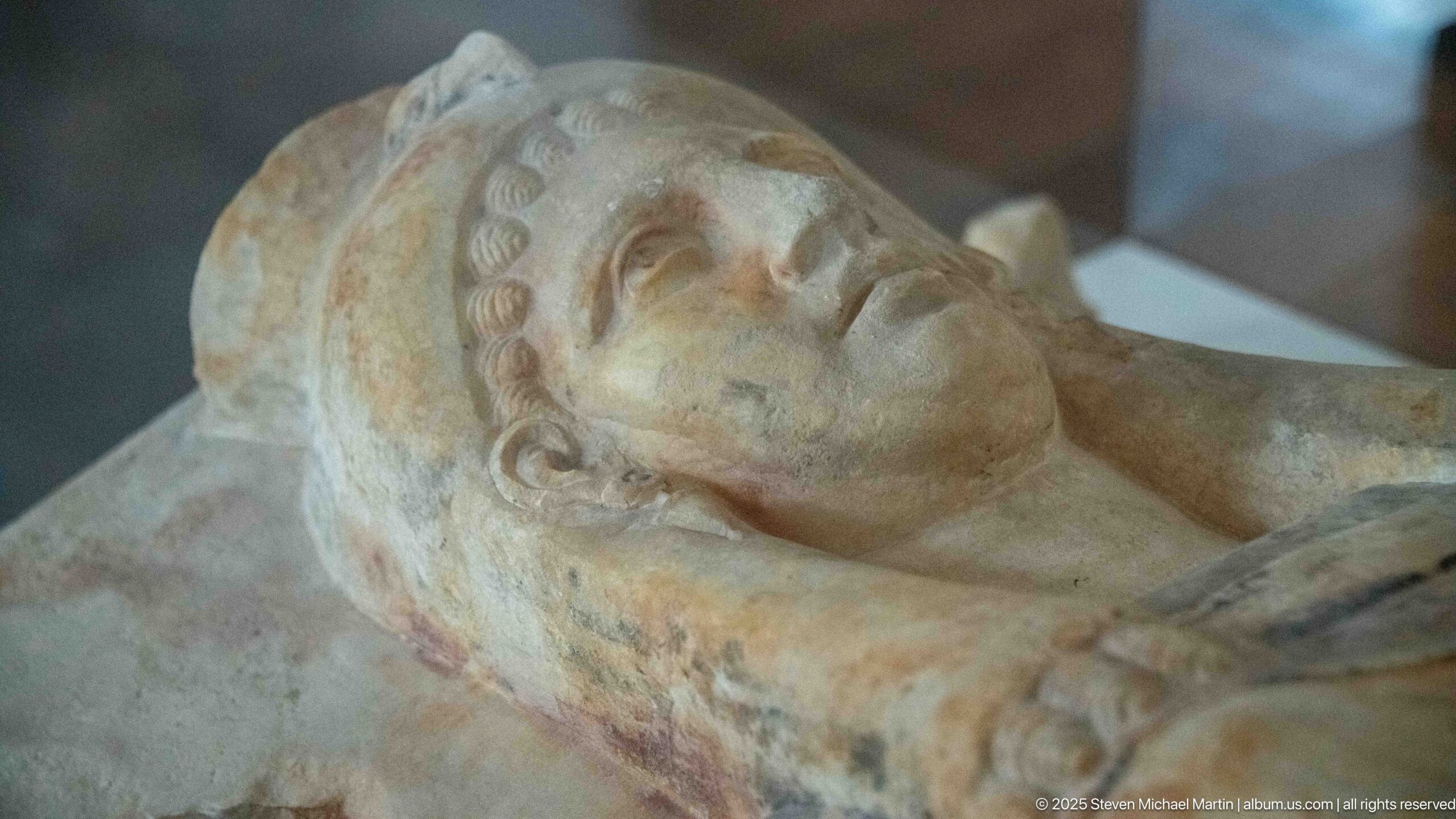
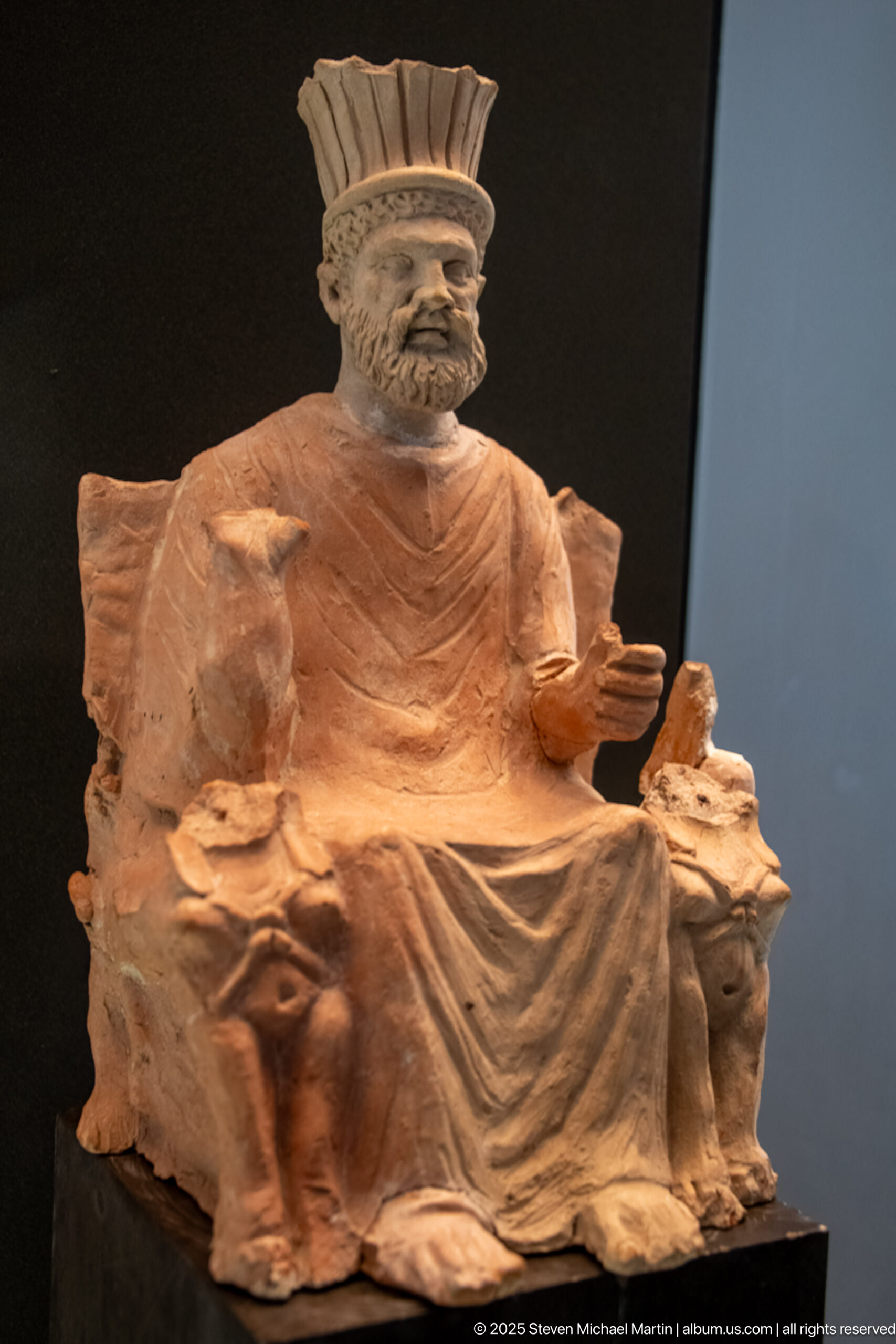
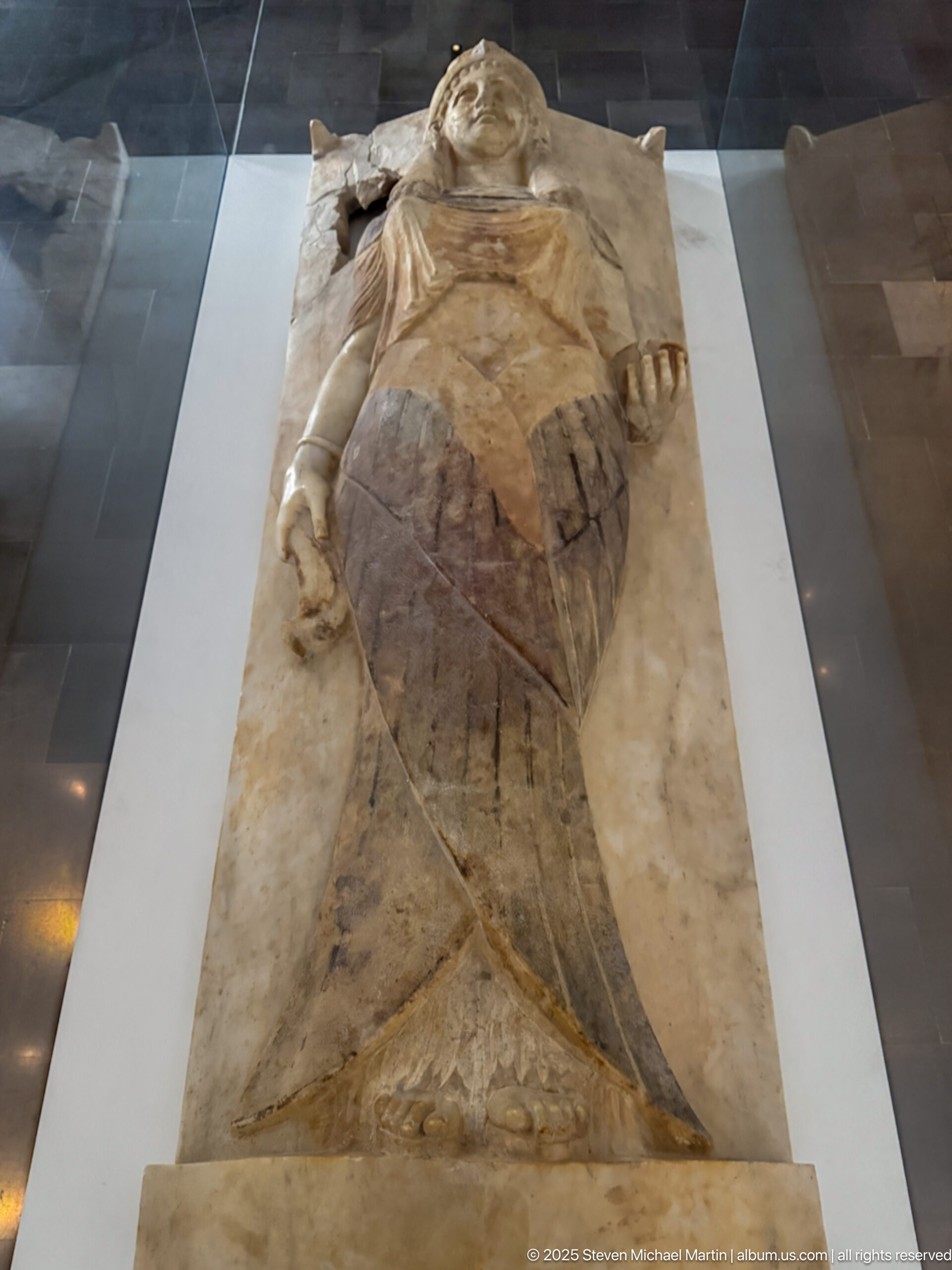
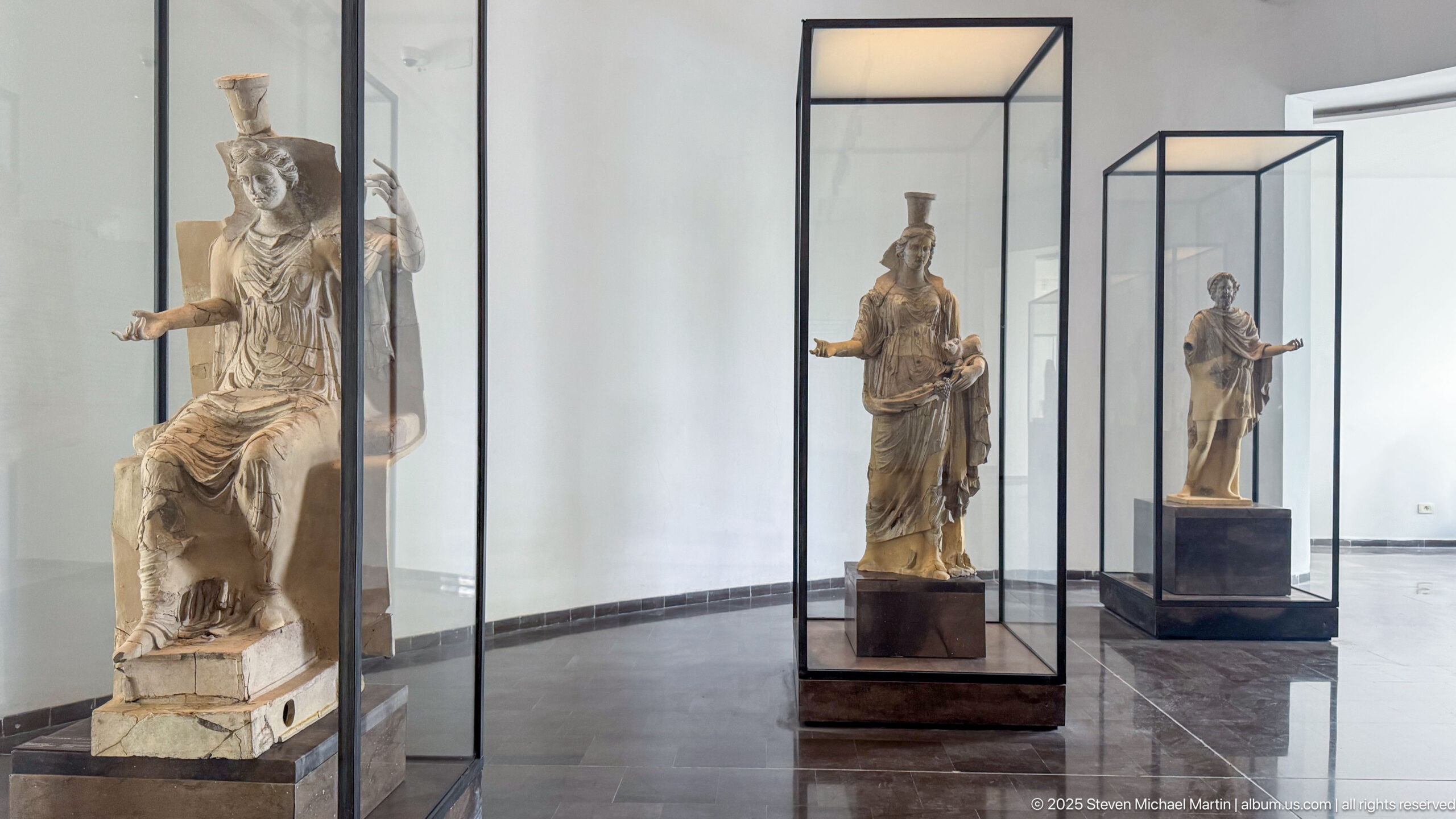
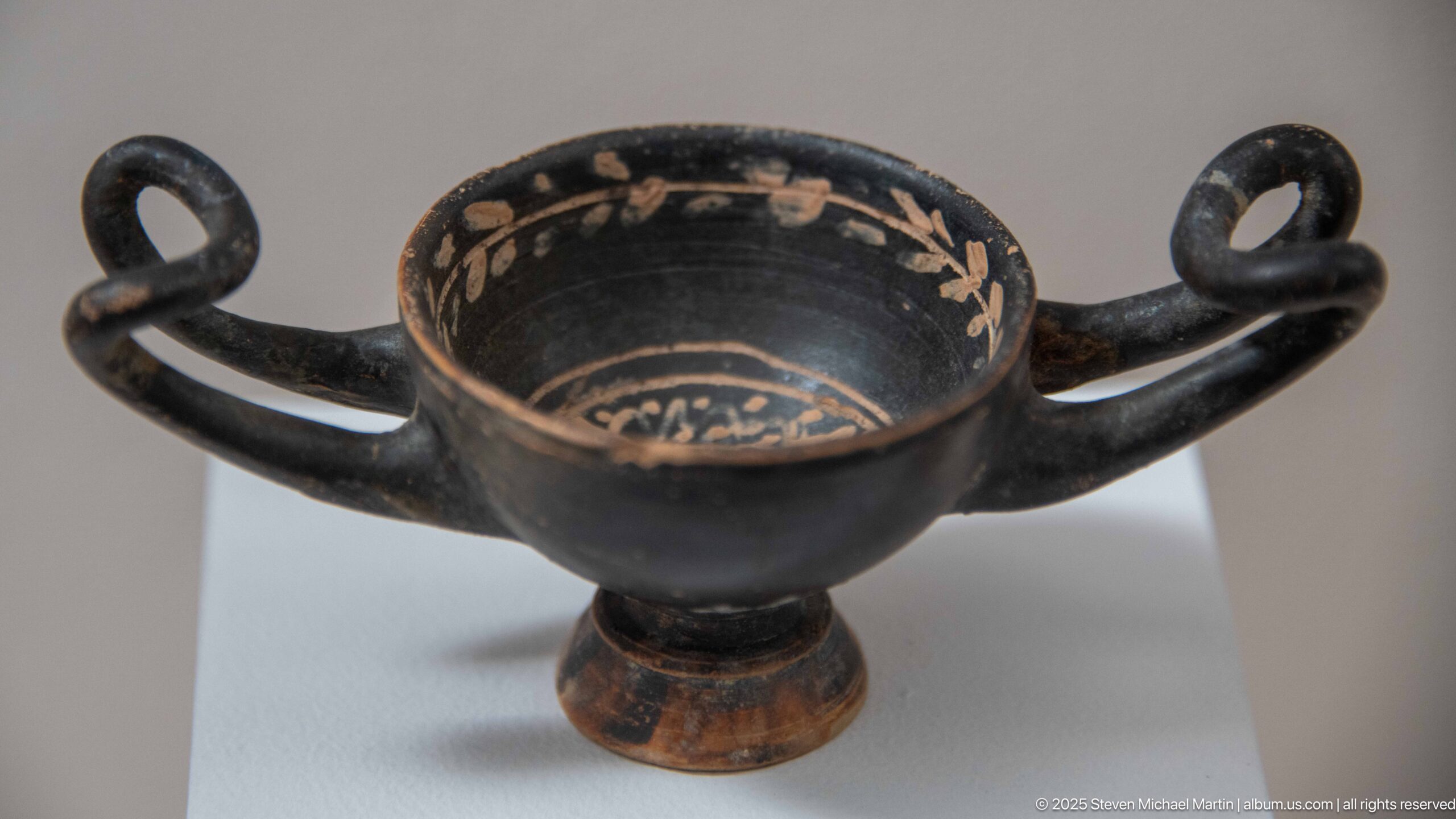
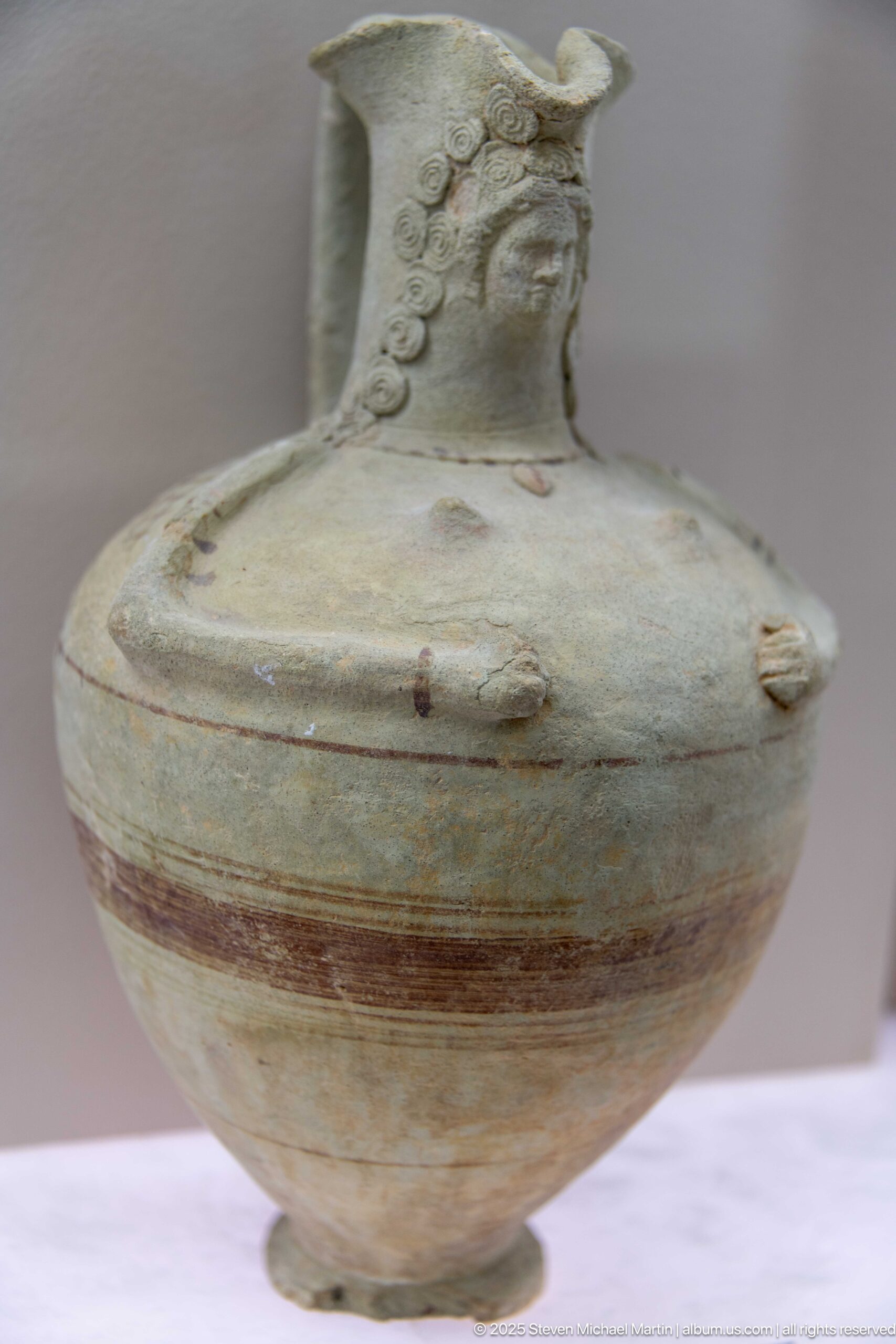
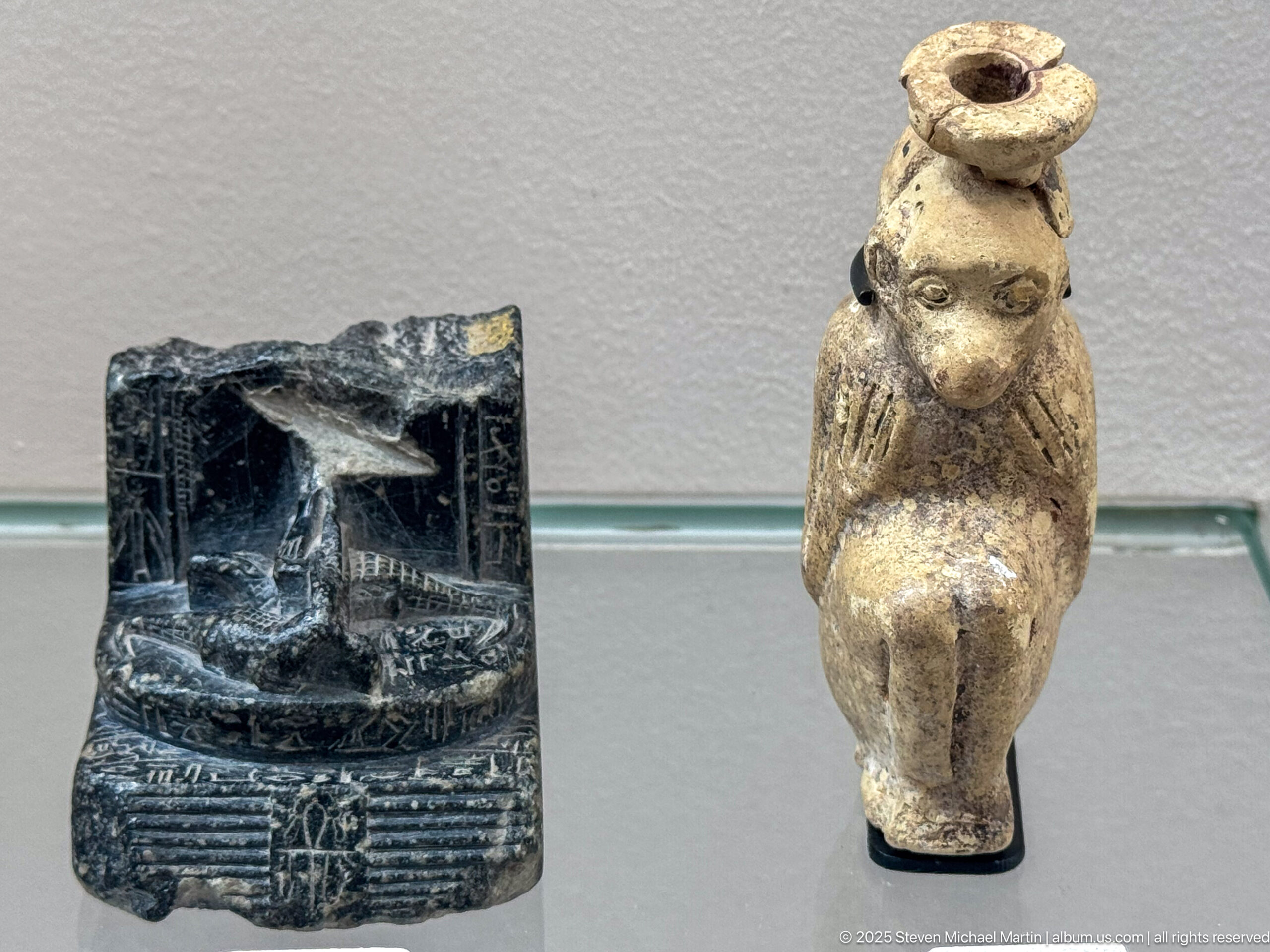
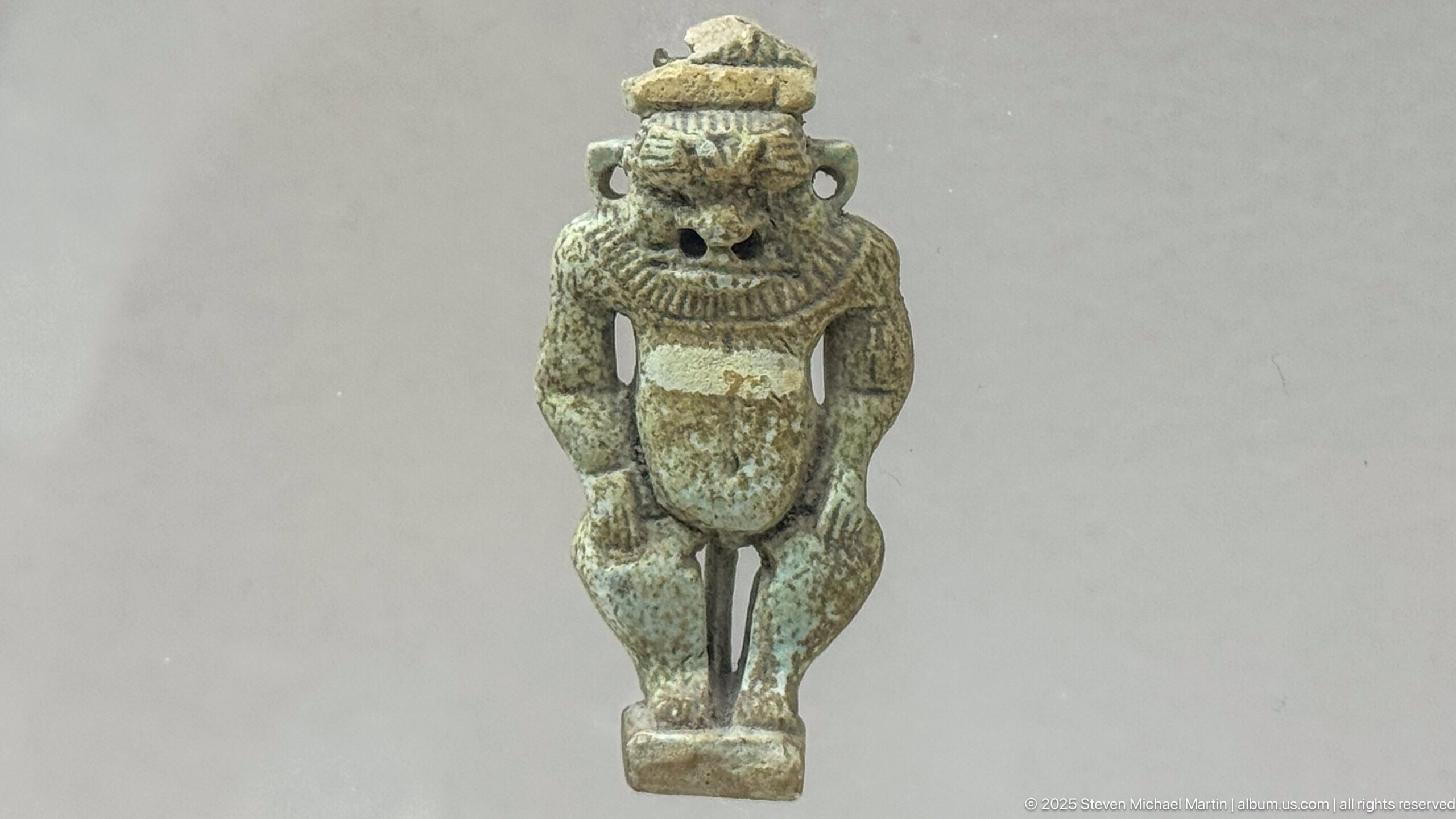
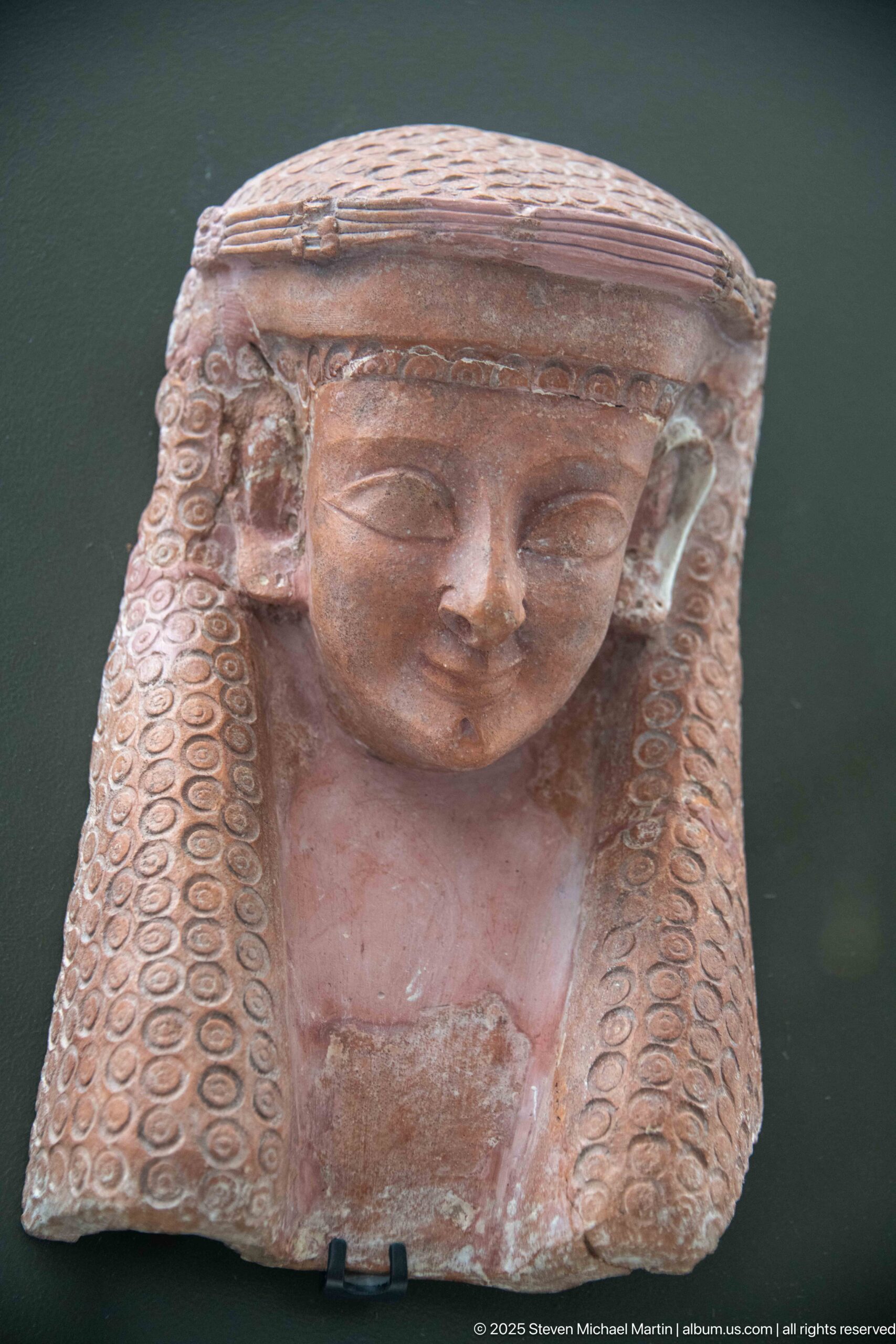
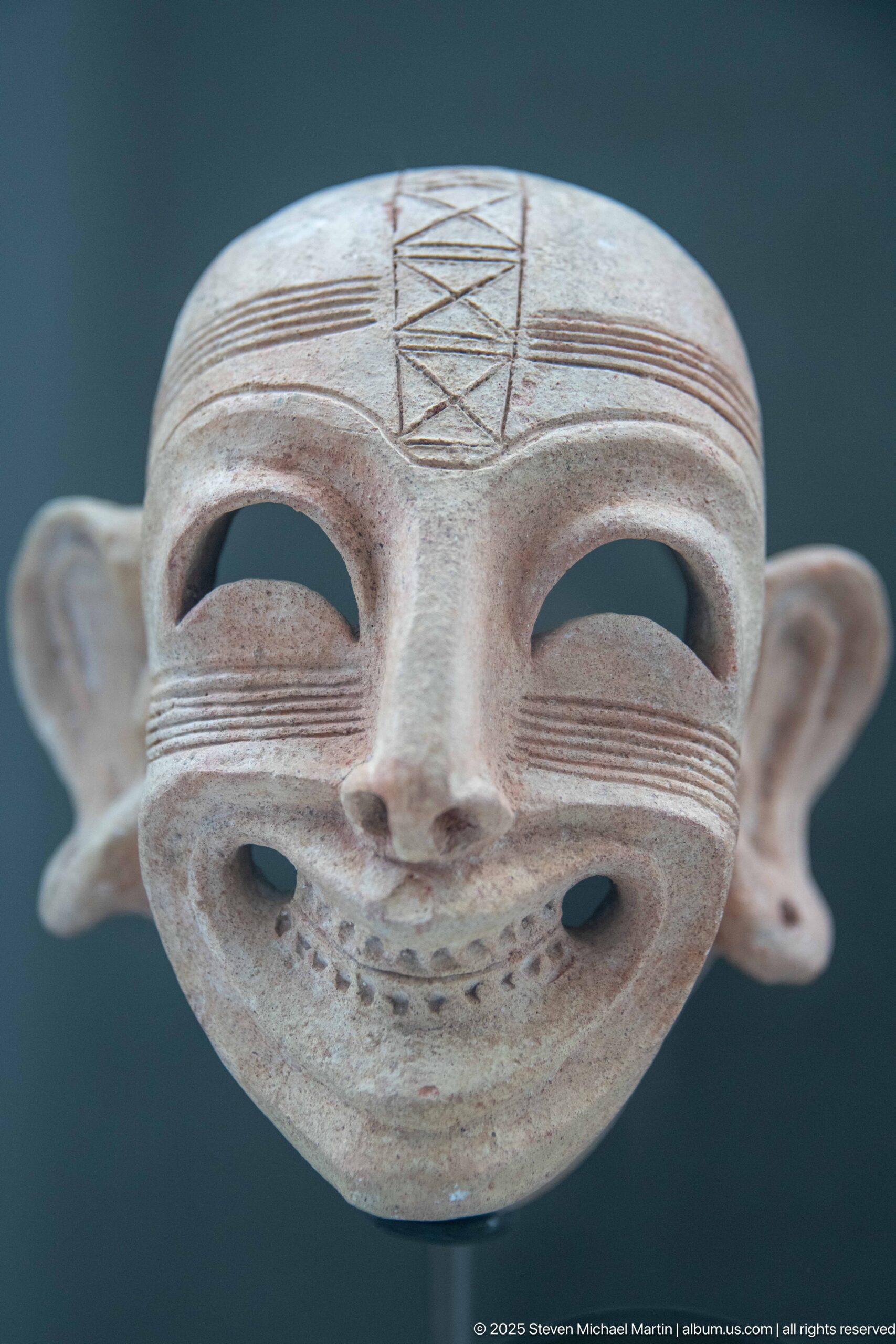
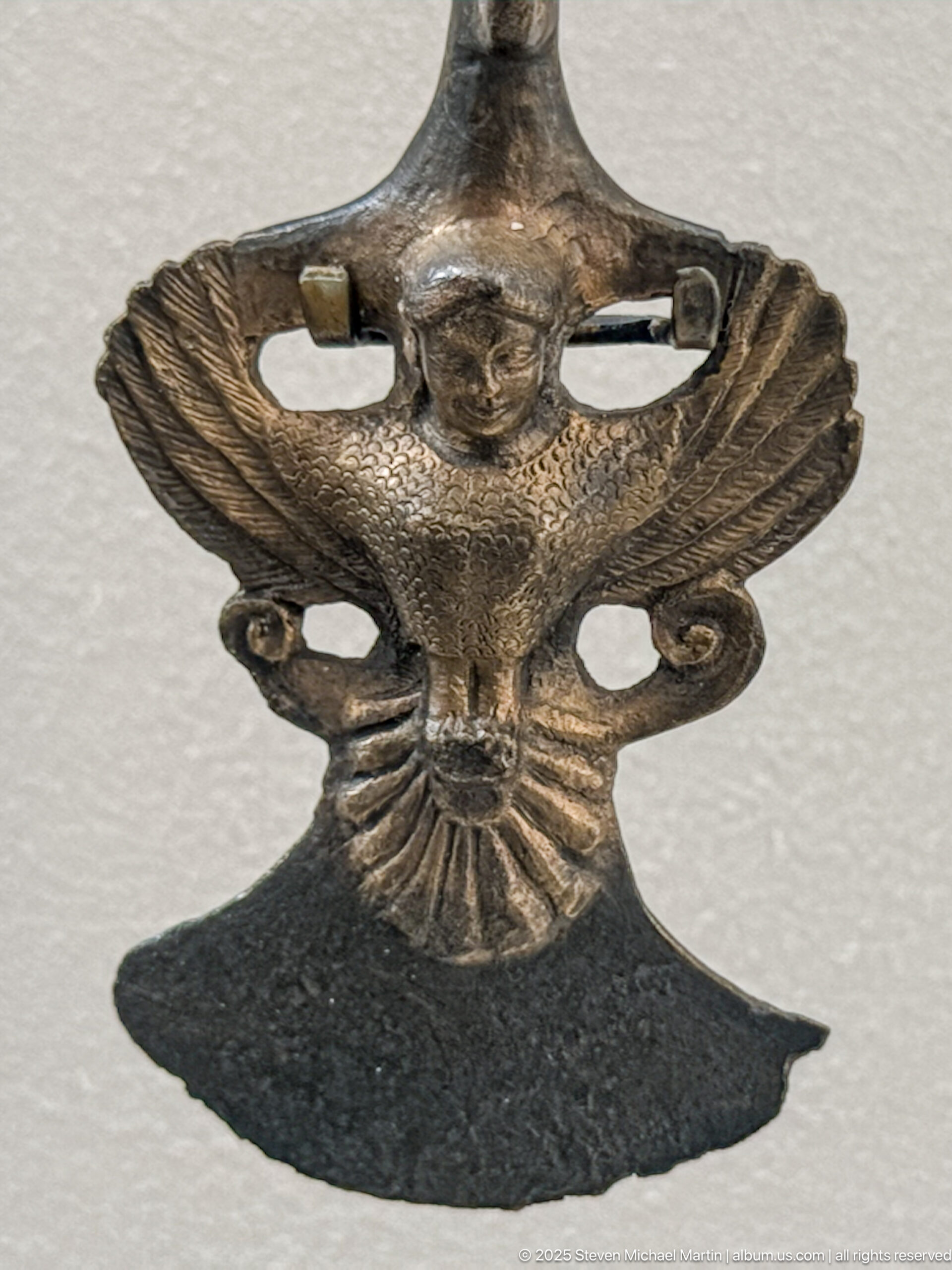
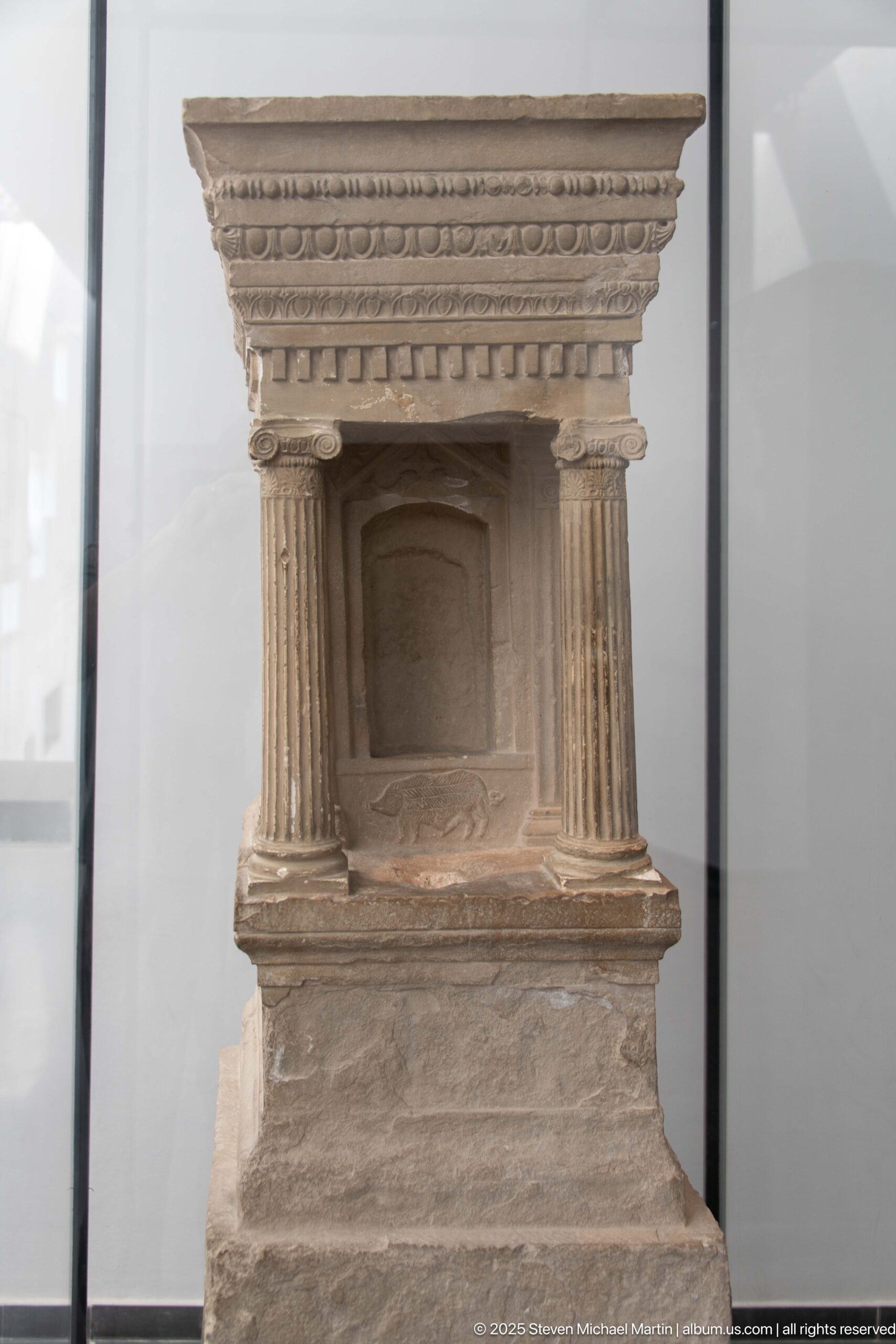
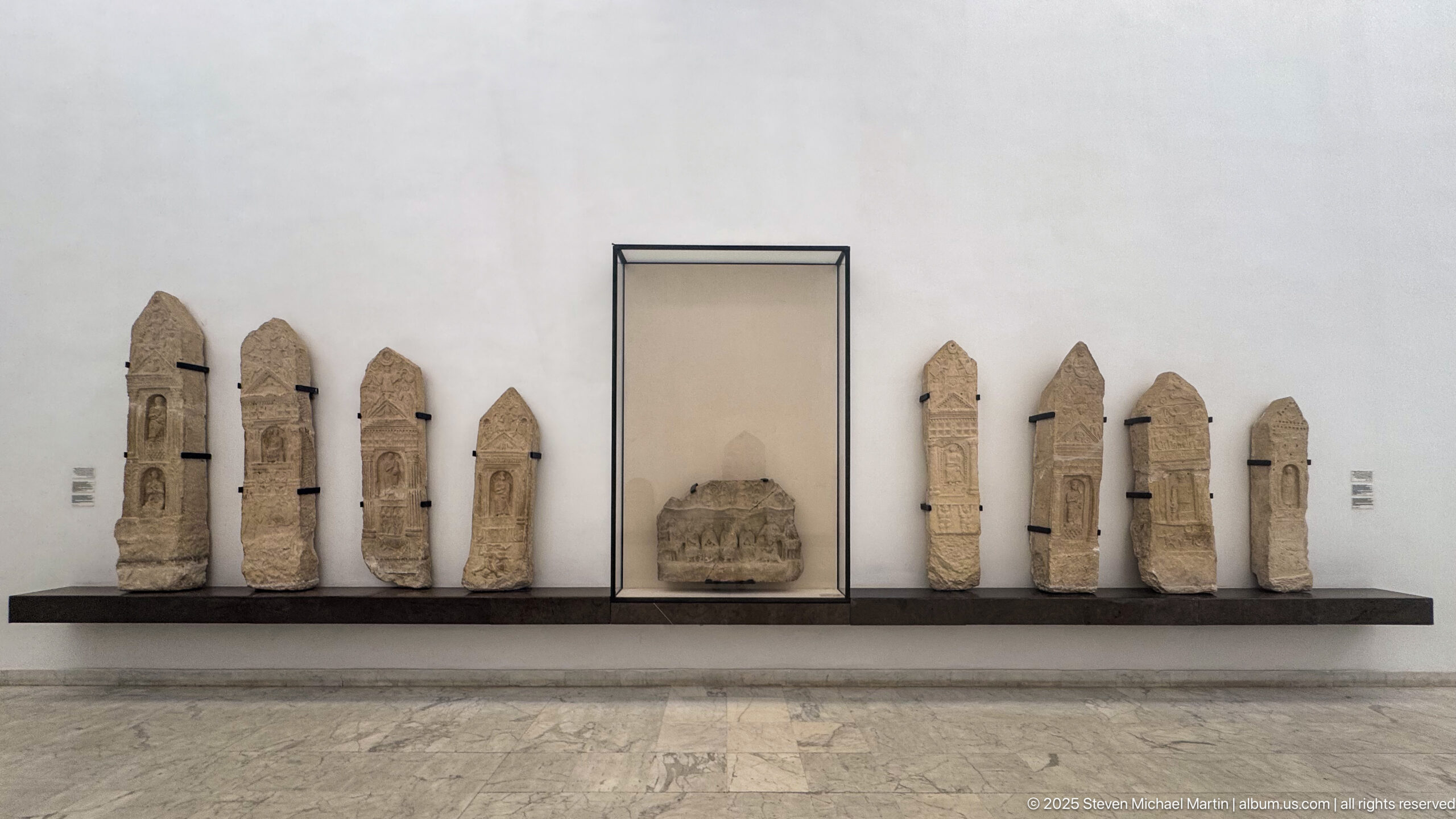
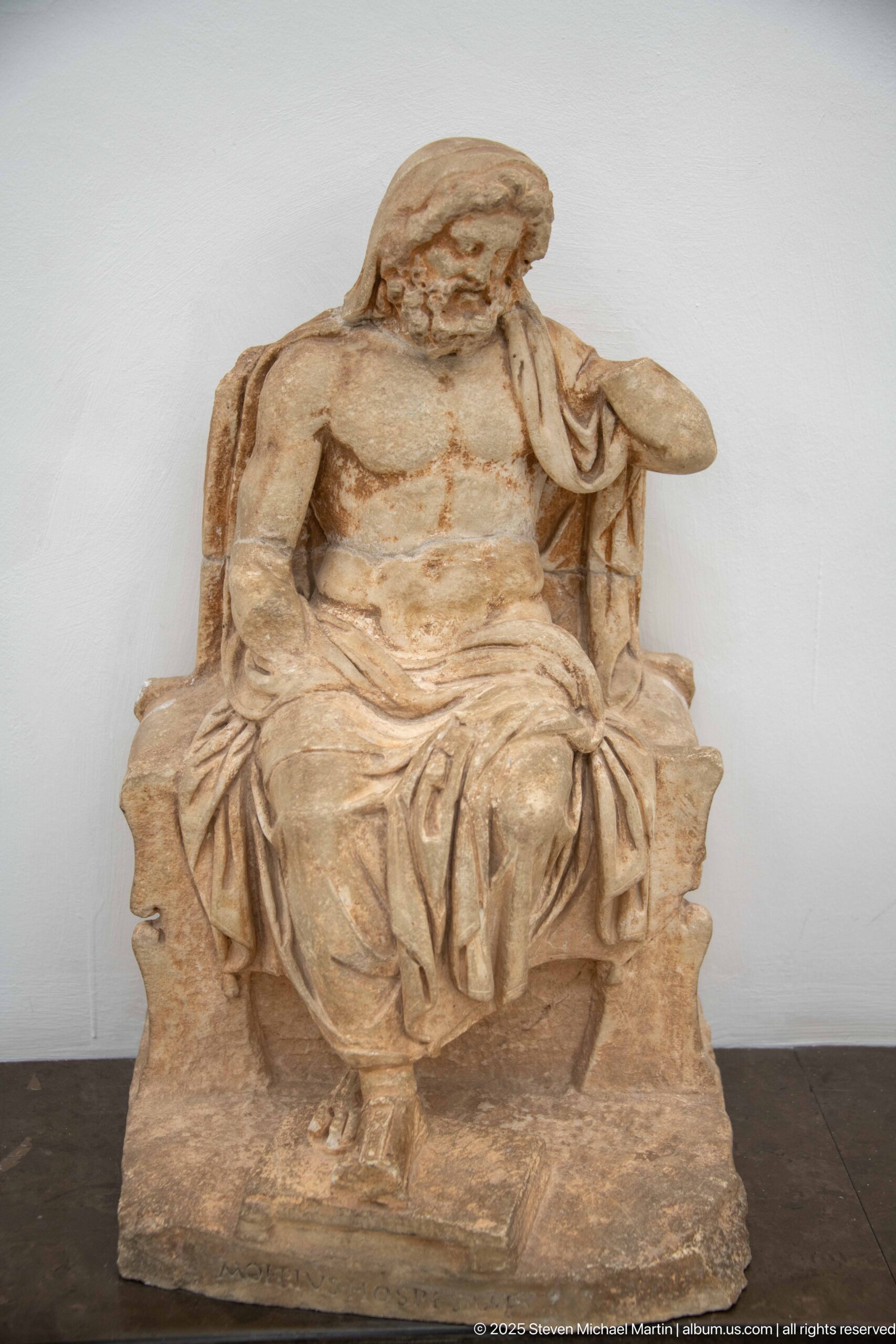
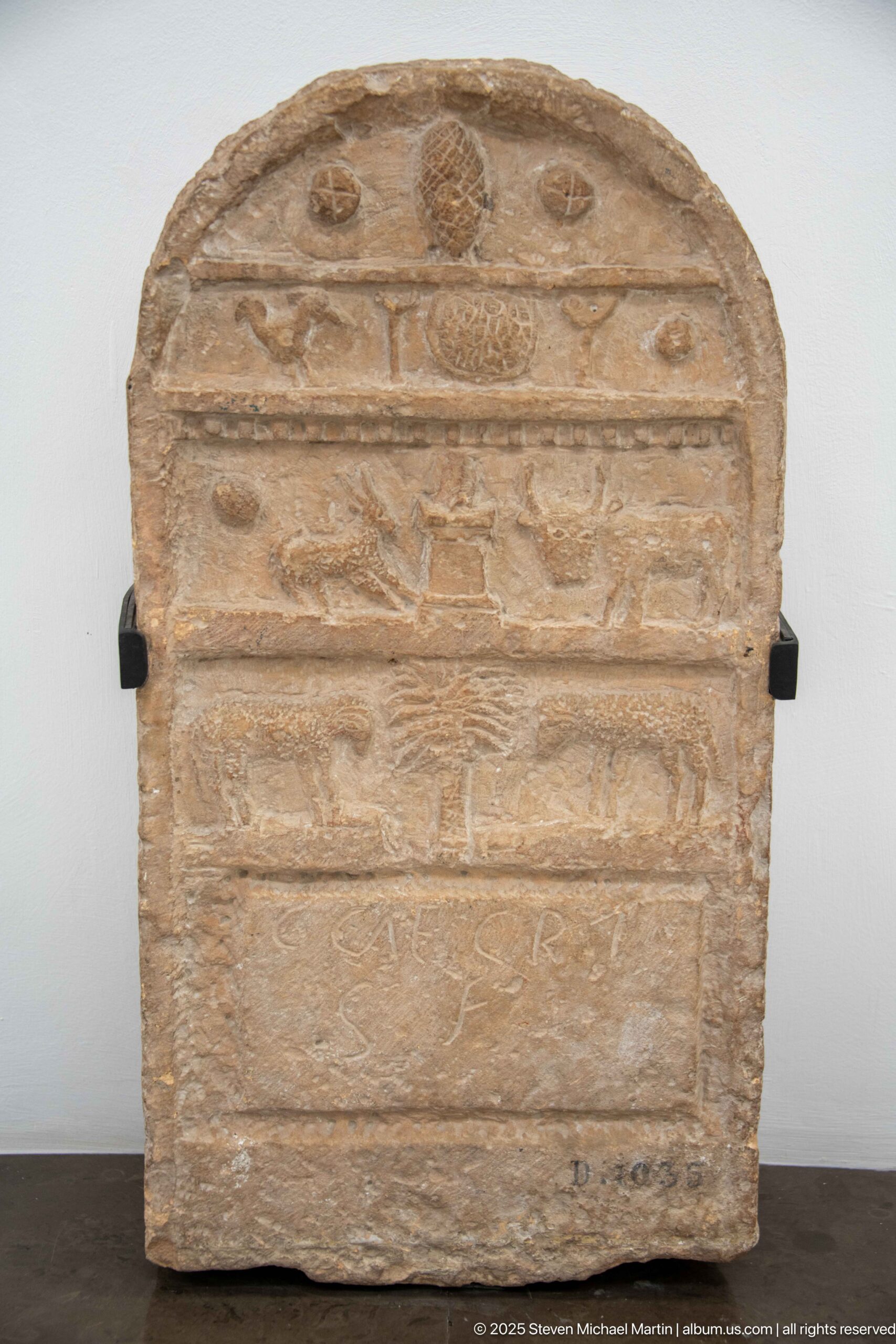
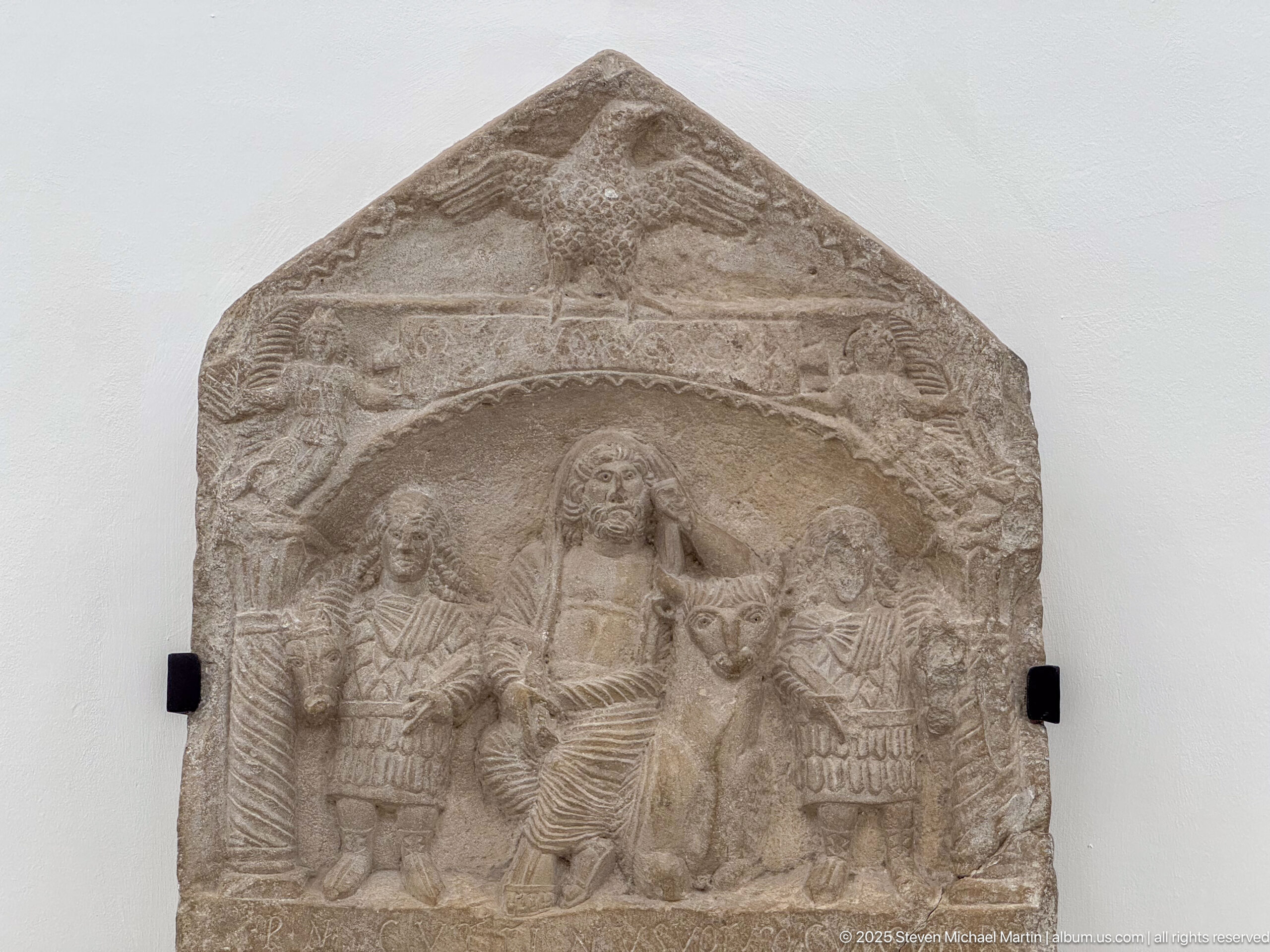
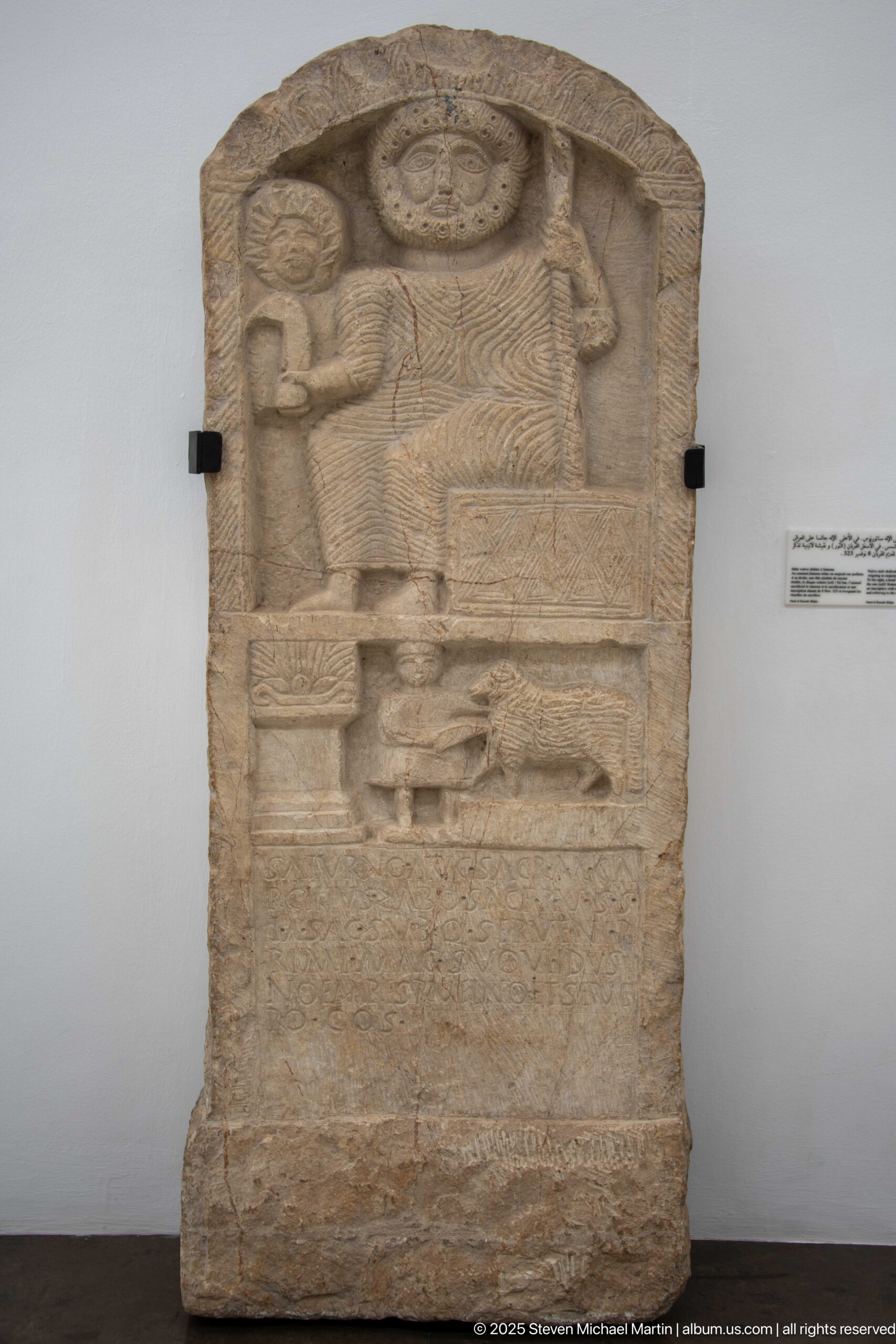
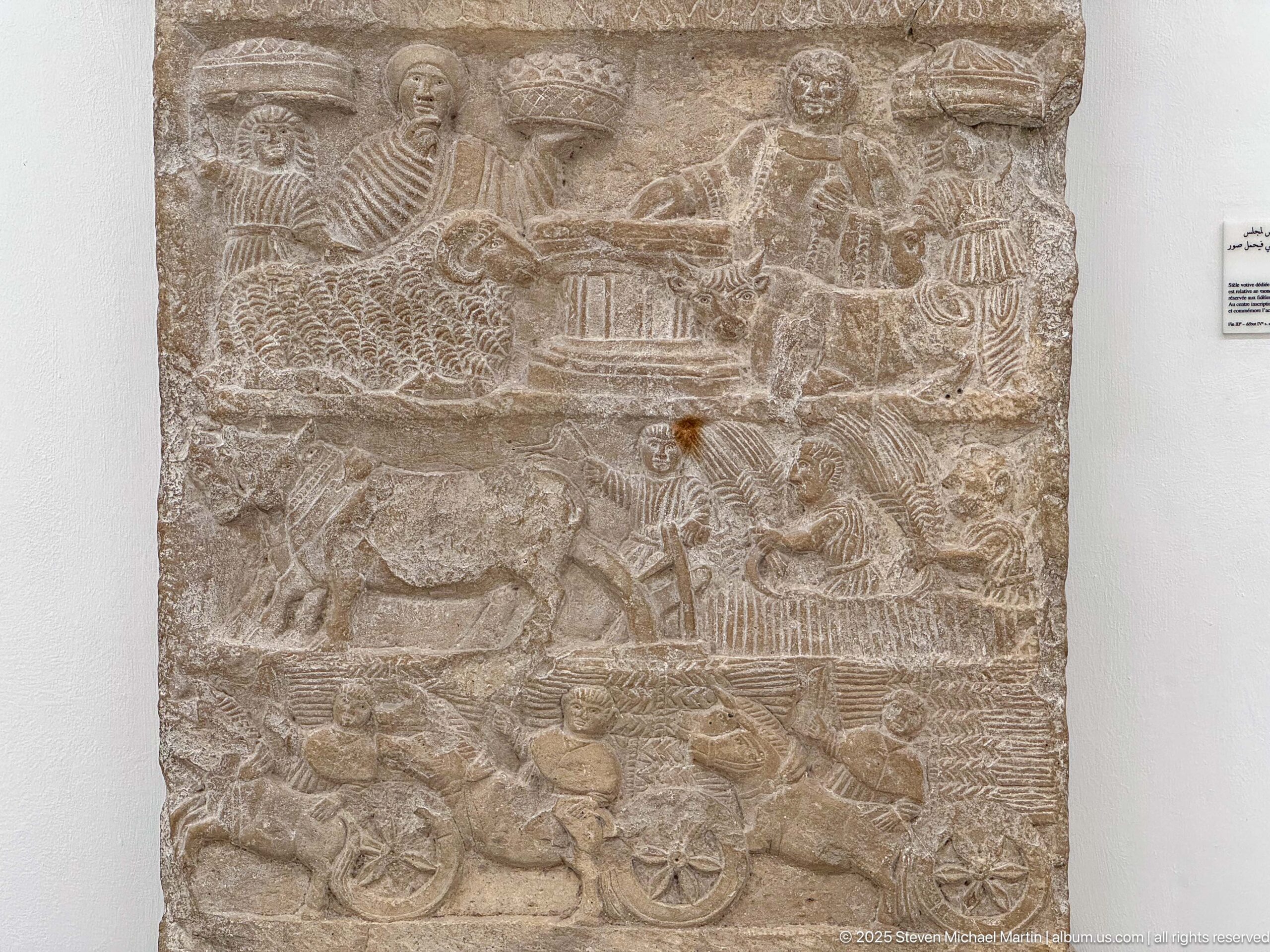
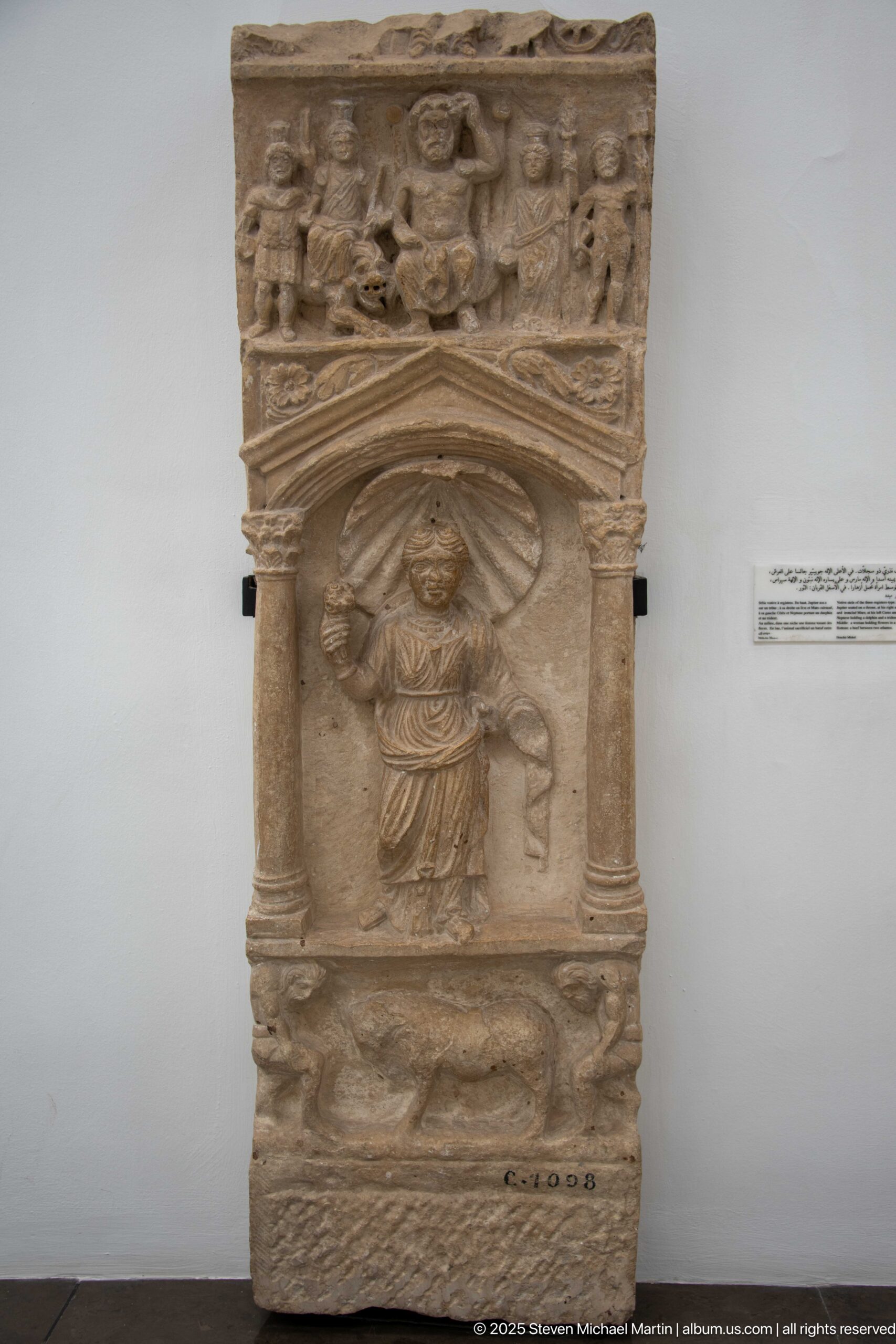
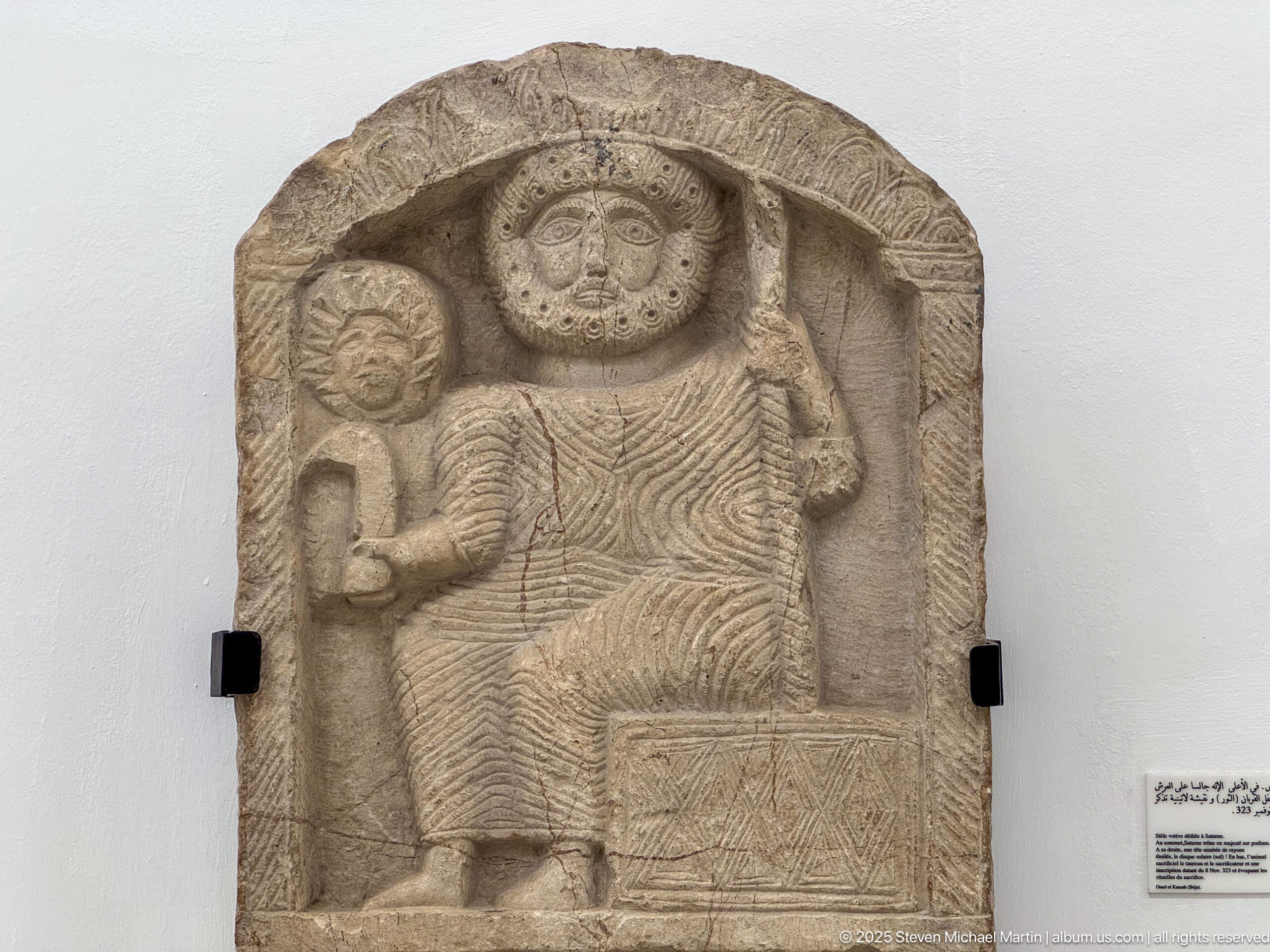
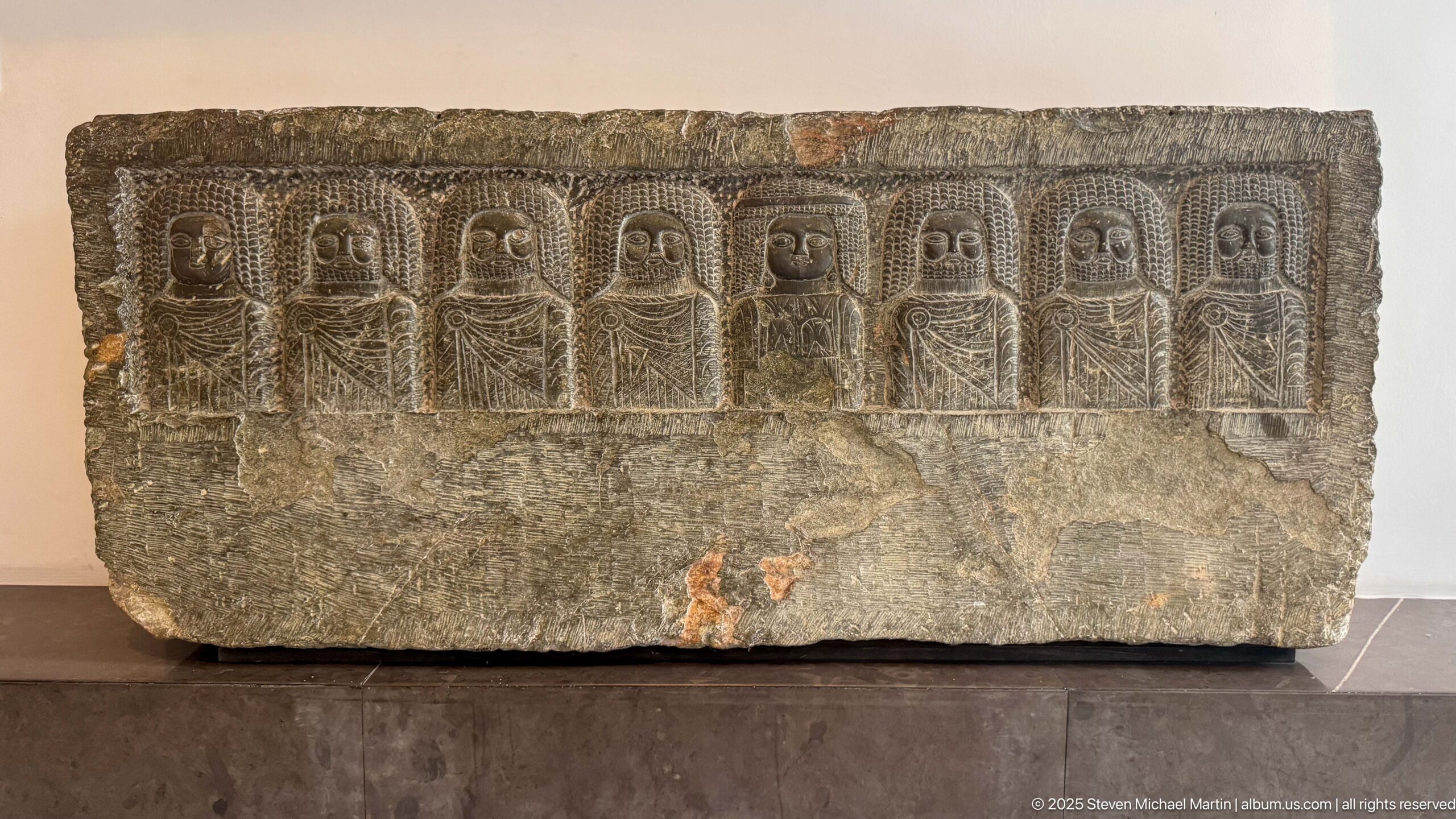
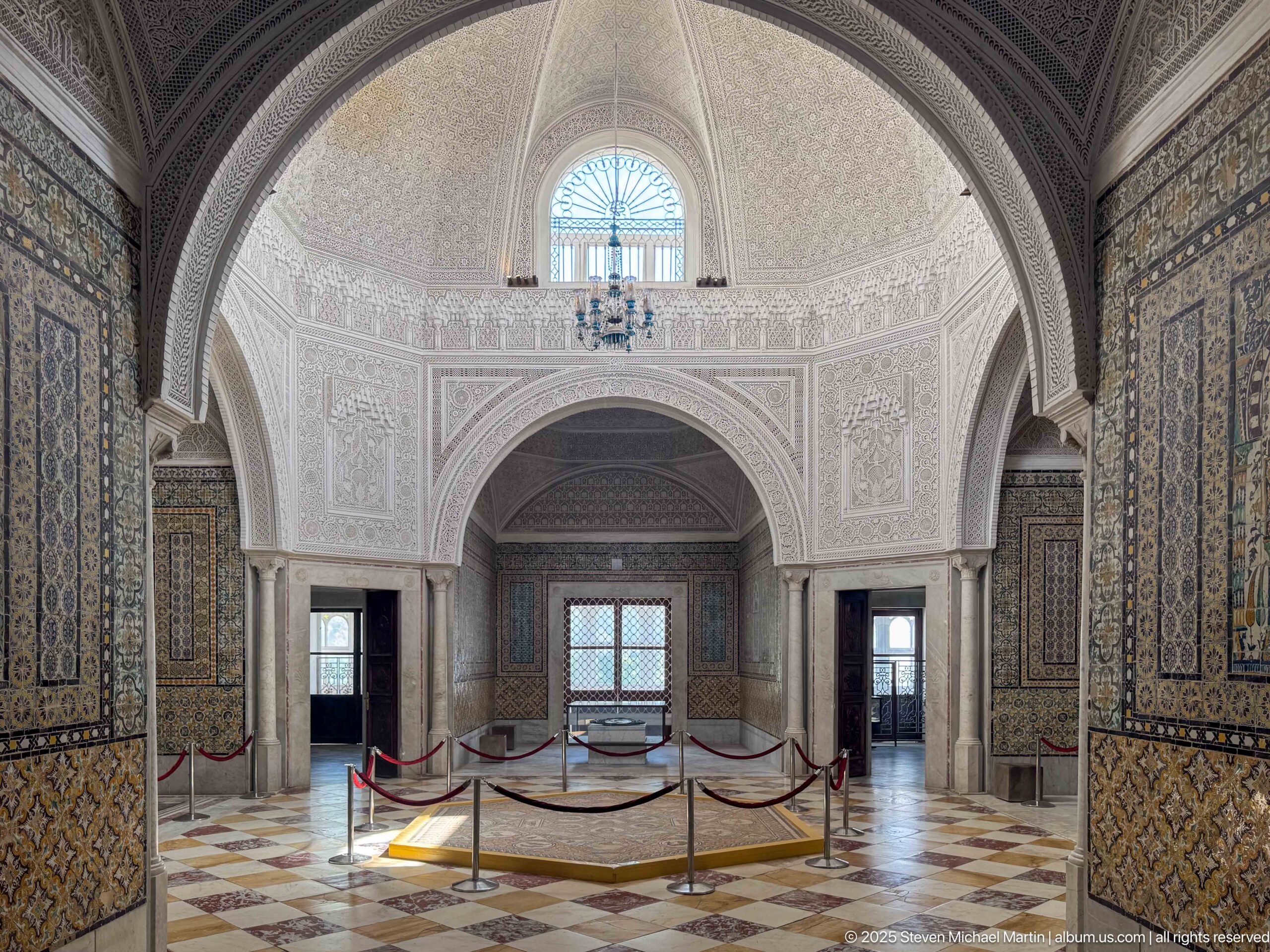
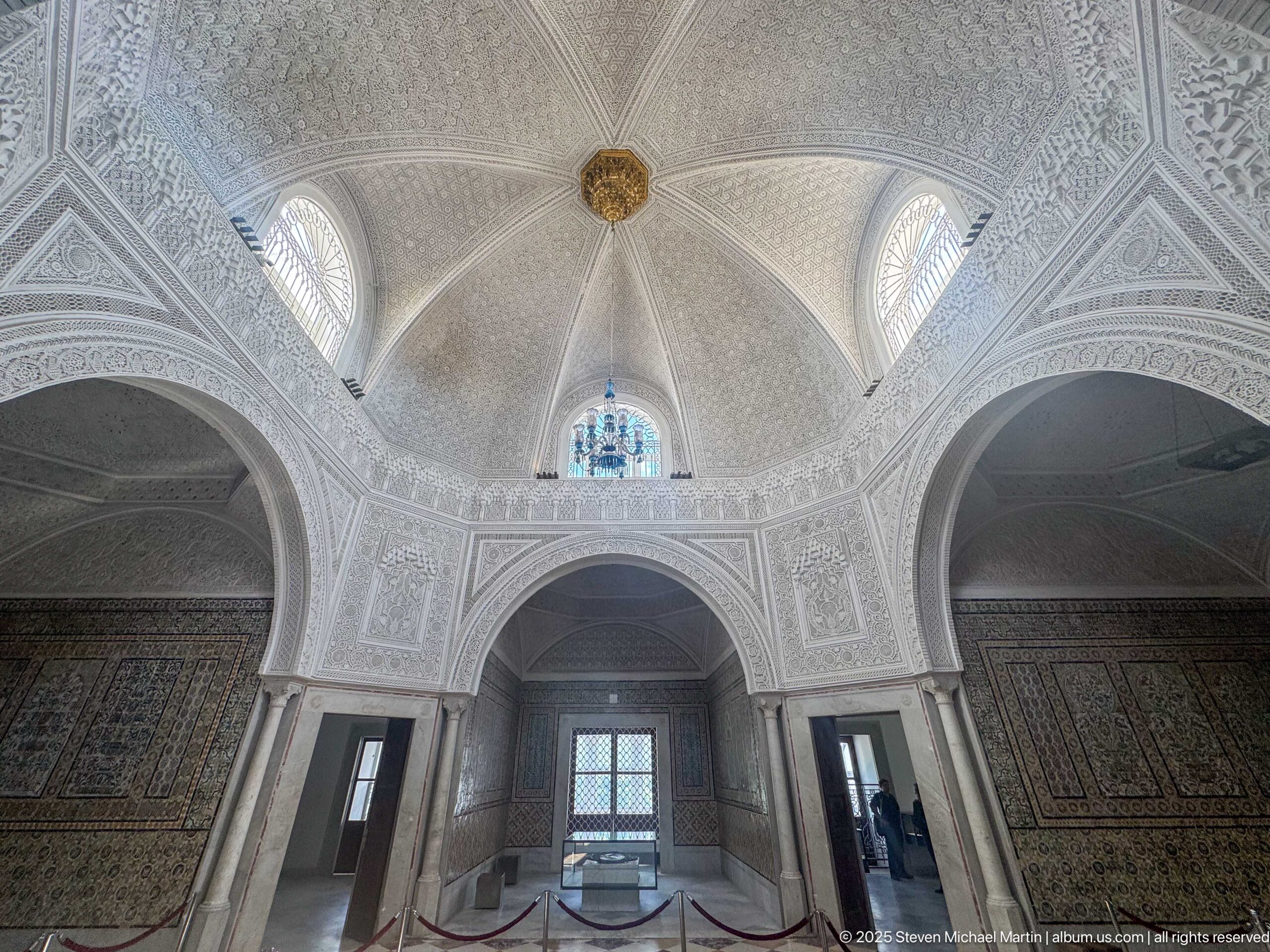
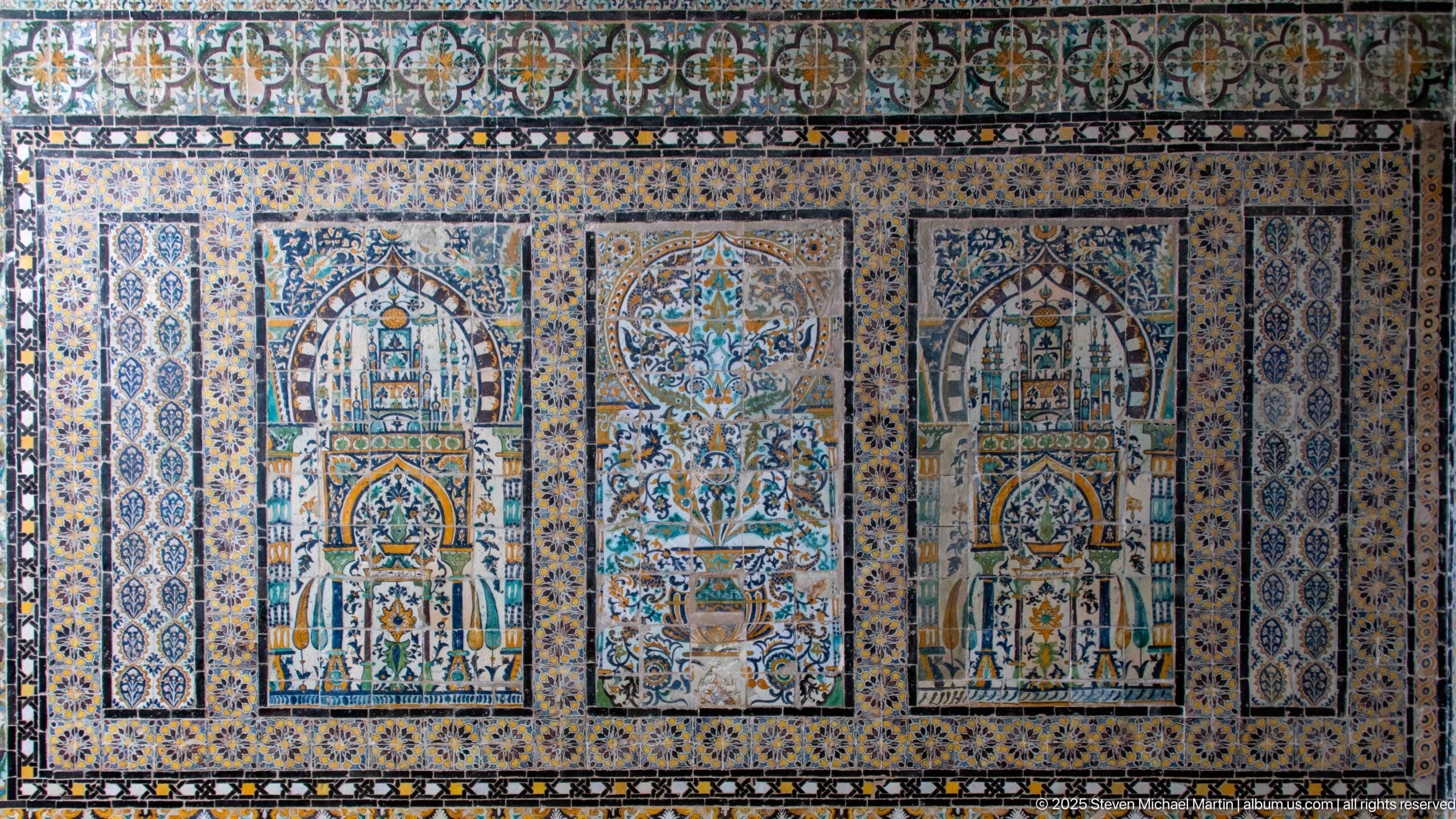
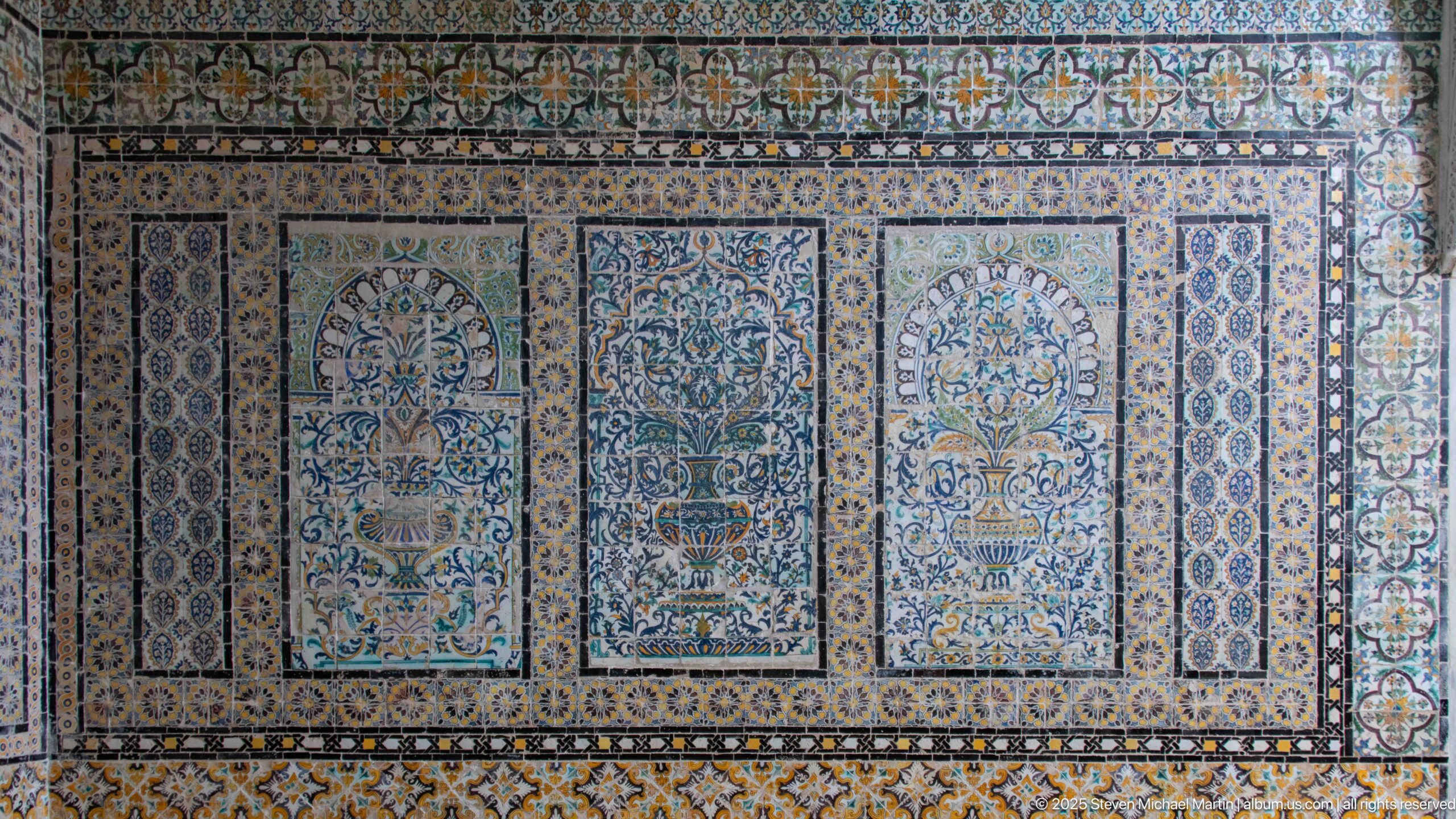
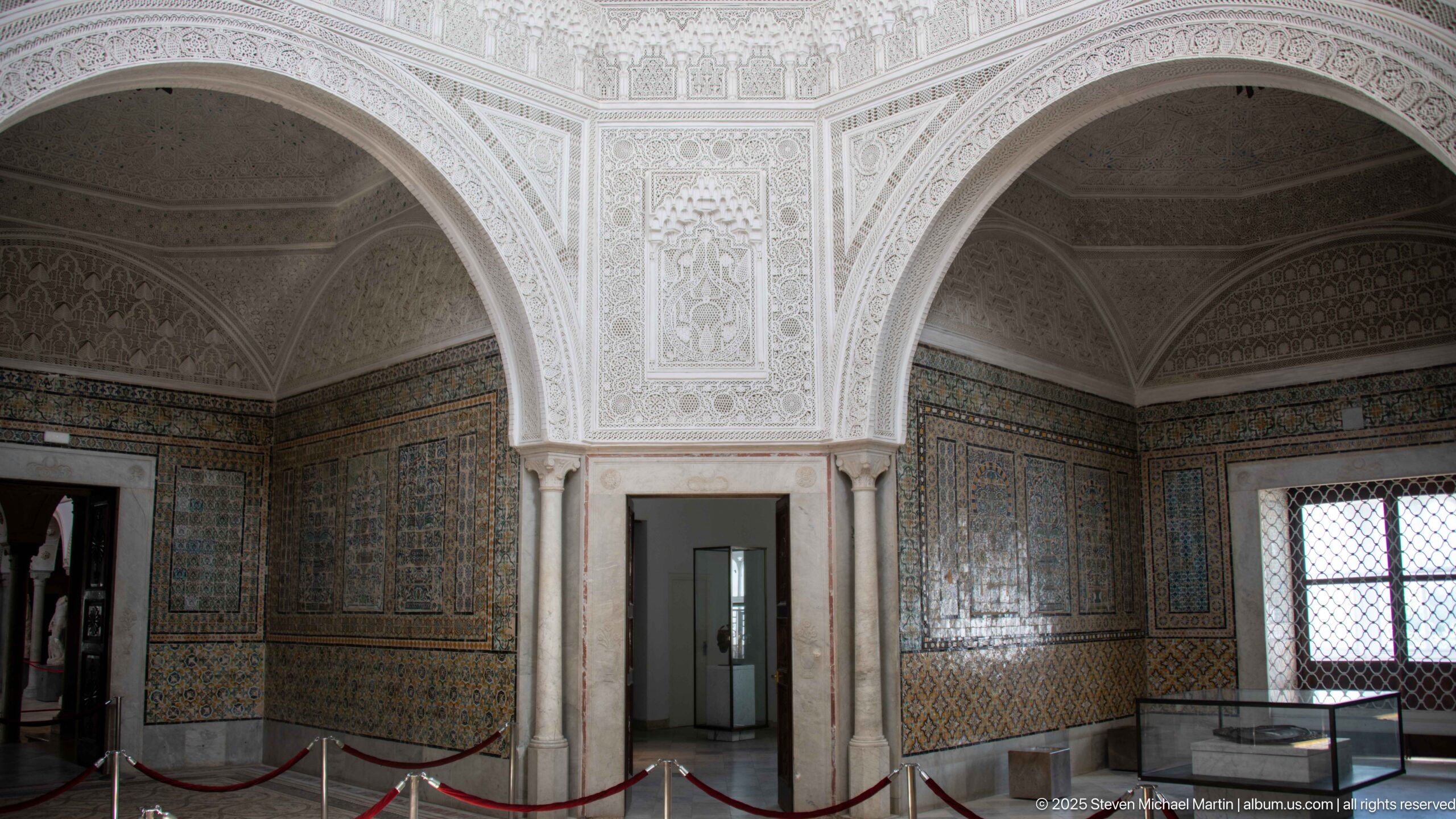
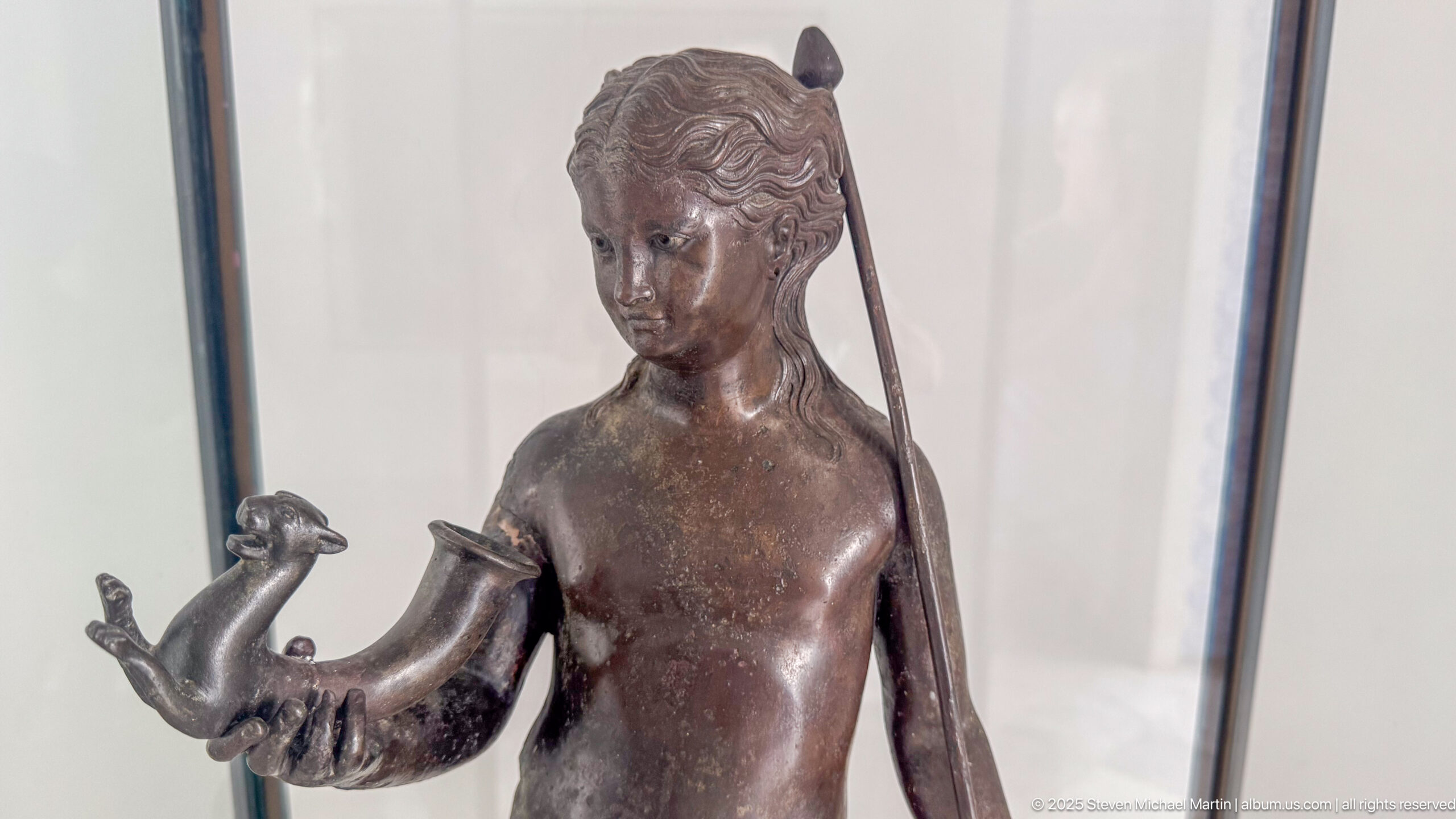
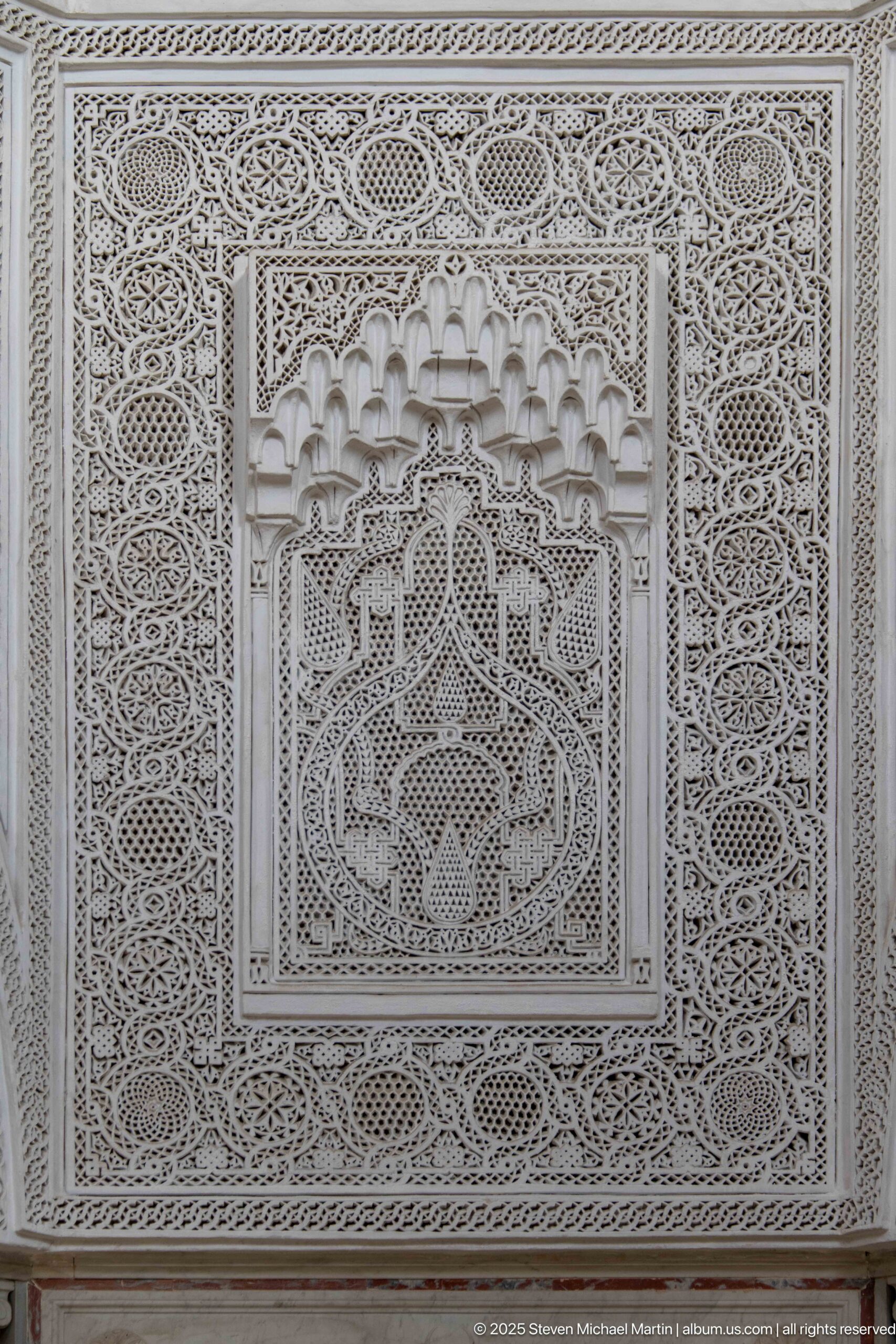
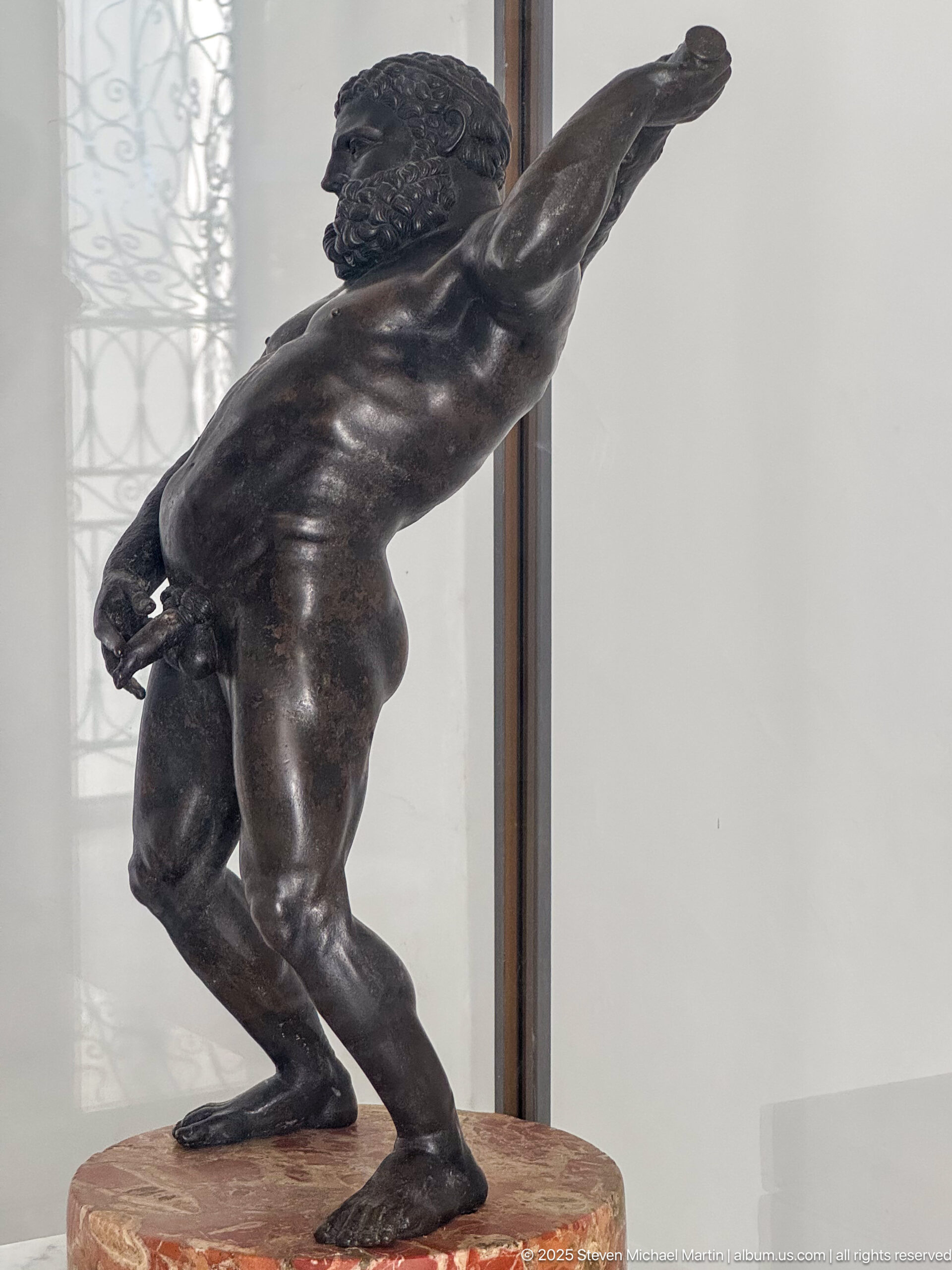
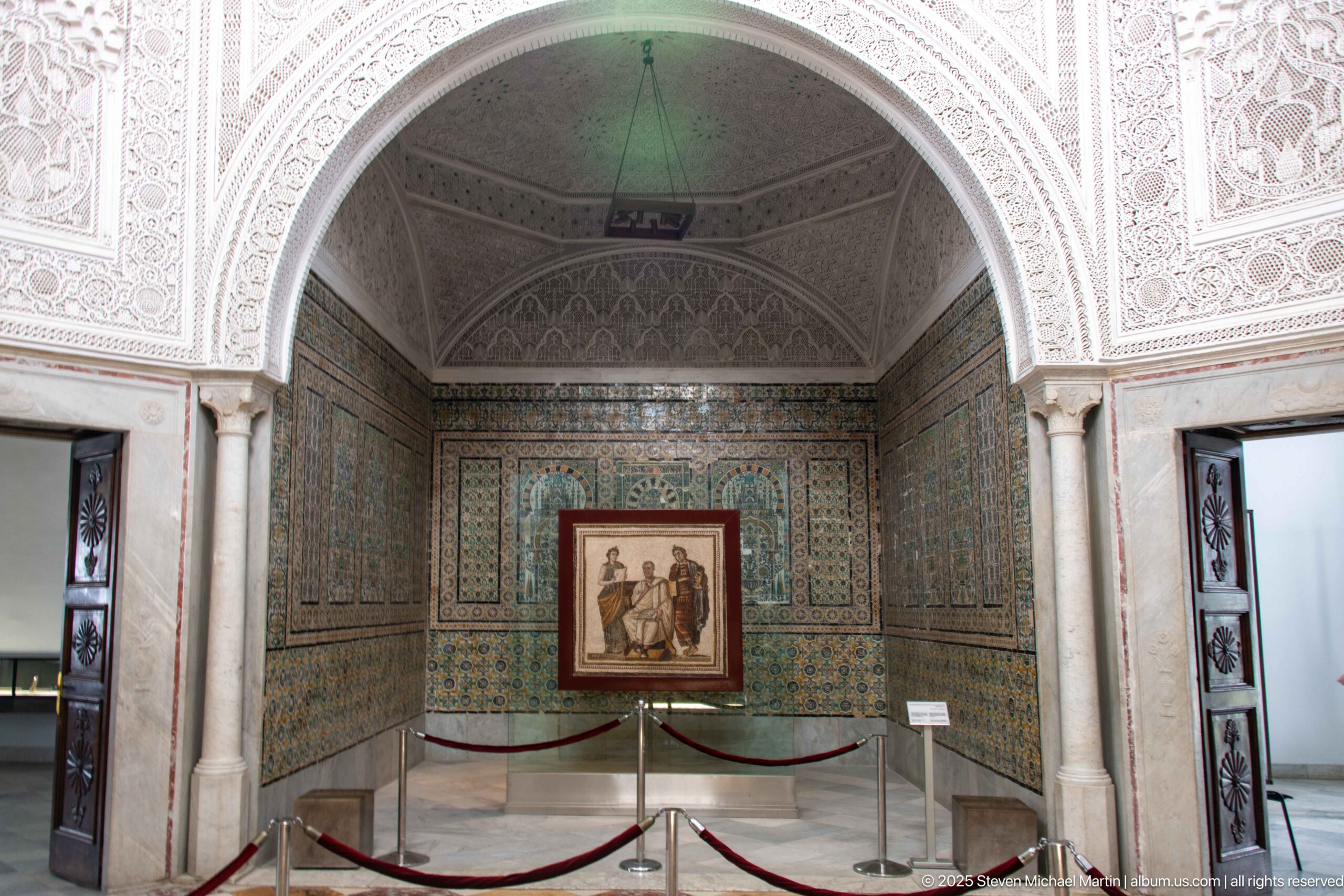
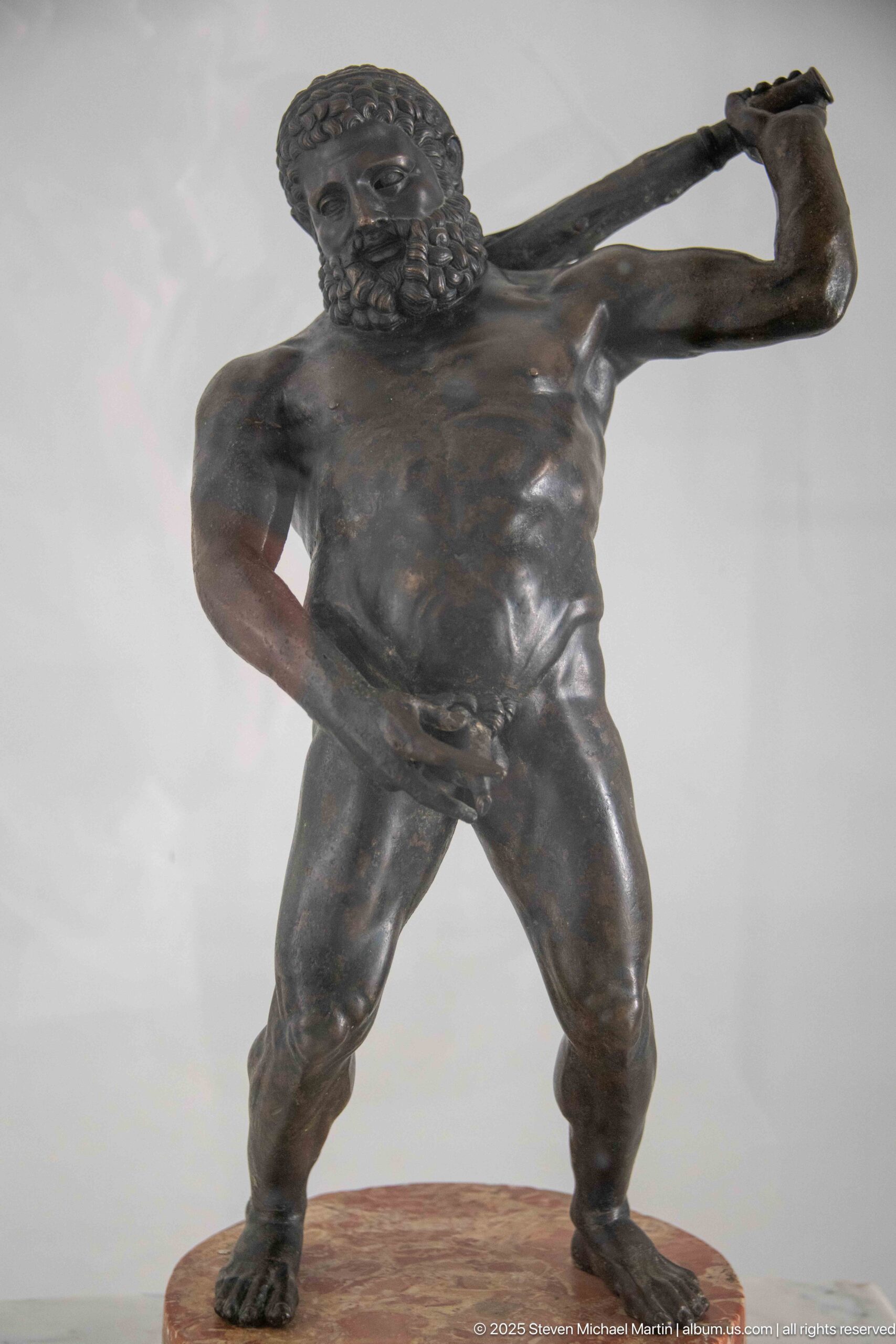
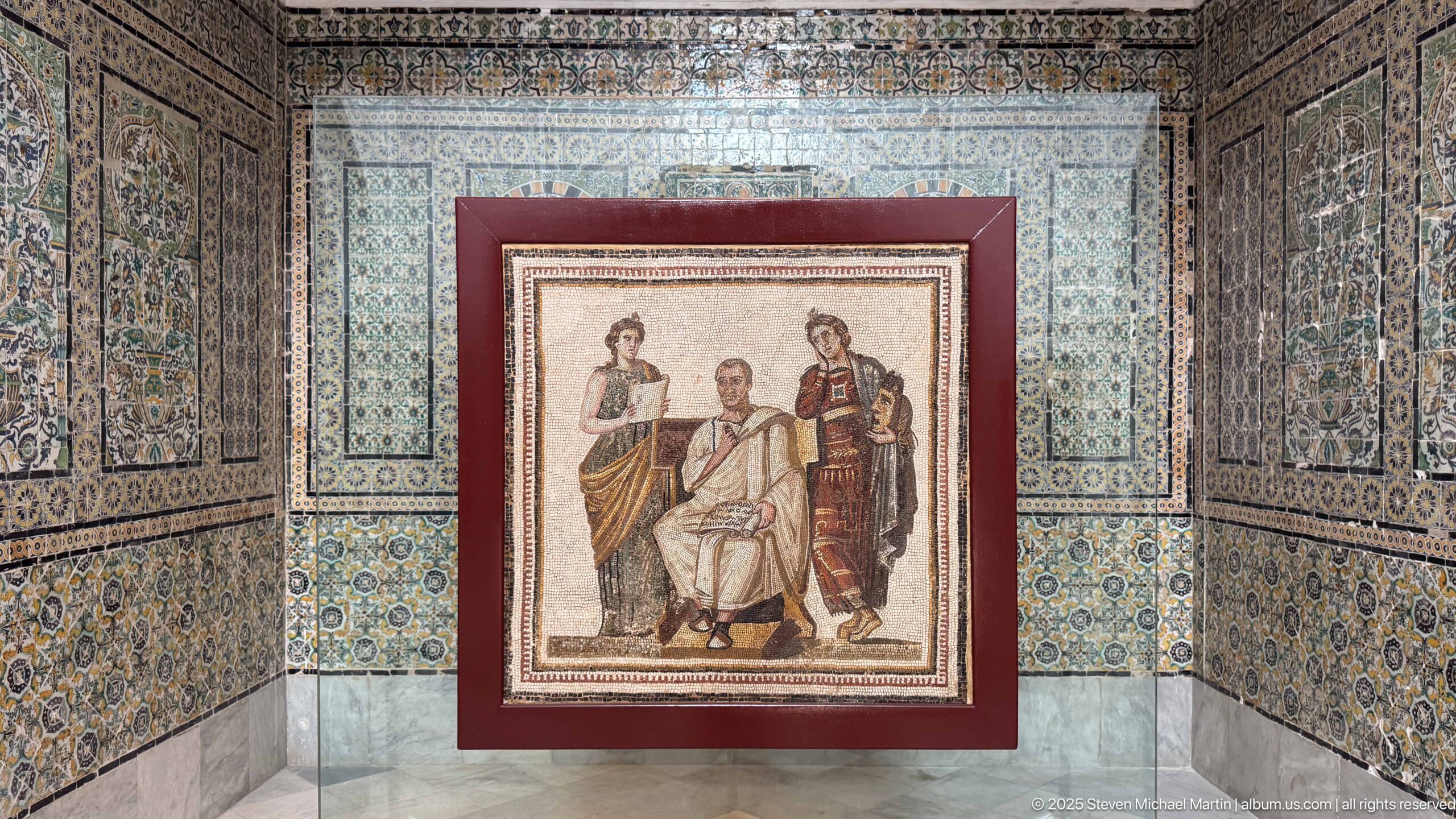
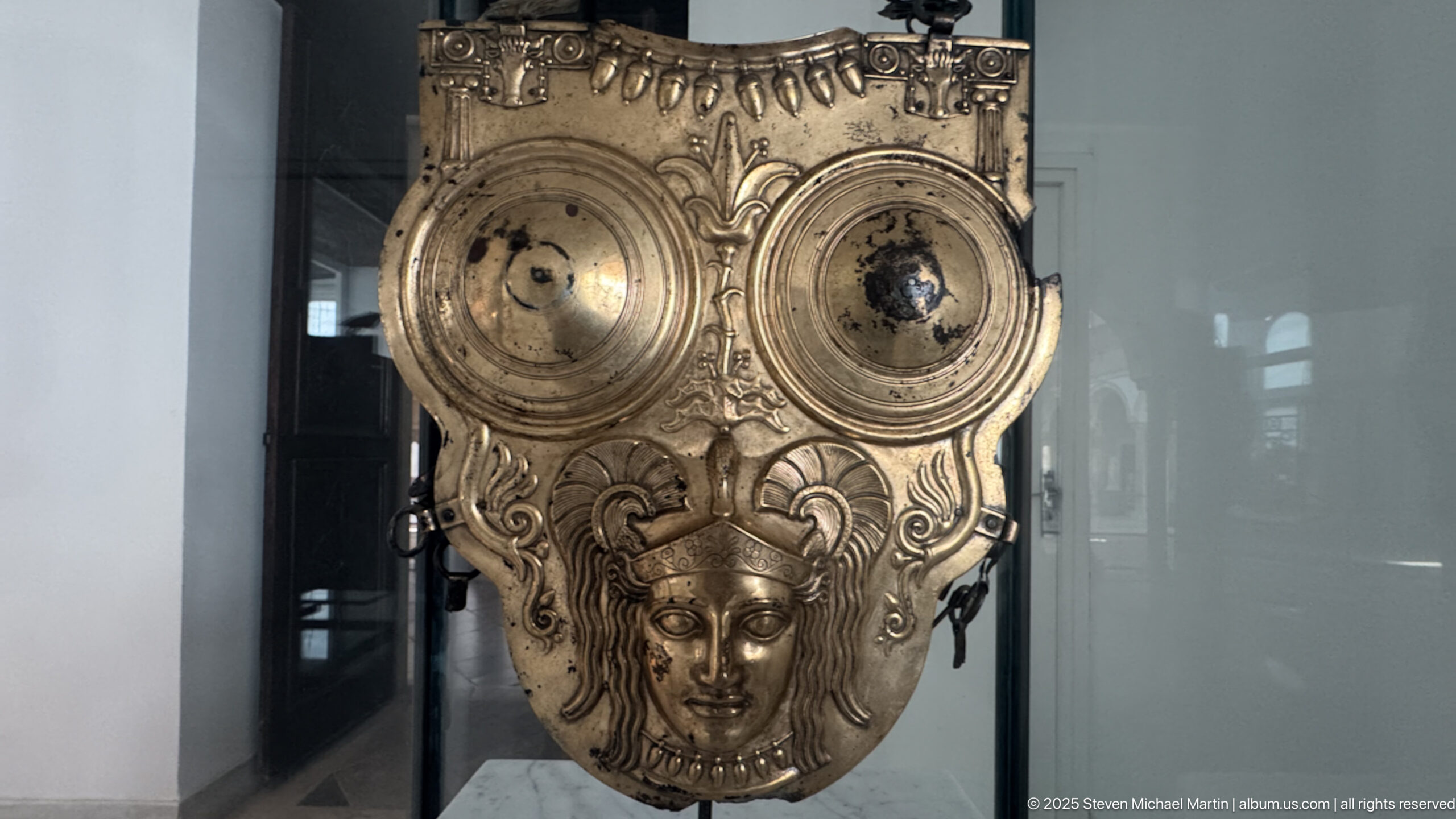
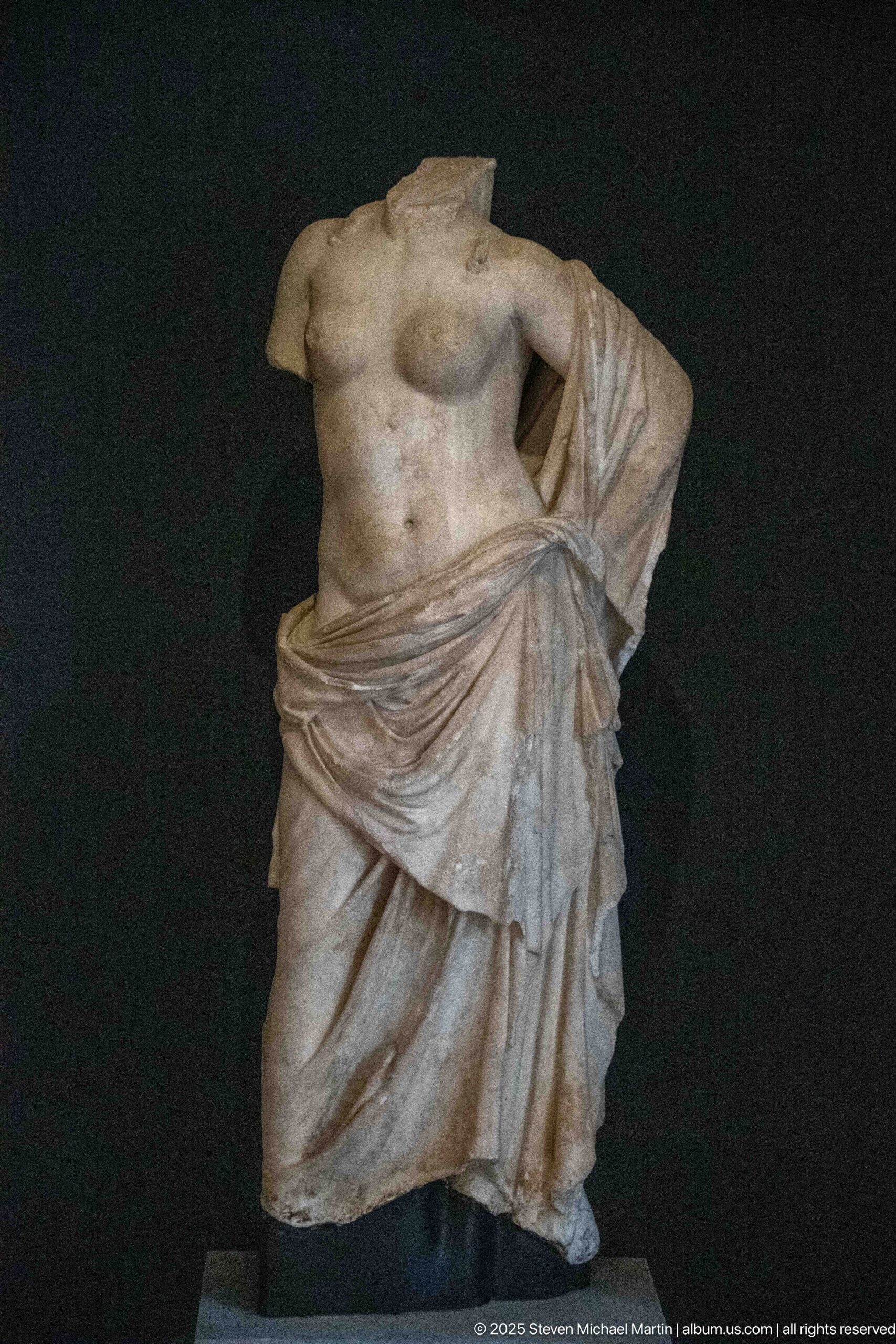
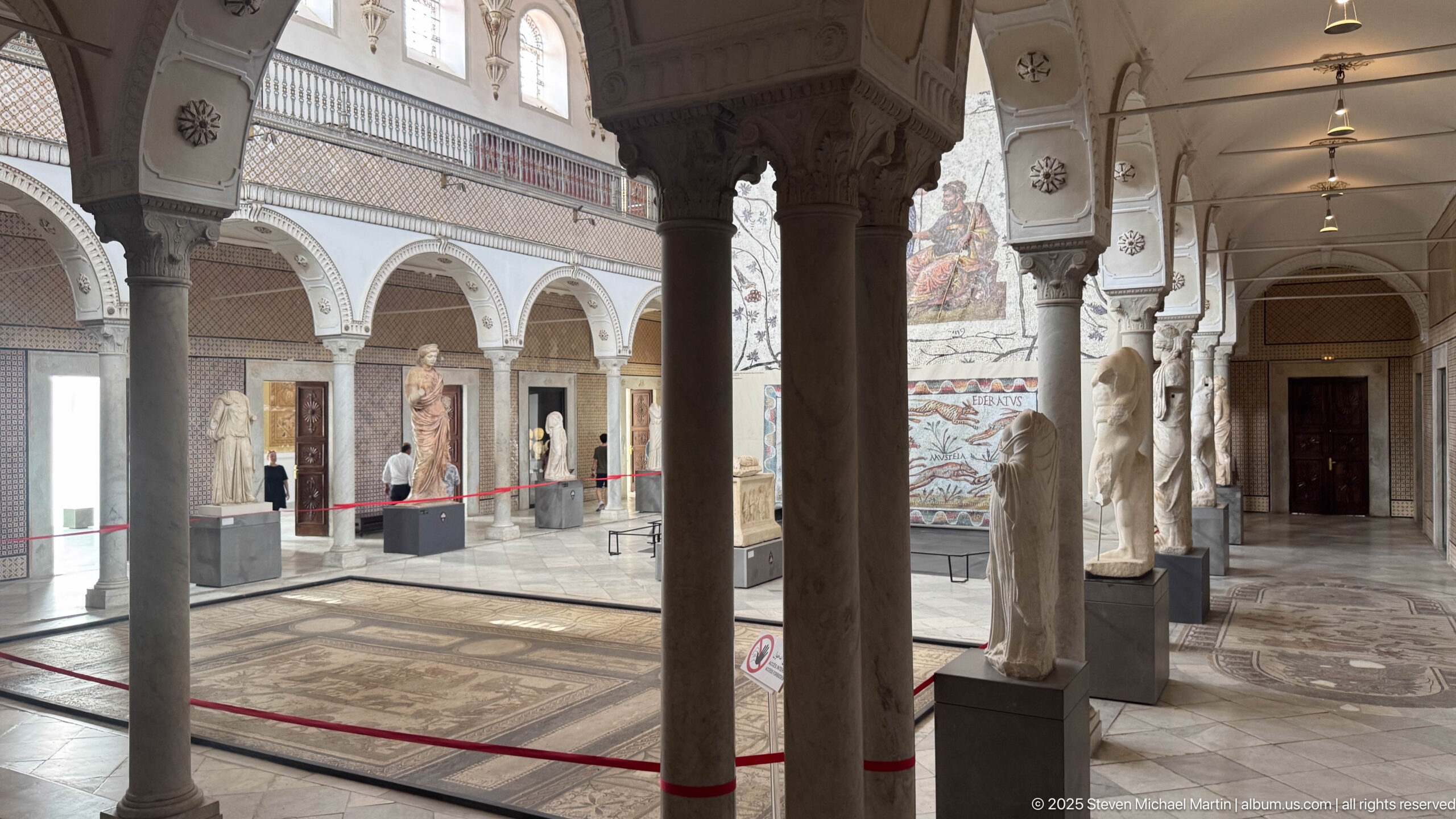
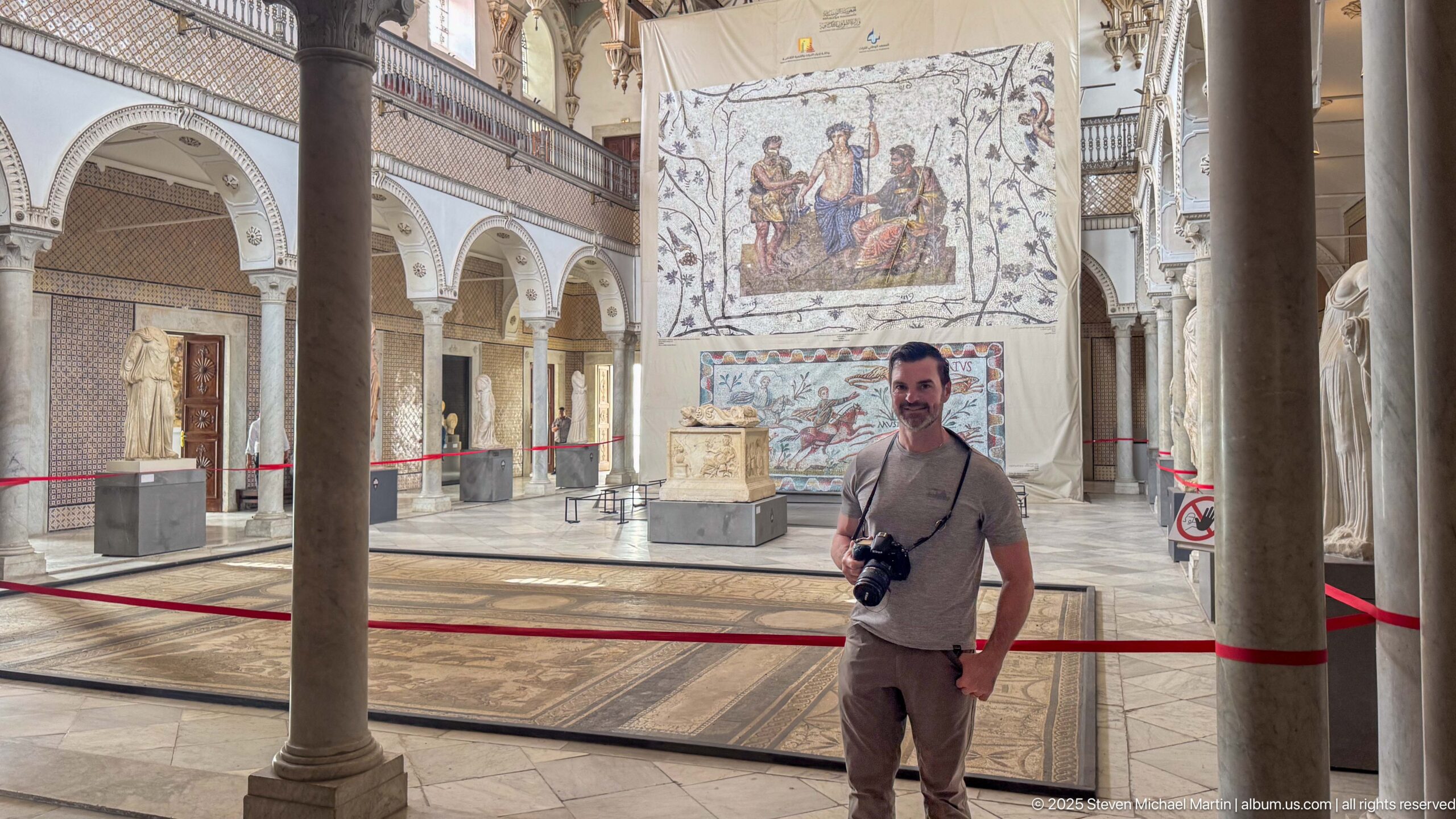
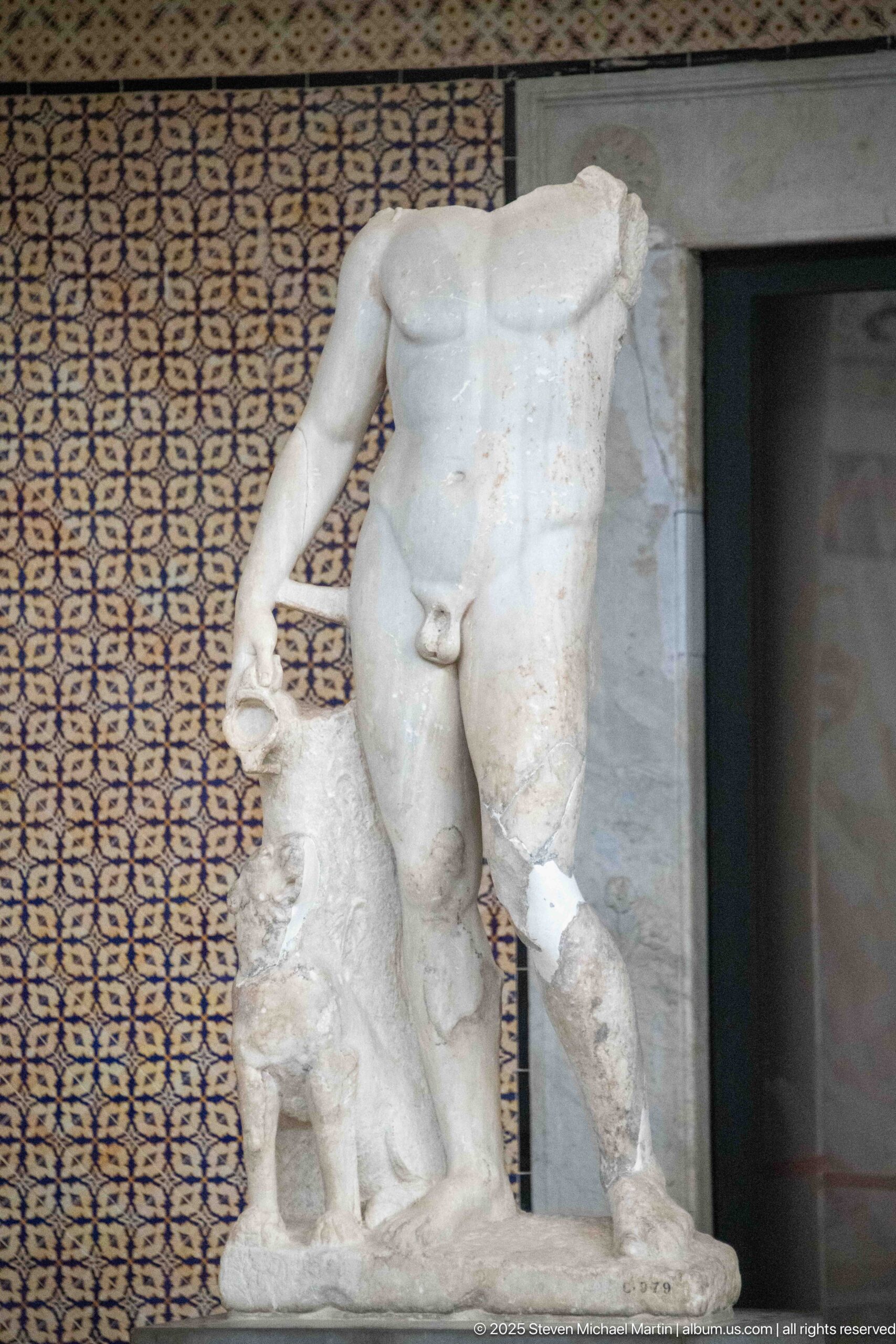
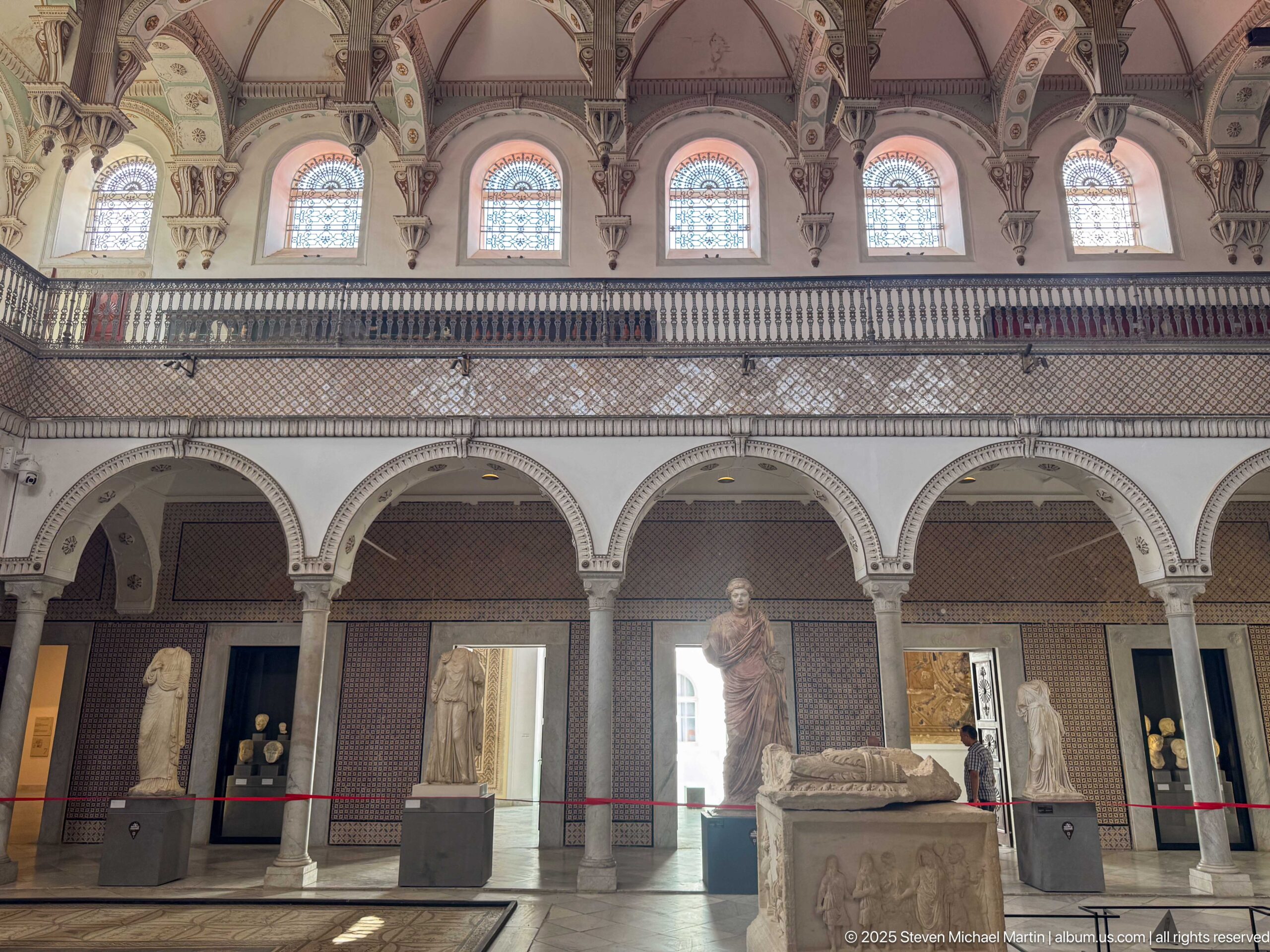
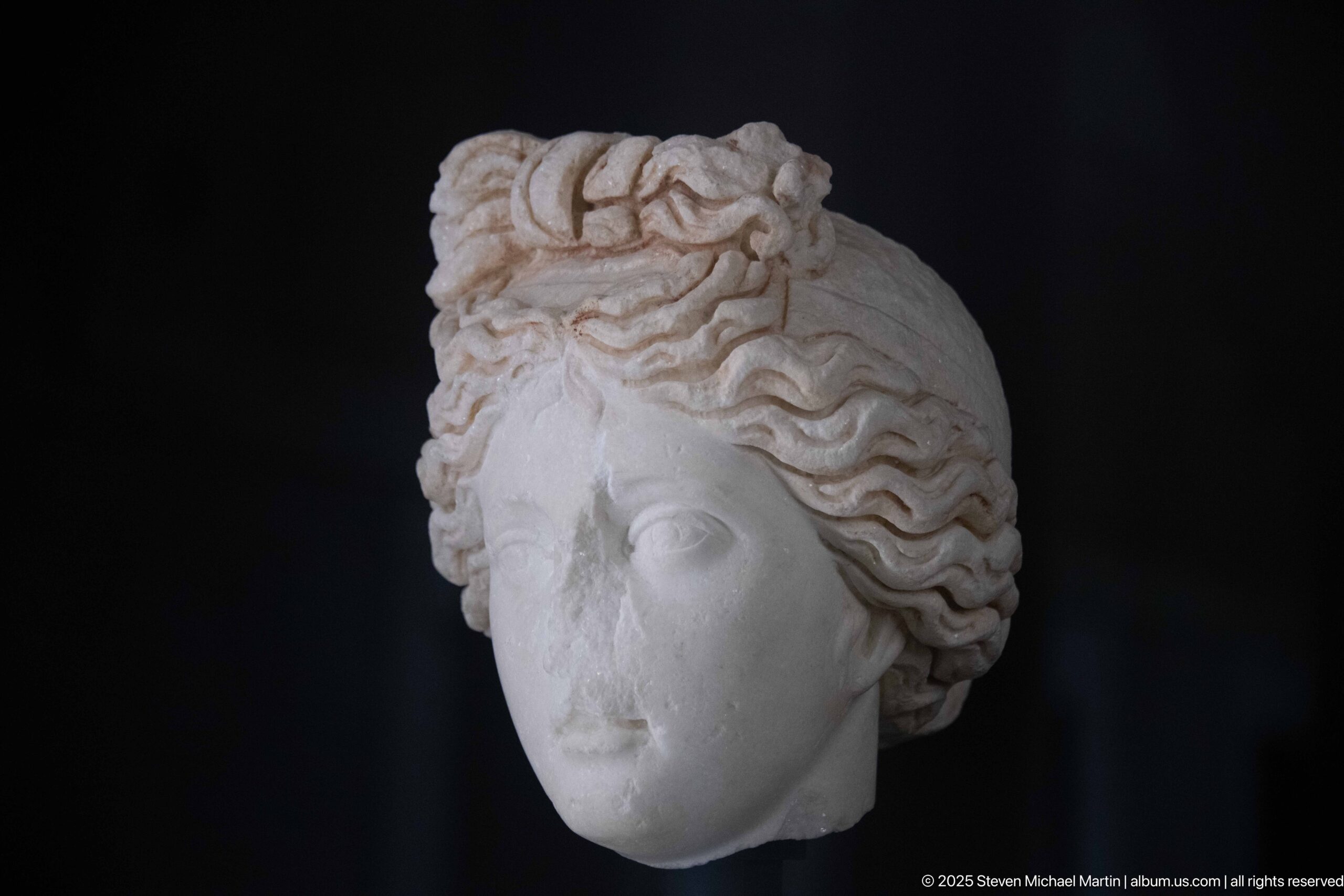
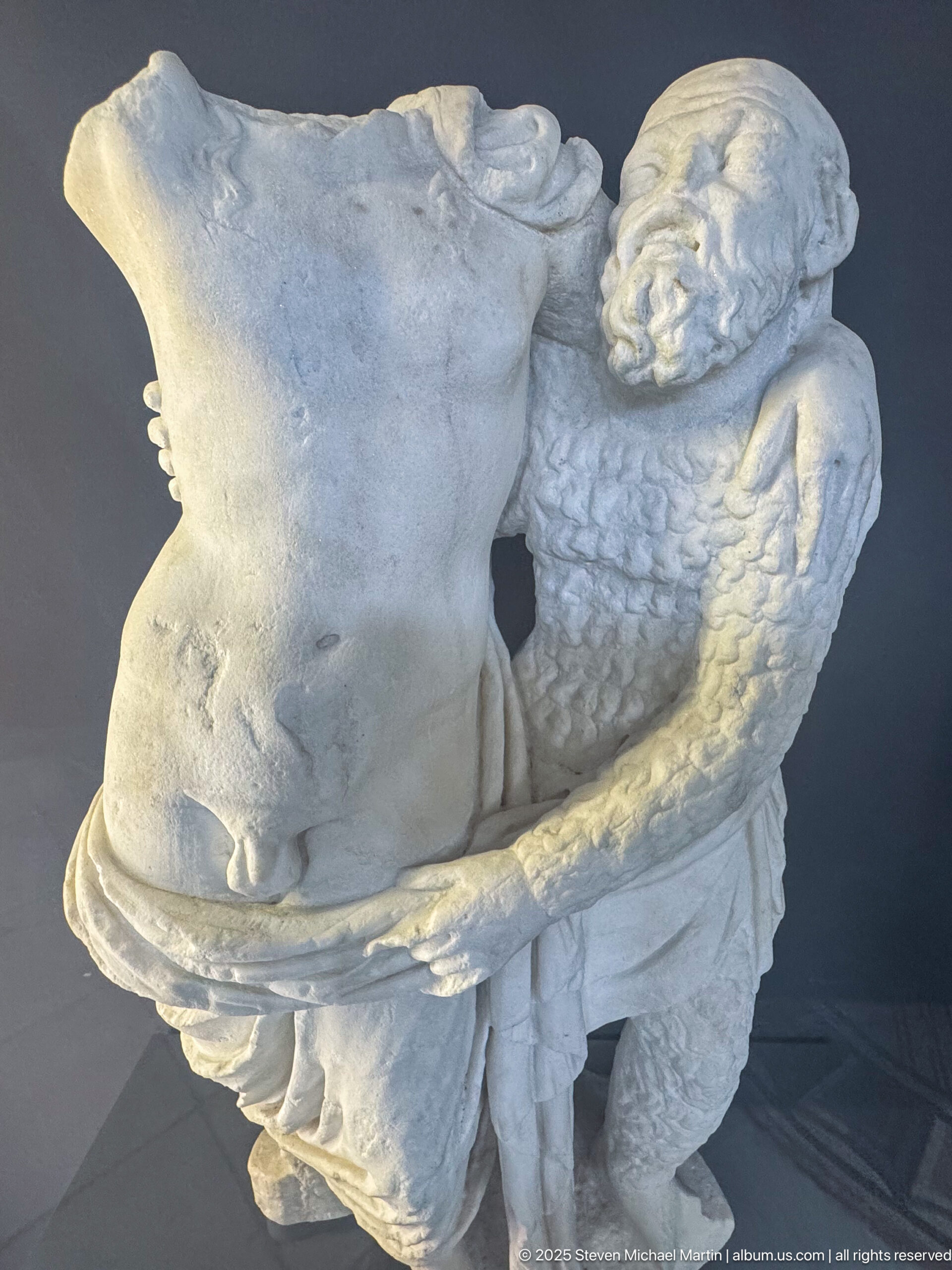
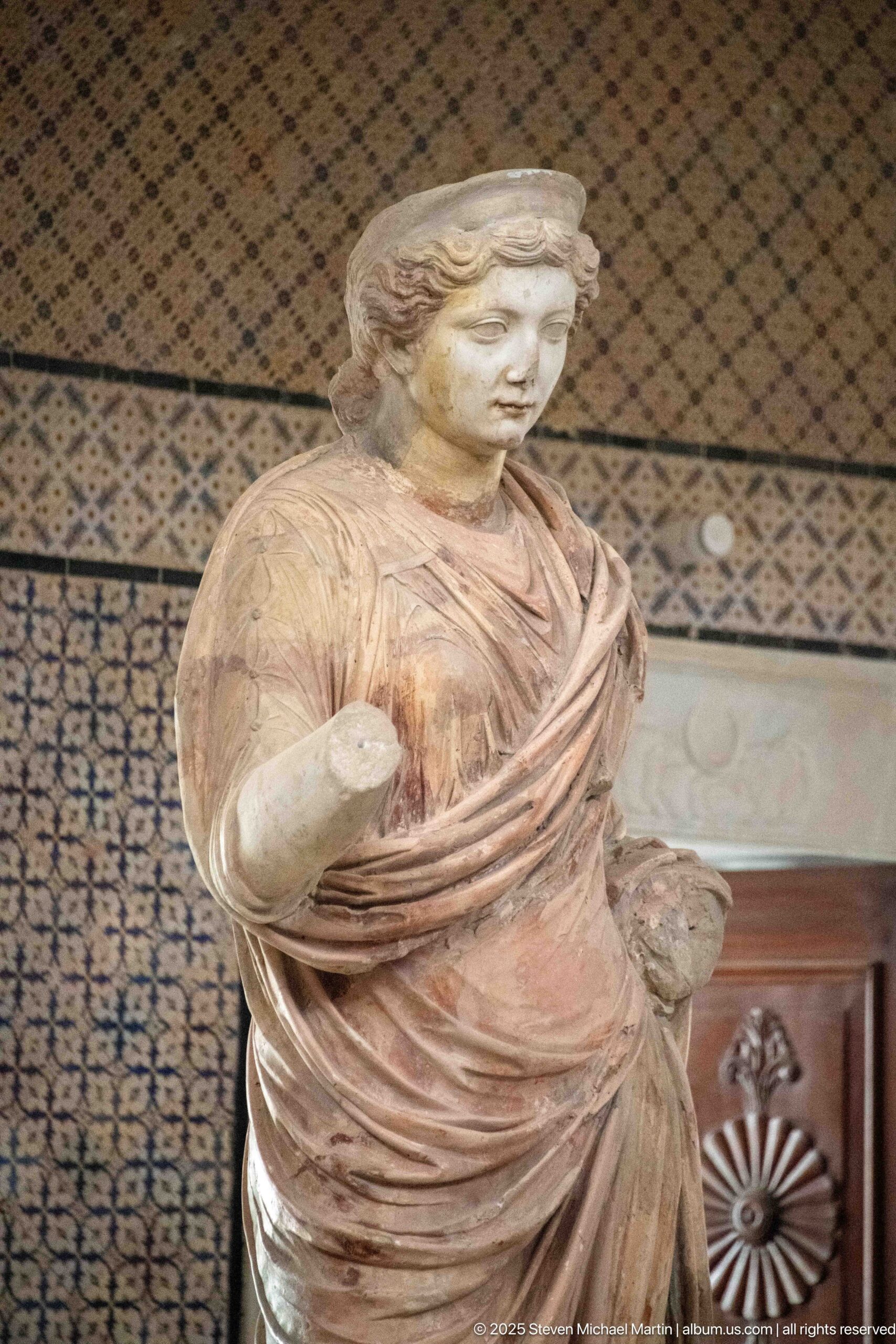
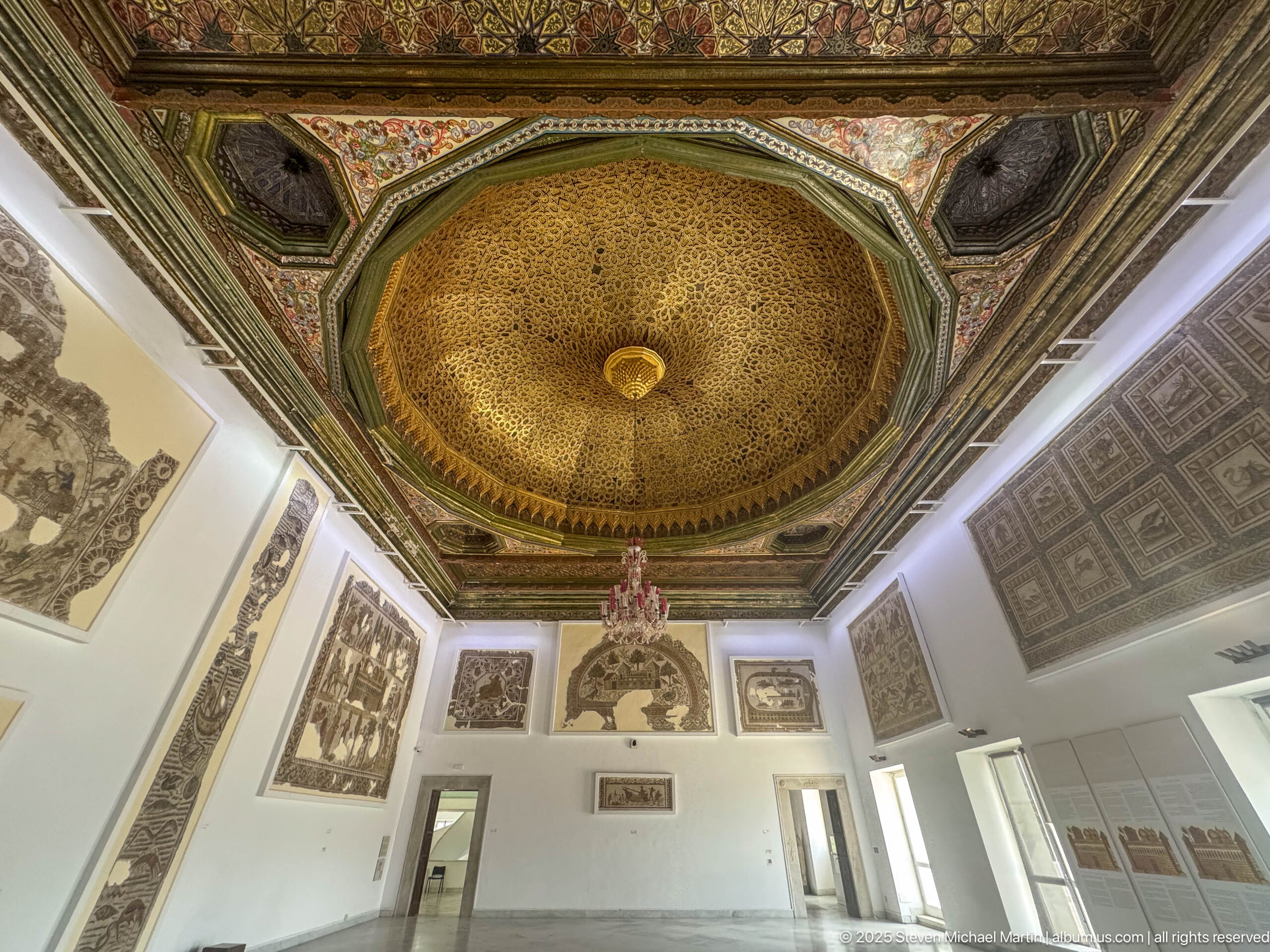
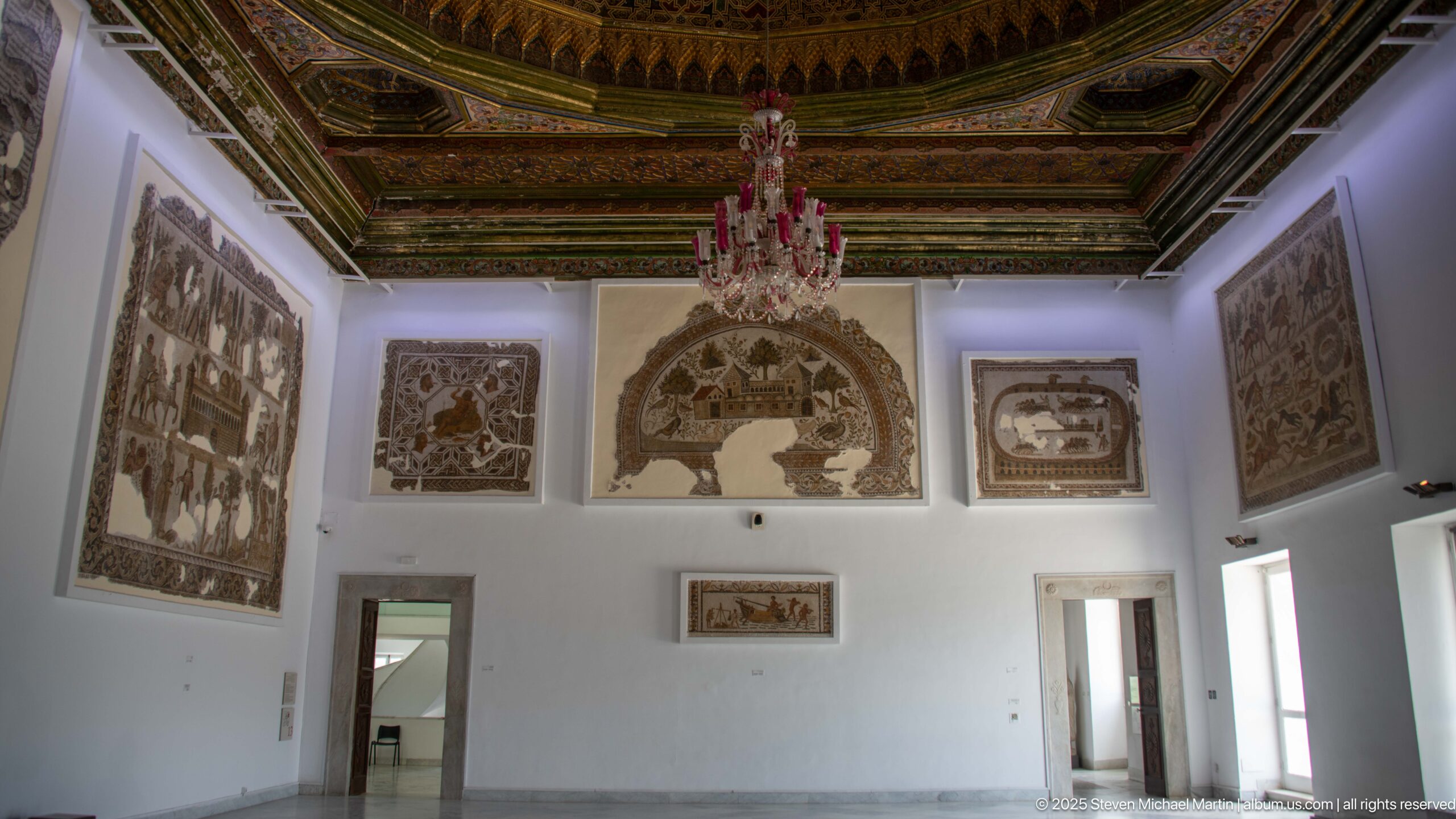
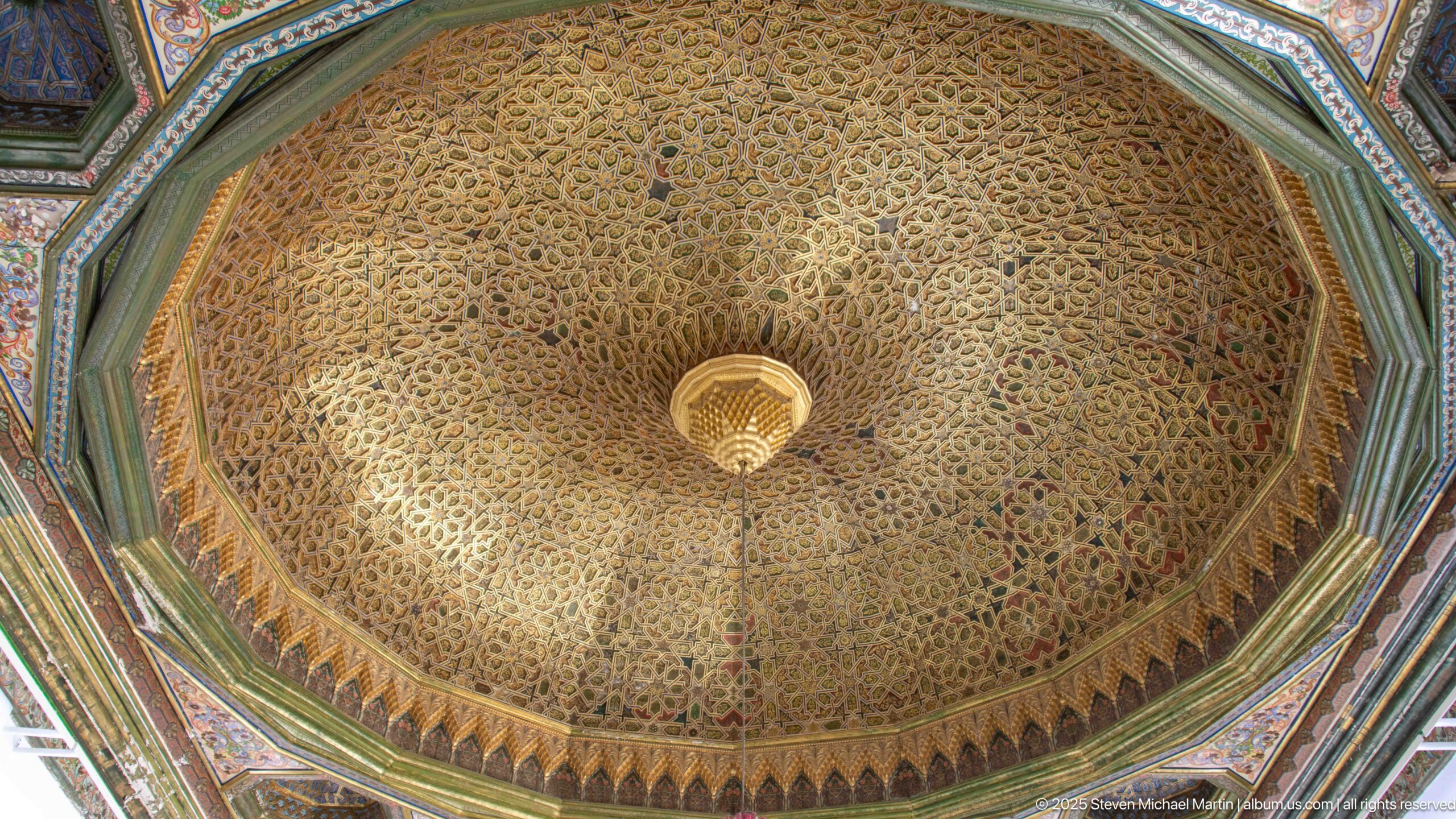
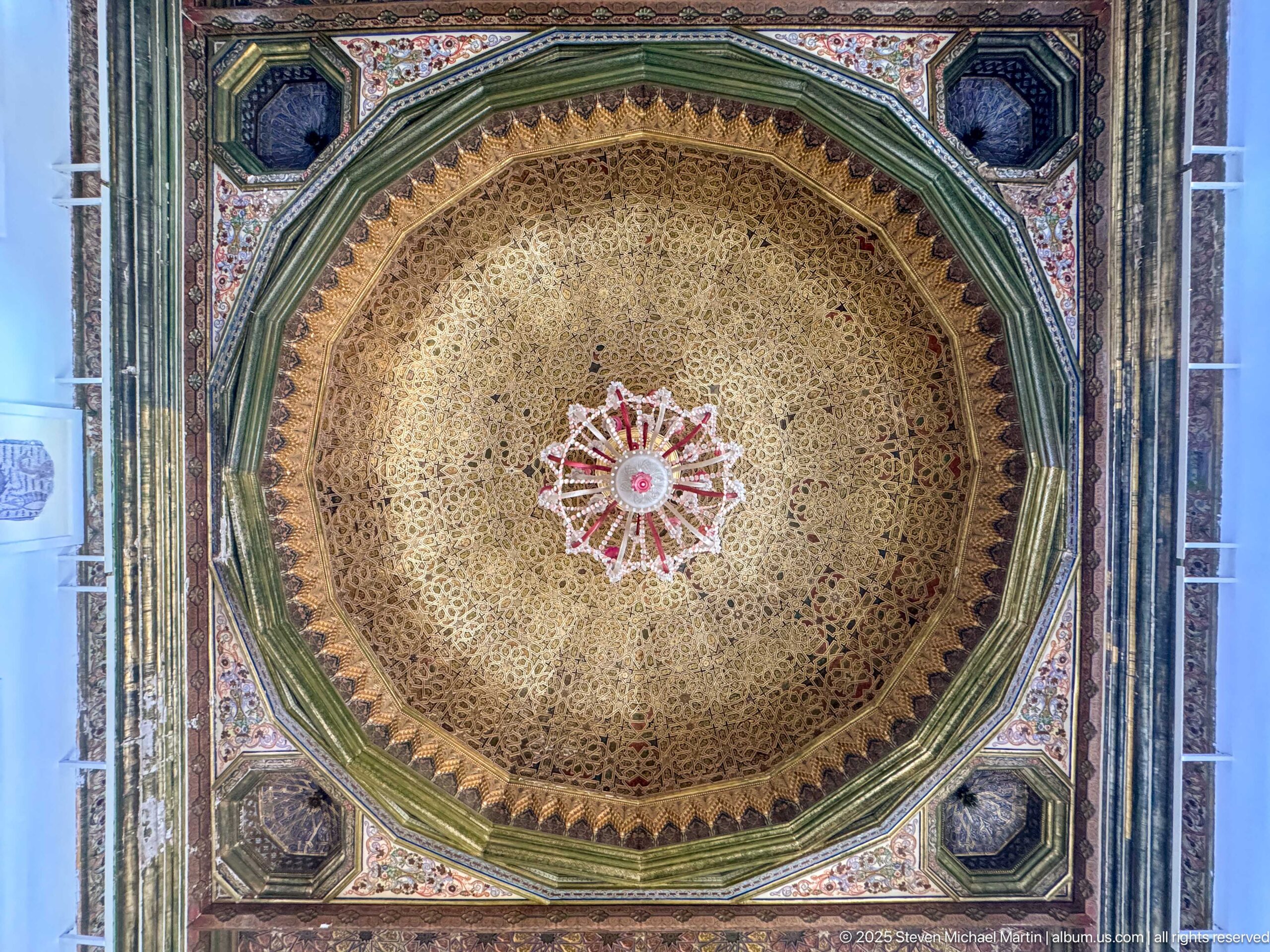
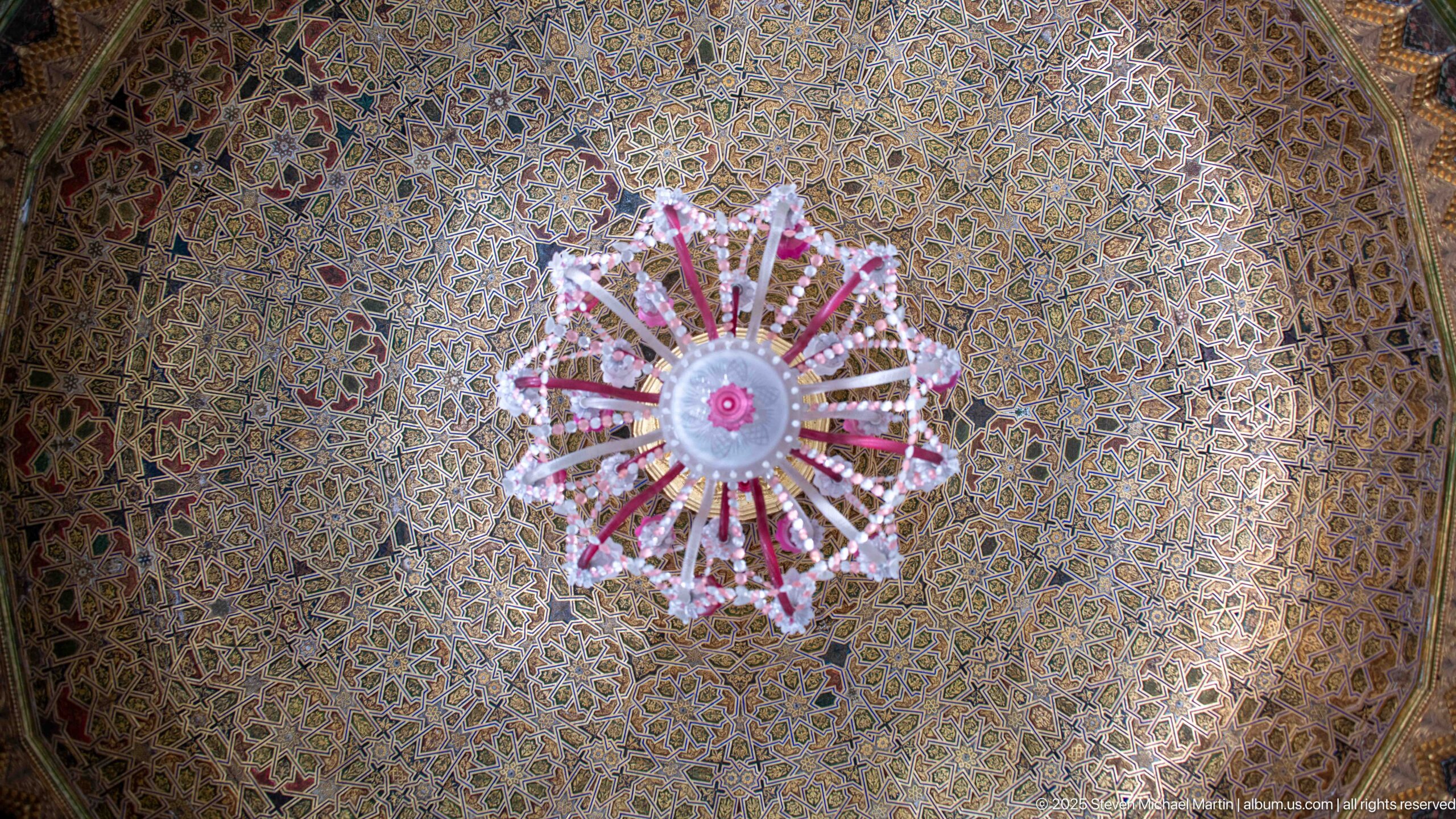
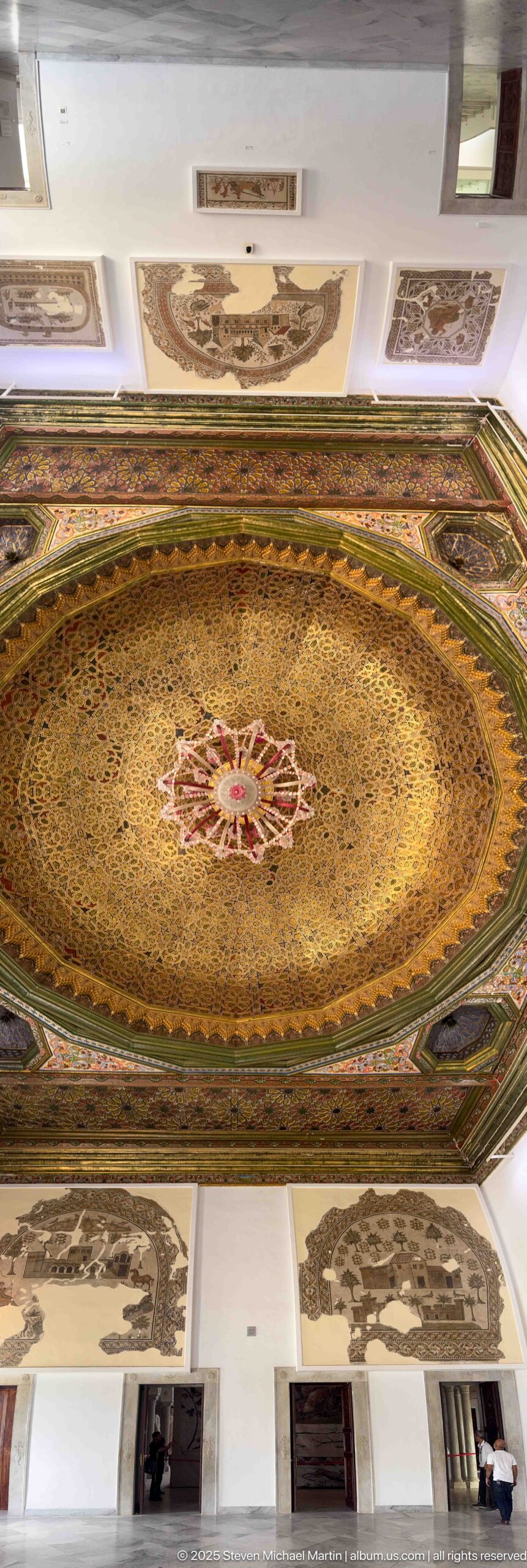
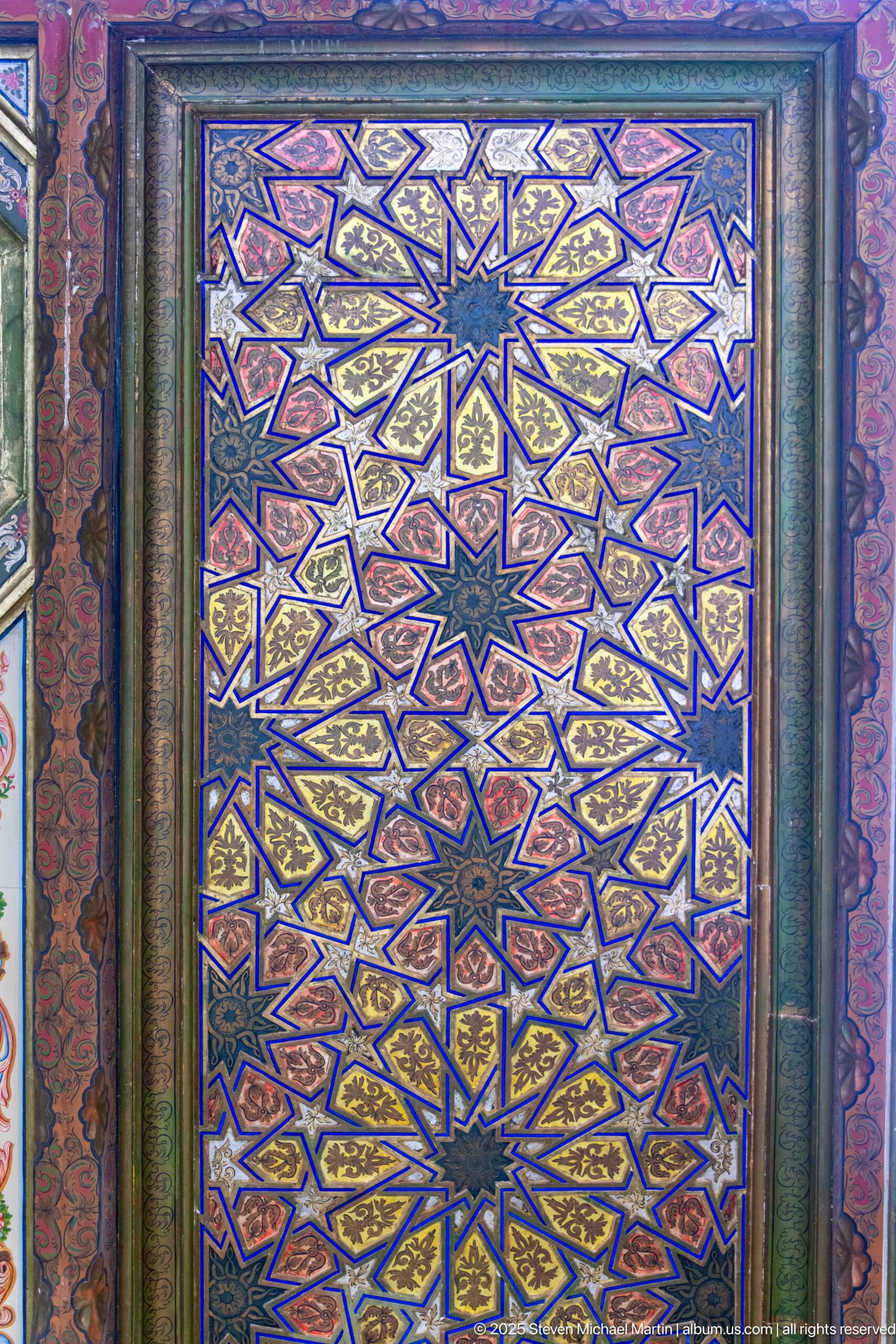
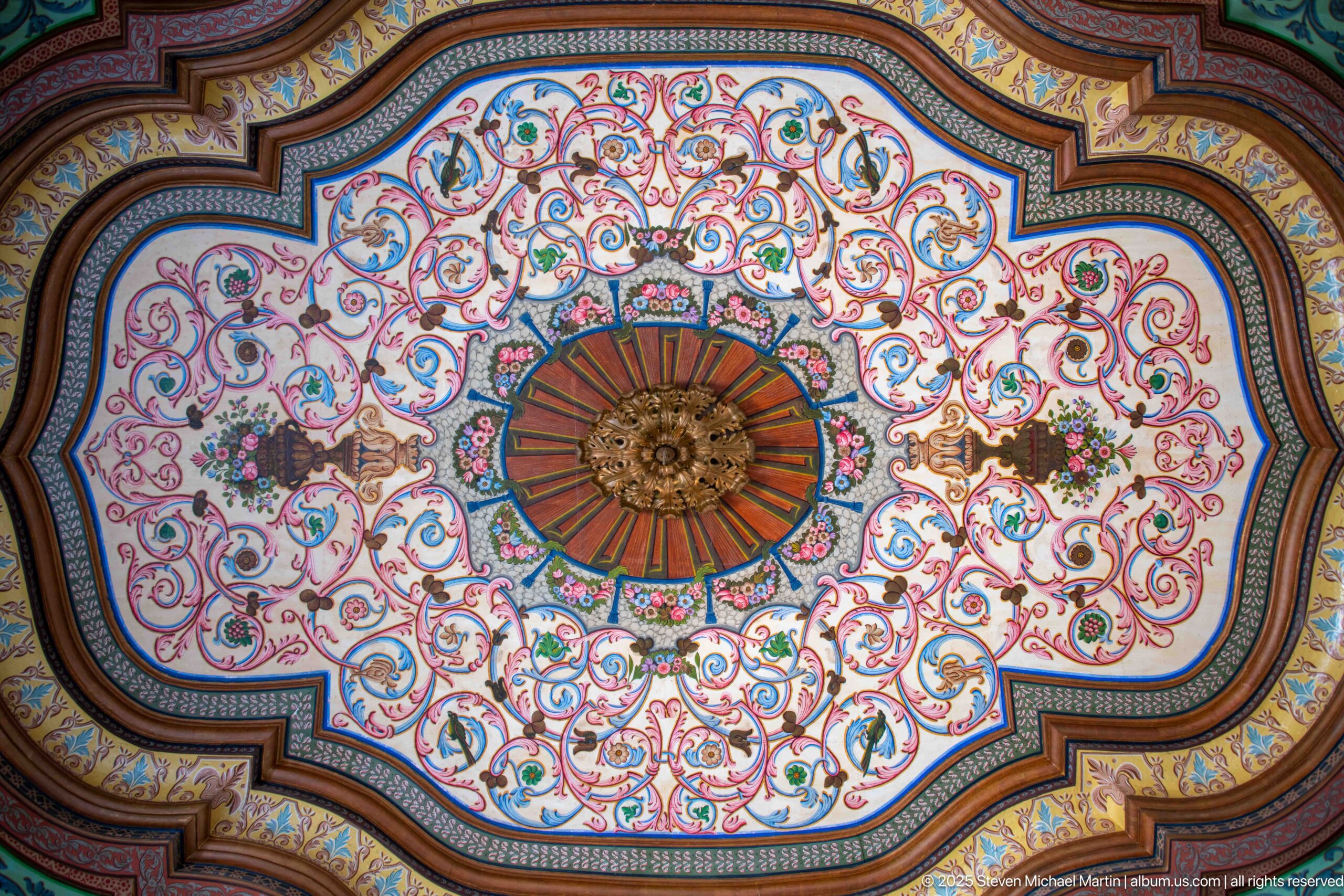
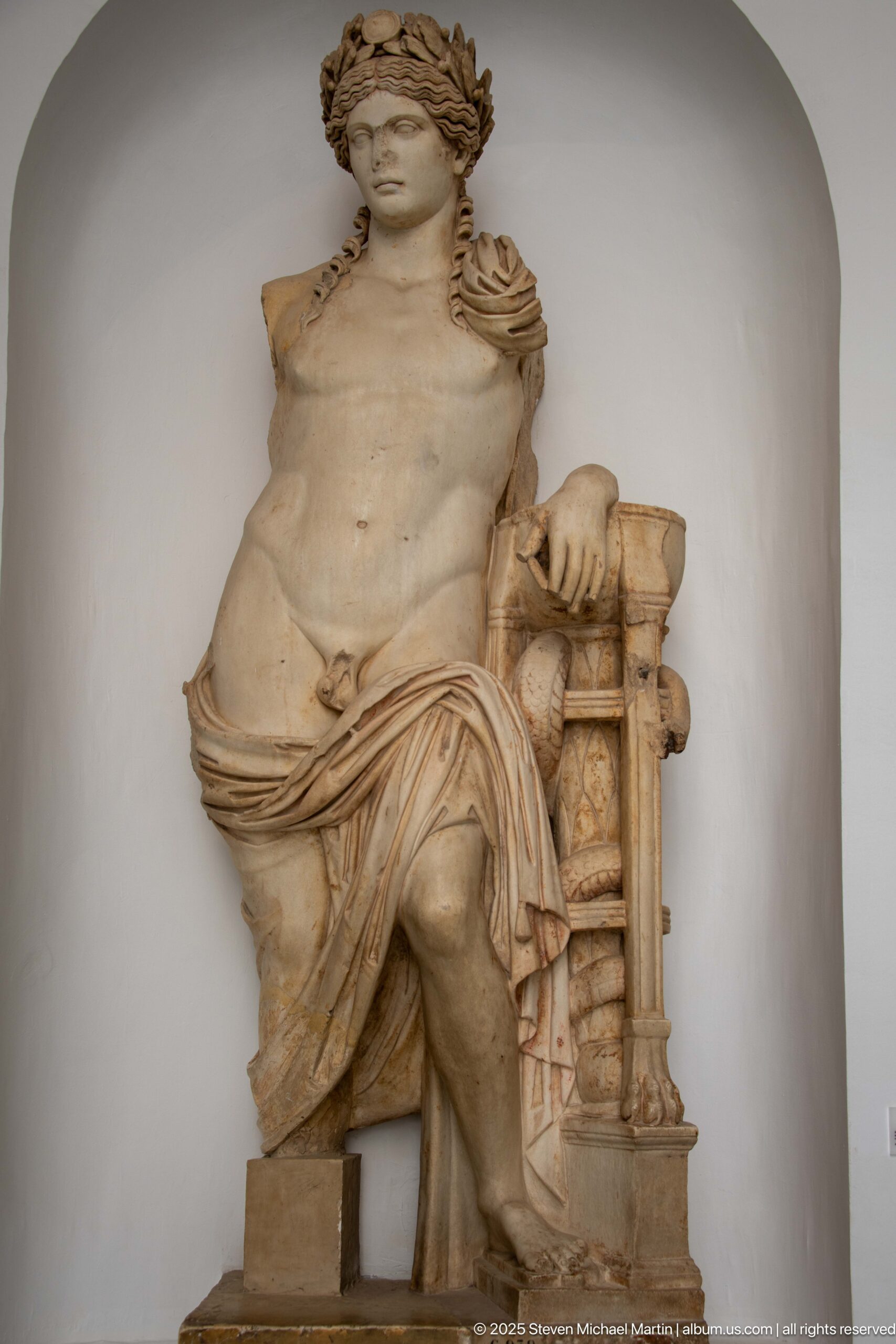
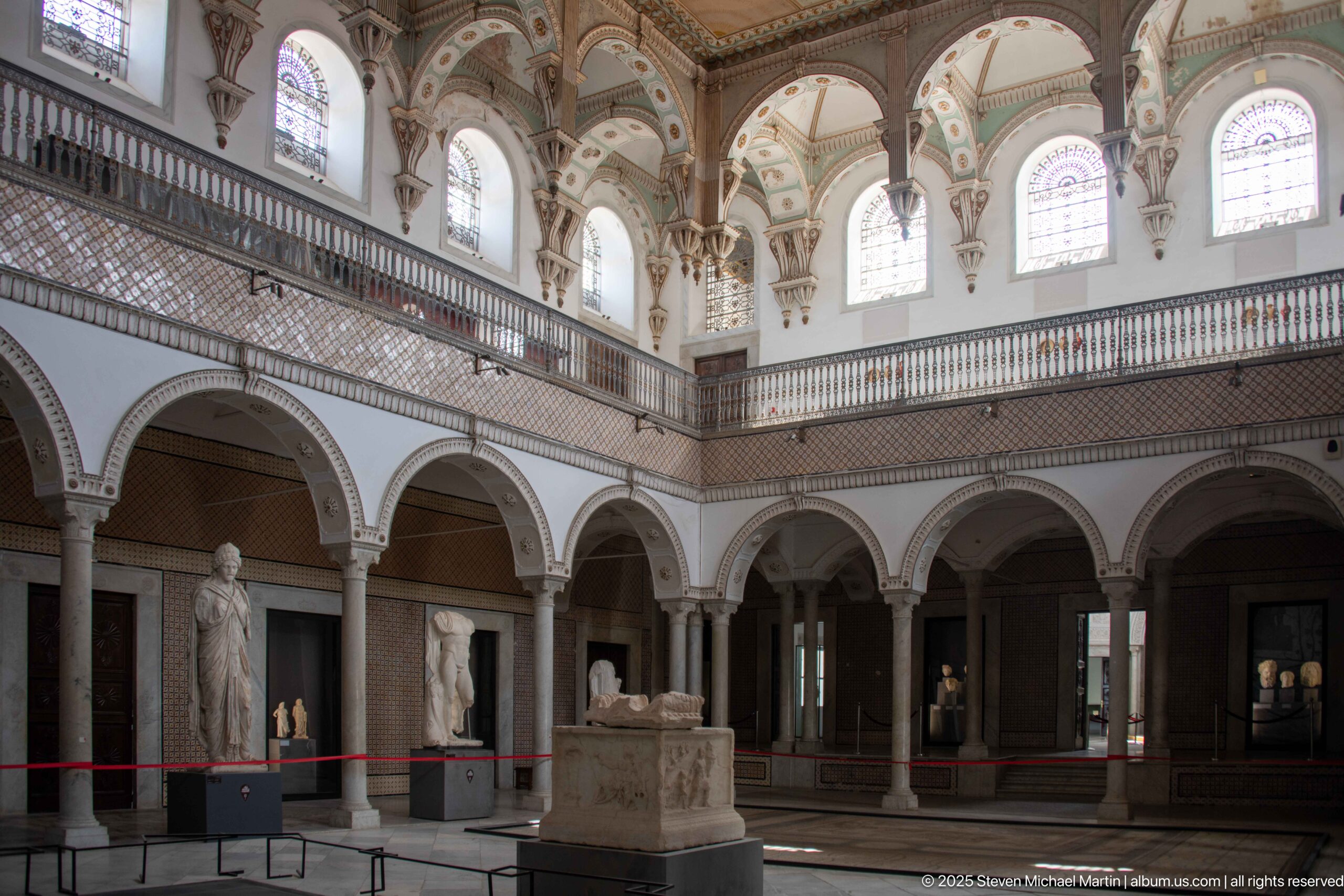
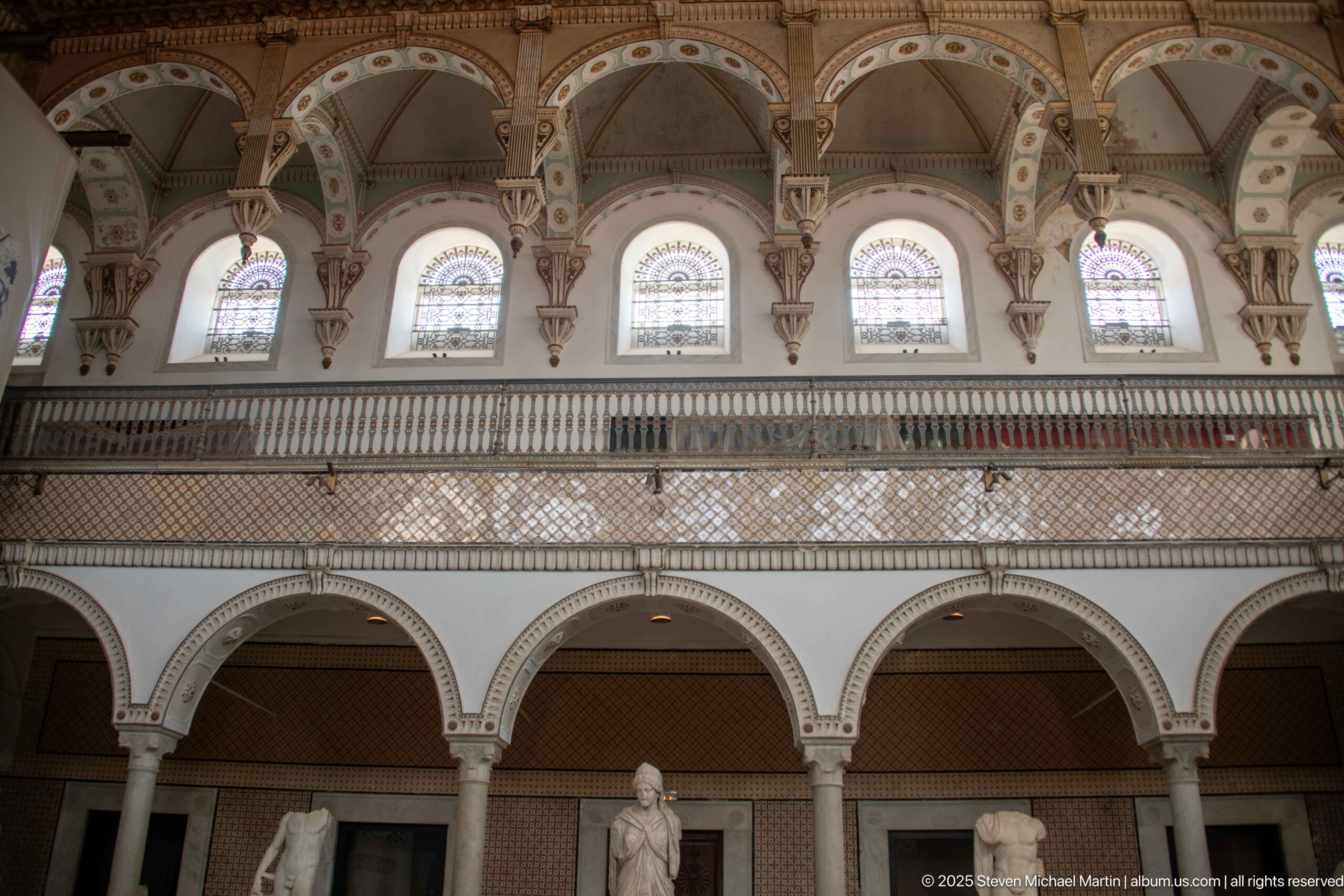
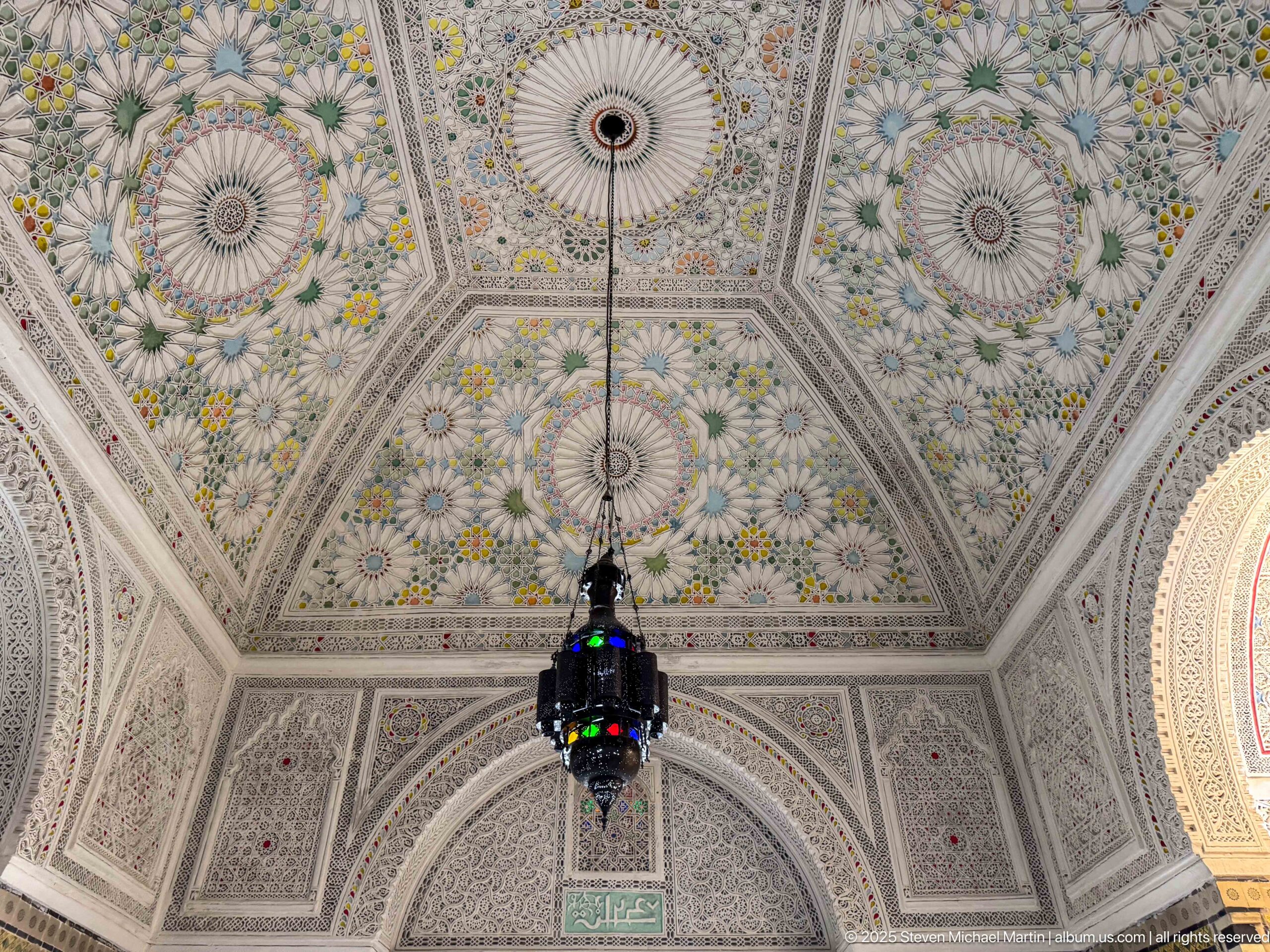
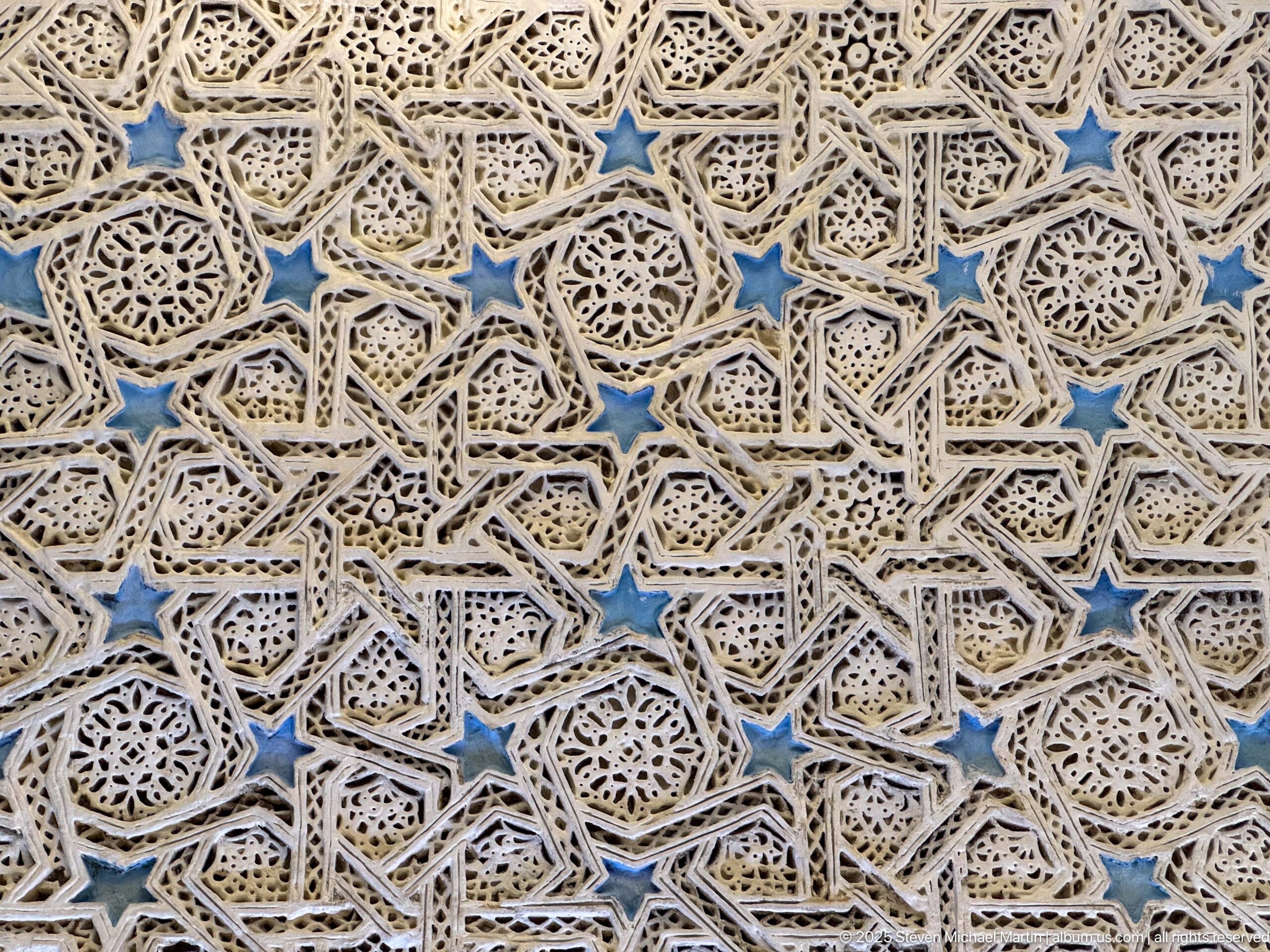
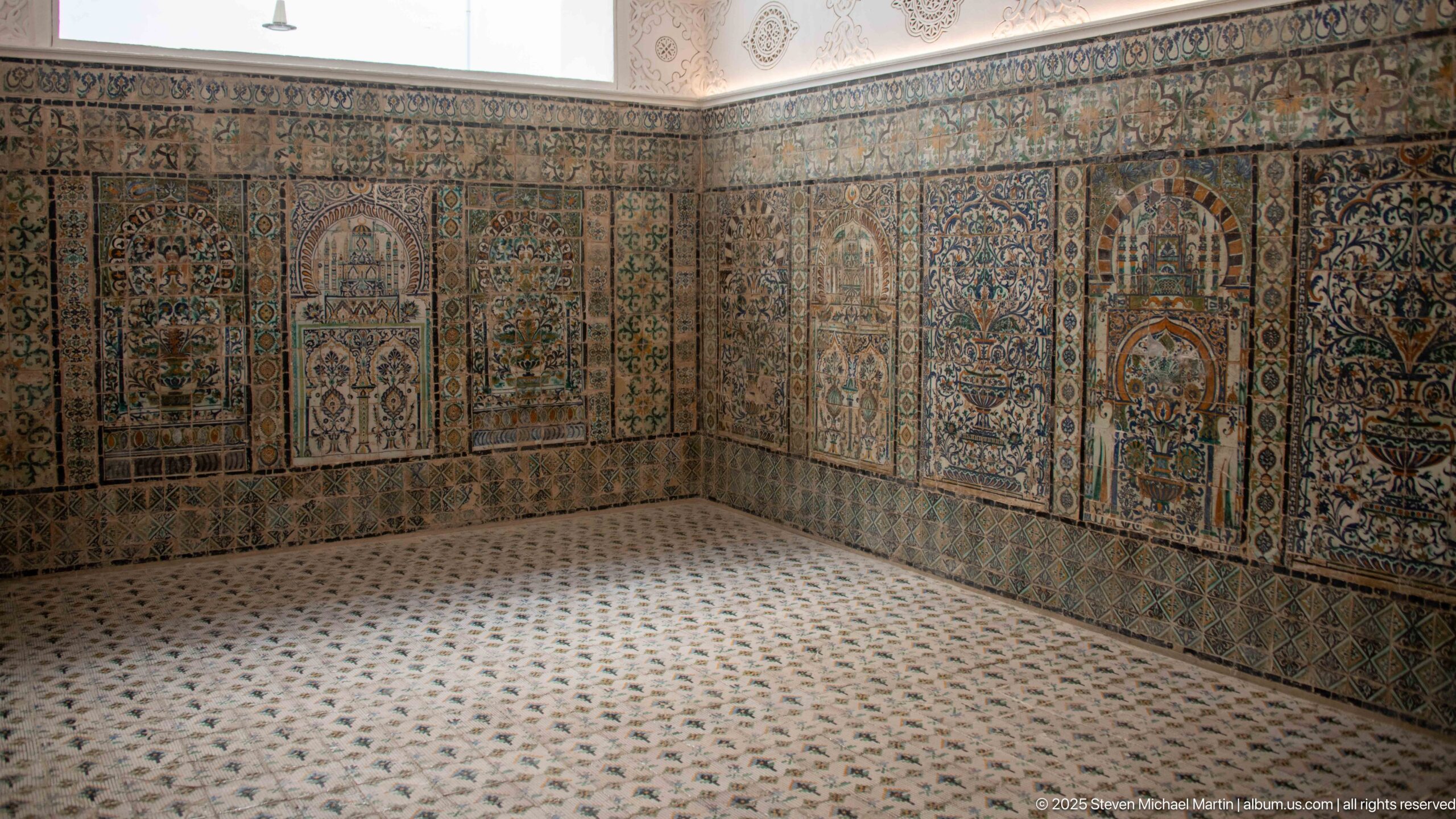
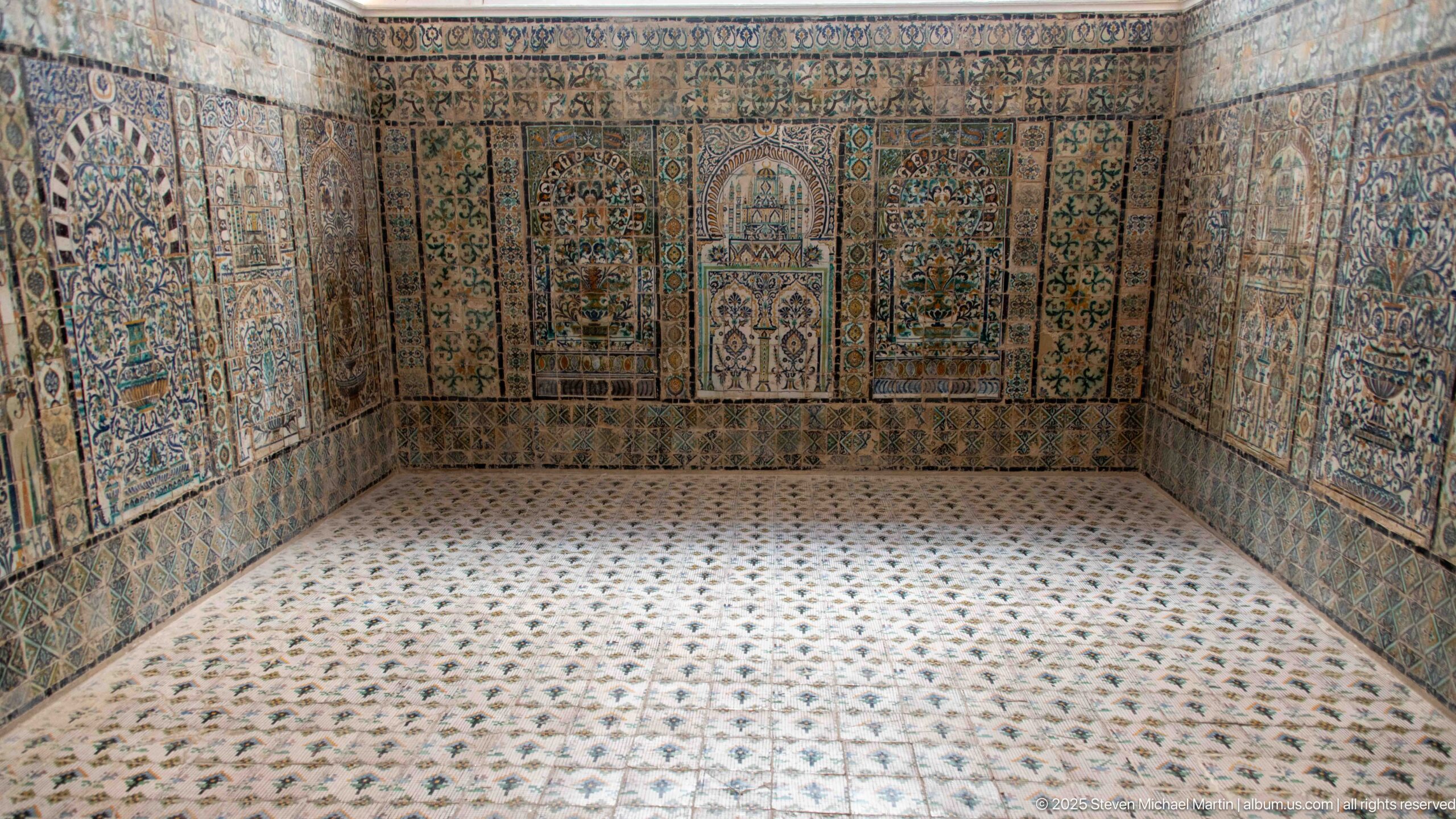
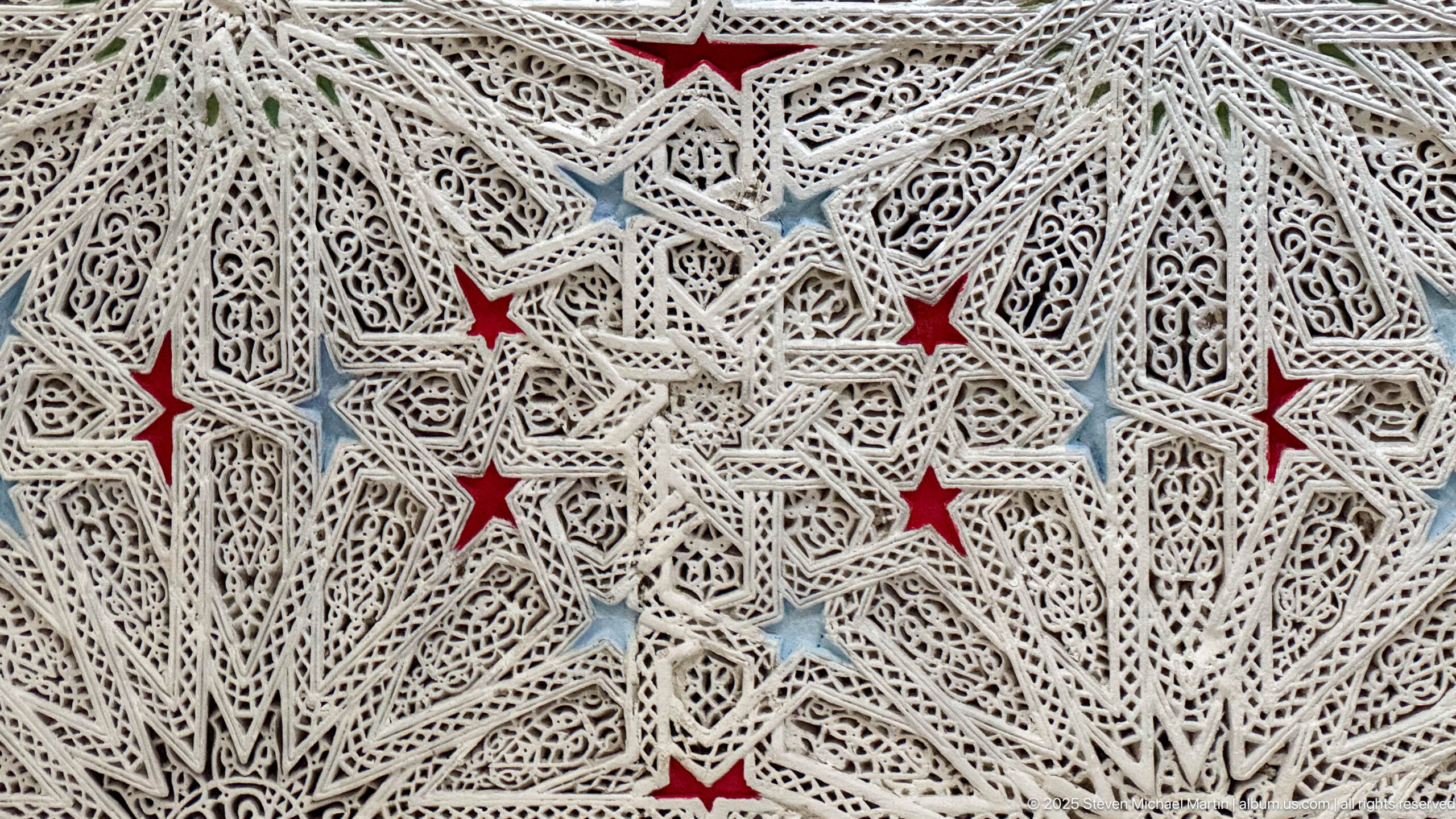
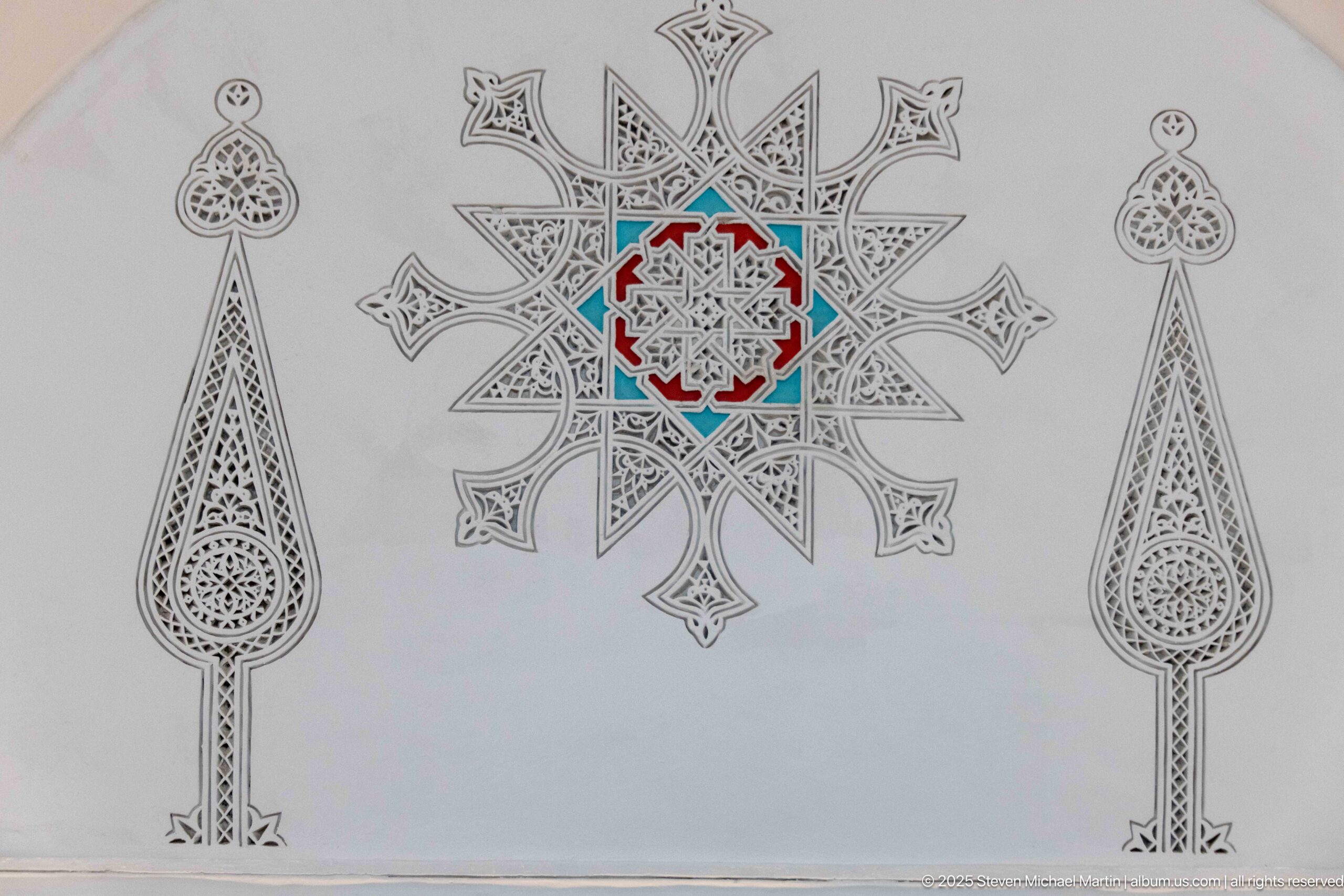
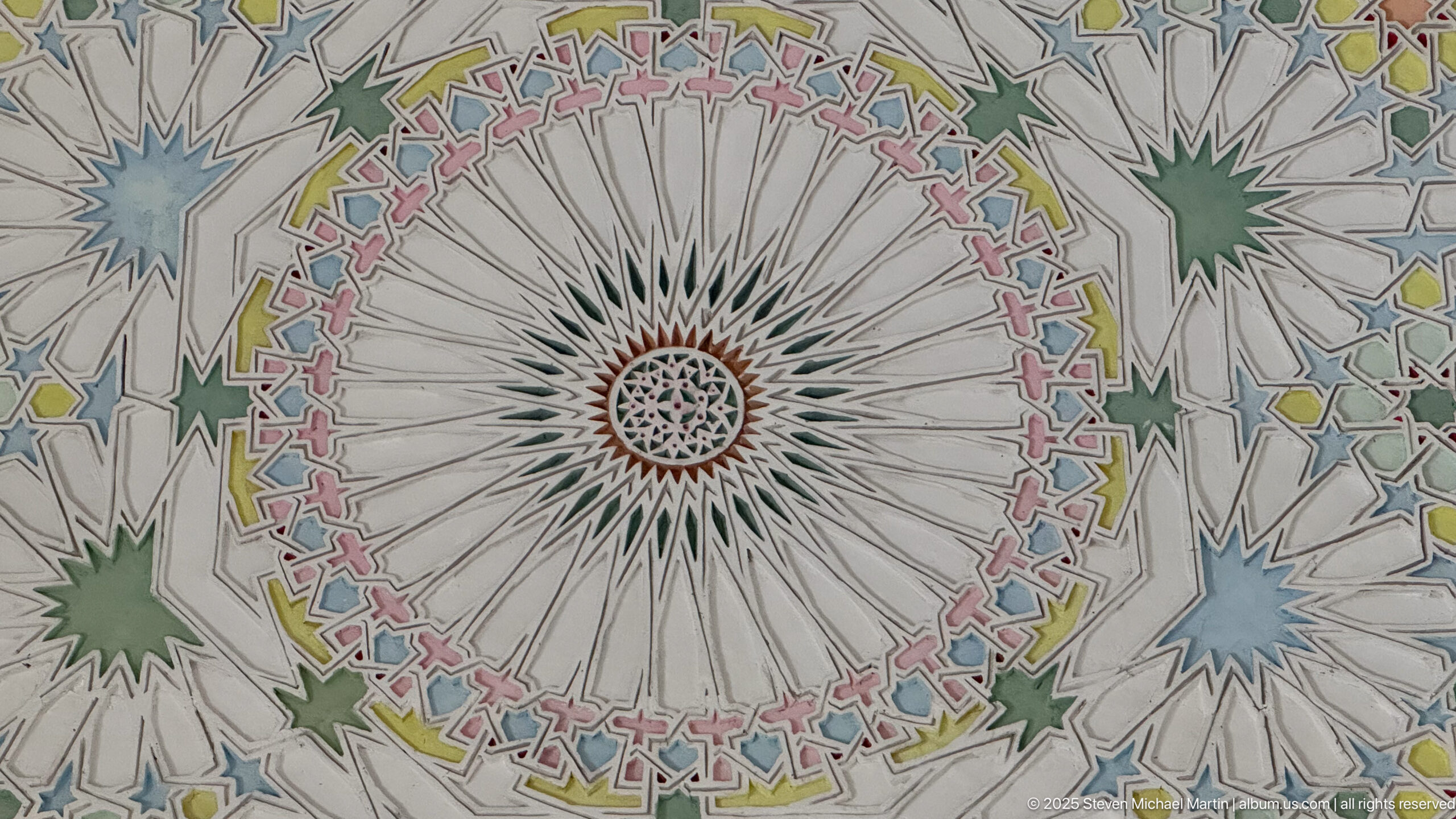
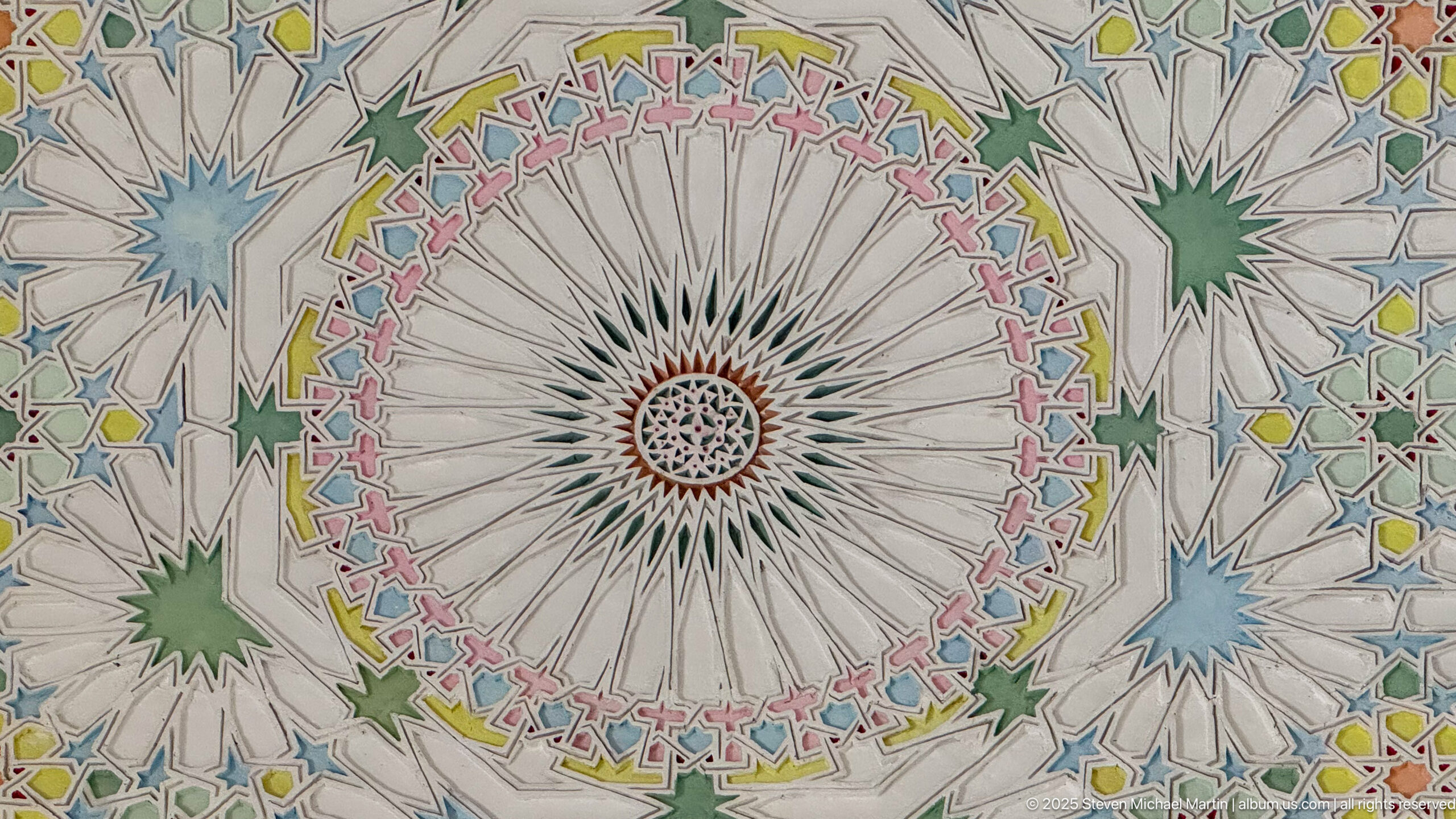
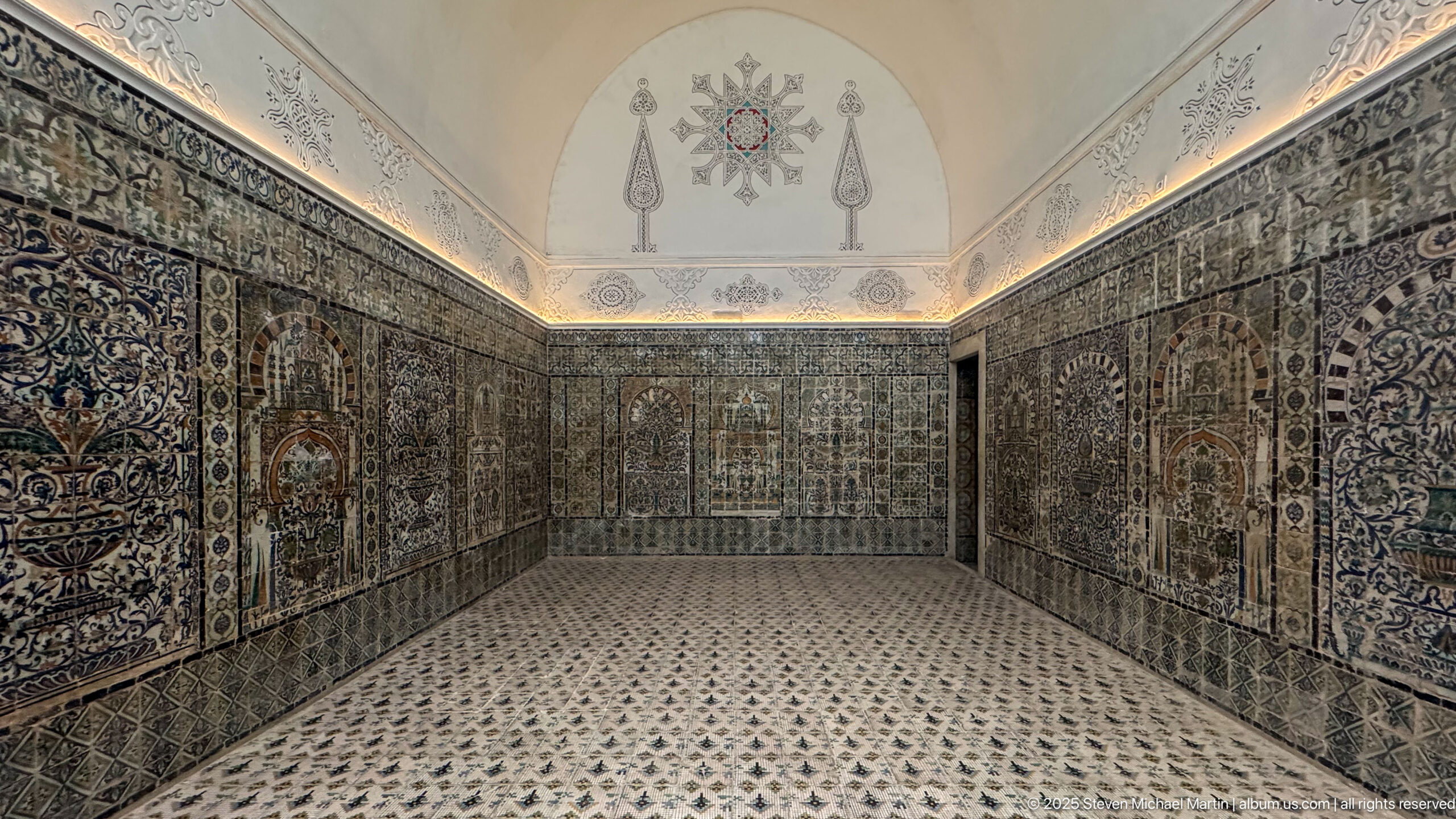
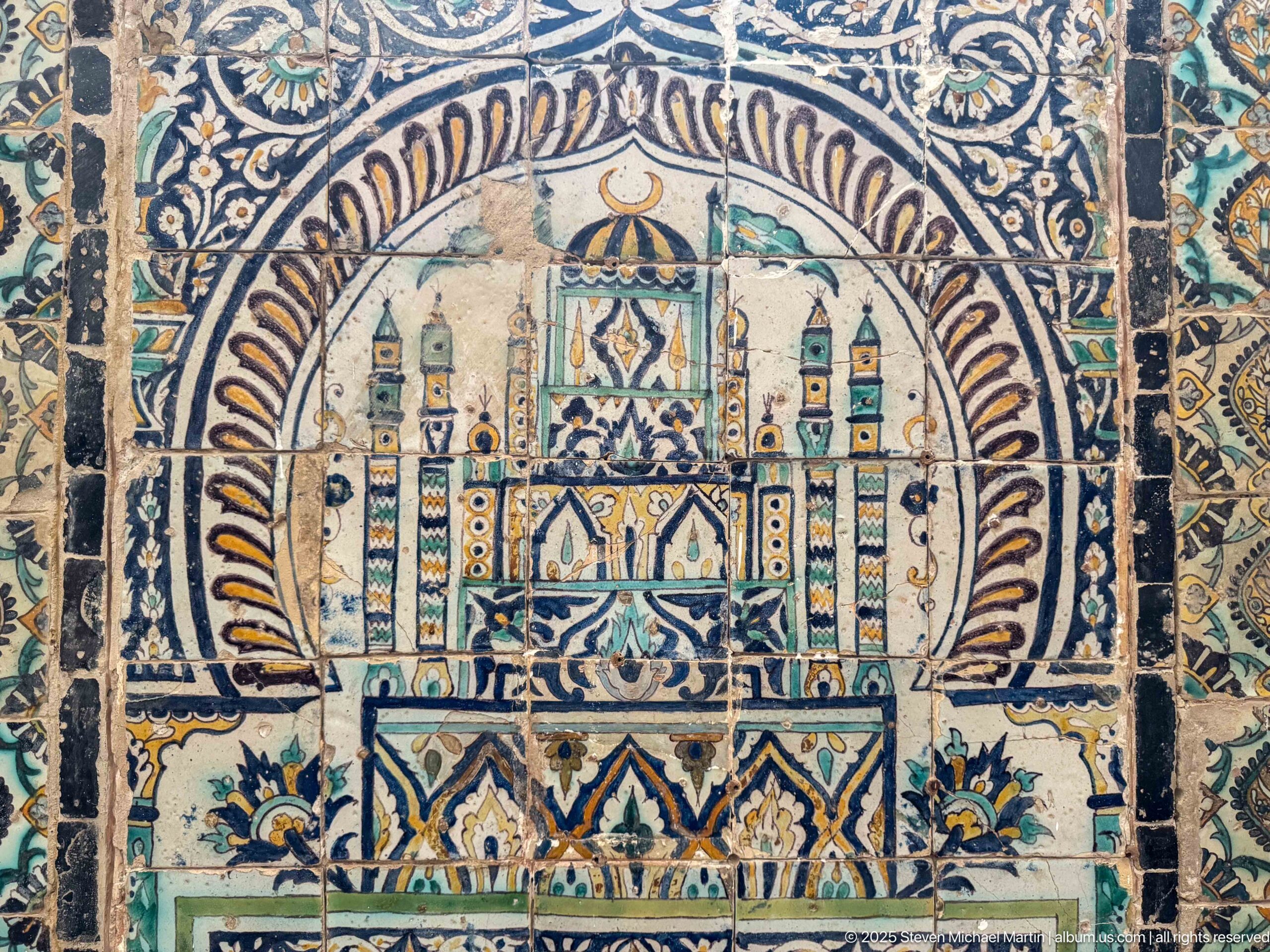
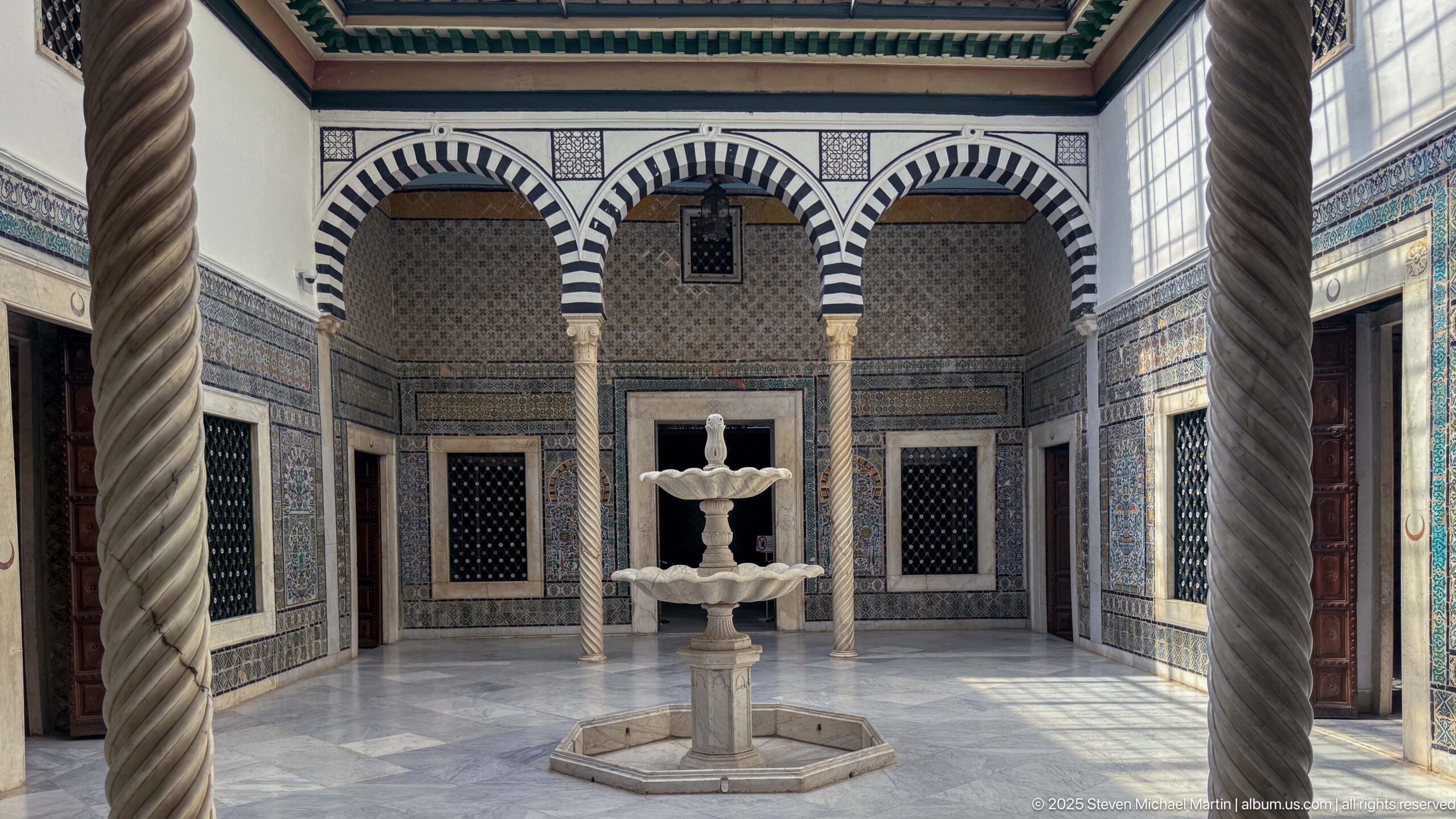

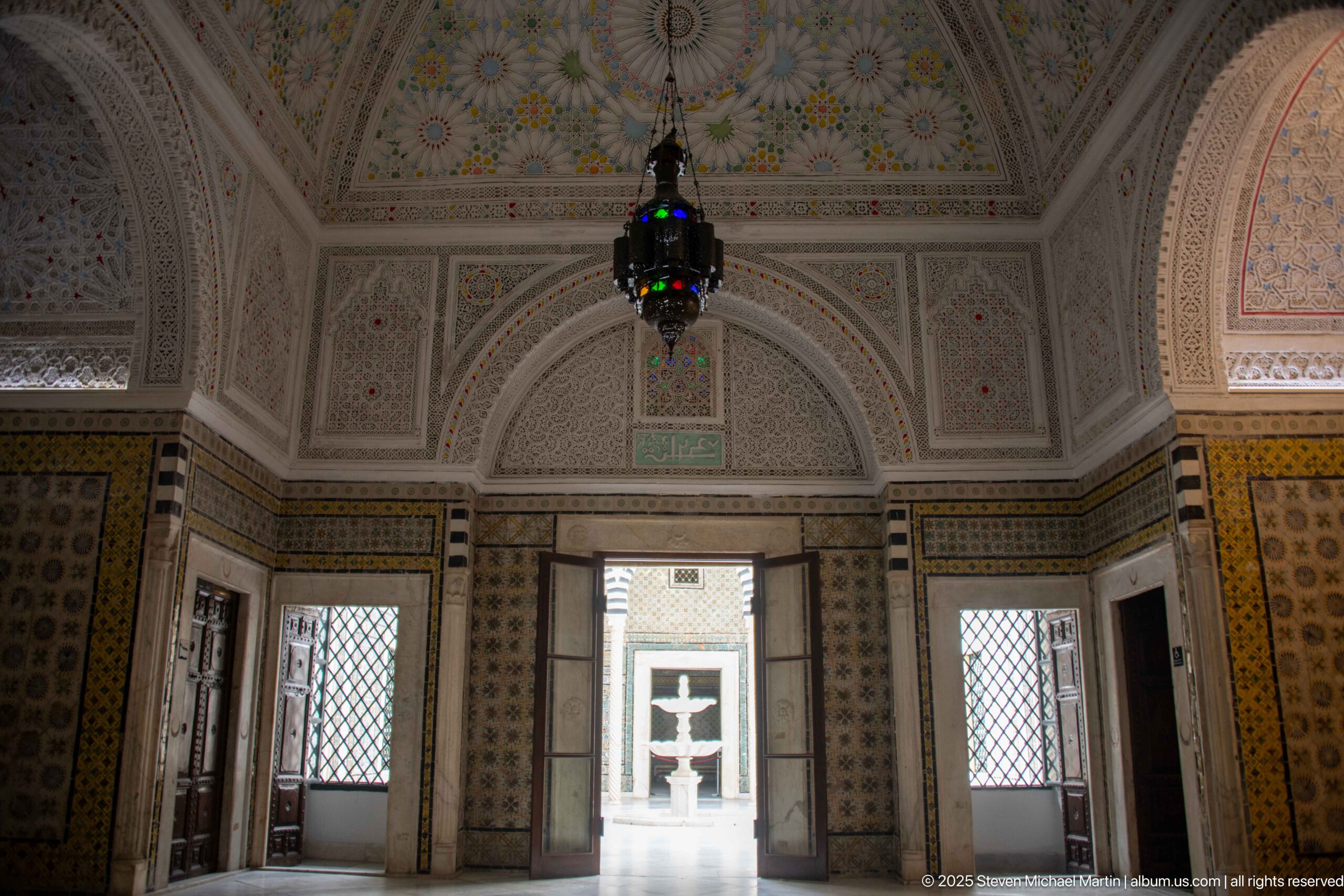
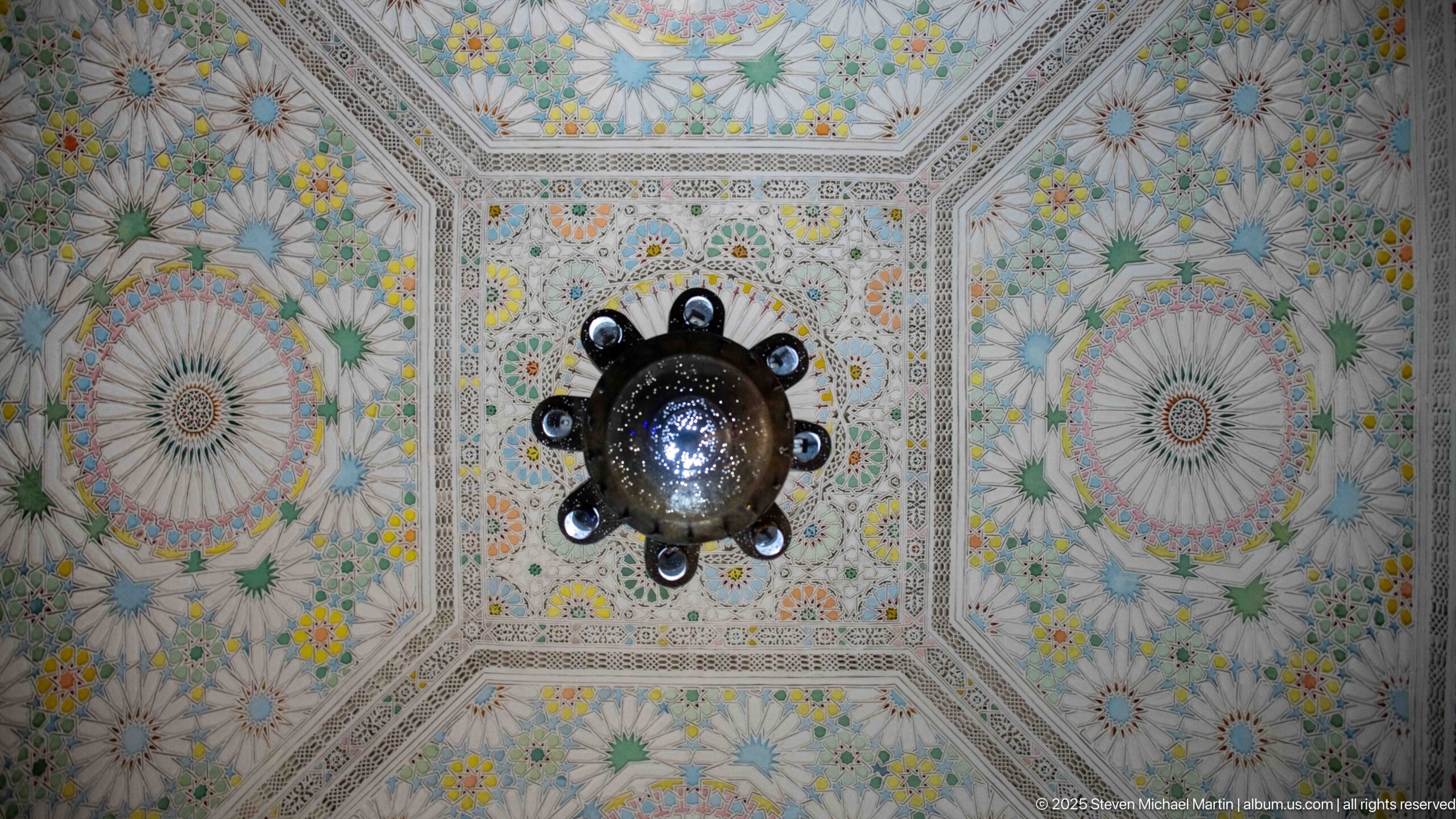
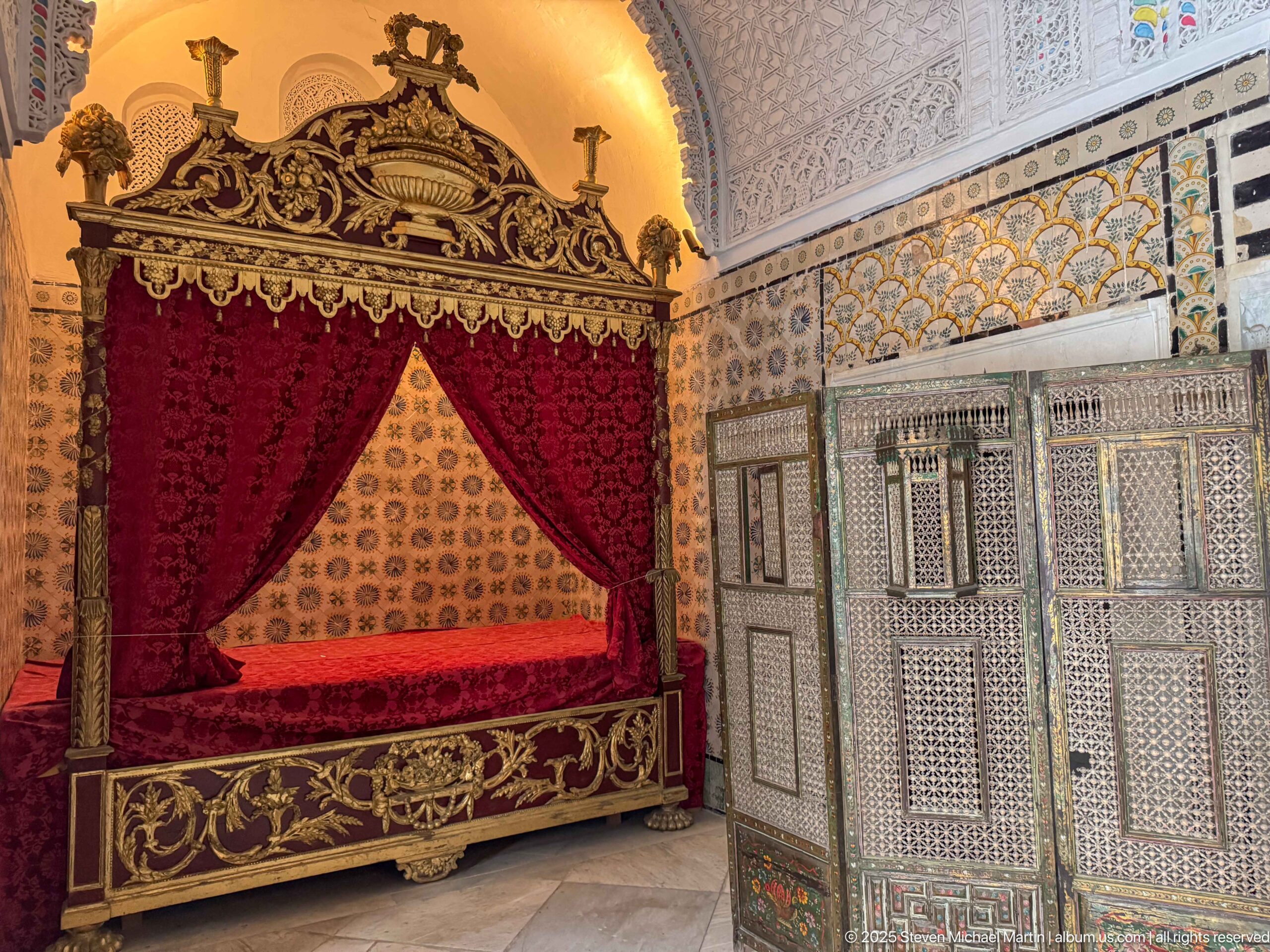
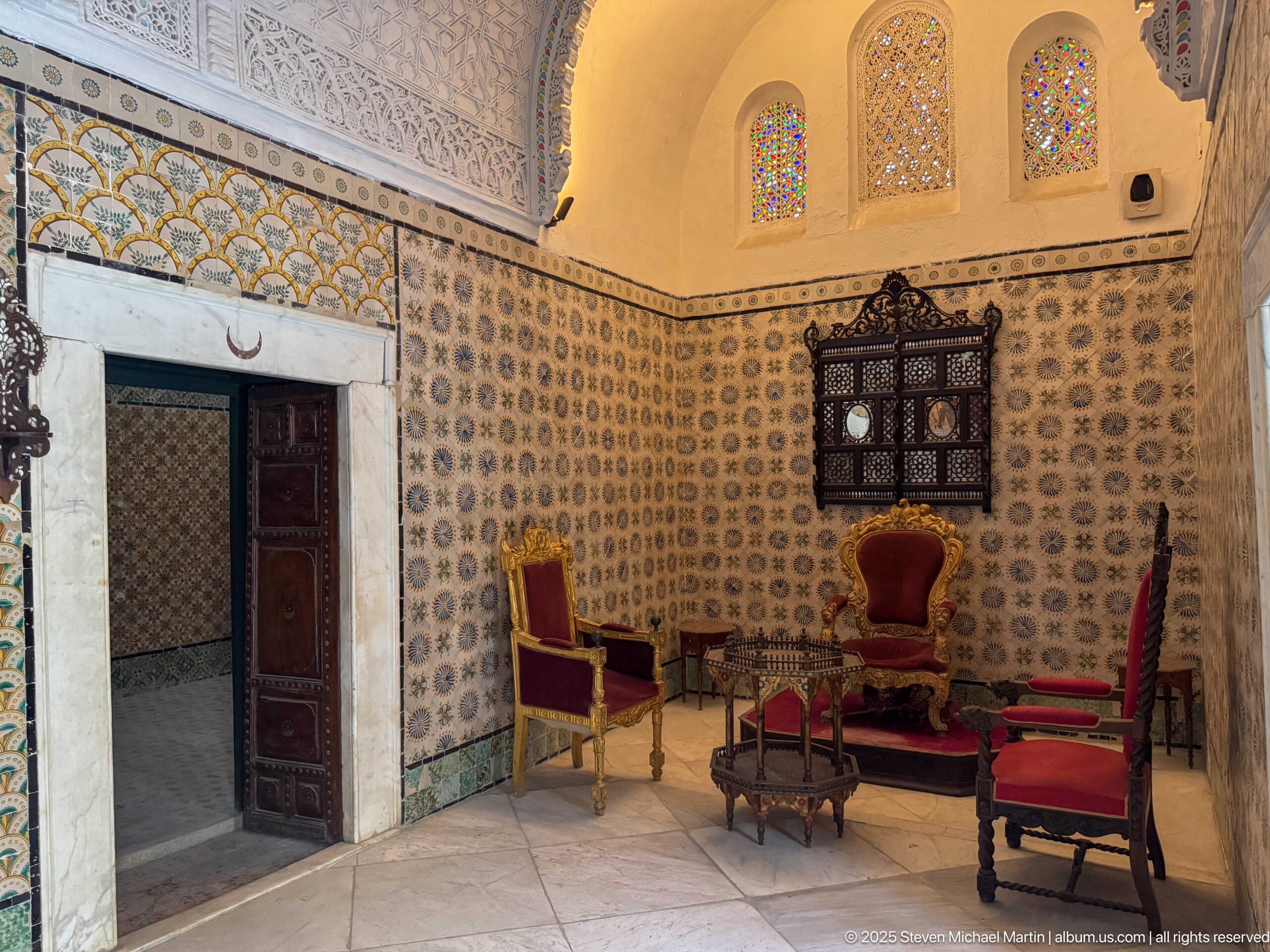
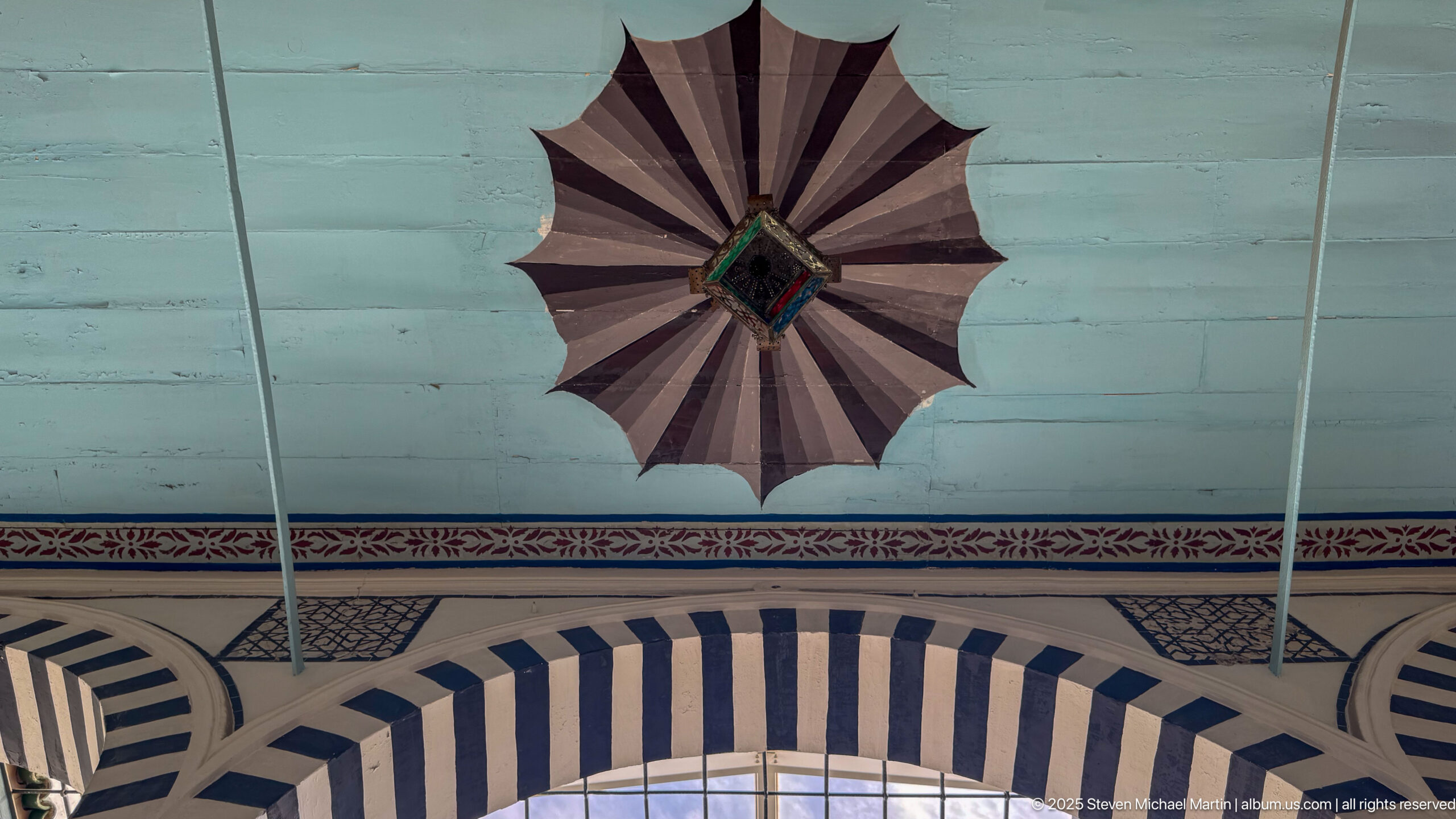
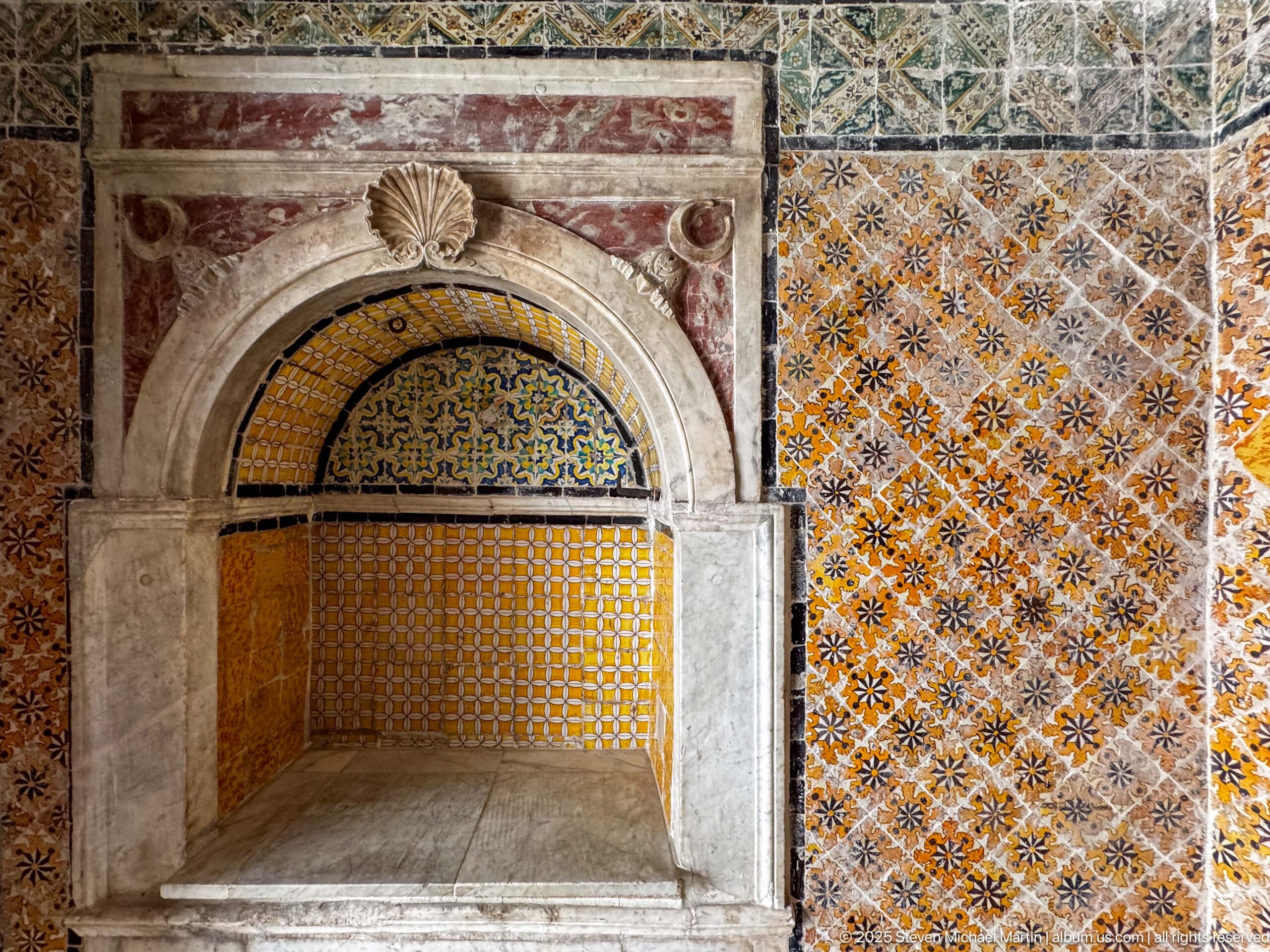
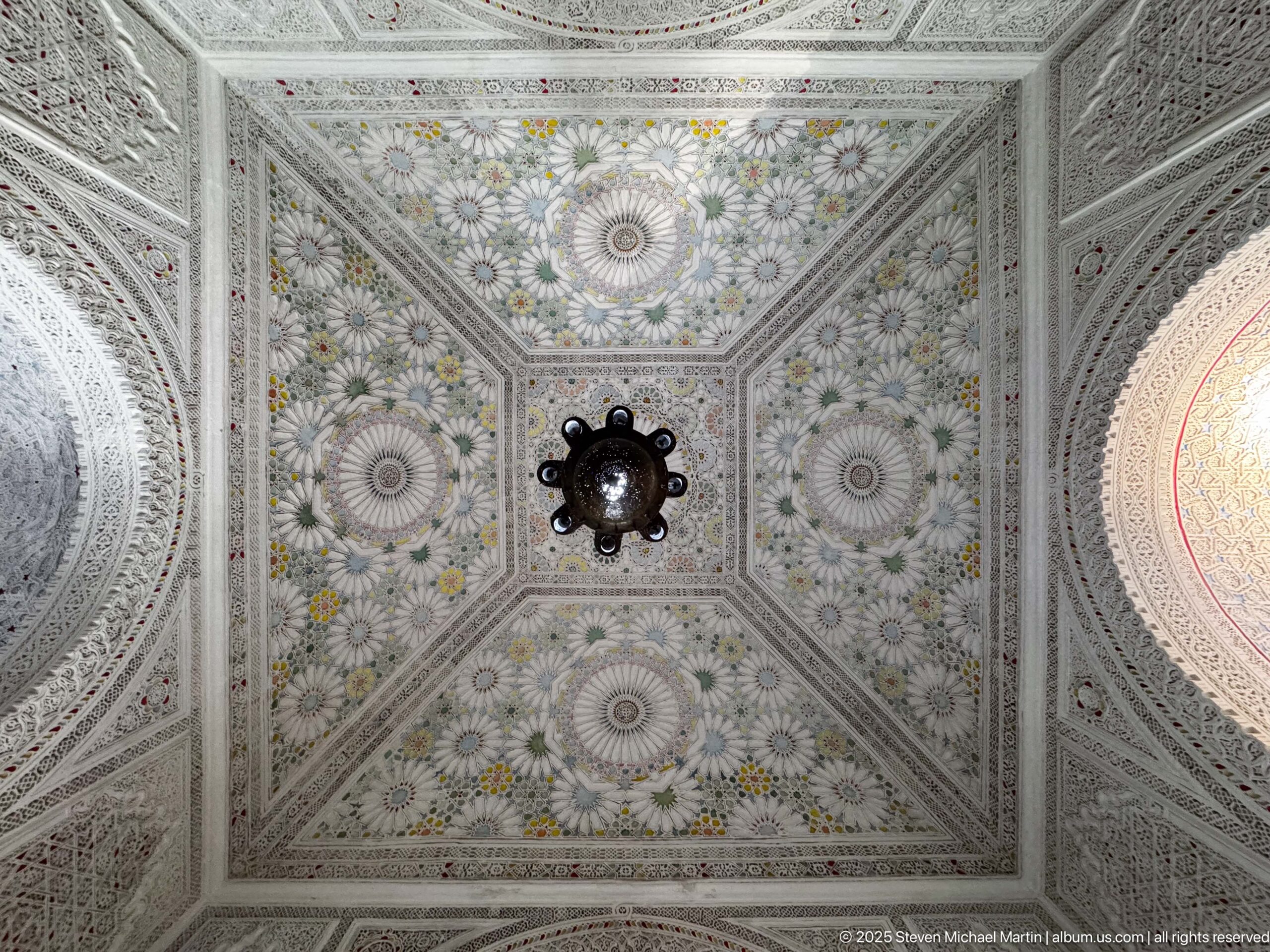
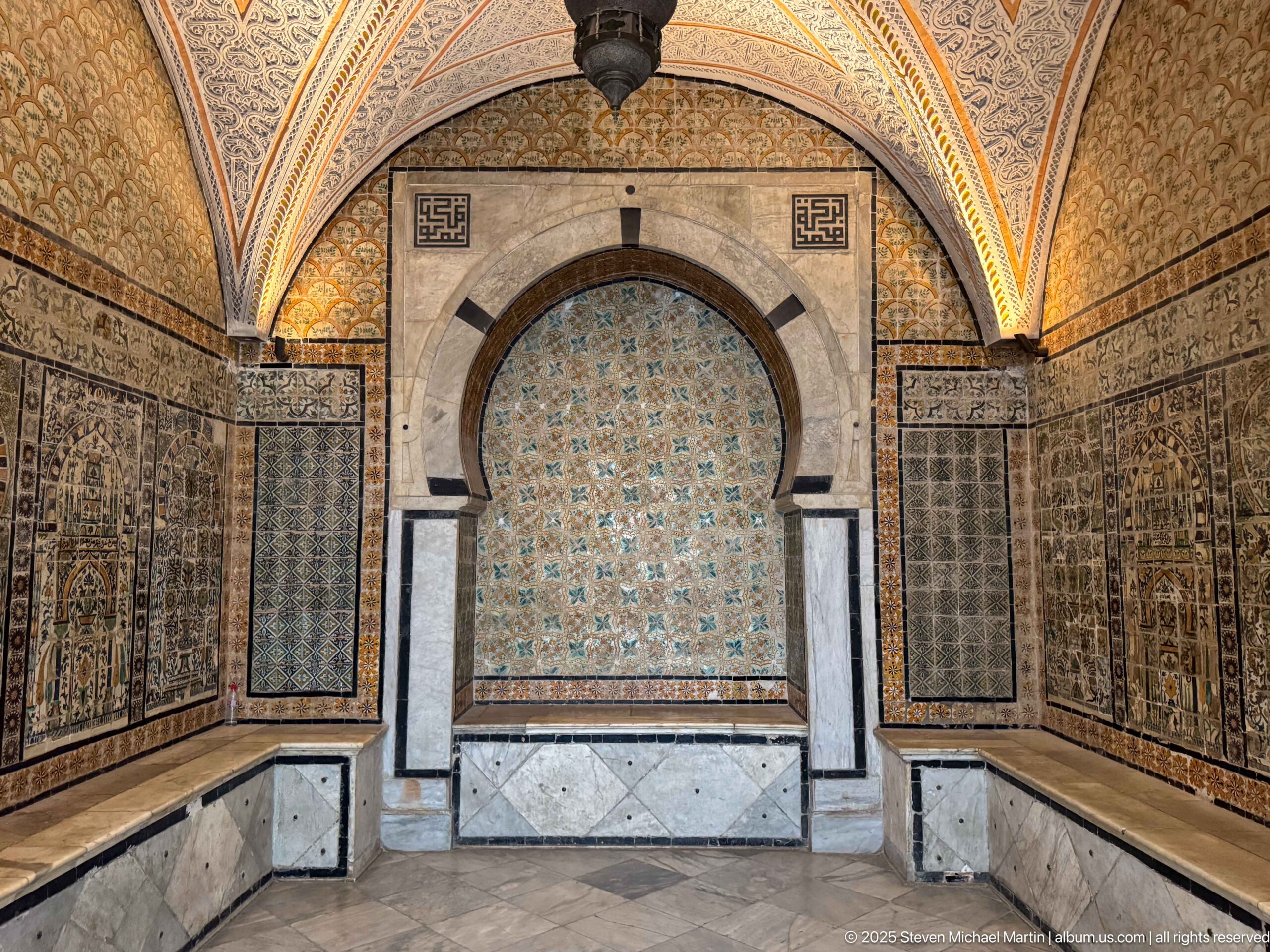
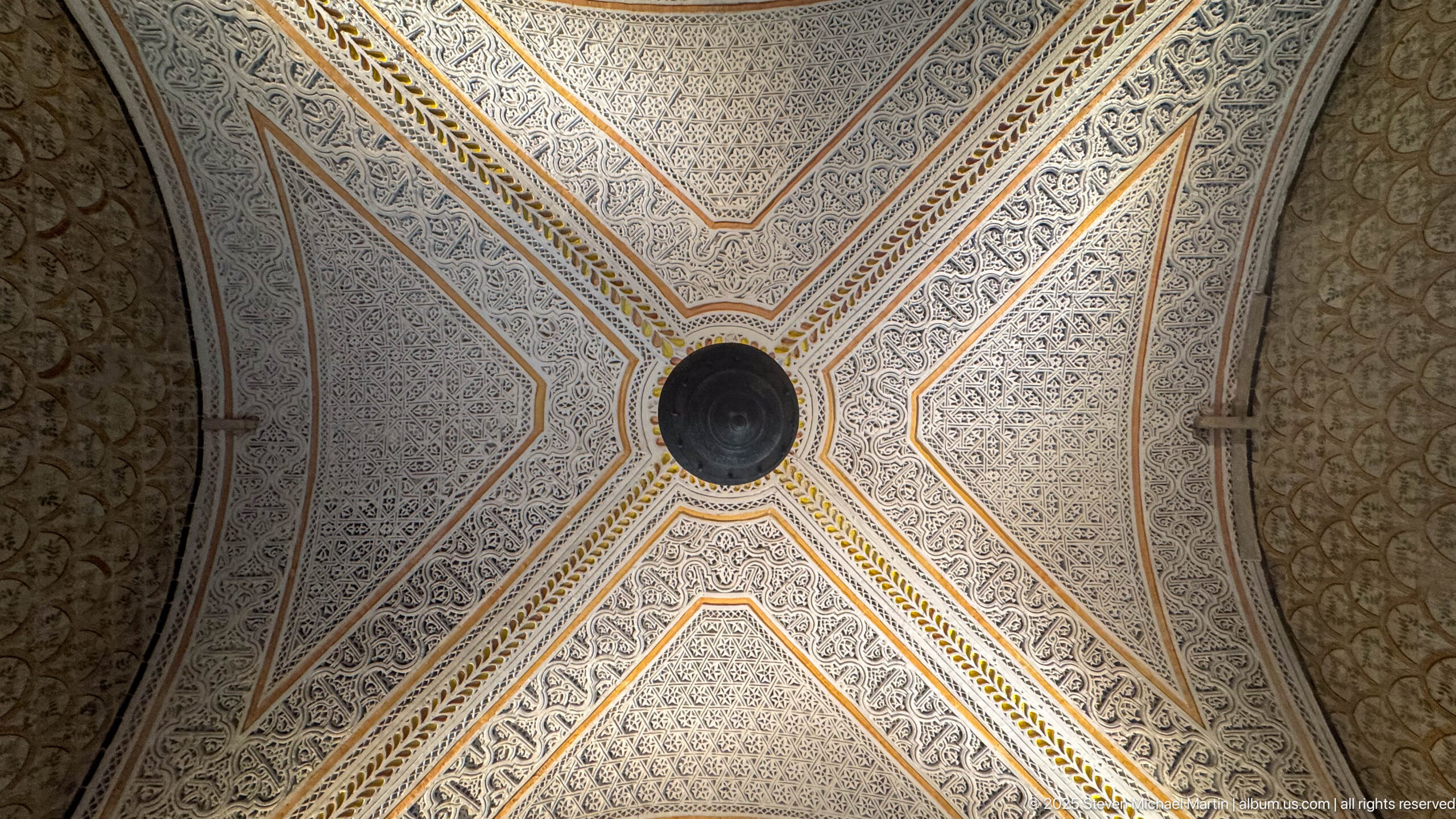
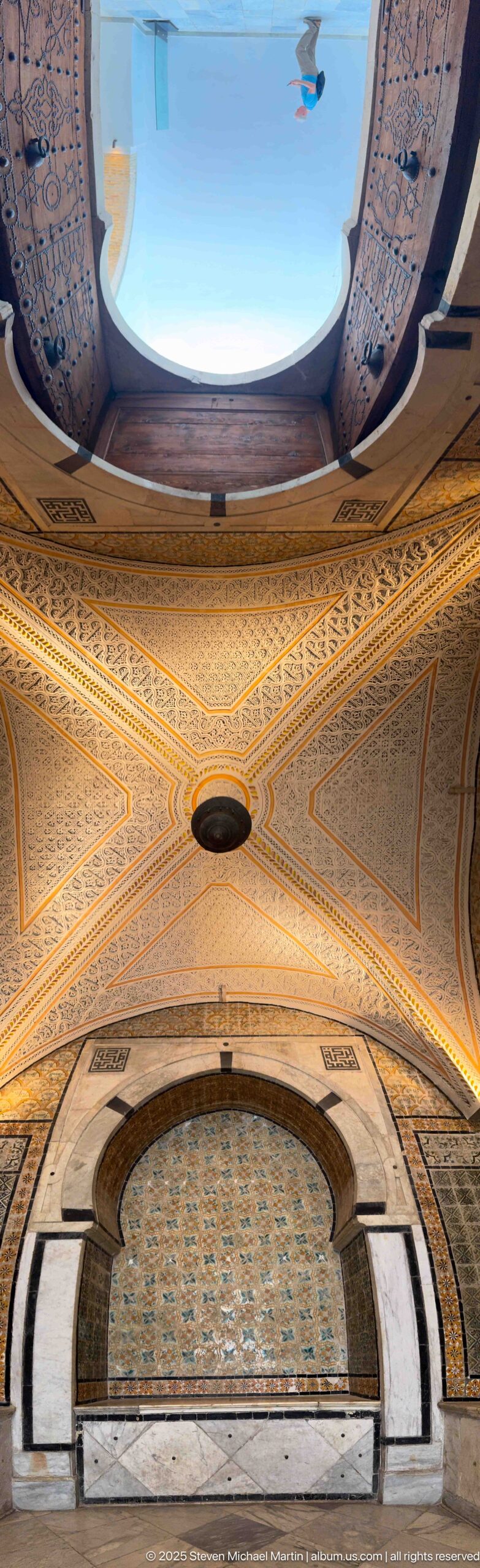
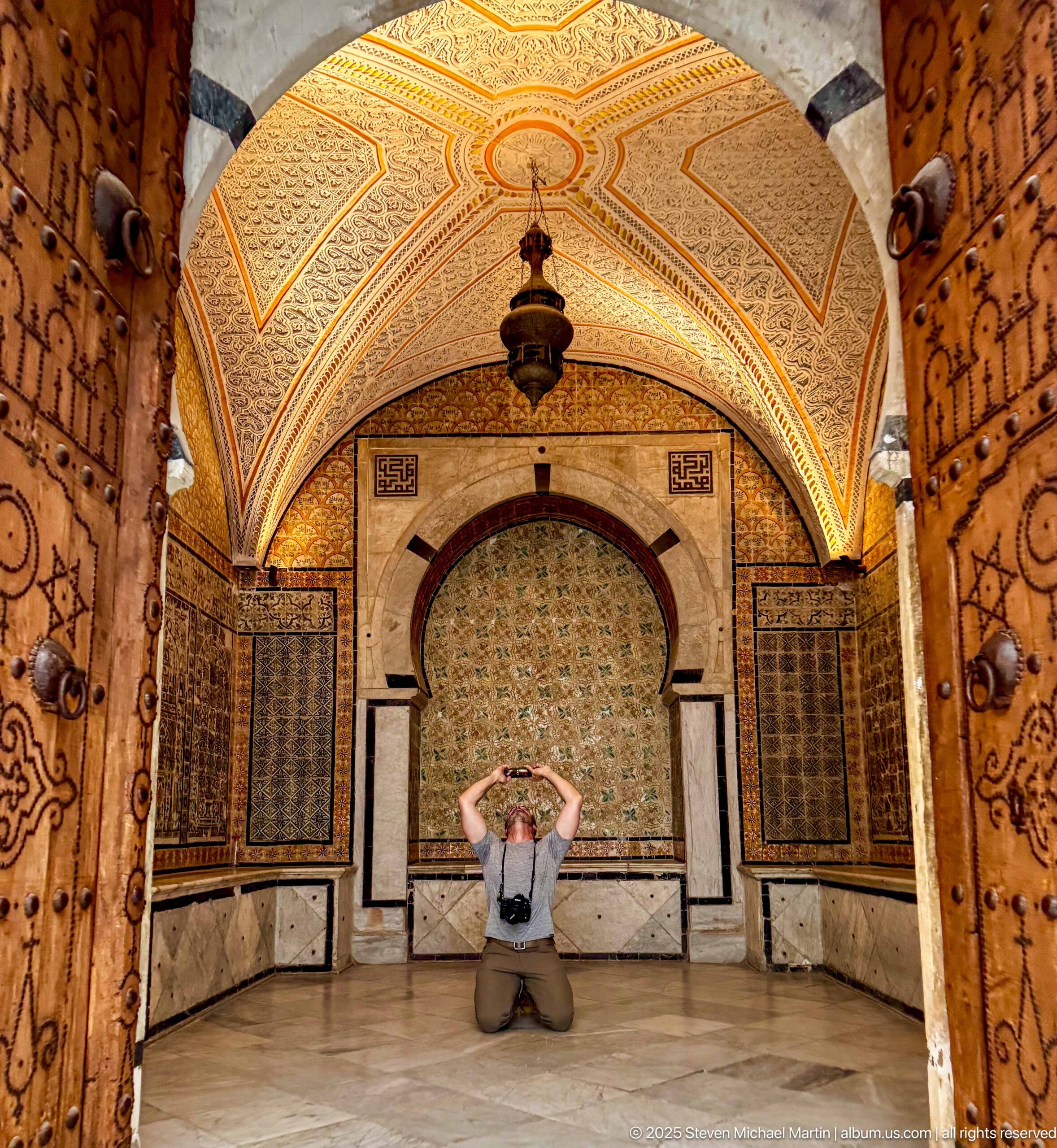
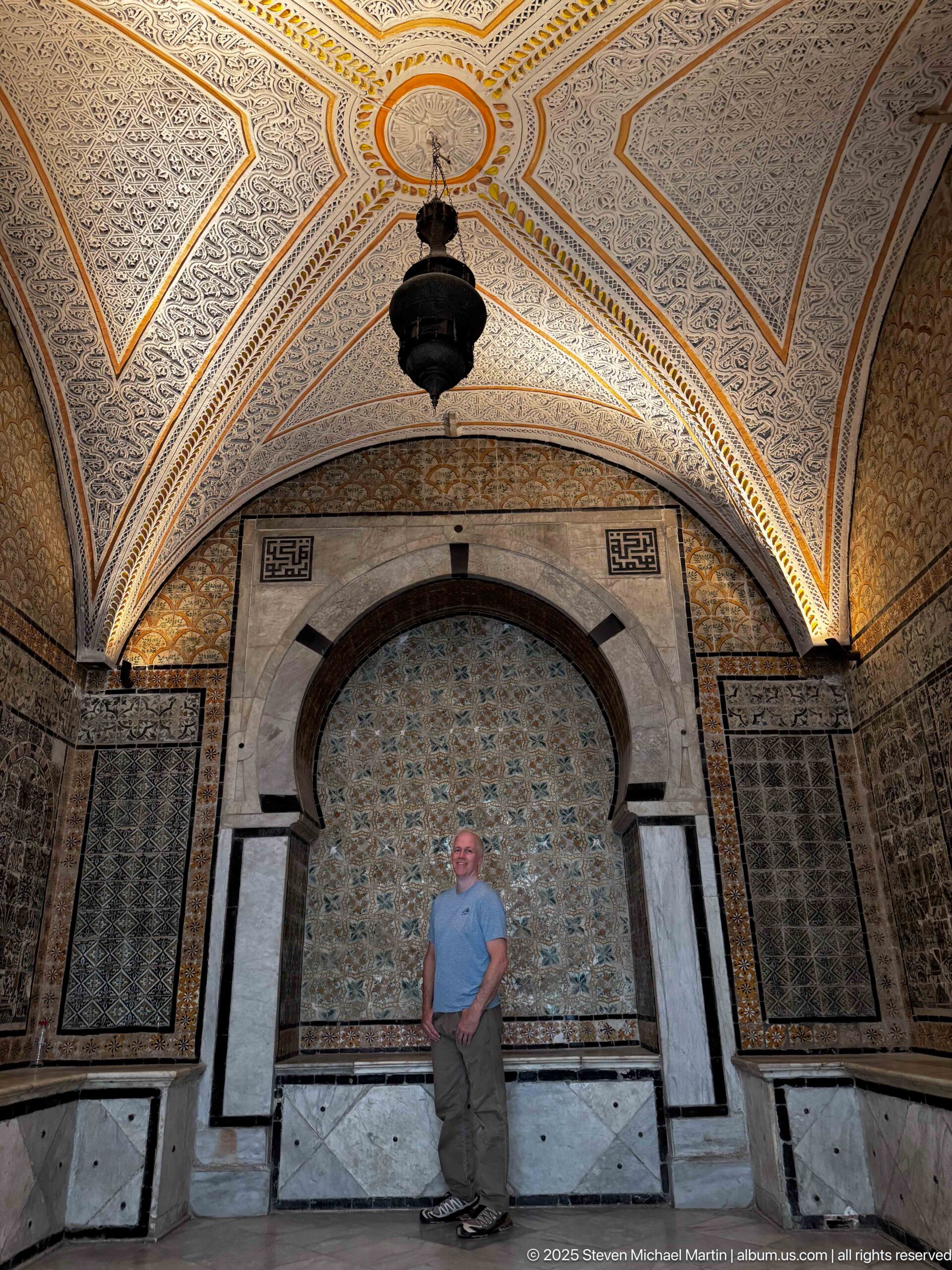
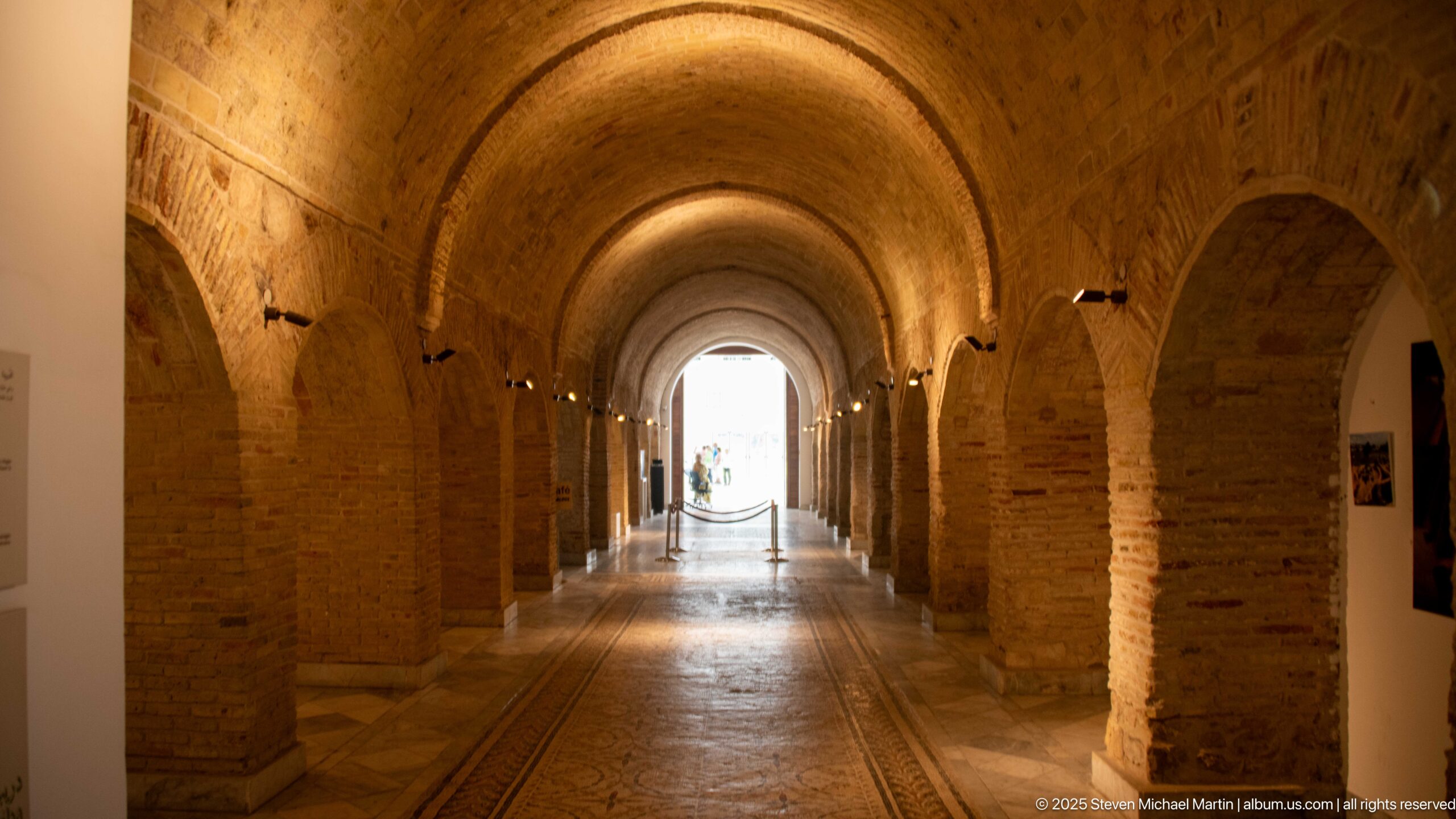
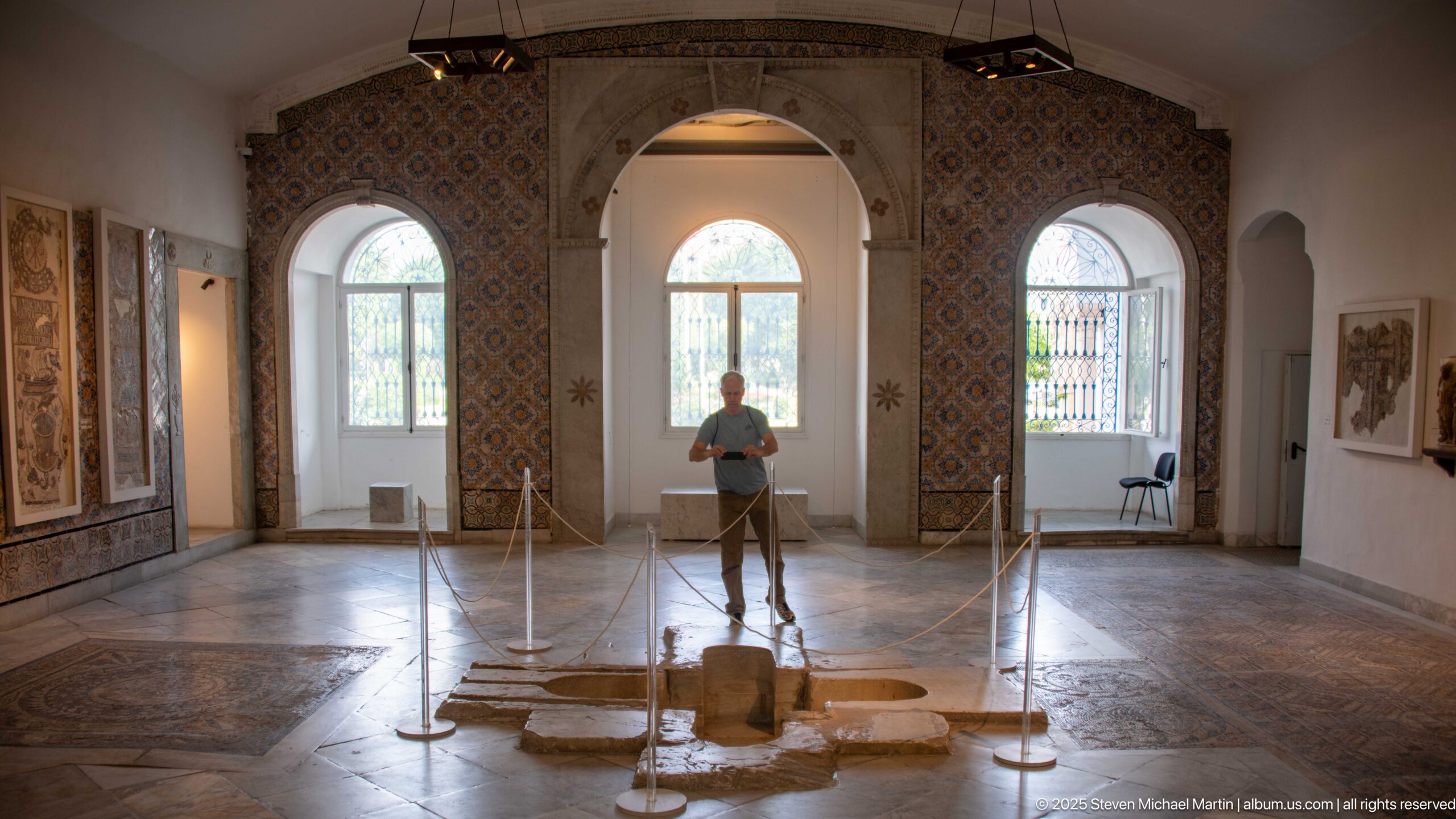
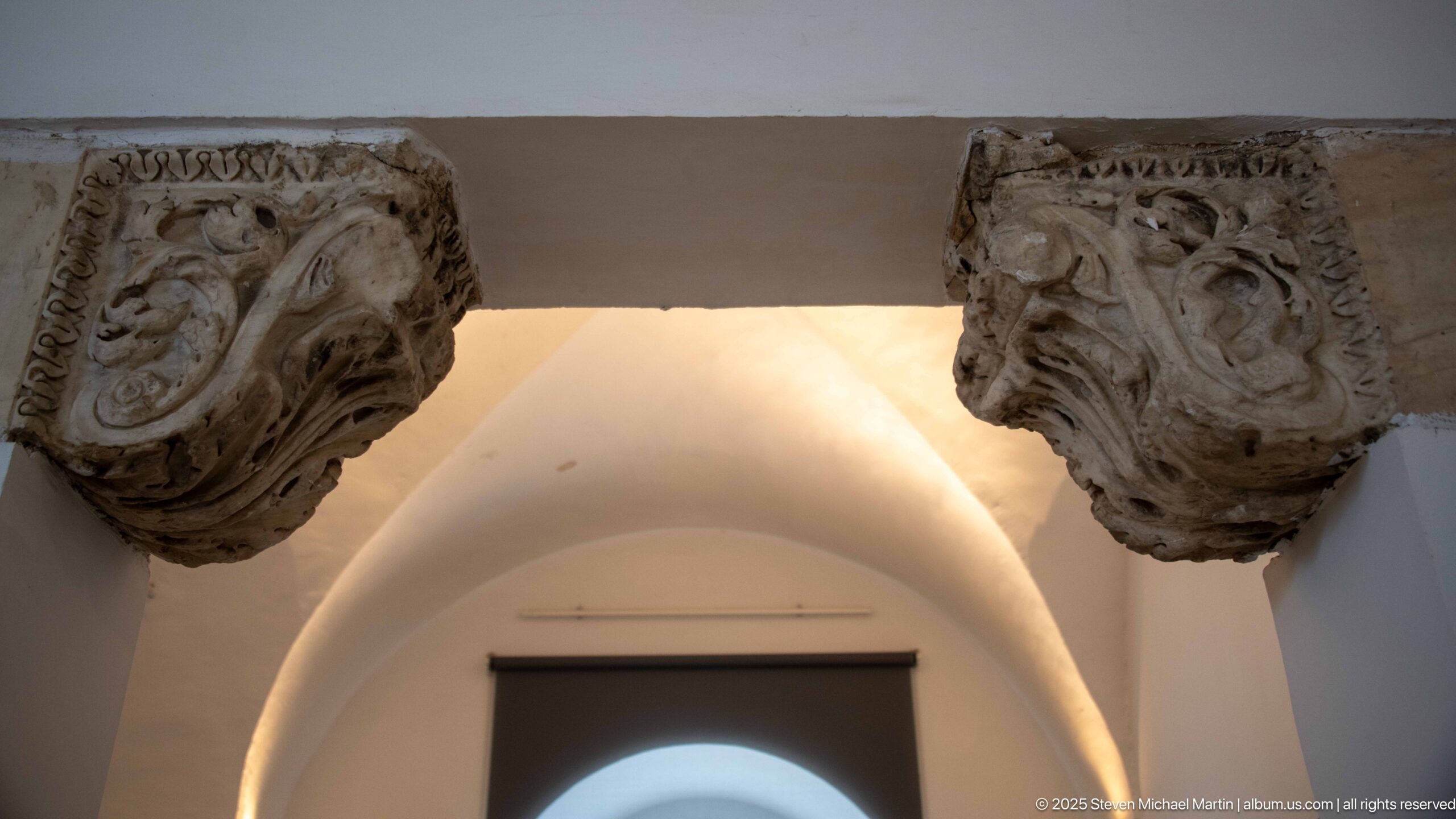
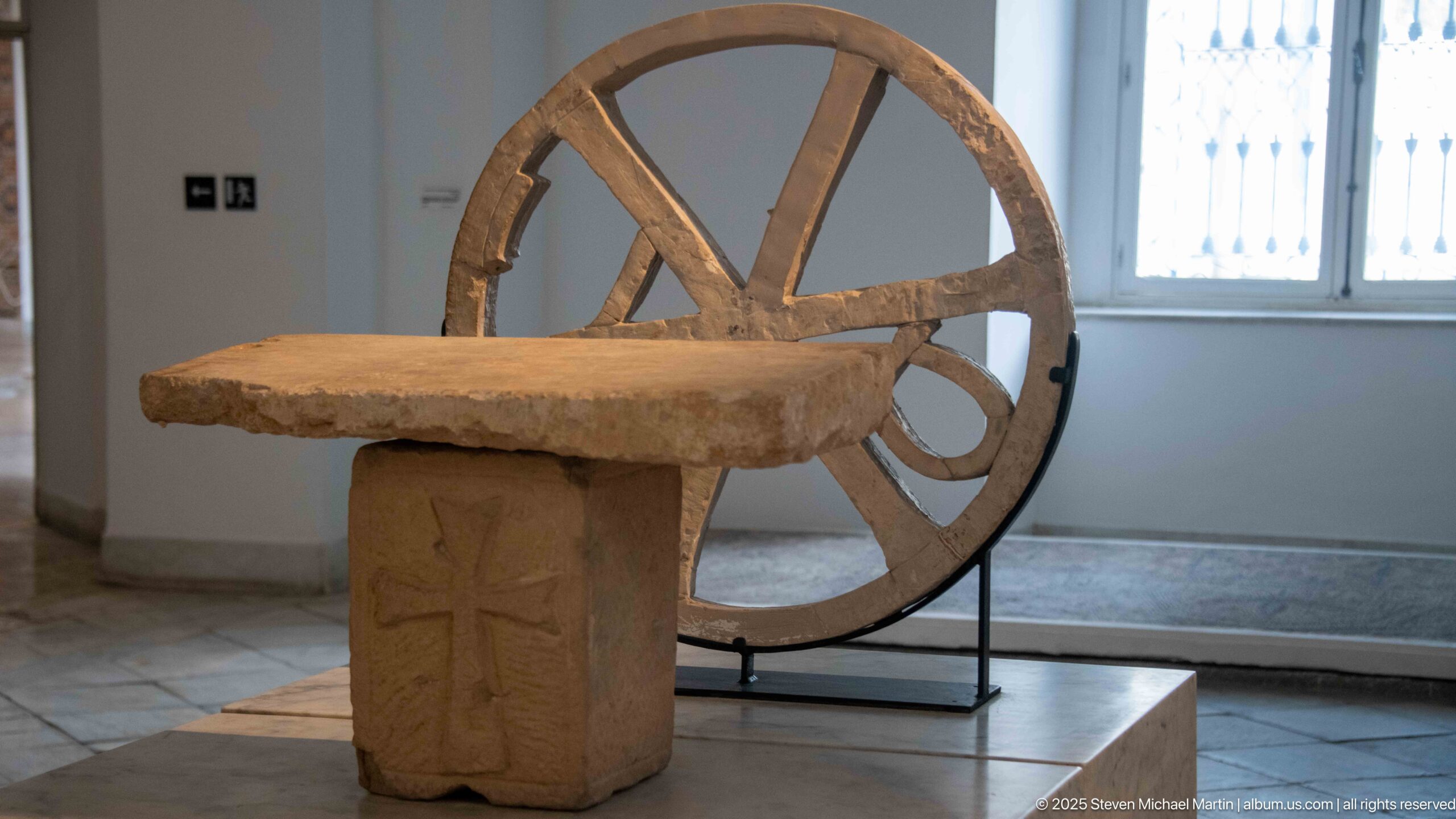
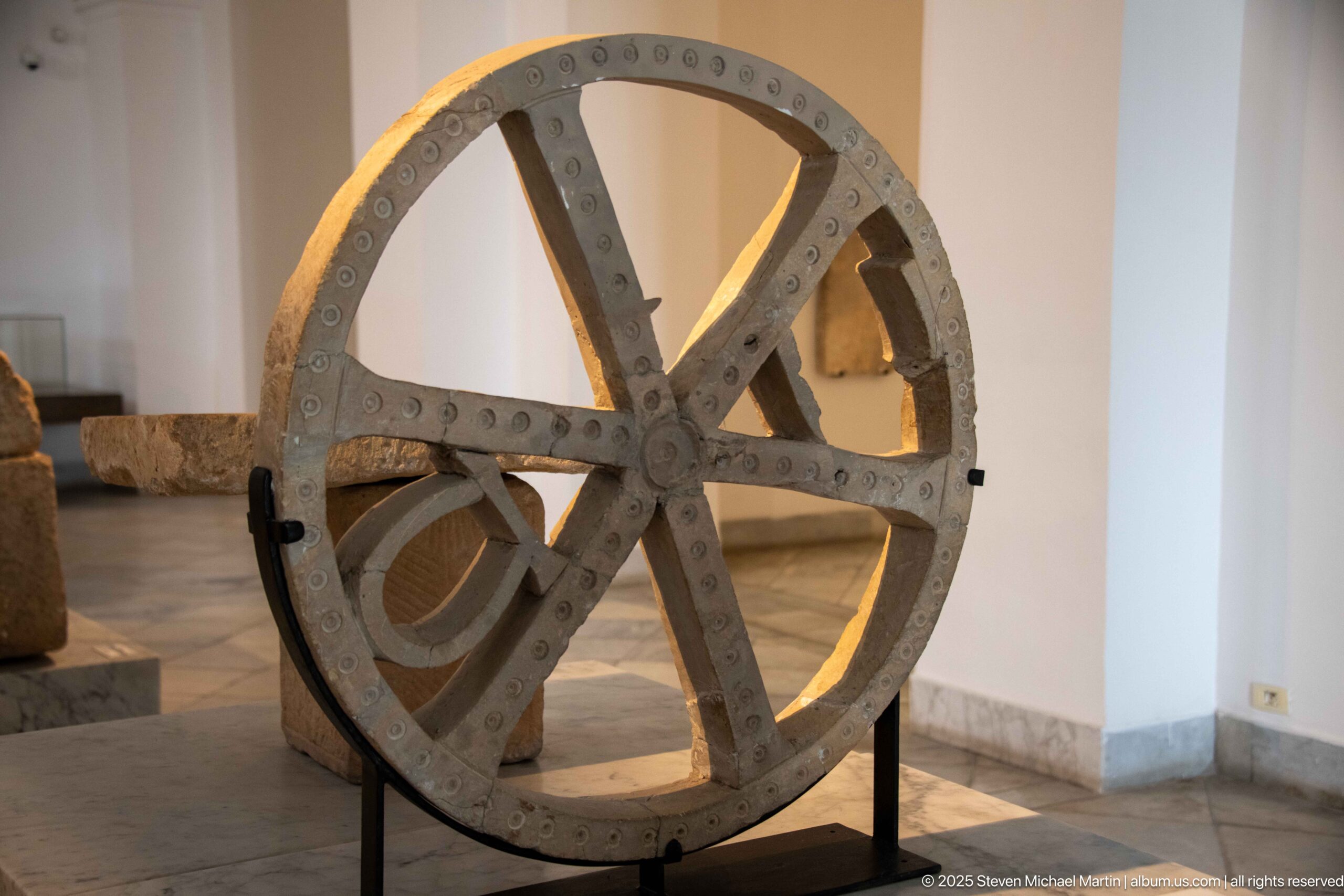
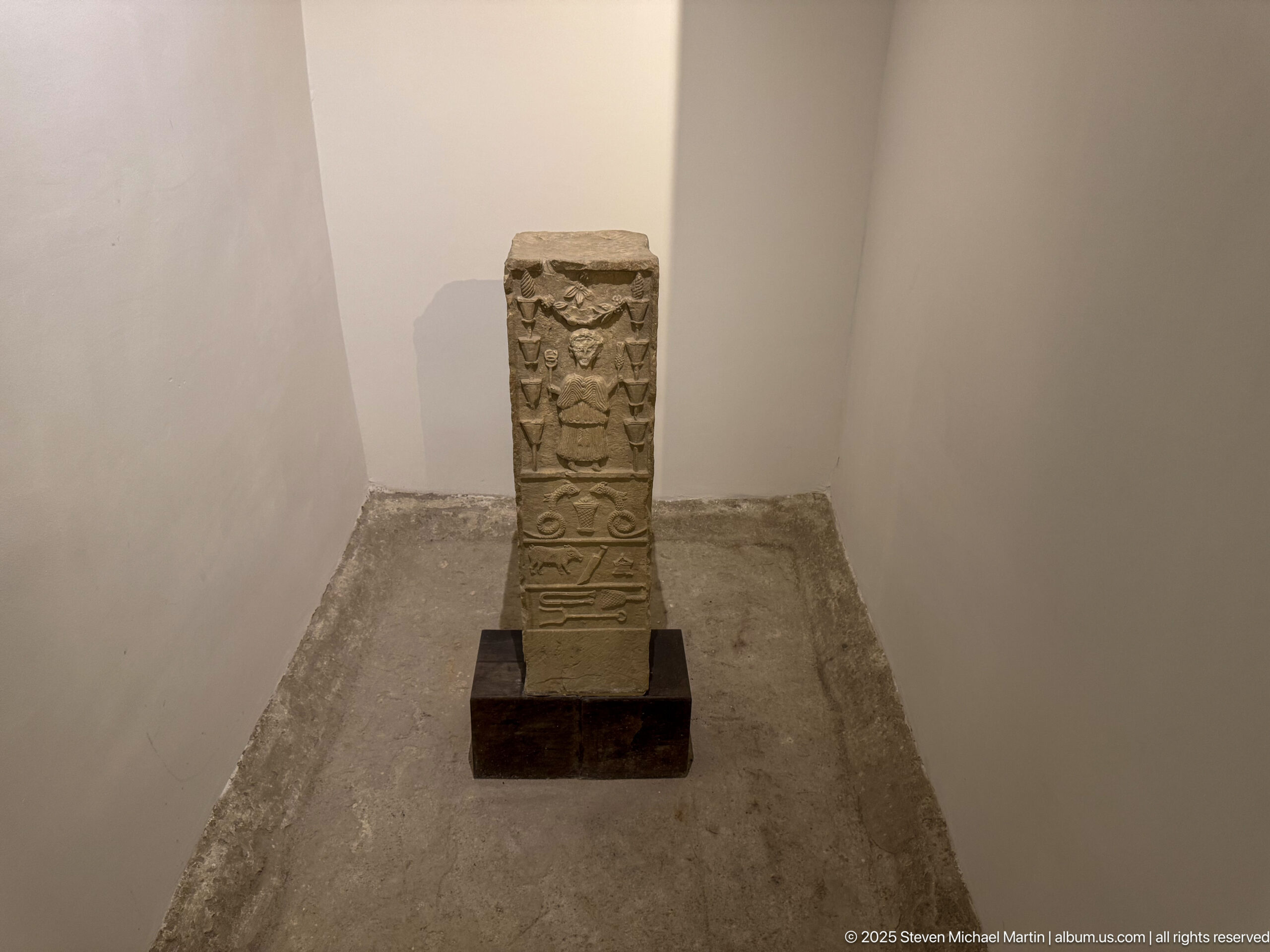
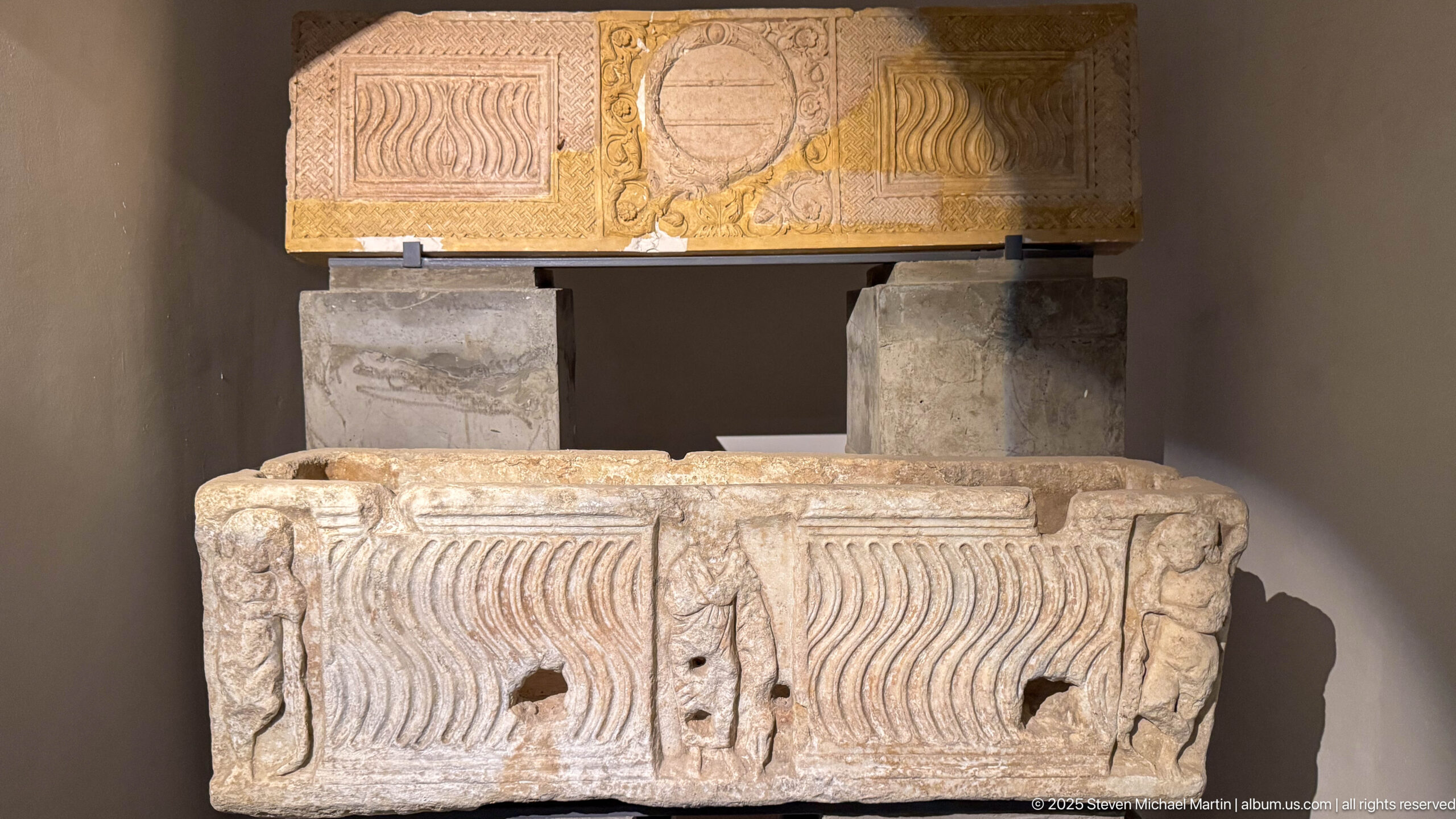
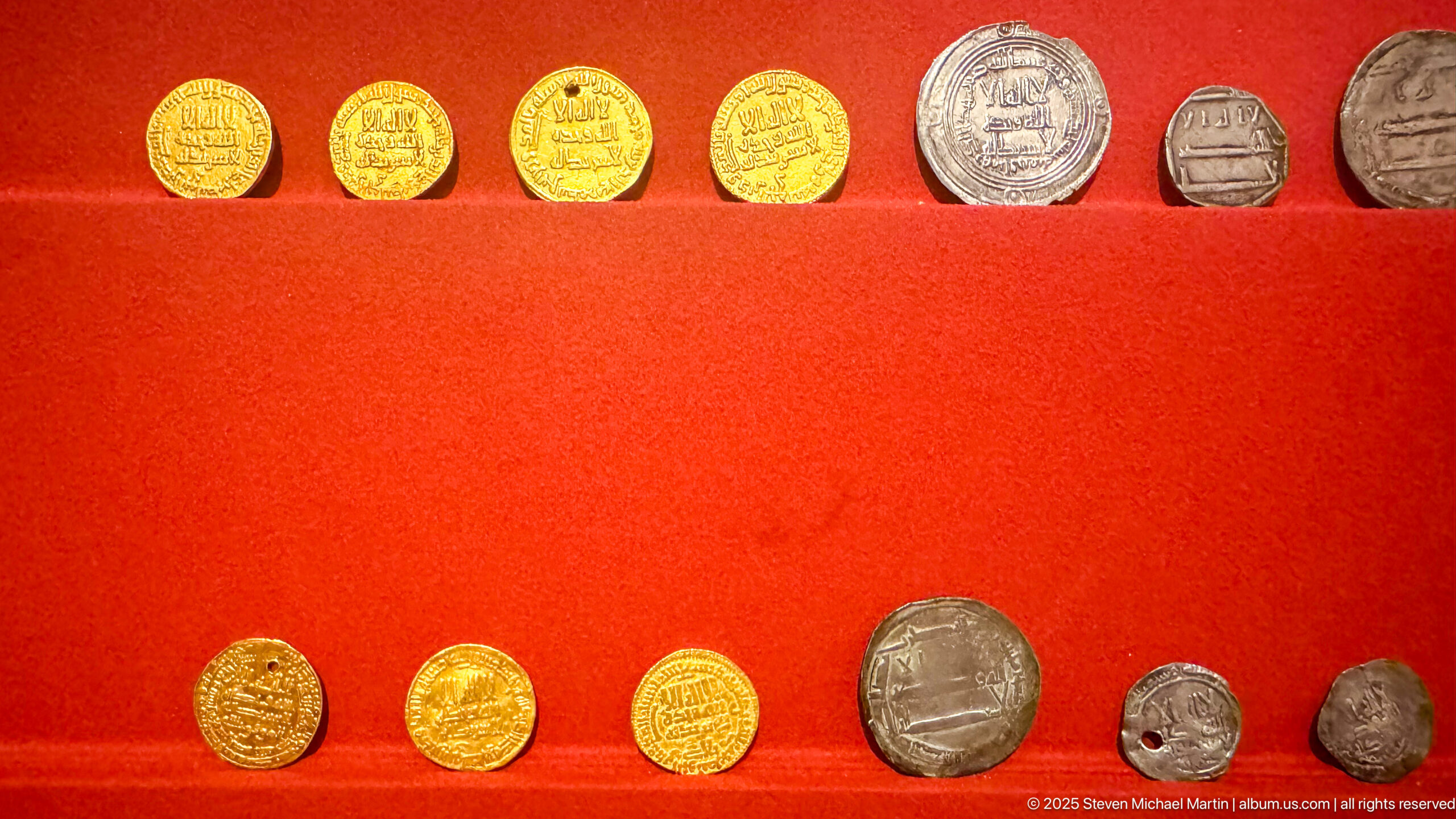
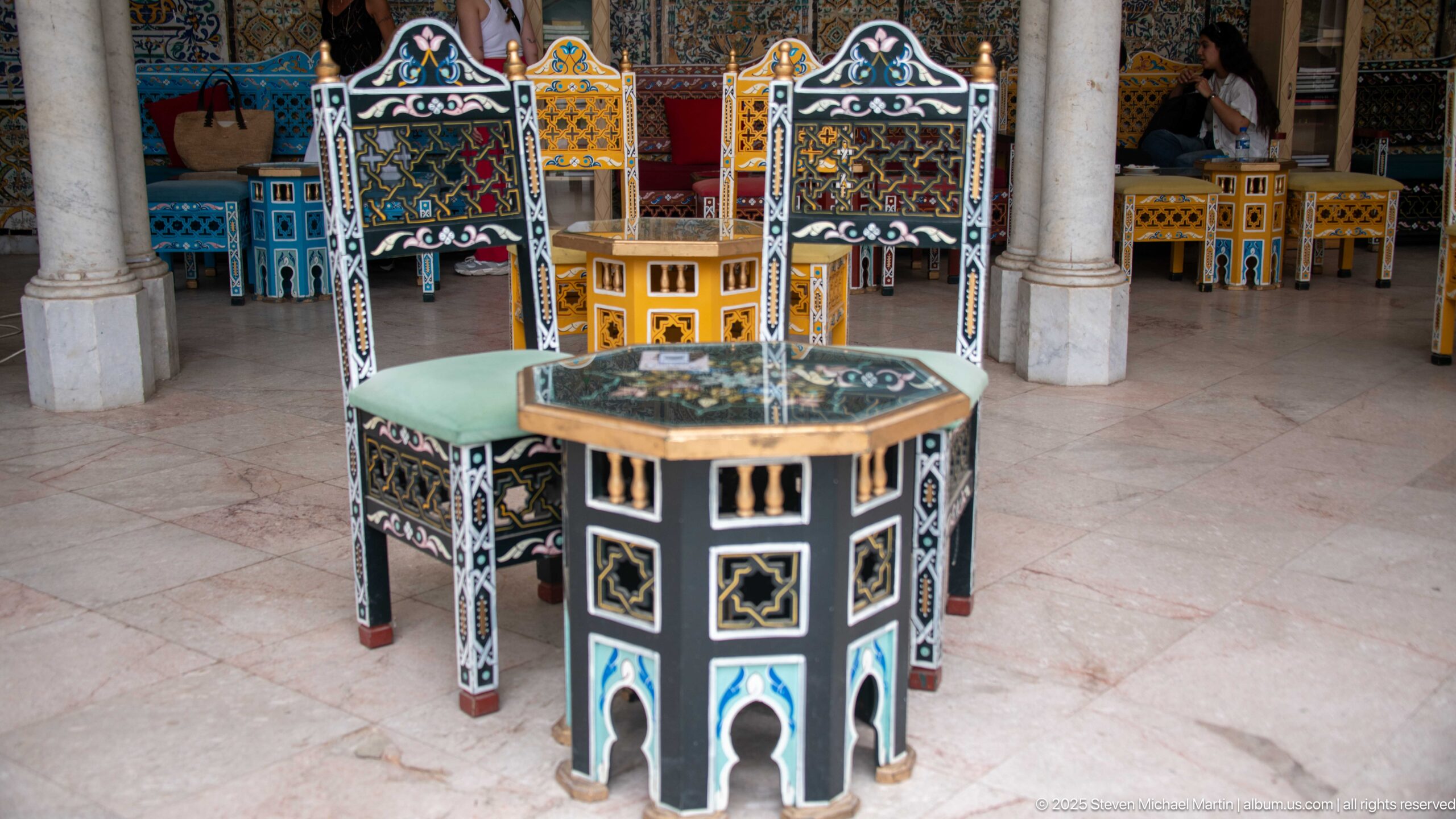
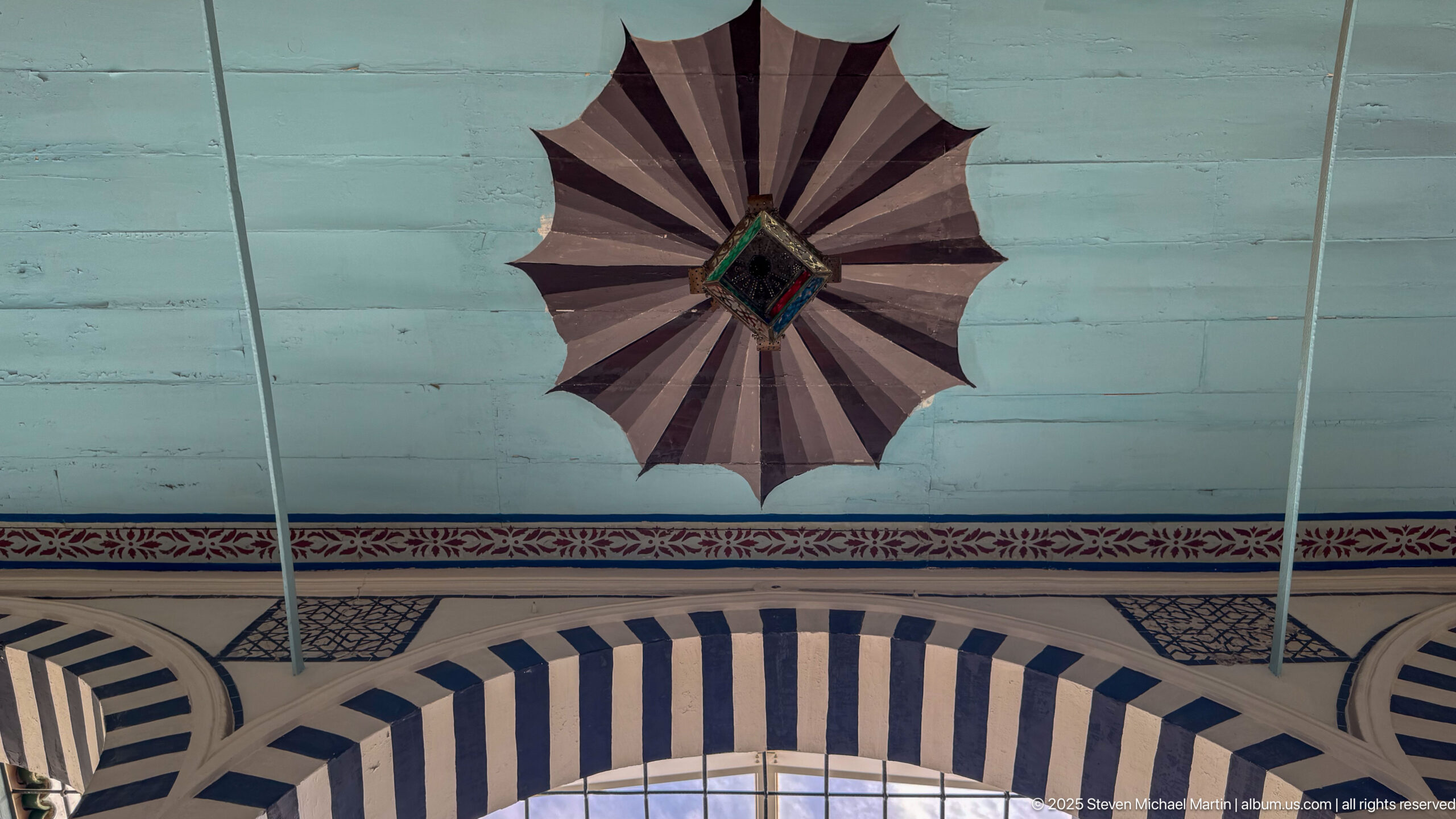
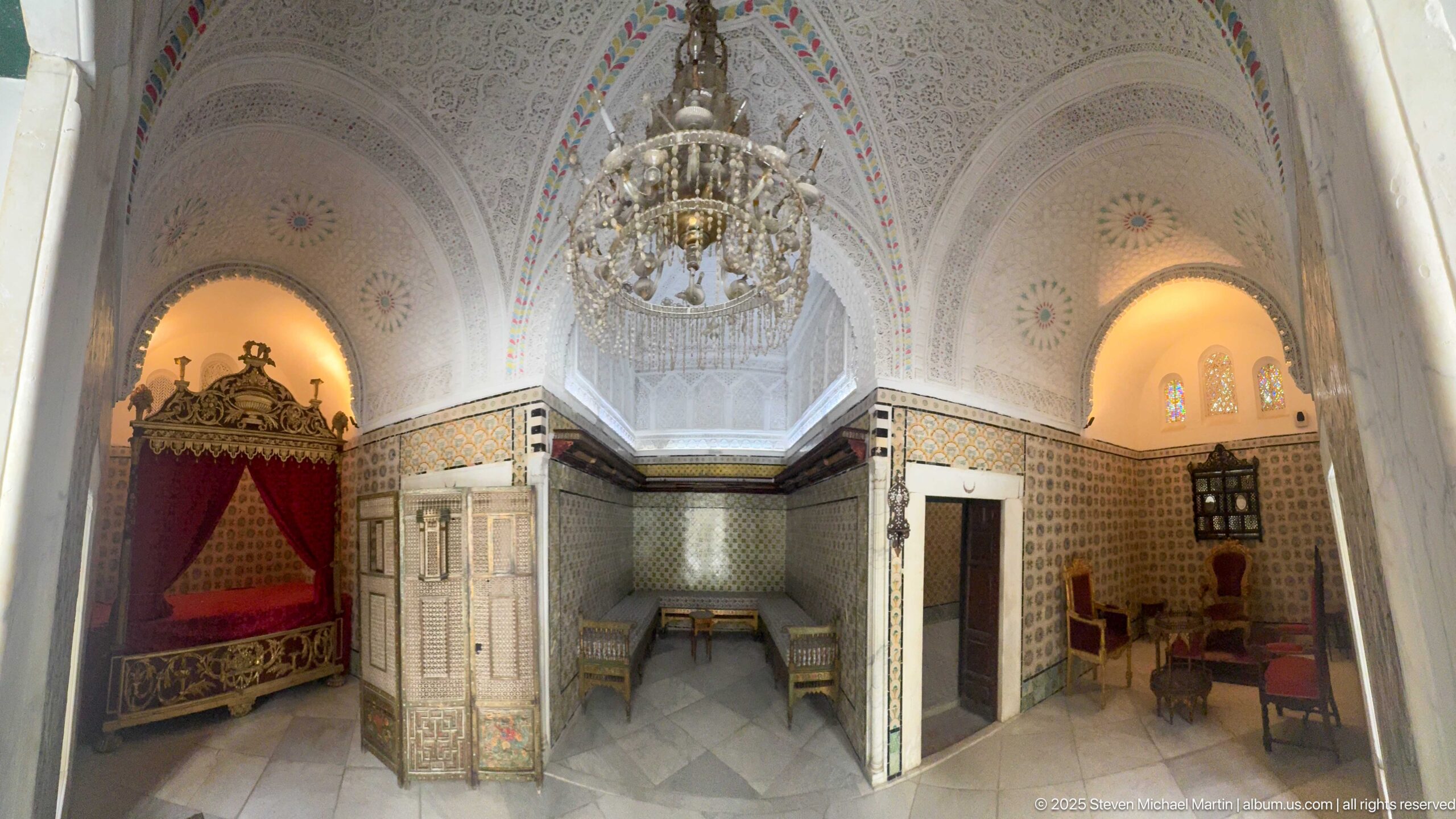
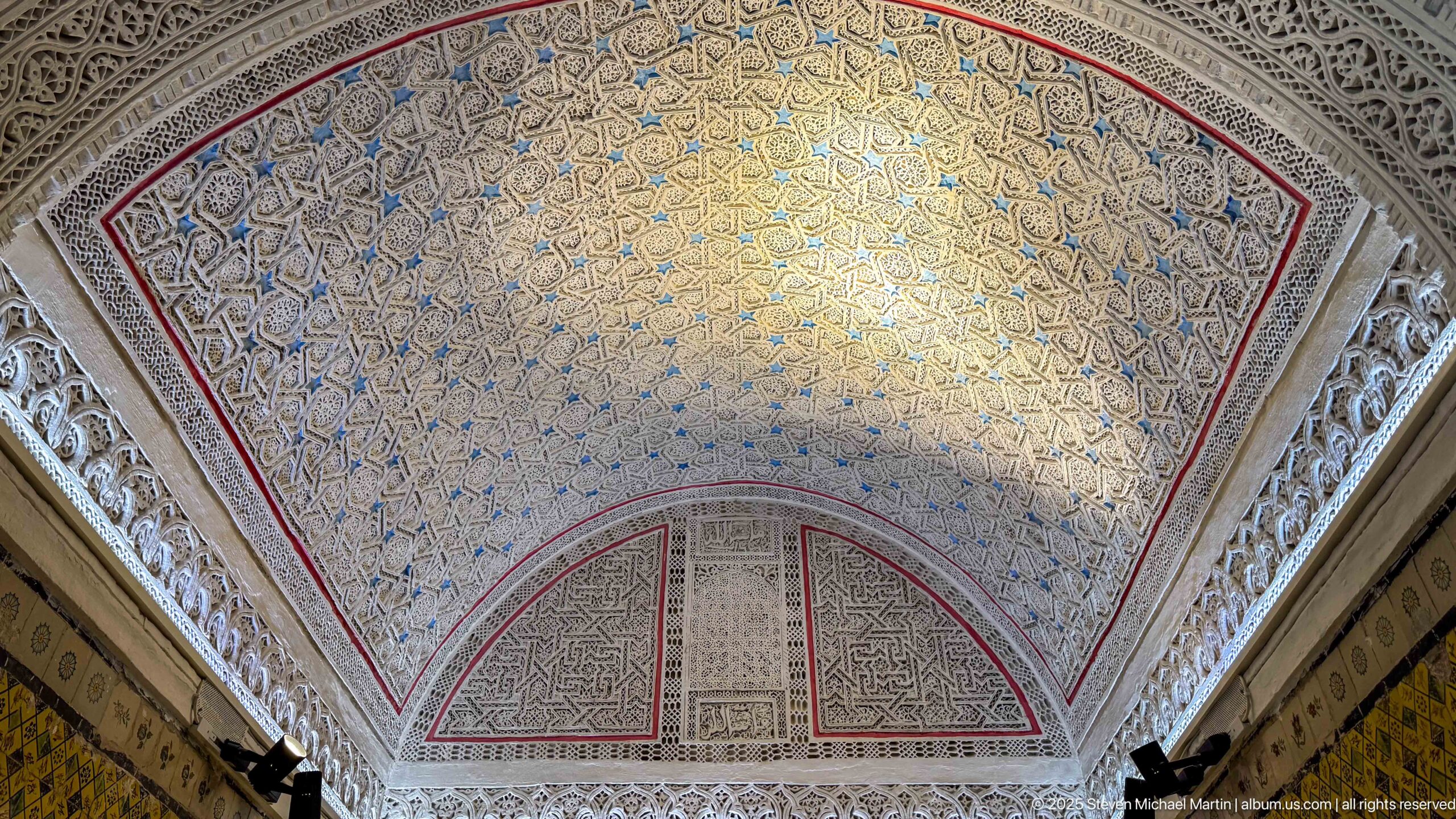
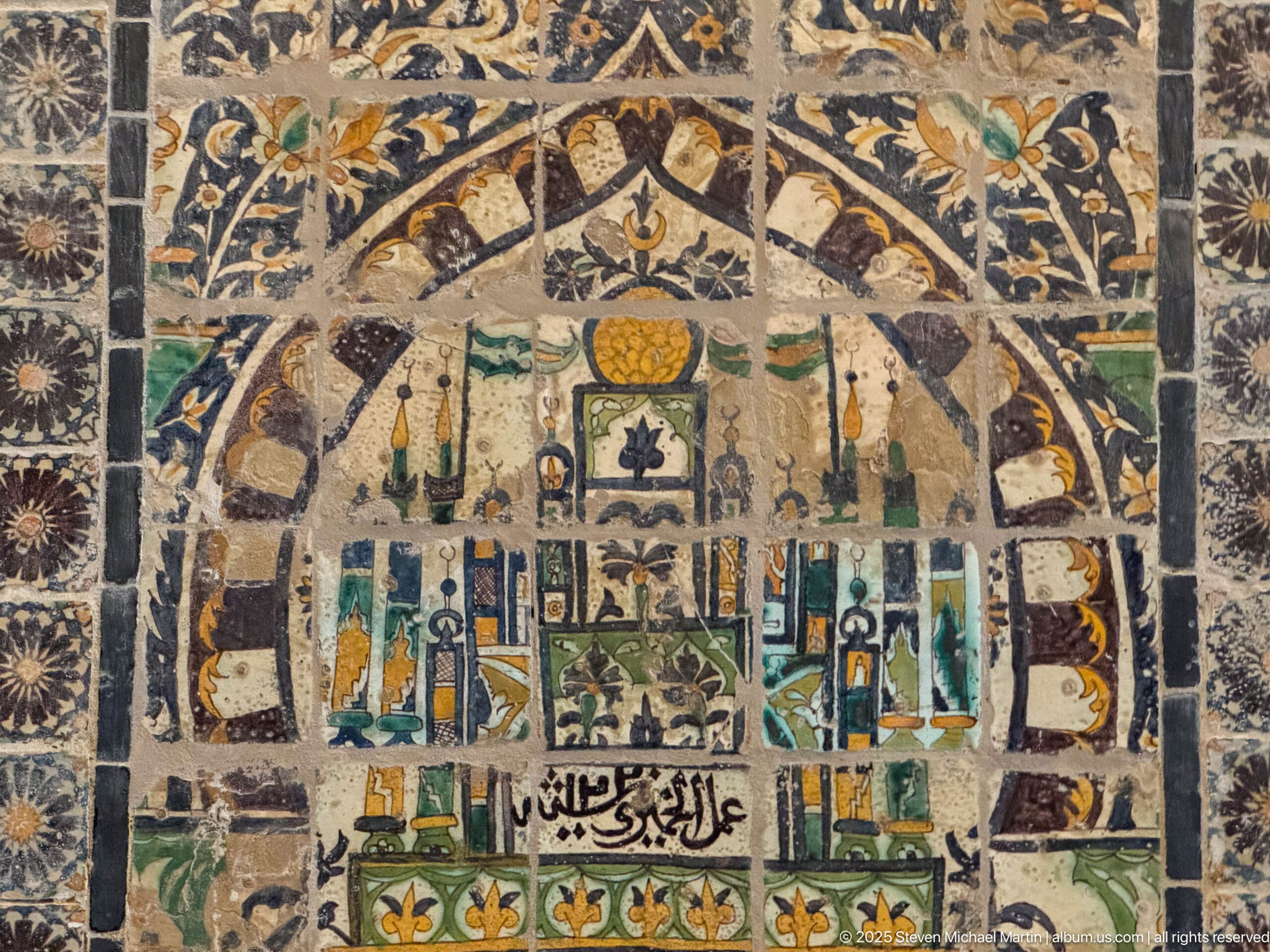
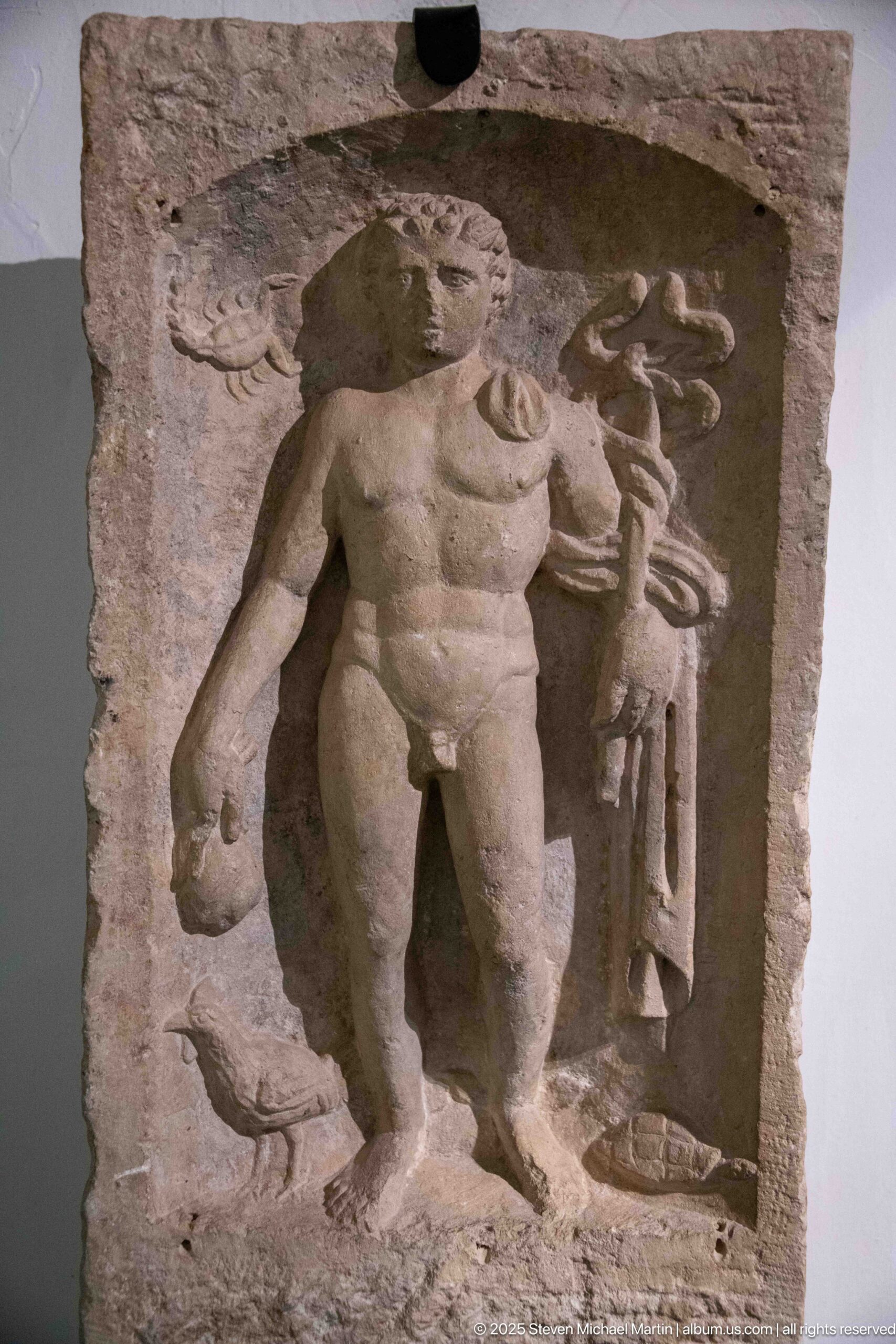
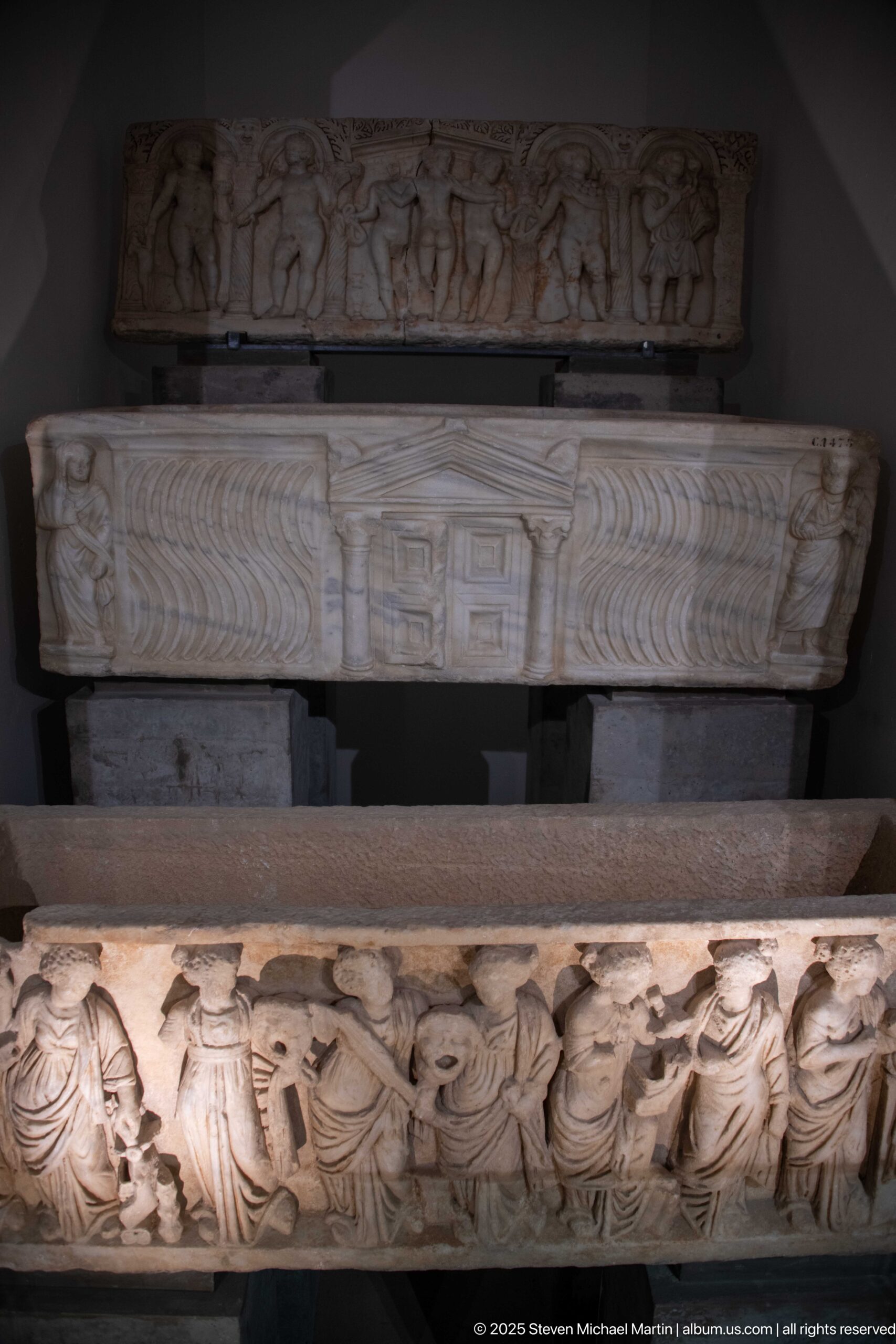
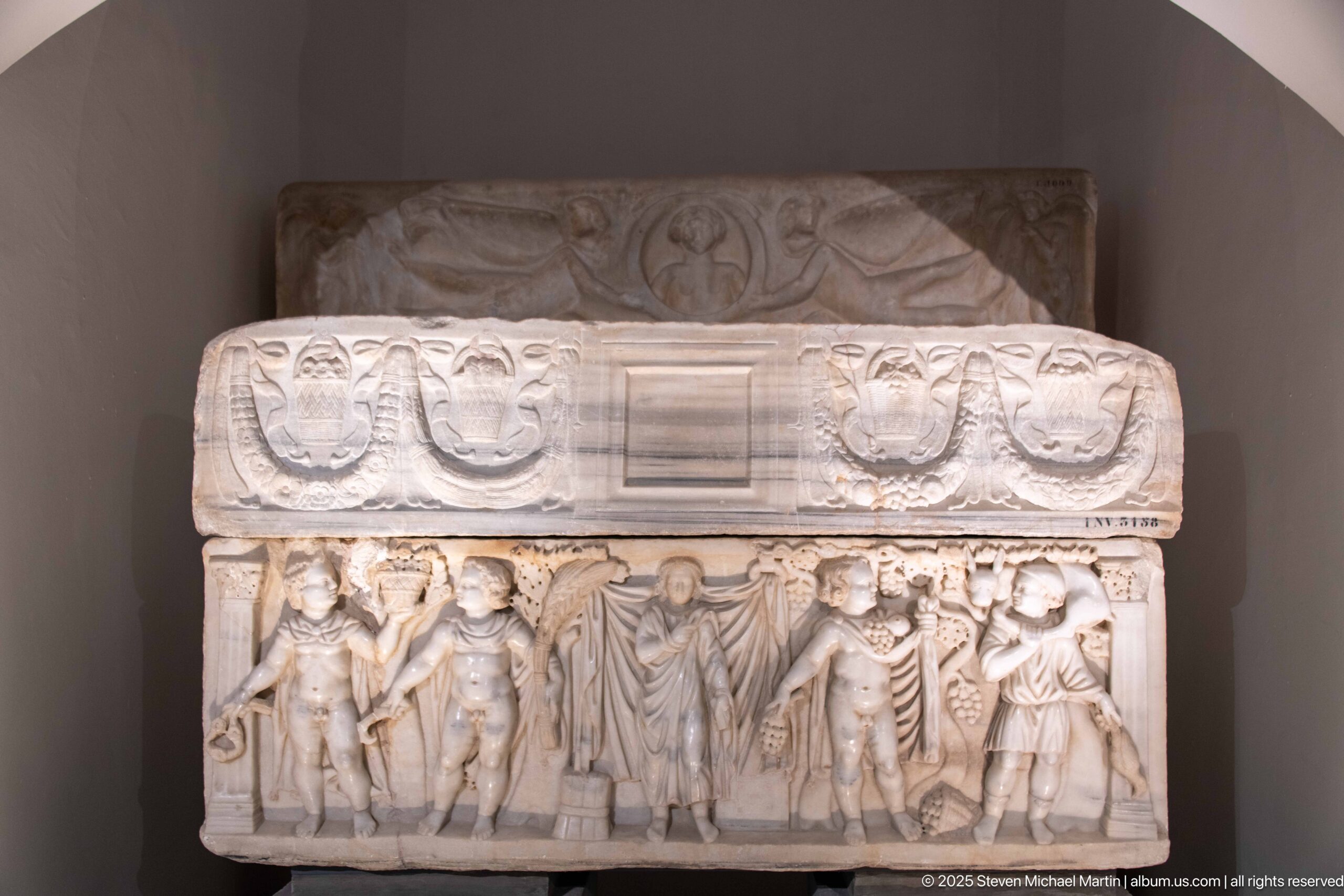
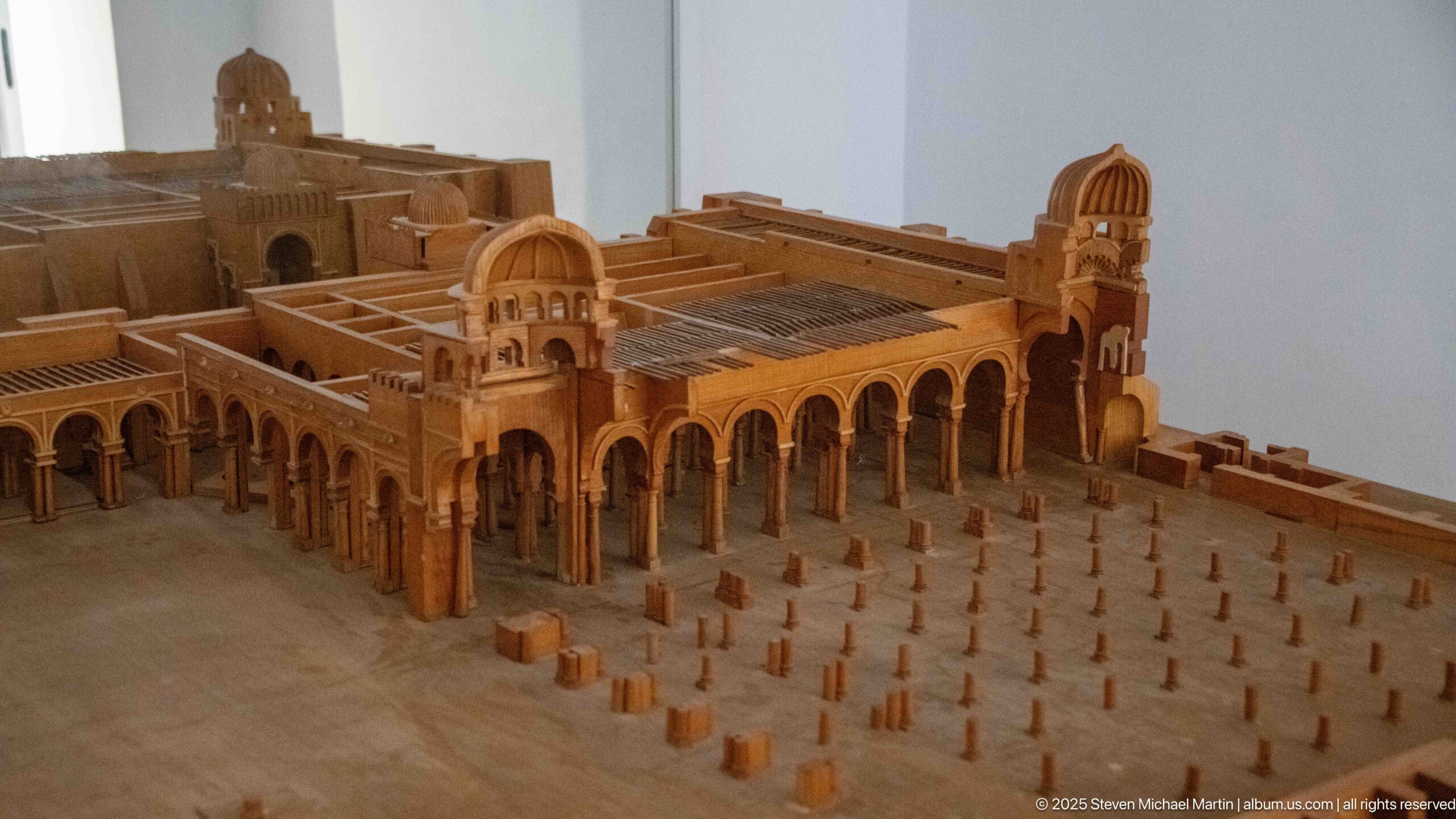
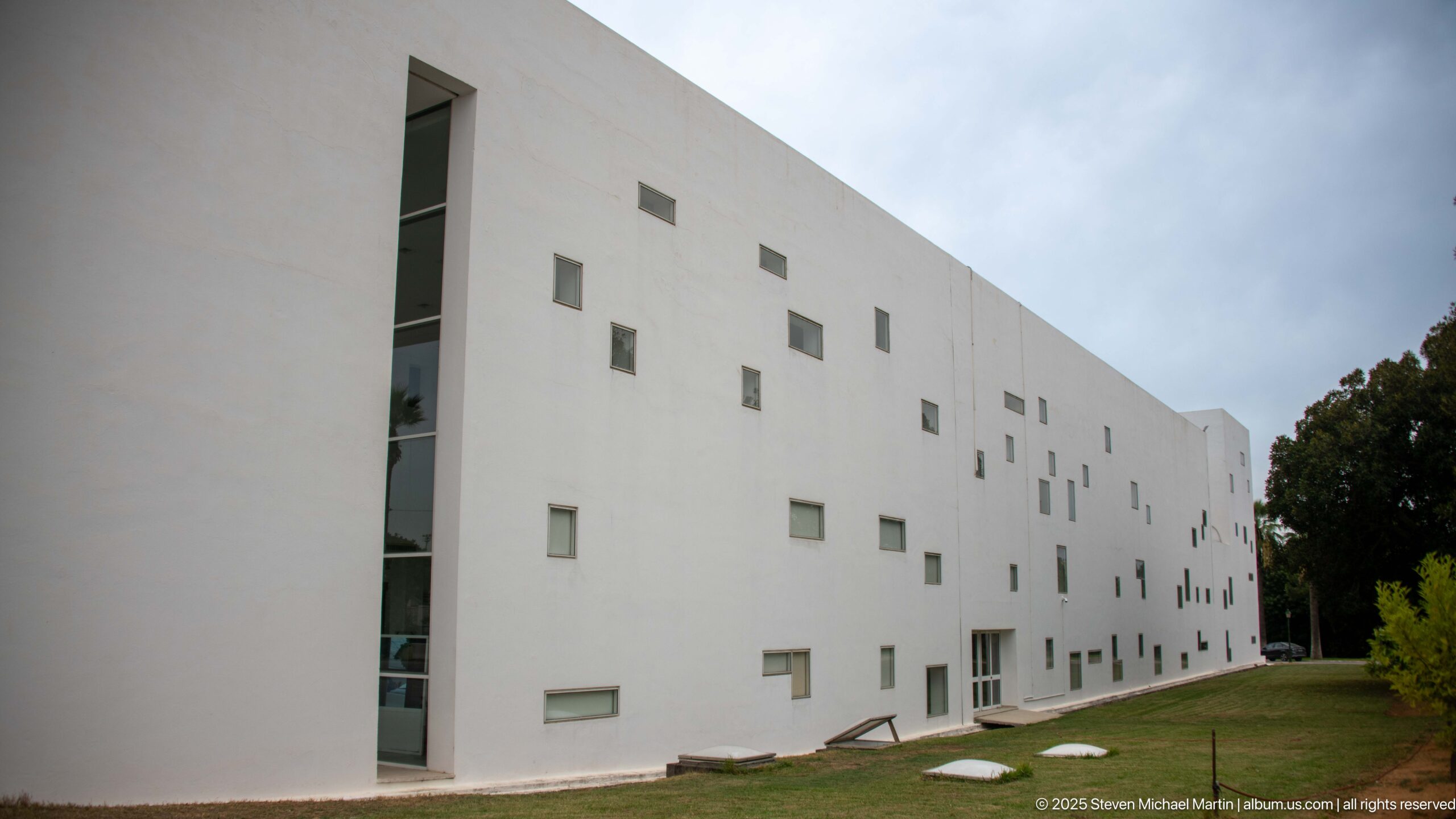
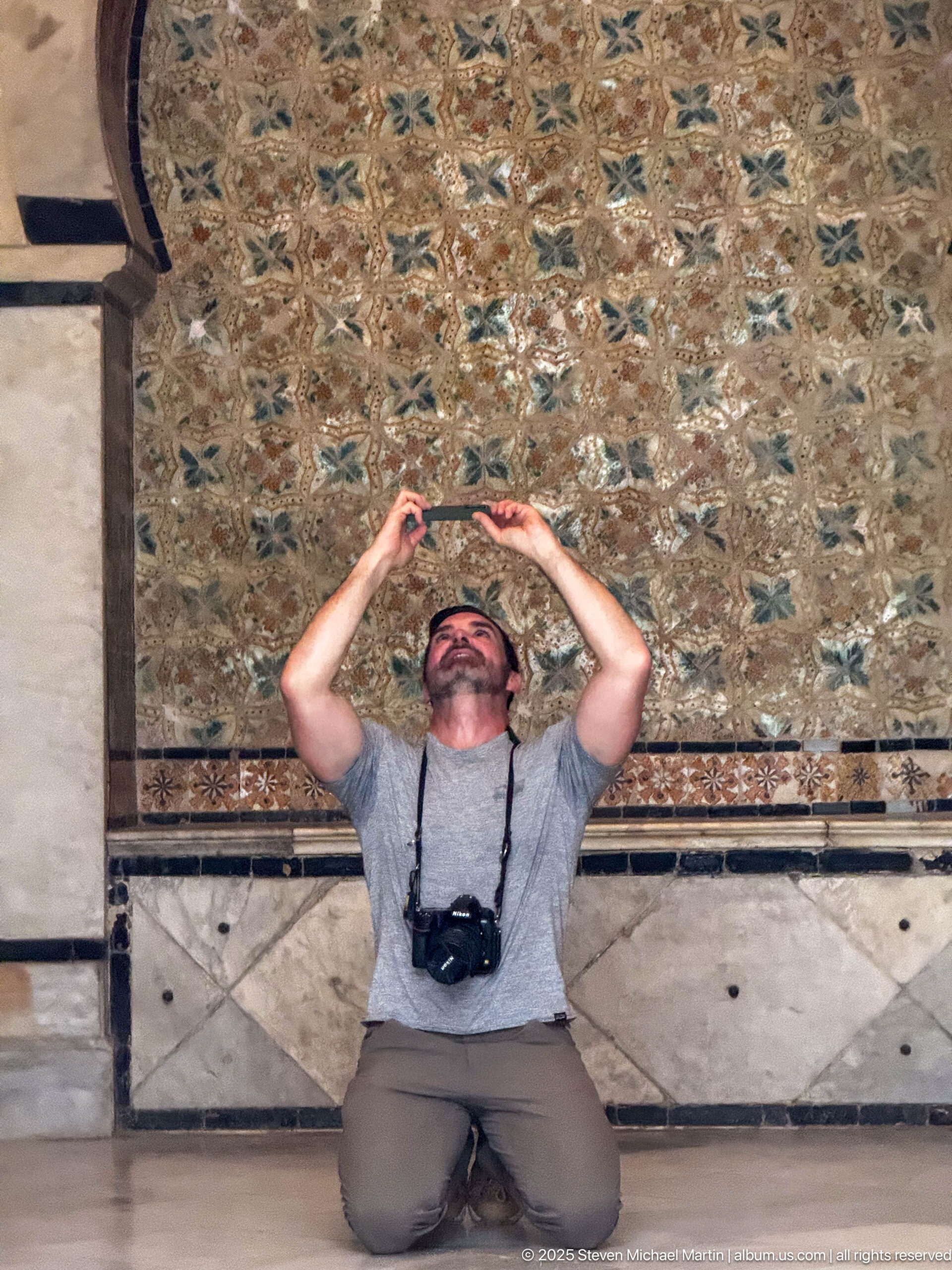
⭐ Highlights
- World-Class Museum: One of the most important museums in the Mediterranean region.
- Roman Mosaics: Home to one of the largest and most significant collections in the world.
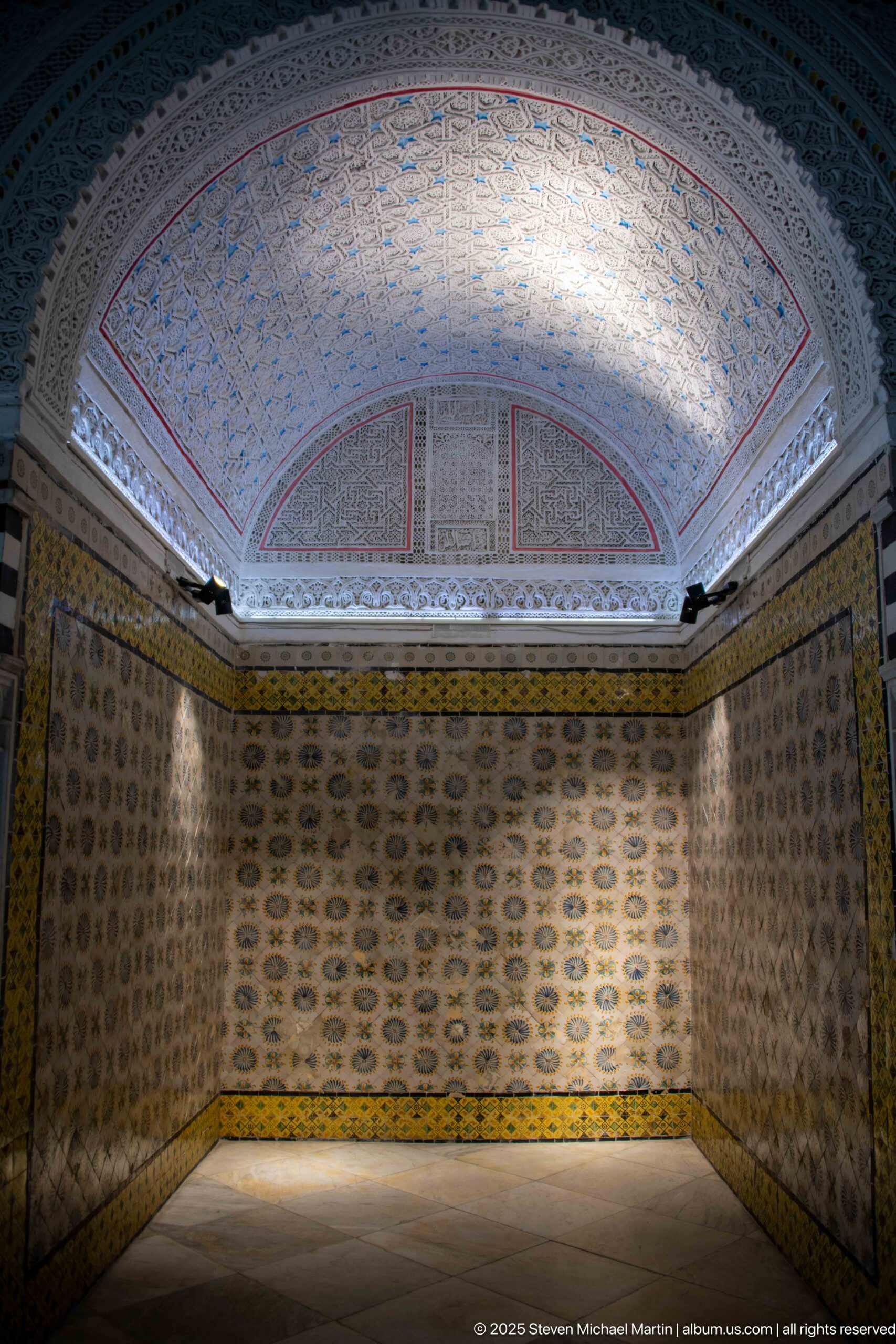
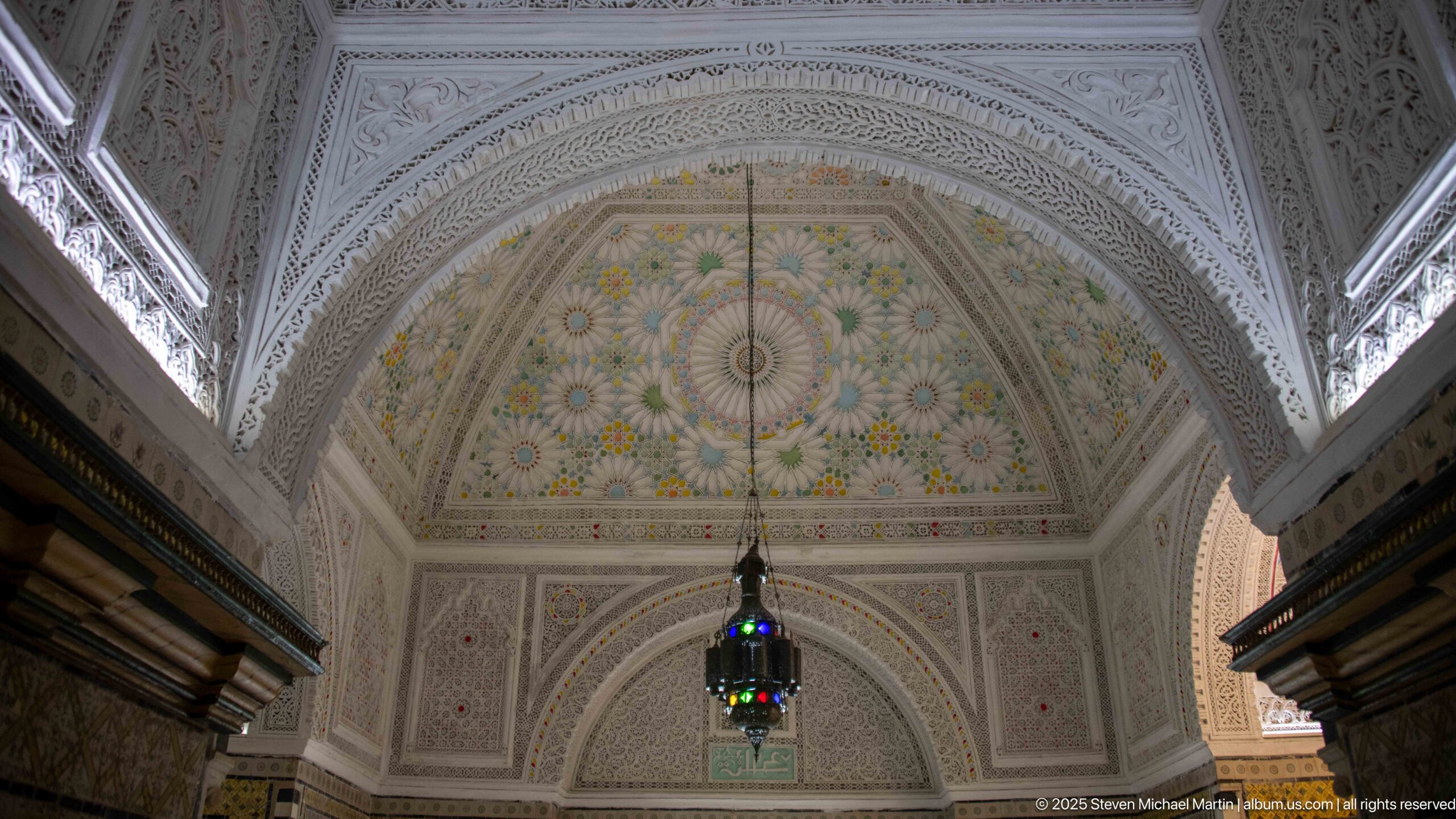
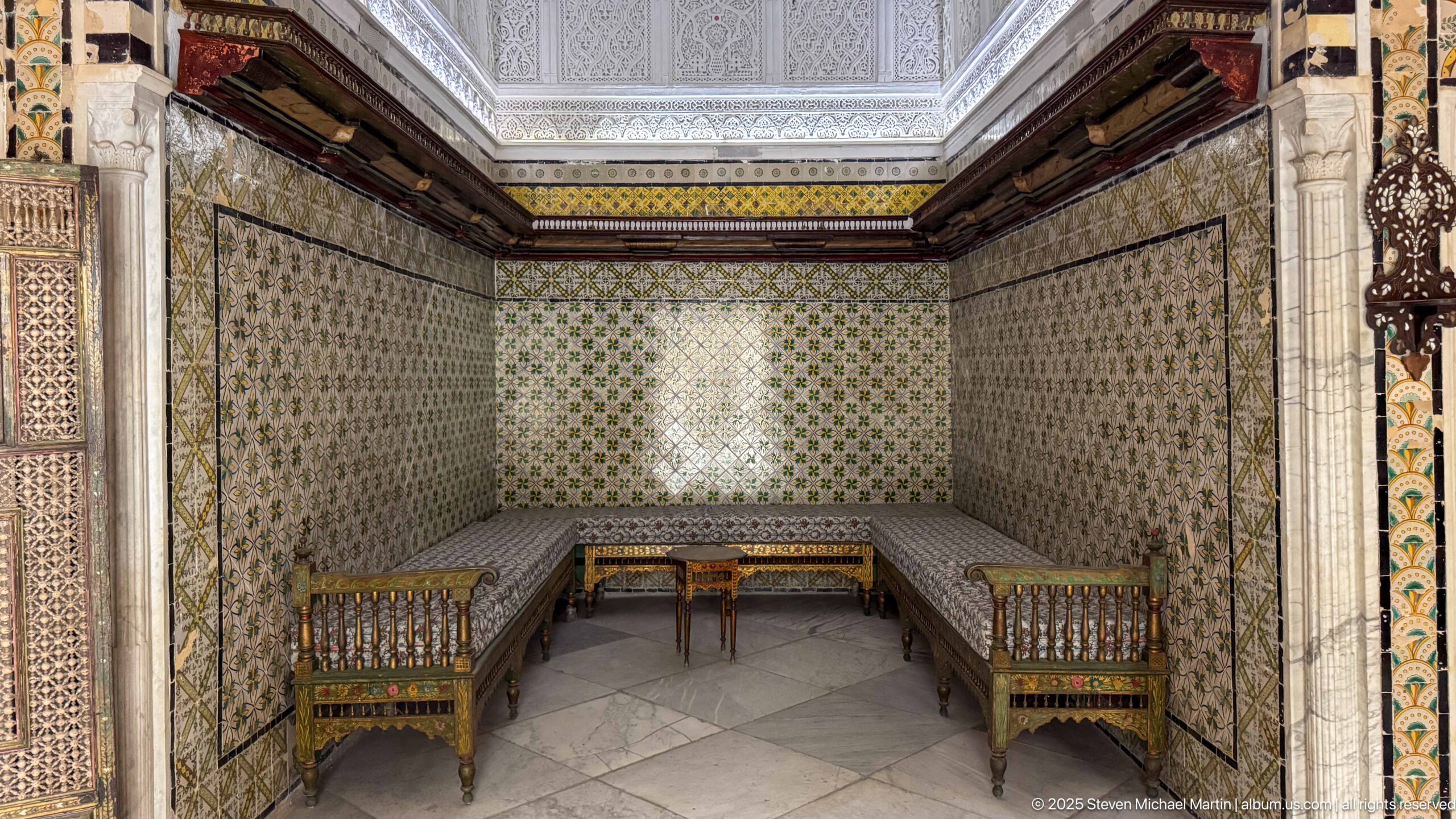
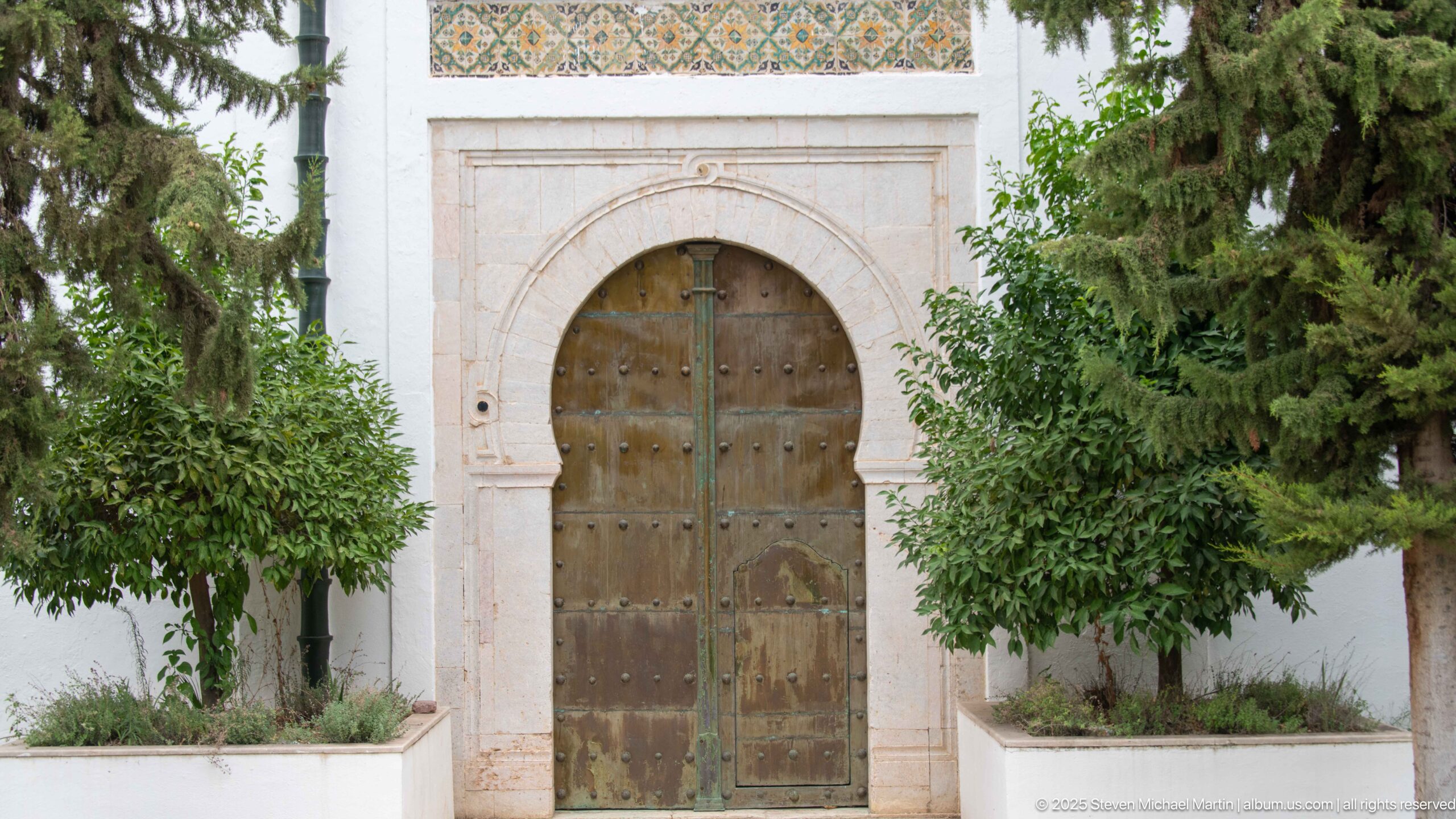
- Royal Palace Setting: Housed within a historic beylical palace complex.
- Multi-Civilization Collection: Artifacts spanning prehistoric, Punic, Roman, Byzantine, and Islamic periods.
- North African History: A comprehensive overview of Tunisia’s cultural development.
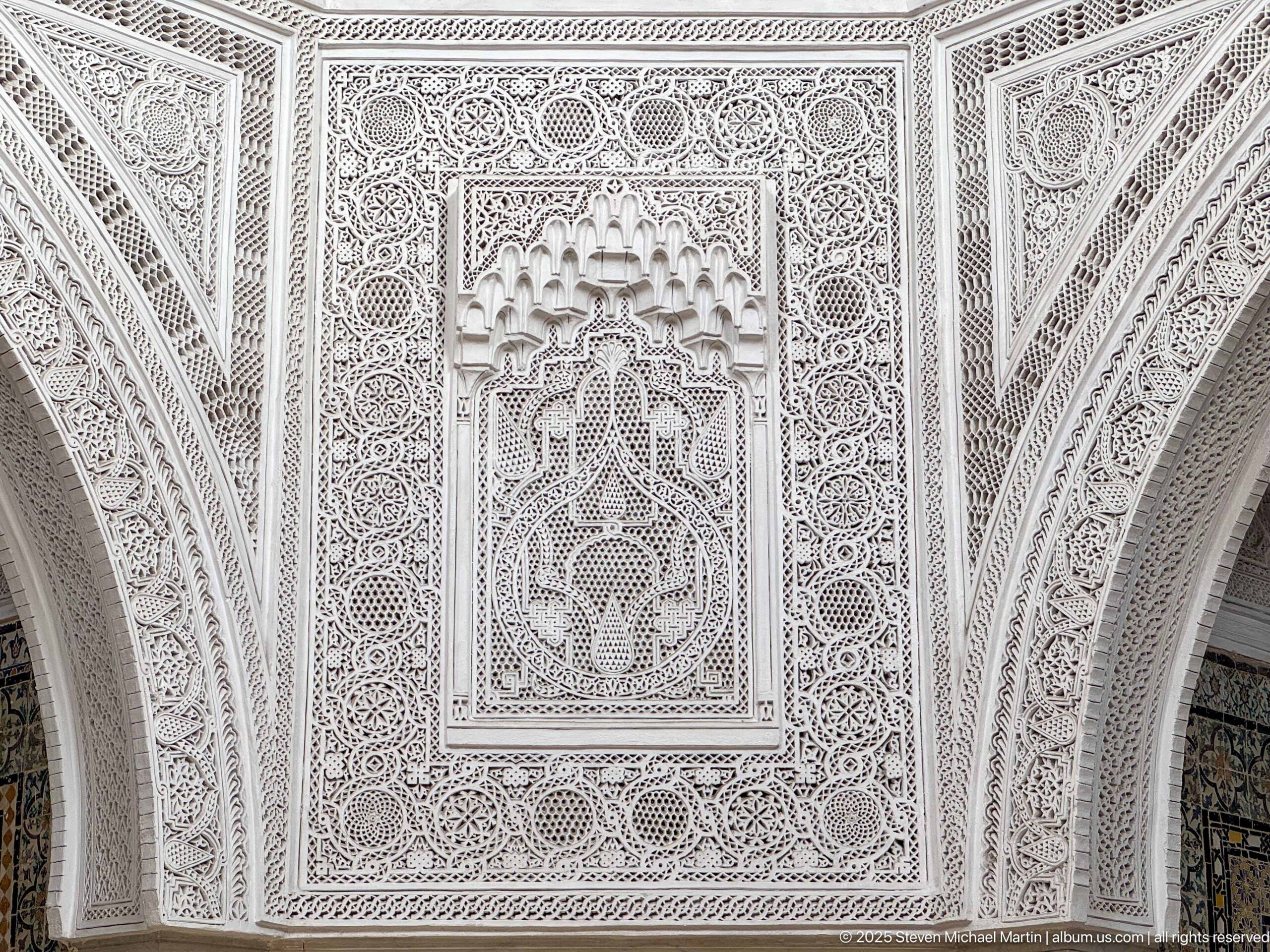
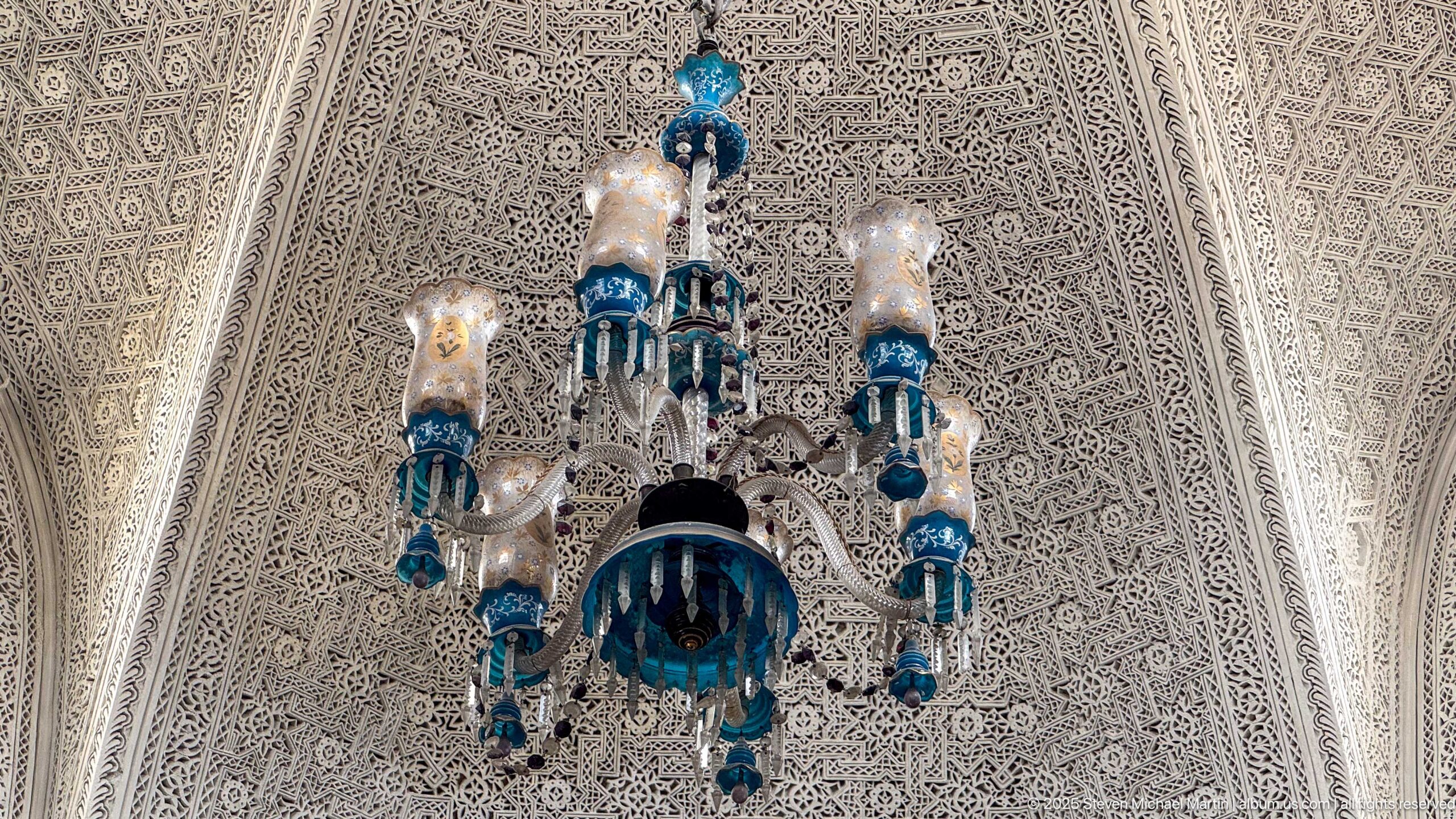
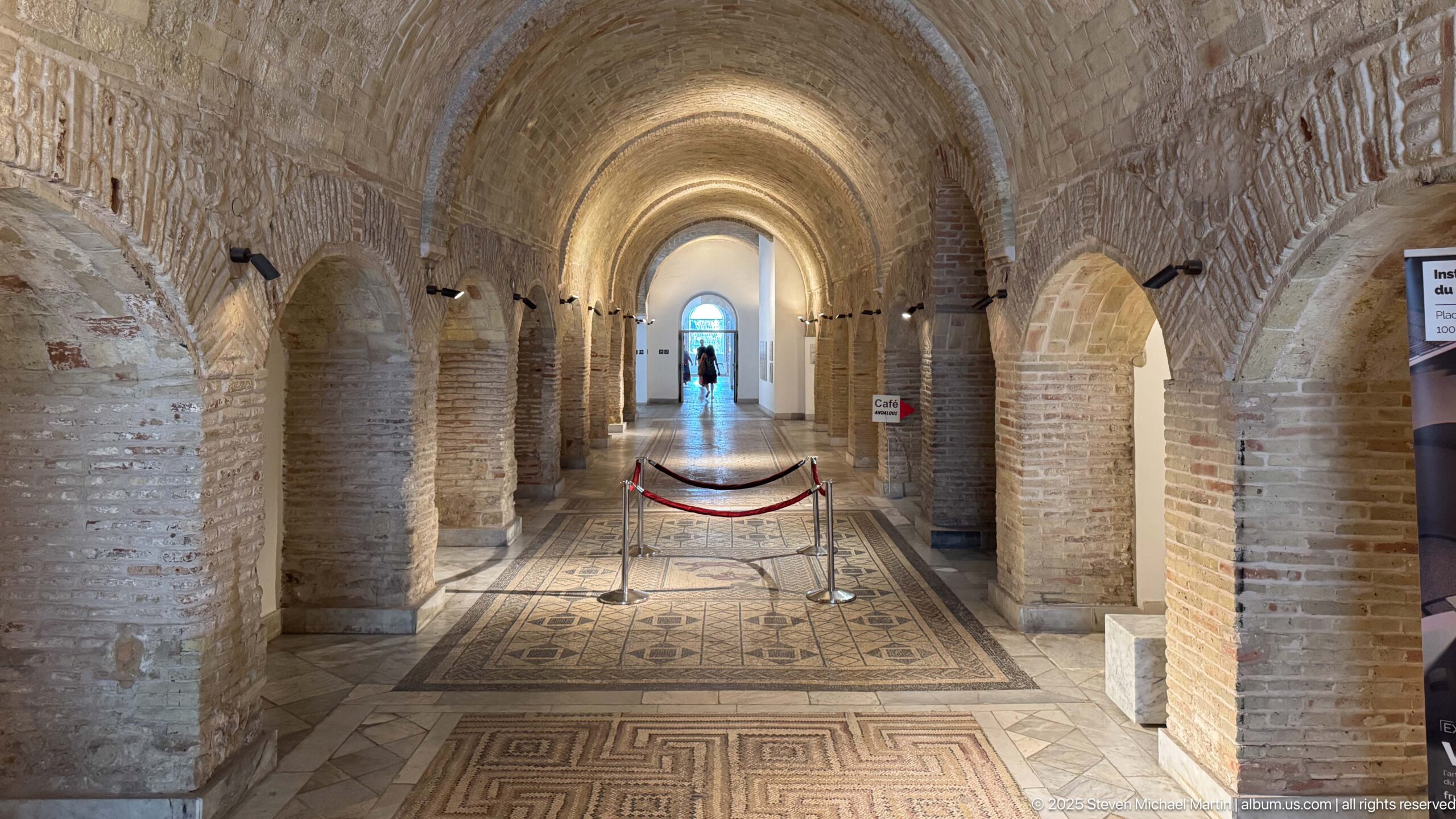
- Architectural Experience: The museum itself reflects layers of historical design and adaptation.
🏺 Bardo Museum Field Guide
Major features observed during this visit:
The Bardo Museum in Tunis is one of the most important archaeological museums in the world, offering a comprehensive view of Tunisia’s history across thousands of years. Housed within a former royal palace, the museum presents artifacts from successive civilizations that shaped the region, from prehistoric societies to the Islamic era. Its collections are particularly renowned for their scale, preservation, and diversity.
🏛️ Signature Features
- Roman Mosaics – Extensive and highly detailed mosaics illustrating mythology and daily life.
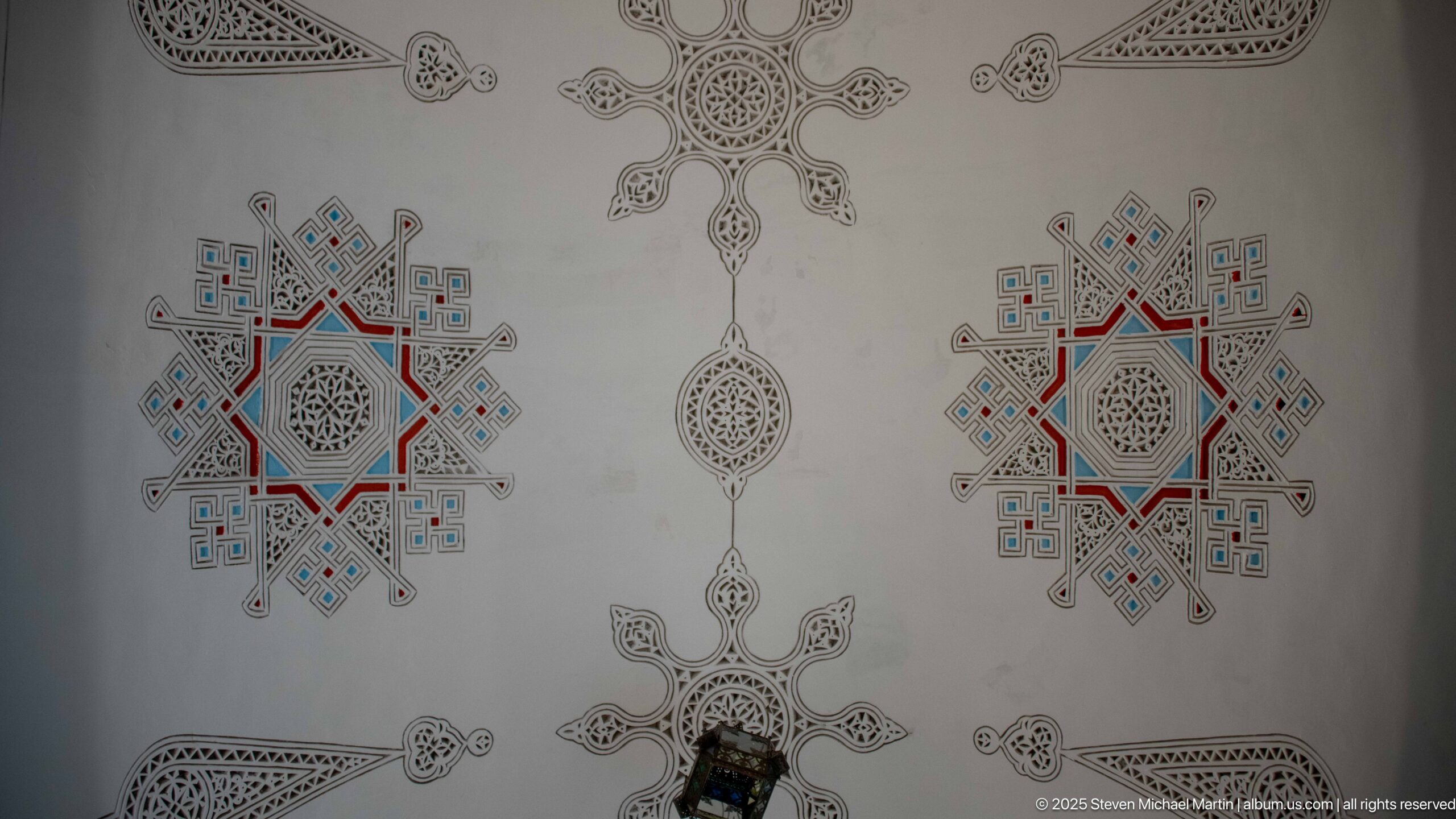
- Palace Architecture – Rooms and courtyards that reflect the building’s royal origins.
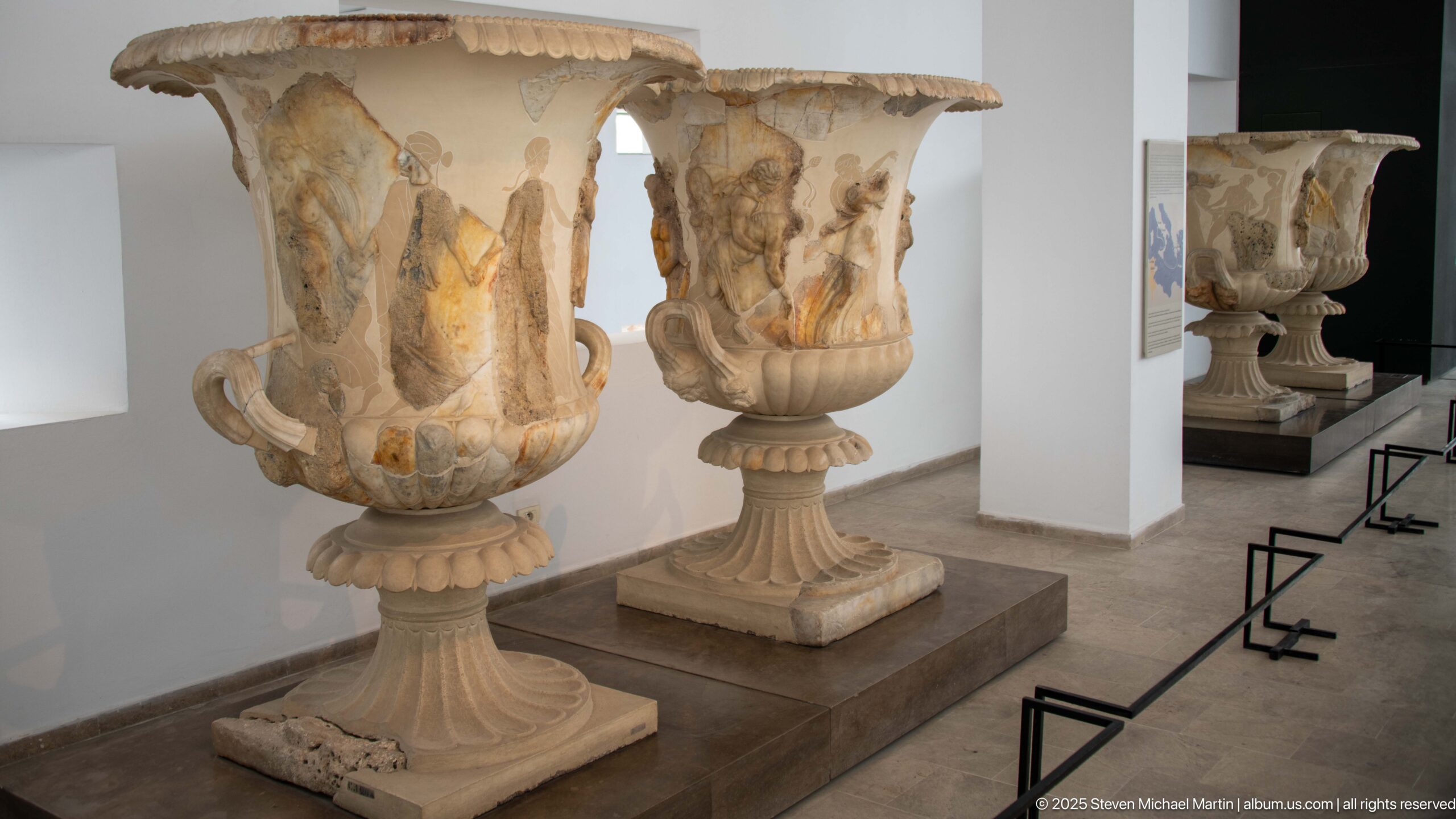
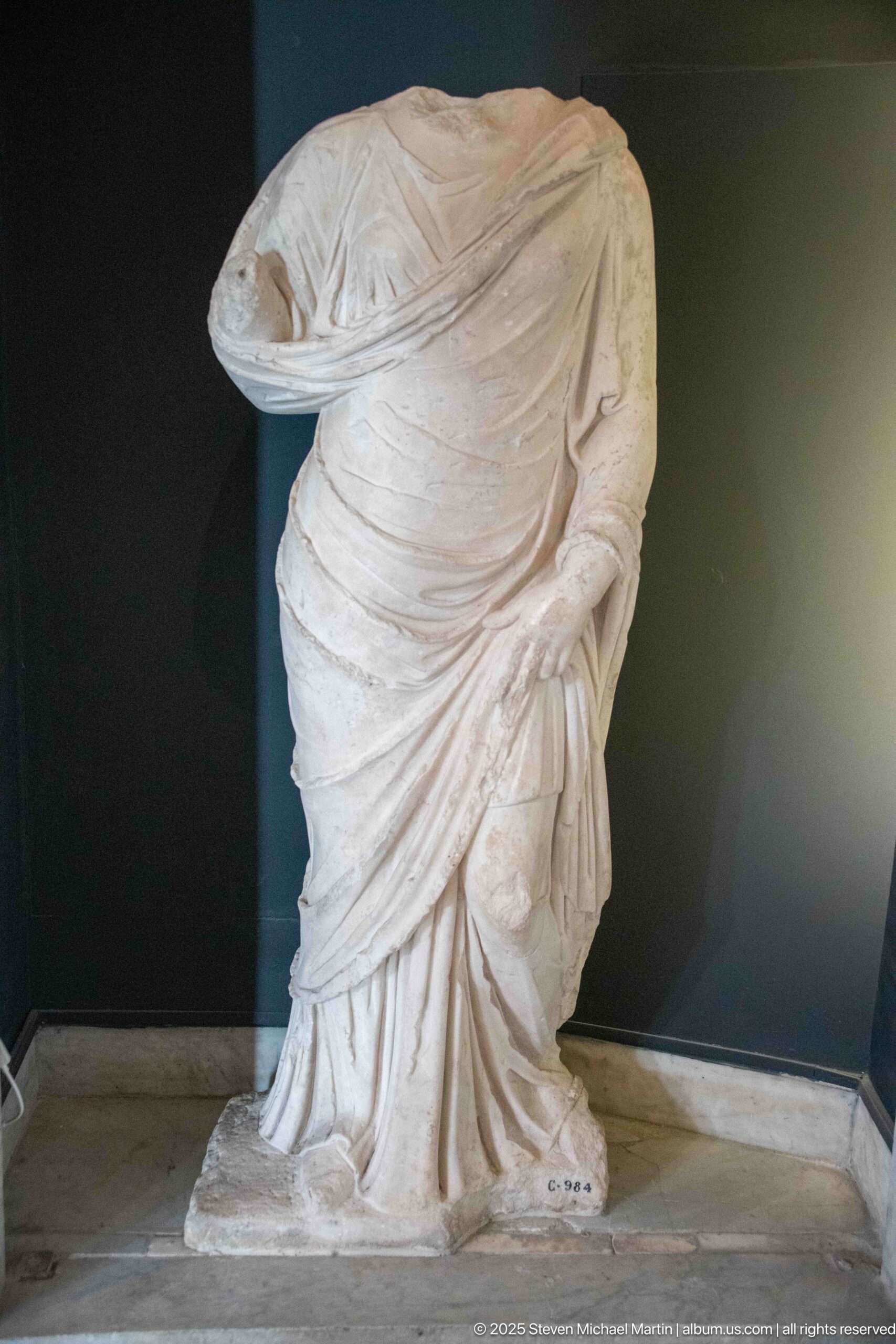
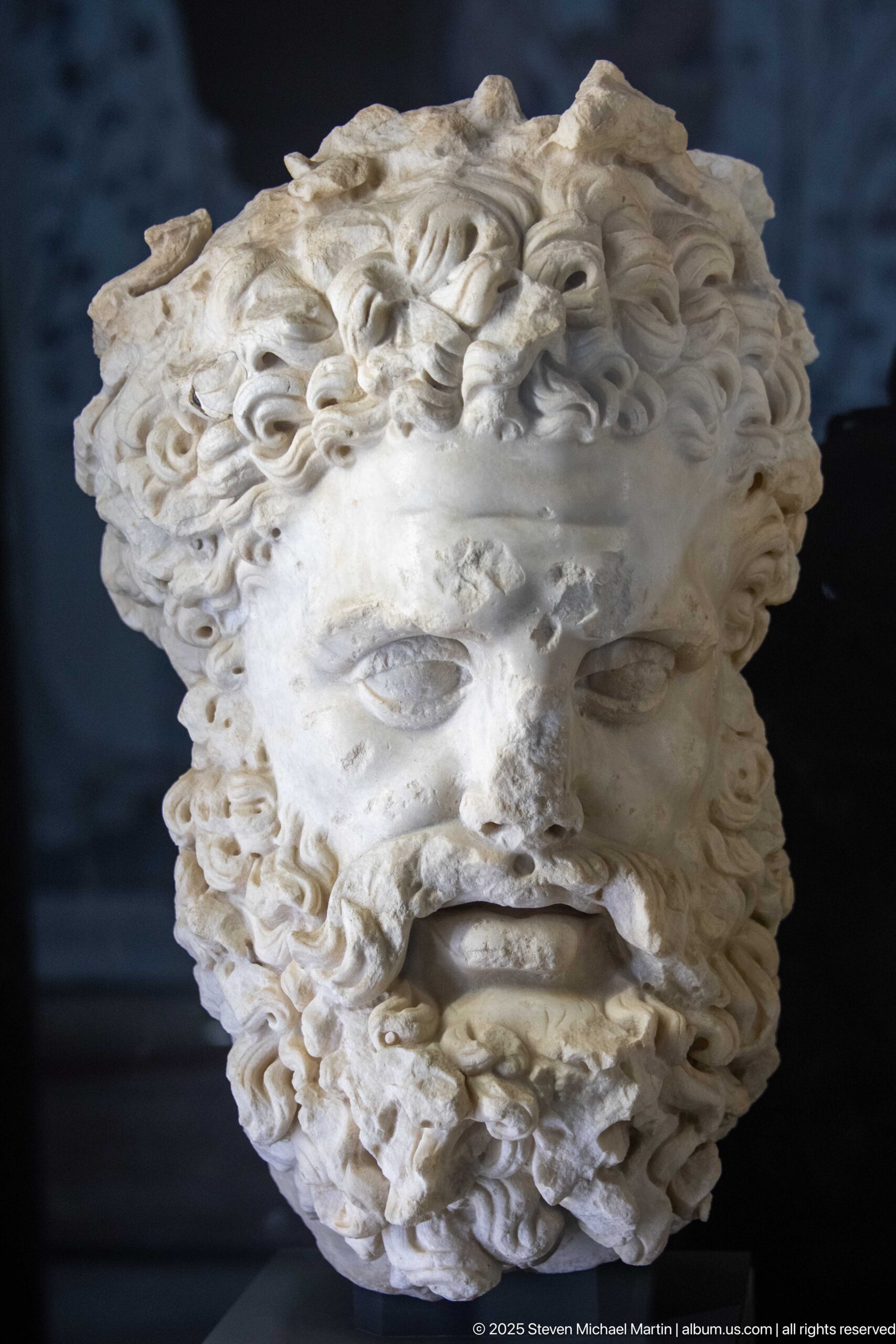
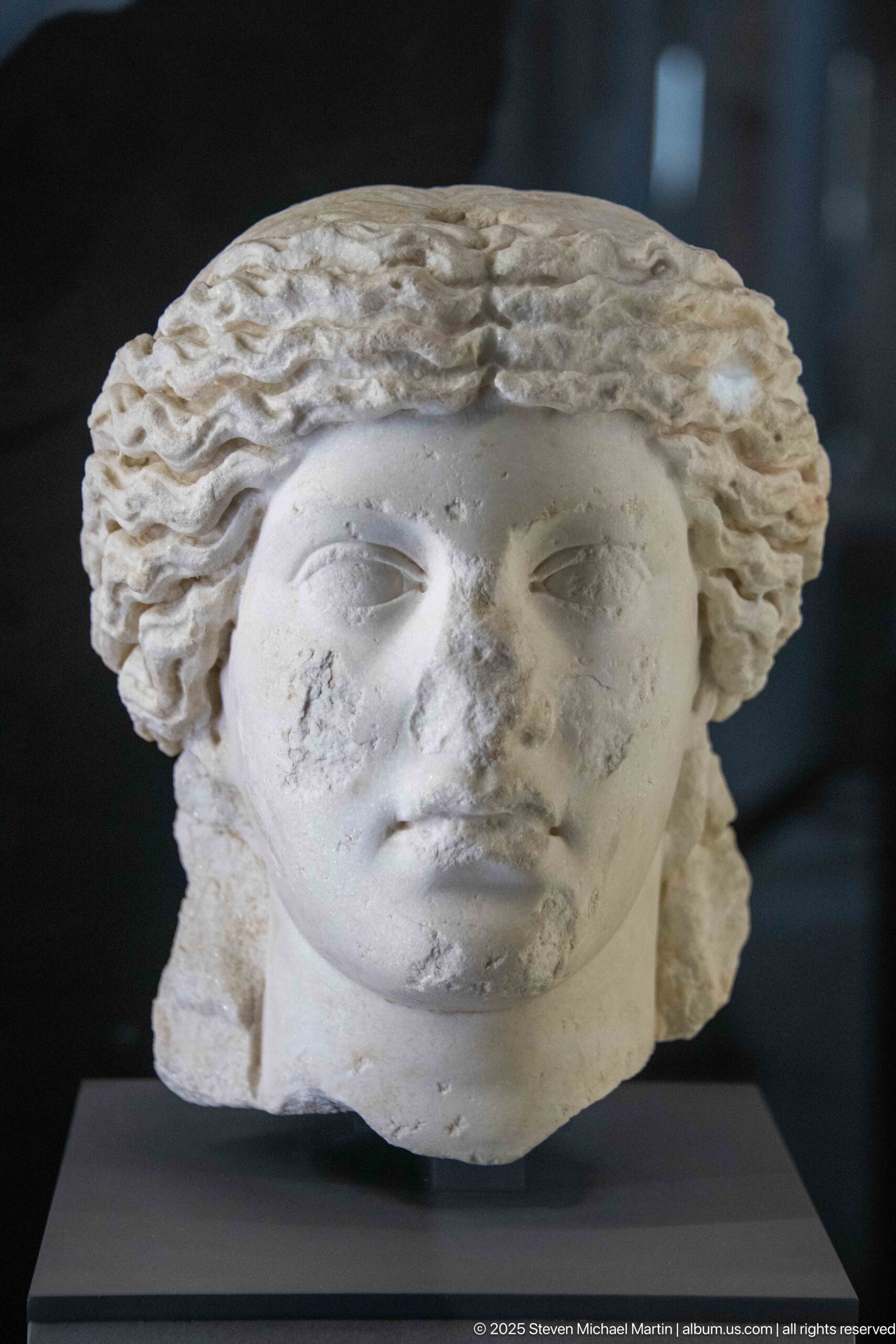
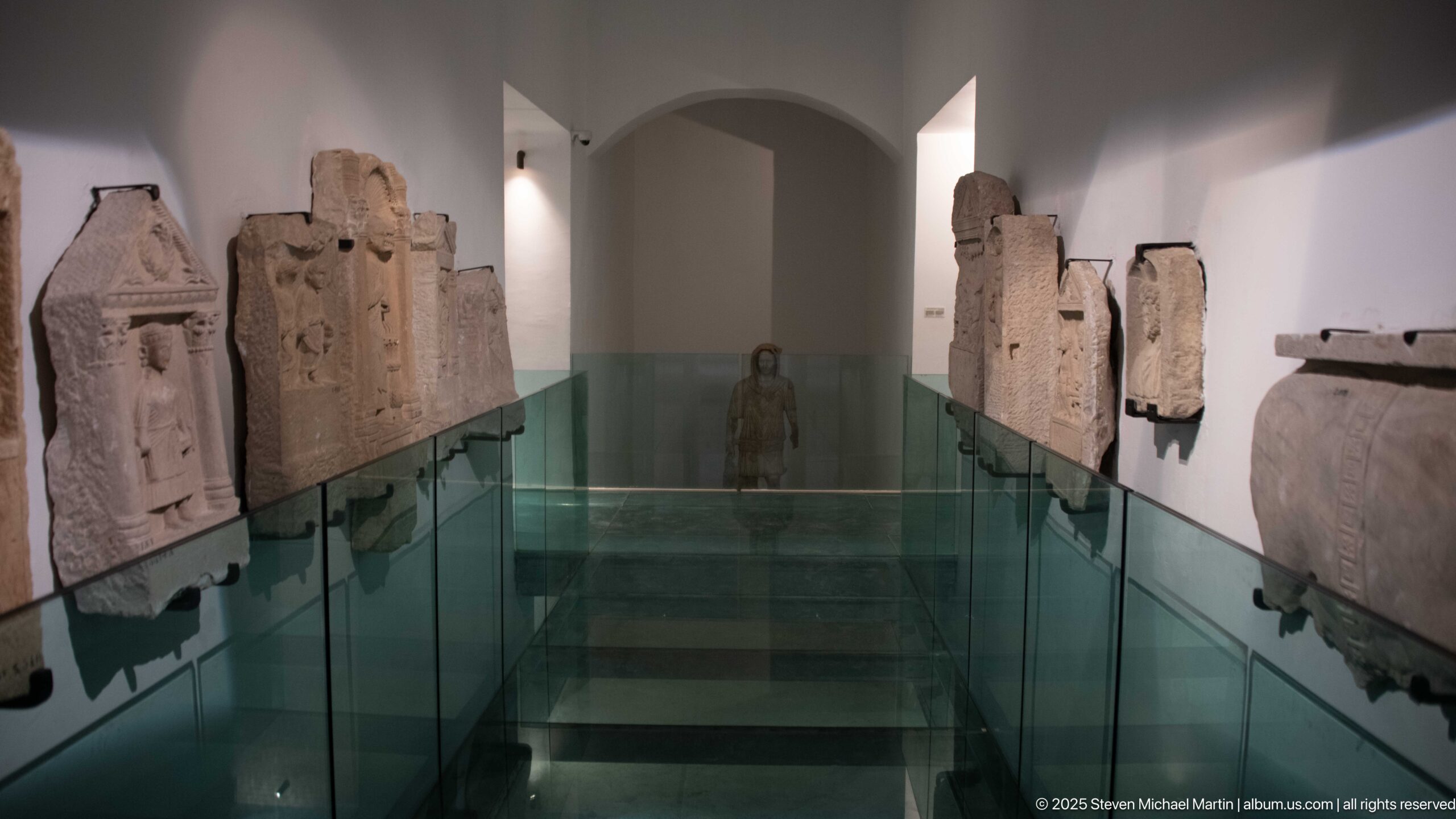
- Classical Sculpture – Marble statues and artifacts from Roman North Africa.
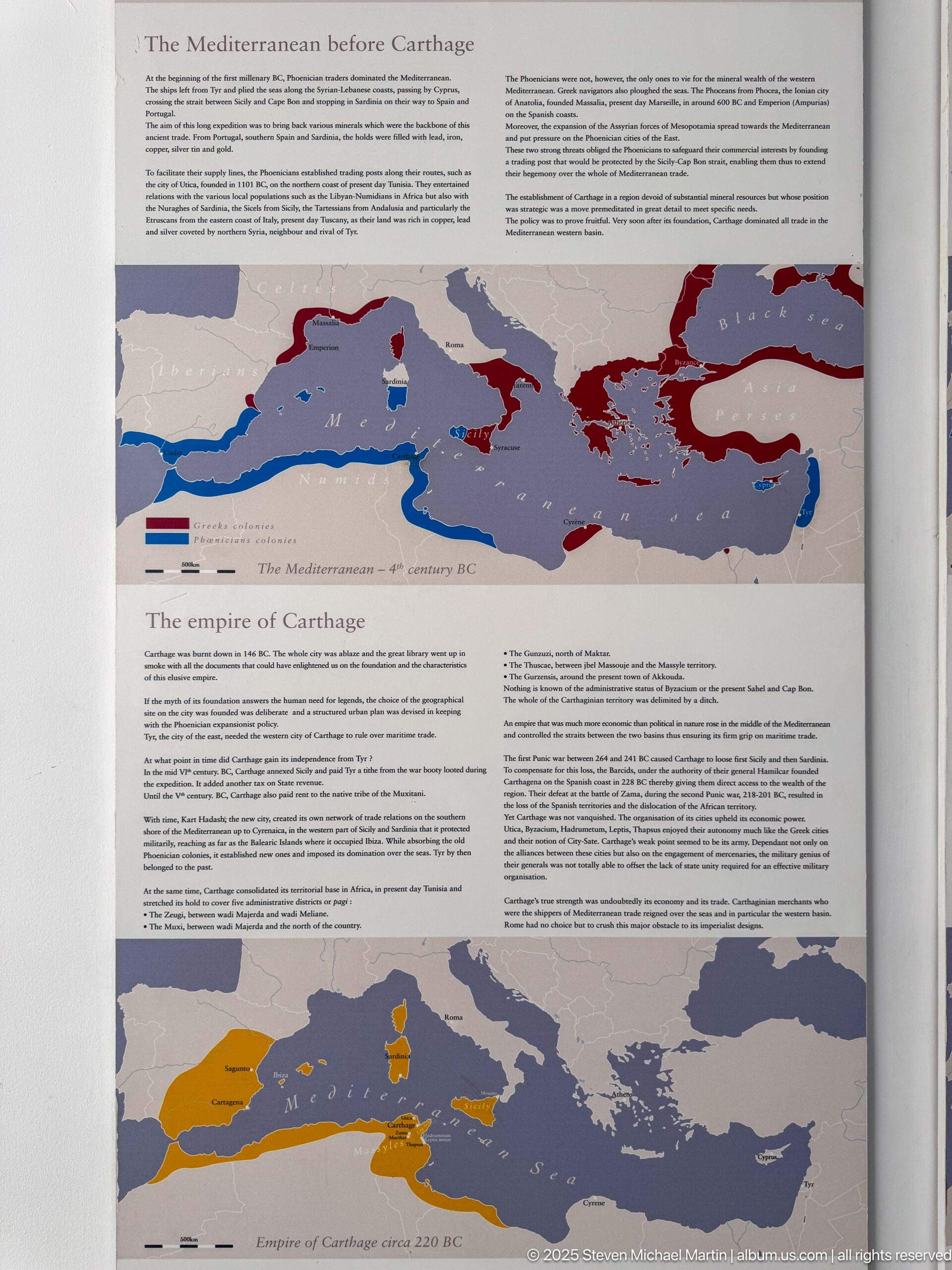
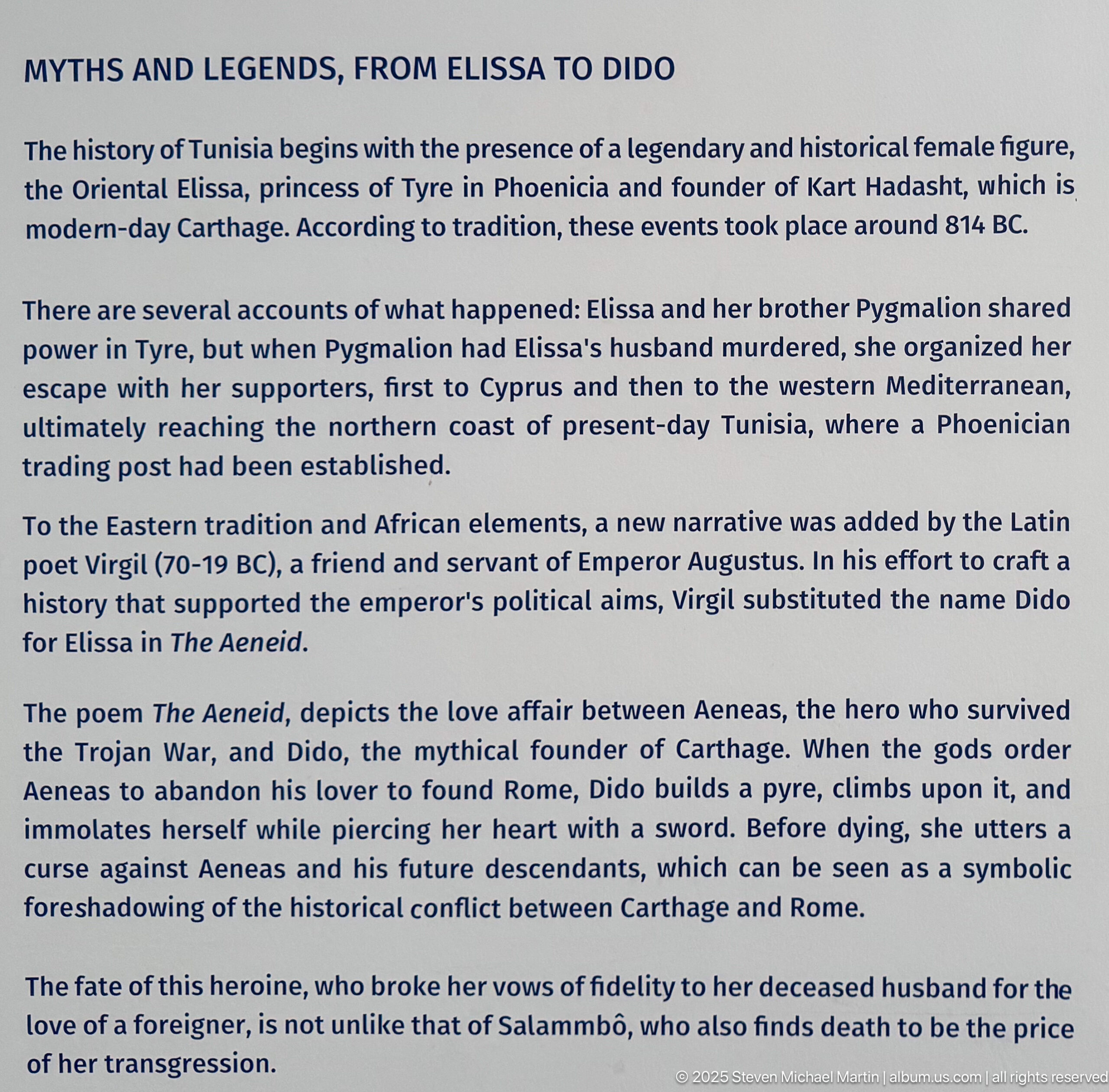
- Punic Artifacts – Objects from ancient Carthage and related civilizations.
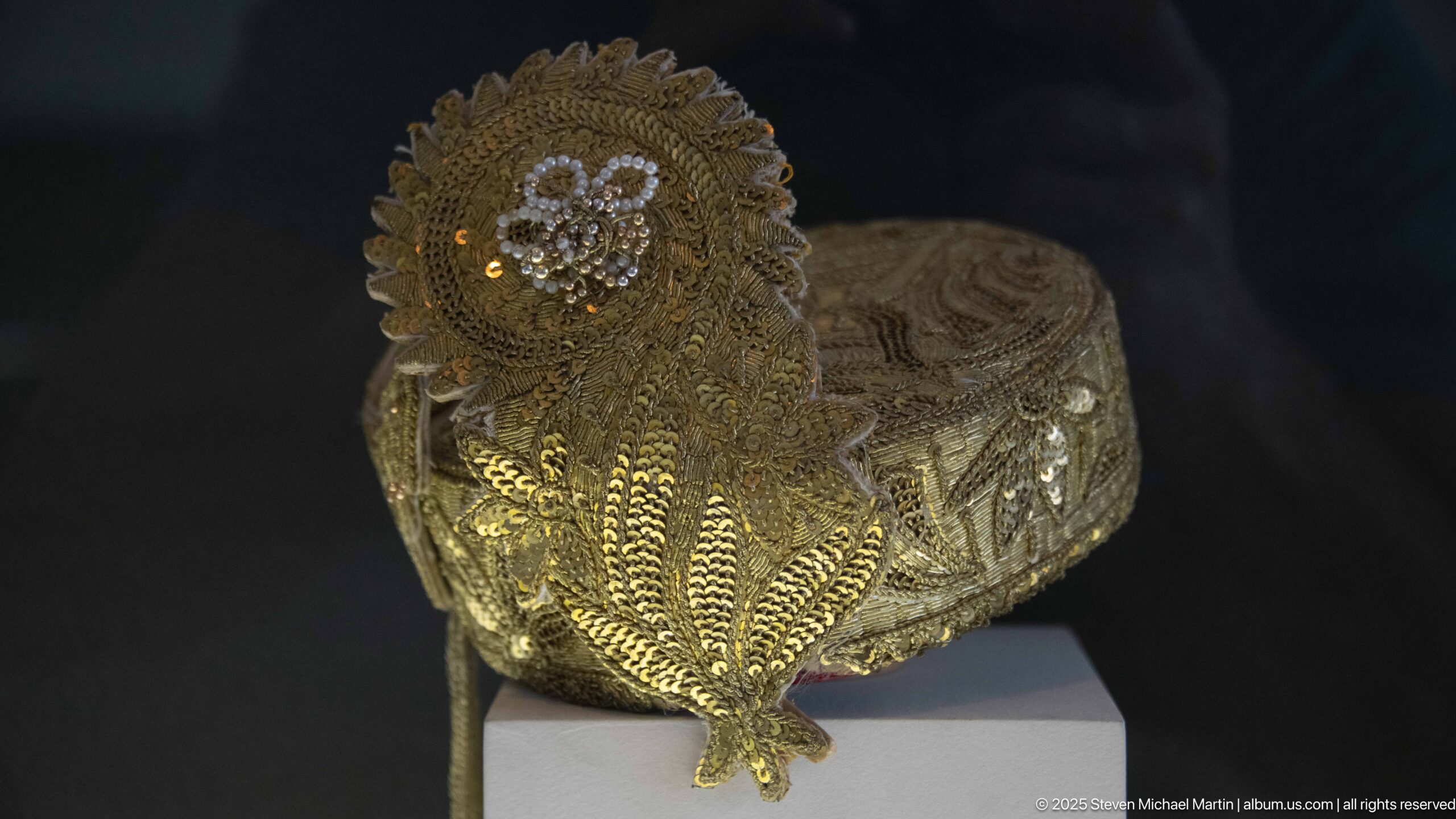
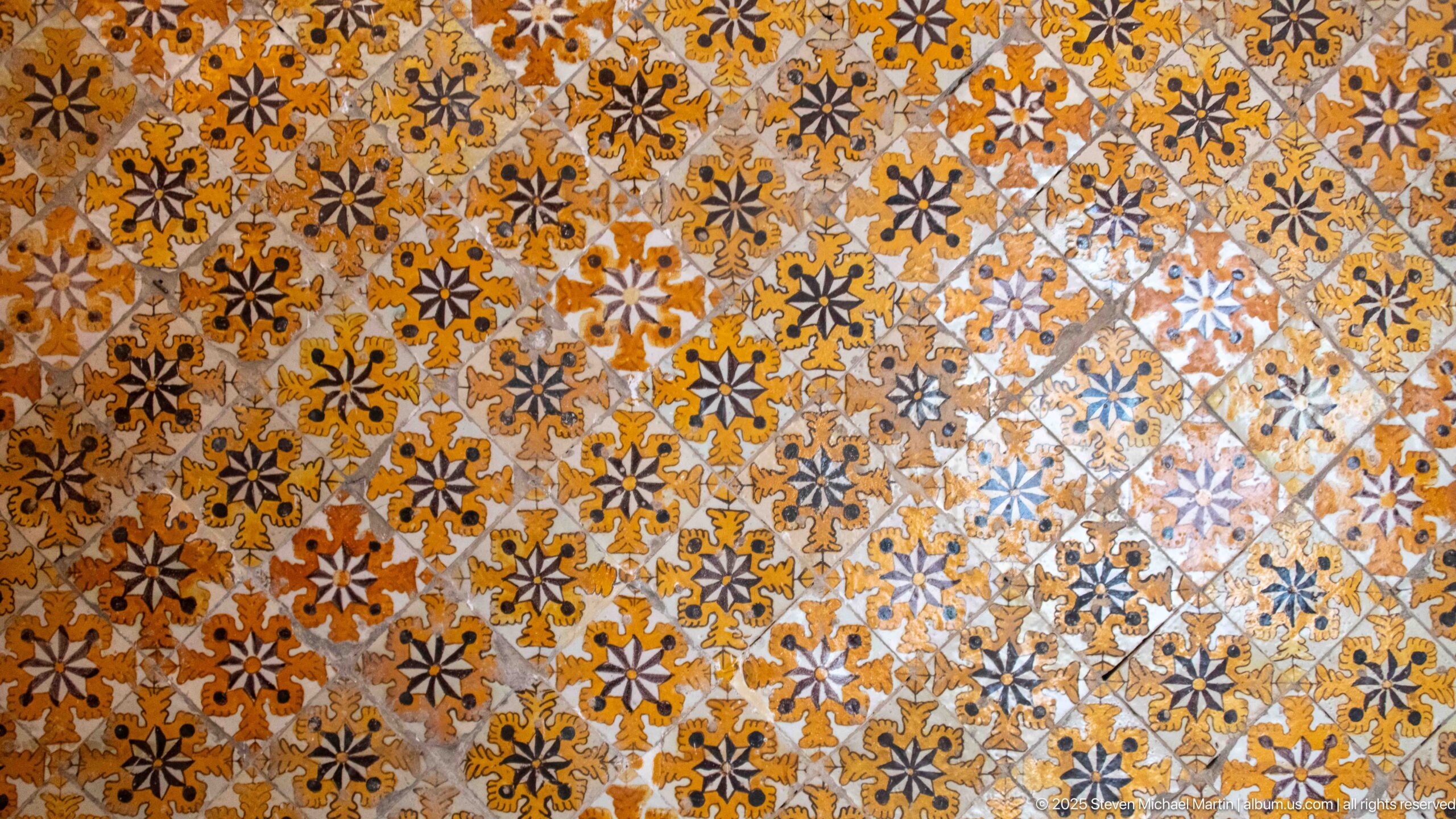
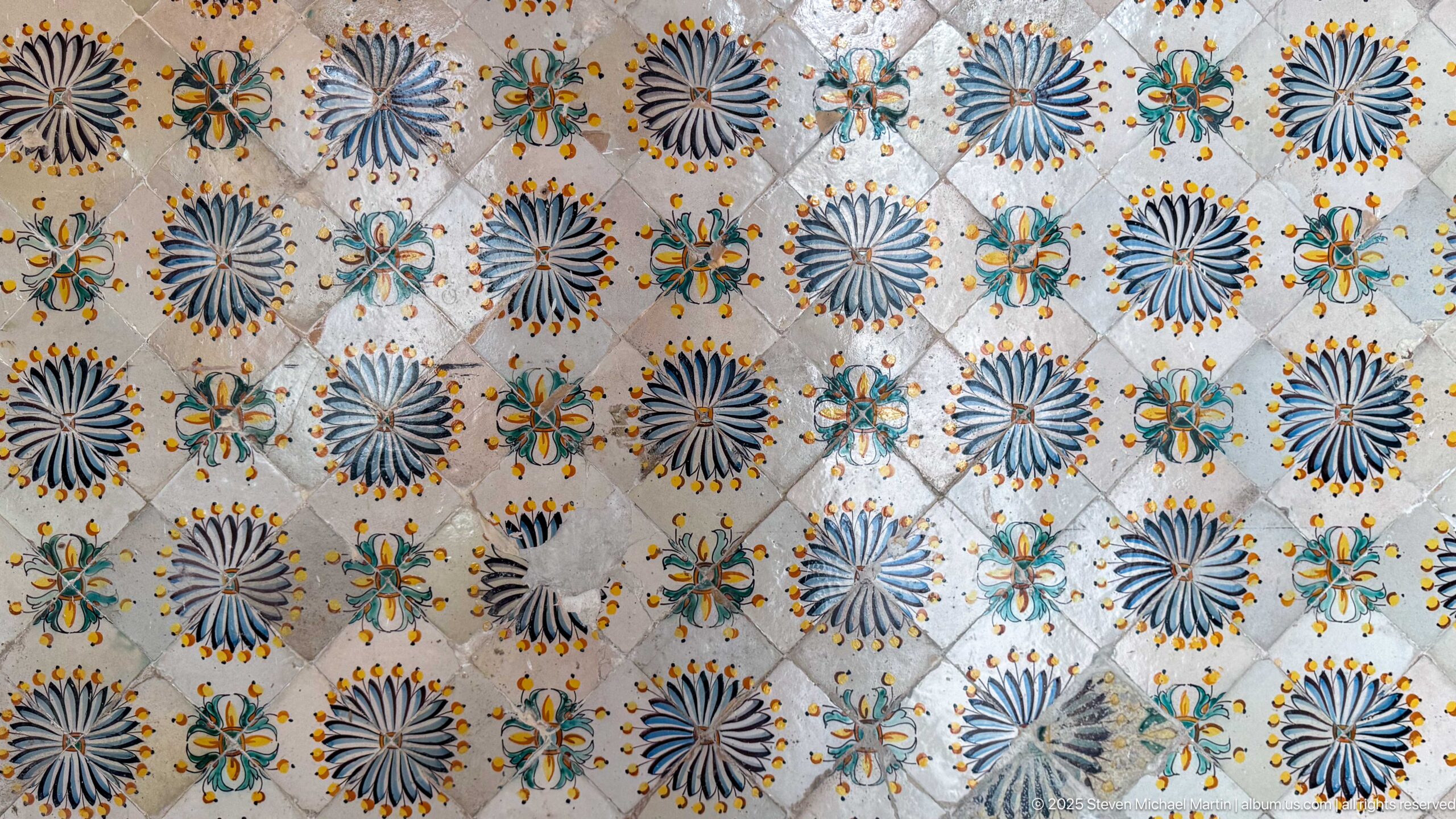
- Islamic Art Collections – Ceramics, manuscripts, and decorative works from later periods.
🧠 Historical & Cultural Significance
- Crossroads of Civilizations – Tunisia’s position brought together multiple cultures over time.
- Roman Africa – The region was one of the most prosperous parts of the Roman Empire.
- Archaeological Importance – Artifacts come from major sites such as Carthage and Dougga.
- National Heritage – The museum serves as a central repository of Tunisian history.
🌄 Setting & Experience
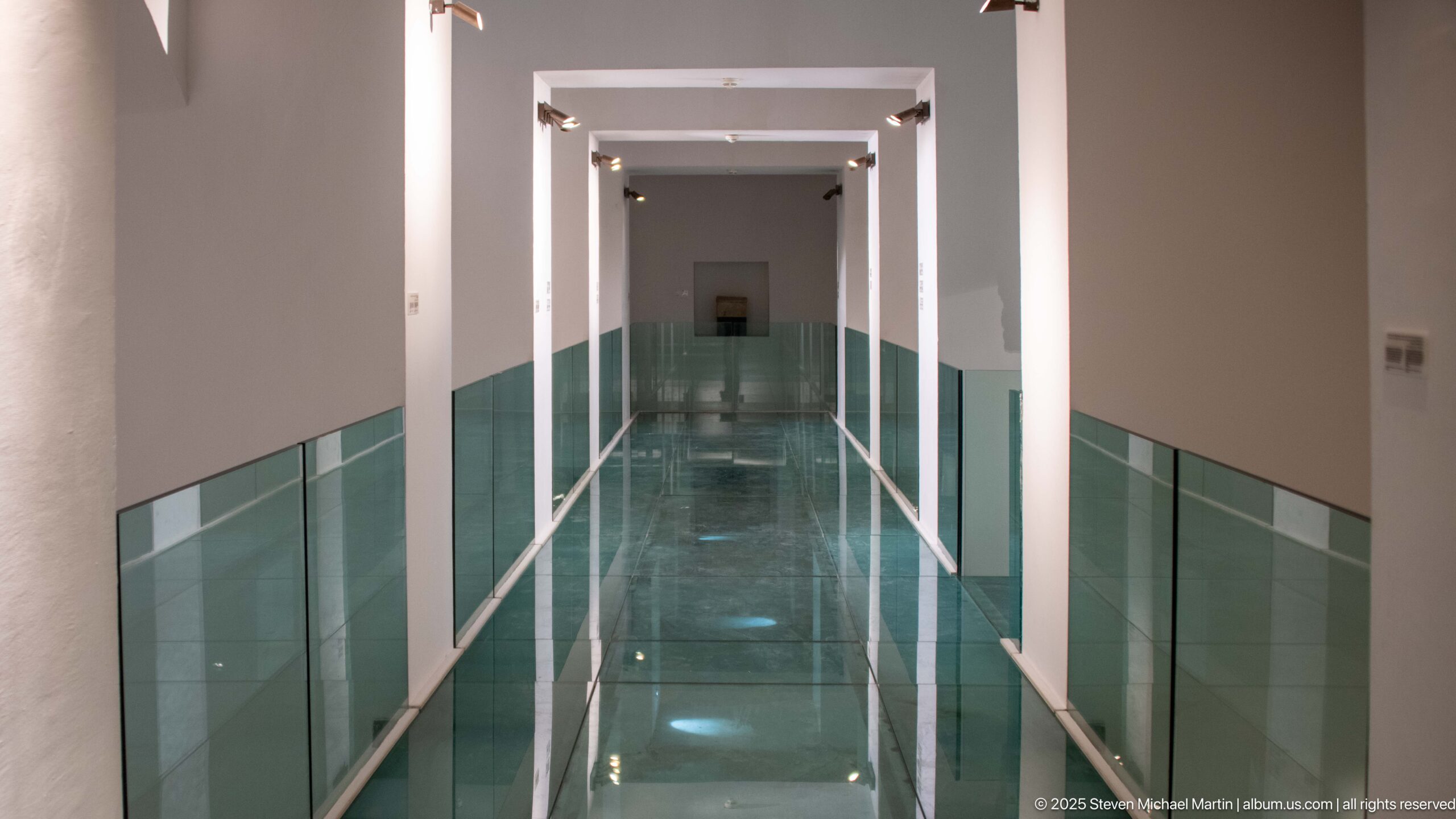
- Palace Environment – The museum is experienced through a sequence of historic rooms and halls.
- Curated Narrative – Exhibits are organized chronologically to trace the region’s development.
- Interior Focus – Emphasis is on artifacts and interpretation rather than exterior setting.
- Contrast to Ruins – Provides context for archaeological sites seen elsewhere in Tunisia.