Pretoria
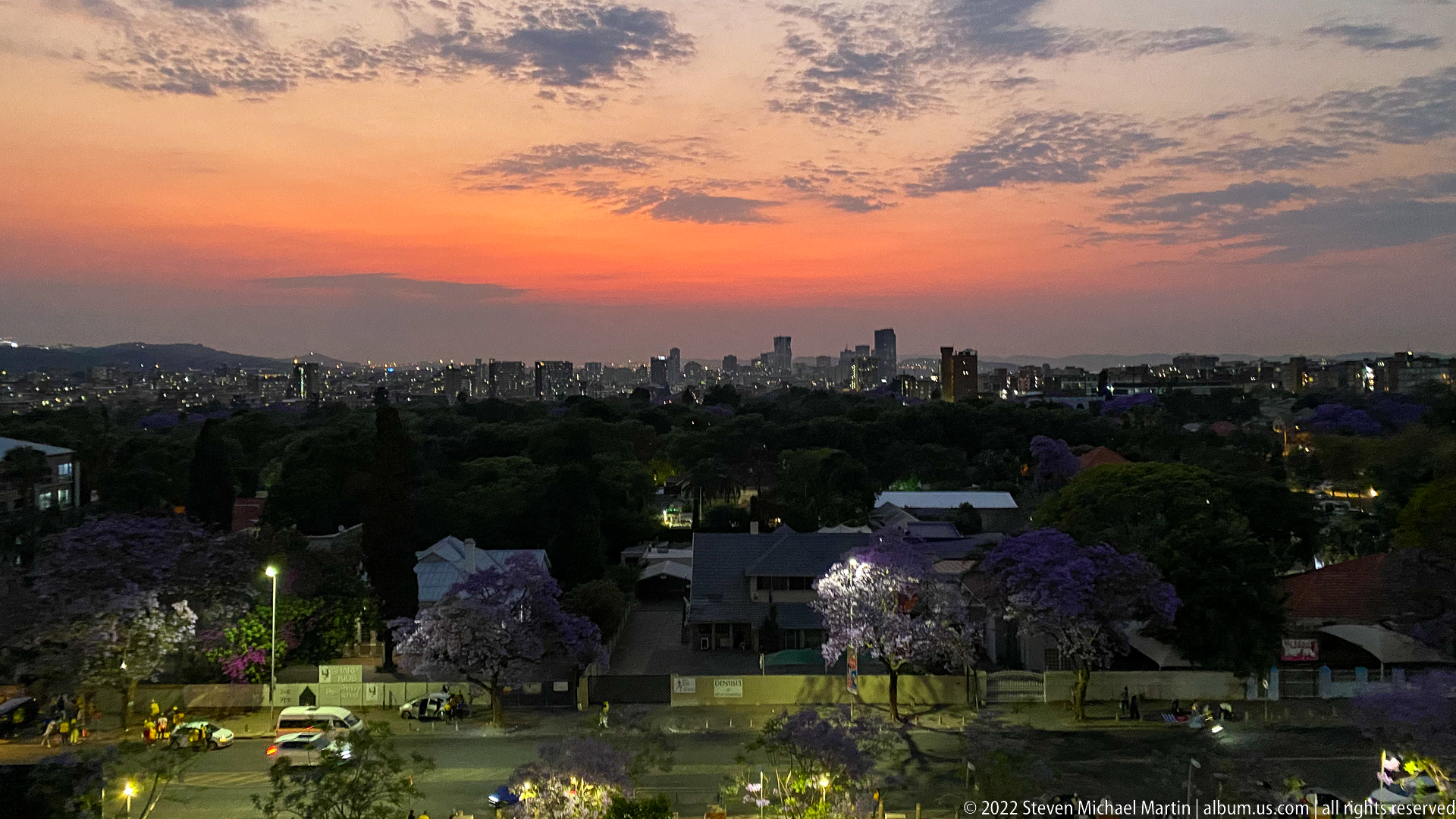
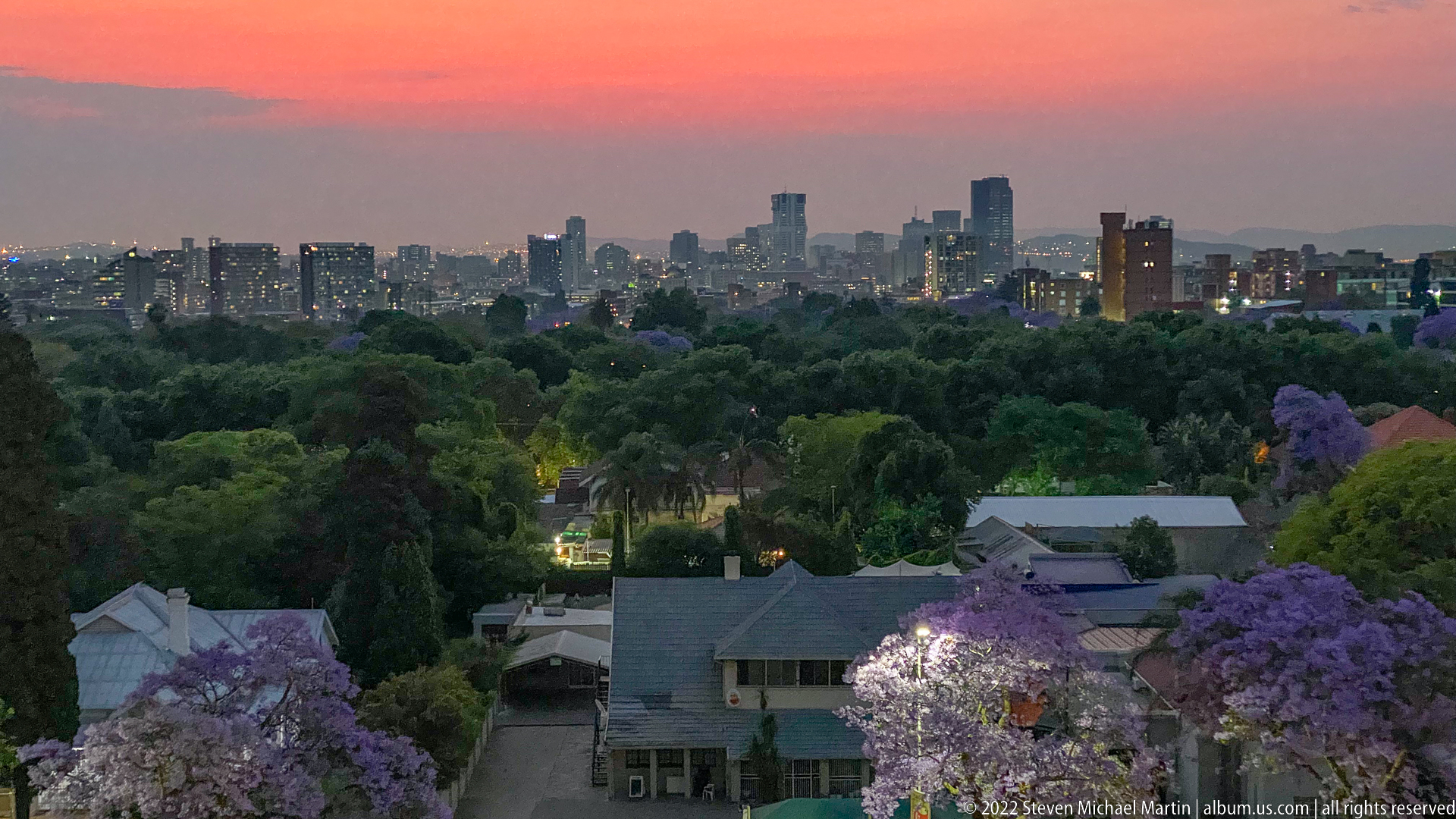
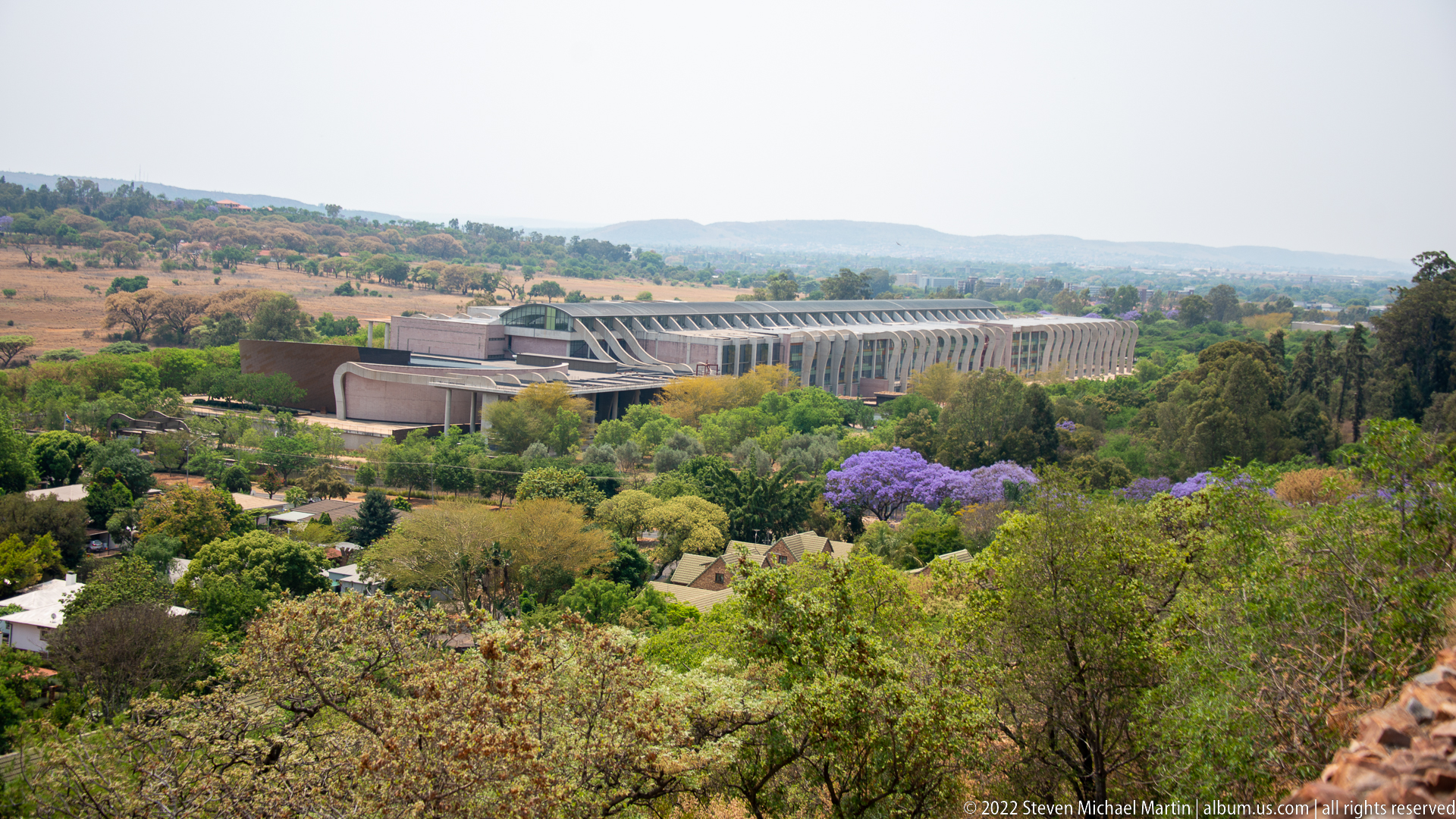
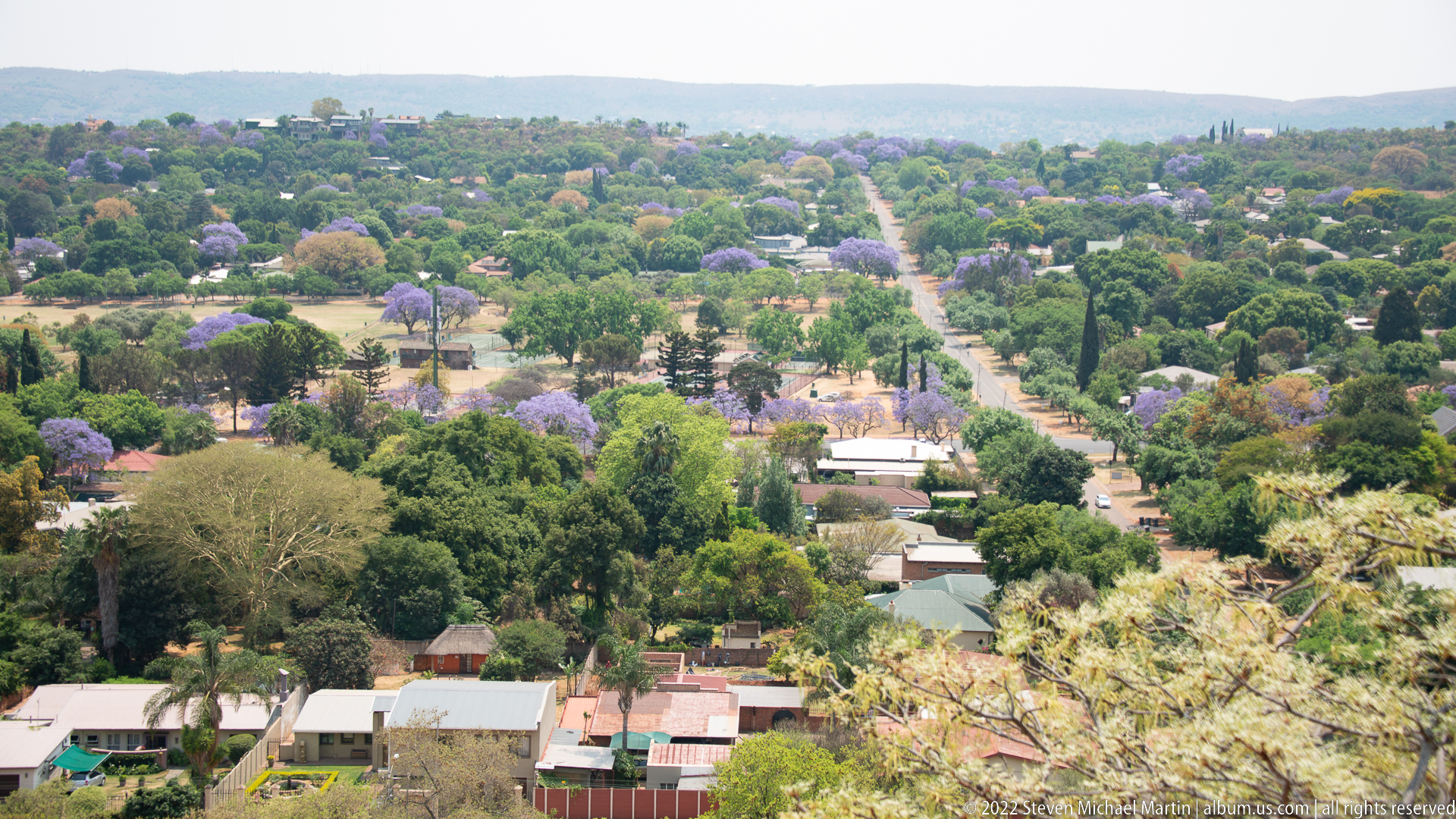
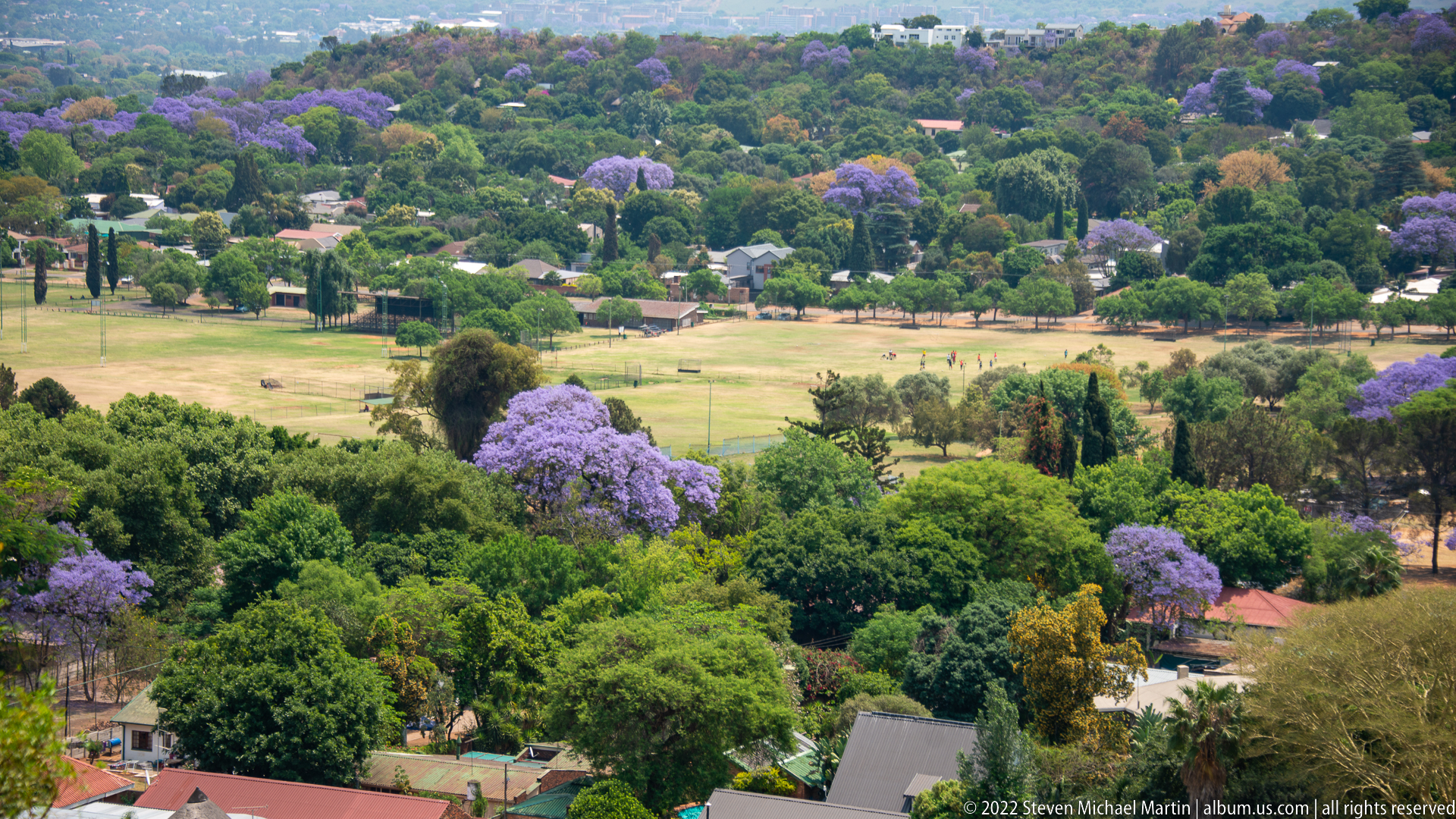
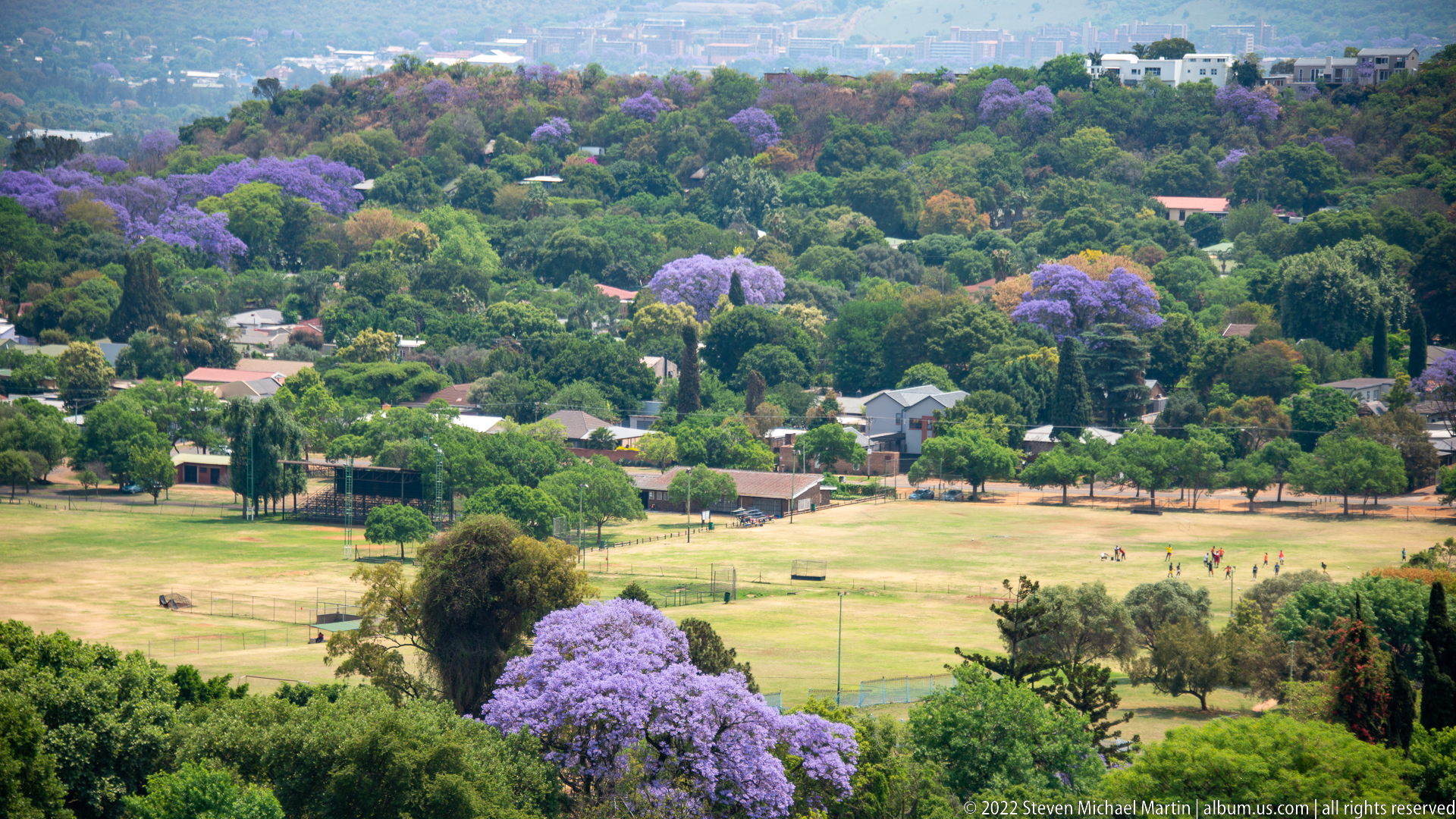
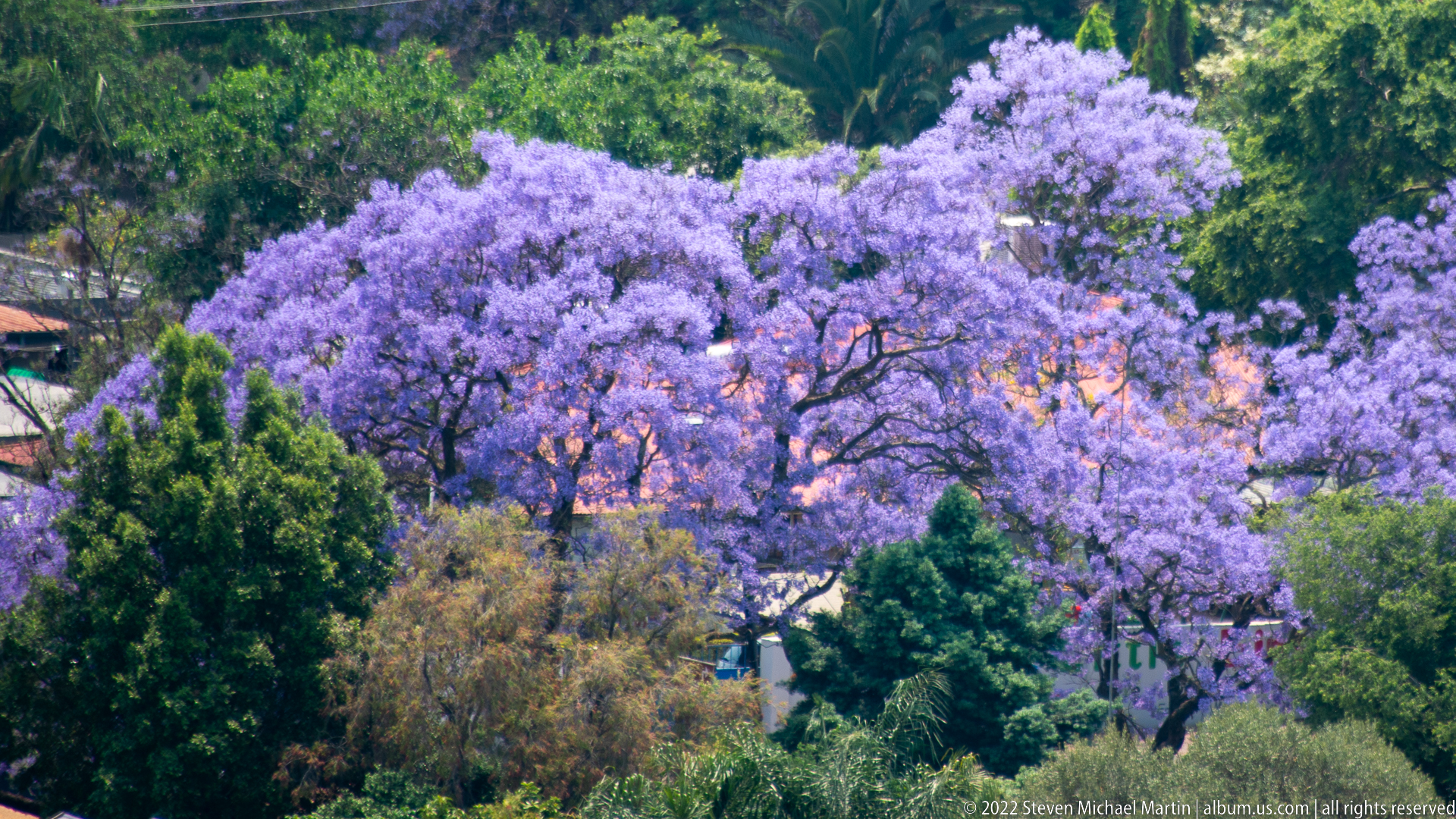
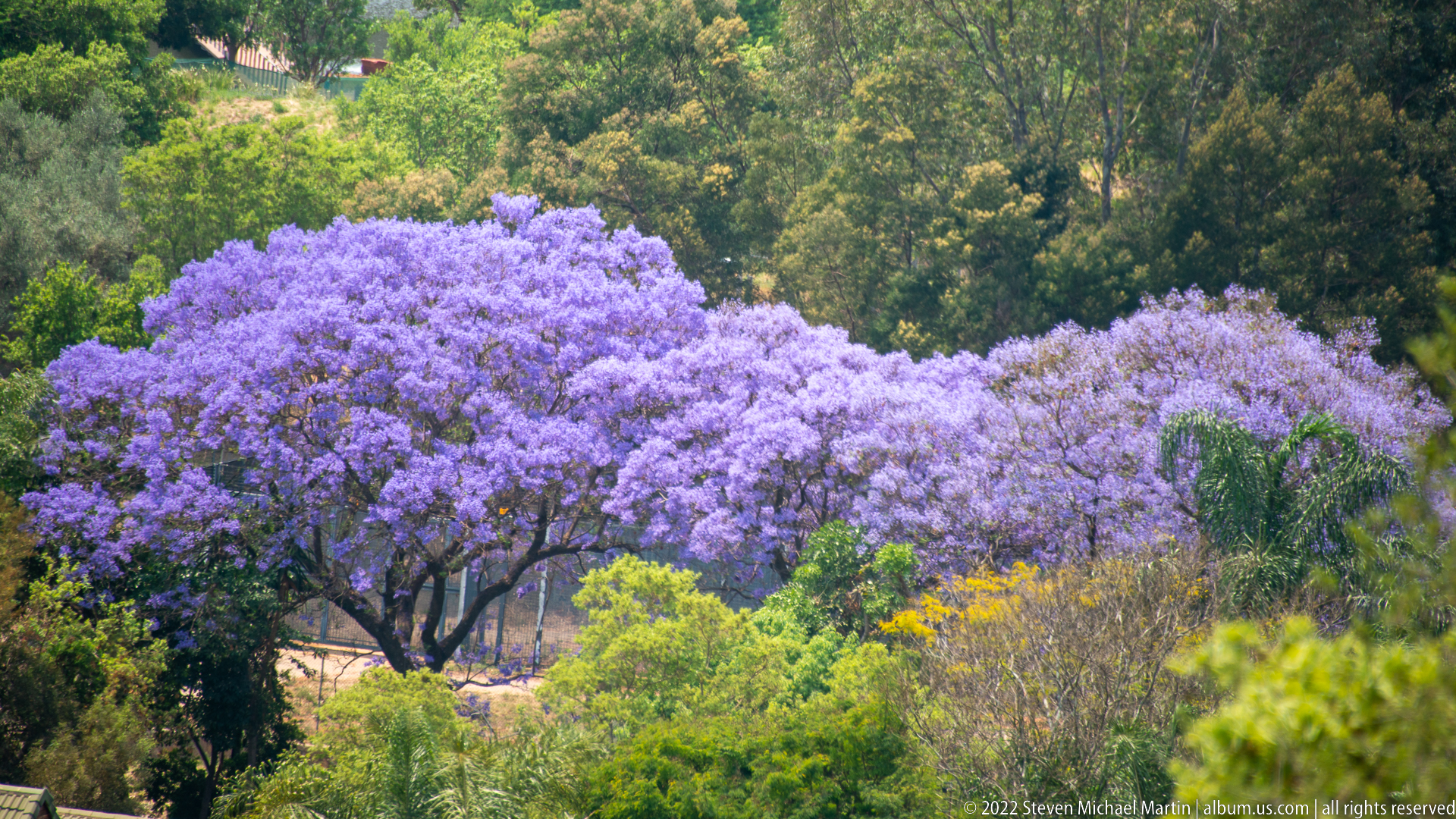
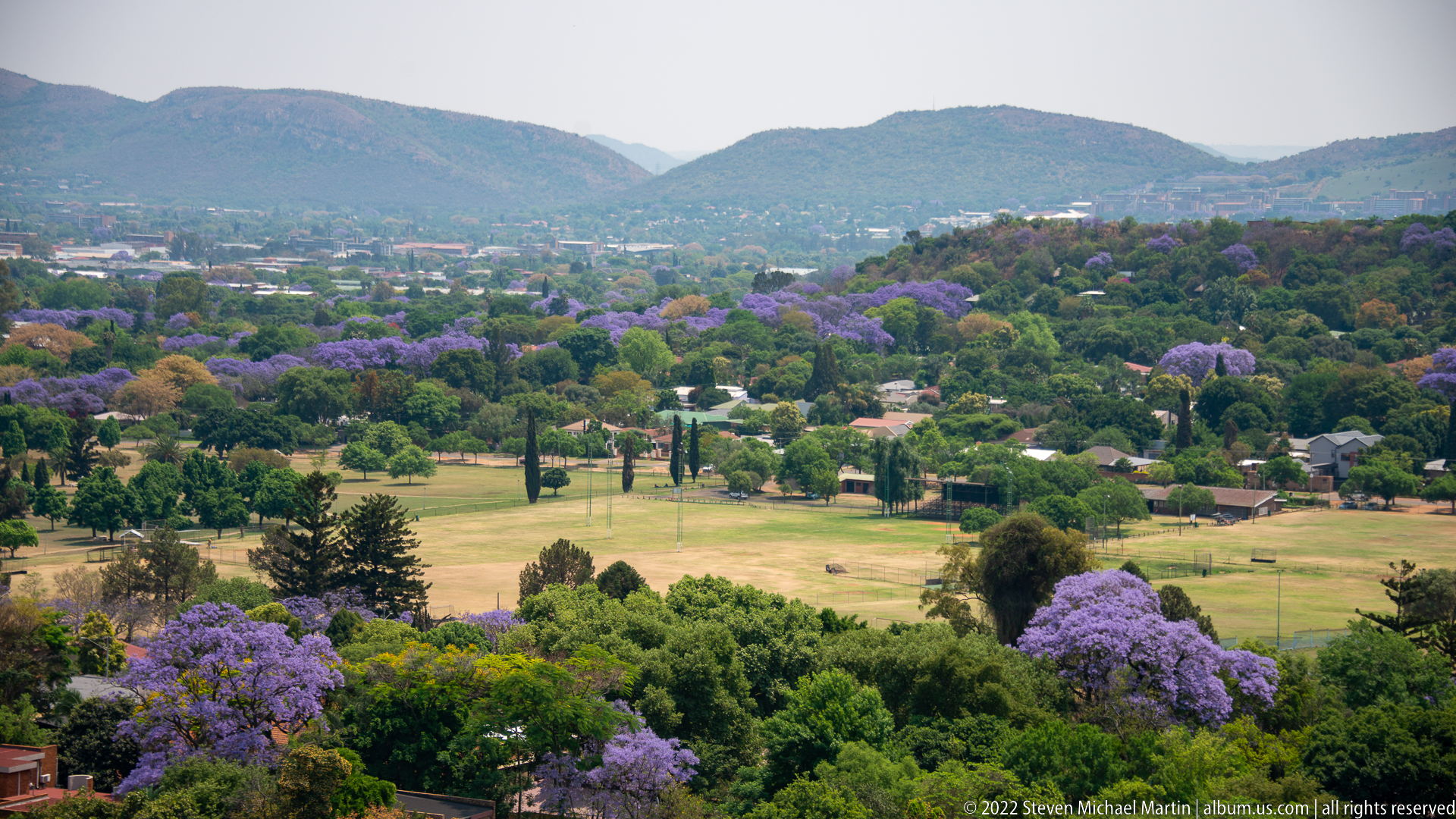
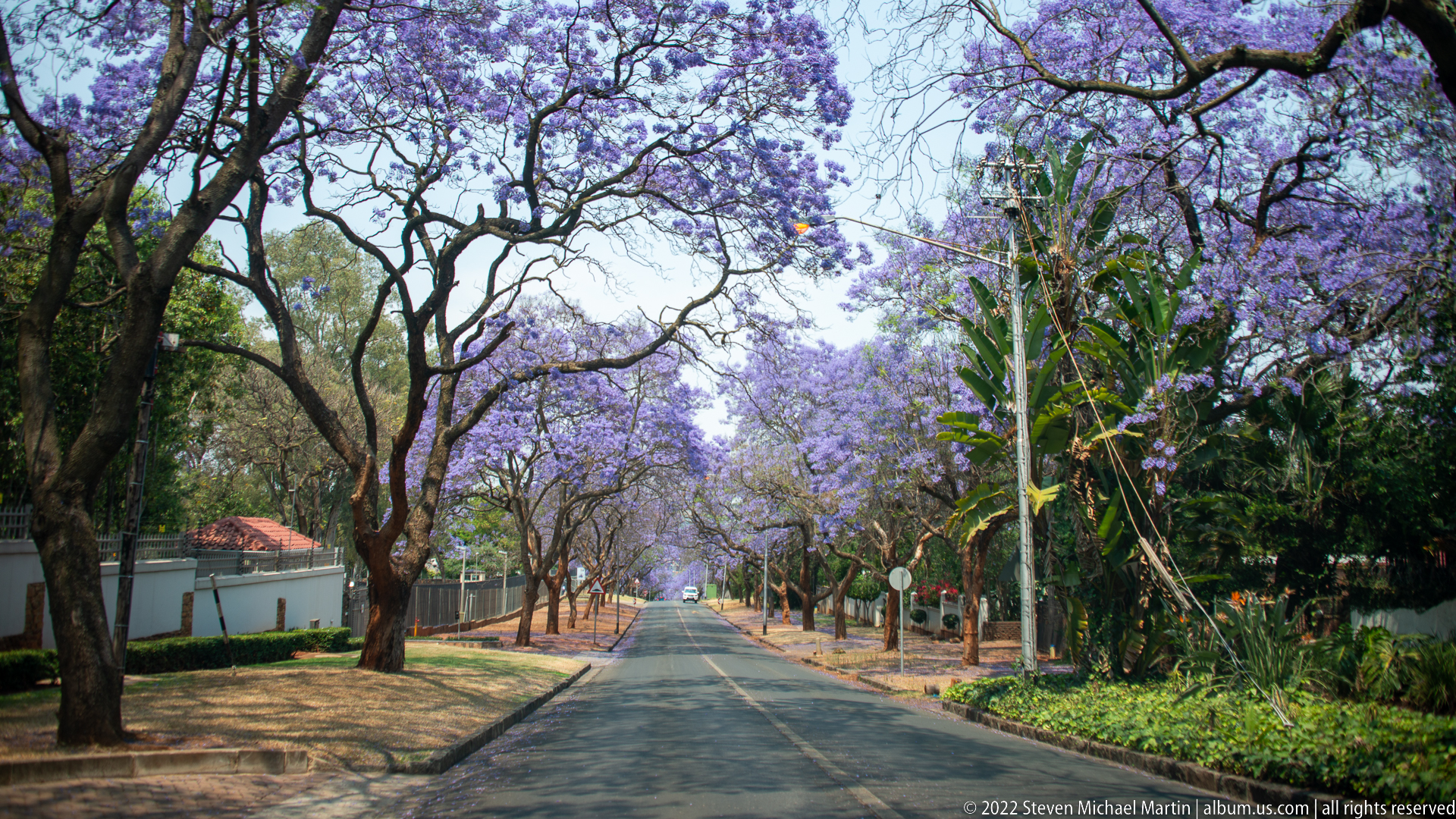
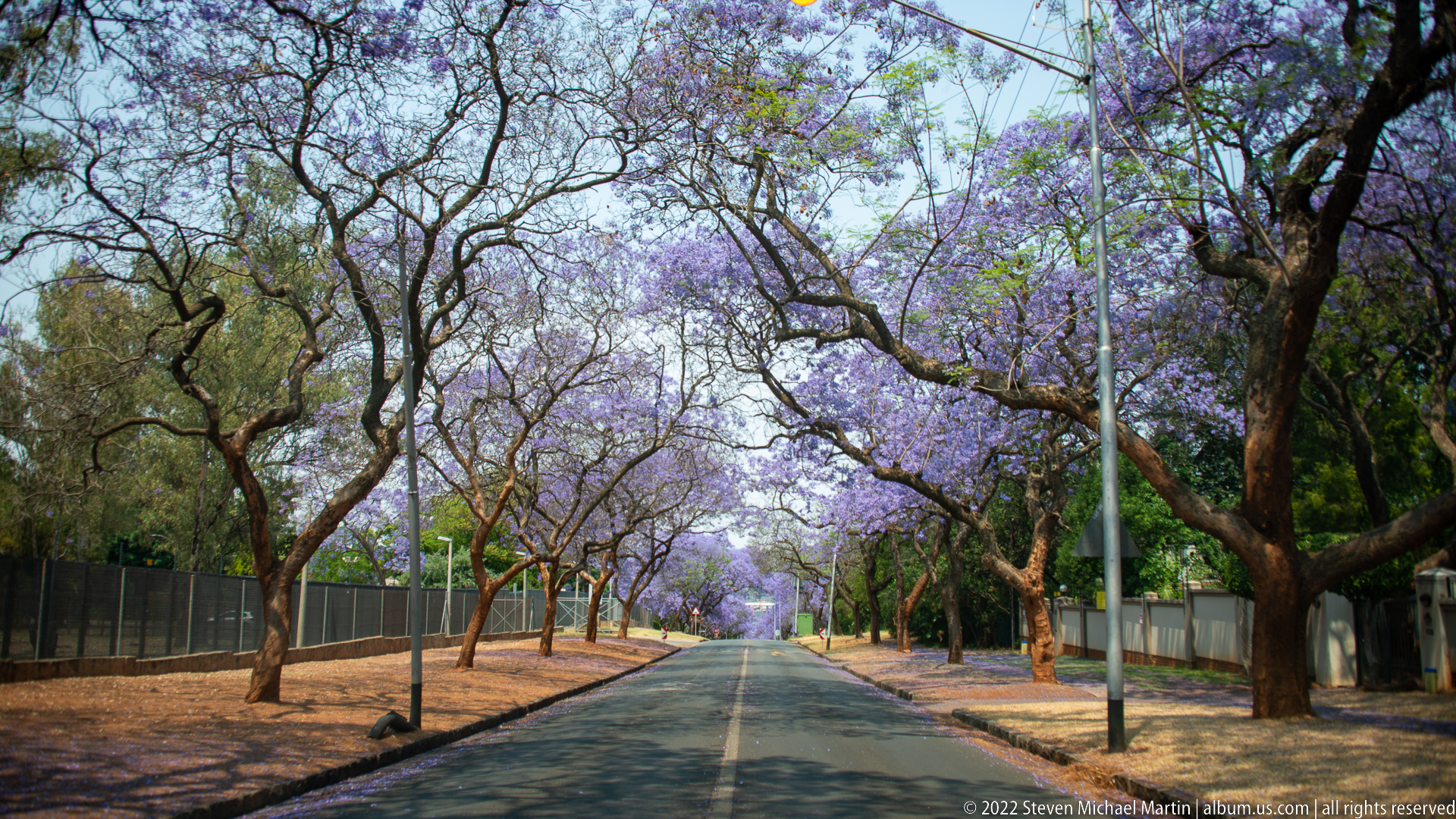
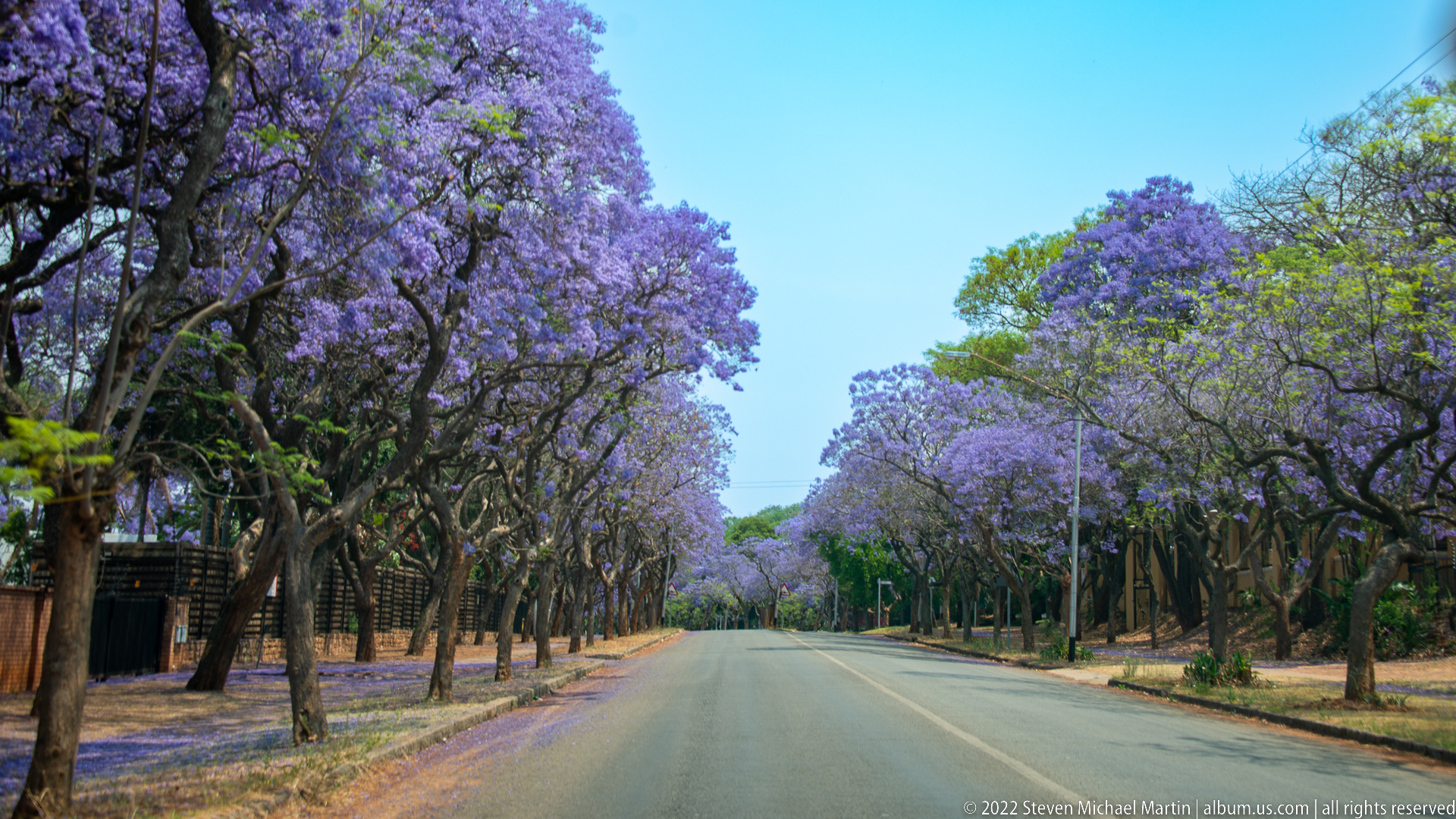
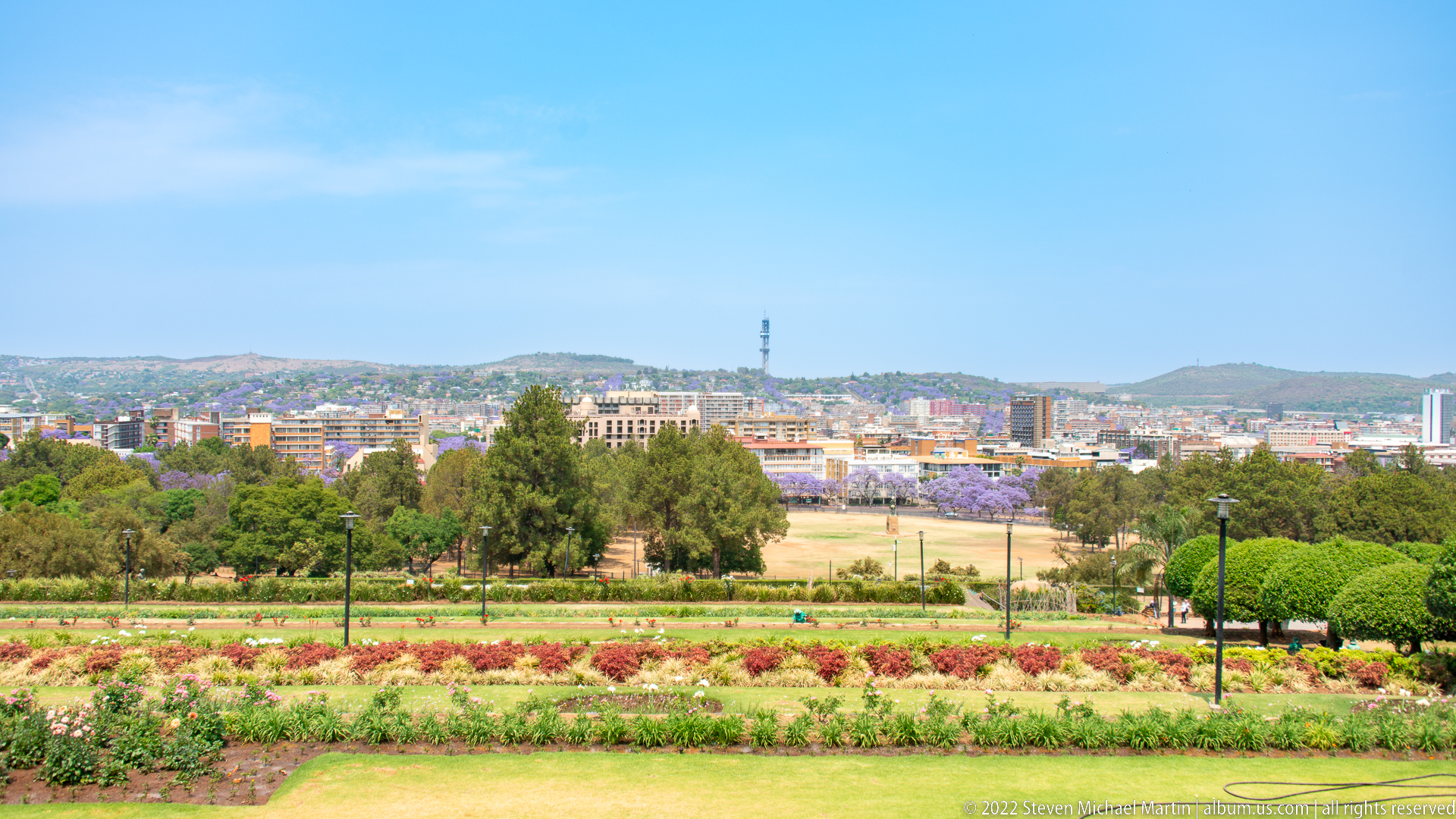
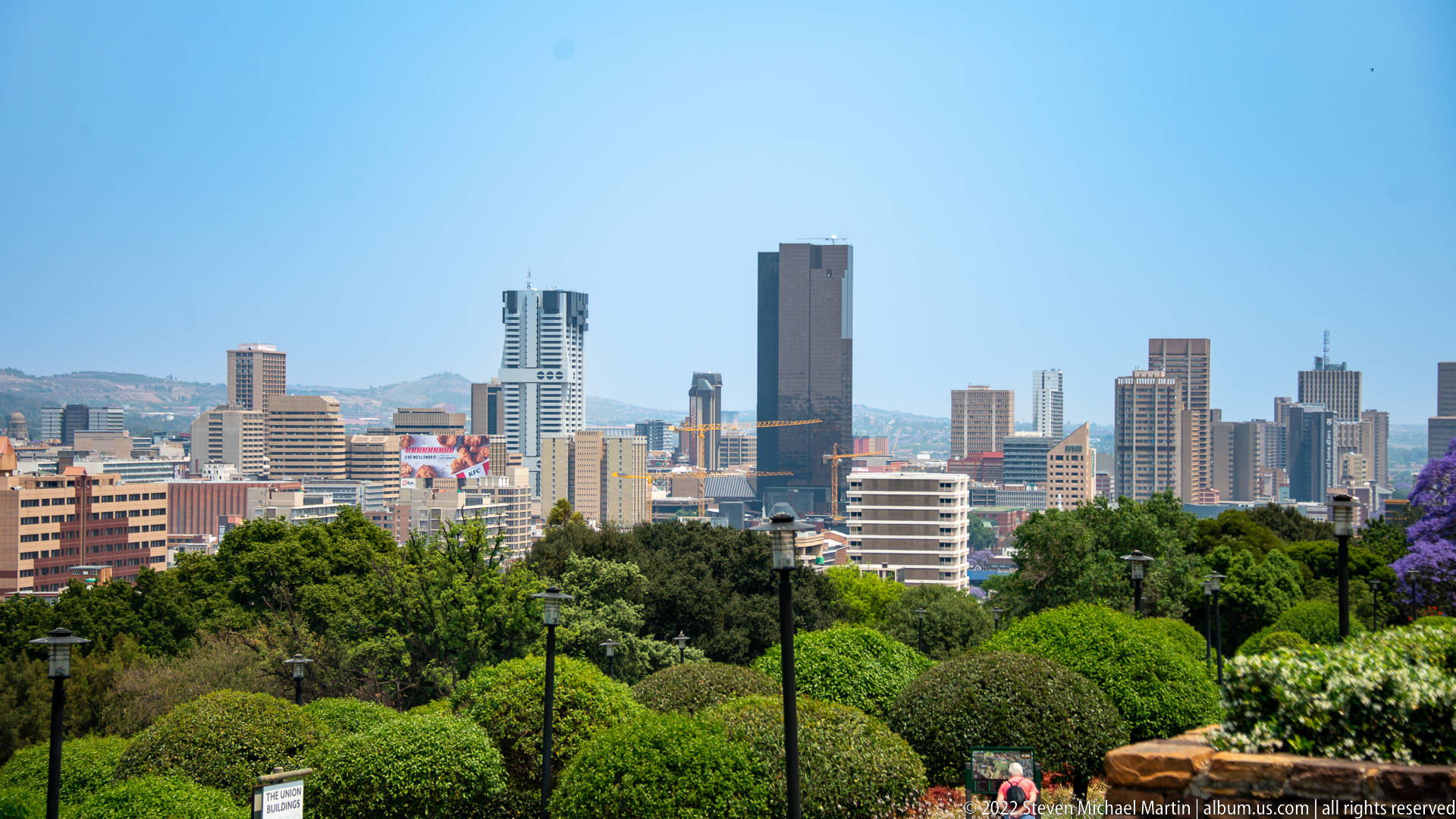
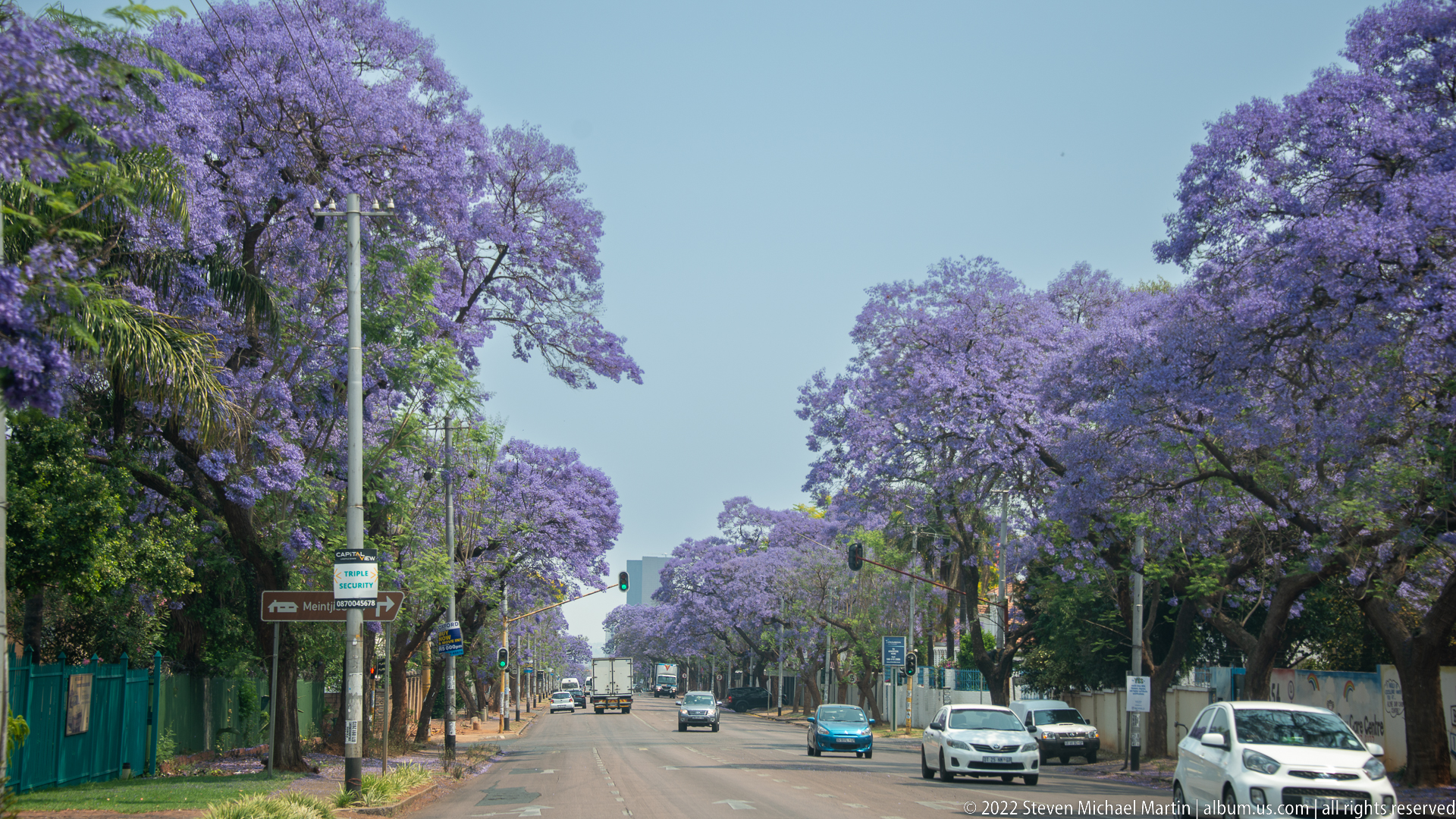
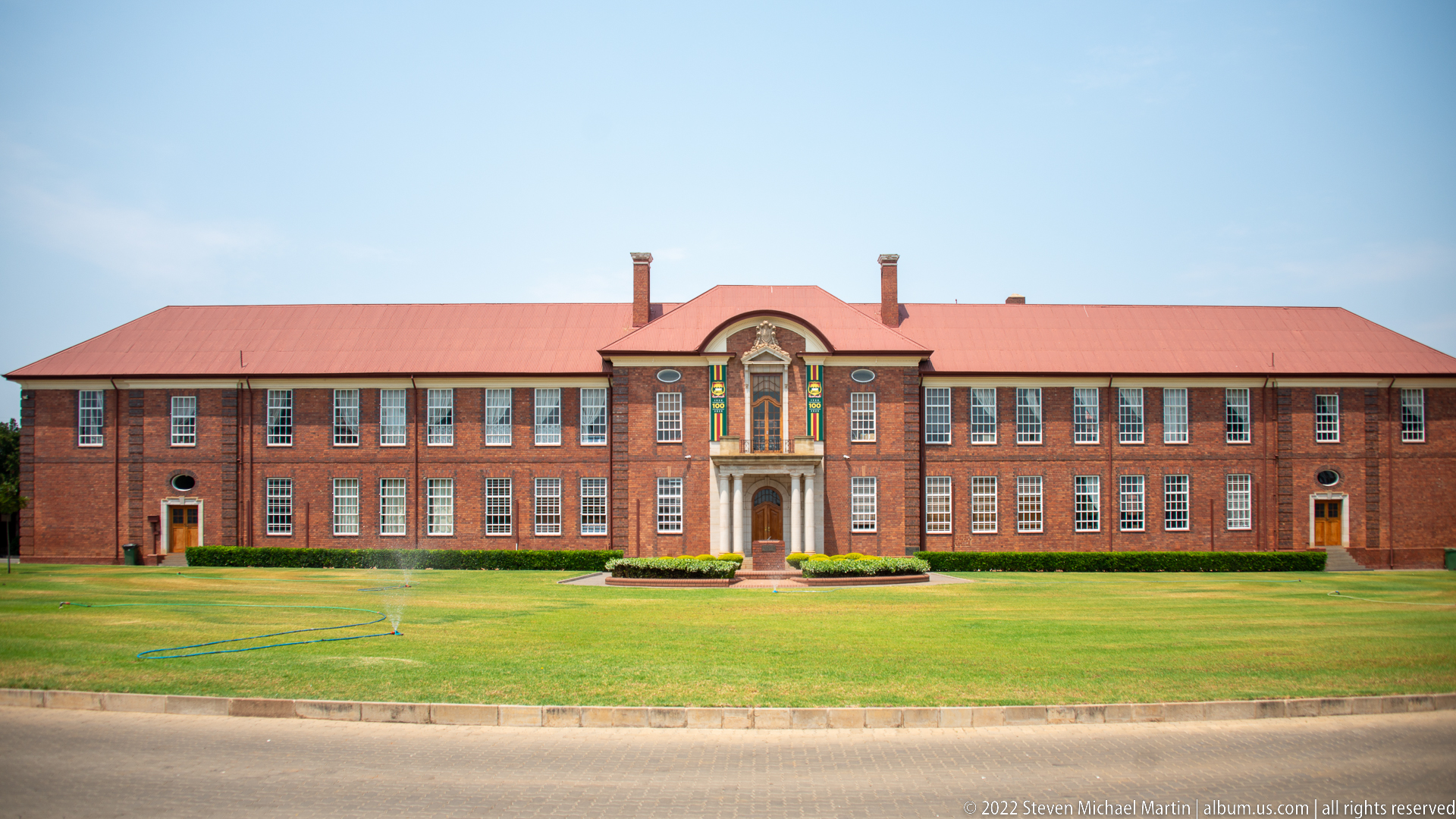
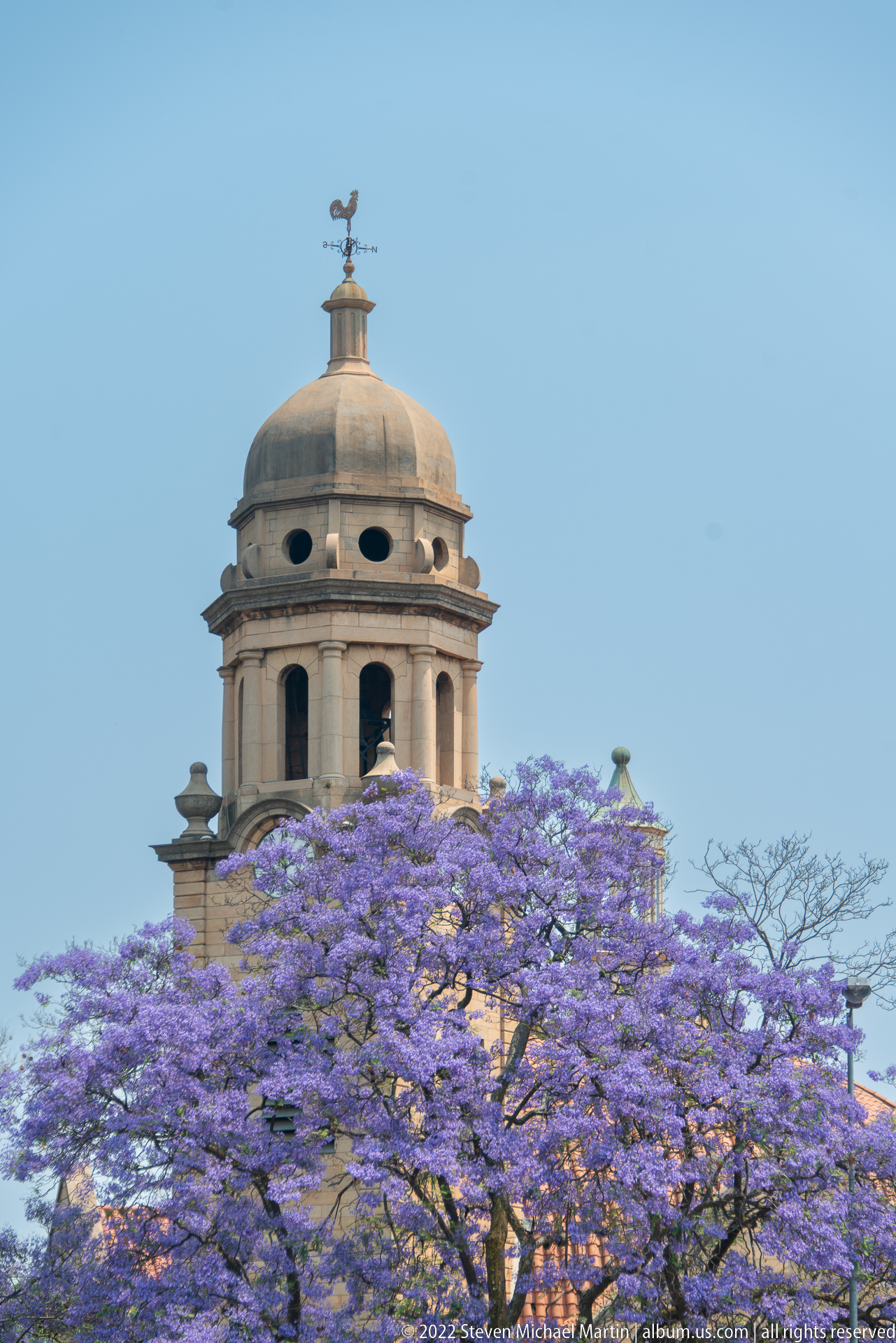
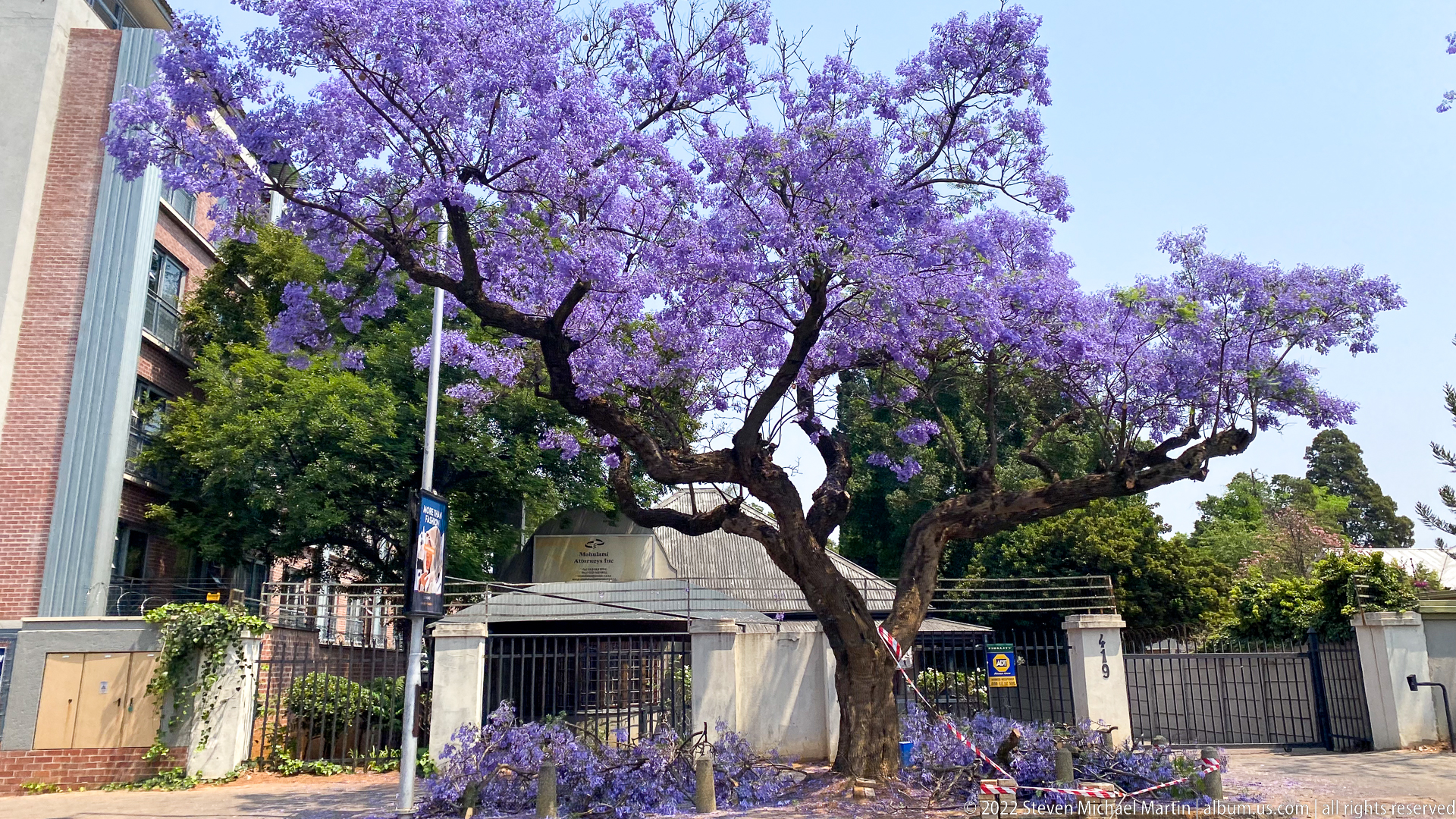
This early visit to Pretoria provided an introduction to South Africa’s administrative capital, a city shaped by political history, civic architecture, and its role in the formation of the modern South African state. Photographed during earlier travels using film, the images capture the tonal qualities characteristic of that period while documenting a city whose institutional buildings reflect the evolution of governance in southern Africa. Pretoria developed in the nineteenth century as the capital of the South African Republic and later became the administrative center of the Union of South Africa.
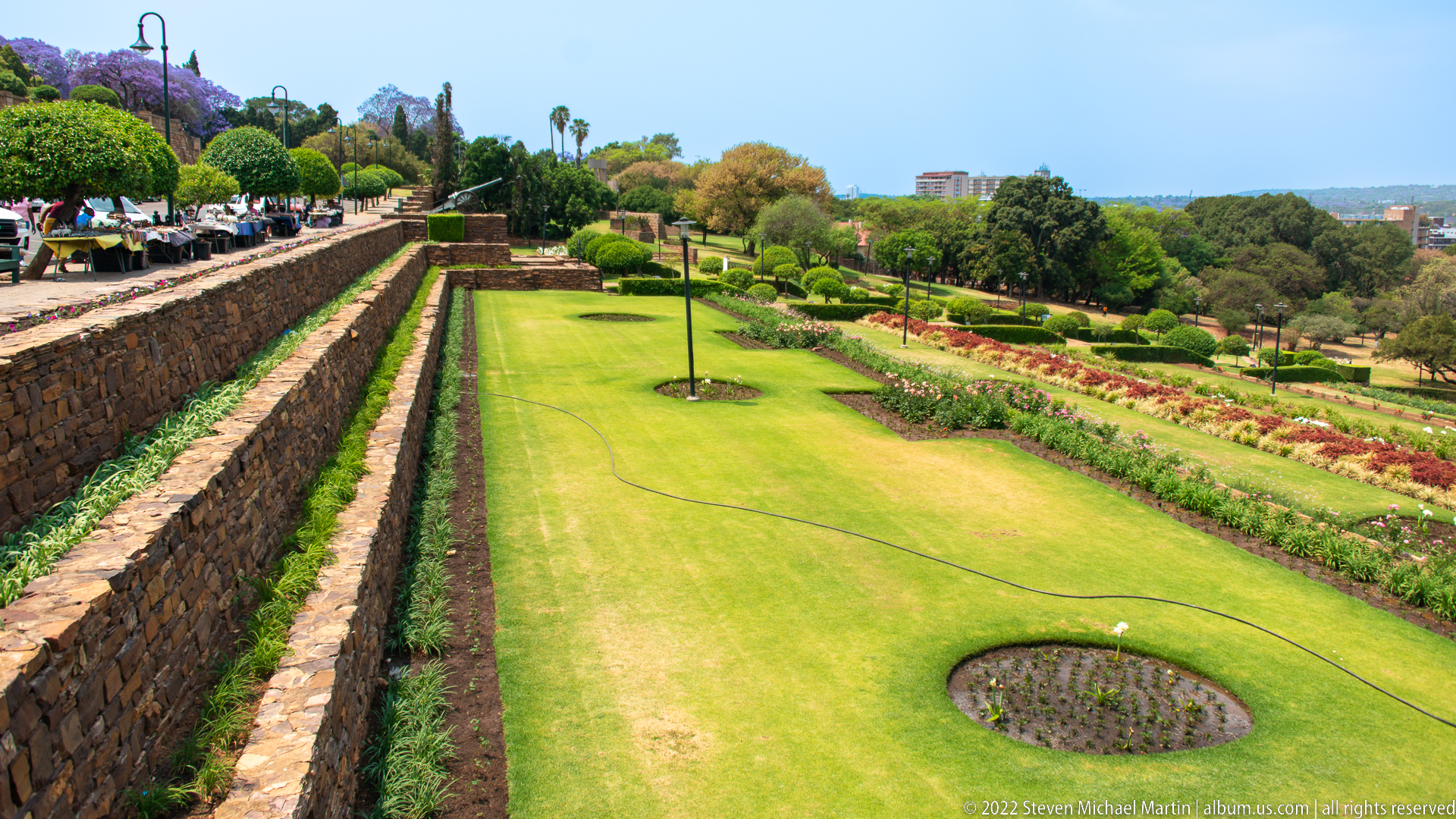
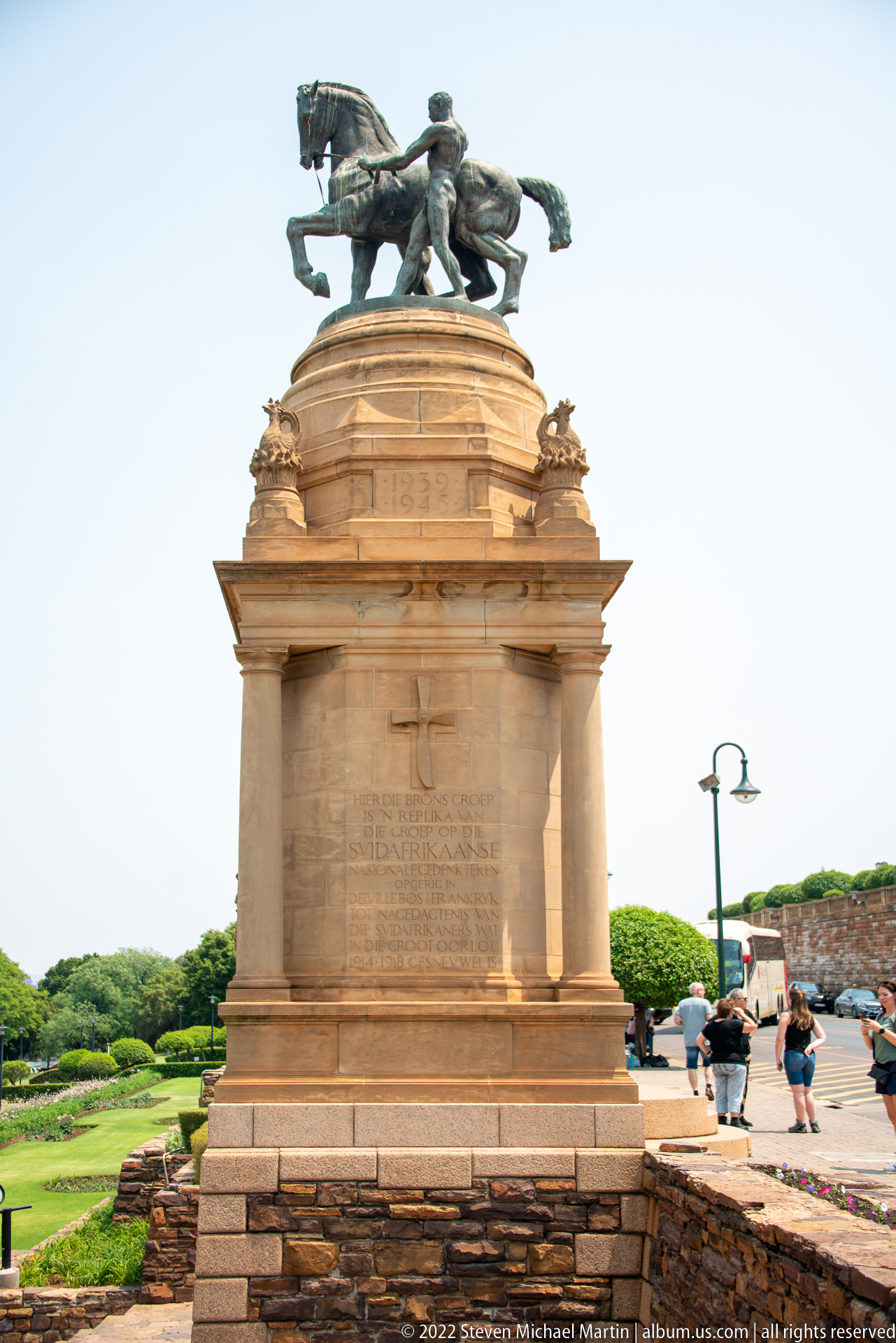
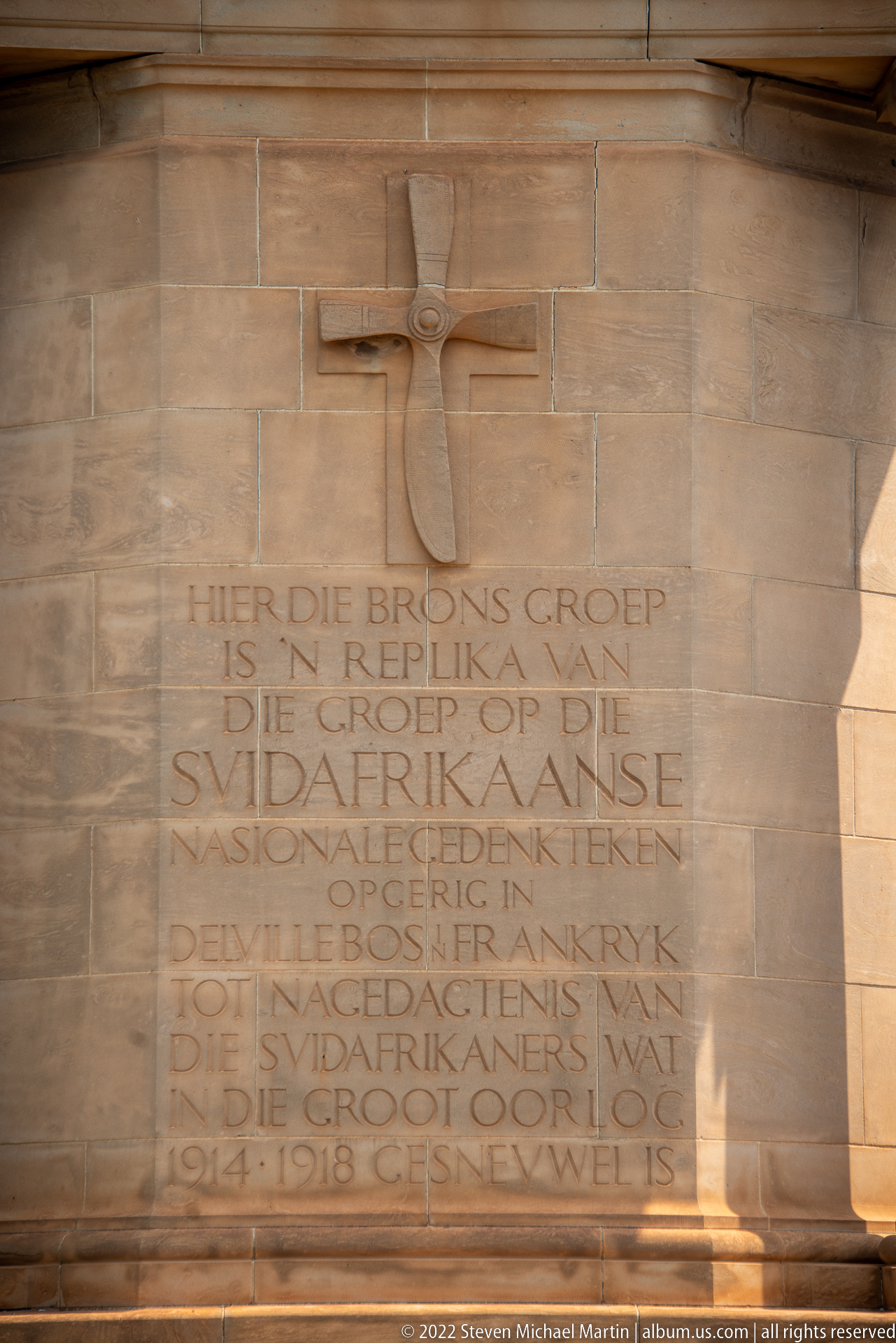
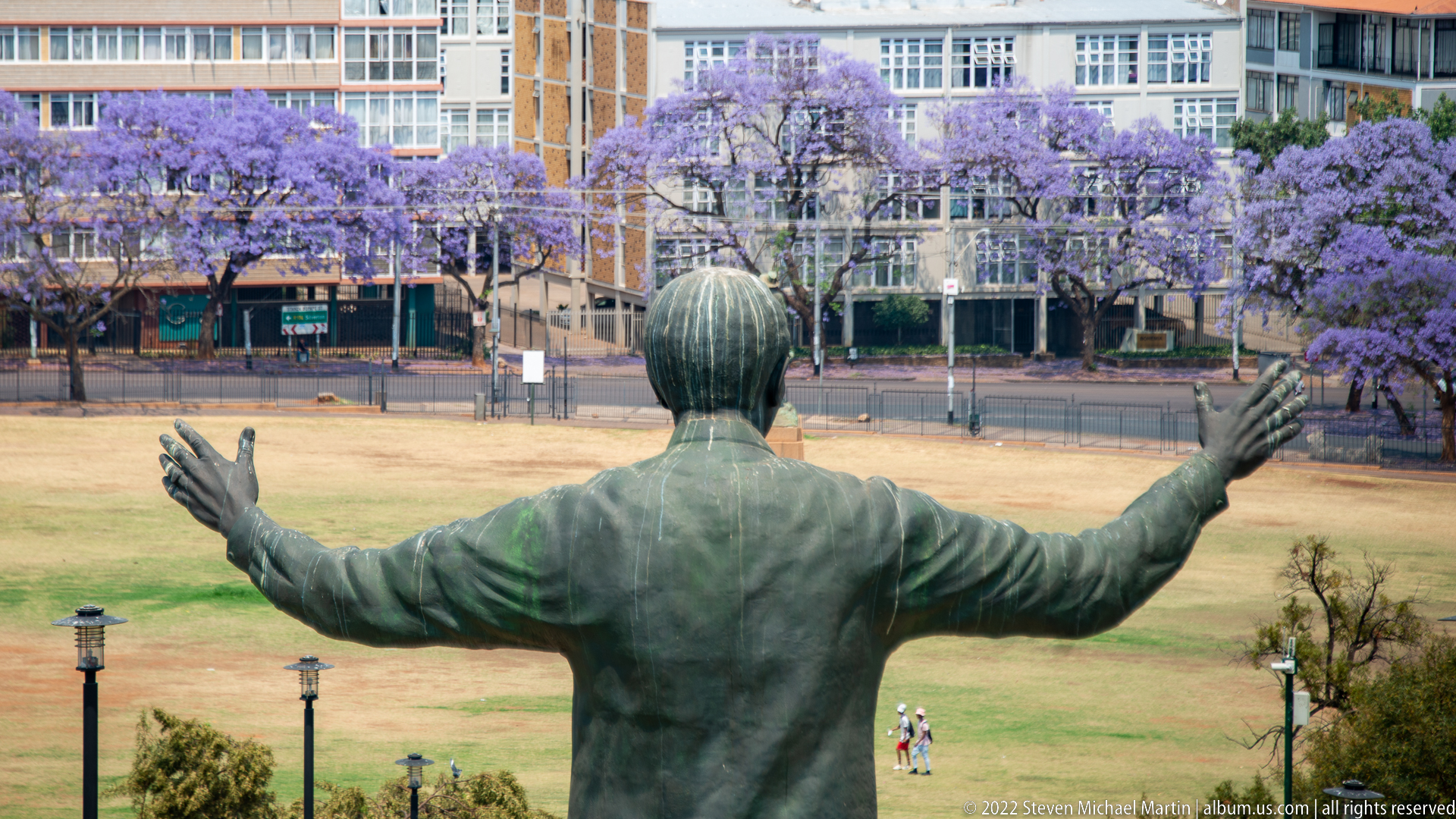
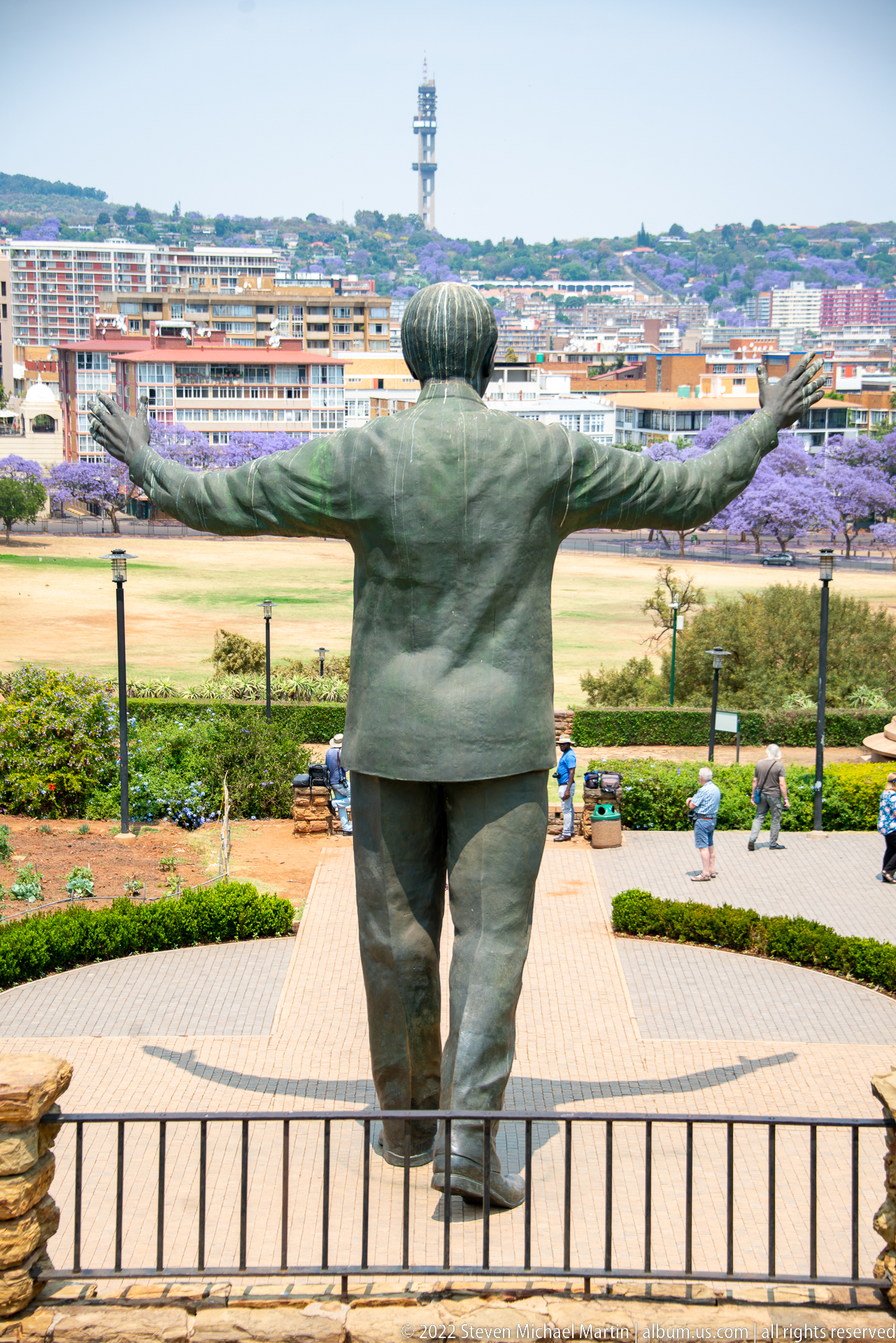
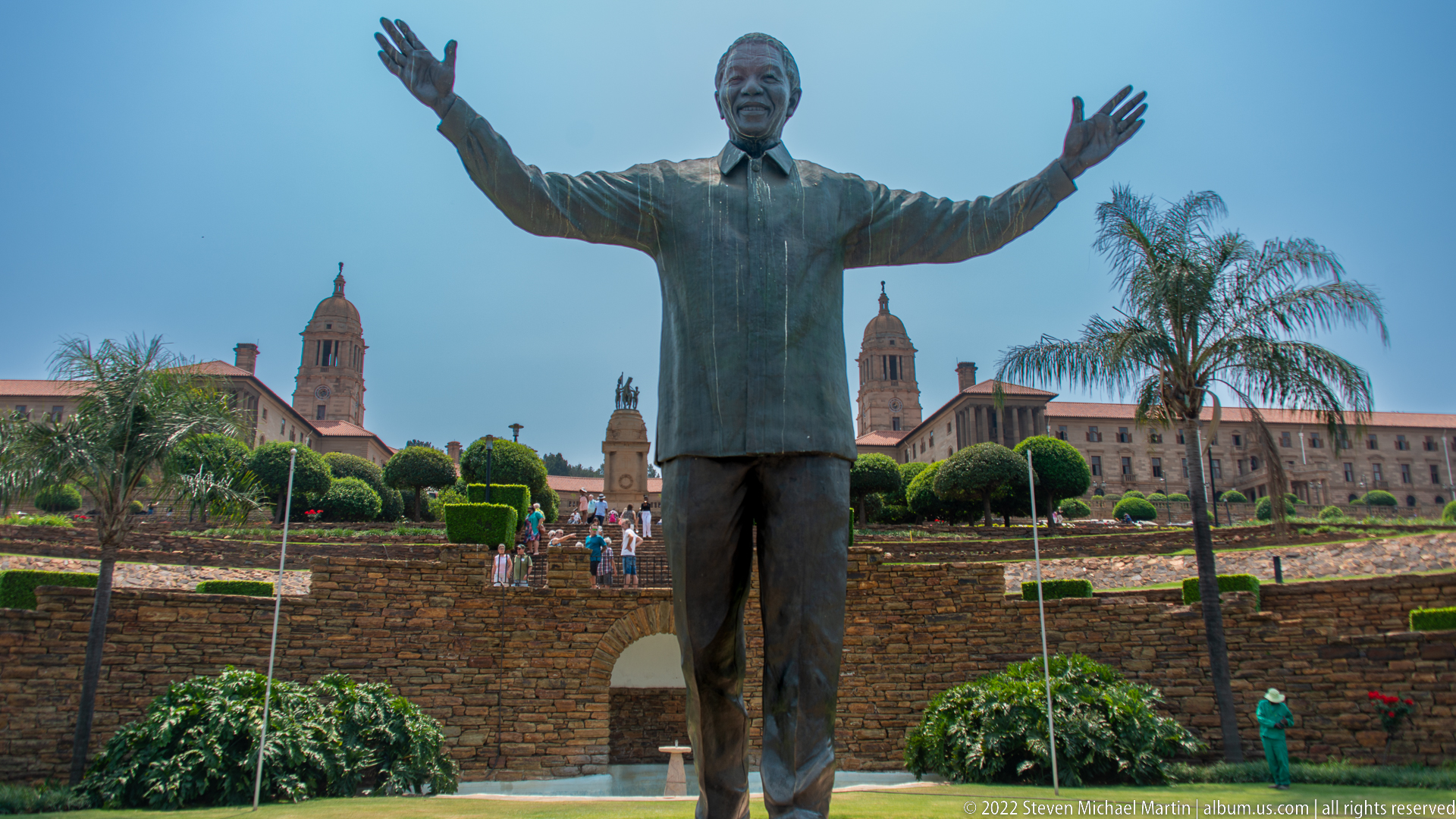
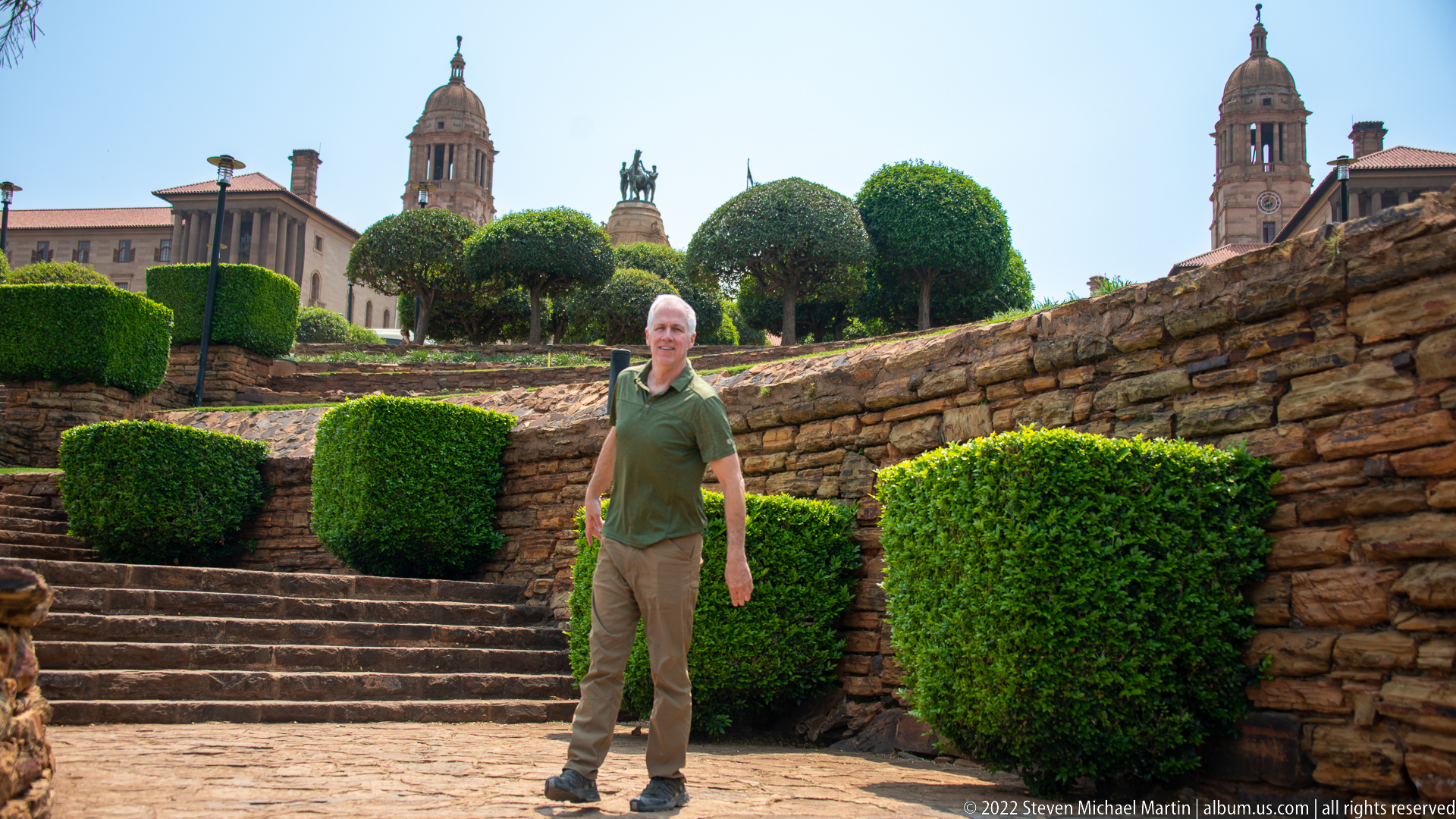
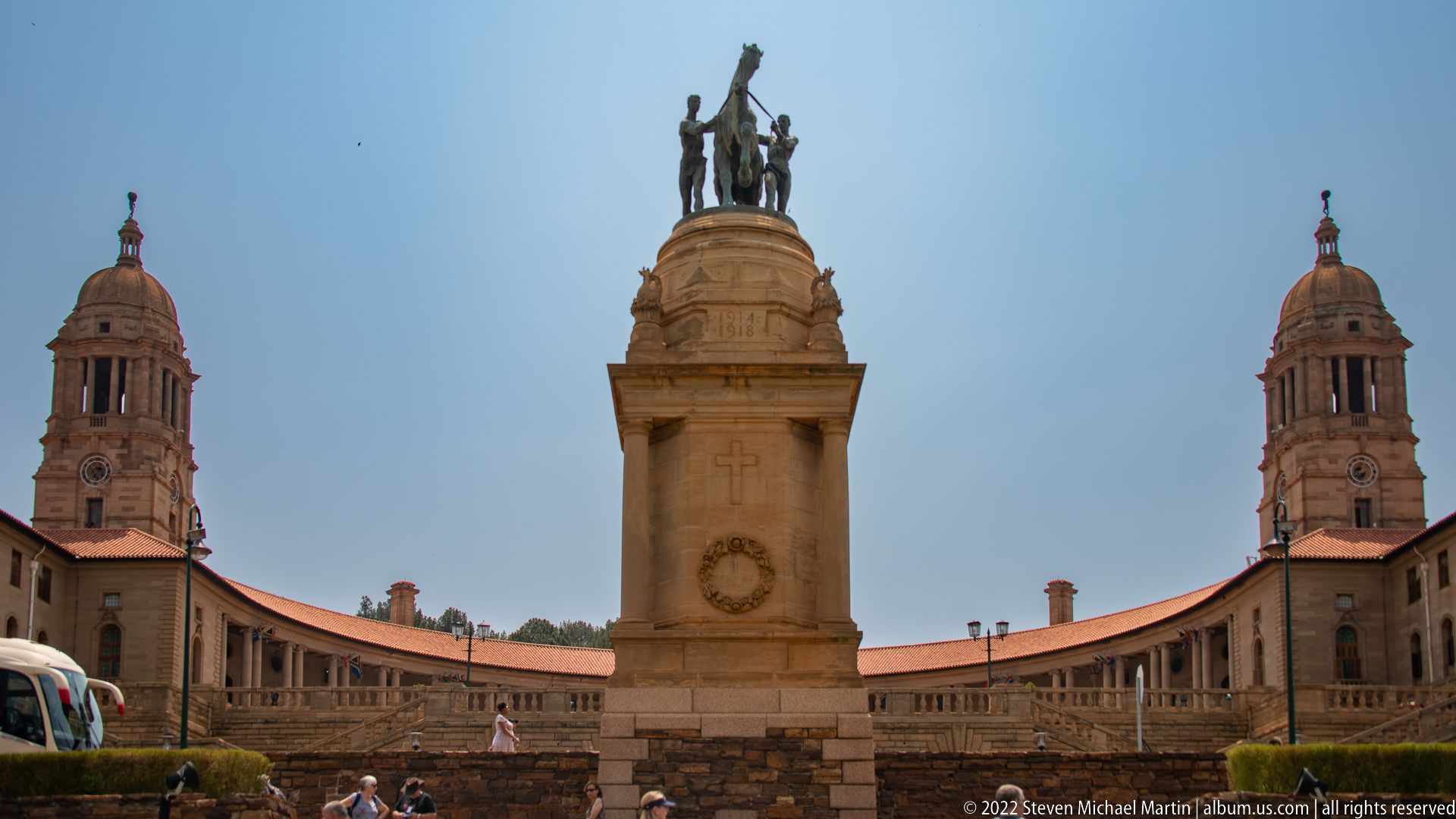
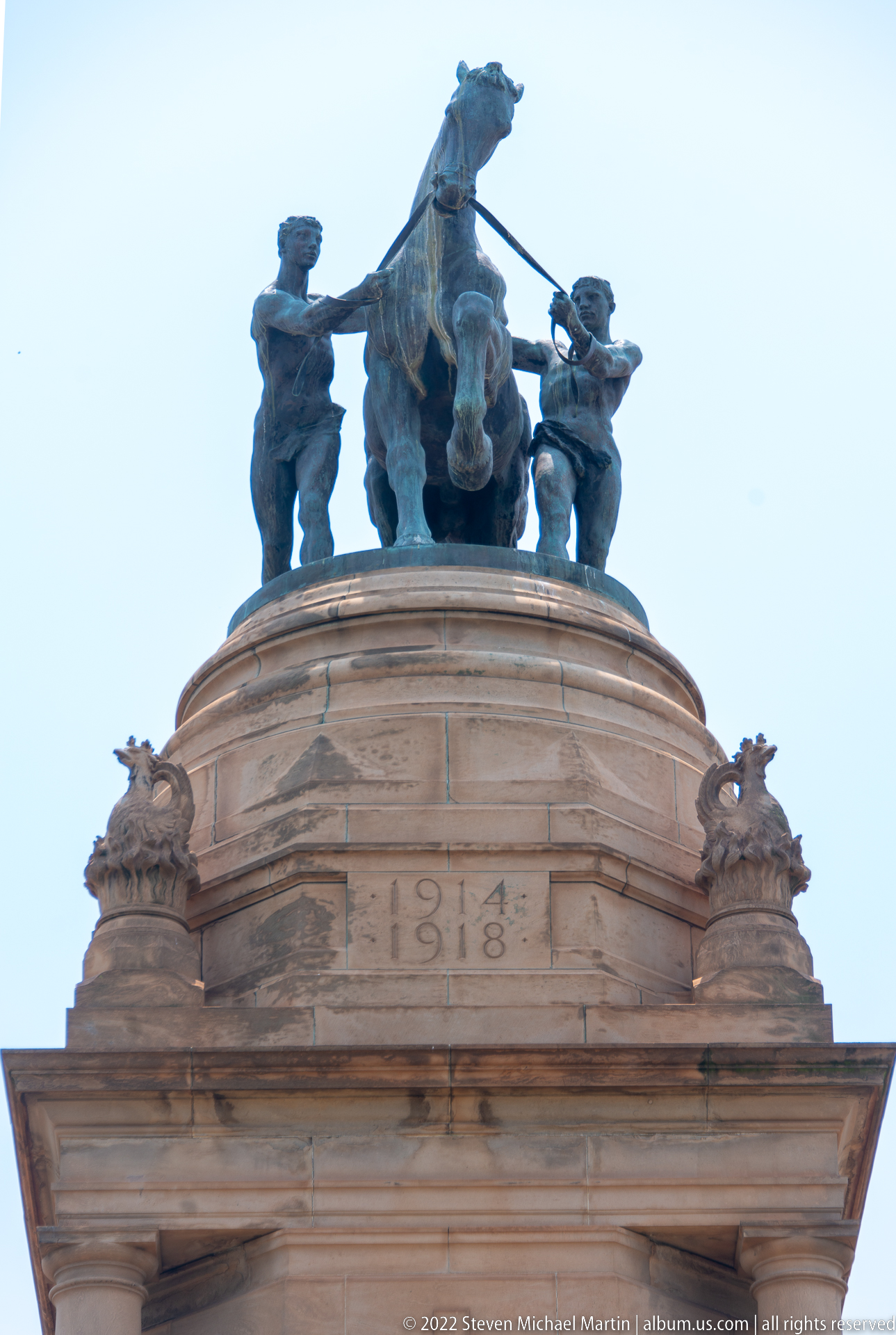
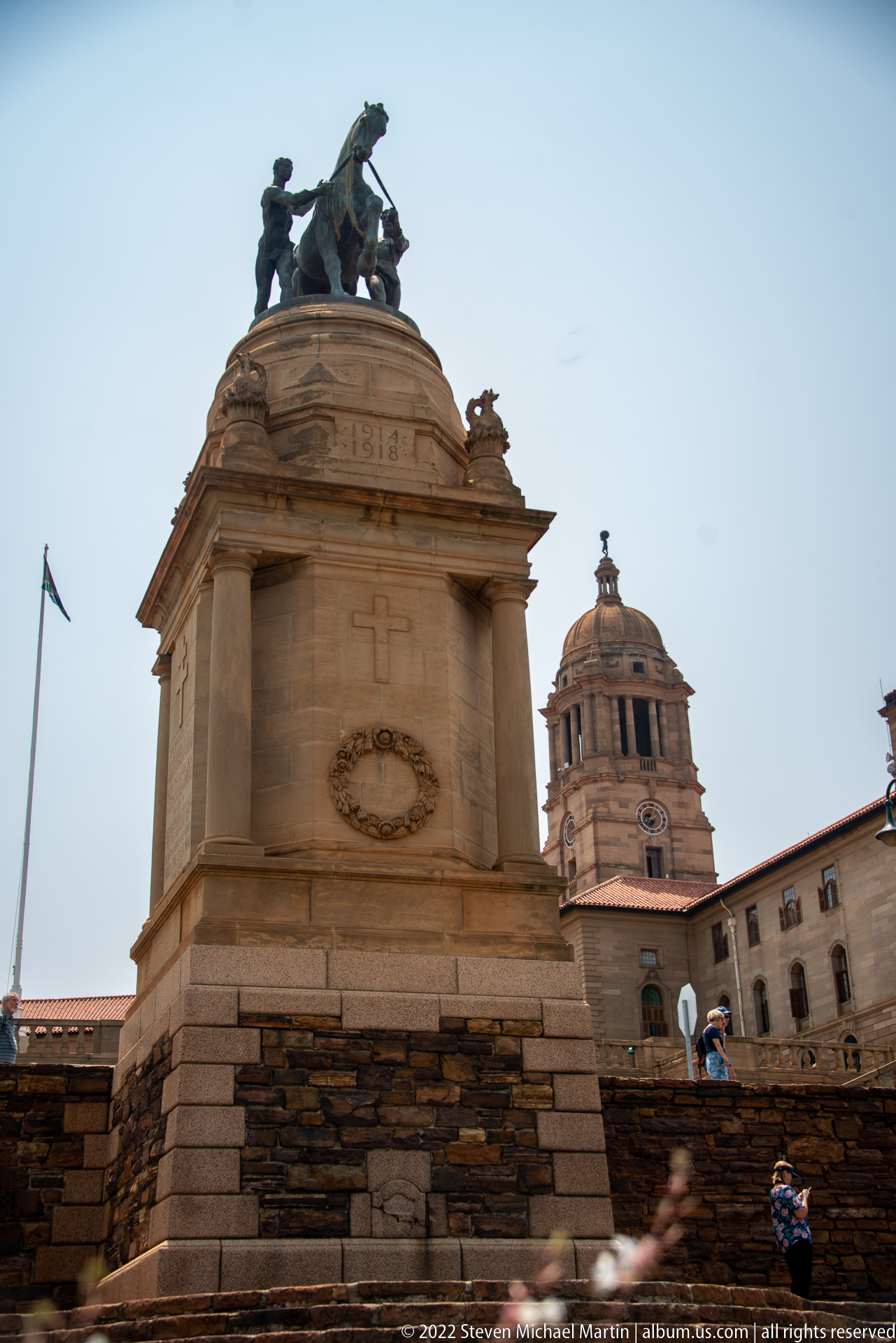
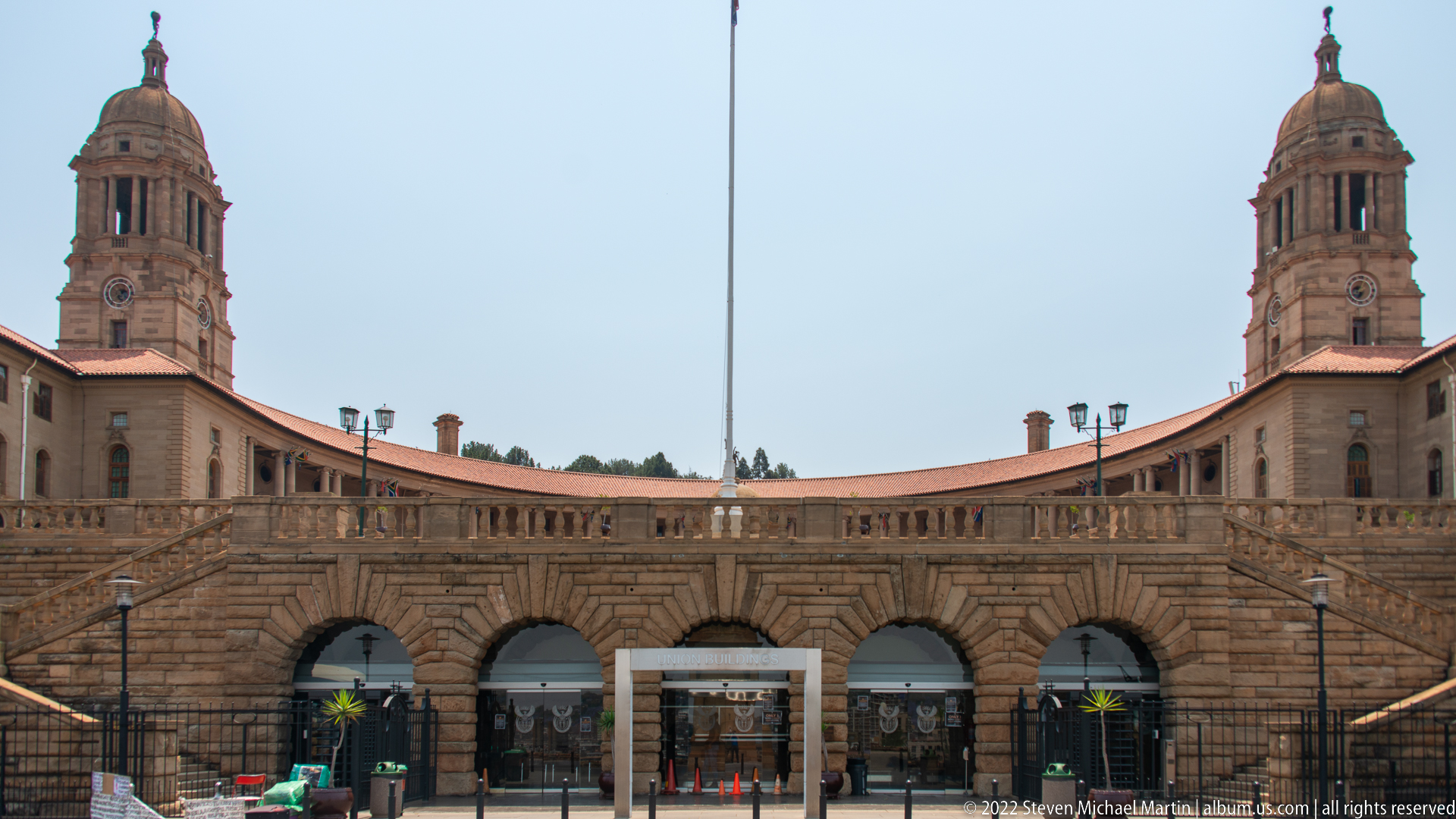
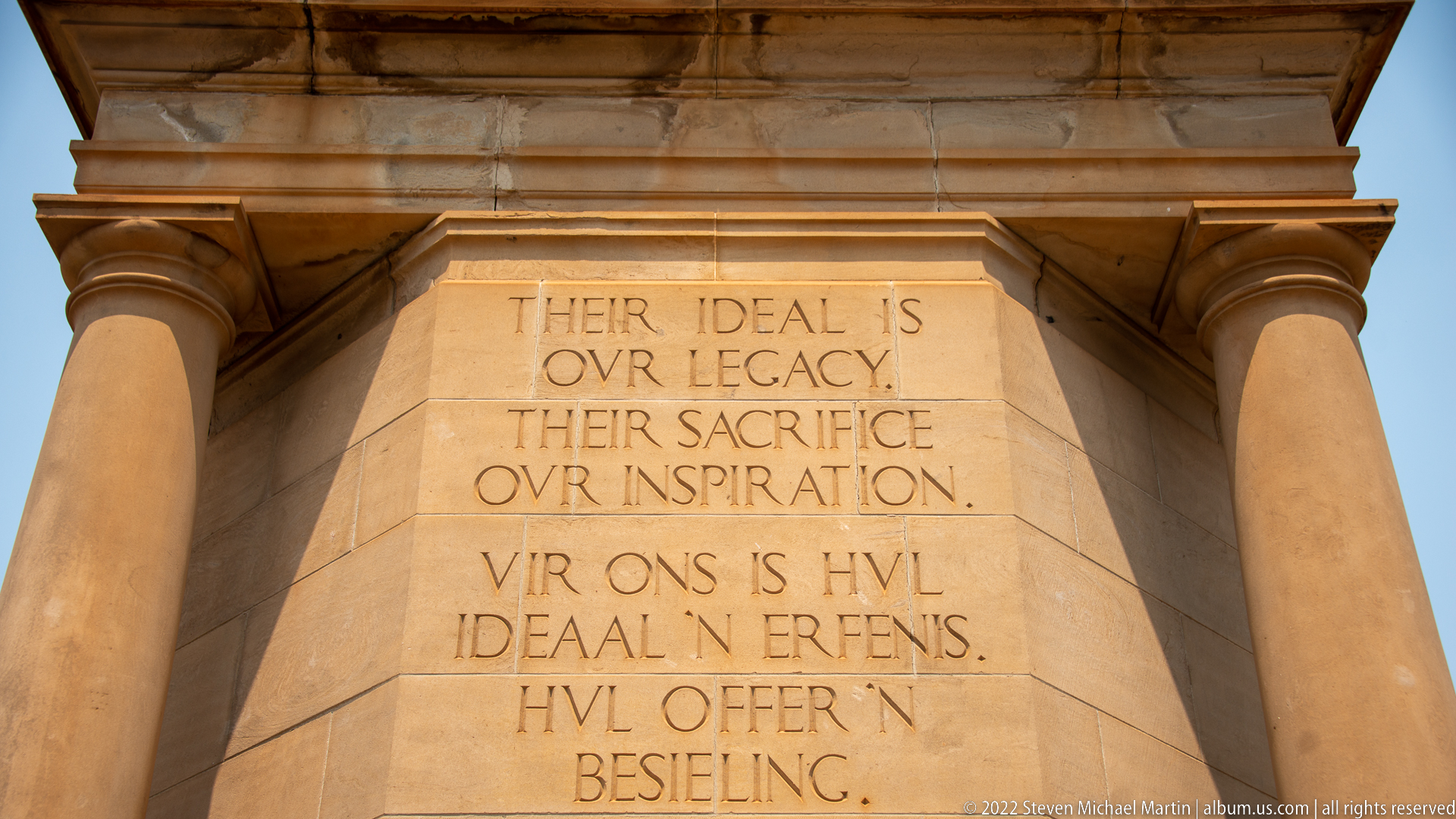
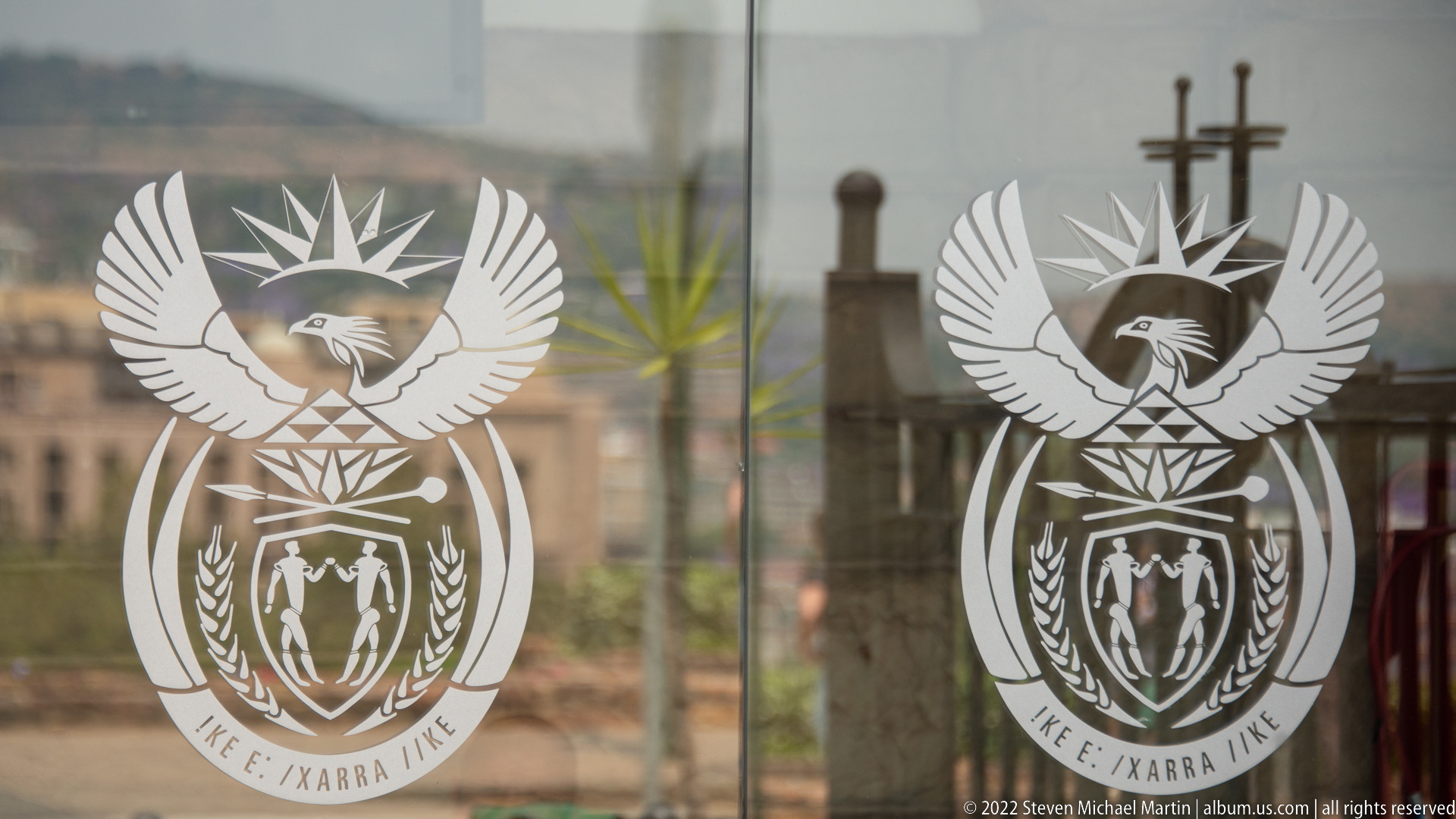
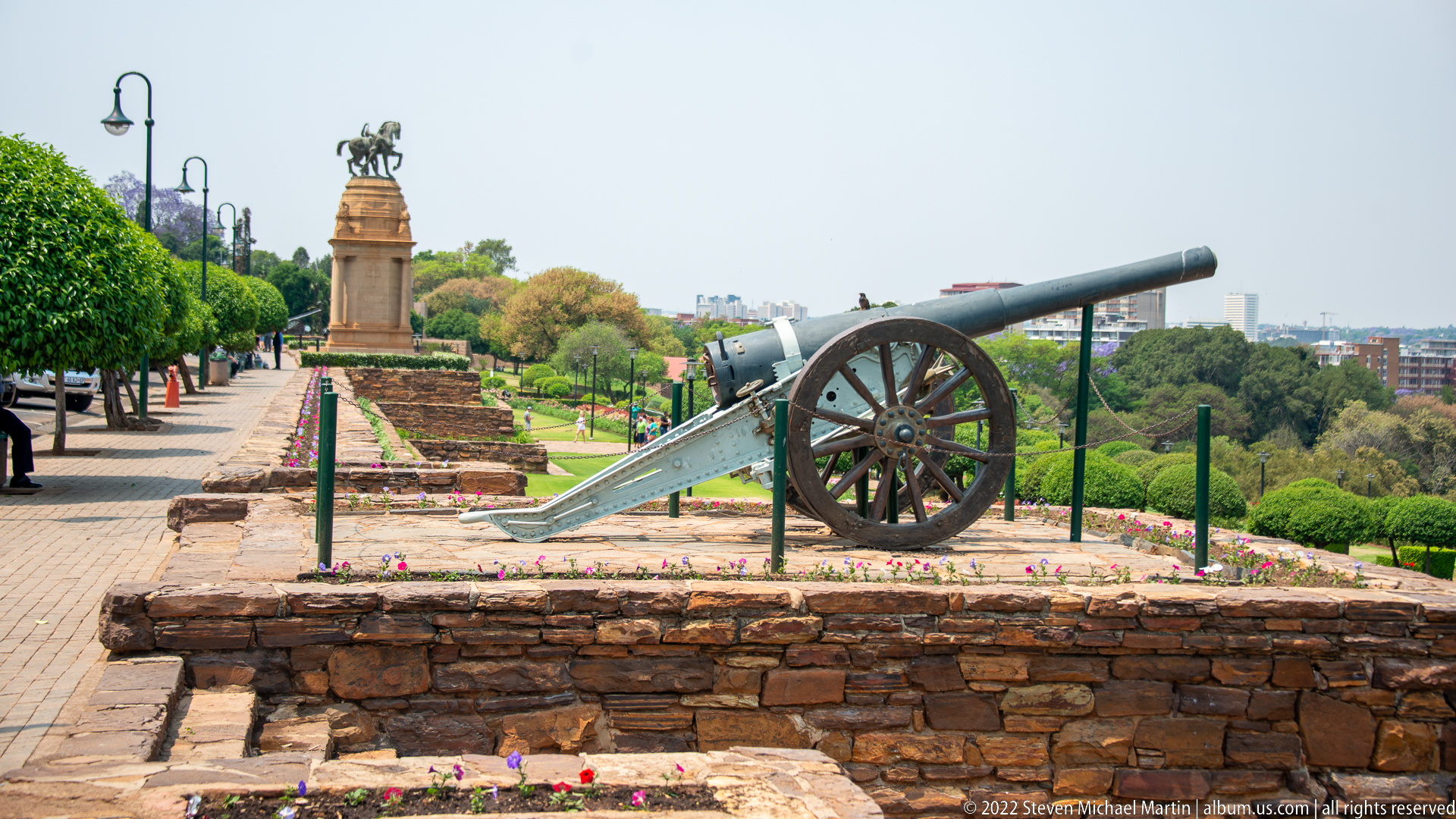
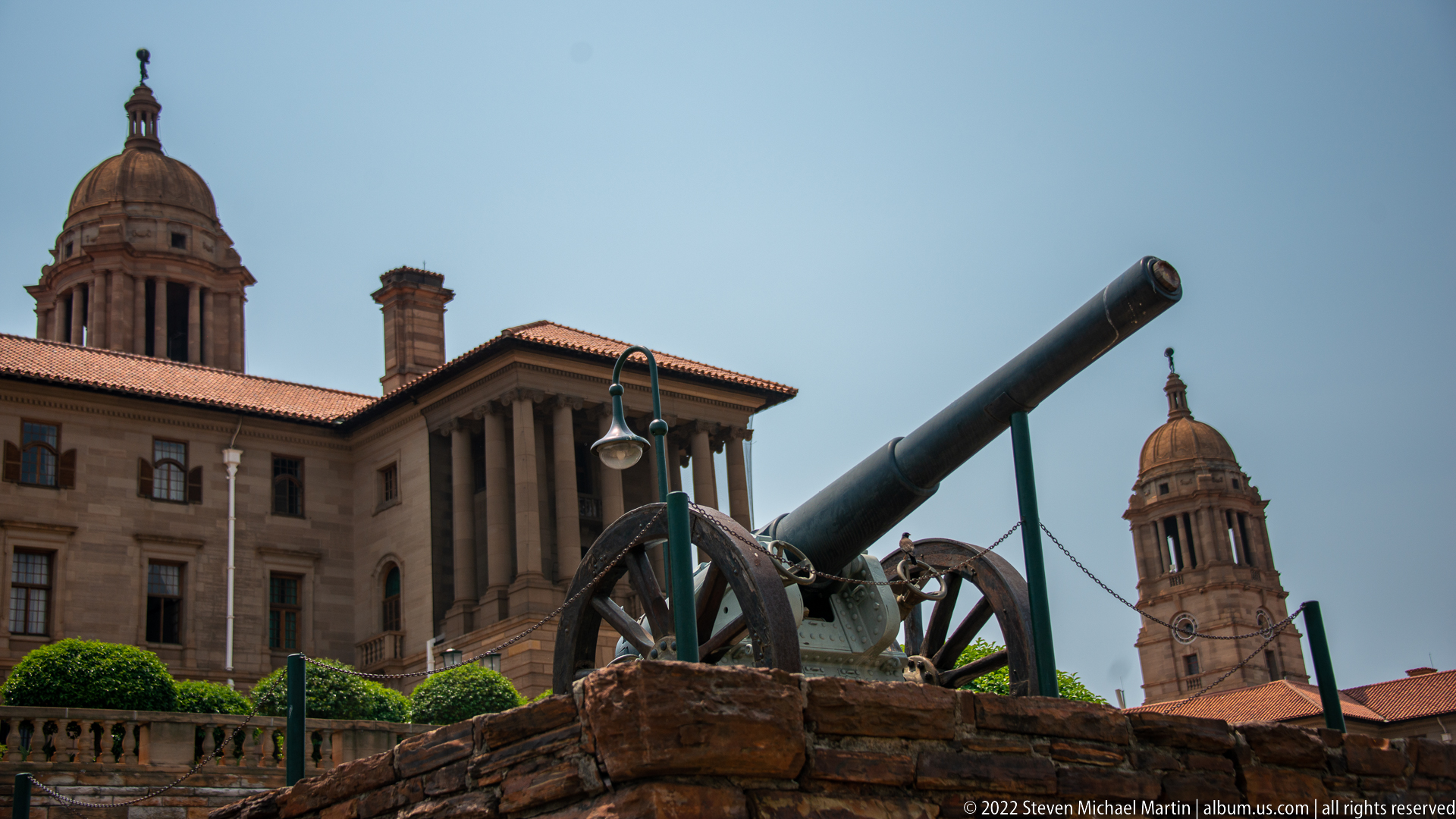
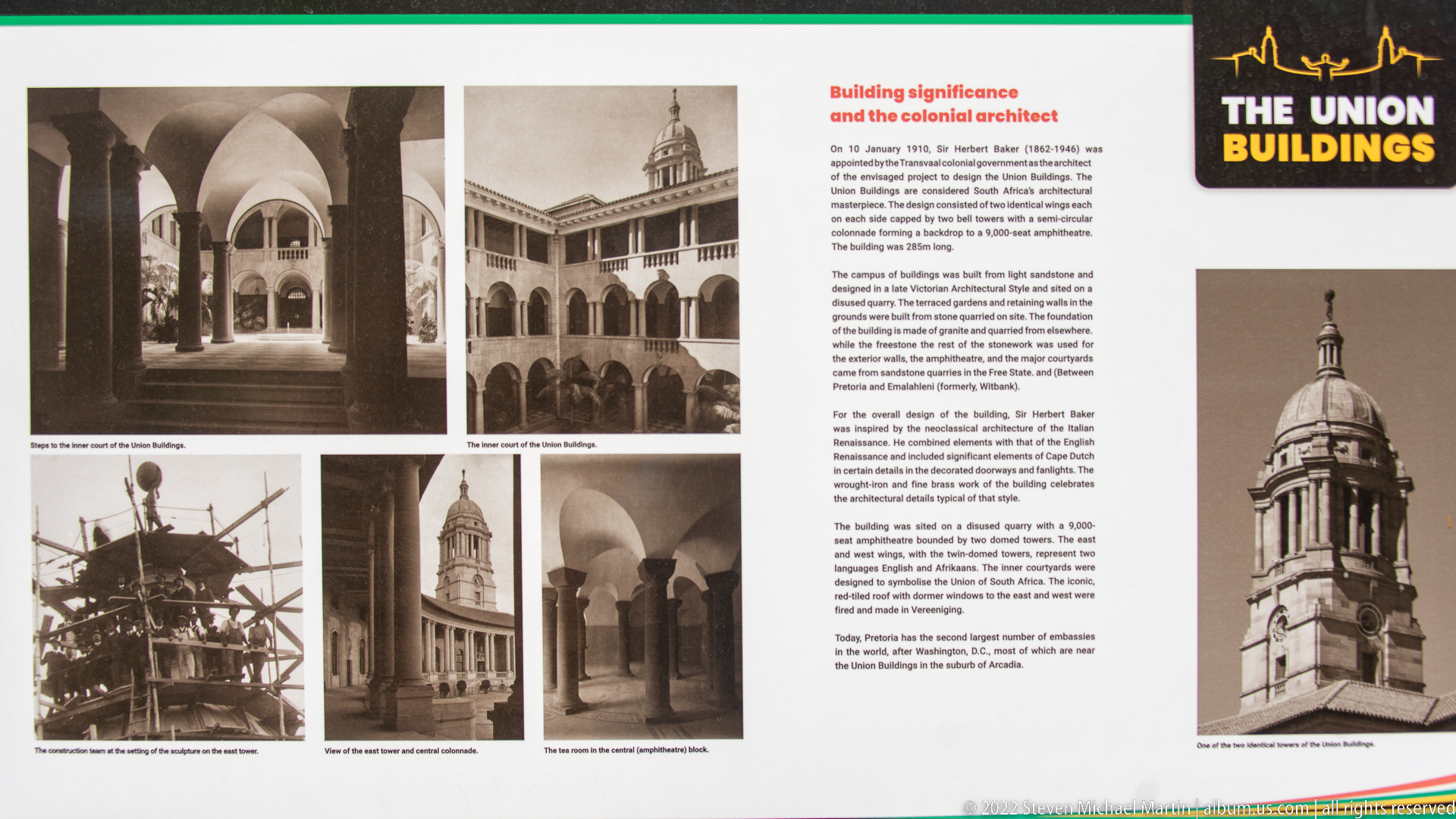
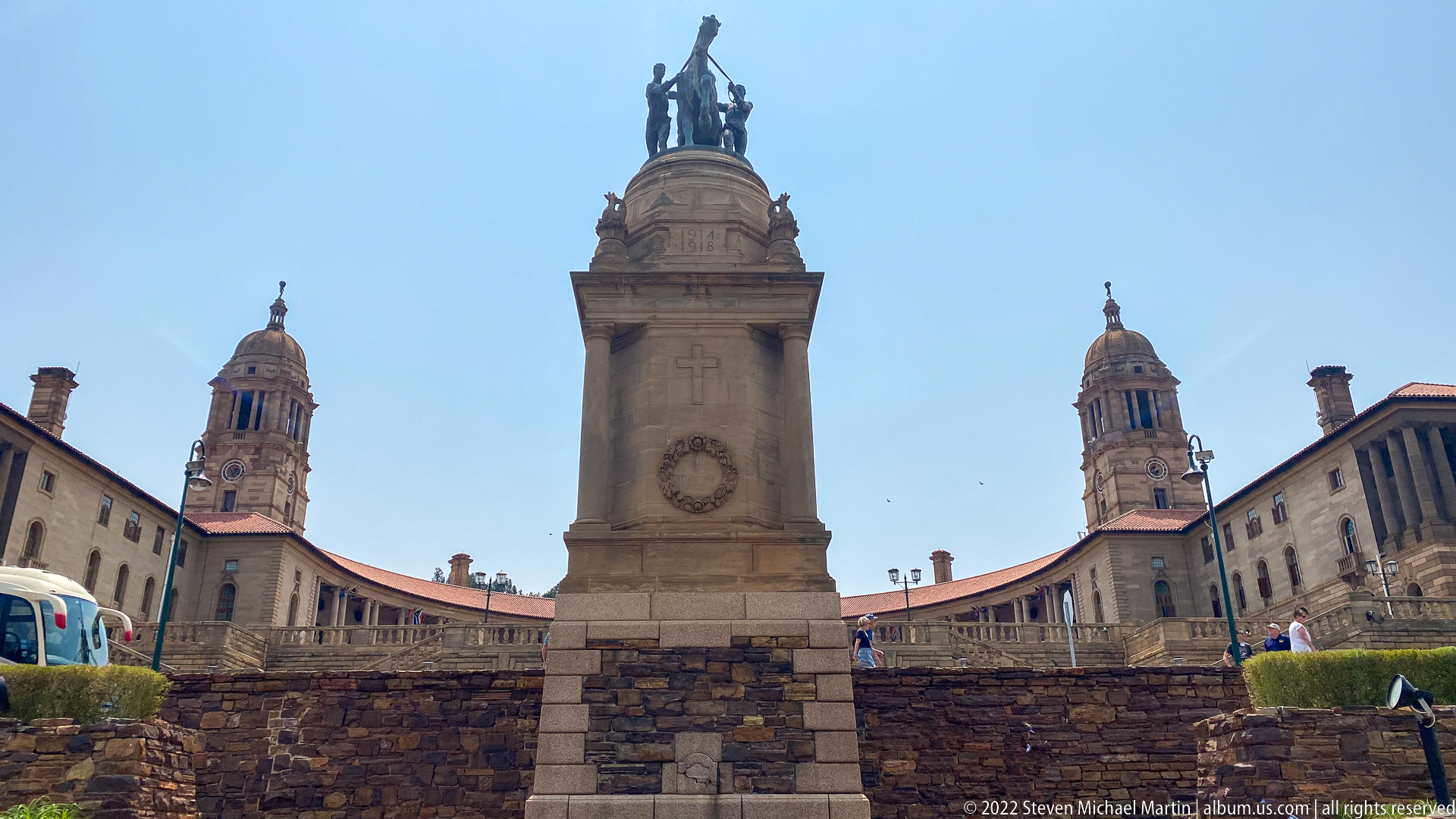
Prominent landmarks such as the Union Buildings illustrate the symbolic role of architecture in representing national identity and political continuity. Designed by Sir Herbert Baker and completed in 1913, the Union Buildings serve as the official seat of the South African government and remain one of the country’s most recognizable architectural landmarks. Positioned on an elevated site overlooking the city, the buildings were designed to symbolize unity following the formation of the Union of South Africa, and continue to serve as a focal point for national events and presidential inaugurations.
Photographing Pretoria highlights the relationship between architecture, landscape, and political history that shaped one of South Africa’s principal cities. These early images document an introduction to a place whose civic structures reflect broader historical developments influencing governance and national identity across the region.