Pompeii, Italy
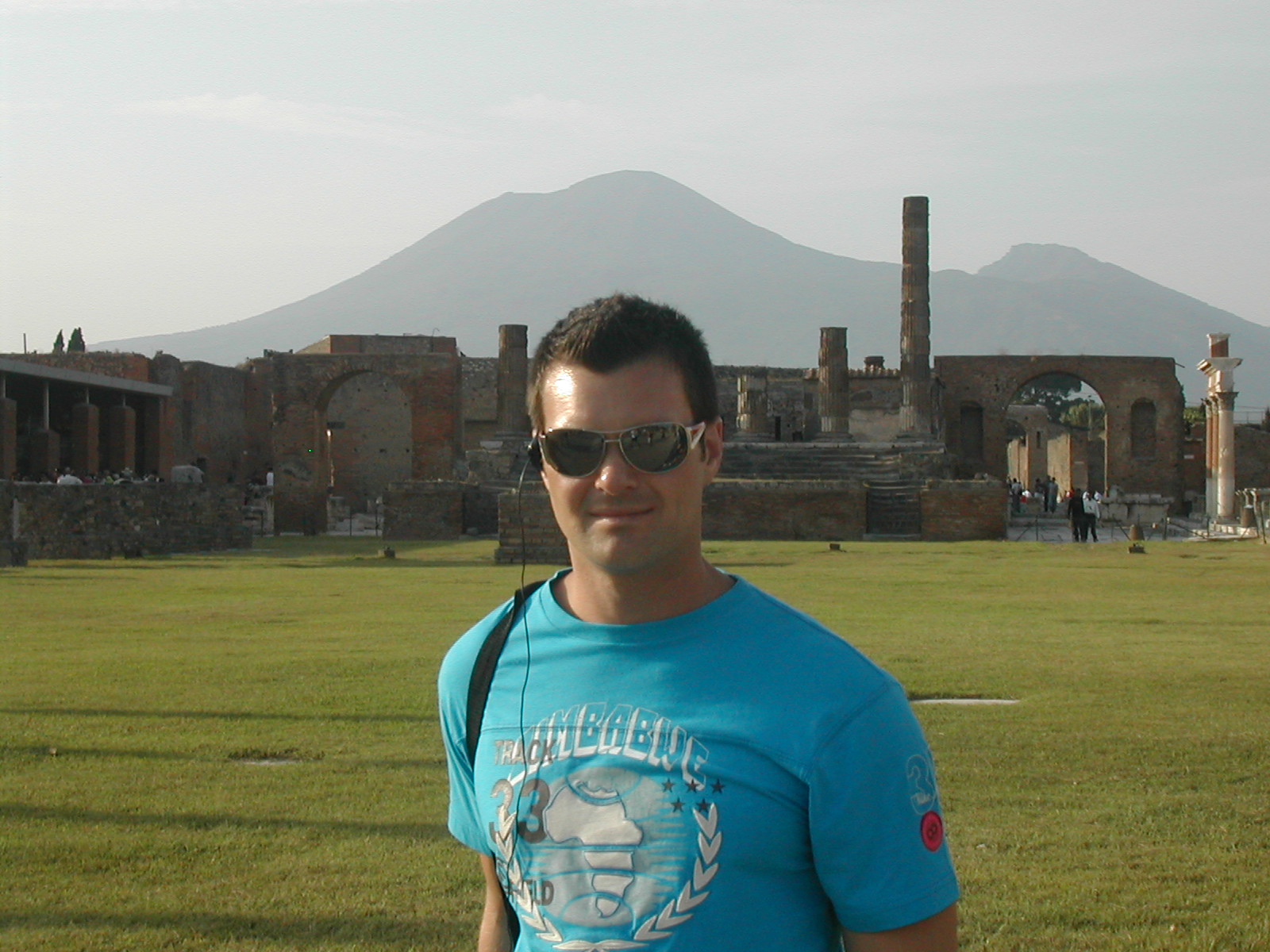
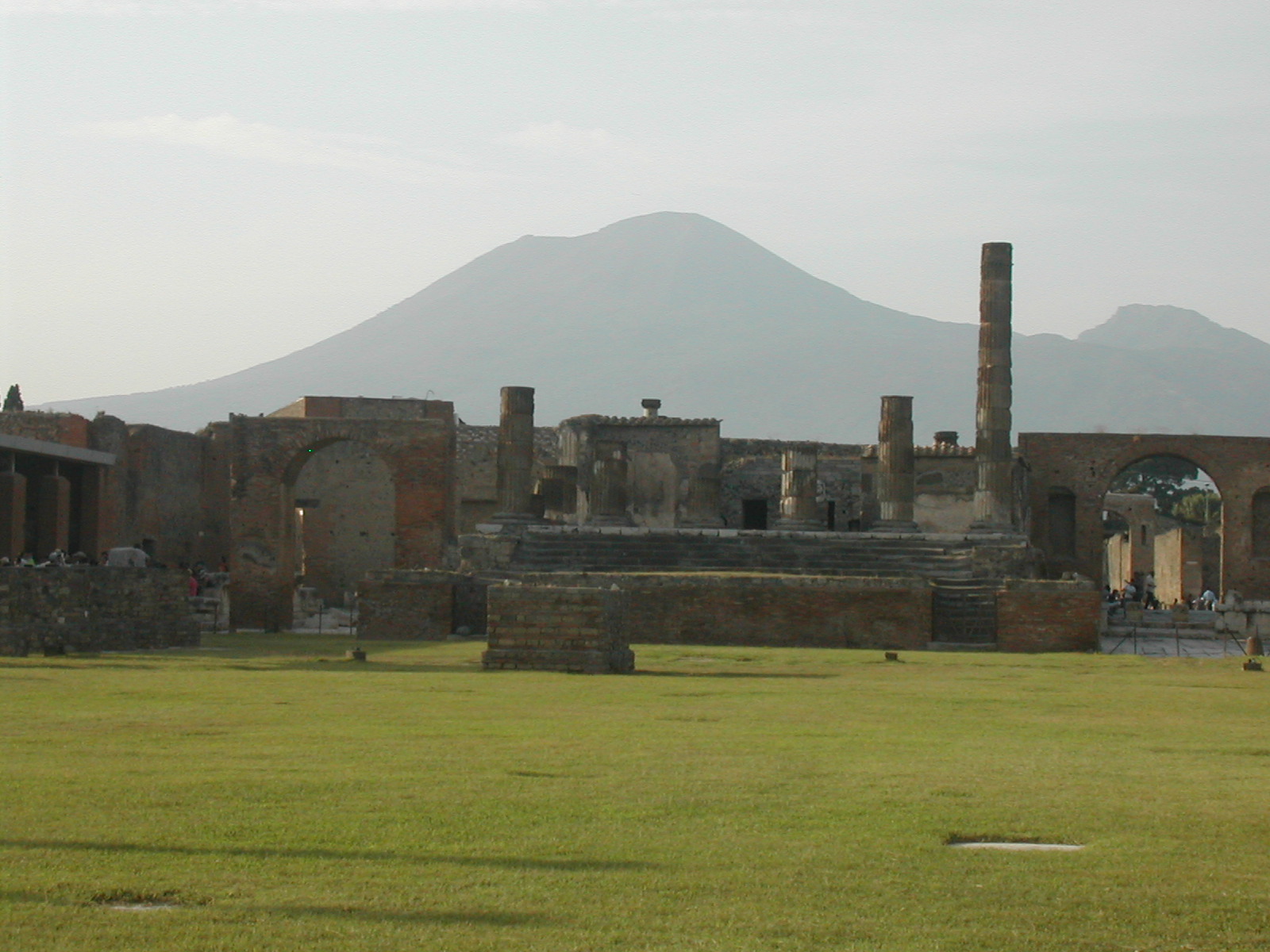
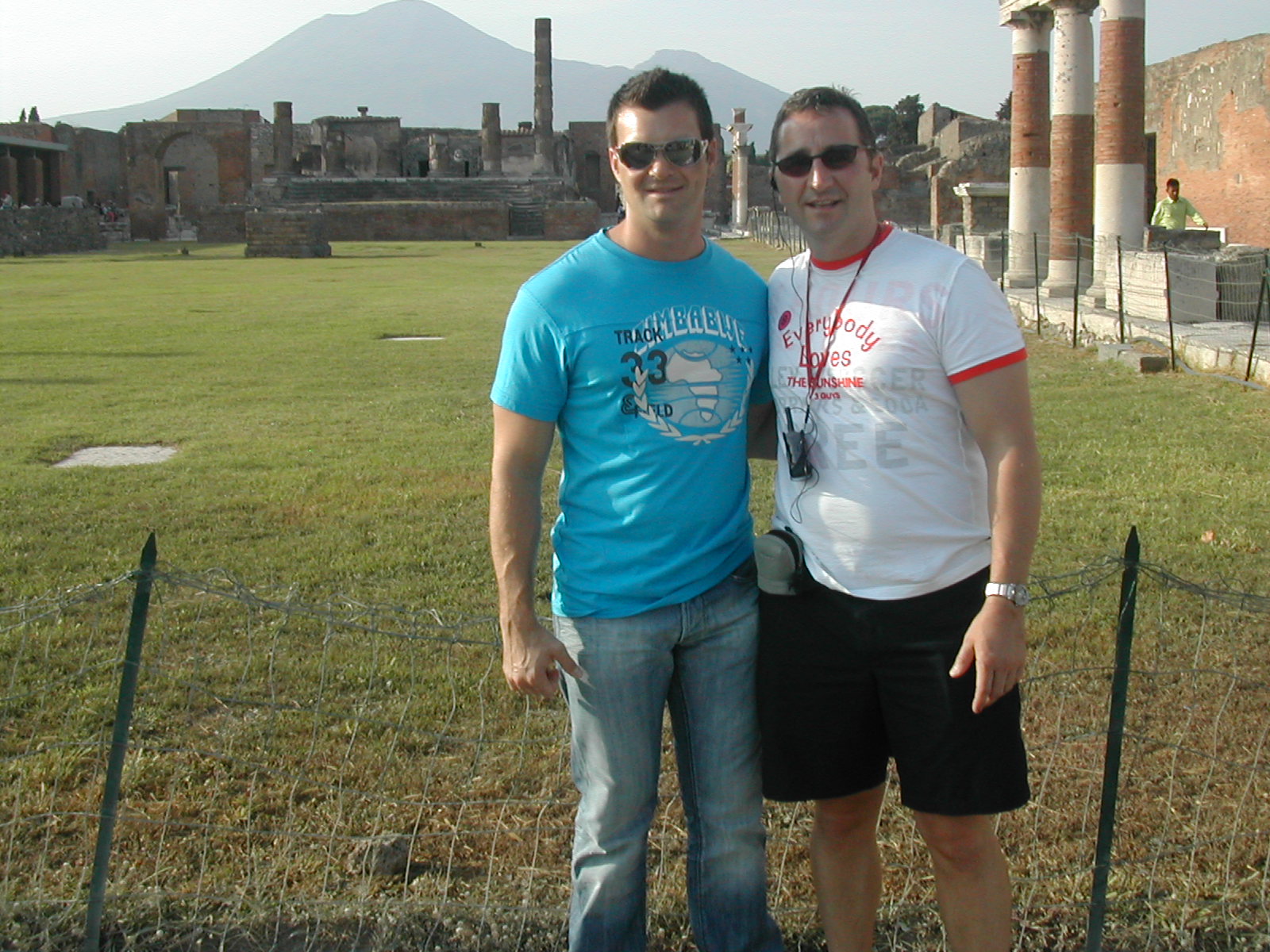
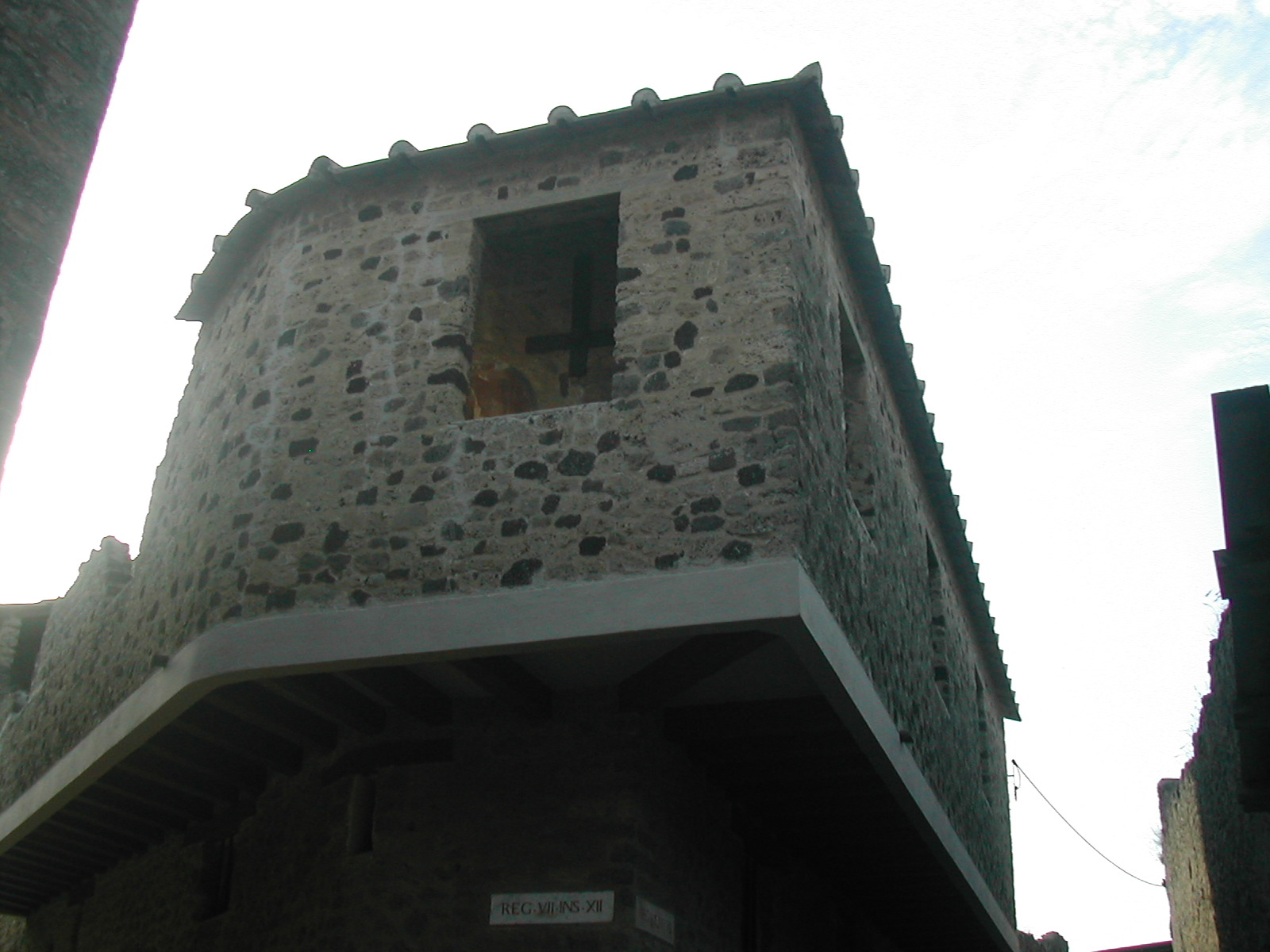
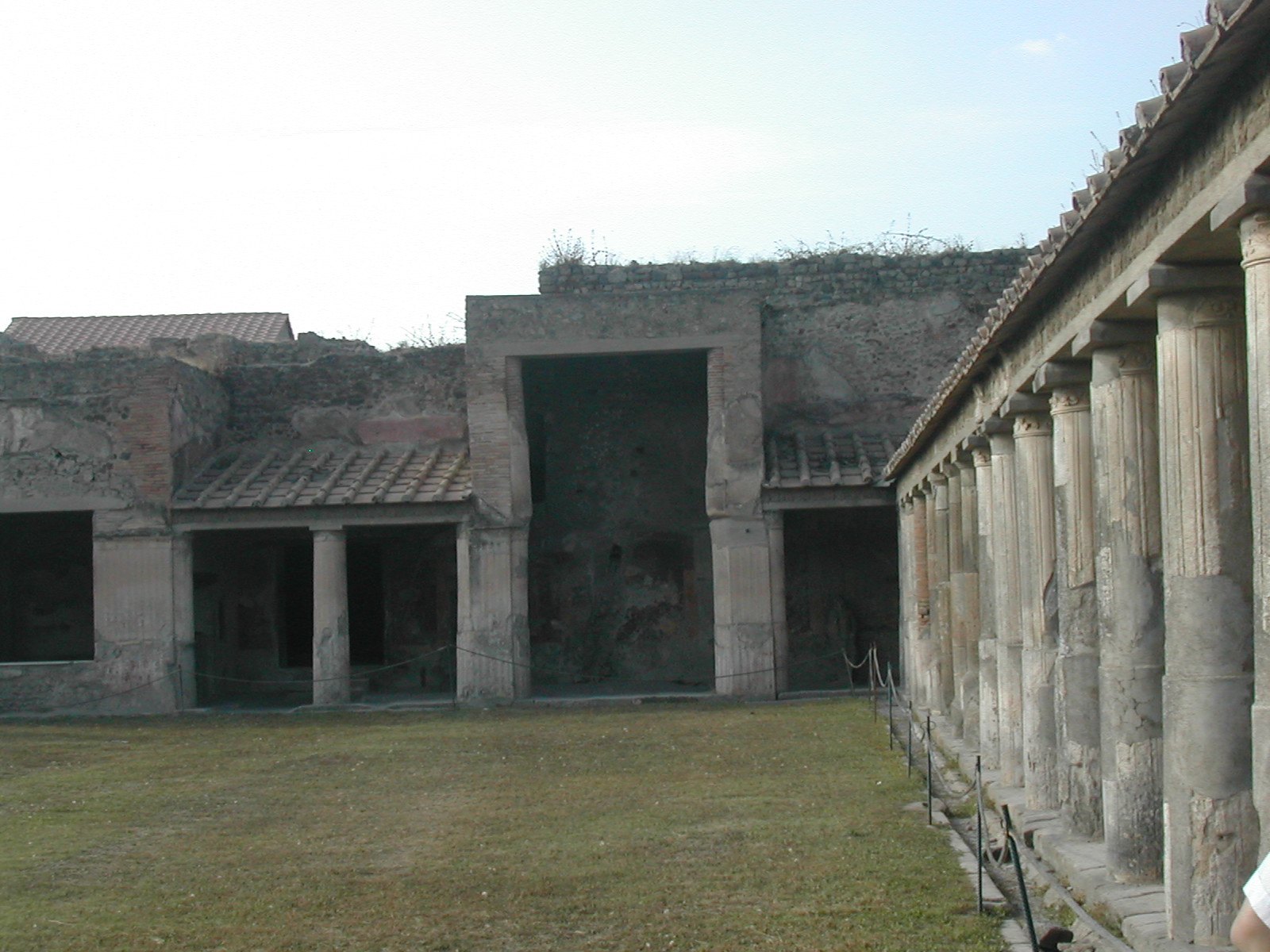
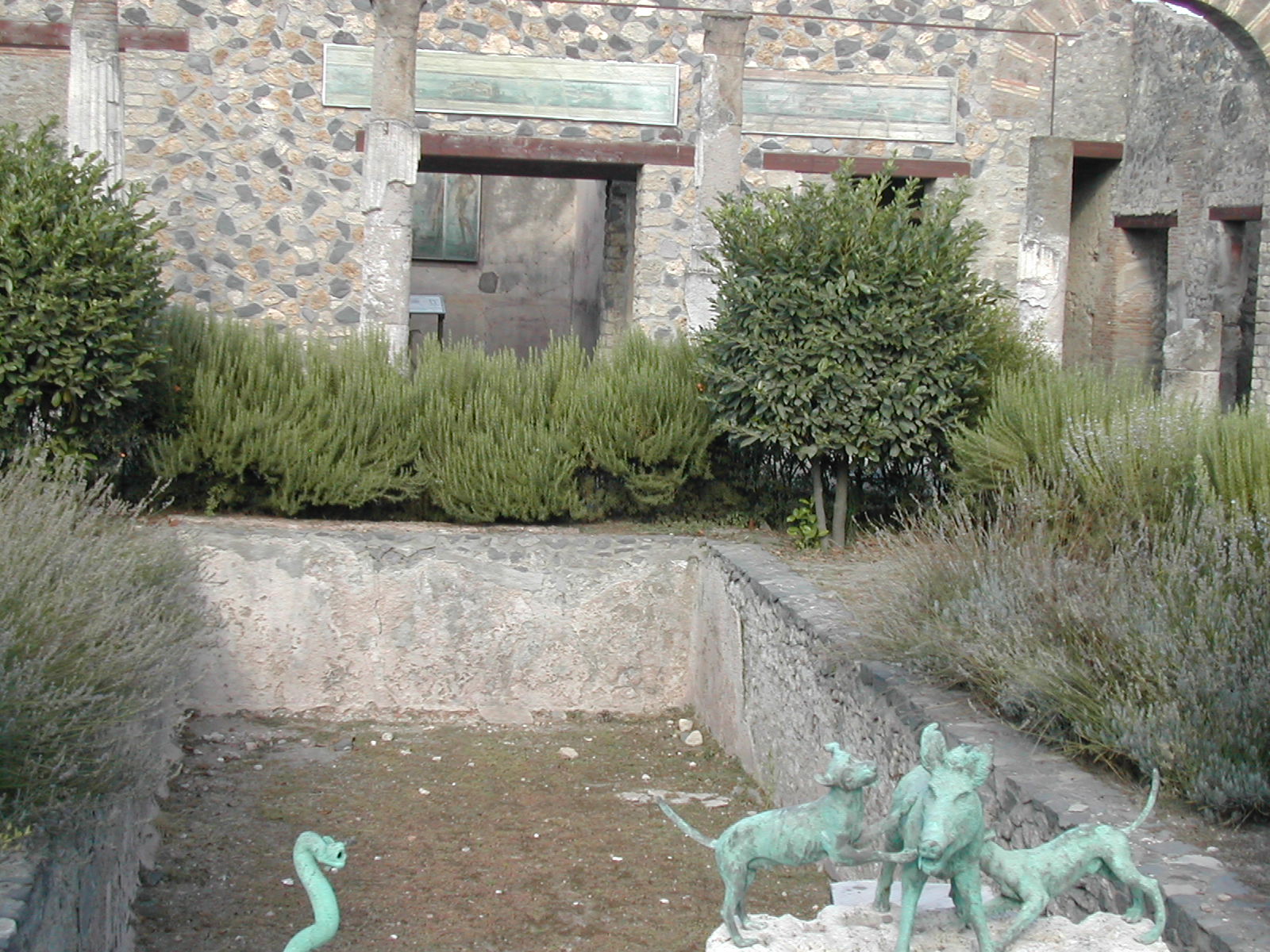
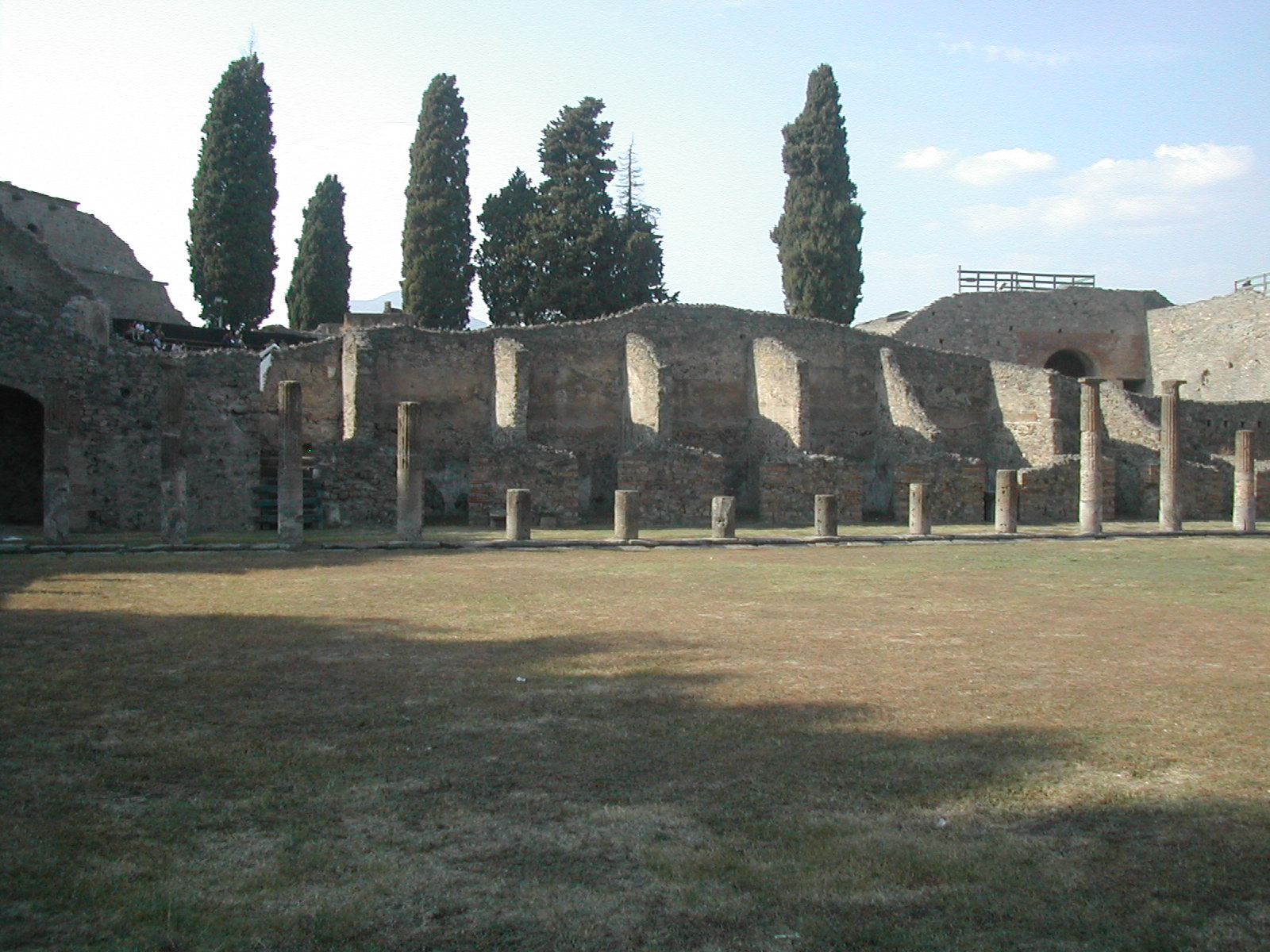
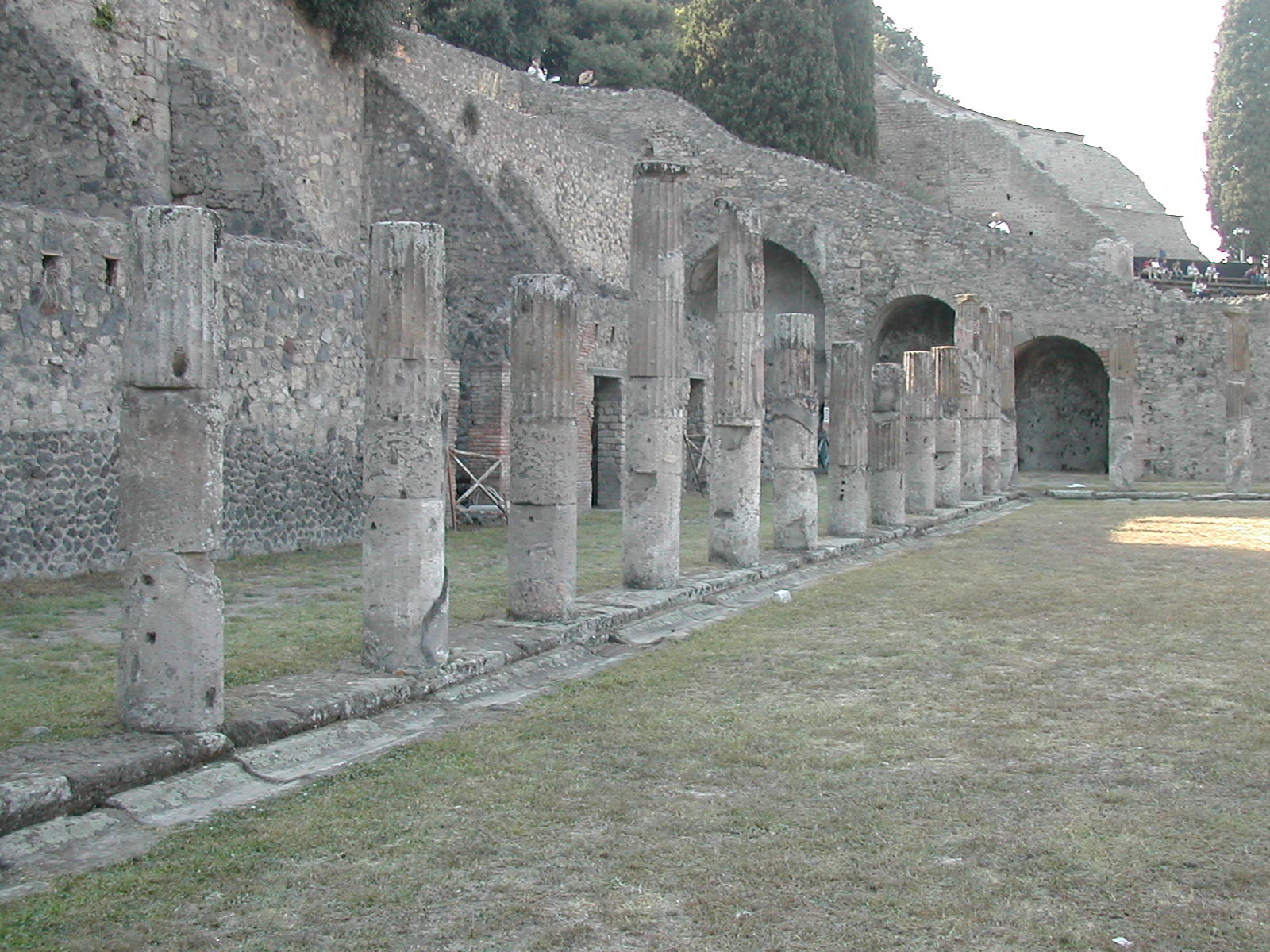
Pompeii stands as one of the most extraordinary archaeological sites in the world—a city not simply preserved, but frozen in time. Set in the shadow of Mount Vesuvius near the Bay of Naples, its streets, homes, and public spaces remain remarkably intact, offering a rare and immediate connection to daily life in the Roman world. Walking through Pompeii is less an act of observation than one of immersion, where the structure of an ancient city can still be read with striking clarity.
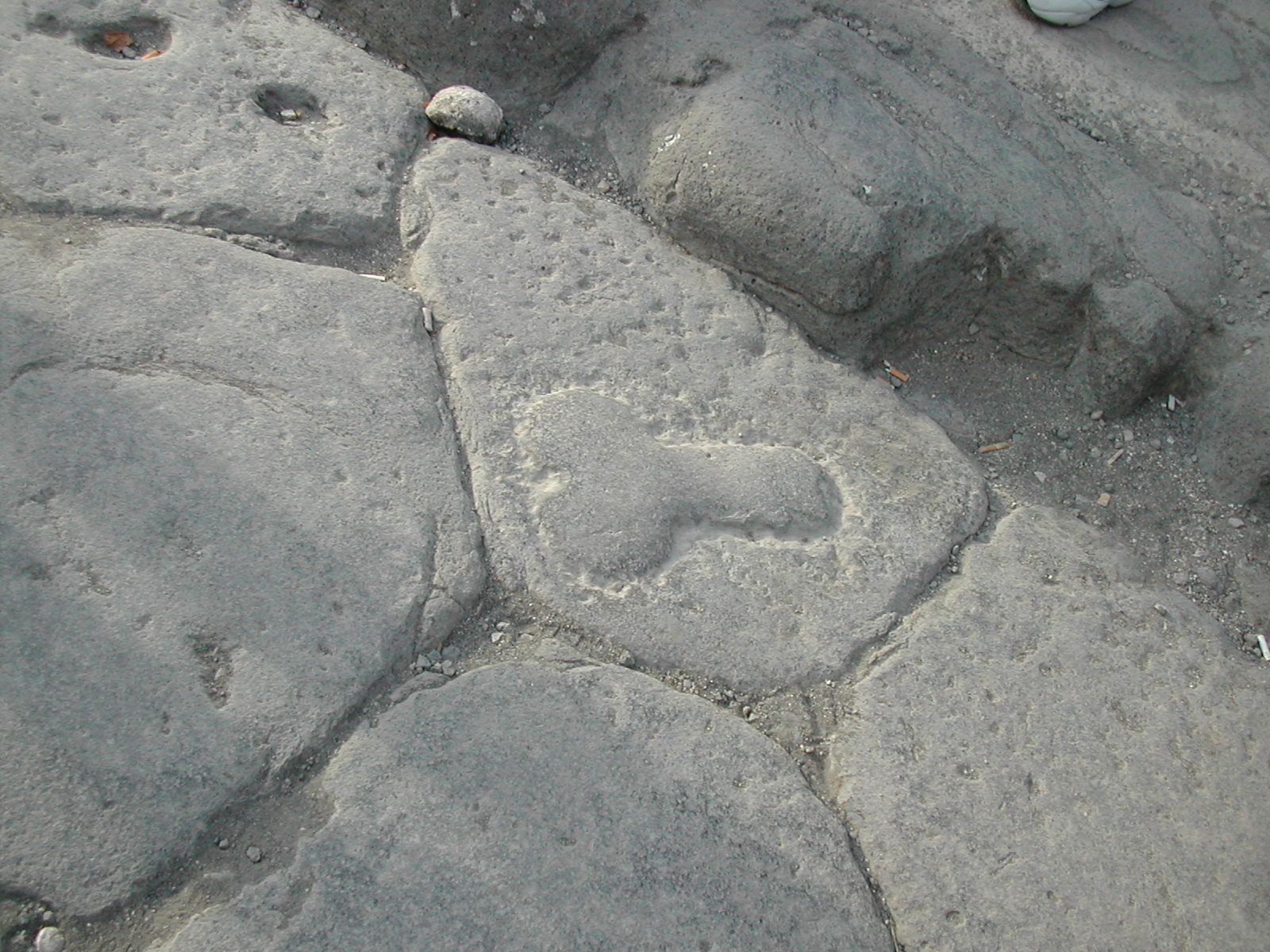
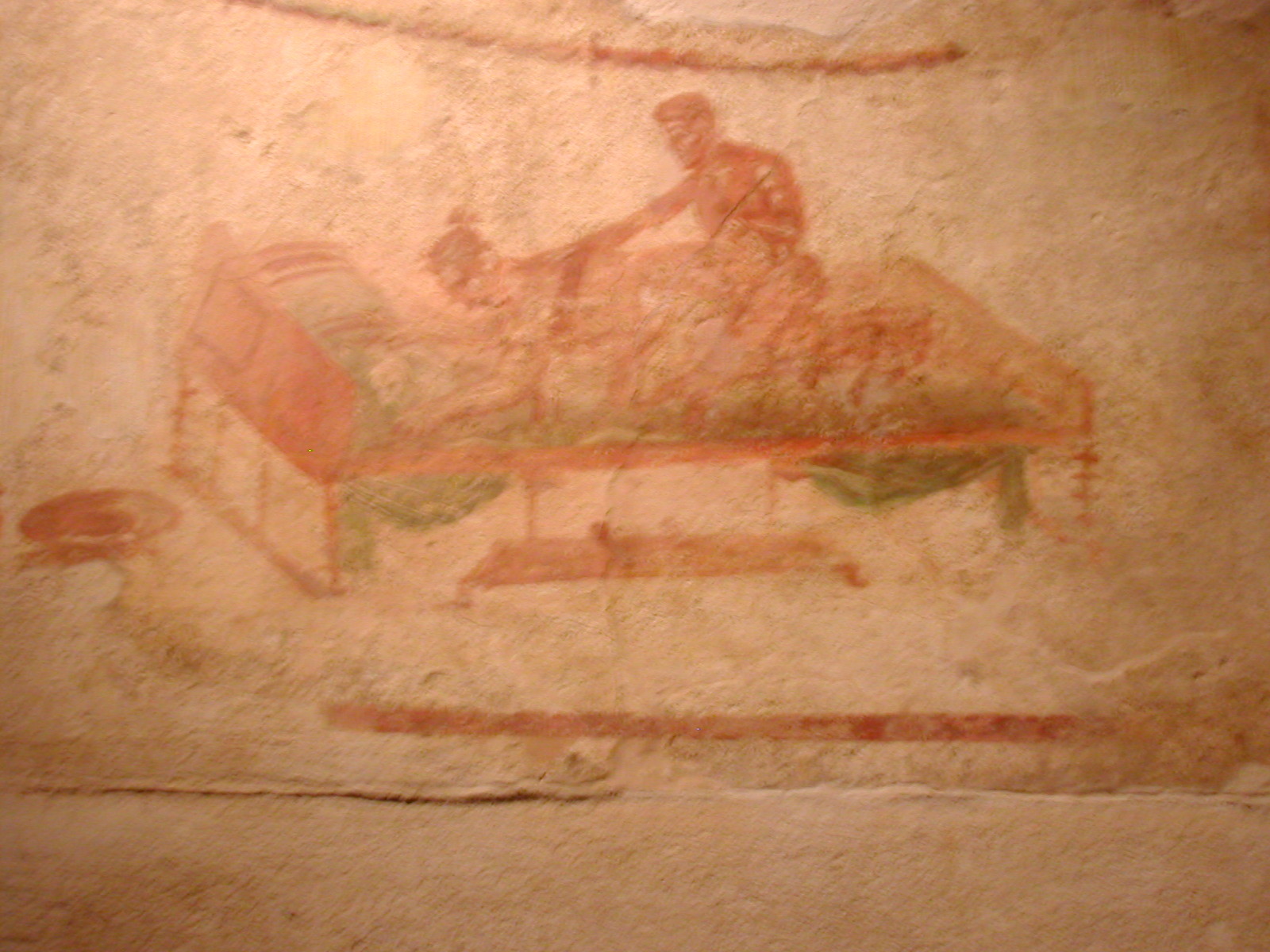
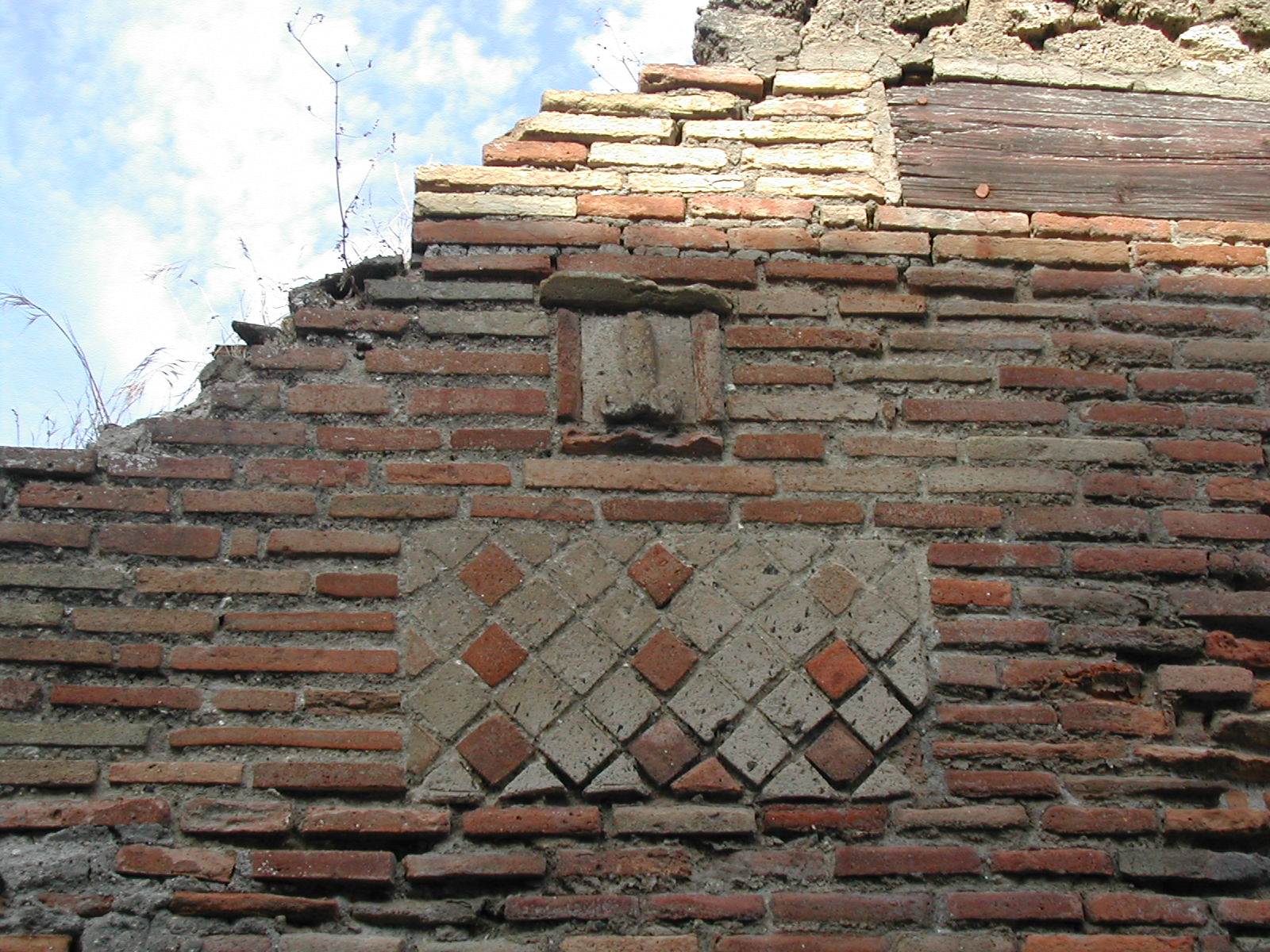
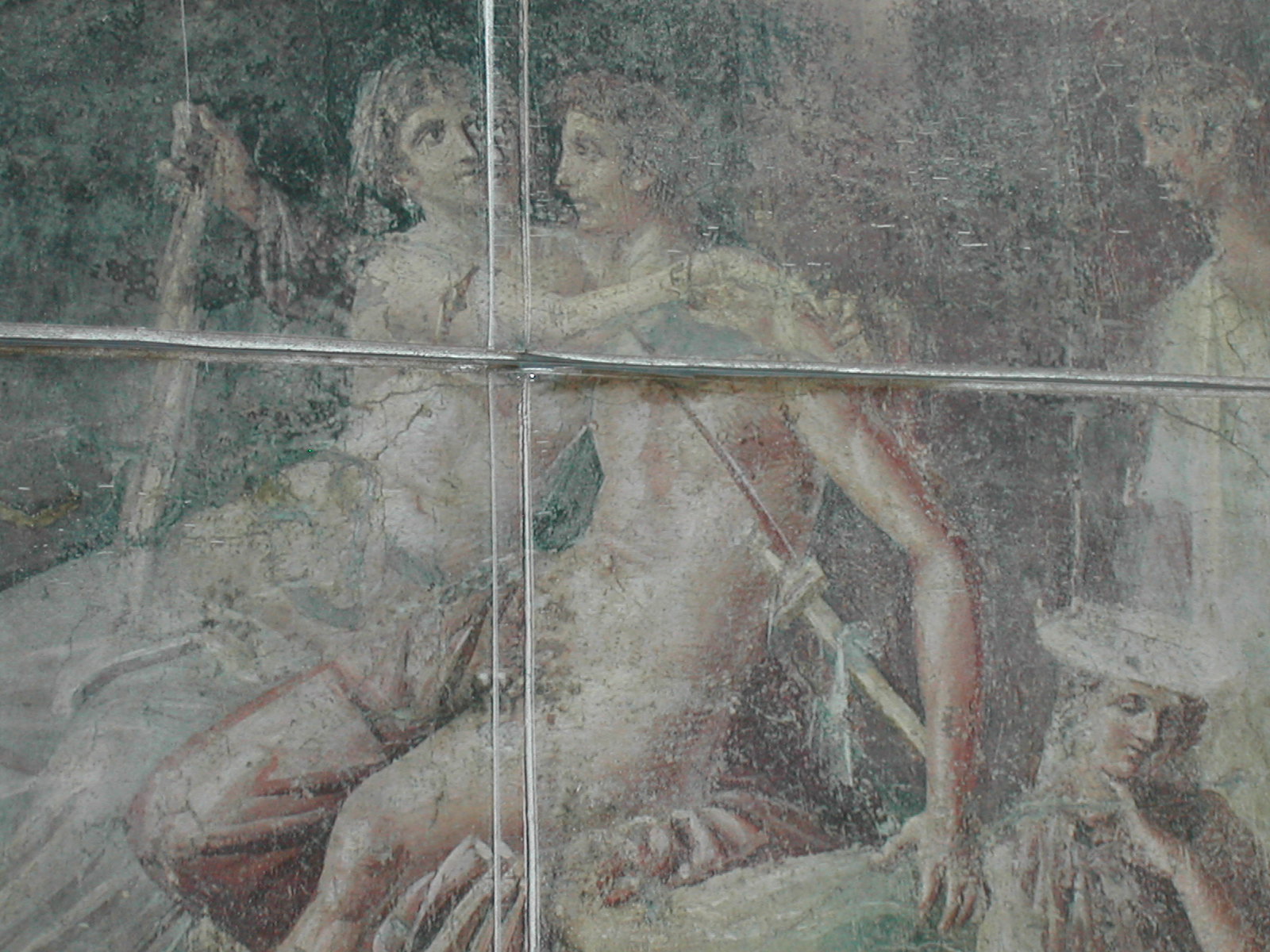
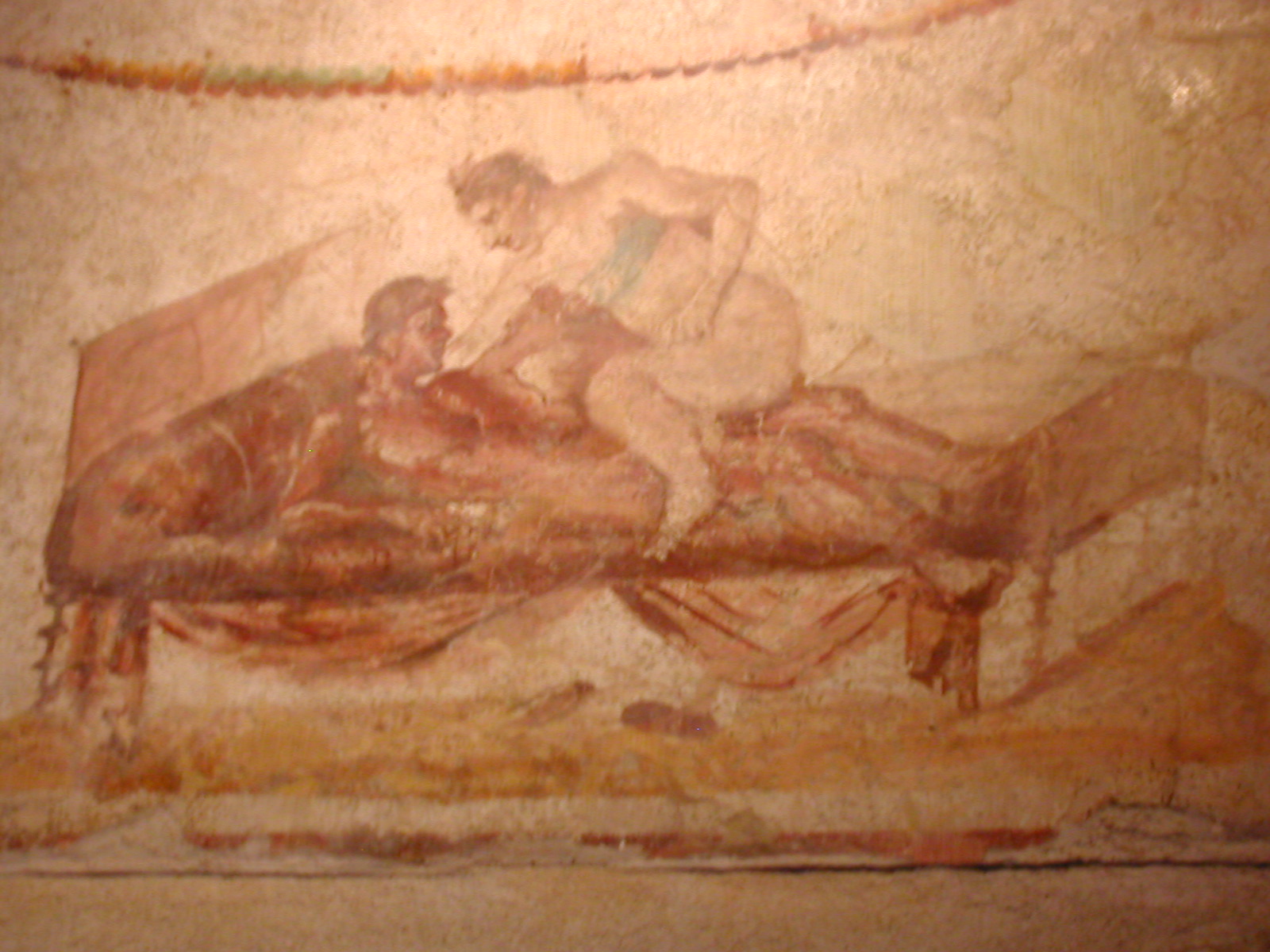
In AD 79, the eruption of Mount Vesuvius buried Pompeii under layers of volcanic ash and pumice, abruptly halting life in what had been a thriving Roman town of thousands . This sudden destruction, while catastrophic, preserved buildings, frescoes, objects, and even human forms with an unparalleled level of detail. As a result, Pompeii provides what is often described as a complete picture of an ancient Roman city, capturing everything from grand public architecture to the smallest traces of everyday life .
Recognized as part of the UNESCO World Heritage Site “Archaeological Areas of Pompeii, Herculaneum and Torre Annunziata,” the site represents a unique cultural record of Roman civilization at a single moment in time . Unlike other ruins that evolved gradually, Pompeii preserves a city exactly as it existed nearly two millennia ago—its streets, homes, and artifacts offering an enduring and deeply human window into the past.