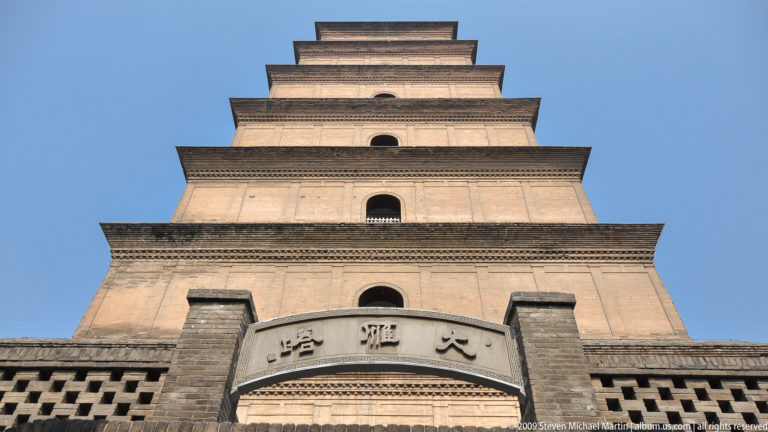
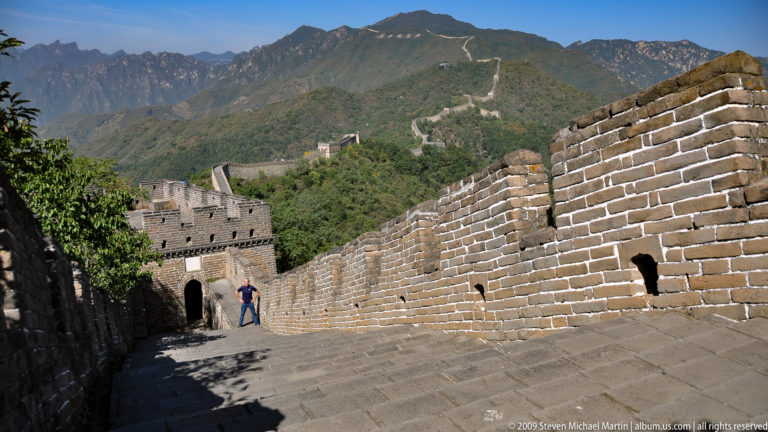
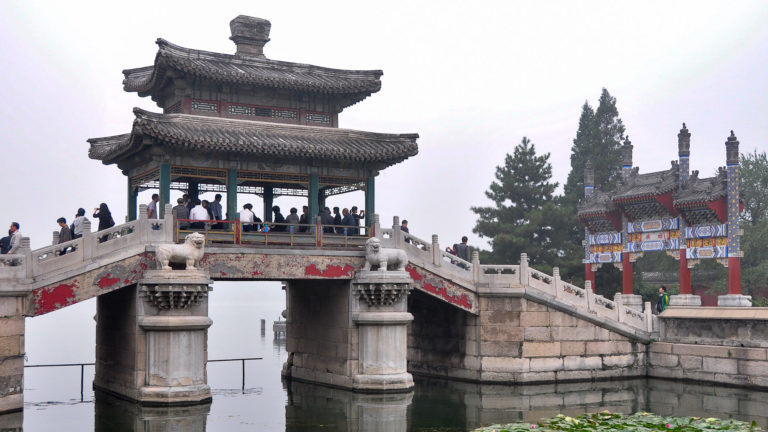
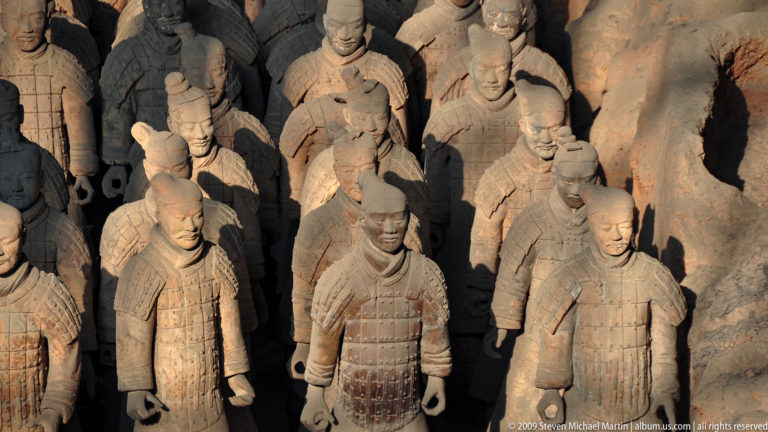
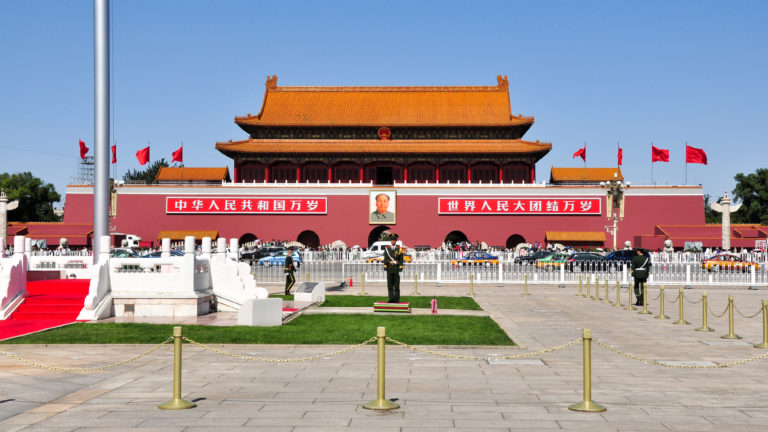
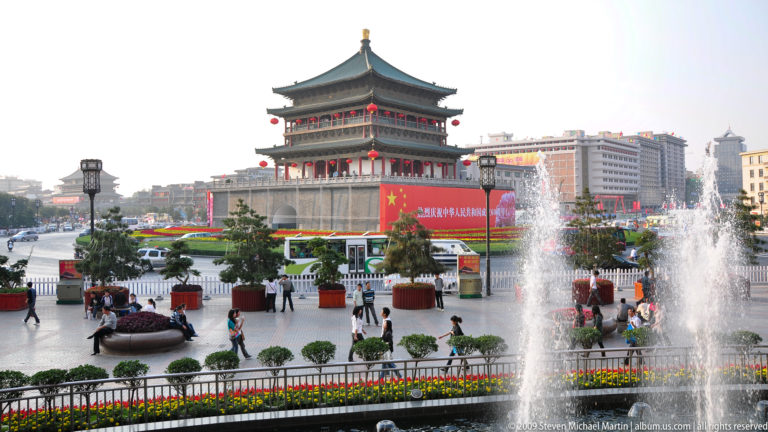
This journey explores the legacy of China’s imperial dynasties through sites associated with political authority, religious tradition, and artistic achievement. Palaces, defensive walls, temples, and archaeological discoveries illustrate the scale and organization of imperial society across multiple historical periods. The preserved monuments demonstrate the cultural continuity that shaped Chinese civilization for more than two thousand years.
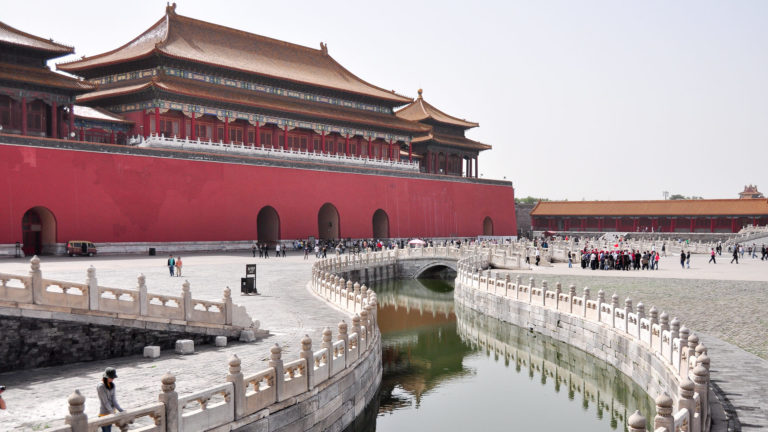
Architectural landmarks such as imperial palace complexes, ceremonial temples, and monumental tombs reflect the relationship between governance, philosophy, and artistic expression. Construction projects including defensive walls and funerary complexes illustrate how emperors used architecture to communicate political legitimacy and spiritual order. Many of these sites remain among the most significant cultural landmarks in the world.
Travel between historic capitals and ceremonial centers reveals how geography influenced political organization and cultural exchange. The combination of urban planning, religious symbolism, and engineering innovation provides insight into the historical development of one of the world’s longest continuous civilizations.
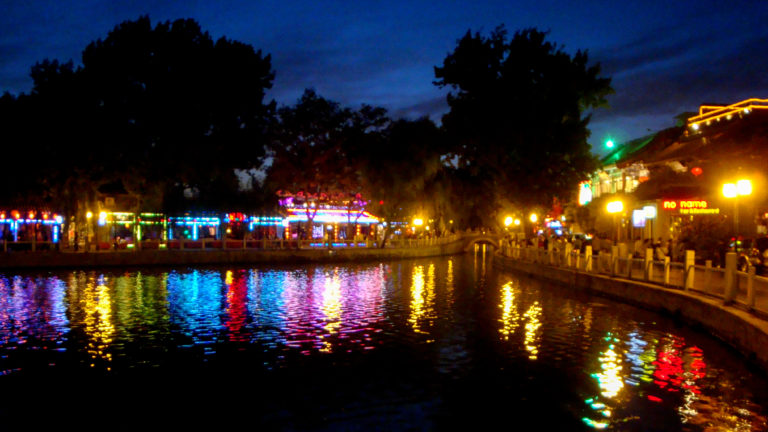
Beijing at Night Beijing presents a distinctive visual environment after sunset, when historic monuments and modern structures are illuminated throughout […]
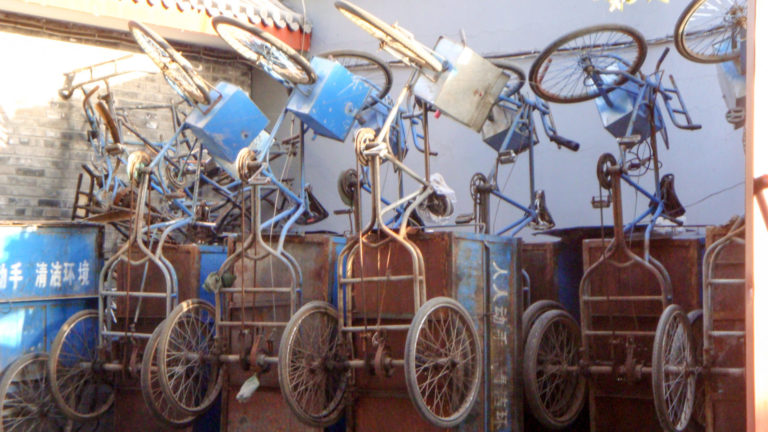
Beijing Hutongs Beijing’s hutongs are narrow lanes that preserve traditional residential patterns developed over many centuries. The arrangement of courtyard […]
The itinerary connects major imperial capitals and cultural centers associated with the Qin, Han, Tang, Ming, and Qing dynasties. Monumental architecture, archaeological discoveries, and preserved ceremonial spaces illustrate the evolution of political authority and artistic traditions across successive periods of Chinese history.