Historic Journeys
Historic journeys focus on travel routes that connect sites of cultural, architectural, and archaeological significance, illustrating how societies have developed across changing political and environmental conditions. Cultural heritage travel emphasizes experiencing places that represent the stories, traditions, and material remains of earlier civilizations, including monuments, historic cities, museums, and religious structures. These journeys provide insight into how landscapes and built environments preserve evidence of political authority, artistic tradition, and technological advancement across different historical periods.
The itineraries presented here emphasize continuity between ancient settlements, colonial urban centers, and modern cultural institutions that interpret the past for contemporary audiences. Historic routes often follow long-established corridors shaped by trade, migration, and religious pilgrimage, linking monuments, ceremonial complexes, and preserved districts that illustrate the evolution of regional identity. Archaeological landscapes, historic architecture, and museum collections contribute to understanding how cultural heritage is preserved and interpreted across generations, reinforcing the importance of conservation and documentation in maintaining connections to earlier societies.
Together these journeys provide a structured framework for understanding historical development through geography, architecture, and cultural continuity. Observing sites in sequence allows patterns of settlement, artistic expression, and political organization to be understood within broader regional context. Historic travel itineraries highlight the importance of preservation and interpretation in maintaining the physical and intellectual record of human history, illustrating how cultural landscapes continue to inform contemporary understanding of identity and heritage.

A journey through the heart of South America, where the vast rainforests of the Amazon Basin give way to the towering peaks and ancient civilizations of the Andes Mountains. The Amazon to Andes itinerary explores two of the most extraordinary landscapes on Earth: the immense tropical wilderness of the Amazon ...
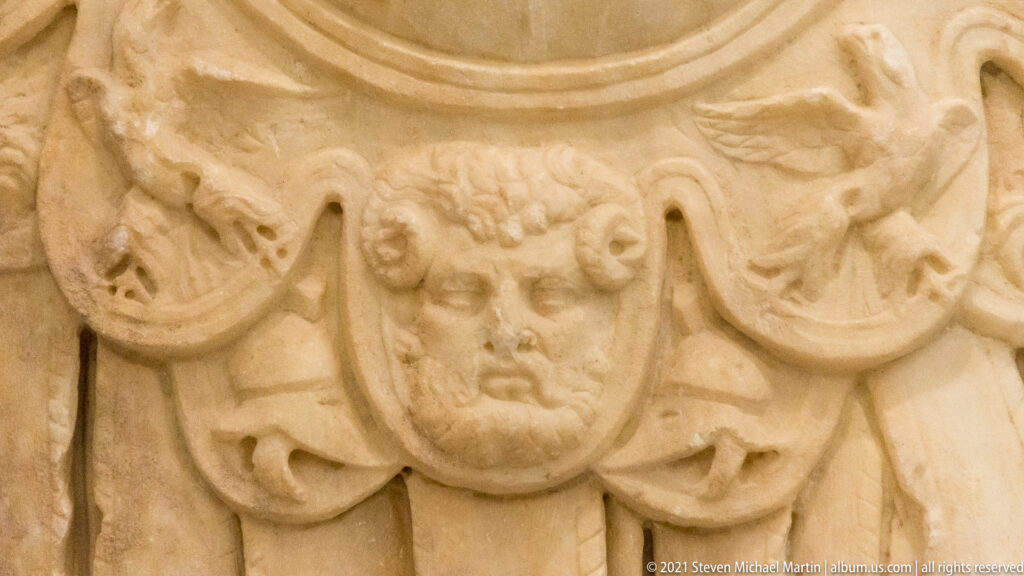
A journey through the landscapes of classical Greece, where temples, theaters, and ancient cities reveal the foundations of Western civilization. The Ancient Greece itinerary explores the historic landscapes of Greece, where some of the most influential ideas, art, and architecture of the ancient world first emerged. Across the mountains and ...
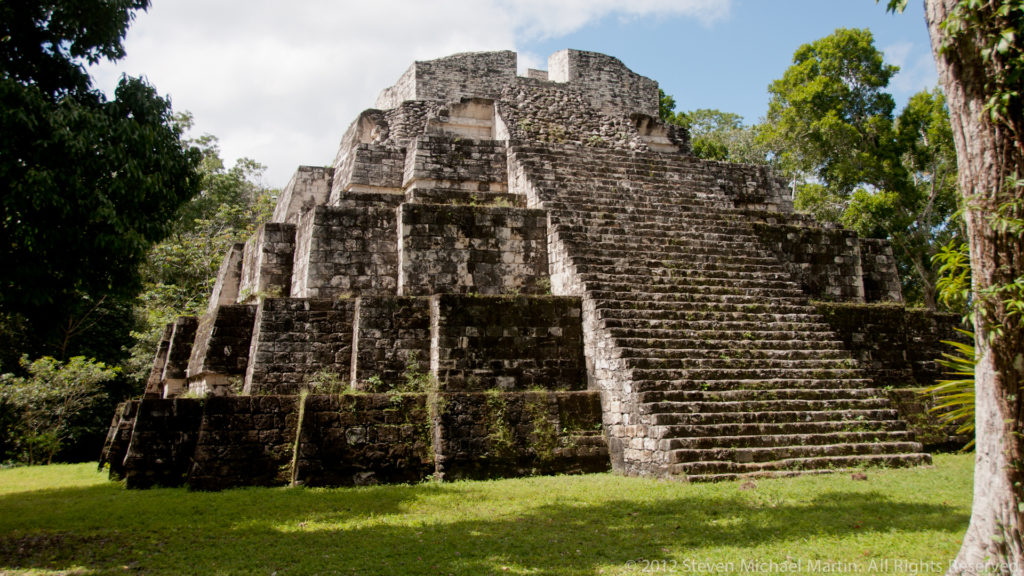
Belize to Guatemala Belize and Guatemala preserve some of the most important archaeological sites associated with the ancient Maya civilization. Temple complexes rise above dense tropical forest, illustrating the architectural and cultural achievements of societies that flourished for more than a thousand years. The combination of jungle landscapes and monumental ...
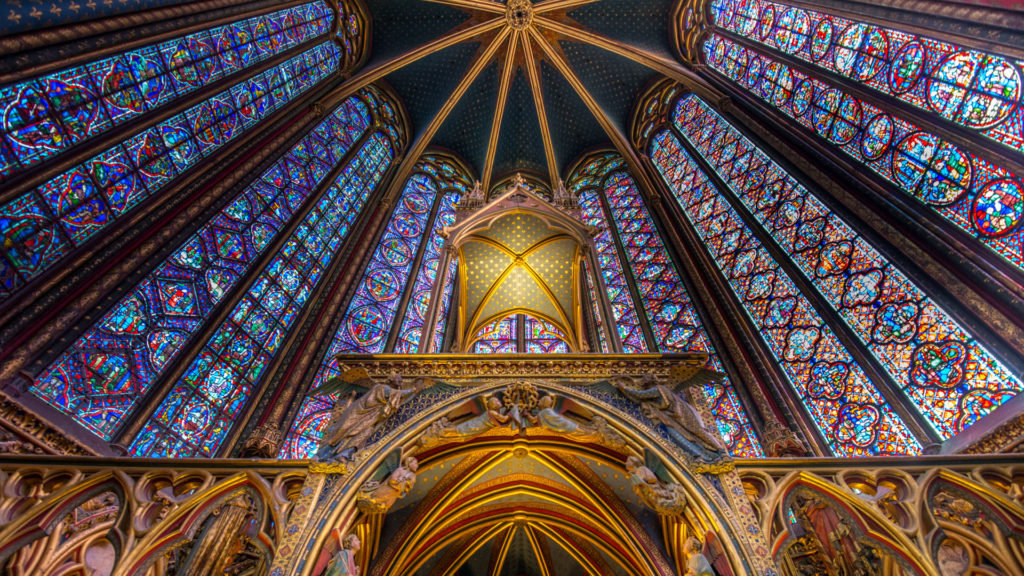
Brittany to Barcelona This journey traces a cultural route from the Atlantic coast of Brittany to the Mediterranean shores of Barcelona, connecting medieval towns, pilgrimage centers, and historic cities shaped by centuries of artistic and architectural development. Fortified villages, Gothic cathedrals, and Roman remains illustrate the diversity of historical influences ...
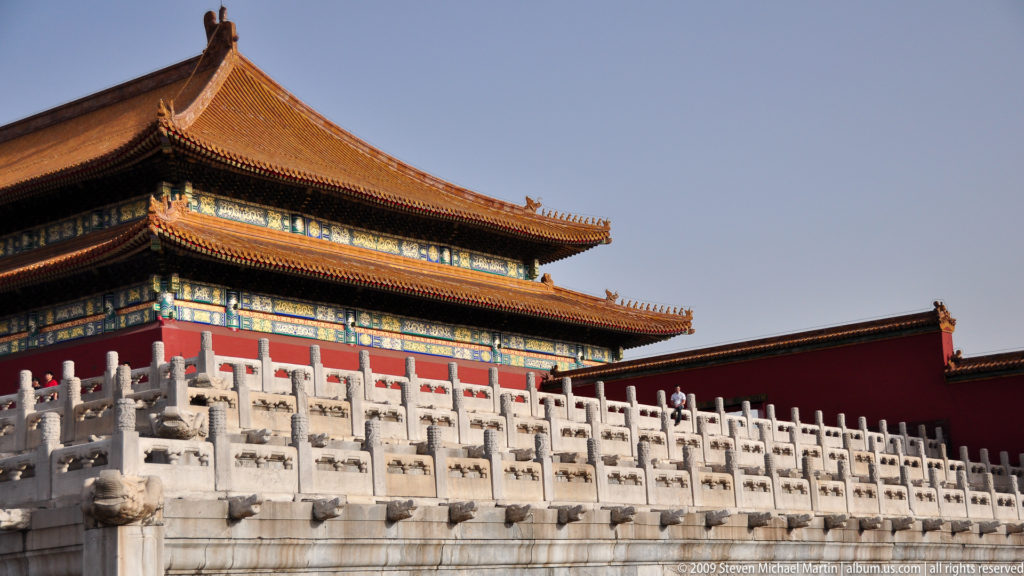
Chinese Empires This journey explores the legacy of China’s imperial dynasties through sites associated with political authority, religious tradition, and artistic achievement. Palaces, defensive walls, temples, and archaeological discoveries illustrate the scale and organization of imperial society across multiple historical periods. The preserved monuments demonstrate the cultural continuity that shaped ...
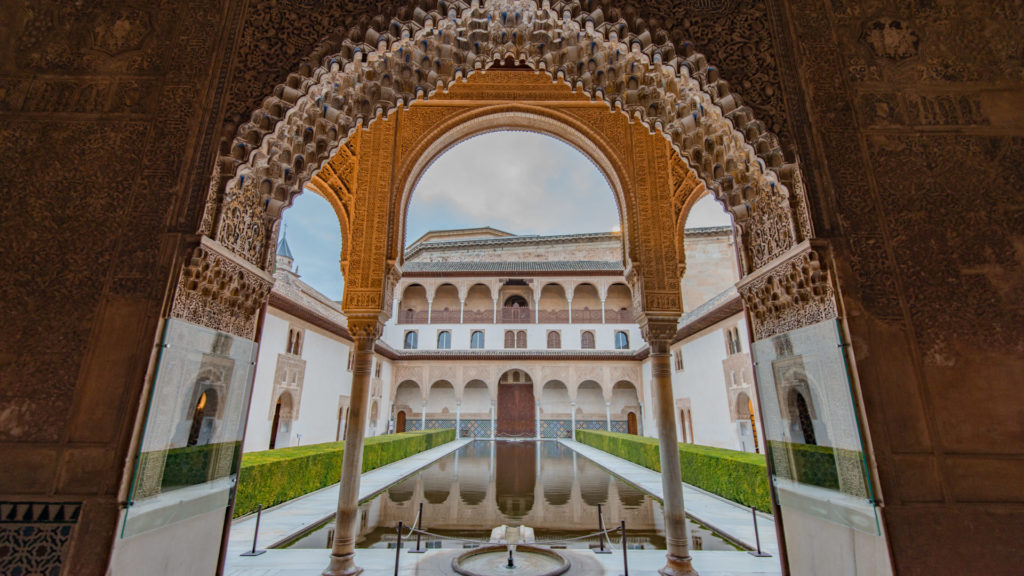
Crusades, Moors & the Age of Explorers This journey explores the historical transition from the medieval world shaped by religious conflict to the early modern period defined by global exploration. Sites associated with the Crusades, Islamic Spain, and emerging maritime empires illustrate how cultural exchange and political competition influenced the ...
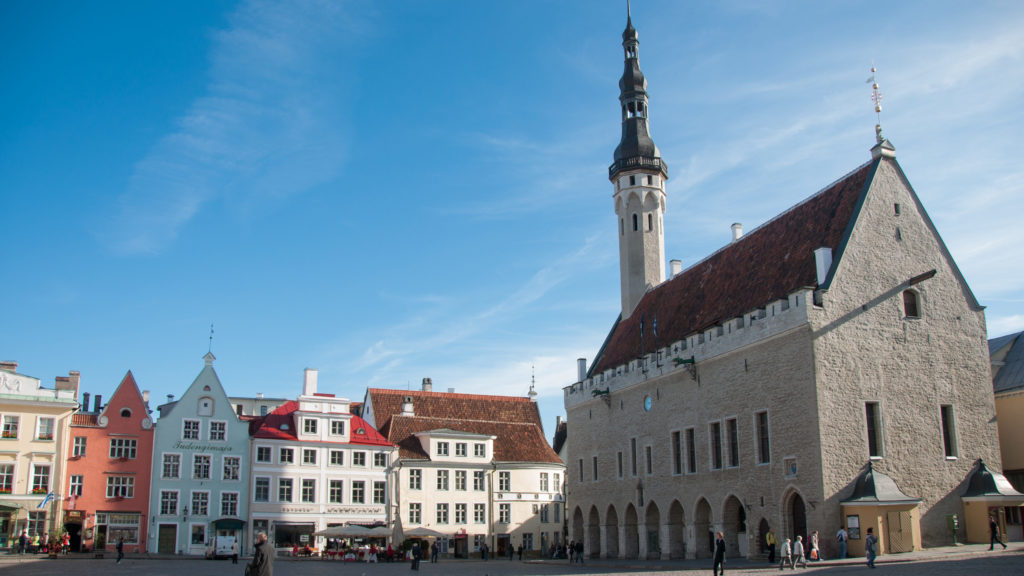
Finland, Baltics & the Red Arrow This journey explores the historical development of northern Europe through sites shaped by medieval trade, imperial expansion, and twentieth-century conflict. Cities of Finland and the Baltic region reflect the influence of Swedish, Russian, and German political authority over several centuries. Architectural landmarks and historic ...
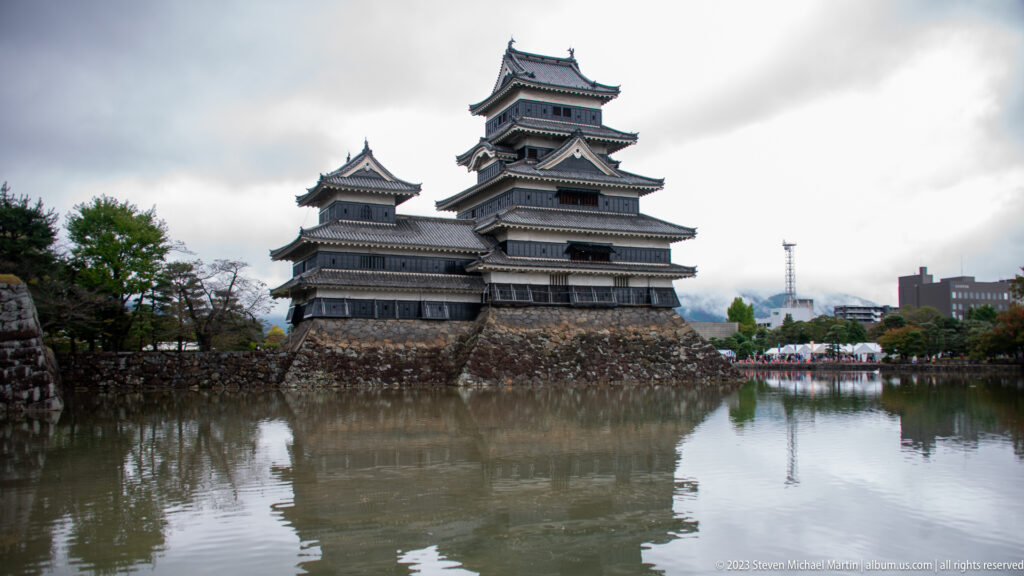
Pacific Empires This journey explores the development of political and cultural influence across the Pacific region, where maritime trade routes connected Asia, the Americas, and Europe. Exploration during the sixteenth century created new networks of exchange that allowed empires to expand beyond continental boundaries. Ports, colonial settlements, and cultural landmarks ...
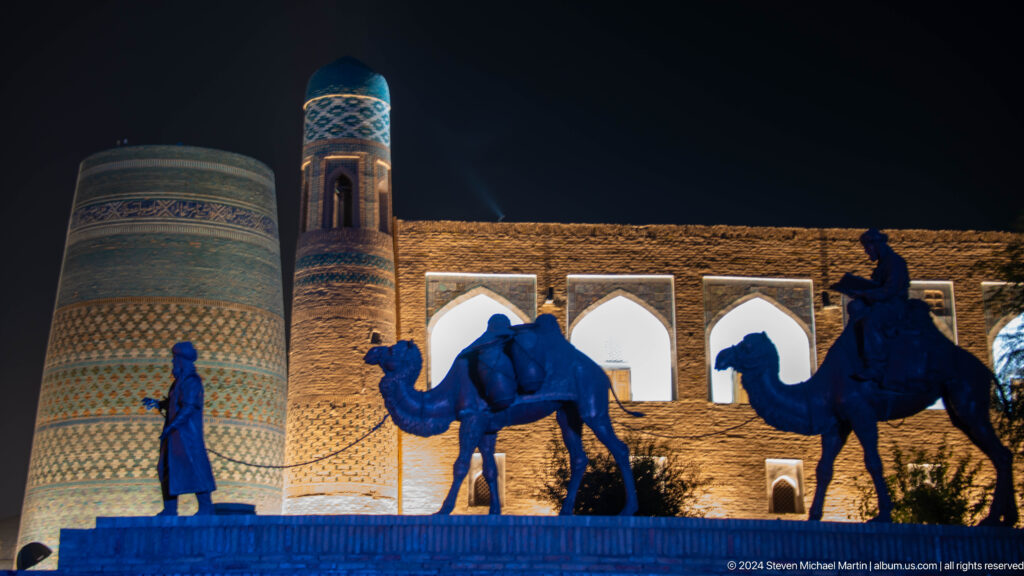
The Silk Road was not a single road but a vast network of trade routes connecting East Asia with Central Asia, the Middle East, and Europe. For more than 1,500 years, merchants, pilgrims, scholars, and diplomats traveled these routes exchanging goods, ideas, technologies, and religious traditions. The Silk Road shaped ...

This journey explores some of the world’s most remarkable religious and ceremonial architecture, tracing how civilizations expressed spiritual beliefs through monumental design. From the pyramids of ancient Egypt to the grand mosques of Islamic empires, these sites illustrate how faith, political authority, and artistic achievement shaped cultural landscapes across thousands ...
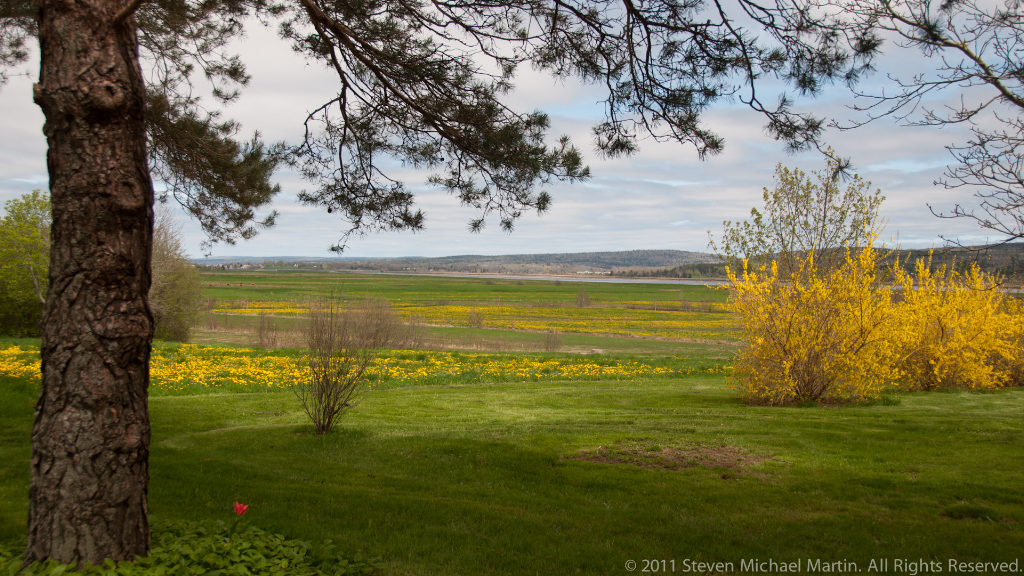
This itinerary traces the origins, displacement, and cultural legacy of the Acadian people across France and Atlantic Canada. Through historic towns, churches, and landscapes shaped by early French settlement, the journey explores how a distinct identity endured despite migration, conflict, and exile. Together, these sites reveal the enduring connections between ...
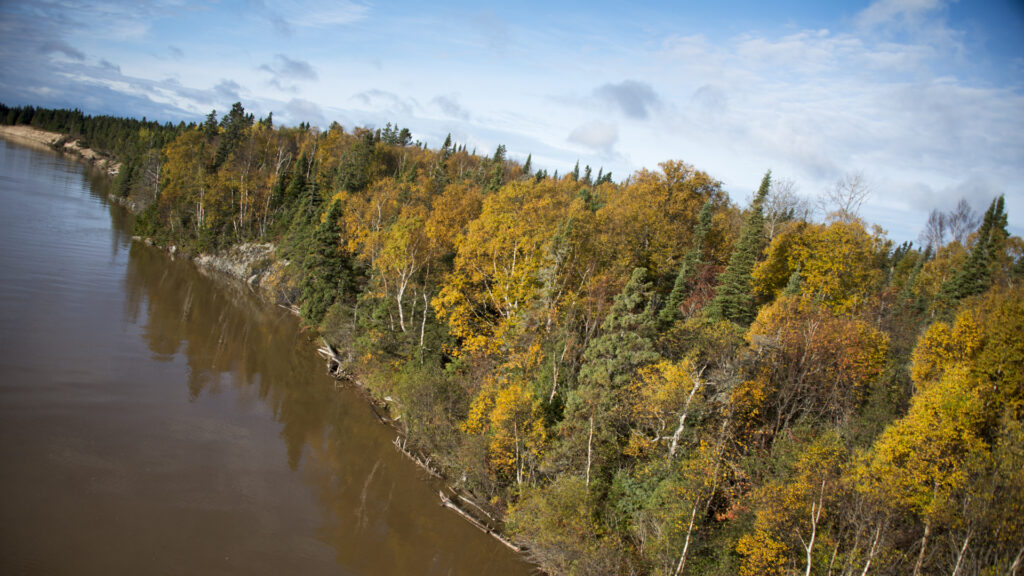
...This itinerary follows the waterways traveled by the voyageurs, French and French-Canadian canoe men who transported goods and furs across vast river and lake networks linking Montreal with the interior of North America. Moving along routes shaped by Indigenous knowledge and geographic necessity, the journey explores how trade, exploration, and ...
