Florence, Italy
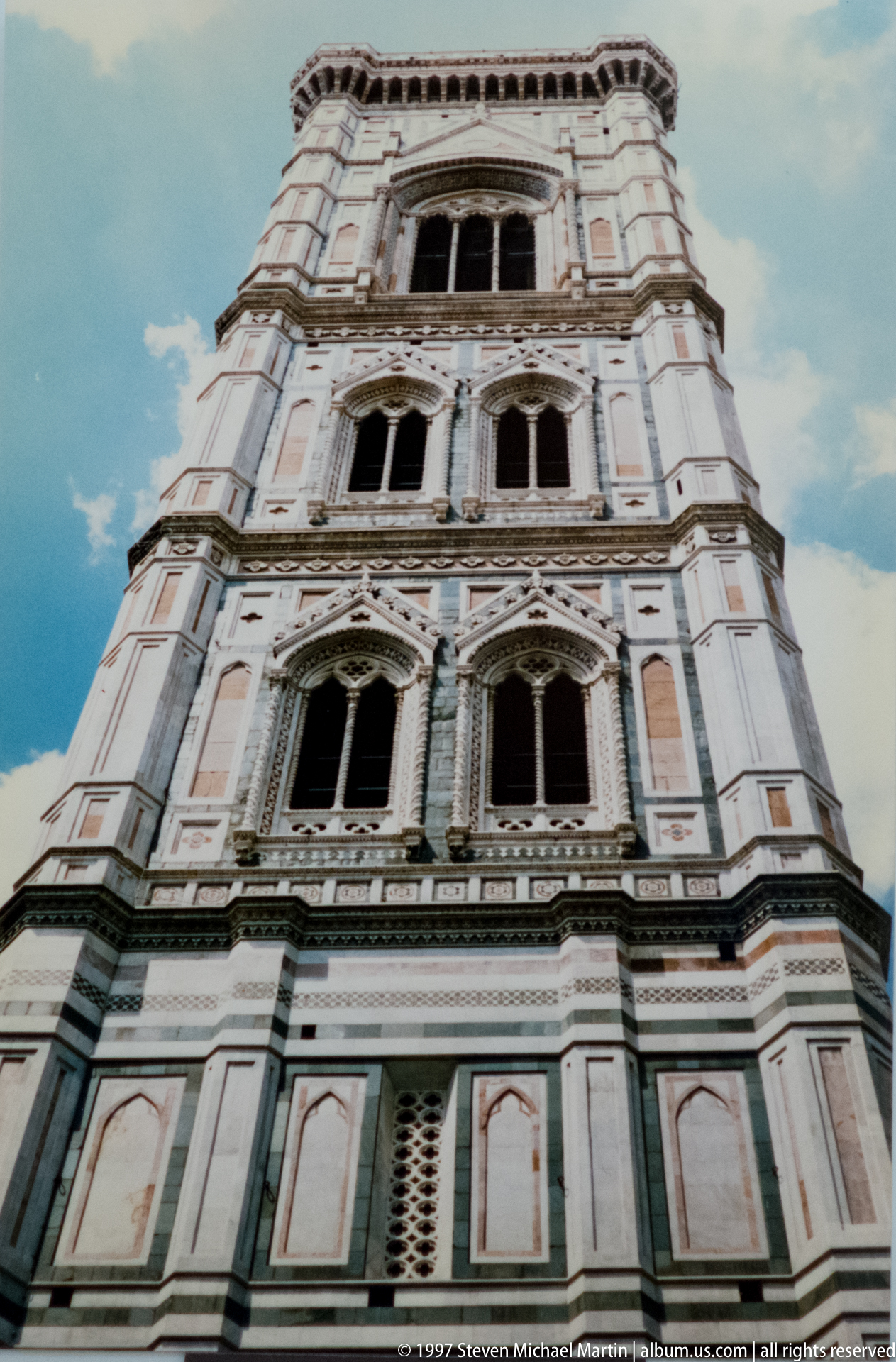
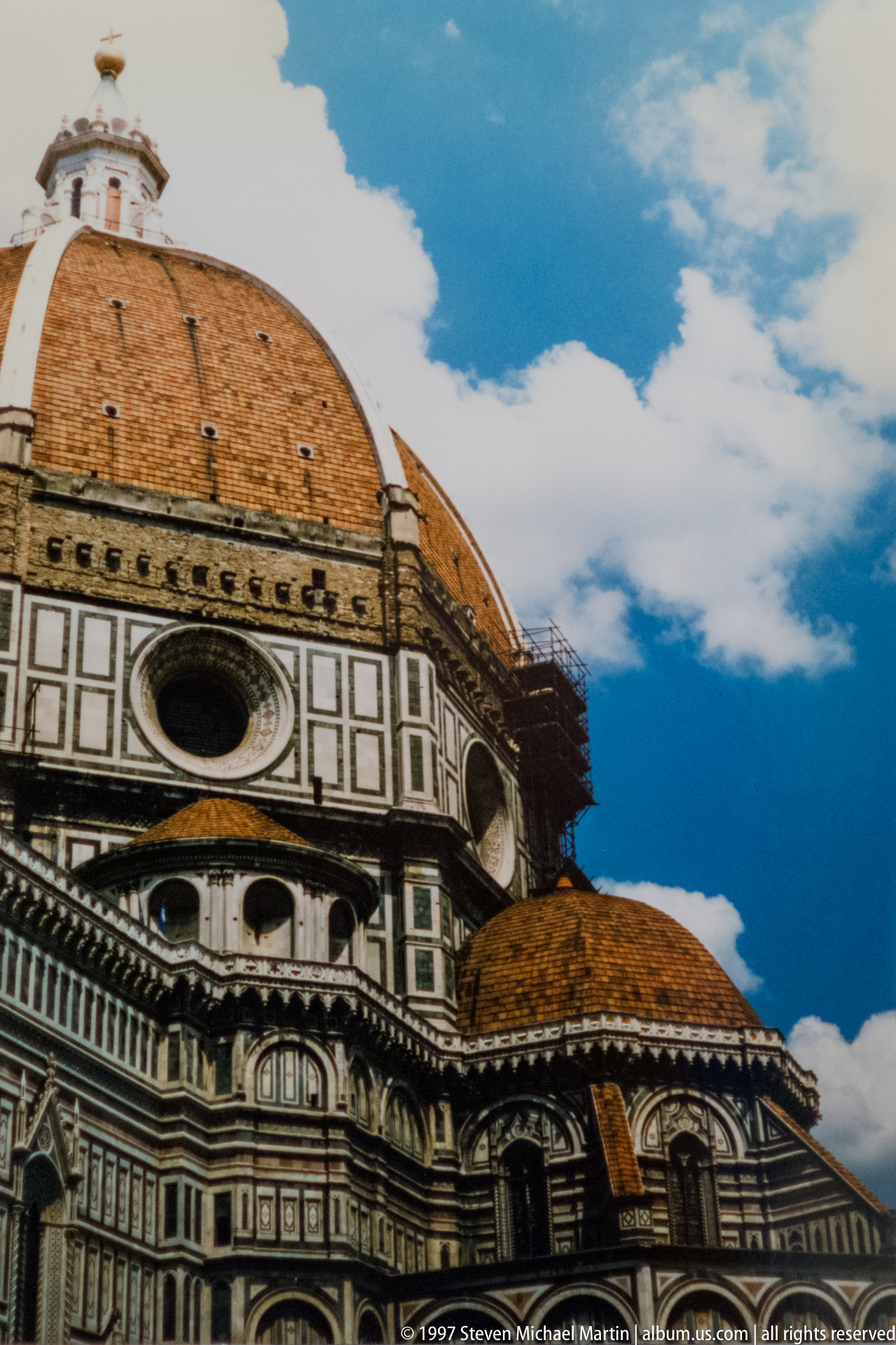
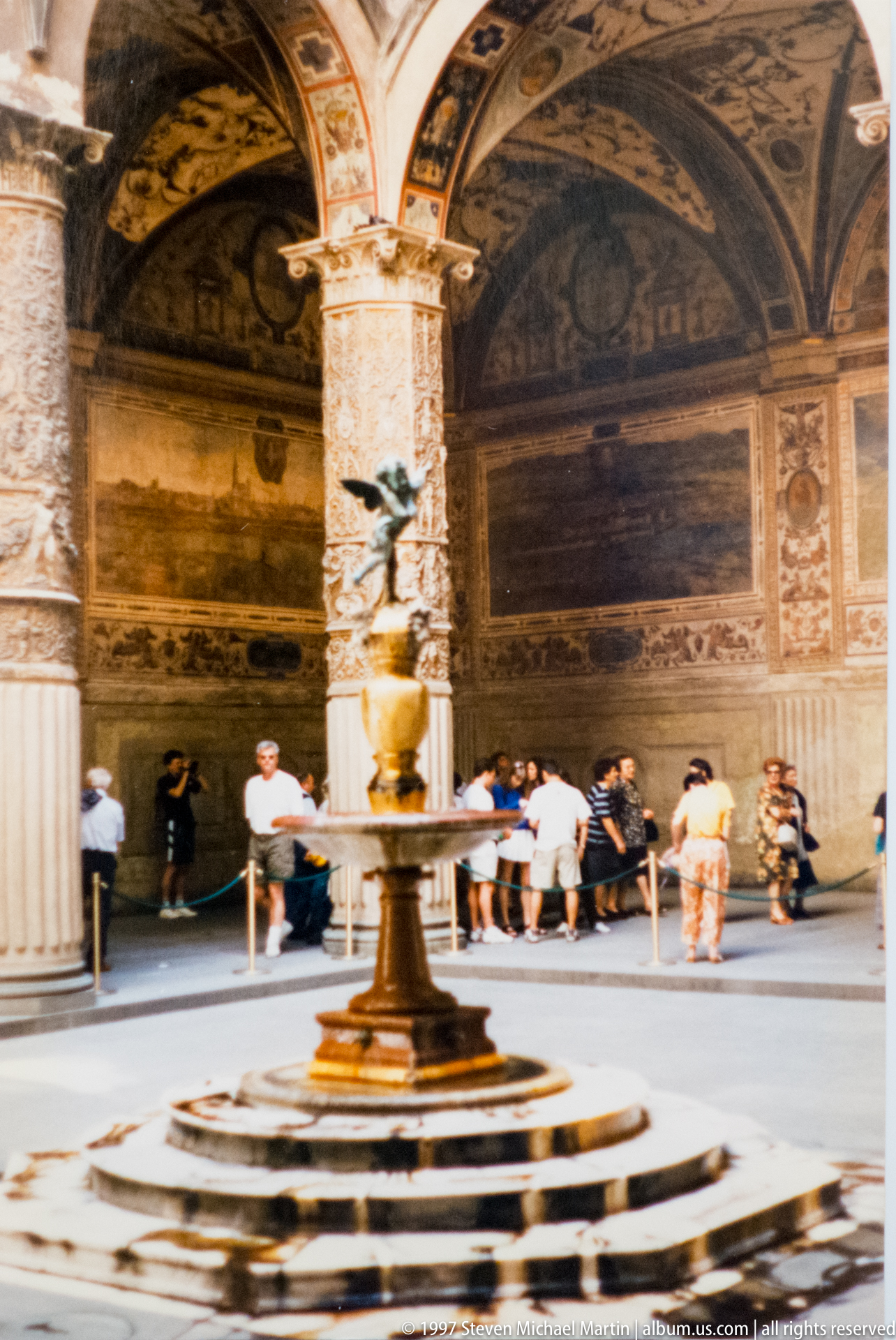
Florence is a city that feels inseparable from the idea of art itself—a place where the Renaissance was not just born, but lived, shaped, and perfected. Set along the Arno River and framed by the soft hills of Tuscany, Florence is defined by an extraordinary concentration of architecture, sculpture, and painting that transformed the course of European culture. Within a relatively compact historic center, centuries of creativity unfold through cathedrals, palaces, and streets that still carry the imprint of masters like Michelangelo, Brunelleschi, and Botticelli.
Designated as the UNESCO World Heritage Site “Historic Centre of Florence,” the city represents one of the most complete and influential cultural landscapes in the world. Built on earlier Roman foundations and rising to prominence under the Medici during the 15th and 16th centuries, Florence became the symbolic heart of the Renaissance, shaping art, architecture, and humanist thought across Europe . The historic center, largely preserved within its medieval boundaries, is often described as a unified artistic achievement—an environment where museums, churches, and everyday streets form a continuous expression of more than six centuries of creative development .
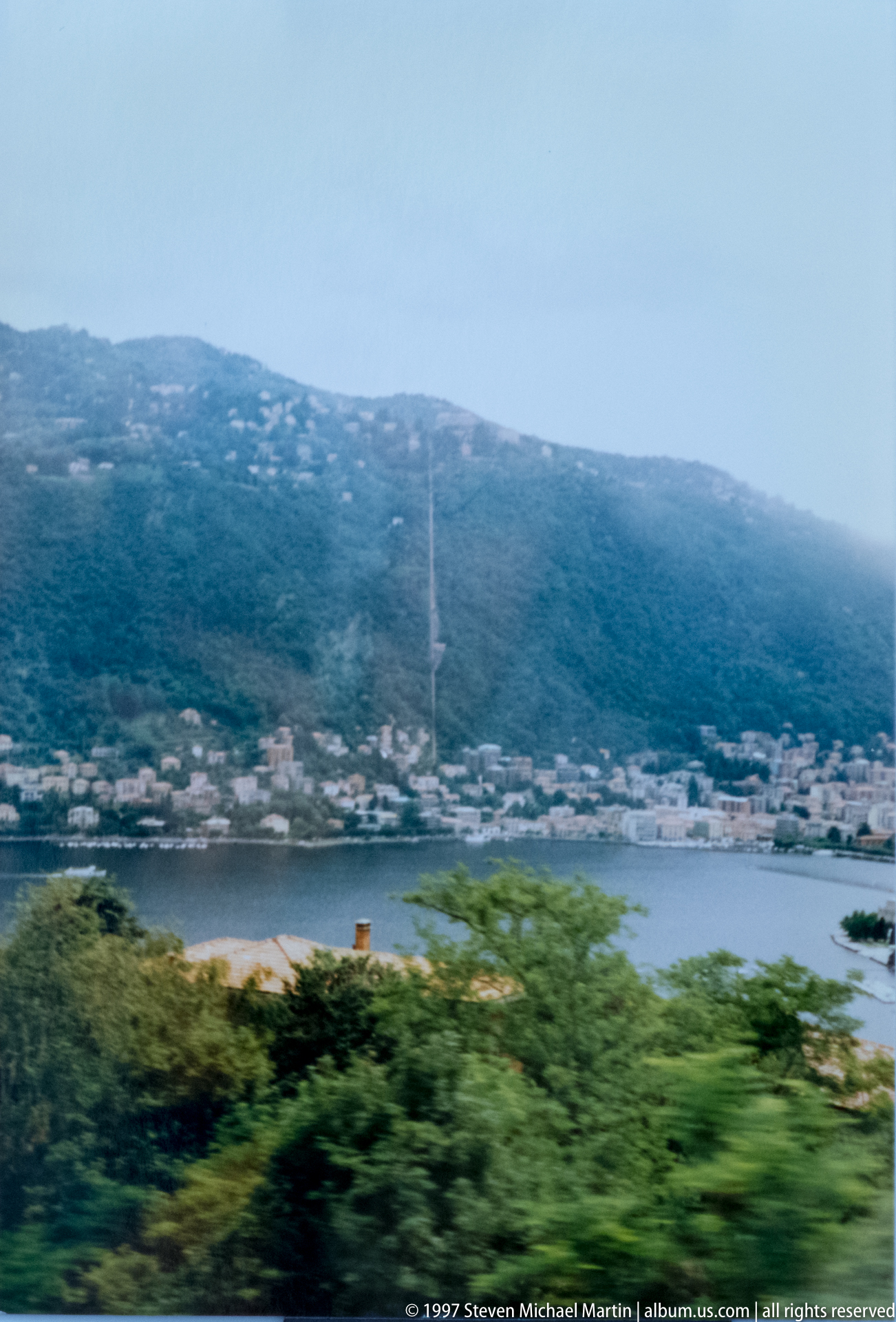
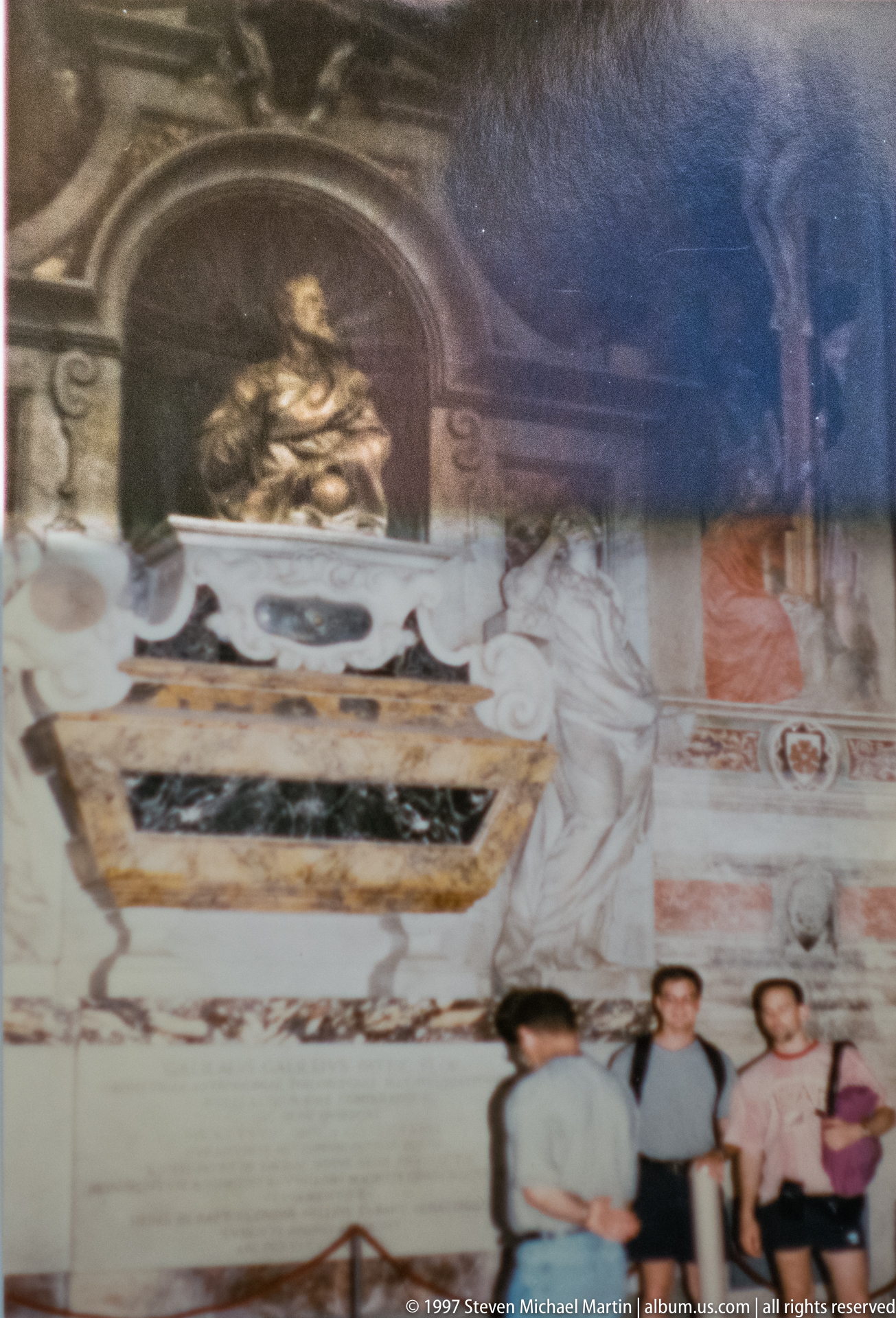
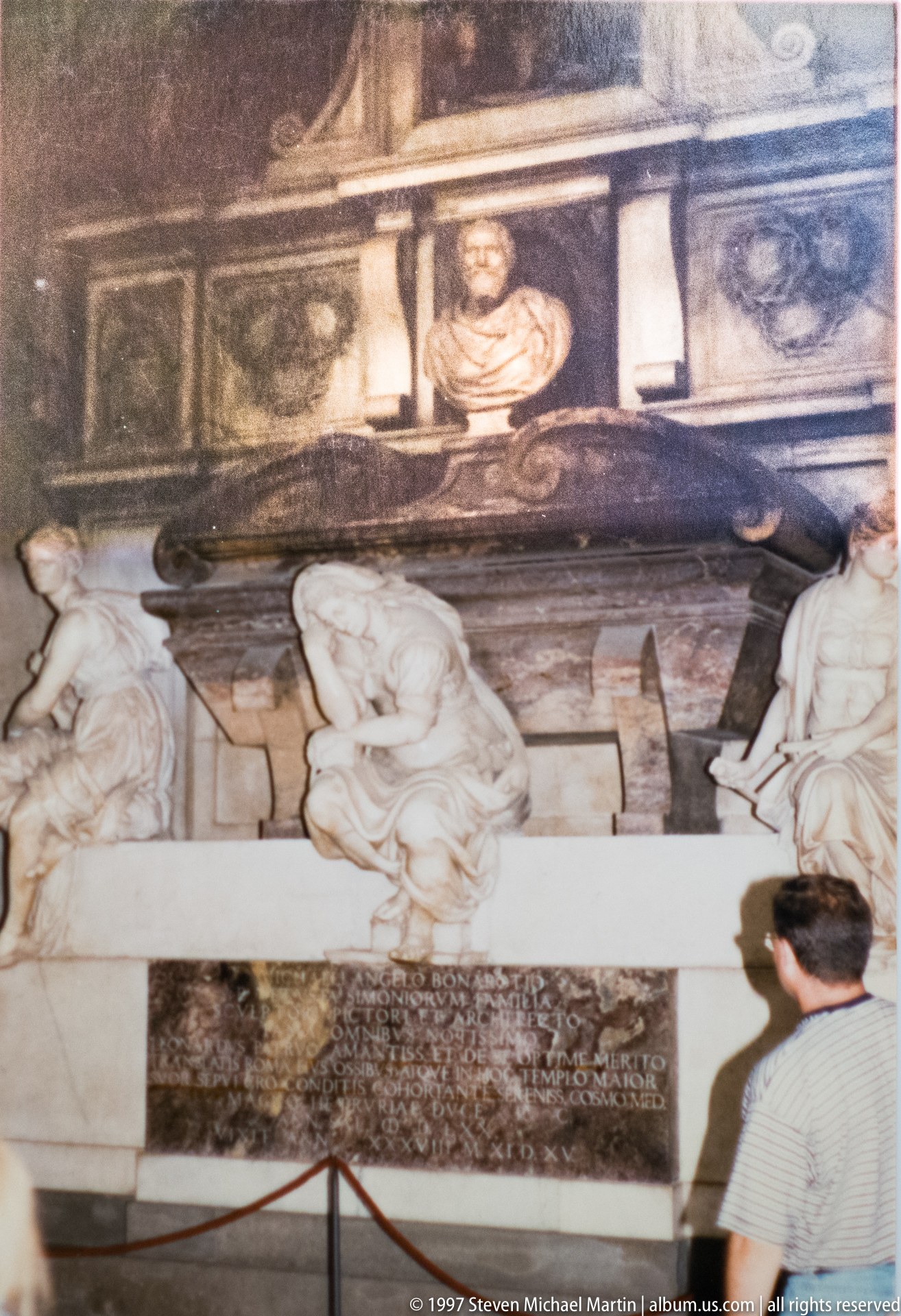
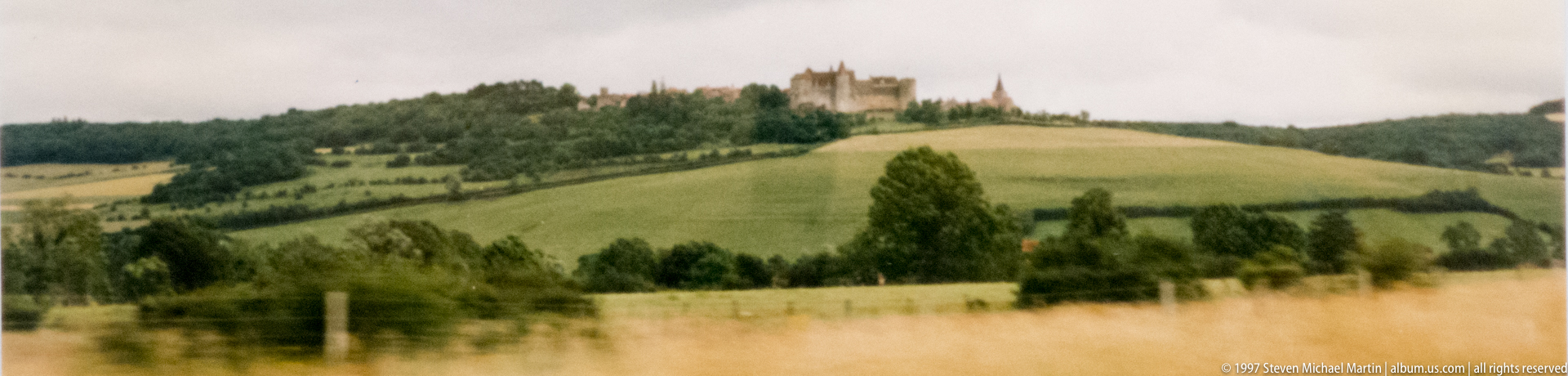
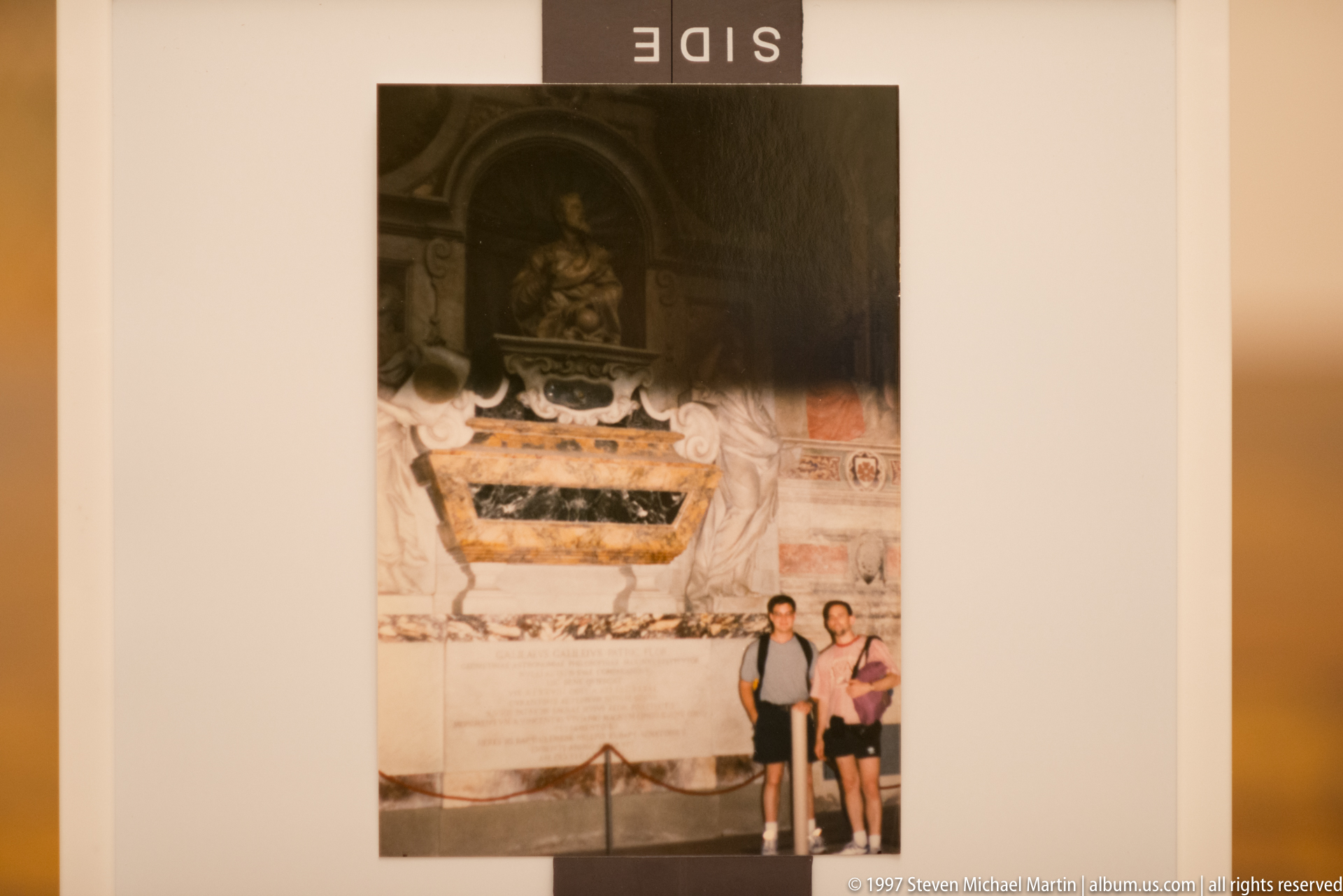
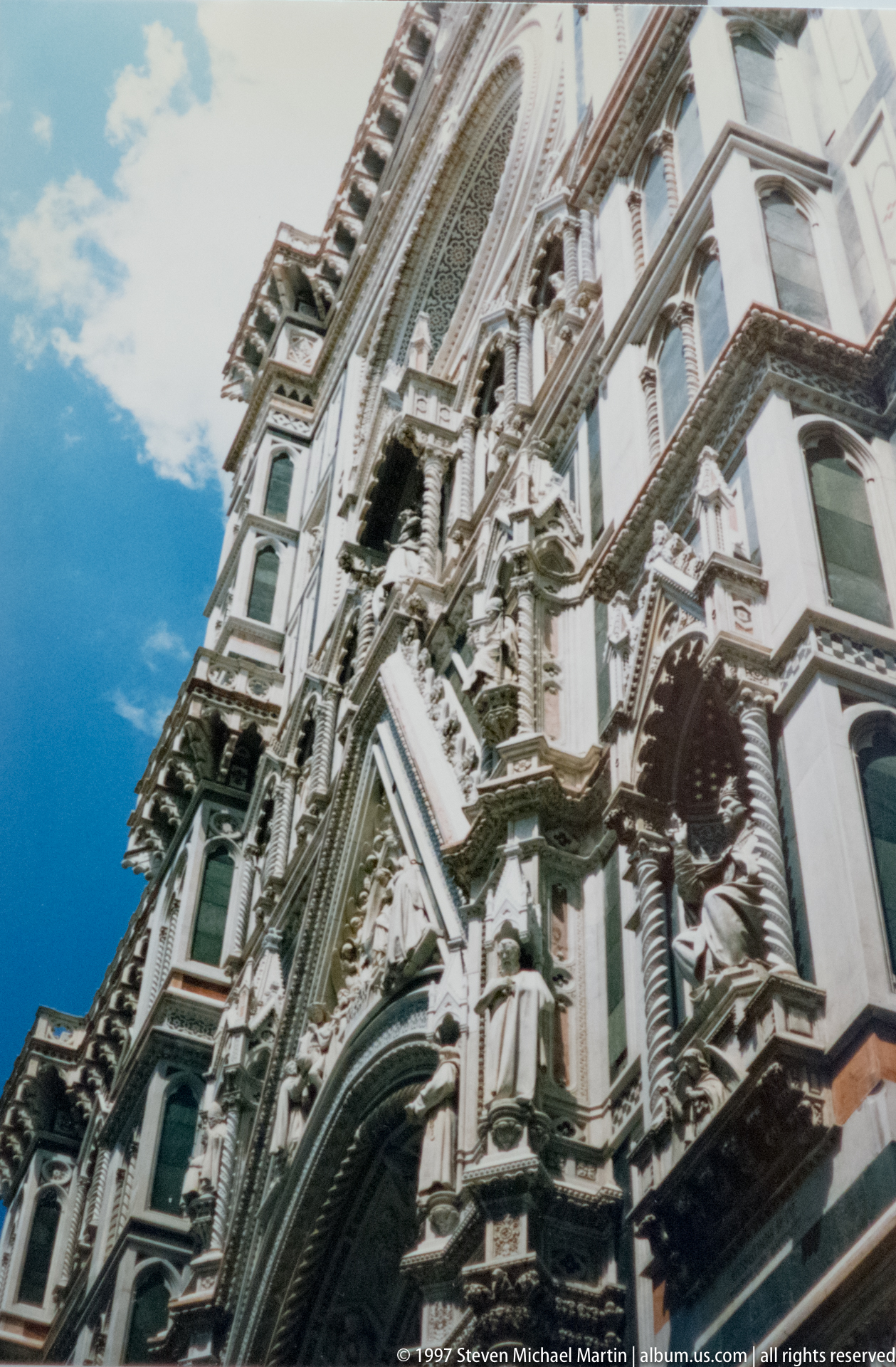
These photographs reflect a much earlier visit—captured before the digital era—where the images carry the softness and grain of film rather than the precision of modern sensors. While they may lack the sharpness of today’s photography, they preserve something equally valuable: a sense of time, atmosphere, and memory. In a city defined by layers of history, even the imperfections of older images feel fitting—echoing Florence itself, where beauty is not about perfection, but about continuity across generations.