Steven Michael Martin

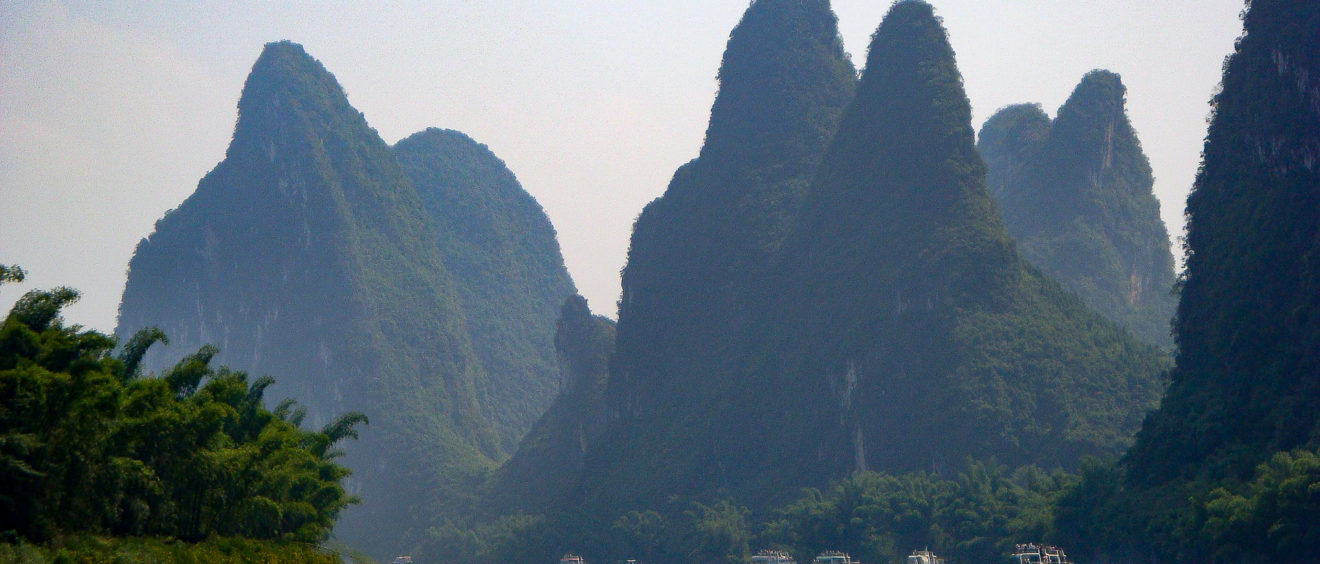
Steep vegetated limestone tower-karst formations rising from the Li River with small boats at their base for scale.

Guilin, China

Guilin Guilin is known for its distinctive karst landscape, characterized by steep limestone peaks rising above river valleys and agricultural plains. The region’s natural scenery has influenced artistic traditions in Chinese painting and poetry for centuries. Its landscape demonstrates the interaction between geology and cultural expression in Chinese history. The Li River flows through the […]
Explore Portfolio ›
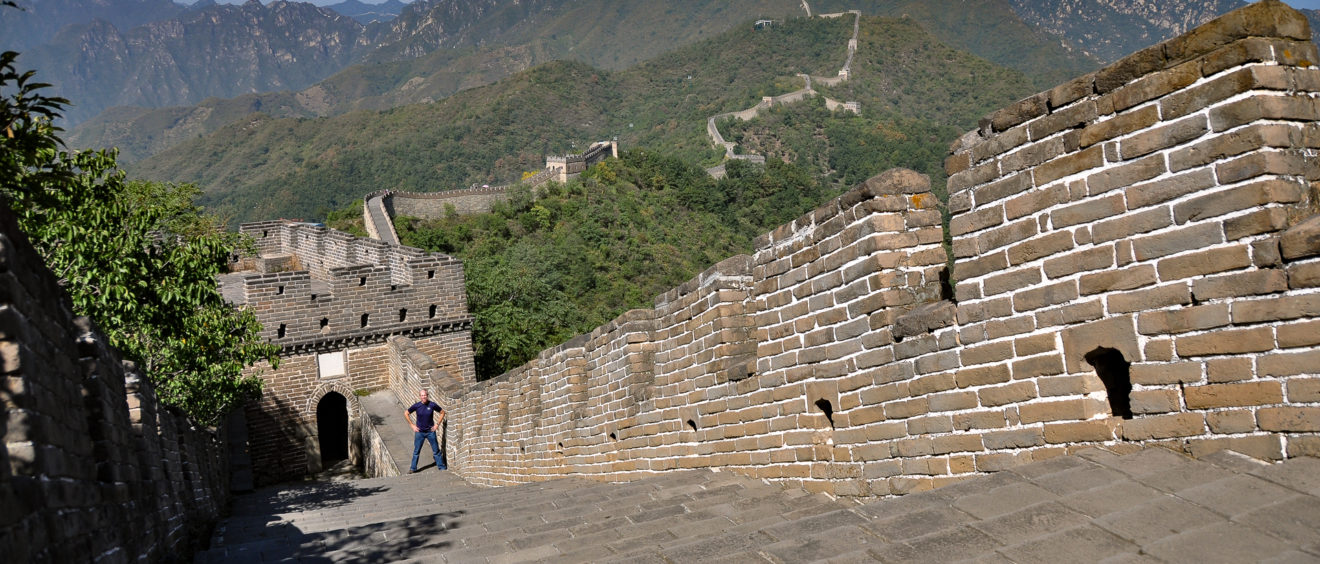
Broad brick walkway of the Great Wall at Mutianyu descending between high parapets toward a watchtower, with the wall continuing over distant mountain ridges.

Great Wall of China

Great Wall The Great Wall of China consists of a series of defensive fortifications constructed over many centuries to protect imperial territories from incursions across the northern frontier. Built using stone, brick, and compacted earth, the wall extends across mountain ridges and valleys, demonstrating large-scale engineering capabilities. Watchtowers and fortified passes illustrate the strategic planning […]

Explore Portfolio ›
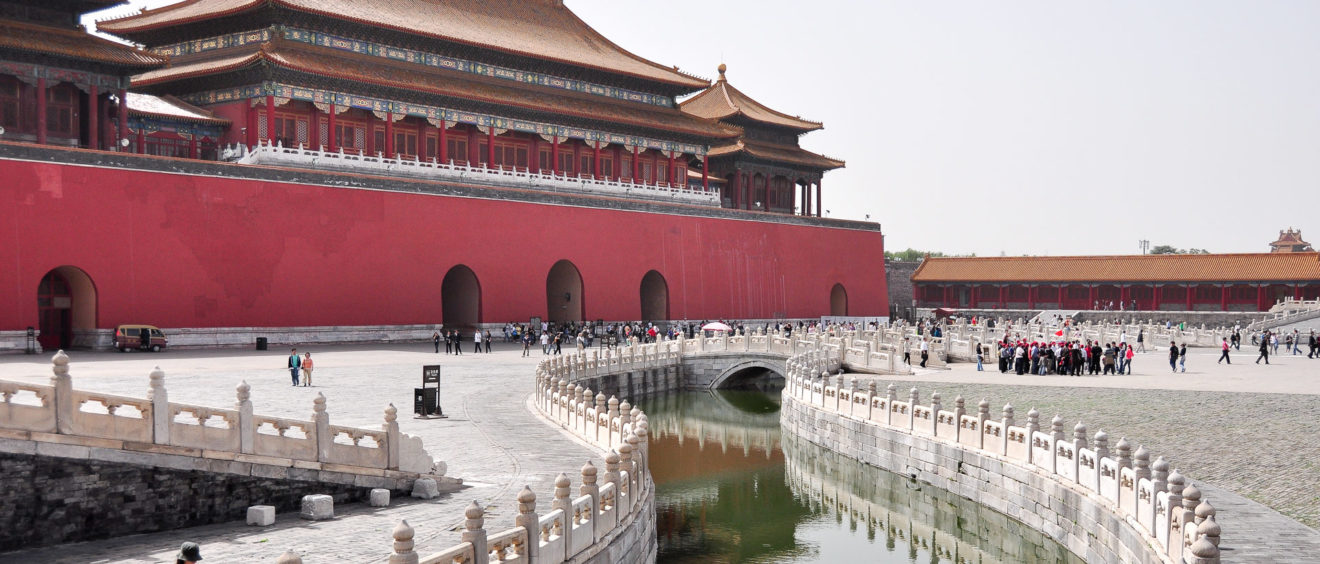
Wide view of the Meridian Gate beside the curving Inner Golden Water River with white stone bridges in the Forbidden City.

Forbidden City, Beijing

Forbidden City The Forbidden City served as the imperial palace for Ming and Qing dynasty emperors for nearly five centuries. The vast complex consists of ceremonial halls, residential quarters, and administrative buildings arranged along a central north–south axis. The layout reflects principles of symmetry and hierarchy that were fundamental to imperial Chinese architecture. High defensive […]

Explore Portfolio ›
Rectangular mirror with polished metal frame reflecting the gridded glass roof and steel structure inside Terminal 3 of Beijing Capital Airport.

Beijing Airport, China

Beijing Airport Beijing serves as one of the primary gateways to China’s historic capital, a city that has functioned as the political and cultural center of multiple imperial dynasties. Modern transportation infrastructure provides access to sites associated with the Ming and Qing emperors, whose architectural projects shaped the layout of the city. The contrast between […]

Explore Portfolio ›

Toronto, Ontario

Toronto, Ontario Toronto has developed into one of Canada’s most significant urban centers, shaped by its position along the northern shore of Lake Ontario and its role as a gateway for trade, immigration, and cultural exchange. Originally established as a British colonial settlement in the late eighteenth century, the city expanded rapidly as transportation networks […]

Explore Portfolio ›

Niagra Falls

Niagara Falls Niagara Falls represents one of the most powerful and visually dramatic natural landmarks in North America, where the Niagara River descends over a series of waterfalls connecting Lake Erie to Lake Ontario. Formed by glacial retreat at the end of the last Ice Age, the falls continue to evolve through erosion of the […]

Explore Portfolio ›

Montreal

Montréal Montréal developed as one of the most important cultural and economic centers in Canada, shaped by its strategic location along the St. Lawrence River and its role in French colonial expansion into North America. Founded in the seventeenth century as Ville-Marie, the settlement grew into a major trading hub linking Europe with the interior […]

Explore Portfolio ›

Historic District of Old Quebec

Historic District of Old Québec The Historic District of Old Québec preserves one of the most complete examples of a fortified colonial city in North America, reflecting the strategic importance of the St. Lawrence River in the development of New France. Founded in the early seventeenth century, Québec served as a center of administration, trade, […]

Explore Portfolio ›