
Burntcoat Cove, Nova Scotia
Burntcoat Cove Burntcoat Cove, located along the Minas Basin of the Bay of Fundy, is known for having some of […]
Explore Portfolio
This itinerary traces the origins, displacement, and cultural legacy of the Acadian people across France and Atlantic Canada. Through historic towns, churches, and landscapes shaped by early French settlement, the journey explores how a distinct identity endured despite migration, conflict, and exile. Together, these sites reveal the enduring connections between place, memory, and cultural continuity in the Atlantic world.
This itinerary traces the historical and cultural legacy of the Acadian people through landscapes closely connected to my own family history. My ancestors were among the early French settlers who established communities in Port Royal, Nova Scotia beginning in 1634, part of one of the first permanent European settlements in North America north of Florida. Over generations, my family lived in communities across Nova Scotia, New Brunswick, and northern Maine, where Acadian French remained the language of everyday life and an important marker of identity. These places reflect not only a shared past, but a living cultural continuity shaped by migration, adaptation, and resilience.
Acadian history begins with the establishment of small agricultural settlements along the Bay of Fundy and surrounding coastal regions of what was then known as Acadia. Unlike many colonial societies structured around large plantations or extractive industries, Acadian communities developed cooperative farming systems designed to adapt to tidal marshlands. Through the construction of dykes and drainage systems, settlers transformed coastal wetlands into productive farmland that supported stable communities for more than a century. These early settlements developed a distinctive cultural identity rooted in Catholic religious traditions, family networks, and linguistic continuity, even as political control of the region shifted between France and Britain.
The relative stability of Acadian life was disrupted in the mid-18th century during the Great Deportation (Le Grand Dérangement), when British authorities forcibly removed thousands of Acadians from their homes beginning in 1755. Families were separated and dispersed across North America, the Caribbean, France, and later Louisiana, where Acadian descendants contributed to the development of Cajun culture. Despite displacement, many Acadians eventually returned to the Maritime provinces or established new communities in nearby regions, preserving language, customs, and religious traditions that continue to shape Acadian identity today.
This itinerary follows the story of the Acadians, a French-speaking people whose history spans western France, Atlantic Canada, and the broader Atlantic world. From early colonial settlements along the Bay of Fundy to the forced displacement known as the Great Deportation, the Acadian story reflects themes of migration, resilience, and cultural continuity. Today, Acadian identity remains visible through architecture, religion, language, and community traditions across multiple regions.
The journey moves between landscapes shaped by early French settlement, colonial conflict, and later cultural revival. Churches, historic towns, and heritage sites provide insight into how communities maintained identity despite political upheaval. The itinerary also highlights the deep historical connections between France and North America, demonstrating how local places can reveal broader global histories of colonization, empire, and diaspora.
Rather than focusing on a single historical period, this itinerary explores how cultural identity develops over time. It considers the origins of the Acadians in 17th-century New France, the impact of the 18th-century deportations, and the continued evolution of Acadian communities across Canada, France, and the United States.



The itinerary begins in western France, where many early settlers originated before crossing the Atlantic in the 17th century. Ports such as La Rochelle served as important departure points for migration to New France, linking regional French communities to colonial settlements across the ocean. These connections illustrate how local European histories became intertwined with the development of North American cultural landscapes.
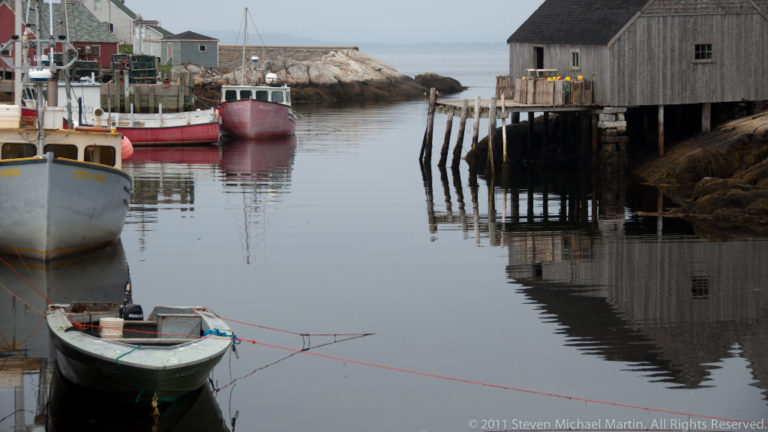
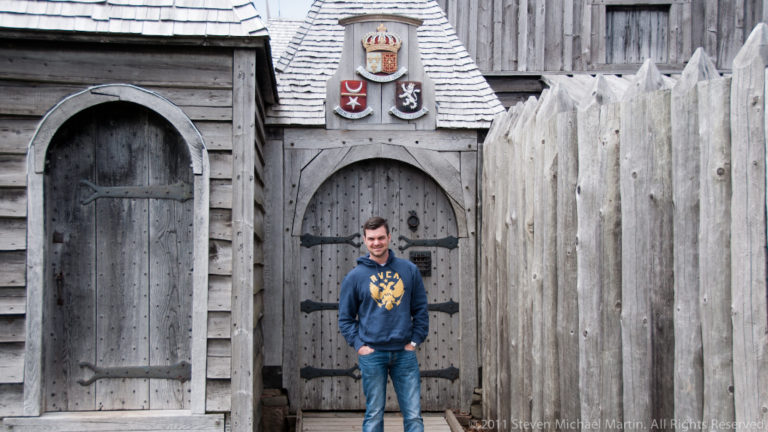
The journey continues to key sites in Nova Scotia and New Brunswick associated with early Acadian settlement, including Port Royal and surrounding communities along the Bay of Fundy. These landscapes reflect the agricultural ingenuity of Acadian settlers as well as the social and religious structures that sustained community life over multiple generations. Churches, historic towns, and reconstructed settlements help illustrate how early Acadians adapted European traditions to new environmental conditions.
Later portions of the itinerary consider the broader Acadian diaspora, including communities in northern Maine and other regions where Acadian descendants maintained linguistic and cultural continuity. Across these locations, the persistence of Acadian French demonstrates how identity can endure despite migration, political change, and geographic dispersion. Together, these sites form a narrative that connects genealogy with landscape, showing how family history can illuminate broader historical processes that shaped the Atlantic world.
The story of the Acadians did not end with the Great Deportation of 1755. After being forcibly removed from their homes in Nova Scotia and surrounding regions, Acadian families were dispersed across the Atlantic world, including the American colonies, Britain, France, and the Caribbean. Many families experienced years of uncertainty as they sought new places to rebuild their communities while maintaining language, religion, and family connections.
Beginning in the late 18th century, a number of Acadian families eventually settled in Louisiana, then under Spanish control. In the bayous and prairies of southern Louisiana, these displaced communities developed a distinct cultural identity that blended Acadian traditions with influences from Spanish, African, Caribbean, and Indigenous cultures. Over time, the term “Acadian” evolved linguistically into “Cajun,” reflecting both continuity and adaptation within a new geographic setting.
Today, the shared heritage between Acadian and Cajun communities illustrates the resilience of cultural identity across generations and across continents. Language, music, food traditions, and family names continue to reflect the historical connections linking western France, Atlantic Canada, and the Gulf Coast of the United States. Understanding this broader diaspora helps place Acadian history within the wider context of migration, displacement, and cultural persistence in the Atlantic world.