Rome, Italy
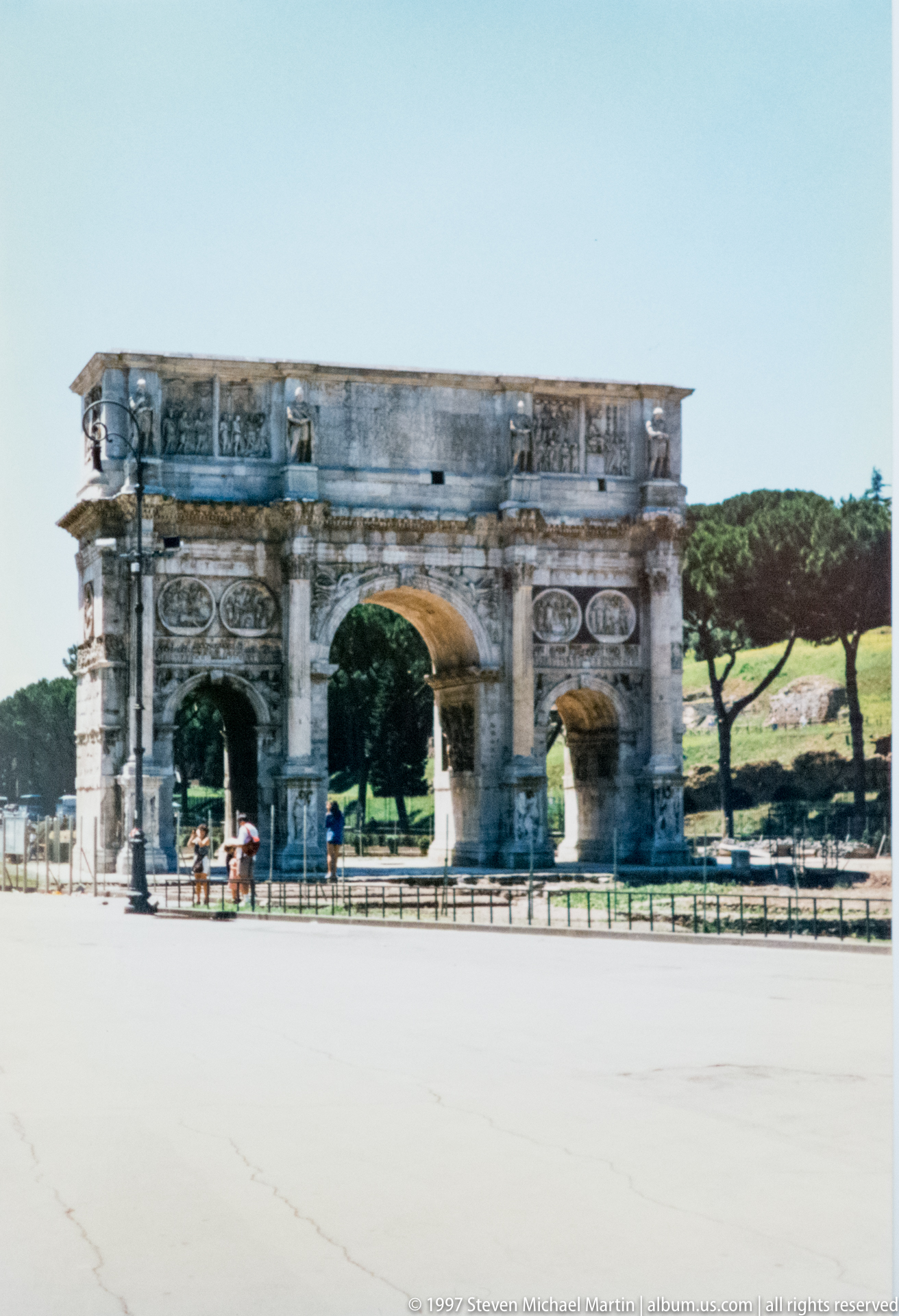
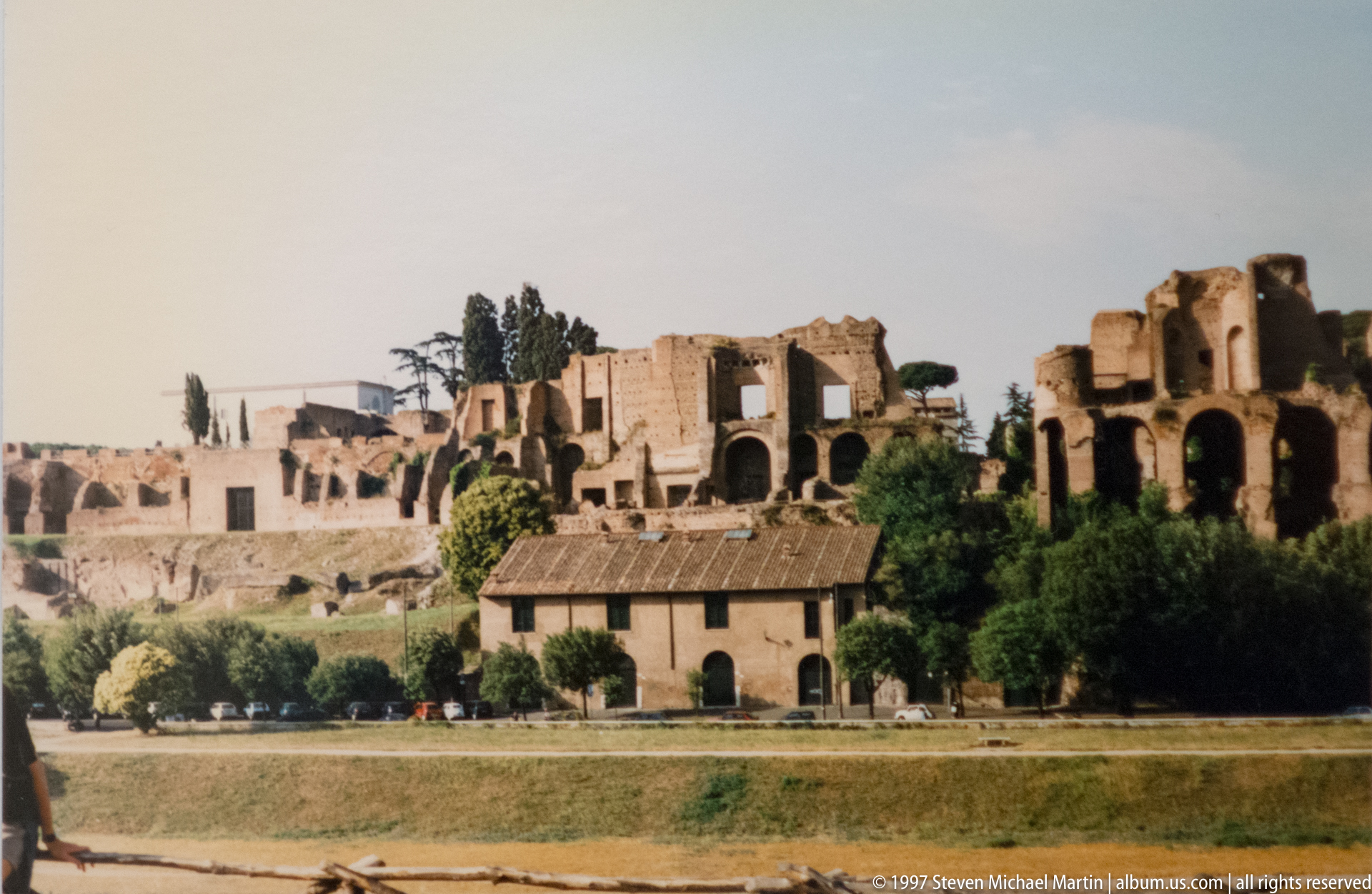
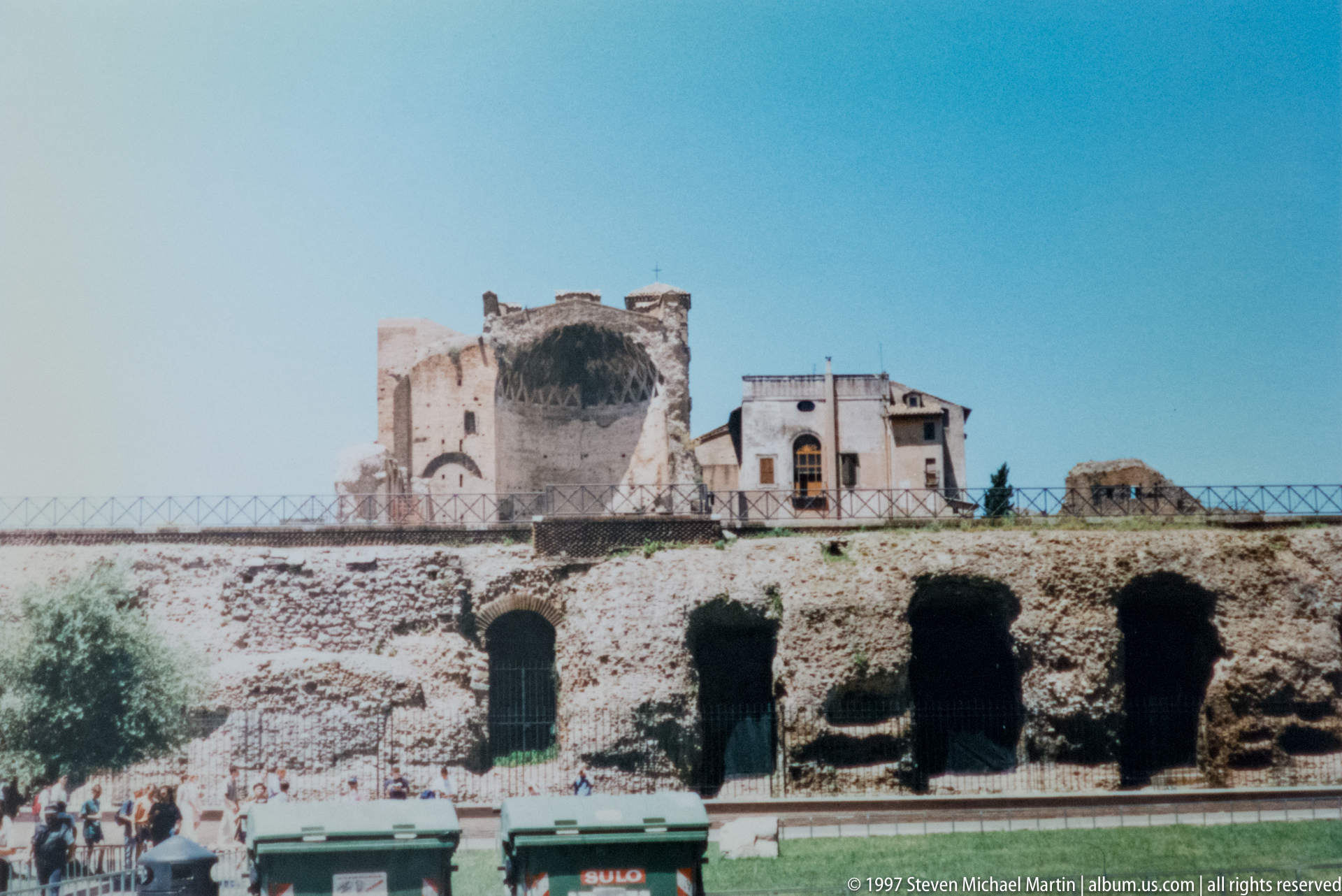
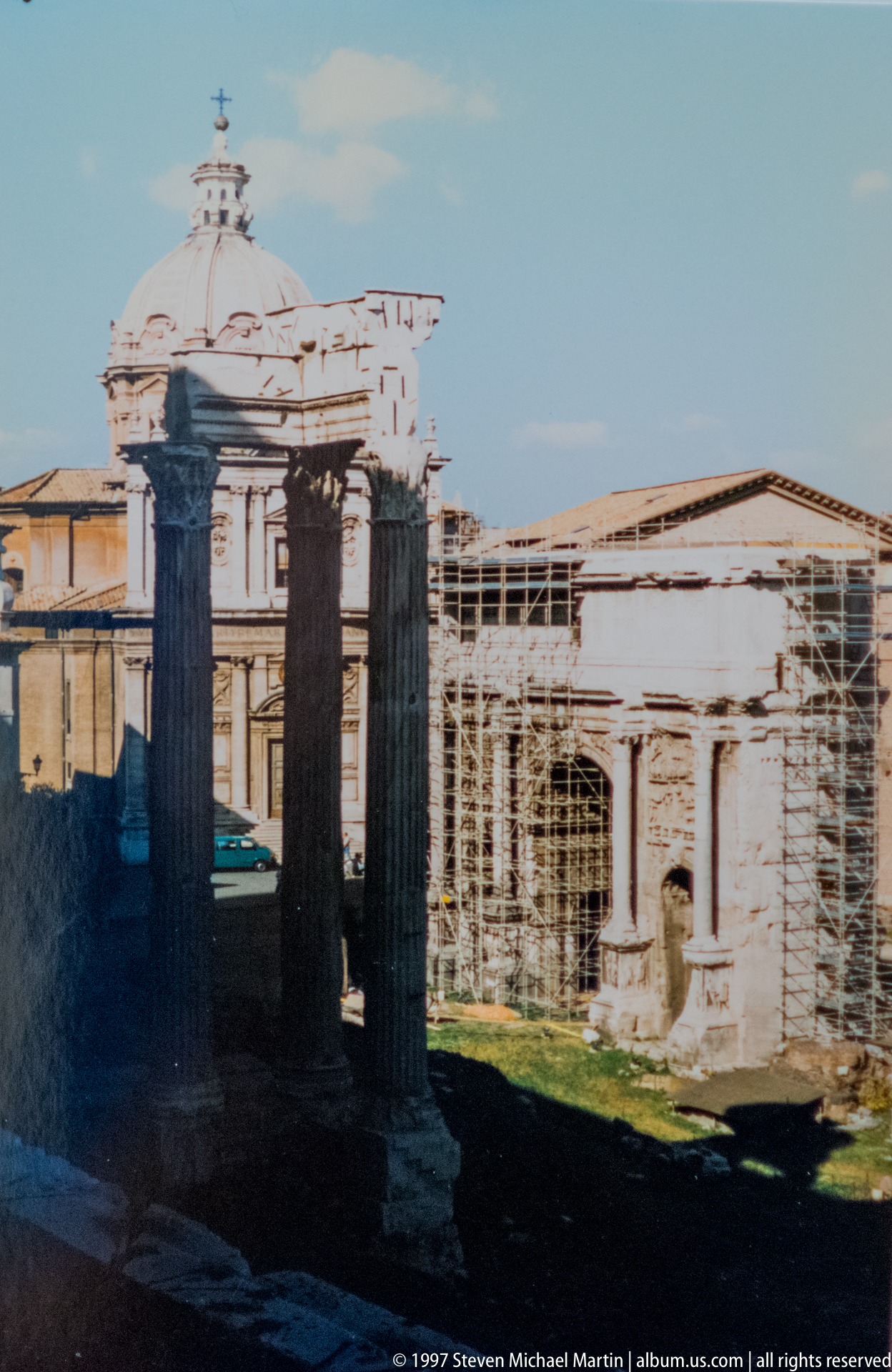
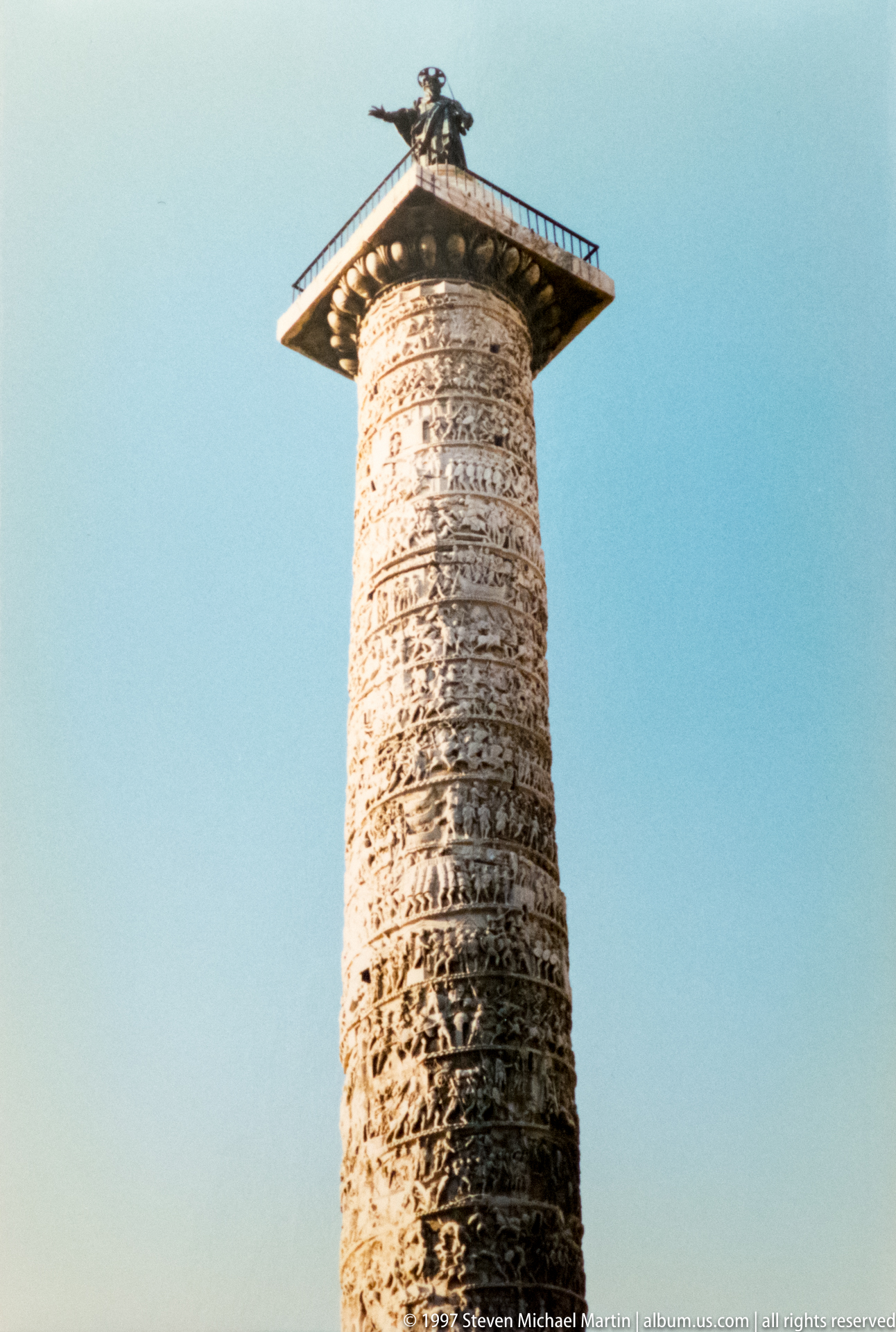
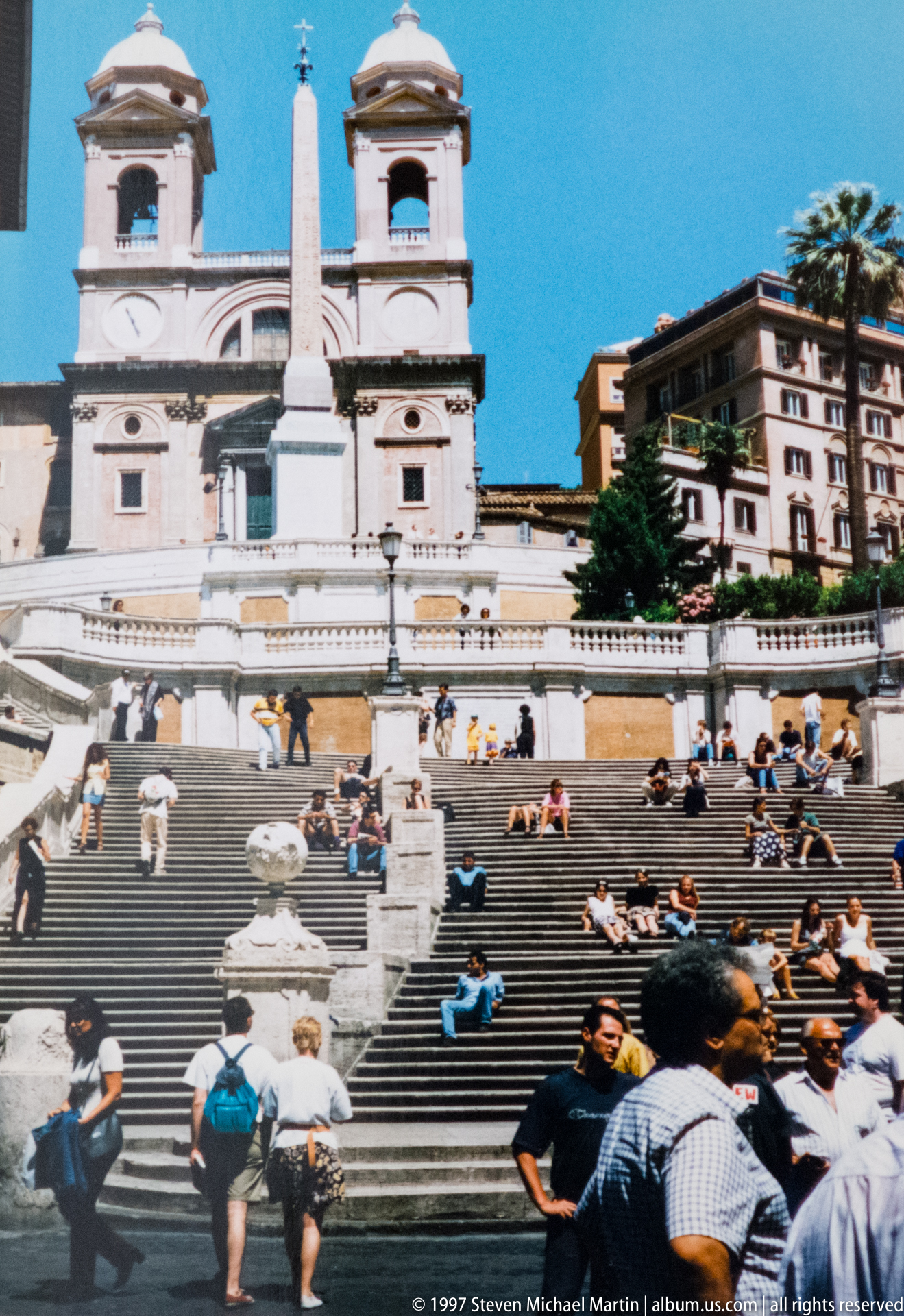
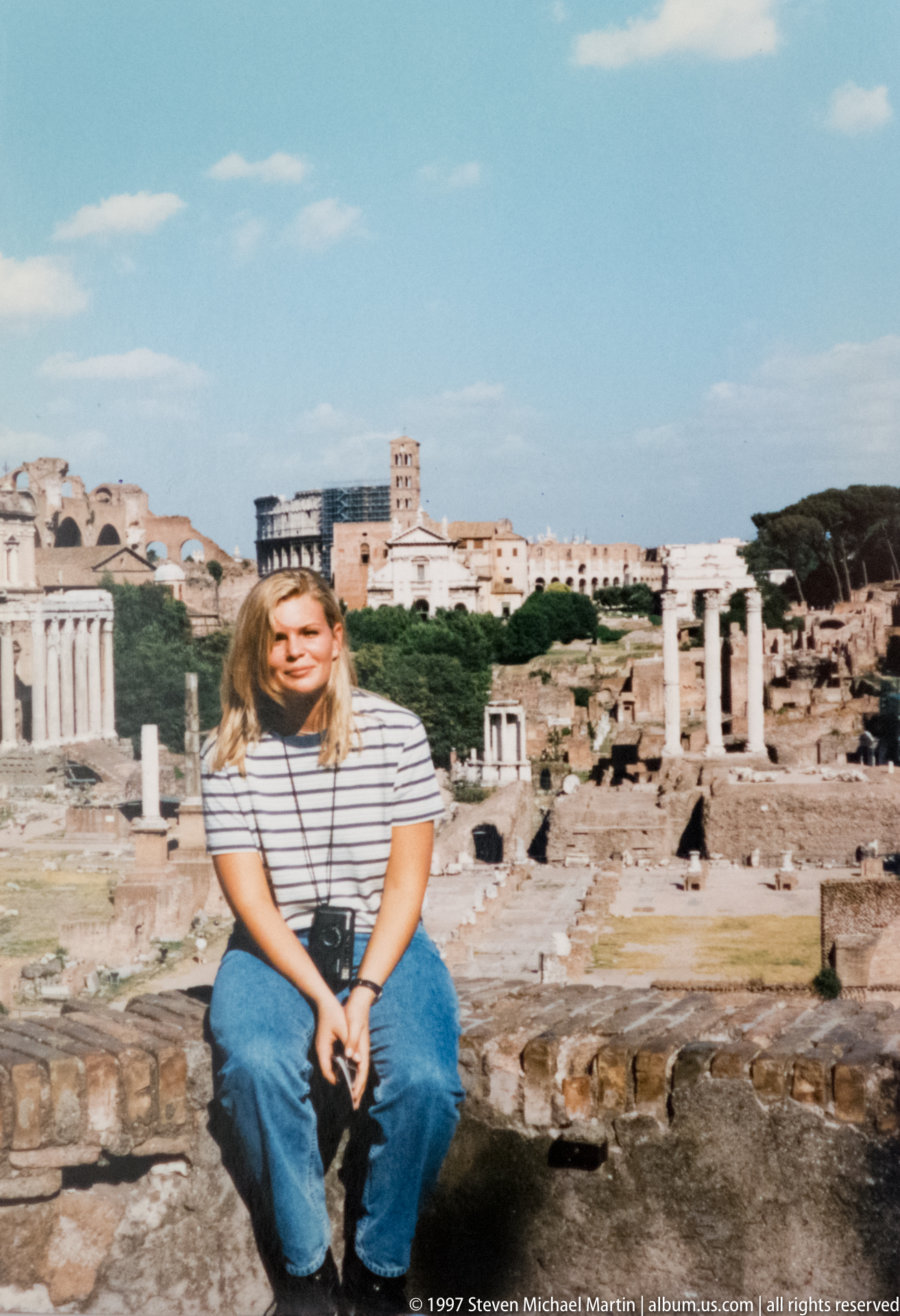
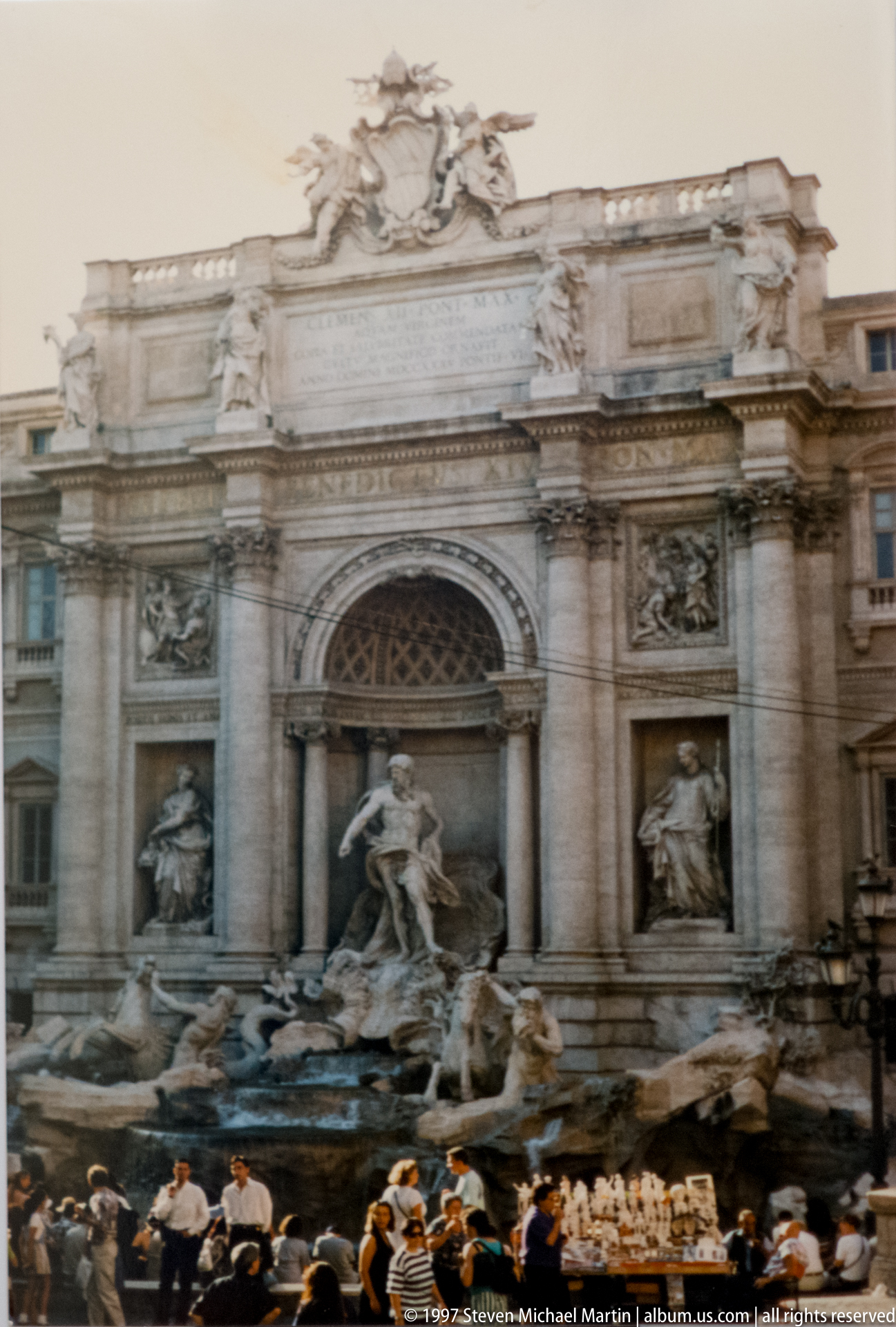
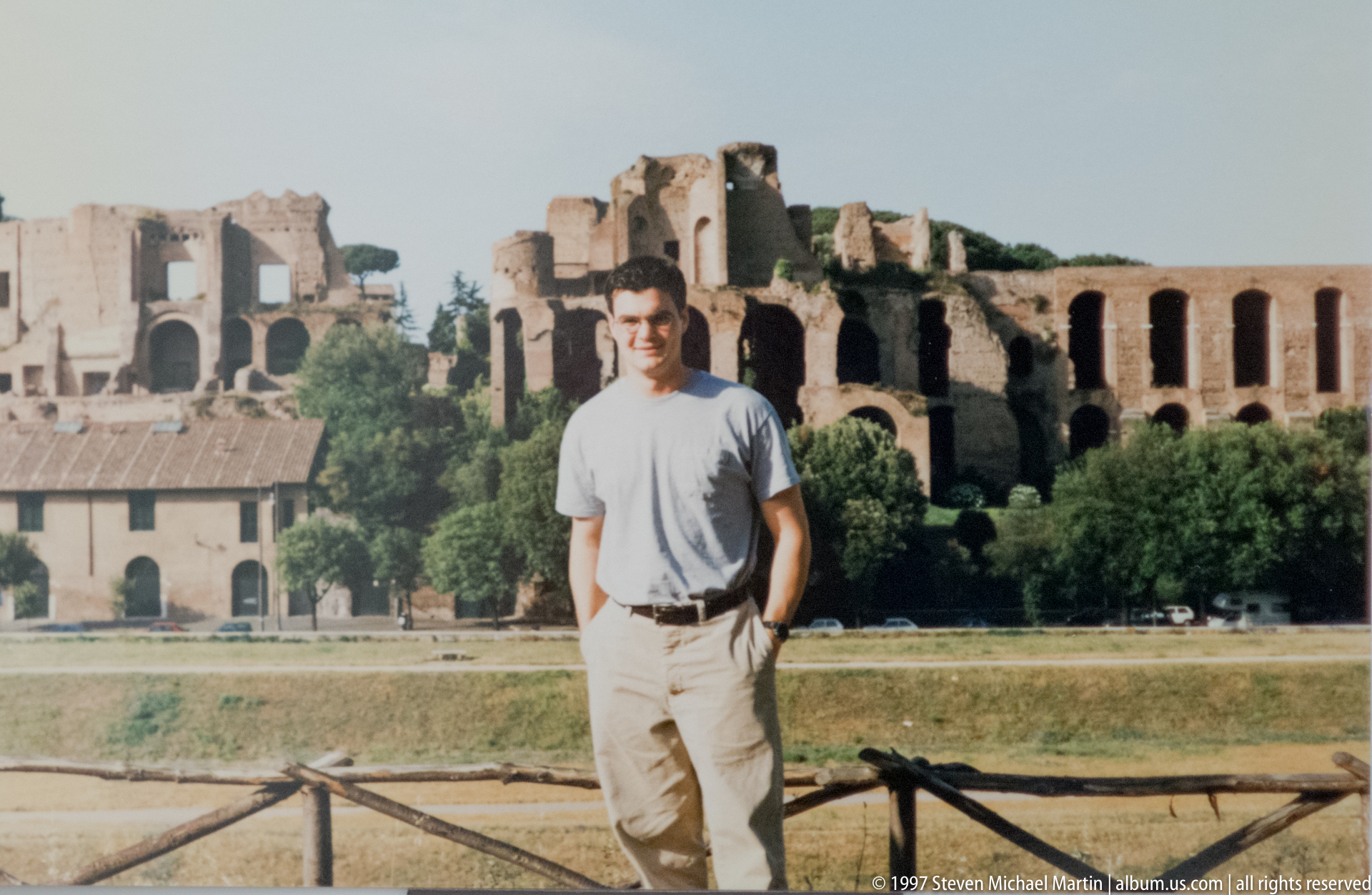
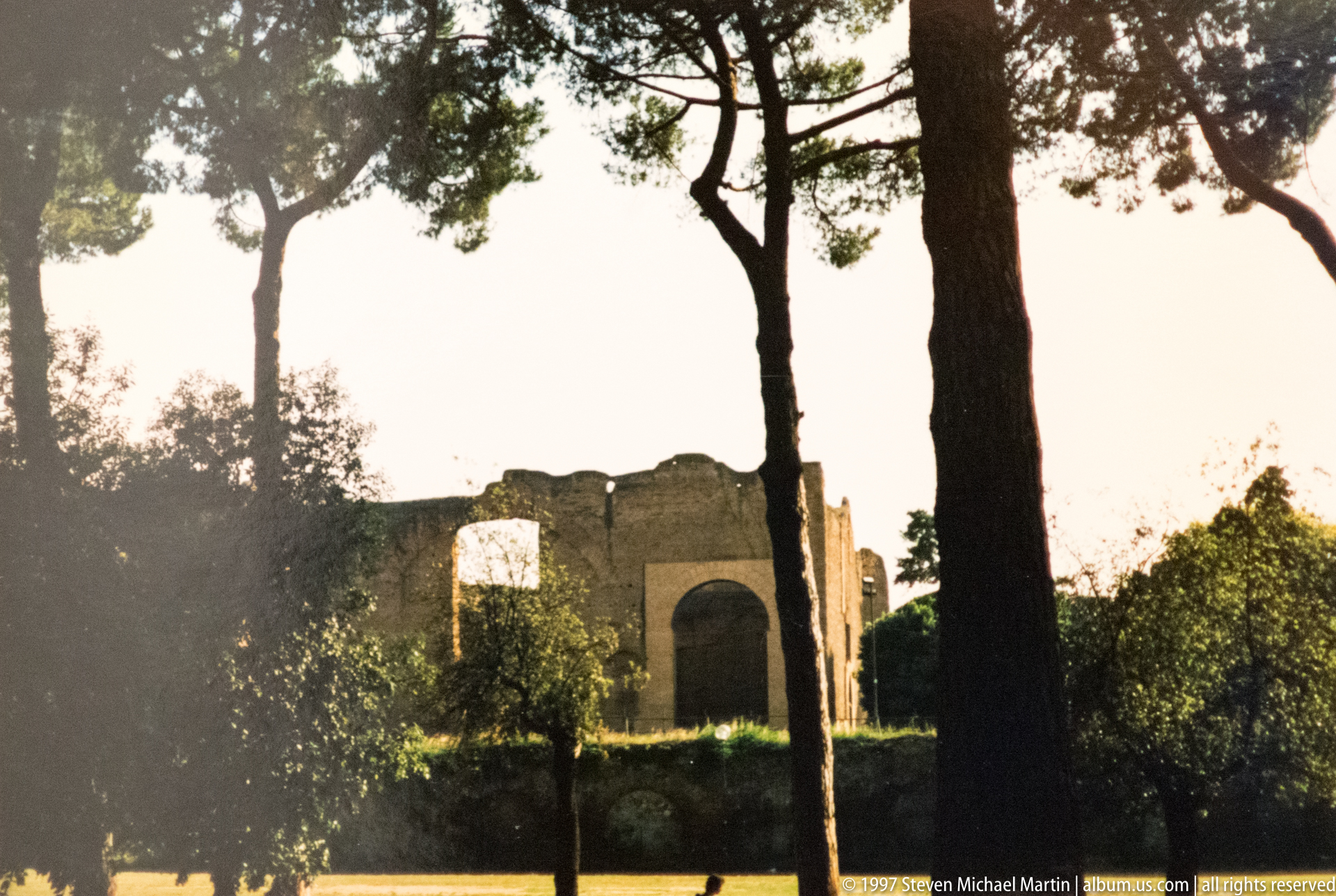
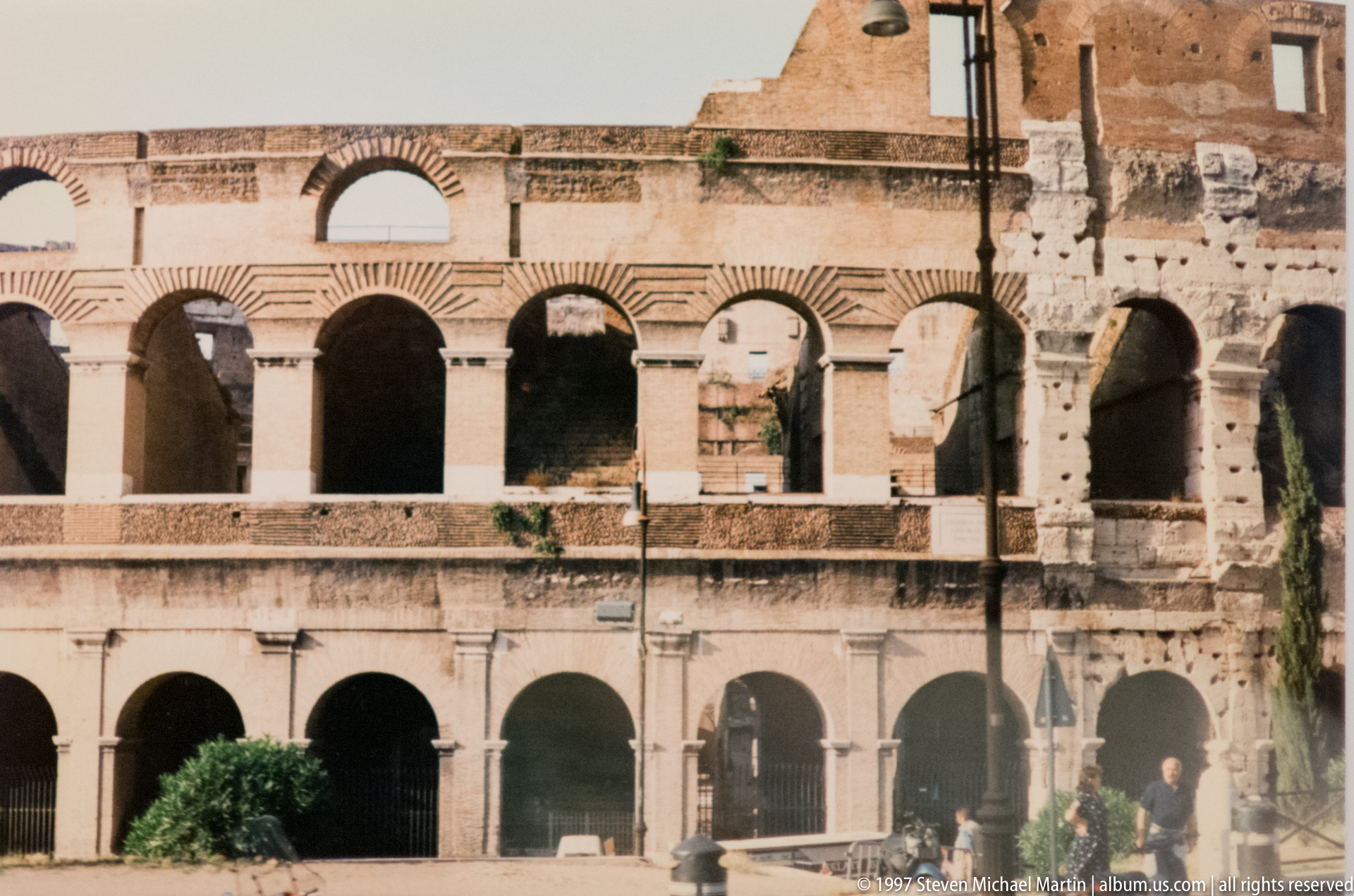
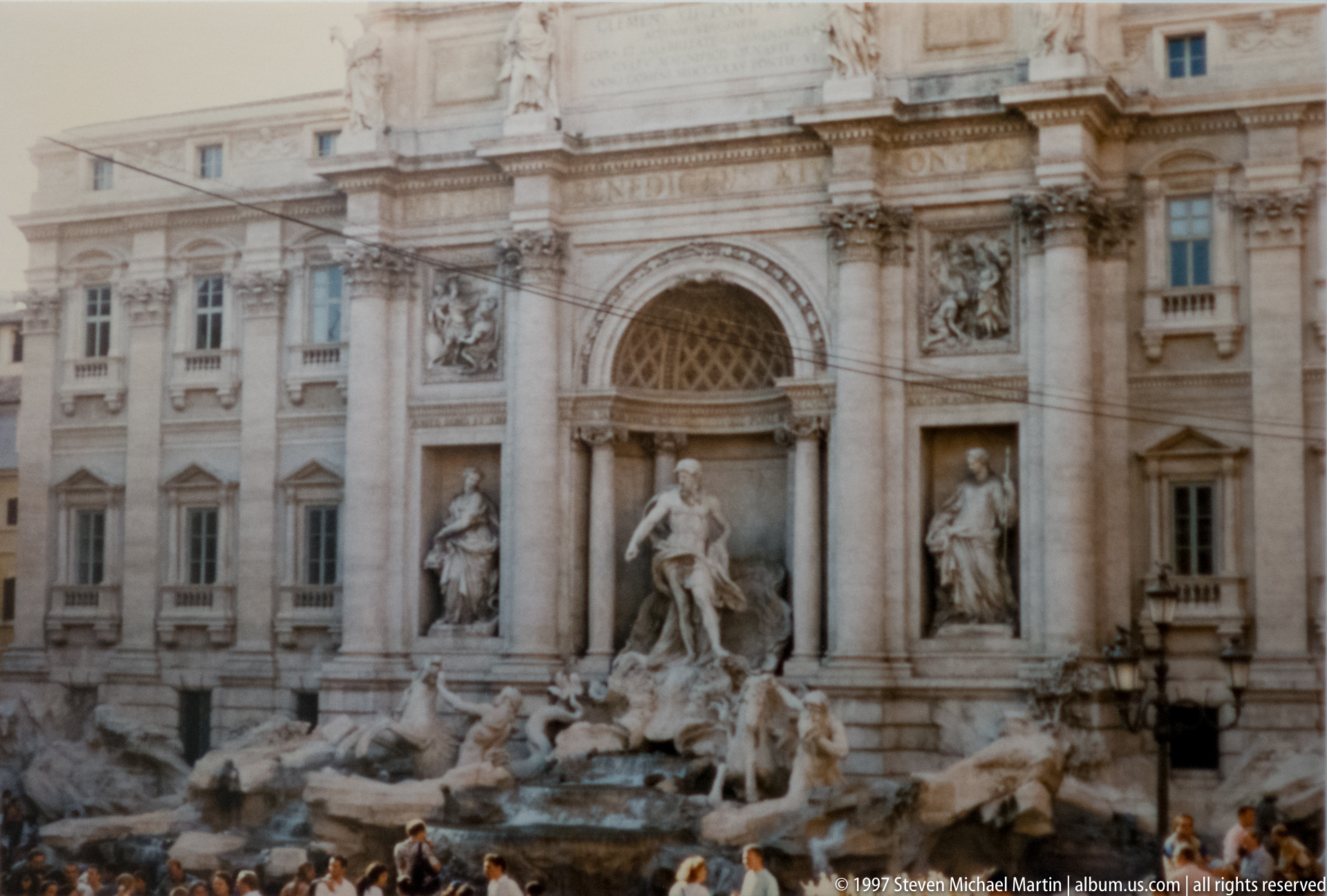
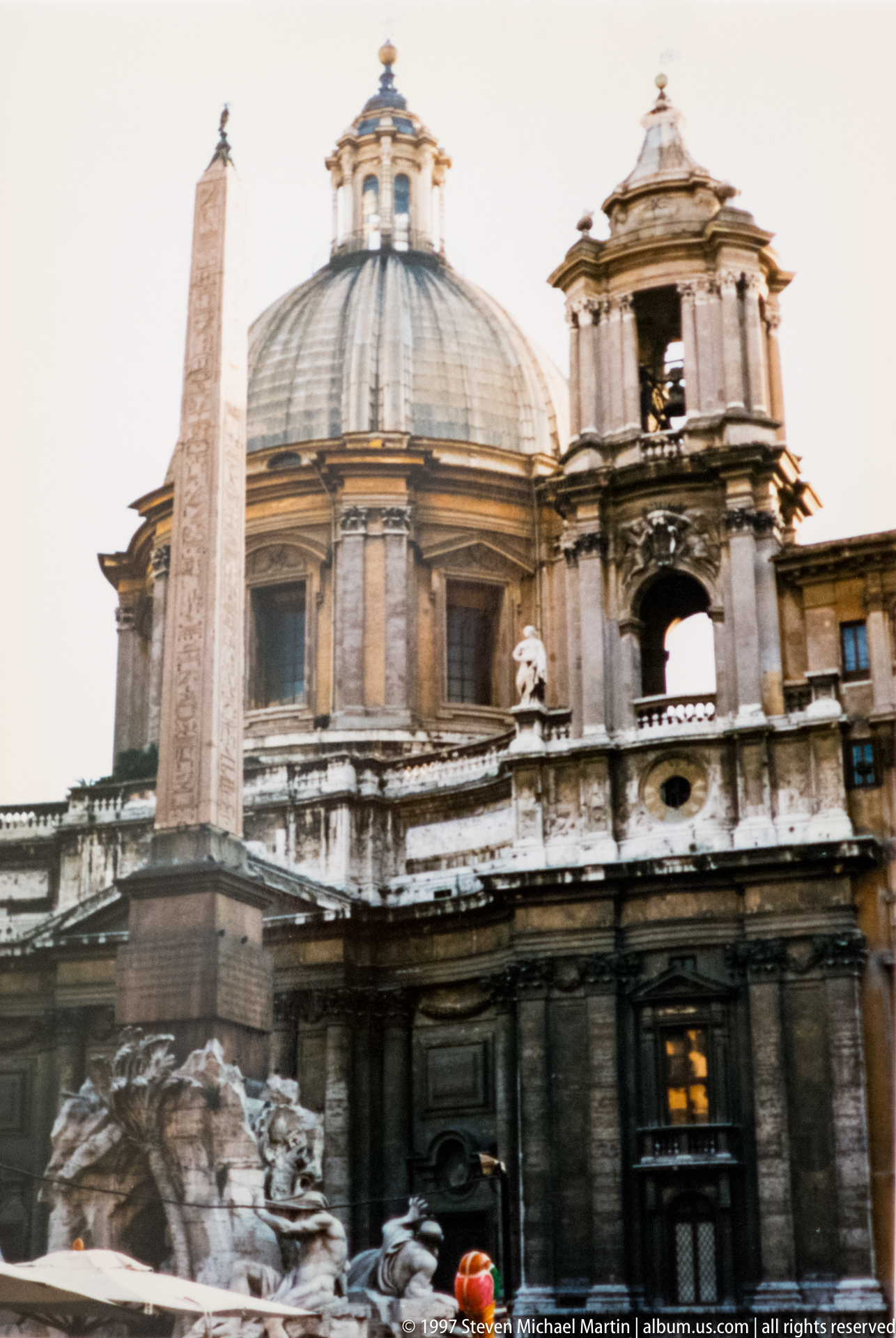
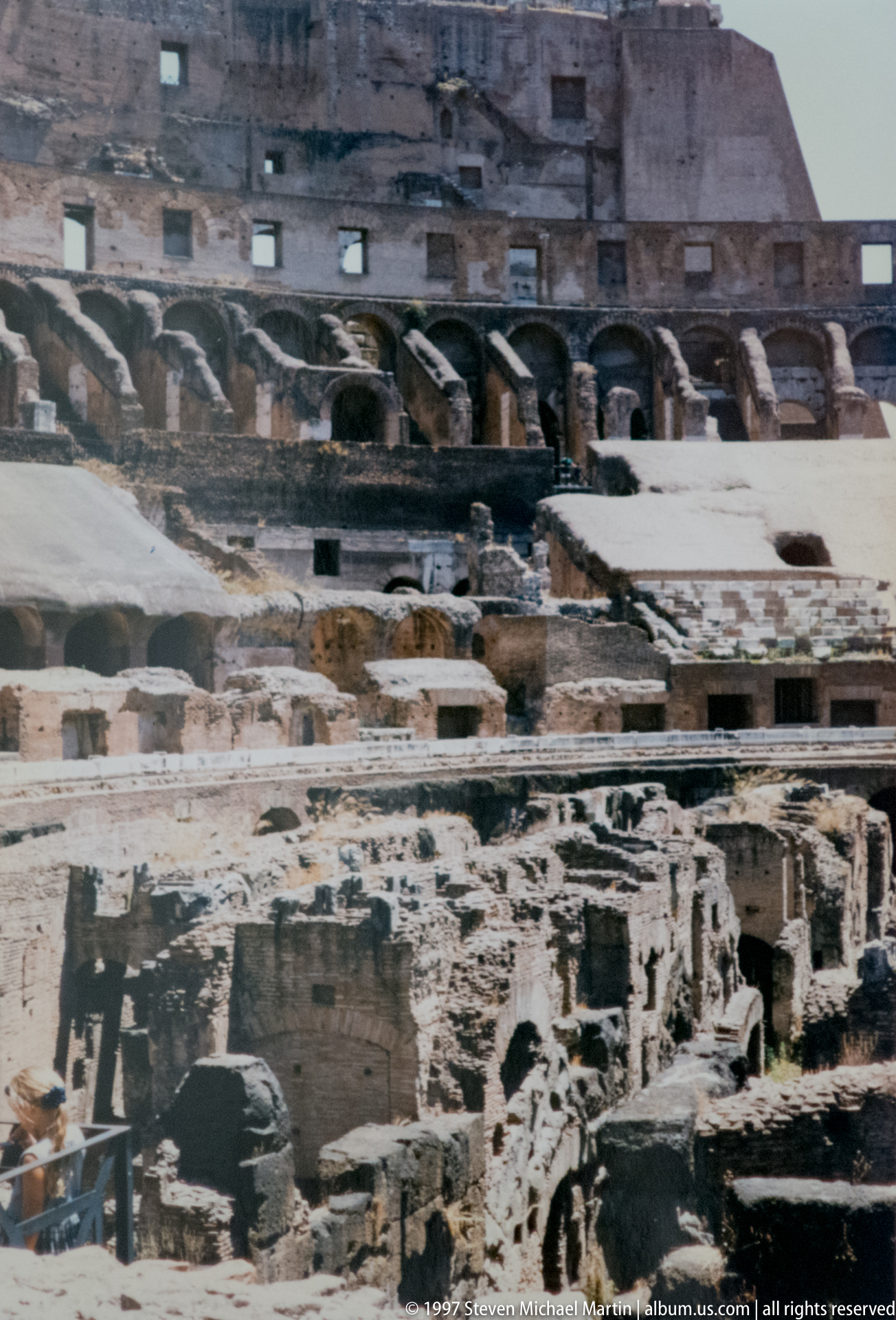
Few cities in the world carry the weight of history as profoundly as Rome. Known as the “Eternal City,” Rome is not defined by a single era, but by the continuous layering of civilizations—ancient, medieval, Renaissance, and modern—woven together into a living, evolving landscape. From the ruins of the Roman Forum and the Colosseum to the grandeur of Baroque fountains and Renaissance churches, the city offers an unparalleled journey through more than two thousand years of human achievement.
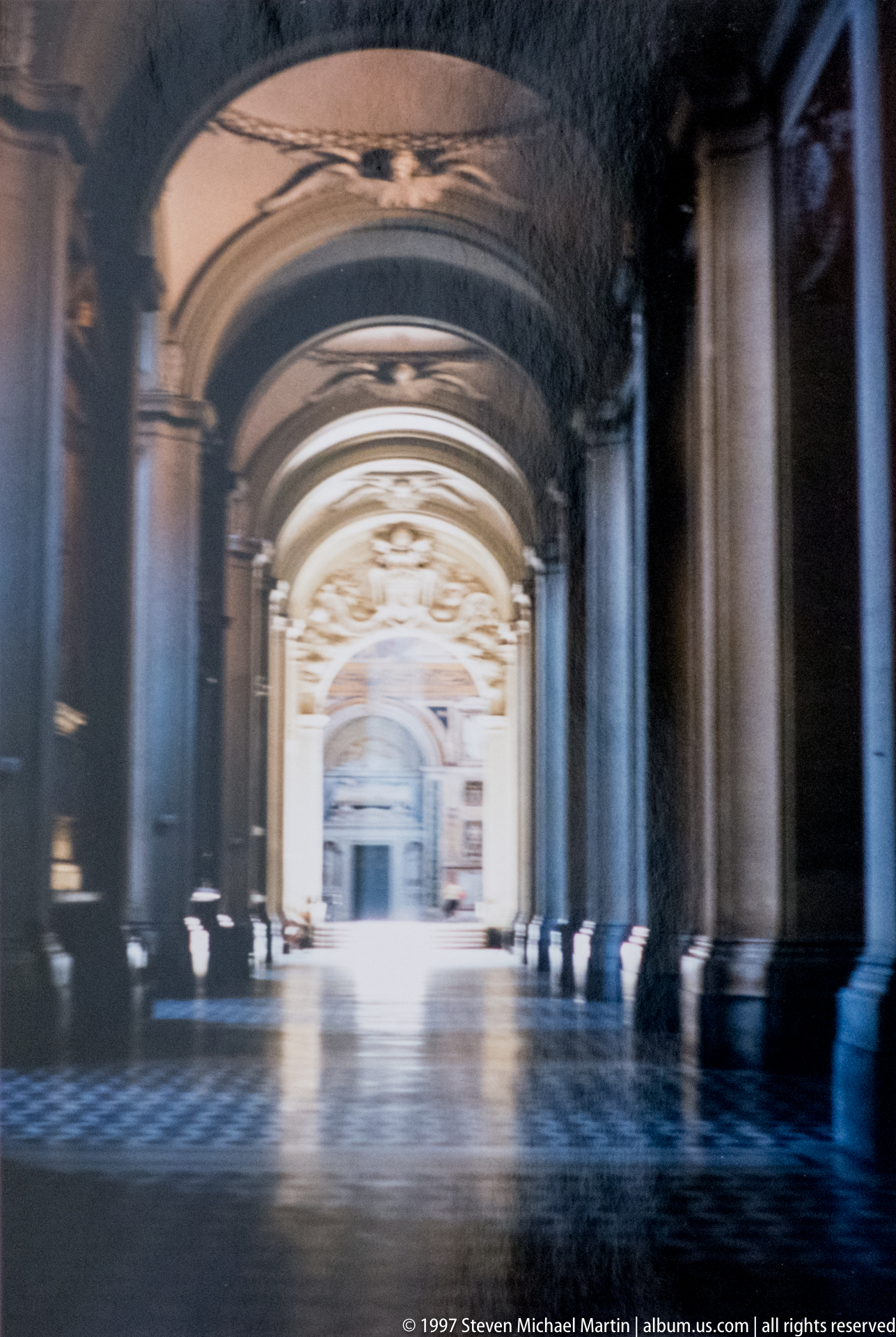
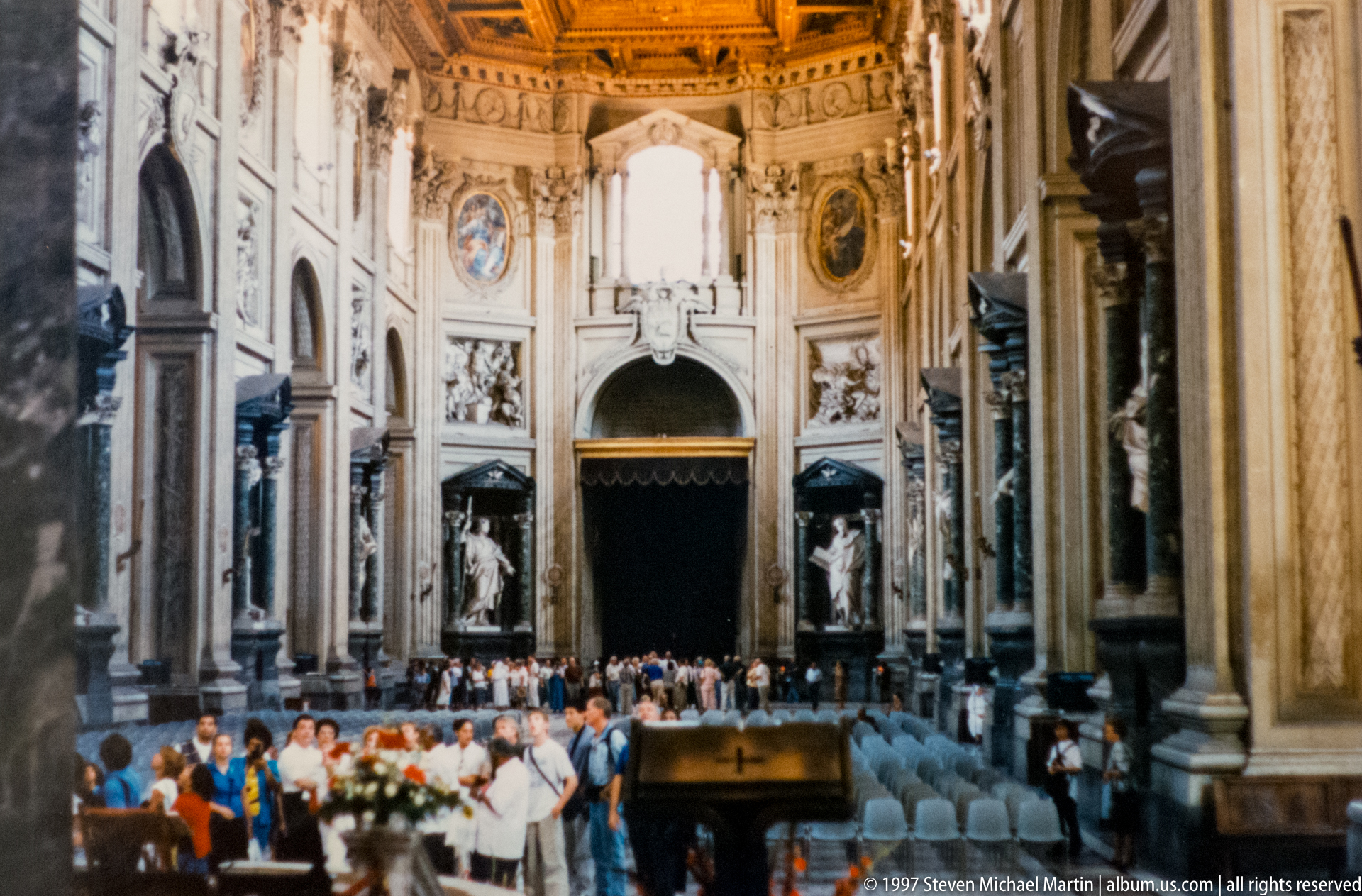
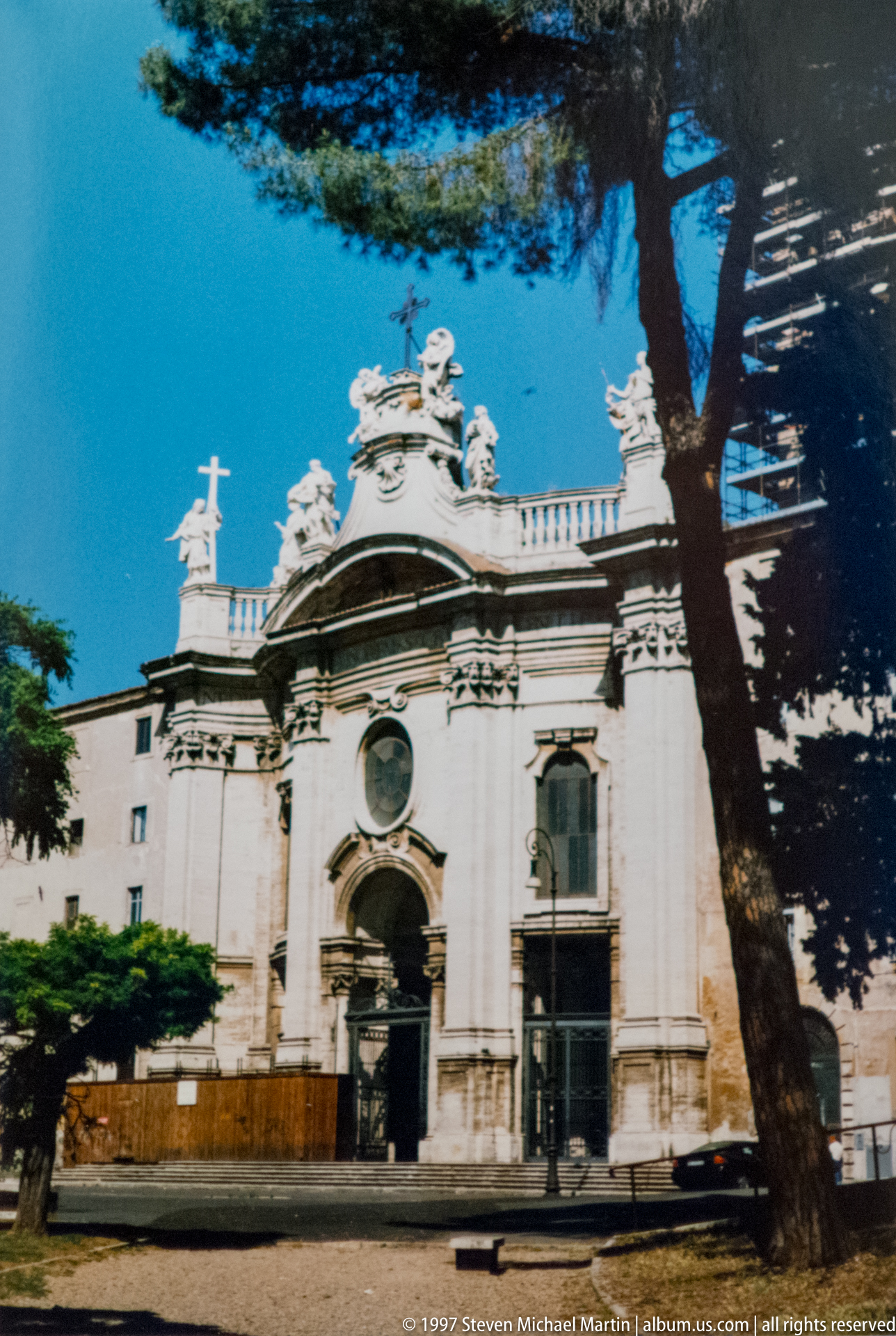
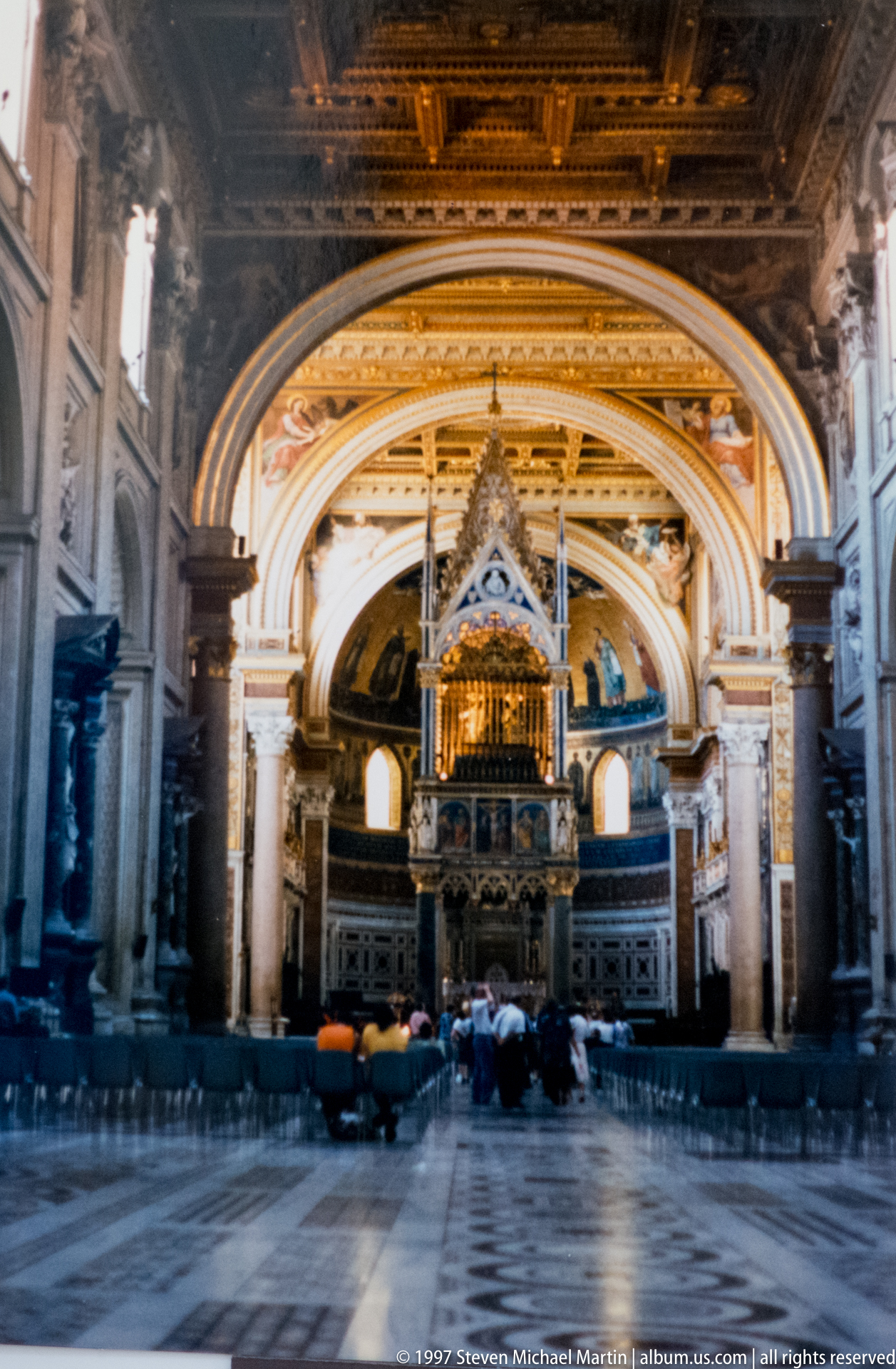
Founded, according to legend, in 753 BC, Rome grew from a small settlement along the Tiber River into the center of the Roman Republic and later the vast Roman Empire, shaping law, language, architecture, and governance across much of the known world . In the centuries that followed, it became the spiritual heart of Christianity, with the rise of the papacy and the construction of some of the most influential religious structures in history. This unique continuity—where ancient temples, Christian basilicas, and Renaissance masterpieces coexist within the same urban fabric—gives Rome a depth and complexity found nowhere else.
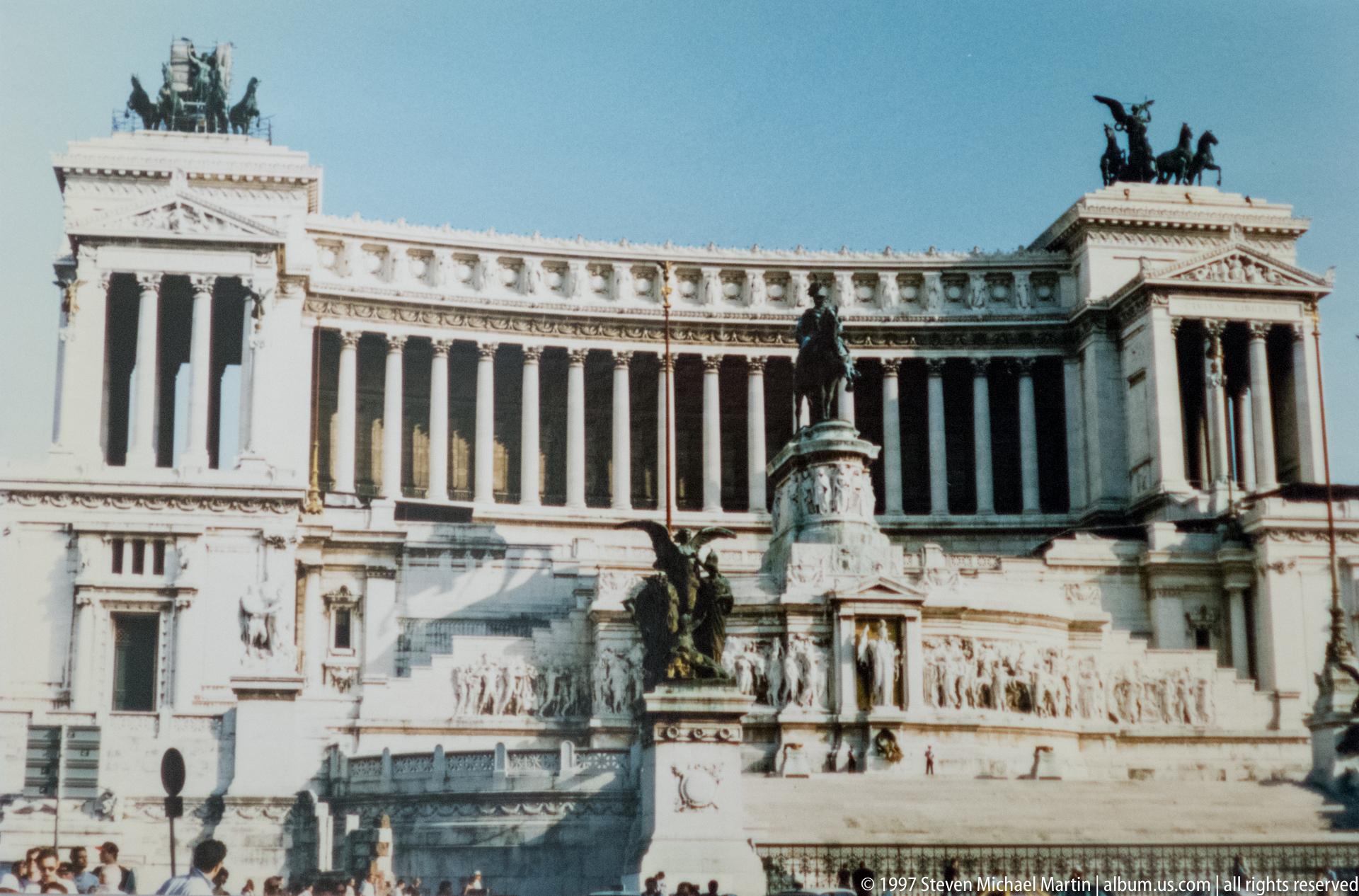
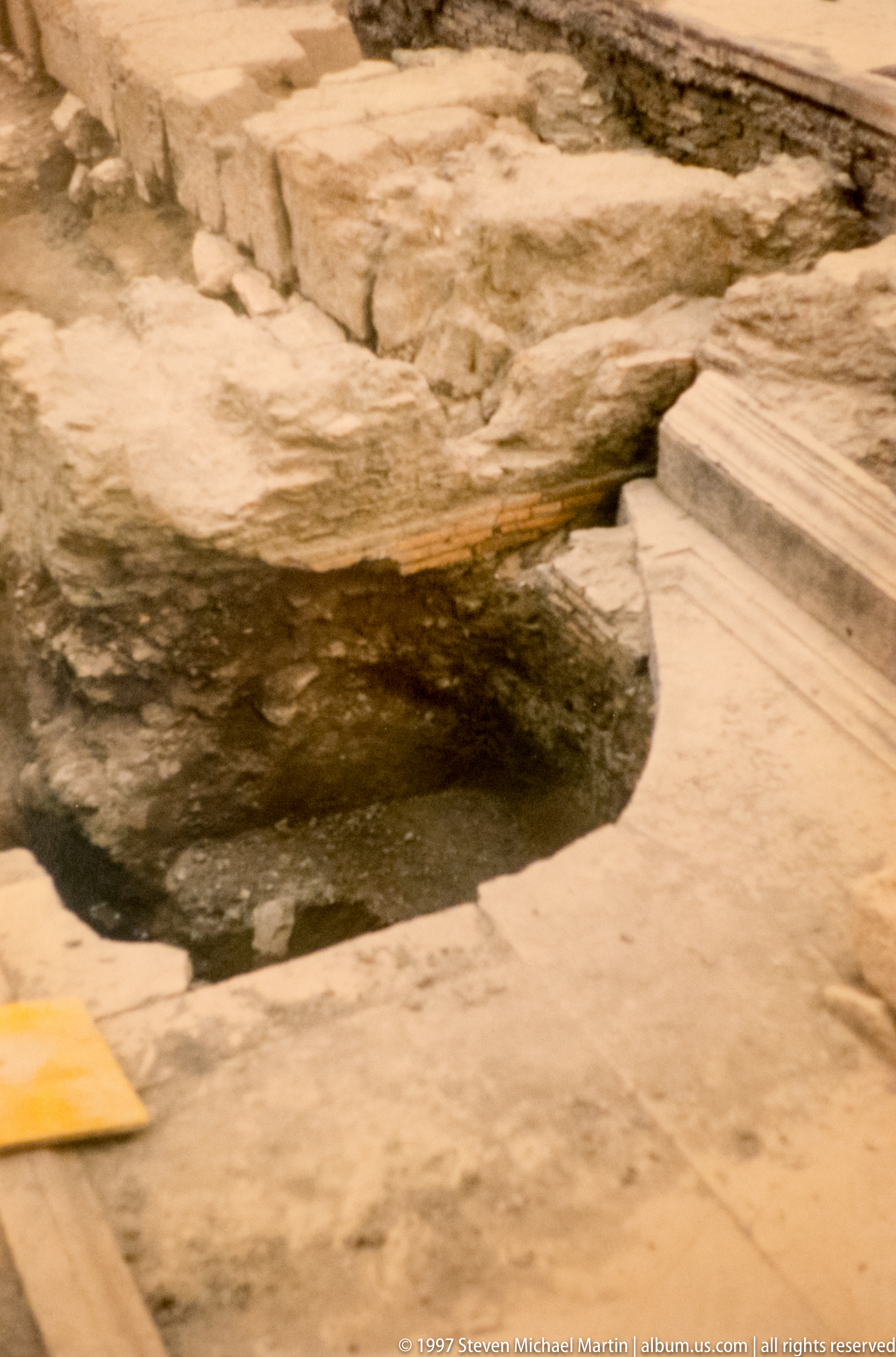
Designated as the UNESCO World Heritage Site “Historic Centre of Rome, the Properties of the Holy See… and San Paolo Fuori le Mura,” the city represents an extraordinary record of human civilization, preserving archaeological remains, monumental architecture, and artistic achievements spanning nearly three millennia . Rather than a collection of isolated landmarks, Rome is a complete cultural landscape—one where every street, piazza, and monument contributes to a broader narrative of history, power, faith, and creativity.