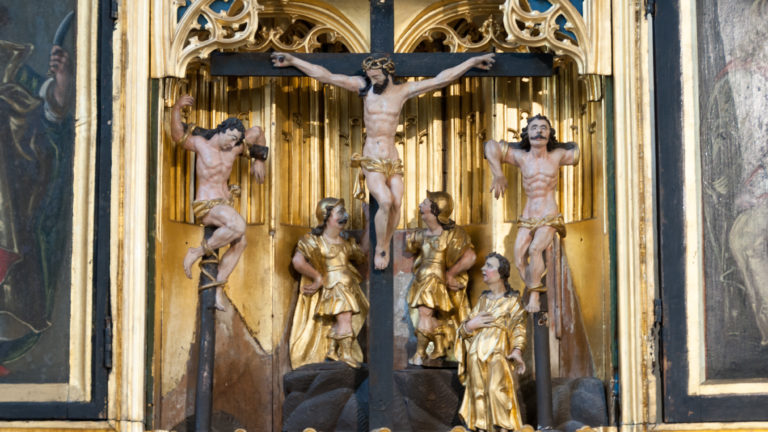
St Nicholas Church, Tallinn
St. Nicholas Church, Tallinn St. Nicholas Church was constructed during the medieval period to serve merchants and sailors traveling through […]
Explore Portfolio
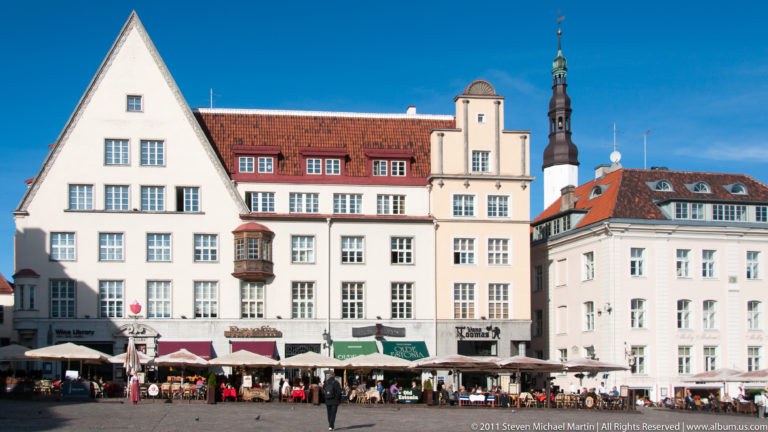
Estonia’s historic identity is closely tied to its position along Baltic trade routes, where medieval merchants and religious institutions shaped the development of fortified urban centers. The remarkably preserved historic core of Tallinn reflects the city’s importance as a northern member of the Hanseatic League, whose commercial networks connected ports across northern Europe. Narrow cobblestone streets, defensive towers, and merchant houses illustrate the continuity of urban life from the medieval period through the present day.
Religious architecture played an important role in the development of Tallinn’s civic landscape. The Gothic structure of St. Nicholas’ Church reflects the influence of German merchant communities who settled in the city during the thirteenth century. Originally serving both religious and defensive purposes, the church later became an important center for ecclesiastical art and remains one of the most significant medieval monuments in the city.
Together, these sites illustrate the historical importance of Tallinn as a cultural and commercial gateway linking Scandinavia, Central Europe, and Russia. The preserved medieval streetscape contributes to the city’s recognition as a UNESCO World Heritage Site and provides insight into the architectural traditions of northern European trading centers.
Photographing Tallinn emphasizes the visual rhythm of red-tiled roofs, church spires, and stone defensive walls that define one of Europe’s most cohesive medieval environments. Elevated viewpoints reveal the compact structure of the historic city, where centuries of architectural continuity remain clearly visible.
The following itineraries include locations in this country:
