Budapest
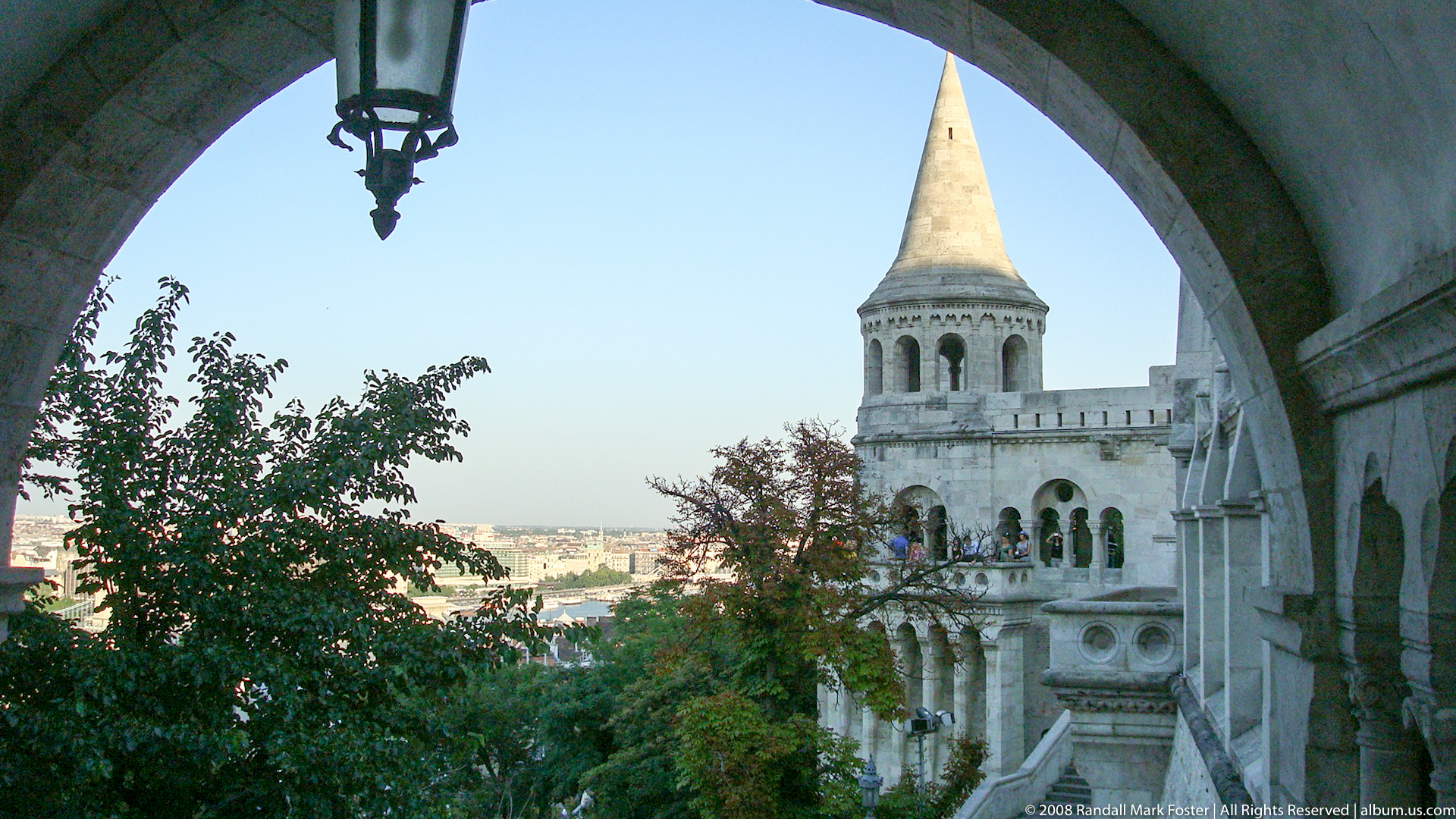
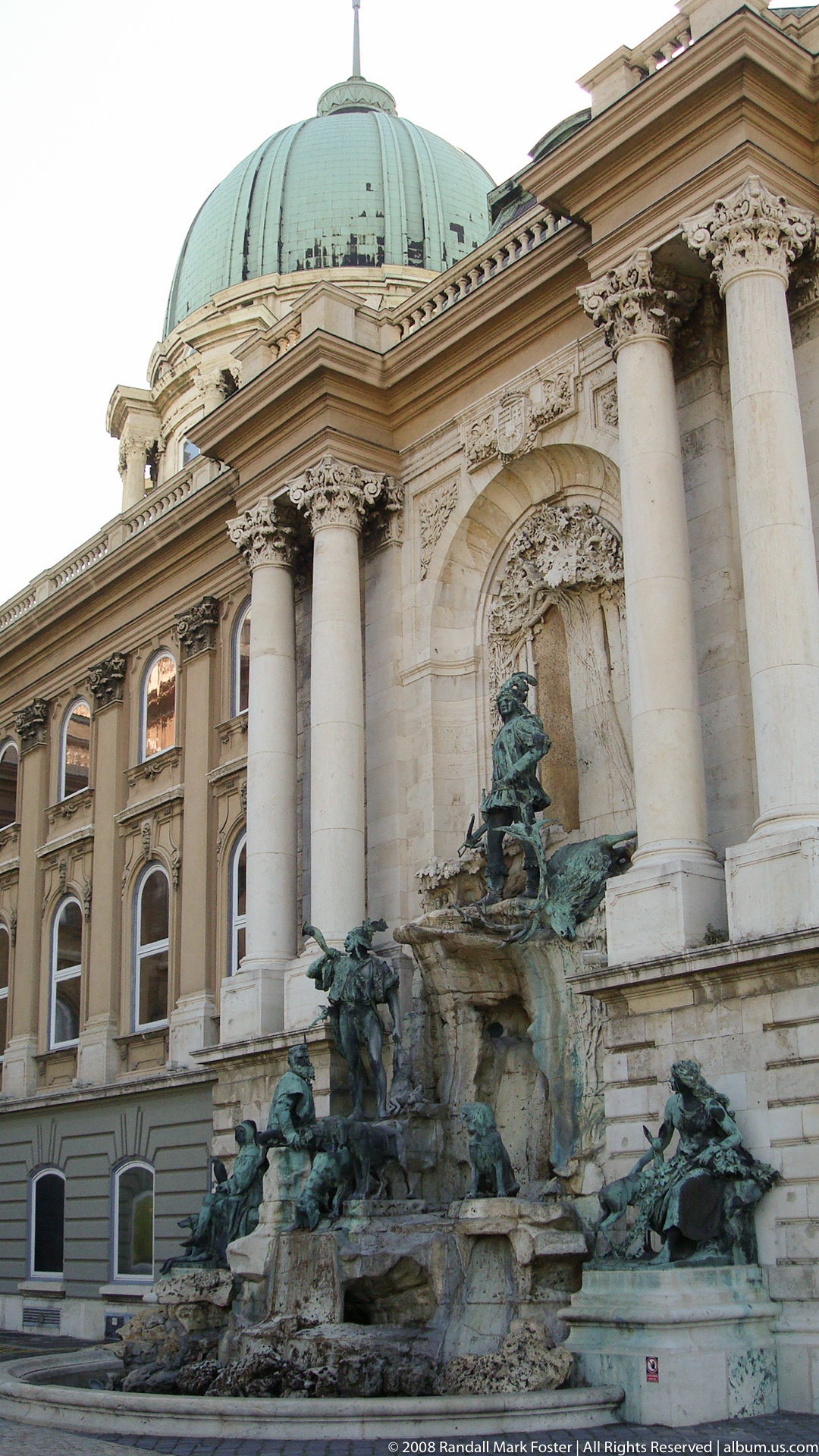
This early visit to Budapest provided an introduction to one of Central Europe’s most visually distinctive capitals, where the Danube River divides the historic districts of Buda and Pest. The photographs were captured more than two decades ago using film, resulting in images that reflect the tonal qualities and grain characteristic of pre-digital photography. Despite these limitations, the images document an early encounter with a city shaped by imperial influence, architectural continuity, and its historic position within the Austro-Hungarian Empire.
Budapest developed as an important political and cultural center linking eastern and western Europe. Landmarks such as the Hungarian Parliament, Buda Castle, and historic bridges illustrate the city’s role as a major capital during the nineteenth century, when urban planning emphasized monumental architecture and formal riverfront design. The combination of Gothic Revival, Baroque, and nineteenth-century architectural styles contributes to Budapest’s distinctive skyline.
Photographing Budapest highlights the relationship between historic architecture and the Danube River, whose broad course provides visual connections between the city’s major landmarks. These early images preserve an introduction to a city whose layered architectural character reflects the broader historical development of Central Europe.