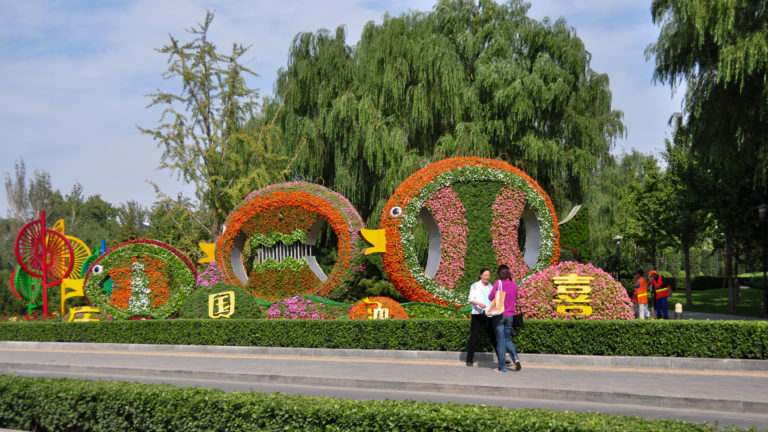
 79 portfolios
Asia
Exploring Asia The portfolios in this section reflect journeys across a wide range of cultural traditions and historical landscapes extending […]
Explore Section
International travel reveals the geographic diversity of the Earth’s major landforms, climates, and cultural landscapes across multiple continents. Mountain systems, deserts, river valleys, coastal environments, and historic cities illustrate the interaction between geology, ecology, and human settlement over thousands of years. From temperate European landscapes shaped by glaciation to arid environments of the Middle East and Africa, global regions demonstrate the environmental and cultural variation that defines the broader human experience across the planet.
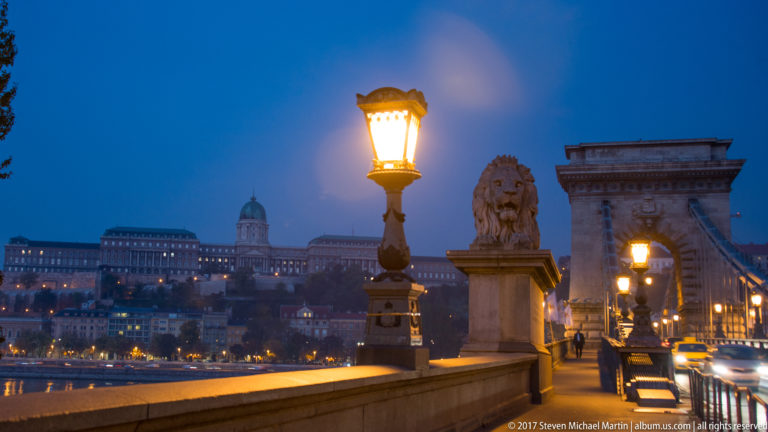
European landscapes preserved within Europe reflect the long continuity of settlement across river valleys, coastal plains, and mountain environments shaped by Ice Age glaciation and centuries of cultural development. Archaeological sites, historic cities, and architectural monuments illustrate the interaction between geography and cultural identity across many centuries of recorded history.
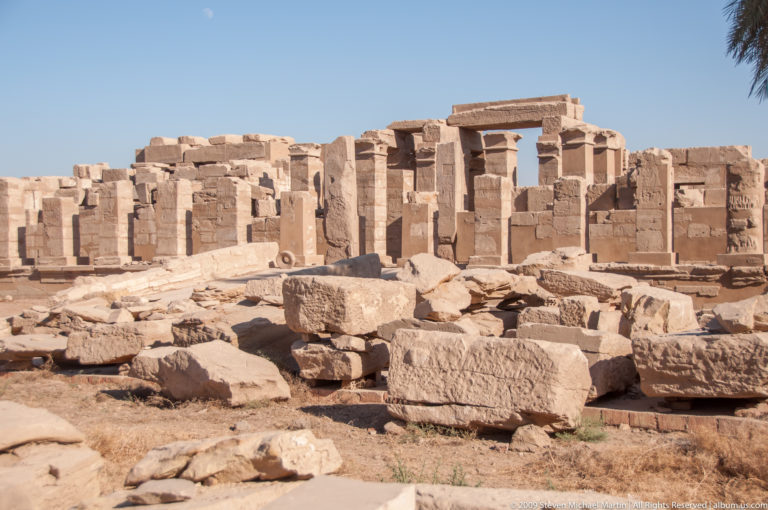
Desert environments and early centers of civilization preserved within the Middle East and Africa demonstrate the role of arid landscapes in shaping trade routes, settlement patterns, and architectural traditions adapted to extreme climate conditions. Cultural sites located along historic caravan routes and river systems illustrate the geographic foundations of early urban development.
Tropical and subtropical environments represented within Asia and the Pacific illustrate ecological diversity ranging from coastal environments and volcanic islands to densely populated urban regions shaped by long histories of trade and migration across the Indian and Pacific Oceans.
Landscapes across North America, Central America, and South America demonstrate the environmental continuity of the Western Hemisphere, where mountain ranges, rainforests, deserts, and coastal environments illustrate the geological processes associated with formation of the American continents. Archaeological sites, colonial cities, and natural landscapes reflect the cultural diversity of regions influenced by Indigenous traditions and later European exploration.
Together, these international landscapes illustrate the geographic breadth of the global environment, where diverse climates, ecosystems, and cultural traditions contribute to a broader understanding of the relationship between people and place across the world.
79 portfolios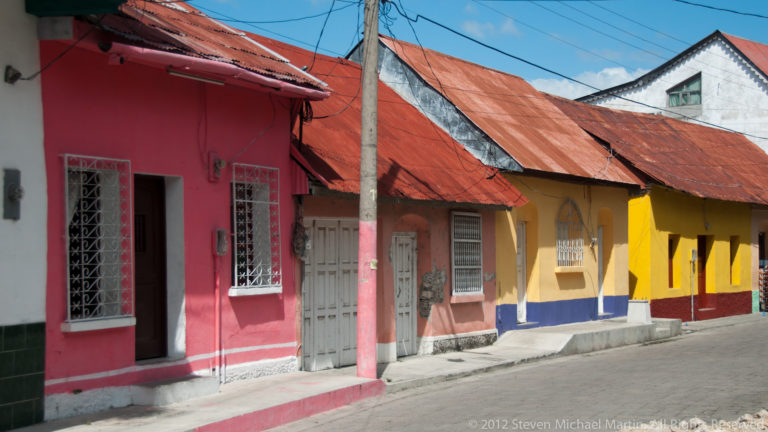 8 portfolios
 420 portfolios
 114 portfolios
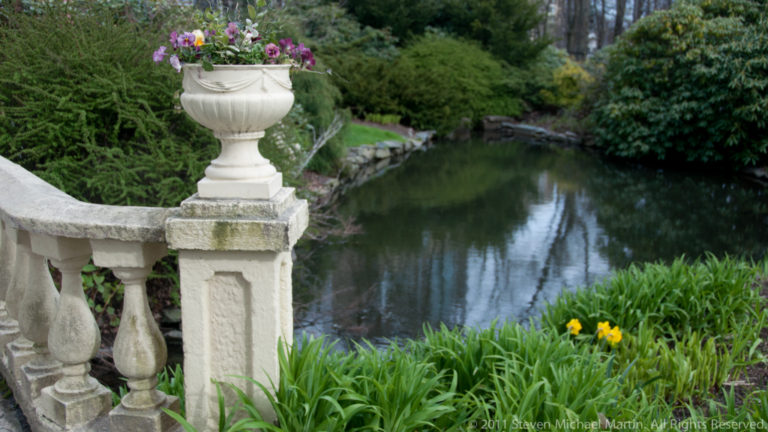 62 portfolios
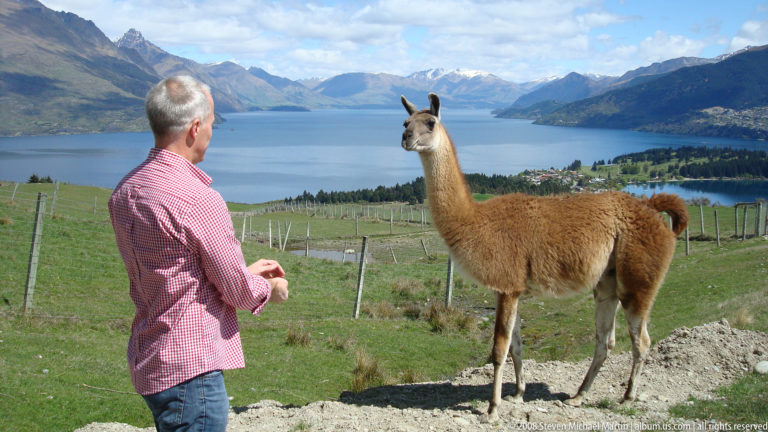 58 portfolios
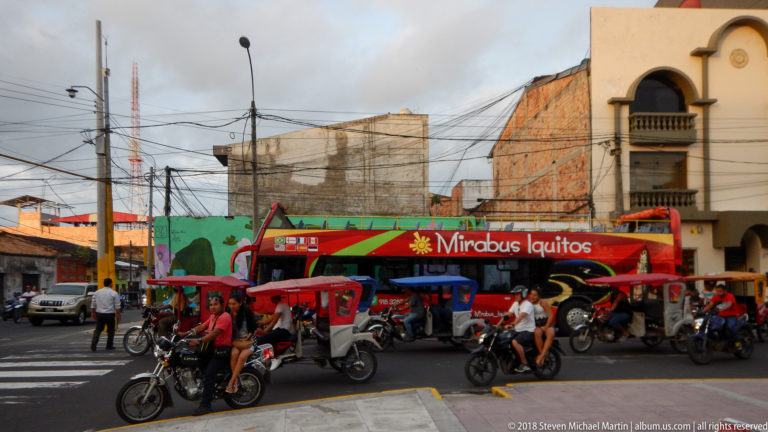 58 portfolios