Ana Te Pahu – Easter Island
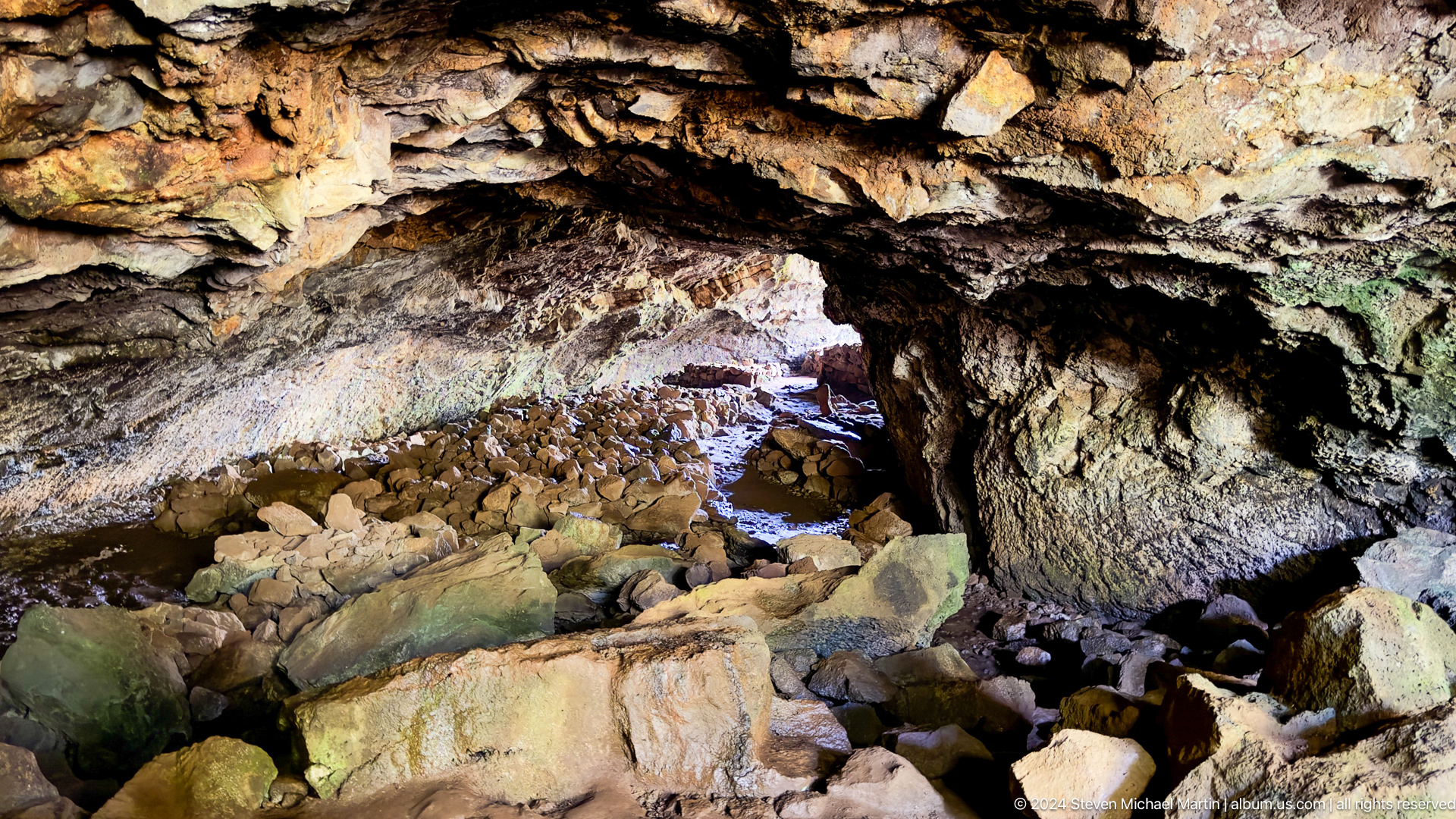
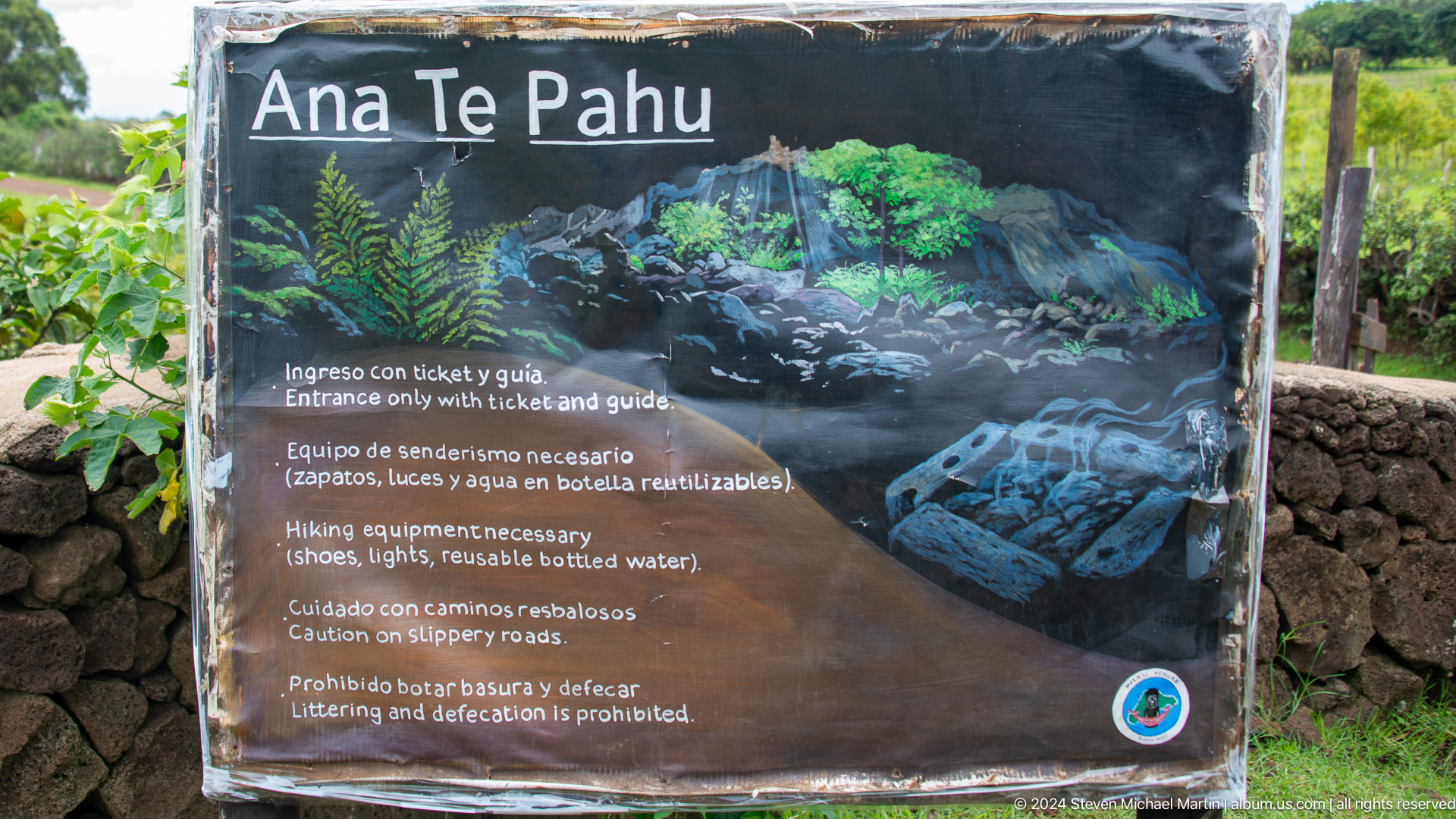
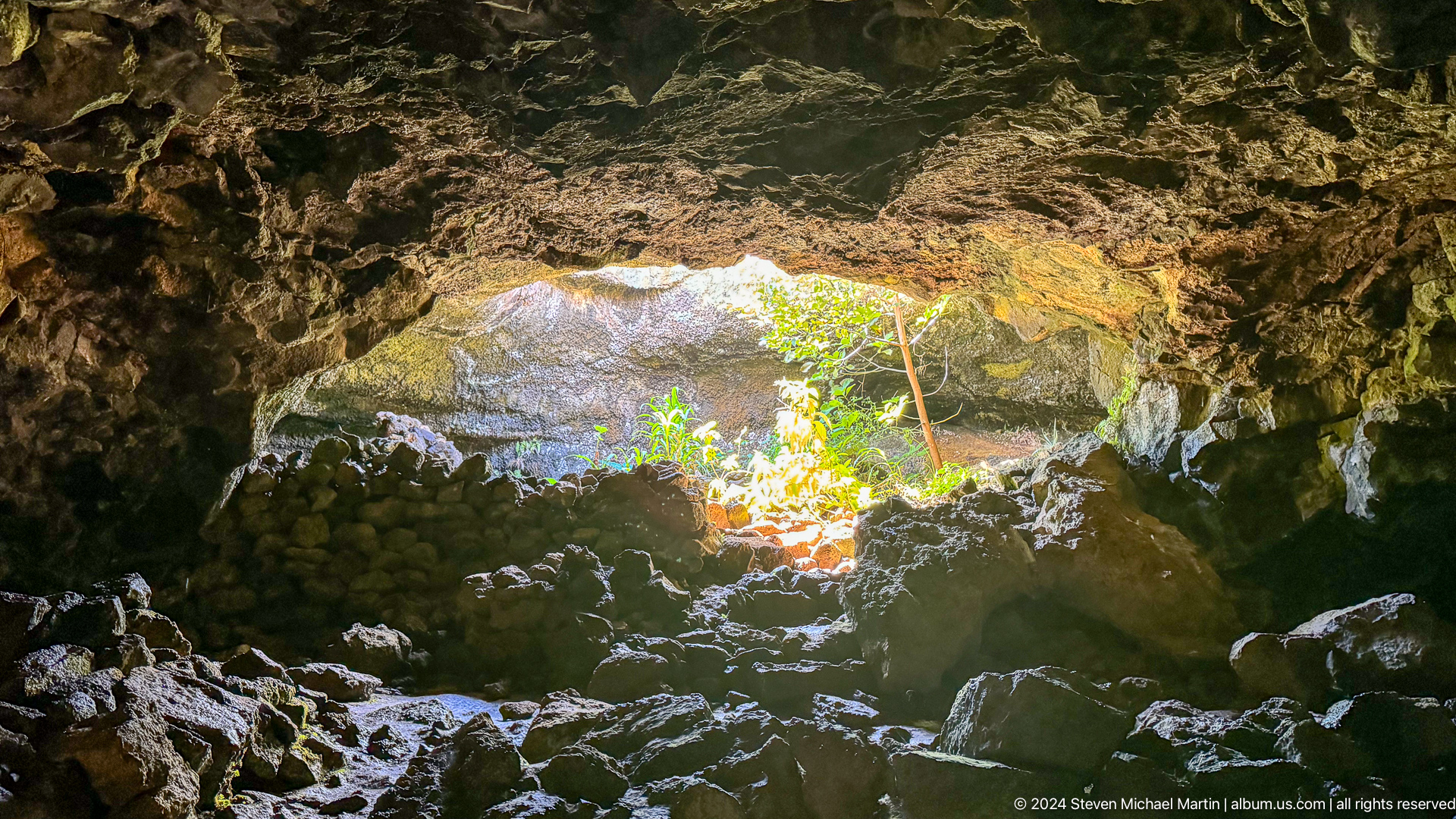
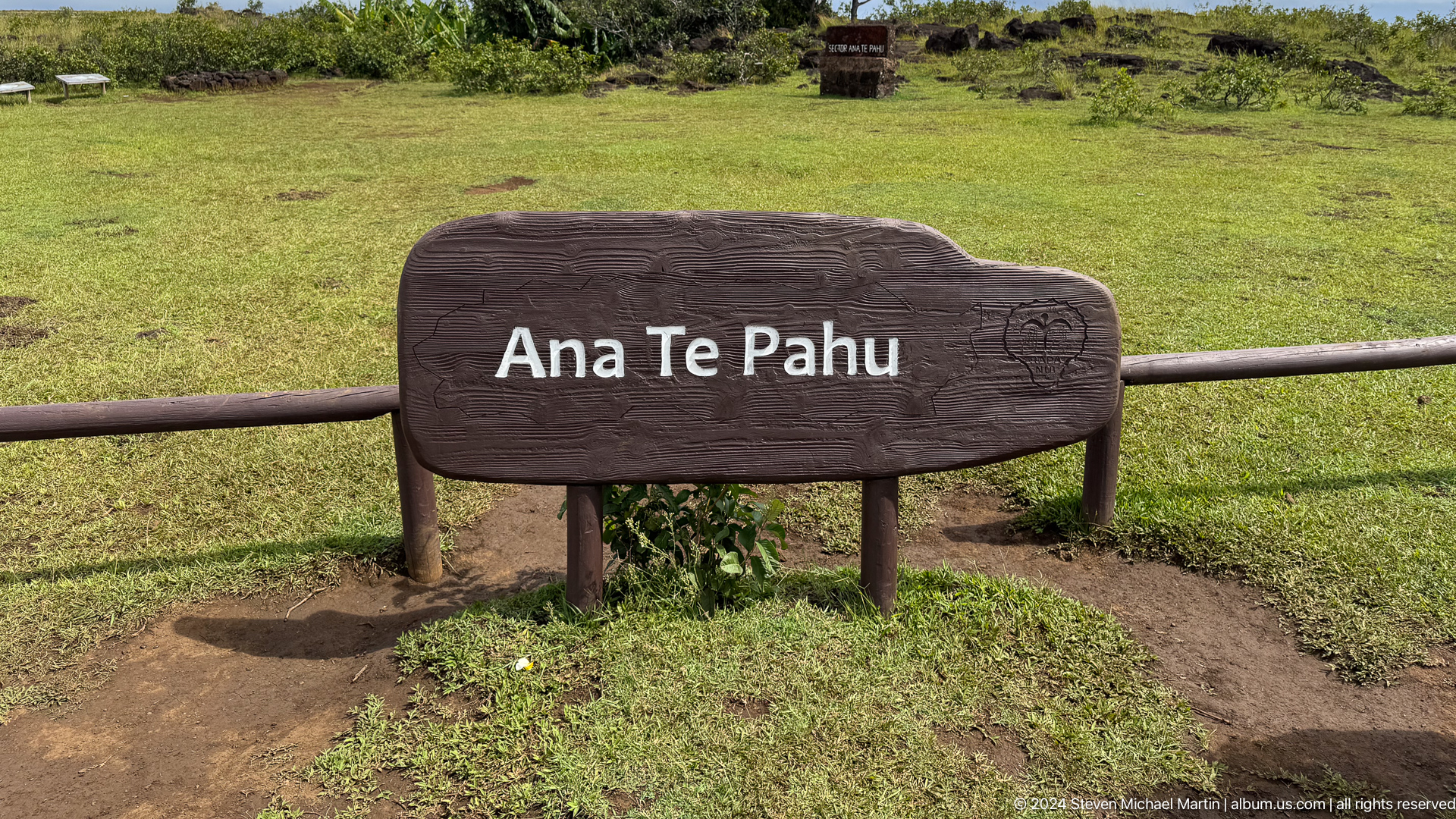
Ana Te Pahu is the largest lava tube cave on Rapa Nui. Formed by ancient volcanic activity, the cave stretches through the island’s volcanic rock and once served as a shelter and refuge for the island’s inhabitants.
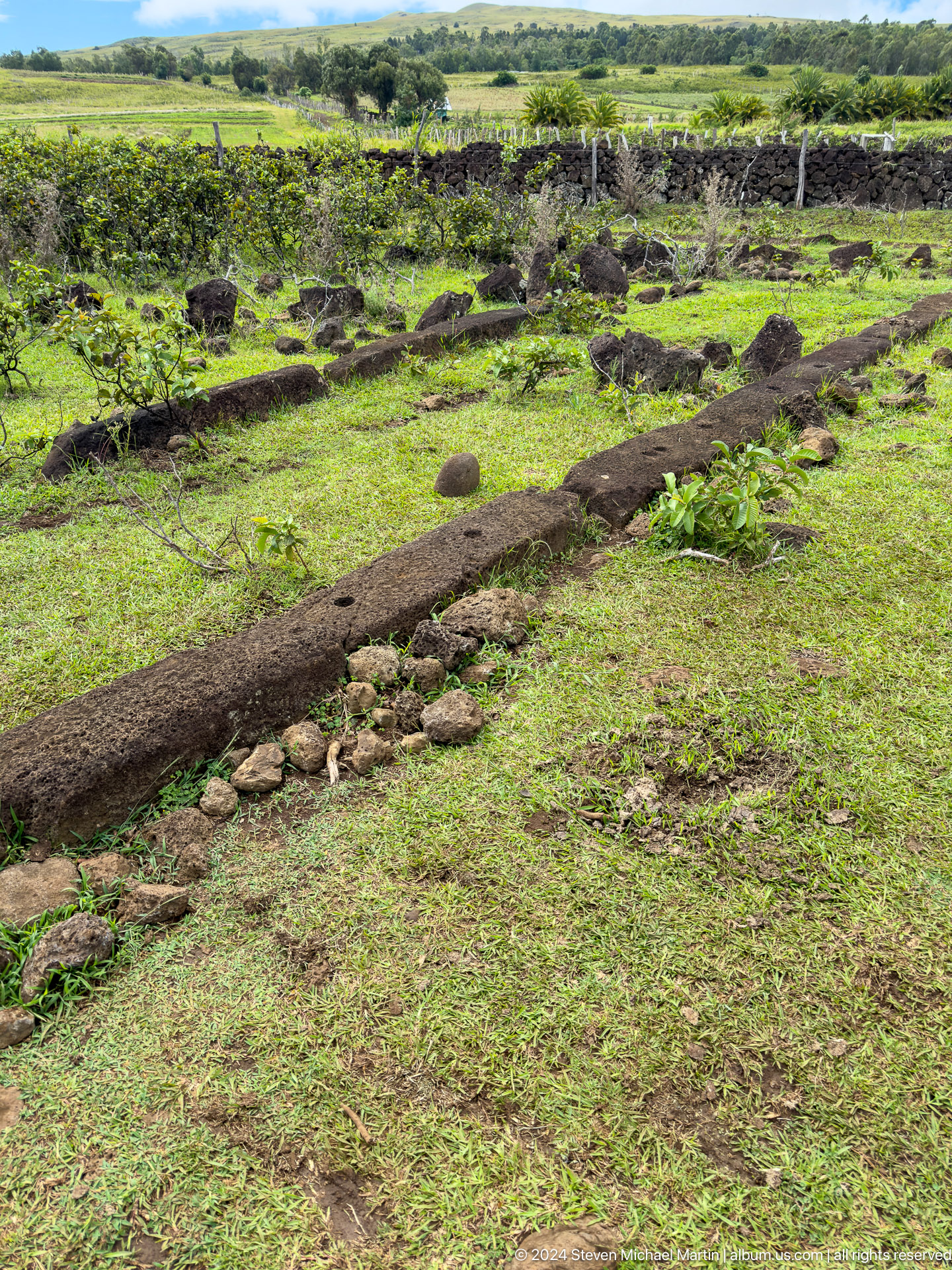
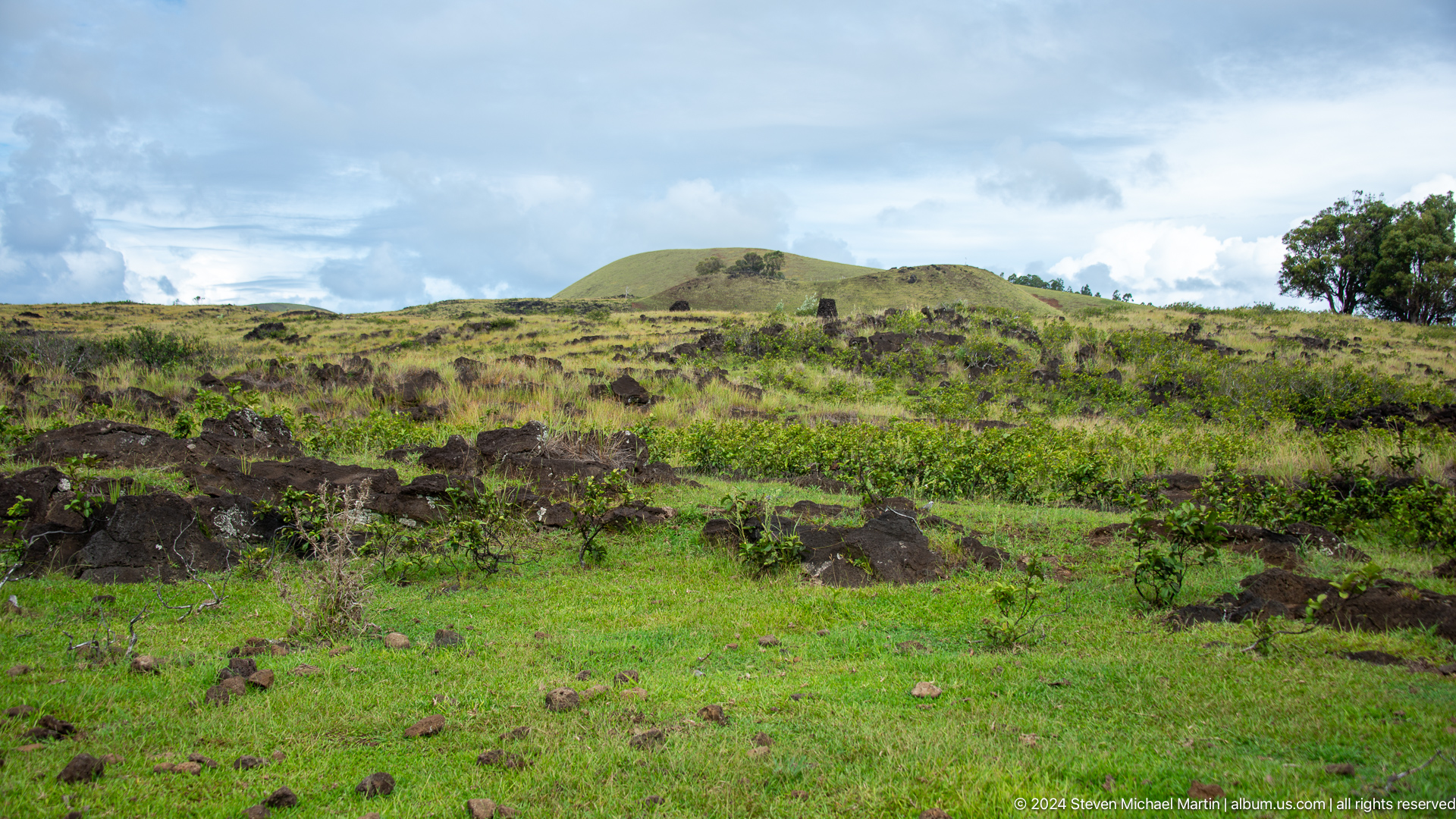
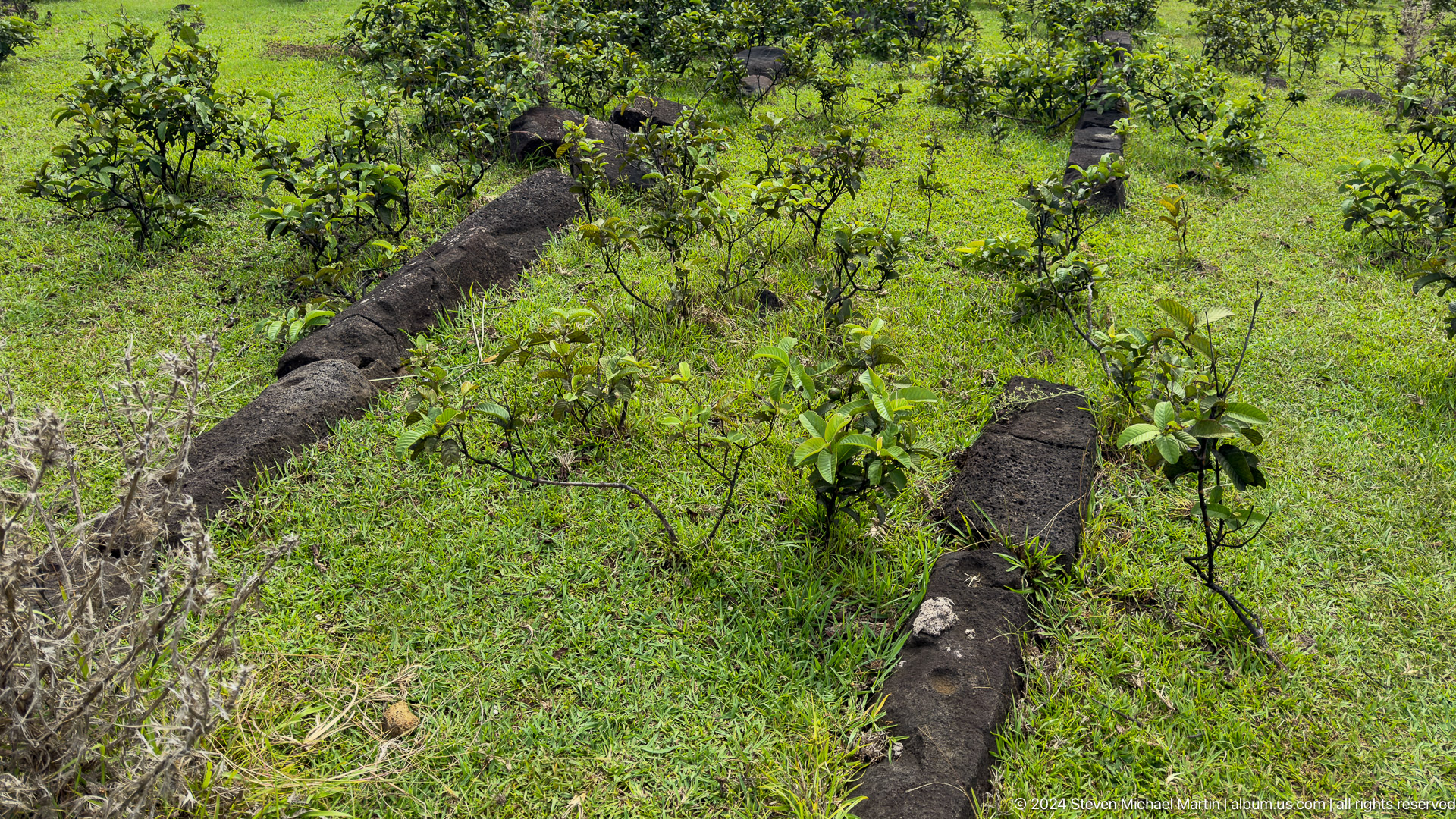
Archaeological evidence suggests that people used the cave for habitation and agriculture during periods of conflict. Nearby gardens and stone walls reveal how the Rapa Nui adapted to the island’s challenging environment.
Today the cave offers insight into the practical and defensive uses of the island’s volcanic landscape.
Ahu Akivi – Easter Island
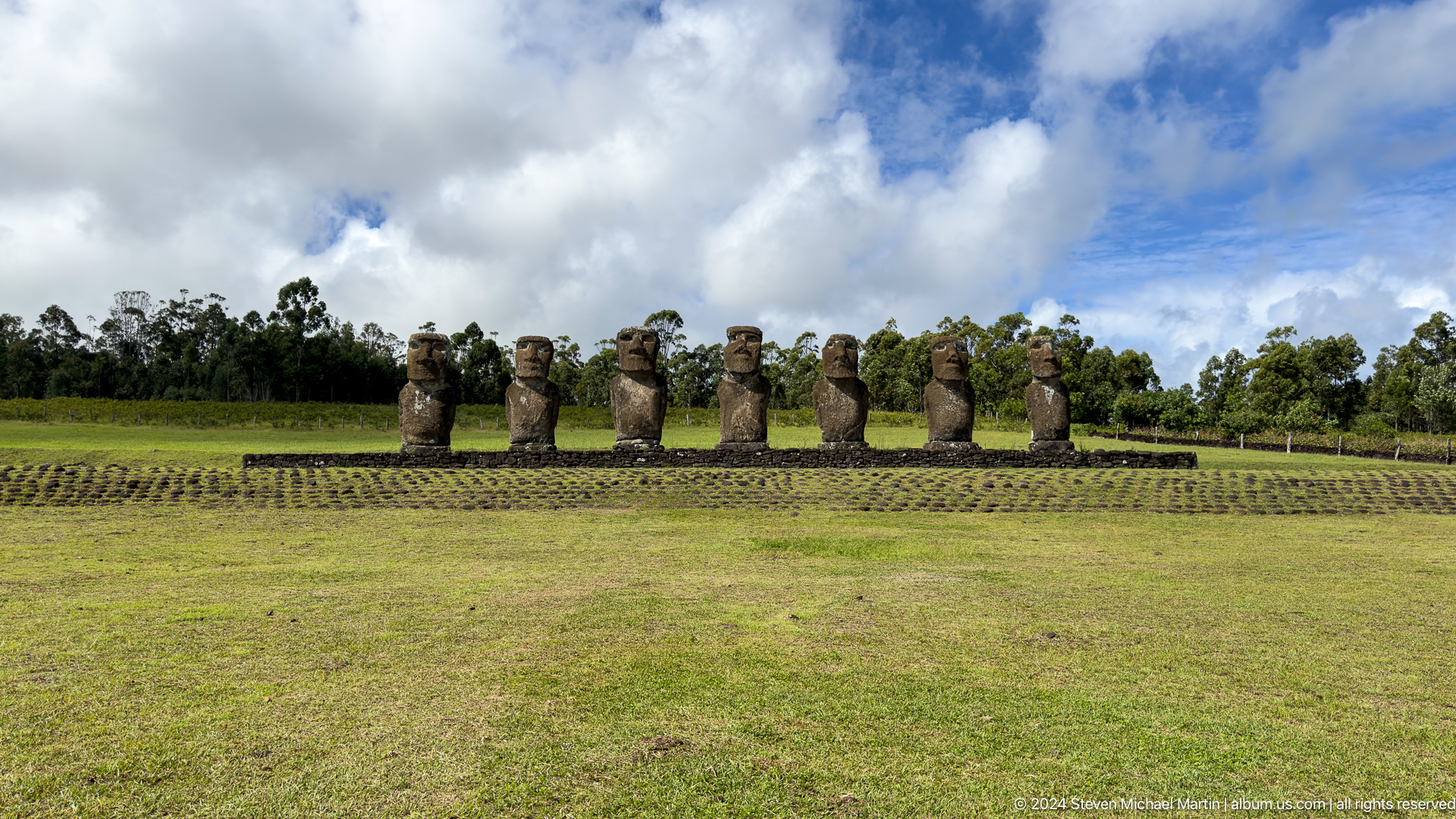
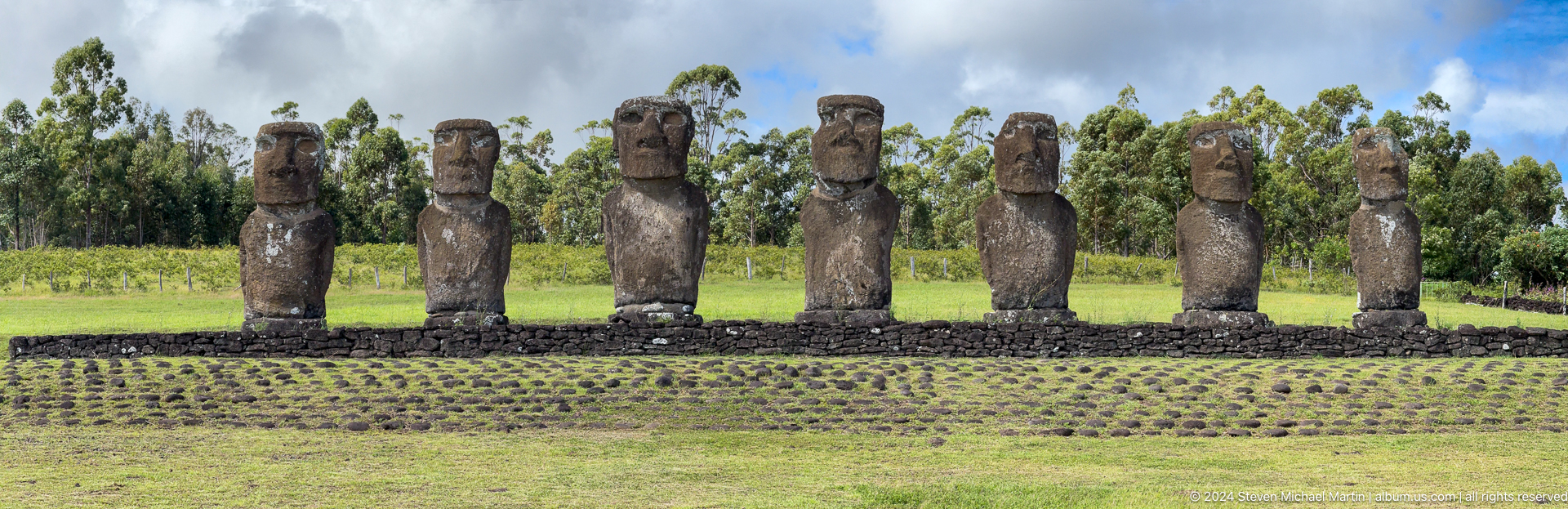
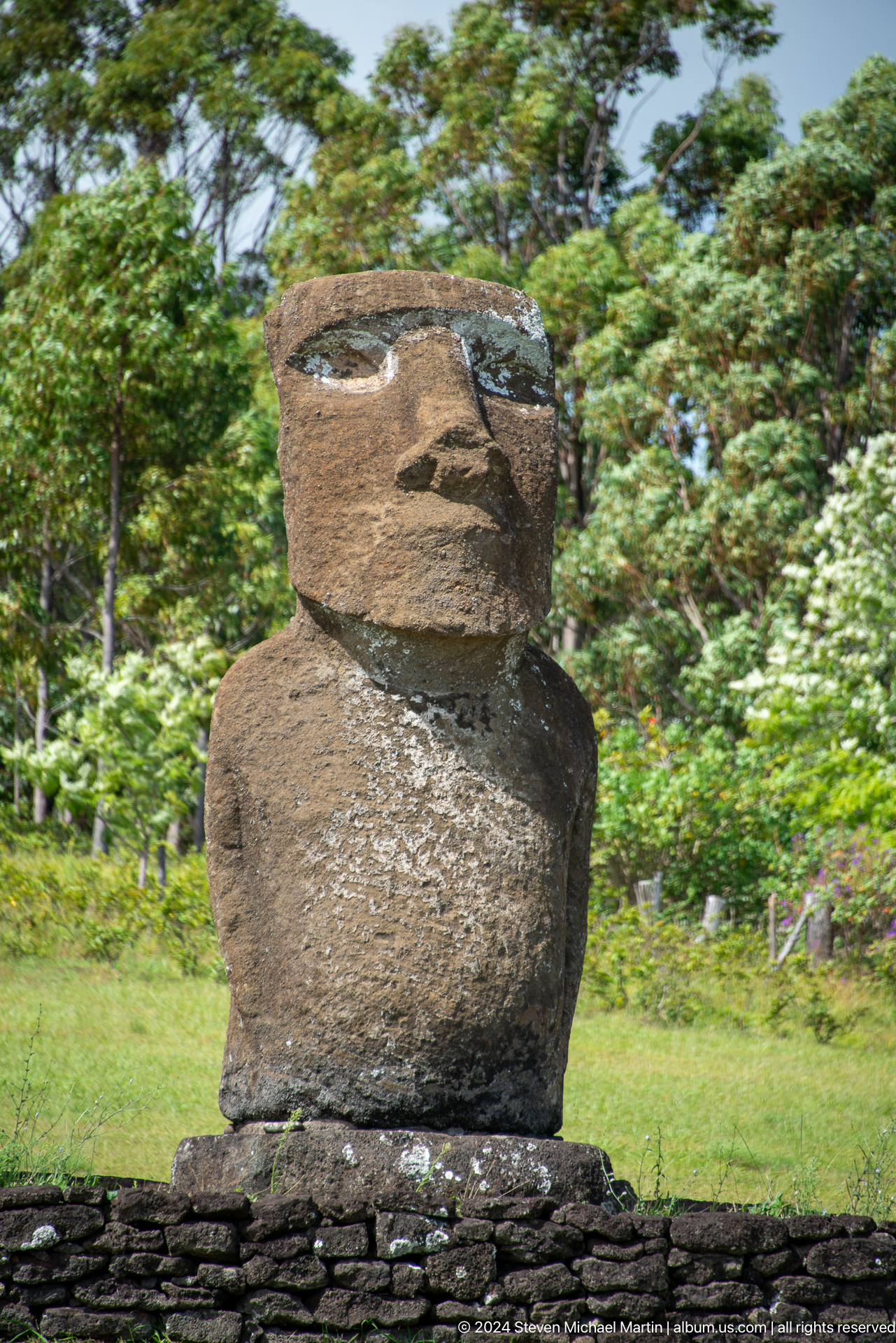
The ceremonial platform of Ahu Akivi stands inland on the island rather than along the coast, making it unique among the island’s ahu sites. Seven moai statues stand upon the platform, each facing toward the ocean.
According to Rapa Nui tradition, these statues represent the legendary explorers who first discovered the island. The alignment of the statues is also notable, as they face the direction of the setting sun during the spring and autumn equinoxes.
Ahu Akivi remains one of the most intriguing archaeological sites on Easter Island and reflects the cultural traditions of the Rapa Nui people.